

Low-density lipoproteins cause atherosclerotic cardiovascular disease: pathophysiological, genetic, and therapeutic insights: a consensus statement from the European Atherosclerosis Society Consensus Panel
Open accessThe DOI matches its Crossref record; 348 of the 351 references it cites were found in a registry or an index.
Abstract
apoB100 is altered, LDL receptor binding affinity is attenuated, resulting in a prolonged residence time in plasma (Box 2).
Overview
The claims and statistics of this paper haven’t been checked yet.
Free: it reads the open-access text and checks the first 5 claims that cite a source we can check. Create a free account to check every claim.
Integrity signals
Registry
Cites
Statistics
Figures
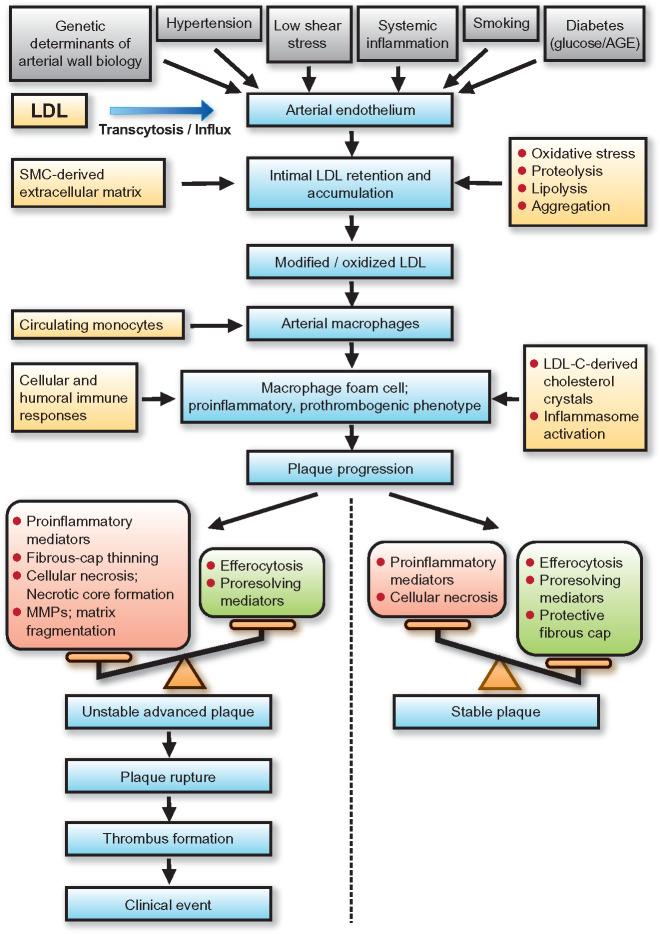
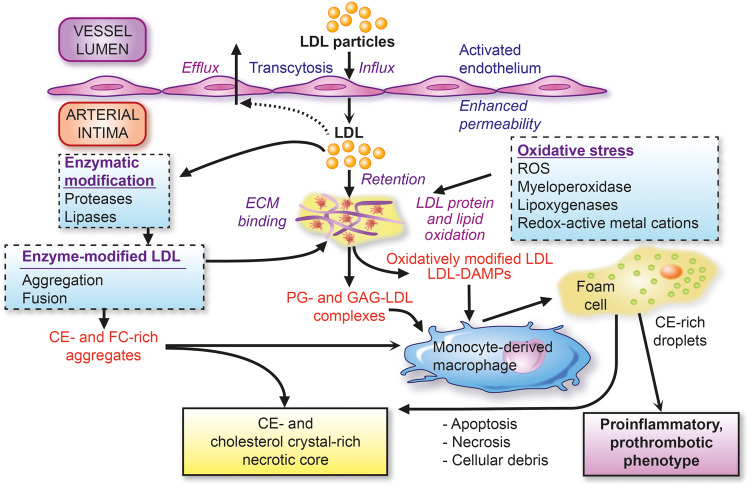
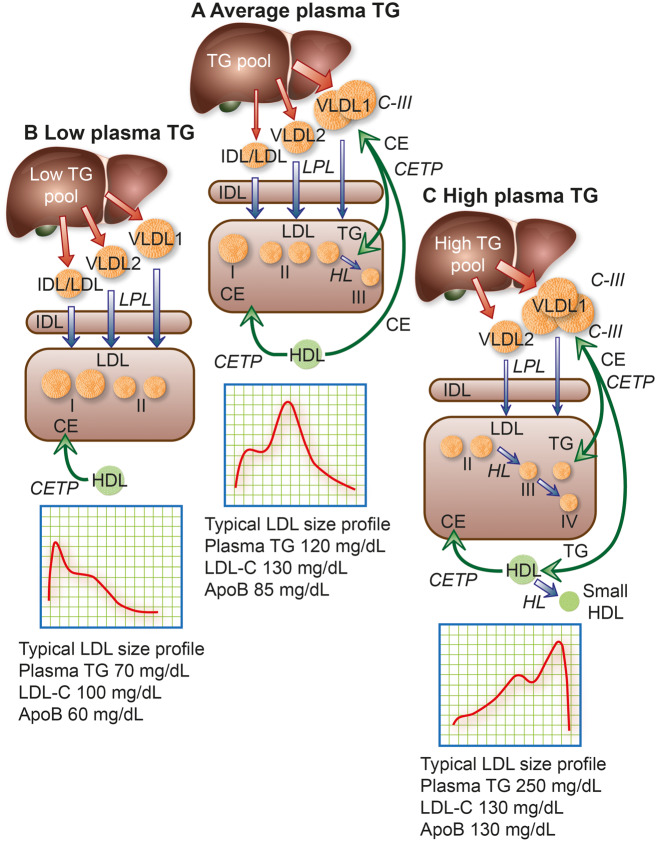
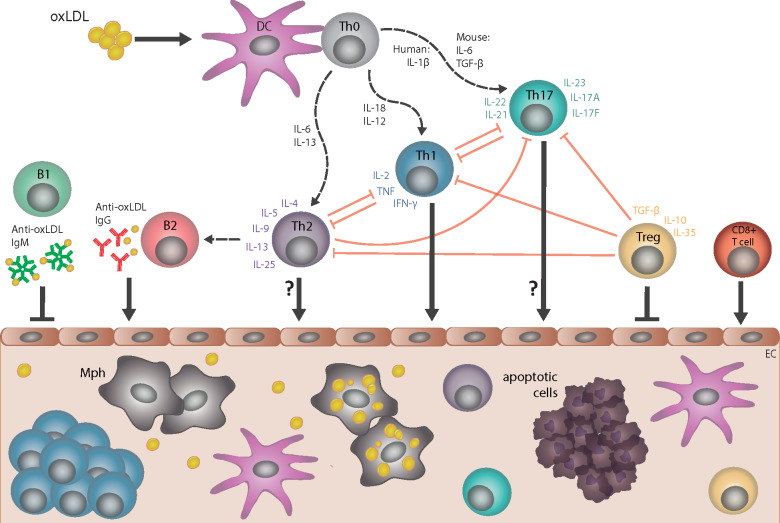
Verification
Claims the paper makes
The claims and statistics of this paper haven’t been checked yet.
Free: it reads the open-access text and checks the first 5 claims that cite a source we can check. Create a free account to check every claim.
Claims other papers make about this one
Each is checked against this paper’s own text: does it say what the citing paper says it does?
The source backs part of the claim, not all of it — or backs it for a different population, condition or comparison.
In the citing paper
“any proatherogenic effects of TRL and remnants will be synergistic to those of other apoB-containing lipoproteins, particularly LDL and lipoprotein(a).17,25,93,104,206”
From Triglyceride-rich lipoproteins and their remnants: metabolic insights, role in atherosclerotic cardiovascular disease, and emerging therapeutic strategies—a consensus statement from the European Atherosclerosis Society (2021) · cites this paper as [93]
Experimental — accuracy not yet measuredThe source backs part of the claim, not all of it — or backs it for a different population, condition or comparison.
In the citing paper
“On a per particle basis, cholesterol-rich remnant particles are more potent inducers of macrophage foam cells than LDL and do not need structural modification to trigger uptake.36,93,141”
From Triglyceride-rich lipoproteins and their remnants: metabolic insights, role in atherosclerotic cardiovascular disease, and emerging therapeutic strategies—a consensus statement from the European Atherosclerosis Society (2021) · cites this paper as [93]
Experimental — accuracy not yet measuredThe cited source says what the claim attributes to it.
In the citing paper
“While LDL-C is an established major causal factor for ASCVD,93,103,104 the causality of TG, TRL, or TRL remnants for ASCVD is contentious.17,36,105–107”
The cited source says what the claim attributes to it.
In the citing paper
“Consequently, reducing LDL cholesterol levels stands as one of the most common approaches in clinical practice for treating and preventing ASCVD [6].”
From Residual Cardiovascular Risk: Role of Remnants Cholesterol, Monocyte/HDL Ratio and Lipoprotein Ratios on Personalized Cardiovascular Prevention (2024) · cites this paper as [6]
The cited source says what the claim attributes to it.
In the citing paper
“The observed trends in lipid content are consistent with slight increases in LDL particle numbers, which could confer increased risk for atherosclerotic cardiovascular disease [85].”
From Evaluation of exploratory fluid biomarkers from a phase 1 senolytic trial in mild Alzheimer's disease (2025) · cites this paper as [85]
5 more claims about this paper
Create a free account to see every claim other papers make about this one.
Self-check
Percentages, sums and reported differences re-computed from the paper’s own numbers.
The self-check needs the paper’s full text.
Citations
Cites
Items 201–348 of 348
Rong, J. X., Li, J., Reis, E. D., Choudhury, R. P., Dansky, H. M., Elmalem, V. I., Fallon, J. T., Breslow, J. L., & Fisher, E. A. (2001) · Circulation · doi:10.1161/hc4501.098952 · Cited by 204
Macrophage lipoprotein lipase promotes foam cell formation and atherosclerosis in vivo
Babaev, V. R., Fazio, S., Gleaves, L. A., Carter, K. J., Semenkovich, C. F., & Linton, M. F. (1999) · Journal of Clinical Investigation · doi:10.1172/jci6117 · Cited by 202
Self-citationChen, K., Febbraio, M., Li, W., & Silverstein, R. L. (2008) · Circulation Research · doi:10.1161/circresaha.108.172064 · Cited by 202 · cited 1×
“and increase platelet activation in response to various agonists, thereby contributing to increased risk of atherothrombosis.(256,257) Plasma”
BackgroundAdaptive (T and B Cells) Immunity and Control by Dendritic Cells in Atherosclerosis
Ait-Oufella, H., Sage, A. P., Mallat, Z., & Tedgui, A. (2014) · Circulation Research · doi:10.1161/circresaha.114.302761 · Cited by 201 · cited 2×
“Indeed, T cells with specificity for apoB-derived epitopes have been identified, linking adaptive immune responses to the vascular retention of LDL (Figure 3).147 Interferon-gamma (IFNc)-secreting CD4þ Th1 cells promote atherogenesis, but this response is dampened by T regulatory cells expressing transforming growth f…”
BackgroundMadsen, C. M., Varbo, A., Tybjærg-Hansen, A., Frikke-Schmidt, R., & Nordestgaard, B. G. (2018) · European Heart Journal · doi:10.1093/eurheartj/ehx665 · Cited by 201
Self-citationTselepis, A. D., Dentan, C., Karabina, S.-A. P., Chapman, M. J., & Ninio, E. (1995) · Arteriosclerosis, Thrombosis, and Vascular Biology · doi:10.1161/01.atv.15.10.1764 · Cited by 198
Self-citationFranck, G., Mawson, T., Sausen, G., Salinas, M., Masson, G. S., Cole, A., Beltrami-Moreira, M., Chatzizisis, Y., Quillard, T., Tesmenitsky, Y., et al. (2017) · Circulation Research · doi:10.1161/circresaha.117.310694 · Cited by 195
Fernández-Hernando, C., Yu, J., Suárez, Y., Rahner, C., Dávalos, A., Lasunción, M. A., & Sessa, W. C. (2009) · Cell Metabolism · doi:10.1016/j.cmet.2009.06.003 · Cited by 190
Ait-Oufella, H., Pouresmail, V., Simon, T., Blanc-Brude, O., Kinugawa, K., Merval, R., Offenstadt, G., Lesèche, G., Cohen, P. L., Tedgui, A., et al. (2008) · Arteriosclerosis, Thrombosis, and Vascular Biology · doi:10.1161/atvbaha.108.169078 · Cited by 187
Stender, S., & Zilversmit, D. B. (1981) · Arteriosclerosis: An Official Journal of the American Heart Association, Inc. · doi:10.1161/01.atv.1.1.38 · Cited by 183
Tsai, M. Y., Steffen, B. T., Guan, W., McClelland, R. L., Warnick, R., McConnell, J., Hoefner, D. M., & Remaley, A. T. (2014) · Arteriosclerosis, Thrombosis, and Vascular Biology · doi:10.1161/atvbaha.113.302401 · Cited by 182
Tissue factor and thrombosis: The clot starts here
Owens, A. P., & Mackman, N. (2010) · Thrombosis and Haemostasis · doi:10.1160/th09-11-0771 · Cited by 181
Ruuth, M., Nguyen, S. D., Vihervaara, T., Hilvo, M., Laajala, T. D., Kondadi, P. K., Gisterå, A., Lähteenmäki, H., Kittilä, T., Huusko, J., et al. (2018) · European Heart Journal · doi:10.1093/eurheartj/ehy319 · Cited by 180 · cited 1×
“be influenced by the proteome, lipidome, proteoglycan binding, aggregability, and oxidative susceptibility.(64,96,97) The atherogenic”
BackgroundSelf-citationLipoprotein (a) and Stroke: A Meta-Analysis of Observational Studies
Smolders, B., Lemmens, R., & Thijs, V. (2007) · Stroke · doi:10.1161/strokeaha.106.480657 · Cited by 179
Platelet activation by oxidatively modified low density lipoproteins
Ardlie, N. G., Selley, M. L., & Simons, L. A. (1989) · Atherosclerosis · doi:10.1016/0021-9150(89)90094-4 · Cited by 178 · cited 1×
“Moreover, both oxLDL and oxidized phospholipids may activate platelets.(260) The cardiovascular risk reduction seen with antiplatelet”
BackgroundEndothelial Transcytosis of Lipoproteins in Atherosclerosis
Zhang, X., Sessa, W. C., & Fernandez-Hernando, C. F. (2018) · Frontiers in Cardiovascular Medicine · doi:10.3389/fcvm.2018.00130 · Cited by 177 · cited 3×
“However, although the LDL receptor appears to mediate LDL transcytosis across the blood–brain barrier,(39) proprotein convertase subtilisin/kexin type 9 (PCSK9)-directed degradation of the LDL receptor has no effect on LDL transcytosis(40); thus, LDL transport across the endothelium in the systemic circulation seems t…”
BackgroundPuri, R., Libby, P., Nissen, S. E., Wolski, K., Ballantyne, C. M., Barter, P. J., Chapman, M. J., Erbel, R., Raichlen, J. S., Uno, K., et al. (2014) · European Heart Journal - Cardiovascular Imaging · doi:10.1093/ehjci/jet251 · Cited by 173
Self-citationDai, J., Xing, L., Jia, H., Zhu, Y., Zhang, S., Hu, S., Lin, L., Ma, L., Liu, H., Xu, M., et al. (2018) · European Heart Journal · doi:10.1093/eurheartj/ehy101 · Cited by 173
Jacobsen, K., Lund, M. B., Shim, J., Gunnersen, S., Füchtbauer, E.-M., Kjolby, M., Carramolino, L., & Bentzon, J. F. (2017) · JCI Insight · doi:10.1172/jci.insight.95890 · Cited by 172 · cited 4×
“The underlying lesion is frequently, but not always, rich in the glycosaminoglycan hyaluronan and SMCs.173 The mechanism leading to intravascular thrombosis is not yet clear, but experiments with mouse arteries have shown that subendothelial hyaluronan and disturbed blood flow render the endothelium vulnerable to neut…”
ResultInfluentialSelf-citationLuegmayr, E., Glantschnig, H., Wesolowski, G. A., Gentile, M. A., Fisher, J. E., Rodan, G. A., & Reszka, A. A. (2004) · Cell Death and Differentiation · doi:10.1038/sj.cdd.4401399 · Cited by 171 · cited 1×
“cholesterol from bone preosteoclasts inhibits both their maturation and osteoblast RANKL expression, and stimulates their apoptosis.(226) In addition, several clinical trials have demonstrated that Lp(a) is an independent risk factor for coronary artery calcification.”
BackgroundA novel assay uncovers an unexpected role for SR-BI in LDL transcytosis
Armstrong, S. M., Sugiyama, M. G., Fung, K. Y. Y., Gao, Y., Wang, C., Levy, A. S., Azizi, P., Roufaiel, M., Zhu, S.-N., Neculai, D., et al. (2015) · Cardiovascular Research · doi:10.1093/cvr/cvv218 · Cited by 171 · cited 1×
“Indeed, new evidence shows that LDL transcytosis across endothelial cell monolayers requires interaction of SR-B1 with a cytoplasmic protein.(40) More specifically, LDL induces a marked increase in the coupling of SR-B1 (through an eight-amino-acid cytoplasmic tail domain) to the guanine nucleotide exchange factor ded…”
BackgroundOwens, A. P., Passam, F. H., Antoniak, S., Marshall, S. M., McDaniel, A. L., Rudel, L., Williams, J. C., Hubbard, B. K., Dutton, J.-A., Wang, J., et al. (2012) · Journal of Clinical Investigation · doi:10.1172/jci58969 · Cited by 171
Musunuru, K., Orho-Melander, M., Caulfield, M. P., Li, S., Salameh, W. A., Reitz, R. E., Berglund, G., Hedblad, B., Engström, G., Williams, P. T., et al. (2009) · Arteriosclerosis, Thrombosis, and Vascular Biology · doi:10.1161/atvbaha.109.190405 · Cited by 168 · cited 1×
“genetic influences on LDL metabolism that concomitantly influence CHD risk.(98) A notable example is a common non-coding DNA vari-”
BackgroundSelf-citationMacrophage LRP-1 Controls Plaque Cellularity by Regulating Efferocytosis and Akt Activation
Yancey, P. G., Blakemore, J., Ding, L., Fan, D., Overton, C. D., Zhang, Y., Linton, M. F., & Fazio, S. (2010) · Arteriosclerosis, Thrombosis, and Vascular Biology · doi:10.1161/atvbaha.109.202051 · Cited by 168
Self-citationTemporal shifts in clinical presentation and underlying mechanisms of atherosclerotic disease
Pasterkamp, G., den Ruijter, H. M., & Libby, P. (2017) · Nature Reviews Cardiology · doi:10.1038/nrcardio.2016.166 · Cited by 168 · cited 2×
“dromes from STEMI towards NSTEMI, indicating that LDL lowering is less efficient in counteracting erosion mechanisms.(176,180) Successful”
BackgroundSelf-citationGenome-wide RNAi screen reveals ALK1 mediates LDL uptake and transcytosis in endothelial cells
Kraehling, J. R., Chidlow, J. H., Rajagopal, C., Sugiyama, M. G., Fowler, J. W., Lee, M. Y., Zhang, X., Ramírez, C. M., Park, E. J., Tao, B., et al. (2016) · Nature Communications · doi:10.1038/ncomms13516 · Cited by 165 · cited 2×
“lysosomal degradation via a unique endocytic pathway and promotes LDL transcytosis.(38) Endothelium-specific ablation of Alk1 in Ldlr-null mice reduced LDL uptake into cells.”
BackgroundTribble, D. L., van den Berg, J. J., Motchnik, P. A., Ames, B. N., Lewis, D. M., Chait, A., & Krauss, R. M. (1994) · Proceedings of the National Academy of Sciences · doi:10.1073/pnas.91.3.1183 · Cited by 163
Self-citationCaveolae and transcytosis in endothelial cells: role in atherosclerosis
Frank, P. G., Pavlides, S., & Lisanti, M. P. (2008) · Cell and Tissue Research · doi:10.1007/s00441-008-0659-8 · Cited by 162
Landmesser, U., John Chapman, M., Farnier, M., Gencer, B., Gielen, S., Hovingh, G. K., Lüscher, T. F., Sinning, D., Tokgözoğlu, L., Wiklund, O., et al. (2016) · European Heart Journal · doi:10.1093/eurheartj/ehw480 · Cited by 162
Self-citationNakashima, Y., Chen, Y.-X., Kinukawa, N., & Sueishi, K. (2002) · Virchows Archiv · doi:10.1007/s00428-002-0605-1 · Cited by 160
Molecular processes that handle — and mishandle — dietary lipids
Williams, K. J. (2008) · Journal of Clinical Investigation · doi:10.1172/jci35206 · Cited by 160
Deletion of Macrophage LDL Receptor–Related Protein Increases Atherogenesis in the Mouse
Overton, C. D., Yancey, P. G., Major, A. S., Linton, M. F., & Fazio, S. (2007) · Circulation Research · doi:10.1161/01.res.0000260204.40510.aa · Cited by 159
Self-citationMahley, R. W., & Huang, Y. (2007) · Journal of Clinical Investigation · doi:10.1172/jci30889 · Cited by 159 · cited 1×
“macrophages, remnant particles are taken up by members of the LDL receptor family in their native state.(107,120) There is also evi-”
BackgroundNordestgaard, B. G., Tybjaerg-Hansen, A., & Lewis, B. (1992) · Arteriosclerosis and Thrombosis: A Journal of Vascular Biology · doi:10.1161/01.atv.12.1.6 · Cited by 159
Self-citationAdvances in lipid-lowering therapy through gene-silencing technologies
Nordestgaard, B. G., Nicholls, S. J., Langsted, A., Ray, K. K., & Tybjærg‐Hansen, A. (2018) · Nature Reviews Cardiology · doi:10.1038/nrcardio.2018.3 · Cited by 159
Self-citationNicholls, S. J., Cutri, B., Worthley, S. G., Kee, P., Rye, K.-A., Bao, S., & Barter, P. J. (2005) · Arteriosclerosis, Thrombosis, and Vascular Biology · doi:10.1161/01.atv.0000184760.95957.d6 · Cited by 157
Self-citationProudfoot, D., Davies, J. D., Skepper, J. N., Weissberg, P. L., & Shanahan, C. M. (2002) · Circulation · doi:10.1161/01.cir.0000041429.83465.41 · Cited by 156
Large lipoproteins are excluded from the arterial wall in diabetic cholesterol-fed rabbits
Nordestgaard, B. G., & Zilversmit, D. B. (1988) · Journal of Lipid Research · doi:10.1016/s0022-2275(20)38428-5 · Cited by 156
Self-citationIannaccone, M., Quadri, G., Taha, S., D’Ascenzo, F., Montefusco, A., Omedè, P., Jang, I., Niccoli, G., Souteyrand, G., Yundai, C., et al. (2015) · European Heart Journal - Cardiovascular Imaging · doi:10.1093/ehjci/jev283 · Cited by 155 · cited 1×
“tion (STEMI) examined by optical coherence tomography ( 70%), 174,175 but is less common ( 43–56%) in culprit lesions of non-ST segment elevation myocardial infarction (NSTEMI).(175,176) Lesions”
BackgroundDual metabolic defects are required to produce hypertriglyceridemia in obese subjects
Taskinen, M.-R., Adiels, M., Westerbacka, J., Söderlund, S., Kahri, J., Lundbom, N., Lundbom, J., Hakkarainen, A., Olofsson, S.-O., Orho-Melander, M., et al. (2011) · Arteriosclerosis, Thrombosis, and Vascular Biology · doi:10.1161/atvbaha.111.224808 · Cited by 153 · cited 1×
“to high apoC-III content [which inhibits lipoprotein lipase (LPL) action and possibly VLDL particle clearance].(78,95) An LDL subfraction pro-”
BackgroundSelf-citationThe composition and metabolism of large and small LDL
Diffenderfer, M. R., & Schaefer, E. J. (2014) · Current Opinion in Lipidology · doi:10.1097/mol.0000000000000067 · Cited by 151 · cited 1×
“The LDL particle may be subsequently lipolyzed by hepatic lipase to remove both TG from the core and phospholipid from the surface, thereby producing a new, stable but smaller and denser particle.(64,74,75,79) Plasma TG levels in the fasting state are regulated by VLDL production in the liver, residual intestinal prod…”
BackgroundNerlekar, N., Ha, F. J., Cheshire, C., Rashid, H., Cameron, J. D., Wong, D. T., Seneviratne, S., & Brown, A. J. (2018) · Circulation: Cardiovascular Imaging · doi:10.1161/circimaging.117.006973 · Cited by 148
Plasma HDL cholesterol and risk of myocardial infarction: a mendelian randomisation study
Voight, B. F., Peloso, G. M., Orho-Melander, M., Frikke-Schmidt, R., Barbalic, M., Jensen, M. K., Hindy, G., Hólm, H., Ding, E. L., Johnson, T., et al. (2012) · The Lancet · doi:10.1016/s0140-6736(12)60312-2 · Cited by 148
Self-citationOxidized low‐density lipoprotein in inflammation‐driven thrombosis
Obermayer, G., Afonyushkin, T., & Binder, C. J. (2018) · Journal of Thrombosis and Haemostasis · doi:10.1111/jth.13925 · Cited by 146
Self-citationLong-Term Efficacy and Safety of Evolocumab in Patients With Hypercholesterolemia
Koren, M. J., Sabatine, M. S., Giugliano, R. P., Langslet, G., Wiviott, S. D., Ruzza, A., Ma, Y., Hamer, A. W., Wasserman, S. M., & Raal, F. J. (2019) · Journal of the American College of Cardiology · doi:10.1016/j.jacc.2019.08.1024 · Cited by 146 · cited 1×
“PCSK9 inhibitors (with or without addition of ezetimibe), therapeutic regimens that have proven safety and tolerability.(273,337,338) The unequivocal body of evidence for LDL causality in ASCVD will impact on future international recommendations for the management of atherogenic and ASCVD-promoting dyslipidaemias and…”
BackgroundSelf-citationHyperlipidemia-induced cholesterol crystal production by endothelial cells promotes atherogenesis
Baumer, Y., McCurdy, S., Weatherby, T. M., Mehta, N. N., Halbherr, S., Halbherr, P., Yamazaki, N., & Boisvert, W. A. (2017) · Nature Communications · doi:10.1038/s41467-017-01186-z · Cited by 145
Lund-Katz, S., Laplaud, P. M., Phillips, M. C., & Chapman, M. J. (1998) · Biochemistry · doi:10.1021/bi980828m · Cited by 143 · cited 1×
“to the receptor, which is, in turn, a function of the conformation of apoB100 within the particle.(69,104,105) These factors are critical deter-”
BackgroundSelf-citationEffect of Evolocumab on Coronary Plaque Composition
Nicholls, S. J., Puri, R., Anderson, T., Ballantyne, C. M., Cho, L., Kastelein, J. J. P., Koenig, W., Somaratne, R., Kassahun, H., Yang, J., et al. (2018) · Journal of the American College of Cardiology · doi:10.1016/j.jacc.2018.06.078 · Cited by 142 · cited 2×
“tions in LDL-C by the PCSK9 inhibitor evolocumab in a secondary prevention trial reduced major coronary events(273) and plaque volume(274) but did not alter the composition of plaques over 76 weeks of treatment.(275) However, the validity of virtual histology for plaque composition measurements remains uncertain.”
BackgroundSelf-citationHiukka, A., Ståhlman, M., Pettersson, C., Levin, M., Adiels, M., Teneberg, S., Leinonen, E. S., Hultén, L. M., Wiklund, O., Orešič, M., et al. (2009) · Diabetes · doi:10.2337/db09-0206 · Cited by 141
Self-citationMacrophage Biology, Classification, and Phenotype in Cardiovascular Disease
Williams, J. W., Giannarelli, C., Rahman, A., Randolph, G. J., & Kovacic, J. C. (2018) · Journal of the American College of Cardiology · doi:10.1016/j.jacc.2018.08.2148 · Cited by 140 · cited 1×
“inflammatory macrophages, have been identified in atherosclerotic lesions.(136,137) Macrophage polarization appears to depend on”
BackgroundStåhlman, M., Fagerberg, B., Adiels, M., Ekroos, K., Chapman, J., Kontush, A., & Borén, J. (2013) · Biochimica et Biophysica Acta (BBA) - Molecular and Cell Biology of Lipids · doi:10.1016/j.bbalip.2013.07.009 · Cited by 138
Self-citationKalan, J. M., & Roberts, W. C. (1990) · American Heart Journal · doi:10.1016/s0002-8703(05)80249-2 · Cited by 137 · cited 1×
“hyperplasia also occurs following surgical intervention, as exemplified by vascular changes following coronary artery bypass surgery.(62)”
BackgroundNordestgaard, B. G., Stender, S., & Kjeldsen, K. (1988) · Arteriosclerosis: An Official Journal of the American Heart Association, Inc. · doi:10.1161/01.atv.8.4.421 · Cited by 137
Self-citationHoshino, T., Chow, L. A., Hsu, J. J., Perlowski, A., Abedin, M., Tobis, J. M., Tintut, Y., Mal, A., Klug, W. S., & Demer, L. L. (2009) · American Journal of Physiology-Heart and Circulatory Physiology · doi:10.1152/ajpheart.00318.2009 · Cited by 129
Self-citationEffect of Alirocumab on Lipoprotein(a) Over ≥1.5 Years (from the Phase 3 ODYSSEY Program)
Gaudet, D., Watts, G. F., Robinson, J. G., Minini, P., Sasiela, W. J., Edelberg, J., Louie, M. J., & Raal, F. J. (2017) · The American Journal of Cardiology · doi:10.1016/j.amjcard.2016.09.010 · Cited by 129
Self-citationVergallo, R., Porto, I., D’Amario, D., Annibali, G., Galli, M., Benenati, S., Bendandi, F., Migliaro, S., Fracassi, F., Aurigemma, C., et al. (2019) · JAMA Cardiology · doi:10.1001/jamacardio.2019.0275 · Cited by 128
Mora, S., Caulfield, M. P., Wohlgemuth, J., Chen, Z., Superko, H. R., Rowland, C. M., Glynn, R. J., Ridker, P. M., & Krauss, R. M. (2015) · Circulation · doi:10.1161/circulationaha.115.016857 · Cited by 126
Self-citationFlood, C., Gustafsson, M., Pitas, R. E., Arnaboldi, L., Walzem, R. L., & Borén, J. (2004) · Arteriosclerosis, Thrombosis, and Vascular Biology · doi:10.1161/01.atv.0000117174.19078.85 · Cited by 123 · cited 1×
“to the receptor, which is, in turn, a function of the conformation of apoB100 within the particle.(69,104,105) These factors are critical deter-”
BackgroundSelf-citationDuer, M. J., Friščić, T., Proudfoot, D., Reid, D. G., Schoppet, M., Shanahan, C. M., Skepper, J. N., & Wise, E. R. (2008) · Arteriosclerosis Thrombosis and Vascular Biology · doi:10.1161/atvbaha.108.172387 · Cited by 123 · cited 1×
“The mineral surfaces found in carotid arteries and those in skeletal bone are remarkably similar and characterized by abundant proteoglycans.(211) The chemical nature and architecture of that surface bonding may be critical in determining whether calcium deposits promote plaque rupture or stability.”
BackgroundLa Belle, M., & Krauss, R. (1990) · Journal of Lipid Research · doi:10.1016/s0022-2275(20)42342-9 · Cited by 118
Self-citationRegulation of oxidized platelet lipidome: implications for coronary artery disease
Chatterjee, M., Rath, D., Schlotterbeck, J., Rheinlaender, J., Walker-Allgaier, B., Alnaggar, N., Zdanytė, M., Müller, I. I., Borst, O., Geisler, T., et al. (2017) · European Heart Journal · doi:10.1093/eurheartj/ehx146 · Cited by 117 · cited 1×
“with increased platelet activation and an underlying pro-coagulant state.(255) Both native and oxidized forms of LDL may prime platelets”
BackgroundCoronary calcification identifies the vulnerable patient rather than the vulnerable Plaque
Mauriello, A., Servadei, F., Biondi‐Zoccai, G., Giacobbi, E., Anemona, L., Bonanno, E., & Casella, S. (2013) · Atherosclerosis · doi:10.1016/j.atherosclerosis.2013.03.010 · Cited by 115 · cited 1×
“Histological analysis showed that patients who died of acute myocardial infarction had more CAC than controls, but the CAC did not colocalize closely with the unstable plaque.(212) Computed tomographic (CT) analyses of patients with acute coronary syndrome, however, showed that Box 5 Plaque rupture and erosion”
BackgroundOlin-Lewis, K., Krauss, R. M., La Belle, M., Blanche, P. J., Barrett, P. H. R., Wight, T. N., & Chait, A. (2002) · Journal of Lipid Research · doi:10.1194/jlr.m200322-jlr200 · Cited by 114
Self-citationAtherosclerotic Plaque Rupture: Identifying the Straw That Breaks the Camel’s Back
Chen, Y., Huang, A. L., Kyaw, T. S., Bobik, A., & Peter, K. (2016) · Arteriosclerosis Thrombosis and Vascular Biology · doi:10.1161/atvbaha.116.307993 · Cited by 114 · cited 2×
“However, platelets may also have direct involvement in plaque instability.(261)”
BackgroundSerum Amyloid A and Lipoprotein Retention in Murine Models of Atherosclerosis
O’Brien, K. D., McDonald, T. O., Kunjathoor, V., Eng, K., Knopp, E. A., Lewis, K., Lopez, R., Kirk, E. A., Chait, A., Wight, T. N., et al. (2005) · Arteriosclerosis, Thrombosis, and Vascular Biology · doi:10.1161/01.atv.0000158383.65277.2b · Cited by 113
Differences in Receptor Binding of LDL Subfractions
Campos, H., Arnold, K. S., Balestra, M. E., Innerarity, T. L., & Krauss, R. M. (1996) · Arteriosclerosis, Thrombosis, and Vascular Biology · doi:10.1161/01.atv.16.6.794 · Cited by 112 · cited 17×
“Chancharme L, Thérond P, Nigon F, Lepage S, Couturier M, Chapman MJ. Cholesteryl ester hydroperoxide lability is a key feature of the oxidative susceptibility of small, dense LDL. Arterioscler Thromb Vasc Biol 1999;19:810–820.”
BackgroundInfluentialSelf-citationCreager, M. D., Hohl, T., Hutcheson, J. D., Moss, A. J., Schlotter, F., Blaser, M. C., Park, M.-A., Lee, L. H., Singh, S. A., Alcaide-Corral, C. J., et al. (2019) · Circulation: Cardiovascular Imaging · doi:10.1161/circimaging.118.007835 · Cited by 112
Prediction of Causal Candidate Genes in Coronary Artery Disease Loci
Brænne, I., Civelek, M., Vilne, B., Di Narzo, A., Johnson, A. D., Zhao, Y., Reiz, B., Codoni, V., Webb, T. R., Foroughi Asl, H., et al. (2015) · Arteriosclerosis, Thrombosis, and Vascular Biology · doi:10.1161/atvbaha.115.306108 · Cited by 109
Self-citationPentikäinen, M. O., Oksjoki, R., Öörni, K., & Kovanen, P. T. (2002) · Arteriosclerosis, Thrombosis, and Vascular Biology · doi:10.1161/hq0102.101551 · Cited by 108 · cited 1×
“produce tissue-toxic free fatty acids and thereby induce inflammation.(313,314) In the REDUCE-IT trial, treatment with icosapent ethyl omega-”
BackgroundChung, I. M., Schwartz, S. M., & Murry, C. E. (1998) · Europe PMC (PubMed Central) · Cited by 107
Ståhlman, M., Pham, H. T., Adiels, M., Mitchell, T. W., Blanksby, S. J., Fagerberg, B., Ekroos, K., & Borén, J. (2012) · Diabetologia · doi:10.1007/s00125-011-2444-6 · Cited by 107
Self-citationThe pivotal role of lipoprotein lipase in atherosclerosis
Mead, J. (2002) · Cardiovascular Research · doi:10.1016/s0008-6363(02)00405-4 · Cited by 106 · cited 1×
“produce tissue-toxic free fatty acids and thereby induce inflammation.(313,314) In the REDUCE-IT trial, treatment with icosapent ethyl omega-”
BackgroundPontone, G., Bertella, E., Mushtaq, S., Loguercio, M., Cortinovis, S., Baggiano, A., Conte, E., Annoni, A. D., Formenti, A., Beltrama, V., et al. (2014) · Radiology · doi:10.1148/radiol.13130909 · Cited by 106
Frank, P. G., & Lisanti, M. P. (2004) · Current Opinion in Lipidology · doi:10.1097/00041433-200410000-00005 · Cited by 104
Younis, N. N., Charlton-Menys, V., Sharma, R., Soran, H., & Durrington, P. N. (2008) · Atherosclerosis · doi:10.1016/j.atherosclerosis.2008.04.036 · Cited by 104 · cited 15×
“Chancharme L, Thérond P, Nigon F, Lepage S, Couturier M, Chapman MJ. Cholesteryl ester hydroperoxide lability is a key feature of the oxidative susceptibility of small, dense LDL. Arterioscler Thromb Vasc Biol 1999;19:810–820.”
BackgroundInfluentialGhaffari, S., Nabi, F. N., Sugiyama, M. G., & Lee, W. L. (2018) · Arteriosclerosis Thrombosis and Vascular Biology · doi:10.1161/atvbaha.118.310792 · Cited by 104
Shea, S., Stein, J. H., Jorgensen, N. W., McClelland, R. L., Tascau, L., Shrager, S., Heinecke, J. W., Yvan-Charvet, L., & Tall, A. R. (2019) · Arteriosclerosis, Thrombosis, and Vascular Biology · doi:10.1161/atvbaha.118.311366 · Cited by 102
Koo, C., Wernette-Hammond, M. E., Garcia, Z., Malloy, M. J., Uauy, R., East, C., Bilheimer, D. W., Mahley, R. W., & Innerarity, T. L. (1988) · Journal of Clinical Investigation · doi:10.1172/jci113460 · Cited by 99 · cited 1×
“macrophages, remnant particles are taken up by members of the LDL receptor family in their native state.(107,120) There is also evi-”
BackgroundKrauss, R. M., Wojnooski, K., Orr, J., Geaney, J. C., Pinto, C. A., Liu, Y., Wagner, J. A., Luk, J. M., Johnson-Levonas, A. O., Anderson, M. S., et al. (2012) · Journal of Lipid Research · doi:10.1194/jlr.m018010 · Cited by 95
Self-citationZanoni, P., Velagapudi, S., Yalcinkaya, M., Rohrer, L., & von Eckardstein, A. (2018) · Atherosclerosis · doi:10.1016/j.atherosclerosis.2018.06.881 · Cited by 95 · cited 1×
“Despite the relevance of LDL endothelial transport during atherogenesis, however, the molecular mechanisms controlling this process are still not fully understood.(31) A considerable body of evidence in recent years(32) has challenged the concept that movement of LDL occurs by passive filtration (i.”
BackgroundGustafsson, M., Levin, M., Skålén, K., Perman, J., Fridén, V., Jirholt, P., Olofsson, S.-O., Fazio, S., Linton, M. F., Semenkovich, C. F., et al. (2007) · Circulation Research · doi:10.1161/circresaha.107.149666 · Cited by 91
Self-citationTaskinen, M.-R., & Borén, J. (2016) · Current Atherosclerosis Reports · doi:10.1007/s11883-016-0614-1 · Cited by 90 · cited 1×
“The rate of VLDL production is also influenced by metabolic factors, such as insulin resistance, and lipolysis and clearance of VLDL are markedly affected by apoC-III and angiopoietin-like 3 (ANGPTL3) content and lipase activities.(91,94) The LDL subclass profile is principally determined by the nature of the secreted…”
BackgroundSelf-citationPrecision Medicine and Personalized Medicine in Cardiovascular Disease
Currie, G. E., & Delles, C. (2018) · Advances in experimental medicine and biology · doi:10.1007/978-3-319-77932-4_36 · Cited by 88 · cited 1×
“The success of modern programmes of ASCVD prevention will also rely on the practice of precision medicine and patient-centred approaches.(343) Finally, this thesis has highlighted emerging mechanistic features of atherosclerosis that can potentially lead to evaluation of new therapeutic targets integral to arterial wa…”
BackgroundLi, K. M., Wilcken, D. E., & Dudman, N. P. (1994) · Clinical Chemistry · doi:10.1093/clinchem/40.4.571 · Cited by 87 · cited 1×
“063 g/mL) is present in individuals with elevated TG levels 64,75,81,90,99 Low-density lipoprotein-cholesterol measured routinely in the clinical chemistry laboratory is the sum of cholesterol in these subclasses and in IDL and Lp(a).(100,101)”
BackgroundCAV1-CAVIN1-LC3B-mediated autophagy regulates high glucose-stimulated LDL transcytosis
Bai, X., Yang, X., Jia, X., Rong, Y., Chen, L., Zeng, T., Deng, X., Li, W., Wu, G., Wang, L., et al. (2020) · Autophagy · doi:10.1080/15548627.2019.1659613 · Cited by 85 · cited 1×
“Transcytosis of LDL across endothelial cells can also be increased, for example, by activation of the NOD-like receptor containing domain pyrin 3 (NLRP3) inflammasome,(45) the multiprotein cytosolic complex that activates expression of the interleukin-1 (IL-1) family of cytokines, or by hyperglycaemia.(46) In contrast…”
BackgroundNordestgaard, B. G., & Zilversmit, D. B. (1989) · Arteriosclerosis: An Official Journal of the American Heart Association, Inc. · doi:10.1161/01.atv.9.2.176 · Cited by 84 · cited 15×
“Chancharme L, Thérond P, Nigon F, Lepage S, Couturier M, Chapman MJ. Cholesteryl ester hydroperoxide lability is a key feature of the oxidative susceptibility of small, dense LDL. Arterioscler Thromb Vasc Biol 1999;19:810–820.”
BackgroundInfluentialSelf-citationChan, H., Ke, L., Chu, C., Lee, A., Shen, M., Crúz, M. A., Hsu, J., Cheng, K., Chan, H., Lu, J. X., et al. (2013) · Blood · doi:10.1182/blood-2013-05-504639 · Cited by 83 · cited 1×
“and increase platelet activation in response to various agonists, thereby contributing to increased risk of atherothrombosis.(256,257) Plasma”
BackgroundLesnik, P., Rouis, M., Skarlatos, S. I., Kruth, H. S., & Chapman, M. J. (1992) · Proceedings of the National Academy of Sciences · doi:10.1073/pnas.89.21.10370 · Cited by 83 · cited 1×
“macrophages and foam cells markedly up-regulates TF synthesis and release of TFþ microvesicles,(249,250) with a strong correlation between intracellular cholesterol content and TF production.(251,252)”
BackgroundSelf-citationYancey, P. G., Ding, Y., Fan, D., Blakemore, J. L., Zhang, Y., Ding, L., Zhang, J., Linton, M. F., & Fazio, S. (2011) · Circulation · doi:10.1161/circulationaha.111.032268 · Cited by 83
Self-citationAndelius, L., Mortensen, M. B., Nørgaard, B. L., & Abdulla, J. (2018) · European Heart Journal - Cardiovascular Imaging · doi:10.1093/ehjci/jey012 · Cited by 83 · cited 1×
“lution of the imaging modalities applied and dissimilarities in the underlying substrate.(270,271) On the other hand, an open-label study”
MethodCRP-Induced NLRP3 Inflammasome Activation Increases LDL Transcytosis Across Endothelial Cells
Bian, F., Yang, X., Xu, G., Zheng, T., & Jin, S. (2019) · Frontiers in Pharmacology · doi:10.3389/fphar.2019.00040 · Cited by 83
Chancharme, L., Thérond, P., Nigon, F., Lepage, S., Couturier, M., & Chapman, M. J. (1999) · Arteriosclerosis, Thrombosis, and Vascular Biology · doi:10.1161/01.atv.19.3.810 · Cited by 80 · cited 1×
“lipidome of small dense LDL are markedly susceptible to hydroperoxide formation under oxidative stress.(73) Low-density lipoprotein particle profiles may also reflect specific”
BackgroundSelf-citationJukema, R. A., Ahmed, T. A. N., & Tardif, J.-C. (2019) · BMC Medicine · doi:10.1186/s12916-019-1433-3 · Cited by 80
Ntalla, I., Kanoni, S., Zeng, L., Giannakopoulou, O., Danesh, J., Watkins, H., Samani, N. J., Deloukas, P., & Schunkert, H. (2019) · Journal of the American College of Cardiology · doi:10.1016/j.jacc.2019.03.512 · Cited by 78 · cited 1×
“a large number of variants that affect LDL particle quantity and LDLC levels.(231) Most GWAS loci governing LDL-C levels and CAD risk”
BackgroundSelf-citationCharacterization and properties of a lipoprotein-complexing proteoglycan from human aorta
Camejo, G., Lalaguna, F., López, F., & Starosta, R. (1980) · Atherosclerosis · doi:10.1016/0021-9150(80)90129-x · Cited by 76
The renaissance of lipoprotein(a): Brave new world for preventive cardiology?
Ellis, K. L., Boffa, M. B., Sahebkar, A., Koschinsky, M. L., & Watts, G. F. (2017) · Progress in Lipid Research · doi:10.1016/j.plipres.2017.09.001 · Cited by 76
Self-citationGruber, S., Hendrikx, T., Tsiantoulas, D., Ozsvar-Kozma, M., Göderle, L., Mallat, Z., Witztum, J. L., Shiri-Sverdlov, R., Nitschke, L., & Binder, C. J. (2016) · Cell Reports · doi:10.1016/j.celrep.2016.02.027 · Cited by 75
Self-citationThe vascular endothelial barrier — selective retention of lipoproteins
Nordestgaard, B. G. (1996) · Current Opinion in Lipidology · doi:10.1097/00041433-199610000-00002 · Cited by 74 · cited 1×
“as a function of particle size and concentration) across a compromised endothelium of high permeability.(33) Studies have demonstrated that LDL transcytosis occurs through a vesicular pathway, involving caveolae, scavenger receptor B1 (SR-B1),(37) activin receptor-like kinase 1 (ALK1),(38) and the LDL receptor.”
BackgroundSelf-citationMast cells in atherosclerotic cardiovascular disease – Activators and actions
Kovanen, P. T., & Bot, I. (2017) · European Journal of Pharmacology · doi:10.1016/j.ejphar.2017.10.013 · Cited by 74 · cited 1×
“become activated and contribute to plaque progression by releasing specific mediators.(145) The recruitment of myeloid cells is also accompanied by the infiltration of both CD4þ and CD8þ T cells that display signs of ac-”
BackgroundPlaque Calcification: Do Lipoproteins Have a Role?
Akers, E. J., Nicholls, S. J., & Bartolo, B. A. D. (2019) · Arteriosclerosis Thrombosis and Vascular Biology · doi:10.1161/atvbaha.119.311574 · Cited by 74 · cited 1×
“modified LDL stimulates vascular calcification by driving osteoblastic differentiation of vascular SMCs,(197) while inhibiting osteoclast differentiation of macrophages.(224) In contrast, HDL appears to exert”
BackgroundSelf-citationBorén, J., Watts, G. F., Adiels, M., Söderlund, S., Chan, D. C., Hakkarainen, A., Lundbom, J., Lundbom, N., Matikainen, N., Kahri, J., et al. (2015) · Arteriosclerosis, Thrombosis, and Vascular Biology · doi:10.1161/atvbaha.115.305614 · Cited by 72
Self-citationAssociations of low density lipoprotein particle composition with atherogenicity
Lada, A. T., & Rudel, L. L. (2004) · Current Opinion in Lipidology · doi:10.1097/00041433-200402000-00005 · Cited by 71 · cited 1×
“be influenced by the proteome, lipidome, proteoglycan binding, aggregability, and oxidative susceptibility.(64,96,97) The atherogenic”
BackgroundStatin Medication Enhances Progression of Coronary Artery Calcification
Dykun, I., Lehmann, N., Kälsch, H., Möhlenkamp, S., Moebus, S., Budde, T., Seibel, R. M. M., Grönemeyer, D. H. W., Jöckel, K., Erbel, R. M., et al. (2016) · Journal of the American College of Cardiology · doi:10.1016/j.jacc.2016.08.040 · Cited by 69
Lipoprotein (a) is independently correlated with coronary artery calcification
Greif, M., Arnoldt, T., von Ziegler, F., Rümmler, J., Becker, C. R., Wakili, R., D’Anastasi, M., Schenzle, J. C., Leber, A. W., & Becker, A. (2012) · European Journal of Internal Medicine · doi:10.1016/j.ejim.2012.08.014 · Cited by 66 · cited 1×
“In addition, several clinical trials have demonstrated that Lp(a) is an independent risk factor for coronary artery calcification.(227) Ongoing”
Backgroundvan der Vorst, E. P. C., Döring, Y., & Weber, C. (2015) · Arteriosclerosis Thrombosis and Vascular Biology · doi:10.1161/atvbaha.115.306359 · Cited by 66
Tissue Factor Pathway Inhibitor Is Expressed by Human Monocyte–Derived Macrophages
Petit, L., Lesnik, P., Dachet, C., Moreau, M., & Chapman, M. J. (1999) · Arteriosclerosis Thrombosis and Vascular Biology · doi:10.1161/01.atv.19.2.309 · Cited by 65 · cited 1×
“macrophages and foam cells markedly up-regulates TF synthesis and release of TFþ microvesicles,(249,250) with a strong correlation between intracellular cholesterol content and TF production.(251,252)”
BackgroundSelf-citationAltered Metabolism of LDL in the Arterial Wall Precedes Atherosclerosis Regression
Bartels, E. D., Christoffersen, C., Lindholm, M. W., & Nielsen, L. B. (2015) · Circulation Research · doi:10.1161/circresaha.115.307182 · Cited by 65 · cited 15×
“Chancharme L, Thérond P, Nigon F, Lepage S, Couturier M, Chapman MJ. Cholesteryl ester hydroperoxide lability is a key feature of the oxidative susceptibility of small, dense LDL. Arterioscler Thromb Vasc Biol 1999;19:810–820.”
BackgroundInfluentialAnzinger, J. J., Chang, J., Xu, Q., Buono, C., Li, Y., Leyva, F. J., Park, B.-C., Greene, L. E., & Kruth, H. S. (2010) · Arteriosclerosis, Thrombosis, and Vascular Biology · doi:10.1161/atvbaha.110.210849 · Cited by 63 · cited 1×
“Macropinocytosis of native LDL may also contribute to this process.(134,135) Macrophages exhibiting different phenotypes, ranging from”
BackgroundSignalling pathways and vascular calcification
Liu, Y., & Shanahan, C. M. (2010) · Frontiers in bioscience · doi:10.2741/3790 · Cited by 62
Alternative macrophages in atherosclerosis: not always protective!
Pourcet, B., & Staels, B. (2018) · Journal of Clinical Investigation · doi:10.1172/jci120123 · Cited by 62 · cited 2×
“inflammatory inducers are present together with complex lipids, senescent cells, and hypoxia.(137) Thus, macrophage behaviour is a”
BackgroundChen, S., Wang, X., Wang, J., Zhao, Y., Wang, D., Tan, C., Fa, J., Zhang, R., Wang, F., Xu, C., et al. (2016) · Atherosclerosis · doi:10.1016/j.atherosclerosis.2016.01.008 · Cited by 59 · cited 1×
“links to LDL transcytosis across the endothelium, including SRB1 encoding SR-B1 and LDLR encoding the LDL receptor.(32,232,233) Lowdensity lipoprotein transcytosis requires caveolin 1,(32) encoded by”
The many faces of the guanine-nucleotide exchange factor trio
van Rijssel, J., & van Buul, J. D. (2012) · Cell Adhesion & Migration · doi:10.4161/cam.21418 · Cited by 58
Thongtang, N., Diffenderfer, M. R., Ooi, E. M. M., Barrett, P. H. R., Turner, S. M., Le, N.-A., Brown, W. V., & Schaefer, E. J. (2017) · Journal of Lipid Research · doi:10.1194/jlr.m073882 · Cited by 58 · cited 1×
“plasma residence time for small dense LDL than for larger LDL in combined hyperlipidaemia.(84)”
BackgroundCui, Y. A., Watson, D. J., Girman, C. J., Shapiro, D. R., Gotto, A. M., Hiserote, P., & Clearfield, M. B. (2009) · The American Journal of Cardiology · doi:10.1016/j.amjcard.2009.05.020 · Cited by 57
Madsen, C. M., Varbo, A., & Nordestgaard, B. G. (2019) · Clinical Chemistry · doi:10.1373/clinchem.2018.299636 · Cited by 55
Self-citationBjörnson, E., Packard, C. J., Adiels, M., Andersson, L., Matikainen, N., Söderlund, S., Kahri, J., Sihlbom, C., Thorsell, A., Zhou, H., et al. (2019) · Journal of Internal Medicine · doi:10.1111/joim.12877 · Cited by 54
Self-citationTremblay, A. J., Lamarche, B., Ruel, I. L., Hogue, J.-C., Bergeron, J., Gagné, C., & Couture, P. (2004) · Journal of Lipid Research · doi:10.1194/jlr.m300448-jlr200 · Cited by 53 · cited 1×
“production of small VLDL and reduced LDL clearance due to low receptor numbers.(76) Finally, formation of small dense LDL is favoured when plasma TG levels exceed 1.”
BackgroundCharge properties of low density lipoprotein subclasses
Belle, M. L., Blanche, P. J., & Krauss, R. M. (1997) · Journal of Lipid Research · doi:10.1016/s0022-2275(20)37236-9 · Cited by 53
Self-citationKataoka, Y., Hammadah, M., Puri, R., Duggal, B., Uno, K., Kapadia, S. R., Tuzcu, E. M., Nissen, S. E., & Nicholls, S. J. (2015) · Atherosclerosis · doi:10.1016/j.atherosclerosis.2015.08.005 · Cited by 50 · cited 2×
“9 lm, respectively).(183) Lineage tracking of SMCs showed that fibrous caps in mice form by massive clonal expansion of a few pre-existing SMCs.”
BackgroundSelf-citationNielsen, L. B., Stender, S., Jauhiainen, M., & Nordestgaard, B. G. (1996) · Journal of Clinical Investigation · doi:10.1172/jci118824 · Cited by 48
Self-citationKypreos, K. E., & Zannis, V. I. (2006) · Journal of Lipid Research · doi:10.1194/jlr.m500322-jlr200 · Cited by 45
Guérin, M., Dolphin, P. J., & Chapman, M. J. (1994) · Arteriosclerosis and Thrombosis A Journal of Vascular Biology · doi:10.1161/01.atv.14.5.679 · Cited by 45
Self-citationShin, M., & Krauss, R. M. (2010) · Atherosclerosis · doi:10.1016/j.atherosclerosis.2010.02.025 · Cited by 42 · cited 15×
“Chancharme L, Thérond P, Nigon F, Lepage S, Couturier M, Chapman MJ. Cholesteryl ester hydroperoxide lability is a key feature of the oxidative susceptibility of small, dense LDL. Arterioscler Thromb Vasc Biol 1999;19:810–820.”
BackgroundInfluentialSelf-citationCholesterol Efflux Capacity: Full Steam Ahead or a Bump in the Road?
Khera, A. V., & Rader, D. J. (2013) · Arteriosclerosis Thrombosis and Vascular Biology · doi:10.1161/atvbaha.113.301519 · Cited by 41
Orsoni, A., Thérond, P., Tan, R., Giral, P., Robillard, P., Kontush, A., Meikle, P. J., & Chapman, M. J. (2016) · Journal of Lipid Research · doi:10.1194/jlr.p068585 · Cited by 41 · cited 1×
“role by attenuating the propagation of lipid peroxidation in LDL particles.(279) These initial insights into the potential actions of HDL/apoAI”
BackgroundSelf-citationTranslating Evidence of HDL and Plaque Regression
Bartolo, B. A. D., Psaltis, P. J., Bursill, C. A., & Nicholls, S. J. (2018) · Arteriosclerosis Thrombosis and Vascular Biology · doi:10.1161/atvbaha.118.307026 · Cited by 41 · cited 1×
“protein, apoAI, as a potential modulator of LDL atherogenicity remains unresolved.(20) It was, therefore, incumbent on this”
BackgroundSelf-citationEffects of teriparatide on morphology of aortic calcification in aged hyperlipidemic mice
Hsu, J. J., Lu, J., Umar, S., Lee, J. T., Kulkarni, R. P., Ding, Y., Chang, C.-C., Hsiai, T. K., Hokugo, A., Gkouveris, I., et al. (2018) · American Journal of Physiology-Heart and Circulatory Physiology · doi:10.1152/ajpheart.00718.2017 · Cited by 38 · cited 1×
“mone analogues used to treat osteoporosis, may modify the architecture of calcium deposits and impact calcified plaque vulnerability.(219)”
BackgroundSelf-citationSteffensen, L. B., Mortensen, M. B., Kjolby, M., Hagensen, M. K., Oxvig, C., & Bentzon, J. F. (2015) · Arteriosclerosis, Thrombosis, and Vascular Biology · doi:10.1161/atvbaha.115.305874 · Cited by 35
Self-citationChai, J. T., Ruparelia, N., Goel, A., Kyriakou, T., Biasiolli, L., Edgar, L., Handa, A. I., Farrall, M., Watkins, H. C., & Choudhury, R. P. (2018) · Arteriosclerosis Thrombosis and Vascular Biology · doi:10.1161/atvbaha.118.311209 · Cited by 33 · cited 3×
“pathways, driven by genes such as ApoE, coincided with known CAD risk-associated SNPs from GWAS.(242) Consistent with this mechan-”
BackgroundInfluentialMelchior, J. T., Sawyer, J. K., Kelley, K. L., Shah, R., Wilson, M. D., Hantgan, R. R., & Rudel, L. L. (2013) · Journal of Lipid Research · doi:10.1194/jlr.m039644 · Cited by 32
The Guanine-Nucleotide Exchange Factor SGEF Plays a Crucial Role in the Formation of Atherosclerosis
Samson, T., van Buul, J. D., Kroon, J., Welch, C. M., Bakker, E. N. T. P., Matlung, H. L., van den Berg, T. K., Sharek, L., Doerschuk, C. M., Hahn, K. M., et al. (2013) · PLoS ONE · doi:10.1371/journal.pone.0055202 · Cited by 31
Update on pathological platelet activation in coronary thrombosis
Elia, E., Montecucco, F., Portincasa, P., Sahebkar, A., Mollazadeh, H., & Carbone, F. (2018) · Journal of Cellular Physiology · doi:10.1002/jcp.27575 · Cited by 29
Raggi, P., Senior, P. A., Shahbaz, S., Kaul, P., Hung, R., Coulden, R. A., Yeung, R. O., & Abele, J. T. (2019) · Arteriosclerosis Thrombosis and Vascular Biology · doi:10.1161/atvbaha.118.311711 · Cited by 29
Beheshtian, A., Shitole, S. G., Segal, A. Z., Leifer, D., Tracy, R. P., Rader, D. J., Devereux, R. B., & Kizer, J. R. (2016) · Atherosclerosis · doi:10.1016/j.atherosclerosis.2016.08.013 · Cited by 28
High-density lipoprotein (HDL) and infections: a versatile culprit
Speer, T., & Zewinger, S. (2017) · European Heart Journal · doi:10.1093/eurheartj/ehx734 · Cited by 24
Mello, A. P. D. Q., da Silva, I. T., de Oliveira, A. S., Nunes, V. S., Abdalla, D. S. P., Gidlund, M., & Damasceno, N. R. T. (2010) · Lipids · doi:10.1007/s11745-010-3439-7 · Cited by 23 · cited 1×
“includes an electronegative LDL species associated with endothelial dysfunction.(113) Moreover, the unsaturated cholesteryl esters in the”
BackgroundCantu, J. C., Cox, B. E., Griffin, E. E., & Jerome, W. G. (2009) · Journal of Lipid Research · doi:10.1194/jlr.m800659-jlr200 · Cited by 22
Sphingosine 1-phosphate activation of ERM contributes to vascular calcification
Morris, T., Borland, S. J., Clarke, C. J., Wilson, C., Hannun, Y. A., Ohanian, V., Canfield, A. E., & Ohanian, J. (2017) · Journal of Lipid Research · doi:10.1194/jlr.m079731 · Cited by 20
Honda, S., Sidharta, S. L., Shishikura, D., Takata, K., Giovanni, G. D., Nguyen, T., Janssan, A., Kim, S. W., Andrews, J., Psaltis, P. J., et al. (2017) · Atherosclerosis · doi:10.1016/j.atherosclerosis.2017.08.016 · Cited by 19
Self-citationWilliams, K. J., Tabas, I. A., & Fisher, E. A. A. (2015) · Circulation Research · doi:10.1161/circresaha.115.307609 · Cited by 18 · cited 1×
“understanding offers potential for therapies targeting early events in atherosclerosis.(48)”
BackgroundEstrogen Reduces LDL (Low-Density Lipoprotein) Transcytosis: A New Mechanism of Cardioprotection?
Sessa, W. C. (2018) · Arteriosclerosis Thrombosis and Vascular Biology · doi:10.1161/atvbaha.118.311620 · Cited by 18 · cited 1×
“These findings offer one explanation for why women have a lower risk than men of ASCVD before but not after the menopause.(43,44) Transcytosis of LDL across endothelial cells can also be increased, for example, by activation of the NOD-like receptor containing domain pyrin 3 (NLRP3) inflammasome,(45) the multiprotein…”
BackgroundVelican, C., & VELICAN, D. (1984) · Atherosclerosis · doi:10.1016/0021-9150(84)90020-0 · Cited by 13
Senescent cells in the development of cardiometabolic disease
Postmus, A. C., Sturmlechner, I., Jonker, J. W., van Deursen, J. M., van de Sluis, B., & Kruit, J. K. (2019) · Current Opinion in Lipidology · doi:10.1097/mol.0000000000000602 · Cited by 10
Vervueren, P., Elbaz, M., Dallongeville, J., Arveiler, D., Ruidavets, J., Montaye, M., Wagner, A., Amouyel, P., Haas, B., Bongard, V., et al. (2012) · International Journal of Cardiology · doi:10.1016/j.ijcard.2012.06.112 · Cited by 8 · cited 1×
“dromes from STEMI towards NSTEMI, indicating that LDL lowering is less efficient in counteracting erosion mechanisms.(176,180) Successful”
Backgroundvan der Wall, E. E., de Graaf, F. R., van Velzen, J. E., Jukema, J. W., Bax, J. J., & Schuijf, J. D. (2010) · International journal of cardiac imaging · doi:10.1007/s10554-010-9668-2 · Cited by 4
High-Density Lipoproteins and Inflammatory Diseases: Full Circle Ahead
Genest, G., & Genest, J. J. (2019) · Clinical Chemistry · doi:10.1373/clinchem.2019.302364 · Cited by 3
Armstrong, S. M., Sugiyama, M. G., Levy, A., Neculai, D., Roufaiel, M., Bolz, S., Cybulsky, M. I., Heit, B., & Lee, W. L. (2014) · Circulation · doi:10.1161/circ.130.suppl_2.11607 · Cited by 1
Giral, P., Simon, D., & Chapman, M. J. (2014) · Circulation · doi:10.1161/circulationaha.114.009590 · Cited by 1
Self-citation
Cited by
The changing landscape of atherosclerosis
Libby, P. (2021) · Nature · doi:10.1038/s41586-021-03392-8 · Cited by 2,873
Heavy metals: toxicity and human health effects
Jomova, K., Alomar, S. Y., Nepovimova, E., Kuca, K., & Valko, M. (2025) · Archives of Toxicology · doi:10.1007/s00204-024-03903-2 · Cited by 983
Ginsberg, H. N., Packard, C. J., Chapman, M. J., Borén, J., Aguilar-Salinas, C. A., Averna, M., Ference, B. A., Gaudet, D., Hegele, R. A., Kersten, S., et al. (2021) · European Heart Journal · doi:10.1093/eurheartj/ehab551 · Cited by 979
“17,25,93,104,206”
BackgroundInfluentialSelf-citationPearson, G. J., Thanassoulis, G., Anderson, T. J., Barry, A. R., Couture, P., Dayan, N., Francis, G. A., Genest, J., Grégoire, J., Grover, S. A., et al. (2021) · Canadian Journal of Cardiology · doi:10.1016/j.cjca.2021.03.016 · Cited by 843
Self-citationNAFLD and cardiovascular diseases: a clinical review
Kasper, P., Martin, A., Lang, S., Kütting, F., Goeser, T., Demir, M., & Steffen, H.-M. (2021) · Clinical Research in Cardiology · doi:10.1007/s00392-020-01709-7 · Cited by 632
“SFA saturated fatty acids, OSAS obstructive sleep apnea syndrome, carb. carbohydrates, n3 FA omega-3 fatty acids, NAFLD non-alcoholic fatty liver disease; PNPLA3 patatin-like phospholipase domain-containing protein 3, TM6SF transmembrane 6 superfamily 2 human gene, HSD17B13 hydroxysteroid dehydrogenase 17beta 13, MARC…”
Background
Metadata
- Authors
- Borén, J., Chapman, M. J., Krauss, R. M., Packard, C. J., Bentzon, J. F., Binder, C. J., Daemen, M. J., Demer, L. L., Hegele, R. A., Nicholls, S. J., Nordestgaard, B. G., Watts, G. F., Bruckert, E., Fazio, S., Ference, B. A., Graham, I., Horton, J. D., Landmesser, U., Laufs, U., Masana, L., Pasterkamp, G., Raal, F. J., Ray, K. K., Schunkert, H., Taskinen, M.-R., van de Sluis, B., Wiklund, O., Tokgozoglu, L., Catapano, A. L., & Ginsberg, H. N.
- Affiliations
- Sahlgrenska University Hospital (SE)
- Inserm (FR)
- University of California, San Francisco (US)
- University of Glasgow (GB)
- Aarhus University (DK)
- Austrian Academy of Sciences (AT)
- Amsterdam University Medical Centers (NL)
- University of California, Los Angeles (US)
- Western University (CA)
- Monash University (AU)
- University of Copenhagen (DK)
- The University of Western Australia (AU)
- INSERM UMRS1166, Department of Endocrinology-Metabolism, ICAN - Institute of CardioMetabolism and Nutrition, AP-HP, Hopital de la Pitie , Paris, France
- Oregon Health & Science University (US)
- University of Cambridge (GB)
- Trinity College Dublin (IE)
- The University of Texas Southwestern Medical Center (US)
- Berlin Institute of Health at Charité - Universitätsmedizin Berlin (DE)
- University Hospital Leipzig (DE)
- Centro de Investigación Biomédica en Red Diabetes y Enfermedades Metabólicas Asociadas (ES)
- University Medical Center Utrecht (NL)
- University of the Witwatersrand (ZA)
- Imperial College London (GB)
- German Centre for Cardiovascular Research (DE)
- University of Helsinki (FI)
- Department of Pediatrics, University of Groningen, University Medical Center Groningen , Groningen, The Netherlands
- Department of Cardiology, Hacettepe University Faculty of Medicine , Ankara, Turkey
- University of Milan (IT)
- Columbia University (US)
- Corresponding author
- Chapman, M John
- ORCID
- Borén, Jan
- Chapman, M John
- Krauss, Ronald M
- Packard, Chris J
- Bentzon, Jacob F
- Binder, Christoph J
- Daemen, Mat J
- Demer, Linda L
- Hegele, Robert A
- Nicholls, Stephen J
- Nordestgaard, Børge G
- Watts, Gerald F
- Fazio, Sergio
- Graham, Ian
- Horton, Jay D
- Landmesser, Ulf
- Laufs, Ulrich
- Masana, Luis
- Pasterkamp, Gerard
- Raal, Frederick J
- Ray, Kausik K
- Schunkert, Heribert
- Taskinen, Marja-Riitta
- Wiklund, Olov
- Tokgozoglu, Lale
- Catapano, Alberico L
- Ginsberg, Henry N
- Venue
- European Heart Journal
- Publisher
- Oxford University Press (OUP)
- Published
- 2020-02-13
- Volume
- 41
- Issue
- 24
- Pages
- 2313-2330
- ISSN
- 0195-668X (ISSN-L)
- 1522-9645
- PMC
- PMC7308544
- OpenAlex
- W3006116566
- Cited by
- 1,601
- References
- 351
- Citations by year
- 2026: 250 · 2025: 294 · 2024: 255 · 2023: 265 · 2022: 231 · 2021: 204 · 2020: 96
- FWCI
- 181.87
- Type
- journal article
- Language
- en
- Open access
- hybrid
- doi.org
- Licence
- Locations
- European Heart Journal (publishedVersion, cc-by-nc)
- PubMed Central (publishedVersion, cc-by-nc)
- PubMed (publishedVersion)
- Pure Amsterdam UMC (publishedVersion, cc-by)
- Research at the University of Copenhagen (University of Copenhagen) (publishedVersion, cc-by-nc)
- University of Groningen research database (University of Groningen / Centre for Information Technology) (publishedVersion, cc-by-nc)
- ENLIGHTEN (Jurnal Bimbingan dan Konseling Islam) (acceptedVersion, cc-by-sa)
- Työväentutkimus Vuosikirja (submittedVersion, other-oa)
- Rovira & Virgili repository (submittedVersion, cc-by)
- Data Archiving and Networked Services (DANS) (submittedVersion, other-oa)
- HAL (submittedVersion, other-oa)
- LA Referencia (Red Federada de Repositorios Institucionales de Publicaciones Científicas) (submittedVersion, cc-by-nc)
- Utrecht University Repository (Utrecht University) (submittedVersion, other-oa)
- mediaTUM (Technical University of Munich) (submittedVersion, other-oa)
- mediaTUM – the media and publications repository of the Technical University Munich (Technical University Munich) (submittedVersion)
- UWA Profiles and Research Repository (UWA) (submittedVersion, cc-by-nc)
- Spiral (Imperial College London) (submittedVersion, cc-by-nc)
- Lenus, The Irish Health Repository (Dr Steevens Hospital Library) (submittedVersion)
- University of Groningen research database (University of Groningen / Centre for Information Technology) (submittedVersion, cc-by-nc)
- Funders
- The European Atherosclerosis Society
- Topics
- Health Sciences › Medicine › Cardiology and Cardiovascular Medicine › Lipoproteins and Cardiovascular Health
- Life Sciences › Immunology and Microbiology › Immunology › Atherosclerosis and Cardiovascular Diseases
- Life Sciences › Biochemistry, Genetics and Molecular Biology › Biochemistry › Cholesterol and Lipid Metabolism
- Keywords
- low-density lipoprotein, atherosclerotic cardiovascular disease, pathophysiology, genetic risk factors, lipid-lowering therapy, dyslipidemia, cardiovascular risk
- MeSH terms
- Cardiovascular Diseases, Humans, Cholesterol, LDL, Consensus, Atherosclerosis
About these checks
Registry, retraction, Cites and statistics results are computed, not judged, with one exception: a printed reference that no index lists is read once by a model before it counts as a citation error. Claims are extracted by a model and kept only when their quote appears verbatim in the text; each cited source is then checked, with a model’s help, for whether it says what the claim relies on. Those verdicts can be wrong — read the claim’s quote and the cited source before relying on one.
Statistics and arithmetic are recomputed, not judged.
Confidence bands are shown only for fields calibrated on our annotated test set. None is calibrated yet, so no band is shown.
What counts as a claim ›How we measure confidence ›How we check this ›
Are you an author, or do you see a problem with this page? Request a review
Data sources
Bibliographic data: Semantic Scholar, OpenAlex, Crossref.
Contains information from the Semantic Scholar Academic Graph Datasets, made available under the ODC Attribution License (ODC-BY 1.0).
Semantic Scholar’s data is described in: Kinney, R., et al. (2023). The Semantic Scholar Open Data Platform. arXiv:2301.10140.
