

Low-density lipoproteins cause atherosclerotic cardiovascular disease: pathophysiological, genetic, and therapeutic insights: a consensus statement from the European Atherosclerosis Society Consensus Panel
Open accessThe DOI matches its Crossref record; 348 of the 351 references it cites were found in a registry or an index.
Abstract
apoB100 is altered, LDL receptor binding affinity is attenuated, resulting in a prolonged residence time in plasma (Box 2).
Overview
The claims and statistics of this paper haven’t been checked yet.
Free: it reads the open-access text and checks the first 5 claims that cite a source we can check. Create a free account to check every claim.
Integrity signals
Registry
Cites
Statistics
Figures
Verification
Claims the paper makes
The claims and statistics of this paper haven’t been checked yet.
Free: it reads the open-access text and checks the first 5 claims that cite a source we can check. Create a free account to check every claim.
Claims other papers make about this one
Each is checked against this paper’s own text: does it say what the citing paper says it does?
The source backs part of the claim, not all of it — or backs it for a different population, condition or comparison.
In the citing paper
“any proatherogenic effects of TRL and remnants will be synergistic to those of other apoB-containing lipoproteins, particularly LDL and lipoprotein(a).17,25,93,104,206”
From Triglyceride-rich lipoproteins and their remnants: metabolic insights, role in atherosclerotic cardiovascular disease, and emerging therapeutic strategies—a consensus statement from the European Atherosclerosis Society (2021) · cites this paper as [93]
Experimental — accuracy not yet measuredThe source backs part of the claim, not all of it — or backs it for a different population, condition or comparison.
In the citing paper
“On a per particle basis, cholesterol-rich remnant particles are more potent inducers of macrophage foam cells than LDL and do not need structural modification to trigger uptake.36,93,141”
From Triglyceride-rich lipoproteins and their remnants: metabolic insights, role in atherosclerotic cardiovascular disease, and emerging therapeutic strategies—a consensus statement from the European Atherosclerosis Society (2021) · cites this paper as [93]
Experimental — accuracy not yet measuredThe cited source says what the claim attributes to it.
In the citing paper
“While LDL-C is an established major causal factor for ASCVD,93,103,104 the causality of TG, TRL, or TRL remnants for ASCVD is contentious.17,36,105–107”
The cited source says what the claim attributes to it.
In the citing paper
“Consequently, reducing LDL cholesterol levels stands as one of the most common approaches in clinical practice for treating and preventing ASCVD [6].”
From Residual Cardiovascular Risk: Role of Remnants Cholesterol, Monocyte/HDL Ratio and Lipoprotein Ratios on Personalized Cardiovascular Prevention (2024) · cites this paper as [6]
The cited source says what the claim attributes to it.
In the citing paper
“The observed trends in lipid content are consistent with slight increases in LDL particle numbers, which could confer increased risk for atherosclerotic cardiovascular disease [85].”
From Evaluation of exploratory fluid biomarkers from a phase 1 senolytic trial in mild Alzheimer's disease (2025) · cites this paper as [85]
5 more claims about this paper
Create a free account to see every claim other papers make about this one.
Self-check
Percentages, sums and reported differences re-computed from the paper’s own numbers.
The self-check needs the paper’s full text.
Citations
Cites
Antiinflammatory Therapy with Canakinumab for Atherosclerotic Disease
Ridker, P. M., Everett, B. M., Thuren, T., MacFadyen, J. G., Chang, W. H., Ballantyne, C., Fonseca, F., Nicolau, J., Koenig, W., Anker, S. D., et al. (2017) · New England Journal of Medicine · doi:10.1056/nejmoa1707914 · Cited by 9,482 · cited 1×
“in a secondary prevention trial in which patients were treated with a statin in combination with the anti-IL-1b antibody canakinumab.(154)”
BackgroundMach, F., Baigent, C., Catapano, A. L., Koskinas, K. C., Casula, M., Badimon, L., Chapman, M. J., De Backer, G. G., Delgado, V., Ference, B. A., et al. (2020) · European Heart Journal · doi:10.1093/eurheartj/ehz455 · Cited by 8,961
Self-citationInflammation, Atherosclerosis, and Coronary Artery Disease
Hansson, G. K. (2005) · New England Journal of Medicine · doi:10.1056/nejmra043430 · Cited by 8,773 · cited 1×
“to the oxidative modification of LDL and thus to the pathogenesis of accelerated atherosclerosis.(285,286) Furthermore, recent data suggest”
BackgroundInflammation in atherosclerosis
Libby, P. (2002) · Nature · doi:10.1038/nature01323 · Cited by 8,315
Epstein, F. H., Steinberg, D., Parthasarathy, S., Carew, T. E., Khoo, J. C., & Witztum, J. L. (1989) · New England Journal of Medicine · doi:10.1056/nejm198904063201407 · Cited by 6,427
Grundy, S. M., Stone, N. J., Bailey, A. L., Beam, C., Birtcher, K. K., Blumenthal, R. S., Braun, L. T., de Ferranti, S., Faiella-Tommasino, J., Forman, D. E., et al. (2019) · Circulation · doi:10.1161/cir.0000000000000625 · Cited by 6,185
Evolocumab and Clinical Outcomes in Patients with Cardiovascular Disease
Sabatine, M. S., Giugliano, R. P., Keech, A. C., Honarpour, N., Wiviott, S. D., Murphy, S. A., Kuder, J. F., Wang, H., Liu, T., Wasserman, S. M., et al. (2017) · New England Journal of Medicine · doi:10.1056/nejmoa1615664 · Cited by 6,138
Mach, F., Baigent, C., Catapano, A. L., Koskinas, K. C., Casula, M., Badimon, L., Chapman, M. J., De Backer, G. G., Delgado, V., Ference, B. A., et al. (2019) · Atherosclerosis · doi:10.1016/j.atherosclerosis.2019.08.014 · Cited by 4,854
Self-citationVirmani, R., Kolodgie, F. D., Burke, A. P., Farb, A., & Schwartz, S. M. (2000) · Arteriosclerosis, Thrombosis, and Vascular Biology · doi:10.1161/01.atv.20.5.1262 · Cited by 4,084 · cited 1×
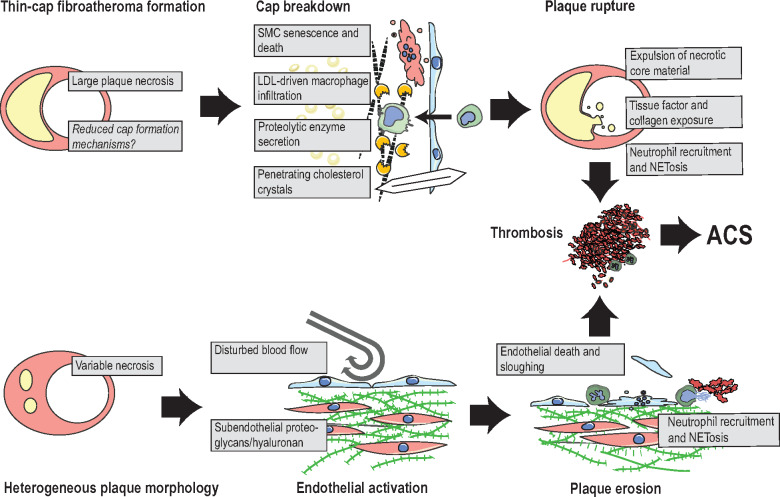
“brous cap, a large necrotic core, pronounced inflammation, and low vascular SMC density.(246) Both biomechanical and haemodynamic factors contribute to plaque rupture,(247) and the exposure of the blood”
BackgroundBerenson, G. S., Srinivasan, S. R., Bao, W., Newman, W. P., Tracy, R. E., & Wattigney, W. A. (1998) · New England Journal of Medicine · doi:10.1056/nejm199806043382302 · Cited by 4,032
Cited by
The changing landscape of atherosclerosis
Libby, P. (2021) · Nature · doi:10.1038/s41586-021-03392-8 · Cited by 2,873
Heavy metals: toxicity and human health effects
Jomova, K., Alomar, S. Y., Nepovimova, E., Kuca, K., & Valko, M. (2025) · Archives of Toxicology · doi:10.1007/s00204-024-03903-2 · Cited by 983
Ginsberg, H. N., Packard, C. J., Chapman, M. J., Borén, J., Aguilar-Salinas, C. A., Averna, M., Ference, B. A., Gaudet, D., Hegele, R. A., Kersten, S., et al. (2021) · European Heart Journal · doi:10.1093/eurheartj/ehab551 · Cited by 979
“17,25,93,104,206”
BackgroundInfluentialSelf-citationPearson, G. J., Thanassoulis, G., Anderson, T. J., Barry, A. R., Couture, P., Dayan, N., Francis, G. A., Genest, J., Grégoire, J., Grover, S. A., et al. (2021) · Canadian Journal of Cardiology · doi:10.1016/j.cjca.2021.03.016 · Cited by 843
Self-citationNAFLD and cardiovascular diseases: a clinical review
Kasper, P., Martin, A., Lang, S., Kütting, F., Goeser, T., Demir, M., & Steffen, H.-M. (2021) · Clinical Research in Cardiology · doi:10.1007/s00392-020-01709-7 · Cited by 632
“SFA saturated fatty acids, OSAS obstructive sleep apnea syndrome, carb. carbohydrates, n3 FA omega-3 fatty acids, NAFLD non-alcoholic fatty liver disease; PNPLA3 patatin-like phospholipase domain-containing protein 3, TM6SF transmembrane 6 superfamily 2 human gene, HSD17B13 hydroxysteroid dehydrogenase 17beta 13, MARC…”
BackgroundSaturated Fats and Health: A Reassessment and Proposal for Food-Based Recommendations
Astrup, A., Magkos, F., Bier, D. M., Brenna, J. T., de Oliveira Otto, M. C., Hill, J. O., King, J. C., Mente, A., Ordovas, J. M., Volek, J. S., et al. (2020) · Journal of the American College of Cardiology · doi:10.1016/j.jacc.2020.05.077 · Cited by 543
“First, although it is evident that LDL particles play a causal role in the development of CVD (44,45) and that, in general, there is a relationship between lowering of LDL cholesterol and CVD benefit (45), a diet-induced reduction of LDL cholesterol cannot be inferred to result in CVD benefit without having the means…”
BackgroundSelf-citationNordanstig, J., Behrendt, C.-A., Baumgartner, I., Belch, J., Bäck, M., Fitridge, R., Hinchliffe, R., Lejay, A., Mills, J. L., Rother, U., et al. (2024) · European Journal of Vascular and Endovascular Surgery · doi:10.1016/j.ejvs.2023.08.067 · Cited by 515
A Modern Approach to Dyslipidemia
Berberich, A. J., & Hegele, R. A. (2022) · Endocrine Reviews · doi:10.1210/endrev/bnab037 · Cited by 469
“This in turn reduces exposure of the arterial wall to the deleterious effects of LDL (248).”
BackgroundSelf-citationInflammation during the life cycle of the atherosclerotic plaque
Libby, P. (2021) · Cardiovascular Research · doi:10.1093/cvr/cvab303 · Cited by 414
“Individuals with lifetime lower levels of LDL determined by genetic variants enjoy relative protection from atherosclerosis.(5,6) Yet, many atherosclerotic events occur in humans who have LDL concentrations considered ‘average’ or within the accepted normal range.”
BackgroundOverview of OxLDL and Its Impact on Cardiovascular Health: Focus on Atherosclerosis
Poznyak, A. V., Nikiforov, N. G., Markin, A. M., Kashirskikh, D. A., Myasoedova, V. A., Gerasimova, E. V., & Orekhov, A. N. (2021) · Frontiers in Pharmacology · doi:10.3389/fphar.2020.613780 · Cited by 370
Epidemiology and modifiable risk factors for atrial fibrillation
Elliott, A. D., Middeldorp, M. E., Van Gelder, I. C., Albert, C. M., & Sanders, P. (2023) · Nature Reviews Cardiology · doi:10.1038/s41569-022-00820-8 · Cited by 368
Ray, K. K., Haq, I., Bilitou, A., Manu, M. C., Burden, A., Aguiar, C., Arca, M., Connolly, D. L., Eriksson, M., Ferrières, J., et al. (2023) · The Lancet Regional Health - Europe · doi:10.1016/j.lanepe.2023.100624 · Cited by 339
Self-citationAtherosclerosis and Inflammation: Insights from the Theory of General Pathological Processes
Gusev, E., & Sarapultsev, A. (2023) · International Journal of Molecular Sciences · doi:10.3390/ijms24097910 · Cited by 312
Cardiovascular disease and cancer: shared risk factors and mechanisms
Wilcox, N. S., Amit, U., Reibel, J. B., Berlin, E., Howell, K., & Ky, B. (2024) · Nature Reviews Cardiology · doi:10.1038/s41569-024-01017-x · Cited by 310
“The association between hyperlipidaemia and atherosclerotic CVD (ASCVD) has long been established 36,37 .”
Okamura, T., Tsukamoto, K., Arai, H., Fujioka, Y., Ishigaki, Y., Koba, S., Ohmura, H., Shoji, T., Yokote, K., Yoshida, H., et al. (2024) · Journal of Atherosclerosis and Thrombosis · doi:10.5551/jat.gl2022 · Cited by 302
Metabolism of triglyceride-rich lipoproteins in health and dyslipidaemia
Borén, J., Taskinen, M.-R., Björnson, E., & Packard, C. J. (2022) · Nature Reviews Cardiology · doi:10.1038/s41569-022-00676-y · Cited by 315
Self-citationLipoprotein(a) and cardiovascular disease
Nordestgaard, B. G., & Langsted, A. (2024) · The Lancet · doi:10.1016/s0140-6736(24)01308-4 · Cited by 288
Self-citationEstatística Cardiovascular – Brasil 2021
Oliveira, G. M. M. D., Brant, L. C. C., Polanczyk, C. A., Malta, D. C., Biolo, A., Nascimento, B. R., Souza, M. D. F. M. D., Lorenzo, A. R. D., Fagundes, A. A. D. P., Schaan, B. D., et al. (2022) · Arquivos Brasileiros de Cardiologia · doi:10.36660/abc.20211012 · Cited by 253
Mendelian randomization for studying the effects of perturbing drug targets
Gill, D., Georgakis, M. K., Walker, V. M., Schmidt, A. F., Gkatzionis, A., Freitag, D. F., Finan, C., Hingorani, A. D., Howson, J. M. M., Burgess, S., et al. (2021) · Wellcome Open Research · doi:10.12688/wellcomeopenres.16544.2 · Cited by 133
Genome-wide association analysis of plasma lipidome identifies 495 genetic associations
Ottensmann, L., Tabassum, R., Ruotsalainen, S. E., Gerl, M. J., Klose, C., Widén, E., FinnGen, Simons, K., Ripatti, S., & Pirinen, M. (2023) · Nature Communications · doi:10.1038/s41467-023-42532-8 · Cited by 269
Apolipoproteins in vascular biology and atherosclerotic disease
Mehta, A., & Shapiro, M. D. (2022) · Nature Reviews Cardiology · doi:10.1038/s41569-021-00613-5 · Cited by 273
Mendelian randomization for studying the effects of perturbing drug targets
Gill, D., Georgakis, M. K., Walker, V. M., Schmidt, A. F., Gkatzionis, A., Freitag, D. F., Finan, C., Hingorani, A. D., Howson, J. M. M., Burgess, S., et al. (2021) · Wellcome Open Research · doi:10.12688/wellcomeopenres.16544.1 · Cited by 266
Triglycerides and residual atherosclerotic risk
Raposeiras-Roubin, S., Rosselló, X., Oliva, B., Fernández-Friera, L., Mendiguren, J. M., Andrés, V., Bueno, H., Sanz, J., Martínez de Vega, V., Abu-Assi, E., et al. (2021) · Journal of the American College of Cardiology · doi:10.1016/j.jacc.2021.04.059 · Cited by 254
Causes and consequences of hypertriglyceridemia
Packard, C. J., Boren, J., & Taskinen, M.-R. (2020) · Frontiers in Endocrinology · doi:10.3389/fendo.2020.00252 · Cited by 239
“The case for cholesterolcarrying low-density lipoprotein (LDL) as a causal factor for ASCVD is well made (4, 5) but until recently there has been significant doubt as to the role of raised plasma triglyceride, carried in chylomicrons and very-low density lipoproteins (VLDL) (collectively termed triglyceriderich lipopr…”
BackgroundSelf-citationInclisiran and cardiovascular events: a patient-level analysis of phase III trials
Ray, K. K., Raal, F. J., Kallend, D. G., Jaros, M. J., Koenig, W., Leiter, L. A., Landmesser, U., Schwartz, G. G., Lawrence, D., Friedman, A., et al. (2023) · European Heart Journal · doi:10.1093/eurheartj/ehac594 · Cited by 225
“Therefore, after diet and lifestyle, lowering LDL-C through pharmacological approaches is an important strategy for the prevention of ASCVD and CV events, in both high-risk primary and secondary prevention settings.(2,18) However, the CV benefits derived from a one mmol/L lowering of LDL-C levels in the first year of…”
BackgroundSelf-citationExercise benefits in cardiovascular diseases: From mechanisms to clinical implementation
Valenzuela, P. L., Ruilope, L. M., Santos-Lozano, A., Wilhelm, M., Kränkel, N., Fiuza-Luces, C., & Lucia, A. (2023) · European Heart Journal · doi:10.1093/eurheartj/ehad170 · Cited by 237
Wadström, B. N., Wulff, A. B., Pedersen, K. M., Jensen, G. B., & Nordestgaard, B. G. (2022) · European Heart Journal · doi:10.1093/eurheartj/ehab705 · Cited by 234
Self-citationManaging Atherosclerotic Cardiovascular Risk in Young Adults
Stone, N. J., Smith, S. C., Orringer, C. E., Rigotti, N. A., Navar, A. M., Khan, S. S., Jones, D. W., Goldberg, R., Mora, S., Blaha, M., et al. (2022) · Journal of the American College of Cardiology · doi:10.1016/j.jacc.2021.12.016 · Cited by 233
Saturated fats and cardiovascular health: Current evidence and controversies
Maki, K. C., Dicklin, M. R., & Kirkpatrick, C. F. (2021) · Journal of Clinical Lipidology · doi:10.1016/j.jacl.2021.09.049 · Cited by 212
2023 Chinese guideline for lipid management
Li, J.-J., Zhao, S.-P., Zhao, D., Lu, G.-P., Peng, D.-Q., Liu, J., Chen, Z.-Y., Guo, Y.-L., Wu, N.-Q., Yan, S.-K., et al. (2023) · Frontiers in Pharmacology · doi:10.3389/fphar.2023.1190934 · Cited by 223
The Lancet Commission on rethinking coronary artery disease: moving from ischaemia to atheroma
Zaman, S., Wasfy, J. H., Kapil, V., Ziaeian, B., Parsonage, W. A., Sriswasdi, S., Chico, T. J. A., Capodanno, D., Colleran, R., Sutton, N. R., et al. (2025) · The Lancet · doi:10.1016/s0140-6736(25)00055-8 · Cited by 203
Self-citationBiological applications of copper-containing materials
Wang, P., Yuan, Y., Xu, K., Zhong, H., Yang, Y., Jin, S., Yang, K., & Qi, X. (2021) · Bioactive Materials · doi:10.1016/j.bioactmat.2020.09.017 · Cited by 221
Non-HDL-cholesterol in dyslipidemia: Review of the state-of-the-art literature and outlook
Raja, V., Aguiar, C., Alsayed, N., Chibber, Y. S., ElBadawi, H., Ezhov, M., Hermans, M. P., Pandey, R. C., Ray, K. K., Tokgözoglu, L., et al. (2023) · Atherosclerosis · doi:10.1016/j.atherosclerosis.2023.117312 · Cited by 196
Self-citationWestern diets and chronic diseases
Adolph, T. E., & Tilg, H. (2024) · Nature Medicine · doi:10.1038/s41591-024-03165-6 · Cited by 191
“…of circulating cholesterol is derived from de novo synthesis 100 , dietary cholesterol, which comes exclusively from animal sources characteristic of a Western diet 101 , can lead to excessive accumulation of LDL cholesterol and initiation of atherosclerotic cardiovascular disease 102,103 .”
Estatística Cardiovascular – Brasil 2023
de Oliveira, G. M. M., Brant, L. C. C., Polanczyk, C. A., Malta, D. C., Biolo, A., Nascimento, B. R., de Souza, M. D. F. M., Lorenzo, A. D., Fagundes, A. A. D. P., Schaan, B. D., et al. (2024) · Arquivos Brasileiros de Cardiologia · doi:10.36660/abc.20240079 · Cited by 342
Bays, H. E., Kirkpatrick, C. F., Maki, K. C., Toth, P. P., Morgan, R. T., Tondt, J., Christensen, S. M., Dixon, D. L., & Jacobson, T. A. (2024) · Journal of Clinical Lipidology · doi:10.1016/j.jacl.2024.04.001 · Cited by 166
Fragki, S., Dirven, H., Fletcher, T., Grasl-Kraupp, B., Bjerve Gützkow, K., Hoogenboom, R., Kersten, S., Lindeman, B., Louisse, J., Peijnenburg, A., et al. (2021) · Critical Reviews in Toxicology · doi:10.1080/10408444.2021.1888073 · Cited by 186
The LDL cumulative exposure hypothesis: evidence and practical applications
Ference, B. A., Braunwald, E., & Catapano, A. L. (2024) · Nature Reviews Cardiology · doi:10.1038/s41569-024-01039-5 · Cited by 176
“As more LDL particles become trapped within the artery wall over time, the size of the resulting atherosclerotic plaque burden grows and the risk of having an ASCVD event increases 9–11 .”
Self-citationZhao, J., Fan, H., Wang, T., Yu, B., Mao, S., Wang, X., Zhang, W., Wang, L., Zhang, Y., Ren, Z., et al. (2022) · Cardiovascular Diabetology · doi:10.1186/s12933-022-01548-y · Cited by 190
“Abnormal blood lipid composition usually causes atherosclerotic lesions [49, 50].”
BackgroundSchubert, J., Lindahl, B., Melhus, H., Renlund, H., Leosdottir, M., Yari, A., Ueda, P., James, S., Reading, S. R., Dluzniewski, P. J., et al. (2021) · European Heart Journal · doi:10.1093/eurheartj/ehaa1011 · Cited by 185
“Epidemiological, genetic, and interventional studies indicate that higher low-density lipoprotein cholesterol (LDL-C) levels cause atherosclerotic cardiovascular (CV) events.(1) Indeed, multiple clinical trials have shown a decreased risk of CV-related morbidity associated with lowering of LDL-C levels.”
BackgroundThe oral microbiome in the pathophysiology of cardiovascular disease
Tonelli, A., Lumngwena, E. N., & Ntusi, N. A. B. (2023) · Nature Reviews Cardiology · doi:10.1038/s41569-022-00825-3 · Cited by 167
Mercola, J., & D’Adamo, C. R. (2023) · Nutrients · doi:10.3390/nu15143129 · Cited by 159
Björnson, E., Adiels, M., Taskinen, M.-R., Burgess, S., Rawshani, A., Borén, J., & Packard, C. J. (2023) · European Heart Journal · doi:10.1093/eurheartj/ehad337 · Cited by 183
“29, 30 Remnant particles contain more cholesterol per apoB and so if the ‘atherogenicity’ of TRL/remnant-C is higher than LDL-C then this implies that the per-particle (per apoB) impact on atherosclerotic processes must be even greater.”
Self-citationTargeting the CCL2–CCR2 axis for atheroprotection
Georgakis, M. K., Bernhagen, J., Heitman, L. H., Weber, C., & Dichgans, M. (2022) · European Heart Journal · doi:10.1093/eurheartj/ehac094 · Cited by 170
Johns, D. G., Campeau, L.-C., Banka, P., Bautmans, A., Bueters, T., Bianchi, E., Branca, D., Bulger, P. G., Crevecoeur, I., Ding, F.-X., et al. (2023) · Circulation · doi:10.1161/circulationaha.122.063372 · Cited by 167
Balling, M., Afzal, S., Varbo, A., Langsted, A., Davey Smith, G., & Nordestgaard, B. G. (2020) · Journal of the American College of Cardiology · doi:10.1016/j.jacc.2020.09.610 · Cited by 175
Self-citationThe dawn of a new era of targeted lipid-lowering therapies
Tokgözoğlu, L., & Libby, P. (2022) · European Heart Journal · doi:10.1093/eurheartj/ehab841 · Cited by 171
Wilson, J. M., Nikooienejad, A., Robins, D. A., Roell, W. C., Riesmeyer, J. S., Haupt, A., Duffin, K. L., Taskinen, M., & Ruotolo, G. (2020) · Diabetes, Obesity and Metabolism · doi:10.1111/dom.14174 · Cited by 164
Self-citationNew insight into dyslipidemia‐induced cellular senescence in atherosclerosis
Xiang, Q., Tian, F., Xu, J. R., Du, X., Zhang, S., & Liu, L. (2022) · Biological reviews/Biological reviews of the Cambridge Philosophical Society · doi:10.1111/brv.12866 · Cited by 181
PoLA/CFPiP/PCS/PSLD/PSD/PSH guidelines on diagnosis and therapy of lipid disorders in Poland 2021
Banach, M., Burchardt, P., Chlebus, K., Dobrowolski, P., Dudek, D., Dyrbuś, K., Gąsior, M., Jankowski, P., Jozwiak, J. J., Kłosiewicz−Latoszek, L., et al. (2021) · Archives of Medical Science · doi:10.5114/aoms/141941 · Cited by 189
Mortensen, M. B., Dzaye, O. D. A., Bøtker, H. E., Jensen, J. M., Mæng, M., Bentzon, J. F., Kanstrup, H., Sørensen, H. T., Leipsic, J. A., Blankstein, R., et al. (2023) · Circulation · doi:10.1161/circulationaha.122.061010 · Cited by 180
Self-citationBarreto, J., Karathanasis, S. K., Remaley, A. T., & Sposito, A. C. (2020) · Arteriosclerosis Thrombosis and Vascular Biology · doi:10.1161/atvbaha.120.315421 · Cited by 164
Autoimmune diseases and atherosclerotic cardiovascular disease
Porsch, F., & Binder, C. J. (2024) · Nature Reviews Cardiology · doi:10.1038/s41569-024-01045-7 · Cited by 166
“The accumulation and retention of LDL (and other apolipoprotein B-containing lipoproteins) in the subendothelial space trigger their aggregation and oxidation by enzymatic and non-enzymatic processes 379 .”
Self-citationAleksijević, L. H., Aleksijević, M., Škrlec, I., Šram, M., Šram, M., & Talapko, J. (2022) · Pathogens · doi:10.3390/pathogens11101173 · Cited by 170
Kris‐Etherton, P. M., & Krauss, R. M. (2020) · American Journal of Clinical Nutrition · doi:10.1093/ajcn/nqaa110 · Cited by 150
Self-citationIslam, S. U., Ahmed, M. B., Ahsan, H., & Lee, Y. S. (2021) · Antioxidants · doi:10.3390/antiox10050784 · Cited by 159
“Then, these oxidized LDL particles induce inflammation of the overlying endothelium and surrounding smooth muscle cells [6] (Figure 1B).”
BackgroundAverna, M., Banach, M., Bruckert, E., Drexel, H., Farnier, M., Gaita, D., Magni, P., März, W., Masana, L., Mello e Silva, A., et al. (2021) · Atherosclerosis · doi:10.1016/j.atherosclerosis.2021.03.039 · Cited by 137
Self-citationDu, Z., & Qin, Y. (2023) · Journal of Clinical Medicine · doi:10.3390/jcm12010363 · Cited by 140
Makover, M. E., Shapiro, M. D., & Toth, P. P. (2022) · American Journal of Preventive Cardiology · doi:10.1016/j.ajpc.2022.100371 · Cited by 162
Kirkpatrick, C. F., Sikand, G., Petersen, K. S., Anderson, C. A. M., Aspry, K. E., Bolick, J. P., Kris-Etherton, P. M., & Maki, K. C. (2023) · Journal of Clinical Lipidology · doi:10.1016/j.jacl.2023.05.099 · Cited by 118
Scisciola, L., Cataldo, V., Taktaz, F., Fontanella, R. A., Pesapane, A., Ghosh, P., Franzese, M., Puocci, A., Angelis, A. D., Sportiello, L., et al. (2022) · Frontiers in Cardiovascular Medicine · doi:10.3389/fcvm.2022.1008922 · Cited by 145
Shared Risk Factors between Dementia and Atherosclerotic Cardiovascular Disease
Nordestgaard, L. T., Christoffersen, M., & Frikke‐Schmidt, R. (2022) · International Journal of Molecular Sciences · doi:10.3390/ijms23179777 · Cited by 141
Animal Models of Atherosclerosis–Supportive Notes and Tricks of the Trade
Gisterå, A., Ketelhuth, D. F. J., Malin, S., & Hansson, G. K. (2022) · Circulation Research · doi:10.1161/circresaha.122.320263 · Cited by 140
The potential of tailoring the gut microbiome to prevent and treat cardiometabolic disease
Chakaroun, R., Olsson, L. M., & Bäckhed, F. (2022) · Nature Reviews Cardiology · doi:10.1038/s41569-022-00771-0 · Cited by 141
The Ketogenic Diet and Cardiovascular Diseases
Dyńka, D., Kowalcze, K., Charuta, A., & Paziewska, A. (2023) · Nutrients · doi:10.3390/nu15153368 · Cited by 135
Remnant Cholesterol and Atherosclerotic Cardiovascular Disease Risk
Burnett, J. R., Hooper, A. J., & Hegele, R. A. (2020) · Journal of the American College of Cardiology · doi:10.1016/j.jacc.2020.10.029 · Cited by 135
Self-citation2023 China Guidelines for Lipid Management
Li, J., Zhao, S., Zhao, D., Lü, G., Peng, D., Liu, J., Chen, Z., Guo, Y., Wu, N., Yan, S.-K., et al. (2023) · 老年心脏病学杂志:英文版 · doi:10.26599/1671-5411.2023.09.008 · Cited by 131
A novel small-molecule PCSK9 inhibitor E28362 ameliorates hyperlipidemia and atherosclerosis
Wang, W., Liu, C., Luo, J., Lei, L., Chen, M., Zhang, Y., Sheng, R., Li, Y., Wang, L., Jiang, X.-H., et al. (2024) · Acta Pharmacologica Sinica · doi:10.1038/s41401-024-01305-9 · Cited by 125
Anti-atherosclerotic therapies: Milestones, challenges, and emerging innovations
Hetherington, I., & Totary-Jain, H. (2022) · Molecular Therapy · doi:10.1016/j.ymthe.2022.08.024 · Cited by 128
New and Emerging Therapies for Reduction of LDL-Cholesterol and Apolipoprotein B
Nurmohamed, N. S., Návar, A. M., & Kastelein, J. J. P. (2021) · Journal of the American College of Cardiology · doi:10.1016/j.jacc.2020.11.079 · Cited by 131
Packard, C., Chapman, M. J., Sibartie, M., Laufs, U., & Masana, L. (2021) · Heart · doi:10.1136/heartjnl-2020-318760 · Cited by 108
Self-citationArteriosclerosis e inflamación. Nuevos enfoques terapéuticos
Pedro‐Botet, J., Climent, E., & Benaiges, D. (2020) · Medicina Clínica · doi:10.1016/j.medcli.2020.04.024 · Cited by 126
Multi-omics approaches for revealing the complexity of cardiovascular disease
Doran, S., Arif, M., Lam, S., Bayraktar, A., Turkez, H., Uhlen, M., Boren, J., & Mardinoglu, A. (2021) · Briefings in Bioinformatics · doi:10.1093/bib/bbab061 · Cited by 109
“Furthermore, specific CVD components are influenced by genetic and epigenetic factors, whether it be mutations causing adverse cardiac remodelling in heart failure [9] or modifications that affect the susceptibility of the arterial wall to plaque formation [10].”
BackgroundSelf-citationType 2 Diabetes Mellitus: A Pathophysiologic Perspective
Westman, E. C. (2021) · Frontiers in Nutrition · doi:10.3389/fnut.2021.707371 · Cited by 125
A mechanism-based operational definition and classification of hypercholesterolemia
Civeira, F., Arca, M., Cenarro, A., & Hegele, R. A. (2022) · Journal of clinical lipidology · doi:10.1016/j.jacl.2022.09.006 · Cited by 123
Self-citationNovel and future lipid-modulating therapies for the prevention of cardiovascular disease
Brandts, J., & Ray, K. K. (2023) · Nature Reviews Cardiology · doi:10.1038/s41569-023-00860-8 · Cited by 120
Self-citationInflammatory Cells in Atherosclerosis
Mehu, M., Narasimhulu, C. A., & Singla, D. K. (2022) · Antioxidants · doi:10.3390/antiox11020233 · Cited by 123
Bays, H. E., Kirkpatrick, C. F., Maki, K. C., Toth, P. P., Morgan, R. T., Tondt, J., Christensen, S. M., Dixon, D. L., & Jacobson, T. A. (2024) · Obesity Pillars · doi:10.1016/j.obpill.2024.100108 · Cited by 131
Vascular damage in systemic lupus erythematosus
Ambler, W. G., & Kaplan, M. J. (2024) · Nature Reviews Nephrology · doi:10.1038/s41581-023-00797-8 · Cited by 116
“LDL undergoes transcytosis from the endothelium into the vascular intima, where it is taken up by monocyte-derived macrophages 221 .”
Small dense low-density lipoprotein: Analytical review
Kanonidou, C. (2021) · Clinica Chimica Acta · doi:10.1016/j.cca.2021.06.012 · Cited by 117
Apolipoprotein B-containing lipoproteins in atherogenesis
Borén, J., Packard, C. J., & Binder, C. J. (2025) · Nature Reviews Cardiology · doi:10.1038/s41569-024-01111-0 · Cited by 120
“ApoB differs from other apolipoproteins in that it does not transfer between different lipoproteins 3 owing to its size and the presence of antiparallel β-sheets that form robust lipid-binding structures 9,10 .”
InfluentialSelf-citationIntegrated Guidance for Enhancing the Care of Familial Hypercholesterolaemia in Australia
Watts, G. F., SULLIVAN, D. R., Hare, D. L., Kostner, K., Horton, A., Bell, D. A., Brett, T., Trent, R. J., Poplawski, N. K., Martin, A. C., et al. (2020) · Heart Lung and Circulation · doi:10.1016/j.hlc.2020.09.943 · Cited by 112
“The contemporary care of FH provides an exemplarofthevalueofprecisionmedicineinthepreventionof premature ASCVD in families [3 – 5].”
InfluentialSelf-citationBanach, M., Penson, P. E., Vrablik, M., Bunc, M., Dyrbus, K., Fedacko, J., Gaita, D., Gierlotka, M., Jarai, Z., Magda, S. L., et al. (2021) · Pharmacological Research · doi:10.1016/j.phrs.2021.105499 · Cited by 102
“[8] Boren, J, Chapman, MJ, Krauss, RM, et al.”
Multiomics technologies: role in disease biomarker discoveries and therapeutics
Dar, M. A., Arafah, A. M., Bhat, K. A., Khan, A., Khan, M. S., Ali, A., Ahmad, S. M., Rashid, S. M., & Rehman, M. U. (2022) · Briefings in Functional Genomics · doi:10.1093/bfgp/elac017 · Cited by 114
An overview of food lipids toward food lipidomics
Tietel, Z., Hammann, S., Meckelmann, S. W., Ziv, C., Pauling, J. K., Wölk, M., Würf, V., Alves, E., Neves, B., & Domingues, M. R. (2023) · Comprehensive Reviews in Food Science and Food Safety · doi:10.1111/1541-4337.13225 · Cited by 110
Krychtiuk, K. A., Ahrens, I., Drexel, H., Halvorsen, S., Hassager, C., Huber, K., Kurpas, D., Niessner, A., Schiele, F., Semb, A. G., et al. (2022) · European Heart Journal Acute Cardiovascular Care · doi:10.1093/ehjacc/zuac123 · Cited by 137
Self-citationTargeting RNA With Antisense Oligonucleotides and Small Interfering RNA in Dyslipidemias
Katzmann, J. L., Packard, C. J., Chapman, M. J., Katzmann, I., & Laufs, U. (2020) · Journal of the American College of Cardiology · doi:10.1016/j.jacc.2020.05.070 · Cited by 99
Self-citationImmunometabolism and immune response regulate macrophage function in atherosclerosis
Xue, S., Su, Z., & Liu, D. (2023) · Ageing Research Reviews · doi:10.1016/j.arr.2023.101993 · Cited by 102
The Impact of Cytokines in Coronary Atherosclerotic Plaque: Current Therapeutic Approaches
Tsioufis, P., Theofilis, P., Tsioufis, K. P., & Tousoulis, D. (2022) · International Journal of Molecular Sciences · doi:10.3390/ijms232415937 · Cited by 106
Management of Dyslipidemia in Patients with Non-Alcoholic Fatty Liver Disease
Martin, A., Lang, S., Goeser, T., Demir, M., Steffen, H., & Kasper, P. (2022) · Current Atherosclerosis Reports · doi:10.1007/s11883-022-01028-4 · Cited by 107
Lipoprotein(a) in atherosclerosis: from pathophysiology to clinical relevance and treatment options
Likozar, A. R., Zavrtanik, M., & Šebeštjen, M. (2020) · Annals of Medicine · doi:10.1080/07853890.2020.1775287 · Cited by 103
“Although LDL is considered a cause of atherosclerotic disease, studies have shown that even in patients with target LDL concentrations, Lp(a) carries an additional risk of CV events [55].”
BackgroundMichael, S., Ni, J., Duncan, E. S., Liu, Z., Li, S., Zhang, J., Guo, R., Gao, S., Gao, X., & Fan, G. (2021) · Pharmacological Research · doi:10.1016/j.phrs.2021.105481 · Cited by 95
Hong, C. G., Florida, E. M., Li, H., Parel, P. M., Mehta, N. N., & Sorokin, A. V. (2023) · Frontiers in Cardiovascular Medicine · doi:10.3389/fcvm.2022.1023651 · Cited by 99
“Low-density lipoprotein cholesterol (LDL-C) is a known biomarker of cardiovascular disease (CVD) (20, 21).”
BackgroundRemnant lipoproteins: are they equal to or more atherogenic than LDL?
Salinas, C. A. A., & Chapman, M. J. (2020) · Current Opinion in Lipidology · doi:10.1097/mol.0000000000000682 · Cited by 87
Self-citationDoi, T., Langsted, A., & Nordestgaard, B. G. (2021) · European Heart Journal · doi:10.1093/eurheartj/ehab555 · Cited by 87
“When individuals with diabetes are commenced on EPA and DHA, which decrease hepatic de novo lipogenesis, LDL particles become larger, more cholesterol enriched, and triglyceride depleted resulting in increased LDL cholesterol and decreased apolipoprotein B levels.(7,28) Therefore, because apolipoprotein B tracks the r…”
BackgroundSelf-citationClinical approach to the inflammatory etiology of cardiovascular diseases
Ruscica, M., Corsini, A., Ferri, N., Banach, M., & Sirtori, C. R. (2020) · Pharmacological Research · doi:10.1016/j.phrs.2020.104916 · Cited by 89
Remnant cholesterol predicts progression of diabetic nephropathy and retinopathy in type 1 diabetes
Sigfrids, F. J., Dahlström, E. H., Forsblom, C. M., Sandholm, N., Harjutsalo, V., Taskinen, M., & Groop, P. (2021) · Journal of Internal Medicine · doi:10.1111/joim.13298 · Cited by 94
Self-citationNew, Novel Lipid-Lowering Agents for Reducing Cardiovascular Risk: Beyond Statins
Kim, K., Ginsberg, H. N., & Choi, S. H. (2022) · Diabetes & Metabolism Journal · doi:10.4093/dmj.2022.0198 · Cited by 80
“Low-density lipoprotein (LDL) is a well-known causal factor of ASCVD [1].”
BackgroundSelf-citationGhavami, A., Ziaei, R., Talebi, S., Barghchi, H., Nattagh-Eshtivani, E., Moradi, S., Rahbarinejad, P., Mohammadi, H., Ghasemi-Tehrani, H., Marx, W., et al. (2023) · Advances in Nutrition · doi:10.1016/j.advnut.2023.01.005 · Cited by 86
Pencina, M. J., Pencina, K. M., Lloyd-Jones, D., Catapano, A. L., Thanassoulis, G., & Sniderman, A. D. (2020) · Circulation · doi:10.1161/circulationaha.120.045851 · Cited by 84
Self-citation
Metadata
- Authors
- Borén, J., Chapman, M. J., Krauss, R. M., Packard, C. J., Bentzon, J. F., Binder, C. J., Daemen, M. J., Demer, L. L., Hegele, R. A., Nicholls, S. J., Nordestgaard, B. G., Watts, G. F., Bruckert, E., Fazio, S., Ference, B. A., Graham, I., Horton, J. D., Landmesser, U., Laufs, U., Masana, L., Pasterkamp, G., Raal, F. J., Ray, K. K., Schunkert, H., Taskinen, M.-R., van de Sluis, B., Wiklund, O., Tokgozoglu, L., Catapano, A. L., & Ginsberg, H. N.
- Affiliations
- Sahlgrenska University Hospital (SE)
- Inserm (FR)
- University of California, San Francisco (US)
- University of Glasgow (GB)
- Aarhus University (DK)
- Austrian Academy of Sciences (AT)
- Amsterdam University Medical Centers (NL)
- University of California, Los Angeles (US)
- Western University (CA)
- Monash University (AU)
- University of Copenhagen (DK)
- The University of Western Australia (AU)
- INSERM UMRS1166, Department of Endocrinology-Metabolism, ICAN - Institute of CardioMetabolism and Nutrition, AP-HP, Hopital de la Pitie , Paris, France
- Oregon Health & Science University (US)
- University of Cambridge (GB)
- Trinity College Dublin (IE)
- The University of Texas Southwestern Medical Center (US)
- Berlin Institute of Health at Charité - Universitätsmedizin Berlin (DE)
- University Hospital Leipzig (DE)
- Centro de Investigación Biomédica en Red Diabetes y Enfermedades Metabólicas Asociadas (ES)
- University Medical Center Utrecht (NL)
- University of the Witwatersrand (ZA)
- Imperial College London (GB)
- German Centre for Cardiovascular Research (DE)
- University of Helsinki (FI)
- Department of Pediatrics, University of Groningen, University Medical Center Groningen , Groningen, The Netherlands
- Department of Cardiology, Hacettepe University Faculty of Medicine , Ankara, Turkey
- University of Milan (IT)
- Columbia University (US)
- Corresponding author
- Chapman, M John
- ORCID
- Borén, Jan
- Chapman, M John
- Krauss, Ronald M
- Packard, Chris J
- Bentzon, Jacob F
- Binder, Christoph J
- Daemen, Mat J
- Demer, Linda L
- Hegele, Robert A
- Nicholls, Stephen J
- Nordestgaard, Børge G
- Watts, Gerald F
- Fazio, Sergio
- Graham, Ian
- Horton, Jay D
- Landmesser, Ulf
- Laufs, Ulrich
- Masana, Luis
- Pasterkamp, Gerard
- Raal, Frederick J
- Ray, Kausik K
- Schunkert, Heribert
- Taskinen, Marja-Riitta
- Wiklund, Olov
- Tokgozoglu, Lale
- Catapano, Alberico L
- Ginsberg, Henry N
- Venue
- European Heart Journal
- Publisher
- Oxford University Press (OUP)
- Published
- 2020-02-13
- Volume
- 41
- Issue
- 24
- Pages
- 2313-2330
- ISSN
- 0195-668X (ISSN-L)
- 1522-9645
- PMC
- PMC7308544
- OpenAlex
- W3006116566
- Semantic Scholar
- 3ff51a04cbb6dbd4f9301cb36755d45d0bc71096
- Cited by
- 1,601
- References
- 351
- Citations by year
- 2026: 250 · 2025: 294 · 2024: 255 · 2023: 265 · 2022: 231 · 2021: 204 · 2020: 96
- FWCI
- 181.87
- Type
- journal article
- Language
- en
- Open access
- hybrid
- doi.org
- Licence
- Locations
- European Heart Journal (publishedVersion, cc-by-nc)
- PubMed Central (publishedVersion, cc-by-nc)
- PubMed (publishedVersion)
- Pure Amsterdam UMC (publishedVersion, cc-by)
- Research at the University of Copenhagen (University of Copenhagen) (publishedVersion, cc-by-nc)
- University of Groningen research database (University of Groningen / Centre for Information Technology) (publishedVersion, cc-by-nc)
- ENLIGHTEN (Jurnal Bimbingan dan Konseling Islam) (acceptedVersion, cc-by-sa)
- Työväentutkimus Vuosikirja (submittedVersion, other-oa)
- Rovira & Virgili repository (submittedVersion, cc-by)
- Data Archiving and Networked Services (DANS) (submittedVersion, other-oa)
- HAL (submittedVersion, other-oa)
- LA Referencia (Red Federada de Repositorios Institucionales de Publicaciones Científicas) (submittedVersion, cc-by-nc)
- Utrecht University Repository (Utrecht University) (submittedVersion, other-oa)
- mediaTUM (Technical University of Munich) (submittedVersion, other-oa)
- mediaTUM – the media and publications repository of the Technical University Munich (Technical University Munich) (submittedVersion)
- UWA Profiles and Research Repository (UWA) (submittedVersion, cc-by-nc)
- Spiral (Imperial College London) (submittedVersion, cc-by-nc)
- Lenus, The Irish Health Repository (Dr Steevens Hospital Library) (submittedVersion)
- University of Groningen research database (University of Groningen / Centre for Information Technology) (submittedVersion, cc-by-nc)
- Funders
- The European Atherosclerosis Society
- Topics
- Health Sciences › Medicine › Cardiology and Cardiovascular Medicine › Lipoproteins and Cardiovascular Health
- Life Sciences › Immunology and Microbiology › Immunology › Atherosclerosis and Cardiovascular Diseases
- Life Sciences › Biochemistry, Genetics and Molecular Biology › Biochemistry › Cholesterol and Lipid Metabolism
- Keywords
- low-density lipoprotein, atherosclerotic cardiovascular disease, pathophysiology, genetic risk factors, lipid-lowering therapy, dyslipidemia, cardiovascular risk
- MeSH terms
- Cardiovascular Diseases, Humans, Cholesterol, LDL, Consensus, Atherosclerosis
About these checks
Registry, retraction, Cites and statistics results are computed, not judged, with one exception: a printed reference that no index lists is read once by a model before it counts as a citation error. Claims are extracted by a model and kept only when their quote appears verbatim in the text; each cited source is then checked, with a model’s help, for whether it says what the claim relies on. Those verdicts can be wrong — read the claim’s quote and the cited source before relying on one.
Statistics and arithmetic are recomputed, not judged.
Confidence bands are shown only for fields calibrated on our annotated test set. None is calibrated yet, so no band is shown.
What counts as a claim ›How we measure confidence ›How we check this ›
Are you an author, or do you see a problem with this page? Request a review
Data sources
Bibliographic data: Semantic Scholar, OpenAlex, Crossref.
Contains information from the Semantic Scholar Academic Graph Datasets, made available under the ODC Attribution License (ODC-BY 1.0).
Semantic Scholar’s data is described in: Kinney, R., et al. (2023). The Semantic Scholar Open Data Platform. arXiv:2301.10140.
