

Low-density lipoproteins cause atherosclerotic cardiovascular disease: pathophysiological, genetic, and therapeutic insights: a consensus statement from the European Atherosclerosis Society Consensus Panel
Open accessThe DOI matches its Crossref record; 348 of the 351 references it cites were found in a registry or an index.
Abstract
apoB100 is altered, LDL receptor binding affinity is attenuated, resulting in a prolonged residence time in plasma (Box 2).
Overview
The claims and statistics of this paper haven’t been checked yet.
Free: it reads the open-access text and checks the first 5 claims that cite a source we can check. Create a free account to check every claim.
Integrity signals
Registry
Cites
Statistics
Figures
Verification
Claims the paper makes
The claims and statistics of this paper haven’t been checked yet.
Free: it reads the open-access text and checks the first 5 claims that cite a source we can check. Create a free account to check every claim.
Claims other papers make about this one
Each is checked against this paper’s own text: does it say what the citing paper says it does?
The source backs part of the claim, not all of it — or backs it for a different population, condition or comparison.
In the citing paper
“any proatherogenic effects of TRL and remnants will be synergistic to those of other apoB-containing lipoproteins, particularly LDL and lipoprotein(a).17,25,93,104,206”
From Triglyceride-rich lipoproteins and their remnants: metabolic insights, role in atherosclerotic cardiovascular disease, and emerging therapeutic strategies—a consensus statement from the European Atherosclerosis Society (2021) · cites this paper as [93]
Experimental — accuracy not yet measuredThe source backs part of the claim, not all of it — or backs it for a different population, condition or comparison.
In the citing paper
“On a per particle basis, cholesterol-rich remnant particles are more potent inducers of macrophage foam cells than LDL and do not need structural modification to trigger uptake.36,93,141”
From Triglyceride-rich lipoproteins and their remnants: metabolic insights, role in atherosclerotic cardiovascular disease, and emerging therapeutic strategies—a consensus statement from the European Atherosclerosis Society (2021) · cites this paper as [93]
Experimental — accuracy not yet measuredThe cited source says what the claim attributes to it.
In the citing paper
“While LDL-C is an established major causal factor for ASCVD,93,103,104 the causality of TG, TRL, or TRL remnants for ASCVD is contentious.17,36,105–107”
The cited source says what the claim attributes to it.
In the citing paper
“Consequently, reducing LDL cholesterol levels stands as one of the most common approaches in clinical practice for treating and preventing ASCVD [6].”
From Residual Cardiovascular Risk: Role of Remnants Cholesterol, Monocyte/HDL Ratio and Lipoprotein Ratios on Personalized Cardiovascular Prevention (2024) · cites this paper as [6]
The cited source says what the claim attributes to it.
In the citing paper
“The observed trends in lipid content are consistent with slight increases in LDL particle numbers, which could confer increased risk for atherosclerotic cardiovascular disease [85].”
From Evaluation of exploratory fluid biomarkers from a phase 1 senolytic trial in mild Alzheimer's disease (2025) · cites this paper as [85]
5 more claims about this paper
Create a free account to see every claim other papers make about this one.
Self-check
Percentages, sums and reported differences re-computed from the paper’s own numbers.
The self-check needs the paper’s full text.
Citations
Cites
Antiinflammatory Therapy with Canakinumab for Atherosclerotic Disease
Ridker, P. M., Everett, B. M., Thuren, T., MacFadyen, J. G., Chang, W. H., Ballantyne, C., Fonseca, F., Nicolau, J., Koenig, W., Anker, S. D., et al. (2017) · New England Journal of Medicine · doi:10.1056/nejmoa1707914 · Cited by 9,482 · cited 1×
“in a secondary prevention trial in which patients were treated with a statin in combination with the anti-IL-1b antibody canakinumab.(154)”
BackgroundMach, F., Baigent, C., Catapano, A. L., Koskinas, K. C., Casula, M., Badimon, L., Chapman, M. J., De Backer, G. G., Delgado, V., Ference, B. A., et al. (2020) · European Heart Journal · doi:10.1093/eurheartj/ehz455 · Cited by 8,961
Self-citationInflammation, Atherosclerosis, and Coronary Artery Disease
Hansson, G. K. (2005) · New England Journal of Medicine · doi:10.1056/nejmra043430 · Cited by 8,773 · cited 1×
“to the oxidative modification of LDL and thus to the pathogenesis of accelerated atherosclerosis.(285,286) Furthermore, recent data suggest”
BackgroundInflammation in atherosclerosis
Libby, P. (2002) · Nature · doi:10.1038/nature01323 · Cited by 8,315
Epstein, F. H., Steinberg, D., Parthasarathy, S., Carew, T. E., Khoo, J. C., & Witztum, J. L. (1989) · New England Journal of Medicine · doi:10.1056/nejm198904063201407 · Cited by 6,427
Grundy, S. M., Stone, N. J., Bailey, A. L., Beam, C., Birtcher, K. K., Blumenthal, R. S., Braun, L. T., de Ferranti, S., Faiella-Tommasino, J., Forman, D. E., et al. (2019) · Circulation · doi:10.1161/cir.0000000000000625 · Cited by 6,185
Evolocumab and Clinical Outcomes in Patients with Cardiovascular Disease
Sabatine, M. S., Giugliano, R. P., Keech, A. C., Honarpour, N., Wiviott, S. D., Murphy, S. A., Kuder, J. F., Wang, H., Liu, T., Wasserman, S. M., et al. (2017) · New England Journal of Medicine · doi:10.1056/nejmoa1615664 · Cited by 6,138
Mach, F., Baigent, C., Catapano, A. L., Koskinas, K. C., Casula, M., Badimon, L., Chapman, M. J., De Backer, G. G., Delgado, V., Ference, B. A., et al. (2019) · Atherosclerosis · doi:10.1016/j.atherosclerosis.2019.08.014 · Cited by 4,854
Self-citationVirmani, R., Kolodgie, F. D., Burke, A. P., Farb, A., & Schwartz, S. M. (2000) · Arteriosclerosis, Thrombosis, and Vascular Biology · doi:10.1161/01.atv.20.5.1262 · Cited by 4,084 · cited 1×
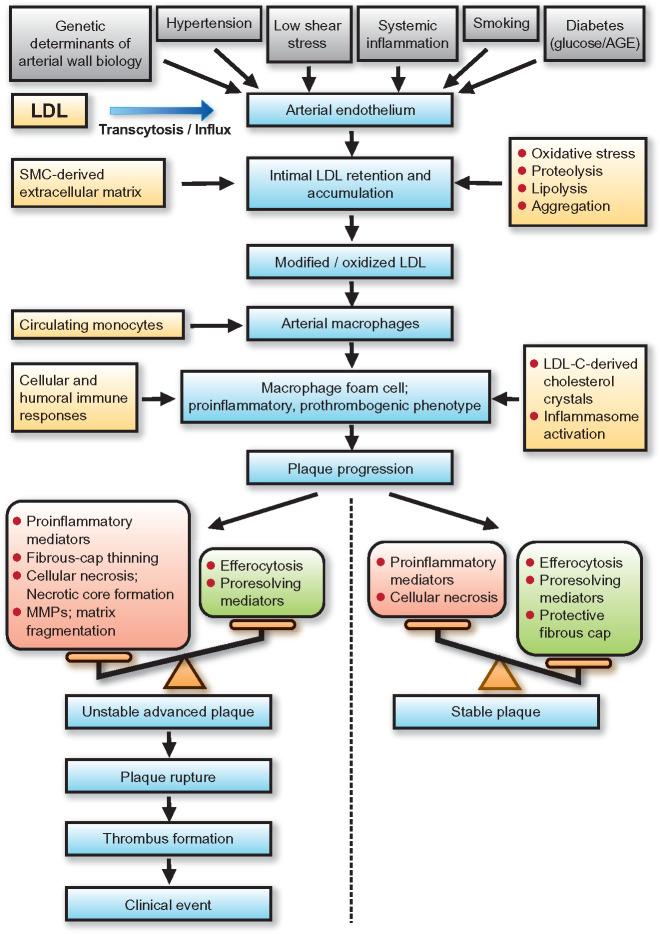
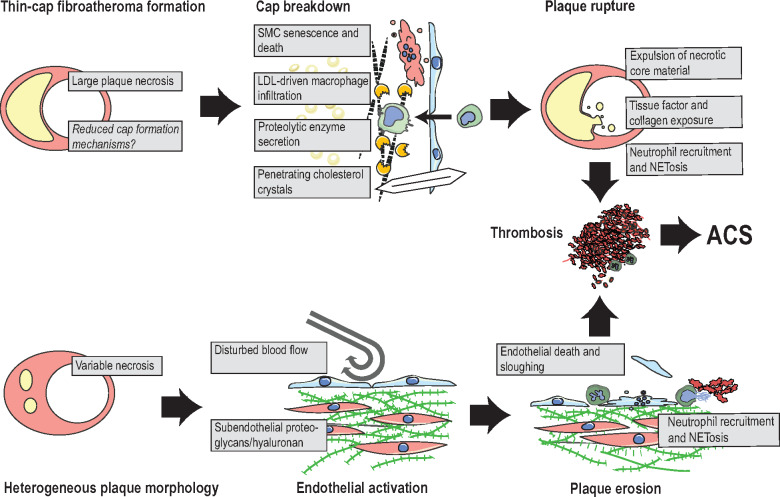
“brous cap, a large necrotic core, pronounced inflammation, and low vascular SMC density.(246) Both biomechanical and haemodynamic factors contribute to plaque rupture,(247) and the exposure of the blood”
BackgroundBerenson, G. S., Srinivasan, S. R., Bao, W., Newman, W. P., Tracy, R. E., & Wattigney, W. A. (1998) · New England Journal of Medicine · doi:10.1056/nejm199806043382302 · Cited by 4,032
NLRP3 inflammasomes are required for atherogenesis and activated by cholesterol crystals
Duewell, P., Kono, H., Rayner, K. J., Sirois, C. M., Vladimer, G., Bauernfeind, F. G., Abela, G. S., Franchi, L., Nuñez, G., Schnurr, M., et al. (2010) · Nature · doi:10.1038/nature08938 · Cited by 4,026
Ference, B. A., Ginsberg, H. N., Graham, I., Ray, K. K., Packard, C. J., Bruckert, E., Hegele, R. A., Krauss, R. M., Raal, F. J., Schunkert, H., et al. (2017) · European Heart Journal · doi:10.1093/eurheartj/ehx144 · Cited by 3,962
Self-citationInflammation in Atherosclerosis
Libby, P. (2012) · Arteriosclerosis, Thrombosis, and Vascular Biology · doi:10.1161/atvbaha.108.179705 · Cited by 3,736 · cited 1×
“to the oxidative modification of LDL and thus to the pathogenesis of accelerated atherosclerosis.(285,286) Furthermore, recent data suggest”
BackgroundFalk, E., Shah, P. K., & Fuster, V. (1995) · Circulation · doi:10.1161/01.cir.92.3.657 · Cited by 3,536 · cited 1×
“necrosis, and calcification, all resulting from the retention and accumulation of LDL in the subendothelial matrix.(262) The structural com-”
BackgroundStary, H. C., Chandler, A. B., Dinsmore, R. E., Fuster, V., Glagov, S., Insull, W., Rosenfeld, M. E., Schwartz, C. J., Wagner, W. D., & Wissler, R. W. (1995) · Circulation · doi:10.1161/01.cir.92.5.1355 · Cited by 3,533 · cited 1×
“of SMCs and collagen-rich matrix that spreads underneath the endothelium.(181) This structure, called the fibrous cap in areas where it”
BackgroundCardiovascular Risk Reduction with Icosapent Ethyl for Hypertriglyceridemia
Bhatt, D. L., Steg, P. G., Miller, M., Brinton, E. A., Jacobson, T. A., Ketchum, S. B., Doyle, R. T., Juliano, R. A., Jiao, L., Granowitz, C., et al. (2019) · New England Journal of Medicine · doi:10.1056/nejmoa1812792 · Cited by 3,317 · cited 1×
“comitant with a 20% reduction in plasma TG levels and 40% reduction in C-reactive protein (Box 10).(315) This finding is”
A Prospective Natural-History Study of Coronary Atherosclerosis
Stone, G. W., Maehara, A., Lansky, A. J., de Bruyne, B., Cristea, E., Mintz, G. S., Mehran, R., McPherson, J., Farhat, N., Marso, S. P., et al. (2011) · New England Journal of Medicine · doi:10.1056/nejmoa1002358 · Cited by 3,276
2016 ESC/EAS Guidelines for the Management of Dyslipidaemias
Catapano, A. L., Graham, I., De Backer, G., Wiklund, O., Chapman, M. J., Drexel, H., Hoes, A. W., Jennings, C. S., Landmesser, U., Pedersen, T. R., et al. (2016) · European Heart Journal · doi:10.1093/eurheartj/ehw272 · Cited by 3,162
Self-citationWiller (2013) · doi:10.1038/ng.2797 · Cited by 2,983
An Expanded View of Complex Traits: From Polygenic to Omnigenic
Boyle, E. A., Li, Y. I., & Pritchard, J. K. (2017) · Cell · doi:10.1016/j.cell.2017.05.038 · Cited by 2,851 · cited 2×
“References: 32,38,63,229–244 Pathophysiological role of LDL in atherosclerosis 2325 D ow nloaded from https://academ ic.oup.com /eurheartj/article/41/24/2313/5735221 by guest on 22 Septem ber 2022 .. .. .. .. .. .. .. .. .. .. .. .. .. .. .. .. .. .. .. .. .. .. .. .. .. .. .. .. .. .. .. .. .. .. .. .. .. .. .. .. ..…”
BackgroundGrundy, S. M., Stone, N. J., Bailey, A. L., Beam, C., Birtcher, K. K., Blumenthal, R. S., Braun, L. T., de Ferranti, S., Faiella-Tommasino, J., Forman, D. E., et al. (2019) · Journal of the American College of Cardiology · doi:10.1016/j.jacc.2018.11.003 · Cited by 2,691
Macrophages in the Pathogenesis of Atherosclerosis
Moore, K. J., & Tabas, I. (2011) · Cell · doi:10.1016/j.cell.2011.04.005 · Cited by 2,669
Mechanisms of plaque formation and rupture
Bentzon, J. F., Otsuka, F., Virmani, R., & Falk, E. (2014) · Circulation Research · doi:10.1161/circresaha.114.302721 · Cited by 2,391
Self-citationPathology of the Vulnerable Plaque
Virmani, R., Burke, A. P., Farb, A., & Kolodgie, F. D. (2006) · Journal of the American College of Cardiology · doi:10.1016/j.jacc.2005.10.065 · Cited by 2,315 · cited 1×
“Vasospasm has also been proposed as the initiating event in plaque erosion.(178) Rupture requires a specific plaque morphology (thin-cap fibro-”
BackgroundAtherosclerosis: current pathogenesis and therapeutic options
Weber, C., & Noels, H. (2011) · Nature Medicine · doi:10.1038/nm.2538 · Cited by 2,203 · cited 1×
“to up-regulate adhesion molecules and chemokines that trigger the recruitment of monocytes—typically inflammatory Ly6C monocytes—into the artery wall.(131) The importance of oxidized phospho-”
BackgroundBrown, G., Albers, J. J., Fisher, L. D., Schaefer, S. M., Lin, J.-T., Kaplan, C., Zhao, X.-Q., Bisson, B. D., Fitzpatrick, V. F., & Dodge, H. T. (1990) · New England Journal of Medicine · doi:10.1056/nejm199011083231901 · Cited by 2,159
Nissen, S. E., Nicholls, S. J., Sipahi, I., Libby, P., Raichlen, J. S., Ballantyne, C. M., Davignon, J., Erbel, R., Fruchart, J. C., Tardif, J.-C., et al. (2006) · JAMA · doi:10.1001/jama.295.13.jpc60002 · Cited by 2,047
Self-citationGenomewide Association Analysis of Coronary Artery Disease
Samani, N. J., Erdmann, J., Hall, A. S., Hengstenberg, C., Mangino, M., Mayer, B., Dixon, R. J., Meitinger, T., Braund, P., Wichmann, H.-E., et al. (2007) · New England Journal of Medicine · doi:10.1056/nejmoa072366 · Cited by 2,044
Self-citationCholesterol efflux capacity, high-density lipoprotein function, and atherosclerosis
Khera, A. V., Cuchel, M., de la Llera-Moya, M., Rodrigues, A., Burke, M. F., Jafri, K., French, B. C., Phillips, J. A., Mucksavage, M. L., Wilensky, R. L., et al. (2011) · New England Journal of Medicine · doi:10.1056/nejmoa1001689 · Cited by 1,943
Large-scale association analysis identifies 13 new susceptibility loci for coronary artery disease
Cardiogenics, Schunkert, H., the CARDIoGRAM Consortium, König, I. R., Kathiresan, S., Reilly, M. P., Assimes, T. L., Holm, H., Preuss, M., Stewart, A. F. R., et al. (2011) · Nature Genetics · doi:10.1038/ng.784 · Cited by 1,866
Self-citationLipoprotein(a) as a cardiovascular risk factor: current status
Nordestgaard, B. G., Chapman, M. J., Ray, K., Borén, J., Andreotti, F., Watts, G. F., Ginsberg, H., Amarenco, P., Catapano, A., Descamps, O. S., et al. (2010) · European Heart Journal · doi:10.1093/eurheartj/ehq386 · Cited by 1,807 · cited 1×
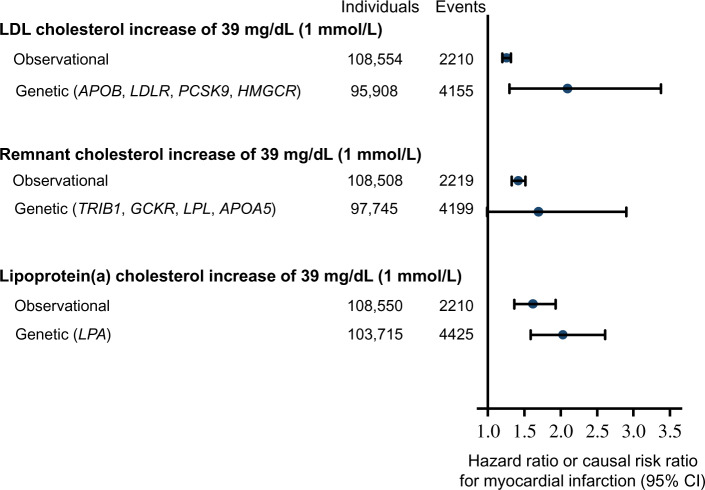
“and Lp(a) are directly causal in ASCVD, independent of LDL-C levels.(6,7,9,11) Indeed, the hazard ratios for myocardial infarction for a”
BackgroundSelf-citationImmunosuppressive effects of apoptotic cells
Voll, R. E., Herrmann, M., Roth, E. A., Stach, C., Kalden, J. R., & Girkontaite, I. (1997) · Nature · doi:10.1038/37022 · Cited by 1,787 · cited 1×
“IL-10 and decreased expression of pro-inflammatory IL-8 and IL-1b by macrophages.(158) Efficient efferocytosis thereby protects against”
BackgroundCoronary Risk Factors and Plaque Morphology in Men with Coronary Disease Who Died Suddenly
Burke, A. P., Farb, A., Malcom, G. T., Liang, Y.-H., Smialek, J., & Virmani, R. (1997) · New England Journal of Medicine · doi:10.1056/nejm199705013361802 · Cited by 1,745 · cited 1×
“thin: 95% of ruptured plaques have cap thickness <65lm (by definition thin-cap fibroatheroma).(182) It is uncertain to what extent such”
BackgroundImmunity and Inflammation in Atherosclerosis
Wolf, D., & Ley, K. (2019) · Circulation Research · doi:10.1161/circresaha.118.313591 · Cited by 1,697 · cited 1×
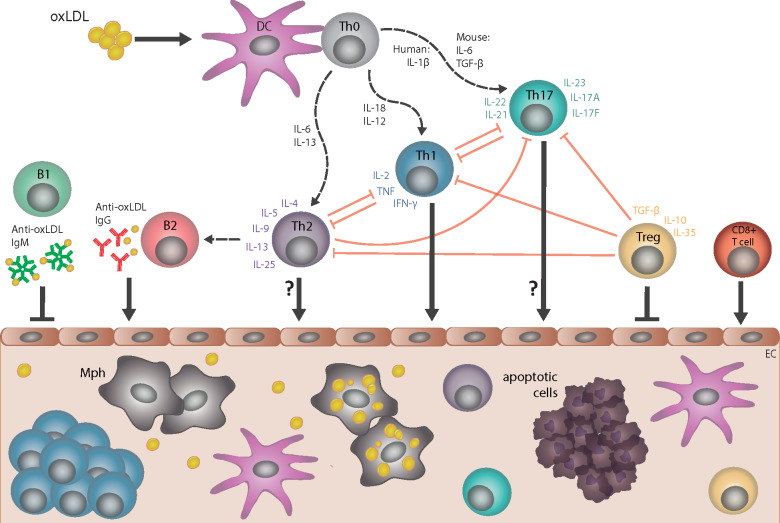
“been identified, linking adaptive immune responses to the vascular retention of LDL (Figure 3).(147) Interferon-gamma (IFNc)-secreting CD4þ Th1 cells promote”
BackgroundGenetic Variants Associated with Lp(a) Lipoprotein Level and Coronary Disease
Clarke, R., Peden, J. F., Hopewell, J. C., Kyriakou, T., Goel, A., Heath, S. C., Parish, S., Barlera, S., Franzosi, M. G., Rust, S., et al. (2009) · New England Journal of Medicine · doi:10.1056/nejmoa0902604 · Cited by 1,671
HDL cholesterol, very low levels of LDL cholesterol, and cardiovascular events
Barter, P., Gotto, A. M., LaRosa, J. C., Maroni, J., Szarek, M., Grundy, S. M., Kastelein, J. J. P., Bittner, V., & Fruchart, J.-C. (2007) · New England Journal of Medicine · doi:10.1056/nejmoa064278 · Cited by 1,610
2016 ESC/EAS Guidelines for the Management of Dyslipidaemias
Catapano, A. L., Graham, I., De Backer, G., Wiklund, O., Chapman, M. J., Drexel, H., Hoes, A. W., Jennings, C. S., Landmesser, U., Pedersen, T. R., et al. (2016) · Atherosclerosis · doi:10.1016/j.atherosclerosis.2016.08.018 · Cited by 1,582
Self-citationHigh-Density Lipoprotein — The Clinical Implications of Recent Studies
Desforges, J. F., Gordon, D. J., & Rifkind, B. M. (1989) · New England Journal of Medicine · doi:10.1056/nejm198911093211907 · Cited by 1,547
Stewart, C. R., Stuart, L. M., Wilkinson, K., van Gils, J. M., Deng, J., Halle, A., Rayner, K. J., Boyer, L., Zhong, R., Frazier, W. A., et al. (2010) · Nature Immunology · doi:10.1038/ni.1836 · Cited by 1,513 · cited 1×
“NFjB-dependent expression of chemokines, such as CXCL1, resulting in further recruitment of monocytes.(139) Such leucocyte recruit-”
BackgroundLittle, W. C., Constantinescu, M., Applegate, R. J., Kutcher, M. A., Burrows, M. T., Kahl, F. R., & Santamore, W. P. (1988) · Circulation · doi:10.1161/01.cir.78.5.1157 · Cited by 1,474 · cited 1×
“upon rupture or erosion of plaques, with subsequent complete occlusion of a vessel.(264,265) Recent studies, using a variety of intravascu-”
BackgroundAngiographic progression of coronary artery disease and the development of myocardial infarction
Ambrose, J. A., Tannenbaum, M. A., Alexopoulos, D., Hjemdahl-Monsen, C. E., Leavy, J., Weiss, M., Borrico, S., Gorlin, R., & Fuster, V. (1988) · Journal of the American College of Cardiology · doi:10.1016/0735-1097(88)90356-7 · Cited by 1,452 · cited 1×
“upon rupture or erosion of plaques, with subsequent complete occlusion of a vessel.(264,265) Recent studies, using a variety of intravascu-”
BackgroundTriglycerides and cardiovascular disease
Nordestgaard, B. G., & Varbo, A. (2014) · The Lancet · doi:10.1016/s0140-6736(14)61177-6 · Cited by 1,419 · cited 1×
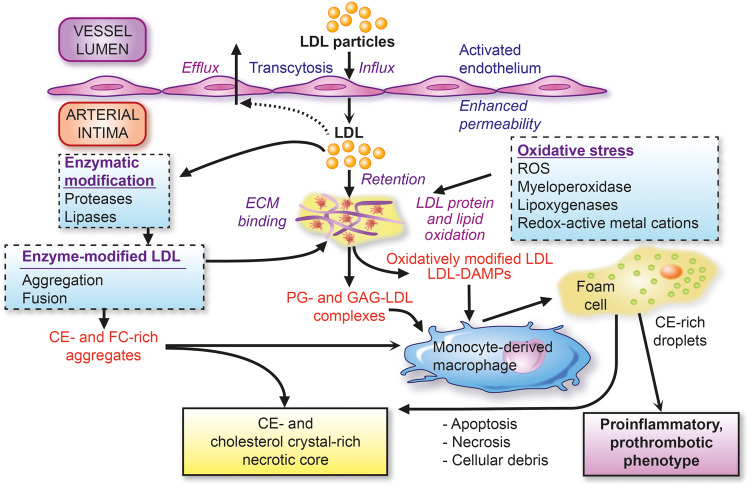
“transcytosis, and are trapped prior to uptake as native (rather than modified) particles by macrophages to produce foam cells.(6,312) In”
BackgroundSelf-citationThe Response-to-Retention Hypothesis of Early Atherogenesis
Williams, K. J., & Tabas, I. (1995) · Arteriosclerosis, Thrombosis, and Vascular Biology · doi:10.1161/01.atv.15.5.551 · Cited by 1,413
Atherogenic lipoprotein phenotype. A proposed genetic marker for coronary heart disease risk
Austin, M. A., King, M. C., Vranizan, K. M., & Krauss, R. M. (1990) · Circulation · doi:10.1161/01.cir.82.2.495 · Cited by 1,411
Self-citationTabas, I., Williams, K. J., & Borén, J. (2007) · Circulation · doi:10.1161/circulationaha.106.676890 · Cited by 1,399
Antiinflammatory Properties of HDL
Barter, P. J., Nicholls, S., Rye, K.-A., Anantharamaiah, G. M., Navab, M., & Fogelman, A. M. (2004) · Circulation Research · doi:10.1161/01.res.0000146094.59640.13 · Cited by 1,394
Self-citationGenetically Elevated Lipoprotein(a) and Increased Risk of Myocardial Infarction
Kamstrup, P. R. (2009) · JAMA · doi:10.1001/jama.2009.801 · Cited by 1,357
Long-Term Prognosis Associated With Coronary Calcification
Budoff, M. J., Shaw, L. J., Liu, S. T., Weinstein, S. R., Tseng, P. H., Flores, F. R., Callister, T. Q., Raggi, P., Berman, D. S., & Mosler, T. P. (2007) · Journal of the American College of Cardiology · doi:10.1016/j.jacc.2006.10.079 · Cited by 1,342 · cited 1×
“Arterial calcification is an established marker of atherosclerotic disease,(192,193) and the severity of coronary artery calcification is a strong predictor of cardiovascular morbidity and mortality.(194,195) Yet whether coronary artery calcium (CAC) is simply a marker of advanced disease, or whether it increases risk…”
BackgroundSenescent cells: an emerging target for diseases of ageing
Childs, B. G., Gluscevic, M., Baker, D. J., Laberge, R.-M., Marquess, D., Dananberg, J., & van Deursen, J. M. (2017) · Nature Reviews Drug Discovery · doi:10.1038/nrd.2017.116 · Cited by 1,284
The mysteries of lipoprotein(a).
Utermann, G. (1989) · Science · doi:10.1126/science.2530631 · Cited by 1,257
A Century of Cholesterol and Coronaries: From Plaques to Genes to Statins
Goldstein, J. L., & Brown, M. S. (2015) · Cell · doi:10.1016/j.cell.2015.01.036 · Cited by 1,233
Chapman, M. J., Ginsberg, H. N., Amarenco, P., Andreotti, F., Borén, J., Catapano, A. L., Descamps, O. S., Fisher, E., Kovanen, P. T., Kuivenhoven, J. A., et al. (2011) · European Heart Journal · doi:10.1093/eurheartj/ehr112 · Cited by 1,227 · cited 3×
“and Lp(a) are directly causal in ASCVD, independent of LDL-C levels.(6,7,9,11) Indeed, the hazard ratios for myocardial infarction for a”
BackgroundSelf-citationApoptotic cell clearance: basic biology and therapeutic potential
Poon, I. K. H., Lucas, C. D., Rossi, A. G., & Ravichandran, K. S. (2014) · Nature Reviews Immunology · doi:10.1038/nri3607 · Cited by 1,223 · cited 1×
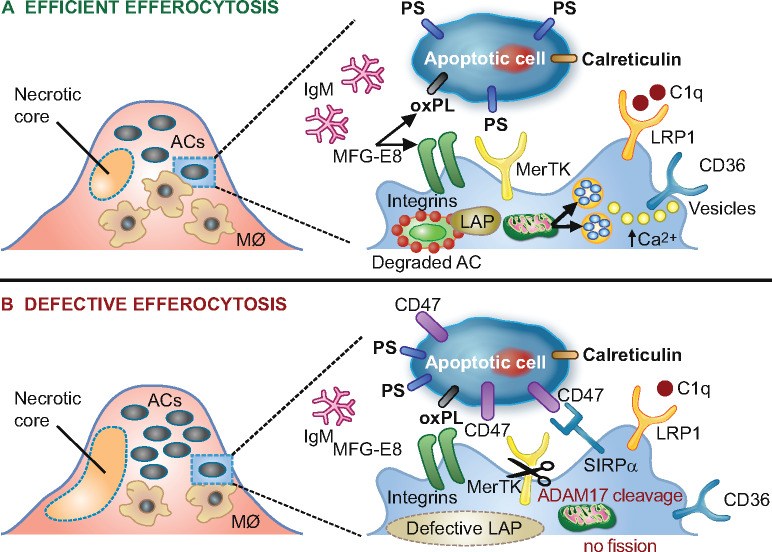
“tosis, is an important homeostatic process that ensures resolution of inflammatory responses (Figure 4).(155,156) This involves recognition of”
BackgroundShankman, L. S., Gomez, D., Cherepanova, O. A., Salmon, M., Alencar, G. F., Haskins, R. M., Swiatlowska, P., Newman, A. A. C., Greene, E. S., Straub, A. C., et al. (2015) · Nature Medicine · doi:10.1038/nm.3866 · Cited by 1,218
Senescent intimal foam cells are deleterious at all stages of atherosclerosis
Childs, B. G., Baker, D. J., Wijshake, T., Conover, C. A., Campisi, J., & van Deursen, J. M. (2016) · Science · doi:10.1126/science.aaf6659 · Cited by 1,195
Nicholls, S. J., Puri, R., Anderson, T., Ballantyne, C. M., Cho, L., Kastelein, J. J. P., Koenig, W., Somaratne, R., Kassahun, H., Yang, J., et al. (2016) · JAMA · doi:10.1001/jama.2016.16951 · Cited by 1,178
Self-citationvan der Harst, P., & Verweij, N. (2018) · Circulation Research · doi:10.1161/circresaha.117.312086 · Cited by 1,141 · cited 1×
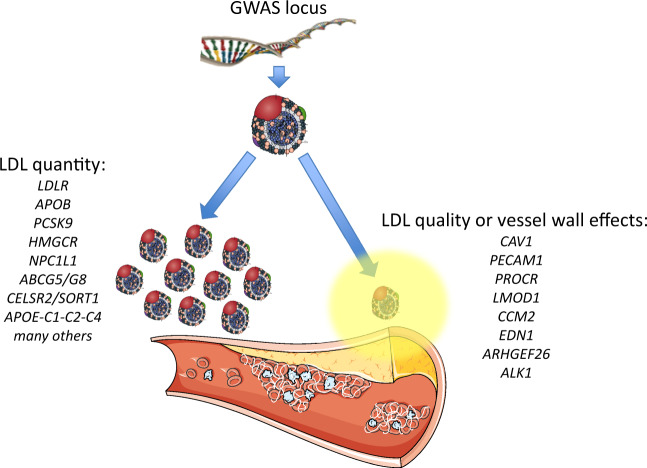
“encoding cerebral cavernous malformation scaffolding protein and EDN1 encoding endothelin 1.(236) Next-generation DNA sequencing of 4831 CAD cases and 115”
BackgroundFrom noncoding variant to phenotype via SORT1 at the 1p13 cholesterol locus
Musunuru, K., Strong, A., Frank-Kamenetsky, M., Lee, N. E., Ahfeldt, T., Sachs, K. V., Li, X., Li, H., Kuperwasser, N., Ruda, V. M., et al. (2010) · Nature · doi:10.1038/nature09266 · Cited by 1,140
Self-citationNordestgaard, B. G. (2016) · Circulation Research · doi:10.1161/circresaha.115.306249 · Cited by 1,116 · cited 4×
“and Lp(a) are directly causal in ASCVD, independent of LDL-C levels.(6,7,9,11) Indeed, the hazard ratios for myocardial infarction for a”
BackgroundInfluentialSelf-citationRemnant Cholesterol as a Causal Risk Factor for Ischemic Heart Disease
Varbo, A., Benn, M., Tybjærg-Hansen, A., Jørgensen, A. B., Frikke-Schmidt, R., & Nordestgaard, B. G. (2013) · Journal of the American College of Cardiology · doi:10.1016/j.jacc.2012.08.1026 · Cited by 1,115
Self-citationRelation of Serum Lipoprotein Levels and Systolic Blood Pressure to Early Atherosclerosis
Newman, W. P., Freedman, D. S., Voors, A. W., Gard, P. D., Srinivasan, S. R., Cresanta, J. L., Williamson, G. D., Webber, L. S., & Berenson, G. S. (1986) · New England Journal of Medicine · doi:10.1056/nejm198601163140302 · Cited by 1,064 · cited 1×
“Atherosclerotic cardiovascular disease (ASCVD) starts early, even in childhood.(1,2) Non-invasive imaging in the PESA (Progression of Early”
BackgroundUpdate on acute coronary syndromes: the pathologists' view
Falk, E., Nakano, M., Bentzon, J. F., Finn, A. V., & Virmani, R. (2013) · European Heart Journal · doi:10.1093/eurheartj/ehs411 · Cited by 1,047 · cited 4×
“The underlying lesion is frequently, but not always, rich in the glycosaminoglycan hyaluronan and SMCs.173 The mechanism leading to intravascular thrombosis is not yet clear, but experiments with mouse arteries have shown that subendothelial hyaluronan and disturbed blood flow render the endothelium vulnerable to neut…”
BackgroundInfluentialSelf-citationMultislice Computed Tomographic Characteristics of Coronary Lesions in Acute Coronary Syndromes
Motoyama, S., Kondo, T., Sarai, M., Sugiura, A., Harigaya, H., Sato, T., Inoue, K., Okumura, M., Ishii, J., Anno, H., et al. (2007) · Journal of the American College of Cardiology · doi:10.1016/j.jacc.2007.03.044 · Cited by 1,026 · cited 1×
“2–3 mm), whereas stable lesions tended to have contiguous calcium deposits (>_3 mm).(213) Based on this and other findings, 214,215”
BackgroundSubendothelial retention of atherogenic lipoproteins in early atherosclerosis
Skålén, K., Gustafsson, M., Rydberg, E. K., Hultén, L. M., Wiklund, O., Innerarity, T. L., & Borén, J. (2002) · Nature · doi:10.1038/nature00804 · Cited by 1,019 · cited 1×
“apoB100-binding domain of arterial wall proteoglycans greatly reduces atherogenesis.(49,50) Thus, the atherogenicity of LDL is linked to the abil-”
BackgroundSelf-citationGenetic Associations with Valvular Calcification and Aortic Stenosis
Thanassoulis, G., Campbell, C. Y., Owens, D. S., Smith, J. G., Smith, A. V., Peloso, G. M., Kerr, K. F., Pechlivanis, S., Budoff, M. J., Harris, T. B., et al. (2013) · New England Journal of Medicine · doi:10.1056/nejmoa1109034 · Cited by 1,008
Self-citationCrisby, M., Nordin-Fredriksson, G., Shah, P. K., Yano, J., Zhu, J., & Nilsson, J. (2001) · Circulation · doi:10.1161/01.cir.103.7.926 · Cited by 1,001 · cited 1×
“content, inflammatory cells, metalloprotease activity, and cell death, all of which favour plaque stabilization.(17) Furthermore, several early studies involving quantitative coronary angiography without(269) or with intravascular ultrasound(18) demonstrated modest but significant”
BackgroundIdentification of multiple subclasses of plasma low density lipoproteins in normal humans.
Krauss, R. M., & Burke, D. J. (1982) · Journal of Lipid Research · doi:10.1016/s0022-2275(20)38178-5 · Cited by 992
Self-citationInhibition of early atherogenesis in transgenic mice by human apolipoprotein AI
Rubin, E. M., Krauss, R. M., Spangler, E. A., Verstuyft, J. G., & Clift, S. M. (1991) · Nature · doi:10.1038/353265a0 · Cited by 986
Self-citationLipoprotein(a), PCSK9 Inhibition, and Cardiovascular Risk: Insights From the FOURIER Trial
O’Donoghue, M. L., Fazio, S., Giugliano, R. P., Stroes, E. S. G., Kanevsky, E., Gouni-Berthold, I., Im, K., Lira Pineda, A., Wasserman, S. M., Češka, R., et al. (2019) · Circulation · doi:10.1161/circulationaha.118.037184 · Cited by 984
Self-citationPhagocytosis of apoptotic cells in homeostasis
Arandjelovic, S., & Ravichandran, K. S. (2015) · Nature Immunology · doi:10.1038/ni.3253 · Cited by 959 · cited 1×
“tosis, is an important homeostatic process that ensures resolution of inflammatory responses (Figure 4).(155,156) This involves recognition of”
BackgroundJoshi, N. V., Vesey, A. T., Williams, M. C., Shah, A. S. V., Calvert, P. A., Craighead, F. H. M., Yeoh, S. E., Wallace, W., Salter, D., Fletcher, A. M., et al. (2014) · The Lancet · doi:10.1016/s0140-6736(13)61754-7 · Cited by 953
Sheedy, F. J., Grebe, A., Rayner, K. J., Kalantari, P., Ramkhelawon, B., Carpenter, S. B., Becker, C. E., Ediriweera, H. N., Mullick, A. E., Golenbock, D. T., et al. (2013) · Nature Immunology · doi:10.1038/ni.2639 · Cited by 935
Metabolic origins and clinical significance of LDL heterogeneity
Berneis, K. K., & Krauss, R. M. (2002) · Journal of Lipid Research · doi:10.1194/jlr.r200004-jlr200 · Cited by 896 · cited 3×
“be influenced by the proteome, lipidome, proteoglycan binding, aggregability, and oxidative susceptibility.(64,96,97) The atherogenic”
BackgroundSelf-citationEffect of Two Intensive Statin Regimens on Progression of Coronary Disease
Nicholls, S. J., Ballantyne, C. M., Barter, P. J., Chapman, M. J., Erbel, R. M., Libby, P., Raichlen, J. S., Uno, K., Borgman, M., Wolski, K., et al. (2011) · New England Journal of Medicine · doi:10.1056/nejmoa1110874 · Cited by 890
Self-citationMenopause and Coronary Heart Disease: The Framingham Study
GORDON, T., KANNEL, W. B., HJORTLAND, M. C., & McNAMARA, P. M. (1978) · Annals of Internal Medicine · doi:10.7326/0003-4819-89-2-157 · Cited by 888 · cited 1×
“These findings offer one explanation for why women have a lower risk than men of ASCVD before but not after the menopause.(43,44) Transcytosis of LDL across endothelial cells can also be increased, for example, by activation of the NOD-like receptor containing domain pyrin 3 (NLRP3) inflammasome,(45) the multiprotein…”
BackgroundGenetic and Pharmacologic Inactivation of ANGPTL3 and Cardiovascular Disease
Dewey, F. E., Gusarova, V., Dunbar, R. L., O’Dushlaine, C., Schurmann, C., Gottesman, O., McCarthy, S., Van Hout, C. V., Bruse, S., Dansky, H. M., et al. (2017) · New England Journal of Medicine · doi:10.1056/nejmoa1612790 · Cited by 885
Self-citationWirka, R. C., Wagh, D., Paik, D. T., Pjanic, M., Nguyen, T., Miller, C. L., Kundu, R., Nagao, M., Coller, J., Koyano, T. K., et al. (2019) · Nature Medicine · doi:10.1038/s41591-019-0512-5 · Cited by 873
Cholesteryl Ester Transfer Protein: A Novel Target for Raising HDL and Inhibiting Atherosclerosis
Barter, P. J., Brewer, H. B., Chapman, M. J., Hennekens, C. H., Rader, D. J., & Tall, A. R. (2003) · Arteriosclerosis, Thrombosis, and Vascular Biology · doi:10.1161/01.atv.0000054658.91146.64 · Cited by 870 · cited 1×
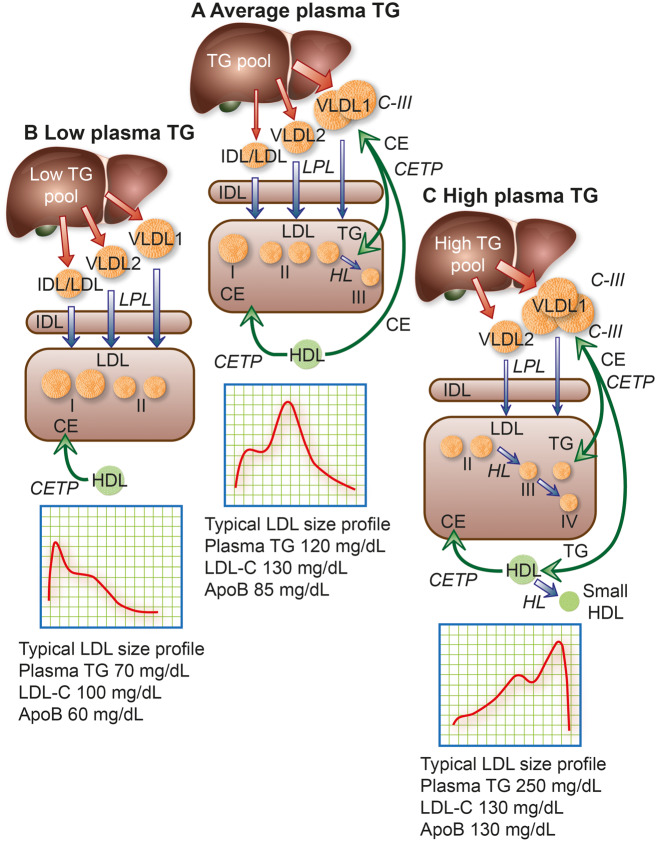
“The composition of IDL-derived LDL is modulated both by CETP-mediated transfer of cholesteryl esters (CE) from high-density lipoprotein (HDL) and by CETP-mediated transfer of TG from VLDL and their remnants.(102,106) (B) In individuals with low plasma TG, LDL-I and -II predominate.”
BackgroundSelf-citationVascular Calcification: Mechanisms and Clinical Ramifications
Abedin, M., Tintut, Y., & Demer, L. L. (2004) · Arteriosclerosis, Thrombosis, and Vascular Biology · doi:10.1161/01.atv.0000133194.94939.42 · Cited by 863
Self-citationCommon variants associated with plasma triglycerides and risk for coronary artery disease
Do, R., Willer, C. J., Schmidt, E. M., Sengupta, S., Gao, C., Peloso, G. M., Gustafsson, S., Kanoni, S., Ganna, A., Chen, J., et al. (2013) · Nature Genetics · doi:10.1038/ng.2795 · Cited by 862
Self-citationAdiels, M., Olofsson, S.-O., Taskinen, M.-R., & Borén, J. (2008) · Arteriosclerosis, Thrombosis, and Vascular Biology · doi:10.1161/atvbaha.107.160192 · Cited by 820 · cited 1×
“The rate of VLDL production is also influenced by metabolic factors, such as insulin resistance, and lipolysis and clearance of VLDL are markedly affected by apoC-III and angiopoietin-like 3 (ANGPTL3) content and lipase activities.(91,94) The LDL subclass profile is principally determined by the nature of the secreted…”
BackgroundSelf-citationArmitage, J., Baigent, C., Barnes, E., Betteridge, D. J., Blackwell, L., Blazing, M., Bowman, L., Braunwald, E., Byington, R., Cannon, C., et al. (2019) · The Lancet · doi:10.1016/s0140-6736(18)31942-1 · Cited by 801
Self-citationBadimon, J. J., Badimon, L., & Fuster, V (1990) · Journal of Clinical Investigation · doi:10.1172/jci114558 · Cited by 764
Shankman, L. S., Gomez, D., Cherepanova, O. A., Salmon, M., Alencar, G. F., Haskins, R. M., Swiatlowska, P., Newman, A. A. C., Greene, E. S., Straub, A. C., et al. (2016) · Nature Medicine · doi:10.1038/nm0216-217a · Cited by 764
Lipids and Lipoproteins in Patients With Type 2 Diabetes
Krauss, R. M. (2004) · Diabetes Care · doi:10.2337/diacare.27.6.1496 · Cited by 756
Self-citationViney, N. J., van Capelleveen, J. C., Geary, R. S., Xia, S., Tami, J. A., Yu, R. Z., Marcovina, S. M., Hughes, S. G., Graham, M. J., Crooke, R. M., et al. (2016) · The Lancet · doi:10.1016/s0140-6736(16)31009-1 · Cited by 754
Statins, high-density lipoprotein cholesterol, and regression of coronary atherosclerosis
Nicholls, S. J., Tuzcu, E. M., Sipahi, I., Grasso, A. W., Schoenhagen, P., Hu, T., Wolski, K., Crowe, T., Desai, M. Y., Hazen, S. L., et al. (2007) · JAMA · doi:10.1001/jama.297.5.499 · Cited by 724
Self-citationMadsen, C. M., Varbo, A., & Nordestgaard, B. G. (2017) · European Heart Journal · doi:10.1093/eurheartj/ehx163 · Cited by 715
Self-citationThrombosis formation on atherosclerotic lesions and plaque rupture
Badimon, L., & Vilahur, G. (2014) · Journal of Internal Medicine · doi:10.1111/joim.12296 · Cited by 697 · cited 1×
“to plaque components initiates the coagulation cascade, promoting thrombus formation at the site of rupture.(248) The question is: which”
BackgroundAssociation analyses based on false discovery rate implicate new loci for coronary artery disease
EPIC-CVD Consortium, Nelson, C. P., CARDIoGRAMplusC4D, The UK Biobank CardioMetabolic Consortium CHD working group, Goel, A., Butterworth, A. S., Kanoni, S., Webb, T. R., Marouli, E., Zeng, L., et al. (2017) · Nature Genetics · doi:10.1038/ng.3913 · Cited by 694
Self-citationVarbo, A., Benn, M., Tybjærg-Hansen, A., & Nordestgaard, B. G. (2013) · Circulation · doi:10.1161/circulationaha.113.003008 · Cited by 692
Self-citationOverproduction of large VLDL particles is driven by increased liver fat content in man
Adiels, M., Taskinen, M.-R., Packard, C., Caslake, M. J., Soro-Paavonen, A., Westerbacka, J., Vehkavaara, S., Häkkinen, A., Olofsson, S.-O., Yki-Järvinen, H., et al. (2006) · Diabetologia · doi:10.1007/s00125-005-0125-z · Cited by 690 · cited 1×
“The liver can produce a range of particles varying in size from large VLDL1, medium-sized VLDL2, to LDL, depending on hepatic TG availability.(92) The rate of VLDL production is also influenced by metabolic factors, such as insulin resistance, and lipolysis and clearance of VLDL are markedly affected by apoC-III and a…”
BackgroundSelf-citationCD47-blocking antibodies restore phagocytosis and prevent atherosclerosis
Kojima, Y., Volkmer, J.-P., McKenna, K., Civelek, M., Lusis, A. J., Miller, C. L., Direnzo, D., Nanda, V., Ye, J., Connolly, A. J., et al. (2016) · Nature · doi:10.1038/nature18935 · Cited by 683 · cited 1×
“atherogenesis.(157) Uptake of apoptotic cells is associated with”
Background20-Year Follow-up of Statins in Children with Familial Hypercholesterolemia
Luirink, I. K., Wiegman, A., Kusters, D. M., Hof, M. H., Groothoff, J. W., de Groot, E., Kastelein, J. J. P., & Hutten, B. A. (2019) · New England Journal of Medicine · doi:10.1056/nejmoa1816454 · Cited by 654 · cited 1×
“the development and progression of ASCVD and its clinical sequelae.(4,334,335) Furthermore, the pathophysiological evidence supports thera-”
BackgroundExome sequencing identifies rare LDLR and APOA5 alleles conferring risk for myocardial infarction
Do, R., Stitziel, N. O., Won, H.-H., Jørgensen, A. B., Duga, S., Angelica Merlini, P., Kiezun, A., Farrall, M., Goel, A., Zuk, O., et al. (2015) · Nature · doi:10.1038/nature13917 · Cited by 650 · cited 3×
“Other studies indicate a role for genes governing transcytosis of LDL in CAD.”
ResultSelf-citationMacrophage subsets in atherosclerosis
Chinetti-Gbaguidi, G., Colin, S., & Staels, B. (2015) · Nature Reviews Cardiology · doi:10.1038/nrcardio.2014.173 · Cited by 646 · cited 1×
“allowing macrophage subsets to participate in almost every stage of atherosclerosis.(138) Several DAMPs, generated by modification of retained LDL, induce”
BackgroundMonocyte-macrophages and T cells in atherosclerosis
Tabas, I., & Lichtman, A. H. (2017) · Immunity · doi:10.1016/j.immuni.2017.09.008 · Cited by 646 · cited 6×
“Very low-density lipoprotein 1 remodelling gives rise to remnants within the VLDL size range that are enriched in apoE; such circulating remnants can be removed by several mechanisms, primarily in the liver, including the LDL receptor-related protein, heparan sulfate proteoglycans, and LDL receptor.107–109 Hepatic cle…”
BackgroundInfluentialHegele, R. A., Ginsberg, H. N., Chapman, M. J., Nordestgaard, B. G., Kuivenhoven, J. A., Averna, M., Borén, J., Bruckert, E., Catapano, A. L., Descamps, O. S., et al. (2014) · The Lancet Diabetes & Endocrinology · doi:10.1016/s2213-8587(13)70191-8 · Cited by 635
Self-citationGenetics of blood lipids among ∼300,000 multi-ethnic participants of the Million Veteran Program
Global Lipids Genetics Consortium, Klarin, D., Myocardial Infarction Genetics (MIGen) Consortium, The Geisinger-Regeneron DiscovEHR Collaboration, Program, T. V. M. V., Damrauer, S. M., Cho, K., Sun, Y. V., Teslovich, T. M., Honerlaw, J., et al. (2018) · Nature Genetics · doi:10.1038/s41588-018-0222-9 · Cited by 625
Parhami, F., Morrow, A. D., Balucan, J., Leitinger, N., Watson, A. D., Tintut, Y., Berliner, J. A., & Demer, L. L. (1997) · Arteriosclerosis, Thrombosis, and Vascular Biology · doi:10.1161/01.atv.17.4.680 · Cited by 619
Self-citationCoronary Artery Plaque Characteristics Associated With Adverse Outcomes in the SCOT-HEART Study
Williams, M. C., Moss, A. J., Dweck, M., Adamson, P. D., Alam, S., Hunter, A., Shah, A. S. V., Pawade, T., Weir-McCall, J. R., Roditi, G., et al. (2019) · Journal of the American College of Cardiology · doi:10.1016/j.jacc.2018.10.066 · Cited by 611
Generation and Biological Activities of Oxidized Phospholipids
Bochkov, V. N., Oskolkova, O. V., Birukov, K. G., Levonen, A.-L., Binder, C. J., & Stöckl, J. (2010) · Antioxidants & Redox Signaling · doi:10.1089/ars.2009.2597 · Cited by 610 · cited 1×
“ation of oxidized LDL (oxLDL) containing several bioactive molecules including oxidized phospholipids.(129,130) Oxidized LDL, in turn,”
BackgroundSelf-citationVascular smooth muscle cell death, autophagy and senescence in atherosclerosis
Grootaert, M. O. J., Moulis, M., Roth, L., Martinet, W., Vindis, C., Bennett, M. R., & De Meyer, G. R. Y. (2018) · Cardiovascular Research · doi:10.1093/cvr/cvy007 · Cited by 606 · cited 4×
“The underlying lesion is frequently, but not always, rich in the glycosaminoglycan hyaluronan and SMCs.173 The mechanism leading to intravascular thrombosis is not yet clear, but experiments with mouse arteries have shown that subendothelial hyaluronan and disturbed blood flow render the endothelium vulnerable to neut…”
BackgroundInfluentialConsequences of cellular cholesterol accumulation: basic concepts and physiological implications
Tabas, I. (2002) · Journal of Clinical Investigation · doi:10.1172/jci16452 · Cited by 598
Elevated Lipoprotein(a) and Risk of Aortic Valve Stenosis in the General Population
Kamstrup, P. R., Tybjærg-Hansen, A., & Nordestgaard, B. G. (2014) · Journal of the American College of Cardiology · doi:10.1016/j.jacc.2013.09.038 · Cited by 595
Self-citationNordestgaard, B. G., & Langsted, A. (2016) · Journal of Lipid Research · doi:10.1194/jlr.r071233 · Cited by 575 · cited 3×
“and Lp(a) are directly causal in ASCVD, independent of LDL-C levels.(6,7,9,11) Indeed, the hazard ratios for myocardial infarction for a”
BackgroundSelf-citationCardiovascular and Metabolic Effects of ANGPTL3 Antisense Oligonucleotides
Graham, M. J., Lee, R. G., Brandt, T. A., Tai, L.-J., Fu, W., Peralta, R., Yu, R., Hurh, E., Paz, E., McEvoy, B. W., et al. (2017) · New England Journal of Medicine · doi:10.1056/nejmoa1701329 · Cited by 573
Impact of Statins on Serial Coronary Calcification During Atheroma Progression and Regression
Puri, R., Nicholls, S. J., Shao, M., Kataoka, Y., Uno, K., Kapadia, S. R., Tuzcu, E. M., & Nissen, S. E. (2015) · Journal of the American College of Cardiology · doi:10.1016/j.jacc.2015.01.036 · Cited by 571
Self-citationPlump, A. S., Scott, C. J., & Breslow, J. L. (1994) · Proceedings of the National Academy of Sciences · doi:10.1073/pnas.91.20.9607 · Cited by 568
Terminology for high-risk and vulnerable coronary artery plaques
SCHAAR, J. (2004) · European Heart Journal · doi:10.1016/j.ehj.2004.01.002 · Cited by 548 · cited 1×
“that separates the lipid-rich necrotic core of a plaque from the lumen of the artery.(245) The key features of a vulnerable plaque are a thin fi-”
BackgroundDalli, J., & Serhan, C. N. (2012) · Blood · doi:10.1182/blood-2012-04-423525 · Cited by 547 · cited 1×
“lipoxins, resolvins, and maresins that are actively involved in resolving inflammation.(159) In chronic inflammation, the general pro-inflammatory environ-”
BackgroundClinical review on triglycerides
Laufs, U., Parhofer, K. G., Ginsberg, H. N., & Hegele, R. A. (2020) · European Heart Journal · doi:10.1093/eurheartj/ehz785 · Cited by 544
Self-citationConsequences of cellular cholesterol accumulation: basic concepts and physiological implications
Tabas, I. (2002) · Journal of Clinical Investigation · doi:10.1172/jci0216452 · Cited by 540
Fernández-Friera, L., Peñalvo, J. L., Fernández-Ortiz, A., Ibañez, B., López-Melgar, B., Laclaustra, M., Oliva, B., Mocoroa, A., Mendiguren, J., Martínez de Vega, V., et al. (2015) · Circulation · doi:10.1161/circulationaha.114.014310 · Cited by 538 · cited 1×
“middle-aged men and women, respectively, have evidence of subclinical atherosclerosis.(3) Extensive evidence from epidemiologic, genetic,”
BackgroundEffects of Statins on Coronary Atherosclerotic Plaques
Lee, S.-E., Chang, H.-J., Sung, J. M., Park, H.-B., Heo, R., Rizvi, A., Lin, F. Y., Kumar, A., Hadamitzky, M., Kim, Y. J., et al. (2018) · JACC: Cardiovascular Imaging · doi:10.1016/j.jcmg.2018.04.015 · Cited by 536
Besler, C., Heinrich, K., Rohrer, L., Doerries, C., Riwanto, M., Shih, D. M., Chroni, A., Yonekawa, K., Stein, S., Schaefer, N., et al. (2011) · Journal of Clinical Investigation · doi:10.1172/jci42946 · Cited by 535 · cited 3×
“amino acid residues in apoAI by macrophage-derived myeloperoxidase;(282) moreover, oxidative modification also alters the endothelial effects of HDL.(283,284) These observations raise the possibility that a”
BackgroundSelf-citationOxidized phospholipids are proinflammatory and proatherogenic in hypercholesterolaemic mice
Que, X., Hung, M.-Y., Yeang, C., Gonen, A., Prohaska, T. A., Sun, X., Diehl, C., Määttä, A., Gaddis, D. E., Bowden, K., et al. (2018) · Nature · doi:10.1038/s41586-018-0198-8 · Cited by 529 · cited 1×
“phospholipid-neutralizing single-chain antibody, which protected atherosclerosis-prone mice against lesion formation.(132) Newly”
BackgroundSelf-citationAntisense Inhibition of Apolipoprotein C-III in Patients with Hypertriglyceridemia
Gaudet, D., Alexander, V. J., Baker, B. F., Brisson, D., Tremblay, K., Singleton, W., Geary, R. S., Hughes, S. G., Viney, N. J., Graham, M. J., et al. (2015) · New England Journal of Medicine · doi:10.1056/nejmoa1400283 · Cited by 528
Tumor Necrosis Factor-α Promotes In Vitro Calcification of Vascular Cells via the cAMP Pathway
Tintut, Y., Patel, J., Parhami, F., & Demer, L. L. (2000) · Circulation · doi:10.1161/01.cir.102.21.2636 · Cited by 527
Self-citationStructure of apolipoprotein B-100 in low density lipoproteins
Segrest, J. P., Jones, M. K., De Loof, H., & Dashti, N. (2001) · Journal of Lipid Research · doi:10.1016/s0022-2275(20)30267-4 · Cited by 522
Lipoprotein(a): resurrected by genetics
Kronenberg, F., & Utermann, G. (2013) · Journal of Internal Medicine · doi:10.1111/j.1365-2796.2012.02592.x · Cited by 521
Coronary Artery Calcification and its Progression
Mori, H., Torii, S., Kutyna, M., Sakamoto, A., Finn, A. V., & Virmani, R. (2018) · JACC: Cardiovascular Imaging · doi:10.1016/j.jcmg.2017.10.012 · Cited by 520
Impact of Lipids on Cardiovascular Health
Ference, B. A., Graham, I., Tokgozoglu, L., & Catapano, A. L. (2018) · Journal of the American College of Cardiology · doi:10.1016/j.jacc.2018.06.046 · Cited by 511 · cited 1×
“the development and progression of ASCVD and its clinical sequelae.(4,334,335) Furthermore, the pathophysiological evidence supports thera-”
BackgroundSelf-citationHoogeveen, R. C., Gaubatz, J. W., Sun, W., Dodge, R. C., Crosby, J. R., Jiang, J., Couper, D., Virani, S. S., Kathiresan, S., Boerwinkle, E., et al. (2014) · Arteriosclerosis Thrombosis and Vascular Biology · doi:10.1161/atvbaha.114.303284 · Cited by 507
Biomechanical factors in atherosclerosis: mechanisms and clinical implications
Kwak, B. R., Bäck, M., Bochaton-Piallat, M.-L., Caligiuri, G., Daemen, M. J. A. P., Davies, P. F., Hoefer, I. E., Holvoet, P., Jo, H., Krams, R., et al. (2014) · European Heart Journal · doi:10.1093/eurheartj/ehu353 · Cited by 502 · cited 1×
“factors, indicating that plaque composition is a major factor in its resistance to mechanical stress.(179) Erosion favours a higher fraction of”
BackgroundSelf-citationTsimikas, S., Fazio, S., Ferdinand, K. C., Ginsberg, H. N., Koschinsky, M. L., Marcovina, S. M., Moriarty, P. M., Rader, D. J., Remaley, A. T., Reyes-Soffer, G., et al. (2018) · Journal of the American College of Cardiology · doi:10.1016/j.jacc.2017.11.014 · Cited by 501
Self-citationCoding Variation in ANGPTL4, LPL, and SVEP1 and the Risk of Coronary Disease
Myocardial Infarction Genetics and CARDIoGRAM Exome Consortia Investigators (2016) · New England Journal of Medicine · doi:10.1056/nejmoa1507652 · Cited by 493
A New Function for the LDL Receptor: Transcytosis of LDL across the Blood–Brain Barrier
Dehouck, B., Fenart, L., Dehouck, M.-P., Pierce, A., Torpier, G., & Cecchelli, R. (1997) · The Journal of Cell Biology · doi:10.1083/jcb.138.4.877 · Cited by 490
Biological activities of HDL subpopulations and their relevance to cardiovascular disease
Camont, L., Chapman, M. J., & Kontush, A. (2011) · Trends in Molecular Medicine · doi:10.1016/j.molmed.2011.05.013 · Cited by 471
Self-citationIdentifying active vascular microcalcification by 18F-sodium fluoride positron emission tomography
Irkle, A., Vesey, A. T., Lewis, D. Y., Skepper, J. N., Bird, J. L. E., Dweck, M. R., Joshi, F. R., Gallagher, F. A., Warburton, E. A., Bennett, M. R., et al. (2015) · Nature Communications · doi:10.1038/ncomms8495 · Cited by 468
Frikke-Schmidt, R. (2008) · JAMA · doi:10.1001/jama.299.21.2524 · Cited by 464
Oxidized Low-Density Lipoprotein and Atherosclerosis
Steinberg, D., & Witztum, J. L. (2010) · Arteriosclerosis, Thrombosis, and Vascular Biology · doi:10.1161/atvbaha.108.179697 · Cited by 460
Mahley, R. W., Huang, Y., & Rall, S. C. (1999) · Journal of Lipid Research · doi:10.1016/s0022-2275(20)32417-2 · Cited by 447
New insights into the pathophysiology of dyslipidemia in type 2 diabetes
Taskinen, M.-R., & Borén, J. (2015) · Atherosclerosis · doi:10.1016/j.atherosclerosis.2015.01.039 · Cited by 440 · cited 2×
“to high apoC-III content [which inhibits lipoprotein lipase (LPL) action and possibly VLDL particle clearance].(78,95) An LDL subfraction pro-”
BackgroundSelf-citationChappell, J., Harman, J. L., Narasimhan, V. M., Yu, H., Foote, K., Simons, B. D., Bennett, M. R., & Jørgensen, H. F. (2016) · Circulation Research · doi:10.1161/circresaha.116.309799 · Cited by 437 · cited 4×
“The underlying lesion is frequently, but not always, rich in the glycosaminoglycan hyaluronan and SMCs.173 The mechanism leading to intravascular thrombosis is not yet clear, but experiments with mouse arteries have shown that subendothelial hyaluronan and disturbed blood flow render the endothelium vulnerable to neut…”
ResultInfluentialNakashima, Y., Fujii, H., Sumiyoshi, S., Wight, T. N., & Sueishi, K. (2007) · Arteriosclerosis, Thrombosis, and Vascular Biology · doi:10.1161/atvbaha.106.134080 · Cited by 435 · cited 2×
“atherosclerosis-prone arteries develop intimal hyperplasia, a thickening of the intimal layer due to accumulation of smooth muscle cells (SMCs) and proteoglycans.(56,57) In contrast, atherosclerosisresistant arteries form minimal to no intimal hyperplasia.”
BackgroundMerghani, A., Maestrini, V., Rosmini, S., Cox, A. T., Dhutia, H., Bastiaenan, R., David, S., Yeo, T. J., Narain, R., Malhotra, A., et al. (2017) · Circulation · doi:10.1161/circulationaha.116.026964 · Cited by 435
Schwartz, G. G., Bessac, L., Berdan, L. G., Bhatt, D. L., Bittner, V., Diaz, R., Goodman, S. G., Hanotin, C., Harrington, R. A., Jukema, J. W., et al. (2014) · American Heart Journal · doi:10.1016/j.ahj.2014.07.028 · Cited by 408 · cited 1×
“PCSK9 inhibitors (with or without addition of ezetimibe), therapeutic regimens that have proven safety and tolerability.(273,337,338) The unequivocal body of evidence for LDL causality in ASCVD will impact on future international recommendations for the management of atherogenic and ASCVD-promoting dyslipidaemias and…”
BackgroundPohle, K., Mäffert, R., Ropers, D., Moshage, W., Stilianakis, N., Daniel, W. G., & Achenbach, S. (2001) · Circulation · doi:10.1161/hc4101.097527 · Cited by 405 · cited 1×
“Although the role of LDL in coronary artery calcification remains unclear, 224 it is well-established that an elevated LDL-C level is a strong risk factor for progression of calcification.(225) Interestingly,”
BackgroundInnate sensing of oxidation-specific epitopes in health and disease
Binder, C. J., Papac-Milicevic, N., & Witztum, J. L. (2016) · Nature Reviews Immunology · doi:10.1038/nri.2016.63 · Cited by 403 · cited 2×
“ation of oxidized LDL (oxLDL) containing several bioactive molecules including oxidized phospholipids.(129,130) Oxidized LDL, in turn,”
BackgroundSelf-citationThe importance of the endothelium in atherothrombosis and coronary stenting
Otsuka, F., Finn, A. V., Yazdani, S. K., Nakano, M., Kolodgie, F. D., & Virmani, R. (2012) · Nature Reviews Cardiology · doi:10.1038/nrcardio.2012.64 · Cited by 402 · cited 1×
“antiplatelet, and fibrinolytic properties that counterbalance prothrombotic factors.(258) Upon plaque fissure (or plaque erosion), the”
BackgroundLipoprotein Heterogeneity and Apolipoprotein B Metabolism
Packard, C. J., & Shepherd, J. (1997) · Arteriosclerosis, Thrombosis, and Vascular Biology · doi:10.1161/01.atv.17.12.3542 · Cited by 402 · cited 19×
“Chancharme L, Thérond P, Nigon F, Lepage S, Couturier M, Chapman MJ. Cholesteryl ester hydroperoxide lability is a key feature of the oxidative susceptibility of small, dense LDL. Arterioscler Thromb Vasc Biol 1999;19:810–820.”
BackgroundInfluentialSelf-citationPeiffer, V., Sherwin, S. J., & Weinberg, P. D. (2013) · Cardiovascular Research · doi:10.1093/cvr/cvt044 · Cited by 379 · cited 1×
“branches and bifurcations where the endothelium is exposed to disturbed laminar blood flow and low or fluctuating shear stress.(61)”
BackgroundEndothelial permeability, LDL deposition, and cardiovascular risk factors—a review
Mundi, S., Massaro, M., Scoditti, E., Carluccio, M. A., van Hinsbergh, V. W. M., Iruela-Arispe, M. L., & De Caterina, R. (2018) · Cardiovascular Research · doi:10.1093/cvr/cvx226 · Cited by 367 · cited 1×
“Many risk factors modulate the propensity of LDL and other atherogenic lipoproteins to traverse the endothelium and enter the arterial intima.(30) Despite the relevance of LDL endothelial transport during atherogenesis, however, the molecular mechanisms controlling this process are still not fully understood.”
BackgroundAn abundant dysfunctional apolipoprotein A1 in human atheroma
Huang, Y., DiDonato, J. A., Levison, B. S., Schmitt, D., Li, L., Wu, Y., Buffa, J., Kim, T., Gerstenecker, G. S., Gu, X., et al. (2014) · Nature Medicine · doi:10.1038/nm.3459 · Cited by 364
Vengrenyuk, Y., Nishi, H., Long, X., Ouimet, M., Savji, N., Martinez, F. O., Cassella, C. P., Moore, K. J., Ramsey, S. A., Miano, J. M., et al. (2015) · Arteriosclerosis, Thrombosis, and Vascular Biology · doi:10.1161/atvbaha.114.304029 · Cited by 358
Thorp, E., Cui, D., Schrijvers, D. M., Kuriakose, G., & Tabas, I. (2008) · Arteriosclerosis, Thrombosis, and Vascular Biology · doi:10.1161/atvbaha.108.167197 · Cited by 357
SR-B1 drives endothelial cell LDL transcytosis via DOCK4 to promote atherosclerosis
Huang, L., Chambliss, K. L., Gao, X., Yuhanna, I. S., Behling-Kelly, E., Bergaya, S., Ahmed, M., Michaely, P., Luby-Phelps, K., Darehshouri, A., et al. (2019) · Nature · doi:10.1038/s41586-019-1140-4 · Cited by 353 · cited 2×
“Interestingly, expression of SR-B1 and DOCK4 is higher in human atherosclerotic arteries than in normal arteries.(41) Oestrogens significantly inhibit LDL transcytosis by down-regulating endothelial SR-BI.”
BackgroundSchwenke, D. C., & Carew, T. E. (1989) · Arteriosclerosis: An Official Journal of the American Heart Association, Inc. · doi:10.1161/01.atv.9.6.908 · Cited by 343
Ko, D. T., Alter, D. A., Guo, H., Koh, M., Lau, G., Austin, P. C., Booth, G. L., Hogg, W., Jackevicius, C. A., Lee, D. S., et al. (2016) · Journal of the American College of Cardiology · doi:10.1016/j.jacc.2016.08.038 · Cited by 340
Monocyte/Macrophage Regulation of Vascular Calcification In Vitro
Tintut, Y., Patel, J., Territo, M., Saini, T., Parhami, F., & Demer, L. L. (2002) · Circulation · doi:10.1161/hc0502.102969 · Cited by 336
Self-citationNordestgaard, B. G., Wootton, R., & Lewis, B. (1995) · Arteriosclerosis, Thrombosis, and Vascular Biology · doi:10.1161/01.atv.15.4.534 · Cited by 334
Self-citationNigon, F., Lesnik, P., Rouis, M., & Chapman, M. (1991) · Journal of Lipid Research · doi:10.1016/s0022-2275(20)41629-3 · Cited by 326
Self-citationCharacterization of Levels and Cellular Transfer of Circulating Lipoprotein-Bound MicroRNAs
Wagner, J., Riwanto, M., Besler, C., Knau, A., Fichtlscherer, S., Röxe, T., Zeiher, A. M., Landmesser, U., & Dimmeler, S. (2013) · Arteriosclerosis, Thrombosis, and Vascular Biology · doi:10.1161/atvbaha.112.300741 · Cited by 325
Self-citationA decade of genome-wide association studies for coronary artery disease: the challenges ahead
Erdmann, J., Kessler, T., Munoz Venegas, L., & Schunkert, H. (2018) · Cardiovascular Research · doi:10.1093/cvr/cvy084 · Cited by 325 · cited 2×
“predisposition to ASCVD is associated with multiple variants in genes that affect plasma LDL concentration (Figure 6).(229,230) Indeed, genom-”
BackgroundSelf-citationHou, Z.-H., Lu, B., Gao, Y., Jiang, S.-L., Wang, Y., Li, W., & Budoff, M. J. (2012) · JACC: Cardiovascular Imaging · doi:10.1016/j.jcmg.2012.06.006 · Cited by 321
Borén, J., Olin, K., Lee, I., Chait, A., Wight, T. N., & Innerarity, T. L. (1998) · Journal of Clinical Investigation · doi:10.1172/jci2265 · Cited by 320 · cited 3×
“(arginine and lysine) in apoB100 with negatively charged sulfate and carboxylic acid groups of arterial wall proteoglycans.(49) Genetic alter-”
BackgroundSelf-citationPradhan, A. D., Paynter, N. P., Everett, B. M., Glynn, R. J., Amarenco, P., Elam, M., Ginsberg, H., Hiatt, W. R., Ishibashi, S., Koenig, W., et al. (2018) · American Heart Journal · doi:10.1016/j.ahj.2018.09.011 · Cited by 319 · cited 1×
“receptor alpha agonist, are eagerly awaited.(318) In addition, ongoing phase three trials involving inhibitors of apoC-III(319) and of ANGPTL3,(320,321) whose action enhances the activity of LPL, should”
BackgroundSelf-citationRelationship between lifelong exercise volume and coronary atherosclerosis in athletes.
Aengevaeren, V. L., Mosterd, A., Braber, T. L., Prakken, N. H. J., Doevendans, P. A., Grobbee, D. E., Thompson, P. D., Eijsvogels, T. M. H., & Velthuis, B. K. (2017) · Circulation · doi:10.1161/circulationaha.117.027834 · Cited by 312
Lipoprotein (a): truly a direct prothrombotic factor in cardiovascular disease?
Boffa, M. B., & Koschinsky, M. L. (2016) · Journal of Lipid Research · doi:10.1194/jlr.r060582 · Cited by 309
Fifteen new risk loci for coronary artery disease highlight arterial-wall-specific mechanisms
CARDIoGRAMplusC4D, Howson, J. M. M., EPIC-CVD, Zhao, W., Barnes, D. R., Ho, W.-K., Young, R., Paul, D. S., Waite, L. L., Freitag, D. F., et al. (2017) · Nature Genetics · doi:10.1038/ng.3874 · Cited by 308 · cited 1×
“1), rs867186 at PROCR (encoding protein C receptor), and rs2820315 at LMOD1 (encoding SMC-expressed leiomodin 1).(235)”
BackgroundSelf-citationAl-Aly, Z., Shao, J.-S., Lai, C.-F., Huang, E., Cai, J., Behrmann, A., Cheng, S.-L., & Towler, D. A. (2007) · Arteriosclerosis, Thrombosis, and Vascular Biology · doi:10.1161/atvbaha.107.153668 · Cited by 307
ApoE attenuates unresolvable inflammation by complex formation with activated C1q
Yin, C., Ackermann, S., Ma, Z., Mohanta, S. K., Zhang, C., Li, Y., Nietzsche, S., Westermann, M., Peng, L., Hu, D., et al. (2019) · Nature Medicine · doi:10.1038/s41591-018-0336-8 · Cited by 305 · cited 1×
“activation of complement, further modulating the inflammatory response.(152) Thus, retention and subsequent modification of LDL elicits”
BackgroundSelf-citationParadoxical association of enhanced cholesterol efflux with increased incident cardiovascular risks
Li, X.-M., Tang, W. H. W., Mosior, M. K., Huang, Y., Wu, Y., Matter, W., Gao, V., Schmitt, D., DiDonato, J. A., Fisher, E. A., et al. (2013) · Arteriosclerosis, Thrombosis, and Vascular Biology · doi:10.1161/atvbaha.113.301373 · Cited by 301
Mechanisms and Consequences of Defective Efferocytosis in Atherosclerosis
Yurdagul, A., Doran, A. C., Cai, B., Fredman, G., & Tabas, I. A. (2018) · Frontiers in Cardiovascular Medicine · doi:10.3389/fcvm.2017.00086 · Cited by 300 · cited 1×
“so that oxLDL particles in atherosclerotic lesions compete for uptake by macrophages.(129,160) As a result, efferocytosis becomes defective”
BackgroundNakashima, Y., Wight, T. N., & Sueishi, K. (2008) · Cardiovascular Research · doi:10.1093/cvr/cvn099 · Cited by 299 · cited 1×
“atherosclerosis-prone arteries develop intimal hyperplasia, a thickening of the intimal layer due to accumulation of smooth muscle cells (SMCs) and proteoglycans.(56,57) In contrast, atherosclerosisresistant arteries form minimal to no intimal hyperplasia.”
BackgroundCardioprotective functions of HDLs
Rye, K.-A., & Barter, P. J. (2014) · Journal of Lipid Research · doi:10.1194/jlr.r039297 · Cited by 299
Chapman, M. J., Le Goff, W., Guerin, M., & Kontush, A. (2010) · European Heart Journal · doi:10.1093/eurheartj/ehp399 · Cited by 298 · cited 2×
“In metabolic models explaining the generation of small LDL species (LDL-III and LDL-IV), cholesteryl ester transfer protein (CETP)-mediated transfer of TG molecules from VLDL (and potentially chylomicrons) to the core of LDL particles in exchange for cholesteryl esters is a critical step.(102) The LDL particle may be…”
BackgroundSelf-citationThe role of B cells in atherosclerosis
Sage, A. P., Tsiantoulas, D., Binder, C. J., & Mallat, Z. (2019) · Nature Reviews Cardiology · doi:10.1038/s41569-018-0106-9 · Cited by 298 · cited 1×
“both immunoglobulin (Ig)G and IgM antibodies derived from such cells accumulate.(150,151) Many of these antibodies have”
BackgroundSelf-citationB Cells and Humoral Immunity in Atherosclerosis
Tsiantoulas, D., Diehl, C. J., Witztum, J. L., & Binder, C. J. (2014) · Circulation Research · doi:10.1161/circresaha.113.301145 · Cited by 296 · cited 1×
“both immunoglobulin (Ig)G and IgM antibodies derived from such cells accumulate.(150,151) Many of these antibodies have”
BackgroundSelf-citationNiccoli, G., Montone, R. A., Di Vito, L., Gramegna, M., Refaat, H., Scalone, G., Leone, A. M., Trani, C., Burzotta, F., Porto, I., et al. (2015) · European Heart Journal · doi:10.1093/eurheartj/ehv029 · Cited by 292
High lipoprotein(a) and high risk of mortality
Langsted, A., Kamstrup, P. R., & Nordestgaard, B. G. (2019) · European Heart Journal · doi:10.1093/eurheartj/ehy902 · Cited by 288
Self-citationBellosta, S., Mahley, R. W., Sanan, D. A., Murata, J., Newland, D. L., Taylor, J. M., & Pitas, R. E. (1995) · Journal of Clinical Investigation · doi:10.1172/jci118271 · Cited by 284 · cited 1×
“LDL levels, indicating a local apoE-related mechanism in the arterial wall.(243) Finally, as meta-analyses of GWAS incorporate ever-larger patient”
BackgroundOxidized phospholipids as a unifying theory for lipoprotein(a) and cardiovascular disease
Boffa, M. B., & Koschinsky, M. L. (2019) · Nature Reviews Cardiology · doi:10.1038/s41569-018-0153-2 · Cited by 284 · cited 1×
“pholipids in Lp(a) may induce differentiation of valve interstitial cells into a procalcification, osteoblast-like phenotype.(228) Ongoing trials”
BackgroundKyaw, T., Winship, A., Tay, C., Kanellakis, P., Hosseini, H., Cao, A., Li, P., Tipping, P., Bobik, A., & Toh, B.-H. (2013) · Circulation · doi:10.1161/circulationaha.112.001347 · Cited by 283 · cited 1×
“The role of CD4þ Th2 and Th17 cells is less clear, but CD8þ cytotoxic T cells also seem to promote atherogenesis.(149) Distinct”
BackgroundThe Influence of Innate and Adaptive Immune Responses on Atherosclerosis
Witztum, J. L., & Lichtman, A. H. (2014) · Annual Review of Pathology: Mechanisms of Disease · doi:10.1146/annurev-pathol-020712-163936 · Cited by 277
Kruth, H. S., Jones, N. L., Huang, W., Zhao, B., Ishii, I., Chang, J., Combs, C. A., Malide, D., & Zhang, W.-Y. (2005) · Journal of Biological Chemistry · doi:10.1074/jbc.m407167200 · Cited by 275
Schwenke, D. C., & Carew, T. E. (1989) · Arteriosclerosis: An Official Journal of the American Heart Association, Inc. · doi:10.1161/01.atv.9.6.895 · Cited by 273
Lipoprotein subfractions and cardiovascular disease risk
Krauss, R. M. (2010) · Current Opinion in Lipidology · doi:10.1097/mol.0b013e32833b7756 · Cited by 272 · cited 2×
“lipoproteins, have created challenges in assessing the independent contributions of small dense LDL to CHD.(81) Nevertheless, in several recent large prospective cohort studies,(98,124,125) and the placebo group of a large statin trial,(126) concentrations of small dense LDL but”
BackgroundSelf-citationMyeloperoxidase, paraoxonase-1, and HDL form a functional ternary complex
Huang, Y., Wu, Z., Riwanto, M., Gao, S., Levison, B. S., Gu, X., Fu, X., Wagner, M. A., Besler, C., Gerstenecker, G., et al. (2013) · Journal of Clinical Investigation · doi:10.1172/jci67478 · Cited by 269 · cited 3×
“amino acid residues in apoAI by macrophage-derived myeloperoxidase;(282) moreover, oxidative modification also alters the endothelial effects of HDL.(283,284) These observations raise the possibility that a”
BackgroundSelf-citationEffect of statins on atherosclerotic plaque
Almeida, S. O., & Budoff, M. (2019) · Trends in Cardiovascular Medicine · doi:10.1016/j.tcm.2019.01.001 · Cited by 263 · cited 1×
“lution of the imaging modalities applied and dissimilarities in the underlying substrate.(270,271) On the other hand, an open-label study”
MethodMerTK receptor cleavage promotes plaque necrosis and defective resolution in atherosclerosis
Cai, B., Thorp, E. B., Doran, A. C., Sansbury, B. E., Daemen, M. J. A. P., Dorweiler, B., Spite, M., Fredman, G., & Tabas, I. (2017) · Journal of Clinical Investigation · doi:10.1172/jci90520 · Cited by 262
Self-citationGuérin, M., Le Goff, W., Lassel, T. S., Van Tol, A., Steiner, G., & Chapman, M. J. (2001) · Arteriosclerosis, Thrombosis, and Vascular Biology · doi:10.1161/01.atv.21.2.282 · Cited by 258
Self-citationLactadherin Deficiency Leads to Apoptotic Cell Accumulation and Accelerated Atherosclerosis in Mice
Ait-Oufella, H., Kinugawa, K., Zoll, J., Simon, T., Boddaert, J., Heeneman, S., Blanc-Brude, O., Barateau, V., Potteaux, S., Merval, R., et al. (2007) · Circulation · doi:10.1161/circulationaha.106.662080 · Cited by 255
Self-citationLewis, M. J., Malik, T. H., Ehrenstein, M. R., Boyle, J. J., Botto, M., & Haskard, D. O. (2009) · Circulation · doi:10.1161/circulationaha.109.868158 · Cited by 248
Anber, V., Griffin, B. A., McConnell, M., Packard, C. J., & Shepherd, J. (1996) · Atherosclerosis · doi:10.1016/0021-9150(96)05842-x · Cited by 238
Self-citationBoren, J., Lee, I., Zhu, W., Arnold, K., Taylor, S., & Innerarity, T. L. (1998) · Journal of Clinical Investigation · doi:10.1172/jci1847 · Cited by 234 · cited 1×
“to the receptor, which is, in turn, a function of the conformation of apoB100 within the particle.(69,104,105) These factors are critical deter-”
BackgroundSelf-citationCARDIoGRAMplusC4D Consortium, Klarin, D., Zhu, Q. M., Emdin, C. A., Chaffin, M., Horner, S., McMillan, B. J., Leed, A., Weale, M. E., Spencer, C. C. A., et al. (2017) · Nature Genetics · doi:10.1038/ng.3914 · Cited by 232 · cited 2×
“leucocyte transendothelial migration compared with the low-risk Val29 isoform.(237) ApoE-null mice crossed with Arhgef26-null mice dis-”
BackgroundGriffin, B. A., Caslake, M. J., Yip, B., Tait, G. W., Packard, C. J., & Shepherd, J. (1990) · Atherosclerosis · doi:10.1016/0021-9150(90)90131-2 · Cited by 231 · cited 1×
“The hepatic TG content (TG pool) affects the profile of the secreted particles.(99) Secreted VLDL undergoes lipolysis and remodelling to form remnants/IDL; LDL is then formed via the actions of lipoprotein lipase (LPL), hepatic lipase (HL), and cholesteryl ester transfer protein (CETP).”
BackgroundSelf-citationGaleano, N. F., Al-Haideri, M., Keyserman, F., Rumsey, S. C., & Deckelbaum, R. J. (1998) · Journal of Lipid Research · doi:10.1016/s0022-2275(20)32551-7 · Cited by 228
Doi, H., Kugiyama, K., Oka, H., Sugiyama, S., Ogata, N., Koide, S.-I., Nakamura, S.-I., & Yasue, H. (2000) · Circulation · doi:10.1161/01.cir.102.6.670 · Cited by 227 · cited 1×
“TF expression may also be induced in endothelial cells by remnant lipoproteins.(253) Exposure of”
BackgroundBrown, G. T., & McIntyre, T. M. (2011) · The Journal of Immunology · doi:10.4049/jimmunol.1001623 · Cited by 223
Metalloproteinases in atherosclerosis
Johnson, J. L. (2017) · European Journal of Pharmacology · doi:10.1016/j.ejphar.2017.09.007 · Cited by 223 · cited 1×
“Cap collagen and elastin fibres are long-lived with little spontaneous turnover, but invading macrophages, recruited as a result of LDLdriven plaque inflammation, secrete matrix metalloproteinases and cathepsins that break down the matrix.(188) Together with SMC and macrophage death, such proteolysis progressively con…”
BackgroundMacrophage Trafficking, Inflammatory Resolution, and Genomics in Atherosclerosis
Moore, K. J., Koplev, S., Fisher, E. A., Tabas, I., Björkegren, J. L. M., Doran, A. C., & Kovacic, J. C. (2018) · Journal of the American College of Cardiology · doi:10.1016/j.jacc.2018.08.2147 · Cited by 219 · cited 1×
“and internalized by specific scavenger receptors giving rise to cholesterol-laden foam cells.(133) Several other modifications of”
BackgroundChapman, M. J., Laplaud, P. M., Luc, G., Forgez, P., Bruckert, E., Goulinet, S., & Lagrange, D. (1988) · Journal of Lipid Research · doi:10.1016/s0022-2275(20)38518-7 · Cited by 216
Self-citationAbela, G. S., Aziz, K., Vedre, A., Pathak, D. R., Talbott, J. D., & DeJong, J. (2009) · The American Journal of Cardiology · doi:10.1016/j.amjcard.2008.12.019 · Cited by 215 · cited 1×
“Cholesterol crystals, which can be seen protruding through the plaque surface around sites of rupture, may contribute to final disintegration of the residual cap tissue.(172) Ruptured lesions are also typically large with intraplaque angiogenesis and often have little previous stenosis due to extensive expansive”
BackgroundHigh density lipoprotein plasma fractions inhibit aortic fatty streaks in cholesterol-fed rabbits.
Jj, B., Badimón, L., Galvez, A., Dische, R., & Fuster, V. (1989) · PubMed · Cited by 214
DeFina, L. F., Radford, N. B., Barlow, C. E., Willis, B. L., Leonard, D., Haskell, W. L., Farrell, S. W., Pavlovic, A., Abel, K., Berry, J. D., et al. (2019) · JAMA Cardiology · doi:10.1001/jamacardio.2018.4628 · Cited by 213
Hattori, K., Ozaki, Y., Ismail, T. F., Okumura, M., Naruse, H., Kan, S., Ishikawa, M., Kawai, T., Ohta, M., Kawai, H., et al. (2012) · JACC: Cardiovascular Imaging · doi:10.1016/j.jcmg.2011.11.012 · Cited by 211 · cited 1×
“tween cap formation and degradation, leading to thicker caps and, by inference, lower risk of rupture and thrombosis.(272) Of note, reduc-”
Backgroundvan Buul, J. D., Allingham, M. J., Samson, T., Meller, J., Boulter, E., García-Mata, R., & Burridge, K. (2007) · The Journal of Cell Biology · doi:10.1083/jcb.200612053 · Cited by 208
Cited by
The changing landscape of atherosclerosis
Libby, P. (2021) · Nature · doi:10.1038/s41586-021-03392-8 · Cited by 2,873
Heavy metals: toxicity and human health effects
Jomova, K., Alomar, S. Y., Nepovimova, E., Kuca, K., & Valko, M. (2025) · Archives of Toxicology · doi:10.1007/s00204-024-03903-2 · Cited by 983
Ginsberg, H. N., Packard, C. J., Chapman, M. J., Borén, J., Aguilar-Salinas, C. A., Averna, M., Ference, B. A., Gaudet, D., Hegele, R. A., Kersten, S., et al. (2021) · European Heart Journal · doi:10.1093/eurheartj/ehab551 · Cited by 979
“17,25,93,104,206”
BackgroundInfluentialSelf-citationPearson, G. J., Thanassoulis, G., Anderson, T. J., Barry, A. R., Couture, P., Dayan, N., Francis, G. A., Genest, J., Grégoire, J., Grover, S. A., et al. (2021) · Canadian Journal of Cardiology · doi:10.1016/j.cjca.2021.03.016 · Cited by 843
Self-citationNAFLD and cardiovascular diseases: a clinical review
Kasper, P., Martin, A., Lang, S., Kütting, F., Goeser, T., Demir, M., & Steffen, H.-M. (2021) · Clinical Research in Cardiology · doi:10.1007/s00392-020-01709-7 · Cited by 632
“SFA saturated fatty acids, OSAS obstructive sleep apnea syndrome, carb. carbohydrates, n3 FA omega-3 fatty acids, NAFLD non-alcoholic fatty liver disease; PNPLA3 patatin-like phospholipase domain-containing protein 3, TM6SF transmembrane 6 superfamily 2 human gene, HSD17B13 hydroxysteroid dehydrogenase 17beta 13, MARC…”
Background
Metadata
- Authors
- Borén, J., Chapman, M. J., Krauss, R. M., Packard, C. J., Bentzon, J. F., Binder, C. J., Daemen, M. J., Demer, L. L., Hegele, R. A., Nicholls, S. J., Nordestgaard, B. G., Watts, G. F., Bruckert, E., Fazio, S., Ference, B. A., Graham, I., Horton, J. D., Landmesser, U., Laufs, U., Masana, L., Pasterkamp, G., Raal, F. J., Ray, K. K., Schunkert, H., Taskinen, M.-R., van de Sluis, B., Wiklund, O., Tokgozoglu, L., Catapano, A. L., & Ginsberg, H. N.
- Affiliations
- Sahlgrenska University Hospital (SE)
- Inserm (FR)
- University of California, San Francisco (US)
- University of Glasgow (GB)
- Aarhus University (DK)
- Austrian Academy of Sciences (AT)
- Amsterdam University Medical Centers (NL)
- University of California, Los Angeles (US)
- Western University (CA)
- Monash University (AU)
- University of Copenhagen (DK)
- The University of Western Australia (AU)
- INSERM UMRS1166, Department of Endocrinology-Metabolism, ICAN - Institute of CardioMetabolism and Nutrition, AP-HP, Hopital de la Pitie , Paris, France
- Oregon Health & Science University (US)
- University of Cambridge (GB)
- Trinity College Dublin (IE)
- The University of Texas Southwestern Medical Center (US)
- Berlin Institute of Health at Charité - Universitätsmedizin Berlin (DE)
- University Hospital Leipzig (DE)
- Centro de Investigación Biomédica en Red Diabetes y Enfermedades Metabólicas Asociadas (ES)
- University Medical Center Utrecht (NL)
- University of the Witwatersrand (ZA)
- Imperial College London (GB)
- German Centre for Cardiovascular Research (DE)
- University of Helsinki (FI)
- Department of Pediatrics, University of Groningen, University Medical Center Groningen , Groningen, The Netherlands
- Department of Cardiology, Hacettepe University Faculty of Medicine , Ankara, Turkey
- University of Milan (IT)
- Columbia University (US)
- Corresponding author
- Chapman, M John
- ORCID
- Borén, Jan
- Chapman, M John
- Krauss, Ronald M
- Packard, Chris J
- Bentzon, Jacob F
- Binder, Christoph J
- Daemen, Mat J
- Demer, Linda L
- Hegele, Robert A
- Nicholls, Stephen J
- Nordestgaard, Børge G
- Watts, Gerald F
- Fazio, Sergio
- Graham, Ian
- Horton, Jay D
- Landmesser, Ulf
- Laufs, Ulrich
- Masana, Luis
- Pasterkamp, Gerard
- Raal, Frederick J
- Ray, Kausik K
- Schunkert, Heribert
- Taskinen, Marja-Riitta
- Wiklund, Olov
- Tokgozoglu, Lale
- Catapano, Alberico L
- Ginsberg, Henry N
- Venue
- European Heart Journal
- Publisher
- Oxford University Press (OUP)
- Published
- 2020-02-13
- Volume
- 41
- Issue
- 24
- Pages
- 2313-2330
- ISSN
- 0195-668X (ISSN-L)
- 1522-9645
- PMC
- PMC7308544
- OpenAlex
- W3006116566
- Cited by
- 1,601
- References
- 351
- Citations by year
- 2026: 250 · 2025: 294 · 2024: 255 · 2023: 265 · 2022: 231 · 2021: 204 · 2020: 96
- FWCI
- 181.87
- Type
- journal article
- Language
- en
- Open access
- hybrid
- doi.org
- Licence
- Locations
- European Heart Journal (publishedVersion, cc-by-nc)
- PubMed Central (publishedVersion, cc-by-nc)
- PubMed (publishedVersion)
- Pure Amsterdam UMC (publishedVersion, cc-by)
- Research at the University of Copenhagen (University of Copenhagen) (publishedVersion, cc-by-nc)
- University of Groningen research database (University of Groningen / Centre for Information Technology) (publishedVersion, cc-by-nc)
- ENLIGHTEN (Jurnal Bimbingan dan Konseling Islam) (acceptedVersion, cc-by-sa)
- Työväentutkimus Vuosikirja (submittedVersion, other-oa)
- Rovira & Virgili repository (submittedVersion, cc-by)
- Data Archiving and Networked Services (DANS) (submittedVersion, other-oa)
- HAL (submittedVersion, other-oa)
- LA Referencia (Red Federada de Repositorios Institucionales de Publicaciones Científicas) (submittedVersion, cc-by-nc)
- Utrecht University Repository (Utrecht University) (submittedVersion, other-oa)
- mediaTUM (Technical University of Munich) (submittedVersion, other-oa)
- mediaTUM – the media and publications repository of the Technical University Munich (Technical University Munich) (submittedVersion)
- UWA Profiles and Research Repository (UWA) (submittedVersion, cc-by-nc)
- Spiral (Imperial College London) (submittedVersion, cc-by-nc)
- Lenus, The Irish Health Repository (Dr Steevens Hospital Library) (submittedVersion)
- University of Groningen research database (University of Groningen / Centre for Information Technology) (submittedVersion, cc-by-nc)
- Funders
- The European Atherosclerosis Society
- Topics
- Health Sciences › Medicine › Cardiology and Cardiovascular Medicine › Lipoproteins and Cardiovascular Health
- Life Sciences › Immunology and Microbiology › Immunology › Atherosclerosis and Cardiovascular Diseases
- Life Sciences › Biochemistry, Genetics and Molecular Biology › Biochemistry › Cholesterol and Lipid Metabolism
- Keywords
- low-density lipoprotein, atherosclerotic cardiovascular disease, pathophysiology, genetic risk factors, lipid-lowering therapy, dyslipidemia, cardiovascular risk
- MeSH terms
- Cardiovascular Diseases, Humans, Cholesterol, LDL, Consensus, Atherosclerosis
About these checks
Registry, retraction, Cites and statistics results are computed, not judged, with one exception: a printed reference that no index lists is read once by a model before it counts as a citation error. Claims are extracted by a model and kept only when their quote appears verbatim in the text; each cited source is then checked, with a model’s help, for whether it says what the claim relies on. Those verdicts can be wrong — read the claim’s quote and the cited source before relying on one.
Statistics and arithmetic are recomputed, not judged.
Confidence bands are shown only for fields calibrated on our annotated test set. None is calibrated yet, so no band is shown.
What counts as a claim ›How we measure confidence ›How we check this ›
Are you an author, or do you see a problem with this page? Request a review
Data sources
Bibliographic data: Semantic Scholar, OpenAlex, Crossref.
Contains information from the Semantic Scholar Academic Graph Datasets, made available under the ODC Attribution License (ODC-BY 1.0).
Semantic Scholar’s data is described in: Kinney, R., et al. (2023). The Semantic Scholar Open Data Platform. arXiv:2301.10140.
