

The DOI matches its Crossref record; 159 of the 159 references it cites were found in a registry or an index.
Advances and prospects in biomimetic multilayered scaffolds for articular cartilage regeneration
Open accessAbstract
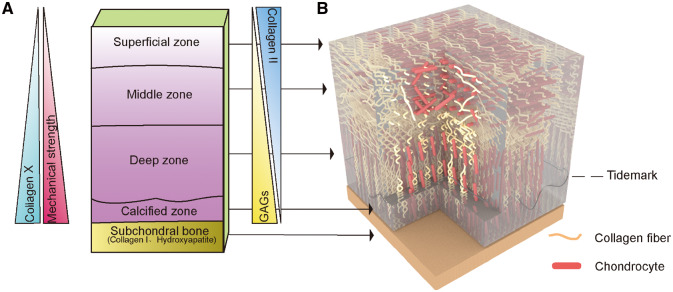
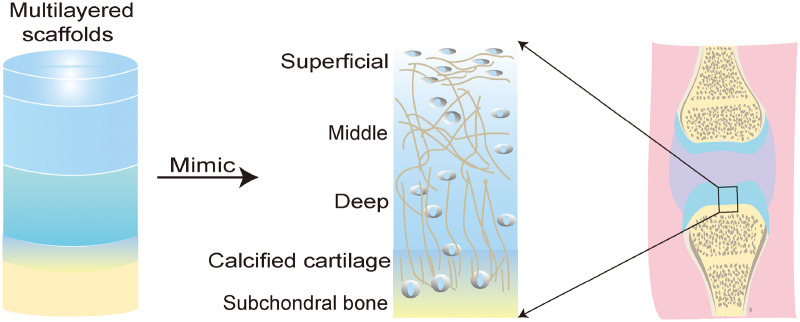
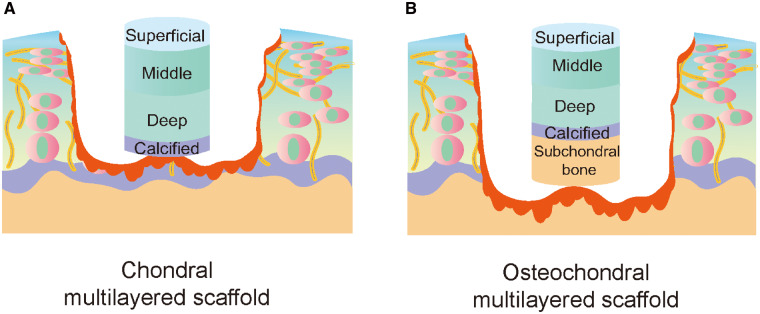
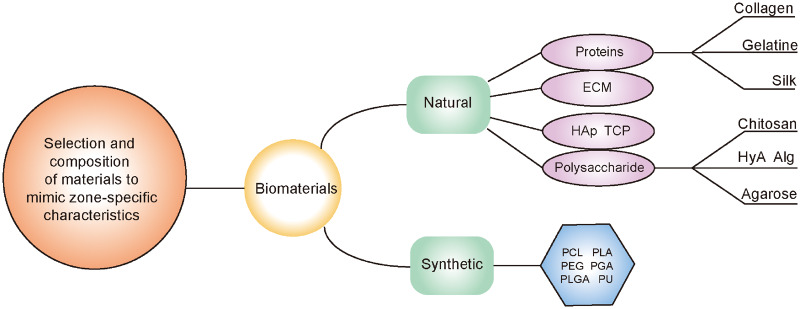
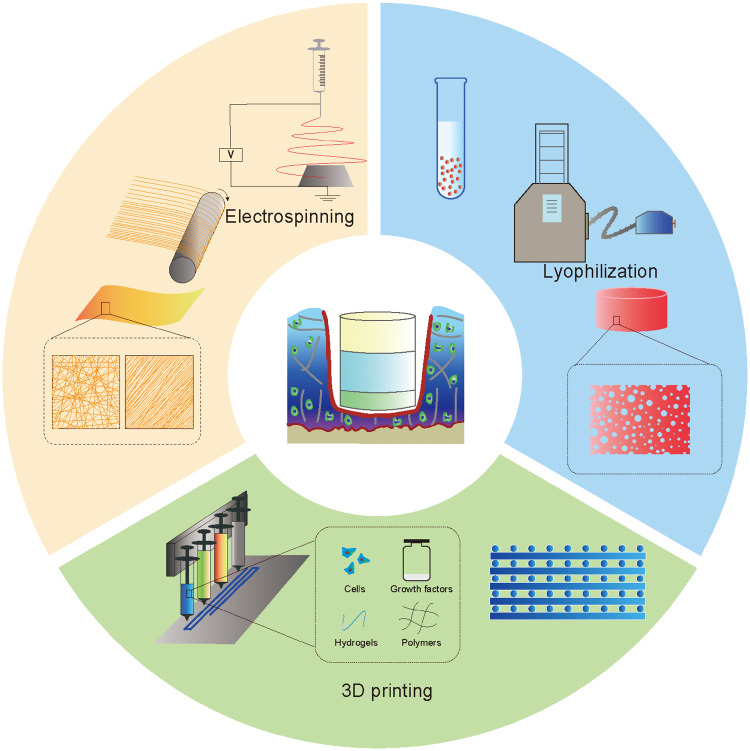
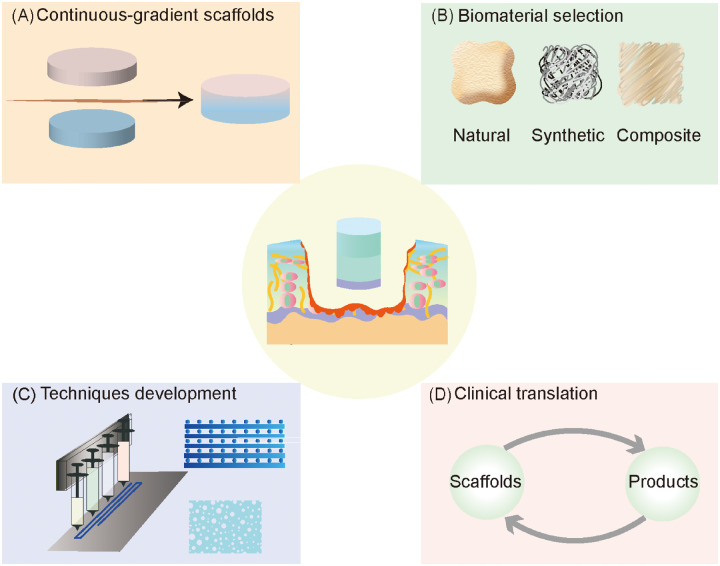
Due to the sophisticated hierarchical structure and limited reparability of articular cartilage (AC), the ideal regeneration of AC defects has been a major challenge in the field of regenerative medicine. As defects progress, they often extend from the cartilage layer to the subchondral bone and ultimately lead to osteoarthritis. Tissue engineering techniques bring new hope for AC regeneration. To meet the regenerative requirements of the heterogeneous and layered structure of native AC tissue, a substantial number of multilayered biomimetic scaffolds have been studied. Ideal multilayered scaffolds should generate zone-specific functional tissue similar to native AC tissue. This review focuses on the current status of multilayered scaffolds developed for AC defect repair, including design strategies based on the degree of defect severity and the zone-specific characteristics of AC tissue, the selection and composition of biomaterials, and techniques for design and manufacturing. The challenges and future perspectives of biomimetic multilayered scaffold strategies for AC regeneration are also discussed.
Overview
The claims and statistics of this paper haven’t been checked yet.
Run the check — free, no account needed. It reads the open-access text and checks the sources it cites.
Integrity signals
Registry
Cites
Statistics
Figures
Verification
Claims the paper makes
The claims and statistics of this paper haven’t been checked yet.
Run the check — free, no account needed. It reads the open-access text and checks the sources it cites.
Claims other papers make about this one
Each is checked against this paper’s own text: does it say what the citing paper says it does?
The cited source says what the claim attributes to it.
In the citing paper
“Biomimetic scaffolds have demonstrated cartilage-regenerating properties, acting as a structural support matrix that enhances cell proliferation and tissue repair [105].”
Self-check
Percentages, sums and reported differences re-computed from the paper’s own numbers.
The self-check needs the paper’s full text.
Citations
Cites
Osteoarthritis: A disease of the joint as an organ
Loeser, R. F., Goldring, S. R., Scanzello, C. R., & Goldring, M. B. (2012) · Arthritis & Rheumatism · doi:10.1002/art.34453 · Cited by 3,255
Biology of Bone Tissue: Structure, Function, and Factors That Influence Bone Cells
Florencio-Silva, R., Sasso, G. R. D. S., Sasso-Cerri, E., Simões, M. J., & Cerri, P. S. (2015) · BioMed Research International · doi:10.1155/2015/421746 · Cited by 2,044
Synthesis of polycaprolactone: A review
Labet, M., & Thielemans, W. (2009) · Chemical Society Reviews · doi:10.1039/b820162p · Cited by 1,673
Silk fibroin biomaterials for tissue regenerations
Kundu, B., Rajkhowa, R., Kundu, S. C., & Wang, X. (2013) · Advanced Drug Delivery Reviews · doi:10.1016/j.addr.2012.09.043 · Cited by 1,391
Organ printing: computer-aided jet-based 3D tissue engineering
Mironov, V., Boland, T., Trusk, T., Forgacs, G., & Markwald, R. R. (2003) · Trends in Biotechnology · doi:10.1016/s0167-7799(03)00033-7 · Cited by 1,276
Repair and tissue engineering techniques for articular cartilage
Makris, E. A., Gomoll, A. H., Malizos, K. N., Hu, J. C., & Athanasiou, K. A. (2015) · Nature Reviews Rheumatology · doi:10.1038/nrrheum.2014.157 · Cited by 1,245
Electrospun Nanofibers: New Concepts, Materials, and Applications
Xue, J., Xie, J., Liu, W., & Xia, Y. (2017) · Accounts of Chemical Research · doi:10.1021/acs.accounts.7b00218 · Cited by 1,195
Osteoarthritis: toward a comprehensive understanding of pathological mechanism
Chen, D., Shen, J., Zhao, W., Wang, T., Han, L., Hamilton, J. L., & Im, H.-J. (2017) · Bone Research · doi:10.1038/boneres.2016.44 · Cited by 1,187
Unlike Bone, Cartilage Regeneration Remains Elusive
Huey, D. J., Hu, J. C., & Athanasiou, K. A. (2012) · Science · doi:10.1126/science.1222454 · Cited by 1,182
Progress in 3D bioprinting technology for tissue/organ regenerative engineering
Matai, I., Kaur, G., Seyedsalehi, A., McClinton, A., & Laurencin, C. T. (2020) · Biomaterials · doi:10.1016/j.biomaterials.2019.119536 · Cited by 1,156
Mithoefer, K., McAdams, T., Williams, R. J., Kreuz, P. C., & Mandelbaum, B. R. (2009) · The American Journal of Sports Medicine · doi:10.1177/0363546508328414 · Cited by 1,013
Epidemiology of osteoarthritis: literature update
Vina, E. R., & Kwoh, C. K. (2017) · Current Opinion in Rheumatology · doi:10.1097/bor.0000000000000479 · Cited by 1,006
PLA composites: From production to properties
Murariu, M., & Dubois, P. (2016) · Advanced Drug Delivery Reviews · doi:10.1016/j.addr.2016.04.003 · Cited by 1,005
Articular cartilage defects in 1,000 knee arthroscopies
Hjelle, K., Solheim, E., Strand, T., Muri, R., & Brittberg, M. (2002) · Arthroscopy: The Journal of Arthroscopic & Related Surgery · doi:10.1053/jars.2002.32839 · Cited by 939
Application of Collagen Scaffold in Tissue Engineering: Recent Advances and New Perspectives
Dong, C., & Lv, Y. (2016) · Polymers · doi:10.3390/polym8020042 · Cited by 851
Silk fibroin as biomaterial for bone tissue engineering
Melke, J., Midha, S., Ghosh, S., Ito, K., & Hofmann, S. (2015) · Acta Biomaterialia · doi:10.1016/j.actbio.2015.09.005 · Cited by 801
Chung, C., & Burdick, J. A. (2008) · Advanced Drug Delivery Reviews · doi:10.1016/j.addr.2007.08.027 · Cited by 760
Articular cartilage defects: Study of 25,124 knee arthroscopies
Widuchowski, W., Widuchowski, J., & Trzaska, T. (2007) · The Knee · doi:10.1016/j.knee.2007.02.001 · Cited by 755
Articular cartilage: structure, injuries and review of management
Bhosale, A. M., & Richardson, J. B. (2008) · British Medical Bulletin · doi:10.1093/bmb/ldn025 · Cited by 718
Surgical and tissue engineering strategies for articular cartilage and meniscus repair
Kwon, H., Brown, W. E., Lee, C. A., Wang, D., Paschos, N. K., Hu, J. C. Y., & Athanasiou, K. A. (2019) · Nature Reviews Rheumatology · doi:10.1038/s41584-019-0255-1 · Cited by 657
Depth‐dependent confined compression modulus of full‐thickness bovine articular cartilage
Schinagl, R. M., Gurskis, D., Chen, A. C., & Sah, R. L. (1997) · Journal of Orthopaedic Research · doi:10.1002/jor.1100150404 · Cited by 646
Extracellular matrix scaffolds for cartilage and bone regeneration
Benders, K. E. M., Weeren, P. R. V., Badylak, S. F., Saris, D. B. F., Dhert, W. J. A., & Malda, J. (2013) · Trends in Biotechnology · doi:10.1016/j.tibtech.2012.12.004 · Cited by 538
Effects ofMentha suaveolensEssential Oil onChlamydia trachomatis
Sessa, R., Pietro, M. D., Santis, F. D., Filardo, S., Ragno, R., & Angiolella, L. (2015) · BioMed Research International · doi:10.1155/2015/508071 · Cited by 470
PCL-Based Composite Scaffold Matrices for Tissue Engineering Applications
Siddiqui, N., Asawa, S., Birru, B., Baadhe, R., & Rao, S. (2018) · Molecular Biotechnology · doi:10.1007/s12033-018-0084-5 · Cited by 461
Fiber-based tissue engineering: progress, challenges, and opportunities
Tamayol, A., Akbari, M., Annabi, N., Paul, A., Khademhosseini, A., & Juncker, D. (2013) · Biotechnology Advances · doi:10.1016/j.biotechadv.2012.11.007 · Cited by 458
Preparation of aligned porous gelatin scaffolds by unidirectional freeze-drying method
Wu, X., Liu, Y., Li, X., Wen, P., Zhang, Y., Long, Y., Wang, X., Guo, Y., Xing, F., & Gao, J. (2010) · Acta Biomaterialia · doi:10.1016/j.actbio.2009.08.041 · Cited by 457
Bone composition: relationship to bone fragility and antiosteoporotic drug effects
Boskey, A. L. (2013) · BoneKEy Reports · doi:10.1038/bonekey.2013.181 · Cited by 424
Design Strategies of Tissue Engineering Scaffolds with Controlled Fiber Orientation
Murugan, R., & Ramakrishna, S. (2007) · Tissue Engineering · doi:10.1089/ten.2006.0078 · Cited by 415
Osteochondral tissue engineering: Current strategies and challenges
Nukavarapu, S. P., & Dorcemus, D. L. (2013) · Biotechnology Advances · doi:10.1016/j.biotechadv.2012.11.004 · Cited by 383
Composition and Dynamics of Articular Cartilage: Structure, Function, and Maintaining Healthy State
Cohen, N. P., Foster, R. J., & Mow, V. C. (1998) · Journal of Orthopaedic and Sports Physical Therapy · doi:10.2519/jospt.1998.28.4.203 · Cited by 369
The ECM-Cell Interaction of Cartilage Extracellular Matrix on Chondrocytes
Gao, Y., Liu, S., Huang, J., Guo, W., Chen, J., Zhang, L., Zhao, B., Peng, J., Wang, A., Wang, Y., et al. (2014) · BioMed Research International · doi:10.1155/2014/648459 · Cited by 328
Self-citationTissue Engineering of Articular Cartilage with Biomimetic Zones
Klein, T. J., Malda, J., Sah, R. L., & Hutmacher, D. W. (2009) · Tissue Engineering Part B: Reviews · doi:10.1089/ten.teb.2008.0563 · Cited by 315
Fabrication of porous scaffolds for bone tissue engineering via low-temperature deposition
Xiong, Z. (2002) · Scripta Materialia · doi:10.1016/s1359-6462(02)00071-4 · Cited by 307
A biomimetic multi-layered collagen-based scaffold for osteochondral repair
Levingstone, T. J., Matsiko, A., Dickson, G. R., O’Brien, F. J., & Gleeson, J. P. (2014) · Acta Biomaterialia · doi:10.1016/j.actbio.2014.01.005 · Cited by 290
Indian hedgehog signals independently of PTHrP to promote chondrocyte hypertrophy
Mak, K. K., Kronenberg, H. M., Chuang, P., Mackem, S., & Yang, Y. (2008) · Development · doi:10.1242/dev.018044 · Cited by 279
Ma, W., Wang, Z., Yang, W., Ma, X., Kang, F., & Wang, J. (2014) · BioMed Research International · doi:10.1155/2014/798474 · Cited by 267
The minor collagens in articular cartilage
Luo, Y., Sinkevičiūtė, D., He, Y., Karsdal, M. A., Henrotin, Y. E., Mobasheri, A., Önnerfjord, P., & Bay‐Jensen, A. (2017) · Protein & Cell · doi:10.1007/s13238-017-0377-7 · Cited by 261
Polymeric Systems for Bioprinting
Bedell, M. L., Navara, A. M., Du, Y., Zhang, S., & Mikos, A. G. (2020) · Chemical Reviews · doi:10.1021/acs.chemrev.9b00834 · Cited by 258
Chen, A. C., Bae, W. C., Schinagl, R. M., & Sah, R. L. (2001) · Journal of Biomechanics · doi:10.1016/s0021-9290(00)00170-6 · Cited by 254
Cidonio, G., Glinka, M., Dawson, J. I., & Oreffo, R. O. C. (2019) · Biomaterials · doi:10.1016/j.biomaterials.2019.04.009 · Cited by 251
Kim, T.-K., Sharma, B., Williams, C. G., Ruffner, M. A., Malik, A. N., McFarland, E., & Elisseeff, J. H. (2003) · Osteoarthritis and Cartilage · doi:10.1016/s1063-4584(03)00120-1 · Cited by 247
Bittner, S. M., Smith, B. T., Díaz-Gómez, L. A., Hudgins, C. D., Melchiorri, A. J., Scott, D. W., Fisher, J. P., & Mikos, A. G. (2019) · Acta Biomaterialia · doi:10.1016/j.actbio.2019.03.041 · Cited by 246
Agarose-Based Biomaterials: Opportunities and Challenges in Cartilage Tissue Engineering
Salati, M. A., Khazai, J., Tahmuri, A. M., Samadi, A., Taghizadeh, A. A., Taghizadeh, M., Zarrintaj, P., Ramsey, J. D., Habibzadeh, S., Seidi, F., et al. (2020) · Polymers · doi:10.3390/polym12051150 · Cited by 246
Hunziker, E. B., Lippuner, K., Keel, M. J. B., & Shintani, N. (2014) · Osteoarthritis and Cartilage · doi:10.1016/j.joca.2014.12.011 · Cited by 244
Polyester elastomers for soft tissue engineering
Ye, H., Zhang, K., Kai, D., Li, Z., & Loh, X. J. (2018) · Chemical Society Reviews · doi:10.1039/c8cs00161h · Cited by 244
Wise, J. K., Yarin, A. L., Megaridis, C. M., & Cho, M. (2008) · Tissue Engineering Part A · doi:10.1089/ten.tea.2008.0109 · Cited by 242
Self-Organization and the Self-Assembling Process in Tissue Engineering
Athanasiou, K. A., Eswaramoorthy, R., Hadidi, P., & Hu, J. C. Y. (2013) · Annual Review of Biomedical Engineering · doi:10.1146/annurev-bioeng-071812-152423 · Cited by 231
Biomaterials and scaffold design: key to tissue‐engineering cartilage
Raghunath, J., Rollo, J., Sales, K. M., Butler, P. E. M., & Seifalian, A. M. (2007) · Biotechnology and Applied Biochemistry · doi:10.1042/ba20060134 · Cited by 222
Wang, J., Zhang, F., Tsang, W. P., Wan, C., & Wu, C. (2016) · Biomaterials · doi:10.1016/j.biomaterials.2016.12.015 · Cited by 212
Nguyen, L. H., Kudva, A. K., Saxena, N. S., & Roy, K. (2011) · Biomaterials · doi:10.1016/j.biomaterials.2011.06.014 · Cited by 209
Multi-layered collagen-based scaffolds for osteochondral defect repair in rabbits
Levingstone, T. J., Thompson, E. M., Matsiko, A., Schepens, A., Gleeson, J. P., & O’Brien, F. J. (2015) · Acta Biomaterialia · doi:10.1016/j.actbio.2015.12.034 · Cited by 209
Current strategies in multiphasic scaffold design for osteochondral tissue engineering: A review
Yousefi, A., Hoque, M. E., Prasad, R. G. S. V., & Uth, N. (2014) · Journal of Biomedical Materials Research Part A · doi:10.1002/jbm.a.35356 · Cited by 207
Chen, S., Fu, P., Wu, H., & Pei, M. (2017) · Cell and Tissue Research · doi:10.1007/s00441-017-2613-0 · Cited by 199
Idaszek, J., Costantini, M., Karlsen, T. A., Jaroszewicz, J., Colosi, C., Testa, S., Fornetti, E., Bernardini, S., Seta, M., Kasarełło, K., et al. (2019) · Biofabrication · doi:10.1088/1758-5090/ab2622 · Cited by 198
Harley, B. A. C., Lynn, A. K., Wissner-Gross, Z. D., Bonfield, W., Yannas, I. V., & Gibson, L. J. (2009) · Journal of Biomedical Materials Research Part A · doi:10.1002/jbm.a.32387 · Cited by 192
Barrioni, B. R., de Carvalho, S. M., Oréfice, R. L., de Oliveira, A. A. R., & Pereira, M. D. M. (2015) · Materials Science and Engineering: C · doi:10.1016/j.msec.2015.03.027 · Cited by 189
3D printing of biomimetic multi-layered GelMA/nHA scaffold for osteochondral defect repair
Liu, J., Li, L., Suo, H., Yan, M., Yin, J., & Fu, J. (2019) · Materials & Design · doi:10.1016/j.matdes.2019.107708 · Cited by 188
In situ repair of bone and cartilage defects using 3D scanning and 3D printing
Li, L., Yu, F., Shi, J., Shen, S., Teng, H., Yang, J., Wang, X., & Jiang, Q. Y. (2017) · Scientific Reports · doi:10.1038/s41598-017-10060-3 · Cited by 180
Unraveling the transcriptional regulatory machinery in chondrogenesis
Akiyama, H., & Lefèbvre, V. (2011) · Journal of Bone and Mineral Metabolism · doi:10.1007/s00774-011-0273-9 · Cited by 178
Engineering of gradient osteochondral tissue: From nature to lab
Ansari, S., Khorshidi, S., & Karkhaneh, A. (2019) · Acta Biomaterialia · doi:10.1016/j.actbio.2019.01.071 · Cited by 171
Levingstone, T. J., Ramesh, A., Brady, R. T., Brama, P. A. J., Kearney, C., Gleeson, J. P., & O’Brien, F. J. (2016) · Biomaterials · doi:10.1016/j.biomaterials.2016.02.006 · Cited by 169
Biomaterial-based scaffolds – current status and future directions
Garg, T., & Goyal, A. K. (2014) · Expert Opinion on Drug Delivery · doi:10.1517/17425247.2014.891014 · Cited by 164
Tissue engineering strategies to study cartilage development, degeneration and regeneration
Bhattacharjee, M., Coburn, J. M., Centola, M., Murab, S., Barbero, A., Kaplan, D. L., Martín, I., & Ghosh, S. (2014) · Advanced Drug Delivery Reviews · doi:10.1016/j.addr.2014.08.010 · Cited by 162
Ng, K., Wang, C. C. ‐., Mauck, R. L., Kelly, T. N., Chahine, N. O., Costa, K. D., Ateshian, G. A., & Hung, C. T. (2004) · Journal of Orthopaedic Research® · doi:10.1016/j.orthres.2004.05.015 · Cited by 161
Intra-articular drug delivery: The challenge to extend drug residence time within the joint
Edwards, S. (2010) · The Veterinary Journal · doi:10.1016/j.tvjl.2010.09.019 · Cited by 156
Nguyen, L. H., Kudva, A. K., Guckert, N. L., Linse, K. D., & Roy, K. (2010) · Biomaterials · doi:10.1016/j.biomaterials.2010.10.009 · Cited by 154
A functional agarose-hydroxyapatite scaffold for osteochondral interface regeneration
Khanarian, N. T., Haney, N. M., Burga, R. A., & Lu, H. H. (2012) · Biomaterials · doi:10.1016/j.biomaterials.2012.03.076 · Cited by 153
Luca, A. D., van Blitterswijk, C., & Moroni, L. (2015) · Birth Defects Research Part C Embryo Today Reviews · doi:10.1002/bdrc.21092 · Cited by 150
Non‐surgical treatments for the management of early osteoarthritis
Filardo, G., Kon, E., Longo, U. G., Madry, H., Marchettini, P., Marmotti, A., Assche, D. V., Zanon, G., & Peretti, G. M. (2016) · Knee Surgery Sports Traumatology Arthroscopy · doi:10.1007/s00167-016-4089-y · Cited by 150
Ren, X., Wang, F., Chen, C., Gong, X., Yin, L., & Yang, L. (2016) · BMC Musculoskeletal Disorders · doi:10.1186/s12891-016-1130-8 · Cited by 143
Self-citationBakhshayesh, A. R. D., Asadi, N., Alihemmati, A., Nasrabadi, H. T., Montaseri, A., Davaran, S., Saghati, S., Akbarzadeh, A., & Abedelahi, A. (2019) · Journal of Biological Engineering · doi:10.1186/s13036-019-0209-9 · Cited by 140
Directed cell growth in multi-zonal scaffolds for cartilage tissue engineering
Camarero‐Espinosa, S., Rothen‐Rutishauser, B., Weder, C., & Foster, E. J. (2015) · Biomaterials · doi:10.1016/j.biomaterials.2015.09.033 · Cited by 139
Biomaterial-guided delivery of gene vectors for targeted articular cartilage repair
Cucchiarini, M., & Madry, H. (2018) · Nature Reviews Rheumatology · doi:10.1038/s41584-018-0125-2 · Cited by 135
Kartogenin-loaded coaxial PGS/PCL aligned nanofibers for cartilage tissue engineering
Silva, J. C., Udangawa, R. N., Chen, J., Mancinelli, C. D., Garrudo, F. F. F., Mikael, P. E., Cabral, J. M. S., Ferreira, F. C., & Linhardt, R. J. (2019) · Materials Science and Engineering C · doi:10.1016/j.msec.2019.110291 · Cited by 135
Christensen, B. B., Foldager, C. B., Jensen, J., Jensen, N. C., & Lind, M. (2015) · Knee Surgery Sports Traumatology Arthroscopy · doi:10.1007/s00167-015-3538-3 · Cited by 127
Bioactive polymeric scaffolds for osteogenic repair and bone regenerative medicine
Amiryaghoubi, N., Fathi, M., Pesyan, N. N., Samiei, M., Barar, J., & Omidi, Y. (2020) · Medicinal Research Reviews · doi:10.1002/med.21672 · Cited by 125
Cunniffe, G. M., Díaz‐Payno, P. J., Sheehy, E. J., Critchley, S. E., de Almeida, H. V., Pitacco, P., Carroll, S. F., Mahon, O. R., Dunne, A., Levingstone, T. J., et al. (2018) · Biomaterials · doi:10.1016/j.biomaterials.2018.09.044 · Cited by 124
The Osteochondral Junction and Its Repair via Bi-Phasic Tissue Engineering Scaffolds
Keeney, M. G., & Pandit, A. S. (2009) · Tissue Engineering Part B Reviews · doi:10.1089/ten.teb.2008.0388 · Cited by 121
Three-Dimensional Bioprinting and Its Potential in the Field of Articular Cartilage Regeneration
Mouser, V. H. M., Levato, R., Bonassar, L. J., DʼLima, D. D., Grande, D. A., Klein, T. J., Saris, D. B. F., Zenobi‐Wong, M., Gawlitta, D., & Malda, J. (2016) · Cartilage · doi:10.1177/1947603516665445 · Cited by 114
Icariin conjugated hyaluronic acid/collagen hydrogel for osteochondral interface restoration
Yang, J., Liu, Y., He, L., Wang, Q., Wang, L., Yuan, T., Xiao, Y., Fan, Y., & Zhang, X. (2018) · Acta Biomaterialia · doi:10.1016/j.actbio.2018.05.005 · Cited by 108
Tissue-Engineered Cartilage: The Crossroads of Biomaterials, Cells and Stimulating Factors
Bhardwaj, N., Devi, D., & Mandal, B. B. (2014) · Macromolecular Bioscience · doi:10.1002/mabi.201400335 · Cited by 104
Moses, J. C., Reardon, P. J. T., Konwarh, R., Knowles, J. C., & Mandal, B. B. (2017) · ACS Applied Materials & Interfaces · doi:10.1021/acsami.6b16590 · Cited by 103
Perspectives in Multiphasic Osteochondral Tissue Engineering
Jeon, J. E., Vaquette, C., Klein, T. J., & Hutmacher, D. W. (2013) · The Anatomical Record · doi:10.1002/ar.22795 · Cited by 101
Bio-ink development for three-dimensional bioprinting of hetero-cellular cartilage constructs
Mouser, V. H. M., Levato, R., Mensinga, A., Dhert, W. J. A., Gawlitta, D., & Malda, J. (2018) · Connective Tissue Research · doi:10.1080/03008207.2018.1553960 · Cited by 101
Recent Progress in Interfacial Tissue Engineering Approaches for Osteochondral Defects
Castro, N. J., Hacking, S. A., & Zhang, L. G. (2012) · Annals of Biomedical Engineering · doi:10.1007/s10439-012-0605-5 · Cited by 95
Chondrogenesis and cartilage tissue engineering: the longer road to technology development
Mahmoudifar, N., & Doran, P. M. (2011) · Trends in biotechnology · doi:10.1016/j.tibtech.2011.09.002 · Cited by 94
Cahill, S., Lohfeld, S., & McHugh, P. E. (2009) · Journal of Materials Science Materials in Medicine · doi:10.1007/s10856-009-3693-5 · Cited by 93
Current solutions for the treatment of chronic articular cartilage defects in the knee
Chimutengwende-Gordon, M., Donaldson, J. R., & Bentley, G. (2020) · EFORT Open Reviews · doi:10.1302/2058-5241.5.190031 · Cited by 93
Chitosan for Tissue Engineering
Kim, C., Park, S. J., Yang, D. H., & Chun, H. J. (2018) · Advances in experimental medicine and biology · doi:10.1007/978-981-13-0947-2_25 · Cited by 92
Bioceramics for Osteochondral Tissue Engineering and Regeneration
Pina, S., Rebelo, R., Correlo, V. M., Oliveira, J. M., & Reis, R. L. (2018) · Advances in experimental medicine and biology · doi:10.1007/978-3-319-76711-6_3 · Cited by 90
Zhu, D., Tong, X., Trinh, P., & Yang, F. (2017) · Tissue Engineering Part A · doi:10.1089/ten.tea.2016.0453 · Cited by 87
Mellati, A., Fan, C., Tamayol, A., Annabi, N., Dai, S., Bi, J., Jin, B., Xian, C. J., Khademhosseini, A., & Zhang, H. (2016) · Biotechnology and Bioengineering · doi:10.1002/bit.26061 · Cited by 85
Zhang, T., Zhang, H., Zhang, L., Jia, S., Jian, L., Xiong, Z., & Sun, W. (2017) · Biofabrication · doi:10.1088/1758-5090/aa7078 · Cited by 85
Wang, C., Yue, H., Huang, W. D., Lin, X., Xie, X., He, Z., He, X. H., Liu, S., Bai, L., Lu, B., et al. (2020) · Biofabrication · doi:10.1088/1758-5090/ab7ab5 · Cited by 85
Self-citationClinical results of multilayered biomaterials for osteochondral regeneration
Kon, E., Filardo, G., Perdisa, F., et al. (2014) · Journal of Experimental Orthopaedics · doi:10.1186/s40634-014-0010-0 · Cited by 84
Current strategies for integrative cartilage repair
Boushell, M. K., Hung, C. T., Hunziker, E. B., Strauss, E. J., & Lu, H. H. (2016) · Connective Tissue Research · doi:10.1080/03008207.2016.1231180 · Cited by 83
Systemic drugs with impact on osteoarthritis
Apostu, D., LUCACIU, O. P., Meşter, A., Oltean‐Dan, D., Băciuț, M. F., Băciuț, G., Bran, S., Onisor, F. G., Piciu, A., Paşca, R.-D., et al. (2019) · Drug Metabolism Reviews · doi:10.1080/03602532.2019.1687511 · Cited by 81
Chen, W., Wang, C., Gao, Y., Wu, Y. J., Wu, G., Shi, X., Du, Y., & Deng, H. (2019) · Carbohydrate Polymers · doi:10.1016/j.carbpol.2019.115544 · Cited by 80
Wang, T., Lai, J. H., & Yang, F. (2016) · Tissue Engineering Part A · doi:10.1089/ten.tea.2016.0306 · Cited by 79
Cartilage extracellular matrix as a biomaterial for cartilage regeneration
Kiyotake, E. A., Beck, E. C., & Detamore, M. S. (2016) · Annals of the New York Academy of Sciences · doi:10.1111/nyas.13278 · Cited by 78
Fabrication of three-dimensional scaffolds for heterogeneous tissue engineering
Han, L., Suri, S., Schmidt, C. E., & Chen, S. (2010) · Biomedical Microdevices · doi:10.1007/s10544-010-9425-2 · Cited by 77
Biomedical applications of collagens
Ramshaw, J. A. M. (2015) · Journal of Biomedical Materials Research Part B Applied Biomaterials · doi:10.1002/jbm.b.33541 · Cited by 76
Chitosan/collagen based biomimetic osteochondral tissue constructs: A growth factor-free approach
Korpayev, S., Kaygusuz, G., Şen, M., Orhan, K., Oto, Ç., & Karakeçili, A. G. (2020) · International Journal of Biological Macromolecules · doi:10.1016/j.ijbiomac.2020.04.109 · Cited by 76
Engineering Complex Orthopaedic Tissues Via Strategic Biomimicry
Qu, D., Mosher, C. Z., Boushell, M. K., & Lu, H. H. (2014) · Annals of Biomedical Engineering · doi:10.1007/s10439-014-1190-6 · Cited by 74
Vikingsson, L., Claessens, B., Gómez-Tejedor, J. A., Ferrer, G. G., & Ribelles, J. L. G. (2015) · Journal of the mechanical behavior of biomedical materials/Journal of mechanical behavior of biomedical materials · doi:10.1016/j.jmbbm.2015.03.021 · Cited by 73
Freyria, A. M., Ronzière, M., Cortial, D., Galois, L., Hartmann, D. J., Herbage, D., & Mallein‐Gérin, F. (2008) · Tissue Engineering Part A · doi:10.1089/ten.tea.2008.0114 · Cited by 72
Multilayered Scaffold with a Compact Interfacial Layer Enhances Osteochondral Defect Repair
Jia, S., Wang, J., Zhang, T., Pan, W., Zhong, L., He, X., Yang, C., Wu, Q., Sun, W., Xiong, Z., et al. (2018) · ACS Applied Materials & Interfaces · doi:10.1021/acsami.8b03445 · Cited by 72
Liu, W. X., Wang, D., Huang, J., Wei, Y., Xiong, J., Zhu, W., Duan, L., Chen, J., Sun, R., & Wang, D. (2016) · Materials Science and Engineering C · doi:10.1016/j.msec.2016.04.014 · Cited by 71
Semitela, Â., Girão, A. F., Fernandes, C., Ramalho, G., Bdikin, I. K., Completo, A., & Marques, P. A. A. P. (2020) · Journal of Biomaterials Applications · doi:10.1177/0885328220940194 · Cited by 71
Non-surgical management of knee osteoarthritis: where are we now and where do we need to go?
Buttgereit, F., Burmester, G. R., & Bijlsma, J. W. J. (2015) · RMD Open · doi:10.1136/rmdopen-2014-000027 · Cited by 69
Chitosan: A promising polymer for cartilage repair and viscosupplementation
Comblain, F., Rocasalbas, G., Gautier, S., & Henrotin, Y. E. (2017) · Bio-Medical Materials and Engineering · doi:10.3233/bme-171643 · Cited by 68
Girão, A. F., Semitela, Â., Ramalho, G., Completo, A., & Marques, P. A. A. P. (2018) · Composites Part B Engineering · doi:10.1016/j.compositesb.2018.08.001 · Cited by 66
Neumann, A. J., Quinn, T. P., & Bryant, S. J. (2016) · Acta Biomaterialia · doi:10.1016/j.actbio.2016.05.015 · Cited by 65
Optimal mechanical properties of a scaffold for cartilage regeneration using finite element analysis
Koh, Y. G., Lee, J., Kim, Y. S., Lee, H. Y., Kim, H. J., & Kang, K. (2019) · Journal of Tissue Engineering · doi:10.1177/2041731419832133 · Cited by 65
Longley, R., Ferreira, A. M., & Gentile, P. (2018) · International Journal of Molecular Sciences · doi:10.3390/ijms19061755 · Cited by 62
Zhu, Y., Wan, Y., Zhang, J., Yin, D., & Cheng, W. (2013) · Colloids and Surfaces B Biointerfaces · doi:10.1016/j.colsurfb.2013.09.028 · Cited by 60
Nasiri, B., & Mashayekhan, S. (2017) · Biologicals · doi:10.1016/j.biologicals.2017.05.008 · Cited by 59
Multilayer scaffolds in orthopaedic tissue engineering
Ateşok, K., Doral, M. N., Karlsson, J., Egol, K. A., Jazrawi, L. M., Coelho, P. G., Martinez, A., Matsumoto, T., Owens, B. D., Ochi, M., et al. (2014) · Knee Surgery Sports Traumatology Arthroscopy · doi:10.1007/s00167-014-3453-z · Cited by 58
Effect of Impaction Sequence on Osteochondral Graft Damage: The Role of Repeated and Varying Loads
Kang, R. W., Friel, N. A., Williams, J. M., Cole, B. J., & Wimmer, M. A. (2009) · The American Journal of Sports Medicine · doi:10.1177/0363546509349038 · Cited by 58
Gegg, C. A., & Yang, F. (2019) · Acta Biomaterialia · doi:10.1016/j.actbio.2019.10.025 · Cited by 55
Karimi, T., Barati, D., Karaman, O., Moeinzadeh, S., & Jabbari, E. (2014) · Integrative Biology · doi:10.1039/c4ib00197d · Cited by 54
Multiscale Biofabrication of Articular Cartilage: Bioinspired and Biomimetic Approaches
Tatman, P. D., Gerull, W. D., Sweeney-Easter, S., Davis, J. I., Gee, A. O., & Kim, D. (2015) · Tissue Engineering Part B Reviews · doi:10.1089/ten.teb.2015.0142 · Cited by 53
Moeinzadeh, S., Shariati, S. R. P., & Jabbari, E. (2016) · Biomaterials · doi:10.1016/j.biomaterials.2016.03.034 · Cited by 53
Tissue Engineering Stratified Scaffolds for Articular Cartilage and Subchondral Bone Defects Repair
Liu, M., Yu, X., Huang, F., Cen, S., Zhong, G., & Xiang, Z. (2013) · Orthopedics · doi:10.3928/01477447-20131021-10 · Cited by 50
Electrospun Polymers in Cartilage Engineering—State of Play
Yılmaz, E. N., & Zeugolis, D. I. (2020) · Frontiers in Bioengineering and Biotechnology · doi:10.3389/fbioe.2020.00077 · Cited by 49
Effects of Oxygen on Zonal Marker Expression in Human Articular Chondrocytes
Schrobback, K., Malda, J., Crawford, R., Upton, Z., Leavesley, D. I., & Klein, T. J. (2011) · Tissue Engineering Part A · doi:10.1089/ten.tea.2011.0088 · Cited by 46
Xu, M., Li, Y., Suo, H., Yan, Y., Liu, L., Wang, Q., Ge, Y., & Xu, Y. (2010) · Biofabrication · doi:10.1088/1758-5082/2/2/025002 · Cited by 43
From intricate to integrated: Biofabrication of articulating joints
Groen, W. M. G. A. C., Diloksumpan, P., van Weeren, P. R., Levato, R., & Malda, J. (2017) · Journal of Orthopaedic Research® · doi:10.1002/jor.23602 · Cited by 42
Owida, H. A., Yang, R. C., Cen, L., Kuiper, N. J., & Yang, Y. (2018) · Journal of The Royal Society Interface · doi:10.1098/rsif.2018.0310 · Cited by 41
Liu, J., Fang, Q., Yu, X., Wan, Y., & Xiao, B. (2018) · International Journal of Molecular Sciences · doi:10.3390/ijms19082330 · Cited by 41
Kim, M., Farrell, M. J., Steinberg, D. R., Burdick, J. A., & Mauck, R. L. (2017) · Acta Biomaterialia · doi:10.1016/j.actbio.2017.06.025 · Cited by 39
Clearfield, D., Nguyen, A., & Wei, M. (2017) · Journal of Biomedical Materials Research Part A · doi:10.1002/jbm.a.36288 · Cited by 37
Designed composites for mimicking compressive mechanical properties of articular cartilage matrix
Zhu, Y., Wu, H., Sun, S., Zhou, T., Wu, J., & Wan, Y. (2014) · Journal of the mechanical behavior of biomedical materials/Journal of mechanical behavior of biomedical materials · doi:10.1016/j.jmbbm.2014.04.003 · Cited by 35
Verschure, P. J., van Marle, J., Joosten, L. A. B., Helsen, M. M., Lafeber, F. P. J. G., & van den Berg, W. B. (1995) · Lara D. Veeken · doi:10.1093/rheumatology/35.11.1044 · Cited by 35
Ergene, E., Yagci, B. S., Gökyer, Ş., Eyidoğan, A., Aksoy, E. A., & Huri, P. Y. (2019) · Biomedical Materials · doi:10.1088/1748-605x/ab007a · Cited by 35
Engineering biological gradients
Sardelli, L., Pacheco, D. P., Zorzetto, L., Rinoldi, C., Święszkowski, W., & Petrini, P. (2019) · Journal of Applied Biomaterials & Functional Materials · doi:10.1177/2280800019829023 · Cited by 35
Zhou, T., Wu, J., Liu, J., Luo, Y., & Wan, Y. (2015) · Biomedical Materials · doi:10.1088/1748-6041/10/4/045013 · Cited by 34
Synthetic Materials for Osteochondral Tissue Engineering
Antoniac, I., Lăptoiu, D., Tecu, C., Milea, C., & Grădinaru, S. (2018) · Advances in experimental medicine and biology · doi:10.1007/978-3-319-76711-6_2 · Cited by 34
Xu, Y., Guo, X. P., Yang, S., Li, L., Zhang, P., Sun, W., Liu, C., & Mi, S. (2018) · Journal of Biomedical Materials Research Part A · doi:10.1002/jbm.a.36368 · Cited by 33
Andrades, J. A., Motaung, K. S., Jiménez-Palomo, P., Claros, S., López-Puerta, J. M., Becerra, J., Schmid, T. M., & Reddi, A. H. (2012) · Arthritis Research & Therapy · doi:10.1186/ar3793 · Cited by 31
Coates, E. E., & Fisher, J. P. (2011) · Journal of Tissue Engineering and Regenerative Medicine · doi:10.1002/term.411 · Cited by 28
Utilization of Finite Element Analysis for Articular Cartilage Tissue Engineering
Hassan, C. R., Qin, Y., Komatsu, D. E., & Uddin, S. M. Z. (2019) · Materials · doi:10.3390/ma12203331 · Cited by 27
Schiavi, J., Reppel, L., Charif, N., de Isla, N., Mainard, D., Benkirane-Jessel, N., Stoltz, J., Rahouadj, R., & Huselstein, C. (2017) · Journal of Tissue Engineering and Regenerative Medicine · doi:10.1002/term.2461 · Cited by 26
Natural Origin Materials for Osteochondral Tissue Engineering
Bonani, W., Singhatanadgige, W., Aramwit, P., & Motta, A. (2018) · Advances in experimental medicine and biology · doi:10.1007/978-3-319-76711-6_1 · Cited by 24
Therapeutic “Tool” in Reconstruction and Regeneration of Tissue Engineering for Osteochondral Repair
Hu, X., Xu, J., Li, W., Li, L., Parungao, R., Wang, Y., Zheng, S., Nie, Y., Liu, T., & Song, K. (2019) · Applied Biochemistry and Biotechnology · doi:10.1007/s12010-019-03214-8 · Cited by 24
Marycz, K., Marędziak, M., Grzesiak, J., Lis, A., & Śmieszek, A. (2016) · Polymers · doi:10.3390/polym8100339 · Cited by 23
Munir, N., McDonald, A., & Callanan, A. (2020) · ACS Omega · doi:10.1021/acsomega.9b04022 · Cited by 23
Multiphasic, Multistructured and Hierarchical Strategies for Cartilage Regeneration
Correia, C. R., Reis, R. L., & Mano, J. F. (2015) · Advances in experimental medicine and biology · doi:10.1007/978-3-319-22345-2_9 · Cited by 22
Fu, N., Tengzhe, D., Meng, A., Meng, Z., Zhu, B., & Lin, Y. (2017) · Current Stem Cell Research & Therapy · doi:10.2174/1574888x12666170718152611 · Cited by 21
Wu, G., Xiao, M., Xiao, J., Guo, L., Ke, Y., Li, H., Fang, L., Deng, C., & Liao, H. (2017) · Materials Science and Engineering C · doi:10.1016/j.msec.2017.10.006 · Cited by 15
Self-citationParratt, K. H., Smerchansky, M. E., Stiggers, Q., & Roy, K. (2017) · Journal of Materials Chemistry B · doi:10.1039/c7tb00896a · Cited by 14
Layered Scaffolds for Osteochondral Tissue Engineering
Pereira, D. R., Reis, R. L., & Oliveira, J. M. (2018) · Advances in experimental medicine and biology · doi:10.1007/978-3-319-76711-6_9 · Cited by 14
Sequential Zonal Chondrogenic Differentiation of Mesenchymal Stem Cells in Cartilage Matrices
Moeinzadeh, S., Monavarian, M., Kader, S. I., & Jabbari, E. (2018) · Tissue Engineering Part A · doi:10.1089/ten.tea.2018.0083 · Cited by 13
Hwang, S., & Todo, M. (2012) · Journal of Mechanical Science and Technology · doi:10.1007/s12206-012-0502-8 · Cited by 12
[Articular cartilage: structure and histochemical composition].
Espanha, M. M. (2011) · PubMed · Cited by 9
Mimetic Hierarchical Approaches for Osteochondral Tissue Engineering
Gadjanski, I. (2018) · Advances in experimental medicine and biology · doi:10.1007/978-3-319-76711-6_7 · Cited by 9
[Study on shape and structure of calcified cartilage zone in normal human knee joint].
Wang, F., Yang, L., Duan, X., Tan, H., & Dai, G. (2008) · PubMed · Cited by 6
Self-citation[Biomaterials in articular cartilage lesions repair].
Trzeciak, T., & Richter, M. (2008) · PubMed · Cited by 6
[Research progress of calcified cartilage zone].
Song, W., Wang, F., & Yang, L. (2011) · PubMed · Cited by 3
Self-citation
Cited by
Goulian, A. J., Goldstein, B., & Saad, M. A. (2025) · Journal of Clinical Medicine · doi:10.3390/jcm14062061 · Cited by 25
“Biomimetic scaffolds have demonstrated cartilage-regenerating properties, acting as a structural support matrix that enhances cell proliferation and tissue repair [105].”
Metadata
- Authors
- Fu, L., Yang, Z., Gao, C., Li, H., Yuan, Z., Wang, F., Sui, X., Liu, S., & Guo, Q.
- Affiliations
- Nankai University (CN)
- Shanghai Jiao Tong University (CN)
- Chinese PLA General Hospital (CN)
- Corresponding author
- Guo, Quanyi
- Venue
- Regenerative Biomaterials
- Publisher
- Oxford University Press (OUP)
- Published
- 2020-09-30
- Volume
- 7
- Issue
- 6
- Pages
- 527-542
- ISSN
- 2056-3418 (ISSN-L)
- 2056-3426
- PMC
- PMC7748444
- OpenAlex
- W3091055634
- Cited by
- 65
- References
- 159
- Citations by year
- 2026: 11 · 2025: 15 · 2024: 7 · 2023: 8 · 2022: 10 · 2021: 14
- FWCI
- 1.24
- Type
- journal article
- Language
- en
- Open access
- gold
- doi.org
- Licence
- Locations
- Regenerative Biomaterials (publishedVersion, cc-by)
- PubMed Central (publishedVersion, cc-by)
- PubMed (publishedVersion)
- Funders
- National Key Research and Development Program of China (2019YFA0110600)
- National Natural Science Foundation of China (81772319)
- Topics
- Health Sciences › Medicine › Rheumatology › Osteoarthritis Treatment and Mechanisms
- Physical Sciences › Engineering › Biomedical Engineering › Bone Tissue Engineering Materials
- Health Sciences › Medicine › Surgery › Tissue Engineering and Regenerative Medicine
- Keywords
- articular cartilage regeneration, multilayered scaffolds, biomimetic scaffolds, cartilage defects, osteoarthritis, biomaterial selection, scaffold fabrication, tissue engineering
About these checks
Registry, retraction, Cites and statistics results are computed, not judged, with one exception: a printed reference that no index lists is read once by a model before it counts as a citation error. Claims are extracted by a model and kept only when their quote appears verbatim in the text; each cited source is then checked, with a model’s help, for whether it says what the claim relies on. Those verdicts can be wrong — read the claim’s quote and the cited source before relying on one.
Statistics and arithmetic are recomputed, not judged.
Confidence bands are shown only for fields calibrated on our annotated test set. None is calibrated yet, so no band is shown.
What counts as a claim ›How we measure confidence ›How we check this ›
Are you an author, or do you see a problem with this page? Request a review
Data sources
Bibliographic data: Semantic Scholar, OpenAlex, Crossref.
Contains information from the Semantic Scholar Academic Graph Datasets, made available under the ODC Attribution License (ODC-BY 1.0).
Semantic Scholar’s data is described in: Kinney, R., et al. (2023). The Semantic Scholar Open Data Platform. arXiv:2301.10140.
