

Characterization of Psychotic Experiences in Adolescence Using the Specific Psychotic Experiences Questionnaire: Findings From a Study of 5000 16-Year-Old Twins
Open accessThe DOI matches its Crossref record; 50 of the 51 references it cites were found in a registry or an index.
Abstract
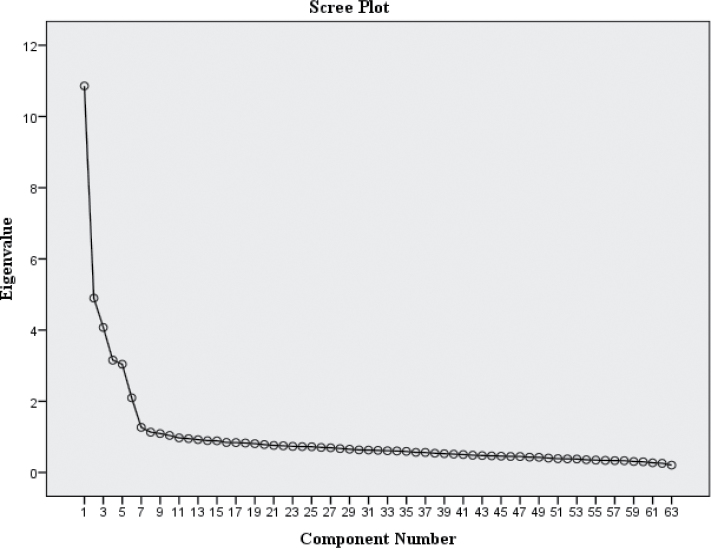
We aimed to characterize multiple psychotic experiences, each assessed on a spectrum of severity (ie, quantitatively), in a general population sample of adolescents. Over five thousand 16-year-old twins and their parents completed the newly devised Specific Psychotic Experiences Questionnaire (SPEQ); a subsample repeated it approximately 9 months later. SPEQ was investigated in terms of factor structure, intersubscale correlations, frequency of endorsement and reported distress, reliability and validity, associations with traits of anxiety, depression and personality, and sex differences. Principal component analysis revealed a 6-component solution: paranoia, hallucinations, cognitive disorganization, grandiosity, anhedonia, and parent-rated negative symptoms. These components formed the basis of 6 subscales. Correlations between different experiences were low to moderate. All SPEQ subscales, except Grandiosity, correlated significantly with traits of anxiety, depression, and neuroticism. Scales showed good internal consistency, test-retest reliability, and convergent validity. Girls endorsed more paranoia, hallucinations, and cognitive disorganization; boys reported more grandiosity and anhedonia and had more parent-rated negative symptoms. As in adults at high risk for psychosis and with psychotic disorders, psychotic experiences in adolescents are characterized by multiple components. The study of psychotic experiences as distinct dimensional quantitative traits is likely to prove an important strategy for future research, and the SPEQ is a self- and parent-report questionnaire battery that embodies this approach.
Overview
The claims and statistics of this paper haven’t been checked yet.
Free: it reads the open-access text and checks the first 5 claims that cite a source we can check. Create a free account to check every claim.
Integrity signals
Registry
Cites
Statistics
Figures
Verification
Claims the paper makes
The claims and statistics of this paper haven’t been checked yet.
Free: it reads the open-access text and checks the first 5 claims that cite a source we can check. Create a free account to check every claim.
Claims other papers make about this one
Each is checked against this paper’s own text: does it say what the citing paper says it does?
The source backs part of the claim, not all of it — or backs it for a different population, condition or comparison.
In the citing paper
“The empirical research indicates that non-affective psychotic diagnoses such as schizophrenia actually contain multiple independent experiences, including paranoia, grandiosity, and hallucinations”
From The role of sleep dysfunction in the occurrence of delusions and hallucinations: A systematic review (2015) · cites this paper as Ronald et al., 2014
Experimental — accuracy not yet measured
Self-check
Percentages, sums and reported differences re-computed from the paper’s own numbers.
The self-check needs the paper’s full text.
Citations
Cites
Genetics of Food Intake Self-Regulation in Childhood: Literature Review and Research Opportunities
Faith, M. S., Carnell, S., & Kral, T. V. E. (2013) · Human Heredity · doi:10.1159/000353879 · Cited by 7,601
Scale for the Assessment of Negative Symptoms (SANS)*
(1989) · British Journal of Psychiatry · doi:10.1192/s0007125000291502 · Cited by 2,701
Scale for the Assessment of Negative Symptoms
Andreasen, N. C. (2014) · PsycTESTS Dataset · doi:10.1037/t12696-000 · Cited by 1,866
(1995) · International Journal of Methods in Psychiatric Research · Cited by 1,847
The Scale for the Assessment of Negative Symptoms (SANS): Conceptual and Theoretical Foundations
Andreasen, N. C. (1989) · British Journal of Psychiatry · doi:10.1192/s0007125000291496 · Cited by 1,530
The Psychosis High-Risk State: A Comprehensive State-of-the-Art Review
Fusar-Poli, P., Borgwardt, S., Bechdolf, A., Addington, J., Riecher-Rössler, A., Schultze-Lutter, F., Keshavan, M., Wood, S., Ruhrmann, S., Seidman, L. J., et al. (2013) · JAMA Psychiatry · doi:10.1001/jamapsychiatry.2013.269 · Cited by 1,483
Self-citationLinscott, R. J., & van Os, J. (2013) · Psychological Medicine · doi:10.1017/s0033291712001626 · Cited by 1,181
Poulton, R., Caspi, A., Moffitt, T. E., Cannon, M., Murray, R., & Harrington, H. (2000) · Archives of General Psychiatry · doi:10.1001/archpsyc.57.11.1053 · Cited by 1,141
Anticipatory and consummatory components of the experience of pleasure: A scale development study
Gard, D. E., Gard, M. G., Kring, A. M., & John, O. P. (2006) · Journal of Research in Personality · doi:10.1016/j.jrp.2005.11.001 · Cited by 1,015
Psychological investigation of the structure of paranoia in a non-clinical population
Freeman, D., Garety, P. A., Bebbington, P. E., Smith, B., Rollinson, R., Fowler, D., Kuipers, E., Ray, K., & Dunn, G. (2005) · British Journal of Psychiatry · doi:10.1192/bjp.186.5.427 · Cited by 786 · cited 2×
“Paranoia was assessed with 15 items from the Paranoia Checklist.(21) Hallucinations were assessed with 9 items from the Cardiff Anomalous Perceptions Scale.”
MethodSelf-citation
Cited by
Freeman, D., Sheaves, B., Goodwin, G. M., Yu, L.-M., Nickless, A., Harrison, P. J., Emsley, R., Luik, A. I., Foster, R. G., Wadekar, V., et al. (2017) · The Lancet Psychiatry · doi:10.1016/s2215-0366(17)30328-0 · Cited by 652
Self-citationRosenfield, S., & Mouzon, D. (2013) · Handbooks of Sociology and Social Research · doi:10.1007/978-94-007-4276-5_14 · Cited by 494
Advances in understanding and treating persecutory delusions: a review
Freeman, D., & Garety, P. (2014) · Social Psychiatry and Psychiatric Epidemiology · doi:10.1007/s00127-014-0928-7 · Cited by 348
“The empirical research indicates that within these diagnoses are multiple independent experiences, such as paranoia, hallucinations, grandiosity, thought disorder, and anhedonia [13, 20–22].”
BackgroundSelf-citationGenetic Relationships Between Schizophrenia, Bipolar Disorder, and Schizoaffective Disorder
Cardno, A. G., & Owen, M. J. (2014) · Schizophrenia Bulletin · doi:10.1093/schbul/sbu016 · Cited by 286
Self-citationThe role of sleep dysfunction in the occurrence of delusions and hallucinations: A systematic review
Reeve, S., Sheaves, B., & Freeman, D. (2015) · Clinical Psychology Review · doi:10.1016/j.cpr.2015.09.001 · Cited by 273
“…90 (Revised) (Derogatis, 1994); SLEEP-50 = (Spoormaker, Verbeek, van den Bout, & Klip, 2005); SPEQ = Specific Psychotic Experiences Questionnaire (Ronald et al., 2014); SSPS = State Social Paranoia Scale (Freeman et al., 2007); SSS = Stanford Sleepiness Scale (Hoddes, Zarcone, Smythe, Phillips,…”
BackgroundInfluentialSelf-citationLink, B. G., & Phelan, J. C. (2013) · Handbooks of Sociology and Social Research · doi:10.1007/978-94-007-4276-5_25 · Cited by 269
Singham, T., Viding, E., Schoeler, T., Arseneault, L., Ronald, A., Cecil, C. M., McCrory, E., Rijsdijk, F., & Pingault, J.-B. (2017) · JAMA Psychiatry · doi:10.1001/jamapsychiatry.2017.2678 · Cited by 198
Self-citationSleep disorders in early psychosis: incidence, severity, and association with clinical symptoms
Reeve, S., Sheaves, B., & Freeman, D. (2019) · Schizophrenia Bulletin · doi:10.1093/schbul/sby129 · Cited by 182
Self-citationUnderstanding Psychosis and Schizophrenia
Cooke, A. (2014) · Cited by 165
Freeman, D., Dunn, G., Murray, R. M., Evans, N., Lister, R., Antley, A., Slater, M., Godlewska, B., Cornish, R., Williams, J., et al. (2015) · Schizophrenia Bulletin · doi:10.1093/schbul/sbu098 · Cited by 164
Self-citationAssociations between social jetlag and mental health in young people: A systematic review
Henderson, S. E. M., Brady, E. M., & Robertson, N. (2019) · Chronobiology International · doi:10.1080/07420528.2019.1636813 · Cited by 163
“For example, although the SPEQ was validated “in a general population sample of adolescents”, the study was undertaken in a cohort of 16-year-olds (Ronald et al. 2014), whereas Sheaves and colleagues 1328 S.”
MethodAssessing the evidence for shared genetic risks across psychiatric disorders and traits
Martin, J., Taylor, M. J., & Lichtenstein, P. (2018) · Psychological Medicine · doi:10.1017/s0033291717003440 · Cited by 141
Schizotypal traits and psychotic-like experiences during adolescence: An update
Fonseca‐Pedrero, E., & Debbané, M. (2017) · Psicothema · doi:10.7334/psicothema2016.209 · Cited by 151
Zavos, H. M. S., Freeman, D., Haworth, C. M. A., McGuire, P., Plomin, R., Cardno, A. G., & Ronald, A. (2014) · JAMA Psychiatry · doi:10.1001/jamapsychiatry.2014.994 · Cited by 147
Self-citationRonald, A., de Bode, N., & Polderman, T. J. C. (2021) · Journal of the American Academy of Child & Adolescent Psychiatry · doi:10.1016/j.jaac.2021.01.019 · Cited by 140
Self-citationReeve, S., Emsley, R., Sheaves, B., & Freeman, D. (2017) · Schizophrenia Bulletin · doi:10.1093/schbul/sbx103 · Cited by 131
Self-citationSheaves, B., Porcheret, K., Tsanas, A., Espie, C. A., Foster, R. G., Freeman, D., Harrison, P. J., Wulff, K., & Goodwin, G. M. (2016) · SLEEP · doi:10.5665/sleep.5342 · Cited by 129
Self-citationFreeman, D., Emsley, R., Diamond, R., Collett, N., Bold, E., Chadwick, E., Isham, L., Bird, J. C., Edwards, D., Kingdon, D., et al. (2021) · The Lancet Psychiatry · doi:10.1016/s2215-0366(21)00158-9 · Cited by 127
Self-citationPain, O., Dudbridge, F., Cardno, A. G., Freeman, D., Lu, Y., Lundstrom, S., Lichtenstein, P., & Ronald, A. (2018) · American Journal of Medical Genetics Part B: Neuropsychiatric Genetics · doi:10.1002/ajmg.b.32630 · Cited by 97
“Based on principal component analyses, psychotic-like experiences can be separated into replicable and specific domains, such as positive, cognitive, and negative domains (Ronald et al., 2014; Wigman et al., 2012).”
BackgroundSelf-citationDissociation in relation to other mental health conditions: An exploration using network analysis
Černis, E., Evans, R. J., Ehlers, A., & Freeman, D. H. (2020) · Journal of Psychiatric Research · doi:10.1016/j.jpsychires.2020.08.023 · Cited by 117
“Specific psychotic experiences questionnaire (SPEQ; Ronald et al., 2013) The SPEQ comprises four scales which each assess a key psychotic experience: paranoia, hallucinations, grandiosity, and cognitive disorganization.”
BackgroundSelf-citationMaijer, K., Hayward, M., Fernyhough, C., Calkins, M. E., Debbané, M., Jardri, R., Kelleher, I., Raballo, A., Rammou, A., Scott, J. G., et al. (2019) · Schizophrenia Bulletin · doi:10.1093/schbul/sby119 · Cited by 98
Taylor, M. J., Gregory, A. M., Freeman, D., & Ronald, A. (2015) · Journal of Abnormal Psychology · doi:10.1037/abn0000057 · Cited by 85
“Principal components analysis, reported elsewhere (Ronald et al., 2014), supported dividing the SPEQ into the six subscales outlined above.”
BackgroundMethodInfluentialSelf-citationJolley, D., Douglas, K. M., Skipper, Y., Thomas, E., & Cookson, D. (2021) · British Journal of Developmental Psychology · doi:10.1111/bjdp.12368 · Cited by 91
Mental Illness and the Criminal Justice System
Hiday, V. A., & Burns, P. J. (2009) · Cambridge University Press eBooks · doi:10.1017/cbo9780511984945.029 · Cited by 91
Adolescent Paranoia: Prevalence, Structure, and Causal Mechanisms
Bird, J. C., Evans, R., Waite, F., Loe, B. S., & Freeman, D. (2019) · Schizophrenia Bulletin · doi:10.1093/schbul/sby180 · Cited by 70
Self-citationSieradzka, D., Power, R. A., Freeman, D., Cardno, A. G., McGuire, P., Plomin, R., Meaburn, E. L., Dudbridge, F., & Ronald, A. (2014) · PLoS ONE · doi:10.1371/journal.pone.0094398 · Cited by 67
Self-citationShakoor, S., McGuire, P., Cardno, A. G., Freeman, D., Plomin, R., & Ronald, A. (2015) · Schizophrenia Bulletin · doi:10.1093/schbul/sbu142 · Cited by 72
Self-citationTreating sleep problems in young people at ultra-high risk of psychosis: a feasibility case series
Bradley, J., Freeman, D., Chadwick, E., Harvey, A. G., Mullins, B., Johns, L., Sheaves, B., Lennox, B., Broome, M., & Waite, F. (2018) · Behavioural and Cognitive Psychotherapy · doi:10.1017/s1352465817000601 · Cited by 78
“Attenuated psychotic experiences were measured using the Green Paranoid Thoughts Scale (GPTS; Green et al., 2008) and the hallucinations subscale of the Specific Psychotic Experiences Questionnaire (Ronald et al., 2013).”
Self-citationPagliaccio, D., Alqueza, K. L., Marsh, R., & Auerbach, R. P. (2020) · Journal of the American Academy of Child & Adolescent Psychiatry · doi:10.1016/j.jaac.2019.09.032 · Cited by 68
Lockhart, C. L., Bright, J. K., Ahmadzadeh, Y. I., Breen, G. D., Bristow, S., Boyd, A., Downs, J. M., Hotopf, M. H., Palaiologou, E., Rimfeld, K., et al. (2023) · JCPP Advances · doi:10.1002/jcv2.12154 · Cited by 77
Dolphin, L., Dooley, B., & Fitzgerald, A. (2015) · Schizophrenia Research · doi:10.1016/j.schres.2015.09.005 · Cited by 63
“This is particularly important in the case of adolescent PLEs where specific psychotic experiences appear to be quite distinct (Ronald et al., 2014).”
BackgroundChildhood behaviour problems show the greatest gap between DNA-based and twin heritability
Cheesman, R., Selzam, S., Ronald, A., Dale, P. S., McAdams, T. A., Eley, T. C., & Plomin, R. J. (2017) · Translational Psychiatry · doi:10.1038/s41398-017-0046-x · Cited by 72
Self-citationNightmares in the general population: identifying potential causal factors
Rek, S. V., Sheaves, B., & Freeman, D. H. (2017) · Social Psychiatry and Psychiatric Epidemiology · doi:10.1007/s00127-017-1408-7 · Cited by 73
Self-citationReeve, S., Nickless, A., Sheaves, B., & Freeman, D. (2018) · Psychiatry Research · doi:10.1016/j.psychres.2018.08.090 · Cited by 69
“SPEQ=Specific Psychotic Experiences Questionnaire; DASS=Depression Anxiety Stress Scale. case for paranoia, where negative affect completely mediated the effect of insomnia on paranoia, whereas only partial mediation was demonstrated for hallucinations.”
InfluentialSelf-citationUnderstanding, treating, and renaming grandiose delusions: A qualitative study
Isham, L., Griffith, L., Boylan, A. R., Hicks, A., Wilson, N., Byrne, R. E., Sheaves, B., Bentall, R. P., & Freeman, D. H. (2019) · Psychology and Psychotherapy Theory Research and Practice · doi:10.1111/papt.12260 · Cited by 70
“Furthermore, factor analytic symptom studies and twin design genetic studies suggest that there are distinct aetiological influences for different psychotic experiences, including grandiosity (Ronald et al., 2014; Zavos et al., 2014), and there is therefore a rationale for the development of experience-specific models…”
BackgroundSelf-citationStainton, A., Chisholm, K., Woodall, T., Hallett, D., Reniers, R. L. E. P., Lin, A. P., & Wood, S. J. (2021) · Schizophrenia Research · doi:10.1016/j.schres.2021.01.008 · Cited by 66
Denis, D., Eley, T. C., Rijsdijk, F., Zavos, H. M. S., Keers, R., Espie, C. A., Luik, A. I., Badini, I., Derveeuw, S., Hodsoll, J., et al. (2020) · Sleep Medicine · doi:10.1016/j.sleep.2019.10.007 · Cited by 59
“, 1995); ADHD symptoms (ADHD symptoms questionnaire; Gregory, Agnew-Blais, Matthews, Moffitt, & Arseneault, 2017); psychotic experiences - paranoia, hallucinations, and cognitive disorganization (specific psychotic experiences questionnaire; Ronald et al., 2014); positive mental health (positive mental health scale; L…”
BackgroundBird, J. C., Waite, F., Rowsell, E., Fergusson, E. C., & Freeman, D. H. (2017) · Psychiatry Research · doi:10.1016/j.psychres.2017.07.023 · Cited by 60
“However, a small number of cross-sectional studies with non-clinical youth show associations between paranoia and anxiety, depression, low self-esteem, insomnia, and hallucinatory experiences (Galbraith et al., 2014, Raes and van Gucht, 2009; Ronald et al., 2014; Taylor et al., 2015; Wong et al., 2014).”
BackgroundMethodInfluentialSelf-citationA Handbook for the Study of Mental Health: Social Contexts, Theories, and Systems
Scheid, T. L., & Wright, E. R. (2017) · Cambridge University Press eBooks · doi:10.1017/9781316471289 · Cited by 60
Terminology and assessment tools of psychosis: A systematic narrative review
Seiler, N., Nguyen, T., Yung, A. R., & O'Donoghue, B. N. (2020) · Psychiatry and Clinical Neurosciences · doi:10.1111/pcn.12966 · Cited by 57
Shakoor, S., Zavos, H. M. S., Haworth, C. M. A., McGuire, P. K., Cardno, A. G., Freeman, D. H., & Ronald, A. (2016) · The British Journal of Psychiatry · doi:10.1192/bjp.bp.114.159079 · Cited by 53
Self-citationMarkers of Psychosis Risk in the General Population.
Taylor, J. H., Calkins, M., & Gur, R. (2020) · Biological Psychiatry · doi:10.1016/j.biopsych.2020.02.002 · Cited by 40
Sleeping Paranoia Away? An Actigraphy and Experience-Sampling Study with Adolescents
Hennig, T., & Lincoln, T. M. (2017) · Child Psychiatry & Human Development · doi:10.1007/s10578-017-0729-9 · Cited by 50
“We investigated paranoid symptoms which are among the most frequent psychotic symptoms in adolescents [5, 12].”
BackgroundMethodInfluentialHeritability of Psychotic Experiences in Adolescents and Interaction With Environmental Risk
Taylor, M. J., Freeman, D. H., Lundström, S., Larsson, H., & Ronald, A. (2022) · JAMA Psychiatry · doi:10.1001/jamapsychiatry.2022.1947 · Cited by 50
Self-citationShakoor, S., Zavos, H. M. S., McGuire, P. K., Cardno, A. G., Freeman, D. H., & Ronald, A. (2015) · Psychiatry Research · doi:10.1016/j.psychres.2015.03.041 · Cited by 47
“Based on the sample distribution, standard approaches were employed to categorize the SPEQ subscales into ordinal variables.”
InfluentialSelf-citationDevelopmental Aspects of Schizotypy and Suspiciousness: a Review
Wong, K. K., & Raine, A. (2018) · Current Behavioral Neuroscience Reports · doi:10.1007/s40473-018-0144-y · Cited by 45
Ronald, A., & Pain, O. (2018) · Human Molecular Genetics · doi:10.1093/hmg/ddy157 · Cited by 44
Self-citationde Jong, Y., Mulder, C. L., Boon, A. E., Deen, M., van ’t Hof, M., & van der Gaag, M. (2018) · Early Intervention in Psychiatry · doi:10.1111/eip.12362 · Cited by 42
Cooke, A., & Kinderman, P. (2017) · Journal of Humanistic Psychology · doi:10.1177/0022167817745621 · Cited by 41
“By contrast, those who experience several of them, repeatedly and to a severe degree may well need significant help over a long period, come into contact with many clinicians, and receive a schizophrenia diagnosis (Cohen & Cohen, 1984; Pitt, Kilbride, Nothard, Welford, & Morrison, 2007; Ronald et al., 2014).”
Are your covariates under control? How normalization can re-introduce covariate effects
Pain, O., Dudbridge, F., & Ronald, A. (2018) · European Journal of Human Genetics · doi:10.1038/s41431-018-0159-6 · Cited by 39
“Both of these measures are part of the SPEQ (Specific Psychotic Experiences Questionnaire)(Ronald et al. 2014).”
BackgroundSelf-citationWaite, F., Černis, E., Kabir, T., Iredale, E., Johns, L., Maughan, D., Diamond, R., Seddon, R., Williams, N., Yu, L.-M., et al. (2023) · The Lancet Psychiatry · doi:10.1016/s2215-0366(23)00203-1 · Cited by 37
Self-citationCatone, G., Marotta, R., Pisano, S., Lennox, B., Carotenuto, M., Gritti, A., Pascotto, A., & Broome, M. R. (2017) · International Journal of Social Psychiatry · doi:10.1177/0020764017733765 · Cited by 37
“It is difficult to disentangle this kind of relationship because the parent-rated negative symptoms scale showed a positive moderate correlation with parent-rated depression in the SPEQ validation sample (Ronald et al., 2014).”
BackgroundResultInfluentialFreeman, D., Sheaves, B., Goodwin, G. M., Yu, L.-M., Harrison, P. J., Emsley, R., Bostock, S., Foster, R. G., Wadekar, V., Hinds, C., et al. (2015) · Trials · doi:10.1186/s13063-015-0756-4 · Cited by 35
Self-citationSieradzka, D., Power, R. A., Freeman, D. H., Cardno, A. G., Dudbridge, F., & Ronald, A. (2015) · Behavior Genetics · doi:10.1007/s10519-015-9727-5 · Cited by 34
“The SPEQ positive and cognitive psychotic experiences subscales showed significant positive correlations with the PLIKS-Q measure (Hallucinations r = 0.60, Paranoia r = 0.48, Cognitive Disorganization r = 0.41, Grandiosity r = 0.27, all p\ 0.001) (Ronald et al. 2014).”
InfluentialSelf-citationZavos, H. M. S., Eley, T. C., McGuire, P. K., Plomin, R. J., Cardno, A. G., Freeman, D. H., & Ronald, A. (2016) · Schizophrenia Bulletin · doi:10.1093/schbul/sbw021 · Cited by 34
Self-citationTaylor, M. J., Robinson, E., Happe, F. G. E., Bolton, P., Freeman, D. H., & Ronald, A. (2015) · Molecular Autism · doi:10.1186/s13229-015-0037-9 · Cited by 33
Self-citationParanoia in patients attending child and adolescent mental health services
Bird, J. C., Fergusson, E. C., Kirkham, M., Shearn, C., Teale, A.-L., Carr, L., Stratford, H. J., James, A. C., Waite, F., & Freeman, D. (2021) · Australian & New Zealand Journal of Psychiatry · doi:10.1177/0004867420981416 · Cited by 32
“However, individual psychotic experiences such as paranoia, hallucinations, grandiosity, and cognitive disorganisation are separable phenomenon (found to be distinct in factor analytic studies) (e.g. Peralta and Cuesta, 1999; Ronald et al., 2014) that can occur independently of each other (e.”
BackgroundSelf-citationFreeman, D. H., Waite, F., Emsley, R., Kingdon, D., Davies, L. M., Fitzpatrick, R. M., & Dunn, G. (2016) · Trials · doi:10.1186/s13063-016-1245-0 · Cited by 32
“For mediation, we will include the following: the Penn State Worry Questionnaire [36], Brief Core Schema Scales [37], Specific Psychotic Experiences Questionnaire - hallucinations subscale (SPEQ) [38], Insomnia Severity Index [39], jumping to conclusions [40] and belief flexibility [18], and the Safety Behaviours Ques…”
MethodSelf-citationČernis, E., Molodynski, A., Ehlers, A., & Freeman, D. H. (2021) · Schizophrenia Research · doi:10.1016/j.schres.2021.11.008 · Cited by 33
Self-citationTaylor, M. J., Freeman, D. H., & Ronald, A. (2016) · Psychiatry Research · doi:10.1016/j.psychres.2016.04.021 · Cited by 31
“…experiences are common, prior to the typical adult onset of psychotic disorders, and are risk factors for later psychotic disorders (Poulton et al., 2000; Laursen et al., 2007; Ronald et al., 2014), and hence there is a need to understand the structure of psychotic experiences in adolescence.”
InfluentialSelf-citationSpanish validation of the self-evaluation of negative symptoms scale SNS in an adolescent population
Testal, J. F. R., Garcelán, S. P., Dollfus, S., Valdés-Díaz, M., García‐Martínez, J., Ruíz-Veguilla, M., & Senín‐Calderón, C. (2019) · BMC Psychiatry · doi:10.1186/s12888-019-2314-1 · Cited by 32
Waite, F., & Freeman, D. H. (2017) · Psychiatry Research · doi:10.1016/j.psychres.2017.10.007 · Cited by 31
“…about you, being watched) and ideas of persecution (e.g. people trying to cause significant physical, psychological, or social harm) form one important dimension of psychotic experience (e.g. Bebbington et al., 2013; Elahi et al., 2017; Freeman et al., 2005; Ronald et al., 2014; Wong et al., 2014).”
InfluentialSelf-citation(2017) · Create (Canterbury Christ Church University) · Cited by 31
Excessive sleepiness in patients with psychosis: An initial investigation
Reeve, S., Sheaves, B., & Freeman, D. H. (2021) · PLoS ONE · doi:10.1371/journal.pone.0245301 · Cited by 31
“Psychotic experiences were assessed with the Specific Psychotic Experiences Questionnaire [42] (SPEQ), a selfreport measure assessing the past month.”
MethodSelf-citationWu, Z., Liu, D., Zhang, J., Zhang, W., Tao, H., Ouyang, X., Wu, G., Chen, M., Yu, M., Zhou, L., et al. (2022) · Psychiatry Research · doi:10.1016/j.psychres.2022.114894 · Cited by 28
Barkhuizen, W., Pain, O., Dudbridge, F., & Ronald, A. (2020) · Translational Psychiatry · doi:10.1038/s41398-020-0765-2 · Cited by 29
Self-citationStudying Stress in the Twenty-First-Century: An Update of Stress Concepts and Research
Wheaton, B., & Montazer, S. (2017) · Cambridge University Press eBooks · doi:10.1017/9781316471289.013 · Cited by 18
Núñez, D., Fresno, A., van Borkulo, C. D., Courtet, P., Arias, V. B., Garrido, V. V., & Wigman, J. T. W. (2018) · Schizophrenia Research · doi:10.1016/j.schres.2018.05.020 · Cited by 28
“, 2015) and 7,5% of adolescents (Ronald et al., 2014; Kelleher et al., 2012) reporting such experiences.”
BackgroundThe Dual Continua Model: The Foundation of the Sociology of Mental Health and Mental Illness
Keyes, C. L. M. (2017) · Cambridge University Press eBooks · doi:10.1017/9781316471289.007 · Cited by 30
Elkrief, L., Lin, B. D., Marchi, M., Afzali, M. H., Banaschewski, T., Bokde, A. L. W., Quinlan, E. B., Desrivières, S., Flor, H., Garavan, H., et al. (2021) · Psychological Medicine · doi:10.1017/s0033291721003378 · Cited by 27
“PLEs are highly prevalent sub-clinical psychotic symptoms (Ronald et al., 2014), reported in up to 7% of individuals (Linscott and van Os, 2013).”
BackgroundThe emergence of psychotic experiences in the early adolescence of 22q11.2 Deletion Syndrome
Chawner, S. J. R. A., Niarchou, M., Doherty, J. L., Moss, H., Owen, M. J., & van den Bree, M. B. M. (2018) · Journal of Psychiatric Research · doi:10.1016/j.jpsychires.2018.11.002 · Cited by 27
“, 2015), they do have good short term test-retest reliability (Ronald et al., 2013) and are predictive of adult psychotic disorder in the general population (5- to 16-fold increased risk) (Hanssen et al.”
BackgroundLim, K. X., Krebs, G., Rimfeld, K., Pingault, J., & Rijsdijk, F. V. (2021) · Psychological Medicine · doi:10.1017/s0033291721000040 · Cited by 26
Fervaha, G., Zakzanis, K. K., Foussias, G., Agid, O., & Remington, G. J. (2015) · Psychiatry Research · doi:10.1016/j.psychres.2015.09.002 · Cited by 27
Recent quantitative genetic research on psychotic experiences: New approaches to old questions
Ronald, A. (2015) · Current Opinion in Behavioral Sciences · doi:10.1016/j.cobeha.2014.10.001 · Cited by 25
“(2014) [20 ] Specific Psychotic Experiences Questionnaire (SPEQ) [3]; 63 items; six quantitative subscales (paranoia, hallucinations, cognitive disorganisation, grandiosity, anhedonia, negative symptoms): self-/”
InfluentialSelf-citationTaylor, K. M., Bradley, J., & Cella, M. (2022) · Psychology and Psychotherapy Theory Research and Practice · doi:10.1111/papt.12395 · Cited by 27
“Therapist contact included ‘technical’, ‘use’ and ‘clinical’ support (Schueller et al., 2017), to overcome any barriers related to engagement, understanding and implementation of strategies as required.”
BackgroundParanoid Thoughts in Adolescents with Social Anxiety Disorder
Pisano, S., Catone, G., Pascotto, A., Iuliano, R., Tiano, C., Milone, A., Masi, G., & Gritti, A. (2015) · Child Psychiatry & Human Development · doi:10.1007/s10578-015-0612-5 · Cited by 28
“In our study, paranoia was not considered a discrete nosographic entity (such as paranoid delusion), but as a quantitative trait [17], to allow comparison with other studies.”
BackgroundResultInfluentialSiddi, S., Ochoa, S., Larøi, F., Cella, M., Raballo, A., Saldivia, S., Quijada, Y., Laloyaux, J., Rocha, N., Lincoln, T. M., et al. (2019) · Schizophrenia Bulletin · doi:10.1093/schbul/sby156 · Cited by 25
Williams, D. R., Costa, M., & Leavell, J. P. (2017) · Cambridge University Press eBooks · doi:10.1017/9781316471289.018 · Cited by 26
Brown, P., Waite, F., & Freeman, D. H. (2018) · Clinical Psychology Review · doi:10.1016/j.cpr.2018.12.003 · Cited by 25
“There is a large body of empirical evidence showing that individual psychotic experiences load onto relatively independent factors (e.g. Peralta & Cuesta, 1999; Ronald et al., 2014; Vazquez-Barquero, Lastra, Cuesta Nunez, Herrera Castanedo, & Dunn, 1996; Wigman et al., 2011).”
BackgroundSelf-citationIncreased amygdala-visual cortex connectivity in youth with persecutory ideation
DeCross, S. N., Farabaugh, A. H., Holmes, A. J., Ward, M., Boeke, E. A., Wolthusen, R. P. F., Coombs, G., Nyer, M., Fava, M., Buckner, R. L., et al. (2019) · Psychological Medicine · doi:10.1017/s0033291718004221 · Cited by 24
“Like clinical psychosis, PEs comprise a range of seemingly distinct symptoms, such as delusional beliefs and hallucinatory experiences (Yung et al., 2009; Capra et al., 2013; Ronald et al., 2014).”
BackgroundConceptualising paranoia in ASD: A systematic review and development of a theoretical framework
Spain, D., Sin, J., & Freeman, D. H. (2016) · Research in Autism · doi:10.1016/j.rasd.2016.02.002 · Cited by 23
“Three self-report measures of paranoia were used: the Green et al. Paranoid Thoughts Scale (GPTS; Green et al., 2008) (Jänsch & Hare, 2014); the Paranoia Scale (PS; Fenigstein & Vanable, 1992) (Blackshaw, Kinderman, Hare & Hatton, 2001; Craig, Hatton, Craig & Bentall, 2004; Maras & Bowler, 2012; Pinkham et al., 2012),…”
InfluentialSelf-citationCyber-victimisation and mental health in young people: a co-twin control study
Baldwin, J. R., Ayorech, Z., Rijsdijk, F. V., Schoeler, T., & Pingault, J. (2020) · Psychological Medicine · doi:10.1017/s0033291720001178 · Cited by 25
“Mental health problem Instrument Informant No. of items Phase assessed Additional information Paranoid thoughts SPEQ Twin 15 2 Subscale of the SPEQ based on the Paranoia Checklist (Fenigstein and Vanable, 1992) Hallucinations SPEQ Twin 9 2 Subscale of the SPEQ based on the Cardiff Anomalous Perceptual Scale (CAPS) (Be…”
BackgroundCosgrave, J., Purple, R. J., Haines, R., Porcheret, K., der Kloet, D. V. H., Johns, L., Alexander, I. H., Goodwin, G. M., Foster, F., & Wulff, K. (2021) · Translational Psychiatry · doi:10.1038/s41398-021-01265-2 · Cited by 25
Okewole, A., Awhangansi, S., Fasokun, M., Adeniji, A., Omotoso, O., & Daniel, A. (2015) · Journal of Child and Adolescent Mental Health · doi:10.2989/17280583.2015.1125906 · Cited by 23
“However, according to Ronald et al. (2014), girls were more likely to report paranoia, hallucinations and cognitive disorganisation — core features of the psychosis prodrome, which was assessed in this study — while boys had more grandiosity, anhedonia and parent-rated negative symptoms (not…”
BackgroundCharacterization and structure of hypomania in a British nonclinical adolescent sample
Hosang, G. M., Cardno, A. G., Freeman, D. H., & Ronald, A. (2016) · Journal of Affective Disorders · doi:10.1016/j.jad.2016.08.033 · Cited by 23
“LEAP received full ethical approval and informed consent was provided by all participants, for further details on the study see (Ronald et al., 2014).”
BackgroundInfluentialSelf-citationMisiak, B., Pytel, A., & Stańczykiewicz, B. (2025) · Psychological Medicine · doi:10.1017/s0033291725000261 · Cited by 22
Badger, J. R., Rovira, A., Freeman, D. H., & Bowes, L. (2023) · Virtual Reality · doi:10.1007/s10055-023-00829-5 · Cited by 22
Self-citationCognitive appraisals of dissociation in psychosis: a new brief measure
Černis, E., Bird, J. C., Molodynski, A., Ehlers, A., & Freeman, D. H. (2020) · Behavioural and Cognitive Psychotherapy · doi:10.1017/s1352465820000958 · Cited by 22
“Specific Psychotic Experiences Questionnaire (SPEQ-H; Ronald et al., 2013).”
BackgroundSelf-citationSocioeconomic Stratification and Mental Disorder
Eaton, W. W., & Muntaner, C. (2017) · Cambridge University Press eBooks · doi:10.1017/9781316471289.016 · Cited by 21
Psychotic-like experiences in a nationally representative study of general population adolescents
Lindgren, M., & Therman, S. (2024) · Schizophrenia Research · doi:10.1016/j.schres.2024.06.046 · Cited by 20
“In a large study of 16-year-olds, females endorsed more hallucinations and persecutory ideation and males more grandiosity (Ronald et al., 2014).”
Lång, U., Mittal, V. A., Schiffman, J. E., & Therman, S. (2021) · Frontiers in Psychiatry · doi:10.3389/fpsyt.2020.593355 · Cited by 20
Shakoor, S., Zavos, H. M. S., Gregory, A. M., & Ronald, A. (2021) · Journal of Sleep Research · doi:10.1111/jsr.13321 · Cited by 19
“Bullying-victimisation is characterised by repeated hurtful actions between peers where a power imbalance exists (Shakoor et al., 2011).”
Self-citationMackie, C. J., Wilson, J., Freeman, T. P., Craft, S., Torre, T. E. D. L., & Lynskey, M. T. (2021) · Addictive Behaviors · doi:10.1016/j.addbeh.2021.106837 · Cited by 19
Understanding the Connection between Social Support and Mental Health
Brown, R. L., & Ciciurkaite, G. (2017) · Cambridge University Press eBooks · doi:10.1017/9781316471289.014 · Cited by 21
Isham, L., Loe, B. S., Hicks, A., Wilson, N., Bird, J. C., Bentall, R. P., & Freeman, D. H. (2022) · The Lancet Psychiatry · doi:10.1016/s2215-0366(22)00236-x · Cited by 20
Self-citationFreeman, D. H., Morrison, A. P., Bird, J. C., Chadwick, E., Bold, E., Taylor, K. M., Diamond, R., Collett, N., Černis, E., Isham, L., et al. (2019) · BJPsych Open · doi:10.1192/bjo.2019.67 · Cited by 20
“15,16 We used a specific theoretical model of persecutory delusions to guide the questions asked of patients.”
Self-citationEffect of novel phenothiazine derivatives on brain dopamine in Wistar rats
Gopi, C., Sastry, V. G., & Dhanaraju, M. D. (2019) · Beni-Suef University Journal of Basic and Applied Sciences · doi:10.1186/s43088-019-0007-y · Cited by 18
A glance into psychiatric comorbidity in adolescents with anorexia nervosa
Catone, G., Pisano, S., Muzzo, G., Corrado, G., Russo, K., MAIORANO, A., Salerno, F., & Gritti, A. (2021) · Minerva Pediatrics · doi:10.23736/s0026-4946.19.05202-2 · Cited by 18
Bird, J. C., Freeman, D. H., & Waite, F. (2022) · Psychology and Psychotherapy Theory Research and Practice · doi:10.1111/papt.12385 · Cited by 18
Self-citationPhantom Phone Signals in youths: Prevalence, correlates and relation to psychopathology
Pisano, S., Muratori, P., Senese, V. P., Gorga, C., Siciliano, M., Carotenuto, M., Iuliano, R., Bravaccio, C., Signoriello, S., Gritti, A., et al. (2019) · PLoS ONE · doi:10.1371/journal.pone.0210095 · Cited by 18
Metadata
- Authors
- Ronald, A., Sieradzka, D., Cardno, A. G., Haworth, C. M. A., McGuire, P., & Freeman, D.
- Affiliations
- University of London (GB)
- University of Leeds (GB)
- King's College London (GB)
- University of Oxford (GB)
- Corresponding author
- Ronald, Angelica
- Venue
- Schizophrenia Bulletin
- Publisher
- Oxford University Press (OUP)
- Published
- 2013-09-23
- Volume
- 40
- Issue
- 4
- Pages
- 868-877
- ISSN
- 0586-7614 (ISSN-L)
- 1745-1701
- PMC
- PMC4059437
- OpenAlex
- W2108313446
- Cited by
- 211
- References
- 51
- Citations by year
- 2026: 11 · 2025: 10 · 2024: 12 · 2023: 11 · 2022: 15 · 2021: 23 · 2020: 10 · 2019: 17 · 2018: 17 · 2017: 51 · 2016: 8 · 2015: 14 · 2014: 9
- FWCI
- 7.32
- Type
- journal article
- Language
- en
- Open access
- hybrid
- doi.org
- Licence
- cc-by
- Locations
- Schizophrenia Bulletin (publishedVersion, cc-by)
- Europe PMC (PubMed Central) (publishedVersion, cc-by)
- PubMed Central (publishedVersion, cc-by)
- PubMed (publishedVersion)
- BIROn (Birkbeck, University of London) (acceptedVersion)
- White Rose Research Online (University of Leeds, The University of Sheffield, University of York) (acceptedVersion)
- Warwick Research Archive Portal (University of Warwick) (submittedVersion)
- Research Portal (King's College London) (submittedVersion, other-oa)
- Bristol Research (University of Bristol) (submittedVersion)
- Explore Bristol Research (submittedVersion)
- Funders
- Medical Research Council (G0901245, G0902308, G0500079, G1100559)
- Economic and Social Research Council (1099627)
- Topics
- Health Sciences › Medicine › Psychiatry and Mental health › Schizophrenia research and treatment
- Social Sciences › Arts and Humanities › Philosophy › Mental Health and Psychiatry
- Life Sciences › Neuroscience › Cognitive Neuroscience › Hallucinations in medical conditions
- Keywords
- psychotic experiences, adolescents
- MeSH terms
- Adolescent, Anxiety, Delusions, Depression, Female, United Kingdom, Hallucinations, Humans, Male, Paranoid Disorders, Personality, Psychotic Disorders, Severity of Illness Index, Sex Distribution, Principal Component Analysis, Anhedonia
About these checks
Registry, retraction, Cites and statistics results are computed, not judged, with one exception: a printed reference that no index lists is read once by a model before it counts as a citation error. Claims are extracted by a model and kept only when their quote appears verbatim in the text; each cited source is then checked, with a model’s help, for whether it says what the claim relies on. Those verdicts can be wrong — read the claim’s quote and the cited source before relying on one.
Statistics and arithmetic are recomputed, not judged.
Confidence bands are shown only for fields calibrated on our annotated test set. None is calibrated yet, so no band is shown.
What counts as a claim ›How we measure confidence ›How we check this ›
Are you an author, or do you see a problem with this page? Request a review
Data sources
Bibliographic data: Semantic Scholar, OpenAlex, Crossref.
Contains information from the Semantic Scholar Academic Graph Datasets, made available under the ODC Attribution License (ODC-BY 1.0).
Semantic Scholar’s data is described in: Kinney, R., et al. (2023). The Semantic Scholar Open Data Platform. arXiv:2301.10140.
