

The efficacy of different interventions in the treatment of sarcopenia in middle-aged and elderly people: a network meta-analysis.
Open accessThe DOI matches its Crossref record; 80 of the 80 references it cites were found in a registry or an index.
Abstract
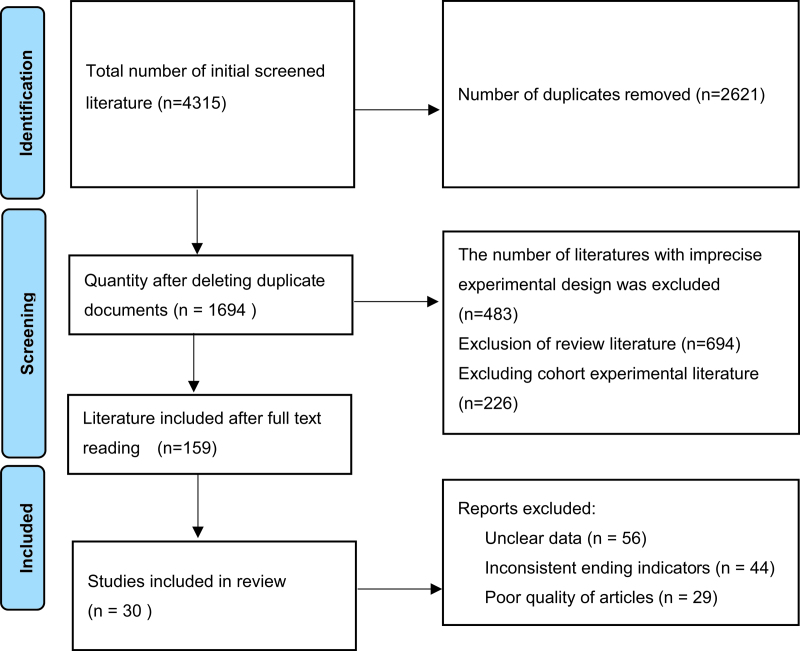
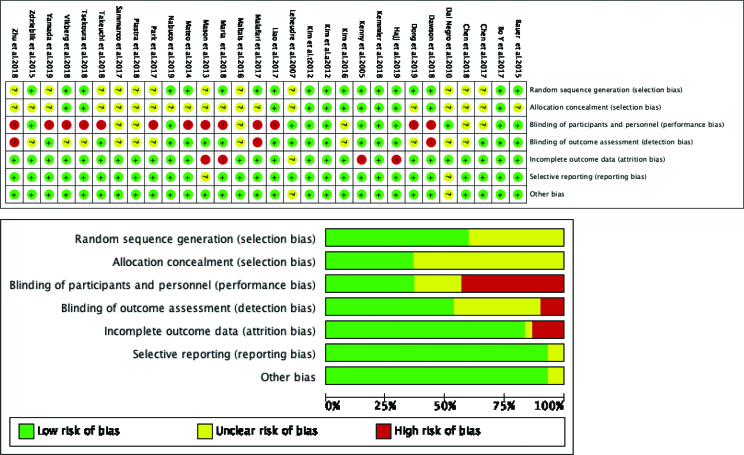
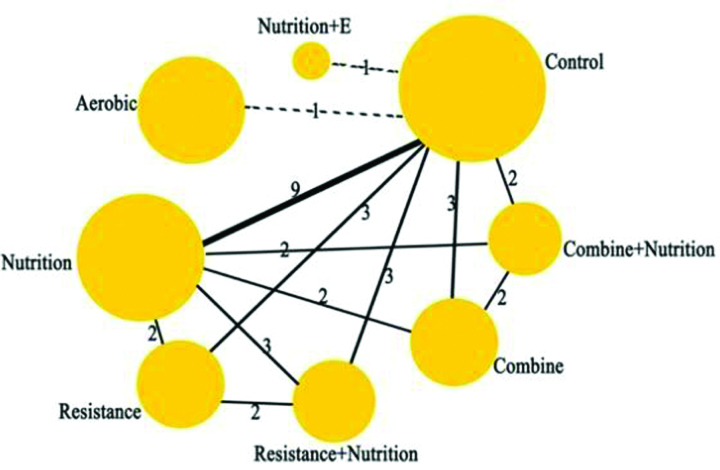
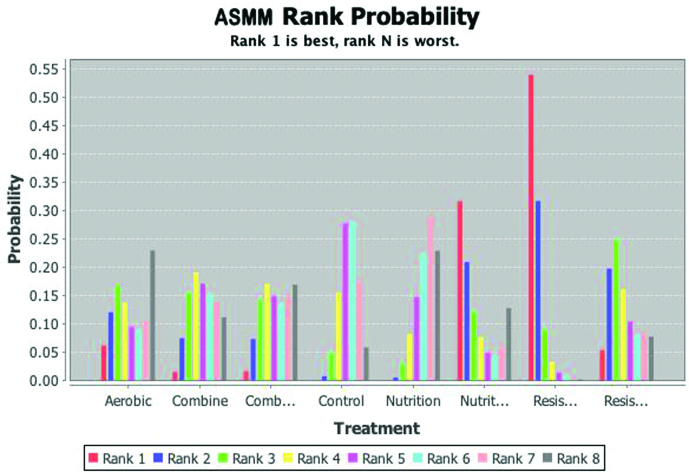
Background: In this study, a meta-analysis system was used to evaluate the effects of 7 methods of treating sarcopenia, including resistance exercise, aerobic exercise, mixed exercise, nutrition, resistance combined with nutrition, mixed exercise combined with nutrition, and electric stimulation combined with nutrition, and their effects on physical function. Methods: According to the PRISMA guidelines, PubMed, Web of Science, Embase, and other foreign databases, as well as Chinese databases such as China National Knowledge Infrastructure and Wan Fang, the literatures of randomized controlled trials with different intervention measures were searched. ADDIS software was used to compare and rank the results of the network meta-analysis. Results: A total of 2485 patients were included in the 30 randomized controlled trial items. According to the clinical manifestations of sarcopenia, 7 different forms of exercise and nutrition interventions can improve muscle strength, muscle mass, and physical function; in terms of improving muscle strength, resistance exercise has the most significant effect on improving grip strength (MD = 2.58, 95% confidence interval [CI] [1.06–4.07]); resistance exercise combined with nutrition lifting performed best in chair standing test (MD = −2.37, 95% CI [−4.73 to −0.33]). For muscle mass gains, resistance training increased appendicular skeletal muscle mass significantly (MD = 0.90, 95% CI [0.11–1.73]), while resistance exercise combined with nutrition significantly increased fat-free mass (MD = 5.15, 95% CI [0.91–9.43]). For physical activity, resistance training improved walk speed best (MD = 0.28, 95% CI [0.15–0.41]), and resistance exercise combined with nutrition in the best results were seen in the timed up and go test (MD = −2.31, 95% CI [−4.26 to −0.38]). Conclusion: Compared with aerobic exercise, mixed exercise, nutrition, resistance combined with nutrition, mixed exercise combined with nutrition, and electric stimulation combined with nutrition, resistance exercise has more advantages in improving muscle mass, strength, and physical function performance. The clinical treatment of sarcopenia with resistance exercise intervention has a better curative effect.
Overview
The claims and statistics of this paper haven’t been checked yet.
Free: it reads the open-access text and checks the first 5 claims that cite a source we can check. Create a free account to check every claim.
Integrity signals
Registry
Cites
Statistics
Figures
Verification
Claims the paper makes
The claims and statistics of this paper haven’t been checked yet.
Free: it reads the open-access text and checks the first 5 claims that cite a source we can check. Create a free account to check every claim.
Claims other papers make about this one
Each is checked against this paper’s own text: does it say what the citing paper says it does?
The source backs part of the claim, not all of it — or backs it for a different population, condition or comparison.
In the citing paper
“Compared with CTRL, muscle hypertrophy was positively affected by standard RT (17,24,30,32,33,37,38,40,42–47,50,127), circuit RT (57,58), and elastic band RT (60,62).”
From American College of Sports Medicine Position Stand. Resistance Training Prescription for Muscle Function, Hypertrophy, and Physical Performance in Healthy Adults: An Overview of Reviews (2026) · cites this paper as [32]
Experimental — accuracy not yet measuredThe source backs part of the claim, not all of it — or backs it for a different population, condition or comparison.
In the citing paper
“Compared with CTRL, gait speed was impacted by standard RT (17,30,32,33,36–38,47,53,152–155).”
From American College of Sports Medicine Position Stand. Resistance Training Prescription for Muscle Function, Hypertrophy, and Physical Performance in Healthy Adults: An Overview of Reviews (2026) · cites this paper as [32]
Experimental — accuracy not yet measuredThe source backs part of the claim, not all of it — or backs it for a different population, condition or comparison.
In the citing paper
“Compared with CTRL, TUG was impacted by standard RT (30,32,33,36,38,47,50,152,154,156).”
From American College of Sports Medicine Position Stand. Resistance Training Prescription for Muscle Function, Hypertrophy, and Physical Performance in Healthy Adults: An Overview of Reviews (2026) · cites this paper as [32]
Experimental — accuracy not yet measuredThe source backs part of the claim, not all of it — or backs it for a different population, condition or comparison.
In the citing paper
“Compared with CTRL, chair stand performance was impacted by standard RT (30,32,33,36,50,152).”
From American College of Sports Medicine Position Stand. Resistance Training Prescription for Muscle Function, Hypertrophy, and Physical Performance in Healthy Adults: An Overview of Reviews (2026) · cites this paper as [32]
Experimental — accuracy not yet measuredThe cited source says what the claim attributes to it.
In the citing paper
“Compared with no exercise (control), RT significantly improved muscle strength, size (hypertrophy), power, endurance, contraction velocity, gait speed, balance, and multiple physical function outcomes.”
Self-check
Percentages, sums and reported differences re-computed from the paper’s own numbers.
The self-check needs the paper’s full text.
Citations
Cites
Sarcopenia: revised European consensus on definition and diagnosis
Cruz-Jentoft, A. J., Bahat, G., Bauer, J., Boirie, Y., Bruyère, O., Cederholm, T., Cooper, C., Landi, F., Rolland, Y., Sayer, A. A., et al. (2019) · Age and Ageing · doi:10.1093/ageing/afy169 · Cited by 13,818 · cited 10×
“The reduction of muscle mass and strength is used as the basis for judging sarcopenia, while the severity of sarcopenia is defined by physical function performance.[15] Therefore, the general survey should be conducted regularly through the a simple fiveitem questionnaire to prevent the aggravation of sarcopenia to th…”
BackgroundMethodInfluentialAsian Working Group for Sarcopenia: 2019 Consensus Update on Sarcopenia Diagnosis and Treatment
Chen, L.-K., Woo, J., Assantachai, P., Auyeung, T.-W., Chou, M.-Y., Iijima, K., Jang, H. C., Kang, L., Kim, M., Kim, S., et al. (2020) · Journal of the American Medical Directors Association · doi:10.1016/j.jamda.2019.12.012 · Cited by 7,070 · cited 3×
“Fourteen studies[26–28,33–35,37,43–45,48–50,55] reported the ASMM value and the decrease of muscle mass was the index to judge the muscular dystrophy.[3] Taking MD as the effective quantity, Table 2 shows that among the 7 interventions, only resistance exercise (MD = 0.”
BackgroundCruz-Jentoft, A. J., & Sayer, A. A. (2019) · The Lancet · doi:10.1016/s0140-6736(19)31138-9 · Cited by 3,905
Fielding, R. A., Vellas, B., Evans, W. J., Bhasin, S., Morley, J. E., Newman, A. B., Abellan van Kan, G., Andrieu, S., Bauer, J., Breuille, D., et al. (2011) · Journal of the American Medical Directors Association · doi:10.1016/j.jamda.2011.01.003 · Cited by 3,256
ESPEN guidelines on definitions and terminology of clinical nutrition
Cederholm, T., Barazzoni, R., Austin, P., Ballmer, P., Biolo, G., Bischoff, S. C., Compher, C., Correia, I., Higashiguchi, T., Holst, M., et al. (2017) · Clinical Nutrition · doi:10.1016/j.clnu.2016.09.004 · Cited by 2,560 · cited 1×
“[3] In addition, nutritional imbalance,[4,5] systemic diseases,[6,7] insufficient physical activity and poor lifestyle,[8] and other risk factors may lead to the occurrence of sarcopenia.”
BackgroundStudenski, S. A., Peters, K. W., Alley, D. E., Cawthon, P. M., McLean, R. R., Harris, T. B., Ferrucci, L., Guralnik, J. M., Fragala, M. S., Kenny, A. M., et al. (2014) · The Journals of Gerontology: Series A · doi:10.1093/gerona/glu010 · Cited by 2,545 · cited 1×
“However, Studenski et al[82] showed that due to anabolic resistance, even if patients with sarcopenia ingest sufficient protein, the effect of muscle enhancement is not obvious in the case of low muscle synthesis sensitivity.”
BackgroundWhat is the cause of the ageing atrophy?
Lexell, J., Taylor, C. C., & Sjöström, M. (1988) · Journal of the Neurological Sciences · doi:10.1016/0022-510x(88)90132-3 · Cited by 2,075
World Population Prospects 2019: Highlights
Nations, U. (2019) · Statistical Papers - United Nations (Ser. A), Population and Vital Statistics Report · doi:10.18356/13bf5476-en · Cited by 1,854 · cited 1×
“[1] The current proportion of aging is increasing worldwide, and it is predicted that the global population over 65 years of age will reach 426 million in 2050,[2] and aging happens to be one of the main risk factors for sarcopenia.”
BackgroundMotor control and aging: Links to age-related brain structural, functional, and biochemical effects
Seidler, R. D., Bernard, J. A., Burutolu, T. B., Fling, B. W., Gordon, M. T., Gwin, J. T., Kwak, Y., & Lipps, D. B. (2010) · Neuroscience & Biobehavioral Reviews · doi:10.1016/j.neubiorev.2009.10.005 · Cited by 1,791 · cited 1×
“The research of ROTH and SEIDLER et al[72,73] shows that resistance exercise has a positive impact on nervous system, and resistance exercise can effectively activate nervous system, and accelerate muscle protein synthesis, thus increasing skeletal muscle mass and strength output.”
MethodGlobal prevalence of sarcopenia and severe sarcopenia: a systematic review and meta‐analysis
Petermann‐Rocha, F., Balntzi, V., Gray, S. R., Lara, J., Ho, F. K., Pell, J. P., & Celis‐Morales, C. (2022) · Journal of Cachexia, Sarcopenia and Muscle · doi:10.1002/jcsm.12783 · Cited by 1,499 · cited 1×
“According to recent analyses, the current prevalence of sarcopenia ranges from 8 to 36% in people under 60 years of age and from 10 to 27% in people over 60 years of age worldwide.[1] The current proportion of aging is increasing worldwide, and it is predicted that the global population over 65 years of age will reach…”
BackgroundFragala, M. S., Cadore, E. L., Dorgo, S., Izquierdo, M., Kraemer, W. J., Peterson, M. D., & Ryan, E. D. (2019) · Journal of Strength and Conditioning Research · doi:10.1519/jsc.0000000000003230 · Cited by 1,290 · cited 1×
“The research of Fragala et al[74] shows that reasonable resistance exercise can improve the structural function of neuromuscular system, slow down the chronic inflammatory response caused by aging and regulate hormone secretion, thus stimulating muscle growth and remodeling, as well as improving muscle strength, muscl…”
MethodHealth Outcomes of Sarcopenia: A Systematic Review and Meta-Analysis
Beaudart, C., Zaaria, M., Pasleau, F., Reginster, J.-Y., & Bruyère, O. (2017) · PLOS ONE · doi:10.1371/journal.pone.0169548 · Cited by 1,272
SARC-F: a symptom score to predict persons with sarcopenia at risk for poor functional outcomes
Malmstrom, T. K., Miller, D. K., Simonsick, E. M., Ferrucci, L., & Morley, J. E. (2016) · Journal of Cachexia, Sarcopenia and Muscle · doi:10.1002/jcsm.12048 · Cited by 1,155 · cited 1×
“to carry out activities of daily living and reduce the quality of life,[14] but also affect the cognitive function of the elderly,[15] increase the course of the disease, length of hospital stay and the cost of treatment,[16–18] and even increase mortality.[8,15,19] While sarcopenia seriously affects the quality of li…”
BackgroundYeung, S. S. Y., Reijnierse, E. M., Pham, V. K., Trappenburg, M. C., Lim, W. K., Meskers, C. G. M., & Maier, A. B. (2019) · Journal of Cachexia Sarcopenia and Muscle · doi:10.1002/jcsm.12411 · Cited by 1,115
Rosenberg, I. H. (1989) · The American Journal of Clinical Nutrition · doi:10.1093/ajcn/50.5.1231 · Cited by 1,102
Welcome to the ICD‐10 code for sarcopenia
Anker, S. D., Morley, J. E., & von Haehling, S. (2016) · Journal of Cachexia, Sarcopenia and Muscle · doi:10.1002/jcsm.12147 · Cited by 983 · cited 2×
“[3] In addition, nutritional imbalance,[4,5] systemic diseases,[6,7] insufficient physical activity and poor lifestyle,[8] and other risk factors may lead to the occurrence of sarcopenia.[9,10] The adverse effects of sarcopenia on health should be recognized by more people.”
BackgroundWilkinson, D. J., Piasecki, M., & Atherton, P. J. (2018) · Ageing Research Reviews · doi:10.1016/j.arr.2018.07.005 · Cited by 874
Bauer, J. M., Verlaan, S., Bautmans, I., Brandt, K., Donini, L. M., Maggio, M., McMurdo, M. E. T., Mets, T., Seal, C., Wijers, S. L., et al. (2015) · Journal of the American Medical Directors Association · doi:10.1016/j.jamda.2015.05.021 · Cited by 670 · cited 2×
“The literature included in this analysis conducted nutritional intervention for patients with sarcopenia by supplementing relevant nutrients conducive to muscle synthesis[27,36,46].”
BackgroundThe Role of Inflammation in Age-Related Sarcopenia
Dalle, S., Rossmeislova, L., & Koppo, K. (2017) · Frontiers in Physiology · doi:10.3389/fphys.2017.01045 · Cited by 668 · cited 1×
“[60–62] There are many causes of sarcopenia, according to the etiology, sarcopenia is divided into primary sarcopenia (muscle mass and strength decline caused by aging), and muscle mass begins to decline year by year after the age of 40[15] and secondary sarcopenia (sarcopenia caused by systemic diseases such as cance…”
BackgroundNutrition and physical activity in the prevention and treatment of sarcopenia: systematic review.
the IOF-ESCEO Sarcopenia Working Group, Beaudart, C., Dawson, A., Shaw, S. C., Harvey, N. C., Kanis, J. A., Binkley, N., Reginster, J. Y., Chapurlat, R., Chan, D. C., et al. (2017) · Osteoporosis International · doi:10.1007/s00198-017-3980-9 · Cited by 602 · cited 2×
“Starting from the risk factors of sarcopenia, it is considered that nutritional supplements and exercise intervention are more effective for sarcopenia[3,20]; however, there are different opinions about the effect of nutritional intervention on sarcopenia, which need to be further studied.[21,22] Although exercise int…”
BackgroundResultPathogenesis and Management of Sarcopenia
Dhillon, R. J. S., & Hasni, S. (2017) · Clinics in Geriatric Medicine · doi:10.1016/j.cger.2016.08.002 · Cited by 574
Kim, H. K., Suzuki, T., Saito, K., Yoshida, H., Kobayashi, H., Kato, H., & Katayama, M. (2012) · Journal of the American Geriatrics Society · doi:10.1111/j.1532-5415.2011.03776.x · Cited by 551 · cited 2×
“Hormones and essential amino acids[25,26,31,45,47,50,51] that promote anabolism of protein, and direct supplementation of protein[32,38,42,44,48,49,52–54] intervened in the nutrition of patients with sarcopenia.”
BackgroundMethodSchaap, L. A., van Schoor, N. M., Lips, P., & Visser, M. (2018) · The Journals of Gerontology: Series A · doi:10.1093/gerona/glx245 · Cited by 498
Does nutrition play a role in the prevention and management of sarcopenia?
Robinson, S. M., Reginster, J. Y., Rizzoli, R., Shaw, S. C., Kanis, J. A., Bautmans, I., Bischoff-Ferrari, H., Bruyère, O., Cesari, M., Dawson-Hughes, B., et al. (2018) · Clinical Nutrition · doi:10.1016/j.clnu.2017.08.016 · Cited by 491
Exercise Promotes Healthy Aging of Skeletal Muscle
Cartee, G. D., Hepple, R. T., Bamman, M. M., & Zierath, J. R. (2016) · Cell Metabolism · doi:10.1016/j.cmet.2016.05.007 · Cited by 483 · cited 1×
“Starting from the risk factors of sarcopenia, it is considered that nutritional supplements and exercise intervention are more effective for sarcopenia[3,20]; however, there are different opinions about the effect of nutritional intervention on sarcopenia, which need to be further studied.”
BackgroundThe developmental origins of sarcopenia
Sayer, A. A., Syddall, H., Martin, H., Patel, H., Baylis, D., & Cooper, C. (2008) · The Journal of nutrition, health and aging · doi:10.1007/bf02982703 · Cited by 450
Global variation in grip strength: a systematic review and meta-analysis of normative data
Dodds, R. M., Syddall, H. E., Cooper, R., Kuh, D., Cooper, C., & Sayer, A. A. (2016) · Age and Ageing · doi:10.1093/ageing/afv192 · Cited by 372 · cited 1×
“The grip strength test is easy to perform and widely used in clinical practice as a strength evaluation index for sarcopenia,[15,56] with MD as the effector measure and Table 2 shows each intervention compared to the control group, respectively.”
MethodCaan, B. J., Meyerhardt, J. A., Kroenke, C. H., Alexeeff, S., Xiao, J., Weltzien, E., Feliciano, E. C., Castillo, A. L., Quesenberry, C. P., Kwan, M. L., et al. (2017) · Cancer Epidemiology, Biomarkers & Prevention · doi:10.1158/1055-9965.epi-17-0200 · Cited by 354
Aging is accompanied by a blunted muscle protein synthetic response to protein ingestion
Wall, B. T., Gorissen, S. H., Pennings, B., Koopman, R., Groen, B. B. L., Verdijk, L. B., & van Loon, L. J. C. (2015) · PLOS ONE · doi:10.1371/journal.pone.0140903 · Cited by 352 · cited 1×
“[60–62] There are many causes of sarcopenia, according to the etiology, sarcopenia is divided into primary sarcopenia (muscle mass and strength decline caused by aging), and muscle mass begins to decline year by year after the age of 40[15] and secondary sarcopenia (sarcopenia caused by systemic diseases such as cance…”
BackgroundVitamin D Deficiency and Sarcopenia in Older Persons
Remelli, F., Vitali, A., Zurlo, A., & Volpato, S. (2019) · Nutrients · doi:10.3390/nu11122861 · Cited by 348 · cited 1×
“While Remelli et al[81] showed that vitamin D supplementation was effective in slowing down sarcopenia.”
BackgroundExercise interventions for the prevention and treatment of sarcopenia. A systematic umbrella review.
Beckwée, D., Delaere, A., Aelbrecht, S., Baert, V., Beaudart, C., Bruyere, O., de Saint-Hubert, M., & Bautmans, I. (2019) · The Journal of nutrition, health and aging · doi:10.1007/s12603-019-1196-8 · Cited by 330 · cited 1×
“Resistance exercise has a greater gain on muscle strength, quality, and mobility than aerobic exercise and complex exercise, which is consistent with the conclusion of previous systematic review.[78] Table 3 Ranking list of different interventions.”
ResultChen, H., Chung, Y., Chen, Y., Ho, S., & Wu, H. (2017) · Journal of the American Geriatrics Society · doi:10.1111/jgs.14722 · Cited by 317 · cited 1×
“Among the resistance exercise intervention programs included in this study, 4 studies had exercise intervention twice a week,[30,32,41,43] and 6 studies had exercise intervention 3 times a week,[29,31,35,38,42,53] all of which lasted >8 weeks.”
BackgroundSarcopenia and frailty in chronic respiratory disease: Lessons from gerontology
Bone, A. E., Hepgul, N., Kon, S., & Maddocks, M. (2017) · Chronic Respiratory Disease · doi:10.1177/1479972316679664 · Cited by 309 · cited 1×
“[3] In addition, nutritional imbalance,[4,5] systemic diseases,[6,7] insufficient physical activity and poor lifestyle,[8] and other risk factors may lead to the occurrence of sarcopenia.”
BackgroundEpidemiology of sarcopenia and insight into possible therapeutic targets
Dennison, E. M., Sayer, A. A., & Cooper, C. (2017) · Nature Reviews Rheumatology · doi:10.1038/nrrheum.2017.60 · Cited by 294
Zdzieblik, D., Oesser, S., Baumstark, M. W., Gollhofer, A., & König, D. (2015) · British Journal of Nutrition · doi:10.1017/s0007114515002810 · Cited by 269 · cited 2×
“Nine studies[32,33,38,40,41,45,48,50,54] reported the CST time.”
BackgroundGielen, E., Beckwée, D., Delaere, A., De Breucker, S., Vandewoude, M., Bautmans, I., the Sarcopenia Guidelines Development Group of the Belgian Society of Gerontology and Geriatrics (BSGG), Bautmans, I., Beaudart, C., Beckwée, D., et al. (2021) · Nutrition Reviews · doi:10.1093/nutrit/nuaa011 · Cited by 269 · cited 1×
“A meta-analysis by Gielend et al[80] in 2021 compared different nutrients and found that leucine was more effective for sarcopenia relative to other nutrients while suggesting the combination of resistance exercise during clinical interventions.”
MethodVikberg, S., Sörlén, N., Brandén, L., Johansson, J., Nordström, A., Hult, A., & Nordström, P. (2019) · Journal of the American Medical Directors Association · doi:10.1016/j.jamda.2018.09.011 · Cited by 261 · cited 1×
“Nine studies[29,36,39,41,43,46,49,52,53] reported FFM values, with MD as the effect quantity, table 2 shows that the intervention measures were compared with the control group.”
Nutrition and Sarcopenia: A Review of the Evidence and Implications for Preventive Strategies
Robinson, S., Cooper, C., & Aihie Sayer, A. (2012) · Journal of Aging Research · doi:10.1155/2012/510801 · Cited by 256 · cited 1×
“[60–62] There are many causes of sarcopenia, according to the etiology, sarcopenia is divided into primary sarcopenia (muscle mass and strength decline caused by aging), and muscle mass begins to decline year by year after the age of 40[15] and secondary sarcopenia (sarcopenia caused by systemic diseases such as cance…”
BackgroundGrgic, J., Garofolini, A., Orazem, J., Sabol, F., Schoenfeld, B. J., & Pedisic, Z. (2020) · Sports Medicine · doi:10.1007/s40279-020-01331-7 · Cited by 208 · cited 1×
“Ferreira et al[76] found that 40 to 65-year-old middle-aged and elderly people who want to improve their muscle strength must carry out resistance exercise; The meta-analysis of Grgic et al[77] shows that resistance exercise is also effective for the improvement of muscle strength and quality of the elderly over 75 ye…”
BackgroundLiao, C.-D., Tsauo, J.-Y., Lin, L.-F., Huang, S.-W., Ku, J.-W., Chou, L.-C., & Liou, T.-H. (2017) · Medicine · doi:10.1097/md.0000000000007115 · Cited by 201 · cited 1×
“Six studies[28,29,32,40,41,43] reported TUG time, TUG test is easy to operate and reliable in results.”
BackgroundKim, H., Kim, M., Kojima, N., Fujino, K., Hosoi, E., Kobayashi, H., Somekawa, S., Niki, Y., Yamashiro, Y., & Yoshida, H. (2016) · Journal of the American Medical Directors Association · doi:10.1016/j.jamda.2016.06.016 · Cited by 199 · cited 1×
“Hormones and essential amino acids[25,26,31,45,47,50,51] that promote anabolism of protein, and direct supplementation of protein[32,38,42,44,48,49,52–54] intervened in the nutrition of patients with sarcopenia.”
BackgroundPhysical activity and incidence of sarcopenia: the population-based AGES—Reykjavik Study
Mijnarends, D. M., Koster, A., Schols, J. M. G. A., Meijers, J. M. M., Halfens, R. J. G., Gudnason, V., Eiriksdottir, G., Siggeirsdottir, K., Sigurdsson, S., Jónsson, P. V., et al. (2016) · Age and Ageing · doi:10.1093/ageing/afw090 · Cited by 188 · cited 3×
“Exercise intervention usually needs to reach a certain amount of training, duration, and load intensity[10] to cause adaptive changes in the body.”
BackgroundBo, Y., Liu, C., Ji, Z., Yang, R., An, Q., Zhang, X., You, J., Duan, D., Sun, Y., Zhu, Y., et al. (2019) · Clinical Nutrition · doi:10.1016/j.clnu.2017.12.020 · Cited by 184 · cited 1×
“Nine studies[29,36,39,41,43,46,49,52,53] reported FFM values, with MD as the effect quantity, table 2 shows that the intervention measures were compared with the control group.”
Zhu, L.-Y., Chan, R., Kwok, T., Cheng, K. C.-C., Ha, A., & Woo, J. (2019) · Age and Ageing · doi:10.1093/ageing/afy179 · Cited by 179
Kim, H., Suzuki, T., Saito, K., Yoshida, H., Kojima, N., Kim, M., Sudo, M., Yamashiro, Y., & Tokimitsu, I. (2013) · Geriatrics & Gerontology International · doi:10.1111/j.1447-0594.2012.00923.x · Cited by 162 · cited 1×
“The literature included in this analysis conducted nutritional intervention for patients with sarcopenia by supplementing relevant nutrients conducive to muscle synthesis[27,36,46].”
BackgroundStrength training for the prevention and treatment of sarcopenia.
Roth, S. M., Ferrell, R. F., & Hurley, B. F. (2000) · PubMed · Cited by 158
Comparison of Handgrip and Leg Extension Strength in Predicting Slow Gait Speed in Older Adults
Fragala, M. S., Alley, D. E., Shardell, M. D., Harris, T. B., McLean, R. R., Kiel, D. P., Cawthon, P. M., Dam, T. L., Ferrucci, L., Guralnik, J. M., et al. (2016) · Journal of the American Geriatrics Society · doi:10.1111/jgs.13871 · Cited by 148 · cited 1×
“The WS test is safe and reliable, which can not only evaluate the strength of lower limbs but also be used as a powerful index to predict the deterioration of patients with sarcopenia.[15,57] Taking MD as the effective quantity, Table 2 shows that each intervention measure is compared with the control group.”
BackgroundSarcopenia and the cardiometabolic syndrome: A narrative review
Bahat, G., & İlhan, B. (2016) · European Geriatric Medicine · doi:10.1016/j.eurger.2015.12.012 · Cited by 144 · cited 1×
“[3] In addition, nutritional imbalance,[4,5] systemic diseases,[6,7] insufficient physical activity and poor lifestyle,[8] and other risk factors may lead to the occurrence of sarcopenia.”
BackgroundTsekoura, M., Billis, E., Tsepis, E., Dimitriadis, Z., Matzaroglou, C., Tyllianakis, M., Panagiotopoulos, E., & Gliatis, J. (2018) · Journal of Clinical Medicine · doi:10.3390/jcm7120480 · Cited by 142 · cited 3×
“Six studies[28,29,32,40,41,43] reported TUG time, TUG test is easy to operate and reliable in results.”
BackgroundResultYamada, M., Kimura, Y., Ishiyama, D., Nishio, N., Otobe, Y., Tanaka, T., Ohji, S., Koyama, S., Sato, A., Suzuki, M., et al. (2019) · Geriatrics & Gerontology International · doi:10.1111/ggi.13643 · Cited by 138 · cited 3×
“Six studies[28,29,32,40,41,43] reported TUG time, TUG test is easy to operate and reliable in results.”
BackgroundChen, H.-T., Wu, H.-J., Chen, Y.-J., Ho, S.-Y., & Chung, Y.-C. (2018) · Experimental Gerontology · doi:10.1016/j.exger.2018.09.015 · Cited by 137 · cited 3×
“Six studies[28,29,32,40,41,43] reported TUG time, TUG test is easy to operate and reliable in results.”
BackgroundMalafarina, V., Uriz-Otano, F., Malafarina, C., Martinez, J. A., & Zulet, M. A. (2017) · Maturitas · doi:10.1016/j.maturitas.2017.04.010 · Cited by 131 · cited 1×
“Nine studies[32,33,38,40,41,45,48,50,54] reported the CST time.”
Financial impact of sarcopenia or low muscle mass – A short review
Norman, K., & Otten, L. (2019) · Clinical Nutrition · doi:10.1016/j.clnu.2018.09.026 · Cited by 131
Dong, Z.-J., Zhang, H.-L., & Yin, L.-X. (2019) · International Urology and Nephrology · doi:10.1007/s11255-019-02200-7 · Cited by 129 · cited 1×
“Among the resistance exercise intervention programs included in this study, 4 studies had exercise intervention twice a week,[30,32,41,43] and 6 studies had exercise intervention 3 times a week,[29,31,35,38,42,53] all of which lasted >8 weeks.”
BackgroundNabuco, H. C. G., Tomeleri, C. M., Fernandes, R. R., Sugihara Junior, P., Cavalcante, E. F., Cunha, P. M., Antunes, M., Nunes, J. P., Venturini, D., Barbosa, D. S., et al. (2019) · Clinical Nutrition ESPEN · doi:10.1016/j.clnesp.2019.04.007 · Cited by 125 · cited 2×
“Nine studies[29,36,39,41,43,46,49,52,53] reported FFM values, with MD as the effect quantity, table 2 shows that the intervention measures were compared with the control group.”
BackgroundCawthon, P. M., Lui, L.-Y., Taylor, B. C., McCulloch, C. E., Cauley, J. A., Lapidus, J., Orwoll, E., & Ensrud, K. E. (2017) · The Journals of Gerontology: Series A · doi:10.1093/gerona/glw327 · Cited by 124
Maltais, M. L., Ladouceur, J. P., & Dionne, I. J. (2016) · Journal of Strength and Conditioning Research · doi:10.1519/jsc.0000000000001255 · Cited by 116 · cited 2×
“Hormones and essential amino acids[25,26,31,45,47,50,51] that promote anabolism of protein, and direct supplementation of protein[32,38,42,44,48,49,52–54] intervened in the nutrition of patients with sarcopenia.”
BackgroundDawson, J. K., Dorff, T. B., Todd Schroeder, E., Lane, C. J., Gross, M. E., & Dieli-Conwright, C. M. (2018) · BMC Cancer · doi:10.1186/s12885-018-4306-9 · Cited by 112 · cited 1×
“Among the resistance exercise intervention programs included in this study, 4 studies had exercise intervention twice a week,[30,32,41,43] and 6 studies had exercise intervention 3 times a week,[29,31,35,38,42,53] all of which lasted >8 weeks.”
BackgroundUnderstanding of sarcopenia: from definition to therapeutic strategies
Kim, J. W., Kim, R., Choi, H., Lee, S., & Bae, G. (2021) · Archives of Pharmacal Research · doi:10.1007/s12272-021-01349-z · Cited by 109 · cited 1×
“The above nutrition ultimately promotes muscle synthesis through protein supplementation.[79] However, the results of our analysis showed that sarcopenia intervention through nutritional supplementation alone is not effective.”
ResultFerreira, M. L., Sherrington, C., Smith, K., Carswell, P., Bell, R., Bell, M., Nascimento, D. P., Máximo Pereira, L. S., & Vardon, P. (2012) · Journal of Physiotherapy · doi:10.1016/s1836-9553(12)70105-4 · Cited by 105 · cited 1×
“Ferreira et al[76] found that 40 to 65-year-old middle-aged and elderly people who want to improve their muscle strength must carry out resistance exercise; The meta-analysis of Grgic et al[77] shows that resistance exercise is also effective for the improvement of muscle strength and quality of the elderly over 75 ye…”
BackgroundAleman-Mateo, H., Gallegos Aguilar, A. C., Ramirez Carreon, V., Macias, L., Astiazaran Garcia, H., & Ramos Enriquez, J. R. (2014) · Clinical Interventions in Aging · doi:10.2147/cia.s67449 · Cited by 104
Frailty in the elderly: the physical dimension.
Abate, M., Iorio, A. D., Renzo, D. D., Paganelli, R., Saggini, R., & Abate, G. (2007) · PubMed · Cited by 103
Park, J., Kwon, Y., & Park, H. (2017) · Journal of Atherosclerosis and Thrombosis · doi:10.5551/jat.39065 · Cited by 94 · cited 1×
“Nine studies[32,33,38,40,41,45,48,50,54] reported the CST time.”
Takeuchi, I., Yoshimura, Y., Shimazu, S., Jeong, S., Yamaga, M., & Koga, H. (2019) · Geriatrics & Gerontology International · doi:10.1111/ggi.13547 · Cited by 91 · cited 2×
“Nine studies[32,33,38,40,41,45,48,50,54] reported the CST time.”
BackgroundEl Hajj, C., Fares, S., Chardigny, J. M., Boirie, Y., & Walrand, S. (2019) · Archives of Osteoporosis · doi:10.1007/s11657-018-0553-2 · Cited by 89 · cited 2×
“The literature included in this analysis conducted nutritional intervention for patients with sarcopenia by supplementing relevant nutrients conducive to muscle synthesis[27,36,46].”
BackgroundKEMMLER, W. K., Grimm, A., Bebenek, M., Kohl, M., & von Stengel, S. (2018) · Calcified Tissue International · doi:10.1007/s00223-018-0424-2 · Cited by 83 · cited 1×
“Nine studies[32,33,38,40,41,45,48,50,54] reported the CST time.”
Muscle strength: A better index of low physical performance than muscle mass in older adults
Kim, Y. H., Kim, K., Paik, N., Kim, K., Jang, H. C., & Lim, J. (2016) · Geriatrics & Gerontology International · doi:10.1111/ggi.12514 · Cited by 80 · cited 1×
“[8,70] Muscle strength is an independent predictor and indicator of sarcopenia.[71] In 2018, low muscle strength was listed as the main manifestation of muscular dystrophy in Europe and as a powerful clinical predictor, which is Figure 3.”
BackgroundThe Effects of Acute and Chronic Exercise on Skeletal Muscle Proteome
Petriz, B. A., Gomes, C. P. C., de Almeida, J. A., de Oliveira, G. P., Ribeiro, F. M., Pereira, R. W., & Franco, O. L. (2016) · Journal of Cellular Physiology · doi:10.1002/jcp.25477 · Cited by 78 · cited 1×
“The research of Petriz et al[75] shows that resistance exercise is more conducive to promoting the synthesis of muscle protein and increasing muscle mass.”
MethodSammarco, R., Marra, M., Di Guglielmo, M. L., Naccarato, M., Contaldo, F., Poggiogalle, E., Donini, L. M., & Pasanisi, F. (2017) · Obesity Facts · doi:10.1159/000468153 · Cited by 75 · cited 1×
“Nine studies[29,36,39,41,43,46,49,52,53] reported FFM values, with MD as the effect quantity, table 2 shows that the intervention measures were compared with the control group.”
Dal Negro, R. W., Aquilani, R., Bertacco, S., Boschi, F., Micheletto, C., & Tognella, S. (2016) · Monaldi Archives for Chest Disease · doi:10.4081/monaldi.2010.310 · Cited by 70 · cited 1×
“Hormones and essential amino acids[25,26,31,45,47,50,51] that promote anabolism of protein, and direct supplementation of protein[32,38,42,44,48,49,52–54] intervened in the nutrition of patients with sarcopenia.”
BackgroundAubertin-Leheudre, M., Lord, C., Khalil, A., & Dionne, I. J. (2007) · European Journal of Clinical Nutrition · doi:10.1038/sj.ejcn.1602695 · Cited by 70 · cited 2×
“Nine studies[32,33,38,40,41,45,48,50,54] reported the CST time.”
BackgroundPiastra, G., Perasso, L., Lucarini, S., Monacelli, F., Bisio, A., Ferrando, V., Gallamini, M., Faelli, E., & Ruggeri, P. (2018) · BioMed Research International · doi:10.1155/2018/5095673 · Cited by 66 · cited 4×
“Six studies[28,29,32,40,41,43] reported TUG time, TUG test is easy to operate and reliable in results.”
BackgroundInfluentialLan, T., Chang, L., Mn, R., Wu, L., & Yuan, Y. (2016) · Medicine · doi:10.1097/md.0000000000003185 · Cited by 58 · cited 1×
“Therefore, it is necessary to integrate the current research on the treatment of sarcopenia, and compare the effects of different interventions through network meta-analysis,[23] so as to provide reference for clinical selection of effective interventions.”
BackgroundYoshiko, A., Ogawa, M., Shimizu, K., Radaelli, R., Neske, R., Maeda, H., Maeda, K., Teodoro, J. L., Tanaka, N., Pinto, R. S., et al. (2021) · Archives of Gerontology and Geriatrics · doi:10.1016/j.archger.2021.104463 · Cited by 56 · cited 1×
“The CST is a convenient and accurate test to assess lower limb muscle volume, strength, and functional performance[15,58].”
BackgroundEffects of Ultra‐Low‐Dose Estrogen Therapy on Muscle and Physical Function in Older Women
Kenny, A. M., Kleppinger, A., Wang, Y., & Prestwood, K. M. (2005) · Journal of the American Geriatrics Society · doi:10.1111/j.1532-5415.2005.53567.x · Cited by 50 · cited 1×
“Hormones and essential amino acids[25,26,31,45,47,50,51] that promote anabolism of protein, and direct supplementation of protein[32,38,42,44,48,49,52–54] intervened in the nutrition of patients with sarcopenia.”
BackgroundInfluence of Diet, Exercise, and Serum Vitamin D on Sarcopenia in Postmenopausal Women
MASON, C., XIAO, L., IMAYAMA, I., DUGGAN, C. R., FOSTER-SCHUBERT, K. E., KONG, A., CAMPBELL, K. L., WANG, C.-Y., VILLASENOR, A., NEUHOUSER, M. L., et al. (2013) · Medicine & Science in Sports & Exercise · doi:10.1249/mss.0b013e31827aa3fa · Cited by 50
Cebrià i Iranzo, M. À., Balasch-Bernat, M., Tortosa-Chuliá, M. Á., & Balasch-Parisi, S. (2018) · Journal of Aging and Physical Activity · doi:10.1123/japa.2017-0268 · Cited by 50 · cited 3×
“Six studies[28,29,32,40,41,43] reported TUG time, TUG test is easy to operate and reliable in results.”
BackgroundMicroRNA regulatory networks in the pathogenesis of sarcopenia
Yin, J., Qian, Z., Chen, Y., Li, Y., & Zhou, X. (2020) · Journal of Cellular and Molecular Medicine · doi:10.1111/jcmm.15197 · Cited by 48 · cited 1×
“[60–62] There are many causes of sarcopenia, according to the etiology, sarcopenia is divided into primary sarcopenia (muscle mass and strength decline caused by aging), and muscle mass begins to decline year by year after the age of 40[15] and secondary sarcopenia (sarcopenia caused by systemic diseases such as cance…”
BackgroundRehabilitative Good Practices in the Treatment of Sarcopenia: A Narrative Review
Agostini, F., Bernetti, A., Di Giacomo, G., Viva, M. G., Paoloni, M., Mangone, M., Santilli, V., & Masiero, S. (2021) · American Journal of Physical Medicine & Rehabilitation · doi:10.1097/phm.0000000000001572 · Cited by 42 · cited 1×
“[3] In addition, nutritional imbalance,[4,5] systemic diseases,[6,7] insufficient physical activity and poor lifestyle,[8] and other risk factors may lead to the occurrence of sarcopenia.”
BackgroundOhashi, K., Ishikawa, T., Imai, M., Suzuki, M., Hoshii, A., Abe, H., Koyama, F., Nakano, T., Ueki, A., Noguchi, H., et al. (2019) · European Journal of Gastroenterology & Hepatology · doi:10.1097/meg.0000000000001415 · Cited by 25 · cited 1×
“to carry out activities of daily living and reduce the quality of life,[14] but also affect the cognitive function of the elderly,[15] increase the course of the disease, length of hospital stay and the cost of treatment,[16–18] and even increase mortality.”
Background
Research works printed but not linked: 1
- 谷鸿秋; 王杨; 李卫, Cochrane偏倚风险评估工具在随机对照研究Meta分析中的应用. 中国循环杂志 2014; 29: 147– 148.
Cited by
Chen, L.-K., Hsiao, F.-Y., Akishita, M., Assantachai, P., Lee, W.-J., Lim, W. S., Muangpaisan, W., Kim, M., Merchant, R. A., Peng, L.-N., et al. (2025) · Nature Aging · doi:10.1038/s43587-025-01004-y · Cited by 262
“…significantly increased grip strength, while exercise combined with nutritional supplementation improved five-times chair stand test performance 50 Perspective https://doi.org/10.1038/s43587-025-01004-y with nutrition, significantly increased fat-free mass. Functionally, resistance training…”
InfluentialCURRIER, B. S., D’SOUZA, A. C., SINGH, M. A. F., LOWISZ, C. V., RAWSON, E. S., SCHOENFELD, B. J., SMITH-RYAN, A. E., STEEN, J. P., THOMAS, G. A., TRIPLETT, N. T., et al. (2026) · Medicine & Science in Sports & Exercise · doi:10.1249/mss.0000000000003897 · Cited by 105
“Compared with CTRL, TUG was impacted by standard RT (30,32,33,36,38,47,50,152,154,156).”
Chaabène, H., Müller, P., Dhahbi, W., Königstein, K., Taubert, M., Markov, A., & Lehmann, N. (2025) · Ageing Research Reviews · doi:10.1016/j.arr.2025.102933 · Cited by 38
Delaire, L., Courtay, A., Humblot, J., Aubertin‐Leheudre, M., Mourey, F., Racine, A. N., Gilbert, T., Niasse‐Sy, Z., & Bonnefoy, M. (2023) · Nutrients · doi:10.3390/nu15194100 · Cited by 37
“Nutritional interventions may also enhance gains in lean body mass induced by resistance exercise [302,320,323,324].”
BackgroundInfluentialFerrari, L., Bochicchio, G., Bottari, A., Scarton, A. M., Cavedon, V., Milanese, C., Lucertini, F., & Pogliaghi, S. (2024) · Archives of Gerontology and Geriatrics · doi:10.1016/j.archger.2024.105559 · Cited by 19
Metadata
- Authors
- Geng, Q., Zhai, H., Wang, L., Wei, H., & Hou, S.
- Affiliations
- Beijing Sport University (CN)
- Naval Aeronautical and Astronautical University (CN)
- Qinghai Normal University (CN)
- Corresponding author
- Wei, Hongwen
- Venue
- Medicine
- Published
- 2023-07-07
- Volume
- 102
- Issue
- 27
- Pages
- e34254
- ISSN
- 0025-7974 (ISSN-L)
- PMC
- PMC10328700
- OpenAlex
- W4383484437
- Cited by
- 33
- References
- 80
- Citations by year
- 2026: 9 · 2025: 16 · 2024: 7 · 2023: 1
- FWCI
- 5.86
- Type
- journal article
- Language
- en
- Open access
- gold
- doi.org
- Locations
- Medicine (publishedVersion, cc-by)
- PubMed Central (publishedVersion, cc-by)
- PubMed (publishedVersion)
- Topics
- Health Sciences › Medicine › Physiology (medical) › Nutrition and Health in Aging
- Life Sciences › Biochemistry, Genetics and Molecular Biology › Molecular Biology › Muscle Physiology and Disorders
- Health Sciences › Nursing › Nutrition and Dietetics › Muscle metabolism and nutrition
- Keywords
- sarcopenia, resistance training, aerobic exercise, dietary supplementation, electrical stimulation, muscle strength, muscle mass, physical function, middle-aged and older adults, grip strength, walking speed, Timed Up and Go test, fat-free mass
- MeSH terms
- Network Meta-Analysis, Aged, Postural Balance, Humans, Middle Aged, Muscular Diseases, Time and Motion Studies, Randomized Controlled Trials as Topic, Muscle Strength, Sarcopenia
About these checks
Registry, retraction, Cites and statistics results are computed, not judged, with one exception: a printed reference that no index lists is read once by a model before it counts as a citation error. Claims are extracted by a model and kept only when their quote appears verbatim in the text; each cited source is then checked, with a model’s help, for whether it says what the claim relies on. Those verdicts can be wrong — read the claim’s quote and the cited source before relying on one.
Statistics and arithmetic are recomputed, not judged.
Confidence bands are shown only for fields calibrated on our annotated test set. None is calibrated yet, so no band is shown.
What counts as a claim ›How we measure confidence ›How we check this ›
Are you an author, or do you see a problem with this page? Request a review
Data sources
Bibliographic data: Semantic Scholar, OpenAlex, Crossref.
Contains information from the Semantic Scholar Academic Graph Datasets, made available under the ODC Attribution License (ODC-BY 1.0).
Semantic Scholar’s data is described in: Kinney, R., et al. (2023). The Semantic Scholar Open Data Platform. arXiv:2301.10140.
