

Histone Acetylation Regulator Gcn5 Mediates Drug Resistance and Virulence of Candida glabrata
Open accessThe DOI matches its Crossref record; 54 of the 54 references it cites were found in a registry or an index.
Abstract
As an important and successful human pathogen, Candida glabrata is known for its swift adaptation and rapid acquisition of resistance to the most commonly used antifungal agents, resulting in therapeutic failure in clinical settings. Here, we describe that the histone acetyltransferase Gcn5 is a key factor in adapting to antifungal pressure and developing resistance in C. glabrata .
Overview
The claims and statistics of this paper haven’t been checked yet.
Free: it reads the open-access text and checks the first 5 claims that cite a source we can check. Create a free account to check every claim.
Integrity signals
Registry
Cites
Statistics
Figures
Verification
Claims the paper makes
The claims and statistics of this paper haven’t been checked yet.
Free: it reads the open-access text and checks the first 5 claims that cite a source we can check. Create a free account to check every claim.
Claims other papers make about this one
Each is checked against this paper’s own text: does it say what the citing paper says it does?
The source backs part of the claim, not all of it — or backs it for a different population, condition or comparison.
In the citing paper
“Lysine acetyltransferases, such as Gcn5, also mediate antifungal tolerance and resistance in Candida species93–95.”
From Molecular mechanisms governing antifungal drug resistance (2023) · cites this paper as [93]
Experimental — accuracy not yet measuredThe source backs part of the claim, not all of it — or backs it for a different population, condition or comparison.
In the citing paper
“Previous reports indicate that in C. albicans and N. glabratus, knockout of Gcn5 or the Spt7 or Spt8 subunits of the SAGA complex results in increased sensitivity to phagocytosis and enhanced killing by macrophages25,66,71.”
From Targeting epigenetic regulators to overcome drug resistance in the emerging human fungal pathogen Candida auris (2025) · cites this paper as [66]
Experimental — accuracy not yet measuredThe source backs part of the claim, not all of it — or backs it for a different population, condition or comparison.
In the citing paper
“Lysine acetylation is an evolutionarily conserved PTM found in both eukaryotic and prokaryotic organisms.”
From Potential role of lysine acetylation in the stepwise adaptation of Candida albicans to fluconazole (2025) · cites this paper as [12]
Experimental — accuracy not yet measuredThe cited source says what the claim attributes to it.
In the citing paper
“it has been reported that Gcn5-deficient mutants in both N. glabratus and C. neoformans exhibit significantly heightened sensitivity to the calcineurin inhibitor FK50653,54.”
From Targeting epigenetic regulators to overcome drug resistance in the emerging human fungal pathogen Candida auris (2025) · cites this paper as [54]
Self-check
Percentages, sums and reported differences re-computed from the paper’s own numbers.
The self-check needs the paper’s full text.
Citations
Cites
Analysis of Relative Gene Expression Data Using Real-Time Quantitative PCR and the 2−ΔΔCT Method
Livak, K. J., & Schmittgen, T. D. (2001) · Methods · doi:10.1006/meth.2001.1262 · Cited by 180,860 · cited 1×
“Relative quantification of gene expression was performed using the 2 method (53).”
MethodModerated estimation of fold change and dispersion for RNA-seq data with DESeq2
Love, M. I., Huber, W., & Anders, S. (2014) · Genome Biology · doi:10.1186/s13059-014-0550-8 · Cited by 95,106
Trimmomatic: a flexible trimmer for Illumina sequence data
Bolger, A. M., Lohse, M., & Usadel, B. (2014) · Bioinformatics · doi:10.1093/bioinformatics/btu170 · Cited by 65,548
HTSeq—a Python framework to work with high-throughput sequencing data
Anders, S., Pyl, P. T., & Huber, W. (2015) · Bioinformatics · doi:10.1093/bioinformatics/btu638 · Cited by 21,464
Graph-based genome alignment and genotyping with HISAT2 and HISAT-genotype
Kim, D., Paggi, J. M., Park, C., Bennett, C., & Salzberg, S. L. (2019) · Nature Biotechnology · doi:10.1038/s41587-019-0201-4 · Cited by 15,022 · cited 1×
“1 (48), and the raw read counts were obtained using HTSeq v.”
MethodclusterProfiler 4.0: A universal enrichment tool for interpreting omics data
(2021) · doi:10.1016/j.xinn.2021.100141 · Cited by 12,455
Mutation of the mouse klotho gene leads to a syndrome resembling ageing
Kuro-o, M., Matsumura, Y., Aizawa, H., Kawaguchi, H., Suga, T., Utsugi, T., Ohyama, Y., Kurabayashi, M., Kaname, T., Kume, E., et al. (1997) · Nature · doi:10.1038/36285 · Cited by 3,837
Pappas, P. G., Lionakis, M. S., Arendrup, M. C., Ostrosky-Zeichner, L., & Kullberg, B. J. (2018) · Nature Reviews Disease Primers · doi:10.1038/nrdp.2018.26 · Cited by 1,636 · cited 1×
“albicans Candida species have increased significantly in the past 2 decades (3, 4), among which Candida glabrata is the most frequently isolated species in the SENTRY antifungal surveillance program (5).”
BackgroundHistone acetyltransferase complexes: one size doesn't fit all
Lee, K. K., & Workman, J. L. (2007) · Nature Reviews Molecular Cell Biology · doi:10.1038/nrm2145 · Cited by 1,087 · cited 1×
“Gcn5 is a pleiotropic KAT constituting the catalytic subunit of the SAGA (Spt-AdaGcn5-acetyltransferase) complex that is conserved in eukaryotes (15, 16).”
BackgroundGrant, P. A., Duggan, L., Côté, J., Roberts, S. M., Brownell, J. E., Candau, R., Ohba, R., Owen-Hughes, T., Allis, C. D., Winston, F., et al. (1997) · Genes & Development · doi:10.1101/gad.11.13.1640 · Cited by 1,085 · cited 1×
“as a histone acetyltransferase, while Ada2 is more of a transcriptional adaptor (33).”
BackgroundSilva, S., Negri, M., Henriques, M., Oliveira, R., Williams, D. W., & Azeredo, J. (2012) · FEMS Microbiology Reviews · doi:10.1111/j.1574-6976.2011.00278.x · Cited by 969 · cited 1×
“Invasive candidiasis is an important fungal infection caused by Candida species with high morbidity and mortality rates (1, 2).”
BackgroundPfaller, M. A., Diekema, D. J., Turnidge, J. D., Castanheira, M., & Jones, R. N. (2019) · Open Forum Infectious Diseases · doi:10.1093/ofid/ofy358 · Cited by 825 · cited 1×
“albicans Candida species have increased significantly in the past 2 decades (3, 4), among which Candida glabrata is the most frequently isolated species in the SENTRY antifungal surveillance program (5).”
BackgroundResistance of Candida to azoles and echinocandins worldwide
Pristov, K. E., & Ghannoum, M. A. (2019) · Clinical Microbiology and Infection · doi:10.1016/j.cmi.2019.03.028 · Cited by 706 · cited 2×
“Invasive candidiasis is an important fungal infection caused by Candida species with high morbidity and mortality rates (1, 2).”
BackgroundSuka, N., Suka, Y., Carmen, A. A., Wu, J., & Grunstein, M. (2001) · Molecular Cell · doi:10.1016/s1097-2765(01)00301-x · Cited by 440
Emerging Fungal Infections: New Patients, New Patterns, and New Pathogens
Friedman, D. Z. P., & Schwartz, I. S. (2019) · Journal of Fungi · doi:10.3390/jof5030067 · Cited by 357 · cited 1×
“albicans Candida species have increased significantly in the past 2 decades (3, 4), among which Candida glabrata is the most frequently isolated species in the SENTRY antifungal surveillance program (5).”
BackgroundPfaller, M. A., Sheehan, D. J., & Rex, J. H. (2004) · Clinical Microbiology Reviews · doi:10.1128/cmr.17.2.268-280.2004 · Cited by 352 · cited 1×
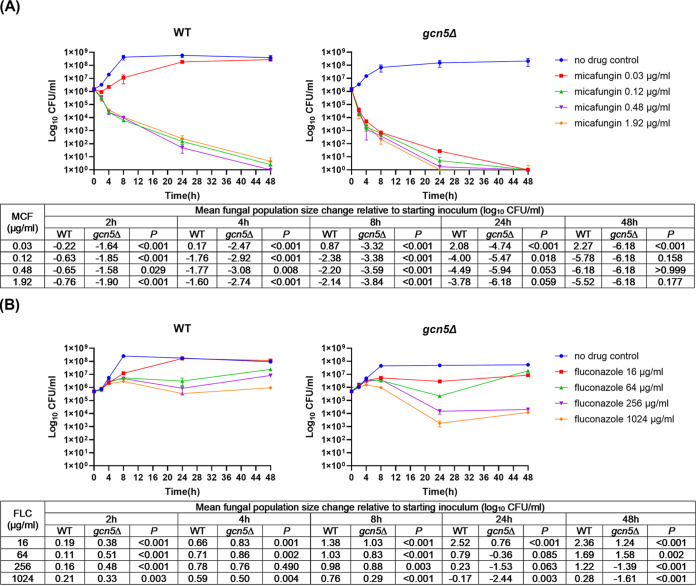
“Time-kill studies were performed to compare the tolerances of the WT (ATCC 2001) strain and the gcn5D strain to micafungin and fluconazole, according to a procedure described previously, with minor modifications (46).”
MethodFungal echinocandin resistance
Walker, L. A., Gow, N. A. R., & Munro, C. A. (2010) · Fungal Genetics and Biology · doi:10.1016/j.fgb.2009.09.003 · Cited by 267 · cited 1×
“glabrata is worrisome because this yeast species is poised to adapt to drug pressure and acquire antifungal resistance leading to therapeutic failure (1, 6).”
BackgroundNicotinic Acid Limitation Regulates Silencing of Candida Adhesins During UTI
Domergue, R., Castaño, I., De Las Peñas, A., Zupancic, M., Lockatell, V., Hebel, J. R., Johnson, D., & Cormack, B. P. (2005) · Science · doi:10.1126/science.1108640 · Cited by 249 · cited 1×
“glabrata that contributes strongly to both biofilm formation and adherence to epithelial cells to establish experimental urinary tract infection (28, 40).”
BackgroundMacrophages in resistance to candidiasis.
Vázquez-Torres, A., & Balish, E. (1997) · Microbiology and molecular biology reviews : MMBR · doi:10.1128/.61.2.170-192.1997 · Cited by 238 · cited 1×
“Macrophages are professional phagocytes that act as part of the innate immune system of the host, contributing to antifungal defense via phagocytosis and clearance of invading fungal pathogens (34).”
BackgroundFungal Resistance to Echinocandins and the MDR Phenomenon in Candida glabrata
Healey, K. R., & Perlin, D. S. (2018) · Journal of Fungi · doi:10.3390/jof4030105 · Cited by 194
Self-citationFungal resistance to echinocandins and the MDR phenomenon in Candida glabrata
Healey, K., & Perlin, D. S. (2018) · doi:10.20944/preprints201808.0306.v1 · Cited by 194
Self-citationShih, P.-Y., Liao, Y.-T., Tseng, Y.-K., Deng, F.-S., & Lin, C.-H. (2019) · Frontiers in Microbiology · doi:10.3389/fmicb.2019.00602 · Cited by 156
Structure of the transcription coactivator SAGA
Wang, H., Dienemann, C., Stützer, A., Urlaub, H., Cheung, A. C. M., & Cramer, P. (2020) · Nature · doi:10.1038/s41586-020-1933-5 · Cited by 149 · cited 1×
“Gcn5 is a pleiotropic KAT constituting the catalytic subunit of the SAGA (Spt-AdaGcn5-acetyltransferase) complex that is conserved in eukaryotes (15, 16).”
BackgroundKatiyar, S. K., Alastruey-Izquierdo, A., Healey, K. R., Johnson, M. E., Perlin, D. S., & Edlind, T. D. (2012) · Antimicrobial Agents and Chemotherapy · doi:10.1128/aac.00813-12 · Cited by 148 · cited 2×
“While the addition of FK506 is known to reverse Fks2mediated echinocandin resistance (24), we found even greater increased susceptibility to micafungin in the presence of FK506 upon GCN5 deletion.”
BackgroundSelf-citationCandida glabrata: A Lot More Than Meets the Eye
Kumar, K., Askari, F., Sahu, M. S., & Kaur, R. (2019) · Microorganisms · doi:10.3390/microorganisms7020039 · Cited by 128 · cited 1×
“Antifungal resistance studies have focused largely on genetic mutations involving the target site and transcription factors regulating drug efflux pumps, aneuploidy, the upregulation of stress response pathways, and biofilm formation (7).”
BackgroundIraqui, I., Garcia‐Sanchez, S., Aubert, S., Dromer, F., Ghigo, J., D’Enfert, C., & Janbon, G. (2005) · Molecular Microbiology · doi:10.1111/j.1365-2958.2004.04475.x · Cited by 126
Defining the frontiers between antifungal resistance, tolerance and the concept of persistence
Delarze, E., & Sanglard, D. (2015) · Drug Resistance Updates · doi:10.1016/j.drup.2015.10.001 · Cited by 118 · cited 11×
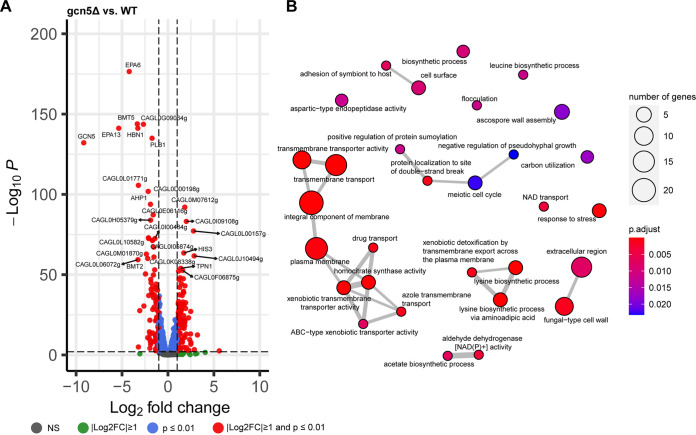
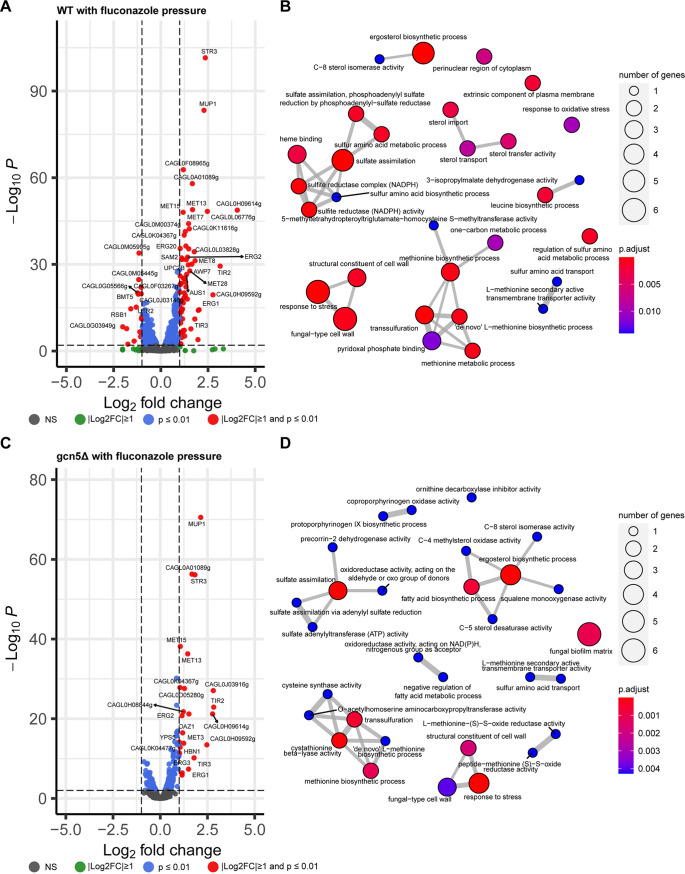
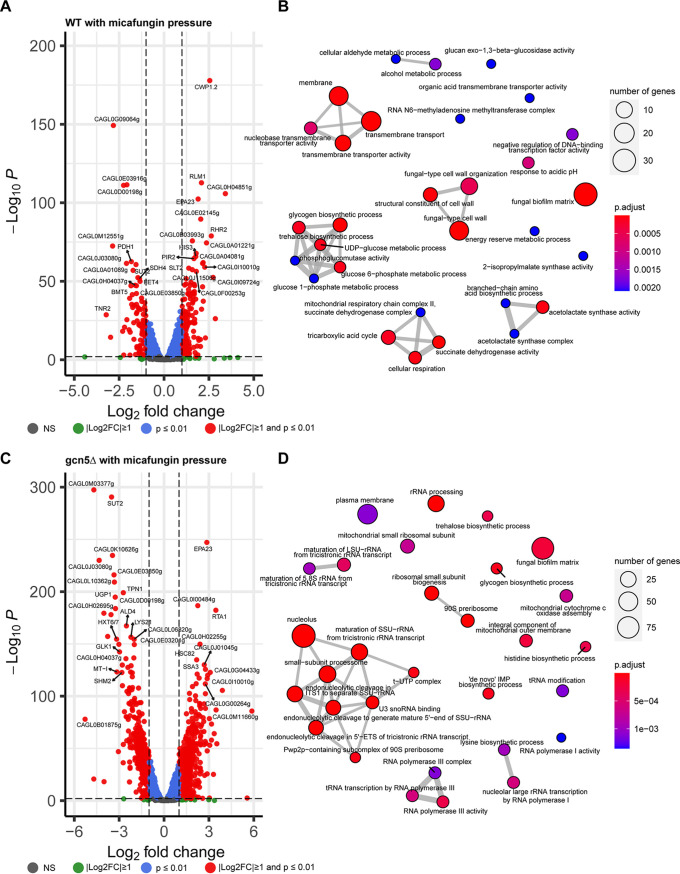
“As expected, we found that a 2-h exposure to a sub-MIC of fluconazole led to a largely induced transcriptome in the WT strain, particularly involving membrane, transmembrane transporter activity, and fungal cell wall organization pathways.”
BackgroundInfluentialRole of dectin-2 for host defense against systemic infection with Candida glabrata
Ifrim, D. C., Bain, J. M., Reid, D. M., Oosting, M., Verschueren, I., Gow, N. A. R., van Krieken, J. H., Brown, G. D., Kullberg, B.-J., Joosten, L. A. B., et al. (2014) · Infection and Immunity · doi:10.1128/iai.01189-13 · Cited by 117 · cited 1×
“glabrata starts with pattern recognition of fungal cell wall components such as b-glucan and mannan by the C-type lectin receptors dectin-1 and dectin-2 on macrophages (35, 36).”
BackgroundTimmermans, B., De Las Peñas, A., Castaño, I., & Van Dijck, P. (2018) · Journal of Fungi · doi:10.3390/jof4020060 · Cited by 109 · cited 1×
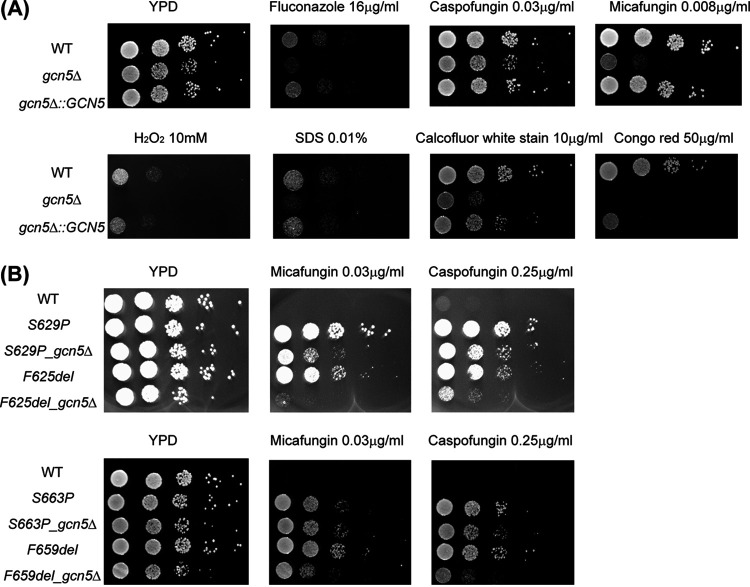
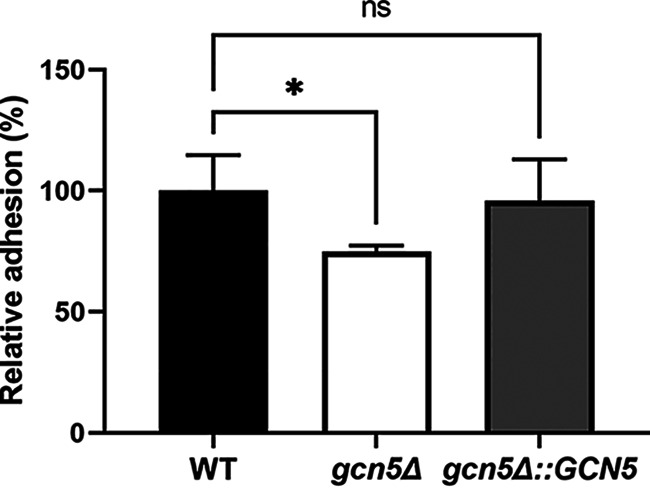
“glabrata (28, 29), we characterized the adhesion of gcn5D cells to polystyrene (early stage of biofilm formation) and compared it with those of the parental WT and com-”
ResultQuantitating the Specificity and Selectivity of Gcn5-Mediated Acetylation of Histone H3
Kuo, Y.-M., & Andrews, A. J. (2013) · PLoS ONE · doi:10.1371/journal.pone.0054896 · Cited by 104 · cited 1×
“Gcn5 is known to acetylate multiple histone lysine residues, primarily lysine residue 14 of histone 3 (H3K14) as well as H3K9, H3K18, H3K23, H3K27, H3K36, and other additional lysine residues found in histones H4 and H2B (43, 44).”
BackgroundEpigenetic mechanisms of drug resistance in fungi
Chang, Z., Yadav, V., Lee, S. C., & Heitman, J. (2019) · Fungal Genetics and Biology · doi:10.1016/j.fgb.2019.103253 · Cited by 92 · cited 1×
“The latter consists of both chemical and structural modifications that change the accessibility of transcription factors to specific genomic regions, therefore regulates global transcription (9).”
BackgroundSeider, K., Gerwien, F., Kasper, L., Allert, S., Brunke, S., Jablonowski, N., Schwarzmüller, T., Barz, D., Rupp, S., Kuchler, K., et al. (2014) · Eukaryotic Cell · doi:10.1128/ec.00262-13 · Cited by 91 · cited 1×
“glabrata possesses robust and redundant antioxidant systems conferring high-level resistance to oxidative stress, ROS production in macrophages at least partially contributes to the intracellular killing of this fungus (39).”
BackgroundCryptococcus neoformans Histone Acetyltransferase Gcn5 Regulates Fungal Adaptation to the Host
O'Meara, T. R., Hay, C., Price, M. S., Giles, S., & Alspaugh, J. A. (2010) · Eukaryotic Cell · doi:10.1128/ec.00098-10 · Cited by 88
Roles of Calcineurin and Crz1 in Antifungal Susceptibility and Virulence of Candida glabrata
Miyazaki, T., Yamauchi, S., Inamine, T., Nagayoshi, Y., Saijo, T., Izumikawa, K., Seki, M., Kakeya, H., Yamamoto, Y., Yanagihara, K., et al. (2010) · Antimicrobial Agents and Chemotherapy · doi:10.1128/aac.01364-09 · Cited by 88
Li, Q., Skinner, J., & Bennett, J. E. (2012) · BMC Molecular Biology · doi:10.1186/1471-2199-13-22 · Cited by 85 · cited 1×
“The PGK1 gene was used as a reference gene to normalize the data (52).”
MethodExpression Plasmids for Use in Candida glabrata
Zordan, R. E., Ren, Y., Pan, S.-J., Rotondo, G., Peñas, A. D. L., Iluore, J., & Cormack, B. P. (2013) · G3 Genes|Genomes|Genetics · doi:10.1534/g3.113.006908 · Cited by 82 · cited 1×
“To disrupt GCN5, NAT1 was amplified from plasmid pCNPDC1 (41) with primers that contained overhangs homologous to the up- and downstream regions of C.”
MethodFunction and subcellular localization of Gcn5, a histone acetyltransferase in Candida albicans.
Chang, P., Fan, X., & Chen, J. (2015) · Fungal Genetics and Biology · doi:10.1016/j.fgb.2015.01.011 · Cited by 73
Calcineurin Controls Hyphal Growth, Virulence, and Drug Tolerance of Candida tropicalis
Chen, Y.-L., Yu, S.-J., Huang, H.-Y., Chang, Y.-L., Lehman, V. N., Silao, F. G. S., Bigol, U. G., Bungay, A. A. C., Averette, A., & Heitman, J. (2014) · Eukaryotic Cell · doi:10.1128/ec.00302-13 · Cited by 68 · cited 1×
“The doubling times were calculated as previously described (42).”
MethodSelf-citationDifferential virulence of Candida glabrata glycosylation mutants
West, L., Lowman, D. W., Mora-Montes, H. M., Grubb, S., Murdoch, C., Thornhill, M. H., Gow, N. A. R., Williams, D., & Haynes, K. (2013) · Journal of Biological Chemistry · doi:10.1074/jbc.m113.478743 · Cited by 62 · cited 1×
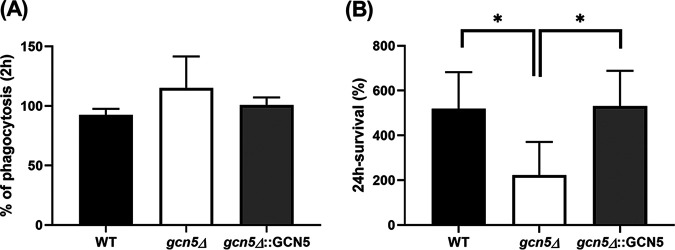
“glabrata-macrophage interactions, as observed in previous studies involving deletion mutants lacking cell surface-associated aspartyl proteases and those with defects in protein glycosylation (37, 38).”
MethodShivarathri, R., Tscherner, M., Zwolanek, F., Singh, N. K., Chauhan, N., & Kuchler, K. (2019) · Scientific Reports · doi:10.1038/s41598-019-45817-5 · Cited by 58
Rasheed, M., Battu, A., & Kaur, R. (2018) · Journal of Biological Chemistry · doi:10.1074/jbc.m117.813741 · Cited by 51 · cited 1×
“glabrata-macrophage interactions, as observed in previous studies involving deletion mutants lacking cell surface-associated aspartyl proteases and those with defects in protein glycosylation (37, 38).”
MethodDectin-1 plays an important role in host defense against systemic Candida glabrata infection
Chen, S. M., Shen, H., Zhang, T., Huang, X., Liu, X. Q., Guo, S. Y., Zhao, J. J., Wang, C. F., Yan, L., Xu, G. T., et al. (2017) · Virulence · doi:10.1080/21505594.2017.1346756 · Cited by 49 · cited 1×
“glabrata starts with pattern recognition of fungal cell wall components such as b-glucan and mannan by the C-type lectin receptors dectin-1 and dectin-2 on macrophages (35, 36).”
BackgroundDeletion of ADA2 Increases Antifungal Drug Susceptibility and Virulence in Candida glabrata
Yu, S.-J., Chang, Y.-L., & Chen, Y.-L. (2018) · Antimicrobial Agents and Chemotherapy · doi:10.1128/aac.01924-17 · Cited by 43 · cited 1×
“Interestingly, a previous study reported that disrupting ADA2, another component of the SAGA complex, conferred mutant hypervirulence, owing at least in part to the highly induced expression of adhesins in the deletion mutant (32).”
BackgroundSelf-citationHou, X., Healey, K. R., Shor, E., Kordalewska, M., Ortigosa, C. J., Paderu, P., Xiao, M., Wang, H., Zhao, Y., Lin, L.-Y., et al. (2019) · Emerging Microbes & Infections · doi:10.1080/22221751.2019.1684209 · Cited by 43 · cited 3×
“Total RNA was extracted from each sample according to a protocol described previously (30), and RNA samples were stored at 280°C until shipping to Genewiz (South Plainfield, NJ) for RNA sequencing.”
MethodInfluentialSelf-citationFungal KATs/KDACs: A New Highway to Better Antifungal Drugs?
Kuchler, K., Jenull, S., Shivarathri, R., & Chauhan, N. (2016) · PLOS Pathogens · doi:10.1371/journal.ppat.1005938 · Cited by 40 · cited 3×
“stress, suggesting a potential avenue to tackle antifungal resistance (10, 14).”
BackgroundHistone Acetylation/Deacetylation in Candida Albicans and their Potential as Antifungal Targets
Su, S., Li, X., Yang, X., Li, Y., Chen, X., Sun, S., & Jia, S. (2020) · Future Microbiology · doi:10.2217/fmb-2019-0343 · Cited by 36
Garcia-Rubio, R., Jimenez-Ortigosa, C., DeGregorio, L., Quinteros, C., Shor, E., & Perlin, D. S. (2021) · mBio · doi:10.1128/mbio.01959-21 · Cited by 29 · cited 1×
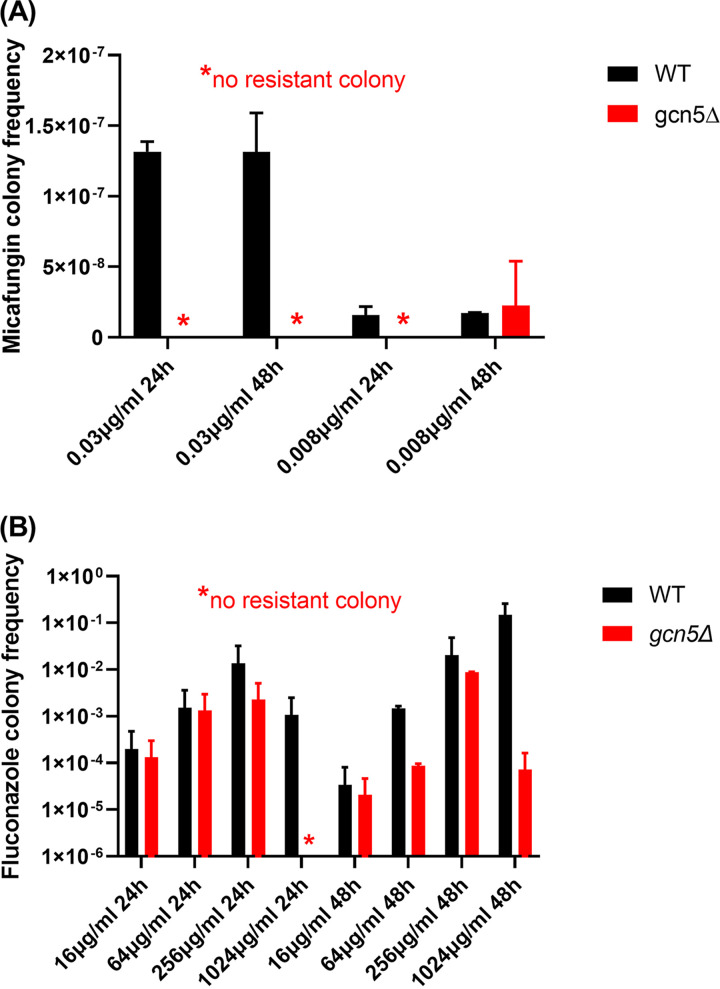
“glabrata cells surviving micafungin treatment (26).”
Self-citationXue‐Franzén, Y., Johnsson, A., Brodin, D., Henriksson, J., Bürglin, T. R., & Wright, A. P. H. (2010) · BMC Genomics · doi:10.1186/1471-2164-11-200 · Cited by 28
Usher, J., & Haynes, K. (2019) · PLOS Genetics · doi:10.1371/journal.pgen.1008259 · Cited by 27 · cited 3×
“These results not only echo the recent findings by Usher and Haynes (22) but also provide an additional layer to understand how GCN5 impacts echinocandin resistance.”
ResultDe Las Peñas, A., Juárez-Cepeda, J., López-Fuentes, E., Briones-Martín-del-Campo, M., Gutiérrez-Escobedo, G., & Castaño, I. (2015) · FEMS Yeast Research · doi:10.1093/femsyr/fov056 · Cited by 26
Martínez‐Soto, D., González-Prieto, J. M., & Ruíz-Herrera, J. (2015) · FEMS Yeast Research · doi:10.1093/femsyr/fov055 · Cited by 25
Chromatin Structure and Drug Resistance in Candida spp.
O’Kane, C. J., Weild, R., & M. Hyland, E. (2020) · Journal of Fungi · doi:10.3390/jof6030121 · Cited by 18
Hnisz, D., Tscherner, M., & Kuchler, K. (2011) · Epigenomics · doi:10.2217/epi.11.7 · Cited by 14 · cited 1×
“Histone acetylation is one of the well-characterized posttranslational modifications (PTMs) involving the addition/removal of acetyl groups to/from lysine residues in the amino tails of histones mediated by lysine acetyltransferases (KATs) and lysine deacetylases (KDACs), respectively (13, 14).”
BackgroundFiller, E. E., Liu, Y., Solis, N. V., Wang, L., Diaz, L. F., Edwards, J. E., Filler, S. G., & Yeaman, M. R. (2021) · Infection and Immunity · doi:10.1128/iai.00146-20 · Cited by 13 · cited 1×
“However, other than two recent studies (22, 23) showing that inhibition of Gcn5 attenuated the emergence of azole resistance in C.”
Result
Research works printed but not linked: 1
- CLSI. 2008. Reference method for broth dilution antifungal susceptibility testing of yeasts, 3rd ed., M27-A3. Clinical and Laboratory Standards Institute, Wayne, PA.
Cited by
Molecular mechanisms governing antifungal drug resistance
Lee, Y., Robbins, N., & Cowen, L. E. (2023) · npj Antimicrobials and Resistance · doi:10.1038/s44259-023-00007-2 · Cited by 304
“Lysine acetyltransferases, such as Gcn5, also mediate antifungal tolerance and resistance in Candida species 93 – 95 .”
Epigenetic Regulation of Antifungal Drug Resistance
Patra, S., Raney, M., Pareek, A., & Kaur, R. (2022) · Journal of Fungi · doi:10.3390/jof8080875 · Cited by 38
“CgGCN5 deletion led to both fluconazole and micafungin sensitivity, and mitigated against the emergence of drug resistance towards these drugs [51,52].”
BackgroundZhang, Y., Zeng, L., Huang, X., Wang, Y., Chen, G., Moses, M., Zou, Y., Xiong, S., Xue, W., Dong, Y., et al. (2025) · Nature Communications · doi:10.1038/s41467-025-59898-6 · Cited by 33
“Previous reports indicate that in C. albicans and N. glabratus , knockout of Gcn5 or the Spt7 or Spt8 subunits of the SAGA complex results in increased sensitivity to phagocytosis and enhanced killing by macrophages 25,66,71 .”
RETRACTED: The Emerging Role of Epigenetics in Metabolism and Endocrinology
Sibuh, B. Z., Quazi, S., Panday, H., Parashar, R., Jha, N. K., Mathur, R., Jha, S. K., Taneja, P., & Jha, A. K. (2023) · Biology · doi:10.3390/biology12020256 · Cited by 29
RetractedAntifungal resistance: Emerging mechanisms and implications (Review)
Kadariswantiningsih, I. N., Empitu, M. A., Santosa, T., & Alimu, Y. (2025) · Molecular Medicine Reports · doi:10.3892/mmr.2025.13612 · Cited by 30
“Genetic analysis and time‑kill assays may identify specific mutations associated with resistance, whereas tolerance may not be associated with stable genetic changes but rather transient stress responses (30,37).”
Metadata
- Authors
- Yu, S., Paderu, P., Lee, A., Eirekat, S., Healey, K., Chen, L., Perlin, D. S., & Zhao, Y.
- Affiliations
- Center for Discovery and Innovation, Hackensack Meridian Health, Nutley, New Jersey, USA
- Hackensack Meridian Health (US)
- William Paterson University (US)
- Georgetown University (US)
- Corresponding author
- Zhao, Yanan
- Venue
- Microbiology Spectrum
- Publisher
- American Society for Microbiology
- Published
- 2022-06-29
- Volume
- 10
- Issue
- 3
- Pages
- e0096322-e0096322
- ISSN
- 2165-0497 (ISSN-L)
- PMC
- PMC9241792
- OpenAlex
- W4281741944
- Cited by
- 23
- References
- 53
- Citations by year
- 2026: 4 · 2025: 10 · 2024: 3 · 2023: 5 · 2022: 1
- FWCI
- 2.32
- Type
- journal article
- Language
- en
- Open access
- gold
- doi.org
- Licence
- cc-by
- creativecommons.org/licenses/by/4.0/ (vor)
- journals.asm.org/non-commercial-tdm-license (tdm)
- Locations
- Microbiology Spectrum (publishedVersion, cc-by)
- PubMed Central (publishedVersion, cc-by)
- PubMed (publishedVersion)
- DOAJ (DOAJ: Directory of Open Access Journals) (submittedVersion)
- Funders
- HHS | NIH | National Institute of Allergy and Infectious Diseases (R01AI109025)
- Topics
- Health Sciences › Medicine › Infectious Diseases › Antifungal resistance and susceptibility
- Life Sciences › Biochemistry, Genetics and Molecular Biology › Molecular Biology › Fungal and yeast genetics research
- Life Sciences › Agricultural and Biological Sciences › Plant Science › Fungal Plant Pathogen Control
- Keywords
- GCN5, histone acetylation, histone acetyltransferase, Candida glabrata, antifungal resistance, fungal virulence, epigenetic regulation, drug response, drug target identification
- MeSH terms
- Acetylation, Antifungal Agents, Candida albicans, Fungal Proteins, Histones, Humans, Microbial Sensitivity Tests, Virulence, Drug Resistance, Fungal, Candida glabrata
About these checks
Registry, retraction, Cites and statistics results are computed, not judged, with one exception: a printed reference that no index lists is read once by a model before it counts as a citation error. Claims are extracted by a model and kept only when their quote appears verbatim in the text; each cited source is then checked, with a model’s help, for whether it says what the claim relies on. Those verdicts can be wrong — read the claim’s quote and the cited source before relying on one.
Statistics and arithmetic are recomputed, not judged.
Confidence bands are shown only for fields calibrated on our annotated test set. None is calibrated yet, so no band is shown.
What counts as a claim ›How we measure confidence ›How we check this ›
Are you an author, or do you see a problem with this page? Request a review
Data sources
Bibliographic data: Semantic Scholar, OpenAlex, Crossref.
Contains information from the Semantic Scholar Academic Graph Datasets, made available under the ODC Attribution License (ODC-BY 1.0).
Semantic Scholar’s data is described in: Kinney, R., et al. (2023). The Semantic Scholar Open Data Platform. arXiv:2301.10140.
