

The DOI matches its Crossref record; 86 of the 87 references it cites were found in a registry or an index.
The prevalence of loneliness across 113 countries: systematic review and meta-analysis
Open accessAbstract
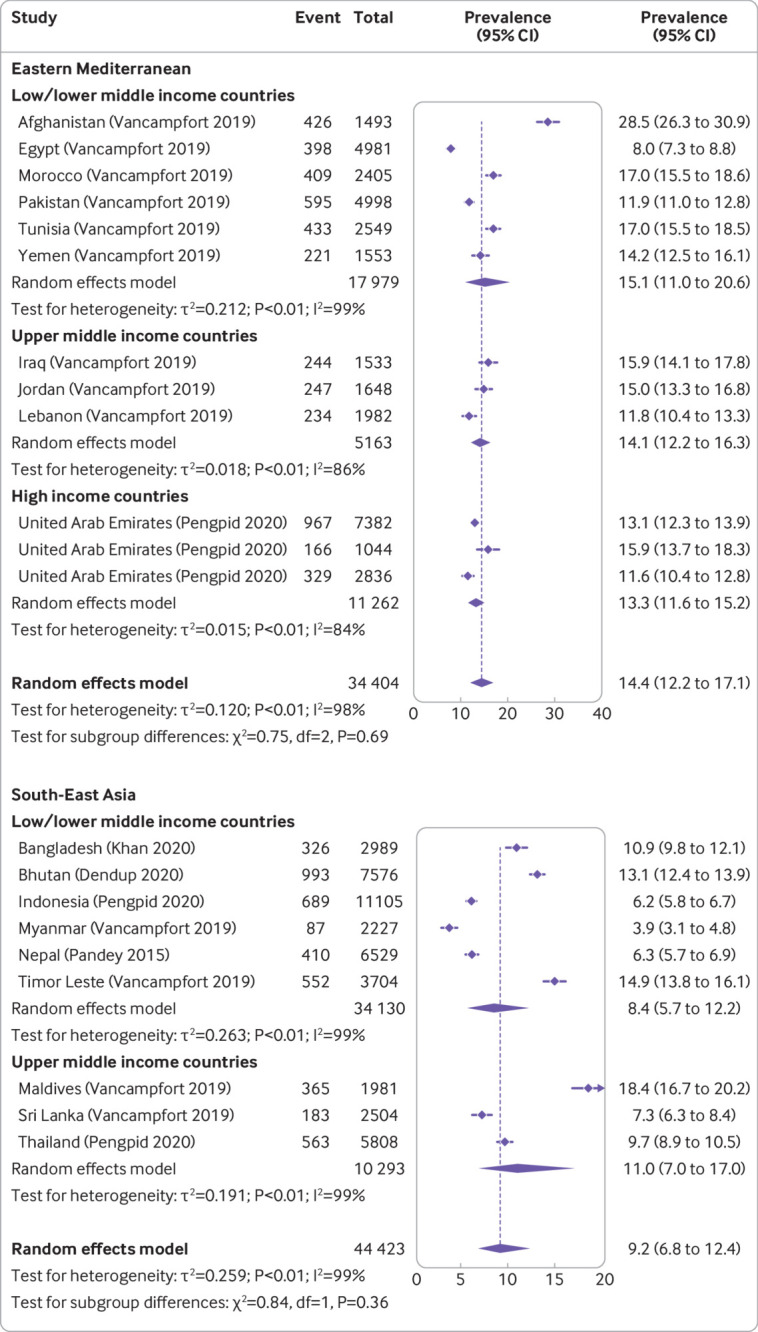
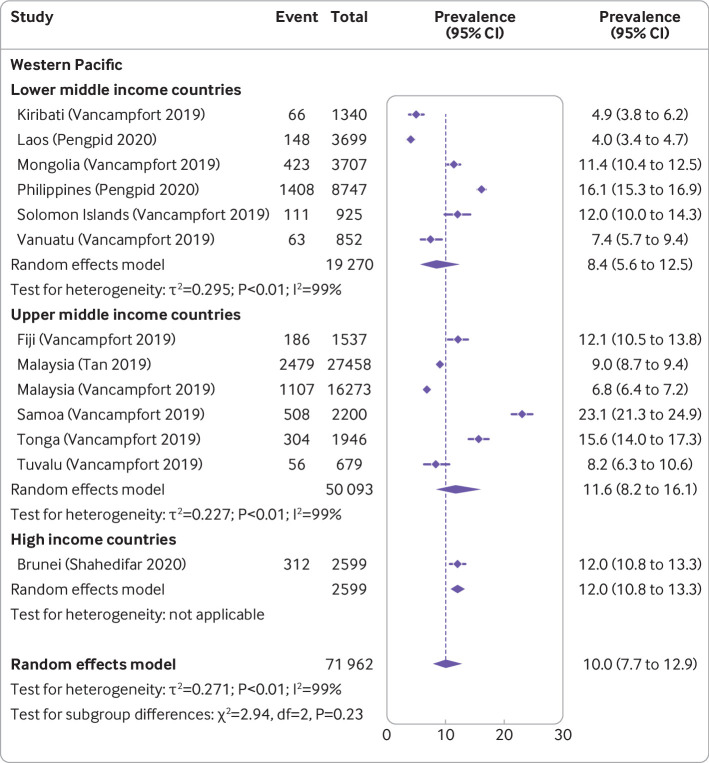
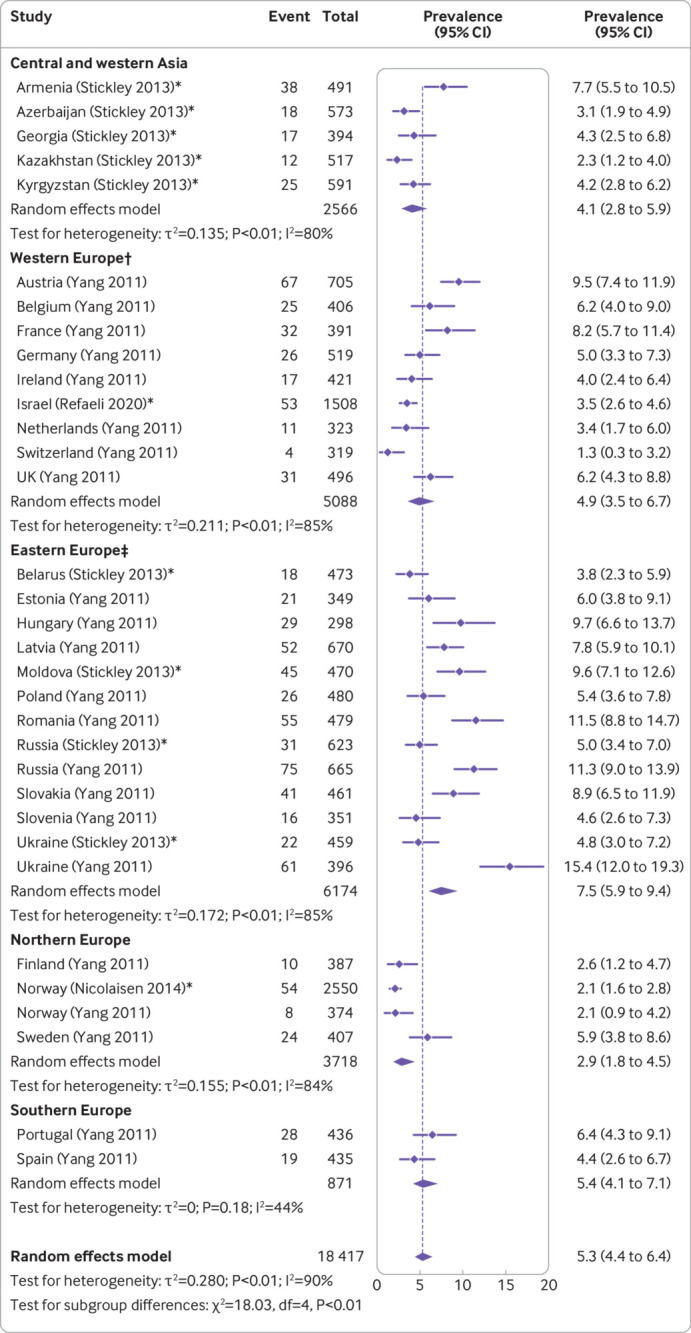
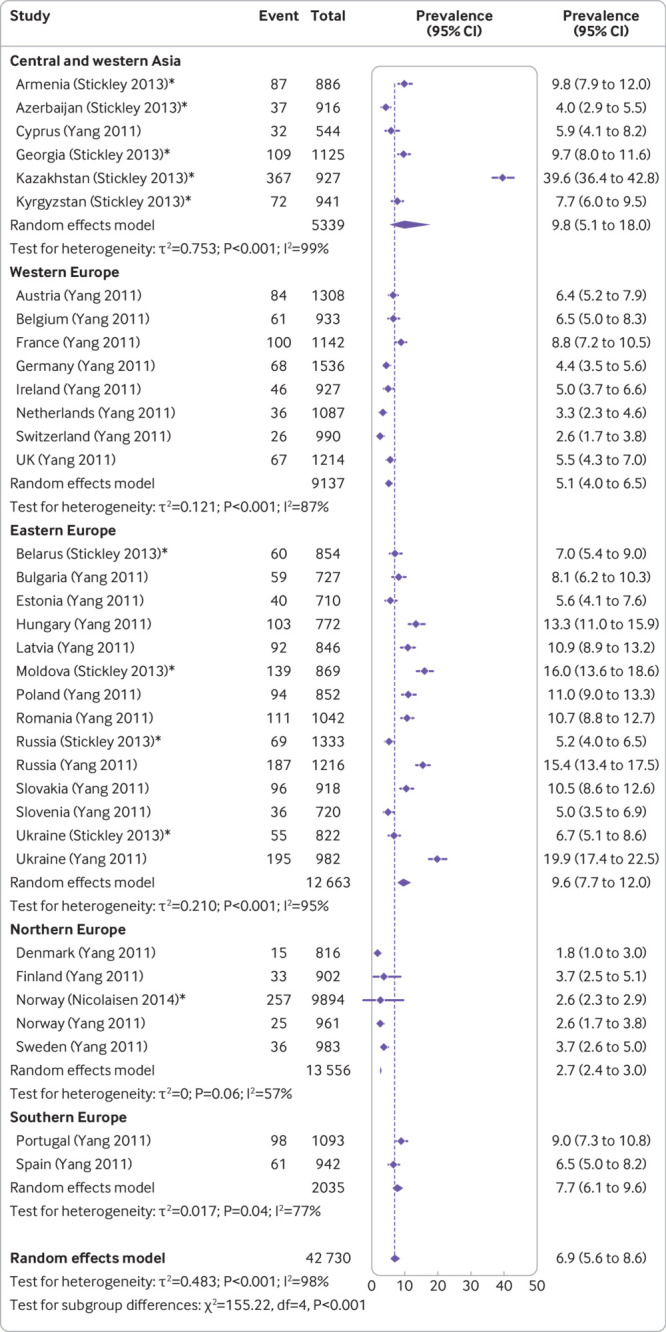
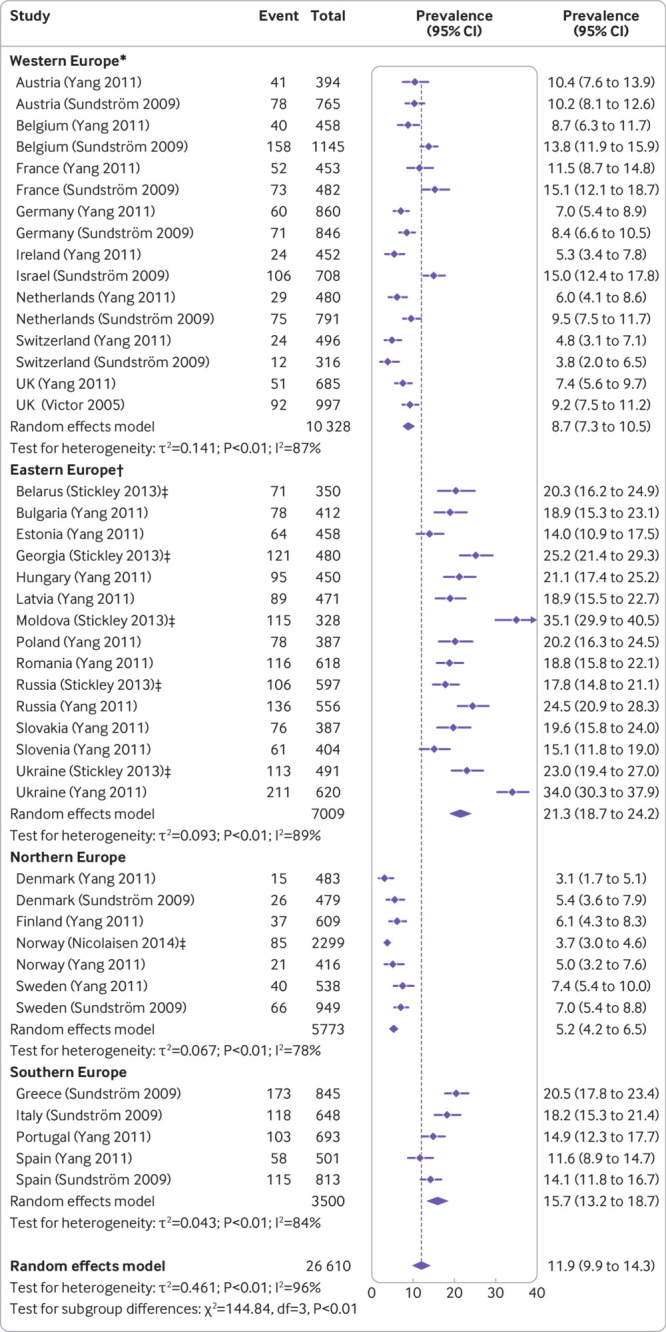
Objectives: To identify data availability, gaps, and patterns for population level prevalence of loneliness globally, to summarise prevalence estimates within World Health Organization regions when feasible through meta-analysis, and to examine temporal trends of loneliness in countries where data exist. Design: Systematic review and meta-analysis. Data sources: Embase, Medline, PsycINFO, and Scopus for peer reviewed literature, and Google Scholar and Open Grey for grey literature, supplemented by backward reference searching (to 1 September 2021) Eligibility criteria for selecting studies: Observational studies based on nationally representative samples (n≥292), validated instruments, and prevalence data for 2000-19. Two researchers independently extracted data and assessed the risk of bias using the Joanna Briggs Institute checklist. Random effects meta-analysis was conducted in the subset of studies with relatively homogeneous research methods by measurement instrument, age group, and WHO region. Results: Prevalence data were available for 113 countries or territories, according to official WHO nomenclature for regions, from 57 studies. Data were available for adolescents (12-17 years) in 77 countries or territories, young adults (18-29 years) in 30 countries, middle aged adults (30-59 years) in 32 countries, and older adults (≥60 years) in 40 countries. Data for all age groups except adolescents were lacking outside of Europe. Overall, 212 estimates for 106 countries from 24 studies were included in meta-analyses. The pooled prevalence of loneliness for adolescents ranged from 9.2% (95% confidence interval 6.8% to 12.4%) in South-East Asia to 14.4% (12.2% to 17.1%) in the Eastern Mediterranean region. For adults, meta-analysis was conducted for the European region only, and a consistent geographical pattern was shown for all adult age groups. The lowest prevalence of loneliness was consistently observed in northern European countries (2.9%, 1.8% to 4.5% for young adults; 2.7%, 2.4% to 3.0% for middle aged adults; and 5.2%, 4.2% to 6.5% for older adults) and the highest in eastern European countries (7.5%, 5.9% to 9.4% for young adults; 9.6%, 7.7% to 12.0% for middle aged adults; and 21.3%, 18.7% to 24.2% for older adults). Conclusion: Problematic levels of loneliness are experienced by a substantial proportion of the population in many countries. The substantial difference in data coverage between high income countries (particularly Europe) and low and middle income countries raised an important equity issue. Evidence on the temporal trends of loneliness is insufficient. The findings of this meta-analysis are limited by data scarcity and methodological heterogeneity. Loneliness should be incorporated into general health surveillance with broader geographical and age coverage, using standardised and validated measurement tools. Systematic review registration: PROSPERO CRD42019131448.
Overview
The claims and statistics of this paper haven’t been checked yet.
Run the check — free, no account needed. It reads the open-access text and checks the sources it cites.
Integrity signals
Registry
Cites
Statistics
Figures
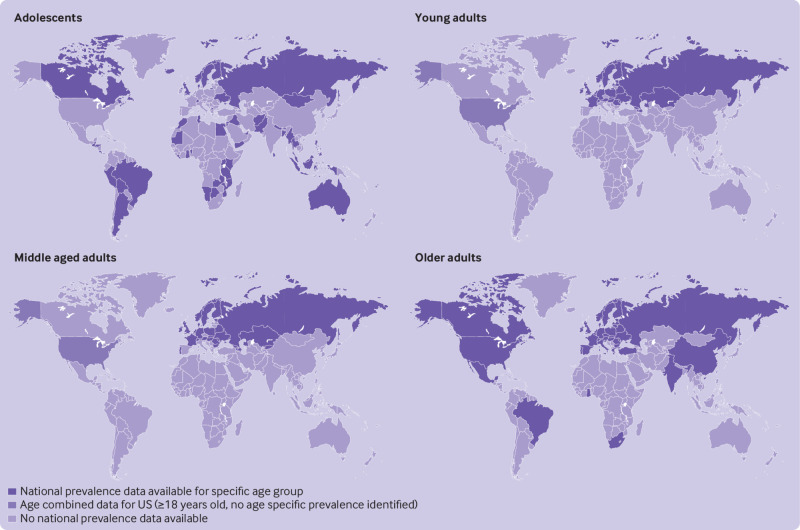
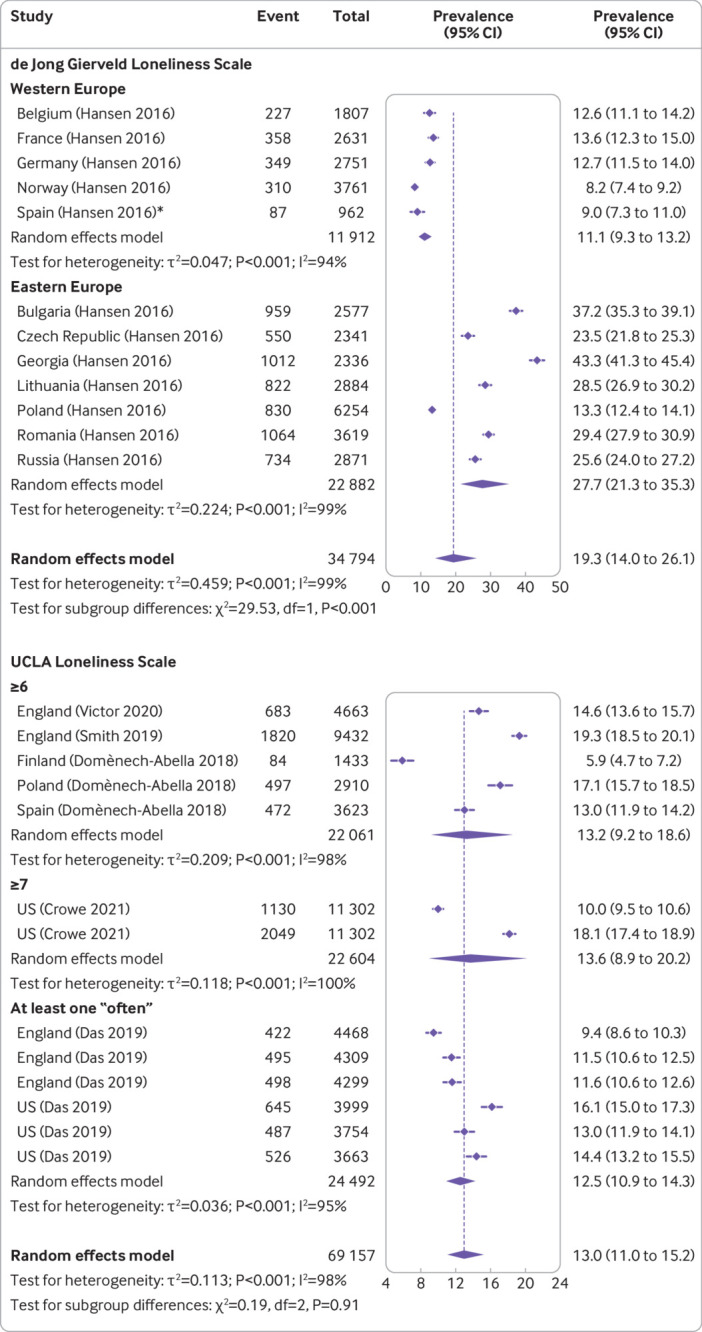
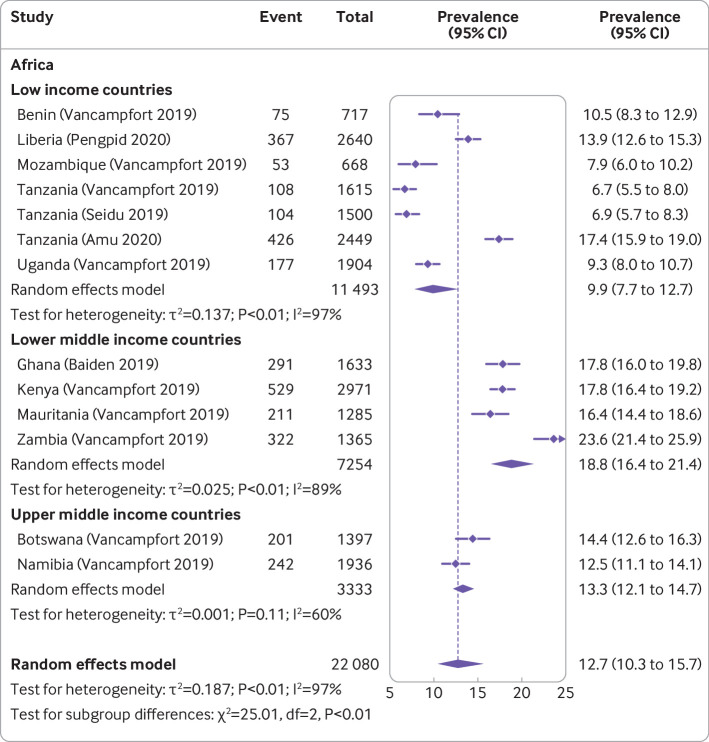
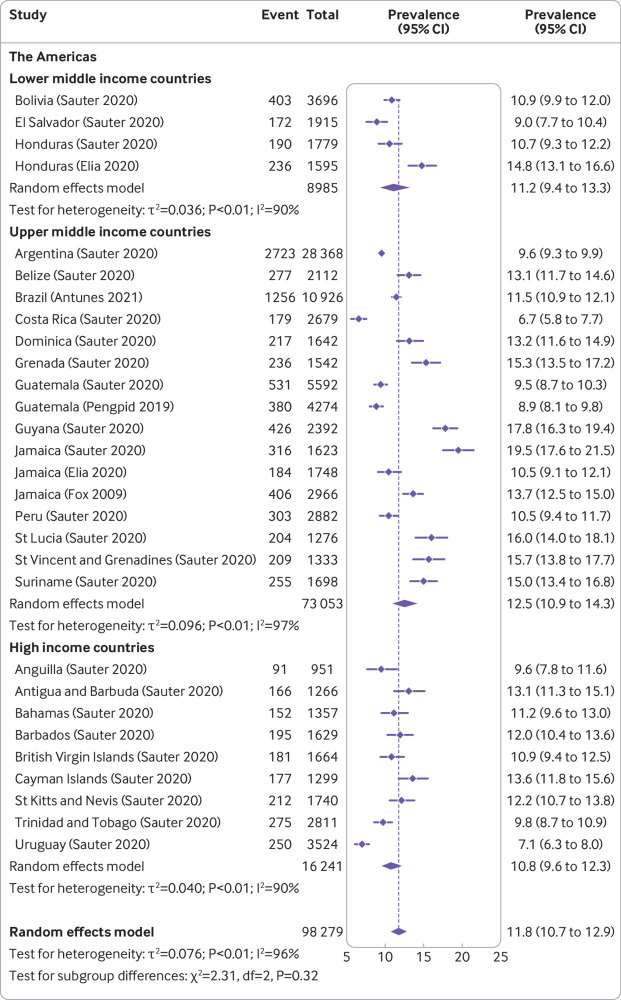
Verification
Claims the paper makes
The claims and statistics of this paper haven’t been checked yet.
Run the check — free, no account needed. It reads the open-access text and checks the sources it cites.
Claims other papers make about this one
Each is checked against this paper’s own text: does it say what the citing paper says it does?
The cited source says what the claim attributes to it.
In the citing paper
“Data based on nationally representative samples within World Health Organization regions pre-COVID-19 suggest that only 9.2% to 14.4% of adolescents experienced loneliness.16”
From A Longitudinal Study of Loneliness Before the End of the COVID-19 Pandemic: Trajectories, Predictors, and Impact on Chinese Adolescent Mental Health (2024) · cites this paper as [16]
Self-check
Percentages, sums and reported differences re-computed from the paper’s own numbers.
The self-check needs the paper’s full text.
Citations
Cites
Preferred Reporting Items for Systematic Reviews and Meta-Analyses: the PRISMA statement
Moher, D., Liberati, A., Tetzlaff, J., Altman, D. G., & for the PRISMA Group (2009) · BMJ · doi:10.1136/bmj.b2535 · Cited by 83,823
Measuring inconsistency in meta-analyses
Higgins, J. P. T., Thompson, S. G., Deeks, J. J., & Altman, D. G. (2003) · BMJ · doi:10.1136/bmj.327.7414.557 · Cited by 63,139
Preferred reporting items for systematic reviews and meta-analyses: the PRISMA Statement.
(2009) · PubMed Central · Cited by 44,859
The need to belong: Desire for interpersonal attachments as a fundamental human motivation.
Baumeister, R. F., & Leary, M. R. (1995) · Psychological Bulletin · doi:10.1037//0033-2909.117.3.497 · Cited by 23,245
The metabolic phenotype in obesity: Fat mass, body fat distribution, and adipose tissue function
Goossens, G. H. (2017) · Obesity Facts · doi:10.1159/000471488 · Cited by 8,481
Lee, I.-M., Shiroma, E. J., Lobelo, F., Puska, P., Blair, S. N., & Katzmarzyk, P. T. (2012) · The Lancet · doi:10.1016/s0140-6736(12)61031-9 · Cited by 8,215
Loneliness and Social Isolation as Risk Factors for Mortality: A Meta-Analytic Review
Holt-Lunstad, J., Smith, T. B., Baker, M., Harris, T., & Stephenson, D. (2015) · Perspectives on Psychological Science · doi:10.1177/1745691614568352 · Cited by 6,043
UCLA loneliness scale (version 3): reliability, validity, and factor structure
Russell, D. W. (1996) · Journal of Personality Assessment · doi:10.1207/s15327752jpa6601_2 · Cited by 5,800
A Short Scale for Measuring Loneliness in Large Surveys: Results From Two Population-Based Studies
Hughes, M. E., Waite, L. J., Hawkley, L. C., & Cacioppo, J. T. (2004) · Research on Aging · doi:10.1177/0164027504268574 · Cited by 4,781
Munn, Z., Moola, S., Lisy, K., Riitano, D., & Tufanaru, C. (2015) · International Journal of Evidence-Based Healthcare · doi:10.1097/xeb.0000000000000054 · Cited by 3,131
Research works printed but not linked: 4
- Peplau LA Perlman D . Perspective on loneliness. Loneliness: A sourcebook of current theory, research and therapy. John Wiley and Sons, 1982: 1-18.
- 10.1037/0033-2909.117.3.497 · DOI · Paper page
- 10.1097/XEB.0000000000000054 · DOI · Paper page
- Russell D . The measurement of loneliness. In: Peplau L Perlman D , eds. Loneliness: A Sourcebook of Current Theory, Research and Theory. John Wiley & Sons, 1982: 81-104.
Cited by
Sorted by citations
The social determinants of mental health and disorder: evidence, prevention and recommendations
Kirkbride, J. B., Anglin, D. M., Colman, I., Dykxhoorn, J. L., Jones, P. B., Patalay, P., Pitman, A., Soneson, E., Steare, T., Wright, T., et al. (2024) · World Psychiatry · doi:10.1002/wps.21160 · Cited by 1,619
“Estimates of the prevalence of loneliness internationally range from 9 to 14% in adolescents, falling to 310% in middle age, and rising again to 521% in older adults 220 .”
BackgroundHolt‐Lunstad, J. (2024) · World Psychiatry · doi:10.1002/wps.21224 · Cited by 541
“Furthermore, a meta analysis of data from 113 countries concluded that a sub stantial proportion of the population in many countries experi ences problematic levels of loneliness 85 .”
Risk factors for loneliness: A literature review
Barjaková, M., Garnero, A., & d’Hombres, B. (2023) · Social Science & Medicine · doi:10.1016/j.socscimed.2023.116163 · Cited by 296
Loneliness and suicide mitigation for students using GPT3-enabled chatbots
Maples, B., Cerit, M., Vishwanath, A., & Pea, R. (2024) · npj Mental Health Research · doi:10.1038/s44184-023-00047-6 · Cited by 250
Social participation and risk of developing dementia
Sommerlad, A., Kivimäki, M., Larson, E. B., Röhr, S., Shirai, K., Singh-Manoux, A., & Livingston, G. (2023) · Nature Aging · doi:10.1038/s43587-023-00387-0 · Cited by 207
“Furthermore, longstanding societal changes and those related to the COVID-19 pandemic have increased the focus on social isolation and loneliness 17,18 .”
Loneliness across time and space
Luhmann, M., Buecker, S., & Rüsberg, M. (2022) · Nature Reviews Psychology · doi:10.1038/s44159-022-00124-1 · Cited by 197
Song, Y., Zhu, C., Shi, B., Song, C., Cui, K., Chang, Z., Gao, G., Jia, L., Fu, R., Dong, Q., et al. (2023) · EClinicalMedicine · doi:10.1016/j.eclinm.2023.102236 · Cited by 167
The relationship between frailty and social vulnerability: a systematic review
Hanlon, P., Wightman, H., Politis, M., Kirkpatrick, S., Jones, C. E., Andrew, M. K., Vetrano, D. L., Dent, E., & Hoogendijk, E. O. (2024) · The Lancet Healthy Longevity · doi:10.1016/s2666-7568(23)00263-5 · Cited by 146
Akhter‐Khan, S. C., Prina, M. A., Wong, G. H. Y., Mayston, R., & Li, L. (2022) · Perspectives on Psychological Science · doi:10.1177/17456916221127218 · Cited by 194
Farrell, A. H., Vitoroulis, I., Eriksson, M., & Vaillancourt, T. (2023) · Children · doi:10.3390/children10020279 · Cited by 130
“In a recent meta-analysis of pre-pandemic studies (i.e., studies conducted prior to the pandemic), the prevalence rates of loneliness among adolescents between ages 12 and 17 across 76 countries ranged from 9.2% to 14.4% depending on the geographic region [8].”
BackgroundInfluentialThe state of loneliness and social isolation research: current knowledge and future directions
Taylor, H. O., Cudjoe, T., Bu, F., & Lim, M. H. (2023) · BMC Public Health · doi:10.1186/s12889-023-15967-3 · Cited by 147
“In prevalence studies, these issues occur all over the world [6, 14]; hence global policy and advocacy is sorely needed.”
BackgroundInfluentialHussain, B., Mirza, M., Baines, R., Burns, L., Stevens, S., Asthana, S., & Chatterjee, A. (2023) · Frontiers in Public Health · doi:10.3389/fpubh.2023.1113864 · Cited by 127
“(6) review specifically noted that up to 6.”
InfluentialEilert, D. W., & Buchheim, A. (2023) · Brain Sciences · doi:10.3390/brainsci13060884 · Cited by 131
“Secondly, a meta-analysis showed that problematic levels of loneliness are experienced by a substantial proportion of the population in many countries [16].”
BackgroundKojima, G., Taniguchi, Y., Aoyama, R., & Tanabe, M. K. G. (2022) · Ageing Research Reviews · doi:10.1016/j.arr.2022.101705 · Cited by 95
Hanna, K. L., Cross, J., Nicholls, A., & Gallegos, D. (2023) · Appetite · doi:10.1016/j.appet.2023.107051 · Cited by 96
“Across a range of countries, estimates for the prevalence of loneliness in adults across age groups range from 1.8 to 24% and in the USA and Europe the prevalence ranges from 5 to 43% (Surkalim et al., 2022).”
InfluentialThe prevalence of chronic and episodic loneliness and social isolation from a longitudinal survey
Lim, M. H., Manera, K., Owen, K., Phongsavan, P., & Smith, B. J. (2023) · Scientific Reports · doi:10.1038/s41598-023-39289-x · Cited by 82
Yu, D. S.-F., Li, P. W.-C., Lin, R. S.-Y., Kee, F., Chiu, A., & Wu, W. (2023) · International Journal of Nursing Studies · doi:10.1016/j.ijnurstu.2023.104524 · Cited by 76
Changing the narrative: Loneliness as a social justice issue
Barreto, M., Doyle, D. M., & Qualter, P. (2024) · Political Psychology · doi:10.1111/pops.12965 · Cited by 90
Meehan, D. E., Grunseit, A. C., Condie, J., HaGani, N., & Merom, D. (2023) · BMC Geriatrics · doi:10.1186/s12877-023-04418-8 · Cited by 88
“The global spread of studies investigating the community and societal factors of loneliness and SI for older people is limited, with no research in the African and South American continents, consistent with conclusions from other research not just in older people, but across the life course [10].”
BackgroundResultSalari, N., Najafi, H., Rasoulpoor, S., Canbary, Z., Heidarian, P., & Mohammadi, M. (2025) · Humanities and Social Sciences Communications · doi:10.1057/s41599-025-05304-x · Cited by 119
“The existing review studies are either regional or limited (Surkalim et al. 2022), such as Chawla et al. ‘ s study, which estimates the prevalence of loneliness among older adults in high-income countries (Chawla et al. 2021).”
Screening for loneliness in representative population samples: Validation of a single-item measure
Reinwarth, A. C., Ernst, M., Krakau, L., Brähler, E., & Beutel, M. E. (2023) · PLoS ONE · doi:10.1371/journal.pone.0279701 · Cited by 78
Whear, R., Campbell, F., Rogers, M., Sutton, A., Robinson-Carter, E., Sharpe, R. A., Cohen, S., Fergy, R., Garside, R., Kneale, D., et al. (2023) · Campbell Systematic Reviews · doi:10.1002/cl2.1355 · Cited by 81
Social connection and mortality in UK Biobank: a prospective cohort analysis
Foster, H. M. E., Gill, J. M. R., Mair, F. S., Celis-Morales, C. A., Jani, B., Nicholl, B. I., Lee, D., & O’Donnell, C. A. (2023) · BMC Medicine · doi:10.1186/s12916-023-03055-7 · Cited by 67
“…of social connection (9.2–14.4% of the global population are estimated to feel lonely and 25% of adults world-wide may be socially isolated) [18, 19] and the associated mortality justify attempts to understand how each component impacts on mortality in order to develop targeted interventions…”
BackgroundInfluentialSusanty, S., Nadirawati, N., Setiawan, A., Haroen, H., Pebrianti, S., Harun, H., Azissah, D., Suyanto, J., Sarasmita, M. A., Chipojola, R., et al. (2024) · Archives of Gerontology and Geriatrics · doi:10.1016/j.archger.2024.105627 · Cited by 70
Jefferson, R., Barreto, M., Jones, F., Conway, J., Chohan, A., Madsen, K. R., Verity, L., Petersen, K. J., & Qualter, P. (2023) · British Journal of Educational Psychology · doi:10.1111/bjep.12616 · Cited by 80
Chen, Z., Song, X., Lee, T. M. C., & Zhang, R. (2023) · Journal of Affective Disorders · doi:10.1016/j.jad.2023.09.035 · Cited by 69
Liang, Y. Y., Zhou, M., He, Y., Zhang, W., Wu, Q., Luo, T., Zhang, J., Jia, F., Qi, L., Ai, S., et al. (2024) · Nature Human Behaviour · doi:10.1038/s41562-024-01970-0 · Cited by 62
Ge, M., Hu, F., Jia, Y., Tang, W. H., Zhang, W., Zhao, D., Shen, W., & Chen, H. (2023) · Psychological Reports · doi:10.1177/00332941231180119 · Cited by 58
“Data from 113 countries found that the overall prevalence of loneliness among adolescents ranges from 9.2% in Southeast Asia to 14.4% in the eastern Mediterranean region (Surkalim et al., 2022).”
InfluentialSachs, A. L., Kolster, A., Wrigley, J., Papon, V., Opačin, N., Hill, N., Howarth, M. L., Rochau, U., Hidalgo, L., Casajuana, C., et al. (2024) · Landscape and Urban Planning · doi:10.1016/j.landurbplan.2024.105071 · Cited by 59
Wang, Y., Qin, C., Chen, H., Liang, W., Liu, M., & Liu, J. (2025) · Journal of Affective Disorders · doi:10.1016/j.jad.2025.01.086 · Cited by 60
Kent‐Marvick, J., Simonsen, S. E., Pentecost, R., Taylor, E., & McFarland, M. (2022) · Systematic Reviews · doi:10.1186/s13643-022-02065-5 · Cited by 59
Lin, S. (2022) · Journal of Affective Disorders · doi:10.1016/j.jad.2022.08.131 · Cited by 56
Campbell, F., Whear, R., Rogers, M., Sutton, A., Robinson-Carter, E., Barlow, J., Sharpe, R. A., Cohen, S., Wolstenholme, L., & Coon, J. T. (2023) · Campbell Systematic Reviews · doi:10.1002/cl2.1306 · Cited by 48
“Data extraction was conducted using EPPI reviewer (Thomas et al., 2022).”
MethodInfluentialHartanto, A., Sim, L., Lee, D., Majeed, N. M., & Yong, J. C. (2024) · Communications Psychology · doi:10.1038/s44271-024-00156-8 · Cited by 54
“Consequently, one key challenge elderly people face is loneliness, stemming from a lack of social interactions 164,165 .”
Gosling, C., Colle, R., Cartigny, A., Jollant, F., Corruble, E., & Frajerman, A. (2024) · Psychological Medicine · doi:10.1017/s0033291724002083 · Cited by 43
“However, because other cut-offs have been used (Surkalim et al., 2022), we also conducted sensitivity analyses with other cut-off values to assess the robustness of our analyses dichotomizing the UCLA-LS-20.”
InfluentialTapia‐Muñoz, T., Staudinger, U. M., Allel, K., Steptoe, A., Miranda‐Castillo, C., Medina, J. T., & Calvo, E. (2022) · PLoS ONE · doi:10.1371/journal.pone.0274518 · Cited by 55
“In a pooled analysis of studies conducted between 2000 and 2019 measuring loneliness in people 60 years and older, the lowest prevalence of loneliness was 5.2% in Northern Europe (Finland, Norway, Sweden, Denmark), and the highest prevalence was 24.2% in Eastern Europe (Belarus, Estonia, Hungary, Latvia, Moldova, Pola…”
BackgroundInfluentialRelationship between loneliness and internet addiction: a meta-analysis
Wang, Y., & Zeng, Y. (2024) · BMC Public Health · doi:10.1186/s12889-024-18366-4 · Cited by 58
“Among adults, middle-aged individuals, and elderly individuals, the sense of loneliness is lowest in Northern countries and highest in Eastern European countries (Northern European countries = 2.9%, 1.8–4.5%, Eastern European countries = 7.5%, 5.9–9.4% ) [52].”
BackgroundInfluentialIgami, K., Hosozawa, M., Ikeda, A., Bann, D., Shimizu, T., & Iso, H. (2023) · Journal of Adolescent Health · doi:10.1016/j.jadohealth.2022.12.029 · Cited by 51
“In line with previous cross-country studies, we found considerable heterogeneity in the prevalence of loneliness across countries that ranged from 2.2% in Laos to 25.9% in Afghanistan [7].”
InfluentialMerrill, K., Mikkilineni, S. D., & Dehnert, M. (2025) · Annals of the New York Academy of Sciences · doi:10.1111/nyas.15400 · Cited by 73
“17 The effects of anxiety and loneliness are well documented in the literature and striking.”
Hammer, L. B., Dimoff, J. K., Mohr, C. D., & Allen, S. J. (2024) · Occupational Health Science · doi:10.1007/s41542-023-00171-x · Cited by 68
“Social support is also a way to combat loneliness and lack of social connection that have been considered major public health concerns (Cacioppo & Cacioppo, 2018; U.S. Surgeon General, 2023), both in the U.S. and internationally (Surkalim et al., 2022).”
Stegen, H., Duppen, D., Savieri, P., Stas, L., Pan, H., Aartsen, M., Callewaert, H., Dierckx, E., & De Donder, L. (2024) · International Psychogeriatrics · doi:10.1017/s1041610224000425 · Cited by 42
“…106 countries in 24 studies suggests that older adults ( ≥ 60 years; not explicitly community dwelling) in general have a higher prevalence of loneliness compared with their younger counterparts (i.e., young adults [18 – 29 years] and middle-aged adults [30 – 59 years]) (Surkalim et al ., 2022).”
BackgroundGuan, Z., Poon, A. W. C., & Zwi, A. B. (2023) · American Journal of Community Psychology · doi:10.1002/ajcp.12698 · Cited by 52
Hajek, A., Volkmar, A., & König, H.-H. (2025) · Social Psychiatry and Psychiatric Epidemiology · doi:10.1007/s00127-023-02602-0 · Cited by 39
“Higher pooled prevalence rates for loneliness were also identified amongst older adults (compared to young adults) in eastern European countries [8].”
Loneliness and Functional Decline in Aging: A Systematic Review
Pollak, C., Verghese, J., & Blumen, H. M. (2023) · Research in Gerontological Nursing · doi:10.3928/19404921-20230503-02 · Cited by 53
Grey, E., Baber, F., Corbett, E., Ellis, D. A., Gillison, F., & Barnett, J. C. (2024) · BMC Public Health · doi:10.1186/s12889-023-17386-w · Cited by 46
“Although loneliness and social isolation can affect people of all ages [8, 9] and it is important to acknowledge that people can gain social connections in later life (e.g., through new commitments connected to caring for grandchil-dren) [10], several factors associated with older age can increase…”
BackgroundTimková, V., Mikula, P., & Nagyová, I. (2025) · Frontiers in Psychology · doi:10.3389/fpsyg.2024.1474844 · Cited by 42
Piko, B. F., Müller, V., Kiss, H., & Mellor, D. J. (2025) · Acta Psychologica · doi:10.1016/j.actpsy.2025.104771 · Cited by 61
Social anxiety and loneliness among older adults: a moderated mediation model
Sun, S., Wang, Y., Wang, L., Lu, J., Li, H., Zhu, J., Qian, S., Zhu, L., & Xu, H. (2024) · BMC Public Health · doi:10.1186/s12889-024-17795-5 · Cited by 45
“Recently, it was reported that 11.9% of older adults worldwide suffer from loneliness [5].”
BackgroundInfluentialBernardi, E., & Visioli, F. (2024) · Nutrition Research · doi:10.1016/j.nutres.2024.03.007 · Cited by 47
Advancing loneliness and social isolation as global health challenges: taking three priority actions
Lim, M. H., Qualter, P., Ding, D., Holt‐Lunstad, J., Mikton, C., & Smith, B. J. (2023) · Public Health Research & Practice · doi:10.17061/phrp3332320 · Cited by 42
Self-citationAkhter‐Khan, S. C., van Es, W., Prina, M. A., Lawrence, V. C., Piri, İ., Rokach, A., Heu, L. C., & Mayston, R. (2023) · Social Science & Medicine · doi:10.1016/j.socscimed.2023.116438 · Cited by 37
AI as your ally: The effects of AI‐assisted venting on negative affect and perceived social support
Hu, M., Chua, X. C. W., Diong, S. F., Kasturiratna, K. T. A. S., Majeed, N. M., & Hartanto, A. (2024) · Applied Psychology Health and Well-Being · doi:10.1111/aphw.12621 · Cited by 54
We need a public health approach to loneliness
O’Sullivan, R., Leavey, G., & LAWLOR, B. A. (2022) · BMJ · doi:10.1136/bmj.o280 · Cited by 37
Liao, X., Wang, Z., Zeng, Q., & Zeng, Y. (2024) · International Journal of Geriatric Psychiatry · doi:10.1002/gps.6101 · Cited by 38
“43 This difference may be attributed to variations in culture and socioeconomic status.”
BackgroundLife Events and Loneliness Transitions Among Middle-Aged and Older Adults Around the World
Sheftel, M. G., Margolis, R., & Verdery, A. M. (2023) · The Journals of Gerontology Series B · doi:10.1093/geronb/gbad149 · Cited by 33
Quantity and quality of social relationships and their associations with loneliness in older adults
Norlin, J., McKee, K., Lennartsson, C., & Dahlberg, L. (2025) · Aging & Mental Health · doi:10.1080/13607863.2025.2460068 · Cited by 41
“A meta-analysis found that the pooled prevalence of loneliness among people aged 60+ years was around 12%, with lower prevalence in Northern Europe compared to Southern and Eastern Europe (Surkalim et al., 2022).”
Luo, Q., & Shao, R. (2023) · Psychoradiology · doi:10.1093/psyrad/kkad029 · Cited by 34
Why loneliness requires a multidimensional approach: a critical narrative review
Walsh, B. E., Rottenberg, J. A., & Schlauch, R. C. (2025) · Nature Mental Health · doi:10.1038/s44220-024-00382-3 · Cited by 34
Digital Humans to Combat Loneliness and Social Isolation: Ethics Concerns and Policy Recommendations
Jecker, N. S., Sparrow, R., Lederman, Z., & Ho, A. (2024) · The Hastings Center Report · doi:10.1002/hast.1562 · Cited by 33
Loneliness in Young People with ADHD: A Systematic Review and Meta-Analysis
Jong, A., Odoi, C. M., Lau, J., & J.Hollocks, M. (2024) · Journal of Attention Disorders · doi:10.1177/10870547241229096 · Cited by 29
“…different studies, it is difficult to compare loneliness levels and prevalence between studies, in addition to interpreting whether the elevated loneliness levels experienced by young people with ADHD in this review are clinically relevant or not (Nicolaisen & Thorsen, 2014; Surkalim et al., 2022).”
ResultAssessment of an Epidemic Urgency: Psychometric Evidence for the UCLA Loneliness Scale
Bottaro, R., Valenti, G. D., & Faraci, P. (2023) · Psychology Research and Behavior Management · doi:10.2147/prbm.s406523 · Cited by 30
Ip, H., Suen, Y. N., Hui, C. L. M., Cheung, C., Wong, S. M. Y., & Chen, E. Y. H. (2024) · Scientific Reports · doi:10.1038/s41598-024-75739-w · Cited by 31
Schepers, W., Gryp, D., Häussermann, F., Heylen, L., Regenmortel, T. V., & Witte, J. D. (2025) · Health & Place · doi:10.1016/j.healthplace.2025.103491 · Cited by 35
Zhang, Y., Li, J., Zhang, M., Bote, A. I., & Jia, F. (2023) · Addictive Behaviors · doi:10.1016/j.addbeh.2023.107916 · Cited by 35
Loneliness and mood disorders: consequence, cause and/or unholy alliance?
Giacco, D. (2022) · Current Opinion in Psychiatry · doi:10.1097/yco.0000000000000832 · Cited by 28
Prell, T., Schönenberg, A., & Heimrich, K. G. (2023) · Frontiers in Medicine · doi:10.3389/fmed.2023.1183289 · Cited by 28
Time trends in loneliness from 1984 to 2019 among 27,032 older adults in Norway: A HUNT study
Aunsmo, R. H., Langballe, E. M., Hansen, T. F., Selbæk, G., & Strand, B. H. (2023) · Preventive Medicine · doi:10.1016/j.ypmed.2023.107659 · Cited by 26
Current Trends and Future Directions in Urban Social Prescribing
Litt, J., Coll‐Planas, L., Sachs, A. L., Aguado, M. M., & Howarth, M. L. (2023) · Current Environmental Health Reports · doi:10.1007/s40572-023-00419-2 · Cited by 29
Surkalim, D. L., Clare, P. J., Eres, R., Gebel, K., Bauman, A. E., & Ding, D. (2024) · American Journal of Epidemiology · doi:10.1093/aje/kwae001 · Cited by 26
“3-5 With recent studies identifying the high global prevalence of sustained loneliness, 6 many health professionals advocate for finding solutions to tackle the epidemic of loneliness.”
BackgroundSelf-citationInterpersonal curiosity as a tool to foster safe relational spaces: a narrative literature review
Jauniaux, M. L., & Lawford, H. L. (2024) · Frontiers in Psychology · doi:10.3389/fpsyg.2024.1379330 · Cited by 29
Garnow, T., Garmy, P., Edberg, A., & Einberg, E. (2022) · International Journal of Qualitative Studies on Health and Well-Being · doi:10.1080/17482631.2022.2132653 · Cited by 36
“Loneliness is even described as a global public health issue (Nyqvist et al., 2016; Surkalim et al., 2022), and a form of social inequality (Junttila et al.”
BackgroundPitak, P., Tasai, S., Kumpat, N., Songkla, P. N., Fuangchan, A., Krass, I., & Dhippayom, T. (2023) · Public Health · doi:10.1016/j.puhe.2023.10.015 · Cited by 27
Loneliness in the Daily Lives of People With Mood and Psychotic Disorders
Moran, E. K., Shapiro, M., Culbreth, A. J., Nepal, S. K., Ben‐Zeev, D., Campbell, A. T., & Barch, D. M. (2024) · Schizophrenia Bulletin · doi:10.1093/schbul/sbae022 · Cited by 27
Santini, Z. I., Thygesen, L. C., Andersen, S., Tolstrup, J. S., Koyanagi, A., Nielsen, L., Meilstrup, C., Koushede, V., & Ekholm, O. (2024) · International Journal of Mental Health and Addiction · doi:10.1007/s11469-024-01283-3 · Cited by 42
“Moreover, social isolation is a pervasive societal problem, that can contribute to morbidity and mortality (Holt-Lunstad et al., 2015; Santini, Jose, et al., 2020), and is experienced by a substantial proportion of the population in many countries (Surkalim et al., 2022).”
Seifert, N. (2024) · Applied Research in Quality of Life · doi:10.1007/s11482-024-10302-3 · Cited by 29
“Loneliness is a major challenge for contemporary society, and it affects a significant proportion of the population (Surkalim et al., 2022).”
InfluentialAmendola, S., Cerutti, R., & von Wyl, A. (2023) · PLoS ONE · doi:10.1371/journal.pone.0291341 · Cited by 28
A lonely planet: time to tackle loneliness as a public health issue
Ding, D., Eres, R., & Surkalim, D. L. (2022) · BMJ · doi:10.1136/bmj.o1464 · Cited by 25
Self-citationSeewer, N., Skoko, A., Käll, A., Andersson, G., Luhmann, M., Berger, T., & Krieger, T. (2024) · Scientific Reports · doi:10.1038/s41598-024-57254-0 · Cited by 27
Prevalence and burden of loneliness in COPD: A systematic review and meta-analysis
Alqahtani, J. S., Arowosegbe, A., Aldhahir, A. M., Alghamdi, S. M., Alqarni, A. A., Siraj, R. A., AlDraiwiesh, I. A., Alwafi, H. H., & Oyelade, T. (2024) · Respiratory Medicine · doi:10.1016/j.rmed.2024.107768 · Cited by 24
Wang, X., Cao, X., Yu, J., Jin, S., Li, S., Chen, L., Liu, Z., Ge, X., & Lu, Y. (2024) · BMC Psychiatry · doi:10.1186/s12888-024-05609-2 · Cited by 30
“In a recent systematic review and meta-analysis, substantial geographical variation in loneliness prevalence has been reported [56].”
BackgroundNeurogenetics and Epigenetics of Loneliness
Bowirrat, A., Elman, I., Dennen, C. A., Gondré-Lewis, M. C., Cadet, J. L., Khalsa, J., Baron, D., Soni, D., Gold, M. S., McLaughlin, T., et al. (2023) · Psychology Research and Behavior Management · doi:10.2147/prbm.s423802 · Cited by 23
“42,43 While most of surveyed people across all ages consistently report alienation, the risk of loneliness seems to increase with age.”
BackgroundAnisman, H., Doubad, D., Asokumar, A., & Matheson, K. (2024) · Neuroscience & Biobehavioral Reviews · doi:10.1016/j.neubiorev.2024.105859 · Cited by 26
Sundqvist, A. J. E., Nyman-Kurkiala, P., Ness, O., & Hemberg, J. A. V. (2024) · International Journal of Qualitative Studies on Health and Well-Being · doi:10.1080/17482631.2024.2422142 · Cited by 30
“A substantial proportion of individuals in many countries worldwide experience loneliness (Surkalim et al., 2022).”
BackgroundHo, T. T. Q., & Nguyễn, H. T. (2022) · European Journal of Developmental Psychology · doi:10.1080/17405629.2022.2068523 · Cited by 27
“…ranges from 6.7% to 19.8% (e.g., Costa Rica: 6.7%; Peru: 10.5%; Bolivia: 10.9%; Jamaica: 19.5%; Morocco: 19.8%; Uruguay: 7.1%; Indonesia: 9.6%; Philippines: 14.2%; Thailand: 7.9%; Malaysia: 7.0%; Peltzer & Pengpid, 2017; Pengpid & Peltzer, 2021; Sauter et al., 2020; Surkalim et al., 2022).”
InfluentialWest, T. N., Prinzing, M., Garton, C., Berman, C. J., Zhou, J., Hale, J., Gratch, J. S., & Fredrickson, B. L. (2024) · The Journal of Positive Psychology · doi:10.1080/17439760.2024.2394451 · Cited by 24
“Loneliness is a worldwide health concern (Surkalim et al., 2022), now at epidemic levels in the U.S. and hitting young adults especially hard.”
Ezzatvar, Y., Caballero, Ó., Bastías, D. M. D., Sepulveda, R. A. Y., & García‐Hermoso, A. (2025) · Diabetes Research and Clinical Practice · doi:10.1016/j.diabres.2025.112124 · Cited by 25
High levels of loneliness in people with hoarding disorder
Yap, K., Timpano, K. R., Isemann, S., Svehla, J., & Grisham, J. R. (2023) · Journal of Obsessive-Compulsive and Related Disorders · doi:10.1016/j.jocrd.2023.100806 · Cited by 24
Carrasco, P. M., Crespo, D. P., García, A. I. R., Ibáñez, M. L., Rubio, B. M., & Montenegro-Peña, M. (2024) · BMC Psychology · doi:10.1186/s40359-024-01708-7 · Cited by 29
“Pooled prevalence data for Europe and USA is 13% [13].”
BackgroundIn-person interventions to reduce social isolation and loneliness: An evidence and gap map
Welch, V. A., Ghogomu, E. T., Dowling, S., Barbeau, V. I., Al‐Zubaidi, A. A. A., Beveridge, E., Bondok, M., Desai, P., Doyle, R., Huang, J. X., et al. (2024) · Campbell Systematic Reviews · doi:10.1002/cl2.1408 · Cited by 30
Nascimento, M. D. M., Lampraki, C., Marques, A., Gouveia, É. R., Adsuar, J. C., & Ihle, A. (2024) · BMC Public Health · doi:10.1186/s12889-024-19463-0 · Cited by 27
“Recent review studies with meta-analyses estimated the prevalence of loneliness in older adults in high-income countries at 27.6% [9], reaching rates of 18.7% to 24.2% in eastern European countries [10].”
BackgroundResultInfluentialRoberts, J. A., Young, P. D., & David, M. E. (2024) · Personality and Social Psychology Bulletin · doi:10.1177/01461672241295870 · Cited by 27
Context of walking and loneliness among community-dwelling older adults: a cross-sectional study
Mizuta, S., Uchida, K., Sawa, R., Nakamura, J., Encho, H., Akisue, T., & Ono, R. (2023) · BMC Geriatrics · doi:10.1186/s12877-023-04043-5 · Cited by 21
Prevalence of Loneliness in Older Adults: A Scoping Review
Schroyen, S., Janssen, N., Duffner, L. A., Veenstra, M. Y., Pyrovolaki, E., Salmon, É., & Adam, S. (2023) · Health & Social Care in the Community · doi:10.1155/2023/7726692 · Cited by 25
Jafarlou, S., Azimi, I., Lai, J., Wang, Y., Labbaf, S., Nguyen, B., Qureshi, H., Marcotullio, C., Borelli, J. L., Dutt, N. D., et al. (2024) · PLoS ONE · doi:10.1371/journal.pone.0298949 · Cited by 22
“The U.S. has previously announced a loneliness epidemic [66] and several recent studies are focusing on loneliness across different populations [67].”
Loneliness in adolescence: prevalence, developmental contexts, and interventions
Verity, L., Burke, L., & Qualter, P. (2025) · Frontiers in Psychiatry · doi:10.3389/fpsyt.2025.1696981 · Cited by 25
Naughton‐Doe, R., Barke, J., Manchester, H., Willis, P. B., & Wigfield, A. (2022) · Ageing and Society · doi:10.1017/s0144686x2200099x · Cited by 20
Hou, P. K., Xue, H., Zhang, Y., Ping, Y., Zheng, Y., Wang, Y., Yao, Z., Xie, X., Dai, H., & Liu, Y. (2022) · Brain Sciences · doi:10.3390/brainsci12101341 · Cited by 20
“As a public health problem, loneliness can increase the risk of cognitive impairment, dementia, and death [13,14].”
BackgroundLiang, Y. Y., Chen, Y., Feng, H., Xue, H., Nie, Y., Ai, Q. H., Ma, J., Yang, L., Zhang, J., & Ai, S. (2023) · General Psychiatry · doi:10.1136/gpsych-2023-101153 · Cited by 21
Lee, H., Yong, S. Y., Choi, H., Yoon, G. Y., & Koh, S. B. (2024) · Frontiers in Aging Neuroscience · doi:10.3389/fnagi.2024.1389476 · Cited by 21
Boonpattharatthiti, K., Songkla, P. N., Chantara, J., Koomsri, C., Krass, I., Chaiyakunapruk, N., & Dhippayom, T. (2024) · Journal of Diabetes Investigation · doi:10.1111/jdi.14285 · Cited by 28
“This approach of using a minimum sample size as a selection criterion has been employed in a previous meta-analysis investigating the prevalence of a speci fi c disease 13,14 .”
Method
Metadata
- Authors
- Surkalim, D. L., Luo, M., Eres, R., Gebel, K., van Buskirk, J., Bauman, A., & Ding, D.
- Affiliations
- The University of Sydney (AU)
- Royal Children's Hospital (AU)
- University of Technology Sydney (AU)
- Sydney School of Public Health, Faculty of Medicine and Health, The University of Sydney, Camperdown, NSW, Australia
- Corresponding author
- Ding, Ding
- ORCID
- Venue
- BMJ
- Publisher
- BMJ
- Published
- 2022-02-09
- Volume
- 376
- Pages
- e067068
- ISSN
- 1756-1833 (ISSN-L)
- PMC
- PMC8826180
- OpenAlex
- W4211106541
- Cited by
- 821
- References
- 87
- Citations by year
- 2026: 220 · 2025: 236 · 2024: 183 · 2023: 138 · 2022: 44
- FWCI
- 20.76
- Type
- journal article
- Language
- en
- Open access
- hybrid
- doi.org
- Licence
- Locations
- BMJ (publishedVersion, cc-by-nc)
- PubMed Central (publishedVersion, cc-by-nc)
- PubMed (publishedVersion)
- RMIT Research Repository (RMIT University Library) (acceptedVersion, other-oa)
- Figshare (submittedVersion, cc-by-nc)
- Minerva Access (University of Melbourne) (submittedVersion, cc-by-nc)
- Topics
- Social Sciences › Health › Health disparities and outcomes
- Health Sciences › Medicine › Psychiatry and Mental health › Mental Health Treatment and Access
- Social Sciences › Psychology › Clinical Psychology › COVID-19 and Mental Health
- Keywords
- loneliness, prevalence of loneliness, cross-national comparison, adolescents, young adults, middle-aged adults, older adults, temporal trends, WHO regions, loneliness and isolation
- MeSH terms
- Demography, Humans, Loneliness, Global Health, Prevalence
About these checks
Registry, retraction, Cites and statistics results are computed, not judged, with one exception: a printed reference that no index lists is read once by a model before it counts as a citation error. Claims are extracted by a model and kept only when their quote appears verbatim in the text; each cited source is then checked, with a model’s help, for whether it says what the claim relies on. Those verdicts can be wrong — read the claim’s quote and the cited source before relying on one.
Statistics and arithmetic are recomputed, not judged.
Confidence bands are shown only for fields calibrated on our annotated test set. None is calibrated yet, so no band is shown.
What counts as a claim ›How we measure confidence ›How we check this ›
Are you an author, or do you see a problem with this page? Request a review
