

The DOI matches its Crossref record; 86 of the 87 references it cites were found in a registry or an index.
The prevalence of loneliness across 113 countries: systematic review and meta-analysis
Open accessAbstract
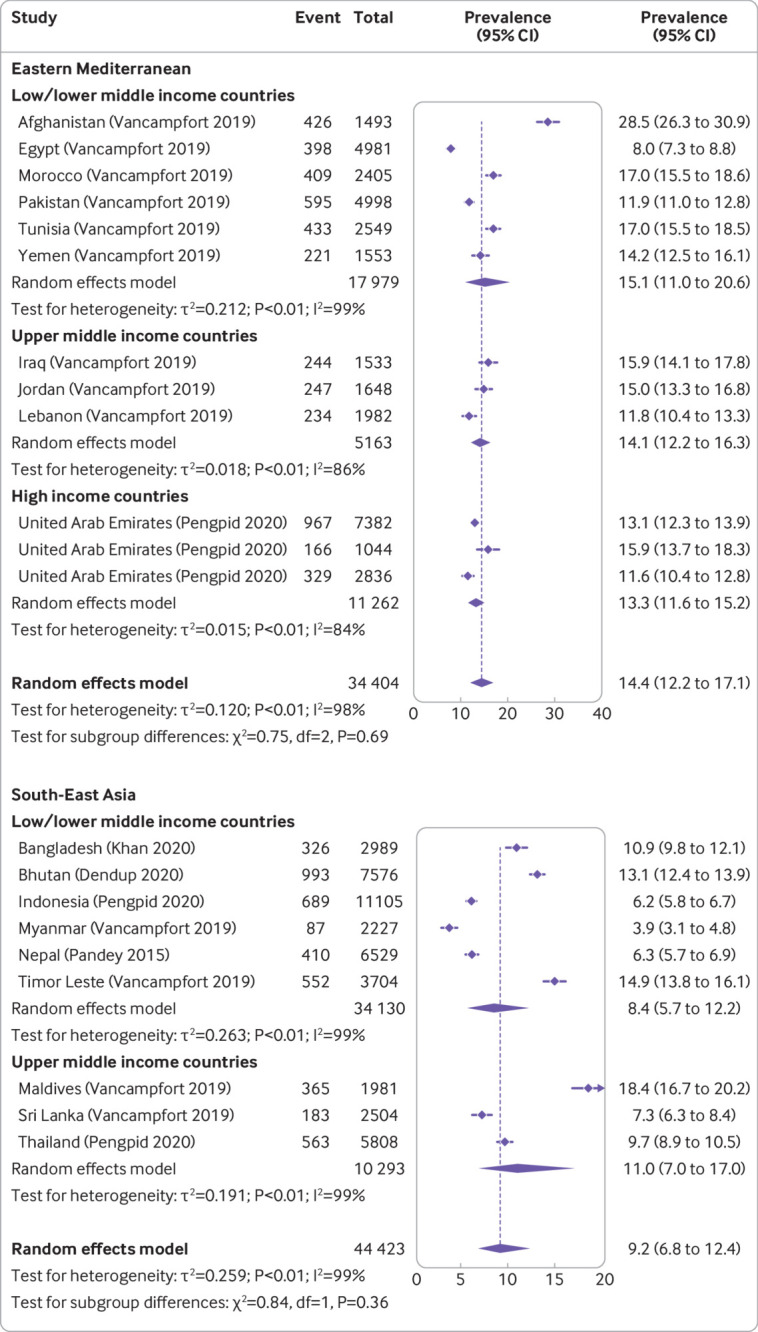
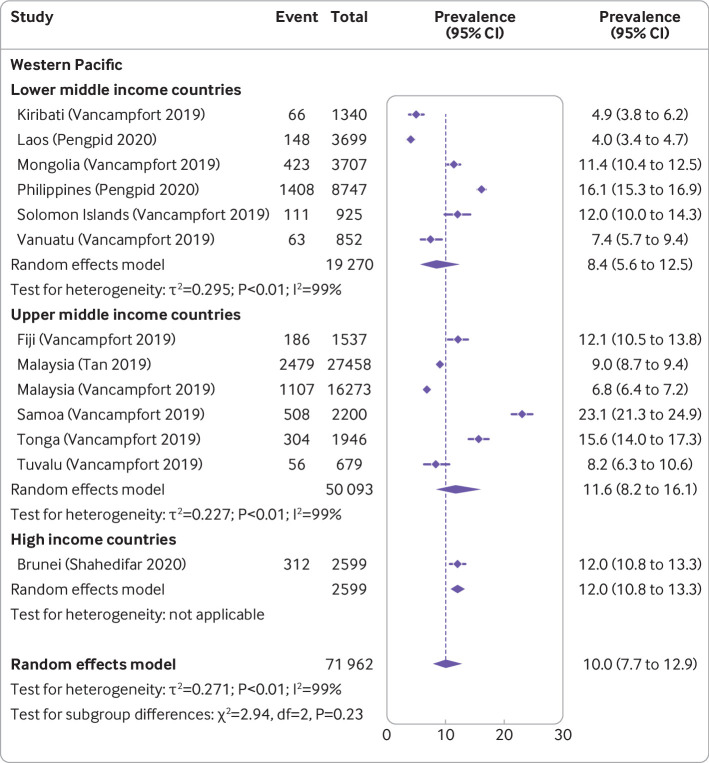
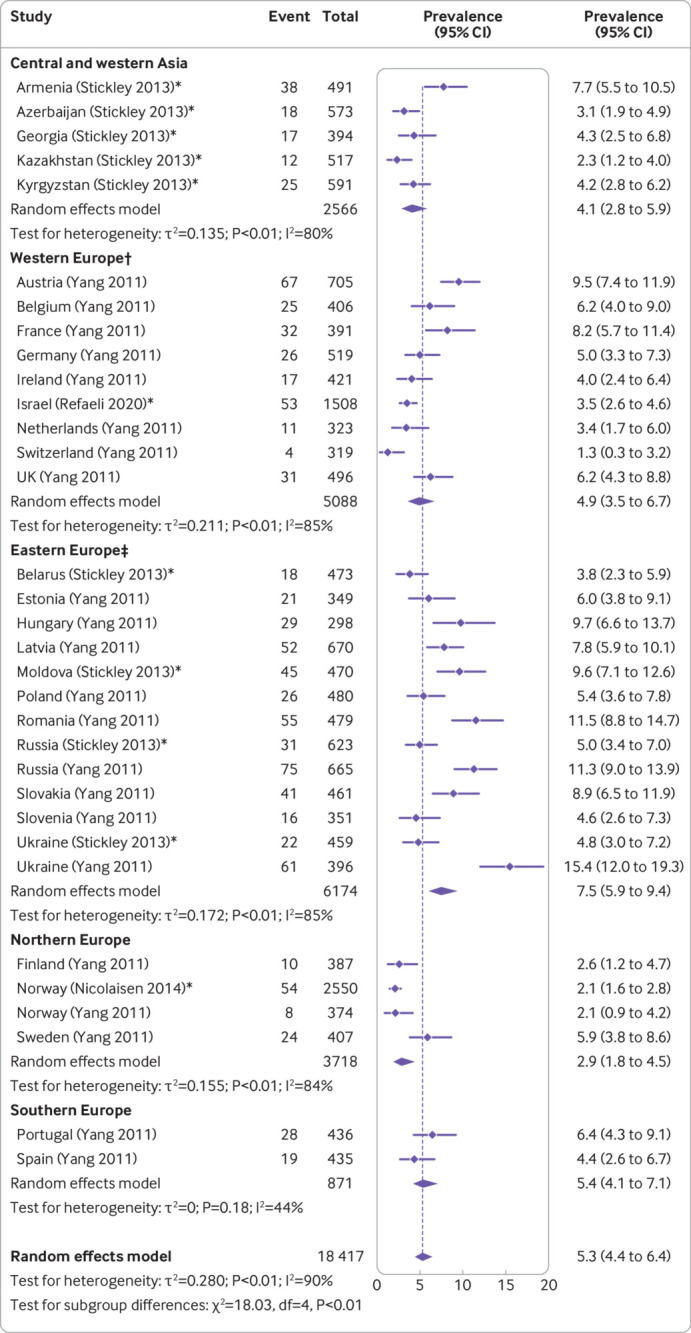
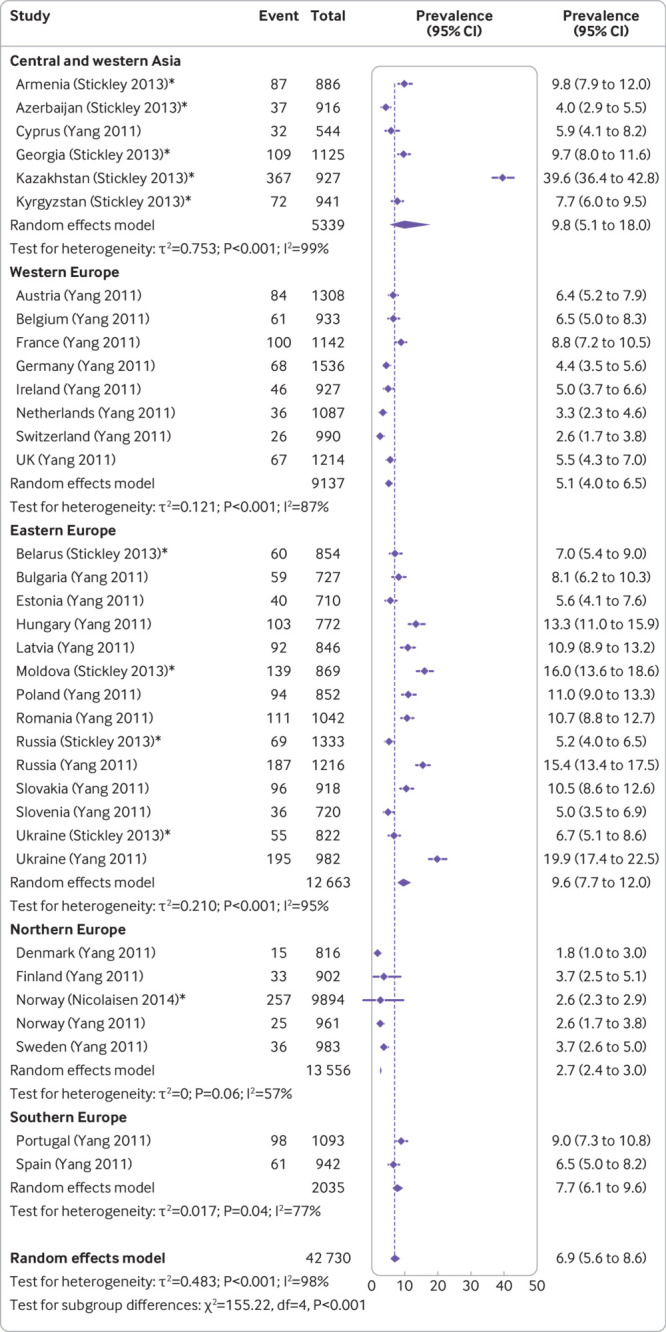
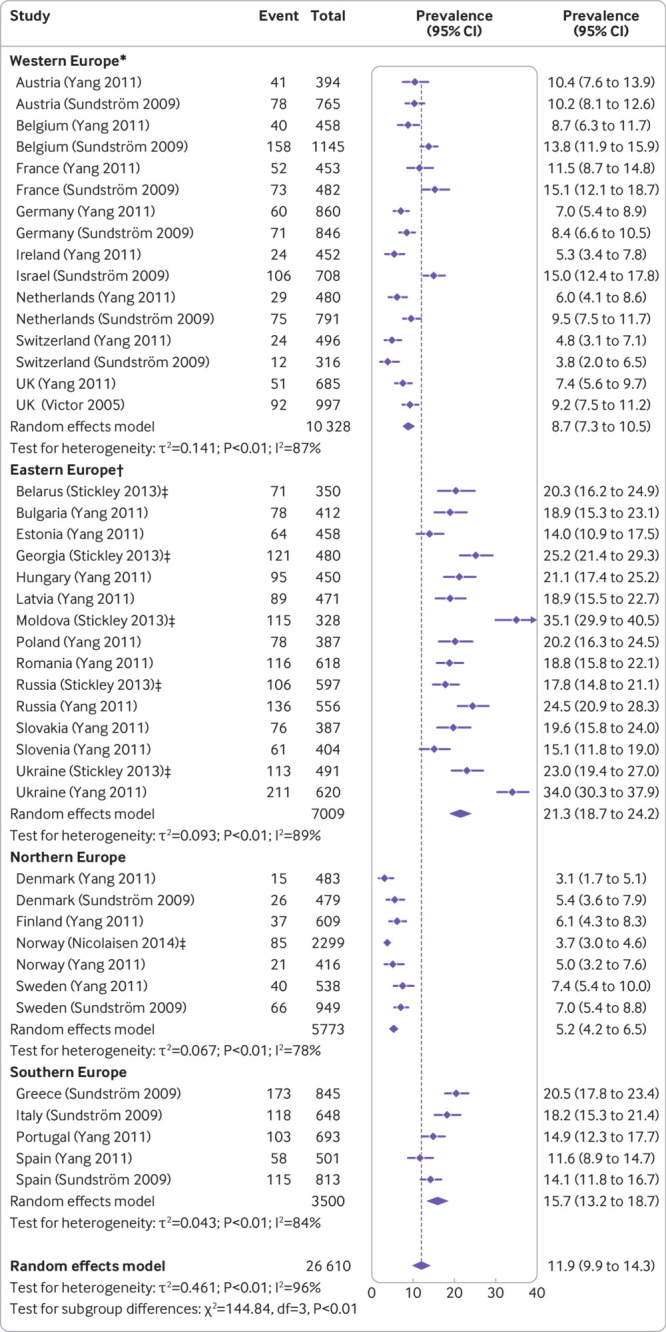
Objectives: To identify data availability, gaps, and patterns for population level prevalence of loneliness globally, to summarise prevalence estimates within World Health Organization regions when feasible through meta-analysis, and to examine temporal trends of loneliness in countries where data exist. Design: Systematic review and meta-analysis. Data sources: Embase, Medline, PsycINFO, and Scopus for peer reviewed literature, and Google Scholar and Open Grey for grey literature, supplemented by backward reference searching (to 1 September 2021) Eligibility criteria for selecting studies: Observational studies based on nationally representative samples (n≥292), validated instruments, and prevalence data for 2000-19. Two researchers independently extracted data and assessed the risk of bias using the Joanna Briggs Institute checklist. Random effects meta-analysis was conducted in the subset of studies with relatively homogeneous research methods by measurement instrument, age group, and WHO region. Results: Prevalence data were available for 113 countries or territories, according to official WHO nomenclature for regions, from 57 studies. Data were available for adolescents (12-17 years) in 77 countries or territories, young adults (18-29 years) in 30 countries, middle aged adults (30-59 years) in 32 countries, and older adults (≥60 years) in 40 countries. Data for all age groups except adolescents were lacking outside of Europe. Overall, 212 estimates for 106 countries from 24 studies were included in meta-analyses. The pooled prevalence of loneliness for adolescents ranged from 9.2% (95% confidence interval 6.8% to 12.4%) in South-East Asia to 14.4% (12.2% to 17.1%) in the Eastern Mediterranean region. For adults, meta-analysis was conducted for the European region only, and a consistent geographical pattern was shown for all adult age groups. The lowest prevalence of loneliness was consistently observed in northern European countries (2.9%, 1.8% to 4.5% for young adults; 2.7%, 2.4% to 3.0% for middle aged adults; and 5.2%, 4.2% to 6.5% for older adults) and the highest in eastern European countries (7.5%, 5.9% to 9.4% for young adults; 9.6%, 7.7% to 12.0% for middle aged adults; and 21.3%, 18.7% to 24.2% for older adults). Conclusion: Problematic levels of loneliness are experienced by a substantial proportion of the population in many countries. The substantial difference in data coverage between high income countries (particularly Europe) and low and middle income countries raised an important equity issue. Evidence on the temporal trends of loneliness is insufficient. The findings of this meta-analysis are limited by data scarcity and methodological heterogeneity. Loneliness should be incorporated into general health surveillance with broader geographical and age coverage, using standardised and validated measurement tools. Systematic review registration: PROSPERO CRD42019131448.
Overview
The claims and statistics of this paper haven’t been checked yet.
Run the check — free, no account needed. It reads the open-access text and checks the sources it cites.
Integrity signals
Registry
Cites
Statistics
Figures
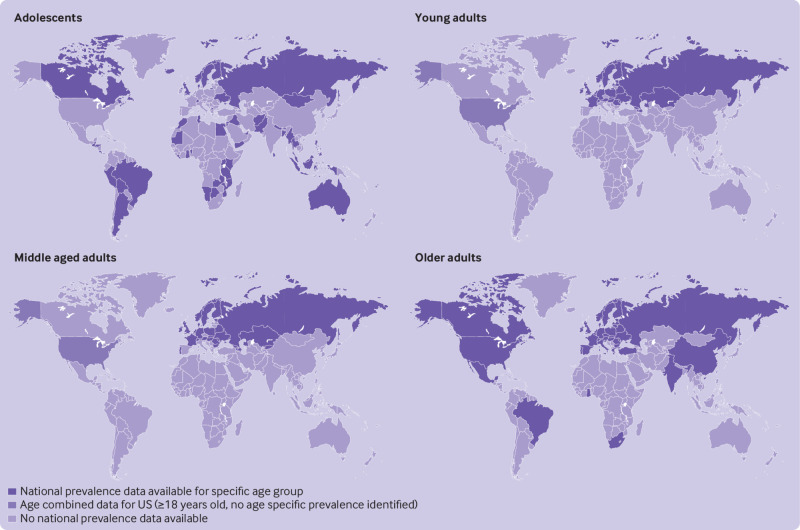
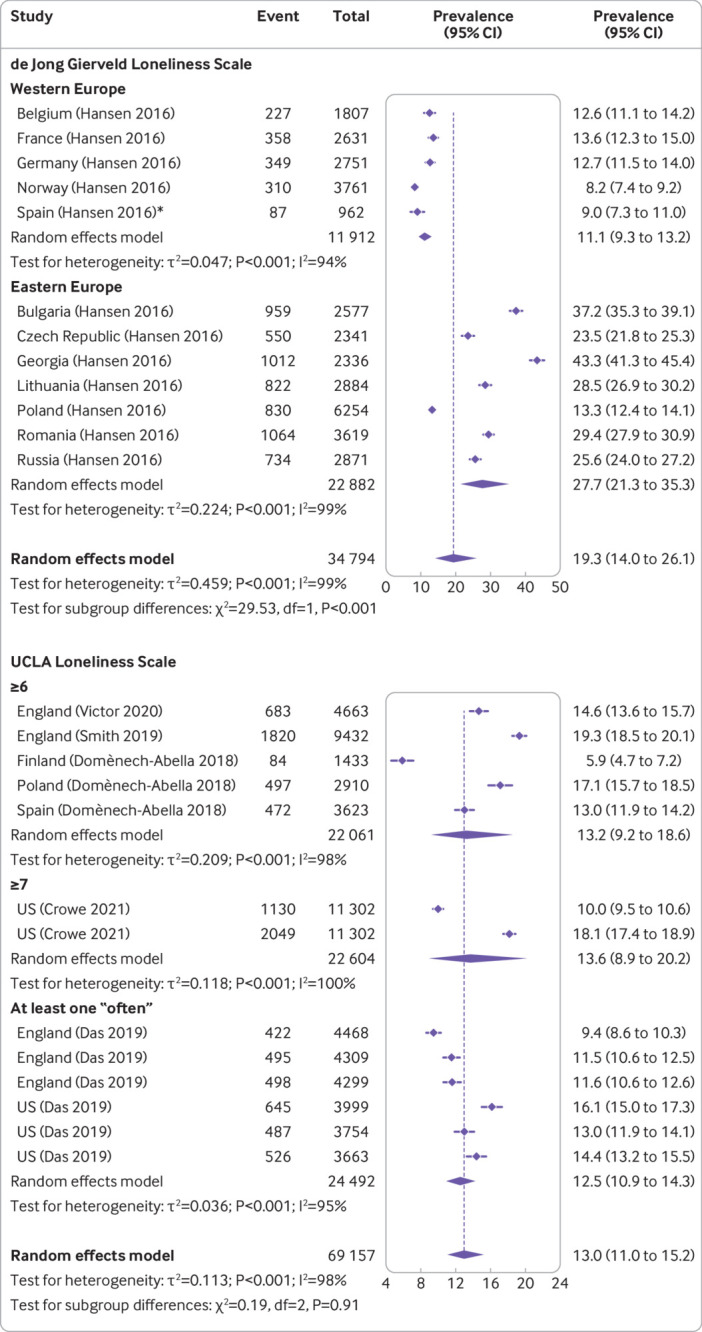
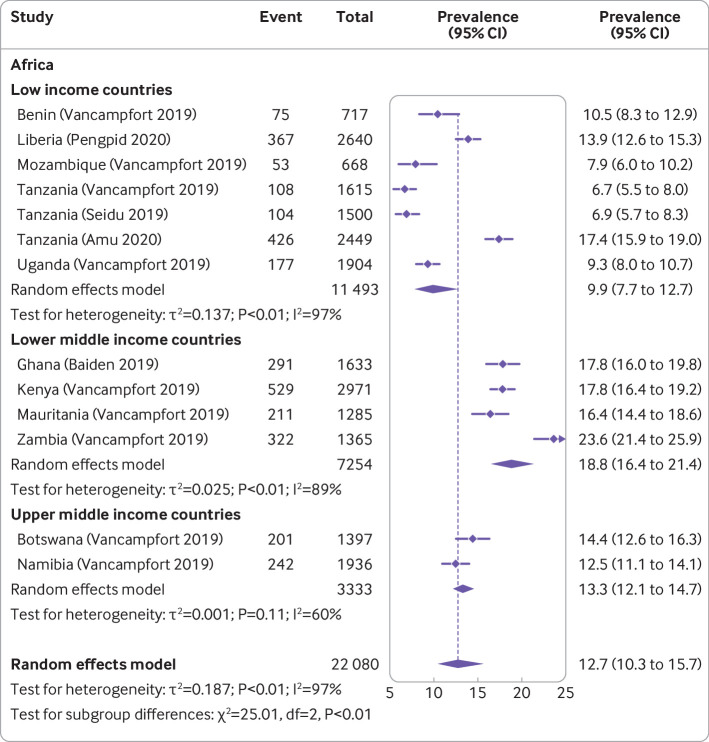
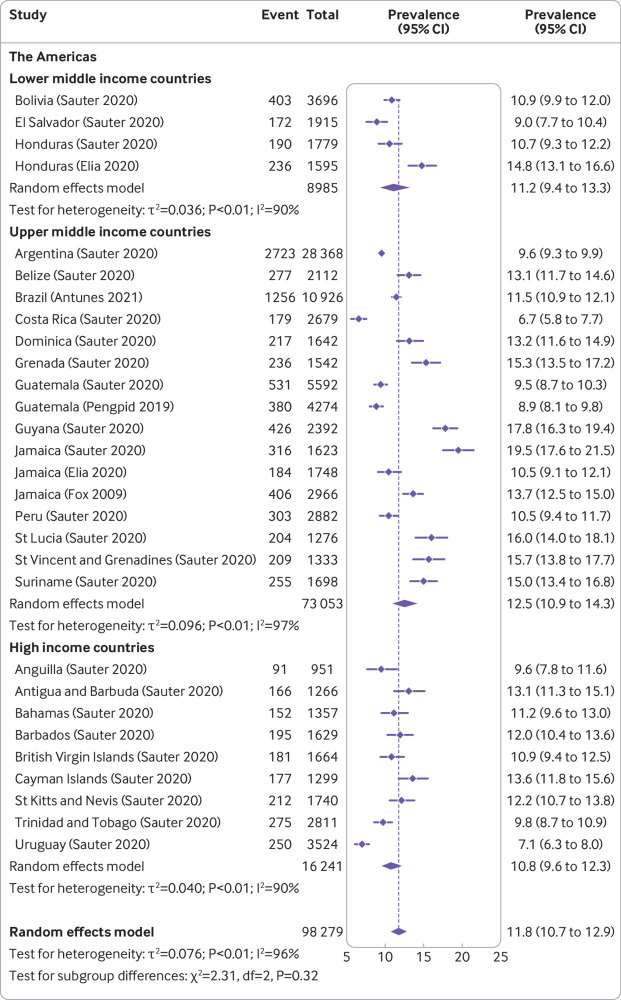
Verification
Claims the paper makes
The claims and statistics of this paper haven’t been checked yet.
Run the check — free, no account needed. It reads the open-access text and checks the sources it cites.
Claims other papers make about this one
Each is checked against this paper’s own text: does it say what the citing paper says it does?
The cited source says what the claim attributes to it.
In the citing paper
“Data based on nationally representative samples within World Health Organization regions pre-COVID-19 suggest that only 9.2% to 14.4% of adolescents experienced loneliness.16”
From A Longitudinal Study of Loneliness Before the End of the COVID-19 Pandemic: Trajectories, Predictors, and Impact on Chinese Adolescent Mental Health (2024) · cites this paper as [16]
Self-check
Percentages, sums and reported differences re-computed from the paper’s own numbers.
The self-check needs the paper’s full text.
Citations
Cites
Preferred Reporting Items for Systematic Reviews and Meta-Analyses: the PRISMA statement
Moher, D., Liberati, A., Tetzlaff, J., Altman, D. G., & for the PRISMA Group (2009) · BMJ · doi:10.1136/bmj.b2535 · Cited by 83,823
Measuring inconsistency in meta-analyses
Higgins, J. P. T., Thompson, S. G., Deeks, J. J., & Altman, D. G. (2003) · BMJ · doi:10.1136/bmj.327.7414.557 · Cited by 63,139
Preferred reporting items for systematic reviews and meta-analyses: the PRISMA Statement.
(2009) · PubMed Central · Cited by 44,859
The need to belong: Desire for interpersonal attachments as a fundamental human motivation.
Baumeister, R. F., & Leary, M. R. (1995) · Psychological Bulletin · doi:10.1037//0033-2909.117.3.497 · Cited by 23,245
The metabolic phenotype in obesity: Fat mass, body fat distribution, and adipose tissue function
Goossens, G. H. (2017) · Obesity Facts · doi:10.1159/000471488 · Cited by 8,481
Lee, I.-M., Shiroma, E. J., Lobelo, F., Puska, P., Blair, S. N., & Katzmarzyk, P. T. (2012) · The Lancet · doi:10.1016/s0140-6736(12)61031-9 · Cited by 8,215
Loneliness and Social Isolation as Risk Factors for Mortality: A Meta-Analytic Review
Holt-Lunstad, J., Smith, T. B., Baker, M., Harris, T., & Stephenson, D. (2015) · Perspectives on Psychological Science · doi:10.1177/1745691614568352 · Cited by 6,043
UCLA loneliness scale (version 3): reliability, validity, and factor structure
Russell, D. W. (1996) · Journal of Personality Assessment · doi:10.1207/s15327752jpa6601_2 · Cited by 5,800
A Short Scale for Measuring Loneliness in Large Surveys: Results From Two Population-Based Studies
Hughes, M. E., Waite, L. J., Hawkley, L. C., & Cacioppo, J. T. (2004) · Research on Aging · doi:10.1177/0164027504268574 · Cited by 4,781
Munn, Z., Moola, S., Lisy, K., Riitano, D., & Tufanaru, C. (2015) · International Journal of Evidence-Based Healthcare · doi:10.1097/xeb.0000000000000054 · Cited by 3,131
Research works printed but not linked: 4
- Peplau LA Perlman D . Perspective on loneliness. Loneliness: A sourcebook of current theory, research and therapy. John Wiley and Sons, 1982: 1-18.
- 10.1037/0033-2909.117.3.497 · DOI · Paper page
- 10.1097/XEB.0000000000000054 · DOI · Paper page
- Russell D . The measurement of loneliness. In: Peplau L Perlman D , eds. Loneliness: A Sourcebook of Current Theory, Research and Theory. John Wiley & Sons, 1982: 81-104.
Cited by
Sorted by citations
Items 701–800 of 819
Kożybska, M., Radlińska, I., & Karakiewicz, B. (2026) · BMC Psychiatry · doi:10.1186/s12888-026-08098-7
Yu, B., Liu, S. S., Zhang, S., Holt-Lunstad, J., & Zhu, H. (2026) · BMC Geriatrics · doi:10.1186/s12877-026-07531-6
“A recent meta-analysis of studies using the three-item UCLA Loneliness Scale in Western populations (from the US, UK, Finland, and Spain) reported loneliness prevalence rates ranging from 5.9% to 19.3% [10].”
InfluentialKeşen, F. N. S., ARICI, A., Arifoğlu, A. T., & Artan, T. (2026) · Journal of Social Work Practice · doi:10.1080/02650533.2026.2655120
“Indeed, studies have shown that a considerable proportion of adolescents worldwide report moderate to high levels of loneliness (Loades et al., 2020; Surkalim et al., 2022), a condition that has been associated with numerous adverse psychological outcomes, including anxiety, depression, and suicide…”
Balão, P., Gomes, S., dos Santos, A. G. M., João, A., & Marques, M. (2026) · Lecture notes in bioengineering · doi:10.1007/978-3-032-23747-7_37
Hornstein, S., Schmidt, J., Sachs, L., Krieger, T., Stachnik, D., & Lueken, U. (2026) · doi:10.2196/preprints.99374
Papon, V., Puntscher, S., Arvandi, M., Jahn, B., Litt, J., Coll‐Planas, L., Masó-Aguado, M., Pitkälä, K. H., Laakkonen, M., Roitto, H., et al. (2026) · BMC Public Health · doi:10.1186/s12889-026-27698-2
A policy brief on loneliness and addiction, an overlooked dual epidemic
Aghayan, S., & Mohseni, F. (2026) · Journal of Ethnicity in Substance Abuse · doi:10.1080/15332640.2026.2637613
Braun, A. L., Angerer, S., & Latzke, M. (2026) · Aging & Mental Health · doi:10.1080/13607863.2026.2672101
“Since social contacts have decreased in recent years, especially for older people, the phenomenon of social isolation has increased significantly (Surkalim et al., 2022; Victor et al., 2005).”
The Meaning of Loneliness: Listening to the Voice of Older Mental Health Service Users
O’Sullivan, R., Neill, R. D., Leavey, G., LAWLOR, B. A., Burns, A., Adams, M., Golden, J., & Reilly, D. (2026) · Journal of Ageing and Longevity · doi:10.3390/jal6020041
Wong, T. Y., Wong, T. S., Hou, W. K., Leung, A. N. M., Xiao, J., Yuen, K. S. L., Lui, S. S. Y., Qiu, A., Moore, T. M., & Gur, R. C. (2026) · Journal of Child Psychology and Psychiatry · doi:10.1111/jcpp.70178
“Loneliness affects individuals of all ages globally and is Conflict of interest statement: No conflicts declared. especially common among adolescents (12 – 17 years), with prevalence rates ranging from 9.2% in South-East Asia to 14.4% in the Eastern Mediterranean region (Surkalim et al., 2022).”
InfluentialMenon, D. N. M., Islam, M. R., Bouadjenek, M. R., Jameel, S., Segal, E., & Razzak, I. (2026) · International World Wide Web Conference (WWW) · doi:10.1145/3774905.3795464
“…systematic reviews show that loneliness is modifiable, with psychological, social-skills, community-based, and digital interventions producing small to moderate improvements depending on population and baseline severity [22], though heterogeneity and limited long-term follow-up remain challenges.”
Zhang, Y., & Wang, J. (2026) · Journal of medicine and physical education. · doi:10.62517/jmpe.202618115
Brutto, V. J. D., Leal, G., Mera, R. M., Rumbea, D. A., Abad, M. J., & Brutto, Ó. H. D. (2026) · BMJ Open · doi:10.1136/bmjopen-2026-118544
“13 National initiatives in high-income countries illustrate growing recognition of this issue.”
Chowdhury, D., Corbett, E., Laney, J., Winkle, S. V., Khan, A. A., Edmonds, E., & Sprong, M. E. (2026) · Frontiers in Public Health · doi:10.3389/fpubh.2026.1817065
“…responds to this need by synthesizing high-quality evidence, examining specific aspects including the prevalence and temporal trend data, as well as the life-course and gender-based risk factors, the health effects, and the effectiveness of interventions aimed at reducing loneliness (6, 8, 11, 12).”
InfluentialQi, X., Dong, Q., Pei, Y., Li, G., Tang, W. M., Hall, B. J., & Wu, B. (2026) · Discover Public Health · doi:10.1186/s12982-026-02034-6
“The prevalence of loneliness varies across countries and age groups but remains consistently high [9].”
Zhou, X., Yuan, L., Lv, Y., Wei, Z., & Zhou, L. (2026) · Aging & Mental Health · doi:10.1080/13607863.2026.2683910
An, D., Zhou, L., An, Y., Huang, Y., & Yuan, G. F. (2026) · Journal of Child and Adolescent Mental Health · doi:10.2989/17280583.2026.2661688
Al-Dassean, K. A. (2026) · Frontiers in Psychology · doi:10.3389/fpsyg.2026.1804096
“A considerable percentage of the global population experiences distressingly elevated levels of loneliness, with the incidence among adolescents in Eastern Mediterranean nations at 14.4% and among older adults in Eastern European countries varying from 18.7 to 24.2% (Surkalim et al., 2022).”
InfluentialSelf-initiated strategies for managing loneliness: insights from two large-scale surveys
Walibhai, W., Barreto, M., Victor, C., & Qualter, P. (2026) · Frontiers in Psychiatry · doi:10.3389/fpsyt.2026.1846133
“It is well established that loneliness is prevalent across the life course (2) and associated with adverse mental health, physical health, and socio-economic outcomes (3 – 5).”
Ho, G., Yap, C. W., & Ge, L. (2026) · Scientific Reports · doi:10.1038/s41598-026-56960-1
“Based on the summed scores, participants were categorized as either lonely (total score: 6–9) or not lonely (total score: 3–5) 41 .”
Mulsrisuk, S., Pachachoo, P., Suksatan, W., Suwan, P., & Posri, P. (2026) · Discover Public Health · doi:10.1186/s12982-026-02480-2
“The high prevalence of loneliness is particularly concerning, as loneliness has been identified as a major public health risk factor associated with depression, cognitive decline, and increased mortality [24, 25].”
Loneliness among Chinese Adults: Validating the ALONE Scale With Age-Related Vulnerability
Ma, Y.-G., Leung, P., Berg‐Weger, M., Cheung, M., Malmstrom, T. K., Ma, G., & Chen, X. (2026) · Research on Social Work Practice · doi:10.1177/10497315261463199
Loneliness around the world: patterns, predictors, and well-being implications
Leblang, D. A., & Wesselbaum, D. (2026) · European Journal of Epidemiology · doi:10.1007/s10654-026-01424-z
“Our analysis revealed that loneliness was a widespread global experience [22 ], affecting more than one in five individuals, with substantial variation across geographic regions and levels of economic development.”
Liu, J., Wu, S., Kwan, C., & Chi, I. (2026) · Innovation in Aging · doi:10.1093/geroni/igag072
“Recent studies have highlighted the heightened vulnerability to loneliness of the older population (Ezeokonkwo et al., 2021; Surkalim et al., 2022).”
InfluentialErgenlerde Yalnızlık ve Öfke Arasındaki İlişkide Ahlaki Uzaklaşmanın Aracı Rolü
Fakirullahoğlu, A. M. M. (2026) · İnsan ve Toplum Bilimleri Araştırmaları Dergisi · doi:10.15869/itobiad.1842154
Pickett, K. E., Costanza, R., Vogli, R. D., Ida Kubiszewski, A., McGlade, J. M., Mortensen, L. F., Ragnarsdottir, K. V., Wallis, S., & Wilkinson, R. G. (2026) · The Lancet Planetary Health · doi:10.1016/j.lanplh.2026.101475
Cobb, R. D., & Gross, T. (2026) · Lecture notes in computer science · doi:10.1007/978-3-032-30038-6_2
Hate speech and rage bait on social media in Greece: Prevalence and association with mental healthPreprint
Galanis, P., Katsiroumpa, A., Peleka, P., Kolisiati, A., & Moisoglou, I. (2026) · Research Square · doi:10.21203/rs.3.rs-10270338/v1
Mancini, V. O., Guerrini, B., Clarke, J. J., Vergara, D. P., Seidler, Z. E., & Puzio, A. (2026) · Sex Roles · doi:10.1007/s11199-026-01661-2
“In addition, the established link between loneliness and suicidality among men challenges traditional hegemonic constructions of masculinity that portray men as indifferent to, or even preferring to be alone (Ernst et al., 2021; Surkalim et al., 2022).”
Sugiyama, Y., Mutai, R., & Nakamura, M. (2026) · Journal of General and Family Medicine · doi:10.1002/jgf2.70145
“These include challenges that transcend existing medical disciplines, such as frailty, social isolation, and loneliness, as well as conditions that are intricately intertwined across multiple specialties, such as multimorbidity [3–5].”
The Social Landscape of Ageing
Yuen, C. W., Mohd, T. A. M. T., & Hairi, N. N. (2026) · Springer eBooks · doi:10.1007/978-981-95-2175-3_17
Vissers, J., Dezutter, J., Beck, I., Vanhooren, S., & Dewitte, L. (2026) · Ageing and Society · doi:10.1017/s0144686x26100853
“…old age, it is important to acknowledge that, while ageist stereotypes often frame loneliness as inevitably linked to ageing, research shows loneliness to be a prevalent experience across age groups; thus, it is not unique to or specifically a problem of old age (Hagan 2021; Surkalim et al. 2022).”
Shekhar, A., & Mabaso, C. (2026) · Frontiers in Psychology · doi:10.3389/fpsyg.2026.1860516
“Global meta-analyses suggest that about one in four older adults worldwide feels lonely, although the problem is not limited to later life (Hajek et al., 2025; Surkalim et al., 2022).”
Lippke, S., Wagner, P., Cihlar, V., Ratz, T., & Duan, Y. (2026) · Frontiers in Psychology · doi:10.3389/fpsyg.2026.1844042
Creation and Validation of the Madrid Loneliness Questionnaire in Spanish Population
Esteban-Rodríguez, L., González-Espejito, F., Zubiaur, E. D., Sevilla-Martínez, J., León, A. H., Lillo-López, E., Blasco-Novalbos, G., & Pérez, E. J. P. (2026) · The Spanish Journal of Psychology · doi:10.1017/sjp.2026.10043
“Given that there are very few studies focusing on loneliness in young people and middle-aged adults (Surkalim et al., 2022), this questionnaire can help identify and fill a gap in research concerning these population groups.”
InfluentialSoledad y satisfacción con la vida en adultos mayores del Perú: efectos de mediación de la depresión
Caycho‐Rodríguez, T., Sánchez‐Villena, A. R., Torales, J. C., Baños-Chaparro, J., Esteban, R. F. C., Reyes-Bossio, M. A., & Ventriglio, A. (2026) · Revista del Nacional (Itaguá) · doi:10.18004/rdn2026.e1800108
Loneliness Prevalence and Risk Factors in the Last Year of Life: Analysis of UK Household Panel Data
Maun, E., Gardiner, C., McConnell, T., Seddon, K., & Hudson, B. F. (2026) · Journal of Pain and Symptom Management · doi:10.1016/j.jpainsymman.2026.07.023
Arefian, M., Abdollahpour, I., Yazdi, M., & Kelishadi, R. (2026) · Clinical Child Psychology and Psychiatry · doi:10.1177/13591045261471023
“(Surkalim et al., 2022).”
Sonnauer, F., Fries, F. L., Druzenko, M., Kastner, U. W., Mühle, C., & Kornhuber, J. (2026) · Frontiers in Psychiatry · doi:10.3389/fpsyt.2026.1827062
“For example, 3-Item UCLA Loneliness Scale total scores range from 3 to 9, and some authors have described individuals with a score of ≥ 4 as ‘ lonely ’ (53), whereas others have only assumed existing loneliness according to scores of ≥ 6 (13, 14).”
InfluentialVictor, R., Rikhari, P., Sharma, T., & Avinash, P. (2026) · Annals of Indian Psychiatry · doi:10.4103/aip.aip_12_26
The Societal Burden of Psychopathology: Winning Battles But Losing the War?
Strayhorn, J. M., Chai, K. Y. Y., & Zhang‐James, Y. (2026) · SpringerBriefs in modern perspectives on disability research. · doi:10.1007/978-981-92-0922-4_2
Prevalence of workplace loneliness. A systematic review and meta-analysis
Hajek, A., & König, H. (2026) · Journal of Public Health · doi:10.1007/s10389-026-02872-3
More Than a Modality: Repositioning Systemic Thinking as a Core Psychiatric Competency
Montagne, A., & Rait, D. S. (2026) · Academic Psychiatry · doi:10.1007/s40596-026-02407-8
Cabrera, E., Puyané, M., Terradellas-Fernández, M., Limón, E., Mateo, E., Luis, E. C., Campmany, C. P., Delgado, R., Lamrani, C., & Chabrera, C. (2026) · Frontiers in Aging · doi:10.3389/fragi.2026.1858726
Bertocchi, L., Franzoi, G., Zamagni, G., de Martino, N., & Sanson, G. (2026) · Cancer Nursing · doi:10.1097/ncc.0000000000001618
Unpacking Loneliness in Europe: Psychosocial and Sociodemographic Correlates Across Regions
Yenihayat, A., Bertolotti, M., Bonanomi, A., & Catellani, P. (2026) · Journal of Social and Personal Relationships · doi:10.1177/02654075261469659
Che, S. L., Leong, S. M., & Tam, K. I. (2026) · Frontiers in Public Health · doi:10.3389/fpubh.2026.1873655
“However, age patterns in loneliness vary across cultural, social, health, and methodological contexts (37).”
Death and grief literacy in the context of loneliness: Insights from an international symposium
Kremeike, K., Neumann, B. G., Blum, D., Kellehear, A., Noonan, K., Raza, L., Seeck, F., Voltz, R., van Wijngaarden, E. J., & Strupp, J. (2026) · Palliative Care and Social Practice · doi:10.1177/26323524261453399
paliza, V., Salas-Blas, E., Muchotrigo, M. P. G., Correa-Rojas, J., Inacio, E. J. H., & Copez-Lonzoy, A. J. E. (2026) · Measurement and Evaluation in Counseling and Development · doi:10.1080/07481756.2026.2711225
Holt-Lunstad, J., Lawson, J., Cohen, A., & Levites, A. (2026) · Research Square · doi:10.21203/rs.3.rs-10095554/v1
Browning, M. H. E. M., McAnirlin, O., Miller, W., Beard, H., Breed, M. W., Rubalcava, S. E., Engelman, C., Hatami, N., Jaggi, A., Maynard, A., et al. (2026) · Frontiers in Bird Science · doi:10.3389/fbirs.2026.1871909
Shekhar, A., & Mabaso, C. (2026) · Frontiers in Sociology · doi:10.3389/fsoc.2026.1846117
“Surkalim et al. (2022) identified problematic levels of social isolation affecting substantial proportions of populations across 113 countries, while Luhmann et al. (2022) argue that the long-term absence of quality relationships constitutes a genuine risk factor for human survival.”
Miao, Y., Zhang, J., Zhu, D., Shen, Z., Feng, Y., Tarimo, C. S., Si, Y., Li, Q., Shi, L., & Wu, J. (2026) · Age and Ageing · doi:10.1093/ageing/afag234
Chang, E. C., Abdel‐Khalek, A. M., ASAKAWA, K., Bernardo, A. B. I., Choi, I., Eloff, I., Emelianchuk, N. N., Extremera, N., Kamble, S. V., Lakatos, C., et al. (2026) · The Journal of Positive Psychology · doi:10.1080/17439760.2026.2714540
From Biology to Belonging: A Translational Framework for Understanding and Addressing Loneliness
Warren, A. (2026) · Review of General Psychology · doi:10.1177/10892680261474841
“Don’t You Ever Be Ashamed”: Loneliness and Psychiatric Training
Brenner, A. M., Smith, A. C., Aggarwal, R., Louie, A. K., Morreale, M. K., & Balon, R. (2026) · Academic Psychiatry · doi:10.1007/s40596-026-02420-x
“A recent systematic review [13] showed that loneliness is a common problem worldwide, but significant heterogeneity exists between different regions and between countries in the same region.”
Normand-Pascual, E., Pérez-García, J. M., Parrado‐González, A., Testa, G., Villena‐Moya, A., Chiclana-Actis, C., Fernández‐Aranda, F., Potenza, M. N., Bőthe, B., Jiménez‐Múrcia, S., et al. (2026) · Child Abuse & Neglect · doi:10.1016/j.chiabu.2026.108260
The Associations Between Income and Depression: A Cross‐National Analysis
Li, R., & Yang, X. (2026) · Depression and Anxiety · doi:10.1155/da/5511191
Lim, H., & Lee, E. (2026) · Journal of Physical Activity and Health · doi:10.1123/jpah.2026-0045
Better Together: Technology-Use Gaps and Loneliness in Older Adults
Elimelech, O. C., Demeter, N., & Rosenblum, S. (2026) · Behavioral Sciences · doi:10.3390/bs16091473
“Although measuring the exact prevalence of loneliness among older adults is challenging, existing evidence has indicated that its prevalence is high enough to constitute a major public health concern (Schroyen et al., 2023; Surkalim et al., 2022).”
Loneliness and Mental State in Cancer
Koç, M., Tel, H., Başak, M., Aydın, H. T., Akkaya, Ç., & Kısaoğlu, Ö. (2026) · Global Nursing Insights · doi:10.31125/globnursinsights.1806061
Andreu-Bernabeu, Á., Gonzalez-Peñas, J., Bernardo, M., Amoretti, S., Bobes, J., Arrojo, M., Parellada, M., O’Donovan, M. C., van Os, J., Rutten, B. P. F., et al. (2026) · Schizophrenia Bulletin · doi:10.1093/schbul/sbag107
He, Y., Abunyewah, M., & Erdiaw‐Kwasie, M. O. (2026) · Research Square · doi:10.21203/rs.3.rs-10476807/v1
Bevione, F., Comacchio, C., Longo, P., Toppino, F., Balestrieri, M., Cesco, M., Garzitto, M., Daga, G. A., Colizzi, M., & Panero, M. (2026) · International Journal of Social Psychiatry · doi:10.1177/00207640261478534
Aslan, M., NAMLI, S., & Ateş, F. (2026) · Journal of Education and Future · doi:10.30786/jef.1853702
Loneliness Across Borders: A Cross-Sectional Study of Young Adults in Germany and Japan
von Pikarski, T., Ozaki, Y., & Luhmann, M. (2026) · Journal of Social and Personal Relationships · doi:10.1177/02654075261477460
Reeves-Doyle, B., Sanyaolu, O., & Geller, K. S. (2026) · Frontiers in Education · doi:10.3389/feduc.2026.1847079
Zhang, C., Yuan, T., Cui, Y., Zheng, C., Qing, Y., Liu, K., Pan, L., Zhang, L., Su, Y., Ding, F., et al. (2026) · Social Indicators Research · doi:10.1007/s11205-026-03925-6
“Over time, it has become a significant public health issue (Surkalim et al., 2022).”
A Digital App-Based Intervention (Platoniq) to Reduce Loneliness: Single-Arm Pilot Study
Hornstein, S., Schmidt, J., Sachs, L., Krieger, T., Stachnik, D., & Lueken, U. (2026) · JMIR Human Factors · doi:10.2196/99374
“Loneliness, the subjectively perceived lack of social relationships, is affecting a significant share of people across countries and age groups [1].”
LONELINESS AS A PUBLIC HEALTH CHALLENGE: INNOVATIVE STRATEGIES FOR IMPROVING HEALTH AND WELL-BEING
Kornacka, N., Bednarski, K., Majewska, M., Piasecka, N., Rafalska, I., Smagoń, J., Kaim, M., Bober, J., Bochenek, M., & Siewiera, W. (2026) · International Journal of Innovative Technologies in Social Science · doi:10.31435/ijitss.3(51).2026.6229
Gallén-Granell, E., Agost, R., Monfort-Escrig, C., Pinazo, D., & Arahuete, L. (2026) · Journal of Gerontological Social Work · doi:10.1080/01634372.2026.2732216
Murayama, Y., Nishiura, M., Soma, D., Kameya, M., Tanaka, S., Tsujii, M., & Kikuchi, M. (2026) · Child Psychiatry & Human Development · doi:10.1007/s10578-026-02096-2
Loneliness and associated factors among medical students in France: A nationwide study
Haddad, S., Doudeau, N., Vilain, F., Sadat, K., Morvan, Y., & Frajerman, A. (2026) · Public Health · doi:10.1016/j.puhe.2026.106496
Towards a Better Understanding of Connectedness: An Exploratory Study of Items on the Work Desk
Cobb, R. D., & Gross, T. (2026) · European Conference on Cognitive Ergonomics · doi:10.1145/3822301.3822302
Delgado‐Ron, J. A., Orpana, H., Roddick, C. M., Mulligan, K., Pinel, E. C., Helm, P. J., Oliffe, J. L., Coplan, R. J., Benoit, C., Joordens, S., et al. (2026) · SSM - Population Health · doi:10.1016/j.ssmph.2026.101970
“…were operationalized through the DJGLS-6, which has been thoroughly validated and used in multiple countries (De Jong Gierveld & Van Tilburg, 2006; Surkalim et al., 2022), which asks respondents to report agreement with six statements reflecting the presence or absence of emotional and social…”
Einsamkeit und Emotionsregulation
Dworschak, C. (2026) · Die Psychotherapie · doi:10.1007/s00278-026-00875-9
Engerdal kommune – Engerdaelie
Broderstad, A. R., Lindberg, M. H., Fosse, A., Abelsen, B., Siri, S. R. A., Melhus, M., Thomassen, E., Brøndbo, S., & Siri, Á. (2026) · Septentrio Reports · doi:10.7557/7.8946
Exploring the dual continuum of belonging and loneliness among college students in the US
Reeves, B., Geller, K. S., & Branscum, P. (2026) · Journal of Health Psychology · doi:10.1177/13591053261488447
Built Environment and Loneliness Trajectories Among Middle-Aged and Older Adults in China
Li, Z., Lü, Y., Zou, X., Yuan, Q., & Yang, L. (2026) · Journal of Urban Health · doi:10.1007/s11524-026-01129-4
“A meta-analysis covering 113 countries revealed that loneliness is prevalent and persistent world-wide, though its prevalence varies across nations and is generally higher levels among older adults [41].”
Schöllgen, I., Buchallik, F., Lohmann-Haislah, A., & Schade, H. M. (2026) · Scientific Reports · doi:10.1038/s41598-026-70101-8
Martín‐María, N., Pemau, A., Rico‐Uribe, L. A., de la Torre‐Luque, A., Losada‐Baltar, A., & Lara, E. (2026) · Social Science & Medicine · doi:10.1016/j.socscimed.2026.119868
Naqvi, S. H., Tahmasebipour, N., & Babazadeh, M. H. (2026) · SAGE Open · doi:10.1177/21582440261491624
Loneliness and all-cause mortality in the United States
Akinyemi, O. A., Eze, O., Fasokun, M. E., Mba-Madubuike, I., Ogundipe, T., Singleton, D., Ogunsakin, A., Khalil, S., Gordon, K., Michael, M. B., et al. (2026) · PLoS ONE · doi:10.1371/journal.pone.0354773
Broderstad, A. R., Lindberg, M. H., Fosse, A., Abelsen, B., Siri, S. R. A., Melhus, M., Eriksen, A. M. A., Thomassen, E., Brøndbo, S., & Siri, Á. (2026) · Septentrio Reports · doi:10.7557/7.8948
Special issue editorial: Loneliness and the built environment
van den Berg, P., Goldman, N. R., Kemperman, A. D. A. M., & Schoenmakers, E. (2026) · Health & Place · doi:10.1016/j.healthplace.2026.103745
Namsos kommune - Nåavmesjenjaelmie tjïelte
Broderstad, A. R., Lindberg, M. H., Fosse, A., Abelsen, B., Siri, S. R. A., Melhus, M., Eriksen, A. M. A., Thomassen, E., Brøndbo, S., & Siri, Á. (2026) · Septentrio Reports · doi:10.7557/7.8958
Wu, Q., Ding, D., Farnbach, S., HaGani, N., Miller, M., Owen, K., & Clare, P. J. (2026) · Addiction · doi:10.1111/add.70620
Self-citationKanwal, P., & Kumar, G. (2026) · IGI Global eBooks · doi:10.4018/979-8-2600-1318-2.ch001
Broderstad, A. R., Lindberg, M. H., Fosse, A., Abelsen, B., Siri, S. R. A., Melhus, M., Eriksen, A. M. A., Thomassen, E., Brøndbo, S., & Siri, Á. (2026) · Septentrio Reports · doi:10.7557/7.8976
Broderstad, A. R., Lindberg, M. H., Fosse, A., Abelsen, B., Siri, S. R. A., Melhus, M., Eriksen, A. M. A., Thomassen, E., Brøndbo, S., & Siri, Á. (2026) · Septentrio Reports · doi:10.7557/7.8962
Stefanidou, T., Li, S., Lagan, K., Evlat, G., Gray, H., Harju‐Seppänen, J., Jarvis, A., O’Sullivan, M., Talwar, S., Lewis, G., et al. (2026) · BMC Medicine · doi:10.1186/s12916-026-05252-6 · Cited by 1
“The search terms were adapted from key reviews: Wang et al. [23] and Surkalim et al. [27].”
An integrated life-course and multilevel psychosocial theoretical framework for loneliness (LAMP)
Suanet, B., Aartsen, M., & Gerstorf, D. (2026) · Advances in Life Course Research · doi:10.1016/j.alcr.2026.100765
Association of loneliness and substance use among emergency department patients
Sacco, D. L., Anderson, Q. R., Cadet, K., Sichel, C. E., Marziali, M. E., Blanchard, A. M., Agnello, F., Souza, J. N. D., & Mannes, Z. L. (2026) · The American Journal of Emergency Medicine · doi:10.1016/j.ajem.2026.09.061
Childhood loneliness and deficit-accumulation frailty progression in mid-to-late life
Wang, J., Jiao, D., 赵小玉, Tian, Y., Tao, L., & Guo, X. (2026) · Archives of Gerontology and Geriatrics · doi:10.1016/j.archger.2026.106441
Bonab, H. R., Hosseini, R. S., Mohammadzadeh, M., Afshr, P. F., & Bayat, M. (2026) · Research Square · doi:10.21203/rs.3.rs-10782740/v1
Broderstad, A. R., Lindberg, M. H., Fosse, A., Abelsen, B., Siri, S. R. A., Melhus, M., Eriksen, A. M. A., Thomassen, E., Brøndbo, S., & Siri, Á. (2026) · Septentrio Reports · doi:10.7557/7.8966
Unpacking loneliness interventions for older adults: a Delphi study
Norlin, J., McKee, K., & Dahlberg, L. (2026) · Archives of Gerontology and Geriatrics · doi:10.1016/j.archger.2026.106446
Katsiamaki, V., & Zissi, A. (2026) · Journal of Humanistic Psychology · doi:10.1177/00221678261488178
Papon, V., Jahn, B., Sroczynski, G., Litt, J., Coll‐Planas, L., Masó-Aguado, M., Arvandi, M., Santamaria, J., Kuchin, I., Puntscher, S., et al. (2026) · Frontiers in Psychology · doi:10.3389/fpsyg.2026.1891830
“The prevalence of loneliness is high around the world, ranging from 9% in south-east Asia, 11% in western Europe, 14% in the eastern mediterranean region, and more than 27% in eastern Europe (Surkalim et al., 2022).”
Pakarinen, E., & Lerkkanen, M. (2026) · Springer eBooks · doi:10.1007/978-981-95-9187-9_1
Metadata
- Authors
- Surkalim, D. L., Luo, M., Eres, R., Gebel, K., van Buskirk, J., Bauman, A., & Ding, D.
- Affiliations
- The University of Sydney (AU)
- Royal Children's Hospital (AU)
- University of Technology Sydney (AU)
- Sydney School of Public Health, Faculty of Medicine and Health, The University of Sydney, Camperdown, NSW, Australia
- Corresponding author
- Ding, Ding
- ORCID
- Venue
- BMJ
- Publisher
- BMJ
- Published
- 2022-02-09
- Volume
- 376
- Pages
- e067068
- ISSN
- 1756-1833 (ISSN-L)
- PMC
- PMC8826180
- OpenAlex
- W4211106541
- Cited by
- 821
- References
- 87
- Citations by year
- 2026: 220 · 2025: 236 · 2024: 183 · 2023: 138 · 2022: 44
- FWCI
- 20.76
- Type
- journal article
- Language
- en
- Open access
- hybrid
- doi.org
- Licence
- Locations
- BMJ (publishedVersion, cc-by-nc)
- PubMed Central (publishedVersion, cc-by-nc)
- PubMed (publishedVersion)
- RMIT Research Repository (RMIT University Library) (acceptedVersion, other-oa)
- Figshare (submittedVersion, cc-by-nc)
- Minerva Access (University of Melbourne) (submittedVersion, cc-by-nc)
- Topics
- Social Sciences › Health › Health disparities and outcomes
- Health Sciences › Medicine › Psychiatry and Mental health › Mental Health Treatment and Access
- Social Sciences › Psychology › Clinical Psychology › COVID-19 and Mental Health
- Keywords
- loneliness, prevalence of loneliness, cross-national comparison, adolescents, young adults, middle-aged adults, older adults, temporal trends, WHO regions, loneliness and isolation
- MeSH terms
- Demography, Humans, Loneliness, Global Health, Prevalence
About these checks
Registry, retraction, Cites and statistics results are computed, not judged, with one exception: a printed reference that no index lists is read once by a model before it counts as a citation error. Claims are extracted by a model and kept only when their quote appears verbatim in the text; each cited source is then checked, with a model’s help, for whether it says what the claim relies on. Those verdicts can be wrong — read the claim’s quote and the cited source before relying on one.
Statistics and arithmetic are recomputed, not judged.
Confidence bands are shown only for fields calibrated on our annotated test set. None is calibrated yet, so no band is shown.
What counts as a claim ›How we measure confidence ›How we check this ›
Are you an author, or do you see a problem with this page? Request a review
