

The DOI matches its Crossref record; 86 of the 87 references it cites were found in a registry or an index.
The prevalence of loneliness across 113 countries: systematic review and meta-analysis
Open accessAbstract
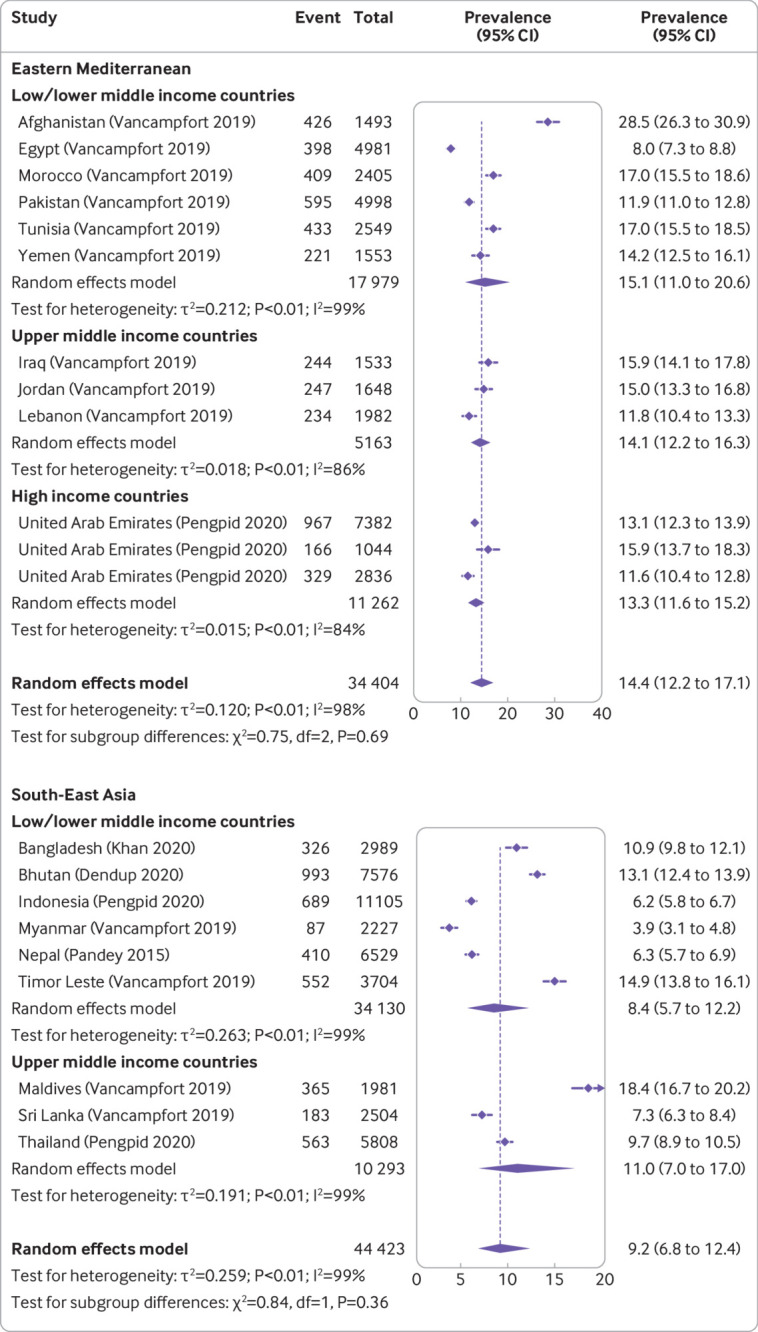
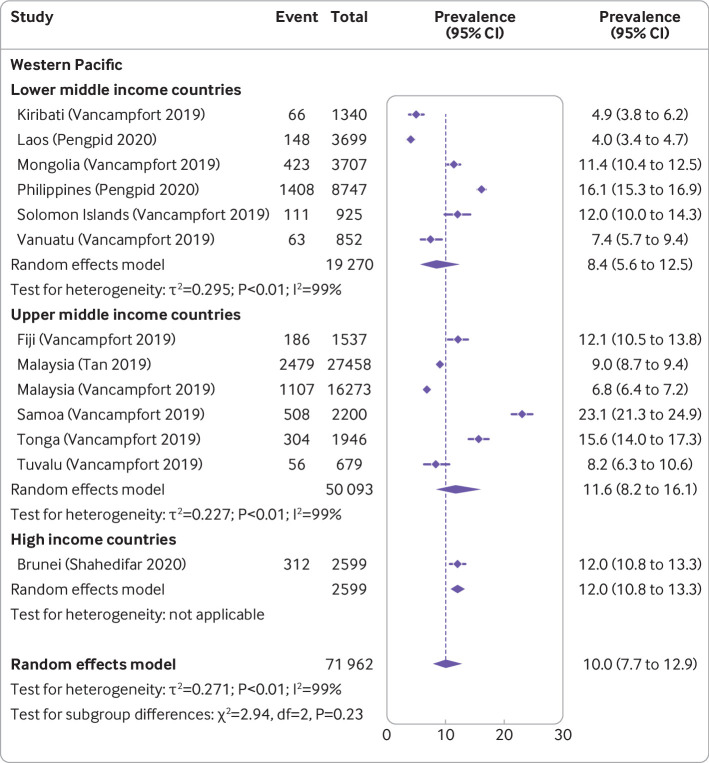
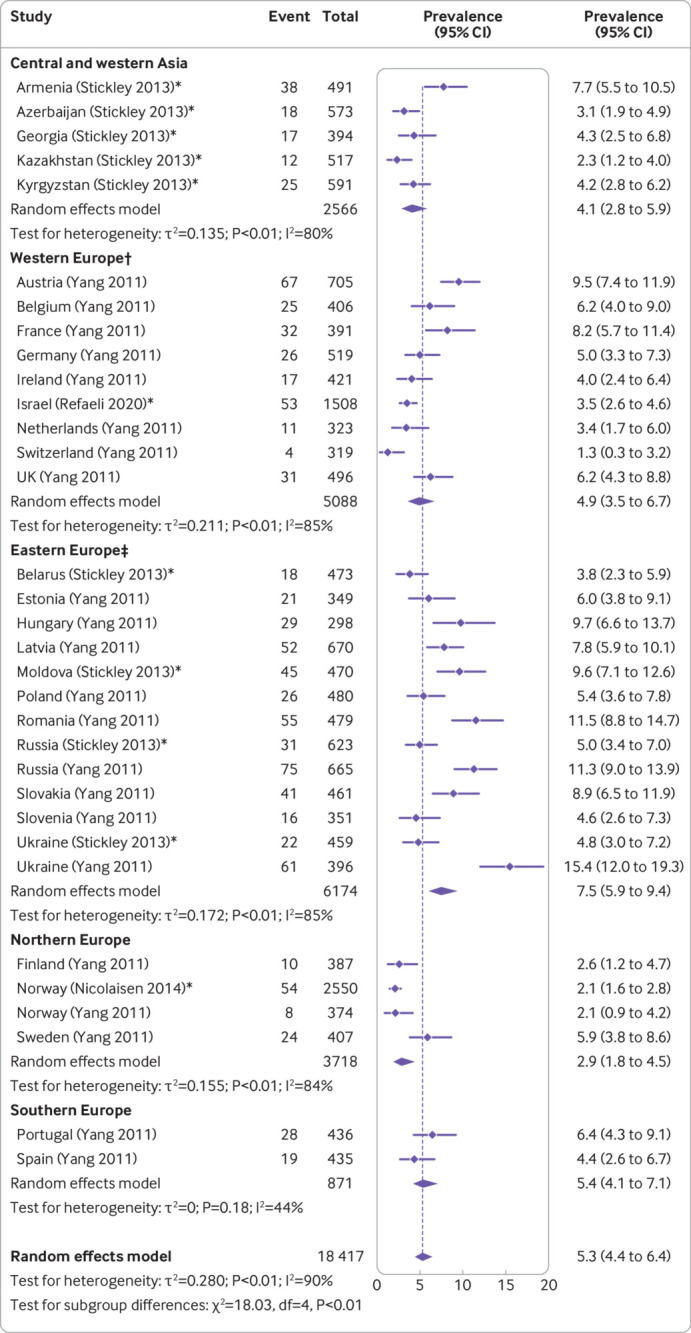
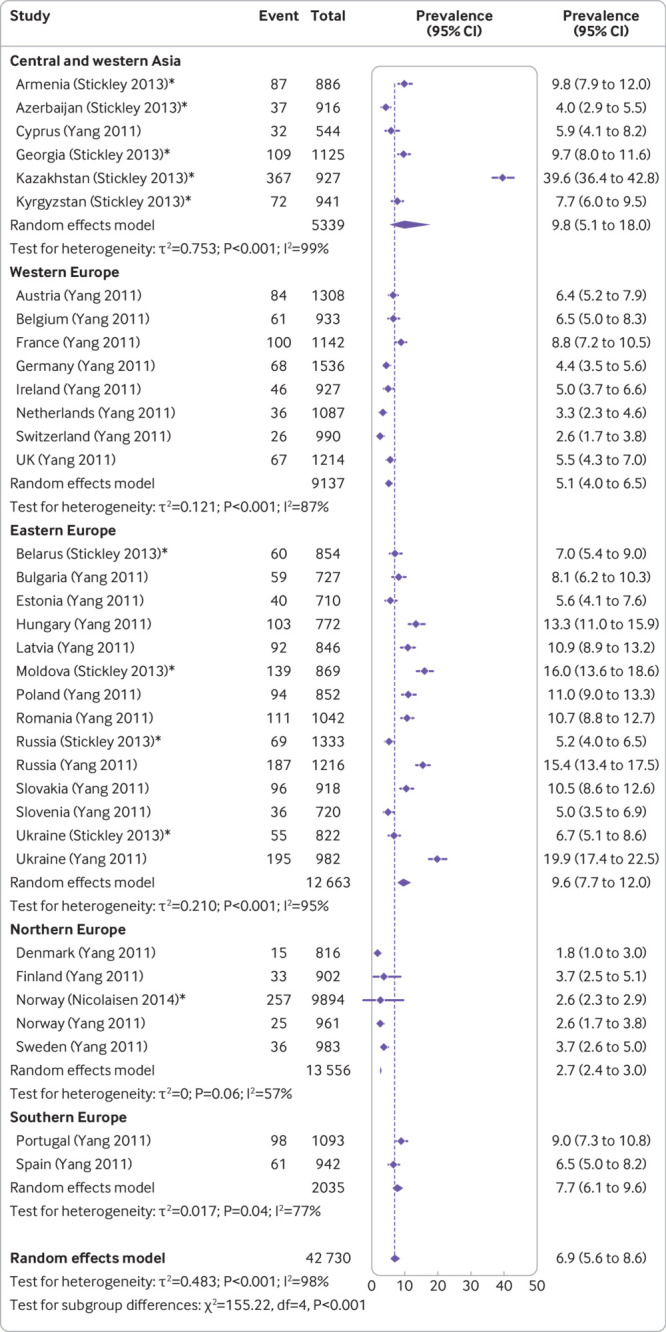
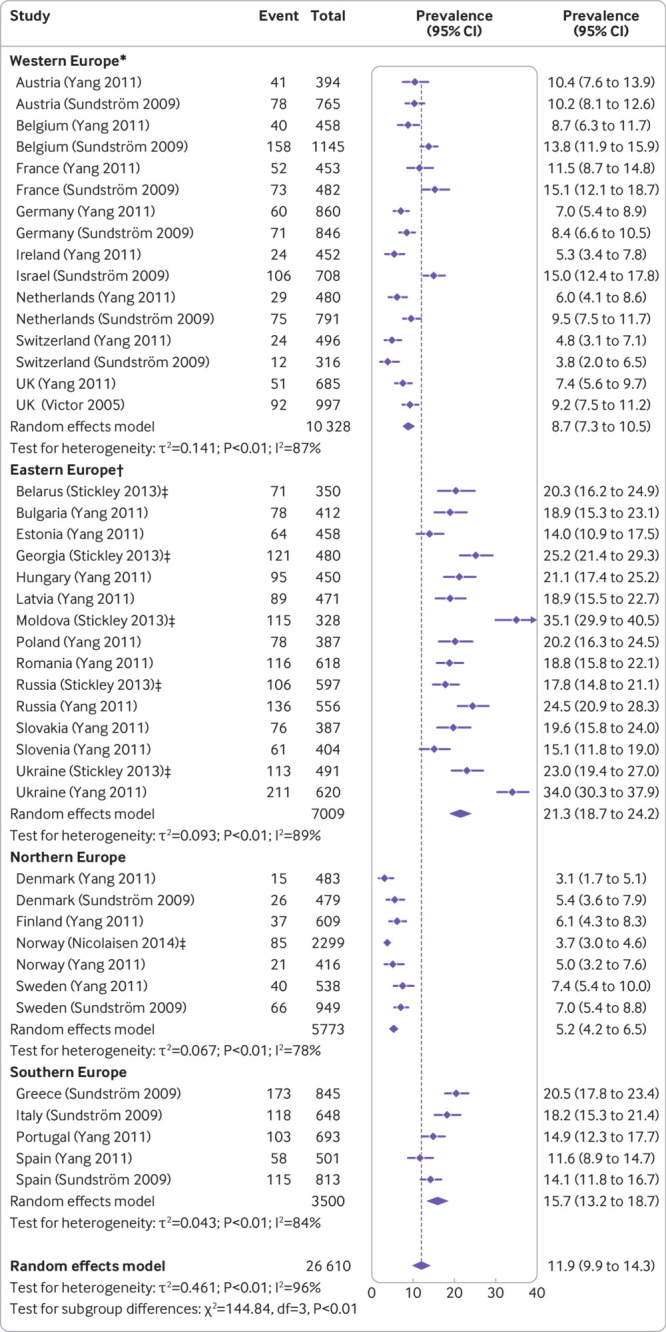
Objectives: To identify data availability, gaps, and patterns for population level prevalence of loneliness globally, to summarise prevalence estimates within World Health Organization regions when feasible through meta-analysis, and to examine temporal trends of loneliness in countries where data exist. Design: Systematic review and meta-analysis. Data sources: Embase, Medline, PsycINFO, and Scopus for peer reviewed literature, and Google Scholar and Open Grey for grey literature, supplemented by backward reference searching (to 1 September 2021) Eligibility criteria for selecting studies: Observational studies based on nationally representative samples (n≥292), validated instruments, and prevalence data for 2000-19. Two researchers independently extracted data and assessed the risk of bias using the Joanna Briggs Institute checklist. Random effects meta-analysis was conducted in the subset of studies with relatively homogeneous research methods by measurement instrument, age group, and WHO region. Results: Prevalence data were available for 113 countries or territories, according to official WHO nomenclature for regions, from 57 studies. Data were available for adolescents (12-17 years) in 77 countries or territories, young adults (18-29 years) in 30 countries, middle aged adults (30-59 years) in 32 countries, and older adults (≥60 years) in 40 countries. Data for all age groups except adolescents were lacking outside of Europe. Overall, 212 estimates for 106 countries from 24 studies were included in meta-analyses. The pooled prevalence of loneliness for adolescents ranged from 9.2% (95% confidence interval 6.8% to 12.4%) in South-East Asia to 14.4% (12.2% to 17.1%) in the Eastern Mediterranean region. For adults, meta-analysis was conducted for the European region only, and a consistent geographical pattern was shown for all adult age groups. The lowest prevalence of loneliness was consistently observed in northern European countries (2.9%, 1.8% to 4.5% for young adults; 2.7%, 2.4% to 3.0% for middle aged adults; and 5.2%, 4.2% to 6.5% for older adults) and the highest in eastern European countries (7.5%, 5.9% to 9.4% for young adults; 9.6%, 7.7% to 12.0% for middle aged adults; and 21.3%, 18.7% to 24.2% for older adults). Conclusion: Problematic levels of loneliness are experienced by a substantial proportion of the population in many countries. The substantial difference in data coverage between high income countries (particularly Europe) and low and middle income countries raised an important equity issue. Evidence on the temporal trends of loneliness is insufficient. The findings of this meta-analysis are limited by data scarcity and methodological heterogeneity. Loneliness should be incorporated into general health surveillance with broader geographical and age coverage, using standardised and validated measurement tools. Systematic review registration: PROSPERO CRD42019131448.
Overview
The claims and statistics of this paper haven’t been checked yet.
Run the check — free, no account needed. It reads the open-access text and checks the sources it cites.
Integrity signals
Registry
Cites
Statistics
Figures
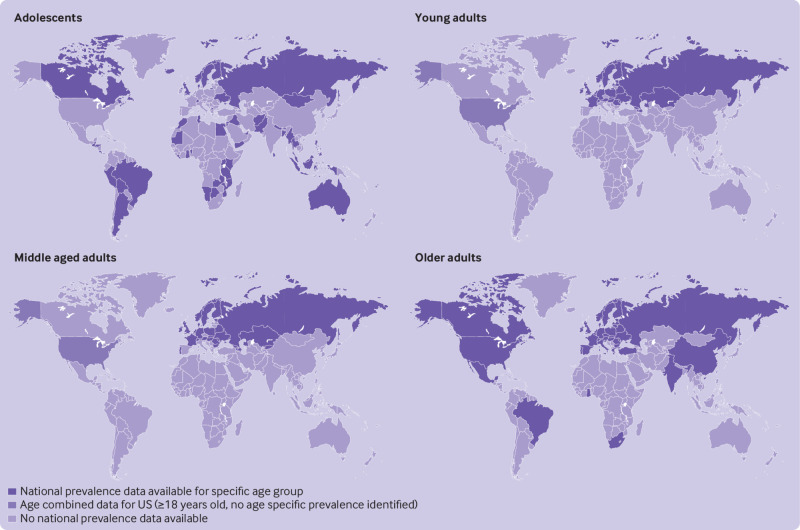
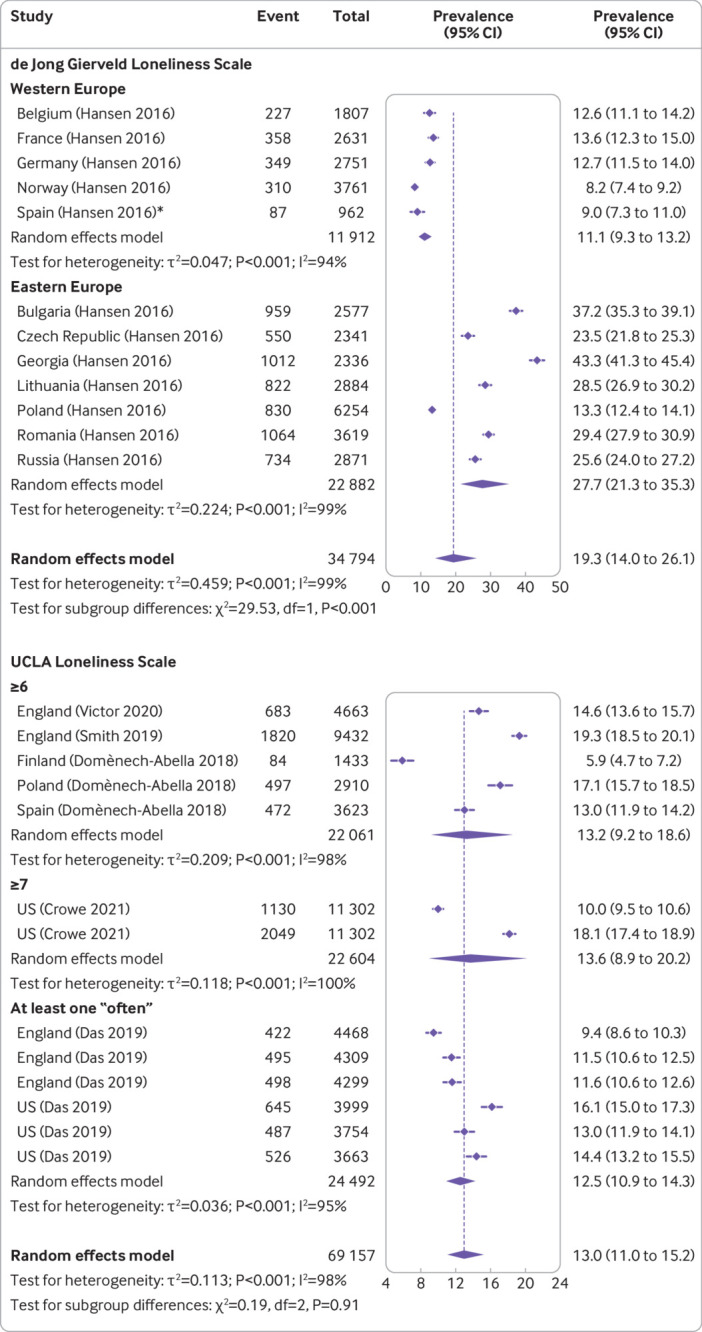
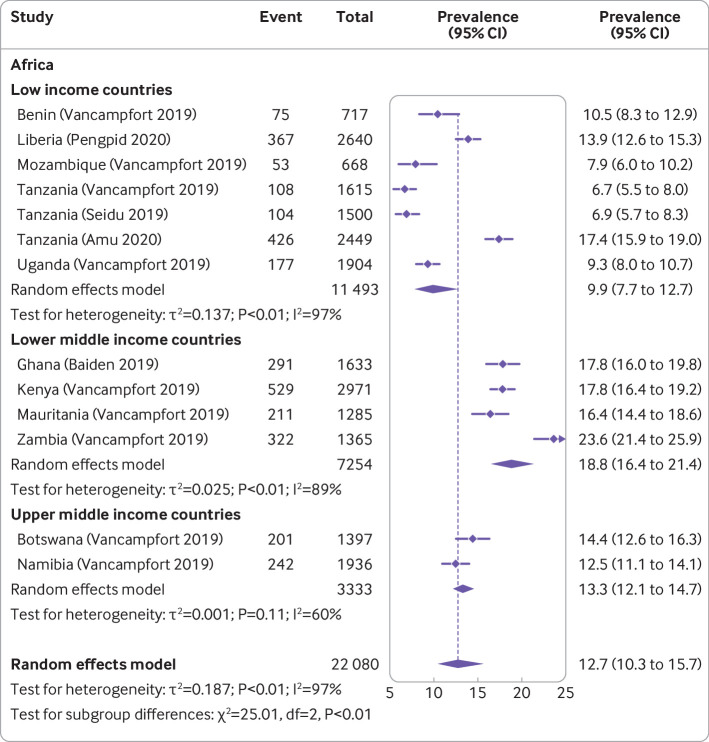
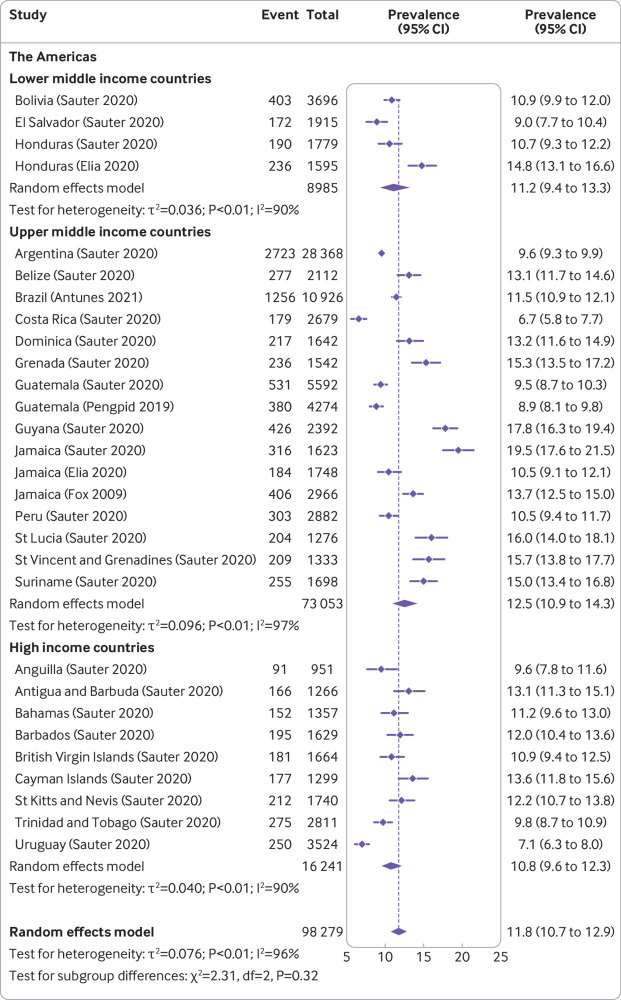
Verification
Claims the paper makes
The claims and statistics of this paper haven’t been checked yet.
Run the check — free, no account needed. It reads the open-access text and checks the sources it cites.
Claims other papers make about this one
Each is checked against this paper’s own text: does it say what the citing paper says it does?
The cited source says what the claim attributes to it.
In the citing paper
“Data based on nationally representative samples within World Health Organization regions pre-COVID-19 suggest that only 9.2% to 14.4% of adolescents experienced loneliness.16”
From A Longitudinal Study of Loneliness Before the End of the COVID-19 Pandemic: Trajectories, Predictors, and Impact on Chinese Adolescent Mental Health (2024) · cites this paper as [16]
Self-check
Percentages, sums and reported differences re-computed from the paper’s own numbers.
The self-check needs the paper’s full text.
Citations
Cites
Preferred Reporting Items for Systematic Reviews and Meta-Analyses: the PRISMA statement
Moher, D., Liberati, A., Tetzlaff, J., Altman, D. G., & for the PRISMA Group (2009) · BMJ · doi:10.1136/bmj.b2535 · Cited by 83,823
Measuring inconsistency in meta-analyses
Higgins, J. P. T., Thompson, S. G., Deeks, J. J., & Altman, D. G. (2003) · BMJ · doi:10.1136/bmj.327.7414.557 · Cited by 63,139
Preferred reporting items for systematic reviews and meta-analyses: the PRISMA Statement.
(2009) · PubMed Central · Cited by 44,859
The need to belong: Desire for interpersonal attachments as a fundamental human motivation.
Baumeister, R. F., & Leary, M. R. (1995) · Psychological Bulletin · doi:10.1037//0033-2909.117.3.497 · Cited by 23,245
The metabolic phenotype in obesity: Fat mass, body fat distribution, and adipose tissue function
Goossens, G. H. (2017) · Obesity Facts · doi:10.1159/000471488 · Cited by 8,481
Lee, I.-M., Shiroma, E. J., Lobelo, F., Puska, P., Blair, S. N., & Katzmarzyk, P. T. (2012) · The Lancet · doi:10.1016/s0140-6736(12)61031-9 · Cited by 8,215
Loneliness and Social Isolation as Risk Factors for Mortality: A Meta-Analytic Review
Holt-Lunstad, J., Smith, T. B., Baker, M., Harris, T., & Stephenson, D. (2015) · Perspectives on Psychological Science · doi:10.1177/1745691614568352 · Cited by 6,043
UCLA loneliness scale (version 3): reliability, validity, and factor structure
Russell, D. W. (1996) · Journal of Personality Assessment · doi:10.1207/s15327752jpa6601_2 · Cited by 5,800
A Short Scale for Measuring Loneliness in Large Surveys: Results From Two Population-Based Studies
Hughes, M. E., Waite, L. J., Hawkley, L. C., & Cacioppo, J. T. (2004) · Research on Aging · doi:10.1177/0164027504268574 · Cited by 4,781
Munn, Z., Moola, S., Lisy, K., Riitano, D., & Tufanaru, C. (2015) · International Journal of Evidence-Based Healthcare · doi:10.1097/xeb.0000000000000054 · Cited by 3,131
Research works printed but not linked: 4
- Peplau LA Perlman D . Perspective on loneliness. Loneliness: A sourcebook of current theory, research and therapy. John Wiley and Sons, 1982: 1-18.
- 10.1037/0033-2909.117.3.497 · DOI · Paper page
- 10.1097/XEB.0000000000000054 · DOI · Paper page
- Russell D . The measurement of loneliness. In: Peplau L Perlman D , eds. Loneliness: A Sourcebook of Current Theory, Research and Theory. John Wiley & Sons, 1982: 81-104.
Cited by
Sorted by citations
Items 301–400 of 819
Hu, M., Ho, J. Q. H., Ng, C., Wong, S. S., & Hartanto, A. (2026) · Computers in Human Behavior Reports · doi:10.1016/j.chbr.2026.101149 · Cited by 6
HASIRCI, İ., ÖRÜCÜ, E., & Pınar, K. U. R. T. (2023) · Akademik Hassasiyetler · doi:10.58884/akademik-hassasiyetler.1219694 · Cited by 7
Epigenome-wide association study of loneliness in a sample of U.S. middle-aged twins
Beam, C. R., Bakulski, K. M., Zandi, E., Turkheimer, E. N., Lynch, M. E., Gold, A. I., Arpawong, T. E., Bell, S. A., Kam, A., Becker, J., et al. (2024) · Epigenetics · doi:10.1080/15592294.2024.2427999 · Cited by 5
“The prevalence of loneliness ranges from approximately 5.3% to 11.9%, depending on age, nationality, and operatio-nalization of loneliness [4], with considerable variability in levels and trajectories of loneliness across the lifespan [5,6].”
InfluentialProsociality as a means to buffer loneliness and strengthen well-being
Chee, P. X., Shimshock, C. J., & Le, B. M. (2025) · Journal of Social and Personal Relationships · doi:10.1177/02654075251344817 · Cited by 8
“Approximately half of young adults and adults over 60 report high intensities of loneliness, with a substantial portion experiencing severe, chronic levels (Ernst et al., 2022; Horigian et al., 2021; Surkalim et al., 2022).”
Lampraki, C., Zuber, S., Turoman, N., Joly-Burra, E., Mack, M., Laera, G., Scarampi, C., Rostekova, A., Kliegel, M., & Ihle, A. (2025) · Communications Psychology · doi:10.1038/s44271-025-00277-8 · Cited by 7
Wang, Y., Li, X. D., Yao, L., Ren, T., & Wang, T. (2023) · BMJ Open · doi:10.1136/bmjopen-2023-073739 · Cited by 5
Kyei‐Gyamfi, S., & Kyei‐Arthur, F. (2024) · BMC Public Health · doi:10.1186/s12889-024-19243-w · Cited by 5
Hernández‐López, M. J., Méndez, S. H., Leal‐Costa, C., Ramos‐Morcillo, A. J., García, I. D., López-Pérez, M. V., García‐González, J., & Ruzafa‐Martínez, M. (2024) · Journal of Clinical Medicine · doi:10.3390/jcm13185604 · Cited by 11
“Despite the growing evidence of these associations, there is still an urgent need for more detailed research in specific contexts [28,29] that explores how the interaction between loneliness, social isolation, and other health conditions affects older adults.”
BackgroundFour-Year Loneliness Trajectory and Its Predictors in Older Adults
Huang, Y., Martire, L. M., & Jones, D. E. (2025) · The Gerontologist · doi:10.1093/geront/gnaf041 · Cited by 5
Love, A. M. A., Edwards, C., Dueber, D., Cai, R. Y., Grace, K., Toland, M. D., Lim, M. H., & Gibbs, V. (2025) · Autism in Adulthood · doi:10.1089/aut.2024.0258 · Cited by 5
Wicaksana, A. L., Apriliyasari, R. W., & Tsai, P. (2025) · Systematic Reviews · doi:10.1186/s13643-025-02850-y · Cited by 7
“Several meta-analyses have investigated the prevalence of loneliness in the general population [11, 12] and older adults [13–16].”
Navigating isolation: mobilising a digital social connection ecosystem on the urban fringe
Savic, M., McCosker, A., & Farmer, J. (2025) · Information Communication & Society · doi:10.1080/1369118x.2025.2502646 · Cited by 6
“This gap is significant given these areas’ considerable population growth internationally and recent prioritisation of loneliness as a public health concern (Holt-Lun-stad et al., 2015; Jentoft, 2023; Surkalim et al., 2022).”
Whear, R., Campbell, F., Rogers, M., Sutton, A., Robinson-Carter, E., Sharpe, R. A., Cohen, S., Fergy, R., Garside, R., Kneale, D., et al. (2023) · Campbell Systematic Reviews · doi:10.1002/cl2.1325 · Cited by 4
“Loneliness is a huge global issue (Surkalim et al., 2022) and one that is shared by both younger and older people.”
BackgroundWang, J., Zhang, W., Song, P., Wang, T., Yao, Y., Chen, Y., Lin, H., Yang, X., Chen, X., & Fu, C. (2024) · Psychology Research and Behavior Management · doi:10.2147/prbm.s484113 · Cited by 6
Hu, W., Feng, X., Cao, W., Li, J., Luo, S., Lin, L., Chen, D., Chen, W., & Guo, V. Y. (2025) · Social Psychiatry and Psychiatric Epidemiology · doi:10.1007/s00127-025-02834-2 · Cited by 4
“This negative psychological condition is not confined to a specific age group, but rather, is highly prevalent across all age groups [2].”
Unpacking the temporal dynamics of physical activity and loneliness: a 1-year interval analysis
Groß, D., & Haffa, J. (2025) · American Journal of Epidemiology · doi:10.1093/aje/kwaf077 · Cited by 4
Association between commute time and loneliness: An analysis based on 2023 Seoul survey data
Choi, B.-Y., Lee, J.-H., Son, S.-Y., Ryoo, S.-W., Min, J., & Min, K. (2025) · Journal of Transport & Health · doi:10.1016/j.jth.2025.102059 · Cited by 4
Beilby, H., Spinks, J., Cruwys, T., & Rose, C. D. (2025) · Journal of Environmental Psychology · doi:10.1016/j.jenvp.2025.102659 · Cited by 5
Imwinkelried, M., Seewer, N., & Krieger, T. (2025) · Current Opinion in Behavioral Sciences · doi:10.1016/j.cobeha.2025.101586 · Cited by 5
Błoch, M., & Misiak, B. (2025) · Comprehensive Psychiatry · doi:10.1016/j.comppsych.2025.152646 · Cited by 4
Social isolation: an integrated molecular web that disrupts cellular homeostasis
Qaisiya, M., Moretto, E., Battocchio, E., Pistella, A., Caso, M. G., Bellani, M., & Guarnieri, F. C. (2025) · Frontiers in Neuroscience · doi:10.3389/fnins.2025.1693696 · Cited by 10
Wong, S. M. Y., Suen, Y. N., Hui, C. L. M., Lee, E. H. M., Chan, S. K. W., & Chen, E. Y. H. (2025) · Journal of Affective Disorders · doi:10.1016/j.jad.2025.120909 · Cited by 4
Goldfield, G. S., Lopes, M. V., Mahboob, W., Perry, S., & Davis, C. G. (2026) · Journal of Affective Disorders · doi:10.1016/j.jad.2026.121331 · Cited by 4
Menopause symptom awareness research across the globe: a scoping review
Williams, E., Terry, L., Lindeman, M., & Wright, M. E. (2026) · Frontiers in Global Women s Health · doi:10.3389/fgwh.2026.1829378 · Cited by 4
The moderating role of mindfulness in the relationship between loneliness and depressive symptoms
Liao, M. C., Choi, M. S. J., Huang, C. H. O., Lam, S. K. K., Wong, M. Y. C., Wong, J. Y. H., & Fung, H. W. (2024) · Scientific Reports · doi:10.1038/s41598-024-81462-3 · Cited by 4
Psychosocial stressors and determinants of loneliness among school-going adolescents globally
Rahman, M. A. (2025) · Journal of Affective Disorders · doi:10.1016/j.jad.2025.02.093 · Cited by 7
HaGani, N., Clare, P. J., Merom, D., Smith, B. J., & Ding, D. (2025) · BMJ Medicine · doi:10.1136/bmjmed-2024-001004 · Cited by 4
“The final analytical sample included 11 412 women aged 45 years and above at baseline (participants inclusion by wave is in online supplemental table S4,2).”
Self-citationIt seems tense: The influence of loneliness on perceived social conflict and societal threats
Langenkamp, A., Schmidt-Catran, A. W., & Schobin, J. (2025) · Political Psychology · doi:10.1111/pops.70036 · Cited by 8
“In light of alarming rates of loneliness repeatedly found in modern societies (Surkalim et al., 2022; Yang & Victor, 2011), this study adds to this underexplored line of research by investigating whether loneliness exerts an influence on the perceived presence of societal conflicts and the fear of…”
Meireles, P., Ware, D. P., Henriques, A., Nieves-Lugo, K., Stosor, V., Brennan‐Ing, M., Meanley, S., Haberlen, S., Okafor, C. N., SHOPTAW, S. J., et al. (2023) · Innovation in Aging · doi:10.1093/geroni/igad113 · Cited by 4
“Loneliness has been deemed a public health problem worldwide (11–14) and can be defined as the “feeling of isolation regardless of objective social network size” (15).”
BackgroundChatterjee, A., Riegler, M. A., Johnson, M. S., Das, J., Pahari, N., Ramachandra, R., Ghosh, B., Saha, A., & Bajpai, R. C. (2024) · Scientific Reports · doi:10.1038/s41598-024-74539-6 · Cited by 4
“Surkalim et al. 20 provided the pooled prevalence of loneliness for adolescents and adults in different regions.”
BackgroundBurke, L., Verity, L., Riddleston, L., Fuhrmann, D., Qualter, P., Lau, J. Y. F., & Demkowicz, O. (2024) · Frontiers in Psychiatry · doi:10.3389/fpsyt.2024.1462189 · Cited by 4
Herbenick, D., Patterson, C. L., Lumsdaine, B., Fu, T., Balle, M., Miller, O., Wasata, R., & Fortenberry, J. D. (2024) · Journal of Sex & Marital Therapy · doi:10.1080/0092623x.2024.2432261 · Cited by 4
“This finding has implications for sexuality educators and clinicians whose students and clients, respectively, might benefit from learning interpersonal skills that are likely to foster closeness and intimacy—especially given the prevalence of loneliness among adults (Surkalim et al., 2022).”
Race Differences in the Loneliness of Older Adults: Evidence from South Africa
Posel, D. R. (2025) · Social Indicators Research · doi:10.1007/s11205-024-03509-2 · Cited by 8
“Although some surveys include a set of questions that make it possible to develop multi-item scales, studies of loneliness often analyse responses to a single-item measure (Chawla et al., 2021 ; Newmyer et al., 2021; Dahlberg et al., 2022; Surkalim et al., 2022).”
Muralikrishnan, N., & Balasundaram, S. (2025) · Discover Mental Health · doi:10.1007/s44192-025-00132-6 · Cited by 4
Akbulut, Ö. F., & Pamuk, K. (2025) · Psychological Reports · doi:10.1177/00332941251329788 · Cited by 4
Brombo, G., Guindani, P., Pedrini, D., Squintani, G. L., Carrieri, B., Fedecostante, M., Dell’Aquila, G., Lucchini, F., Ungar, A., Mossello, E., et al. (2025) · The journal of nutrition health & aging · doi:10.1016/j.jnha.2025.100642 · Cited by 5
Kaneko, M., Shinoda, S., Nakayama, I., Xu, J., Yagome, S., & Goto, A. (2023) · Family Practice · doi:10.1093/fampra/cmad049 · Cited by 5
Public policy and the reduction and prevention of loneliness and social isolation
Hawkley, L. C. (2023) · Routledge eBooks · doi:10.4324/9781003289012-22 · Cited by 4
Goodman, M. L., Lee, M., Springer, A. E., Schick, V., Vaughan, E. M., Markham, C. M., Gitari, S., & Mukiri, F. (2023) · Journal of Sleep Research · doi:10.1111/jsr.14119 · Cited by 5
“Social support is imperative for mental health, and promotes resilience to various threats to ecological, social, mental, and physical health – further underscoring the need to understand potential determinants of social support (Harandi et al., 2017; Surkalim et al., 2022).”
Vashdi, D. R., Chen, J., Fan, Q., & Bamberger, P. A. (2024) · Journal of Business and Psychology · doi:10.1007/s10869-024-09937-8 · Cited by 6
“…often associated with many other negative emotional states (e.g., depression and anxiety), has been found to be predictive of a variety of behavioral health issues (e.g., substance misuse, suicide ideation) and is widely recognized as a significant public health problem (Surkalim et al., 2022).”
InfluentialPersonas mayores y soledad: conocer para intervenir
Vélez, M., Cáceres, C., & Álvarez-Dardet, S. M. (2024) · Análisis y Modificación de Conducta · doi:10.33776/amc.v50i182.8100 · Cited by 5
“…en diversos contextos, hallándose niveles más altos de los diversos indicadores de este fenó-meno en las culturas mediterráneas y del este de Europa que en los países nórdicos (Chawla et al., 2021; Del Barrio et al., 2010; Lykes & Kem-melmeier, 2014; Surkalim et al., 2022; Yang & Victor, 2011).”
BackgroundLoneliness impact on healthcare utilization in primary care: A retrospective study
Mira, J. J., Torres, D., Gil, V., & Carratalá‐Munuera, C. (2024) · Journal of Healthcare Quality Research · doi:10.1016/j.jhqr.2024.04.001 · Cited by 4
Health and Community Care Workers' Knowledge and Perceptions of Social Prescribing in Singapore
Tan, L. F., & Merchant, R. A. (2024) · Annals of Geriatric Medicine and Research · doi:10.4235/agmr.24.0062 · Cited by 4
“27,28) Social participation has a protective effect on health, quality of life, cognitive, mental, and physical health.”
BackgroundLa soledad: asociación con la salud mental en un estudio poblacional
Pérez, E. J. P., León, A. H., Sevilla-Martínez, J., & Zubiaur, E. D. (2023) · Behavioral Psychology/Psicología Conductual · doi:10.51668/bp.8323302n · Cited by 8
“However, other studies have also explored younger populations, finding that loneliness is not only a problem linearly associated with age (Maes et al., 2017; Mahon et al., 2006; Surkalim et al., 2022).”
BackgroundAn online compassion-focused intervention for middle school students: the Inspiring Comfort program
Fox, J. K., Walls, T., Thomas, H. M., Marr, J., Breux, P., & Warner, C. M. (2024) · Emotional and Behavioural Difficulties · doi:10.1080/13632752.2024.2399886 · Cited by 3
Mitigating loneliness and remediating solitude: pandemic narratives from the Global South
Deshbandhu, A., & Swatantra (2025) · Information Communication & Society · doi:10.1080/1369118x.2025.2467344 · Cited by 3
Chronic loneliness and longitudinal changes in cognitive functioning
Kang, J. E., Martire, L. M., Graham‐Engeland, J. E., Almeida, D. E., & Sliwinski, M. J. (2025) · BMC Public Health · doi:10.1186/s12889-025-22313-2 · Cited by 4
“Recent findings from a comprehensive meta-analysis encompassing 57 studies across 113 countries have underscored the pervasiveness of loneliness across various stages of adulthood [1].”
Sociology of loneliness: An introduction
de Velde, C. V. (2025) · Acta Sociologica · doi:10.1177/00016993251330960 · Cited by 10
“…than in individualistic ones, and are more closely associated with a lack of family connections in collectivist societies, whereas in individu-alistic societies, a lack of friendships is more prevalent (Heu et al., 2019, 2021; Lykes and Kemmelmeier, 2014; Surkalim et al., 2022; Swader, 2019).”
Amadori, A., Prestera, G., Intra, F. S., Taverna, L., Primi, C., & Brighi, A. (2025) · Journal of Child and Adolescent Mental Health · doi:10.2989/17280583.2025.2477126 · Cited by 3
“…among peers observed in our data aligns with findings from a European study (Lempinen et al., 2018), and a meta-analysis reported a global range of perceived loneliness among adolescents, estimated to be between 9.2% and 14.4%, with variations across different regions (Surkalim et al., 2022).”
InfluentialHogerwerf, L. J. W., & Suanet, B. (2025) · Emerging Adulthood · doi:10.1177/21676968251339224 · Cited by 6
“Previous research has shown that the number of young people experiencing loneliness has increased globally over the past two decades (Bland, 2024; Buecker et al., 2021; Surkalim et al., 2022).”
Loneliness among family medicine providers and its impact on clinical and teaching practice
Müller, F., Charara, A. K., Holman, H. T., & Achtyes, E. D. (2025) · Scientific Reports · doi:10.1038/s41598-025-00688-x · Cited by 3
Dagani, J., Lanfredi, M., Bonfiglio, N. S., Geviti, A., Albini, D., Bussolati, M., Cosimo, F. D., Anfosso, T., Loi, E., Fazzi, E. M., et al. (2025) · Journal of Affective Disorders · doi:10.1016/j.jad.2025.119541 · Cited by 4
Francisco-Sánchez, A., Martínez-León, S., García-Pérez, A., Báez-Hernández, J. A., Rodríguez‐Álvaro, M., & Hernández, A. M. G. (2025) · Healthcare · doi:10.3390/healthcare13121465 · Cited by 4
Soraci, P., Bevan, N., Campedelli, L., Pálmai, T., Somogyi, A., & Szabó, A. (2025) · Journal of Technology in Behavioral Science · doi:10.1007/s41347-025-00540-z · Cited by 3
The Lonely Mind: Unraveling Consumer Reactions to Ads of Ordinary and Extraordinary Experiences
Chen, N., Lu, F., Jiao, J., & Fan, X. (2025) · Journal of Advertising · doi:10.1080/00913367.2025.2518540 · Cited by 3
“A Meta-Gallup survey across 142 countries from 2022 to 2023 showed that a quarter of adults worldwide (more than 1 billion people) felt lonely (Surkalim et al. 2022).”
Qu, Z., Li, C., & Yang, Y. (2025) · Journal of Hospitality & Tourism Research · doi:10.1177/10963480251362104 · Cited by 3
“Recent studies have expanded the understanding of loneliness by examining its prevalence (Surkalim et al., 2022) and its impacts on health and happiness (Tillmann et al., 2018).”
Prevalence and predictors of loneliness among university students: A cross-sectional study
Mamun, A. S. M. A., Islam, M. M., Labib, M. H., Hasan, F. J., Hossian, M. R., Islam, M. N., & Hossain, M. G. (2025) · PLOS mental health. · doi:10.1371/journal.pmen.0000375 · Cited by 4
“Compared to Western countries, the prevalence in our study was lower, where rates often exceed 25% [52–54], likely due to higher levels of individualism in Western societies than in Bangladesh [55].”
Yu, Z., Jiang, M., & Zhang, Y. (2025) · Frontiers in Public Health · doi:10.3389/fpubh.2025.1630345 · Cited by 3
Rangul, V., Brennsaeter, M., Eik‐Nes, T. T., Kvaløy, K., & Friis, J. (2025) · BMC Public Health · doi:10.1186/s12889-025-23872-0 · Cited by 8
“Among adolescents, loneliness has increased significantly in recent years both in Norway and globally [13, 14].”
Jin, R. R., Wong, N. M. L., Ma, J., Fang, J., Lin, C.-M., Toh, C., Wu, K.-Y., Hsu, J., Huang, C., Lee, S.-H., et al. (2025) · Translational Psychiatry · doi:10.1038/s41398-025-03547-5 · Cited by 4
“Its prevalence among middle-aged and older adults, especially during the COVID-19 pandemic, poses a signi fi cant public health issue [14].”
Chen, X., Ya, Z., & Shi, X. (2025) · Personality and Individual Differences · doi:10.1016/j.paid.2025.113442 · Cited by 6
A scoping review of influencing factors associated with loneliness in nursing home settings
van de Kolk, D., Andringa, G., de Korne, D. F., & Huijsman, R. (2025) · Aging & Mental Health · doi:10.1080/13607863.2025.2552427 · Cited by 3
“In economically developed regions such as the United States and Europe, individuals aged 75 and older face a significantly higher risk of loneliness than middle-aged adults (Hawkley et al., 2022; Surkalim et al., 2022; Yang & Victor, 2011).”
The oxytocin-attention loop of loneliness
Shamai‐Leshem, D., Radai, T., & Shamay‐Tsoory, S. (2025) · Neuroscience & Biobehavioral Reviews · doi:10.1016/j.neubiorev.2025.106395 · Cited by 4
Kaveladze, B. T., Sung, J. Y., Sotomayor, I., Liao, J., & Schleider, J. L. (2025) · BMC Digital Health · doi:10.1186/s44247-025-00218-9 · Cited by 3
“It is transdiagnostic and affects people of all ages, with global prevalence rates ranging from 9 to 14% for chronic loneliness [3] and roughly 20% for shorter bouts [4].”
Liu, H., Peng, Z., Wong, E. L., Jim, C. Y., Li, L., & Hou, W. K. (2025) · Health & Place · doi:10.1016/j.healthplace.2025.103568 · Cited by 5
Friendship: The Most Overlooked Public Health Asset
Krems, J. A., & Kaufman, V. A. (2025) · Policy Insights from the Behavioral and Brain Sciences · doi:10.1177/23727322251404386 · Cited by 3
“Yet connections — and their bene fi ts — seem harder than ever to realize (Peng & Roth, 2021; Surkalim et al., 2022).”
Sugiyama, Y., Watanabe, T., Mutai, R., Hoshimoto, S., Yasuda, M., Kanno, T., Yoshida, S., Tanaka, K., Matsumoto, M., & Matsushima, M. (2026) · Geriatrics and gerontology international/Geriatrics & gerontology international · doi:10.1111/ggi.70316 · Cited by 3
Dehnert, M., Sharabi, L. L., & Tracy, S. J. (2026) · The Journal of Sex Research · doi:10.1080/00224499.2025.2606765 · Cited by 4
Hoff, S. C., & Løvoll, H. S. (2026) · Health & Place · doi:10.1016/j.healthplace.2026.103617 · Cited by 4
Loneliness, depression, and generalized anxiety across eight countries
Abdalla, S. M., Banda, B. F., Pickerel, M., Rosenberg, S. B., Sharma, S., & Galea, S. (2026) · Social Psychiatry and Psychiatric Epidemiology · doi:10.1007/s00127-025-03029-5 · Cited by 3
Social Asymmetry and Risk of Morbidity and Mortality
Qin, P., Graham, E. K., Ong, A. D., & Steptoe, A. (2026) · JAMA Network Open · doi:10.1001/jamanetworkopen.2025.58214 · Cited by 3
Chen, X.-Y., Zhu, Y., & Shi, X. (2026) · Personality and Individual Differences · doi:10.1016/j.paid.2026.113715 · Cited by 3
Beadle, J., Yuwono, E., Levasseur, M., & Wister, A. (2026) · Systematic Reviews · doi:10.1186/s13643-026-03107-y · Cited by 4
“Social isolation and loneliness are common experiences worldwide, particularly for older adults [1].”
LLM-“Friends” are Hostile Scaffolds in the Age of Loneliness
Sahebi, S., & Parvizi-Wayne, D. (2026) · Minds and Machines · doi:10.1007/s11023-026-09765-0 · Cited by 3
“…as we noted in the introduction, many currently, already find themselves (again see Office of the Surgeon General, 2023; see also Johnson, 2023; Surkalim et al., 2022 ), given that seeking out and forming new friendships (or even maintain - ing current ones) will be seen as a particularly…”
Social disconnection and health among refugees in a low-resource setting: A longitudinal study
Kurt, G., Specker, P., Liddell, B. J., Keegan, D. J., Nandyatama, R. W., Yuanita, A., Rachmah, R. A., Hoffman, J., & Nickerson, A. (2026) · Psychiatry Research · doi:10.1016/j.psychres.2026.117171 · Cited by 3
Ren, J., Qiu, J., Cai, J., Li, Y. M., Huang, L., & Li, X. (2026) · Age and Ageing · doi:10.1093/ageing/afag122 · Cited by 3
A wandering mind reflects a lonely mind: A cross-cultural study
Liu, S., Zhao, M., Li, R., Huang, C., Du, J., Schad, D. J., & Heinzel, S. (2024) · Current Research in Behavioral Sciences · doi:10.1016/j.crbeha.2024.100153 · Cited by 3
Hoang, P., & Conn, D. (2024) · Geriatrics · doi:10.3390/geriatrics9050117 · Cited by 4
“European and American prevalence estimates of loneliness have reported that this issue affects up to one third of older adults [3,13,14].”
BackgroundShould Loneliness Be a Treatment Target?
Krieger, T., & Seewer, N. (2024) · Psychotherapy and Psychosomatics · doi:10.1159/000540988 · Cited by 3
“Although loneliness is often associated with old age, it is not only prevalent in this age-group [9, 10].”
Heard, E. M., Bartleet, B., Spence, J. M., Dean, K. I., Eyles, S., Martinelli, J., & McGuire, K. (2024) · Community Health Equity Research & Policy · doi:10.1177/2752535x241304084 · Cited by 6
Tareque, M. I., Rakibuzzaman, M., Alam, M. J., Manierre, M. J., Malhotra, R., Sarker, B. K., & Mamun, M. A. A. (2024) · Cogent Gerontology · doi:10.1080/28324897.2024.2438058 · Cited by 3
Liu, Y., Song, J., Jin, Y., Brown, R., & Yang, R. (2025) · Geriatric Nursing · doi:10.1016/j.gerinurse.2025.01.045 · Cited by 3
Karababa, A. (2025) · The Journal of Psychology · doi:10.1080/00223980.2025.2466100 · Cited by 3
“In parallel, judged by scientific evidence, a substantial proportion of people across many different countries suffer from loneliness (Holt-Lunstad, 2017; Surkalim et al., 2022).”
Kulari, G., & de Castro, M. P. (2025) · Anthrozoös · doi:10.1080/08927936.2025.2476293 · Cited by 4
“The instrument has a very good reliability coefficient (0.94), and it is the most used loneliness scale worldwide (Kretzler et al., 2022; Surkalim et al., 2022).”
InfluentialCorrelates of Loneliness and Social Isolation Among Korean Adults
Song, I. (2025) · Healthcare · doi:10.3390/healthcare13070806 · Cited by 4
“A meta-analysis revealed that the prevalence of loneliness ranged from 2.7% to 9.6% for middle-aged adults and from 5.2% to 21.3% for older adults in European countries prior to the coronavirus disease 2019 (COVID-19) pandemic [8].”
InfluentialOkajima, I., & Hiruma, S. (2025) · Sleep and Biological Rhythms · doi:10.1007/s41105-025-00586-9 · Cited by 3
“In particular, young adults aged 18–22 are most likely to feel lonely [4].”
Stein, G. N., Phillips, N. J., Nyathi, M. N., & Hoare, J. (2025) · International Journal of Adolescence and Youth · doi:10.1080/02673843.2025.2495877 · Cited by 4
“A recent systematic review including studies from 113 countries found loneliness to be a ubiquitous problem (Surkalim et al., 2022).”
Llaberia, R. P., Gallisà, T. B., Martínez‐Torres, S., Rodríguez-Soler, S., Pallejà-Millán, M., Buscemi, A., Rey‐Reñones, C., & Martín‐Luján, F. (2025) · Healthcare · doi:10.3390/healthcare13101125 · Cited by 3
“That study reports that the prevalence of loneliness in Spain is around 9%, similar to the 11.5% in our study, and 21.2% among those over 65, which aligns with rates found in Eastern European countries [22].”
InfluentialBauer, K. L., Eskew, S. K., Tung, G. J., Leiferman, J. A., Fort, M. P., McManus, B. M., & Johnson-Koenke, R. A. (2025) · International Journal of Qualitative Methods · doi:10.1177/16094069251346264 · Cited by 4
“Prevalence of serious loneliness in adult populations varies based on age and country, with higher estimates found to range roughly between 10% up to 40% (Surkalim et al., 2022).”
Joint association of loneliness and anxiety on atrial fibrillation risk
Liu, S., Tang, H., Wang, J., Li, Y., Meng, C., Wu, J., Wang, W., Yuan, H., & Lu, Y. (2025) · Heart Rhythm · doi:10.1016/j.hrthm.2025.02.050 · Cited by 4
Cao, J., Shevrin, S., An, L. M., Wong, J. A., Choi, S., Yi, S. S., Trinh‐Shevrin, C., & Lim, S. (2025) · PLoS ONE · doi:10.1371/journal.pone.0317322 · Cited by 4
“Loneliness, defined as the distressing experiences that arises from unmet social needs through inadequate support from their current social connections [28,29], is a global epidemic [30] with significant detrimental effects on mental health [31,32].”
Kalseth, J., Ådnanes, M., Ose, S. O., Lassemo, E. I., Kaspersen, S. L., & das Nair, R. (2023) · Quality of Life Research · doi:10.1007/s11136-023-03350-z · Cited by 3
“Because the relationship between change in social contact and change in psychological wellbeing may differ between population groups [26], we investigated the differences between age groups; therefore, all analyses were stratified by age.”
BackgroundMethodBadcock, J. C., Christiansen, J. A., Badcock, A. C., & Lasgaard, M. (2023) · Current Research in Behavioral Sciences · doi:10.1016/j.crbeha.2023.100136 · Cited by 3
Disparities in severe loneliness between adults with and without a serious mental illness.
Nagata, S., McCormick, B. P., Brusilovskiy, E., Townley, G., & Salzer, M. S. (2023) · Psychiatric Rehabilitation Journal · doi:10.1037/prj0000591 · Cited by 4
Sasaki, N., Tabuchi, T., Okubo, R., & Nishi, D. (2023) · BMJ Public Health · doi:10.1136/bmjph-2023-000341 · Cited by 4
Understanding the Sociocultural Dynamics of Loneliness in Southern Spanish Youth
Cala, V. C., & Ortega, F. (2024) · Culture Medicine and Psychiatry · doi:10.1007/s11013-024-09861-9 · Cited by 4
“Nevertheless, the meta-analysis by Surkalim et al. (2022) revealed that young people are still the age group for which the least statistical information is available.”
BackgroundMcDonald, B., Reiter, A. M. F., & Kanske, P. (2024) · Frontiers in Psychology · doi:10.3389/fpsyg.2024.1364509 · Cited by 3
Floyd, K., Hesse, C., Ray, C. D., & Mikkelson, A. C. (2024) · The Journal of Psychology · doi:10.1080/00223980.2024.2378418 · Cited by 3
“According to a 2022 meta-analysis by Surkalim et al. (2022), the global prevalence rates for loneliness range from 9.2% to 14.4% for adolescents and reach up to 24.2% for adults.”
InfluentialOltean, L.-E., Canache, M., PATRICHI, A., Rîmbu, R., SÎNTOMA, D., Miu, A. C., & SZENTÁGOTAI-TĂTAR, A. (2024) · Journal of Evidence-Based Psychotherapies · doi:10.24193/jebp.2024.2.14 · Cited by 3
Opariuc‐Dan, C., Maftei, A., & Merlici, I.-A. (2024) · Computers in Human Behavior Reports · doi:10.1016/j.chbr.2024.100530 · Cited by 8
Metadata
- Authors
- Surkalim, D. L., Luo, M., Eres, R., Gebel, K., van Buskirk, J., Bauman, A., & Ding, D.
- Affiliations
- The University of Sydney (AU)
- Royal Children's Hospital (AU)
- University of Technology Sydney (AU)
- Sydney School of Public Health, Faculty of Medicine and Health, The University of Sydney, Camperdown, NSW, Australia
- Corresponding author
- Ding, Ding
- ORCID
- Venue
- BMJ
- Publisher
- BMJ
- Published
- 2022-02-09
- Volume
- 376
- Pages
- e067068
- ISSN
- 1756-1833 (ISSN-L)
- PMC
- PMC8826180
- OpenAlex
- W4211106541
- Cited by
- 821
- References
- 87
- Citations by year
- 2026: 220 · 2025: 236 · 2024: 183 · 2023: 138 · 2022: 44
- FWCI
- 20.76
- Type
- journal article
- Language
- en
- Open access
- hybrid
- doi.org
- Licence
- Locations
- BMJ (publishedVersion, cc-by-nc)
- PubMed Central (publishedVersion, cc-by-nc)
- PubMed (publishedVersion)
- RMIT Research Repository (RMIT University Library) (acceptedVersion, other-oa)
- Figshare (submittedVersion, cc-by-nc)
- Minerva Access (University of Melbourne) (submittedVersion, cc-by-nc)
- Topics
- Social Sciences › Health › Health disparities and outcomes
- Health Sciences › Medicine › Psychiatry and Mental health › Mental Health Treatment and Access
- Social Sciences › Psychology › Clinical Psychology › COVID-19 and Mental Health
- Keywords
- loneliness, prevalence of loneliness, cross-national comparison, adolescents, young adults, middle-aged adults, older adults, temporal trends, WHO regions, loneliness and isolation
- MeSH terms
- Demography, Humans, Loneliness, Global Health, Prevalence
About these checks
Registry, retraction, Cites and statistics results are computed, not judged, with one exception: a printed reference that no index lists is read once by a model before it counts as a citation error. Claims are extracted by a model and kept only when their quote appears verbatim in the text; each cited source is then checked, with a model’s help, for whether it says what the claim relies on. Those verdicts can be wrong — read the claim’s quote and the cited source before relying on one.
Statistics and arithmetic are recomputed, not judged.
Confidence bands are shown only for fields calibrated on our annotated test set. None is calibrated yet, so no band is shown.
What counts as a claim ›How we measure confidence ›How we check this ›
Are you an author, or do you see a problem with this page? Request a review
