

The DOI matches its Crossref record; 86 of the 87 references it cites were found in a registry or an index.
The prevalence of loneliness across 113 countries: systematic review and meta-analysis
Open accessAbstract
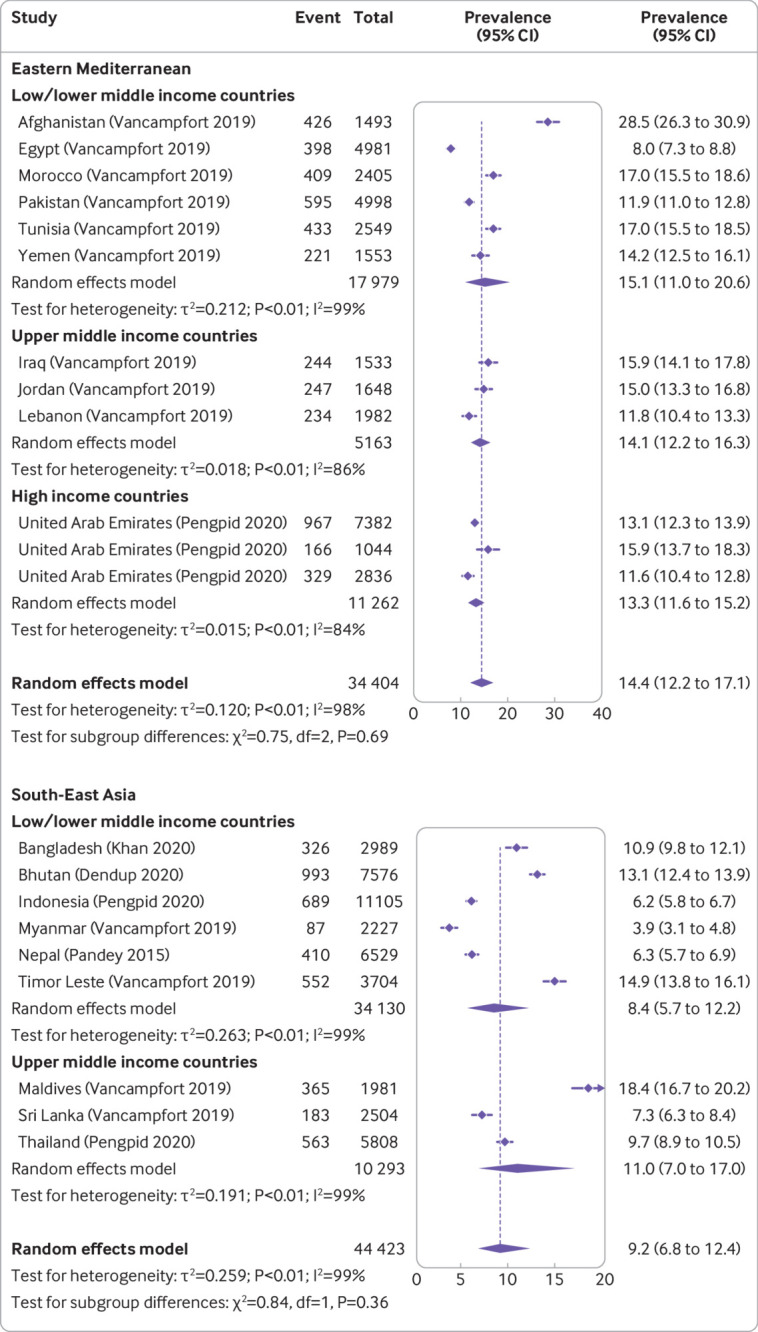
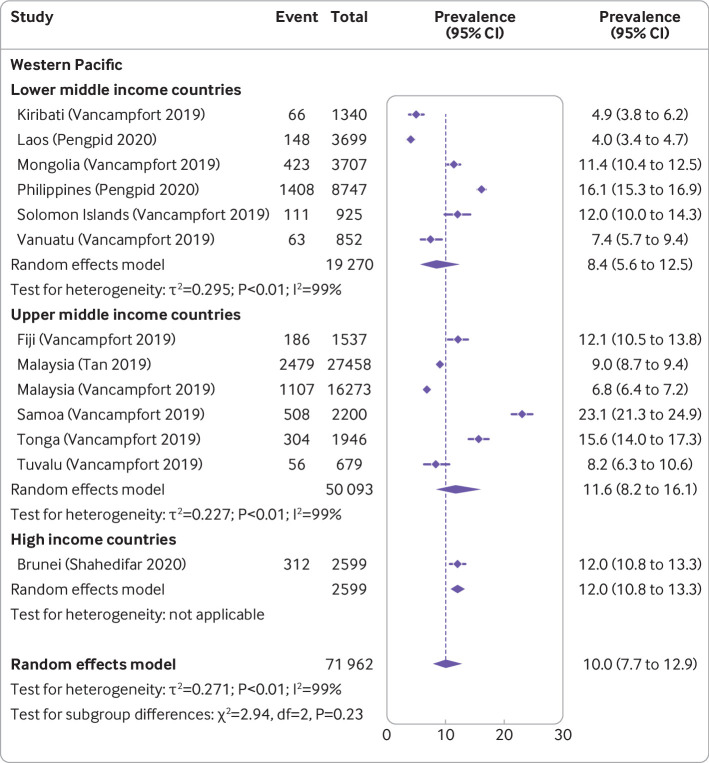
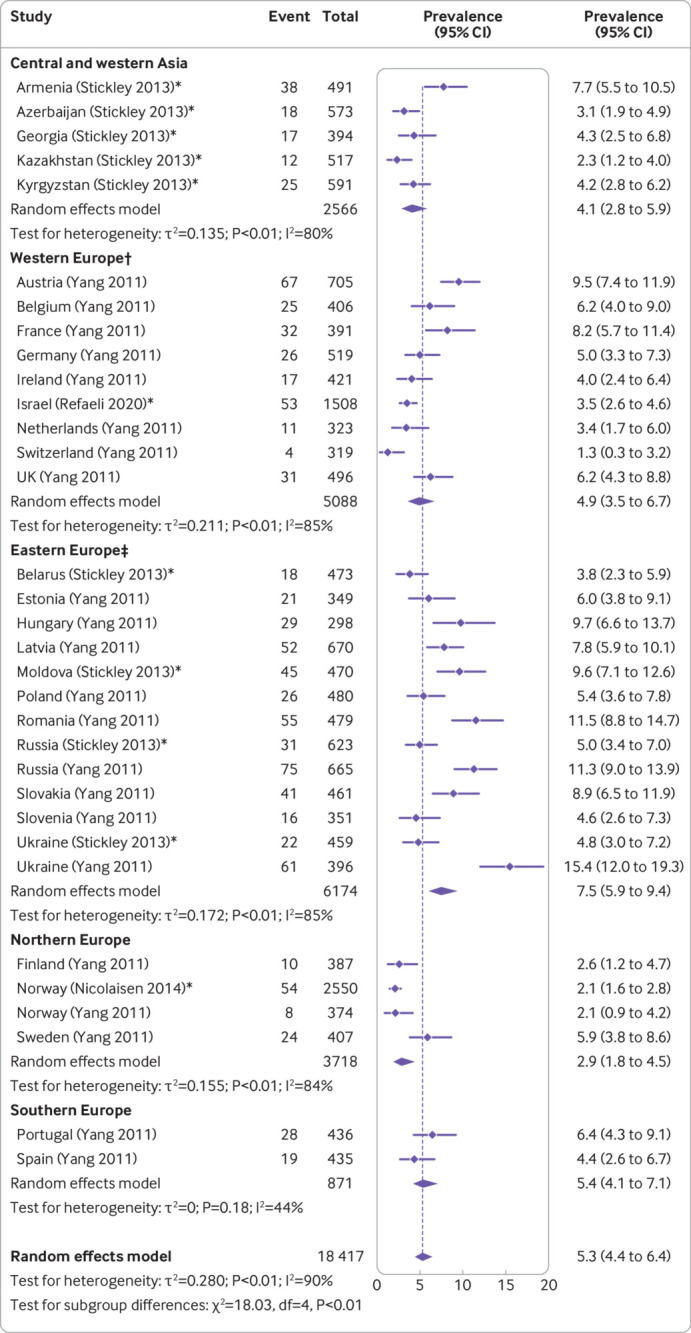
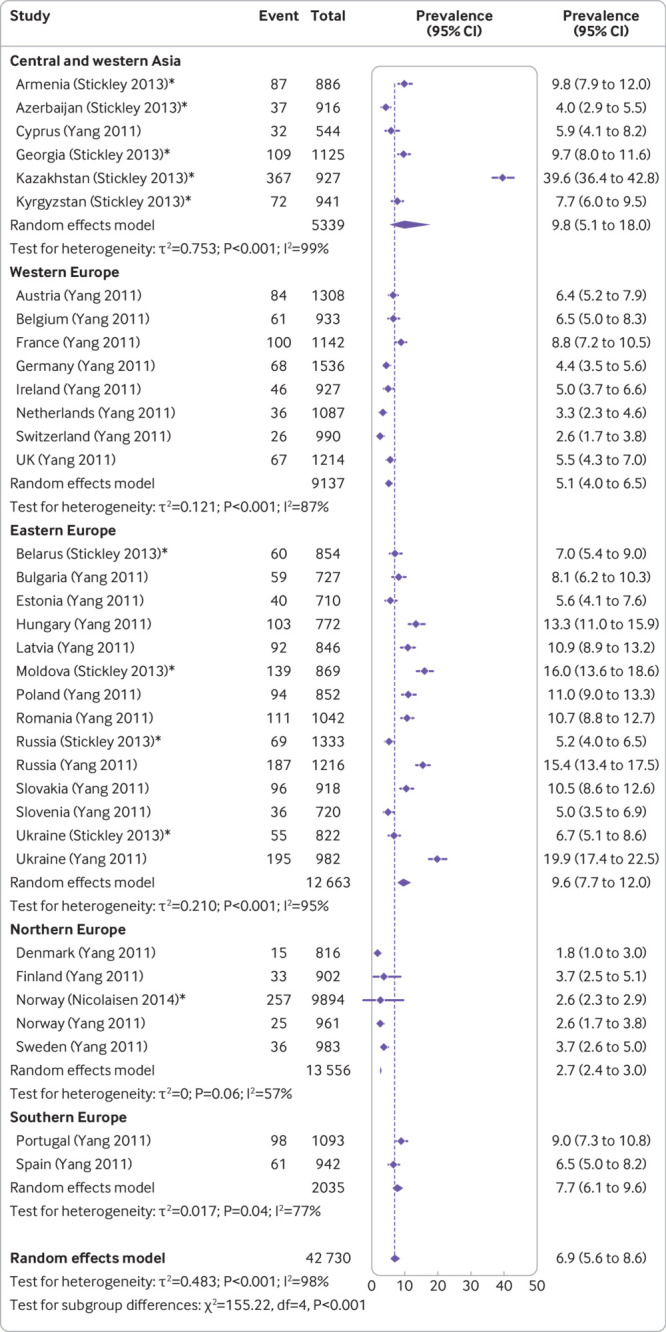
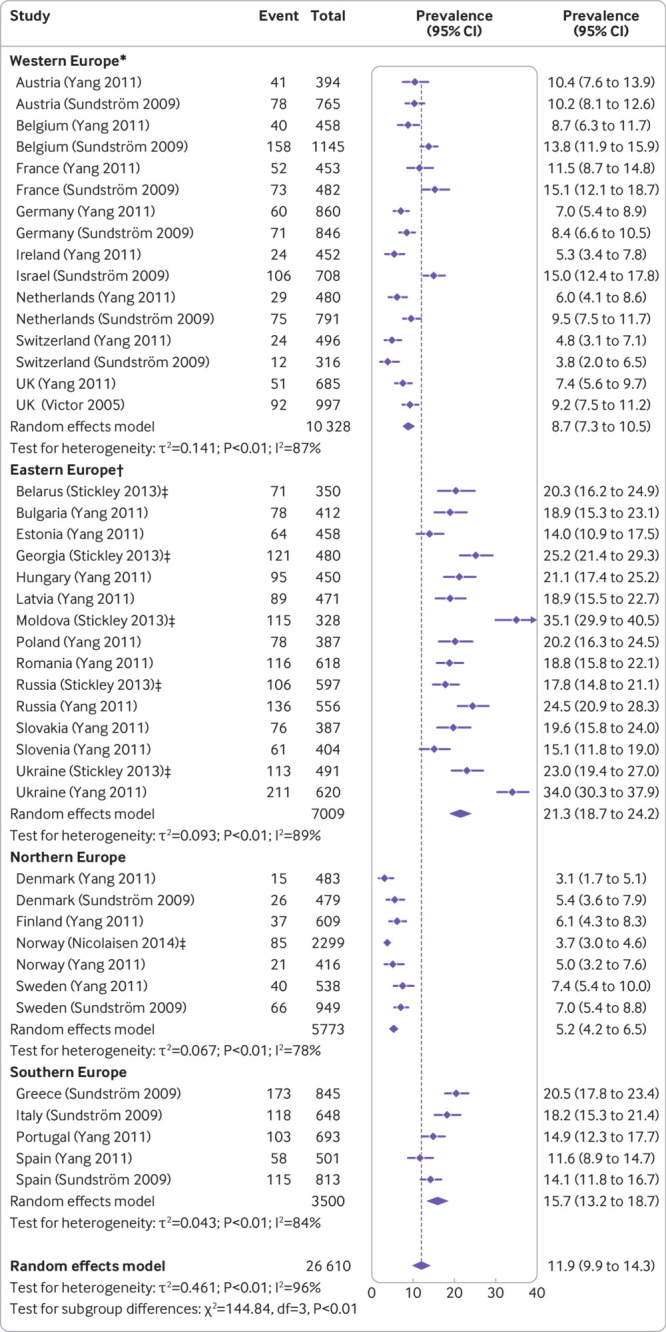
Objectives: To identify data availability, gaps, and patterns for population level prevalence of loneliness globally, to summarise prevalence estimates within World Health Organization regions when feasible through meta-analysis, and to examine temporal trends of loneliness in countries where data exist. Design: Systematic review and meta-analysis. Data sources: Embase, Medline, PsycINFO, and Scopus for peer reviewed literature, and Google Scholar and Open Grey for grey literature, supplemented by backward reference searching (to 1 September 2021) Eligibility criteria for selecting studies: Observational studies based on nationally representative samples (n≥292), validated instruments, and prevalence data for 2000-19. Two researchers independently extracted data and assessed the risk of bias using the Joanna Briggs Institute checklist. Random effects meta-analysis was conducted in the subset of studies with relatively homogeneous research methods by measurement instrument, age group, and WHO region. Results: Prevalence data were available for 113 countries or territories, according to official WHO nomenclature for regions, from 57 studies. Data were available for adolescents (12-17 years) in 77 countries or territories, young adults (18-29 years) in 30 countries, middle aged adults (30-59 years) in 32 countries, and older adults (≥60 years) in 40 countries. Data for all age groups except adolescents were lacking outside of Europe. Overall, 212 estimates for 106 countries from 24 studies were included in meta-analyses. The pooled prevalence of loneliness for adolescents ranged from 9.2% (95% confidence interval 6.8% to 12.4%) in South-East Asia to 14.4% (12.2% to 17.1%) in the Eastern Mediterranean region. For adults, meta-analysis was conducted for the European region only, and a consistent geographical pattern was shown for all adult age groups. The lowest prevalence of loneliness was consistently observed in northern European countries (2.9%, 1.8% to 4.5% for young adults; 2.7%, 2.4% to 3.0% for middle aged adults; and 5.2%, 4.2% to 6.5% for older adults) and the highest in eastern European countries (7.5%, 5.9% to 9.4% for young adults; 9.6%, 7.7% to 12.0% for middle aged adults; and 21.3%, 18.7% to 24.2% for older adults). Conclusion: Problematic levels of loneliness are experienced by a substantial proportion of the population in many countries. The substantial difference in data coverage between high income countries (particularly Europe) and low and middle income countries raised an important equity issue. Evidence on the temporal trends of loneliness is insufficient. The findings of this meta-analysis are limited by data scarcity and methodological heterogeneity. Loneliness should be incorporated into general health surveillance with broader geographical and age coverage, using standardised and validated measurement tools. Systematic review registration: PROSPERO CRD42019131448.
Overview
The claims and statistics of this paper haven’t been checked yet.
Run the check — free, no account needed. It reads the open-access text and checks the sources it cites.
Integrity signals
Registry
Cites
Statistics
Figures
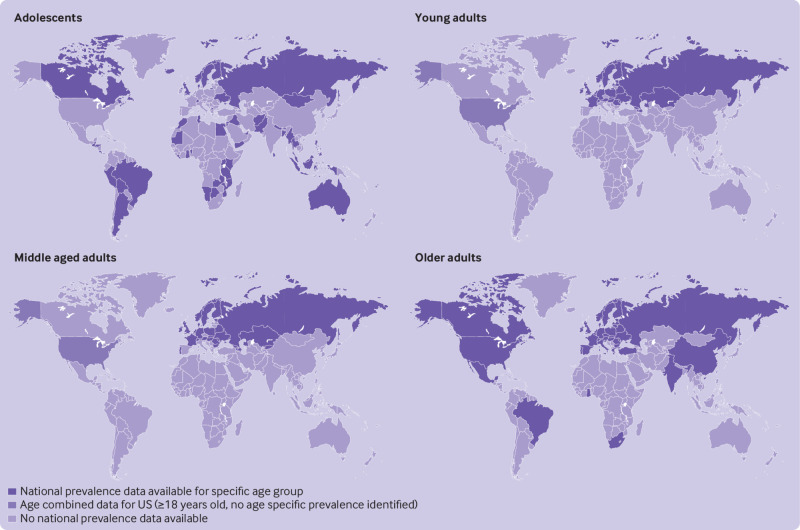
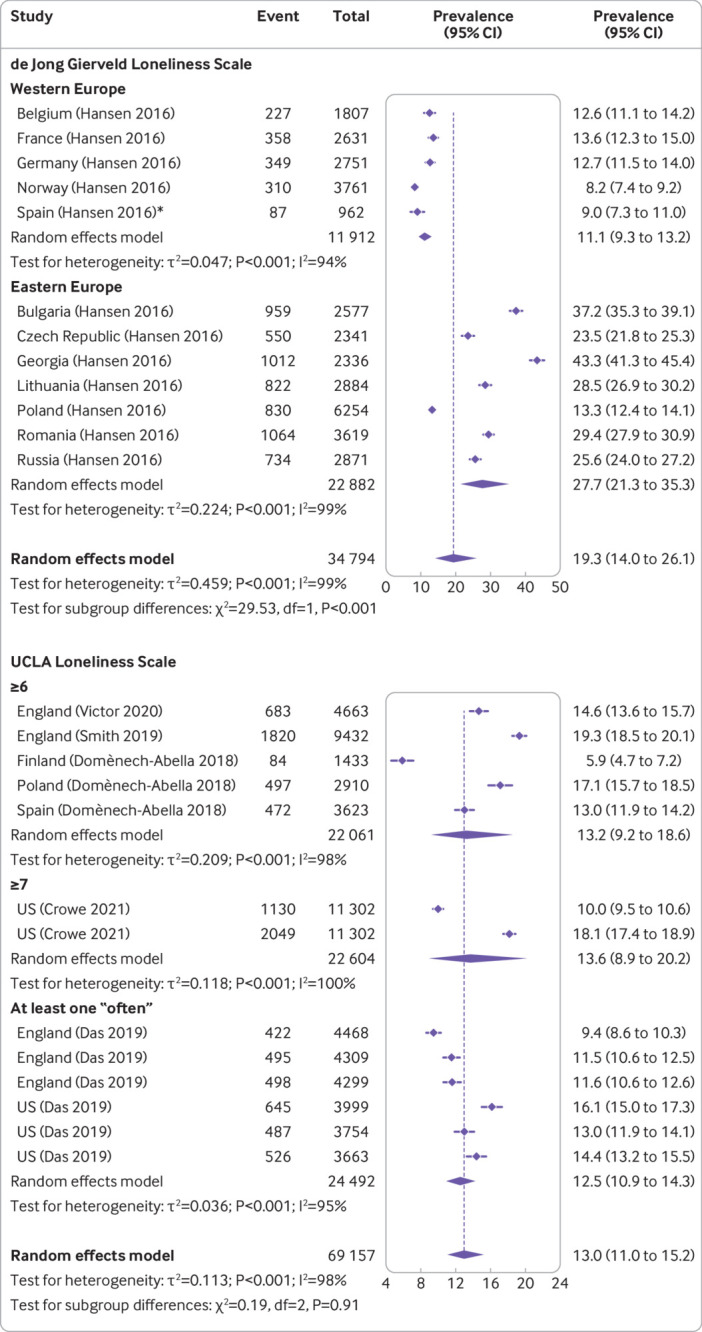
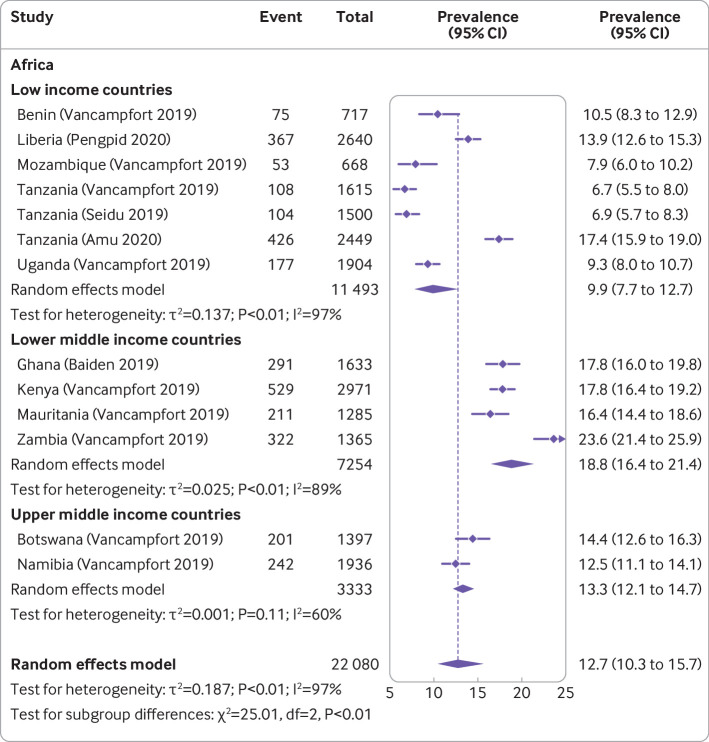
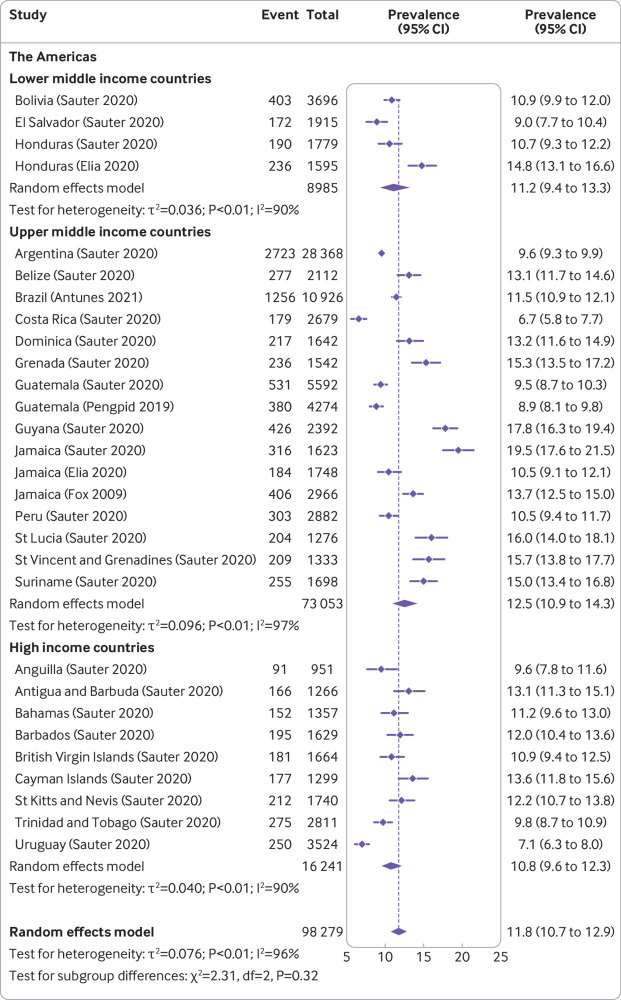
Verification
Claims the paper makes
The claims and statistics of this paper haven’t been checked yet.
Run the check — free, no account needed. It reads the open-access text and checks the sources it cites.
Claims other papers make about this one
Each is checked against this paper’s own text: does it say what the citing paper says it does?
The cited source says what the claim attributes to it.
In the citing paper
“Data based on nationally representative samples within World Health Organization regions pre-COVID-19 suggest that only 9.2% to 14.4% of adolescents experienced loneliness.16”
From A Longitudinal Study of Loneliness Before the End of the COVID-19 Pandemic: Trajectories, Predictors, and Impact on Chinese Adolescent Mental Health (2024) · cites this paper as [16]
Self-check
Percentages, sums and reported differences re-computed from the paper’s own numbers.
The self-check needs the paper’s full text.
Citations
Cites
Preferred Reporting Items for Systematic Reviews and Meta-Analyses: the PRISMA statement
Moher, D., Liberati, A., Tetzlaff, J., Altman, D. G., & for the PRISMA Group (2009) · BMJ · doi:10.1136/bmj.b2535 · Cited by 83,823
Measuring inconsistency in meta-analyses
Higgins, J. P. T., Thompson, S. G., Deeks, J. J., & Altman, D. G. (2003) · BMJ · doi:10.1136/bmj.327.7414.557 · Cited by 63,139
Preferred reporting items for systematic reviews and meta-analyses: the PRISMA Statement.
(2009) · PubMed Central · Cited by 44,859
The need to belong: Desire for interpersonal attachments as a fundamental human motivation.
Baumeister, R. F., & Leary, M. R. (1995) · Psychological Bulletin · doi:10.1037//0033-2909.117.3.497 · Cited by 23,245
The metabolic phenotype in obesity: Fat mass, body fat distribution, and adipose tissue function
Goossens, G. H. (2017) · Obesity Facts · doi:10.1159/000471488 · Cited by 8,481
Lee, I.-M., Shiroma, E. J., Lobelo, F., Puska, P., Blair, S. N., & Katzmarzyk, P. T. (2012) · The Lancet · doi:10.1016/s0140-6736(12)61031-9 · Cited by 8,215
Loneliness and Social Isolation as Risk Factors for Mortality: A Meta-Analytic Review
Holt-Lunstad, J., Smith, T. B., Baker, M., Harris, T., & Stephenson, D. (2015) · Perspectives on Psychological Science · doi:10.1177/1745691614568352 · Cited by 6,043
UCLA loneliness scale (version 3): reliability, validity, and factor structure
Russell, D. W. (1996) · Journal of Personality Assessment · doi:10.1207/s15327752jpa6601_2 · Cited by 5,800
A Short Scale for Measuring Loneliness in Large Surveys: Results From Two Population-Based Studies
Hughes, M. E., Waite, L. J., Hawkley, L. C., & Cacioppo, J. T. (2004) · Research on Aging · doi:10.1177/0164027504268574 · Cited by 4,781
Munn, Z., Moola, S., Lisy, K., Riitano, D., & Tufanaru, C. (2015) · International Journal of Evidence-Based Healthcare · doi:10.1097/xeb.0000000000000054 · Cited by 3,131
Research works printed but not linked: 4
- Peplau LA Perlman D . Perspective on loneliness. Loneliness: A sourcebook of current theory, research and therapy. John Wiley and Sons, 1982: 1-18.
- 10.1037/0033-2909.117.3.497 · DOI · Paper page
- 10.1097/XEB.0000000000000054 · DOI · Paper page
- Russell D . The measurement of loneliness. In: Peplau L Perlman D , eds. Loneliness: A Sourcebook of Current Theory, Research and Theory. John Wiley & Sons, 1982: 81-104.
Cited by
Sorted by citations
Items 201–300 of 819
Johar, H., Atasoy, S., Beutel, M. E., Brähler, E., Schomerus, G., Binder, H., Peters, A., Zöller, D., Fleischer, T., Otten, D., et al. (2023) · International Journal of Mental Health and Addiction · doi:10.1007/s11469-023-01121-y · Cited by 13
“Extended author information available on the last page of the article The prevalence of chronic loneliness continues to increase in modern life, affecting up to 10% and 20% of the middle-aged and older adult populations, respectively (Surkalim et al., 2022).”
Ashrafioun, L., Allan, N. P., & Stecker, T. A. (2024) · Drug and Alcohol Dependence · doi:10.1016/j.drugalcdep.2024.111268 · Cited by 9
Manera, K., Stamatakis, E., Huang, B., Owen, K., Phongsavan, P., & Smith, B. J. (2022) · International Journal of Behavioral Nutrition and Physical Activity · doi:10.1186/s12966-022-01372-3 · Cited by 10
“A recent meta-analysis of data collected in 113 countries showed that loneliness is a common experience, particularly among adolescents and older adults [9].”
BackgroundLee, S., Randolph, S. B., Baum, C. M., Nicholas, M. L., & Connor, L. T. (2024) · Topics in Stroke Rehabilitation · doi:10.1080/10749357.2024.2312639 · Cited by 10
“13 In contrast to the extensive research on lone-liness in the aging literature, 14 there are a limited number of studies on loneliness in people who have experienced a stroke.”
Vasan, S., Lim, M. H., Eikelis, N., & Lambert, É. (2024) · Scientific Reports · doi:10.1038/s41598-024-65039-8 · Cited by 16
Cheng, H. G., Hu, W., Luo, S., Feng, X., Chen, Z., Yu, X., Li, H., Feng, X., Chen, W., & Guo, V. Y. (2024) · Journal of Affective Disorders · doi:10.1016/j.jad.2024.11.006 · Cited by 10
Loneliness Among Older Caregivers: An Analysis of the 2020 California Health Interview Survey
Chen, X. S., Lydon, E. A., Mathias, V. F., Rogers, W. A., Mudar, R. A., & Raj, M. (2024) · Journal of Applied Gerontology · doi:10.1177/07334648241301484 · Cited by 9
“Following cutoffs from previous studies (Steptoe et al., 2013; Surkalim et al., 2022) and clinical practice suggestions (Illinois Coalition on Mental Health and Aging, 2003) we dichotomized scores of 3 – 5 as “ not lonely ” and 6-9 as “ lonely.”
Gill, A. S., & Sullivan, S. S. (2025) · Journal of Advanced Nursing · doi:10.1111/jan.16766 · Cited by 9
Naughton‐Doe, R., Nowland, R. A., Tierney, S., Webber, M., & Wittkowski, A. (2025) · BMC Public Health · doi:10.1186/s12889-024-20788-z · Cited by 12
Yiu, E. K. L., Wong, S. M. Y., Leung, D. K. Y., Liu, T., Chan, W. C., Wong, G. H. Y., & Lum, T. Y. S. (2025) · Journal of Affective Disorders · doi:10.1016/j.jad.2025.119696 · Cited by 11
A Scoping Review of School Connectedness Interventions for Adolescents*
Attri, S. A., Springer, A. E., & Kelder, S. H. (2025) · Journal of School Health · doi:10.1111/josh.70036 · Cited by 9
“…connectedness in adolescent health takes on further importance given the increased prevalence of depression and anxiety among adolescents in the United States (U.S.) and globally [17, 18] and recent calls of action to address the current ‘epidemic of loneliness’ in the U.S. and globally [19, 20].”
González-Abaurrea, E., González‐Cabrera, J. M., Ortega-Barón, J., Escortell, R., & Machimbarrena, J. M. (2025) · Adolescent Research Review · doi:10.1007/s40894-025-00266-2 · Cited by 13
Delahoz-Domínguez, E., Mendoza, A. M., & Visbal-Cadavid, D. (2025) · Logistics · doi:10.3390/logistics9030108 · Cited by 9
“For example, Lee and Zhao [49] applied heterogeneity models to ana-Logistics lyze factors influencing CO 2 emissions, while Surkalim et al. [50] conducted a systematic review on the prevalence of loneliness on a global scale.”
Sense-Making of Loneliness and Exclusion From Social Relations Among Older Adults in Sweden
Ågren, A., & Pavlidis, G. T. (2023) · The Gerontologist · doi:10.1093/geront/gnad005 · Cited by 11
“Yet, studies on loneliness have placed Sweden as one of the least affected countries (Surkalim et al., 2022), a trend that holds true for the older population as well (Dahlberg et al., 2018; Sundström et al., 2009).”
Zheng, S., Chen, X., Liu, W., Li, Z., Xiao, M., Liu, Y., & Hong, C. (2023) · Brain Imaging and Behavior · doi:10.1007/s11682-023-00776-4 · Cited by 9
“…the study and should be regarded as joint first authors. to feel lonely across many different countries (Beutel et al., 2017; Matthews et al., 2019; Surkalim et al., 2022; Victor & Yang, 2012), and loneliness has been associated with many negative outcomes, such as depressive symptomatology (Erzen…”
BackgroundPorter, B., Wood, C., Belderson, P., Manning, C., Meadows, R., Sanderson, K. A., & Hanson, S. (2023) · Perspectives in Public Health · doi:10.1177/17579139231185004 · Cited by 9
Exploring blog narratives of parental loneliness: A thematic network analysis
Nowland, R. A., Thomson, G., Cross, L., Whittaker, K. A., Gregory, P., Charles, J. M., & Day, C. (2023) · Current Research in Behavioral Sciences · doi:10.1016/j.crbeha.2023.100137 · Cited by 11
“…comparisons between parent and non-parent cohorts, these figures of high loneliness in parent cohorts contrast with prevalence of high loneliness found in general population surveys which typically range between 10 and 15 % (Beutel et al., 2017; Surkalim et al., 2022; Van der Velden et al., 2021).”
BackgroundGarnow, T., Einberg, E., Garmy, P., & Edberg, A. (2024) · International Journal of Adolescence and Youth · doi:10.1080/02673843.2024.2353205 · Cited by 9
“During adolescence experiences of loneliness are common (Qualter et al., 2015), and are even seen as a global public health issue (Surkalim et al., 2022).”
BackgroundZhang, J., & Lü, N. (2022) · Health & Social Care in the Community · doi:10.1111/hsc.13950 · Cited by 9
Instruments for Assessing Loneliness in Older People in Portugal: A Scoping Review
Carvalho, R., de Sousa, L. X. M., & Tavares, J. (2023) · Portuguese Journal of Public Health · doi:10.1159/000529147 · Cited by 9
“…≥ 60 years), assessed in 30 European countries, between 2000 and 2019 (before the COVID-19 pandemic), showed a high prevalence of loneliness among older adults in southern European countries (ranging from 15.7% to 18.7%); for Portugal, the prevalence based on single item was 14.9 (12.3 – 17.7) [7].”
BackgroundInfluentialJensen‐Campbell, L. A., Dougall, A. L., Heller, A. C., Iyer‐Eimerbrink, P. A., Bland, M. K., & Hull, K. N. (2023) · Brain Sciences · doi:10.3390/brainsci13121691 · Cited by 11
“Similarly, older adults in the US, England, Poland, and Spain report some of the highest levels of loneliness, ranging from 9% to 19% [10].”
BackgroundKulari, G. (2024) · Journal of Applied Research in Higher Education · doi:10.1108/jarhe-11-2023-0547 · Cited by 12
Krokstad, M. A., Sund, E. R., Rangul, V., Bauman, A. E., Olsson, C. A., & Bjerkeset, O. A. (2024) · European Child & Adolescent Psychiatry · doi:10.1007/s00787-024-02373-2 · Cited by 11
“Feeling of loneliness is now considered a public health problem [59], and prevalences range between 9 and 14% worldwide [60].”
Self-citationKlesiora, M., Tsaras, K., Papathanasiou, I. V., Malliarou, M. M., Bakalis, N., Kourkouta, L. I., Melas, C., & Kleisiaris, C. F. (2024) · Healthcare · doi:10.3390/healthcare12161666 · Cited by 8
“Interestingly, the prevalence of loneliness in people ≥ 60 years old in European countries is 11.9–19.3% [1].”
BackgroundInfluentialDolz-del-Castellar, B., de la Torre‐Luque, A., Castelletti, C., Francia, L., Rodríguez-Prada, C., Miret, M., Domènech‐Abella, J., Gabarrell‐Pascuet, A., Olaya, B., Haro, J. M., et al. (2025) · Journal of Affective Disorders · doi:10.1016/j.jad.2025.02.084 · Cited by 10
Jardine, B., Tan, P. J., Powell, A., Eyers-White, D., Mackenzie, C., Goodwin‐Smith, I., Robinson, S., Baldock, P., Zaccardo, M., Valente, C., et al. (2025) · BMC Psychology · doi:10.1186/s40359-025-02674-4 · Cited by 8
“Research that seeks to understand the drivers and impacts of loneliness on individuals, communities and health care systems is a rapidly growing field [14, 21, 22, 23].”
InfluentialQiao, Y., Wang, Y., Ge, T., Liu, Y., Chen, Y., Niu, G., & Yuan, Y. (2025) · Journal of the American Heart Association · doi:10.1161/jaha.124.039885 · Cited by 9
“31 It is estimated that a considerable percentage of older adults experienced social isolation and loneliness, 1 with these figures worsening during the COVID-19 pandemic.”
The need for scientific leadership and collaboration to enhance social connection: A call to action
Holt‐Lunstad, J., Cudjoe, T., Dumitriu, D., Ellison, N. B., Kotwal, A., Pantell, M. S., Perissinotto, C. M., & Smith, M. L. (2025) · Annals of the New York Academy of Sciences · doi:10.1111/nyas.15343 · Cited by 8
Kim, E. J., An, J. H., Jung, J. Y., Hahm, B., & Hong, J. P. (2025) · BJPsych Open · doi:10.1192/bjo.2025.60 · Cited by 10
Schütz, R., Reiß, F., Moor, I., Kaman, A., Bilz, L., & HBSC Study Group Germany (2025) · BMC Public Health · doi:10.1186/s12889-025-23247-5 · Cited by 13
Loneliness trajectories in older adults: A systematic review
Li, X., Wu, C., Feng, T., Chen, X., Chen, H., Lu, X., Gao, J. X., & Hou, C. (2025) · Archives of Gerontology and Geriatrics · doi:10.1016/j.archger.2025.106024 · Cited by 8
Loneliness in schizophrenia: Just loneliness
Holt, D. J. (2025) · Annals of the New York Academy of Sciences · doi:10.1111/nyas.70022 · Cited by 9
Loneliness across the COVID-19 pandemic: Risk factors in Norwegian young people
Hysing, M., Petrie, K. J., Harvey, A. G., Lønning, K.-J., & Sivertsen, B. (2023) · Clinical Psychology in Europe · doi:10.32872/cpe.10483 · Cited by 11
“Still, a meta-analysis has shown lower rates of loneliness among northern European countries compared to other geographical regions, and thus this may indicate that loneliness rates are even higher in other countries (Surkalim et al., 2022).”
BackgroundDu, X., Ding, C., Xiang, G., Duan, H., Chen, J., & Chen, H. (2024) · Children and Youth Services Review · doi:10.1016/j.childyouth.2024.107942 · Cited by 12
The unseen epidemic: trauma and loneliness in urban midlife women
Liberatore-Maguire, E., Devlin, A., Fisher, S. G., Ramsey, F. V., Grunwald, H. E., Brownstein, K., & Morrison, M. (2022) · Women s Midlife Health · doi:10.1186/s40695-022-00080-z · Cited by 8
Akhter‐Khan, S. C., Chua, K., Kindhi, B. A., Mayston, R., & Prina, M. A. (2022) · Archives of Gerontology and Geriatrics · doi:10.1016/j.archger.2022.104851 · Cited by 10
Zhang, H., Valimaki, M. A., Li, X., Nan, J., Wu, S., Zeng, X., Duan, Y., & Feng, H. (2022) · BMJ Open · doi:10.1136/bmjopen-2022-067858 · Cited by 8
Öztekin, G. G. (2024) · Iğdır üniversitesi sosyal bilimler dergisi · doi:10.54600/igdirsosbilder.1433959 · Cited by 10
Moretti, M. C., Bonfitto, I., Nieddu, L., Leccisotti, I., Dimalta, S., Moniello, G., Lozupone, M., Bellomo, A., Panza, F., Avolio, C., et al. (2024) · Life · doi:10.3390/life14101216 · Cited by 8
Lonely Older Adults in the Era of Social Media: A Meta-Analytic Review
Chen, R., Zhang, K., Cui, L., Chen, S., & Feng, N. (2025) · The Journals of Gerontology Series B · doi:10.1093/geronb/gbaf080 · Cited by 7
Public psychology and holistic approaches to prevention and treatment of depression
Patterson, E. H., Miller, C., & Hannapel, M. (2025) · Frontiers in Psychiatry · doi:10.3389/fpsyt.2025.1600094 · Cited by 11
“…job dissatisfaction (2), discrimination, emotionally polarized political discourse (3), hate crimes (4), social/digital media violence (5, 6), civil unrest (7), unhealthy physical environments (1), loneliness (8), food insecurity, and unhealthy foods all contribute to decreases in wellbeing (9).”
Zheng, L., Brady, B., & Anstey, K. J. (2025) · International Journal of Human-Computer Interaction · doi:10.1080/10447318.2025.2543994 · Cited by 7
“A large focus has been placed on examining loneliness in older adults and adolescents (12 – 17 years), however there is a dearth of literature on loneliness in young and middle-aged adults (Surkalim et al., 2022).”
National policy responses to address loneliness: A global scoping review of 194 WHO member states
Goldman, N., Alemdar, M., Megges, H., Matsumoto, N., Schoenmakers, E., van den Berg, P., Lasgaard, M., Christiansen, J., Junttila, N., Goldman, A., et al. (2025) · Health Policy · doi:10.1016/j.healthpol.2025.105553 · Cited by 9
Burke, L., Christiansen, J., Lasgaard, M., Demkowicz, O., Verity, L., Lau, J. Y. F., & Qualter, P. (2026) · Journal of Affective Disorders · doi:10.1016/j.jad.2026.121445 · Cited by 11
Liu, S., Haucke, M. N., Wegner, L., Gates, J., Bärnighausen, T., & Adam, M. (2024) · npj Digital Medicine · doi:10.1038/s41746-024-01096-7 · Cited by 8
“Loneliness is a common problem worldwide 1,2 .”
Loneliness in Brazil: a silent threat to Public Health
Passarelli-Araújo, H. (2025) · Cadernos de Saúde Pública · doi:10.1590/0102-311xen229524 · Cited by 9
Kotera, Y., Liu, G., Colman, R. D., Young, H., Ozaki, A., Miyatake, H., Kosaka, M., & Tanimoto, T. E. (2023) · Current Psychology · doi:10.1007/s12144-023-04444-0 · Cited by 8
“Loneliness is detrimental to mental health (Kotera, Chircop, et al., 2021; Surkalim et al., 2022), whereas hope aids in coping with COVID-19-related stress (Zhang et al.”
Seewer, N., Skoko, A., Käll, A., Andersson, G., Berger, T., & Krieger, T. (2023) · Internet Interventions · doi:10.1016/j.invent.2023.100701 · Cited by 7
Editorial: The impact of social isolation and loneliness on mental health and wellbeing
Kadotani, H., Okajima, I., Yang, K., & Lim, M. H. (2022) · Frontiers in Public Health · doi:10.3389/fpubh.2022.1106216 · Cited by 7
Reine, I., Miķelsone, M., Tomsone, S., Guðmundsson, H., Ivanovs, A., Guðmundsson, H. S., & Koroļeva, I. (2024) · Frontiers in Public Health · doi:10.3389/fpubh.2024.1360285 · Cited by 6
“A global meta-analysis spanning over 113 countries further corroborates these regional trends (20).”
BackgroundCan Social Policy Alleviate Loneliness Among Older Adults? A Comparative Analysis of OECD Countries
Oh, S. E., & Choi, Y. J. (2024) · Journal of Aging & Social Policy · doi:10.1080/08959420.2024.2384334 · Cited by 8
“However, the influence of social policy on loneliness remains relatively uncharted, despite notable cross-national disparities in old-age loneliness highlighted (Fokkema et al., 2012; Surkalim et al., 2022).”
Zhou, Z., Jia, Y., Yan, H., Wen, J., Xu, J., & Wang, S. (2024) · Geriatric Nursing · doi:10.1016/j.gerinurse.2024.10.054 · Cited by 7
Yeo, Y. T. T., Chow, J. Y. A., & Goh, Y. S. (2024) · Journal of Clinical Nursing · doi:10.1111/jocn.17563 · Cited by 9
The feasibility of using photovoice as a loneliness intervention with older Myanmar migrants
Akhter‐Khan, S. C., Wongfu, C., Aein, N. M. P., Lu, B., Prina, M. A., Suwannaporn, S., Mayston, R., & Wai, K. M. (2025) · Annals of the New York Academy of Sciences · doi:10.1111/nyas.15270 · Cited by 7
Wang, Y., Wang, X., Li, X., Wen, S., Xu, L., & Ni, Y. (2025) · Geriatric Nursing · doi:10.1016/j.gerinurse.2025.01.039 · Cited by 7
Loneliness: A Scoping Review of Reviews From 2001 to 2023
Ell, T., Maehler, D. B., Repke, L., & Momeni, F. (2025) · The Journal of Psychology · doi:10.1080/00223980.2025.2462632 · Cited by 11
“Methodology continues to pose challenges in loneliness research (e.g., Maes et el., 2022; Surkalim et al., 2022).”
Associations of subjective age trajectories with loneliness and stress across adulthood
Kornadt, A. E., Wettstein, M., Lepinteur, A., Vögele, C., & D’Ambrosio, C. (2025) · PLoS ONE · doi:10.1371/journal.pone.0320673 · Cited by 8
Prescribing poetry: a multi-level intervention against loneliness
Evers, E. R., & Dam, A. T. K. (2025) · Journal of Poetry Therapy · doi:10.1080/08893675.2025.2476596 · Cited by 6
Adolescent Loneliness When a Parent Has Cancer: A Qualitative Systematic Review
McKeown, L., Campbell, K., Dempster, M., Groarke, J. M., & Graham‐Wisener, L. (2025) · Psycho-Oncology · doi:10.1002/pon.70148 · Cited by 6
Domènech‐Abella, J., Mundó, J., Haro, J. M., & Muntaner, C. (2025) · Social Psychiatry and Psychiatric Epidemiology · doi:10.1007/s00127-025-02899-z · Cited by 10
“Although most of studies on loneliness are focused on general loneliness without the specification on any context [ 3], the study of workplace loneliness has garnered increased attention in recent years and researchers explore how loneliness in professional settings affects labor satisfaction,…”
Experiences of Loneliness Among Gay Men: A Systematic Review and Meta-Synthesis
Brumfield, E. W., & Dahlenburg, S. C. (2025) · Journal of Homosexuality · doi:10.1080/00918369.2025.2496202 · Cited by 6
“For context, the prevalence of loneliness in the general population in Europe ranges from 2.9% to 9.6% depending on the region and age group, highlighting the significantly higher vulnerability of gay men to loneliness (Surkalim et al., 2022).”
InfluentialInterprofessional Collaborations on Interventions for People With Loneliness: A Scoping Review
Chu, L., Zhang, Y., Smith, G. D., & Ho, K. H. M. (2025) · Nursing Open · doi:10.1002/nop2.70239 · Cited by 6
“Systematic review showed that levels of loneliness are prevalent across the whole lifespan around the world, ranging from 9.2% to 24.2%, including older adults (Surkalim et al. 2022).”
InfluentialBahadori, F., Asadollahi, A., Ghajari, O., & Yarelahi, M. (2025) · BMC Psychology · doi:10.1186/s40359-025-02913-8 · Cited by 6
“Therefore, although loneliness differs from social isolation (a lack of social contacts) and being alone (physical separation), it relates to them [2].”
Ayalon, L., & Das, S. (2025) · The Journals of Gerontology Series B · doi:10.1093/geronb/gbaf121 · Cited by 6
Supke, M., Hahlweg, K., Job, A., & Schulz, W. (2025) · Scientific Reports · doi:10.1038/s41598-025-08842-1 · Cited by 6
“Surkalim et al. 12 conducted a meta-analysis of loneliness prevalence rates across 113 countries, drawing from 57 studies published between 2000 and 2019.”
Cunningham, K. B., Wells, M., & Kroll, T. (2025) · Health Psychology Review · doi:10.1080/17437199.2025.2528822 · Cited by 8
“…(Cunningham et al., 2021; Hawkley, 2022; Hunter, 2012; Office of the Surgeon General, 2023; The Lancet, 2020) due to its reported prevalence (Surkalim et al., 2022) – described as an epidemic in modern society (Killeen, 1998, p. 762) – and associations with low wellbeing, poor mental and…”
Narita, Z. C., DeVylder, J., Knowles, G., Yamasaki, S., Miyashita, M., Stanyon, D., Yamaguchi, S., Shinozaki, T., Sasaki, R., Zhou, R., et al. (2026) · Journal of Child Psychology and Psychiatry · doi:10.1111/jcpp.70114 · Cited by 7
“(Surkalim et al., 2022), although differences in cultural norms and social contexts that shape the reporting and interpretation of loneliness should be considered when making cross-national comparisons.”
Lee, C., Park, Y., & Cho, B. (2023) · Research in Gerontological Nursing · doi:10.3928/19404921-20230104-03 · Cited by 6
Gallardo-Peralta, L. P., Gálvez-Nieto, J. L., Fernández-Dávila, P. A., & Veloso-Besio, C. B. (2023) · International Journal of Environmental Research and Public Health · doi:10.3390/ijerph20032138 · Cited by 8
“Loneliness is defined as a public health problem [1–3] given its high prevalence and relationship to quality of life, meaning that it requires monitoring [2].”
BackgroundLederman, Z. (2023) · British Medical Bulletin · doi:10.1093/bmb/ldad003 · Cited by 8
Domènech‐Abella, J., Gabarrell‐Pascuet, A., Mundó, J., Haro, J. M., & Varga, T. V. (2023) · American Journal of Geriatric Psychiatry · doi:10.1016/j.jagp.2023.11.001 · Cited by 6
Emotional competencies and psychological distress: Is loneliness a mediating factor?
Ghiggia, A., Castelli, L., Adenzato, M., & Tella, M. D. (2023) · Scandinavian Journal of Psychology · doi:10.1111/sjop.12987 · Cited by 8
Tierney, S., Rowe, R., Connally, E. L., Roberts, N. W., Mahtani, K. R., & Gorenberg, J. (2024) · Lifestyle Medicine · doi:10.1002/lim2.98 · Cited by 8
Kurotani, K., Katane, R., Nagashima, M., Saegusa, M., Yokode, N., Watanabe, N., & Ohkawara, K. (2024) · Nutrients · doi:10.3390/nu16111661 · Cited by 7
“In addition, a meta-analysis across 113 countries indicated that problematic levels of loneliness are experienced by a substantial proportion of the population in many countries [10].”
BackgroundPlaying Kioku Reduces Loneliness in Older Adults: A Pilot Study
Bodner, E., Segev, A., Chernitsky, R., & Barak, Y. (2024) · Games for Health Journal · doi:10.1089/g4h.2023.0130 · Cited by 8
Disruption and Improvisation: Experiences of Loneliness for People With Chronic Illness
Cheung, M. M. Y., Lewis, S. C., Raja, R., Willis, K. F., Dubbin, L. A., Rogers, A. E., Moensted, M. L., & Smith, L. D. (2024) · Qualitative Health Research · doi:10.1177/10497323241265329 · Cited by 6
“Loneliness is a pressing and rapidly growing social challenge (Surkalim et al., 2022), de fi ned as the negative emotional response to a discrepancy between a person ’ s desired and actual level of social relationships (Peplau & Perlman, 1982).”
Nascimento, M. D. M., Marques, A., Gouveia, É. R., Green, G., Lampraki, C., & Ihle, A. (2024) · Psychiatric Quarterly · doi:10.1007/s11126-024-10091-w · Cited by 9
“In turn, these results were confirmed in a meta-analysis that includes 113 countries, highlighting the older population of Eastern European countries with a higher prevalence of loneliness [4].”
Fritze, S., Brandt, G. A., Volkmer, S., Daub, J., Altinok, D. C. A., Kubera, K. M., Berhe, O., Lin, Y., Tost, H., Meyer‐Lindenberg, A., et al. (2025) · Schizophrenia Research · doi:10.1016/j.schres.2025.01.001 · Cited by 6
Reed, N. P., & Hagen, J. (2025) · International Journal of Qualitative Studies on Health and Well-Being · doi:10.1080/17482631.2025.2476215 · Cited by 6
“Unfortunately, not all individuals experience adequate social connections, and loneliness is a major public health issue (Leigh-Hunt et al., 2017; Surkalim et al., 2022).”
Predictors of loneliness onset and maintenance in European older adults during the COVID-19 pandemic
Lundmark, V. P., Josefsson, M., & Rieckmann, A. (2023) · Frontiers in Psychology · doi:10.3389/fpsyg.2023.1172552 · Cited by 6
Influence of socio-demographic factors on the development of marketing communications
Nesterenko, V. (2023) · Scientific Bulletin of Mukachevo State University Series “Economics” · doi:10.52566/msu-econ2.2023.09 · Cited by 6
Loneliness status transitions and risk of cardiovascular disease among middle-aged and older adults
Lu, Y., Wang, R., Norman, J., & Yu, P. (2023) · Nutrition Metabolism and Cardiovascular Diseases · doi:10.1016/j.numecd.2023.10.024 · Cited by 6
Mečkovský, F., Fürstová, J., Košárková, A., Meier, Z., Tavel, P., & Maliňáková, K. (2023) · International Journal of Public Health · doi:10.3389/ijph.2023.1606537 · Cited by 7
“In terms of age, the research to date is not entirely consistent; for example, a meta-analysis by [9] found the highest rates of loneliness in older age groups, whereas a meta-synthesis by [10] found the highest loneliness in the young and older people.”
Mahon, D. (2023) · Mental Health and Social Inclusion · doi:10.1108/mhsi-11-2023-0129 · Cited by 7
Zhang, Y., Liu, M., Ye, Z., Yang, S., Zhou, C., He, P., Zhang, Y., Gan, X., & Qin, X. (2024) · Journal of Psychosomatic Research · doi:10.1016/j.jpsychores.2023.111587 · Cited by 6
Procrastination, depressive symptomatology, and loneliness in later life
Monaghan, C., Ávila-Palència, I., Han, S. D., & Power, J. M. (2024) · Aging & Mental Health · doi:10.1080/13607863.2024.2345781 · Cited by 7
“…is commonly associated with these declines and has been linked to higher prevalence rates among older adults (ekwall et al., 2005; lim, 2018; Surkalim et al., 2022). loneliness is described as a perceived discrepancy between one’s actual and desired levels of social relationships (Peplau &…”
Coon, J. T., Campbell, F., Sutton, A., Whear, R., Rogers, M., Barlow, J., Robinson-Carter, E., Sharpe, R. A., Cohen, S., & Wolstenholme, L. (2022) · Campbell Systematic Reviews · doi:10.1002/cl2.1235 · Cited by 6
The Global Issues of Loneliness and Social Connectedness
Long, E. M. (2024) · Journal of the American Medical Directors Association · doi:10.1016/j.jamda.2024.105126 · Cited by 6
Zhao, Y., Wang, Z., Feng, N., Griffiths, M. D., & Cui, L. (2025) · Applied Research in Quality of Life · doi:10.1007/s11482-025-10512-3 · Cited by 6
“Individuals can experience the feeling of loneliness throughout the lifespan, but adolescents and older adults are more vulnerable (Surkalim et al., 2022 ).”
Domènech‐Abella, J., Muntaner, C., Rodeiro-Boliart, J., Gabarrell‐Pascuet, A., Haro, J. M., Ayuso‐Mateos, J. L., Miret, M., & Olaya, B. (2024) · Journal of Affective Disorders · doi:10.1016/j.jad.2024.09.071 · Cited by 5
Zheng, Y., Rollano, C., Bagnall, C. L., Bond, C., Jia, S., & Qualter, P. (2024) · Journal of School Psychology · doi:10.1016/j.jsp.2024.101380 · Cited by 12
Predicting the Risk of Loneliness in Children and Adolescents: A Machine Learning Study
Zhang, J., Feng, X., Wang, W., Liu, S., Zhang, Q., Wu, D., & Liu, Q. (2024) · Behavioral Sciences · doi:10.3390/bs14100947 · Cited by 6
“A recent meta-analysis of loneliness in 113 countries found that the prevalence of loneliness among adolescents (12–17 years) ranged from 9.2% to 14.4% [5].”
BackgroundInfluentialLoneliness in acquired brain injury; a qualitative exploration of lived experience
Duffy, O., Pedlow, K., Pogue, J. A., Jordan, J., Dunlop, L., Agnew, R., Taylor, I., & Rauch, R. (2025) · Brain Injury · doi:10.1080/02699052.2025.2472190 · Cited by 5
“Loneliness is an international issue (19) and is recognized by many as a key health priority (20,21).”
Skoko, A., Seewer, N., Mund, M., & Krieger, T. (2025) · PLoS ONE · doi:10.1371/journal.pone.0321931 · Cited by 5
“Still, pre-pandemic data from 113 countries showed loneliness prevalence ranging from 5.3% to 12.7% across age groups [7], emphasizing the need for continued research and intervention.”
InfluentialBraig, S., Denkinger, M. D., Dallmeier, D., Klenk, J., Rothenbacher, D., & for the ActiFE Study Group (2025) · Aging Clinical and Experimental Research · doi:10.1007/s40520-025-03041-4 · Cited by 6
“Loneliness is prevalent in industrialized countries with the highest burden among young and older adults [1], but results are mixed across age groups [2] and geographic regions [3].”
Bristle, J., Wagner, M., Hannemann, T., & Cohn‐Schwartz, E. (2025) · Journal of Public Health · doi:10.1007/s10389-025-02491-4 · Cited by 5
Transitions of loneliness and lonely life expectancy: A longitudinal study across 24 countries.
Zhu, J.-J., Huang, Z.-Y., Yang, S.-L., Jiang, J.-J., You, H., & Gao, J.-L. (2025) · International Psychogeriatrics · doi:10.1016/j.inpsyc.2025.100134 · Cited by 5
Luan, T., Wang, Y., Li, B., Qin, R., Li, Z., Lei, X., & Guo, H. (2025) · Archives of Gerontology and Geriatrics · doi:10.1016/j.archger.2025.106053 · Cited by 8
Pitkälä, K. H., Rautiainen, L. J., Aalto, U. L., Kolster, A., Laakkonen, M., Lehtonen, R., Páez, F. D. A., Masó-Aguado, M., Bártová, A., Briones‐Buixassa, L., et al. (2026) · Educational Gerontology · doi:10.1080/03601277.2025.2608731 · Cited by 5
Chamberlain, S. A., Griffith, L. E., Savage, R., Batara, J., Yan, W., & Gruneir, A. (2026) · PLoS ONE · doi:10.1371/journal.pone.0341572 · Cited by 6
Metadata
- Authors
- Surkalim, D. L., Luo, M., Eres, R., Gebel, K., van Buskirk, J., Bauman, A., & Ding, D.
- Affiliations
- The University of Sydney (AU)
- Royal Children's Hospital (AU)
- University of Technology Sydney (AU)
- Sydney School of Public Health, Faculty of Medicine and Health, The University of Sydney, Camperdown, NSW, Australia
- Corresponding author
- Ding, Ding
- ORCID
- Venue
- BMJ
- Publisher
- BMJ
- Published
- 2022-02-09
- Volume
- 376
- Pages
- e067068
- ISSN
- 1756-1833 (ISSN-L)
- PMC
- PMC8826180
- OpenAlex
- W4211106541
- Cited by
- 821
- References
- 87
- Citations by year
- 2026: 220 · 2025: 236 · 2024: 183 · 2023: 138 · 2022: 44
- FWCI
- 20.76
- Type
- journal article
- Language
- en
- Open access
- hybrid
- doi.org
- Licence
- Locations
- BMJ (publishedVersion, cc-by-nc)
- PubMed Central (publishedVersion, cc-by-nc)
- PubMed (publishedVersion)
- RMIT Research Repository (RMIT University Library) (acceptedVersion, other-oa)
- Figshare (submittedVersion, cc-by-nc)
- Minerva Access (University of Melbourne) (submittedVersion, cc-by-nc)
- Topics
- Social Sciences › Health › Health disparities and outcomes
- Health Sciences › Medicine › Psychiatry and Mental health › Mental Health Treatment and Access
- Social Sciences › Psychology › Clinical Psychology › COVID-19 and Mental Health
- Keywords
- loneliness, prevalence of loneliness, cross-national comparison, adolescents, young adults, middle-aged adults, older adults, temporal trends, WHO regions, loneliness and isolation
- MeSH terms
- Demography, Humans, Loneliness, Global Health, Prevalence
About these checks
Registry, retraction, Cites and statistics results are computed, not judged, with one exception: a printed reference that no index lists is read once by a model before it counts as a citation error. Claims are extracted by a model and kept only when their quote appears verbatim in the text; each cited source is then checked, with a model’s help, for whether it says what the claim relies on. Those verdicts can be wrong — read the claim’s quote and the cited source before relying on one.
Statistics and arithmetic are recomputed, not judged.
Confidence bands are shown only for fields calibrated on our annotated test set. None is calibrated yet, so no band is shown.
What counts as a claim ›How we measure confidence ›How we check this ›
Are you an author, or do you see a problem with this page? Request a review
