

The DOI matches its Crossref record; 86 of the 87 references it cites were found in a registry or an index.
The prevalence of loneliness across 113 countries: systematic review and meta-analysis
Open accessAbstract
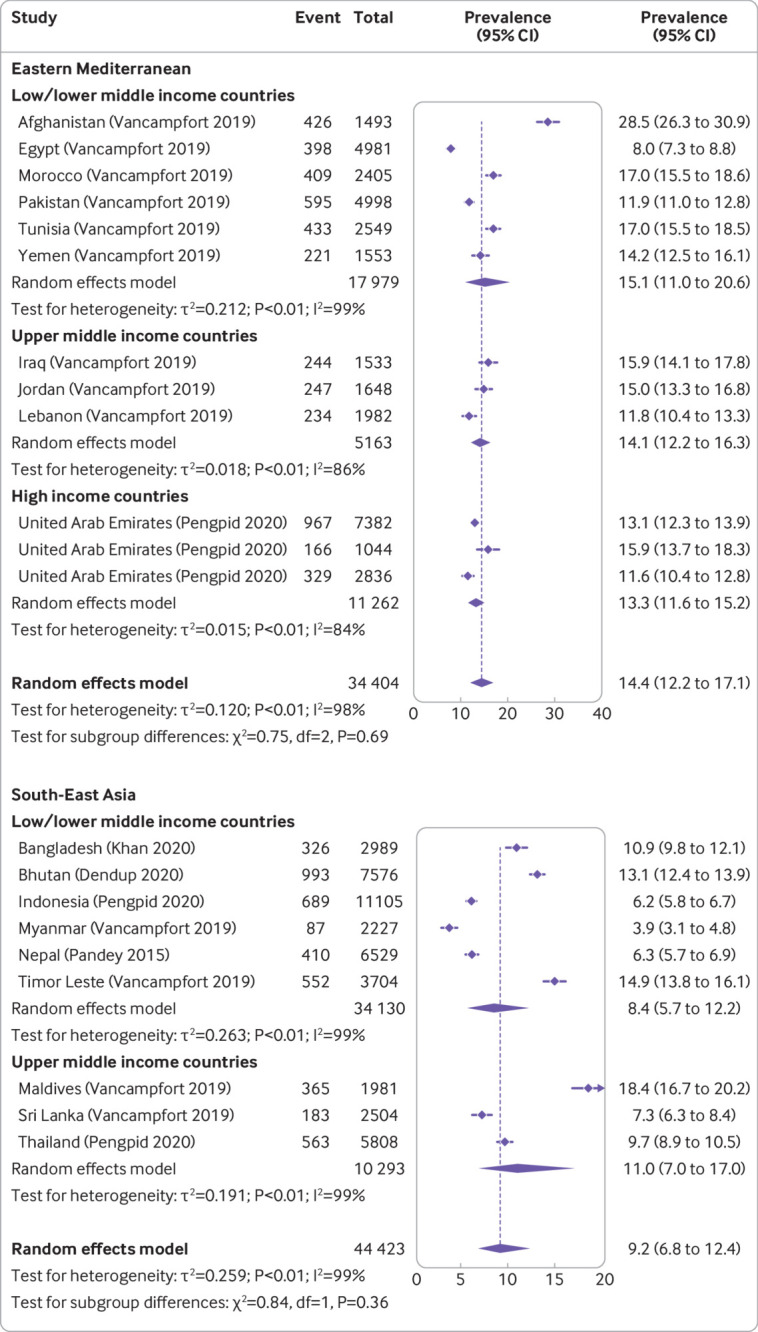
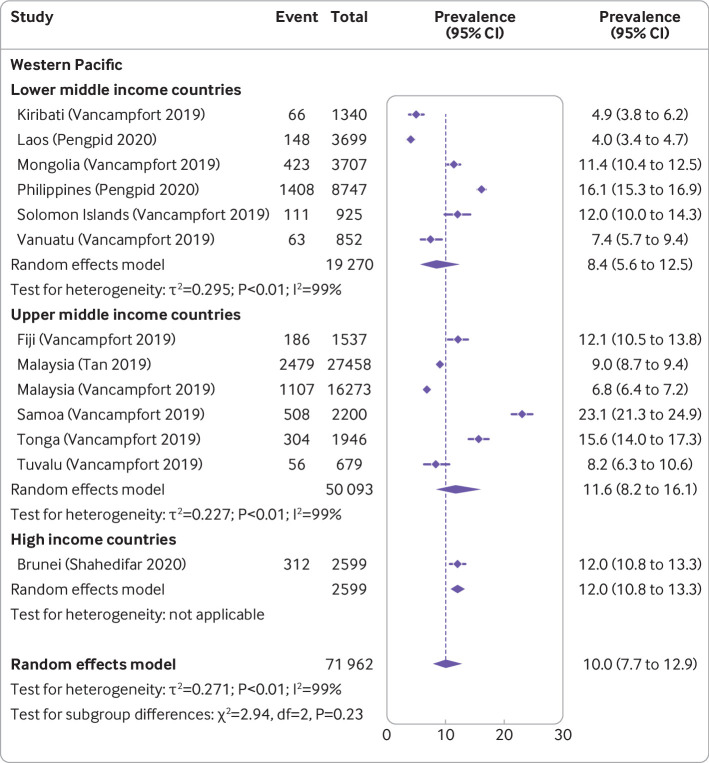
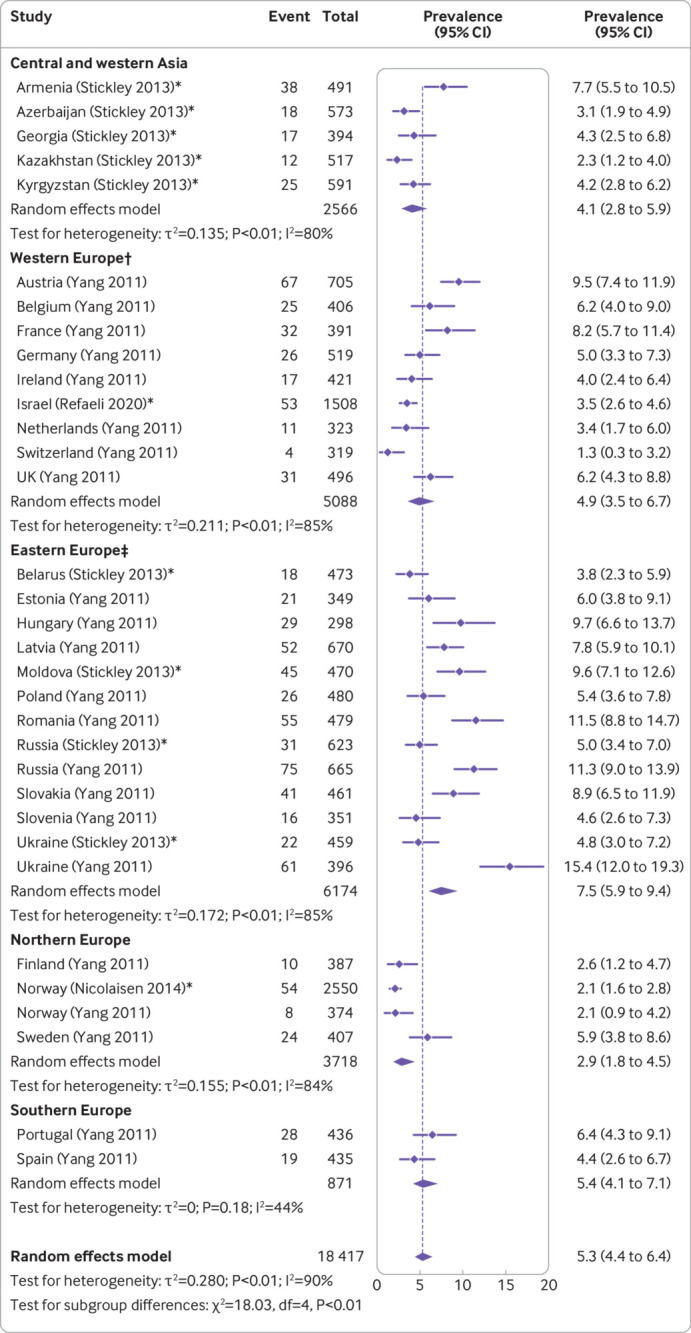
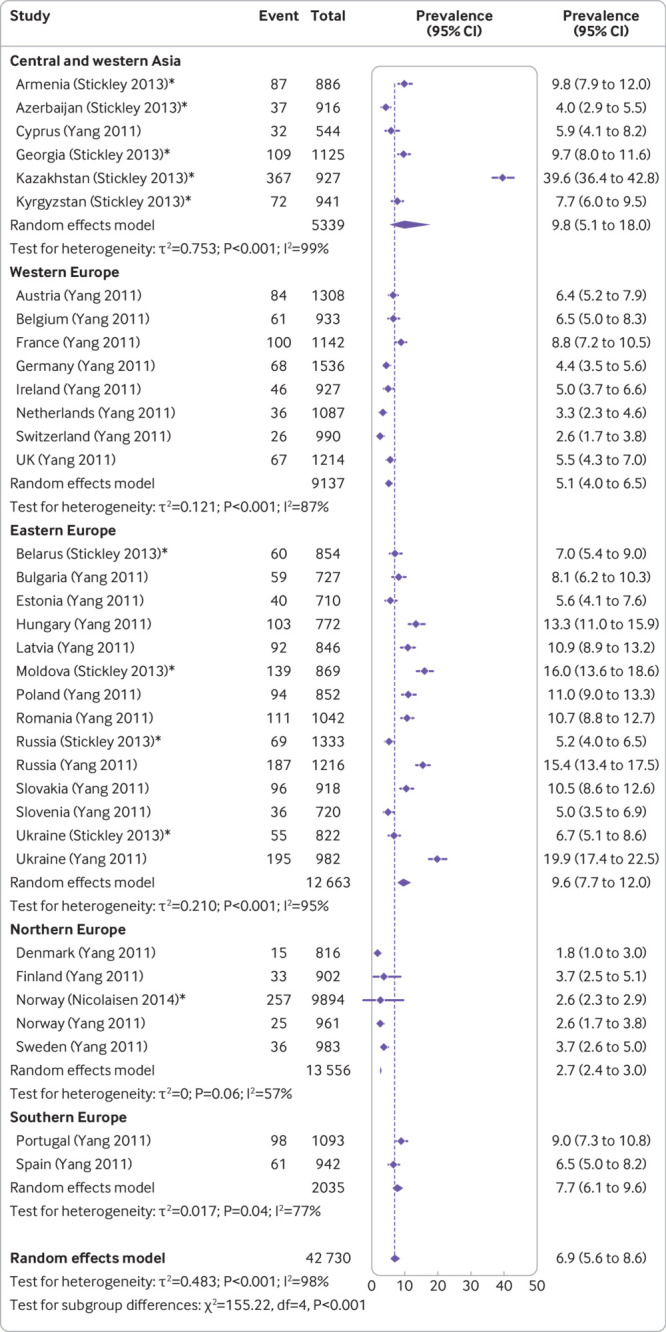
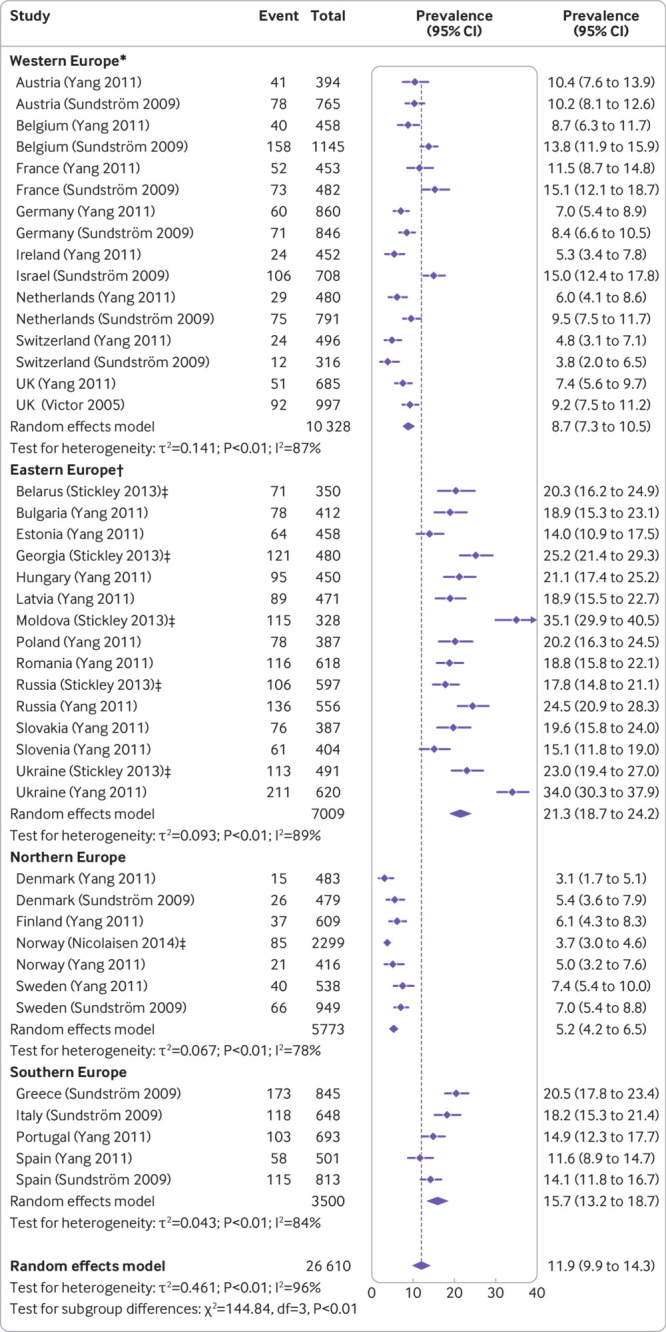
Objectives: To identify data availability, gaps, and patterns for population level prevalence of loneliness globally, to summarise prevalence estimates within World Health Organization regions when feasible through meta-analysis, and to examine temporal trends of loneliness in countries where data exist. Design: Systematic review and meta-analysis. Data sources: Embase, Medline, PsycINFO, and Scopus for peer reviewed literature, and Google Scholar and Open Grey for grey literature, supplemented by backward reference searching (to 1 September 2021) Eligibility criteria for selecting studies: Observational studies based on nationally representative samples (n≥292), validated instruments, and prevalence data for 2000-19. Two researchers independently extracted data and assessed the risk of bias using the Joanna Briggs Institute checklist. Random effects meta-analysis was conducted in the subset of studies with relatively homogeneous research methods by measurement instrument, age group, and WHO region. Results: Prevalence data were available for 113 countries or territories, according to official WHO nomenclature for regions, from 57 studies. Data were available for adolescents (12-17 years) in 77 countries or territories, young adults (18-29 years) in 30 countries, middle aged adults (30-59 years) in 32 countries, and older adults (≥60 years) in 40 countries. Data for all age groups except adolescents were lacking outside of Europe. Overall, 212 estimates for 106 countries from 24 studies were included in meta-analyses. The pooled prevalence of loneliness for adolescents ranged from 9.2% (95% confidence interval 6.8% to 12.4%) in South-East Asia to 14.4% (12.2% to 17.1%) in the Eastern Mediterranean region. For adults, meta-analysis was conducted for the European region only, and a consistent geographical pattern was shown for all adult age groups. The lowest prevalence of loneliness was consistently observed in northern European countries (2.9%, 1.8% to 4.5% for young adults; 2.7%, 2.4% to 3.0% for middle aged adults; and 5.2%, 4.2% to 6.5% for older adults) and the highest in eastern European countries (7.5%, 5.9% to 9.4% for young adults; 9.6%, 7.7% to 12.0% for middle aged adults; and 21.3%, 18.7% to 24.2% for older adults). Conclusion: Problematic levels of loneliness are experienced by a substantial proportion of the population in many countries. The substantial difference in data coverage between high income countries (particularly Europe) and low and middle income countries raised an important equity issue. Evidence on the temporal trends of loneliness is insufficient. The findings of this meta-analysis are limited by data scarcity and methodological heterogeneity. Loneliness should be incorporated into general health surveillance with broader geographical and age coverage, using standardised and validated measurement tools. Systematic review registration: PROSPERO CRD42019131448.
Overview
The claims and statistics of this paper haven’t been checked yet.
Run the check — free, no account needed. It reads the open-access text and checks the sources it cites.
Integrity signals
Registry
Cites
Statistics
Figures
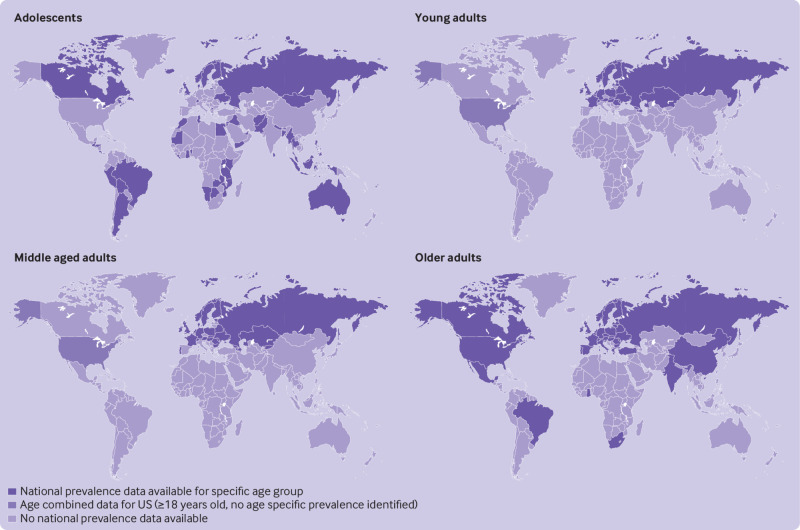
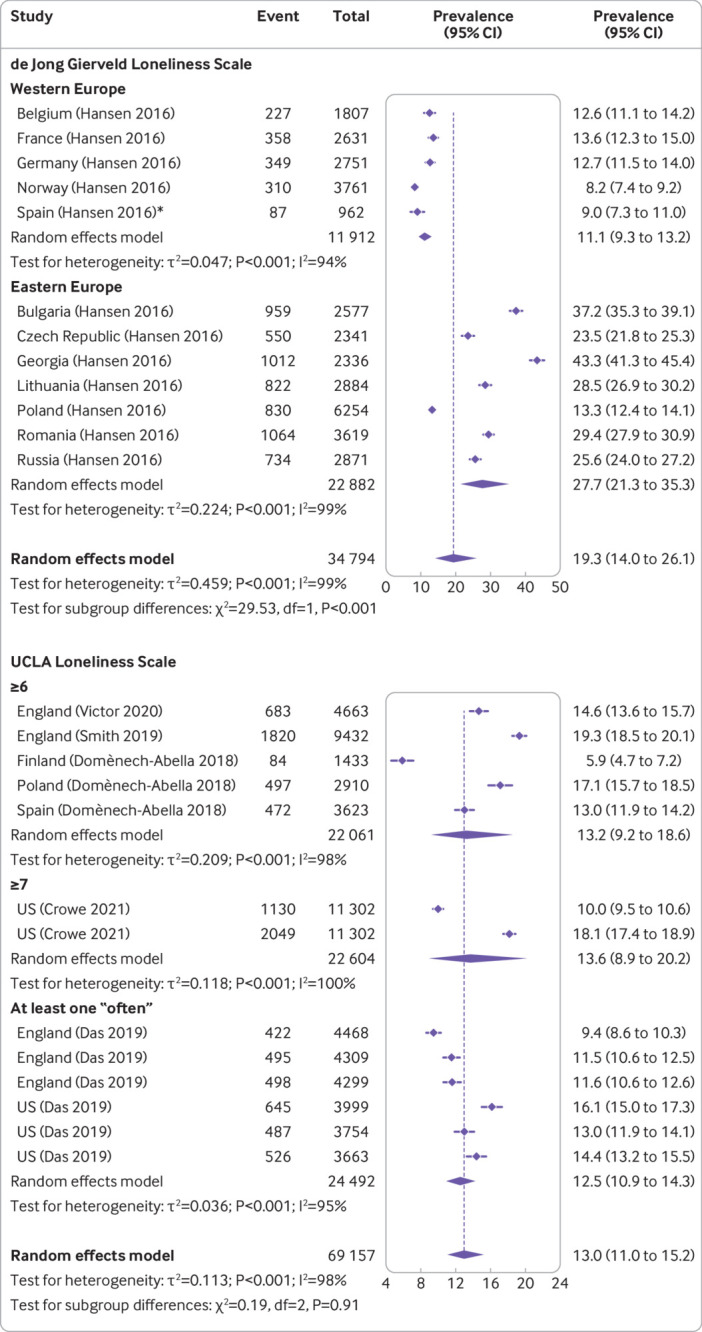
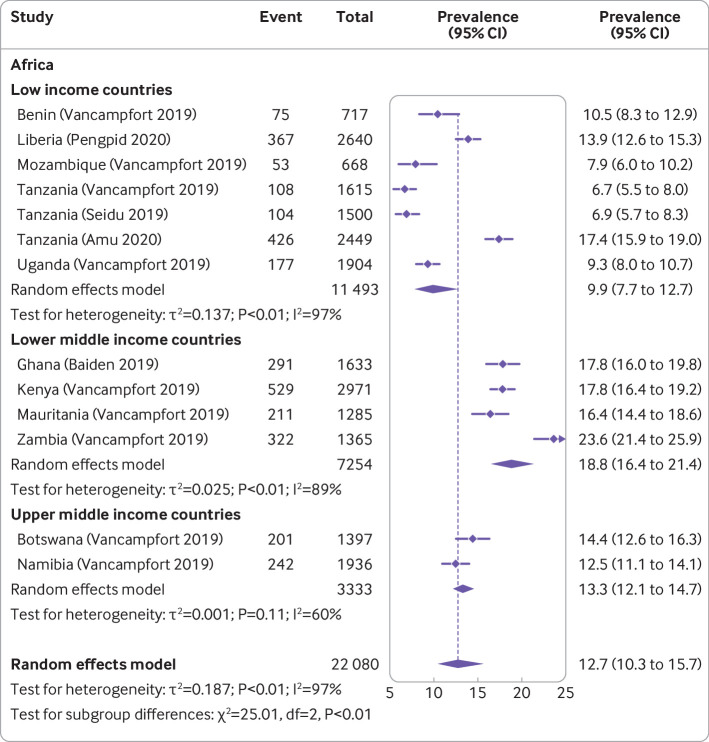
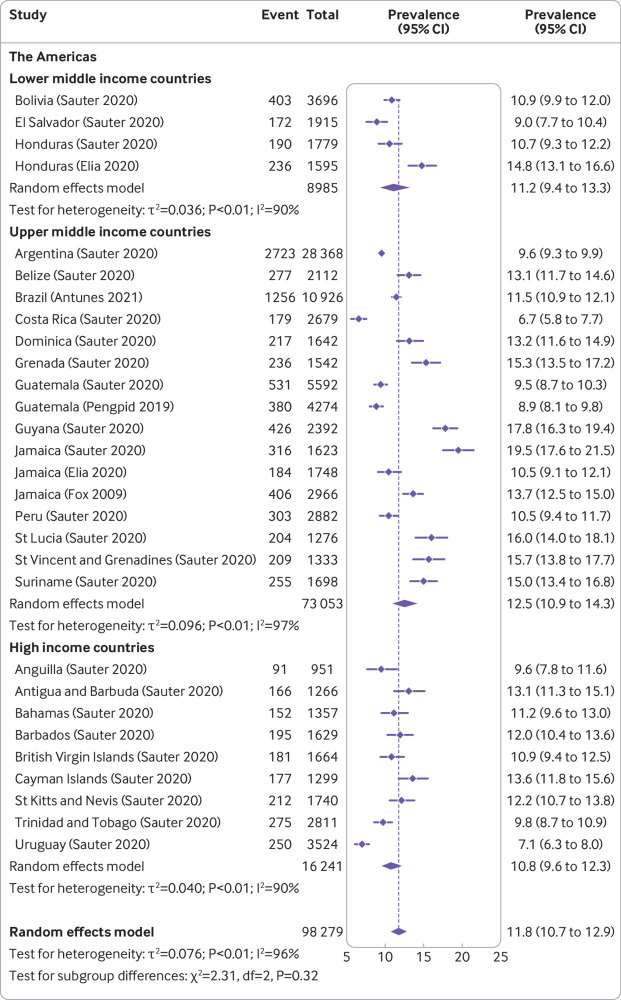
Verification
Claims the paper makes
The claims and statistics of this paper haven’t been checked yet.
Run the check — free, no account needed. It reads the open-access text and checks the sources it cites.
Claims other papers make about this one
Each is checked against this paper’s own text: does it say what the citing paper says it does?
The cited source says what the claim attributes to it.
In the citing paper
“Data based on nationally representative samples within World Health Organization regions pre-COVID-19 suggest that only 9.2% to 14.4% of adolescents experienced loneliness.16”
From A Longitudinal Study of Loneliness Before the End of the COVID-19 Pandemic: Trajectories, Predictors, and Impact on Chinese Adolescent Mental Health (2024) · cites this paper as [16]
Self-check
Percentages, sums and reported differences re-computed from the paper’s own numbers.
The self-check needs the paper’s full text.
Citations
Cites
Preferred Reporting Items for Systematic Reviews and Meta-Analyses: the PRISMA statement
Moher, D., Liberati, A., Tetzlaff, J., Altman, D. G., & for the PRISMA Group (2009) · BMJ · doi:10.1136/bmj.b2535 · Cited by 83,823
Measuring inconsistency in meta-analyses
Higgins, J. P. T., Thompson, S. G., Deeks, J. J., & Altman, D. G. (2003) · BMJ · doi:10.1136/bmj.327.7414.557 · Cited by 63,139
Preferred reporting items for systematic reviews and meta-analyses: the PRISMA Statement.
(2009) · PubMed Central · Cited by 44,859
The need to belong: Desire for interpersonal attachments as a fundamental human motivation.
Baumeister, R. F., & Leary, M. R. (1995) · Psychological Bulletin · doi:10.1037//0033-2909.117.3.497 · Cited by 23,245
The metabolic phenotype in obesity: Fat mass, body fat distribution, and adipose tissue function
Goossens, G. H. (2017) · Obesity Facts · doi:10.1159/000471488 · Cited by 8,481
Lee, I.-M., Shiroma, E. J., Lobelo, F., Puska, P., Blair, S. N., & Katzmarzyk, P. T. (2012) · The Lancet · doi:10.1016/s0140-6736(12)61031-9 · Cited by 8,215
Loneliness and Social Isolation as Risk Factors for Mortality: A Meta-Analytic Review
Holt-Lunstad, J., Smith, T. B., Baker, M., Harris, T., & Stephenson, D. (2015) · Perspectives on Psychological Science · doi:10.1177/1745691614568352 · Cited by 6,043
UCLA loneliness scale (version 3): reliability, validity, and factor structure
Russell, D. W. (1996) · Journal of Personality Assessment · doi:10.1207/s15327752jpa6601_2 · Cited by 5,800
A Short Scale for Measuring Loneliness in Large Surveys: Results From Two Population-Based Studies
Hughes, M. E., Waite, L. J., Hawkley, L. C., & Cacioppo, J. T. (2004) · Research on Aging · doi:10.1177/0164027504268574 · Cited by 4,781
Munn, Z., Moola, S., Lisy, K., Riitano, D., & Tufanaru, C. (2015) · International Journal of Evidence-Based Healthcare · doi:10.1097/xeb.0000000000000054 · Cited by 3,131
Research works printed but not linked: 4
- Peplau LA Perlman D . Perspective on loneliness. Loneliness: A sourcebook of current theory, research and therapy. John Wiley and Sons, 1982: 1-18.
- 10.1037/0033-2909.117.3.497 · DOI · Paper page
- 10.1097/XEB.0000000000000054 · DOI · Paper page
- Russell D . The measurement of loneliness. In: Peplau L Perlman D , eds. Loneliness: A Sourcebook of Current Theory, Research and Theory. John Wiley & Sons, 1982: 81-104.
Cited by
Sorted by citations
Items 101–200 of 819
Chu, B.-L., & Zhang, W. (2022) · BMC Geriatrics · doi:10.1186/s12877-022-03283-1 · Cited by 20
“A recent study systemtatically reviewed 57 studies from 113 countries or territories and reported a 21% to 24% of prevalence of loneliness in older adults, which was approximately 10 times that in young adults [9].”
BackgroundMacNeil, A., Birk, S., Villeneuve, P. J., Jiang, Y., de Groh, M., & Fuller‐Thomson, E. (2022) · International Journal of Environmental Research and Public Health · doi:10.3390/ijerph192215032 · Cited by 18
Grillich, L., Titscher, V., Klingenstein, P., Kostial, E., Emprechtinger, R., Klerings, I., Sommer, I., Nikitin, J., & Laireiter, A. (2023) · European Journal of Public Health · doi:10.1093/eurpub/ckad006 · Cited by 21
Ribeiro, F. S., Crivelli, L., & Leist, A. K. (2023) · The Lancet Healthy Longevity · doi:10.1016/s2666-7568(23)00052-1 · Cited by 19
Schütz, R., & Bilz, L. (2023) · Bundesgesundheitsblatt - Gesundheitsforschung - Gesundheitsschutz · doi:10.1007/s00103-023-03728-x · Cited by 23
“Nicht jede Ausprägung von Einsamkeit ist problematisch [39].”
BackgroundLara, E., Matovic, S., Vasiliadis, H., Grenier, S., Berbiche, D., de la Torre‐Luque, A., & Gouin, J. (2023) · Archives of Gerontology and Geriatrics · doi:10.1016/j.archger.2023.105133 · Cited by 21
Nakajima, C., Tomida, K., Shimoda, T., Kawakami, A., & Shimada, H. (2023) · Archives of Gerontology and Geriatrics · doi:10.1016/j.archger.2023.105216 · Cited by 20
Global Trends and Disparities in Social Isolation
Fuller‐Rowell, T. E., Sultana, S., & Kawachi, I. I. (2025) · JAMA Network Open · doi:10.1001/jamanetworkopen.2025.32008 · Cited by 21
Rennoch, G., Schlomann, A., & Zank, S. (2023) · Research on Aging · doi:10.1177/01640275221150017 · Cited by 20
“This number is comparable to although a bit smaller than the prevalence reported for older adults in Western European countries in other research (see Surkalim et al., 2022).”
ResultPROTOCOL: In-person interventions to reduce social isolation and loneliness: An evidence and gap map
Welch, V. A., Ghogomu, E. T., Dowling, S., Barbeau, V. I., Al-Zubaidi, A. A., Beveridge, E., Bondok, M., Desai, P., Doyle, R., Huang, J., et al. (2023) · Campbell Systematic Reviews · doi:10.1002/cl2.1340 · Cited by 20
Zhou, J., & Fredrickson, B. L. (2023) · Current Opinion in Psychology · doi:10.1016/j.copsyc.2023.101669 · Cited by 25
Sun, J., & Wong, N. C. H. (2024) · Human Behavior and Emerging Technologies · doi:10.1155/2024/5558587 · Cited by 27
Jabbari, J., Roll, S., McQueen, A., & Ridenour, N. A. (2024) · Nursing Open · doi:10.1002/nop2.2125 · Cited by 22
“meta-analysis determined that problematic levels of loneliness were common across 113 countries or territories (Surkalim et al., 2022).”
BackgroundDahlberg, L., von Saenger, I., Naseer, M., Lennartsson, C., & Agahi, N. (2024) · Frontiers in Public Health · doi:10.3389/fpubh.2024.1444990 · Cited by 22
“A systematic review identified four repeated cross-sectional studies reporting multiple comparable prevalence estimates of loneliness (8), of which one study concerned older adults, showing no significant change in the trend between 1992 and 2014 in Sweden (18).”
BackgroundLiu, J., Chen, S., Ho, H. C., Yang, L., & Bao, Z. (2024) · Applied Geography · doi:10.1016/j.apgeog.2024.103397 · Cited by 17
The pandemic of loneliness: designing smart tourism for combating loneliness
Stankov, U., Ulrike Gretzel, B., Vujičić, M. D., Pavluković, V., Jovanović, T. S., Solarević, M., & Cimbaljević, M. (2022) · Information Technology & Tourism · doi:10.1007/s40558-022-00234-9 · Cited by 20
“Various surveys show persistent feelings of loneliness among consumers (Cigna 2018; D’Hombres et al. 2018; Griffin 2010; Surkalim et al. 2022), due to a complex web of psychological (Hawkley and Cacioppo 2010), demographic (Newmyer et al.”
BackgroundLoneliness and Health: An Umbrella Review
Rezaei, N., & Saghazadeh, A. (2022) · Heart and Mind · doi:10.4103/hm.hm_51_22 · Cited by 18
Zhang, J., Sun, X., & Yao, A. (2023) · BMC Psychiatry · doi:10.1186/s12888-023-05225-6 · Cited by 22
“Loneliness is a prevalent and serious mental health issue that deserves attention [9, 10].”
BackgroundSmith, L., López Sánchez, G. F., Pizzol, D., Yon, D. K., Oh, H., Kostev, K., Gawronska, J., Rahmati, M., Butler, L., Barnett, Y., et al. (2024) · Journal of Affective Disorders · doi:10.1016/j.jad.2023.11.032 · Cited by 17
Parlikar, N., Kvaløy, K., Strand, L. B., Espnes, G. A., & Moksnes, U. K. (2023) · BMC Psychiatry · doi:10.1186/s12888-023-05404-5 · Cited by 22
“In a recent meta-analysis of adolescents 12–17 years in 2019 and 2020, the pooled prevalence of adolescent lone-liness ranged from 9.2% in South-East Asia to 14.4% in the Eastern Mediterranean region [18].”
BackgroundInfluentialOrganised loneliness and its discontents
Sagan, O. (2023) · Diversity & Inclusion Research · doi:10.1002/dvr2.12008 · Cited by 19
Lim, M. H., Hennessey, A., Qualter, P., Smith, B. J., Thurston, L., Eres, R., & Holt‐Lunstad, J. (2024) · Social Psychiatry and Psychiatric Epidemiology · doi:10.1007/s00127-024-02740-z · Cited by 24
“Given the prevalence of loneliness and social isolation globally [61], and the strength of clinical and public health evidence about the effects of these conditions [3], this intervention offers a promising approach that is scalable, and low cost, while effective in improving social, psychological,…”
Self-citationKupcewicz, E., Mikla, M., Kadučáková, H., & Grochans, E. (2022) · International Journal of Environmental Research and Public Health · doi:10.3390/ijerph19052929 · Cited by 20
Liu, S., Zeng, Z., Qi, Q., Yang, Q., & Hu, Y. (2024) · Psychology Research and Behavior Management · doi:10.2147/prbm.s460393 · Cited by 21
Engel, L., Rizal, M. F., Clifford, S., Faller, J., Lim, M. H., Le, L. K., Chatterton, M. L., & Mihalopoulos, C. (2025) · PharmacoEconomics · doi:10.1007/s40273-025-01516-w · Cited by 21
“Loneliness research has largely been driven by high-income nations, and the lack of data from low-and f o r eac h A $1 i nv e s t e d 75 % middle-income countries has been recognised as an important equity issue [31].”
Shi, Y., Yang, Y., Wang, L., & Zhang, J. (2023) · Geriatric Nursing · doi:10.1016/j.gerinurse.2023.03.025 · Cited by 16
Surkalim, D. L., Clare, P. J., Eres, R., Gebel, K., Bauman, A. E., & Ding, D. (2023) · The Journals of Gerontology Series B · doi:10.1093/geronb/gbad062 · Cited by 19
“Despite a number of global prevalence studies available, inconsistent measurement tools, study periods, and population samples have made it difficult to identify trends for specific populations over time (Surkalim et al., 2022).”
BackgroundSelf-citationHealth Care Utilization Following Interventions to Improve Social Well-Being
HaGani, N., Surkalim, D. L., Clare, P. J., Merom, D., Smith, B. J., & Ding, D. (2023) · JAMA Network Open · doi:10.1001/jamanetworkopen.2023.21019 · Cited by 17
Self-citationZhao, I. Y., Parial, L. L., Montayre, J., Golub, J. S., Ng, J. H., Sweetow, R. W., Chan, E. A., & Leung, A. Y. M. (2023) · International Journal of Geriatric Psychiatry · doi:10.1002/gps.5982 · Cited by 18
Bishop, G. M., Llewellyn, G. M., Kavanagh, A. M., Badland, H. M., Bailie, J., Stancliffe, R. J., Emerson, E., Fortune, N., & Aitken, Z. (2024) · BMC Public Health · doi:10.1186/s12889-024-17936-w · Cited by 21
“…that the prevalence of loneliness was higher in older adults than in young and middle aged adults; however, the authors of that meta-analysis also noted that the prevalence of loneliness varied considerably across countries and that the age pattern of loneliness may be context specific [4].”
BackgroundResultInfluentialHaGani, N., Clare, P. J., Luo, M., Merom, D., Smith, B. J., & Ding, D. (2024) · Journal of Epidemiology & Community Health · doi:10.1136/jech-2023-221606 · Cited by 17
Self-citationWhat works to reduce loneliness: a rapid systematic review of 101 interventions
Blodgett, J. M., Tiley, K., Harkness, F., & Musella, M. (2025) · Journal of Public Health Policy · doi:10.1057/s41271-025-00561-1 · Cited by 17
“Additionally, many other reviews include 40 studies [14, 68–70], whereas the breadth of our inclusion criteria in terms of study sample, loneliness measure, and intervention type enabled us to increase the number of interventions included ( n = 101) and thus the relevance of findings.”
Has Smartphone Use Influenced Loneliness during the COVID-19 Pandemic in Japan?
Nguyen, T. T. X., Lal, S., Abdul-Salam, S., Yuktadatta, P., McKinnon, L., Khan, M. S. R., & Kadoya, Y. (2022) · International Journal of Environmental Research and Public Health · doi:10.3390/ijerph191710540 · Cited by 15
“The influence of smartphone use on increased risk of loneliness has become a public health concern worldwide [1,2].”
BackgroundLoneliness: Association with individual differences in socioemotional skills
Tella, M. D., Adenzato, M., Castelli, L., & Ghiggia, A. (2022) · Personality and Individual Differences · doi:10.1016/j.paid.2022.111991 · Cited by 19
Broen, T., Choi, Y., Garza, E. Z., Pauly, T., Gerstorf, D., & Hoppmann, C. A. (2023) · Frontiers in Psychology · doi:10.3389/fpsyg.2022.1021863 · Cited by 16
Martin, E., Schoeler, T., Pingault, J., & Barkhuizen, W. (2023) · Psychiatry Research · doi:10.1016/j.psychres.2023.115218 · Cited by 17
“The negative path loadings between the loneliness factor and SUT and DPF in the multivariate model may have arisen because of the reversal paradox (Tu et al., 2008), which can result from multicollinearity.”
BackgroundDoes social media usage ameliorate loneliness in rural youth? A cross sectional pilot study
Gregory, L., Dutton, T., Osuagwu, U. L., & Vines, R. F. (2023) · BMC Psychiatry · doi:10.1186/s12888-023-04849-y · Cited by 19
Youth loneliness in pandemic times: a qualitative study in Quebec and Ontario
de Velde, C. V., Boudreault, S., & Berniard, L. (2023) · International Journal of Adolescence and Youth · doi:10.1080/02673843.2023.2223671 · Cited by 17
“…study is therefore situated in the Canadian context: it is worth noting that, in comparative terms, the pre-pandemic level of loneliness among young adults in Canada was in the low average range of Western countries, while that of adolescents was in the high average range (Surkalim et al., 2022).”
BackgroundYuan, Y., Knight, K. R., Weeks, J., King, S., Olsen, P., & Kushel, M. (2024) · BMC Public Health · doi:10.1186/s12889-024-18052-5 · Cited by 20
“Loneliness is common among older adults; an estimated 3–43% of adults aged 65 years or older reported experiencing loneliness worldwide [2, 3].”
BackgroundLiu, X., Yue, J., & Yang, Y. (2024) · Journal of Youth and Adolescence · doi:10.1007/s10964-024-01959-y · Cited by 15
“%) in the Eastern Mediterranean region, which suggested that adolescents ’ experience of problematic levels of loneliness is a common phenomenon worldwide (Surkalim et al., 2022).”
Misiak, B., Kowalski, K., Bogudzińska, B., Piotrowski, P., Gelner, H., Gawęda, Ł., Grąźlewski, T., & Samochowiec, J. (2024) · Comprehensive Psychiatry · doi:10.1016/j.comppsych.2024.152521 · Cited by 19
Giordano, F., Calaresi, D., Saladino, V., & Verrastro, V. (2025) · Brain Sciences · doi:10.3390/brainsci15010086 · Cited by 19
Loneliness, health and applied psychology
Steptoe, A. (2022) · Applied Psychology Health and Well-Being · doi:10.1111/aphw.12417 · Cited by 18
“These initiatives have built on scientific research that is now moving beyond Western high income countries across the world, a trend that has received additional impetus from the COVID-19 pandemic (Holt-Lunstad, 2022; Kola et al., 2021; Surkalim et al., 2022).”
BackgroundMiao, Y., Jasim, N., Guha, C., Sluiter, A., Owen, K. B., Yudianto, B., Lim, M. H., Smith, B. J., & Manera, K. (2024) · Journal of Adolescence · doi:10.1002/jad.12445 · Cited by 14
Trajectories of loneliness in later life – Evidence from a 10-year English panel study
Gessa, G. D., Bordone, V., & Arpino, B. (2025) · Social Science & Medicine · doi:10.1016/j.socscimed.2025.117703 · Cited by 16
“Moreover, while all age groups experience loneliness, a generally higher prevalence is observed among older adults in most countries (Barreto et al., 2021; Dykstra, 2009; Hawkley et al., 2022; Surkalim et al., 2022).”
Jin, Y., Kieslich, K., Hall, A., & Pitman, A. (2025) · Archives of Suicide Research · doi:10.1080/13811118.2025.2489159 · Cited by 14
“Estimates of the prevalence of loneliness internationally range from 9 to 14% in adolescents, falling to 3–10% in middle age, and rising again to 5–21% in older adults (Surkalim et al., 2022).”
Mills, R., Zullig, K. J., Theeke, L. A., Lander, L. R., Hobbs, G. R., Herczyk, J., & Davis, S. M. (2022) · International Journal of Environmental Research and Public Health · doi:10.3390/ijerph192013481 · Cited by 14
“Although loneliness prevalence varies by country and age group, it is typically highest among adults [16].”
BackgroundPark, E. (2023) · The Journal of Korean Academic Society of Nursing Education · doi:10.5977/jkasne.2023.29.1.98 · Cited by 14
Lee, J., Chang, S. M., Hahm, B., Park, J. E., Seong, S. J., Hong, J. P., Jeon, H. J., An, H., & Kim, B. (2023) · Journal of Korean Medical Science · doi:10.3346/jkms.2023.38.e287 · Cited by 14
Social isolation, loneliness, and the risk of incident type 2 diabetes mellitus by glycemic status
Zhang, Y., Liu, M., Zhou, C., Ye, Z., Zhang, Y., Yang, S., He, P., Gan, X., & Qin, X. (2024) · Diabetes & Metabolism · doi:10.1016/j.diabet.2024.101517 · Cited by 17
Elder Abuse and Depressive Symptoms: The Mediating Role of Loneliness in Older Adults
Giraldo‐Rodríguez, L., Agudelo‐Botero, M., & Rojas-Russell, M. E. (2024) · Archives of Medical Research · doi:10.1016/j.arcmed.2024.103045 · Cited by 20
Björnwall, A., Colombo, P. E., Sydner, Y. M., & Neuman, N. (2024) · BMC Public Health · doi:10.1186/s12889-024-19560-0 · Cited by 21
“Levels of loneliness (as a subjective experience) are relatively low in Sweden compared to other European countries [26–28].”
ResultSedlackova, K. B., Bártová, A., & Holmerová, I. (2024) · Journal of Population Ageing · doi:10.1007/s12062-024-09463-8 · Cited by 15
Understanding the multiple dimensions of ageing: 5Ms for the rheumatologist
Buehring, B., van Onna, M., Myasoedova, E., Lee, J., & Makris, U. E. (2024) · The Lancet Rheumatology · doi:10.1016/s2665-9913(24)00230-3 · Cited by 15
Qian, Z., Li, B., Liao, L., Liao, G., Chen, H., Han, J., Yu, T., Xu, X., Peng, J., & Cai, S. (2023) · Frontiers in Public Health · doi:10.3389/fpubh.2022.1067870 · Cited by 14
Daniel, F., Espírito‐Santo, H., Lemos, L., Guadalupe, S., Barroso, I., Silva, A., & Ferreira, P. L. (2023) · Heliyon · doi:10.1016/j.heliyon.2023.e15948 · Cited by 14
Schmidt, P. (2023) · Topoi · doi:10.1007/s11245-023-09936-z · Cited by 13
“…of proposals regarding loneliness and its many facets, some have stressed the importance of establishing a standardized definition and operationalization of loneliness, as this will facilitate detecting and monitoring the prevalence of loneliness within a specific population (Surkalim et al. 2022).”
Akhter‐Khan, S. C., Aein, N. M. P., Wongfu, C., Prina, M. A., Wai, K. M., Mayston, R., & Suwannaporn, S. (2023) · SSM - Mental Health · doi:10.1016/j.ssmmh.2023.100279 · Cited by 15
The ‘loneliness’ epidemic: a new social determinant of health?
Ng, I. K. (2024) · Internal Medicine Journal · doi:10.1111/imj.16356 · Cited by 16
Huang, R., Gong, R., Deng, Q., & Yang-ming, H. (2024) · Frontiers in Public Health · doi:10.3389/fpubh.2024.1330617 · Cited by 19
Unveiling Coronasomnia: Pandemic Stress and Sleep Problems During the COVID-19 Outbreak
Chen, S., & Cheng, C. (2024) · Nature and Science of Sleep · doi:10.2147/nss.s459945 · Cited by 13
Loneliness, sleep and daily stress: Evidence of direct and indirect effects
O'Connor, D. B., & Rogerson, O. (2024) · Applied Psychology Health and Well-Being · doi:10.1111/aphw.12586 · Cited by 22
Rees, J., Liu, W., Canson, J., Crosby, L., Tinker, A., Probst, F., Sebastien Ourselin, A., Antonelli, M., Molteni, E., Mexia, N., et al. (2024) · International Journal of Qualitative Studies on Health and Well-Being · doi:10.1080/17482631.2024.2398259 · Cited by 13
Forstmann, M., & Sagioglou, C. (2025) · Current Opinion in Psychology · doi:10.1016/j.copsyc.2025.101992 · Cited by 15
Tam, K. W., Zhang, D., Li, Y., Xu, Z., Li, Q., Zhao, Y. W., Niu, L., & Wong, S. Y. S. (2025) · BMC Geriatrics · doi:10.1186/s12877-025-05762-7 · Cited by 16
“Loneliness prevalence among older adults ranges from 5.9 to 43.3% [5].”
InfluentialRemote Communication and Loneliness During the COVID-19 Pandemic: Cross-Sectional Study
Arakawa, Y., Inoue, K., Nishioka, D., Nakagomi, A., Tabuchi, T., & Kondo, N. (2023) · Journal of Medical Internet Research · doi:10.2196/45338 · Cited by 19
“Moreover, the COVID-19 pandemic has exacerbated loneliness worldwide [6,7].”
The health consequences of loneliness
Rokach, A., & Patel, K. (2024) · Environment and Social Psychology · doi:10.54517/esp.v9i6.2150 · Cited by 20
“Surkalim et al. [73] concluded in light of their data, the prevalence of loneliness is highly heterogenous across countries.”
BackgroundInfluentialLevi‐Belz, Y., Blank, C., Groweiss, Y., & Neria, Y. (2024) · Psychiatry Research · doi:10.1016/j.psychres.2024.115996 · Cited by 12
Gyasi, R. M., Aikins, E., Hajek, A., Opoku-Ware, J., Osei, B. A., Kwabena-Adade, J., Jacob, L., Rahmati, M., Dakurah, G., & Peltzer, K. (2024) · The journal of nutrition health & aging · doi:10.1016/j.jnha.2024.100328 · Cited by 12
Owen, K. B., Manera, K., Clare, P. J., Lim, M. H., Smith, B. J., Phongsavan, P., Lubans, D. R., Qualter, P., Eime, R., & Ding, D. (2024) · Journal of Physical Activity and Health · doi:10.1123/jpah.2024-0319 · Cited by 12
Self-citationBevens, W., Stoeckl, S., Schueller, S. M., Kim, J., Cha, B. S., Chwa, C., Stadnick, N., Best, N. C., & Sorkin, D. H. (2024) · Frontiers in Psychology · doi:10.3389/fpsyg.2024.1408837 · Cited by 16
“These data are not used to calculate prevalence however, this suggests significantly increased loneliness in this student population within American universities compared to the general population (Surkalim et al., 2022).”
Fan, Z., Shi, X., Leng, J., Cui, D., & Li, D. (2025) · Psychology Research and Behavior Management · doi:10.2147/prbm.s494430 · Cited by 15
Ali, A. M., Al-Dossary, S. A., Laranjeira, C., Selim, A., Hallit, S., Alkhamees, A. A., Aljubilah, A., Aljaberi, M. A., Alzeiby, E., Pakai, A., et al. (2025) · Frontiers in Psychiatry · doi:10.3389/fpsyt.2025.1526569 · Cited by 9
“Loneliness represents a core public issue worldwide, with a stable prevalence of 15 – 30% in the general population (5, 6).”
InfluentialLoneliness in Older Indian Dyads
Shankar, A., & Kidd, T. (2022) · International Journal of Environmental Research and Public Health · doi:10.3390/ijerph19095302 · Cited by 11
“While loneliness affects individuals of all ages, a substantial body of research has focused on loneliness in later life [4,5].”
BackgroundInfluentialGround Zero in Lifestyle Medicine: Changing Mindsets to Change Behavior
Moore, M. A. (2023) · American Journal of Lifestyle Medicine · doi:10.1177/15598276231166320 · Cited by 13
Tapia‐Muñoz, T., Ajnakina, O., Fancourt, D. E., & Steptoe, A. (2023) · European Journal of Personality · doi:10.1177/08902070231206196 · Cited by 18
“In Western Europe, the average prevalence of loneliness among people 60 years and older was 8.7% (Surkalim et al., 2022).”
InfluentialDeng, H., Kandt, J., Signorelli, V., & Shelton, N. J. (2025) · Landscape and Urban Planning · doi:10.1016/j.landurbplan.2025.105407 · Cited by 12
Zoellner, F., Erhart, M., Schütz, R., Napp, A.-K., Devine, J., Reiss, F., Ravens‐Sieberer, U., & Kaman, A. (2025) · European Child & Adolescent Psychiatry · doi:10.1007/s00787-025-02779-6 · Cited by 16
“The perceived lack of social connections poses a significant threat to both physical and mental health and longevity [12, 27, 48].”
InfluentialChildhood Loneliness and Cognitive Decline and Dementia Risk in Middle-Aged and Older Adults
Wang, J., Jiao, D., Zhao, X., Tian, Y., Li, H., Li, X., Sheng, C., Tao, L., Chen, H., Wu, Z., et al. (2025) · JAMA Network Open · doi:10.1001/jamanetworkopen.2025.31493 · Cited by 12
[Studying loneliness and social support networks among older people: a systematic review in Europe.]
Gallardo-Peralta, L. P., Sánchez-Moreno, E., Rodríguez, V. R., & Martín, M. G. (2023) · PubMed Central · Cited by 11
Koopmans, Y., Nelemans, S. A., Bosmans, G., Noortgate, W. V. D., Leeuwen, K. G. V., & Goossens, L. (2023) · Journal of Youth and Adolescence · doi:10.1007/s10964-023-01822-6 · Cited by 17
“A recent systematic review has estimated the prevalence rates of loneliness in samples of adolescents between 12 and 17 years old to be non-negligible, namely between 9.2% and 14.4% (Surkalim et al., 2022).”
BackgroundInfluentialMarabel-Whitburn, K., Greenwood, C. J., Mansour, K. A., Francis, L. M., Olsson, C. A., & Macdonald, J. A. (2023) · Journal of Social and Personal Relationships · doi:10.1177/02654075231198441 · Cited by 11
“…recent years, governments in many countries have drawn attention to high rates of social isolation and disconnection as a public health risk, particularly impacting mental health (Surkalim et al., 2022); however, we are only now beginning to understand the extent and breadth of the rami fi cations.”
BackgroundLoneliness in sport: A systematic mixed studies review
Jackman, P. C., Hawkins, R. M., Bird, M. D., Williamson, O., Vella, S. A., & Lazuras, L. (2024) · International Review of Sport and Exercise Psychology · doi:10.1080/1750984x.2024.2405507 · Cited by 13
“Given the high prevalence of loneliness internationally (Surkalim et al., 2022) and its threat to public health, the World Health Organization has developed the Commission on Social Connection (2024–2026) to tackle loneliness at a global scale.”
Reinwarth, A. C., Beutel, M. E., Schmidt, P. S., Wild, P. S., Münzel, T. F., König, J., Konstantinides, S., Schattenberg, J. M., Lackner, K. J., Schuster, A. K.-G., et al. (2024) · Psychological Medicine · doi:10.1017/s0033291724001818 · Cited by 15
“The prevalence of loneliness in northern European countries has been estimated by 2.7% for middle aged adults and 5.2% for older adults (Surkalim et al., 2022).”
InfluentialGreen, H., Fernandez, R. S., Moxham, L. J., & MacPhail, C. L. (2022) · BMC Public Health · doi:10.1186/s12889-022-14896-x · Cited by 15
Guo, Y., Cao, X., Yang, H.-T., Zhou, M., & Yu, B. (2023) · Journal of Global Health · doi:10.7189/jogh.13.06008 · Cited by 13
Domènech-Abella, J., Gabarrell-Pascuet, A., García-Mieres, H., Mortier, P., Felez-Nobrega, M., Cristóbal-Narváez, P., Vilagut, G., Olaya, B., Alonso, J., & Haro, J. M. (2023) · Psychiatry Research · doi:10.1016/j.psychres.2023.115327 · Cited by 10
Macchia, L., & Fett, A.-K. J. (2025) · Scientific Reports · doi:10.1038/s41598-025-15151-0 · Cited by 15
“A strength of this study is that it provides data coverage of a global sample including regions of the world that are under researched (e.g. for loneliness see 14 ).”
Social connectedness to ontological well-being: mediating role of loneliness and death anxiety
Ergün, U., & Satıcı, S. A. (2023) · Current Psychology · doi:10.1007/s12144-023-04692-0 · Cited by 10
“Despite its positive association with individualism (Barreto et al., 2021 ), loneliness remains a significant challenge for many people in various countries (Surkalim et al., 2022).”
Wang, B., Peng, X., Liang, B., Fu, L., Shi, T., Li, X., Tian, T., Xiao, X., Wang, Y., Ouyang, L., et al. (2023) · Journal of Affective Disorders · doi:10.1016/j.jad.2023.08.130 · Cited by 10
Bailie, J., Bishop, G. M., Badland, H. M., Emerson, E., Aitken, Z., Stancliffe, R. J., Ekanayake, K., & Llewellyn, G. M. (2023) · BMC Public Health · doi:10.1186/s12889-023-17101-9 · Cited by 10
Dementia Screening in Rural Kenya: The Prevalence and Impact of Screening Positive for Dementia
Musyimi, C., Ndetei, D., Muyela, L. A., Masila, J., & Farina, N. (2024) · Neuroepidemiology · doi:10.1159/000536012 · Cited by 12
“The measure has been used internationally to generate national estimates of loneliness in older adults, albeit not within Africa [18].”
MethodSease, T. B., Sandoz, E. K., Yoke, L., Swets, J. A., & Cox, C. R. (2024) · Behavioral Sciences · doi:10.3390/bs14060439 · Cited by 15
“Research has shown that loneliness is a universally experienced affective state [3–5], with nearly 11% of all people reporting feelings of loneliness at any one time [6,7].”
BackgroundSeo, S., Reilly, S., You, W., Williams, I. C., & Mattos, M. K. (2024) · Geriatric Nursing · doi:10.1016/j.gerinurse.2024.10.036 · Cited by 10
Wong, S. M. Y., Leung, D. K. Y., Liu, T., Ng, Z. L. Y., Wong, G. H. Y., Chan, W. C., & Lum, T. Y. S. (2024) · BMC Psychiatry · doi:10.1186/s12888-024-06281-2 · Cited by 13
“…is in line with the increasing efforts in research and clinical practice targeting the reduction of loneliness and social isolation [39, 63, 64], including the recent World Health Organization initiative on improving social connection as a global health priority [65] and the prioritisation…”
Chhajer, R., Chaudhry, S., & Mishra, A. (2024) · BMC Public Health · doi:10.1186/s12889-024-21185-2 · Cited by 12
Loneliness and social isolation in people with HIV
Blanco, J. R., González-Baeza, A., Buckley, R. D. M., la Torre-Lima, J. D., Smith, J. M., & Olalla, J. (2025) · Current Opinion in HIV and AIDS · doi:10.1097/coh.0000000000000912 · Cited by 11
Terán-Mendoza, O., & Cancino, V. (2025) · Journal of Applied Gerontology · doi:10.1177/07334648251314283 · Cited by 12
“A sense of emptiness or rejection often accompanies this feeling of loneliness and can be explained by individual, sociohistorical, economic, or cultural factors (de Jong Gierveld et al., 2018; Schroyen et al., 2023; Surkalim et al., 2022).”
Hu, W., Li, B., Li, X., Luo, S., Xu, Z., Li, J., Chen, W., & Guo, V. Y. (2025) · European Child & Adolescent Psychiatry · doi:10.1007/s00787-025-02698-6 · Cited by 10
“Loneliness, described as the discrepancy between one’s desired and actual social connections [1], is a widespread concern affecting individuals at all stages of life [2].”
InfluentialEffective interventions to reduce loneliness in big cities
Fischer, R. D., & Hartle, L. (2022) · Current Opinion in Psychiatry · doi:10.1097/yco.0000000000000844 · Cited by 10
Metadata
- Authors
- Surkalim, D. L., Luo, M., Eres, R., Gebel, K., van Buskirk, J., Bauman, A., & Ding, D.
- Affiliations
- The University of Sydney (AU)
- Royal Children's Hospital (AU)
- University of Technology Sydney (AU)
- Sydney School of Public Health, Faculty of Medicine and Health, The University of Sydney, Camperdown, NSW, Australia
- Corresponding author
- Ding, Ding
- ORCID
- Venue
- BMJ
- Publisher
- BMJ
- Published
- 2022-02-09
- Volume
- 376
- Pages
- e067068
- ISSN
- 1756-1833 (ISSN-L)
- PMC
- PMC8826180
- OpenAlex
- W4211106541
- Cited by
- 821
- References
- 87
- Citations by year
- 2026: 220 · 2025: 236 · 2024: 183 · 2023: 138 · 2022: 44
- FWCI
- 20.76
- Type
- journal article
- Language
- en
- Open access
- hybrid
- doi.org
- Licence
- Locations
- BMJ (publishedVersion, cc-by-nc)
- PubMed Central (publishedVersion, cc-by-nc)
- PubMed (publishedVersion)
- RMIT Research Repository (RMIT University Library) (acceptedVersion, other-oa)
- Figshare (submittedVersion, cc-by-nc)
- Minerva Access (University of Melbourne) (submittedVersion, cc-by-nc)
- Topics
- Social Sciences › Health › Health disparities and outcomes
- Health Sciences › Medicine › Psychiatry and Mental health › Mental Health Treatment and Access
- Social Sciences › Psychology › Clinical Psychology › COVID-19 and Mental Health
- Keywords
- loneliness, prevalence of loneliness, cross-national comparison, adolescents, young adults, middle-aged adults, older adults, temporal trends, WHO regions, loneliness and isolation
- MeSH terms
- Demography, Humans, Loneliness, Global Health, Prevalence
About these checks
Registry, retraction, Cites and statistics results are computed, not judged, with one exception: a printed reference that no index lists is read once by a model before it counts as a citation error. Claims are extracted by a model and kept only when their quote appears verbatim in the text; each cited source is then checked, with a model’s help, for whether it says what the claim relies on. Those verdicts can be wrong — read the claim’s quote and the cited source before relying on one.
Statistics and arithmetic are recomputed, not judged.
Confidence bands are shown only for fields calibrated on our annotated test set. None is calibrated yet, so no band is shown.
What counts as a claim ›How we measure confidence ›How we check this ›
Are you an author, or do you see a problem with this page? Request a review
