

The DOI matches its Crossref record; 86 of the 87 references it cites were found in a registry or an index.
The prevalence of loneliness across 113 countries: systematic review and meta-analysis
Open accessAbstract
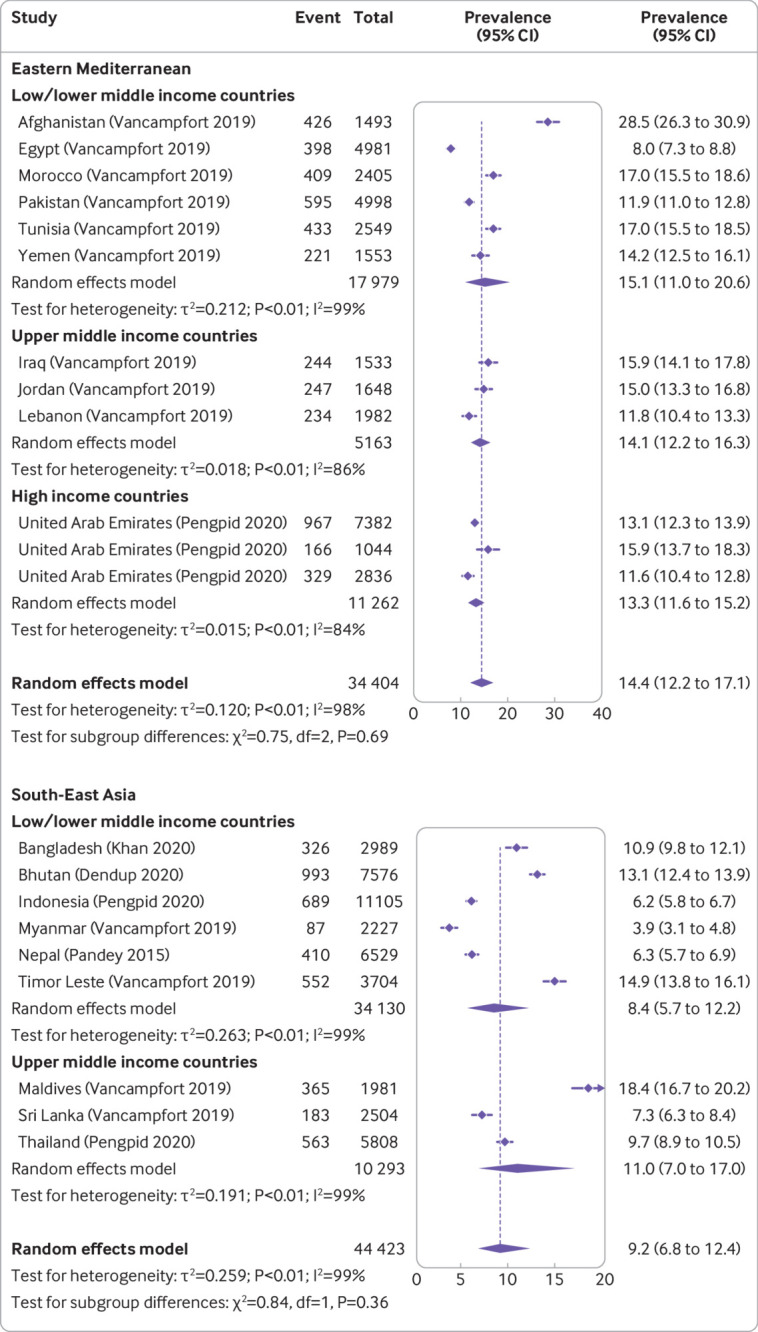
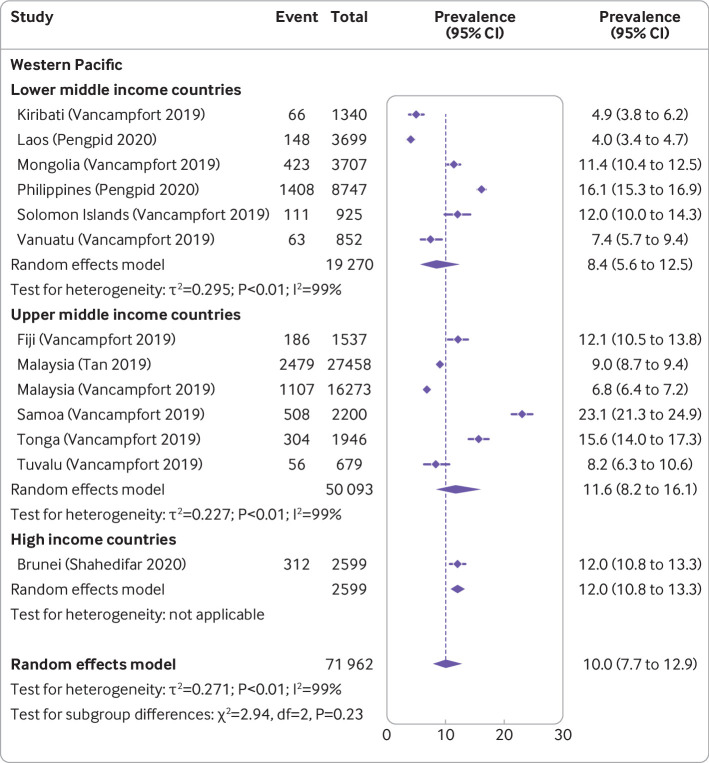
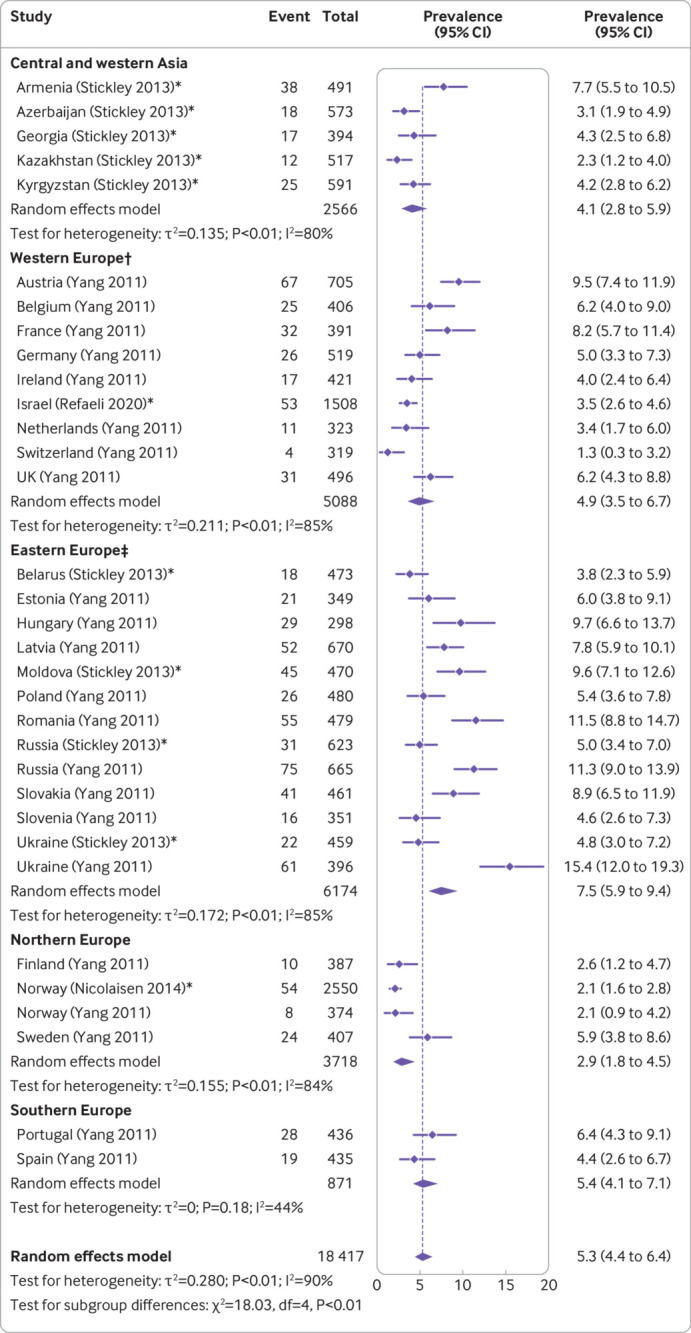
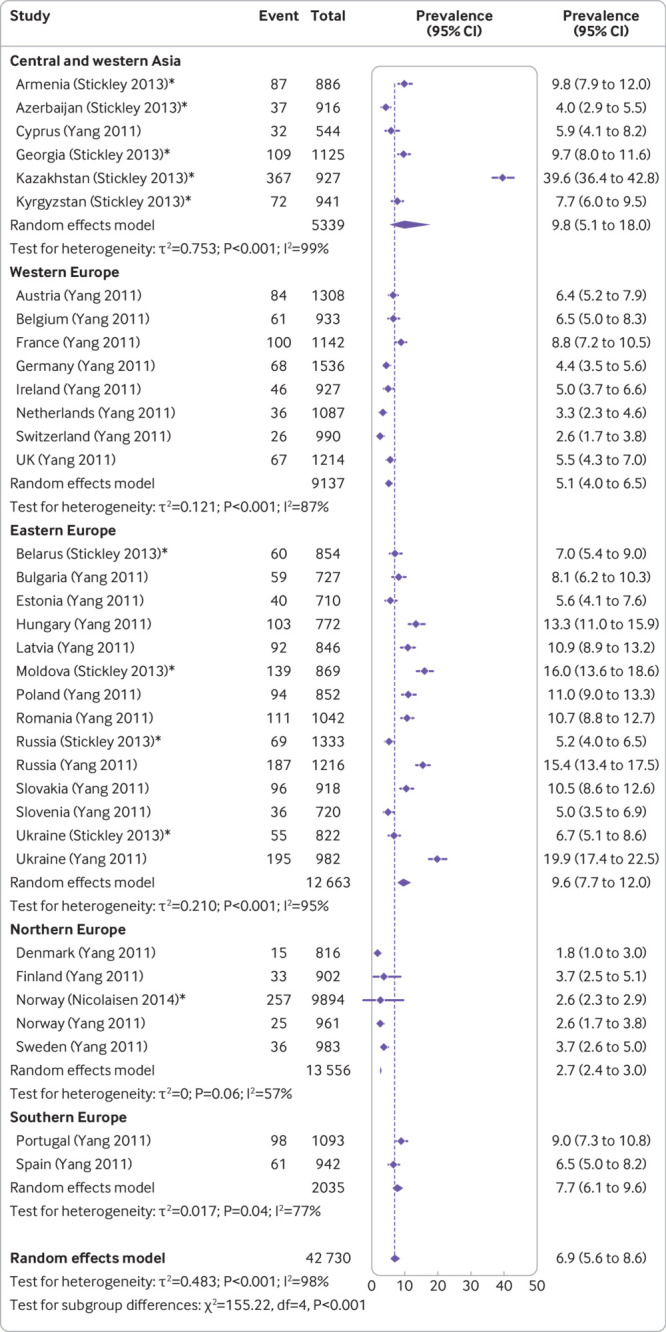
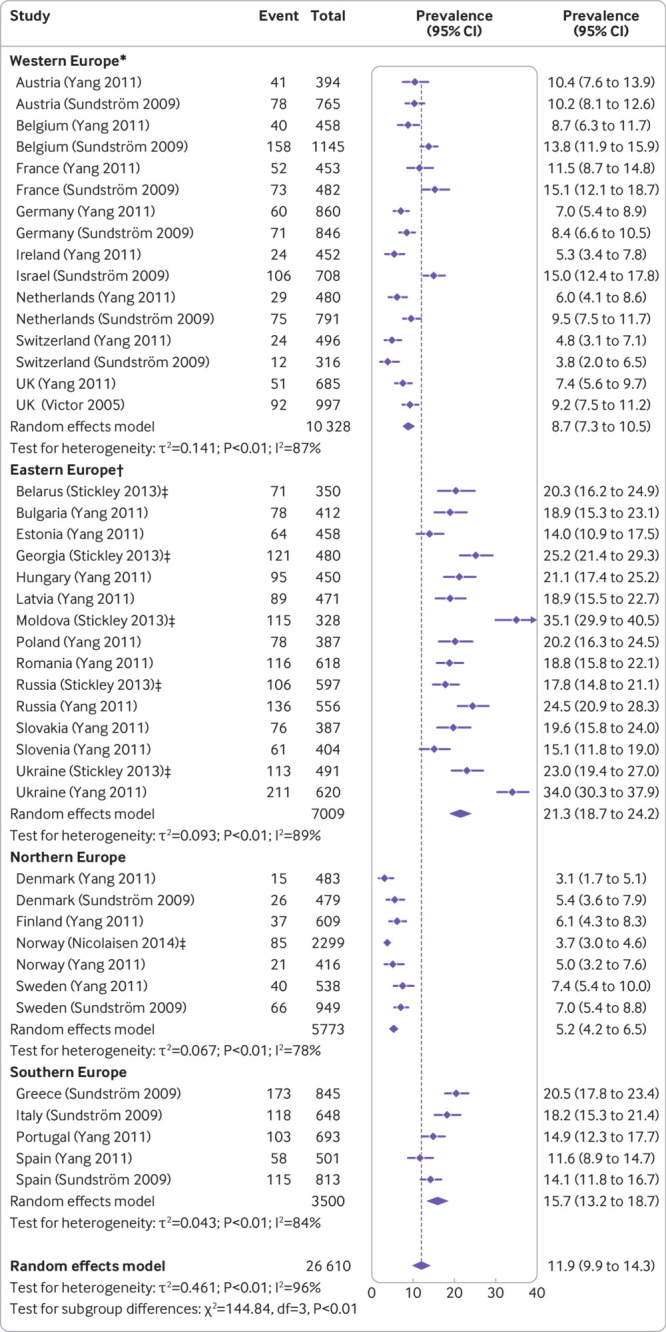
Objectives: To identify data availability, gaps, and patterns for population level prevalence of loneliness globally, to summarise prevalence estimates within World Health Organization regions when feasible through meta-analysis, and to examine temporal trends of loneliness in countries where data exist. Design: Systematic review and meta-analysis. Data sources: Embase, Medline, PsycINFO, and Scopus for peer reviewed literature, and Google Scholar and Open Grey for grey literature, supplemented by backward reference searching (to 1 September 2021) Eligibility criteria for selecting studies: Observational studies based on nationally representative samples (n≥292), validated instruments, and prevalence data for 2000-19. Two researchers independently extracted data and assessed the risk of bias using the Joanna Briggs Institute checklist. Random effects meta-analysis was conducted in the subset of studies with relatively homogeneous research methods by measurement instrument, age group, and WHO region. Results: Prevalence data were available for 113 countries or territories, according to official WHO nomenclature for regions, from 57 studies. Data were available for adolescents (12-17 years) in 77 countries or territories, young adults (18-29 years) in 30 countries, middle aged adults (30-59 years) in 32 countries, and older adults (≥60 years) in 40 countries. Data for all age groups except adolescents were lacking outside of Europe. Overall, 212 estimates for 106 countries from 24 studies were included in meta-analyses. The pooled prevalence of loneliness for adolescents ranged from 9.2% (95% confidence interval 6.8% to 12.4%) in South-East Asia to 14.4% (12.2% to 17.1%) in the Eastern Mediterranean region. For adults, meta-analysis was conducted for the European region only, and a consistent geographical pattern was shown for all adult age groups. The lowest prevalence of loneliness was consistently observed in northern European countries (2.9%, 1.8% to 4.5% for young adults; 2.7%, 2.4% to 3.0% for middle aged adults; and 5.2%, 4.2% to 6.5% for older adults) and the highest in eastern European countries (7.5%, 5.9% to 9.4% for young adults; 9.6%, 7.7% to 12.0% for middle aged adults; and 21.3%, 18.7% to 24.2% for older adults). Conclusion: Problematic levels of loneliness are experienced by a substantial proportion of the population in many countries. The substantial difference in data coverage between high income countries (particularly Europe) and low and middle income countries raised an important equity issue. Evidence on the temporal trends of loneliness is insufficient. The findings of this meta-analysis are limited by data scarcity and methodological heterogeneity. Loneliness should be incorporated into general health surveillance with broader geographical and age coverage, using standardised and validated measurement tools. Systematic review registration: PROSPERO CRD42019131448.
Overview
The claims and statistics of this paper haven’t been checked yet.
Run the check — free, no account needed. It reads the open-access text and checks the sources it cites.
Integrity signals
Registry
Cites
Statistics
Figures
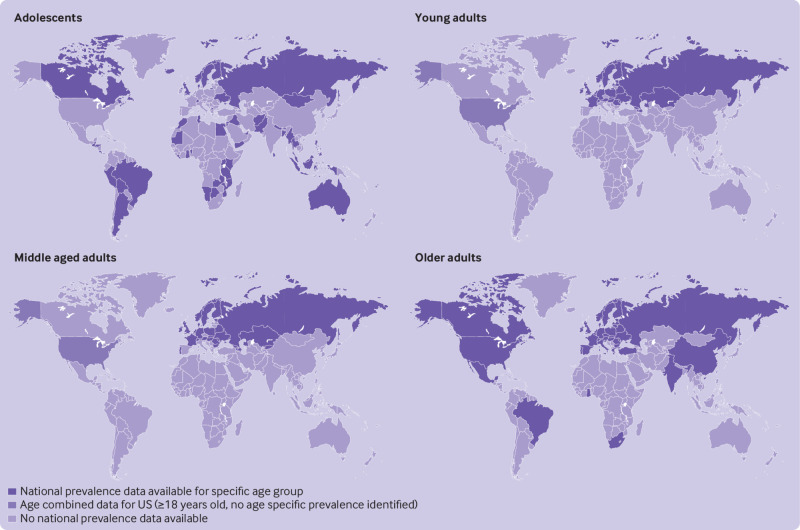
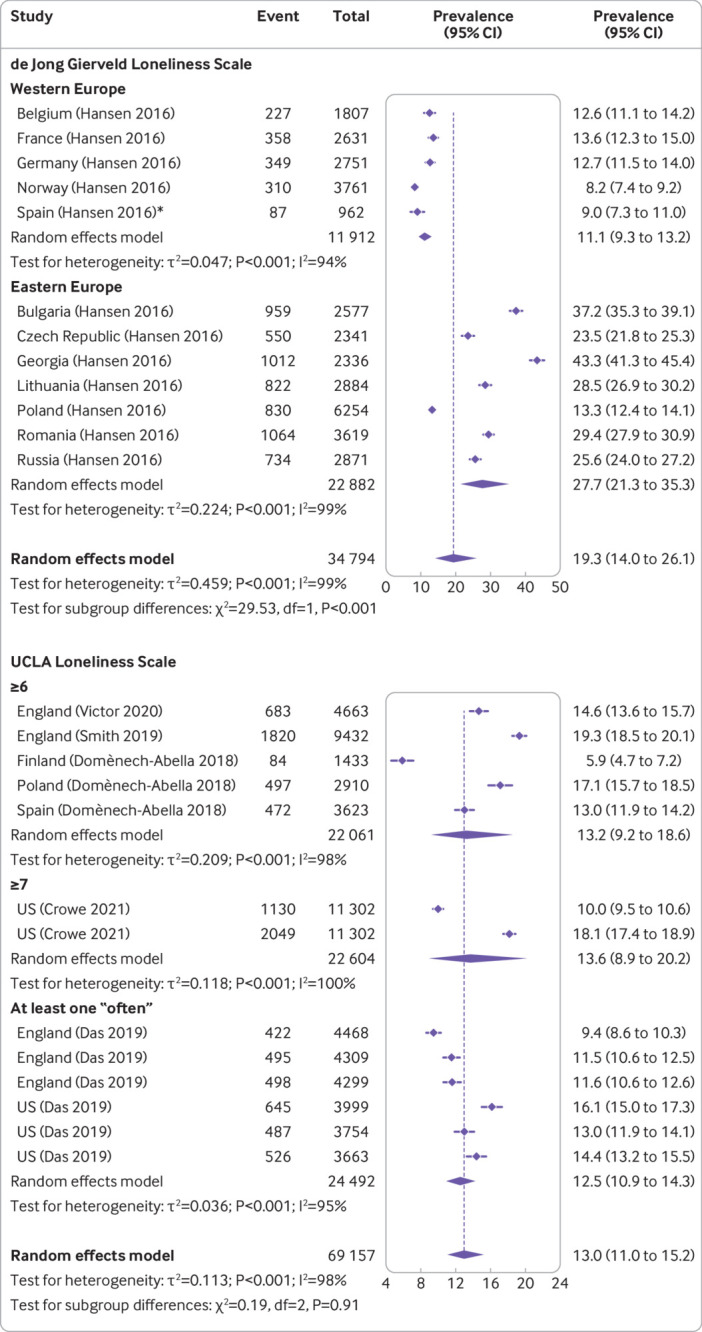
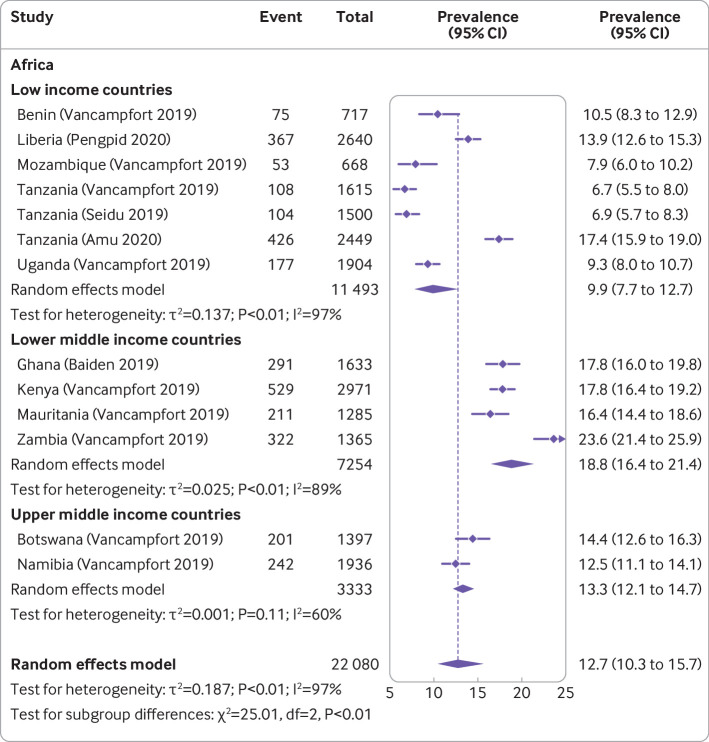
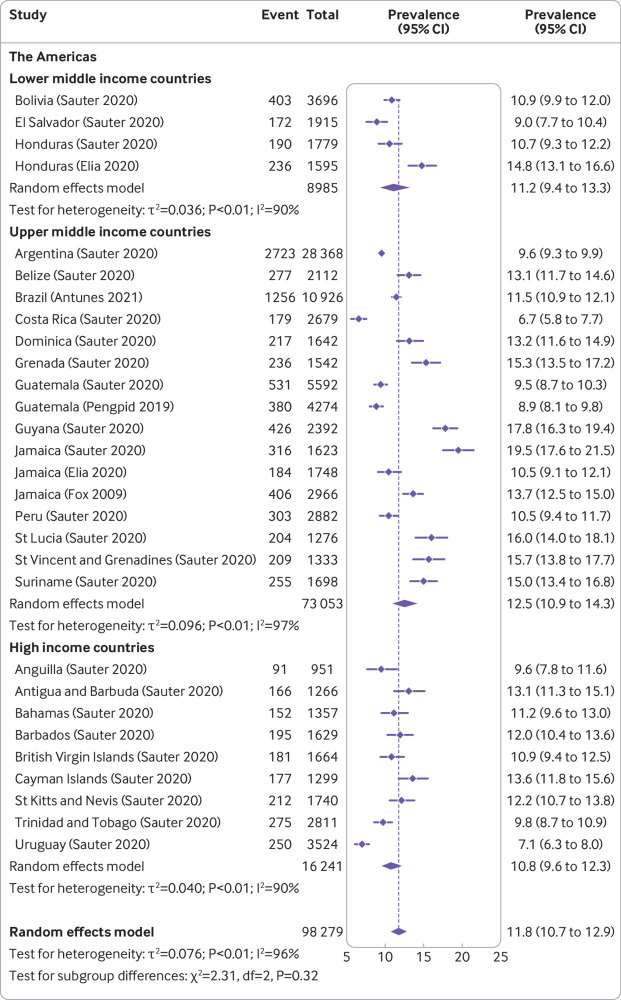
Verification
Claims the paper makes
The claims and statistics of this paper haven’t been checked yet.
Run the check — free, no account needed. It reads the open-access text and checks the sources it cites.
Claims other papers make about this one
Each is checked against this paper’s own text: does it say what the citing paper says it does?
The cited source says what the claim attributes to it.
In the citing paper
“Data based on nationally representative samples within World Health Organization regions pre-COVID-19 suggest that only 9.2% to 14.4% of adolescents experienced loneliness.16”
From A Longitudinal Study of Loneliness Before the End of the COVID-19 Pandemic: Trajectories, Predictors, and Impact on Chinese Adolescent Mental Health (2024) · cites this paper as [16]
Self-check
Percentages, sums and reported differences re-computed from the paper’s own numbers.
The self-check needs the paper’s full text.
Citations
Cites
Preferred Reporting Items for Systematic Reviews and Meta-Analyses: the PRISMA statement
Moher, D., Liberati, A., Tetzlaff, J., Altman, D. G., & for the PRISMA Group (2009) · BMJ · doi:10.1136/bmj.b2535 · Cited by 83,823
Measuring inconsistency in meta-analyses
Higgins, J. P. T., Thompson, S. G., Deeks, J. J., & Altman, D. G. (2003) · BMJ · doi:10.1136/bmj.327.7414.557 · Cited by 63,139
Preferred reporting items for systematic reviews and meta-analyses: the PRISMA Statement.
(2009) · PubMed Central · Cited by 44,859
The need to belong: Desire for interpersonal attachments as a fundamental human motivation.
Baumeister, R. F., & Leary, M. R. (1995) · Psychological Bulletin · doi:10.1037//0033-2909.117.3.497 · Cited by 23,245
The metabolic phenotype in obesity: Fat mass, body fat distribution, and adipose tissue function
Goossens, G. H. (2017) · Obesity Facts · doi:10.1159/000471488 · Cited by 8,481
Lee, I.-M., Shiroma, E. J., Lobelo, F., Puska, P., Blair, S. N., & Katzmarzyk, P. T. (2012) · The Lancet · doi:10.1016/s0140-6736(12)61031-9 · Cited by 8,215
Loneliness and Social Isolation as Risk Factors for Mortality: A Meta-Analytic Review
Holt-Lunstad, J., Smith, T. B., Baker, M., Harris, T., & Stephenson, D. (2015) · Perspectives on Psychological Science · doi:10.1177/1745691614568352 · Cited by 6,043
UCLA loneliness scale (version 3): reliability, validity, and factor structure
Russell, D. W. (1996) · Journal of Personality Assessment · doi:10.1207/s15327752jpa6601_2 · Cited by 5,800
A Short Scale for Measuring Loneliness in Large Surveys: Results From Two Population-Based Studies
Hughes, M. E., Waite, L. J., Hawkley, L. C., & Cacioppo, J. T. (2004) · Research on Aging · doi:10.1177/0164027504268574 · Cited by 4,781
Munn, Z., Moola, S., Lisy, K., Riitano, D., & Tufanaru, C. (2015) · International Journal of Evidence-Based Healthcare · doi:10.1097/xeb.0000000000000054 · Cited by 3,131
Research works printed but not linked: 4
- Peplau LA Perlman D . Perspective on loneliness. Loneliness: A sourcebook of current theory, research and therapy. John Wiley and Sons, 1982: 1-18.
- 10.1037/0033-2909.117.3.497 · DOI · Paper page
- 10.1097/XEB.0000000000000054 · DOI · Paper page
- Russell D . The measurement of loneliness. In: Peplau L Perlman D , eds. Loneliness: A Sourcebook of Current Theory, Research and Theory. John Wiley & Sons, 1982: 81-104.
Cited by
Sorted by citations
Items 401–500 of 819
Zhong, Q., Jiang, Y., Conwell, Y., & Chen, S. (2024) · International Journal of Geriatric Psychiatry · doi:10.1002/gps.70017 · Cited by 6
Highly sensitive persons feel more emotionally lonely than the general population
Mečkovský, F., Novák, L., Meier, Z., Tavel, P., & Maliňáková, K. (2025) · Scientific Reports · doi:10.1038/s41598-025-87138-w · Cited by 3
“…as we know, addressed the area of social isolation and loneliness in HSPs 2,33 , despite the fact that loneliness is currently a worldwide problem 34 with serious health consequences 35 which affects more vulnerable groups 36 , including HSPs. Loneliness is defined as a negative subjective…”
Receiving Employee Attention on the Floor of the Store and Its Effects on Customer Satisfaction
Söderlund, M., & Julander, C. (2025) · Journal of Consumer Behaviour · doi:10.1002/cb.2484 · Cited by 3
Puntil, D., Dias, G. P., Kralj, C., Deplessis, C., Rylance-Watson, E., Ka, C. M. H., & Zunszain, P. A. (2022) · Student Success · doi:10.5204/ssj.2481 · Cited by 3
Morita, A., Takahashi, Y., & Fujiwara, T. (2022) · International Journal of Environmental Research and Public Health · doi:10.3390/ijerph19084574 · Cited by 3
“The number of older adults living in single-person households has been increasing, and one in every four Japanese seniors lack confidants other than their families [4,20].”
BackgroundFor better or for worse: when chatbots influence human emotions and behaviours
Moons, P. (2023) · European Journal of Cardiovascular Nursing · doi:10.1093/eurjcn/zvad098 · Cited by 3
Hernandis, S. P., Loro, M., & Gutiérrez, D. (2024) · Revista de Gestão Social e Ambiental · doi:10.24857/rgsa.v18n1-199 · Cited by 2
“Cada persona experimenta un proceso individualizado y único de soledad, dependiendo del contexto biopsicosocial (Pinazo-Hernandis y Donio-Bellegarde, 2018; Surkalim et al, 2022; Sandu et al, 2021).”
BackgroundPandey, T. (2024) · Advances in healthcare information systems and administration book series · doi:10.4018/979-8-3693-8552-4.ch009 · Cited by 3
Citizen science to approach machine learning to society: Detecting loneliness in older adults
Castillo-Hornero, A., Belmonte, Ó., Gascó-Compte, A., Miedes, A. C., López, A., & Afxentiou, A. (2024) · Digital Health · doi:10.1177/20552076241292809 · Cited by 2
“19 In light of these data, there is an urge to raise awareness of the prevalence of loneliness among health care professionals, policymakers, and the general public, 13 as well as to implement strategies that improve its detection on the general population and older adults in particular.”
BackgroundDigital Detox Among Adolescents at Summer Camp
Reed, J., & Gies, A. (2025) · Journal of Christian nursing : a quarterly publication of Nurses Christian Fellowship · doi:10.1097/cnj.0000000000001280 · Cited by 3
Tobore, T. O. (2025) · Communicative & Integrative Biology · doi:10.1080/19420889.2025.2484526 · Cited by 3
“Also, loneliness, a common feature of modern societies [63] is linked with meaning issues [64] and may be contributing to the increased vulnerability to meaning crisis [25].”
Heu, L. C. (2025) · Current Opinion in Behavioral Sciences · doi:10.1016/j.cobeha.2025.101508 · Cited by 2
Rochau, U., Papon, V., Stojkov, I., Kühne, F., Arvandi, M., Conrads‐Frank, A., Schmid, D., Jahn, B., Santamaria, J., Suzumura, É. A., et al. (2025) · Health & Social Care in the Community · doi:10.1155/hsc/6115206 · Cited by 3
Loneliness and depression among men in Poland: cross-sectional study
Dziedzic, B., Kobos, E., Przylepa, K., & Idzik, A. (2025) · Frontiers in Public Health · doi:10.3389/fpubh.2025.1539822 · Cited by 3
Psychometric analysis of the social connectedness instrument
Kelley, B. M., Fraser, B., Wells, A., & Ferdock, M. (2025) · Frontiers in Psychology · doi:10.3389/fpsyg.2025.1565267 · Cited by 4
Zhao, J., & Or, C. (2025) · Proceedings of the Human Factors and Ergonomics Society Annual Meeting · doi:10.1177/10711813251359993 · Cited by 1
“Epidemiological studies show that 24% of individuals worldwide report experiencing loneliness or social isolation (Leigh-Hunt et al., 2017; Surkalim et al., 2022).”
Rabkin, S. W., & Simces, Z. (2025) · Heart and Mind · doi:10.4103/hm.hm-d-25-00017 · Cited by 2
Cognitive Distortions Associated with Loneliness: An Exploratory Study
Floyd, K., Ray, C. D., & Boumis, J. K. (2025) · Behavioral Sciences · doi:10.3390/bs15081061 · Cited by 5
Che, S. L., Wong, K. K., & Chao, K. K. (2025) · Scientific Reports · doi:10.1038/s41598-025-13909-0 · Cited by 2
Yang, L., Yang, R., Liu, T., Wang, J., Wang, B., Zhao, F., Zhang, Y., Zhang, P., & Zhang, H. (2025) · Frontiers in Aging Neuroscience · doi:10.3389/fnagi.2025.1574095 · Cited by 3
“A meta-analysis found that elderly people in Central and Eastern Europe have a higher prevalence of loneliness (Surkalim et al., 2022).”
Are recessions bad for loneliness?
Kunz, J., Trinh, T., Berk, M., Earnest, A., Engel, L., Hamilton, M. P., Hayes, L., Le, L. K., Lim, M. H., Rizal, F., et al. (2025) · Social Science & Medicine · doi:10.1016/j.socscimed.2025.118500 · Cited by 2
Zara, S., Kruse, J., Brähler, E., Ernst, M., Fegert, J. M., Lampe, A., Nolte, T., Rassenhofer, M., Riedl, D., & Kampling, H. (2025) · Journal of Psychosomatic Research · doi:10.1016/j.jpsychores.2025.112390 · Cited by 2
Chen, Y., Case, B. W., Long, K. N. G., Woodberry, R. D., Kim, E. S., Padgett, R. N., Johnson, B. R., & VanderWeele, T. J. (2025) · Scientific Reports · doi:10.1038/s41598-025-24020-9 · Cited by 2
Alzain, M. A., Shukri, A. K., Qahti, A. A., Al-Ali, A., Algethami, M. R., & Alshahrani, N. Z. (2025) · Brain and Behavior · doi:10.1002/brb3.71137 · Cited by 2
Xu, H., Zhou, J., Du, Y., Zhang, J., & Mao, Y. (2026) · International Journal of Sport and Exercise Psychology · doi:10.1080/1612197x.2025.2611832 · Cited by 2
Hansen, M. S. S., Lykkegaard, J., Möller, S., Kjær, N. K., & Ahrenfeldt, L. J. (2026) · Aging & Mental Health · doi:10.1080/13607863.2025.2553329 · Cited by 2
“Global estimates across 113 countries suggest that between 9 and 14% of people experience loneliness (Surkalim et al., 2022).”
Xu, C. (2026) · Research on Aging · doi:10.1177/01640275261427305 · Cited by 2
Culture matters? Family norms, living arrangements, and loneliness in China
Cai, S., Li, W., & Wang, J. (2026) · SSM - Population Health · doi:10.1016/j.ssmph.2026.101906 · Cited by 2
Koubaa, N., Levasseur, M., Aubertin‐Leheudre, M., Verchère, C., Corbin, C., & Boissy, P. (2026) · Frontiers in Public Health · doi:10.3389/fpubh.2026.1777557 · Cited by 2
“Physical vulnerability, mostly known by frailty, and social vulnerability in older adults are becoming an increasing worldwide issue (55, 56).”
Deek, H., & Kavuran, E. (2026) · Nursing Forum · doi:10.1155/nuf/5566585 · Cited by 2
Liu, J., Tian, G., Xu, J., Shi, Q., Zhang, T., Zhang, H., Chen, F., He, J., Deng, F., Wu, Q., et al. (2023) · Journal of Public Health · doi:10.1007/s10389-022-01810-3 · Cited by 2
“And it is prevalent among older people, 5.2% in Nordic countries and 21.3% in Eastern European countries (Surkalim et al. 2022).”
InfluentialSoledad no deseada y salud. Una revisión crítica desde el Trabajo Social
Alba, M. A. (2023) · Cuadernos de Trabajo Social · doi:10.5209/cuts.82228 · Cited by 8
Protective roles of empathy and compassion against loneliness early in the SARS-CoV-2 pandemic
Karnaze, M. M., & Bloss, C. S. (2023) · Current Research in Behavioral Sciences · doi:10.1016/j.crbeha.2023.100130 · Cited by 2
Lind, A. N. R., Jakobsen, S. K. M., Klenø, A. S., & Pedersen, A. B. (2023) · The Surgeon · doi:10.1016/j.surge.2023.07.007 · Cited by 2
Fear of Positive Evaluation and Loneliness: Mediating Role of Social Anxiety and Suppression
Akkuş, K. (2023) · Psychological Reports · doi:10.1177/00332941231197154 · Cited by 5
“Epidemiogical studies have indicated that loneliness is a commonly observed problem but varies by country and age group (Chawla et al., 2021; Surkalim et al., 2022) and is associated with many psychological problems, such as depression (Cacioppo et al., 2010), anxiety (Beutel et al., 2017),…”
Shah, H. A., & Househ, M. S. (2023) · BMJ Health & Care Informatics · doi:10.1136/bmjhci-2022-100728 · Cited by 4
“Similarly, Abd-Alrazaq et al 13 found that patients have overall feeling of satisfaction with the use of chatbot through a systematic review.”
BackgroundDoes the Easing of COVID-19 Restrictive Measures Improve Loneliness Conditions? Evidence from Japan
Nabeshima, H., Kuramoto, Y., Khan, M. S. R., & Kadoya, Y. (2023) · Sustainability · doi:10.3390/su152416891 · Cited by 2
SOLEDAD Y FRAGILIDAD EN PERSONAS MAYORES QUE VIVEN EN COMUNIDAD: UNA REVISIÓN INTEGRATIVA
Díaz, B. C., & Araya, A.-X. (2023) · Horizonte de enfermeria · doi:10.7764/horiz_enferm.num.esp.332-348 · Cited by 2
Hospitalization, Surgery and loneliness
Karishma, P., & Rokach, A. (2024) · Archives of Psychiatry and Mental Health · doi:10.29328/journal.apmh.1001049 · Cited by 2
Mapping loneliness through comparative analysis of USA and India using social intelligence analysis
Shah, H. A., & Househ, M. S. (2024) · BMC Public Health · doi:10.1186/s12889-023-17630-3 · Cited by 5
“Surkalim et al., carried out a study of the prevalence of loneliness in 113 countries to identify data availability, gaps, and patterns for population level existence of loneliness [11].”
BackgroundCarin-Levy, G., Elliot, M. L., & Sagan, O. (2024) · Journal of Psychosocial Studies · doi:10.1332/14786737y2024d000000013 · Cited by 2
Social isolation: relationship with cardiovascular diseases
Lobov, G. I. (2024) · Успехи физиологических наук · doi:10.31857/s0301179824010045 · Cited by 3
Behavioral self-regulation development in at-risk families: the role of family resources
Rodcharoen, P., Neuhauser, A., Kalkusch, I., Schaub, S., Lanfranchi, A., Klaver, P., & Oeri, N. (2024) · Early Child Development and Care · doi:10.1080/03004430.2024.2404001 · Cited by 3
“Social connectedness outside the family was found to vary signi fi - cantly between European countries, arguably due to di ff erences in welfare systems (Surkalim et al., 2022; Yoon, Maguire-Jack, Ploss, Benavidez, & Chang, 2023).”
Loneliness and low fruit and vegetable consumption among adults in Japan
Stickley, A., Shirama, A., & Sumiyoshi, T. (2024) · Frontiers in Public Health · doi:10.3389/fpubh.2024.1365628 · Cited by 2
Clinical and lifestyle predictors of loneliness: A two-year longitudinal study
Salgado, T. A., Montezano, B. B., Roza, T. H., Bouvier, V. D. A., Zimerman, A., Noronha, L. T., Marcon, G., Hoffmann, M. S., Brunoni, A. R., & Passos, I. C. (2024) · Journal of Psychiatric Research · doi:10.1016/j.jpsychires.2024.11.025 · Cited by 5
Understanding loneliness and its correlates among people with spinal cord injury
Robinson‐Whelen, S., Hughes, R. B., Taylor, H. B., Holmes, S. A., Rodriguez, J., Staggers, K. A., & Minard, C. G. (2024) · Disability and Rehabilitation · doi:10.1080/09638288.2024.2428822 · Cited by 2
“…as a priority in all countries. systematic reviews and meta-analyses have (a) documented the prevalence of loneliness in multiple countries [6], (b) linked loneliness with a 30% higher risk of premature mortality, an effect comparable to obesity, smoking, and other well-established risk…”
MacNeil, A., Taunque, A., Leo, S., Li, G., de Groh, M., Jiang, Y., & Fuller‐Thomson, E. (2024) · Journal of Pain Research · doi:10.2147/jpr.s469798 · Cited by 2
Marcelino, K. G. S., Braga, L. D. S., Lima‐Costa, M. F., & Torres, J. L. (2024) · Revista Brasileira de Epidemiologia · doi:10.1590/1980-549720240054 · Cited by 9
“Furthermore, loneliness is regarded as an epidemic 7 , with a prevalence of 13.2% (95% confidence interval — 95%CI 9.2–18.6) among individuals aged 60 years or old - er, according to data from a meta-analysis 8 .”
InfluentialLoneliness and Health Status Among Omani Older Adults
Yazeedi, S. A., & Shin, C. (2024) · Journal of Gerontological Nursing · doi:10.3928/00989134-20241122-01 · Cited by 2
Gabarrell‐Pascuet, A., Coll‐Planas, L., Alias, S. B., Pascual, R. M., Haro, J. M., & Domènech‐Abella, J. (2024) · PLoS ONE · doi:10.1371/journal.pone.0311883 · Cited by 6
Dewari, A. S., Chakrabarti, D., Goswami, V., & Chandel, S. (2024) · Journal of Human Behavior in the Social Environment · doi:10.1080/10911359.2024.2447855 · Cited by 2
“For example, a meta-analysis conducted across 113 countries highlighted significant loneliness among older adults, particularly in countries experiencing rapid demographic changes (Surkalim et al., 2022).”
Padmanabhanunni, A., & Pretorius, T. B. (2025) · Frontiers in Psychiatry · doi:10.3389/fpsyt.2024.1466173 · Cited by 2
Psychometric analysis of the three item loneliness scale in the Czech Republic
Meier, Z., Novák, L., Helvich, J., Licka, P., & Tavel, P. (2025) · BMC Psychology · doi:10.1186/s40359-024-02204-8 · Cited by 2
Hu, Z., Tang, L., & Zhan, Y. (2025) · Public Health · doi:10.1016/j.puhe.2024.12.048 · Cited by 2
Nagi, S., Kempe, S., Barriault, S., Masri, L. M., Dyyat, S., Muhl, C., Bennett, S., & Racine, N. M. (2025) · BMC Public Health · doi:10.1186/s12889-025-21847-9 · Cited by 6
“On the contrary, poor social relationships in childhood and early adolescence have been associated with substance abuse, depression, and anxiety in early adulthood [30], as well as perceived social isolation and loneliness [28].”
Duan, X., Wei, Y., Ge, Y., Bo, Y., Wang, X., & Zhu, Y. (2025) · Journal of Epidemiology & Community Health · doi:10.1136/jech-2024-222775 · Cited by 2
Gizdić, A., & Kopilaš, V. (2025) · BMC Psychology · doi:10.1186/s40359-025-02649-5 · Cited by 3
“However, measuring loneliness remains a persistent challenge in research, as studies have high-lighted difficulties in comparing prevalence estimates due to inconsistencies in survey tools and definitions Surkalim et al. [13].”
Liu, Z., Werneck, A. O., Herold, F., Lowe, C. J., Hallgren, M. Å., Cheval, B., Tari, B., Stubbs, B., Gerber, M., Falck, R. S., et al. (2025) · Journal of Affective Disorders · doi:10.1016/j.jad.2025.119737 · Cited by 2
Cho, H., Lee, J. Y., Heo, J., Kang, D., & Cho, J. (2025) · BMJ Open · doi:10.1136/bmjopen-2024-088590 · Cited by 3
Tan, S., Li, F., Zhou, J., Lin, Q., & Liu, Q. (2025) · Annals of Medicine · doi:10.1080/07853890.2025.2536207 · Cited by 2
“Similarly, divorced or unmarried individuals may experience greater social isolation, lack emotional support, and face financial pressures, all of which could worsen their mental and physical health, increasing their risk of disease and mortality [29–31].”
Multiple crisis, new responses: A new phase of modernity
Dọmingues, J. M. (2025) · International Sociology · doi:10.1177/02685809251351281 · Cited by 2
“…sanitary emergency – entailing a traumatic experience and much insecurity (Grimson, 2024) –, research has identified intense feelings of helplessness among the youth and a ‘loneliness epidemic’ steeply climbing across generations (Lim et al., 2023; Neu et al., 2023; Surkalim and et al, 2022).”
HIV, Social Networks, and Loneliness among Older Adults in Uganda
Quach, L., Ritchie, C. S., Reynolds, Z., Paul, R. H., Seeley, J., Tong, Y., Hoeppner, S. S., Okello, S., Nakasujja, N., Olivieri‐Mui, B. L., et al. (2024) · AIDS and Behavior · doi:10.1007/s10461-023-04258-y · Cited by 2
Parlikar, N., Kvaløy, K., Strand, L. B., Espnes, G. A., & Moksnes, U. K. (2023) · Research Square · doi:10.21203/rs.3.rs-3369479/v1 · Cited by 2
Loneliness in Individuals with Disabilities
Lippke, S., & Pappa, D. (2025) · Springer eBooks · doi:10.1007/978-3-031-40858-8_262-1 · Cited by 3
Jee, H. (2023) · Journal of Exercise Rehabilitation · doi:10.12965/jer.2346352.176 · Cited by 2
“According to Surkalim et al. (2022), loneliness prevalence based on single item measures in adolescents age ranging from 12 to 17 showed the pooled prevalence of loneliness of 9.2% (95% confidence interval, 6.8% to 12.4”
BackgroundInfluentialGallardo-Peralta, L. P., Sánchez-Moreno, E., Rodríguez, V. R., Higuera, A. S., Tereucán-Angulo, J., & Valencia‐Gálvez, L. (2023) · Revista médica de Chile · doi:10.4067/s0034-98872023000801010 · Cited by 1
Marcelino, K. G. S., Braga, L. D. S., Lima‐Costa, M. F., & Torres, J. L. (2024) · Revista Brasileira de Epidemiologia · doi:10.1590/1980-549720240054.2 · Cited by 1
Schenk, M., Baldofski, S., Hall, F., Urbansky, T., Strauß, M., Kohls, E., & Rummel‐Kluge, C. (2024) · Social Psychiatry and Psychiatric Epidemiology · doi:10.1007/s00127-024-02808-w · Cited by 3
Torres, J. L., Vaz, C. T., Moreira, B. D. S., Braga, L. D. S., Aliberti, M. J. R., Bertola, L., Suemoto, C. K., Lima-Costa, M. F., & de Oliveira, C. M. (2025) · Aging & Mental Health · doi:10.1080/13607863.2025.2471387 · Cited by 1
Vacca, M., Zagaria, A., Fiori, V., Lombardo, C., & Ballesio, A. (2025) · Behavioral Sleep Medicine · doi:10.1080/15402002.2025.2498364 · Cited by 1
“Despite the primary developmental task of adolescence is the establishment of intimate bonds (Buhrmester, 1990), systematic evidence asserts that loneliness is prevalent during this period (Surkalim et al., 2022).”
Ho, K. H. M., Chan, H. M., Cheung, D. S. K., Chan, W. C. H., McQuillan, P., Yu, M., Malik, G., Wong, C. L., & Liu, C. (2025) · Systematic Reviews · doi:10.1186/s13643-025-02843-x · Cited by 2
“A systematic review and meta-analysis involving studies from 113 countries showed that 5.25 to 24.20% of older adults suffered severe loneliness [6], which was much higher than depression (~ 7”
InfluentialOdacı, H., Akdeniz, B., & Türkkan, T. (2025) · The Family Journal · doi:10.1177/10664807251343899 · Cited by 1
Chen, L.-C., Hsu, J.-W., Bai, Y.-M., Tsai, S.-J., & Chen, M. (2025) · Research in Developmental Disabilities · doi:10.1016/j.ridd.2025.105046 · Cited by 1
Munira, L., & Herman, B. Z. (2025) · Asian Journal of Social Health and Behavior · doi:10.4103/shb.shb_370_24 · Cited by 1
Positive social relations, loneliness, and immune system gene regulation
Lee, S., Chey, J., Choi, I., Youm, Y., & Cole, S. W. (2025) · Annals of the New York Academy of Sciences · doi:10.1111/nyas.15372 · Cited by 1
“12 Given its substantial prevalence (e.g., approximately 20%–30% of older adults worldwide experience loneliness 13 ), social disconnectionemergesasasignificantpublichealthissuethatnecessi-tates”
Chao, S., Hsu, H., Yen, C.-L., & Chen, B.-Y. (2025) · BMC Geriatrics · doi:10.1186/s12877-025-06088-0 · Cited by 2
“The prevalence of loneliness in the older population shows varies depending on regions, measurement meth-ods, and sample characteristics, ranging from below 6% to over 40% [1].”
InfluentialJiaqing, O., & Liang, J. (2025) · Current Pollution Reports · doi:10.1007/s40726-025-00358-6 · Cited by 1
“On the contrary, a significant number of people are living on their own (or with just a few others) in the modern context around the world [75], with a considerable number of them having reported persistent or intense issues with loneliness in general [76].”
Salari, N., Sadeghi, A. H., Abdolmaleki, A., Zarei, H., Babajani, F., Shohaimi, S., & Mohammadi, M. (2025) · The Journal of Genetic Psychology · doi:10.1080/00221325.2025.2513342 · Cited by 2
Loneliness and suicidal behaviour in military veterans
Sher, L. (2025) · International Journal of Psychiatry in Clinical Practice · doi:10.1080/13651501.2025.2523291 · Cited by 1
“Loneliness is a major social and public health problem around the world (Cacioppo et al., 2015; office of the U.S. Surgeon General, 2023; Surkalim et al., 2022).”
InfluentialVarona, M. N., Muela, A., González‐Cabrera, J. M., Houghton, S. J., & Machimbarrena, J. M. (2025) · Behaviour and Information Technology · doi:10.1080/0144929x.2025.2546981 · Cited by 1
“A recent systematic review revealed a considerable portion of the global population experiences levels of loneliness that can be considered problematic (Surkalim et al. 2022).”
Klosterhalfen, S., Hansen, J., & Hanewinkel, R. (2025) · Tobacco Use Insights · doi:10.1177/1179173x251372794 · Cited by 1
Determinants of loneliness among Brazilian college students: Structure and correlates
Neto, F. F. M., Oliveira, E. N., & Neto, J. (2025) · Journal of Affective Disorders · doi:10.1016/j.jad.2025.120289 · Cited by 1
Exposure to nature scenes mitigates the adverse effects of adolescents’ social ostracism
Moll, A., Collado, S., Ratcliffe, E., Sorrel, M. Á., & Corraliza, J. A. (2025) · Journal of Environmental Psychology · doi:10.1016/j.jenvp.2025.102790 · Cited by 1
Loneliness: An Existential and Public Health Issue
Rokach, A., & Berman, D. (2025) · International Journal of Environmental Research and Public Health · doi:10.3390/ijerph22101544 · Cited by 1
“Although responsibility and commitment toward one another are the true salvation of our communities, collaboration has dwindled and been replaced by competition (see also Surkalim et al., [18]).”
Wu, C., Chou, W., Yang, H.-H., Lin, T., Long, Y.-H., Yang, C.-C., Sun, W., & Lin, C. (2025) · Journal of Pain Research · doi:10.2147/jpr.s550628 · Cited by 1
“Existing evidence suggests that advanced age constitutes a risk factor for both loneliness 16 and chronic pain; 17,18 however, the moderating influence of age on the loneliness-pain interaction remains underexplored.”
Martínez-Ochoa, M. E., Martínez, P. M., Amo-Saus, E., & Chuliá, M. Á. T. (2025) · Public Health in Practice · doi:10.1016/j.puhip.2025.100673 · Cited by 1
“Loneliness is linked to physical and mental health, issues, including depression, anxiety, cardiovascular diseases, and weakened immune systems, leading to reduced quality-of-life and increase healthcare and social service use [6,11 – 15].”
Mira, Á. P., Galvão, C., & Santos, P. (2025) · European Geriatric Medicine · doi:10.1007/s41999-025-01307-8 · Cited by 3
“In 2022, Surkalim et al. found an overall prevalence of loneliness in adults over 60 of 11.9% across European countries [18], with significant differences between countries despite the heterogeneity in measuring it.”
InfluentialNagata, S., & Subica, A. M. (2025) · International Journal of Mental Health and Addiction · doi:10.1007/s11469-025-01558-3 · Cited by 2
“…connection (Hawkley & Cacioppo, 2010; Igarashi, 2019; Surkalim et al., 2022), has been on the rise worldwide among adults (Kirkland et al., 2023; Surkalim et al., 2022), with studies indicating that loneliness is associated with a wide range of negative behavioral health outcomes including…”
Understanding the place of urban nature in the therapeutic landscapes literature: A scoping review
Lyeo, J. S., Williams, A., & Marsh, P. (2025) · Urban forestry & urban greening · doi:10.1016/j.ufug.2025.129176 · Cited by 1
Wei, S., Yue, Y., Yang, J., Dan, J., He, K., & Xie, X. (2025) · BMC Public Health · doi:10.1186/s12889-025-25519-6 · Cited by 1
“Consequently, they are more likely to experience feelings of loneliness, even depression [4, 5].”
Loneliness Among Adults with Serious Mental Illness
Neumann, T., & McCormick, B. P. (2025) · Springer eBooks · doi:10.1007/978-3-032-02959-1_19 · Cited by 1
Lee, J., & Lee, M. A. (2025) · Journal of Child and Adolescent Psychiatric Nursing · doi:10.1111/jcap.70047 · Cited by 1
Furmańska, J., Dworakowska, M., Gębarowska, M., Grzanka, A., & Szczęśniak, M. (2025) · Journal of Clinical Medicine · doi:10.3390/jcm14238588 · Cited by 1
“However, there is growing discussion today about the “opposite end” of this spectrum—loneliness—which has become a widespread experience [44] and even a public health concern [45,46].”
Loneliness and political intolerance: The moderating role of trust in news media
Saide, A. R., McCaffree, K. J., Ferguson, C. J., & Shermer, M. (2025) · Journal of Trust Research · doi:10.1080/21515581.2025.2590008 · Cited by 1
“Estimates of the prevalence of loneliness in the United States vary, with the number plausibly between 8% and 33% of the population reporting being lonely, depending on the length and severity of the loneliness (Cacioppo & Cacioppo, 2018; Surkalim et al., 2022).”
Wang, X., Ma, X., Zhou, H., Zheng, S., Zhao, S., Wei, Y., & Wang, Q. (2025) · Psychosomatic Medicine · doi:10.1097/psy.0000000000001461 · Cited by 1
The Science of Caring in the Age of AI
Tustison, J., & Choi, K. R. (2026) · Issues in Mental Health Nursing · doi:10.1080/01612840.2025.2590689 · Cited by 1
“Studies have confirmed an increased prevalence of loneliness worldwide, with one meta-analysis surveying the prevalence of loneliness across 113 countries finding that problematic levels of loneliness are experienced by a substantial proportion of the global population (Surkalim et al., 2022).”
Aslan, A. K. D., Thelander, K., Bjerkeli, P. J., & Gellerstedt, M. (2026) · Frontiers in Public Health · doi:10.3389/fpubh.2025.1721185 · Cited by 1
Li, L., Aung, M. N., Kyaw, M. Y., Pan, T. H., Koyanagi, Y., Moolphate, S., Aung, T. N. N., & Yuasa, M. (2026) · Journal of Aging and Environment · doi:10.1080/26892618.2025.2606317 · Cited by 1
The demography of loneliness: Rethinking social connections in population research
Passarelli-Araújo, H. (2026) · Demographic Research · doi:10.4054/demres.2026.54.5 · Cited by 2
“Most harmonized estimates come from high-income countries, while low-and middle-income regions remain underrepresented (Surkalim et al. 2022).”
Metadata
- Authors
- Surkalim, D. L., Luo, M., Eres, R., Gebel, K., van Buskirk, J., Bauman, A., & Ding, D.
- Affiliations
- The University of Sydney (AU)
- Royal Children's Hospital (AU)
- University of Technology Sydney (AU)
- Sydney School of Public Health, Faculty of Medicine and Health, The University of Sydney, Camperdown, NSW, Australia
- Corresponding author
- Ding, Ding
- ORCID
- Venue
- BMJ
- Publisher
- BMJ
- Published
- 2022-02-09
- Volume
- 376
- Pages
- e067068
- ISSN
- 1756-1833 (ISSN-L)
- PMC
- PMC8826180
- OpenAlex
- W4211106541
- Cited by
- 821
- References
- 87
- Citations by year
- 2026: 220 · 2025: 236 · 2024: 183 · 2023: 138 · 2022: 44
- FWCI
- 20.76
- Type
- journal article
- Language
- en
- Open access
- hybrid
- doi.org
- Licence
- Locations
- BMJ (publishedVersion, cc-by-nc)
- PubMed Central (publishedVersion, cc-by-nc)
- PubMed (publishedVersion)
- RMIT Research Repository (RMIT University Library) (acceptedVersion, other-oa)
- Figshare (submittedVersion, cc-by-nc)
- Minerva Access (University of Melbourne) (submittedVersion, cc-by-nc)
- Topics
- Social Sciences › Health › Health disparities and outcomes
- Health Sciences › Medicine › Psychiatry and Mental health › Mental Health Treatment and Access
- Social Sciences › Psychology › Clinical Psychology › COVID-19 and Mental Health
- Keywords
- loneliness, prevalence of loneliness, cross-national comparison, adolescents, young adults, middle-aged adults, older adults, temporal trends, WHO regions, loneliness and isolation
- MeSH terms
- Demography, Humans, Loneliness, Global Health, Prevalence
About these checks
Registry, retraction, Cites and statistics results are computed, not judged, with one exception: a printed reference that no index lists is read once by a model before it counts as a citation error. Claims are extracted by a model and kept only when their quote appears verbatim in the text; each cited source is then checked, with a model’s help, for whether it says what the claim relies on. Those verdicts can be wrong — read the claim’s quote and the cited source before relying on one.
Statistics and arithmetic are recomputed, not judged.
Confidence bands are shown only for fields calibrated on our annotated test set. None is calibrated yet, so no band is shown.
What counts as a claim ›How we measure confidence ›How we check this ›
Are you an author, or do you see a problem with this page? Request a review
