

The DOI matches its Crossref record; 86 of the 87 references it cites were found in a registry or an index.
The prevalence of loneliness across 113 countries: systematic review and meta-analysis
Open accessAbstract
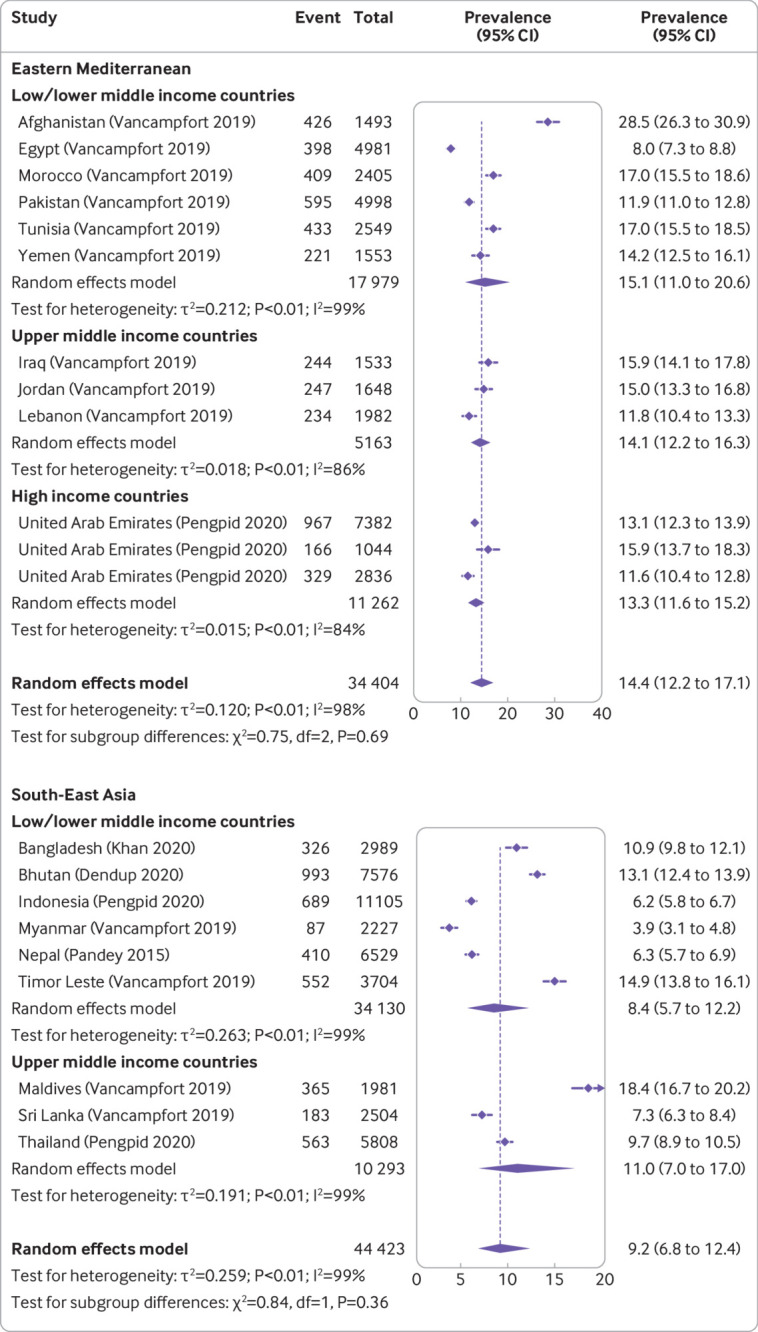
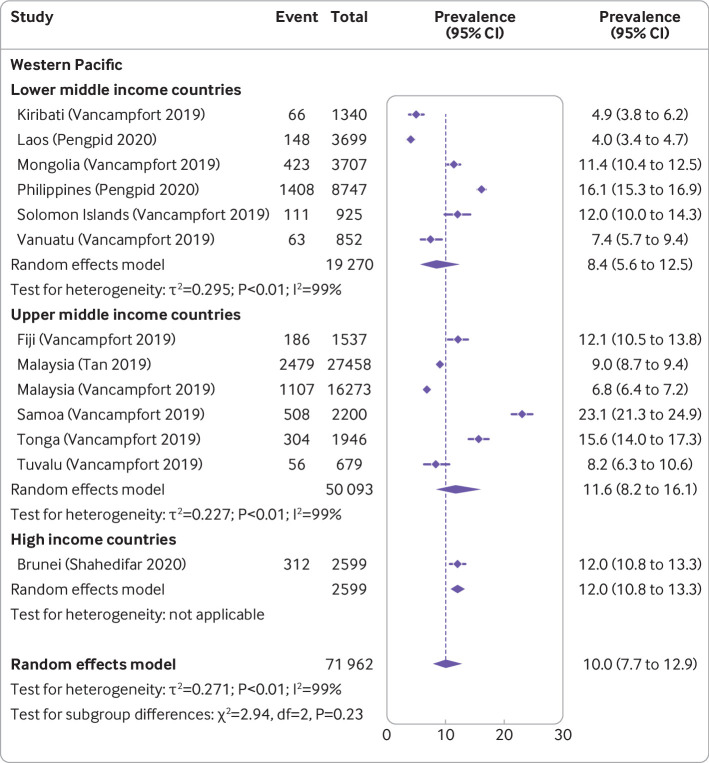
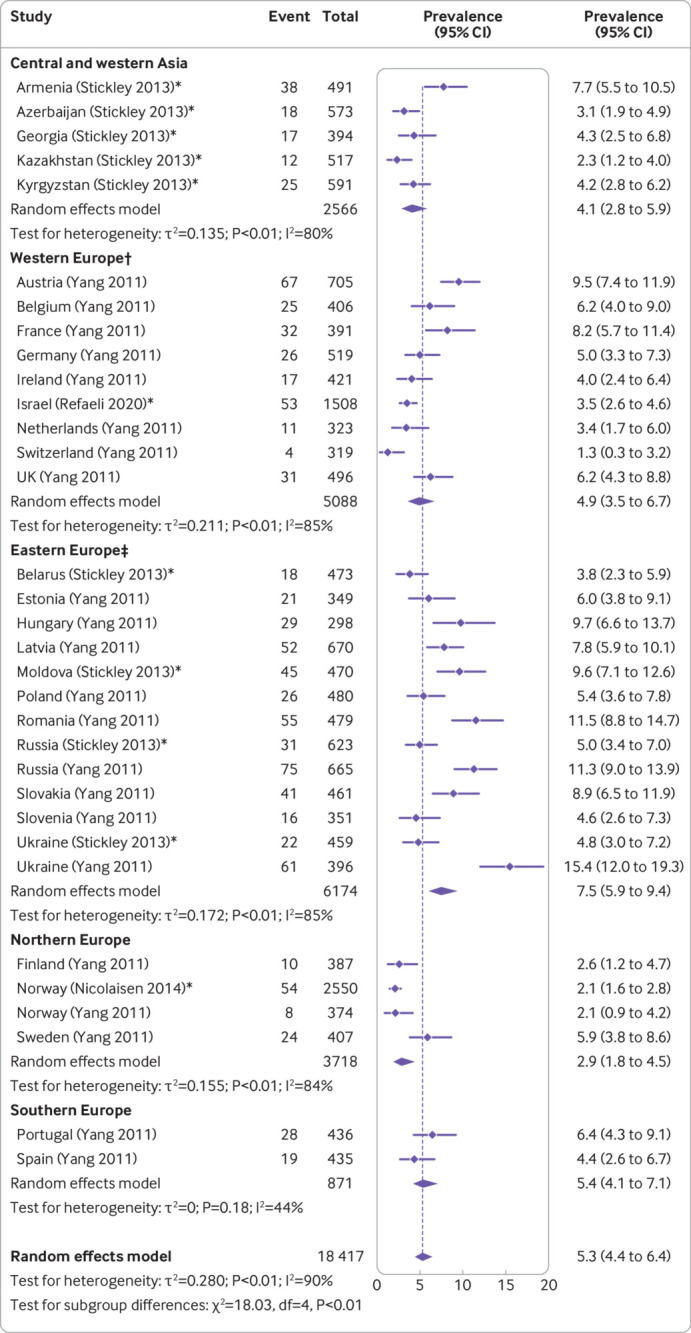
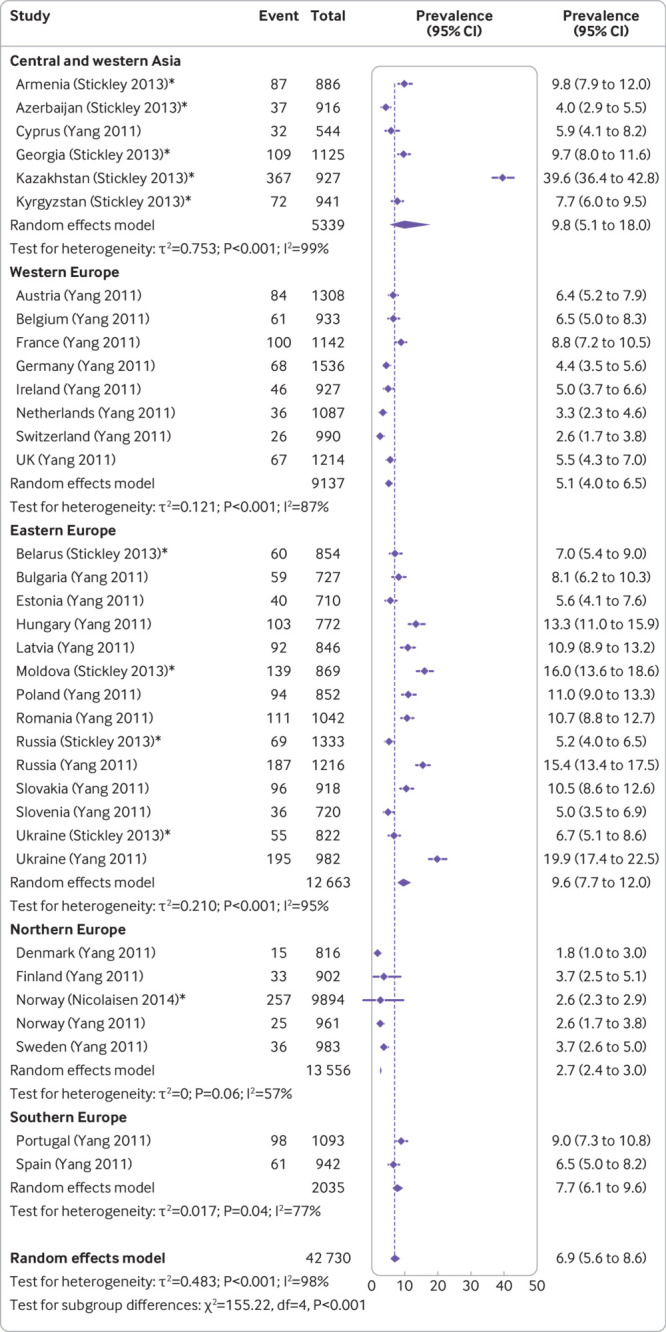
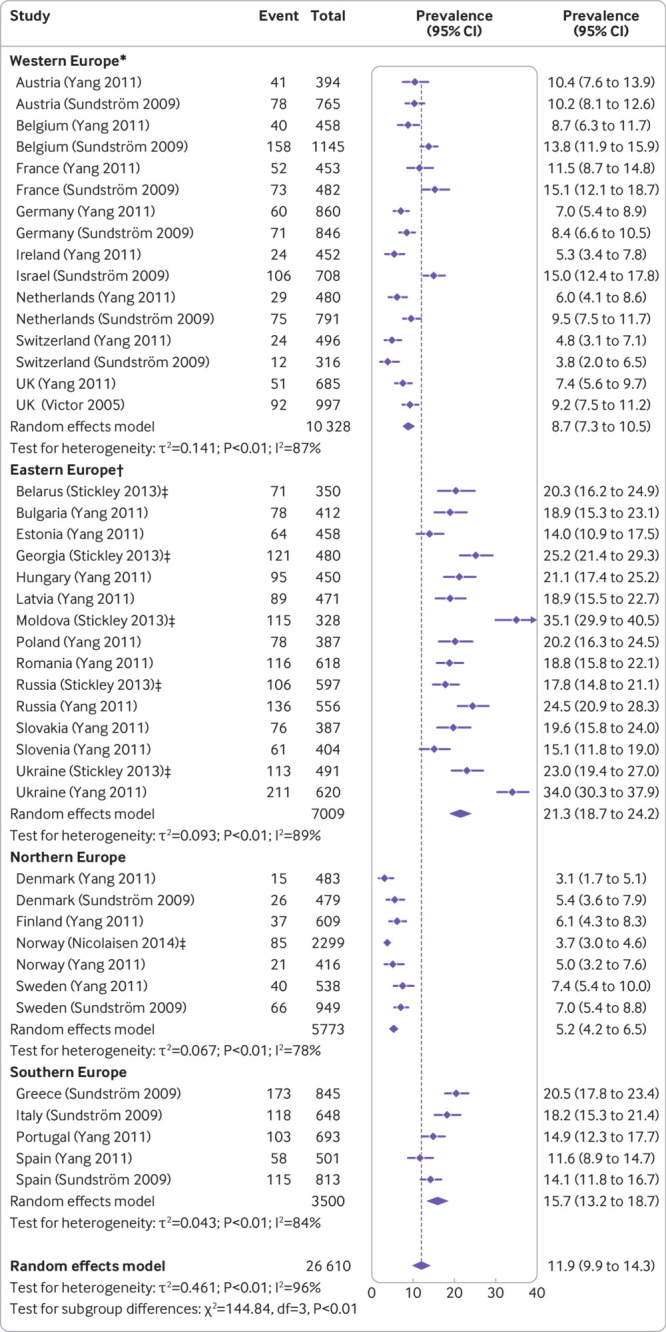
Objectives: To identify data availability, gaps, and patterns for population level prevalence of loneliness globally, to summarise prevalence estimates within World Health Organization regions when feasible through meta-analysis, and to examine temporal trends of loneliness in countries where data exist. Design: Systematic review and meta-analysis. Data sources: Embase, Medline, PsycINFO, and Scopus for peer reviewed literature, and Google Scholar and Open Grey for grey literature, supplemented by backward reference searching (to 1 September 2021) Eligibility criteria for selecting studies: Observational studies based on nationally representative samples (n≥292), validated instruments, and prevalence data for 2000-19. Two researchers independently extracted data and assessed the risk of bias using the Joanna Briggs Institute checklist. Random effects meta-analysis was conducted in the subset of studies with relatively homogeneous research methods by measurement instrument, age group, and WHO region. Results: Prevalence data were available for 113 countries or territories, according to official WHO nomenclature for regions, from 57 studies. Data were available for adolescents (12-17 years) in 77 countries or territories, young adults (18-29 years) in 30 countries, middle aged adults (30-59 years) in 32 countries, and older adults (≥60 years) in 40 countries. Data for all age groups except adolescents were lacking outside of Europe. Overall, 212 estimates for 106 countries from 24 studies were included in meta-analyses. The pooled prevalence of loneliness for adolescents ranged from 9.2% (95% confidence interval 6.8% to 12.4%) in South-East Asia to 14.4% (12.2% to 17.1%) in the Eastern Mediterranean region. For adults, meta-analysis was conducted for the European region only, and a consistent geographical pattern was shown for all adult age groups. The lowest prevalence of loneliness was consistently observed in northern European countries (2.9%, 1.8% to 4.5% for young adults; 2.7%, 2.4% to 3.0% for middle aged adults; and 5.2%, 4.2% to 6.5% for older adults) and the highest in eastern European countries (7.5%, 5.9% to 9.4% for young adults; 9.6%, 7.7% to 12.0% for middle aged adults; and 21.3%, 18.7% to 24.2% for older adults). Conclusion: Problematic levels of loneliness are experienced by a substantial proportion of the population in many countries. The substantial difference in data coverage between high income countries (particularly Europe) and low and middle income countries raised an important equity issue. Evidence on the temporal trends of loneliness is insufficient. The findings of this meta-analysis are limited by data scarcity and methodological heterogeneity. Loneliness should be incorporated into general health surveillance with broader geographical and age coverage, using standardised and validated measurement tools. Systematic review registration: PROSPERO CRD42019131448.
Overview
The claims and statistics of this paper haven’t been checked yet.
Run the check — free, no account needed. It reads the open-access text and checks the sources it cites.
Integrity signals
Registry
Cites
Statistics
Figures
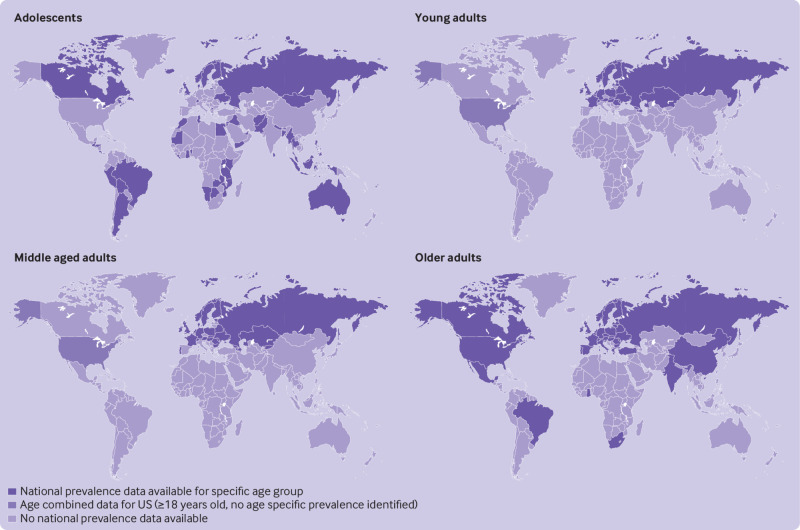
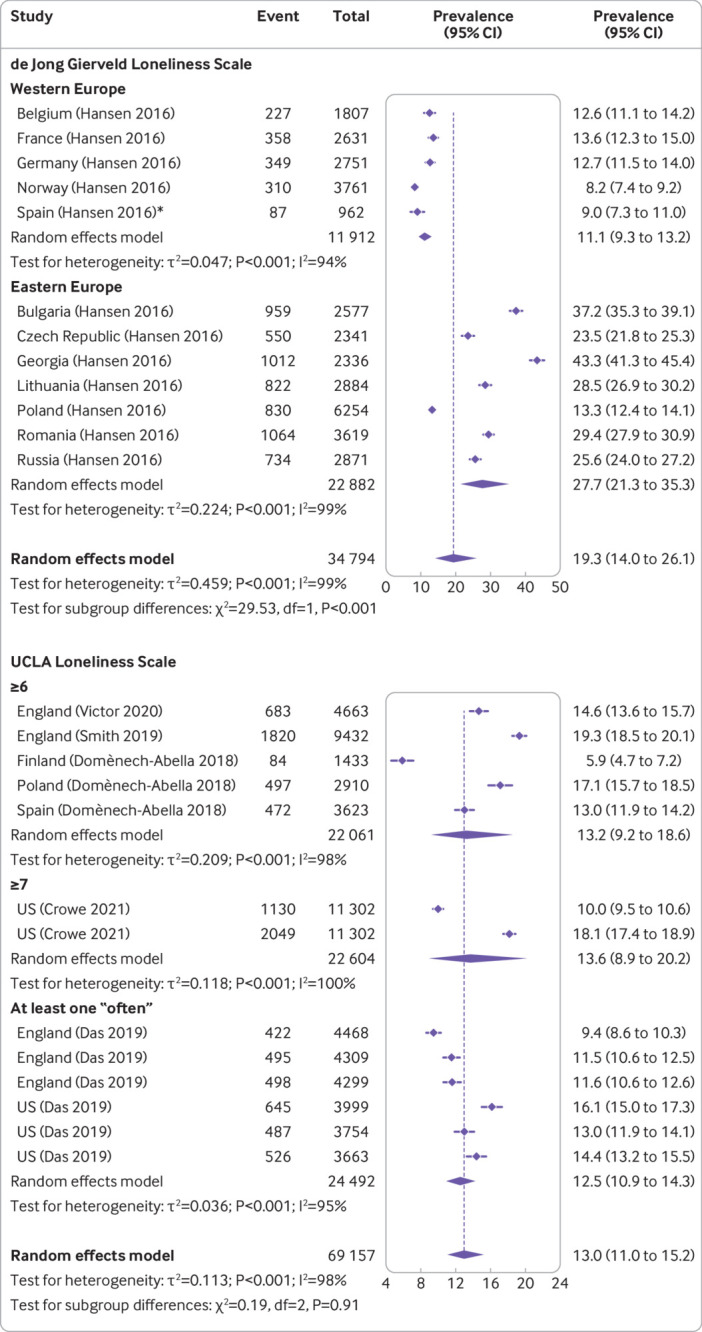
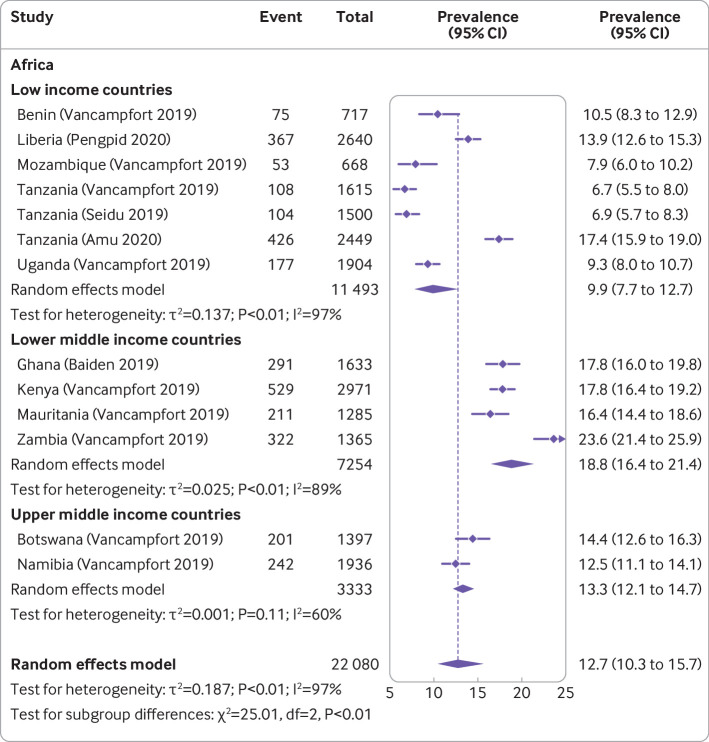
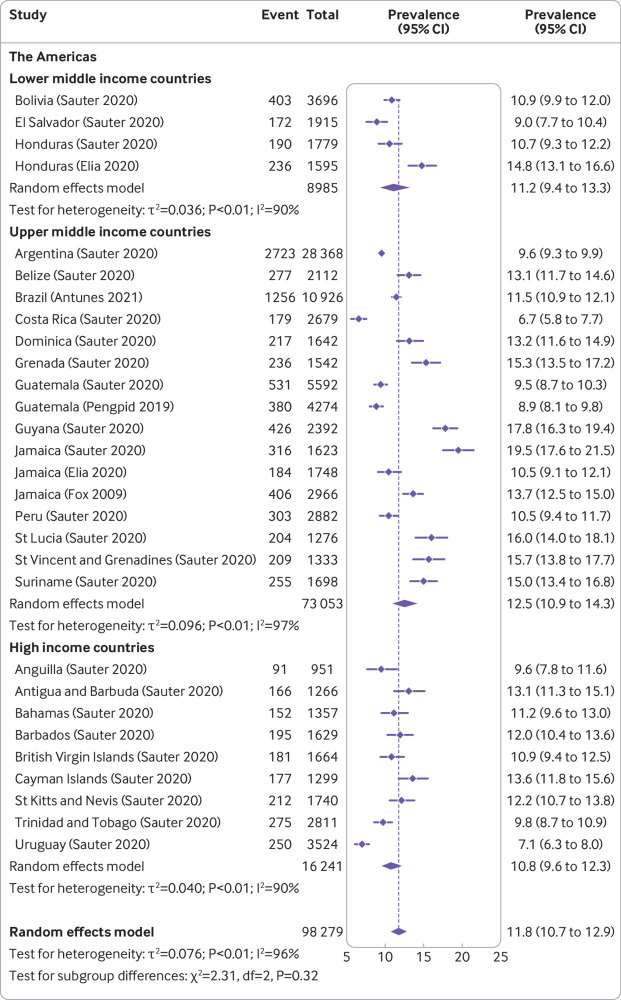
Verification
Claims the paper makes
The claims and statistics of this paper haven’t been checked yet.
Run the check — free, no account needed. It reads the open-access text and checks the sources it cites.
Claims other papers make about this one
Each is checked against this paper’s own text: does it say what the citing paper says it does?
The cited source says what the claim attributes to it.
In the citing paper
“Data based on nationally representative samples within World Health Organization regions pre-COVID-19 suggest that only 9.2% to 14.4% of adolescents experienced loneliness.16”
From A Longitudinal Study of Loneliness Before the End of the COVID-19 Pandemic: Trajectories, Predictors, and Impact on Chinese Adolescent Mental Health (2024) · cites this paper as [16]
Self-check
Percentages, sums and reported differences re-computed from the paper’s own numbers.
The self-check needs the paper’s full text.
Citations
Cites
Preferred Reporting Items for Systematic Reviews and Meta-Analyses: the PRISMA statement
Moher, D., Liberati, A., Tetzlaff, J., Altman, D. G., & for the PRISMA Group (2009) · BMJ · doi:10.1136/bmj.b2535 · Cited by 83,823
Measuring inconsistency in meta-analyses
Higgins, J. P. T., Thompson, S. G., Deeks, J. J., & Altman, D. G. (2003) · BMJ · doi:10.1136/bmj.327.7414.557 · Cited by 63,139
Preferred reporting items for systematic reviews and meta-analyses: the PRISMA Statement.
(2009) · PubMed Central · Cited by 44,859
The need to belong: Desire for interpersonal attachments as a fundamental human motivation.
Baumeister, R. F., & Leary, M. R. (1995) · Psychological Bulletin · doi:10.1037//0033-2909.117.3.497 · Cited by 23,245
The metabolic phenotype in obesity: Fat mass, body fat distribution, and adipose tissue function
Goossens, G. H. (2017) · Obesity Facts · doi:10.1159/000471488 · Cited by 8,481
Lee, I.-M., Shiroma, E. J., Lobelo, F., Puska, P., Blair, S. N., & Katzmarzyk, P. T. (2012) · The Lancet · doi:10.1016/s0140-6736(12)61031-9 · Cited by 8,215
Loneliness and Social Isolation as Risk Factors for Mortality: A Meta-Analytic Review
Holt-Lunstad, J., Smith, T. B., Baker, M., Harris, T., & Stephenson, D. (2015) · Perspectives on Psychological Science · doi:10.1177/1745691614568352 · Cited by 6,043
UCLA loneliness scale (version 3): reliability, validity, and factor structure
Russell, D. W. (1996) · Journal of Personality Assessment · doi:10.1207/s15327752jpa6601_2 · Cited by 5,800
A Short Scale for Measuring Loneliness in Large Surveys: Results From Two Population-Based Studies
Hughes, M. E., Waite, L. J., Hawkley, L. C., & Cacioppo, J. T. (2004) · Research on Aging · doi:10.1177/0164027504268574 · Cited by 4,781
Munn, Z., Moola, S., Lisy, K., Riitano, D., & Tufanaru, C. (2015) · International Journal of Evidence-Based Healthcare · doi:10.1097/xeb.0000000000000054 · Cited by 3,131
Research works printed but not linked: 4
- Peplau LA Perlman D . Perspective on loneliness. Loneliness: A sourcebook of current theory, research and therapy. John Wiley and Sons, 1982: 1-18.
- 10.1037/0033-2909.117.3.497 · DOI · Paper page
- 10.1097/XEB.0000000000000054 · DOI · Paper page
- Russell D . The measurement of loneliness. In: Peplau L Perlman D , eds. Loneliness: A Sourcebook of Current Theory, Research and Theory. John Wiley & Sons, 1982: 81-104.
Cited by
Sorted by citations
Items 601–700 of 819
A lack of sexual autonomy is associated with increased loneliness in young mothers
Bunke, C., & Keck, T. (2025) · BMC Women s Health · doi:10.1186/s12905-024-03479-0
Dar, D. R., & Sobhana, H. (2025) · Archives of Medicine and Health Sciences · doi:10.4103/amhs.amhs_103_24
The Social Landscape of Ageing
Choo, W. Y., Mohd, T. A. M. T., & Hairi, N. N. (2024) · Springer eBooks · doi:10.1007/978-981-97-1788-0_17-1
Trends and Income Disparities in Social Isolation in 156 Countries, 2009-2023Preprint
Fuller‐Rowell, T. E., Sultana, S., & Kawachi, I. I. (2025) · SSRN Electronic Journal · doi:10.2139/ssrn.5117577
Balão, P., Gomes, S., dos Santos, A. M. R., & Marques, M. D. C. (2025) · Lecture notes in bioengineering · doi:10.1007/978-3-031-87729-2_21
Gomes, S., Balão, P., dos Santos, A. M. R., & Marques, M. D. C. (2025) · Lecture notes in bioengineering · doi:10.1007/978-3-031-87729-2_22
Li, W., Yang, Y., Guo, S., Yi, J., Li, C. C., Shen, G., Wang, L., Chen, X., Zhi, Z., & Gao, H. N. (2025) · Social Psychiatry and Psychiatric Epidemiology · doi:10.1007/s00127-025-02901-8
“Middle-aged and older adults are especially susceptible to social isolation and loneliness due to significant social and demographic changes [ 6], with 35% of adults over 45 experiencing social isolation and 11.9% of adults over 60 experiencing loneliness [7, 8].”
InfluentialChandan, M. S., & Sharma, V. (2025) · Cambridge University Press eBooks · doi:10.1017/9781009391573.011
Jecker, N. S. (2025) · Oxford University Press eBooks · doi:10.1093/9780198945215.003.0018
Le sentiment de solitude chez des personnes porteuses d’une trisomie 21
Tournier, I., Vergez, L., Thibaud, A., de Jesus, A., & Cuervo-Lombard, C.-V. (2025) · Gérontologie et société · doi:10.3917/gs1.176.0073
Damm, J. (2025) · PsyArXiv (OSF Preprints) · doi:10.31234/osf.io/xya7r_v2
Social isolation, loneliness, and incident irritable bowel syndrome: a prospective cohort studyPreprint
Zhou, T., Jin, Z., Ye, K., & Shen, Z. (2025) · Research Square · doi:10.21203/rs.3.rs-6465123/v1
Venegas‐Sanabria, L. C., Mateus, R. P., Borda, M. G., Satorres, E., Bueno, C., & Meléndez, J. C. (2026) · Aging & Mental Health · doi:10.1080/13607863.2026.2624569
“A paper published by Surkalim et al. (2022) found that, before the COVID-19 pandemic, loneliness among European adults ranged from approximately 3% to 21%.”
My Digital 'Friend': Response Machine or Conversational Companion?
Segal, T. (2025) · QUT ePrints (Queensland University of Technology) · doi:10.5204/thesis.eprints.257422
Time to address the reality of dying alone
Rupesh, K. A. (2025) · Medicine Science and the Law · doi:10.1177/00258024251348713
Eisenhauer, E. R. (2025) · Journal of Obstetric, Gynecologic & Neonatal Nursing · doi:10.1016/j.jogn.2025.05.115 · Cited by 1
Einsamkeit als Risikofaktor für psychosomatische Erkrankungen und erhöhtes Sterberisiko
Boehlen, F. H., & Wild, B. (2025) · Zeitschrift für medizinische Ethik · doi:10.30965/29498570-20250116
Shimoda, T., Tomida, K., Nakajima, C., Kawakami, A., & Shimada, H. (2025) · Endocrine · doi:10.1007/s12020-025-04348-y
Suanet, B., & Pavlidis, G. T. (2025) · International perspectives on aging · doi:10.1007/978-3-031-94565-6_12
Factors Underlying Public Attitudes Towards Loneliness Among Elderly People with Chronic IllnessesPreprint
Bennett, R. D., & Vijaygopal, R. (2025) · SSRN Electronic Journal · doi:10.2139/ssrn.5379037
Different Faces of Kindness. Development and Validation of the Kind Attitude Scale
Jasielska, D., Poraj‐Weder, M., & Pajestka, G. (2025) · Journal of Personality Assessment · doi:10.1080/00223891.2025.2543010
“Loneliness has emerged as a global challenge, exacerbated by the COVID-19 pandemic (Ernst et al., 2022; Surkalim et al., 2022).”
A Revised 6-Item Rasch-Type Loneliness Scale (R-RTLS-6)
Maurer, L., Skoko, A., Krieger, T., Schultz, A., & Mund, M. (2025) · European Journal of Psychological Assessment · doi:10.1027/1015-5759/a000916
It is not just heat waves — climate change is also a crisis of disconnection
Card, K. G., & Closson, K. (2023) · doi:10.64628/aam.963rdx3u9
Loneliness, Social Cohesion, and the Role of Art Making
Sagan, O. (2025) · Societies · doi:10.3390/soc15090237
Social isolation and loneliness in serious illness: what Compassionate Communities can offer
Stevens, E. (2025) · Current Opinion in Supportive and Palliative Care · doi:10.1097/spc.0000000000000777
The Relationship Between Eating and Loneliness or Social Isolation
Hanna, K. L. (2025) · Springer eBooks · doi:10.1007/978-3-032-03228-7_211
Oba, H., & Sato, S. (2025) · Psychogeriatrics · doi:10.1111/psyg.70103
“Some systematic reviews and meta-analyses have estimated the prevalence rate of loneliness among older adults to be approximately 30% (28.5% [7]; 31.6% [8 ]; 28.6% [9]); however, loneliness rates also depend on the geographic region or the measurement instrument [8, 10].”
InfluentialMännistö, S. A., Joki, A., Suojanen, L.-U., Venäläinen, M. S., Pietiläinen, K. H., & Ahola, A. J. (2025) · Preventive Medicine · doi:10.1016/j.ypmed.2025.108430
Lan, W., Duan, X., Lin, S., Huang, Y., Zhong, Z., Liang, X., Zhao, J., Cai, Y., Cai, H. X., & Su, L. (2025) · Psychiatric Quarterly · doi:10.1007/s11126-025-10216-9
Castillo-Hornero, A., López, A., Rojano-Hidalgo, M., Alarcón, A., Belmonte, Ó., & Miedes, A. C. (2025) · Clinical Psychologist · doi:10.1080/13284207.2025.2570762
Stickley, A., Shirama, A., Yamada, R., Wada, A., & Sumiyoshi, T. (2025) · Psychology Health & Medicine · doi:10.1080/13548506.2025.2575403
“…there really has been a sharp growth in loneliness across societies in recent years, a recently published systematic review and meta-analysis nevertheless reported that loneliness was prevalent among the population in many of the 113 countries and territories examined (Surkalim et al., 2022).”
(2025) · Ärztliche Psychotherapie · doi:10.21706/aep-20-4-306
Huang, Q., Wei, S.-T., Li, Z., Lv, Y., Shi, X.-M., & Mao, C. (2025) · GeroScience · doi:10.1007/s11357-025-01971-5 · Cited by 2
“The prevalence of impoverished social relationships and its associated burden of disease pose a threat to healthy aging [1].”
Wang, Y., Ma, Z., Lin, S., Gong, G., & Huang, X. (2025) · Research Square · doi:10.21203/rs.3.rs-7920077/v1
Kang, B., Hong, D., Park, M. K., Park, S., Jeong, S., & Park, Y. S. (2025) · BMJ Open · doi:10.1136/bmjopen-2025-108552
“12 These combined”
Riddle of Social Isolation in JK Rowling’s Harry Potter
Roman, S. (2025) · New Review of Children s Literature and Librarianship · doi:10.1080/13614541.2025.2575723
Kurt, G., Specker, P., Liddell, B. J., Keegan, D., Nandyatama, R. W., Yuanita, A., Rachmah, R. A., Hoffman, J., & Nickerson, A. (2025) · medRxiv · doi:10.1101/2025.11.05.25339624
Li, Z., Sun, D., Han, B. R., Yang, H., Zhang, Y., Zhou, L., & Hai, Y. (2025) · Spine Deformity · doi:10.1007/s43390-025-01226-5
“As this study was a single-arm analysis without a comparison group, we utilized the Joanna Briggs Institute Critical Appraisal Checklist for Case Series to evaluate bias risk [23, 24].”
Loneliness and Depression in Acute Geriatric Inpatients
Wunner, C., Trabert, J., Stemmler, M., Gosch, M., & Singler, K. (2025) · GeroPsych · doi:10.1024/1662-9647/a000354
Rue, C. J. L., Haslam, C., Cruwys, T., Haslam, S. A., Jetten, J., Wergin, V. V., Steffens, N. K., Hides, L. M., Connelly, L. B., Spinks, J., et al. (2025) · Springer eBooks · doi:10.1007/978-3-032-02959-1_31
Hu, W., Feng, X., Luo, S., Xu, D., Xu, Z., Chen, W., & Guo, V. Y. (2025) · Journal of Affective Disorders · doi:10.1016/j.jad.2025.120775 · Cited by 2
Damm, J. (2025) · Current Psychology · doi:10.1007/s12144-025-08842-4 · Cited by 1
“Loneliness has become a prevalent phenomenon in modern times (Surkalim et al., 2022 ).”
Duan, T., Cao, Z., Wang, X., Sun, T., Wang, Y., & Xu, C. (2025) · BMC Medicine · doi:10.1186/s12916-025-04555-4
“Among community-dwelling older populations, approximately 25% experience social isolation [5], with similar rates observed in Europe where 24.2% of older adults report loneliness [6].”
InfluentialLoneliness in spinal cord injury: A systematic review and comparison with the general population
O’Donnell, L. M. C., Dorstyn, D., & Barclay, L. (2025) · Journal of Spinal Cord Medicine · doi:10.1080/10790268.2025.2593074
“Indeed, the high loneliness scores reported among the North American and European SCI/D samples in this review are consistent with broader patterns in Western societies, which are often characterized by individualistic cultures (21, 22, 66).”
MARAŞLIOĞLU, Ş. E. (2025) · Kocatepe İslami İlimler Dergisi · doi:10.52637/kiid.1733222
Bishop, G. M., Llewellyn, G. M., Kavanagh, A. M., Badland, H. M., Bailie, J., Stancliffe, R., Emerson, E., Fortune, N., & Aitken, Z. (2024) · Figshare · doi:10.6084/m9.figshare.26685939
Bailie, J., Bishop, G. M., Badland, H. M., Emerson, E., Aitken, Z., Stancliffe, R., Ekanayake, K., & Llewellyn, G. M. (2024) · Figshare · doi:10.6084/m9.figshare.26646685
Grey, E., Baber, F., Corbett, E., Ellis, D., Gillison, F., & Barnett, J. C. (2024) · Figshare · doi:10.6084/m9.figshare.24954558
Additional file 1 of Social connection and mortality in UK Biobank: a prospective cohort analysis
Foster, H. M. E., Gill, J. M. R., Mair, F. S., Celis-Morales, C. A., Jani, B. D., Nicholl, B. I., Lee, D., & O’Donnell, C. A. (2023) · Figshare · doi:10.6084/m9.figshare.24540719
Bailie, J., Bishop, G. M., Badland, H. M., Emerson, E., Aitken, Z., Stancliffe, R., Ekanayake, K., & Llewellyn, G. M. (2024) · Figshare · doi:10.6084/m9.figshare.26646688
Additional file 1 of The unseen epidemic: trauma and loneliness in urban midlife women
Liberatore-Maguire, E., Devlin, A., Fisher, S., Ramsey, F. V., Grunwald, H. E., Brownstein, K., & Morrison, M. (2022) · Figshare · doi:10.6084/m9.figshare.21406978
Bailie, J., Bishop, G. M., Badland, H. M., Emerson, E., Aitken, Z., Stancliffe, R., Ekanayake, K., & Llewellyn, G. M. (2024) · Figshare · doi:10.6084/m9.figshare.26646691
Grey, E., Baber, F., Corbett, E., Ellis, D., Gillison, F., & Barnett, J. C. (2024) · Figshare · doi:10.6084/m9.figshare.24954471
Zhang, J., Sun, X., & Yao, A. (2023) · Figshare · doi:10.6084/m9.figshare.24248050
Additional file 2 of Social connection and mortality in UK Biobank: a prospective cohort analysis
Foster, H. M. E., Gill, J. M. R., Mair, F. S., Celis-Morales, C. A., Jani, B. D., Nicholl, B. I., Lee, D., & O’Donnell, C. A. (2024) · Figshare · doi:10.6084/m9.figshare.24540860
Wang, X., Cao, X., Yu, J., Jin, S., Li, S., Chen, L., Liu, Z., Ge, X., & Lu, Y. (2024) · Figshare · doi:10.6084/m9.figshare.26687426
Jannini, T. B., Rossi, R., Chillemi, S., Lorenzo, G. D., Niolu, C., & Siracusano, A. (2025) · International Journal of Social Psychiatry · doi:10.1177/00207640251403835
“Loneliness may be defined as the aversive state of feeling that arises when individuals perceive a discrepancy between their actual and desired social ties (Surkalim et al., 2022).”
Sung, P., Chan, A. W.-M., Visaria, A., & Lee, J. M.-L. (2025) · Social Networks · doi:10.1016/j.socnet.2025.12.005
Ma, R., & Yao, B. (2026) · Neuroscience & Biobehavioral Reviews · doi:10.1016/j.neubiorev.2026.106550 · Cited by 1
Upenieks, L., Peterson, R., & Hill, T. D. (2026) · Journal of Religion and Health · doi:10.1007/s10943-026-02565-x
Aslan, R. (2026) · Current Psychology · doi:10.1007/s12144-025-08812-w
“Eastern European studies indicated prevalence ranging from 18.7 to 24.2% (Surkalim et al., 2022).”
InfluentialLoneliness and somatic complaints: An experience sampling method study
Smeets, M., Hutten, E., Verboon, P., Bol, Y., Thewissen, V., & Jongen, E. M. M. (2026) · Journal of Psychosomatic Research · doi:10.1016/j.jpsychores.2026.112554
GEÇİM, G. Y. D., & Üstün, G. (2026) · BMC Geriatrics · doi:10.1186/s12877-026-07014-8 · Cited by 1
“The lowest prevalence of loneliness in older people range from 4.2% to 6.5% in northern European countries, and the highest range from 18.7% to 24.2% in eastern European countries [6].”
InfluentialLoneliness and mental health across family constellations in Germany: Evidence of a stable burden
Diabaté, S., Kleinschlömer, P., Kriechel, L., Kleinschrot, L., Mohr, E., & Ludwig‐Walz, H. (2026) · Journal of Affective Disorders Reports · doi:10.1016/j.jadr.2026.101033
Exploring Social Solutions for Young People Experiencing Loneliness and Social Isolation
Hindle, K., & Short, M. (2026) · Springer eBooks · doi:10.1007/978-3-030-68127-2_917-1
Loneliness and Coping Strategies Among Older Adults in Johor: A Qualitative Approach
Hussein, S. Z., Ismail, A. H., & Aslina, M. Y. (2024) · Malaysian Journal of Medicine and Health Sciences · doi:10.47836/mjmhs20.5.3
Doorn, G. H. V., March, E., Teese, R., Grieve, R., & Dye, J. (2026) · Adversity and Resilience Science · doi:10.1007/s42844-026-00199-2
West, T. N., Fredrickson, B., Berman, C. J., Zhou, J., & Prinzing, M. (2025) · OSF Preprints (OSF Preprints)
Social disconnection and subsequent mental disorders: a population-based cohort study
Alsner, K. B., Laustsen, L. M., Lasgaard, M., Grønkjær, M. S., & Plana‐Ripoll, O. (2026) · Social Psychiatry and Psychiatric Epidemiology · doi:10.1007/s00127-026-03046-y
“Since the prevalence of social disconnection varies across the lifespan [24], exploration of results according to demographic characteristics is also warranted.”
Understanding the Problem of Loneliness and the Challenge of Addressing It
Card, K. G., & Perlman, D. (2026) · Cambridge University Press eBooks · doi:10.1017/9781009381949.027
Menon, D. N. M., Islam, M. R., Bouadjenek, M. R., Jameel, S., Segal, E., & Razzak, I. (2026) · medRxiv · doi:10.64898/2026.02.09.26345884
Levi‐Belz, Y., Groweiss, Y., Amsalem, D., Blank, C., Shachar‐Lavie, I., & Neria, Y. (2026) · Psychiatry Research · doi:10.1016/j.psychres.2026.117031 · Cited by 1
Das leise Risiko: Einsamkeit und Gesundheit
Riedel-Heller, S. G., Hajek, A., & König, H. (2026) · Psychiatrische Praxis · doi:10.1055/a-2776-3877
Cheng, J., Wang, R., Feng, Y., Ye, S., Hk, L., Cheng, B., Cai, Q., Xiong, S., Zhao, Y., Lu, X., et al. (2026) · Communications Medicine · doi:10.1038/s43856-026-01429-5
Duties to protect oneself from loneliness
de Vries, B. (2026) · JME Practical Bioethics · doi:10.1136/jmepb-2025-000060
‘They didn’t think I could be that person online. But I was…’: The Men Who Become Incels
Smith, D. S. (2026) · Springer eBooks · doi:10.1007/978-3-032-16385-1_5
Chung, S. Y., Gutilla, M., Keele, M., Park, J., Chung, D., & Barry, A. E. (2026) · Emerging Adulthood · doi:10.1177/21676968261434266
“This self-report instrument captures symptoms such as depression, anxiety, and behavioral impairment experienced in the past 30 days (Surkalim et al., 2022).”
Neither/nor: a pragmatic philosophy for oscillating between conceptual and experiential knowledge
Kam, B., & Granic, I. (2026) · Humanities and Social Sciences Communications · doi:10.1057/s41599-026-06669-3
“…technologies create feedback loops that destabilize complex systems, generating urgent challenges: mental health crises (Ernst et al. 2022; Surkalim et al. 2022), political polarization (Iyengar et al. 2019), climate change (Ripple et al. 2024), and eroding trust in institutions…”
Loneliness in adolescents and youth with bipolar disorder: a scoping review
Dargél, A., Tanya, T., Morris, C., Shorr, R., & PAJER, K. A. (2026) · Frontiers in Psychiatry · doi:10.3389/fpsyt.2026.1696515 · Cited by 2
“Despite this growing body of evidence, most existing reviews have focused on elderly (26, 56) or non-clinical adult populations (41), overlooking the distinct impact of loneliness on youth.”
Schrijvers, K., Willems, B., Buyl, A., Deforche, B. I., & Dierckens, M. (2026) · School Mental Health · doi:10.1007/s12310-026-09861-7
“…lack of association between school-level mental health policies and well-being, are that the observed decline in well-being over time (Schrijvers et al., 2024a; Surkalim et al., 2022; Twenge et al., 2021) may have prompted schools to introduce more interventions, which in turn increased awareness.”
Loneliness, anxiety, and alcohol use across age and sex: The role of emotional regulation
Pérez, M. P., Molins, F., Hipólito, L., & Serrano, M. Á. (2026) · Alcohol · doi:10.1016/j.alcohol.2026.03.003
Surkalim, D. L., Farzana, A., Choo, W. Y., Hussein, S., Hébert, P. C., Welch, V. A., Ghogomu, E. T., & Mikton, C. (2026) · Population Health Metrics · doi:10.1186/s12963-026-00472-7
“Language or cultural nuances in the interpretation of interventions or social (dis)connection-related terms may have led to some confusion in the categorization process [27, 71].”
Self-citationLonely Work: Gig Work, Workplace Technology and Working-Class Loneliness
Bousquet, C. (2026) · Journal of Business Ethics · doi:10.1007/s10551-026-06289-6 · Cited by 1
O’Reilly, S., Bhriain, O. N., Thabane, L., & Clifford, A. (2026) · BMJ Open · doi:10.1136/bmjopen-2025-106636
Qamer, S., Ahsan, S., & Gul, M. (2026) · The Journal of Adult Protection · doi:10.1108/jap-10-2025-0038
Macedo, C., Grecco, A. B. G., Giacon-Arruda, B. C. C., Kwiatkoski, M., Luchesi, B. M., & Martins, T. C. R. (2026) · Escola Anna Nery · doi:10.1590/2177-9465-ean-2025-0144pt
Macedo, C., Grecco, A. B. G., Giacon-Arruda, B. C. C., Kwiatkoski, M., Luchesi, B. M., & Martins, T. C. R. (2026) · Escola Anna Nery · doi:10.1590/2177-9465-ean-2025-0144en
Band, R. J., Ellis, J., Kinsella, K., James, E., Ciccognani, S., Breheny, K., Lawrence, M. M., Kandiyali, R., Ewings, S. M., & Rogers, A. E. (2026) · Frontiers in Public Health · doi:10.3389/fpubh.2026.1701579
“The study compared the intervention with a wait-list control group for addressing loneliness and social isolation (50).”
Nilsson, A., Kajonius, P., Kjell, O., Dahlén, M., Schwartz, H. A., Case, B. W., Johnson, B. R., Lomas, T., Padgett, R. N., & VanderWeele, T. J. (2026) · SSM - Population Health · doi:10.1016/j.ssmph.2026.101913 · Cited by 1
“Further, lone-liness is typically not linearly related to age in other studies and contexts (Hawkley, Buecker, Kaiser, & Luhmann, 2022; Mund et al., 2020) and if it is linear, loneliness is typically thought to increase with age (Surkalim et al., 2022), including in Sweden (Dahlberg et al., 2015).”
KESUNYIAN DALAM PERADABAN MODEN
Kassim, F., Noor, N. A. M., & Yaacob, N. H. (2026) · International Journal of Law Government and Communication · doi:10.35631/ijlgc.1143016
Vasquez, C., D’souza, A. R., Nowland, R. A., Taylor, B. L., Adlington, K., Pearce, E., & Pitman, A. (2026) · BMC Psychiatry · doi:10.1186/s12888-026-08035-8
“This compares with loneliness estimates of around 3–12% among young and middle-aged men and women in European countries [56].”
Social media use, loneliness and emotional distress among young people in Europe
d’Hombres, B., Kovačič, M., & Martínez, B. C. (2026) · SSM - Mental Health · doi:10.1016/j.ssmmh.2026.100621 · Cited by 2
Олеговна, Е. С., Stepanova, E. O., & Drapkina, O. M. (2026) · Rational Pharmacotherapy in Cardiology · doi:10.20996/1819-6446-2026-3249
Lonely in church: The role of the God concept and attachmentPreprint
Mečkovský, F., Maliňáková, K., & Tavel, P. (2026) · Research Square · doi:10.21203/rs.3.rs-8650761/v1
Isolani, S., Costacurta, M., Winer, C., Grigoropoulos, I., Olivo, I., & Battista, S. D. (2026) · Sexuality Research and Social Policy · doi:10.1007/s13178-026-01340-7
Gender Differences in Loneliness Among Older Adults: An 8-Year Longitudinal Study
Huang, P., Wu, H.-L., Chi, M., Yu, M. I., & Chuang, Y. (2026) · Research in Gerontological Nursing · doi:10.3928/19404921-20260415-01
Fan, H., Wu, Y., Hu, Y., He, K., Luo, F., Ma, H., & You, J. (2026) · Journal of Health Psychology · doi:10.1177/13591053261442091
Ezinne, N. E., Victor, V. B., Koomson, I., Mgbemena, N. C., & Osuagwu, U. L. (2026) · Journal of Racial and Ethnic Health Disparities · doi:10.1007/s40615-026-02980-6
Metadata
- Authors
- Surkalim, D. L., Luo, M., Eres, R., Gebel, K., van Buskirk, J., Bauman, A., & Ding, D.
- Affiliations
- The University of Sydney (AU)
- Royal Children's Hospital (AU)
- University of Technology Sydney (AU)
- Sydney School of Public Health, Faculty of Medicine and Health, The University of Sydney, Camperdown, NSW, Australia
- Corresponding author
- Ding, Ding
- ORCID
- Venue
- BMJ
- Publisher
- BMJ
- Published
- 2022-02-09
- Volume
- 376
- Pages
- e067068
- ISSN
- 1756-1833 (ISSN-L)
- PMC
- PMC8826180
- OpenAlex
- W4211106541
- Cited by
- 821
- References
- 87
- Citations by year
- 2026: 220 · 2025: 236 · 2024: 183 · 2023: 138 · 2022: 44
- FWCI
- 20.76
- Type
- journal article
- Language
- en
- Open access
- hybrid
- doi.org
- Licence
- Locations
- BMJ (publishedVersion, cc-by-nc)
- PubMed Central (publishedVersion, cc-by-nc)
- PubMed (publishedVersion)
- RMIT Research Repository (RMIT University Library) (acceptedVersion, other-oa)
- Figshare (submittedVersion, cc-by-nc)
- Minerva Access (University of Melbourne) (submittedVersion, cc-by-nc)
- Topics
- Social Sciences › Health › Health disparities and outcomes
- Health Sciences › Medicine › Psychiatry and Mental health › Mental Health Treatment and Access
- Social Sciences › Psychology › Clinical Psychology › COVID-19 and Mental Health
- Keywords
- loneliness, prevalence of loneliness, cross-national comparison, adolescents, young adults, middle-aged adults, older adults, temporal trends, WHO regions, loneliness and isolation
- MeSH terms
- Demography, Humans, Loneliness, Global Health, Prevalence
About these checks
Registry, retraction, Cites and statistics results are computed, not judged, with one exception: a printed reference that no index lists is read once by a model before it counts as a citation error. Claims are extracted by a model and kept only when their quote appears verbatim in the text; each cited source is then checked, with a model’s help, for whether it says what the claim relies on. Those verdicts can be wrong — read the claim’s quote and the cited source before relying on one.
Statistics and arithmetic are recomputed, not judged.
Confidence bands are shown only for fields calibrated on our annotated test set. None is calibrated yet, so no band is shown.
What counts as a claim ›How we measure confidence ›How we check this ›
Are you an author, or do you see a problem with this page? Request a review
