

The DOI matches its Crossref record; 24 of the 24 references it cites were found in a registry or an index.
Mindfulness online: a preliminary evaluation of the feasibility of a web-based mindfulness course and the impact on stress
Open accessAbstract
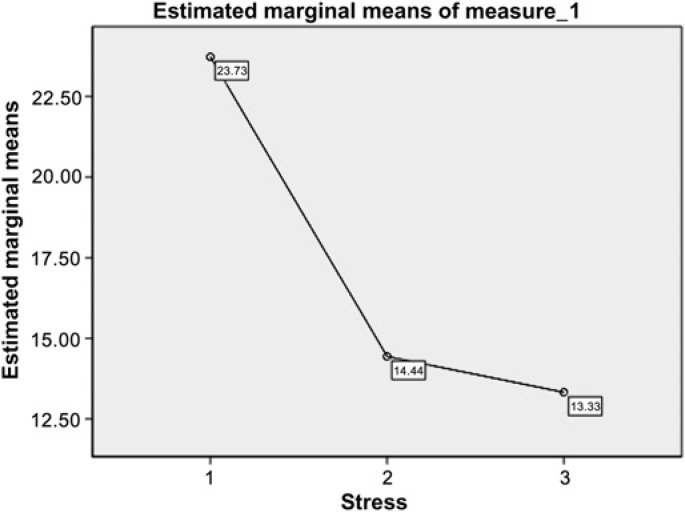
Objectives: Stress has been shown to have a number of negative effects on health over time. Mindfulness interventions have been shown to decrease perceived stress but access to interventions is limited. Therefore, the effectiveness of an online mindfulness course for perceived stress was investigated. Design: A preliminary evaluation of an online mindfulness course. Participants: This sample consisted of 100 self-referrals to the online course. The average age of participants was 48 years and 74% were women. Interventions: The online programme consisted of modules taken from Mindfulness Based Stress Reduction and Mindfulness Based Cognitive Therapy and lasted for approximately 6 weeks. Primary and secondary outcome measures: Participants completed the Perceived Stress Scale (PSS) before the course, after the course and at 1-month follow-up. Completion of formal (eg, body scan, mindful movement) and informal (eg, mindful meal, noticing) mindfulness activities was self-reported each week. Results: Participation in the online mindfulness course significantly reduced perceived stress upon completion and remained stable at follow-up. The pre-post effect size was equivalent to levels found in other class-based mindfulness programmes. Furthermore, people who had higher PSS scores before the course reported engaging in significantly more mindfulness practice, which was in turn associated with greater decreases in PSS. Conclusions: Because perceived stress significantly decreased with such limited exposure to mindfulness, there are implications for the accessibility of mindfulness therapies online. Future research needs to evaluate other health outcomes for which face-to-face mindfulness therapies have been shown to help, such as anxiety and depressive symptoms.
Overview
The claims and statistics of this paper haven’t been checked yet.
Run the check — free, no account needed. It reads the open-access text and checks the sources it cites.
Integrity signals
Registry
Cites
Statistics
Figures
Verification
Claims the paper makes
The claims and statistics of this paper haven’t been checked yet.
Run the check — free, no account needed. It reads the open-access text and checks the sources it cites.
Claims other papers make about this one
Each is checked against this paper’s own text: does it say what the citing paper says it does?
The source backs part of the claim, not all of it — or backs it for a different population, condition or comparison.
In the citing paper
“Mindfulness has previously been associated with stress reduction and improved relaxation, among other benefits [16,58,59].”
From Web-Based Mindfulness Meditation as an Adjunct to Internet-Delivered Cognitive Behavioral Therapy for Public Safety Personnel: Mixed Methods Feasibility Evaluation Study (2024) · cites this paper as [58]
Experimental — accuracy not yet measuredThe cited source says what the claim attributes to it.
In the citing paper
“While emerging evidence supports the feasibility of online self-help mindfulness training in non-clinical populations (Glück and Maercker, 2011; Krusche et al., 2012), there is a severe lack of research to support such interventions for those with clinical levels of depression and anxiety.”
From Online mindfulness-enhanced cognitive behavioural therapy for anxiety and depression: Outcomes of a pilot trial (2018) · cites this paper as Krusche et al., 2012
Self-check
Percentages, sums and reported differences re-computed from the paper’s own numbers.
The self-check needs the paper’s full text.
Citations
Cites
A Global Measure of Perceived Stress
Cohen, S., Kamarck, T., & Mermelstein, R. (1983) · Journal of Health and Social Behavior · doi:10.2307/2136404 · Cited by 32,807
(2008) · Medical Entomology and Zoology · Cited by 7,477
Kabat-Zinn, J. (1982) · General Hospital Psychiatry · doi:10.1016/0163-8343(82)90026-3 · Cited by 4,255
(1988) · Cited by 4,111
Shapiro, S. L., Carlson, L. E., Astin, J. A., & Freedman, B. (2006) · Journal of Clinical Psychology · doi:10.1002/jclp.20237 · Cited by 4,002
Mindfulness-based stress reduction and health benefits
Grossman, P., Niemann, L., Schmidt, S., & Walach, H. (2004) · Journal of Psychosomatic Research · doi:10.1016/s0022-3999(03)00573-7 · Cited by 3,958
(2001) · Cited by 3,666
Self-citationCarmody, J., & Baer, R. A. (2008) · Journal of Behavioral Medicine · doi:10.1007/s10865-007-9130-7 · Cited by 1,823
Brosschot, J. F., Gerin, W., & Thayer, J. F. (2006) · Journal of Psychosomatic Research · doi:10.1016/j.jpsychores.2005.06.074 · Cited by 1,643
Mindfulness-Based Cognitive Therapy for Depression: A New Approach to Preventing Relapse
Hodo, D. W. (2002) · American Journal of Psychiatry · doi:10.1176/appi.ajp.159.7.1257 · Cited by 1,405
Research works printed but not linked: 1
- Kuyken W . Mindfulness Training in the UK. Reykjavik, Iceland: 41st Annual European Association for Behavioural and Cognitive Therapies (EABCT) Conference, 2011.
Cited by
Sorted by citations
Mindfulness on-the-go: Effects of a mindfulness meditation app on work stress and well-being
Bostock, S., Crosswell, A. D., Prather, A. A., & Steptoe, A. (2019) · Journal of Occupational Health Psychology · doi:10.1037/ocp0000118 · Cited by 465
A randomised controlled trial of a brief online mindfulness-based intervention
Cavanagh, K., Strauss, C., Cicconi, F., Griffiths, N., Wyper, A., & Jones, F. (2013) · Behaviour Research and Therapy · doi:10.1016/j.brat.2013.06.003 · Cited by 350
van der Zwan, J. E., de Vente, W., Huizink, A. C., Bögels, S. M., & de Bruin, E. I. (2015) · Applied Psychophysiology and Biofeedback · doi:10.1007/s10484-015-9293-x · Cited by 369
Querstret, D., Morison, L., Dickinson, S., Cropley, M., & John, M. (2020) · International Journal of Stress Management · doi:10.1037/str0000165 · Cited by 315
“…of MBSR in non-clinical samples; however, with emerging evidence of growing use of MBCT in general population samples (e.g., Gallego et al., 2014; Krusche et al., 2012; Lever-Taylor et al., 2014; Luberto et al., 2017; Phang et al., 2016; Pots et al., 2014; Querstret et al., 2017, 2018; Raes,…”
InfluentialGál, É., Ștefan, S., & Cristea, I. A. (2021) · Journal of Affective Disorders · doi:10.1016/j.jad.2020.09.134 · Cited by 289
Group mindfulness-based therapy significantly improves sexual desire in women
Brotto, L. A., & Basson, R. (2014) · Behaviour Research and Therapy · doi:10.1016/j.brat.2014.04.001 · Cited by 248
Internet-based mindfulness treatment for anxiety disorders: a randomized controlled trial
Boettcher, J., Åström, V., Påhlsson, D., Schenström, O., Andersson, G., & Carlbring, P. (2014) · Behavior Therapy · doi:10.1016/j.beth.2013.11.003 · Cited by 245
“This also applies to two previous Internet-based mindfulness studies in non-clinical samples (Glück & Maercker, 2011; Krusche et al., 2012).”
MethodKrusche, A., Cyhlarova, E., & Williams, J. M. G. (2013) · BMJ Open · doi:10.1136/bmjopen-2013-003498 · Cited by 192
“stress, but we did not find this in our preliminary investigation.(41) The study gives the opportunity to re-examine whether the amount of practice mediates degree of”
ResultSelf-citationLyzwinski, L. N., Caffery, L. J., Bambling, M., & Edirippulige, S. (2019) · JMIR mhealth and uhealth · doi:10.2196/12210 · Cited by 168
“Our second recent systematic review [75] reviewed the types of electronic mindfulness-based interventions for weight, eating, and stress [76-96], finding that there has not been a mobile mindfulness-based RCT that implemented an app or SMS text messages for weight management or weight-related health behaviors (diet an…”
BackgroundQuerstret, D., Cropley, M., & Fife‐Schaw, C. (2016) · Journal of Occupational Health Psychology · doi:10.1037/ocp0000028 · Cited by 164
“…use both formal meditation skills (e.g., body scan, mindful movement, sitting meditation, and “three minute breathing space”), and informal mindfulness techniques that they can incorporate into daily activities (e.g., mindful eating, mindful walking, mindfully brushing teeth; Krusche et al., 2012).”
BackgroundInfluentialMaclean, D. L., Roseway, A., & Czerwinski, M. P. (2013) · International Conference on PErvasive Technologies Related to Assistive Environments (PETRA) · doi:10.1145/2504335.2504406 · Cited by 151
“Moreover, they found that these effects persisted for at least one month after participation [10].”
BackgroundFish, J., Brimson, J., & Lynch, S. (2016) · Mindfulness · doi:10.1007/s12671-016-0548-2 · Cited by 126
“Nine of 10 studies were quantitative (Glück and Maercker 2011; Krusche et al. 2012; Altschuler et al. 2011; Krusche et al. 2013; Davis and Zautra 2013; Cavanagh et al. 2013; Boettcher et al. 2014; Dimidjian et al. 2014; Reid 2013).”
BackgroundMethodResultInfluentialIvtzan, I., Young, T., Martman, J., Jeffrey, A., Lomas, T., Hart, R., & Eiroá‐Orosa, F. J. (2016) · Mindfulness · doi:10.1007/s12671-016-0581-1 · Cited by 146
“Online mindfulness programs have proven effective (Krusche et al. 2012).”
BackgroundInfluentialMak, W. W., Chan, A. T., Cheung, E. Y., Lin, C. L., & Ngai, K. C. (2015) · Journal of Medical Internet Research · doi:10.2196/jmir.3746 · Cited by 110
“…programs for the general populations [49,50], and recent studies on preliminary evidence and feasibility of brief, online mindfulness courses [39,51], this study further demonstrated that mindfulness can be cultivated over the Internet and such online training can promote mental well-being in…”
Cavanagh, K., Churchard, A., O’Hanlon, P., Mundy, T., Votolato, P., Jones, F., Gu, J., & Strauss, C. (2018) · Mindfulness · doi:10.1007/s12671-017-0856-1 · Cited by 120
“The preliminary evaluation of briefer online interventions has also indicated some positive results, with one group reporting evidence of reductions in perceived stress (Krusche et al. 2012) and symptoms of anxiety and depression (Krusche et al.”
BackgroundResultMalinowski, P., Moore, A. W., Mead, B. R., & Gruber, T. (2015) · Mindfulness · doi:10.1007/s12671-015-0482-8 · Cited by 124
“…for example, in terms of time frames of the interventions (e.g., Ding et al. 2014; Tang et al. 2014), delivery mode (e.g., Davis and Zautra 2013; Krusche et al. 2012; Thompson et al. 2010; Zautra et al. 2012), or populations and conditions that are being targeted (e.g., Reb et al. 2012; Zenner…”
Mikolasek, M., Berg, J., Witt, C. M., & Barth, J. (2018) · International Journal of Behavioral Medicine · doi:10.1007/s12529-017-9679-7 · Cited by 105
Querstret, D., Cropley, M., & Fife-Schaw, C. (2018) · Mindfulness · doi:10.1007/s12671-018-0925-0 · Cited by 103
“The effect sizes in this study rival those of studies which have employed a group-based face-to-face format for mindfulnessbased intervention delivery (e.g. see Nyklicek and Kuijpers 2008), and they align with the findings from Krusche et al. (2012) in their pre-post study design.”
BackgroundResultInfluentialGambrel, L. E., & Piercy, F. P. (2014) · Journal of Marital and Family Therapy · doi:10.1111/jmft.12066 · Cited by 121
Mak, W. W., Chio, F. H., Chan, A. T., Lui, W. W., & Wu, E. K. (2017) · Journal of Medical Internet Research · doi:10.2196/jmir.6737 · Cited by 94
Jaffray, L., Bridgman, H., Stephens, M., & Skinner, T. (2016) · Palliative Medicine · doi:10.1177/0269216315600331 · Cited by 88
Heber, E., Ebert, D. D., Lehr, D., Nobis, S., Berking, M., & Riper, H. M. (2013) · BMC Public Health · doi:10.1186/1471-2458-13-655 · Cited by 93
“The theoretical basis of web-based interventions for stress is diverse and ranges from cognitive behavioral methods [16,22,24,27], mindfulness [15,31], problem solving [13], social cognitive theory [23,32] to health behavior change theory [23].”
BackgroundEffectiveness of ICT-based intimate partner violence interventions: a systematic review
El Morr, C., & Layal, M. (2020) · BMC Public Health · doi:10.1186/s12889-020-09408-8 · Cited by 90
Mindfulness and alcohol problems in college students: the mediating effects of stress
Bodenlos, J. S., Noonan, M., & Wells, S. Y. (2013) · Journal of American College Health · doi:10.1080/07448481.2013.805714 · Cited by 81
Ma, Y., She, Z., Siu, A. F. Y., Zeng, X., & Liu, X. (2018) · Frontiers in Psychology · doi:10.3389/fpsyg.2018.02090 · Cited by 88
Web-Based Mindfulness Intervention in Heart Disease: A Randomized Controlled Trial
Younge, J. O., Wery, M. F., Gotink, R. A., Utens, E. M. W. J., Michels, M., Rizopoulos, D., van Rossum, E. F. C., Hunink, M. G. M., & Roos-Hesselink, J. W. (2015) · PLOS ONE · doi:10.1371/journal.pone.0143843 · Cited by 74
“Two other studies on online mindfulness training showed not only that it was feasible to conduct online mindfulness training, but also that it was effective in reducing stress.[58, 59] It is important to emphasize that their study populations consisted of mainly females recruited from the healthy general population, a…”
BackgroundA Moment of Mindfulness: Computer-Mediated Mindfulness Practice Increases State Mindfulness
Mahmood, L., Hopthrow, T., & Randsley de Moura, G. (2016) · PLOS ONE · doi:10.1371/journal.pone.0153923 · Cited by 75
“…often beneficial, these prolonged sessions are not always feasible, and to combat this many courses are now accessible online, recognizing that it is important to make the positive potential benefits of mindfulness interventions accessible to a wider audience and to reduce costs [14, 15, 19 – 24].”
Chittaro, L., & Vianello, A. (2013) · International Journal of Human-Computer Studies · doi:10.1016/j.ijhcs.2013.11.001 · Cited by 79
“…through videoconferencing (Gardner-Nix, Backman, Barbati & Grummitt, 2008) or web pages, sometimes enriched with audio or video (Andersson & Kaldo, 2004; Eisen, Allen, Bollash & Pescatello, 2008; Ljótsson et al., 2010, 2011; Thompson et al., 2010; Krusche, Cyhlarova, King & Williams, 2012).”
Johansson, B., Bjuhr, H., Karlsson, M., Karlsson, J.-O., & Rönnbäck, L. (2015) · Mindfulness · doi:10.1007/s12671-015-0406-7 · Cited by 65
“(Boettcher et al. 2014; Davidson et al. 2003; Krusche et al. 2012), while others have reported significant correlations (Carmody and Baer 2008).”
BackgroundInfluentialEvaluation of a mobile mindfulness app distributed through on-line stores: A 4-week study
Chittaro, L., & Vianello, A. (2015) · International Journal of Human-Computer Studies · doi:10.1016/j.ijhcs.2015.09.004 · Cited by 75
“In particular, some studies investigated the use of web pages, e.g. (Boggs et al., 2014; Krusche et al., 2013, 2012; Thompson et al., 2010), web-enabled smartphones, (Kristjánsdóttir et al., 2011; Ly et al., 2014; Nes et al., 2012) or smartphone apps (Ahtinen et al., 2013; Carissoli et al., 2015;…”
BackgroundMaternal-infant mental health: postpartum group intervention
de Camps Meschino, D., Philipp, D., Israel, A., & Vigod, S. (2016) · Archives of Women's Mental Health · doi:10.1007/s00737-015-0551-y · Cited by 56
“Mindfulness trainingMindfulness meditation has been used successfully to reduce perceived stress and improve coping (Krusche et al. 2012; Grossman et al. 2004; Shapiro et al. 2008).”
Kvillemo, P., Brandberg, Y., & Bränström, R. (2016) · JMIR Mental Health · doi:10.2196/mental.5457 · Cited by 56
“The effects of specific mindfulness-based programs delivered through the Internet have been promising regarding the improvement of mental states such as stress, anxiety, and depression [19-23], and results apply to persons with psychological symptoms of stress or distress [19], as well as to persons without previously…”
Loving‐Kindness Meditation Effects on Well‐Being and Altruism: A Mixed‐Methods Online RCT
Galante, J., Bekkers, M., Mitchell, C., & Gallacher, J. (2016) · Applied Psychology Health and Well-Being · doi:10.1111/aphw.12074 · Cited by 59
A study investigating the effects of Mindfulness-Based Strengths Practice (MBSP) on wellbeing
Ivtzan, I., Niemiec, R. M., & Briscoe, C. (2016) · International Journal of Wellbeing · doi:10.5502/ijw.v6i2.557 · Cited by 60
“There is growing evidence in support of online/web-based mindfulness interventions (Krusche et al., 2012).”
BackgroundGotink, R. A., Younge, J. O., Wery, M. F., Utens, E. M. W. J., Michels, M., Rizopoulos, D., van Rossum, L. F. C., Roos-Hesselink, J. W., & Hunink, M. M. G. (2017) · PLOS ONE · doi:10.1371/journal.pone.0175923 · Cited by 47
Lyzwinski, L. N., Caffery, L. J., Bambling, M., & Edirippulige, S. (2017) · Telemedicine Journal and e-Health · doi:10.1089/tmj.2017.0117 · Cited by 56
“45– 47 ,49, 50,”
Dutt, S., Keyte, R., Egan, H. H., Hussain, M., & Mantzios, M. (2018) · Health Psychology Report · doi:10.5114/hpr.2019.77913 · Cited by 56
What Is the Impact of Online Training in Mind–Body Skills?
Kemper, K. J., Lynn, J., & Mahan, J. D. (2015) · Journal of Evidence-Based Complementary & Alternative Medicine · doi:10.1177/2156587215580882 · Cited by 53
Different patterns of depressive symptoms during pregnancy
Truijens, S. E. M., Spek, V., van Son, M. J. M., Guid Oei, S., & Pop, V. J. M. (2017) · Archives of Women's Mental Health · doi:10.1007/s00737-017-0738-5 · Cited by 43
“Moreover, several types of mental health interventions are web-based nowadays (including online mindfulness training (Krusche et al. 2012; Cavanagh et al. 2013; Spijkerman et al. 2016) and making them highly accessible to pregnant women.”
Bakosh, L. S., Tobias, J. M., Querstret, D., & Morison, L. A. (2018) · Learning and Instruction · doi:10.1016/j.learninstruc.2018.04.012 · Cited by 47
“In fact, emerging evidence suggests that technology-based mindfulness training interventions may be as effective as face-to-face mindfulness instruction (Krusche et al., 2012; Wolever et al., 2012; Hulsheger et al., 2015; Querstret et al., 2016).”
Hudson, M., Thompson, A. R., & Emerson, L. (2019) · Psychology and Health · doi:10.1080/08870446.2019.1707829 · Cited by 47
Stjernswärd, S., & Hansson, L. I. (2016) · Mindfulness · doi:10.1007/s12671-016-0653-2 · Cited by 44
“…(MBI), whether face-to-face (de Vibe et al. 2012) or online (Boettcher et al. 2014; Stjernswärd and Hansson 2016a, b), have shown beneficial health outcomes for both clinical (Boettcher et al. 2014; Chadwick et al. 2005) and non-clinical populations (Glück and Maercker 2011; Krusche et al. 2012).”
BackgroundInfluentialChristo, E. M., & Layal, M. (2019) · Studies in health technology and informatics · doi:10.3233/978-1-61499-951-5-103 · Cited by 34
Exploring the features of an app-based just-in-time intervention for depression
Everitt, N., Broadbent, J., Richardson, B., Smyth, J. M., Heron, K. E., Teague, S. J., & Fuller‐Tyszkiewicz, M. (2021) · Journal of Affective Disorders · doi:10.1016/j.jad.2021.05.021 · Cited by 37
Danitz, S. B., Suvak, M. K., & Orsillo, S. M. (2016) · Behavior Therapy · doi:10.1016/j.beth.2016.03.002 · Cited by 33
New Avenues for Promoting Mindfulness in Adolescence using mHealth
Lucas‐Thompson, R. G., Broderick, P. C., Coatsworth, J. D., & Smyth, J. M. (2018) · Journal of Child and Family Studies · doi:10.1007/s10826-018-1256-4 · Cited by 32
Kladnitski, N., Smith, J., Allen, A., Andrews, G., & Newby, J. M. (2018) · Internet Interventions · doi:10.1016/j.invent.2018.06.003 · Cited by 37
John Lothes, II, Mochrie, K., Wilson, M., & Hakan, R. (2021) · Current Psychology · doi:10.1007/s12144-019-00207-y · Cited by 30
Applying mindfulness in the context of work: mindfulness-based interventions
Alberts, H. J. E. M., & Hulsheger, U. R. (2015) · Cambridge University Press eBooks · doi:10.1017/cbo9781107587793.007 · Cited by 31
Teachers and Mindful Colouring to Tackle Burnout and Increase Mindfulness, Resiliency and Wellbeing
Czerwinski, N., Egan, H., Cook, A., & Mantzios, M. (2021) · Contemporary School Psychology · doi:10.1007/s40688-020-00279-9 · Cited by 29
Karing, C. (2022) · Applied Psychology Health and Well-Being · doi:10.1111/aphw.12408 · Cited by 29
Compen, F. R., Bisseling, E., van der Lee, M. L., Adang, E., Donders, A. R. T., & Speckens, A. E. M. (2015) · BMC Psychology · doi:10.1186/s40359-015-0084-1 · Cited by 29
“There are a few studies in non-clinical populations which show that internet-based mindfulness treatment resulted in an improvement of mindfulness skills and reduction of perceived distress (Cavanagh et al. 2013; Morledge et al. 2013; Krusche et al. 2012).”
BackgroundAntonson, C., Thorsén, F., Sundquist, J., & Sundquist, K. (2017) · European Child & Adolescent Psychiatry · doi:10.1007/s00787-017-1035-6 · Cited by 29
“The included clinical diagnoses and outcomes were relapse of major depression [39] and depression, anxiety and stress and adjustment disorders [35, 36, 38, 40, 43].”
BackgroundSvetlov, A. S., Nelson, M. M., Antonenko, P., McNamara, J. P. H., & Bussing, R. (2019) · Heliyon · doi:10.1016/j.heliyon.2019.e01351 · Cited by 27
Hearn, J. H., Cotter, I., & Finlay, K. A. (2018) · Archives of Physical Medicine and Rehabilitation · doi:10.1016/j.apmr.2018.08.182 · Cited by 28
Baker, C., Huxley, P. J., Dennis, M., Islam, S., & Russell, I. T. (2015) · BMC Psychiatry · doi:10.1186/s12888-015-0703-7 · Cited by 34
Světlák, M., Linhartová, P., Knejzlíková, T., Knejzlík, J., Kóša, B., Horníčková, V., Jarolínová, K., Lučanská, K., Slezáčková, A., & Šumec, R. (2021) · Frontiers in Psychology · doi:10.3389/fpsyg.2020.581086 · Cited by 30
Stjernswärd, S., & Hansson, L. I. (2018) · Internet Interventions · doi:10.1016/j.invent.2018.03.004 · Cited by 26
A Mindfulness-Based Intervention: Differential Effects on Affective and Processual Evolution
Antoine, P., Congard, A., Andreotti, E., Dauvier, B., Illy, J., & Poinsot, R. (2018) · Applied Psychology: Health and Well-Being · doi:10.1111/aphw.12137 · Cited by 23
Rodriguez, M. A., Eisenlohr-Moul, T. A., Weisman, J., & Rosenthal, M. Z. (2021) · JMIR Formative Research · doi:10.2196/25772 · Cited by 24
Callahan, C. E., Kimber, J. M., Hu, E., Tanner, L., & Kunkle, S. (2023) · JMIR mhealth and uhealth · doi:10.2196/52968 · Cited by 23
“App-based mindfulness interventions of longer duration, such as those from 4 to 12 weeks, have shown improvements in not only mindfulness and perceived stress but also depression, anxiety, and overall well-being [11,20,21].”
BackgroundStjernswärd, S., & Hansson, L. I. (2016) · Health & Social Care in the Community · doi:10.1111/hsc.12360 · Cited by 21
“…et al. 2014) and healthy populations (Gl€uck & Maercker 2011, Krusche et al. 2012), such as reduced levels of stress (Gl€uck & Maercker 2011, Krusche et al. 2012), including caregiver stress and burden (Epstein-Lubow et al. 2006, Bloom et al. 2012, Paller et al. 2015) and reduced symptoms…”
BackgroundResultInfluentialChittaro, L., & Vianello, A. (2016) · Interacting with Computers · doi:10.1093/iwc/iwv044 · Cited by 19
Stjernswärd, S., & Hansson, L. I. (2016) · Informatics for Health and Social Care · doi:10.1080/17538157.2016.1177533 · Cited by 20
“Despite the lack of contact with an instructor and fellow participants (often viewed as important facilitators to change) in mindfulness-based interventions online, the results were comparable to f2f interventions (33).”
BackgroundResultRiley, T. D., Roy, S., Parascando, J. A., Wile, K., LaGamma, C., Dong, H., & Zgierska, A. E. (2022) · Journal of Integrative and Complementary Medicine · doi:10.1089/jicm.2021.0415 · Cited by 18
Lu, F., Xu, Y., Yu, Y., Zhao, R., Peng, L., Liu, B., & Li, M. (2023) · Nurse Education in Practice · doi:10.1016/j.nepr.2023.103640 · Cited by 17
Terapias cognitivo-conductuales de tercera generación (TTG): la atención plena / mindfulness
Moreno-Coutiño, A. B. (2012) · Revista Internacional de Psicología · doi:10.33670/18181023.v12i01.66 · Cited by 22
Kraft, S., Wolf, M., Klein, T., Becker, T. M., Bauer, S., & Puschner, B. (2017) · JMIR mhealth and uhealth · doi:10.2196/mhealth.7095 · Cited by 14
Mindfulness Training & Assessment and Intelligence
Drigas, A. S., & Karyotaki, M. (2018) · International Journal of Recent Contributions from Engineering Science & IT (iJES) · doi:10.3991/ijes.v6i3.9248 · Cited by 19
Web-based training for post-secondary student well-being during the pandemic: a randomized trial
Wang, Y., & Farb, N. A. S. (2022) · Anxiety Stress & Coping · doi:10.1080/10615806.2022.2079637 · Cited by 15
“Additionally, the lack of significant reduction in stress is surprising considering the well-documented positive effects of mindfulness and stress reappraisal training (Huebschmann & Sheets, 2020; Krusche et al., 2012; Mak et al., 2015).”
BackgroundLekkas, D., Price, G. D., McFadden, J. R., & Jacobson, N. C. (2021) · Mindfulness · doi:10.1007/s12671-021-01723-4 · Cited by 13
“Krusche et al. (2012b) reported a significant decrease in subjects’ perceived stress as a result of participation in the intervention; however, given the aim of the work, data analysis relied on basic descriptive statistics and, most notably, did not examine how mindfulness exercise practice…”
BackgroundMethodResultInfluentialParkinson, B., Lawrence, M., McElhinney, E., & Booth, J. (2022) · Journal of Holistic Nursing · doi:10.1177/08980101221135723 · Cited by 13
“A comprehensive summary of Be Mindful has been published (Krusche et al., 2012; Querstret et al., 2017).”
BackgroundPositive Technology for Helping People Cope with Stress
Villani, D., Cipresso, P., Gaggioli, A., & Riva, G. (2016) · Advances in psychology, mental health, and behavioral studies (APMHBS) book series · doi:10.4018/978-1-4666-9986-1.ch014 · Cited by 13
Using a 10‐day mindfulness‐based app intervention to reduce burnout in special educators
Russell, A., & Smyth, S. (2023) · Journal of Research in Special Educational Needs · doi:10.1111/1471-3802.12599 · Cited by 14
Integrative perspectives on mindfulness, music and music therapy: A literature review
Hwang, M. H. (2021) · Approaches An Interdisciplinary Journal of Music Therapy · doi:10.56883/aijmt.2023.90 · Cited by 11
“…is adapted to increase students’ ability to concentrate in class and also for people who have experienced a scattered or unsettled mind to stay calm (Baer, 2003, 2015; Carlson et al., 2007; Kang et al., 2009; Krusche et al., 2012; Paul et al., 2007; Vøllestad et al., 2011; Winbush et al., 2007).”
BackgroundThe uptake and outcomes of an online self-help mindfulness programme during COVID-19
Li, I., Chen, A. Z., Newby, J. M., Kladnitski, N., Haskelberg, H., Millard, M., & Mahoney, A. (2022) · Clinical Psychologist · doi:10.1080/13284207.2022.2045866 · Cited by 12
The Effectiveness of Internet-Based Mindfulness Interventions for Physical and Mental Illnesses
Krolikowski, A. (2013) · International Journal of Cyber Behavior Psychology and Learning · doi:10.4018/ijcbpl.2013100106 · Cited by 12
Unresolved Issues in the Application of Mindfulness-Based Interventions for Substance Use Disorders
Witkiewitz, K. A., & Black, D. S. (2014) · Substance Use & Misuse · doi:10.3109/10826084.2014.852797 · Cited by 12
Lucas‐Thompson, R. G., Rayburn, S. R., Seiter, N. S., Broderick, P. C., Smyth, J. M., Coatsworth, J. D., & Henry, K. L. (2020) · Frontiers in Public Health · doi:10.3389/fpubh.2020.579556 · Cited by 9
Johansson, B., & Bjuhr, H. (2016) · International Journal of Social Science Studies · doi:10.11114/ijsss.v4i3.1389 · Cited by 8
Landry, C. A., McCall, H. C., Beahm, J. D., Titov, N., Dear, B., Carleton, R. N., & Hadjistavropoulos, H. D. (2024) · JMIR Formative Research · doi:10.2196/54132 · Cited by 6
“Mindfulness has previously been associated with stress reduction and improved relaxation, among other benefits [16,58,59].”
BackgroundMudiyanselage, C. A. K. R. A., Ewens, B. A., Smyth, A. M., Dickson, J. M., & Ang, S. G. M. (2024) · Mindfulness · doi:10.1007/s12671-024-02365-y · Cited by 7
“…in face-to-face modes (Kabat-Zinn, 1982; Segal et al., 2002), but are being increasingly delivered online via pre-recorded guidance (Bailey et al., 2018), or via online courses with synchronous mindfulness practice sessions (Bogosian et al., 2021; Cavalera et al., 2019; Krusche et al., 2012).”
Vertola, G., Marcello, A., Bottone, M., Sperandeo, R., Muzii, B., Scandurra, C., & Maldonato, N. M. (2022) · IEEE International Conference on Cognitive Infocommunications · doi:10.1109/coginfocom55841.2022.10081617 · Cited by 7
Interest in online interprofessional elective mind-body skills (MBS) training
Gupta, S. J., Kemper, K. J., & Lynn, J. (2017) · Complementary Therapies in Medicine · doi:10.1016/j.ctim.2017.12.009 · Cited by 7
Beurskens, J., Waal, G. H., & Wanten, G. (2021) · Clinical Nutrition ESPEN · doi:10.1016/j.clnesp.2020.12.026 · Cited by 6
Landry, C. A., McCall, H. C., Beahm, J. D., Titov, N., Dear, B., Carleton, R. N., & Hadjistavropoulos, H. D. (2023) · doi:10.2196/preprints.54132 · Cited by 6
Immersive VR as a Promising Technology for Computer-Supported Mindfulness
De Paolis, L. T., Arpaia, P., D’Errico, G., Gatto, C., Moccaldi, N., & Nuccetelli, F. (2021) · Lecture notes in computer science · doi:10.1007/978-3-030-87595-4_12 · Cited by 5
Schaller, H., & Karing, C. (2024) · Ecopsychology · doi:10.1089/eco.2024.0004 · Cited by 6
“Some authors assume that the presence of others (e.g., guided group context, other participants) is an important part of learning in the context of mental health issues (e.g., Kabat-Zinn, 1982; Karing, 2023; Krusche et al., 2012).”
Contextual assessment: evaluating a novel self-guided online therapeutic assessment
Levis, M., & Levis, A. J. (2020) · International Journal of Psychiatry in Clinical Practice · doi:10.1080/13651501.2020.1794010 · Cited by 5
“56%, a rate lower than related online studies (Krusche et al. 2012; Cavanagh et al. 2018).”
BackgroundInfluentialLiu, X., Zhang, Y., Cheng, H., Dong, H., You, Y., Wu, Y., Yang, C., & Jing, L. (2024) · Frontiers in Psychiatry · doi:10.3389/fpsyt.2024.1339517 · Cited by 4
“Our research utilized a 4-week training program (26, 27), and there is ongoing debate regarding the optimal frequency of mindfulness training (28).”
MethodAlqahtani, F., & Orji, R. (2025) · Human Behavior and Emerging Technologies · doi:10.1155/hbe2/8111089 · Cited by 14
Mind‐body therapies: an intervention to reduce work‐related stress in veterinary academia
Artemiou, E., Gilbert, G. E., Callanan, A., Marchi, S., & Bergfelt, D. R. (2018) · Veterinary Record · doi:10.1136/vr.104815 · Cited by 5
Programas de ordenador basados en mindfulness . Una revisión de la literatura médica
López-Montoyo, A., Modrego‐Alarcón, M., Morillo, H., García‐Campayo, J., & Quero, S. (2016) · Mindfulness & Compassion · doi:10.1016/j.mincom.2016.09.003 · Cited by 5
García-Medina, I. (. )., & Tur-Viñes, V. (. ). (2017) · Universidad de Alicante eBooks · doi:10.14198/medcom/2017/10_cmd · Cited by 7
Levis, M., & Levis, A. J. (2021) · British Journal of Guidance and Counselling · doi:10.1080/03069885.2021.1970111 · Cited by 3
Self-Help Mindfulness-Based Cognitive Therapy
Jones, F. W., Strauss, C., & Cavanagh, K. (2016) · Springer eBooks · doi:10.1007/978-3-319-29866-5_10 · Cited by 3
“Turning to the fi nal intervention considered in this chapter, the Be Mindful course is another online , self-help variant of MBCT [ 25 ].”
MethodVideo Conferencing for Mindfulness Programs: Benefits, Experiences, and Recommendations
Meissner, T. (2017) · International Journal of Whole Person Care · doi:10.26443/ijwpc.v4i2.126 · Cited by 3
Positive Technology for Helping People Cope with Stress
Villani, D., Cipresso, P., Gaggioli, A., & Riva, G. (2020) · IGI Global eBooks · doi:10.4018/978-1-7998-3432-8.ch038 · Cited by 2
Manning, J. B., BLANDFORD, A. E., & Edbrooke-Childs, J. H. (2024) · Journal of Medical Internet Research · doi:10.2196/50457 · Cited by 3
“Stress management interventions have proliferated, motivated by challenges including therapy costs, accessibility, and unmet needs of employees [7-11] with over 1000 stress apps found in web-based stores [12].”
Loneliness, Mindfulness and Hope: Empowering Rehabilitation Processes
Margalit, M. (2018) · Examines in Physical Medicine & Rehabilitation · doi:10.31031/epmr.2018.01.000517 · Cited by 2
“000517 Volume 1 - Issue - 4 was found when mindfulness instructions were delivered online [17].”
Background
Metadata
- Authors
- Krusche, A., Cyhlarova, E., King, S., & Williams, J. M. G.
- Affiliations
- University of Oxford (GB)
- Mental Health Foundation (GB)
- Wellmind Media Ltd, Brighton, UK
- Corresponding author
- Krusche, Adele
- Venue
- BMJ Open
- Publisher
- BMJ
- Published
- 2012
- Volume
- 2
- Issue
- 3
- Pages
- e000803
- ISSN
- 2044-6055 (ISSN-L)
- PMC
- PMC3358627
- OpenAlex
- W2135220831
- Cited by
- 121
- References
- 24
- Citations by year
- 2026: 1 · 2025: 5 · 2024: 6 · 2023: 3 · 2022: 8 · 2021: 11 · 2020: 8 · 2019: 5 · 2018: 15 · 2017: 13 · 2016: 18 · 2015: 14 · 2014: 4 · 2013: 8 · 2012: 1
- FWCI
- 10.15
- Type
- journal article
- Language
- en
- Open access
- gold
- doi.org
- Licence
- cc-by
- Locations
- BMJ Open (publishedVersion, cc-by)
- PubMed Central (publishedVersion, cc-by)
- PubMed (publishedVersion)
- Topics
- Social Sciences › Psychology › Clinical Psychology › Mindfulness and Compassion Interventions
- Social Sciences › Psychology › Applied Psychology › Digital Mental Health Interventions
- Health Sciences › Medicine › Oncology › Cancer survivorship and care
- Keywords
- mindfulness, perceived stress, mindfulness-based stress reduction, mindfulness-based cognitive therapy, online intervention, feasibility, mindfulness practice, stress reduction
About these checks
Registry, retraction, Cites and statistics results are computed, not judged, with one exception: a printed reference that no index lists is read once by a model before it counts as a citation error. Claims are extracted by a model and kept only when their quote appears verbatim in the text; each cited source is then checked, with a model’s help, for whether it says what the claim relies on. Those verdicts can be wrong — read the claim’s quote and the cited source before relying on one.
Statistics and arithmetic are recomputed, not judged.
Confidence bands are shown only for fields calibrated on our annotated test set. None is calibrated yet, so no band is shown.
What counts as a claim ›How we measure confidence ›How we check this ›
Are you an author, or do you see a problem with this page? Request a review
