

The DOI matches its Crossref record; 65 of the 66 references it cites were found in a registry or an index, and 1 are not checked yet.
Coproduction of healthcare service
Open accessAbstract
Efforts to ensure effective participation of patients in healthcare are called by many names—patient centredness, patient engagement, patient experience. Improvement initiatives in this domain often resemble the efforts of manufacturers to engage consumers in designing and marketing products. Services, however, are fundamentally different than products; unlike goods, services are always ‘coproduced’. Failure to recognise this unique character of a service and its implications may limit our success in partnering with patients to improve health care. We trace a partial history of the coproduction concept, present a model of healthcare service coproduction and explore its application as a design principle in three healthcare service delivery innovations. We use the principle to examine the roles, relationships and aims of this interdependent work. We explore the principle's implications and challenges for health professional development, for service delivery system design and for understanding and measuring benefit in healthcare services.
Overview
The claims and statistics of this paper haven’t been checked yet.
Run the check — free, no account needed. It reads the open-access text and checks the sources it cites.
Integrity signals
Registry
Cites
Statistics
Figures
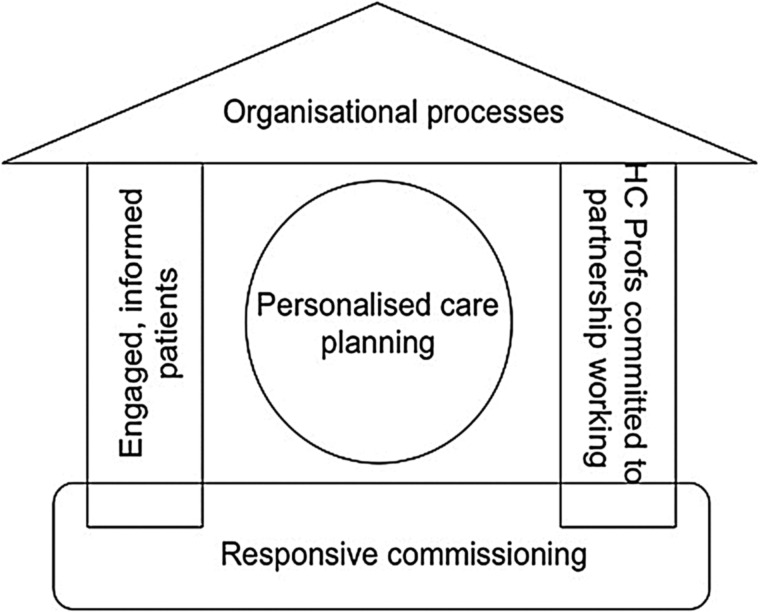
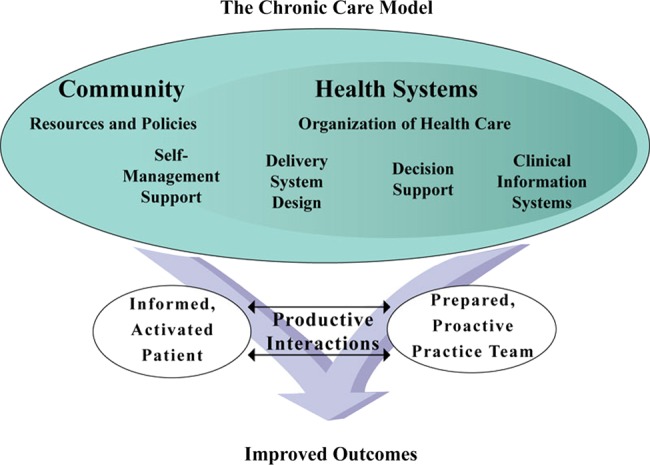
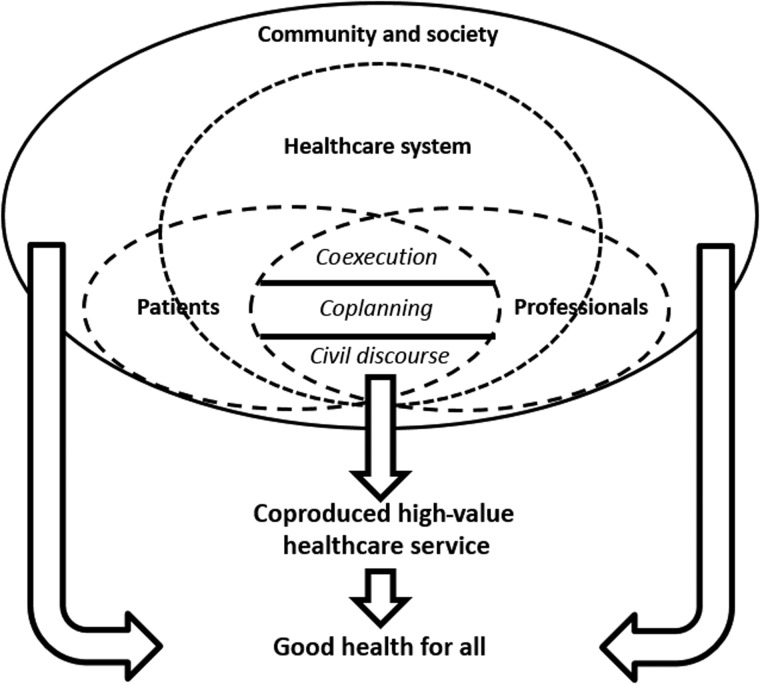
Verification
Claims the paper makes
The claims and statistics of this paper haven’t been checked yet.
Run the check — free, no account needed. It reads the open-access text and checks the sources it cites.
Claims other papers make about this one
Each is checked against this paper’s own text: does it say what the citing paper says it does?
The source backs part of the claim, not all of it — or backs it for a different population, condition or comparison.
In the citing paper
“When developing interventions, involving diverse stakeholders (e.g., patients, healthcare staff and their managers, researchers, and policy makers) has been recommended to enhance accuracy, fit, and sense of ownership within the specific setting [15, 16].”
From Developing a primary care-based cognitive behavioral intervention for anxiety in children through a participatory approach: a qualitative study. (2026) · cites this paper as [15]
Experimental — accuracy not yet measured
Self-check
Percentages, sums and reported differences re-computed from the paper’s own numbers.
The self-check needs the paper’s full text.
Citations
Cites
Crossing the Quality Chasm: A New Health System for the 21st Century
Baker, A. (2001) · BMJ · doi:10.1136/bmj.323.7322.1192 · Cited by 10,779
Crossing the Quality Chasm: A New Health System for the 21st Century
Bloom, B. S. (2002) · JAMA · doi:10.1001/jama.287.5.646-a · Cited by 3,733
Improving chronic illness care: translating evidence into action
Wagner, E. H., Austin, B. T., Davis, C., Hindmarsh, M., Schaefer, J., & Bonomi, A. (2001) · Health Affairs · doi:10.1377/hlthaff.20.6.64 · Cited by 3,446
Shared decision making — The pinnacle of patient-centered care
Barry, M. J., & Edgman-Levitan, S. (2012) · New England Journal of Medicine · doi:10.1056/nejmp1109283 · Cited by 3,433 · cited 1×
“’ 55 It is difficult for the NHS to calculate the long-term return on investment in evaluating these paradigm-shifting trainings.”
BackgroundCrossing the great divide: Coproduction, synergy, and development
Elinor Ostrom, B. (1996) · World Development · doi:10.1016/0305-750x(96)00023-x · Cited by 2,838
Hibbard, J. H., Stockard, J., Mahoney, E. R., & Tusler, M. (2004) · Health Services Research · doi:10.1111/j.1475-6773.2004.00269.x · Cited by 2,748
Lorig, K. R., Sobel, D. S., Stewart, A. L., Brown, B. W., Bandura, A., Ritter, P., Gonzalez, V. M., Laurent, D. D., & Holman, H. R. (1999) · Medical Care · doi:10.1097/00005650-199901000-00003 · Cited by 2,261
Chronic disease management: what will it take to improve care for chronic illness?
Eh, W. (1998) · PubMed · Cited by 2,095
Beyond Engagement and Participation: User and Community Coproduction of Public Services
Bovaird, T. (2007) · Public Administration Review · doi:10.1111/j.1540-6210.2007.00773.x · Cited by 2,061
Leavitt, M. (2001) · PubMed · Cited by 1,835
Research works printed but not linked: 2
- Sandström P . A toolbox for co-production of knowledge and improved land use dialogues: the perspective of reindeer husbandry [PhD Thesis]. Umeå, Sweden: Department of Forest Resource Management, Swedish University of Agricultural Sciences, 2015:20.
- Flood S . Enhancing adaptive capacity through co-production of knowledge in New Zealand. Proceedings of the Resilient Cities 2014 congress; 5th Global Forum on Urban Resilience and Adaptation; Bonn, Germany, 29–31 May, 2014.
Cited by
Sorted by citations
The Lancet Global Health Commission on Global Eye Health: vision beyond 2020
Burton, M. J., Ramke, J., Marques, A. P., Bourne, R. R. A., Congdon, N., Jones, I., Ah Tong, B. A. M., Arunga, S., Bachani, D., Bascaran, C., et al. (2021) · The Lancet Global Health · doi:10.1016/s2214-109x(20)30488-5 · Cited by 1,624
A three-talk model for shared decision making: multistage consultation process
Elwyn, G. J., Durand, M., Song, J. H., Aarts, J. W. M., Barr, P. J., Berger, Z. D., Cochran, N., Frosch, D. L., Galasiński, D., Gulbrandsen, P., et al. (2017) · BMJ · doi:10.1136/bmj.j4891 · Cited by 1,031
From tokenism to empowerment: progressing patient and public involvement in healthcare improvement
Ocloo, J. E., & Matthews, R. (2016) · BMJ Quality & Safety · doi:10.1136/bmjqs-2015-004839 · Cited by 1,015
“67 68 There is no one ‘ correct ’ way of doing co-production, but there are six principles that help to underpin practice: A. assets: recognising people as assets; B. capabilities: building on people ’ s existing strengths; C. mutuality: reciprocal relations with mutual responsibilities and…”
BackgroundDiffusion Of Innovations Theory, Principles, And Practice
Dearing, J. W., & Cox, J. G. (2018) · Health Affairs · doi:10.1377/hlthaff.2017.1104 · Cited by 757
Brandsen, T., Steen, T. P. S., & Verschuere, B. (2018) · Routledge eBooks · doi:10.4324/9781315204956 · Cited by 577
Implementation of Patient-Reported Outcomes in Routine Medical Care
Basch, E., Barbera, L. C., Kerrigan, C. L., & Velikova, G. (2018) · American Society of Clinical Oncology Educational Book · doi:10.1200/edbk_200383 · Cited by 415
The co-production of what? Knowledge, values, and social relations in health care
Filipe, Â. M., Renedo, A., & Marston, C. (2017) · PLoS Biology · doi:10.1371/journal.pbio.2001403 · Cited by 372
“In health care, for example, processes of co-production can take many forms, including the co-design, co-evaluation, and co-implementation of services and service improvements by patients, clinicians, carers, and managers with and without a research component [10,11].”
BackgroundPalmer, V., Weavell, W., Callander, R., Piper, D., Richard, L., Maher, L., Boyd, H., Herrman, H., Furler, J., Gunn, J., et al. (2018) · Medical Humanities · doi:10.1136/medhum-2017-011398 · Cited by 318
The potential impacts of digital technologies on co-production and co-creation
Lember, V., Brandsen, T., & Tõnurist, P. (2019) · Public Management Review · doi:10.1080/14719037.2019.1619807 · Cited by 437
“…has demonstrated most successfully, for example, how di ff erent parties contribute to the regeneration of their neighbourhoods (Vanleene, Voets, and Verschuere 2017) or how patients bring expertise to their treatment (Batalden, Batalden, and Margolis et al. 2016; McMullin and Needham 2018).”
BackgroundBurnout among healthcare workers in the COVID 19 era: a review of the existing literature
Leo, C. G., Sabina, S., Tumolo, M. R., Bodini, A., Ponzini, G., Sabato, E., & Mincarone, P. (2021) · Frontiers in Public Health · doi:10.3389/fpubh.2021.750529 · Cited by 303
Masterson, D., Josefsson, K. A., Robert, G., Nylander, E. M., & Kjellström, S. (2022) · Health Expectations · doi:10.1111/hex.13470 · Cited by 319
“Two articles worth noting are those of Batalden et al.65 and Osborne et al.,45 both of which connect the co‐production and co‐design clusters.”
BackgroundMultidrug-resistant tuberculosis
Dheda, K. U. J., Mirzayev, F., Cirillo, D. M., Udwadia, Z. F., Dooley, K. E., Chang, K. C., Omar, S. V., Reuter, A., Perumal, T., Horsburgh, C. R., et al. (2024) · Nature Reviews Disease Primers · doi:10.1038/s41572-024-00504-2 · Cited by 277
“Improving DR-TB services starts with inviting the individuals and communities for whom these services are being provided, together with the health workers at grassroots level, as key partners in design, improvement, innovation and implementation of DR-TB care 190,192,193 .”
Massaro, M., Secinaro, S. F., Mas, F. D., Brescia, V., & Calandra, D. (2020) · Business Strategy and the Environment · doi:10.1002/bse.2680 · Cited by 218
Toward an Information Infrastructure for Global Health Improvement
Friedman, C. P., Rubin, J. C., & Sullivan, K. (2017) · Yearbook of Medical Informatics · doi:10.15265/iy-2017-004 · Cited by 214
“These new modes of thinking will be multi-disciplinary [68] and will invoke important concepts such as co-production [69, 70]; “chaordic” organizations [71]; ultralarge-scale systems [72, 73]; co-opetition [74, 75]; evolution at whole-industry scale; social sensing [76]; learning over highly distributed, locally auton…”
Patient focused registries can improve health, care, and science
Nelson, E. C., Dixon‐Woods, M., Batalden, P. B., Homa, K. A., Citters, A. D. V., Morgan, T. S., Eftimovska, E., Fisher, E. S., Øvretveit, J., Harrison, W. N., et al. (2016) · BMJ · doi:10.1136/bmj.i3319 · Cited by 209
Self-citationRamanadhan, S., Davis, M. M., Armstrong, R., Baquero, B. I., Ko, L. K., Leng, J. C. F., Salloum, R. G., Vaughn, N. A., & Brownson, R. C. (2018) · Cancer Causes & Control · doi:10.1007/s10552-018-1008-1 · Cited by 207
“Given that the outcomes of cancer prevention efforts are a function of the characteristics and activities of researchers, implementers, and recipients, engagement of these key players in design, delivery, and evaluation is expected to increase the utility of implementation science findings [28].”
Coproduction: when users define quality
Elwyn, G. J., Nelson, E. C., Hager, A., & Price, A. I. (2019) · BMJ Quality & Safety · doi:10.1136/bmjqs-2019-009830 · Cited by 202
“defInIng coproductIon Batalden et al(16) have described the coproduction of healthcare services as ‘The interdependent work of users and professionals to design, create, develop, deliver, assess and improve the relationships and actions that contribute to the health of individuals and populations’.(16) Coproduction ty…”
BackgroundHealth care service delivery based on the Internet of things: A systematic and comprehensive study
Uşak, M., Kubiatko, M., Shabbir, M. S., Dudnik, O. V., Jermsittiparsert, K., & Rajabion, L. (2019) · International Journal of Communication Systems · doi:10.1002/dac.4179 · Cited by 202
“5,6 On the other hand, lack of regular and inconsistent use of the new health care systems based on novel paradigm such as IoT has often caused limitations in their success and may increase the costs.”
BackgroundBernhardt, J. A., Borschmann, K., Boyd, L. A., Carmichael, S. T., Corbett, D., Cramer, S. C., Hoffmann, T., Kwakkel, G., Savitz, S. I., Saposnik, G., et al. (2016) · International Journal of Stroke · doi:10.1177/1747493016643851 · Cited by 182
“In complex behaviour change research, we see increased attention on co-design of interventions with the health consumer (40); turning these types of interventions into standardised protocols for delivery in trials is not simple.”
Clarke, D. J., Jones, F., Harris, R. G., & Robert, G. (2017) · BMJ Open · doi:10.1136/bmjopen-2016-014650 · Cited by 178
“47 At the clinical microsystem level within the healthcare sector, there has been increasing adoption of co-production involving patients and staff, typically drawing on co-design approaches, as a means of improving the quality of front-line services.(12) 13 Health services, whether public or private, operate within i…”
BackgroundInfluentialBatalden, P. B. (2018) · BMJ · doi:10.1136/bmj.k3617 · Cited by 179
“To help us shift to a “service dominant” mindset we created a model of healthcare service coproduction 10 based on the work of Wagner 11 and Coulter.”
MethodSelf-citationBritto, M. T., Fuller, S., Kaplan, H. C., Kotagal, U. R., Lannon, C., Margolis, P. A., Muething, S. E., Schoettker, P. J., & Seid, M. (2018) · BMJ Quality & Safety · doi:10.1136/bmjqs-2017-007219 · Cited by 168
Self-citationWard, M. E., Brún, A. D., Beirne, D., Conway, C., Cunningham, Ú., English, A., Fitzsimons, J., Furlong, E., Kane, Y., Kelly, A., et al. (2018) · International Journal of Environmental Research and Public Health · doi:10.3390/ijerph15061182 · Cited by 162
Graffigna, G., Barello, S., & Bonanomi, A. G. (2017) · PLoS ONE · doi:10.1371/journal.pone.0179865 · Cited by 156
Co-production in health policy and management: a comprehensive bibliometric review
Fusco, F., Marsilio, M., & Guglielmetti, C. (2020) · BMC Health Services Research · doi:10.1186/s12913-020-05241-2 · Cited by 156
Putting the social back into sociotechnical: Case studies of co-design in digital health
Papoutsi, C., Wherton, J., Shaw, S., Morrison, C., & Greenhalgh, T. (2021) · Journal of the American Medical Informatics Association · doi:10.1093/jamia/ocaa197 · Cited by 126
“Other approaches used in health services research include experience-based co-design and service coproduction.(19,20) Co-design becomes more productive when viewed as an iterative process of development, value creation, and knowledge generation.”
MethodFarr, M., Banks, J., Edwards, H. B., Northstone, K., Bernard, E., Salisbury, C., & Horwood, J. (2018) · BMJ Open · doi:10.1136/bmjopen-2017-019966 · Cited by 106
A Comprehensive Theory of Integration
Singer, S., Kerrissey, M. J., Friedberg, M., & Phillips, R. (2018) · Medical Care Research and Review · doi:10.1177/1077558718767000 · Cited by 105
“We view this as a gap, as theory suggests that patient inclusion in information sharing and decision making is critical to integration (Batalden et al., 2016), and the empirical literature on integration has noted that the interests of patients and families are often neglected in efforts toward integration (Martsolf e…”
BackgroundQuality improvement made simple
(2021) · doi:10.37829/hf-2021-i05 · Cited by 121
van Dael, J., Reader, T. W., Gillespie, A., Neves, A. L., Darzi, A. W., & Mayer, E. K. (2020) · BMJ Quality & Safety · doi:10.1136/bmjqs-2019-009704 · Cited by 118
Representative co-production: broadening the scope of the public service logic
Eriksson, E. M. (2018) · Public Management Review · doi:10.1080/14719037.2018.1487575 · Cited by 131
“Because of the risk or discomfort, patients may be reluctant to engage with healthcare staff (Batalden et al. 2015; Berry and Bendapudi 2007).”
BackgroundRütten, A., Frahsa, A., Abel, T., Bergmann, M., de Leeuw, E., Hunter, D., Jansen, M., King, A., & Potvin, L. (2019) · Health Promotion International · doi:10.1093/heapro/dax053 · Cited by 109
Patients’ experiential knowledge and expertise in health care: A hybrid concept analysis
Castro, E. M., Regenmortel, T. V., Sermeus, W., & Vanhaecht, K. (2018) · Social Theory & Health · doi:10.1057/s41285-018-0081-6 · Cited by 108
Singh, D. R., Sah, R. K., Simkhada, B., & Darwin, Z. J. (2023) · Global Health Research and Policy · doi:10.1186/s41256-023-00290-6 · Cited by 125
“The co-design approach in integration with implementation science can play a vital role in addressing such gaps in engaging the users and other stakeholders at different stages of policy formulation, implementation, and evaluation [5].”
BackgroundInfluentialCoproducing Health Professions Education: A Prerequisite to Coproducing Health Care Services?
Englander, R., Holmboe, E. S., Batalden, P. B., Caron, R. M., Durham, C. F., Foster, T. C., Ogrinc, G. S., Ercan-Fang, N. G., & Batalden, M. (2019) · Academic Medicine · doi:10.1097/acm.0000000000003137 · Cited by 108
Self-citationRobert, G., Locock, L., Williams, O., Cornwell, J., Donetto, S., & Goodrich, J. (2022) · Cambridge University Press eBooks · doi:10.1017/9781009237024 · Cited by 114
Patient and Public Involvement in research: A journey to co-production
Price, A., Clarke, M., Staniszewska, S., Chu, L., Tembo, D., Kirkpatrick, M., & Nelken, Y. (2022) · Patient Education and Counseling · doi:10.1016/j.pec.2021.07.021 · Cited by 90
Turk, E., Durrance‐Bagale, A., Han, E. K. L., Bell, S., Rajan, S., Lota, M. M. M., Ochu, C. L., Porras, M. L., Mishra, P., Frumence, G., et al. (2021) · BMJ · doi:10.1136/bmj.m4752 · Cited by 97
When Patients and Their Families Feel Like Hostages to Health Care
Berry, L. L., Danaher, T. S., Beckham, D., Awdish, R., & Mate, K. S. (2017) · Mayo Clinic Proceedings · doi:10.1016/j.mayocp.2017.05.015 · Cited by 99
Health Systems Science in Medical Education: Unifying the Components to Catalyze Transformation
Gonzalo, J. D., Chang, A., Dekhtyar, M., Starr, S. R., Holmboe, E. S., & Wolpaw, D. R. (2020) · Academic Medicine · doi:10.1097/acm.0000000000003400 · Cited by 98
Jaspers, S., & Steen, T. P. S. (2018) · Public Management Review · doi:10.1080/14719037.2018.1508608 · Cited by 104
“WHO 2016) – including co-produced assisted living technologies (Batalden et al. 2015), collaborative healthcare (Wherton et al. 2015), or social care (Needham and Carr 2009; Ross, Needham, and Carr 2013).”
BackgroundEliminating health care inequities through strengthening access to care
Jindal, M., Chaiyachati, K. H., Fung, V., Manson, S. M., & Mortensen, K. (2023) · Health Services Research · doi:10.1111/1475-6773.14202 · Cited by 127
Aktaa, S., Batra, G., Wallentin, L. C., Baigent, C., Erlinge, D., James, S. K., Ludman, P., Maggioni, A. P., Price, S., Weston, C. F. M., et al. (2020) · European Heart Journal - Quality of Care and Clinical Outcomes · doi:10.1093/ehjqcco/qcaa069 · Cited by 91
The Coming Primary Care Revolution
Ellner, A., & Phillips, R. S. (2017) · Journal of General Internal Medicine · doi:10.1007/s11606-016-3944-3 · Cited by 94
“Accomplishing this shift towards a B co-production ^ model 39 in healthcare will require technology tools that profoundly transcend the current generation of electronic health records, which are largely optimized for revenue capture in a fee-for-service billing paradigm.”
BackgroundHarnessing Digital Health Technologies During and After the COVID-19 Pandemic: Context Matters
Petracca, F., Ciani, O., Cucciniello, M., & Tarricone, R. (2020) · Journal of Medical Internet Research · doi:10.2196/21815 · Cited by 88
“Likewise, health care systems should flexibly partner with patients by enacting a mutual learning space and blurring the boundary between producers and consumers [37].”
BackgroundBergerum, C., Thor, J., Josefsson, K., & Wolmesjö, M. (2019) · Health Expectations · doi:10.1111/hex.12900 · Cited by 84
Co-Design as Enabling Factor for Patient-Centred Healthcare: A Bibliometric Literature Review
Silvola, S., Restelli, U., Bonfanti, M., & Croce, D. (2023) · ClinicoEconomics and Outcomes Research · doi:10.2147/ceor.s403243 · Cited by 98
“Moreover, the positive impact in terms of costs of the innovation process as reduced cost for innovation thanks to the partial substitution of paid personnel with volunteers, emerged.(27,32,38) Additionally, the benefits in terms of time to market, understood as the length of time from a product or service conception…”
BackgroundThomas, G., Lynch, M., & Spencer, L. H. (2021) · International Journal of Environmental Research and Public Health · doi:10.3390/ijerph18083896 · Cited by 84
“Similar to previous studies of a co-productive, co-designed approach within health [17,40,41] the evidence demonstrates the establishment of a mutual relationship between service providers and service users as a transformative process.”
ResultA framework for understanding, designing, developing and evaluating learning health systems
Foley, T., & Vale, L. D. (2022) · Learning Health Systems · doi:10.1002/lrh2.10315 · Cited by 83
“The choice of tools can be influenced by, the task, the type of knowledge sought and by the participants,(71) but there is limited evidence on how to choose the most appropriate tools.(71,72) It can be helpful to employ an overarching co-design framework,(73,74) TABLE 2 Example analytic approaches within a Learning He…”
MethodEntwistle, V. A., Cribb, A., & Owens, J. (2016) · Health Care Analysis · doi:10.1007/s10728-016-0335-1 · Cited by 82
Competency-Based Medical Education at the Front Lines of Patient Care
Cooper, D., & Holmboe, E. S. (2025) · New England Journal of Medicine · doi:10.1056/nejmra2411880 · Cited by 76
Coffey, M., Cohen, R., Faulkner, A., Hannigan, B., Simpson, A., & Barlow, S. H. (2016) · Health Expectations · doi:10.1111/hex.12474 · Cited by 83
Morgan, E. M., Mara, C. A., Huang, B., Barnett, K. A., Carle, A. C., Farrell, J., & Cook, K. F. (2016) · Quality of Life Research · doi:10.1007/s11136-016-1468-2 · Cited by 83
“There is growing awareness of the value of co-production in healthcare [32] and the importance of incorporating the perspective of the person experiencing the treatment impact on what truly constitutes efficacy, over statistical determinations, particularly when PRO scores serve as triggers for clinical action [18].”
Adopting a knowledge translation approach in healthcare co-production. A case study
Mas, F. D., Biancuzzi, H., Massaro, M., & Miceli, L. (2020) · Management Decision · doi:10.1108/md-10-2019-1444 · Cited by 80
What Words Convey: The Potential for Patient Narratives to Inform Quality Improvement
Grob, R., Schlesinger, M. J., Barre, L. R., Bardach, N. S., Lagu, T. C., Shaller, D., Parker, A. M., Martino, S. C., Finucane, M. L., Cerully, J., et al. (2019) · Milbank Quarterly · doi:10.1111/1468-0009.12374 · Cited by 80
Development and Validation of an Instrument for Assessing Patient Experience of Chronic Illness Care
Mira, J. J., Nuño-Solínis, R., Guilabert, M., Solas, O., Fernández-Cano, P., González-Mestre, M. A., Contel, J. C., & Cámara, M. D. R. (2016) · International Journal of Integrated Care · doi:10.5334/ijic.2443 · Cited by 79
“– To incorporate new theories, frameworks and trends in health care, such as the Triple Aim [23], the narratives of ‘person-centred coordinated care’ [24] or coproduction approaches [25] that are emphasising the importance of patient experience; – To incorporate a broad notion of integrated care, including social care…”
BackgroundMethodFylan, B., Armitage, G., Naylor, D., & Blenkinsopp, A. (2017) · BMJ Quality & Safety · doi:10.1136/bmjqs-2017-006813 · Cited by 80
“48 49 Potential system modifications to enhance system resilience are shown in Table 2, developed based on patients’ experiences described during this study.”
On the application of Human Reliability Analysis in healthcare: Opportunities and challenges
Sujan, M. A., Embrey, D. E., & Huang, H. (2018) · Reliability Engineering & System Safety · doi:10.1016/j.ress.2018.06.017 · Cited by 81
“Healthcare services have been described as being coproduced by patients and healthcare providers [106].”
BackgroundCo-creation in healthcare: framing the outcomes and their determinants
Fusco, F., Marsilio, M., & Guglielmetti, C. (2023) · Journal of service management · doi:10.1108/josm-06-2021-0212 · Cited by 87
Franzosa, E. C., Gorbenko, K. O., Brody, A. A., Leff, B. A., Ritchie, C. S., Kinosian, B. P., Ornstein, K. A., & Federman, A. D. (2020) · Journal of the American Geriatrics Society · doi:10.1111/jgs.16952 · Cited by 75
“Because of their longstanding relationships, providers were able to maintain trust, highlighting the benefits of team-based, longitudinal patient care.(15) In addition, these findings show a need to acknowledge the central role of and need to support paid and unpaid caregivers in facilitating virtual and in-person car…”
BackgroundShared medical appointments and patient-centered experience: a mixed-methods systematic review
Wadsworth, K. H., Archibald, T. G., Payne, A. E., Cleary, A. K., Haney, B. L., & Hoverman, A. S. (2019) · BMC Family Practice · doi:10.1186/s12875-019-0972-1 · Cited by 70
Swedish Inflammatory Bowel Disease Register (SWIBREG) – a nationwide quality register
Ludvigsson, J. F., Andersson, M., Bengtsson, J., Eberhardson, M., Fagerberg, U. L., Grip, O., Halfvarson, J., Hjortswang, H., Jäghult, S., Karling, P., et al. (2019) · Scandinavian Journal of Gastroenterology · doi:10.1080/00365521.2019.1660799 · Cited by 74
“Evidence-based medicine should be co-produced by staff and patients, with a joint commitment of improving care continuously and in a sustainable way [55].”
BackgroundThe patient as a prosumer of healthcare: insights from a bibliometric-interpretive review
Ciasullo, M. V., Lim, W. M., Manesh, M. F., & Palumbo, R. (2022) · Journal of Health Organization and Management · doi:10.1108/jhom-11-2021-0401 · Cited by 78
Knowledge Translation in the Healthcare Sector. A Structured Literature Review
Mas, F. D., García-Pérez, A., Sousa, M. J., Costa, R. L. D., & Cobianchi, L. (2020) · Electronic Journal of Knowledge Management · doi:10.34190/ejkm.18.03.001 · Cited by 72
Transforming gastroenterology care with telemedicine
Siegel, C. A. (2017) · Gastroenterology · doi:10.1053/j.gastro.2017.01.048 · Cited by 71
Patient- and Family-Centered Care: A Primer
Rawson, J. V., & Moretz, J. G. (2016) · Journal of the American College of Radiology · doi:10.1016/j.jacr.2016.09.003 · Cited by 71
“Others call it co-design [2] or co-production [3] with patients and providers.”
BackgroundApplication of continuous quality improvement to medical education
Wong, B. M., & Headrick, L. A. (2020) · Medical Education · doi:10.1111/medu.14351 · Cited by 76
Flink, M., & Ekstedt, M. (2017) · International Journal of Integrated Care · doi:10.5334/ijic.3003 · Cited by 70
“Healthcare systems have much to gain from facilitating patient learning about self-management and engaging patients to become active partners in care [8], as patients with high levels of activation have the most effective selfmanagement skills [9–11].”
BackgroundBachnick, S., Ausserhofer, D., Baernholdt, M., & Simon, M. (2017) · International Journal of Nursing Studies · doi:10.1016/j.ijnurstu.2017.11.007 · Cited by 84
Lindblom, S., Flink, M., Elf, M., Laska, A. C., von Koch, L., & Ytterberg, C. (2021) · Health Expectations · doi:10.1111/hex.13233 · Cited by 72
Coproduction and health: Public and clinicians’ perceptions of the barriers and facilitators
Holland‐Hart, D., Addis, S., Edwards, A., Kenkre, J. E., & Wood, F. (2018) · Health Expectations · doi:10.1111/hex.12834 · Cited by 66
MacNeil, M., Koch, M., Kuspinar, A., Juzwishin, D., Lehoux, P., & Stolee, P. (2019) · Health Policy · doi:10.1016/j.healthpol.2018.09.018 · Cited by 65
Holden, R. J., Boustani, M. A., & Azar, J. (2021) · BMJ Innovations · doi:10.1136/bmjinnov-2020-000574 · Cited by 71
“The team engages stakeholders—including subject matter experts, leaders and end users (customers)— throughout the process.”
Bierman, A. S., Wang, J., O’Malley, P. G., & Moss, D. (2021) · Health Services Research · doi:10.1111/1475-6773.13863 · Cited by 65
“Including people living with MCC, caregivers, communities, and health care teams to co-produce intervention designs and evaluations holds promise in accelerating learning.(27) Traditional randomized control trials fail to account for the complexity inherent in implementing interventions to redesign care delivery.”
BackgroundPalumbo, R., & Manna, R. (2017) · Policy and Society · doi:10.1080/14494035.2018.1411872 · Cited by 65
“In fact, a resistant bio-medical culture and a provider-centered design of the health care system determine a professional-led provision of health services, which overlooks the value added of patient involvement (Batalden et al., 2015).”
BackgroundWong, B. M., Baum, K. D., Headrick, L. A., Holmboe, E. S., Moss, F. M., Ogrinc, G. S., Shojania, K. G., Vaux, E. C., Warm, E. J., & Frank, J. R. (2019) · Academic Medicine · doi:10.1097/acm.0000000000002937 · Cited by 65
Coproduction with Autistic Adults: Reflections from the Authentistic Research Collective
Stark, E. A., Ali, D., Ayre, A., Schneider, N., Parveen, S., Marais, K., Holmes, N., & Pender, R. (2020) · Autism in Adulthood · doi:10.1089/aut.2020.0050 · Cited by 74
“13,14 These can be led by patients, carers, clinicians, and/or managers, and may or may not comprise a research component.”
Fylan, B., Marques, I., Ismail, H., Breen, L., Gardner, P. H., Armitage, G., & Blenkinsopp, A. (2019) · BMJ Open · doi:10.1136/bmjopen-2018-023440 · Cited by 64
“Materials to support patients should be developed using codesign methods to maximise their acceptability and usability with both patients and healthcare staff.(42) Policymakers may also consider allowing patients to write to and share a personal health record to keep track of and flag problems they may have with their…”
BackgroundBernhardt, J. A., Borschmann, K., Boyd, L. A., Carmichael, S. T., Corbett, D., Cramer, S. C., Hoffmann, T., Kwakkel, G., Savitz, S. I., Saposnik, G., et al. (2017) · Neurorehabilitation and neural repair · doi:10.1177/1545968317724290 · Cited by 63
“research, we see increased attention on co-design of interventions with the health consumer (40); turning these types of interventions into standardised protocols for delivery in trials is not simple.”
Overcoming Challenges In Codifying And Replicating Complex Health Care Interventions
Horton, T., Illingworth, J. H., & Warburton, W. (2018) · Health Affairs · doi:10.1377/hlthaff.2017.1161 · Cited by 63
Constantin, N., Edward, H., Ng, H., Radisic, A., Yule, A., D’Asti, A., D’Amore, C., Reid, J. C., & Beauchamp, M. (2022) · BMC Geriatrics · doi:10.1186/s12877-022-03345-4 · Cited by 58
“It aims to actively engage specific groups of individuals, such as end-users, to aid in the development of products or services through knowledge sharing [3].”
BackgroundImplementing multidisciplinary tumor boards in oncology: a narrative review
Mano, M. S., çitaku, F. T., & Barach, P. (2022) · Future Oncology · doi:10.2217/fon-2021-0471 · Cited by 59
Granström, E., Wannheden, C., Brommels, M., Hvitfeldt, H., & Nyström, M. E. (2020) · BMC Health Services Research · doi:10.1186/s12913-020-05945-5 · Cited by 56
“different levels of the healthcare system, including patient participation [21], co-production of care [22], pa-”
BackgroundSood, E., Lisanti, A. J., Woolf‐King, S. E., Wray, J., Kasparian, N. A., Jackson, E., Gregory, M. R., Lopez, K. N., Marino, B. S., Neely, T., et al. (2021) · Cardiology in the Young · doi:10.1017/s1047951121002134 · Cited by 60
Generalizing about Public Health Interventions: A Mixed-Methods Approach to External Validity
Leviton, L. C. (2017) · Annual Review of Public Health · doi:10.1146/annurev-publhealth-031816-044509 · Cited by 59
“(5) cite a long tradition of research in business and public administration to support their distinction between health care as a uniform product (e.”
BackgroundWannheden, C., & Revenäs, Å. (2020) · Journal of Medical Internet Research · doi:10.2196/19195 · Cited by 53
Kirk, J. W., Bandholm, T., Andersen, O., Husted, R. S., Tjørnhøj‐Thomsen, T., Nilsén, P., & Pedersen, M. M. (2021) · Journal of Health Organization and Management · doi:10.1108/jhom-02-2020-0049 · Cited by 55
Hind, D., Parkin, J., Whitworth, V., Rex, S., Young, T. A., Hampson, L. V., Sheehan, J., Maguire, C., Cantrill, H., Scott, E., et al. (2017) · Health Technology Assessment · doi:10.3310/hta21270 · Cited by 54
“Critically, if service managers cannot deliver the ongoing physiotherapy service that parents desire, then they may be able to support something else to happen.(239,240) Use of national involvement standards for public involvement(241) and sound evaluation principles(242) will increase the chances that new service mod…”
BackgroundUsing Principles of Co-Production to Improve Patient Care and Enhance Value
Turakhia, P., & Combs, B. P. (2017) · The AMA Journal of Ethic · doi:10.1001/journalofethics.2017.19.11.pfor1-1711 · Cited by 50
“have proposed a theoretical framework for co-production wherein “patients and professionals interact as participants within a healthcare system in society” [5].”
BackgroundDevelopment of Patient-Inclusive Teams: Toward a Structured Methodology
Pomey, M., Lebel, P., Clavel, N., Morin, É., Morin, M., Neault, C., Tétreault, B., & Mulliez, A.-P. E. (2018) · Healthcare Quarterly · doi:10.12927/hcq.2018.25640 · Cited by 48
Fostering Collaboration Through Creation of an IBD Learning Health System
Johnson, L. C., MELMED, G. Y., Nelson, E. C., Holthoff, M. M., Weaver, A., Morgan, T. S., & Siegel, C. A. (2017) · The American Journal of Gastroenterology · doi:10.1038/ajg.2017.9 · Cited by 47
Bergerum, C., Engström, A. K., Thor, J., & Wolmesjö, M. (2020) · BMC Health Services Research · doi:10.1186/s12913-020-05970-4 · Cited by 51
A science of collaborative learning health systems
Seid, M., Hartley, D., & Margolis, P. A. (2021) · Learning Health Systems · doi:10.1002/lrh2.10278 · Cited by 49
Self-citationSchwarz, U. V. T. (2016) · Health Services Management Research · doi:10.1177/0951484816637746 · Cited by 49
Improving care delivery and outcomes in pediatric rheumatic diseases
Harris, J. G., Bingham, C. A., & Morgan, E. M. (2016) · Current Opinion in Rheumatology · doi:10.1097/bor.0000000000000257 · Cited by 47
Mosson, R., Augustsson, H., Bäck, A., Åhström, M., Schwarz, U. V. T., Richter, A., Gunnarsson, M., & Hasson, H. (2019) · BMC Health Services Research · doi:10.1186/s12913-019-4086-1 · Cited by 47
Will Any Road Get You There? Examining Warranted and Unwarranted Variation in Medical Education
Holmboe, E. S., & Kogan, J. R. (2022) · Academic Medicine · doi:10.1097/acm.0000000000004667 · Cited by 45
The Urgency of Now: Rethinking and Improving Assessment Practices in Medical Education Programs
Holmboe, E. S., Osman, N. Y., Murphy, C. M., & Kogan, J. R. (2023) · Academic Medicine · doi:10.1097/acm.0000000000005251 · Cited by 45
Understanding and improving the care pathway for children with autism
Hurt, L. S., Langley, K., North, K., Southern, A., Copeland, L., Gillard, J., & Williams, S. (2019) · International Journal of Health Care Quality Assurance · doi:10.1108/ijhcqa-08-2017-0153 · Cited by 45
Networked health care: Rethinking value creation in learning health care systems
Fjeldstad, Ø. D., Johnson, J. K., Margolis, P. A., Seid, M., Höglund, P. J., & Batalden, P. B. (2019) · Learning Health Systems · doi:10.1002/lrh2.10212 · Cited by 45
Self-citation
Metadata
- Authors
- Batalden, M., Batalden, P., Margolis, P., Seid, M., Armstrong, G., Opipari-Arrigan, L., & Hartung, H.
- Affiliations
- Cambridge Health Alliance (US)
- Dartmouth Institute for Health Policy and Clinical Practice (US)
- Cincinnati Children's Hospital Medical Center (US)
- College of Nursing, University of Colorado, Aurora, Colorado, USA
- Department of Pediatrics, Cincinnati Children's Hospital Medical Center, Cincinnati, Ohio, USA
- University Hospital Crosshouse (GB)
- Corresponding author
- Batalden, Maren
- Venue
- BMJ Quality & Safety
- Publisher
- BMJ
- Published
- 2015-09-16
- Volume
- 25
- Issue
- 7
- Pages
- 509-517
- ISSN
- 1475-3898 (ISSN-L)
- 2044-5415
- 2044-5423
- PMC
- PMC4941163
- OpenAlex
- W2277370197
- Cited by
- 1,078
- References
- 65
- Citations by year
- 2026: 68 · 2025: 84 · 2024: 149 · 2023: 92 · 2022: 130 · 2021: 139 · 2020: 120 · 2019: 91 · 2018: 94 · 2017: 72 · 2016: 38
- FWCI
- 168.93
- Type
- journal article
- Language
- en
- Open access
- hybrid
- doi.org
- Licence
- cc-by-nc
- Locations
- BMJ Quality & Safety (publishedVersion, cc-by-nc)
- PubMed Central (publishedVersion, cc-by-nc)
- PubMed (publishedVersion)
- Diva portal (Dalarna University Library) (submittedVersion, other-oa)
- HighWire Press Open Archive (submittedVersion)
- Funders
- National Institute of Diabetes and Digestive and Kidney Diseases (R01DK085719)
- Topics
- Social Sciences › Business, Management and Accounting › Marketing › Service and Product Innovation
- Health Sciences › Health Professions › General Health Professions › Mental Health and Patient Involvement
- Health Sciences › Health Professions › General Health Professions › Patient Satisfaction in Healthcare
- Keywords
- patient engagement, patient-centered care, service design, service delivery innovation
- MeSH terms
- Delivery of Health Care, Humans, Patient Participation, Quality Assurance, Health Care, Models, Organizational, Quality Improvement
About these checks
Registry, retraction, Cites and statistics results are computed, not judged, with one exception: a printed reference that no index lists is read once by a model before it counts as a citation error. Claims are extracted by a model and kept only when their quote appears verbatim in the text; each cited source is then checked, with a model’s help, for whether it says what the claim relies on. Those verdicts can be wrong — read the claim’s quote and the cited source before relying on one.
Statistics and arithmetic are recomputed, not judged.
Confidence bands are shown only for fields calibrated on our annotated test set. None is calibrated yet, so no band is shown.
What counts as a claim ›How we measure confidence ›How we check this ›
Are you an author, or do you see a problem with this page? Request a review
