

The DOI matches its Crossref record; 104 of the 104 references it cites were found in a registry or an index.
Eliminating Explicit and Implicit Biases in Health Care: Evidence and Research Needs
Open accessAbstract
Health care providers hold negative explicit and implicit biases against marginalized groups of people such as racial and ethnic minoritized populations. These biases permeate the health care system and affect patients via patient–clinician communication, clinical decision making, and institutionalized practices. Addressing bias remains a fundamental professional responsibility of those accountable for the health and wellness of our populations. Current interventions include instruction on the existence and harmful role of bias in perpetuating health disparities, as well as skills training for the management of bias. These interventions can raise awareness of provider bias and engage health care providers in establishing egalitarian goals for care delivery, but these changes are not sustained, and the interventions have not demonstrated change in behavior in the clinical or learning environment. Unfortunately, the efficacy of these interventions may be hampered by health care providers’ work and learning environments, which are rife with discriminatory practices that sustain the very biases US health care professions are seeking to diminish. We offer a conceptual model demonstrating that provider-level implicit bias interventions should be accompanied by interventions that systemically change structures inside and outside the health care system if the country is to succeed in influencing biases and reducing health inequities.
Overview
The claims and statistics of this paper haven’t been checked yet.
Run the check — free, no account needed. It reads the open-access text and checks the sources it cites.
Integrity signals
Registry
Cites
Statistics
Figures
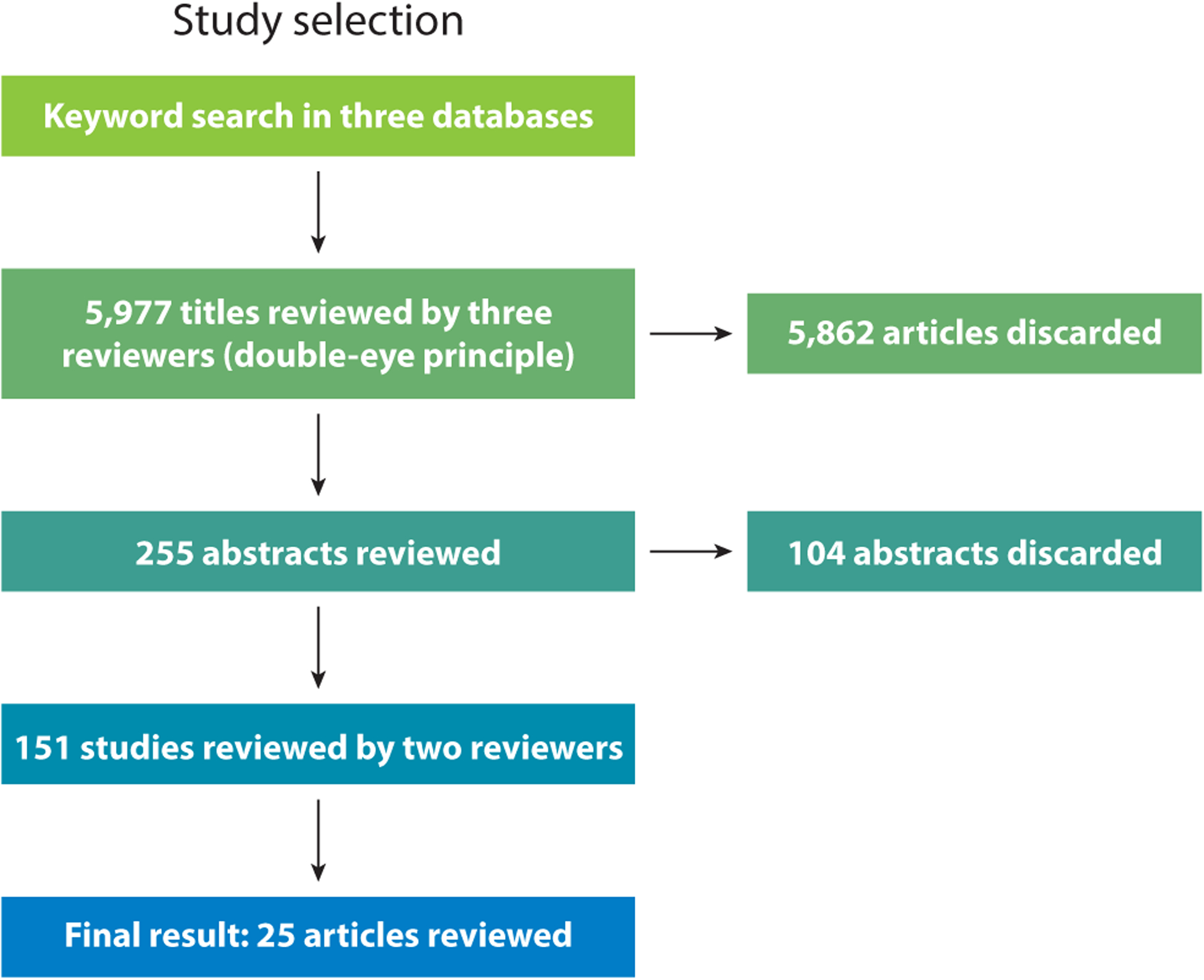
Verification
Claims the paper makes
The claims and statistics of this paper haven’t been checked yet.
Run the check — free, no account needed. It reads the open-access text and checks the sources it cites.
Claims other papers make about this one
Each is checked against this paper’s own text: does it say what the citing paper says it does?
The source backs part of the claim, not all of it — or backs it for a different population, condition or comparison.
In the citing paper
“By simulating scenarios that mirror real-life clinical decision-making processes, and through reading the multi-agent conversations, clinicians can be made aware of potential cognitive biases and how to correct them. This facilitates learning in a controlled, educational environment [25,26].”
From Mitigating cognitive biases in clinical decision-making through multi-agent conversations using large language models: simulation study (2024) · cites this paper as [26]
Experimental — accuracy not yet measured
Self-check
Percentages, sums and reported differences re-computed from the paper’s own numbers.
The self-check needs the paper’s full text.
Citations
Cites
Implicit social cognition: Attitudes, self-esteem, and stereotypes
Greenwald, A. G., & Banaji, M. R. (1995) · Psychological Review · doi:10.1037/0033-295x.102.1.4 · Cited by 6,682 · cited 1×
“Key terminology: What are implicit and explicit biases?—Implicit biases are unconscious mental processes that lead to associations and reactions that are automatic and without intention; actors have no awareness of the associations with a stimulus (41, 43) (Table 1).”
BackgroundPettigrew, T. F. (1998) · Annual Review of Psychology · doi:10.1146/annurev.psych.49.1.65 · Cited by 6,001
Understanding and using the Implicit Association Test: I. An improved scoring algorithm.
Greenwald, A. G., Nosek, B. A., & Banaji, M. R. (2003) · Journal of Personality and Social Psychology · doi:10.1037/0022-3514.85.2.197 · Cited by 5,815 · cited 1×
“Most researchers agree that the IAT has limitations (44).”
BackgroundEmotion regulation: affective, cognitive, and social consequences.
Gross, J. J. (2002) · Psychophysiology · doi:10.1017/s0048577201393198 · Cited by 4,890
Transformative learning: Theory to practice
Mezirow, J. (1997) · New Directions for Adult and Continuing Education · doi:10.1002/ace.7401 · Cited by 4,445 · cited 1×
“TLT transforms the individual’s existing paradigm by disrupting assumptions and then engaging in critical reflection and dialogue to interpret the disruptions (68).”
BackgroundUnderstanding and using the Implicit Association Test: III. Meta-analysis of predictive validity.
Greenwald, A. G., Poehlman, T. A., Uhlmann, E. L., & Banaji, M. R. (2009) · Journal of Personality and Social Psychology · doi:10.1037/a0015575 · Cited by 3,257 · cited 2×
“(45) described a word association test that identified implicit stereotype effects through indirect Vela et al.”
Levels of racism: a theoretic framework and a gardener's tale
(2000) · American Journal of Public Health · doi:10.2105/ajph.90.8.1212 · Cited by 2,626 · cited 2×
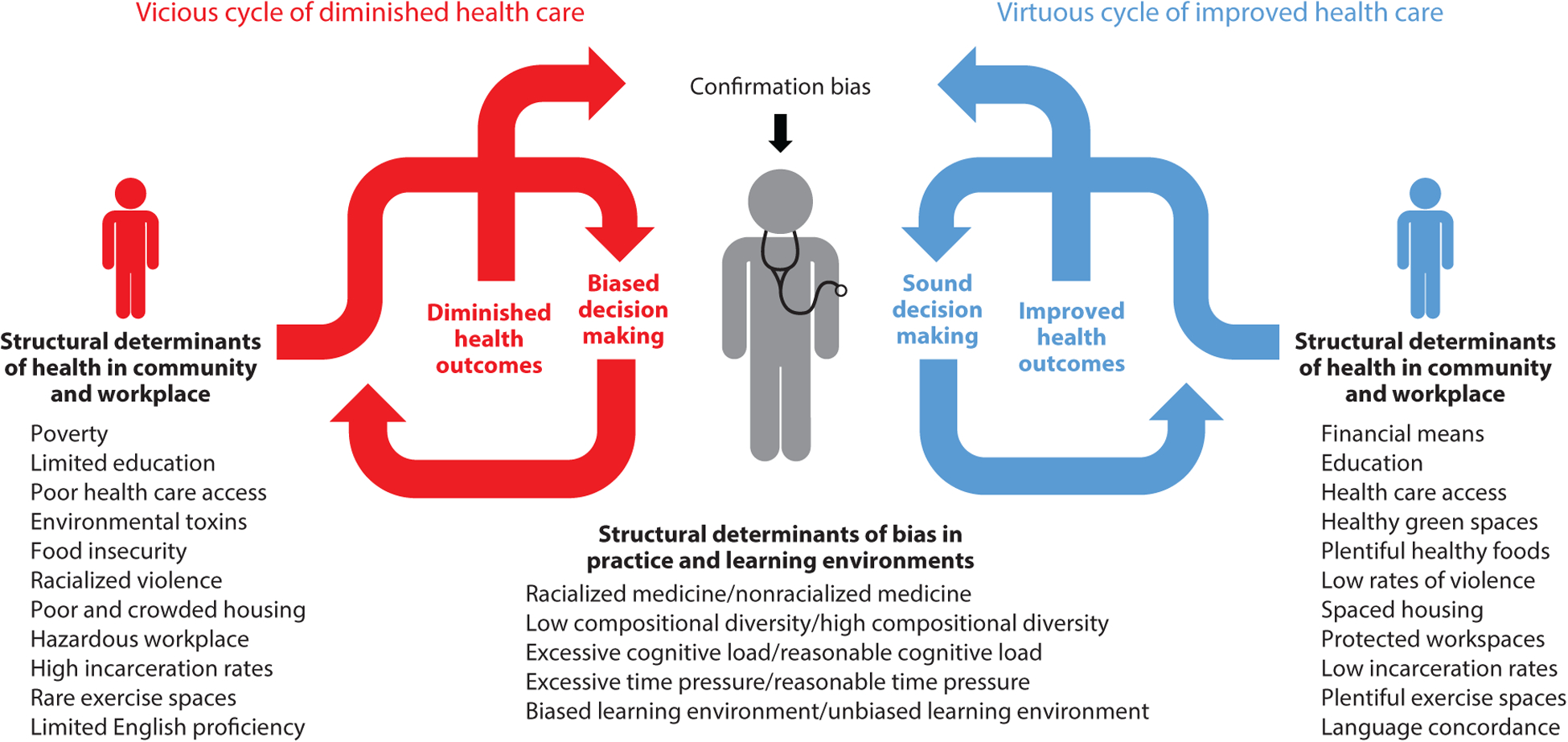
“Conceptual Model Based on Jones’s (54) allegory A Gardener’s Tale, we present a conceptual model of implicit biases of health care providers and the key structural factors affecting these biases (Figure 2).”
BackgroundImplicit bias in healthcare professionals: a systematic review
FitzGerald, C., & Hurst, S. (2017) · BMC Medical Ethics · doi:10.1186/s12910-017-0179-8 · Cited by 2,556 · cited 4×
“A similar reinforcing dynamic may exist for marginalized populations such as those who are overweight/obese, use wheelchairs, have limited English proficiency, have mental health illness, and belong to lower socioeconomic classes (29).”
BackgroundResultInfluentialHoffman, K. M., Trawalter, S., Axt, J. R., & Oliver, M. N. (2016) · Proceedings of the National Academy of Sciences · doi:10.1073/pnas.1516047113 · Cited by 2,486 · cited 1×
“(50) demonstrated in 2016 that White medical students and residents were more likely to believe that Black patients had thicker skin and smaller brains, and were more likely to rate Black patients as feeling less pain than and not needing the same levels of pain medications as White patients.”
BackgroundRacism and health: evidence and needed research
Williams, D. R., Lawrence, J. A., & Davis, B. A. (2019) · Annual Review of Public Health · doi:10.1146/annurev-publhealth-040218-043750 · Cited by 2,398
Research works printed but not linked: 8
- Figure 2. Percentage of applicants to U.S. medical schools by race/ethnicity (alone), academic year 2018–2019
- Blanchard J, 2004, J. Fam. Pract., 53, 721
- Hinton PR., 1993, The Perception of People
- Lee M, 2021, Can. Med. Educ. J., 12, e7
- National Academy of Sciences (US) NtAoEU, and Institute of Medicine (US) Committee on Maximizing the Potential of Women in Academic Science and Engineering, 2007, Beyond Bias and Barriers: Fulfilling the Potential of Women in Academic Science and Engineering
- Osta K, Implicit bias and structural racialization
- Poustchi Y, 2013, Fam. Med., 45, 345
- Staats C, 2015, State of the science: implicit bias review 2015
Cited by
Sorted by citations
Items 101–200 of 426
Health of Black children and youth in Canada: a scoping review
Alumona, C. J., Maduforo, A. N., Awosoga, O., Johnson, N. A., Scott, S. D., McClurg, C. E., Alaazi, D. A., & Salami, B. O. (2025) · BMC Public Health · doi:10.1186/s12889-025-24474-6 · Cited by 5
“Racism in the healthcare system and the implicit bias of the health care providers lead to mistrust, reducing the likelihood of seeking timely medical care among Blacks [78, 79].”
Saldanha, S., Botfield, J. R., & Mazza, D. (2025) · BMC Health Services Research · doi:10.1186/s12913-025-13240-4 · Cited by 5
“Two forms of biases are recognised in healthcare: explicit and implicit [21].”
InfluentialGoldman, J., Rotteau, L., Lo, L., Wong, B. M., Kuper, A., Kooijman, A., Coffey, M., Razack, S., Rawal, S., Palomo, M., et al. (2025) · BMJ Quality & Safety · doi:10.1136/bmjqs-2025-019118 · Cited by 9
“11 33 Individuals can hold explicit and implicit biases towards groups of people, which are shaped by an organisation’s values, policies and practices that enable systemic discrimination.”
Health System Experiences and Care Engagement in Latine Patients With Hidradenitis Suppurativa
Hernandez, Y., Gonzalez, N., Ghanshani, R., Valladares, H. B. C., Amerson, E. H., Naik, H. B., Hsiao, J. L., James, J., Ackerman, S., & Chang, A. Y. (2025) · JAMA Dermatology · doi:10.1001/jamadermatol.2025.5112 · Cited by 5
Health Disparities, Substance-Use Disorders, and Primary-Care
Colistra, A., Ward, A., & Smith, E. (2023) · Primary Care Clinics in Office Practice · doi:10.1016/j.pop.2022.11.001 · Cited by 5
Racial implicit bias: Perspectives of nursing students
Etienne, S., & Lewis, L. S. (2023) · Journal of Professional Nursing · doi:10.1016/j.profnurs.2023.10.007 · Cited by 5
Johnson, B., Jung, K. E., MacKenzie, M., Bah, A., Jetté, N., Mohamed, N., & Blank, L. J. (2025) · Epilepsia · doi:10.1111/epi.18277 · Cited by 5
“69 Increased access to professional language interpretation services can also help providers ensure that their clinical judgment is in line with their patients' concerns.”
How to Fix a Broken Health Care System: Pathways to Maximize Health and Well-being for All
Chin, M. H., Bruch, J. D., Grogan, C. M., Huang, E. S., Kandula, N. R., Kim, D. D., Peek, M. E., & Pollack, H. A. (2025) · Diabetes Care · doi:10.2337/dci25-0001 · Cited by 5
Self-citationMeddar, J. M., Viswanadham, R. V. N., Levine, D. L., Martinez, T. R., Willis, K., Choi, N., Douglas, J., & Lawrence, K. S. (2025) · PLOS Digital Health · doi:10.1371/journal.pdig.0000952 · Cited by 5
Holt, E. W., Murarka, S., Zhao, Z., Baker, M. V., Omosigho, U. R., & Adam, R. A. (2023) · American Journal of Obstetrics and Gynecology · doi:10.1016/j.ajog.2023.06.027 · Cited by 5
Cohen, A., Lambert, C. E., Yanik, M. V., Nathan, L., Rosenberg, H. M., Tavella, N. F., Bianco, A., Futterman, I. D., Haberman, S., Griffin, M., et al. (2024) · American Journal of Obstetrics & Gynecology MFM · doi:10.1016/j.ajogmf.2024.101386 · Cited by 5
Predictors of program interest in a digital health pilot study for heart health
Lockwood, K. G., Pitter, V., Kulkarni, P. R., Graham, S. A., Auster‐Gussman, L. A., & Branch, O. H. (2023) · PLOS Digital Health · doi:10.1371/journal.pdig.0000303 · Cited by 6
“As such, questions about race and ethnicity cannot be fully addressed with the present analyses but should be explored in future work, particularly given evidence for lower rates of digital health utilization for racial and ethnic minorities [13] and evidence of lower healthcare utilization and mistrust of medical pro…”
BackgroundIdentifying and Characterizing Bias at Scale in Clinical Notes Using Large Language ModelsPreprint
Apakama, D. U., Nguyen, K.-A.-N., Hyppolite, D., Soffer, S., Mudrik, A., Ling, E. J., Moses, A., Temnycky, I., Glasser, A., Anderson, R., et al. (2024) · medRxiv · doi:10.1101/2024.10.24.24316073 · Cited by 5
Stadeli, K. M., Soltani, T., Strong, B. L., Robles, A. J., Timmer‐Murillo, S. C., Cronn, S. E., Villarreal, C. L., Ho, V. P., West, M. A., Price, M. A., et al. (2025) · Trauma Surgery & Acute Care Open · doi:10.1136/tsaco-2024-001469 · Cited by 5
“64 The Cultural Complications Curriculum, a longitudinal, data-driven curriculum designed for surgeons that covers 12 core themes in Diversity, Equity, and Inclusion, 65 is being used by many institutions across the country.”
Wagner, Z., Moucheraud, C., Shah, M., Wollum, A., Friedman, W., & Dow, W. H. (2025) · The Economic Journal · doi:10.1093/ej/ueaf012 · Cited by 4
Adekunle, T. B., Adekunle, T. E., Arreola, A., & Sembian, S. (2025) · Health Communication · doi:10.1080/10410236.2025.2521891 · Cited by 4
“Implicit biases among healthcare providers exacerbate these issues, leading to disparities in how Black women are treated compared to their White counterparts (FitzGerald & Hurst, 2017; Howell, 2018; Vela et al., 2022).”
Ojo, D. P., Celeste, C., Ming, D., Fang, R., & Parker, I. (2025) · npj Women s Health · doi:10.1038/s44294-025-00092-w · Cited by 4
“…if these variations in the vaginal micro-biome lead to misdiagnosis when using ML. Existing health disparities are often the byproduct of inadequate access to health care, cultural biases, socioeconomic status, and, at times, discriminatory medical practices, whether intentional or not 21 – 25 .”
The Bleeding Disorders Research Collaborative
Valentino, L. A., Santaella, M. E. E., Witkop, M., Stanhope, R. W., Valadez, S., Carlson, S. A., Benasutti, H., DiMichele, D., & Recht, M. (2025) · Blood Vessels Thrombosis & Hemostasis · doi:10.1016/j.bvth.2025.100099 · Cited by 5
Green, M. D., Farmer, H. R., Xu, H., Dhingra, R., Yang, Q., Thorpe, R. J., Glover, L. M., & Dupre, M. E. (2025) · Journal of General Internal Medicine · doi:10.1007/s11606-025-09796-w · Cited by 4
Wu, Z., Qian, F., Zou, S., Zou, X., Zhang, R., Guo, X., & Li, H. (2025) · BMC Medicine · doi:10.1186/s12916-025-04315-4 · Cited by 4
“Health disparities are well documented in the USA [1, 2].”
Shah, S. N., Conroy, K., Donahue, S. M. A., Chamorro, P., Graham, D. A., Grice, A. W., Ainsworth, J., Frates, J., & Ward, V. L. (2025) · PEDIATRICS · doi:10.1542/peds.2025-070739i · Cited by 6
Ethnic and Gender Disparities in Access to Deep Brain Stimulation Surgery for Parkinson's Disease
Ba, F., Poonja, S., Torabi, P., Yen, K., Shah, B. D., Noyes, E., Dimapilis, G., Corrick, S., Sankar, T., Rajput, A., et al. (2025) · Movement Disorders Clinical Practice · doi:10.1002/mdc3.70312 · Cited by 4
“54 Our data con fi rm the ethnic disparity in DBS implantation.”
Large language models exhibit stigmatizing behaviour in contextual judgements of health conditions
Wang, X., Zhou, Y., & Zhou, G. (2026) · Nature Health · doi:10.1038/s44360-026-00164-4 · Cited by 5
“Human research also shows that even when individuals explicitly endorse fairness and non-discrimination principles, their judgements, recommendations and decisions can be influenced by implicit health-related stigma 19,50,51 .”
Malec, L. M., Miles, M. E., Amos, L. E., Carlson, S. A., DiMichele, D., Haider, I., James, A., Norris, K. L., Paulyson-Nuñez, K., Recht, M., et al. (2026) · Expert Review of Hematology · doi:10.1080/17474086.2026.2688869 · Cited by 4
“HEDI principles and practices are fundamental to the BDRC. Implicit and explicit biases toward marginalized and minori-tized populations permeate society as a whole [89], inheritable bleeding disorders healthcare providers, LEEs, and the entire community are no exception.”
Davis, K. A., Mermilliod, N., Griffin, J., Carlson, S. A., Cirelli, E. B., Conde, M., DiMichele, D., Dinno, A., Glenzer, M. M., Kulkarni, R., et al. (2026) · Expert Review of Hematology · doi:10.1080/17474086.2026.2688870 · Cited by 4
“…interdisciplinary care professionals and researchers may hold negative explicit and implicit biases against marginalized and minoritized populations [43,44]; these biases impact their perceptions, communication, clinical decision-making, level of care, and institutionalized practices [43,45].”
Bleeding Disorders Research Collaborative: an opportunity for impact
Santaella, M. E. E., Valadez, S., Vázquez, E., Benasutti, H., Carlson, S. A., DiMichele, D., Norris, K. L., Robinson, F., Valentino, L. A., Witkop, M., et al. (2026) · Expert Review of Hematology · doi:10.1080/17474086.2026.2688871 · Cited by 4
“The inheritable bleeding disorders research and care milieux are not exempt from societally pervasive implicit and explicit biases toward marginalized and minoritized populations [48].”
Markan, U., Baker, K., Eggleston, C., Cheston, S. B., Mohindra, P., Nichols, E., McAvoy, S., Bentzen, S. M., & Vyfhuis, M. A. L. (2024) · International Journal of Radiation Oncology*Biology*Physics · doi:10.1016/j.ijrobp.2024.02.017 · Cited by 4
Wegner, L., Sarno, E. L., & Whitton, S. W. (2024) · LGBT Health · doi:10.1089/lgbt.2023.0443 · Cited by 6
“43 Our fi ndings have important implications for the practices of medical providers.”
Theatre of the Oppressed to Teach Medical Students About Power, Lived Experience, and Health Equity
Chin, M. H., Pace-Moody, A., Vela, M. B., Peek, M. E., Zhu, M., Appah-Sampong, A., & Miller, D. C. (2024) · Journal of General Internal Medicine · doi:10.1007/s11606-024-09057-2 · Cited by 4
“41 Our TOP workshop benefited from being embedded in a larger health equity course and professional development training; thus, students had already been introduced to topics such as structural racism and implicit bias, 3,5 the process of civil discourse, 37 and creation of safe space.”
Self-citationBakunda, L., Crooks, R., Johnson, N. A., Osei-Tutu, K. B., Bharwani, A. M., Gye, E., Okoro, D., Hinz, H., Nearing, S., Peer, L., et al. (2024) · MedEdPublish · doi:10.12688/mep.20489.1 · Cited by 4
Ahuja, N. A., Gulabani, M., & Ahuja, N. A. (2024) · Patient Education and Counseling · doi:10.1016/j.pec.2024.108493 · Cited by 4
Staras, C. O., Wakefield, J. R. H., McDermott, D. T., & Jones, B. (2025) · International Journal of Qualitative Methods · doi:10.1177/16094069251371463 · Cited by 14
“Within healthcare research, the need to prioritise minoritised voices is especially urgent given persistent health disparities and systemic barriers to care (Kerr et al., 2024; Macias-Konstantopoulos et al., 2023; Vela et al., 2022).”
Wheeler, S. M., Truong, T., Unnithan, S., Hong, H., Myers, E. R., & Swamy, G. K. (2024) · Obstetrics and Gynecology · doi:10.1097/aog.0000000000005564 · Cited by 4
“24 System-level factors such as hospital resources may also contribute.”
BackgroundDesign and pilot test of an implicit bias mitigation curriculum for clinicians
Svetkey, L., Bennett, G. G., Reese, B., Corsino, L., Pinheiro, S. O., Fischer, J., Seidenstein, J., Olsen, M., Brown, T. H., Ezem, N., et al. (2024) · Frontiers in Medicine · doi:10.3389/fmed.2024.1316475 · Cited by 4
Ethnicity, Skin Tones, and Cultural Considerations in Wound Care
Howell, M., Şengül, T., & Kirkland‐Kyhn, H. (2024) · Nursing Clinics of North America · doi:10.1016/j.cnur.2024.07.017 · Cited by 4
Yap, J., Hutton, J., Rios, M. D., Scheuermeyer, F. X., Nair, M., Khan, L., Awad, E., Kawano, T., Mok, V., Christenson, J. M., et al. (2024) · Resuscitation Plus · doi:10.1016/j.resplu.2024.100806 · Cited by 4
“28 31 As an OHCA requires timely interventions, implicit biases held by EMS providers in this high-stress environment could impact the decision-making of treatment interventions.”
Lewis, M. E., Blackmore, I., Kamaka, M. L., Wildcat, S., Anderson-Buettner, A. S., Modde, E., Myhra, L. L., Smith, J. B., & Stately, A. L. (2025) · International Journal of Environmental Research and Public Health · doi:10.3390/ijerph22030445 · Cited by 6
“This finding is supported by the participants’ lived experiences and a growing body of literature that confirms the negative health effects of bias against minorities in healthcare settings [45–48].”
Racial Disparities in Failure to Rescue after Pediatric Heart Surgeries in the US
Alabbadi, S., Rowe, G., Gill, G., Chikwe, J., & Egorova, N. (2023) · The Journal of Pediatrics · doi:10.1016/j.jpeds.2023.113734 · Cited by 4
Vavra, A. K., Furlough, C. L., Guerra, A., Hekman, K. E., Yoo, T., Duma, N., Stewart, C. L., & Yi, J. A. (2023) · The American Journal of Surgery · doi:10.1016/j.amjsurg.2023.10.056 · Cited by 4
Wagner, Z., Moucheraud, C., Shah, M., Wollum, A., Friedman, W., & Dow, W. H. (2023) · National Bureau of Economic Research · doi:10.3386/w31269 · Cited by 4
Bridging the Gap: Role of Cultural Intelligence (CQ) in Addressing Pain Inequities
Webb, M., Carnago, L. R., & Knisely, M. R. (2024) · Pain Management Nursing · doi:10.1016/j.pmn.2024.04.016 · Cited by 4
Structural racism and inequity in cancer clinical trial participation: time for solutions
Pal, A., Moussa, R. S., Smith, A. B., Brady, B., Karikios, D. J., Boyle, F. M., & Chua, W. M. (2024) · JNCI Cancer Spectrum · doi:10.1093/jncics/pkae089 · Cited by 4
“Clinician behavior is fundamental, and the literature shows that health-care professionals hold implicit and explicit biases regarding patients and trial participation (16) that can be addressed through cultural competency and bias training (17,18).”
BackgroundChallenging implicit bias: a call for action
Schiavo, R. (2024) · Journal of Communications In Healthcare · doi:10.1080/17538068.2024.2432170 · Cited by 4
“As other authors have described, ‘the hidden curriculum is unofficial and often more powerful, consisting of faculty role modeling, institutional priorities around the interracial climate, and experiences of microaggressions’ [11].”
Latine Immigrant Perspectives on Trust of Clinical Research
Tzelios, C., Velasco, M., & Saadi, A. (2024) · Hispanic Health Care International · doi:10.1177/15404153241286745 · Cited by 3
“…the research workforce and addressing structural inequities outside the healthcare system, like barriers to healthcare access, under-and unemployment, and/or low educational attainment to facilitate improved understanding of, and ability to participate in, clinical research (Vela et al., 2022).”
Moreira, J. D., Roberts, L. M., Silva, V., Nessen, E. J., Smith, K. K., Streed, C. G., & Fetterman, J. L. (2025) · AJP Advances in Physiology Education · doi:10.1152/advan.00182.2024 · Cited by 3
Gregory, K. A., Hill, M. J., Dzimbiri, M., & Merianos, A. L. (2025) · Midwifery · doi:10.1016/j.midw.2025.104366 · Cited by 3
Gender Fairness of Machine Learning Algorithms for Pain Detection
Green, D., Shang, Y., Cheong, J., Liu, Y. M., & Güneş, H. (2025) · International Conference on Automatic Face and Gesture Recognition · doi:10.1109/fg61629.2025.11099137 · Cited by 3
“However, as these technologies are adopted, ensuring fairness becomes critical to avoid perpetuating or exacerbating existing biases [79], [9], [73].”
Zia, Y., Folse, C., Lawyer, A., Zeid, F., Alvarez, A., Somerson, E., Davis, K. A., Menkin, D., Hawkins, M., Hastings, J., et al. (2025) · Sexual and Reproductive Health Matters · doi:10.1080/26410397.2025.2577002 · Cited by 3
Cardiogenic Shock and Equity: Uncovering Mechanisms, Addressing Disparities, and Advancing Care
Vicent, L., Bodes, R. S., Arribas, F., Diaz‐Arocutipa, C., & Martín‐Asenjo, R. (2025) · Current Heart Failure Reports · doi:10.1007/s11897-025-00729-6 · Cited by 3
“[30 ].”
Selman, L. E., Clabburn, O., Rolston, Y., Murray, K., Stone, T. J., Dawson, L., Farr, M., Redwood, S., & Lewinson-Roberts, D. (2025) · Death Studies · doi:10.1080/07481187.2025.2591391 · Cited by 5
Ross, M. H., Neish, C. S., & Setchell, J. (2023) · Physiotherapy Theory and Practice · doi:10.1080/09593985.2023.2241079 · Cited by 5
“…using gender-affirming language, reducing implicit bias and stigma and knowledge of LGBTQIA+ health (McCann and Brown, 2018; Sekoni et al., 2017; Vela et al., 2022), evidence based training for physiotherapists should include both didactic learning and case-based simulations to facilitate…”
Implicit Racial Bias in Evaluation of Neonatal Opioid Withdrawal Syndrome
Nyman, K., Okolie, F., Davis, N. L., Hager, E. R., & El‐Metwally, D. (2023) · Journal of Racial and Ethnic Health Disparities · doi:10.1007/s40615-023-01887-w · Cited by 3
“Bias can be either implicit or explicit; implicit bias is where the individual is unaware of their own preferences, attitudes, or tendencies whereas explicit bias is where an individual holds conscious beliefs and preferences over certain attributes [4, 5].”
Urban, M. M., Sullivan, K. A., & Purser, K. (2024) · Psychiatry Psychology and Law · doi:10.1080/13218719.2024.2330046 · Cited by 3
“While there are some mixed findings (Ariyo et al., 2022), it is now widely accepted that age-bias is present in healthcare systems, healthcare professionals are not immune, and such bias detrimentally affects patient care (FitzGerald & Hurst, 2017; Vela et al., 2022).”
Challenging Misconceptions about Race in Undergraduate Genetics
Ball, E. M., Costello, R. A., Ballen, C. J., Graze, R. M., & Burkholder, E. W. (2024) · CBE—Life Sciences Education · doi:10.1187/cbe.23-12-0228 · Cited by 3
“…and Banaji, 2022), implicit biases, like color-evasive ideologies (Bonilla-Silva 2018; King et al. , 2023), have been growing throughout the socioeconomic and governmental infrastructure of the United States (Vela et al. , 2022) and are even perpetuated by biology instructors (King et al. , 2023).”
InfluentialMoucheraud, C., Wollum, A., Awan, M. A., Dow, W. H., Friedman, W., Koulidiati, J., Sabasaba, A. N., Shah, M., & Wagner, Z. (2024) · Contraception and Reproductive Medicine · doi:10.1186/s40834-024-00296-6 · Cited by 4
“Health workers’ attitudes may be an important determinant of the services they provide: if health workers hold biased attitudes toward a certain group, they may provide different care to this group [1, 2].”
BackgroundCummings, P., & Lawson, A. K. (2024) · Reproduction · doi:10.1530/rep-24-0041 · Cited by 3
Sullivan, D., Frazer, C., Lopez, L., & Frazer, E. A. (2025) · Journal of Pediatric Surgical Nursing · doi:10.1177/23320249251314112 · Cited by 3
“According to Vela et al. (2022), implicit bias can manifest in various ways: (1) Clinical decision-making : Nurses may unknowingly make assumptions about a patient ’ s health status, lifestyle choices, or adherence to treatment based on their race, ethnicity, or socioeconomic status, leading to…”
Disparities in Aortic Aneurysm Mortality Trends: Revealing Sex and Racial Inequalities
Azuma, M., Ramirez, A., Moser, G. W., Oh, K. J., Kashem, M. A., Toyoda, Y., & Mokashi, S. A. (2025) · Vascular and Endovascular Surgery · doi:10.1177/15385744251321621 · Cited by 3
“24”
Strategies to Prevent and Effectively Respond to Compassion Fatigue and Burnout
Reinken, D. N., & Rizek, J. (2025) · Journal of Emergency Nursing · doi:10.1016/j.jen.2024.10.004 · Cited by 3
Senkyire, E. K., Senkyire, G., Asiedua, E., Tawose-Adebayo, V., & Ohaja, M. (2025) · AJOG Global Reports · doi:10.1016/j.xagr.2025.100505 · Cited by 4
White, K. M., Barber, L. E., Shipman-Lacewell, J. R., Azeez, O., Collop, N. A., & Johnson, D. A. (2025) · Current Sleep Medicine Reports · doi:10.1007/s40675-025-00339-7 · Cited by 4
Wasmuth, S., Bravata, D. M., & Miech, E. J. (2025) · American Journal of Occupational Therapy · doi:10.5014/ajot.2025.051085 · Cited by 3
“Implicit provider biases perpetuate health disparities and poor health care decision making (Davis et al., 2022; Vela et al., 2022), thus making bias a key factor to address if health care eq-uity is to be advanced (Mateo and Williams, 2020).”
Racism and Electronic Health Records (EHRs): Perspectives for research and practice
Emani, S., Rodriguez, J. A., & Bates, D. W. (2023) · Journal of the American Medical Informatics Association · doi:10.1093/jamia/ocad023 · Cited by 3
Ely, E. (2023) · Journal of Education for Library and Information Science · doi:10.3138/jelis-2022-0059 · Cited by 3
“I don't want to be the squeaky wheel”: Addressing bias as a leader in emergency medicine
Suri, A., Yang, D. H., Sun, W. W., Fofana, M., Binstadt, E. S., Weygandt, P. L., Moll, J. L., Strout, T. D., Gipson, K. A., Norman, M. S., et al. (2024) · Academic Emergency Medicine · doi:10.1111/acem.14869 · Cited by 3
“8,17 For instance, while in agreement regarding individual susceptibility to bias, leaders described discomfort arising from not knowing how to respond to instances of bias and expressed uncertainty around how to define bias and prioritize its mitigation.”
BackgroundImpact of Urinary Tract and Vaginal Infections on the Physical and Emotional Well-being of Women
Ojha, S., Vishwakarma, P. K., Mishra, S. K., & Tripathi, S. M. (2024) · Infectious Disorders - Drug Targets · doi:10.2174/0118715265286164240508064714 · Cited by 3
Vigneswaran, J., Ogunnowo, S., Millis, J. M., Roggin, K. K., Posner, M. C., Matthews, J. B., & Dorsey, C. A. (2024) · The American Journal of Surgery · doi:10.1016/j.amjsurg.2024.115834 · Cited by 3
Understanding Implicit Bias and Its Impact in Veterinary Medicine
Tan, J., & Fogelberg, K. (2024) · Veterinary Clinics of North America Small Animal Practice · doi:10.1016/j.cvsm.2024.06.005 · Cited by 3
Championing Civility in the Clinical Learning Environment: Evaluation of a Novel Training Program
Shofer, S. L., Gagliardi, J. P., Bryant, S., Khedagi, A. M., Mohottige, D., Gregory, A., Zaas, A. K., Truong, T., & Staples, B. B. (2024) · Academic Medicine · doi:10.1097/acm.0000000000005866 · Cited by 3
Post-Traumatic Stress Across Color Lines: A History of Anti-Black Exclusion & PTSD
Miola, R. E., Morgan, M., Green, M. N., & Ross, R. N. (2025) · Community Mental Health Journal · doi:10.1007/s10597-025-01450-3 · Cited by 3
“In a systematic review of interventions focused on providers across the healthcare spectrum, Vela et al. (2022), found that though these interventions increased awareness and interest in reducing biases, none of the studies reviewed were able to achieve sustained reduction of biases.”
Do difficult encounters affect pain treatment outcomes? A prospective cohort study
Liu, W. L., van Gelderen, E., Mawalkar, R., Wang, E. J., Treisman, G. J., & Cohen, S. P. (2025) · Pain Medicine · doi:10.1093/pm/pnaf027 · Cited by 3
Srinivasan, S., & Vallipriya, R. (2025) · IGI Global eBooks · doi:10.4018/979-8-3693-3683-0.ch002 · Cited by 3
Clifford, D. E., Laing, E. M., Harris, C., Slagel, N., Levinson, J. A., Squires, N. D., & Hunger, J. M. (2025) · Journal of Nutrition Education and Behavior · doi:10.1016/j.jneb.2025.03.011 · Cited by 3
Artificial Intelligence in medicine
Sonawane, U., & Komorowski, M. (2023) · AI critique · doi:10.1515/9783839467664-009 · Cited by 3
Beyond the Question: Reexamining a Parent’s Unusual Request
Callahan, K. P., Narva, A. M., Stoller, J. Z., & Fiester, A. M. (2024) · PEDIATRICS · doi:10.1542/peds.2023-064954 · Cited by 2
Grant, S. J., Jean‐Baptiste, M., Mills, J. A., & Mihas, P. (2024) · Journal of Racial and Ethnic Health Disparities · doi:10.1007/s40615-024-02205-8 · Cited by 2
“Implicit bias trainings have also been shown to help health care professionals recognize and mitigate subconscious biases, allowing for more equitable interactions with patients and across the health care system that build trust [44].”
Wilson, N. A., Ruffolo, L. I., Juviler, P. G., Fabiano, T., Kelly, W. F., Lillvis, D. F., Edwards, M., Vu, N., Chiou, R., Wallenstein, K., et al. (2025) · The Journal of Trauma: Injury, Infection, and Critical Care · doi:10.1097/ta.0000000000004560 · Cited by 2
Challenges in colorectal cancer post-surgical surveillance: A critical evaluation and path forward
Krishnan, A., & Mukherjee, D. (2025) · World Journal of Gastrointestinal Surgery · doi:10.4240/wjgs.v17.i6.106965 · Cited by 2
Morales, C., Ruelas, M., Daluz, T., Analco, E., Vera, N., Rivera, J., Covington, M., & Hawes, S. M. (2025) · Frontiers in Veterinary Science · doi:10.3389/fvets.2025.1539811 · Cited by 2
Langevin, R., Mohanraj, D., Shah, L., Sabin, J., Wood, B. R., Pratt, W., Weibel, N., & Hartzler, A. L. (2025) · Journal of the American Medical Informatics Association · doi:10.1093/jamia/ocaf143 · Cited by 2
The culturally diverse experience of persons with aphasia with healthcare providers
Brown, W. E., & Azios, J. H. (2025) · Aphasiology · doi:10.1080/02687038.2025.2586712 · Cited by 2
Harkins, S., Thomas, C. D., Hulchafo, I. I., Topaz, M., Landau, R., & Barcelona, V. (2025) · International Journal of Obstetric Anesthesia · doi:10.1016/j.ijoa.2025.104824 · Cited by 2
Examining Japanese laypeople’s nationality preferences for physicians: a nationwide study
Fujikawa, H., Mori, H., Nishizaki, Y., Yano, Y., & Naito, T. (2025) · Scientific Reports · doi:10.1038/s41598-025-29740-6 · Cited by 2
“Second, laypeople in Japan may also be susceptible to implicit bias, defined as unconscious attitudes or stereotypes that potentially lead to unfavorable evaluation of an individual based on their characteristics (e.g., gender, nationality, race) 48 .”
Barrier, K. M., & Ramos, M. D. (2025) · Teaching and learning in nursing · doi:10.1016/j.teln.2025.11.021 · Cited by 2
Fariman, S., Ahmadi, A., Trogdon, J. G., Coombs, L. A., & Lafata, J. E. (2025) · Journal of General Internal Medicine · doi:10.1007/s11606-025-10052-4 · Cited by 3
Wang, F., Gao, J., Yao, Z.-Y., Fung, K. P.-L., Jia, C.-X., Cheng, S., & Wong, J. P. (2025) · International Journal of Mental Health Promotion · doi:10.32604/ijmhp.2025.069458 · Cited by 3
“This finding aligns with evidence from studies on healthcare providers demonstrating that targeted training can produce persistent shifts in attitudes post-intervention [51,52].”
Addressing genetic discrimination and its stigmatizing effects through human rights
Rud, A., Porter, E., Joly, Y., & Uberoi, D. (2026) · Journal of Community Genetics · doi:10.1007/s12687-025-00853-9 · Cited by 2
“(Vela et al. 2022 ) Without a formal definition of GD, unaddressed ambiguity makes it harder to identify when discrimination has occurred and harder still to seek redress.”
The Language of Bias: Labeling and Its Impact on Emergency Department Patients
Vega, L. E. C., & Feliciano, V. E. F. (2026) · Journal of Emergency Nursing · doi:10.1016/j.jen.2025.12.004 · Cited by 2
Discrimination in Health Care Against Children With Medical Complexity and Caregiver Mental Health.
Ames, S. G., Patterson, E., Verdelis, G., Zigler, C., Gerber, D., Houtrow, A., Gatewood, A. K., Wright, S., Meeks, H. D., & Coller, R. (2026) · Hospital Pediatrics · doi:10.1542/hpeds.2025-008876 · Cited by 2
Winkle, L. J. V., Rogers, S., Thornock, B. O., Schwartz, B. D., Horst, A., Fisher, J. A., & Michels, N. (2023) · Frontiers in Medicine · doi:10.3389/fmed.2023.1282199 · Cited by 2
Speer, J. E., & Conley, Q. (2024) · BMC Medical Education · doi:10.1186/s12909-024-05097-8 · Cited by 2
Hunting, G., & Hankivsky, O. (2024) · Sustainable development · doi:10.5772/intechopen.1005543 · Cited by 3
Introduction: understanding prejudice and communication
Nshom, E. (2024) · Edward Elgar Publishing eBooks · doi:10.4337/9781802209662.00007 · Cited by 2
Tierney, K., Wagenfeld‐Heintz, E., Bane, C., Linares, S., Sandberg, M., Moss, D., Duerst, A., Walters, C., Bautista, T., Gumbleton, L., et al. (2024) · Journal of Midwifery & Women s Health · doi:10.1111/jmwh.13700 · Cited by 2
Revisiting the Policy Implications of Implicit Social Cognition
Axt, J. R., Posada, V. P., Roy, E., & To, J. (2025) · Social Issues and Policy Review · doi:10.1111/sipr.70003 · Cited by 2
Vukosavljevic, S., Radovanovic, S. M., Mihaljević, O., Zdravkovic, N. D., Stojić, V., Milojević, S., Radovanovic, J., Stepović, M., Janicijevic, K. M., Folic, N. D., et al. (2025) · Children · doi:10.3390/children12070854 · Cited by 2
“Similarly, but in the area of mental health, boys tend to seek help less than girls due to sociocultural upbringing [25].”
Changing habits of mind: Seven concrete lessons for aspiring community-based researchers
Agner, J. (2025) · Journal of Occupational Science · doi:10.1080/14427591.2025.2501952 · Cited by 2
“They are defined by the national and institutional cultures researchers reside in and are affected by myriad types of implicit and explicit bias (Farias et al., 2016; Vela et al., 2022).”
From education to patient care: the impact of weight stigma in healthcare
D’Arpino, E., & Kardong‐Edgren, S. (2025) · Baylor University Medical Center Proceedings · doi:10.1080/08998280.2025.2528397 · Cited by 4
Trends and Disparities in Poststroke Depression Within 1 Year of Ischemic Stroke
Sanmartin, M. X., Katz, J. M., Ali, M. M., WANG, J. J., Cohn, E. G., Rula, E. Y., Sinvani, L., & Sanelli, P. C. (2025) · Journal of Neuropsychiatry · doi:10.1176/appi.neuropsych.20240247 · Cited by 3
Interventions to Reduce Implicit Bias in High-Stakes Professional Judgements: A Systematic Review
Merla, I., Gabbert, F., & Scott, A. J. (2025) · Behavioral Sciences · doi:10.3390/bs15111592 · Cited by 4
“While numerous interventions have been trialled, most have shown little reliable impact on clinical decisions or behaviour (Vela et al., 2022).”
Metadata
- Authors
- Vela, M. B., Erondu, A. I., Smith, N. A., Peek, M. E., Woodruff, J. N., & Chin, M. H.
- Affiliations
- University of Illinois Chicago (US)
- University of California, Los Angeles (US)
- Hospital of the University of Pennsylvania (US)
- University of Chicago (US)
- ORCID
- Woodruff, James N.
- Venue
- Annual Review of Public Health
- Publisher
- Annual Reviews
- Published
- 2022-04-05
- Volume
- 43
- Issue
- 1
- Pages
- 477-501
- ISSN
- 0163-7525 (ISSN-L)
- 1545-2093
- PMC
- PMC9172268
- OpenAlex
- W4206528627
- Cited by
- 426
- References
- 102
- Citations by year
- 2026: 89 · 2025: 176 · 2024: 97 · 2023: 55 · 2022: 9
- FWCI
- 14.19
- Type
- journal article
- Language
- en
- Open access
- hybrid
- doi.org
- Locations
- Annual Review of Public Health (publishedVersion, cc-by)
- PubMed (publishedVersion)
- PubMed Central (acceptedVersion, cc-by)
- Funders
- National Institute of Diabetes and Digestive and Kidney Diseases (P30DK092949)
- Topics
- Health Sciences › Medicine › Public Health, Environmental and Occupational Health › Cultural Competency in Health Care
- Social Sciences › Sociology and Political Science › Racial and Ethnic Identity Research
- Social Sciences › Sociology and Political Science › Social and Intergroup Psychology
- Keywords
- implicit bias, explicit bias, healthcare workers, racial and ethnic minorities, health disparities, bias interventions, patient-clinician communication, clinical decision-making, organizational discrimination, structural change, conceptual model
- MeSH terms
- Attitude of Health Personnel, Communication, Health Personnel, Humans, Bias, Healthcare Disparities
About these checks
Registry, retraction, Cites and statistics results are computed, not judged, with one exception: a printed reference that no index lists is read once by a model before it counts as a citation error. Claims are extracted by a model and kept only when their quote appears verbatim in the text; each cited source is then checked, with a model’s help, for whether it says what the claim relies on. Those verdicts can be wrong — read the claim’s quote and the cited source before relying on one.
Statistics and arithmetic are recomputed, not judged.
Confidence bands are shown only for fields calibrated on our annotated test set. None is calibrated yet, so no band is shown.
What counts as a claim ›How we measure confidence ›How we check this ›
Are you an author, or do you see a problem with this page? Request a review
