

High Loading of Polygenic Risk for ADHD in Children With Comorbid Aggression
Open accessThe DOI matches its Crossref record; 45 of the 45 references it cites were found in a registry or an index.
Abstract
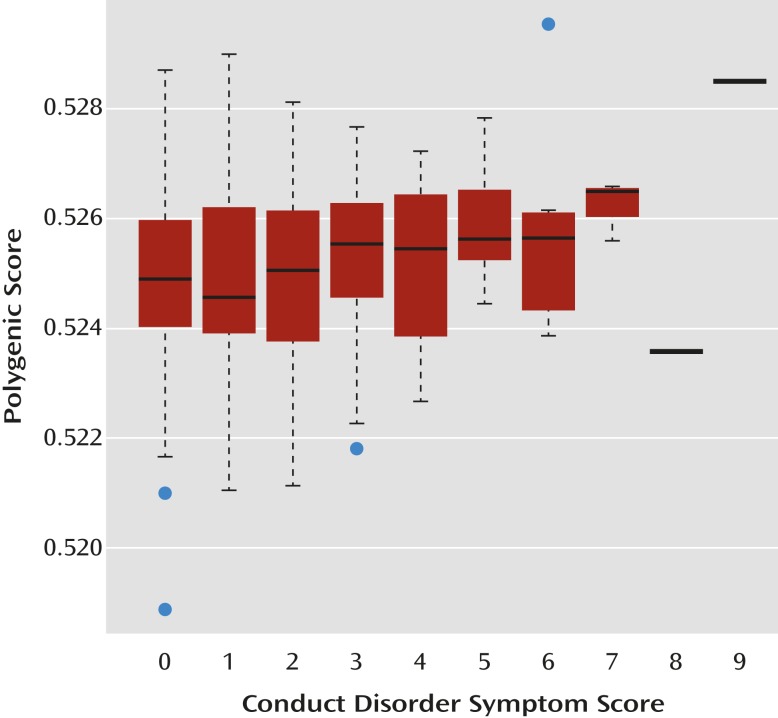
OBJECTIVE Although attention deficit hyperactivity disorder (ADHD) is highly heritable, genome-wide association studies (GWAS) have not yet identified any common genetic variants that contribute to risk. There is evidence that aggression or conduct disorder in children with ADHD indexes higher genetic loading and clinical severity. The authors examine whether common genetic variants considered en masse as polygenic scores for ADHD are especially enriched in children with comorbid conduct disorder. METHOD Polygenic scores derived from an ADHD GWAS meta-analysis were calculated in an independent ADHD sample (452 case subjects, 5,081 comparison subjects). Multivariate logistic regression analyses were employed to compare polygenic scores in the ADHD and comparison groups and test for higher scores in ADHD case subjects with comorbid conduct disorder relative to comparison subjects and relative to those without comorbid conduct disorder. Association with symptom scores was tested using linear regression. RESULTS Polygenic risk for ADHD, derived from the meta-analysis, was higher in the independent ADHD group than in the comparison group. Polygenic score was significantly higher in ADHD case subjects with conduct disorder relative to ADHD case subjects without conduct disorder. ADHD polygenic score showed significant association with comorbid conduct disorder symptoms. This relationship was explained by the aggression items. CONCLUSIONS Common genetic variation is relevant to ADHD, especially in individuals with comorbid aggression. The findings suggest that the previously published ADHD GWAS meta-analysis contains weak but true associations with common variants, support for which falls below genome-wide significance levels. The findings also highlight the fact that aggression in ADHD indexes genetic as well as clinical severity.
Overview
The claims and statistics of this paper haven’t been checked yet.
Free: it reads the open-access text and checks the first 5 claims that cite a source we can check. Create a free account to check every claim.
Integrity signals
Registry
Cites
Statistics
Figures
Verification
Claims the paper makes
The claims and statistics of this paper haven’t been checked yet.
Free: it reads the open-access text and checks the first 5 claims that cite a source we can check. Create a free account to check every claim.
Claims other papers make about this one
Each is checked against this paper’s own text: does it say what the citing paper says it does?
The cited source says what the claim attributes to it.
In the citing paper
“an approach that has proven fruitful in detecting the common variant signal for ADHD28–32 and other disorders.”
From Working Memory and Vigilance as Multivariate Endophenotypes Related to Common Genetic Risk for Attention-Deficit/Hyperactivity Disorder (2018) · cites this paper as [28]
The cited source says what the claim attributes to it.
In the citing paper
“ADHD polygenic risk score increased with total conduct disorder score (b = 0.118, t = 2.530, p = 0.006)”
From Genetics of child aggression, a systematic review (2024) · cites this paper as Hamshere [110]
The cited source says what the claim attributes to it.
In the citing paper
“polygenic risk score also increased with number of aggressive conduct disorder symptoms (b = 0.151, t = 3.152, p = 0.002)”
From Genetics of child aggression, a systematic review (2024) · cites this paper as Hamshere [110]
Self-check
Percentages, sums and reported differences re-computed from the paper’s own numbers.
The self-check needs the paper’s full text.
Citations
Cites
PLINK: a tool set for whole-genome association and population-based linkage analyses.
Purcell, S., Neale, B., Todd-Brown, K., Thomas, L., Ferreira, M. A. R., Bender, D., Maller, J., Sklar, P., de Bakker, P. I. W., Daly, M. J., et al. (2007) · The American Journal of Human Genetics · doi:10.1086/519795 · Cited by 34,089 · cited 1×
“5 for two-tailed p values are termed the “score” alleles (34).”
BackgroundSelf-citationPrincipal components analysis corrects for stratification in genome-wide association studies
Price, A. L., Patterson, N. J., Plenge, R. M., Weinblatt, M. E., Shadick, N. A., & Reich, D. (2006) · Nature Genetics · doi:10.1038/ng1847 · Cited by 10,248 · cited 2×
“To allow for population stratification in our data, we conditioned on two covariates (the first two principal components estimated from our GWAS data using the EIGENSTRAT software package, which was designed for this purpose (35, 36).”
MethodPopulation Structure and Eigenanalysis
Patterson, N., Price, A. L., & Reich, D. (2006) · PLoS Genetics · doi:10.1371/journal.pgen.0020190 · Cited by 5,280 · cited 2×
“To allow for population stratification in our data, we conditioned on two covariates (the first two principal components estimated from our GWAS data using the EIGENSTRAT software package, which was designed for this purpose (35, 36).”
MethodCommon polygenic variation contributes to risk of schizophrenia and bipolar disorder
The International Schizophrenia Consortium (2009) · Nature · doi:10.1038/nature08185 · Cited by 4,821
Sporadic autism exomes reveal a highly interconnected protein network of de novo mutations
O’Roak, B. J., Vives, L., Girirajan, S., Karakoc, E., Krumm, N., Coe, B. P., Levy, R., Ko, A., Lee, C., Smith, J. D., et al. (2012) · Nature · doi:10.1038/nature10989 · Cited by 2,165
De novo mutations revealed by whole-exome sequencing are strongly associated with autism
Sanders, S. J., Murtha, M. T., Gupta, A. R., Murdoch, J. D., Raubeson, M. J., Willsey, A. J., Ercan-Sencicek, A. G., DiLullo, N. M., Parikshak, N. N., Stein, J. L., et al. (2012) · Nature · doi:10.1038/nature10945 · Cited by 2,084
Genome-wide association study identifies five new schizophrenia loci
The Schizophrenia Psychiatric Genome-Wide Association Study (GWAS) Consortium (2011) · Nature Genetics · doi:10.1038/ng.940 · Cited by 1,919
A Teacher Rating Scale for Use in Drug Studies with Children
CONNERS, C. K. (1969) · American Journal of Psychiatry · doi:10.1176/ajp.126.6.884 · Cited by 1,759 · cited 1×
“Information on symptom pervasiveness and impairment in school was obtained using the Child ADHD Teacher Telephone Interview (29) or the DuPaul (30) or Conners teacher rating scales (31).”
MethodPatterns and rates of exonic de novo mutations in autism spectrum disorders
Neale, B. M., Kou, Y., Liu, L., Ma’ayan, A., Samocha, K. E., Sabo, A., Lin, C.-F., Stevens, C., Wang, L.-S., Makarov, V., et al. (2012) · Nature · doi:10.1038/nature11011 · Cited by 1,734
Self-citationPsychiatric GWAS Consortium Bipolar Disorder Working Group, Sklar, P., Ripke, S., Scott, L. J., Andreassen, O. A., Cichon, S., Craddock, N., Edenberg, H. J., Nurnberger, J. I., Rietschel, M., et al. (2011) · Nature Genetics · doi:10.1038/ng.943 · Cited by 1,344
Self-citation
Research works printed but not linked: 2
- Wechsler D: Wechsler Intelligence Scale for Children, 3rd ed. San Antonio, Tex, Psychological Corp, 1992
- Wechsler D: Wechsler Intelligence Scale for Children, 4th ed (WISC-IV): Administration and Scoring Manual. San Antonio, Tex, Psychological Corp, 2003
Cited by
ADHD Working Group of the Psychiatric Genomics Consortium (PGC), Demontis, D., Early Lifecourse & Genetic Epidemiology (EAGLE) Consortium, 23andMe Research Team, Walters, R. K., Martin, J., Mattheisen, M., Als, T. D., Agerbo, E., Baldursson, G., et al. (2019) · Nature Genetics · doi:10.1038/s41588-018-0269-7 · Cited by 2,203
Self-citationDiscovery of the first genome-wide significant risk loci for ADHD
(2017) · doi:10.1101/145581 · Cited by 2,203
Attention-deficit/hyperactivity disorder
Faraone, S. V., Asherson, P., Banaschewski, T., Biederman, J., Buitelaar, J. K., Ramos-Quiroga, J. A., Rohde, L. A., Sonuga-Barke, E. J. S., Tannock, R., & Franke, B. (2015) · Nature Reviews Disease Primers · doi:10.1038/nrdp.2015.20 · Cited by 1,479
Self-citationGenetics of attention deficit hyperactivity disorder
Faraone, S. V., & Larsson, H. (2019) · Molecular Psychiatry · doi:10.1038/s41380-018-0070-0 · Cited by 1,338
Self-citationAttention deficit hyperactivity disorder
Thapar, A., & Cooper, M. (2016) · The Lancet · doi:10.1016/s0140-6736(15)00238-x · Cited by 1,043
Self-citationResearch Review: Polygenic methods and their application to psychiatric traits
Wray, N. R., Lee, S. H., Mehta, D., Vinkhuyzen, A. A. E., Dudbridge, F., & Middeldorp, C. M. (2014) · Journal of Child Psychology and Psychiatry · doi:10.1111/jcpp.12295 · Cited by 666
Live fast, die young? A review on the developmental trajectories of ADHD across the lifespan
Franke, B., Michelini, G., Asherson, P., Banaschewski, T., Bilbow, A., Buitelaar, J. K., Cormand, B., Faraone, S. V., Ginsberg, Y., Haavik, J., et al. (2018) · European Neuropsychopharmacology · doi:10.1016/j.euroneuro.2018.08.001 · Cited by 643
Self-citationAttention-deficit/hyperactivity disorder
Faraone, S. V., Bellgrove, M. A., Brikell, I., Cortese, S., Hartman, C. A., Hollis, C., Newcorn, J. H., Philipsen, A., Polanczyk, G. V., Rubia, K., et al. (2024) · Nature Reviews Disease Primers · doi:10.1038/s41572-024-00495-0 · Cited by 355
Self-citationWarrier, V., Kwong, A. S. F., Luo, M., Dalvie, S., Croft, J., Sallis, H. M., Baldwin, J., Munafò, M. R., Nievergelt, C. M., Grant, A. J., et al. (2021) · The Lancet Psychiatry · doi:10.1016/s2215-0366(20)30569-1 · Cited by 224
Gallo, E. F., & Posner, J. (2016) · The Lancet Psychiatry · doi:10.1016/s2215-0366(16)00096-1 · Cited by 215
Wolfers, T., Beckmann, C. F., Hoogman, M., Buitelaar, J. K., Franke, B., & Marquand, A. F. (2020) · Psychological Medicine · doi:10.1017/s0033291719000084 · Cited by 204
Self-citationA Genetic Investigation of Sex Bias in the Prevalence of Attention-Deficit/Hyperactivity Disorder
Martin, J., Walters, R. K., Demontis, D., Mattheisen, M., Lee, S. H., Robinson, E., Brikell, I., Ghirardi, L., Larsson, H., Lichtenstein, P., et al. (2018) · Biological Psychiatry · doi:10.1016/j.biopsych.2017.11.026 · Cited by 199
“Contrary to smaller studies (3,34), we did not find an enrichment of polygenic burden from common variants in female individuals compared with male individuals with ADHD.”
ResultSelf-citationA genome‐wide approach to children's aggressive behavior: The EAGLE consortium
Pappa, I., St Pourcain, B., Benke, K., Cavadino, A., Hakulinen, C., Nivard, M. G., Nolte, I. M., Tiesler, C. M. T., Bakermans‐Kranenburg, M. J., Davies, G. E., et al. (2016) · American Journal of Medical Genetics Part B: Neuropsychiatric Genetics · doi:10.1002/ajmg.b.32333 · Cited by 195
“Aggressive behavior is also implicated in neurodevelopmental disorders such as attention deficit hyperactivity disorder (ADHD) [Hamshere et al., 2013], autism spectrum disorder (ASD) [Mandy et al.”
BackgroundInfluentialMartin, J., Hamshere, M. L., Stergiakouli, E., O’Donovan, M. C., & Thapar, A. (2014) · Biological Psychiatry · doi:10.1016/j.biopsych.2014.02.013 · Cited by 187
“Previous research has suggested that children with a clinical diagnosis of ADHD (n = 452) differ from control subjects (n = 5081) on the basis of a polygenic risk score, an aggregate score of thousands of common alleles of very small effect that together form an index of genetic risk for ADHD (20).”
BackgroundMethodResultInfluentialSelf-citationAutism spectrum disorders and autistic traits share genetics and biology
Bralten, J., van Hulzen, K. J., Martens, M. B., Galesloot, T. E., Arias Vasquez, A., Kiemeney, L. A., Buitelaar, J. K., Muntjewerff, J. W., Franke, B., & Poelmans, G. (2018) · Molecular Psychiatry · doi:10.1038/mp.2017.98 · Cited by 184
“…disorder GWAS meta-analysis explained 0.10% of the phenotypic variance observed in an independent attention-de fi cit hyperactivity disorder sample, 41 the polygenic risk associated with educational attainment explained 0.60% of the observed variance in adolescents' behavioral problems 42 and the…”
BackgroundInfluentialSelf-citationThe neurobiological basis of human aggression: A review on genetic and epigenetic mechanisms
Waltes, R., Chiocchetti, A. G., & Freitag, C. M. (2016) · American Journal of Medical Genetics Part B: Neuropsychiatric Genetics · doi:10.1002/ajmg.b.32388 · Cited by 182
Self-citationRiglin, L., Collishaw, S., Thapar, A. K., Dalsgaard, S., Langley, K., Smith, G. D., Stergiakouli, E., Maughan, B., O’Donovan, M. C., & Thapar, A. (2016) · JAMA Psychiatry · doi:10.1001/jamapsychiatry.2016.2817 · Cited by 161
Self-citationGenetics of aggressive behavior: An overview
Veroude, K., Zhang‐James, Y., Fernàndez‐Castillo, N., Bakker, M. J., Cormand, B., & Faraone, S. V. (2016) · American Journal of Medical Genetics Part B: Neuropsychiatric Genetics · doi:10.1002/ajmg.b.32364 · Cited by 147
Self-citationMiddeldorp, C. M., Hammerschlag, A. R., Ouwens, K. G., Groen-Blokhuis, M. M., St. Pourcain, B., Greven, C. U., Pappa, I., Tiesler, C. M. T., Ang, W., Nolte, I. M., et al. (2016) · Journal of the American Academy of Child & Adolescent Psychiatry · doi:10.1016/j.jaac.2016.05.025 · Cited by 129
Self-citationBrikell, I., Larsson, H., Lu, Y., Pettersson, E., Chen, Q., Kuja-Halkola, R., Karlsson, R., Lahey, B. B., Lichtenstein, P., & Martin, J. (2020) · Molecular Psychiatry · doi:10.1038/s41380-018-0109-2 · Cited by 126
Self-citationWaszczuk, M. A., Eaton, N. R., Krueger, R. F., Shackman, A. J., Waldman, I. D., Zald, D. H., Lahey, B. B., Patrick, C. J., Conway, C. C., Ormel, J., et al. (2020) · Journal of Abnormal Psychology · doi:10.1037/abn0000486 · Cited by 119
“1% higher in comorbid than pure ADHD cases (Hamshere et al., 2013), consistent with a broader externalizing spectrum.”
BackgroundDu Rietz, E., Coleman, J., Glanville, K., Choi, S. W., O’Reilly, P. F., & Kuntsi, J. (2018) · Biological Psychiatry: Cognitive Neuroscience and Neuroimaging · doi:10.1016/j.bpsc.2017.11.013 · Cited by 115
“This has been supported by recent polygenic studies that show that signi fi cant associations emerge when a high number of genetic variants are considered en masse (1,10).”
BackgroundSelf-citationFamilial aggregation of attention‐deficit/hyperactivity disorder
Chen, Q., Brikell, I., Lichtenstein, P., Serlachius, E., Kuja‐Halkola, R., Sandin, S., & Larsson, H. (2017) · Journal of Child Psychology and Psychiatry · doi:10.1111/jcpp.12616 · Cited by 110
“Under the hypothesis, strongergenetic loadwouldberequired for females to surpass the liability threshold for receiving an ADHD diagnosis (Hamshere et al., 2013).”
BackgroundPalladino, V. S., McNeill, R., Reif, A., & Kittel-Schneider, S. (2019) · Psychiatric Genetics · doi:10.1097/ypg.0000000000000220 · Cited by 111
“This allows researchers to estimate the contribution of variants that exert small effects on ADHD phenotype, and it has been shown that PRS predicts both hyperactivity and inattention traits in the general population in children (Hamshere et al., 2013) and also in children with ASD (Martin et al.”
BackgroundSelf-citationDNA methylation profiles at birth and child ADHD symptoms
Mil, N. H. G., Steegers‐Theunissen, R. P. M., Bouwland-Both, M. I., Verbiest, M. M. P. J., Rijlaarsdam, J., Hofman, A., Steegers, E. A. P., Heijmans, B. T., Jaddoe, V. W. V., Verhulst, F. C., et al. (2013) · Journal of Psychiatric Research · doi:10.1016/j.jpsychires.2013.10.017 · Cited by 121
Groen‐Blokhuis, M. M., Middeldorp, C. M., Kan, K., Abdellaoui, A., van Beijsterveldt, C. E. M., Ehli, E. A., Davies, G. E., Scheet, P. A., Xiao, X., Hudziak, J. J., et al. (2014) · Journal of the American Academy of Child & Adolescent Psychiatry · doi:10.1016/j.jaac.2014.06.014 · Cited by 119
“Hamshere et al.(22) that predicted patient-withADHD status by ADHD GWA meta-analysis results, and to other studies using genetic risk scores to investigate the genetic architecture of other psychiatric phenotypes.”
ResultSelf-citationLongitudinal heritability of childhood aggression
Porsch, R. M., Middeldorp, C. M., Cherny, S. S., Krapohl, E., van Beijsterveldt, C. E. M., Loukola, A., Korhonen, T., Pulkkinen, L., Corley, R., Rhee, S., et al. (2016) · American Journal of Medical Genetics Part B: Neuropsychiatric Genetics · doi:10.1002/ajmg.b.32420 · Cited by 102
“In general, boys are consistently rated asmore aggressive than girls at all ages by theirmothers, fathers, and teachers [Hudziak et al., 2003]. However, mean differences do not necessarily imply differing etiologies between sexes. Sex differences in genetic architecture may be quantitative (e.g., different heritabilit…”
BackgroundStergiakouli, E., Martin, J., Hamshere, M. L., Langley, K., Evans, D. M., St Pourcain, B., Timpson, N. J., Owen, M. J., O'Donovan, M., Thapar, A., et al. (2015) · Journal of the American Academy of Child & Adolescent Psychiatry · doi:10.1016/j.jaac.2015.01.010 · Cited by 94
“Previous research suggests that polygenic risk scores can distinguish children with clinically diagnosed ADHD from control participants.(13) There is also some evidence that for ADHD, at least, polygenic risk scores associated with categorical diagnosis contribute to trait variation in individuals from the general pop…”
Self-citationNigg, J. T., Gustafsson, H. C., Karalunas, S. L., Ryabinin, P., McWeeney, S. K., Faraone, S. V., Mooney, M. A., Fair, D. A., & Wilmot, B. (2018) · Journal of the American Academy of Child & Adolescent Psychiatry · doi:10.1016/j.jaac.2017.12.013 · Cited by 93
Self-citationHolz, N. E., Boecker, R., Hohm, E., Zohsel, K., Buchmann, A. F., Blomeyer, D., Jennen-Steinmetz, C., Baumeister, S., Hohmann, S., Wolf, I., et al. (2014) · Neuropsychopharmacology · doi:10.1038/npp.2014.277 · Cited by 116
Self-citationWang, T., Zhang, X., Li, A., Zhu, M., Liu, S., Qin, W., Li, J., Yu, C., Jiang, T., & Liu, B. (2017) · NeuroImage: Clinical · doi:10.1016/j.nicl.2017.02.011 · Cited by 88
Aggressive behavior in humans: Genes and pathways identified through association studies
Fernàndez‐Castillo, N., & Cormand, B. (2016) · American Journal of Medical Genetics Part B: Neuropsychiatric Genetics · doi:10.1002/ajmg.b.32419 · Cited by 87
“We used the PLINK software to retrieve information of the nearby genes for each of those SNPs, considering a window of 100 Kb distal and proximal from each SNP.”
BackgroundMethodThe relative contribution of common and rare genetic variants to ADHD
Martin, J., O'Donovan, M. C., Thapar, A., Langley, K., & Williams, N. (2015) · Translational Psychiatry · doi:10.1038/tp.2015.5 · Cited by 85
“Although we have previously shown that children with ADHD have higher polygenic risk scores for ADHD than population controls, 8 limiting the analysis to children with CNVs ( N =60) shows no difference between cases and controls (OR =0.86, 95% CI =0.67 – 1.12, P =0.27, R 2 =0.002), although this…”
BackgroundInfluentialSelf-citationGenetics of attention-deficit/hyperactivity disorder: an update
Akutagava-Martins, G. C., Rohde, L. A., & Hutz, M. H. (2016) · Expert Review of Neurotherapeutics · doi:10.1586/14737175.2016.1130626 · Cited by 83
“statistical significance, they do have an effect, although very small, on ADHD.[47] ADHD polygenic risk scores are also associated with”
BackgroundBlader, J. C., Pliszka, S. R., Kafantaris, V., Foley, C. A., Carlson, G. A., Crowell, J. A., Bailey, B. Y., Sauder, C. L., Daviss, W. B., Sinha, C., et al. (2020) · Journal of the American Academy of Child & Adolescent Psychiatry · doi:10.1016/j.jaac.2019.12.009 · Cited by 93
Jansen, P. R., Polderman, T. J. C., Bolhuis, K., van der Ende, J., Jaddoe, V. W. V., Verhulst, F. C., White, T., Posthuma, D., & Tiemeier, H. (2018) · Journal of Child Psychology and Psychiatry · doi:10.1111/jcpp.12759 · Cited by 81
“Previous studies showed higher ADHD polygenic scores in children with comorbid aggression (Hamshere et al., 2013) and attention problems in the general population (Martin, Hamshere, Stergiakouli, O’Donovan, & Thapar, 2014).”
Toward Precision Medicine in ADHD
Buitelaar, J., Bölte, S., Brandeis, D., Caye, A., Christmann, N., Cortese, S., Coghill, D., Faraone, S. V., Franke, B., Gleitz, M., et al. (2022) · Frontiers in Behavioral Neuroscience · doi:10.3389/fnbeh.2022.900981 · Cited by 76
“If their accuracy can be dramatically improved, polygenic risk scores (PRS)may become important for polygenic ADHD cases, since PRS have been shown to predict symptom severity and comorbidity in ADHD (Hamshere et al., 2013; Stergiakouli et al., 2015; Ronald et al., 2021) and are informative regarding symptom persisten…”
BackgroundSelf-citationMartin, J., Hamshere, M. L., Stergiakouli, E., O'Donovan, M. C., & Thapar, A. (2015) · Journal of Child Psychology and Psychiatry · doi:10.1111/jcpp.12336 · Cited by 74
“This theory has some support in terms of clinical ADHD and ASD phenotypes (Hamshere et al., 2013a; Rhee & Waldman, 2004; Robinson, Lichtenstein, Anck-ars € ater, Happ (cid”
BackgroundResultInfluentialSelf-citationGenetic liability to ADHD and substance use disorders in individuals with ADHD
Wimberley, T., Agerbo, E., Horsdal, H. T., Ottosen, C., Brikell, I., Als, T. D., Demontis, D., Børglum, A. D., Nordentoft, M., Mors, O., et al. (2020) · Addiction · doi:10.1111/add.14910 · Cited by 72
Self-citationPuiu, A. A., Wudarczyk, O. A., Goerlich, K. S., Votinov, M., Herpertz‐Dahlmann, B., Turetsky, B. I., & Konrad, K. (2018) · Neuroscience & Biobehavioral Reviews · doi:10.1016/j.neubiorev.2018.04.016 · Cited by 97
Polygenic Scores in Epidemiology: Risk Prediction, Etiology, and Clinical Utility
Maher, B. S. (2015) · Current Epidemiology Reports · doi:10.1007/s40471-015-0055-3 · Cited by 68
Psychiatric gene discoveries shape evidence on ADHD’s biology
IMAGE 2 Consortium, Thapar, A., Martin, J., Mick, E., Arias Vásquez, A., Langley, K., Scherer, S. W., Schachar, R., Crosbie, J., Williams, N., et al. (2016) · Molecular Psychiatry · doi:10.1038/mp.2015.163 · Cited by 67
Self-citationInvestigating the genetic underpinnings of early-life irritability
Riglin, L., Eyre, O., Cooper, M., Collishaw, S., Martin, J., Langley, K., Leibenluft, E., Stringaris, A., Thapar, A. K., Maughan, B., et al. (2017) · Translational Psychiatry · doi:10.1038/tp.2017.212 · Cited by 67
Self-citationStergiakouli, E., Martin, J., Hamshere, M. L., Heron, J. E., Pourcain, B. S., Timpson, N. J., Thapar, A., & Smith, G. D. (2016) · International Journal of Epidemiology · doi:10.1093/ije/dyw216 · Cited by 73
Self-citationPre-pubertal bipolar disorder: origins and current status of the controversy
Duffy, A. C., Carlson, G. A., Dubicka, B., & Hillegers, M. H. J. (2020) · International Journal of Bipolar Disorders · doi:10.1186/s40345-020-00185-2 · Cited by 64
Fullerton, J. M., Koller, D. L., Edenberg, H. J., Foroud, T., Liu, H., Glowinski, A. L., McInnis, M. G., Wilcox, H. C., Frankland, A., Roberts, G. M. P., et al. (2015) · American Journal of Medical Genetics Part B Neuropsychiatric Genetics · doi:10.1002/ajmg.b.32344 · Cited by 62
Martin, J., Taylor, M. J., Rydell, M., Riglin, L., Eyre, O., Lu, Y., Lundström, S., Larsson, H., Thapar, A., & Lichtenstein, P. (2018) · Journal of Child Psychology and Psychiatry · doi:10.1111/jcpp.12874 · Cited by 57
“In contrast to previous studies (Hamshere et al., 2013; Martin et al., 2014), we did not see any evidence for females with ADHD (using several definitions) carrying a higher burden of ADHD common risk variants.”
BackgroundResultSelf-citationGenome‐wide analyses of aggressiveness in attention‐deficit hyperactivity disorder
Brevik, E. J., van Donkelaar, M. M. J., Weber, H., Sánchez‐Mora, C., Jacob, C., Rivero, O., Kittel‐Schneider, S., Garcia‐Martínez, I., Aebi, M., van Hulzen, K., et al. (2016) · American Journal of Medical Genetics Part B: Neuropsychiatric Genetics · doi:10.1002/ajmg.b.32434 · Cited by 57
Self-citationAndersson, A., Tuvblad, C., Chen, Q., Du Rietz, E., Cortese, S., Kuja‐Halkola, R., & Larsson, H. (2020) · Journal of Child Psychology and Psychiatry · doi:10.1111/jcpp.13233 · Cited by 56
Thapar, A., & Rutter, M. L. (2015) · Wiley eBooks · doi:10.1002/9781118381953.ch3 · Cited by 79
Self-citationDemontis, D., Walters, R. K., Rajagopal, V. M., Waldman, I. D., Grove, J., Als, T. D., Dalsgaard, S., Ribasés, M., Bybjerg-Grauholm, J., Bækvad-Hansen, M., et al. (2021) · Nature Communications · doi:10.1038/s41467-020-20443-2 · Cited by 50
Self-citationPathway analysis in attention deficit hyperactivity disorder: An ensemble approach
Mooney, M. A., McWeeney, S. K., Faraone, S. V., Hinney, A., Hebebrand, J., IMAGE2 Consortium, German ADHD GWAS Group, Nigg, J. T., & Wilmot, B. (2016) · American Journal of Medical Genetics Part B: Neuropsychiatric Genetics · doi:10.1002/ajmg.b.32446 · Cited by 48
“First, multiple studies have demonstrated the polygenic nature of the disorder [Yang et al., 2013; Hamshere et al., 2013; Groen-Blokhuis et al., 2014; Martin et al., 2014].”
BackgroundResultInfluentialSelf-citationGenetic and Gene–Environment Influences on Disruptive Behavior Disorders
Barker, E. D., Cecil, C. A. M., Walton, E., & Meehan, A. J. (2017) · Wiley eBooks · doi:10.1002/9781119092254.ch8 · Cited by 48
Ribasés, M., Mitjans, M., Hartman, C. A., Artigas, M. S., Demontis, D., Larsson, H., Ramos‐Quiroga, J. A., Kuntsi, J., Faraone, S. V., Børglum, A. D., et al. (2023) · Neuroscience & Biobehavioral Reviews · doi:10.1016/j.neubiorev.2023.105313 · Cited by 56
Self-citationChildhood Antisocial Behavior: A Neurodevelopmental Problem
van Goozen, S. H. M., Langley, K., & Hobson, C. W. (2022) · Annual Review of Psychology · doi:10.1146/annurev-psych-052621-045243 · Cited by 43
“From the few studies to date, there is some indication that polygenic risk scores are associated with ASB, confirming the importance of genetic factors (Hamshere et al., 2013),”
BackgroundSelf-citationvan Goozen, S. H. M., Langley, K., Northover, C., Hubble, K., Rubia, K., Schepman, K., O'Donovan, M. C., & Thapar, A. (2016) · Journal of Child Psychology and Psychiatry · doi:10.1111/jcpp.12464 · Cited by 42
Self-citationManchia, M., & Fanos, V. (2017) · Progress in Neuro-Psychopharmacology and Biological Psychiatry · doi:10.1016/j.pnpbp.2017.03.024 · Cited by 42
“…previously, environmental moderators might modulate the liability to aggressive behavior determined by genetic factors during the longitudinal developmental trajectory starting from toddlerhood to adolescence (Nantel-Vivier et al., 2014; Hay et al., 2014;Tremblay et al., 2004; Cote et al., 2006).”
BackgroundMachine Learning and MRI-based Diagnostic Models for ADHD: Are We There Yet?
Zhang‐James, Y., Razavi, A. S., Hoogman, M., Franke, B., & Faraone, S. V. (2023) · Journal of Attention Disorders · doi:10.1177/10870547221146256 · Cited by 47
“In recent years, genetic markers in the form of polygenic risk scores also have shown some predictive ability of diagnosis and prognosis of ADHD (Demontis et al., 2019; Hamshere et al., 2013; Riglin et al., 2016).”
BackgroundSelf-citationCarbonneau, R., Boivin, M., Brendgen, M. R., Nagin, D. S., & Tremblay, R. E. (2015) · Research on Child and Adolescent Psychopathology · doi:10.1007/s10802-015-0072-1 · Cited by 48
“This early manifestation and stability of DB comorbidity is consistent with evidence that ADHD/aggression comorbidity - linked to NC in our cohort - is significantly influenced by genetic factors (Hamshere et al. 2013).”
Nigg, J. T. (2016) · Wiley eBooks · doi:10.1002/9781119125556.devpsy314 · Cited by 44
Copy number variation and neuropsychiatric problems in females and males in the general population
Martin, J., Tammimies, K., Karlsson, R., Lu, Y., Larsson, H., Lichtenstein, P., & Magnusson, P. K. E. (2019) · American Journal of Medical Genetics Part B: Neuropsychiatric Genetics · doi:10.1002/ajmg.b.32685 · Cited by 36
“Evidence from common variant analyses is also mixed, with the largest studies not finding differences in polygenic burden between males and females with ADHD and ASD (Hamshere et al., 2013; Martin, Hamshere, Stergiakouli, O'Donovan, & Thapar, 2014; Martin, Walters, et al., 2018; Mitra et al., 2016; Weiner et al., 2017…”
BackgroundSelf-citationInsights into attention-deficit/hyperactivity disorder from recent genetic studies
Brikell, I., Burton, C. L., Mota, N. R., & Martin, J. (2021) · Psychological Medicine · doi:10.1017/s0033291721000982 · Cited by 42
Self-citationAkingbuwa, W. A., Hammerschlag, A. R., Bartels, M., & Middeldorp, C. M. (2021) · Journal of the American Academy of Child & Adolescent Psychiatry · doi:10.1016/j.jaac.2021.03.020 · Cited by 41
Gene x environment interactions in conduct disorder: Implications for future treatments
Holz, N. E., Zohsel, K., Laucht, M., Banaschewski, T., Hohmann, S., & Brandeis, D. (2016) · Neuroscience & Biobehavioral Reviews · doi:10.1016/j.neubiorev.2016.08.017 · Cited by 38
Self-citationAttention deficit hyperactivity disorder: genetic association study in a cohort of Spanish children
Gomez-Sanchez, C. I., Riveiro-Álvarez, R., Insuga, V. M. S., Rodrigo, M., Requero, P. T., Mahíllo, I., Abad‐Santos, F., Carballo, J. J., Dal‐Ré, R., & Ayuso, C. (2015) · Behavioral and Brain Functions · doi:10.1186/s12993-015-0084-6 · Cited by 38
“Females are less frequently affected because a more extreme genetic load is required for the liability threshold to be surpassed [37, 42].”
BackgroundResultGenetics of child aggression, a systematic review
Koyama, E., Kant, T., Takata, A., Kennedy, J. L., & Zai, C. C. (2024) · Translational Psychiatry · doi:10.1038/s41398-024-02870-7 · Cited by 33
Green, A., Baroud, E., DiSalvo, M., Faraone, S. V., & Biederman, J. (2022) · Journal of Psychiatric Research · doi:10.1016/j.jpsychires.2022.07.032 · Cited by 38
Self-citationCecil, C. A. M., Walton, E., Pingault, J., Provençal, N., Pappa, I., Vitaro, F., Côté, S. M., Szyf, M., Tremblay, R. E., Tiemeier, H. W., et al. (2018) · American Journal of Medical Genetics Part B Neuropsychiatric Genetics · doi:10.1002/ajmg.b.32689 · Cited by 33
Speyer, L. G., Neaves, S., Hall, H. A., Hemani, G., Lombardo, M. V., Murray, A. L., Auyeung, B., & Luciano, M. (2021) · Journal of Child Psychology and Psychiatry · doi:10.1111/jcpp.13549 · Cited by 36
Manfro, A. G., Santoro, M. L., Polanczyk, G. V., Gadelha, A., Pan, P. M., Bressan, R. A., Brietzke, E. M., Talarico, F., Belangero, S. I., Rohde, L. A., et al. (2018) · Journal of Child Psychology and Psychiatry · doi:10.1111/jcpp.12987 · Cited by 35
Lima, L. D. A., dos Santos, A. C. F., Belangero, S. I., Gadelha, A., Bressan, R. A., Salum, G. A., Pan, P. M., Moriyama, T. S., Graeff‐Martins, A. S., Tamanaha, A. C., et al. (2016) · Scientific Reports · doi:10.1038/srep22851 · Cited by 32
Self-citationPolygenic risk for psychiatric disorders correlates with executive function in typical development
Schork, A. J., Brown, T. T., Hagler, D. J., Thompson, W. K., Chen, C. ‐., Dale, A. M., Jernigan, T. L., Akshoomoff, N. A., & for the Pediatric Imaging, N. A. G. S. (2018) · Genes Brain & Behavior · doi:10.1111/gbb.12480 · Cited by 29
Aggressive behaviors and treatable risk factors of preschool children with autism spectrum disorder
Chen, C., Shen, Y., Xun, G., Cai, W., Shi, L., Xiao, L., Wu, R., Zhao, J., & Ou, J. (2017) · Autism Research · doi:10.1002/aur.1751 · Cited by 29
“as ADHD symptoms) may lead to maladaptive parenting techniques and coping skills, which then lead to increased disruptive and aggressive behaviors in the child; and (3) Genetic mechanisms: a meta-analysis of genome-wide association studies showed a high loading of polygenic risk for ADHD in children with comorbid aggr…”
Gene set enrichment analysis to create polygenic scores: a developmental examination of aggression
Elam, K. K., Clifford, S., Shaw, D. S., Wilson, M. N., & Lemery-Chalfant, K. (2019) · Translational Psychiatry · doi:10.1038/s41398-019-0513-7 · Cited by 23
The positive end of the polygenic score distribution for ADHD: a low risk or a protective factor?
Li, J. J. (2019) · Psychological Medicine · doi:10.1017/s0033291719003039 · Cited by 25
Wang, Y., Ma, L., Wang, J., Ding, Y., Liu, N., Men, W., Tan, S., Gao, J., Qin, S., He, Y., et al. (2024) · BMC Medicine · doi:10.1186/s12916-024-03449-1 · Cited by 28
“PRS for ADHD demonstrate higher values in patients with the disorder compared to controls [54] and are associated with levels of ADHD symptoms within the general population [55, 56].”
BackgroundWang, Y., Ma, L., Wang, J., Ding, Y., Men, W., Tan, S., Gao, J., Qin, S., He, Y., Dong, Q., et al. (2024) · Biological Psychiatry · doi:10.1016/j.biopsych.2024.04.019 · Cited by 31
Association of genetic risk severity with ADHD clinical characteristics
Kotte, A., Faraone, S. V., & Biederman, J. (2013) · American Journal of Medical Genetics Part B Neuropsychiatric Genetics · doi:10.1002/ajmg.b.32171 · Cited by 25
“The association of disruptive behavior disorders with greater genetic severity risk is particularly notable given that a similar finding has been reported using a polygenic risk score fromagenomewide association study [Hamshere et al., 2013].”
BackgroundResultSelf-citationWang, F. L., & Chassin, L. (2017) · Clinical Psychological Science · doi:10.1177/2167702617733817 · Cited by 20
“It was also chosen because it is relatively conservative when compared to thresholds used in other studies (e.g., p < .50; Hamshere et al., 2013).”
ResultRutter, T. M., & Arnett, A. B. (2020) · Journal of Attention Disorders · doi:10.1177/1087054720943282 · Cited by 21
“Genomic studies indicate at least partially overlapping genetic etiology for ADHD and coexisting psychopathology, particularly externalizing (Brikell et al., 2018; Hamshere et al., 2013) and depressive symptoms (Brikell et al.”
BackgroundKhalil, R. B., Khoury, E., & Richa, S. (2018) · Pain Medicine · doi:10.1093/pm/pny142 · Cited by 19
Villemonteix, T., Brito, S. A. D., Slama, H., Kavec, M., Balériaux, D. F., Metens, T., Baijot, S., Mary, A., Ramoz, N., Septier, M., et al. (2014) · The World Journal of Biological Psychiatry · doi:10.3109/15622975.2014.984629 · Cited by 21
“Finally, twin and family studies have shown that the presence of antisocial behaviour indexes higher ADHD familial and genetic loading (Rhee et al. 2008; Hamshere et al. 2013).”
BackgroundShi, X., Guan, K., Peng, X., Xu, B., Zhou, X.-Y., Wang, S., Xu, S., Zheng, M., Huang, J. Y., Wan, X., et al. (2021) · Brain Behavior and Immunity · doi:10.1016/j.bbi.2020.12.029 · Cited by 17
Empirical tests of natural selection-based evolutionary accounts of ADHD: a systematic review
Thagaard, M. S., Faraone, S. V., Sonuga-Barke, E. J. S., & Østergaard, S. D. (2016) · Acta Neuropsychiatrica · doi:10.1017/neu.2016.14 · Cited by 23
Self-citationZayats, T., & Neale, B. M. (2019) · F1000Research · doi:10.12688/f1000research.18959.2 · Cited by 28
Self-citationSpecificity of Psychiatric Polygenic Risk Scores and Their Effects on Associated Risk Phenotypes
Rodrigue, A., Mathias, S. R., Knowles, E. E. M., Mollon, J., Almasy, L. A., Schultz, L. M., Turner, J., Calhoun, V. D., & Glahn, D. C. (2022) · Biological Psychiatry Global Open Science · doi:10.1016/j.bpsgos.2022.05.008 · Cited by 19
“A second consideration is that the PRS represents more than diagnostic risk and is related to other allied phenotypes like symptomatology (12,13), substance use (14–16), cognition (17–19), and brain structure (20), some of which are present across multiple disorders.”
BackgroundOtto, J. M., Gizer, I. R., Bizon, C., Wilhelmsen, K. C., & Ehlers, C. L. (2016) · Drug and Alcohol Dependence · doi:10.1016/j.drugalcdep.2016.07.029 · Cited by 15
“Other psychiatric phenotypes (e.g., de Moor et al., 2015; de Zeeuw et al., 2014; Hamshere et al., 2013a; 2013b; ISC, 2009; Ruderfer et al., 2013; Sklar et al., 2011) have demonstrated similar results using cumulative measures of genetic risk, including tobacco and other substance use phenotypes…”
ResultGenetic associations with childhood brain growth, defined in two longitudinal cohorts
Székely, E., Schwantes-An, T.-H. L., Justice, C. M., Sabourin, J., Jansen, P. R., Muetzel, R. L., Sharp, W. S., Tiemeier, H. W., Sung, H., White, T. J. H., et al. (2018) · Genetic Epidemiology · doi:10.1002/gepi.22122 · Cited by 13
“Polygenic risk score analysis—Polygenic risk scores (PRS) for ADHD has already been shown to predict neuropsychological and clinical characteristics pertinent to the disorder (Hamshere et al., 2013).”
BackgroundPrenatal Diet and Childhood ADHD: Exploring the Potential Role of IGF2 Methylation
Cecil, C. A. M., Walton, E., & Barker, E. D. (2016) · Epigenomics · doi:10.2217/epi-2016-0131 · Cited by 14
“Why would such a developmental risk pathway be specific to CP children? We know from a large body of literature that CP and ADHD are not only highly comorbid, but that this cooccurrence is underpinned by greater genetic heritability and more severe environmental risk exposure, compared to either CP or ADHD alone [21,2…”
BackgroundTakahashi, N., Nishimura, T., Harada, T., Okumura, A., Iwabuchi, T., Rahman, M. S., Kuwabara, H., Takagai, S., Usui, N., Makinodan, M., et al. (2023) · Brain Behavior & Immunity - Health · doi:10.1016/j.bbih.2023.100630 · Cited by 20
Northover, C., Thapar, A., Langley, K., & van Goozen, S. H. M. (2015) · Brain Sciences · doi:10.3390/brainsci5030369 · Cited by 16
“The results showed that aggressive symptoms predicted performance on the UG better than overall CD severity, supporting the idea that aggressive antisocial behaviour has a different aetiology than non-aggressive behaviour [19,54].”
BackgroundResultSelf-citationNaaijen, J., de Ruiter, S. W., Zwiers, M. P., Glennon, J. C., Durston, S., Lythgoe, D. J., Williams, S., Banaschewski, T., Brandeis, D., Franke, B., et al. (2016) · BMC Psychiatry · doi:10.1186/s12888-016-1072-6 · Cited by 15
“The DNA will be subjected to genome-wide genotyping, providing a basis for the computation of polygenic risk scores; such scores will be incorporated in analyses of disease risk, and might improve phenotypic prediction [57].”
Self-citationBoomsma, D. I., van Beijsterveldt, T. C. E. M., Odintsova, V. V., Neale, M. C., & Dolan, C. V. (2020) · Behavior Genetics · doi:10.1007/s10519-020-10025-9 · Cited by 14
Lewis, K. S., Martin, J., Gregory, A. M., Anney, R., Thapar, A., & Langley, K. (2022) · European Child & Adolescent Psychiatry · doi:10.1007/s00787-021-01931-2 · Cited by 17
“conduct disorder) [16], sleep disturbances in children with ADHD do not index a greater burden of risk for ADHD.”
BackgroundSelf-citationBailey, D. B., Lewis, M. A., Roche, M. I., & Powell, C. M. (2014) · Family Relations · doi:10.1111/fare.12054 · Cited by 13
Twin, association and current “omics” studies
Boomsma, D. I. (2013) · The Journal of Maternal-Fetal & Neonatal Medicine · doi:10.3109/14767058.2013.830405 · Cited by 10
“In adults, this approach showed a genetic association between personality and major depression or bipolar disorder [12] and in children it was recently established that polygenic scores for ADHD are especially enriched in children with comorbid conduct disorder [13].”
BackgroundAdvances in our understanding of the genetics of childhood neurodevelopmental disorders
Doherty, J. L., Cooper, M., & Thapar, A. (2018) · Evidence-Based Mental Health · doi:10.1136/ebmental-2018-300067 · Cited by 10
“3[14].”
Self-citationBiederman, J., Green, A., DiSalvo, M., & Faraone, S. V. (2021) · Psychiatry Research · doi:10.1016/j.psychres.2021.113843 · Cited by 10
Self-citationAjnakina, O., Shamsutdinova, D. D., Wimberley, T., Dalsgaard, S., & Steptoe, A. (2022) · BMC Medicine · doi:10.1186/s12916-022-02279-3 · Cited by 11
“For instance, PGS analyses have revealed shared polygenic contributions between ADHD diagnosis and conduct problems [15], schizophrenia [16], major depressive disorders [17] and other neurodevelopmental traits [11] in the general population.”
BackgroundSato, J. R., Biazoli, C. E., Bueno, A. P. A., Caye, A., Pan, P. M., Santoro, M. L., Mauer, J., Salum, G. A., Hoexter, M. Q., Bressan, R. A., et al. (2023) · Genes Brain & Behavior · doi:10.1111/gbb.12838 · Cited by 9
Metadata
- Authors
- Hamshere, M. L., Langley, K., Martin, J., Agha, S. S., Stergiakouli, E., Anney, R. J. L., Buitelaar, J., Faraone, S. V., Lesch, K.-P., Neale, B. M., Franke, B., Sonuga-Barke, E., Asherson, P., Merwood, A., Kuntsi, J., Medland, S. E., Ripke, S., Steinhausen, H.-C., Freitag, C., Reif, A., Renner, T. J., Romanos, M., Romanos, J., Warnke, A., Meyer, J., Palmason, H., Vasquez, A. A., Lambregts-Rommelse, N., Roeyers, H., Biederman, J., Doyle, A. E., Hakonarson, H., Rothenberger, A., Banaschewski, T., Oades, R. D., McGough, J. J., Kent, L., Williams, N., Owen, M. J., Holmans, P., O’Donovan, M. C., & Thapar, A.
- Affiliations
- Radboud University Nijmegen (NL)
- From the MRC Centre for Neuropsychiatric Genetics and Genomics, Cardiff University School of Medicine, Cardiff, U.K.; Department of Psychiatry, Trinity Centre for Health Sciences, Dublin, Ireland; Departments of Cognitive Neuroscience, Human Genetics, and Psychiatry, Donders Institute for Brain, Cognition, and Behavior, Radboud University Nijmegen Medical Center, Nijmegen, the Netherlands; Departments of Psychiatry and of Neuroscience and Physiology, State University of New York Upstate Medical...
- Corresponding author
- O’Donovan, Michael C.
- Thapar, Anita
- ORCID
- Hamshere, Marian L.
- Langley, Kate
- Martin, Joanna
- Agha, Sharifah Shameem
- Anney, Richard J.L.
- Buitelaar, Jan
- Faraone, Stephen V.
- Lesch, Klaus-Peter
- Neale, Benjamin M.
- Franke, Barbara
- Sonuga-Barke, Edmund
- Asherson, Philip
- Merwood, Andrew
- Kuntsi, Jonna
- Medland, Sarah E.
- Ripke, Stephan
- Freitag, Christine
- Reif, Andreas
- Romanos, Marcel
- Roeyers, Herbert
- Biederman, Joseph
- Doyle, Alysa E.
- Hakonarson, Hakon
- Rothenberger, Aribert
- Banaschewski, Tobias
- McGough, James J.
- Kent, Lindsey
- Williams, Nigel
- Owen, Michael J.
- Holmans, Peter
- O’Donovan, Michael C.
- Thapar, Anita
- Venue
- American Journal of Psychiatry
- Published
- 2013-08
- Volume
- 170
- Issue
- 8
- Pages
- 909-916
- ISSN
- 0002-953X (ISSN-L)
- 1535-7228
- PMC
- PMC3935265
- OpenAlex
- W2159468087
- Cited by
- 144
- References
- 45
- Citations by year
- 2026: 1 · 2025: 3 · 2024: 6 · 2023: 8 · 2022: 8 · 2021: 11 · 2020: 10 · 2019: 15 · 2018: 18 · 2017: 12 · 2016: 17 · 2015: 20 · 2014: 10 · 2013: 5
- FWCI
- 12.32
- Type
- journal article
- Language
- en
- Open access
- green
- europepmc.org
- Licence
- other-oa
- Locations
- American Journal of Psychiatry (publishedVersion)
- Europe PMC (PubMed Central) (publishedVersion, other-oa)
- PubMed Central (publishedVersion, cc-by-nc)
- PubMed (publishedVersion)
- Research Publications (Maastricht University) (publishedVersion, cc-by-nc)
- Zurich Open Repository and Archive (University of Zurich) (acceptedVersion)
- Ghent University Academic Bibliography (Ghent University) (submittedVersion, other-oa)
- Universitätsbibliographie, Universität Duisburg-Essen (submittedVersion)
- Digital Access to Scholarship at Harvard (DASH) (Harvard University) (submittedVersion, cc-by)
- DuEPublico (University of Duisburg-Essen) (submittedVersion)
- ePrints Soton (University of Southampton) (submittedVersion)
- eScholarship (California Digital Library) (submittedVersion)
- eScholarship (California Digital Library) (submittedVersion, cc-by-nc)
- ORCA Online Research @Cardiff (Cardiff University) (submittedVersion)
- Research Portal (King's College London) (submittedVersion)
- GRO (submittedVersion)
- VBN Forskningsportal (Aalborg Universitet) (submittedVersion)
- Radboud Repository (Radboud University) (submittedVersion)
- Bristol Research (University of Bristol) (submittedVersion)
- Hirsla (Landspítali University Hospital) (submittedVersion)
- Zurich Open Repository and Archive (University of Zurich) (submittedVersion)
- Research Publications (Maastricht University) (submittedVersion)
- Zurich Open Repository and Archive (University of Zurich)
- Funders
- Eli Lilly and Company
- Pfizer
- AstraZeneca
- Massachusetts General Hospital
- Wellcome Trust
- University of Cambridge
- King's College London
- Shire
- Shionogi
- Vifor Pharma
- National Institutes of Health
- Medical Research Council
- Menzies Centre for Australian Studies, King's College London, University of London
- National Human Genome Research Institute (U01HG006830)
- UCB Pharma
- Cilag
- Topics
- Health Sciences › Medicine › Psychiatry and Mental health › Attention Deficit Hyperactivity Disorder
- Life Sciences › Biochemistry, Genetics and Molecular Biology › Genetics › Genetic Associations and Epidemiology
- Life Sciences › Neuroscience › Cognitive Neuroscience › Autism Spectrum Disorder Research
- Keywords
- attention deficit hyperactivity disorder, polygenic risk score, conduct disorder, aggression, comorbidities, common genetic variants, heritability, clinical severity, children
- MeSH terms
- Aggression, Anxiety Disorders, Attention Deficit Disorder with Hyperactivity, Child, Child, Preschool, Depressive Disorder, Female, United Kingdom, Humans, Male, Genetic Variation, Comorbidity, Conduct Disorder, Genetic Predisposition to Disease, Multifactorial Inheritance
About these checks
Registry, retraction, Cites and statistics results are computed, not judged, with one exception: a printed reference that no index lists is read once by a model before it counts as a citation error. Claims are extracted by a model and kept only when their quote appears verbatim in the text; each cited source is then checked, with a model’s help, for whether it says what the claim relies on. Those verdicts can be wrong — read the claim’s quote and the cited source before relying on one.
Statistics and arithmetic are recomputed, not judged.
Confidence bands are shown only for fields calibrated on our annotated test set. None is calibrated yet, so no band is shown.
What counts as a claim ›How we measure confidence ›How we check this ›
Are you an author, or do you see a problem with this page? Request a review
Data sources
Bibliographic data: Semantic Scholar, OpenAlex, Crossref.
Contains information from the Semantic Scholar Academic Graph Datasets, made available under the ODC Attribution License (ODC-BY 1.0).
Semantic Scholar’s data is described in: Kinney, R., et al. (2023). The Semantic Scholar Open Data Platform. arXiv:2301.10140.
