

Preliminary evidence for the phosphodiesterase type-4 inhibitor, roflumilast, in ameliorating cognitive flexibility deficits in patients with schizophrenia
Open accessThe DOI matches its Crossref record; 69 of the 69 references it cites were found in a registry or an index.
Abstract
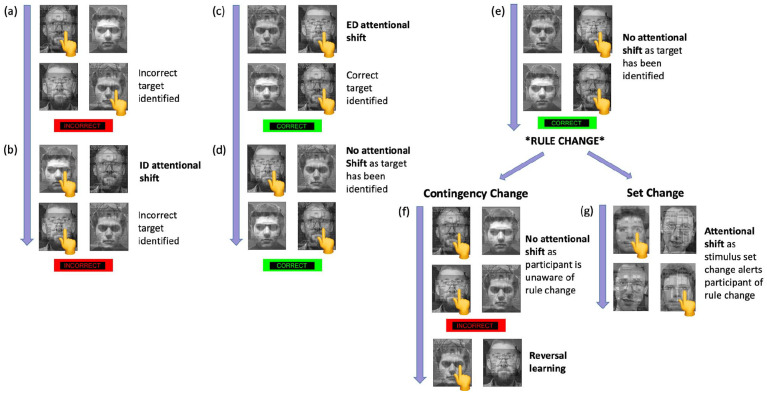
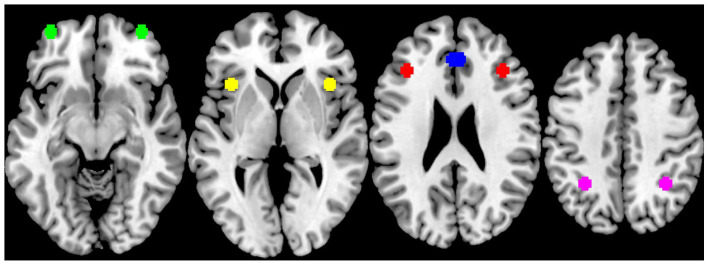
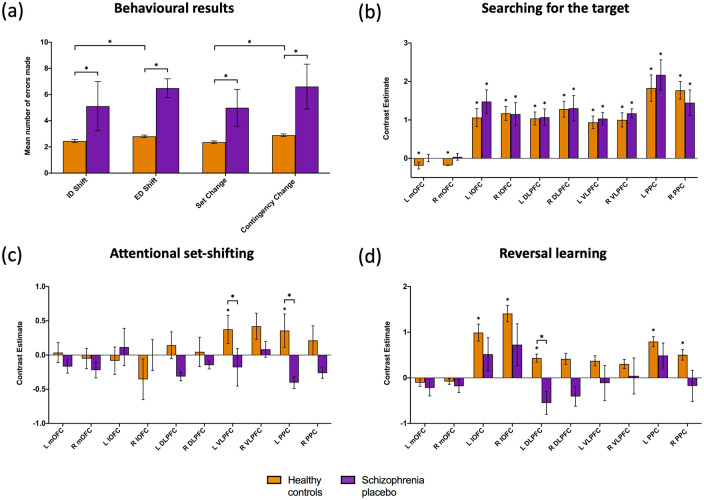
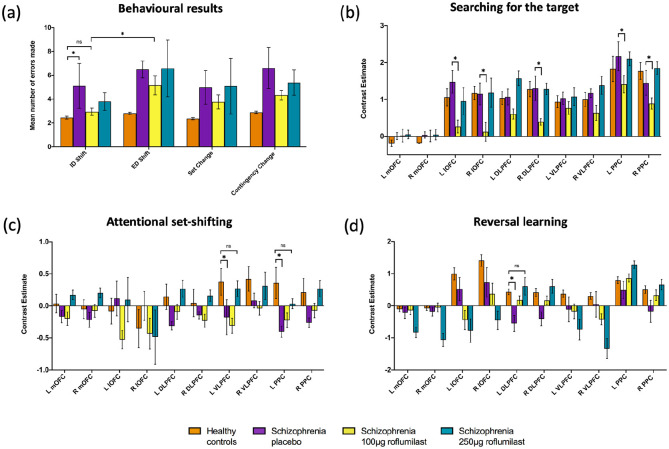
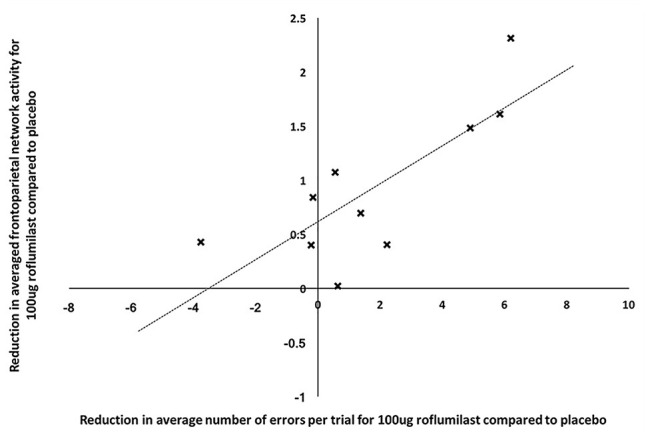
Background: Cognitive flexibility deficits are present in patients with schizophrenia and are strong predictors of functional outcome but, as yet, have no pharmacological treatments. Aims: The purpose of this study was to investigate whether the phosphodiesterase type-4 inhibitor, roflumilast, can improve cognitive flexibility performance and functional brain activity in patients with schizophrenia. Methods: This was a within-subject, randomised, double-blind, placebo-controlled, three-period crossover study using a version of the Intradimensional/Extradimensional (ID/ED) task, optimised for functional magnetic resonance imaging (fMRI), in 10 patients with schizophrenia who were scanned after receiving placebo, 100 µg or 250 µg roflumilast for 8 consecutive days. Data from an additional fMRI ID/ED study of 18 healthy participants on placebo was included to contextualise the schizophrenia-related performance and activations. The fMRI analyses included a priori driven region of interest (ROI) analysis of the dorsal frontoparietal attention network. Results: Patients on placebo demonstrated broad deficits in task performance compared to the healthy comparison group, accompanied by preserved network activity for solution search, but reduced activity in left ventrolateral prefrontal cortex (VLPFC) and posterior parietal cortex for attentional set-shifting and reduced activity in left dorsolateral prefrontal cortex (DLPFC) for reversal learning. These ROI deficits were ameliorated by 250 µg roflumilast, whereas during solution search 100 µg roflumilast reduced activity in the left orbitofrontal cortex, right DLPFC and bilateral PPC, which was associated with an improvement in formation of attentional sets. Conclusions: The results suggest roflumilast has dose-dependent cognitive enhancing effects on the ID/ED task in patients with schizophrenia, and provides sufficient support for larger studies to test roflumilast’s role in improving cognitive flexibility deficits in this clinical population.
Overview
The claims and statistics of this paper haven’t been checked yet.
Free: it reads the open-access text and checks the first 5 claims that cite a source we can check. Create a free account to check every claim.
Integrity signals
Registry
Cites
Statistics
Figures
Verification
Claims the paper makes
The claims and statistics of this paper haven’t been checked yet.
Free: it reads the open-access text and checks the first 5 claims that cite a source we can check. Create a free account to check every claim.
Claims other papers make about this one
Each is checked against this paper’s own text: does it say what the citing paper says it does?
The source backs part of the claim, not all of it — or backs it for a different population, condition or comparison.
In the citing paper
“Obsessive-compulsive disorder patients and SCZ patients may exhibit abnormal neural activities in the frontostriatal (eg, cingulate cortex, dorsolateral prefrontal cortex) and frontoparietal (eg, parietal cortex) networks while performing tasks related to inhibition 26 ,29-31 and shifting, 14 ,32-35 suggesting disrupted inhibition-related and shifting-related circuitries as shared deficits across”
From Cognitive Inflexibility Shares Across Schizophrenia and Obsessive-Compulsive Disorder: A Task-Based Functional MRI Study (2025) · cites this paper as [32]
Experimental — accuracy not yet measured
Self-check
Percentages, sums and reported differences re-computed from the paper’s own numbers.
The self-check needs the paper’s full text.
Citations
Cites
Diagnostic and Statistical Manual of Mental Disorders
American Psychiatric Association (2013) · doi:10.1176/appi.books.9780890425596 · Cited by 116,369
A fast diffeomorphic image registration algorithm
Ashburner, J. (2007) · NeuroImage · doi:10.1016/j.neuroimage.2007.07.007 · Cited by 8,122
What are the functional consequences of neurocognitive deficits in schizophrenia?
(1996) · American Journal of Psychiatry · doi:10.1176/ajp.153.3.321 · Cited by 3,516 · cited 2×
“…et al., 2009), extend across several cognitive domains (Georgiades et al., 2017), persist through periods of remission of other symptoms, such as positive psychotic symptoms (Hughes et al., 2003), and are among the best predictors of functional outcome (Chang et al., 2016; Green, 1996).”
BackgroundMisunderstanding analysis of covariance.
Miller, G. A., & Chapman, J. P. (2001) · Journal of Abnormal Psychology · doi:10.1037/0021-843x.110.1.40 · Cited by 2,136
Inverted-U–Shaped Dopamine Actions on Human Working Memory and Cognitive Control
Cools, R., & D'Esposito, M. (2011) · Biological Psychiatry · doi:10.1016/j.biopsych.2011.03.028 · Cited by 1,673
Dissociation in prefrontal cortex of affective and attentional shifts
Dias, R., Robbins, T. W., & Roberts, A. C. (1996) · Nature · doi:10.1038/380069a0 · Cited by 1,527 · cited 2×
“This task has been validated in lesion studies (Dias et al., 1996) and neuroimaging studies (Hampshire and Owen, 2006), is sensitive to pharmacological modulation (Tait et al., 2014), and has been extensively used to examine set-shifting deficits in schizophrenia (Waltz, 2017).”
BackgroundNeurocognition in first-episode schizophrenia: a meta-analytic review.
Mesholam-Gately, R. I., Giuliano, A. J., Goff, K. P., Faraone, S. V., & Seidman, L. J. (2009) · Neuropsychology · doi:10.1037/a0014708 · Cited by 1,130 · cited 4×
“Developing treatments for cognitive deficits in schizophrenia is an important objective because they are severe (Mesholam-Gately et al., 2009), extend across several cognitive domains (Georgiades et al.”
BackgroundResultInfluentialMonchi, O., Petrides, M., Petre, V., Worsley, K., & Dagher, A. (2001) · The Journal of Neuroscience · doi:10.1523/jneurosci.21-19-07733.2001 · Cited by 961 · cited 2×
“…cortex (DLPFC) is activated in general searching (Hampshire and Owen, 2006), the ventrolateral prefrontal cortex (VLPFC; Konishi et al., 2002; Monchi et al., 2001; Rogers et al., 2000) and posterior parietal cortex (PPC; Asari et al., 2005) in ED shifting, whilst the orbitofrontal cortex…”
BackgroundDorsolateral prefrontal contributions to human working memory
Barbey, A. K., Koenigs, M., & Grafman, J. (2013) · Cortex · doi:10.1016/j.cortex.2012.05.022 · Cited by 940 · cited 2×
“Additionally, the patients show significantly reduced activity in the left DLPFC compared to the healthy comparison group, a region which may help manage the working memory component of learning and switching associations (Barbey et al., 2013).”
BackgroundResultCognitive Impairment in Schizophrenia Is the Core of the Disorder
Elvevag, B., & Goldberg, T. E. (2000) · Critical Reviews™ in Neurobiology · doi:10.1615/critrevneurobiol.v14.i1.10 · Cited by 835
DARPP-32: An Integrator of Neurotransmission
Svenningsson, P., Nishi, A., Fisone, G., Girault, J.-A., Nairn, A. C., & Greengard, P. (2004) · Annual Review of Pharmacology and Toxicology · doi:10.1146/annurev.pharmtox.44.101802.121415 · Cited by 720 · cited 1×
“Additionally, the dopamine and cAMP-regulated phosphoprotein of molecular weight 32 kDa (DARPP-32) is involved in transcriptional and behavioural effects of dopamine (Svenningsson et al., 2004).”
BackgroundROBBINS, T. W., JAMES, M., OWEN, A. M., SAHAKIAN, B. J., LAWRENCE, A. D., MCINNES, L., & RABBITT, P. M. A. (1998) · Journal of the International Neuropsychological Society · doi:10.1017/s1355617798455073 · Cited by 611 · cited 2×
“Older individuals (mean ± SD = 57.8 ± 1.1) tend to perform poorer than younger cognitively normal individuals (mean ± SD = 34.2 ± 10), but only at the ED shifting stage (Robbins et al., 1998).”
BackgroundInfluentialChamberlain, S. R., Menzies, L., Hampshire, A., Suckling, J., Fineberg, N. A., del Campo, N., Aitken, M., Craig, K., Owen, A. M., Bullmore, E. T., et al. (2008) · Science · doi:10.1126/science.1154433 · Cited by 550 · cited 1×
“Previous authors have modelled each of these shifting events as the second response of each couplet (Chamberlain et al., 2008; Hampshire and Owen, 2006; WilliamsGray et al., 2008).”
BackgroundTargeting the dopamine D1 receptor in schizophrenia: insights for cognitive dysfunction
Goldman-Rakic, P., Castner, S., Svensson, T., Siever, L., & Williams, G. (2004) · Psychopharmacology · doi:10.1007/s00213-004-1793-y · Cited by 544 · cited 2×
“…to the interaction of dopamine D1 and N-methyl-D-aspartate (NMDA) receptors (Pei et al., 2004), both of which are dysfunctional in schizophrenia (Balu, 2016; Goldman-Rakic et al., 2004), suggesting their association to cognitive deficits in this patient population could be due to reduced cAMP.”
BackgroundCognitive complexity and cognitive flexibility
Scott, W. A. (1962) · Sociometry · doi:10.2307/2785779 · Cited by 533 · cited 2×
“, 2012), first defined as an individual’s ability to modulate behaviour in response to environmental cues (Scott, 1962).”
BackgroundRogers, R. D., Andrews, T. C., Grasby, P. M., Brooks, D. J., & Robbins, T. W. (2000) · Journal of Cognitive Neuroscience · doi:10.1162/089892900561931 · Cited by 458 · cited 2×
“Neuroimaging studies to date have shown the dorsolateral prefrontal cortex (DLPFC) is activated in general searching (Hampshire and Owen, 2006), the ventrolateral prefrontal cortex (VLPFC; Konishi et al., 2002; Monchi et al., 2001; Rogers et al., 2000) and posterior parietal cortex (PPC; Asari et al.”
BackgroundA role for synaptic plasticity in the adolescent development of executive function
Selemon, L. D. (2013) · Translational Psychiatry · doi:10.1038/tp.2013.7 · Cited by 439 · cited 2×
“However, in this current study, the drug was given for eight consecutive days, potentially allowing more long-term cellular changes such as long-term potentiation (LTP) in the PFC (Selemon, 2013).”
BackgroundSeparating Processes within a Trial in Event-Related Functional MRI
Ollinger, J. M., Shulman, G. L., & Corbetta, M. (2001) · NeuroImage · doi:10.1006/nimg.2000.0710 · Cited by 385
Comparison of set-shifting ability in patients with chronic schizophrenia and frontal lobe damage
Pantelis, C., Barber, F. Z., Barnes, T. R. E., Nelson, H. E., Owen, A. M., & Robbins, T. W. (1999) · Schizophrenia Research · doi:10.1016/s0920-9964(98)00156-x · Cited by 346 · cited 3×
“This could be caused by an inability to form (Pantelis et al., 1999), maintain (Pantelis et al.”
BackgroundRoberts, A., Robbins, T. W., & Everitt, B. J. (1988) · PubMed · Cited by 345
Waltz, J. A., & Gold, J. M. (2007) · Schizophrenia Research · doi:10.1016/j.schres.2007.03.010 · Cited by 331 · cited 2×
“While some studies highlight only a reversal learning deficit in patients with schizophrenia (Culbreth et al., 2016; Waltz and Gold, 2007), it is interesting to compare our behavioural results with those of Reddy et al.”
ResultFractionating Attentional Control Using Event-Related fMRI
Hampshire, A., & Owen, A. M. (2005) · Cerebral Cortex · doi:10.1093/cercor/bhj116 · Cited by 329 · cited 10×
“Previous authors have modelled each of these shifting events as the second response of each couplet (Chamberlain et al., 2008; Hampshire and Owen, 2006; WilliamsGray et al., 2008).”
BackgroundMethodResultInfluentialThe NMDA Receptor and Schizophrenia
Balu, D. T. (2016) · Advances in Pharmacology · doi:10.1016/bs.apha.2016.01.006 · Cited by 285 · cited 2×
“…to the interaction of dopamine D1 and N-methyl-D-aspartate (NMDA) receptors (Pei et al., 2004), both of which are dysfunctional in schizophrenia (Balu, 2016; Goldman-Rakic et al., 2004), suggesting their association to cognitive deficits in this patient population could be due to reduced cAMP.”
BackgroundExecutive function in first-episode schizophrenia
HUTTON, S. B., PURI, B. K., DUNCAN, L.-J., ROBBINS, T. W., BARNES, T. R. E., & JOYCE, E. M. (1998) · Psychological Medicine · doi:10.1017/s0033291797006041 · Cited by 274
Meta-analysis of cognitive performance in drug-naïve patients with schizophrenia
Fatouros-Bergman, H., Cervenka, S., Flyckt, L., Edman, G., & Farde, L. (2014) · Schizophrenia Research · doi:10.1016/j.schres.2014.06.034 · Cited by 273 · cited 2×
“…in schizophrenia is in the domain of attention, with meta-analyses reporting a large effect size (−0.8 to −1.4) of poorer performance in drug naïve (Fatouros-Bergman et al., 2014), first-episode (Mesholam-Gately et al., 2009; Zhang et al., 2019) and chronic (Bora et al., 2017) schizophrenia…”
BackgroundInfluentialCell type–specific regulation of DARPP-32 phosphorylation by psychostimulant and antipsychotic drugs
Bateup, H. S., Svenningsson, P., Kuroiwa, M., Gong, S., Nishi, A., Heintz, N., & Greengard, P. (2008) · Nature Neuroscience · doi:10.1038/nn.2153 · Cited by 233 · cited 2×
“In particular, rolipram, a PDE type-4 (PDE4) inhibitor, has been shown to enhance cAMP signalling both in slices and in vivo (Bateup et al., 2008), as well as improving ED shift performance in rodent models of schizophrenia (Rodefer et al.”
BackgroundLane, H.-Y., Lin, C.-H., Green, M. F., Hellemann, G., Huang, C.-C., Chen, P.-W., Tun, R., Chang, Y.-C., & Tsai, G. E. (2013) · JAMA Psychiatry · doi:10.1001/jamapsychiatry.2013.2159 · Cited by 229 · cited 2×
“Drugs which indirectly enhance NMDA receptor function (and consequently increase cAMP), such as sodium benzoate, have previously been shown to improve cognitive deficits in patients with schizophrenia (Lane et al., 2013; Lin et al., 2017), emphasising the potential utility of other drugs that elevate cAMP, such as PDE…”
BackgroundLongitudinal study of symptoms and cognitive function in chronic schizophrenia
Hughes, C., Kumari, V., Soni, W., Das, M., Binneman, B., Drozd, S., O'Neil, S., Mathew, V., & Sharma, T. (2003) · Schizophrenia Research · doi:10.1016/s0920-9964(01)00393-0 · Cited by 214 · cited 2×
“…et al., 2009), extend across several cognitive domains (Georgiades et al., 2017), persist through periods of remission of other symptoms, such as positive psychotic symptoms (Hughes et al., 2003), and are among the best predictors of functional outcome (Chang et al., 2016; Green, 1996).”
BackgroundRegulation of Dopamine D1 Receptor Function by Physical Interaction with the NMDA Receptors
Pei, L., Lee, F. J. S., Moszczynska, A., Vukusic, B., & Liu, F. (2004) · The Journal of Neuroscience · doi:10.1523/jneurosci.3922-03.2004 · Cited by 209 · cited 2×
“Prefrontal cAMP concentration is related to the interaction of dopamine D1 and N-methyl-D-aspartate (NMDA) receptors (Pei et al., 2004), both of which are dysfunctional in schizophrenia (Balu, 2016; Goldman-Rakic et al., 2004), suggesting their association to cognitive deficits in this patient…”
BackgroundAttentional control in Parkinson's disease is dependent on COMT val158met genotype
Williams-Gray, C. H., Hampshire, A., Barker, R. A., & Owen, A. M. (2008) · Brain · doi:10.1093/brain/awm313 · Cited by 165 · cited 7×
“Behavioural performance was analysed using Jamovi version 0.9.6.8 as described in previous studies (Hampshire and Owen, 2006; Williams-Gray et al., 2008).”
BackgroundMethodResultInfluentialHemispheric asymmetry in human lateral prefrontal cortex during cognitive set shifting
Konishi, S., Hayashi, T., Uchida, I., Kikyo, H., Takahashi, E., & Miyashita, Y. (2002) · Proceedings of the National Academy of Sciences · doi:10.1073/pnas.122644899 · Cited by 161 · cited 2×
“Neuroimaging studies to date have shown the dorsolateral prefrontal cortex (DLPFC) is activated in general searching (Hampshire and Owen, 2006), the ventrolateral prefrontal cortex (VLPFC; Konishi et al., 2002; Monchi et al., 2001; Rogers et al., 2000) and posterior parietal cortex (PPC; Asari et al.”
BackgroundReinforcement and Reversal Learning in First-Episode Psychosis
Murray, G. K., Cheng, F., Clark, L., Barnett, J. H., Blackwell, A. D., Fletcher, P. C., Robbins, T. W., Bullmore, E. T., & Jones, P. B. (2008) · Schizophrenia Bulletin · doi:10.1093/schbul/sbn078 · Cited by 160 · cited 5×
“, 2010 for an exception), differing in the task stage at which the deficit is observed (Murray et al., 2008; Pantelis et al., 1999, 2004).”
BackgroundInfluentialJoyce, E., Hutton, S., Mutsatsa, S., Gibbins, H., Webb, E., Paul, S., Robbins, T., & Barnes, T. (2002) · British Journal of Psychiatry · doi:10.1192/bjp.181.43.s38 · Cited by 158 · cited 4×
“ID shifting) with longer duration of illness (Joyce et al., 2002; Pantelis et al., 2004), as well as increasing severity of state-like symptoms (Pantelis et al.”
BackgroundInfluentialComponents of Attentional Set-switching
Rushworth, M. F. S., Passingham, R. E., & Nobre, A. C. (2005) · Experimental Psychology · doi:10.1027/1618-3169.52.2.83 · Cited by 151 · cited 2×
“that a specific element of a stimulus maintains relevance in different contexts, biasing the individual’s directed attention and inhibiting processing of irrelevant information (Rushworth et al., 2005).”
BackgroundFletcher, P. J., Tenn, C. C., Rizos, Z., Lovic, V., & Kapur, S. (2005) · Psychopharmacology · doi:10.1007/s00213-005-0157-6 · Cited by 150 · cited 1×
“…(MK-801) and ketamine models), impaired ED shift performance has been successfully recovered by a variety of receptor-targeting drugs, including atypical antipsychotics (Goetghebeur et al., 2009), serotonin receptor antagonists (Rodefer et al., 2008) and dopamine agonists (Fletcher et al., 2005).”
BackgroundNeurocognitive impairment in deficit and non-deficit schizophrenia: a meta-analysis
Bora, E., Akdede, B. B., & Alptekın, K. (2017) · Psychological Medicine · doi:10.1017/s0033291717000952 · Cited by 146 · cited 2×
“, 2019) and chronic (Bora et al., 2017) schizophrenia patients compared to healthy controls.”
BackgroundResultInfluentialImanishi, T., Sawa, A., Ichimaru, Y., Miyashiro, M., Kato, S., Yamamoto, T., & Ueki, S. (1997) · European Journal of Pharmacology · doi:10.1016/s0014-2999(96)00969-7 · Cited by 136 · cited 2×
“PDE inhibitors prevent the breakdown of cyclic adenosine monophosphate (cAMP), and this elevated cAMP can alter synaptic plasticity (Imanishi et al., 1997) and postsynaptic signalling (Song et al.”
BackgroundRodefer, J. S., Nguyen, T. N., Karlsson, J.-J., & Arnt, J. (2008) · Neuropsychopharmacology · doi:10.1038/sj.npp.1301654 · Cited by 126 · cited 1×
“, 2009), serotonin receptor antagonists (Rodefer et al., 2008) and dopamine agonists (Fletcher et al.”
BackgroundThe PDE4 inhibitor roflumilast improves memory in rodents at non-emetic doses
Vanmierlo, T., Creemers, P., Akkerman, S., van Duinen, M. A., Sambeth, A., Vry, J. D., Uz, T., Blokland, A., & Prickaerts, J. (2016) · Behavioural Brain Research · doi:10.1016/j.bbr.2016.01.031 · Cited by 123 · cited 2×
“Roflumilast, currently used to treat chronic obstructive pulmonary disorder, has demonstrable cognitive-enhancing effects, such as improving memory in rats (Jabaris et al., 2015; Nagakura et al., 2002; Vanmierlo et al., 2016), healthy human participants (Blokland et al.”
BackgroundThe neural underpinnings of cognitive flexibility and their disruption in psychotic illness
Waltz, J. A. (2017) · Neuroscience · doi:10.1016/j.neuroscience.2016.06.005 · Cited by 122 · cited 2×
“This task has been validated in lesion studies (Dias et al., 1996) and neuroimaging studies (Hampshire and Owen, 2006), is sensitive to pharmacological modulation (Tait et al., 2014), and has been extensively used to examine set-shifting deficits in schizophrenia (Waltz, 2017).”
BackgroundGoetghebeur, P., & Dias, R. (2008) · Psychopharmacology · doi:10.1007/s00213-008-1132-9 · Cited by 114
Set-Shifting Ability and Schizophrenia: A Marker of Clinical Illness or an Intermediate Phenotype?
Ceaser, A. E., Goldberg, T. E., Egan, M. F., McMahon, R. P., Weinberger, D. R., & Gold, J. M. (2008) · Biological Psychiatry · doi:10.1016/j.biopsych.2008.05.009 · Cited by 100 · cited 4×
“…deficit in ED shifting (Hutton et al., 1998; Joyce et al., 2002; Murray et al., 2008; Pantelis et al., 2009) that is dependent on premorbid IQ (Ceaser et al., 2008), and this extends to other task components (e.g. ID shifting) with longer duration of illness (Joyce et al., 2002; Pantelis et…”
BackgroundInfluentialZhang, H., Wang, Y., Hu, Y., Zhu, Y., Zhang, T., Wang, J., Ma, K., Shi, C., Yu, X., & Li, C. (2019) · General Psychiatry · doi:10.1136/gpsych-2018-100043 · Cited by 97 · cited 2×
“, 2014), first-episode (Mesholam-Gately et al., 2009; Zhang et al., 2019) and chronic (Bora et al.”
ResultInfluentialLin, C.-Y., Liang, S.-Y., Chang, Y.-C., Ting, S.-Y., Kao, C.-L., Wu, Y.-H., Tsai, G. E., & Lane, H.-Y. (2017) · The World Journal of Biological Psychiatry · doi:10.3109/15622975.2015.1117654 · Cited by 96 · cited 2×
“Drugs which indirectly enhance NMDA receptor function (and consequently increase cAMP), such as sodium benzoate, have previously been shown to improve cognitive deficits in patients with schizophrenia (Lane et al., 2013; Lin et al., 2017), emphasising the potential utility of other drugs that elevate cAMP, such as PDE…”
BackgroundReddy, L. F., Waltz, J. A., Green, M. F., Wynn, J. K., & Horan, W. P. (2016) · Schizophrenia Bulletin · doi:10.1093/schbul/sbv226 · Cited by 93 · cited 1×
“…only a reversal learning deficit in patients with schizophrenia (Culbreth et al., 2016; Waltz and Gold, 2007), it is interesting to compare our behavioural results with those of Reddy et al. (2016), who found that patients made just as many errors during discrimination learning as during reversals.”
ResultImpaired Activation in Cognitive Control Regions Predicts Reversal Learning in Schizophrenia
Culbreth, A. J., Gold, J. M., Cools, R., & Barch, D. M. (2016) · Schizophrenia Bulletin · doi:10.1093/schbul/sbv075 · Cited by 92 · cited 1×
“While some studies highlight only a reversal learning deficit in patients with schizophrenia (Culbreth et al., 2016; Waltz and Gold, 2007), it is interesting to compare our behavioural results with those of Reddy et al.”
ResultPantelis, C., Wood, S. J., Proffitt, T., Testa, R., Mahony, K. E., Brewer, W. J., Buchanan, J., Velakoulis, D., & McGorry, P. D. (2009) · Schizophrenia Research · doi:10.1016/j.schres.2009.03.039 · Cited by 87 · cited 3×
“Firstepisode psychosis patients show a selective deficit in ED shifting (Hutton et al., 1998; Joyce et al., 2002; Murray et al., 2008; Pantelis et al., 2009) that is dependent on premorbid IQ (Ceaser et al.”
BackgroundThe Hyperfocusing Hypothesis: A New Account of Cognitive Dysfunction in Schizophrenia
Luck, S. J., Hahn, B., Leonard, C. J., & Gold, J. M. (2019) · Schizophrenia Bulletin · doi:10.1093/schbul/sbz063 · Cited by 85 · cited 2×
“…preserved activity across the dorsal frontoparietal attention network supports an emerging theory that patients with schizophrenia have an abnormally narrow but intense focusing of attention that inhibits accurate distribution of resources across cognitively demanding tasks (Luck et al., 2019).”
BackgroundResultHotte, M., Thuault, S., Lachaise, F., Dineley, K. T., Hemmings, H. C., Nairn, A. C., & Jay, T. M. (2006) · Behavioural Brain Research · doi:10.1016/j.bbr.2006.03.026 · Cited by 80 · cited 1×
“Importantly, improvement in cognitive tasks has been associated with the phosphorylation of both CREB and DARPP-32 in as little as 4 h after treatment with a dopamine agonist (Hotte et al., 2006).”
BackgroundSchoffelmeer, A. N. M., Wardeh, G., & Mulder, A. H. (1985) · Naunyn-Schmiedeberg s Archives of Pharmacology · doi:10.1007/bf00586712 · Cited by 80 · cited 1×
“Roflumilast inhibits the breakdown of cAMP, and this in turn enhances the effect of excitatory neurotransmission, including neurotransmitter actions relevant for PFCdependent cognition (Schoffelmeer et al., 1985).”
BackgroundSelective phosphodiesterase inhibitors improve performance on the ED/ID cognitive task in rats
Rodefer, J. S., Saland, S. K., & Eckrich, S. J. (2011) · Neuropharmacology · doi:10.1016/j.neuropharm.2011.08.008 · Cited by 77 · cited 2×
“, 2008), as well as improving ED shift performance in rodent models of schizophrenia (Rodefer et al., 2012).”
BackgroundNagakura, A., Niimura, M., & Takeo, S. (2002) · British Journal of Pharmacology · doi:10.1038/sj.bjp.0704629 · Cited by 76 · cited 2×
“Roflumilast, currently used to treat chronic obstructive pulmonary disorder, has demonstrable cognitive-enhancing effects, such as improving memory in rats (Jabaris et al., 2015; Nagakura et al., 2002; Vanmierlo et al., 2016), healthy human participants (Blokland et al.”
BackgroundAttentional Set-Shifting in Rodents: A Review of Behavioural Methods and Pharmacological Results
Tait, D., Chase, E., & Brown, V. (2014) · Current Pharmaceutical Design · doi:10.2174/1381612819666131216115802 · Cited by 74 · cited 2×
“, 1996) and neuroimaging studies (Hampshire and Owen, 2006), is sensitive to pharmacological modulation (Tait et al., 2014), and has been extensively used to examine set-shifting deficits in schizophrenia (Waltz, 2017).”
BackgroundChang, W. C., Hui, C. L. M., Chan, S. K. W., Lee, E. H. M., & Chen, E. Y. H. (2016) · Schizophrenia Research · doi:10.1016/j.schres.2016.01.004 · Cited by 72 · cited 2×
“…et al., 2009), extend across several cognitive domains (Georgiades et al., 2017), persist through periods of remission of other symptoms, such as positive psychotic symptoms (Hughes et al., 2003), and are among the best predictors of functional outcome (Chang et al., 2016; Green, 1996).”
BackgroundBlokland, A., van Duinen, M. A., Sambeth, A., Heckman, P. R. A., Tsai, M. C., Lahu, G., Uz, T., & Prickaerts, J. (2019) · Neurobiology of Aging · doi:10.1016/j.neurobiolaging.2019.01.014 · Cited by 67 · cited 5×
“…previous studies testing roflumilast’s cognitive enhancing properties have also reported optimum behavioural performance improvement at the 100 µg dose in sensory gating (Heckman et al., 2018) and episodic memory in young (Van Duinen et al., 2018) and older humans (Blokland et al., 2019).”
BackgroundResultInfluentialKuroiwa, M., Snyder, G. L., Shuto, T., Fukuda, A., Yanagawa, Y., Benavides, D. R., Nairn, A. C., Bibb, J. A., Greengard, P., & Nishi, A. (2012) · Psychopharmacology · doi:10.1007/s00213-011-2436-8 · Cited by 64 · cited 1×
“In the previous studies, only a single dose of roflumilast was given, so the most likely mechanism for an effect was an increase in excitatory neurotransmission (Kuroiwa et al., 2012).”
BackgroundVan Duinen, M. A., Sambeth, A., Heckman, P. R. A., Smit, S., Tsai, M., Lahu, G., Uz, T., Blokland, A., & Prickaerts, J. (2018) · Neuropharmacology · doi:10.1016/j.neuropharm.2017.12.019 · Cited by 64 · cited 5×
“…previous studies testing roflumilast’s cognitive enhancing properties have also reported optimum behavioural performance improvement at the 100 µg dose in sensory gating (Heckman et al., 2018) and episodic memory in young (Van Duinen et al., 2018) and older humans (Blokland et al., 2019).”
BackgroundResultInfluentialPANTELIS, C., HARVEY, C. A., PLANT, G., FOSSEY, E., MARUFF, P., STUART, G. W., BREWER, W. J., NELSON, H. E., ROBBINS, T. W., & BARNES, T. R. E. (2004) · Psychological Medicine · doi:10.1017/s0033291703001569 · Cited by 62 · cited 5×
“, 1999), maintain (Pantelis et al., 2004) or effectively use (Ceaser et al.”
BackgroundInfluentialERK regulation of phosphodiesterase 4 enhances dopamine-stimulated AMPA receptor membrane insertion
Song, R. S., Massenburg, B., Wenderski, W., Jayaraman, V., Thompson, L., & Neves, S. R. (2013) · Proceedings of the National Academy of Sciences · doi:10.1073/pnas.1311783110 · Cited by 58 · cited 4×
“, 1997) and postsynaptic signalling (Song et al., 2013).”
BackgroundInfluentialGeorgiades, A., Davis, V. G., Atkins, A. S., Khan, A., Walker, T. W., Loebel, A. D., Haig, G. M., Hilt, D. C., Dunayevich, E., Umbricht, D., et al. (2017) · Schizophrenia Research · doi:10.1016/j.schres.2017.03.040 · Cited by 56 · cited 2×
“…deficits in schizophrenia is an important objective because they are severe (Mesholam-Gately et al., 2009), extend across several cognitive domains (Georgiades et al., 2017), persist through periods of remission of other symptoms, such as positive psychotic symptoms (Hughes et al., 2003), and are…”
BackgroundBarak, S., & Weiner, I. (2011) · Pharmacology Biochemistry and Behavior · doi:10.1016/j.pbb.2011.03.011 · Cited by 53
Gilleen, J., Yakub, F., Davison, C., Kerins, S., Valdearenas, L., Uz, T., Lahu, G., Tsai, M. C., Ogrinc, F., Reichenberg, A., et al. (2018) · Psychopharmacology · doi:10.1007/s00213-018-5134-y · Cited by 52 · cited 4×
“The primary outcomes of the trial have been published elsewhere (Gilleen et al., 2018).”
BackgroundResultSelf-citationSugin Lal Jabaris, S., Sumathy, H., Kumar, R. S., Narayanan, S., Thanikachalam, S., & Chidambaram, S. B. (2014) · European Journal of Pharmacology · doi:10.1016/j.ejphar.2014.10.039 · Cited by 51 · cited 2×
“…currently used to treat chronic obstructive pulmonary disorder, has demonstrable cognitive-enhancing effects, such as improving memory in rats (Jabaris et al., 2015; Nagakura et al., 2002; Vanmierlo et al., 2016), healthy human participants (Blokland et al., 2019; Van Duinen et al., 2018) and…”
BackgroundMultiple components of lateral posterior parietal activation associated with cognitive set shifting
Asari, T., Konishi, S., Jimura, K., & Miyashita, Y. (2005) · NeuroImage · doi:10.1016/j.neuroimage.2004.12.063 · Cited by 50 · cited 5×
“…associated with activation of the left VLPFC (although this did not survive correction for multiple comparisons) and left PPC as found previously (Asari et al., 2005; Hampshire and Owen, 2006), while reversal learning was accompanied by expected bilateral lateral OFC activation (Hampshire and…”
BackgroundResultInfluentialvan Duinen, M. A., Reneerkens, O. A. H., Lambrecht, L., Sambeth, A., Rutten, B. P. F., van Os, J., Blokland, A., & Prickaerts, J. (2015) · Current Pharmaceutical Design · doi:10.2174/1381612821666150605110941 · Cited by 42 · cited 1×
“More recent research has focused on drugs which indirectly target neurotransmitter systems by altering a secondary component of synaptic signalling, including phosphodiesterase (PDE) inhibitors (Duinen et al., 2015).”
BackgroundHilti, C. C., Delko, T., Orosz, A., Thomann, K., Ludewig, S., Geyer, M. A., Vollenweider, F. X., Feldon, J., & Cattapan-Ludewig, K. (2009) · Neuropsychobiology · doi:10.1159/000265133 · Cited by 38 · cited 1×
“The majority of studies report a deficit in performance (see Hilti et al., 2010 for an exception), differing in the task stage at which the deficit is observed (Murray et al., 2008; Pantelis et al., 1999, 2004).”
BackgroundGilleen, J., Nottage, J. F., Yakub, F., Kerins, S., Valdearenas, L., Uz, T., Lahu, G., Tsai, M. C., Ogrinc, F., Williams, S., et al. (2020) · Journal of Psychopharmacology · doi:10.1177/0269881120946300 · Cited by 24 · cited 1×
“Additionally, its cognitive enhancing effects in patients with schizophrenia has been observed with electroencephalography (EEG; Gilleen et al., 2021).”
BackgroundSelf-citationHeckman, P. R. A., van Duinen, M. A., Blokland, A., Uz, T., Prickaerts, J., & Sambeth, A. (2017) · Psychopharmacology · doi:10.1007/s00213-017-4770-y · Cited by 18 · cited 2×
“Our findings appear to differ with previous studies showing that improved behavioural performance at 100 μg is associated with increased functional activity in related brain regions (Blokland et al., 2019; Heckman et al., 2018; Van Duinen et al., 2018).”
BackgroundResultGoetghebeur, P., & Dias, R. (2014) · Current Pharmaceutical Design · doi:10.2174/1381612819666131216114909 · Cited by 17
Research works printed but not linked: 1
- Brett M Anton JL Valabregue R, et al. (2002) Region of interest analysis using an SPM toolbox. Neuroimage 13: 210– 217.
Cited by
Barnett, M. M., Reay, W. R., Geaghan, M. P., Kiltschewskij, D. J., Green, M. J., Weidenhofer, J., Glatt, S. J., & Cairns, M. J. (2023) · Science Advances · doi:10.1126/sciadv.adi4386 · Cited by 56
“…a recent trial of the phosphodiesterase (PDE) inhibitor roflumilast (selective PDE4 inhibitor) demonstrated reduced errors in a cognitive flexibility task among SZ patients taking 100-μg dose for 8 days compared to both SZ patients taking placebo and patients taking a higher dose (250 μg) ( 66 ).”
Phosphodiesterase inhibitors in psychiatric disorders
Sadeghi, M. A., Nassireslami, E., Zoshk, M. Y., Hosseini, Y., Abbasian, K., & Chamanara, M. (2023) · Psychopharmacology · doi:10.1007/s00213-023-06361-3 · Cited by 40
Veselinović, T., & Neuner, I. (2022) · CNS Drugs · doi:10.1007/s40263-022-00935-z · Cited by 32
Ketamine as a pharmacological tool for the preclinical study of memory deficit in schizophrenia
Suárez-Santiago, J. E., Roldán, G., & Picazo, O. (2022) · Behavioural Pharmacology · doi:10.1097/fbp.0000000000000689 · Cited by 21
“For some years now, there have been different reports in the literature showing that, in patients with SCZ, there is a significant deterioration of this cognitive ability (Oades et al., 1997; Turner et al., 2004; Livingston et al., 2021).”
Roflumilast and cognition enhancement: A translational perspective
Prickaerts, J., Kerckhoffs, J., Possemis, N., van Overveld, W., Verbeek, F., Grooters, T., Sambeth, A., & Blokland, A. (2024) · Biomedicine & Pharmacotherapy · doi:10.1016/j.biopha.2024.117707 · Cited by 21
Metadata
- Authors
- Livingston, N. R., Hawkins, P. C., Gilleen, J., Ye, R., Valdearenas, L., Shergill, S. S., & Mehta, M. A.
- Affiliations
- King's College London (GB)
- University of Cambridge (GB)
- Barnet Enfield and Haringey Mental Health Trust (GB)
- Department of Psychosis Studies, King’s College London, London, UK
- Corresponding author
- Mehta, Mitul A
- Venue
- Journal of Psychopharmacology
- Publisher
- SAGE Publications
- Published
- 2021-04-28
- Volume
- 35
- Issue
- 9
- Pages
- 1099-1110
- ISSN
- 0269-8811 (ISSN-L)
- 1461-7285
- PMC
- PMC8435828
- OpenAlex
- W3157931311
- Cited by
- 17
- References
- 69
- Citations by year
- 2026: 4 · 2025: 3 · 2024: 2 · 2023: 3 · 2022: 4 · 2021: 1
- FWCI
- 1.79
- Type
- journal article
- Language
- en
- Open access
- hybrid
- doi.org
- Locations
- Journal of Psychopharmacology (publishedVersion, cc-by)
- PubMed Central (publishedVersion, cc-by)
- PubMed (publishedVersion)
- Kent Academic Repository (University of Kent) (submittedVersion)
- Research Explorer (The University of Manchester) (submittedVersion)
- Apollo (University of Cambridge) (submittedVersion)
- Apollo
- Funders
- Takeda Pharmaceutical Company (ROF-SCHZ_106)
- Topics
- Health Sciences › Medicine › Psychiatry and Mental health › Schizophrenia research and treatment
- Life Sciences › Neuroscience › Cognitive Neuroscience › Neural and Behavioral Psychology Studies
- Life Sciences › Neuroscience › Cellular and Molecular Neuroscience › Neurotransmitter Receptor Influence on Behavior
- Keywords
- roflumilast, phosphodiesterase-4 inhibitors, schizophrenia, cognitive flexibility, set-shifting, reversal learning, solution search, ventrolateral prefrontal cortex, dorsolateral prefrontal cortex, posterior parietal cortex, orbitofrontal cortex, functional brain activity, cognitive enhancement
- MeSH terms
- Dorsolateral Prefrontal Cortex, Adult, Aged, Aminopyridines, Benzamides, Cyclopropanes, Dose-Response Relationship, Drug, Double-Blind Method, Female, Humans, Magnetic Resonance Imaging, Male, Middle Aged, Neuropsychological Tests, Schizophrenia, Prefrontal Cortex, Cross-Over Studies, Phosphodiesterase 4 Inhibitors, Cognitive Dysfunction
About these checks
Registry, retraction, Cites and statistics results are computed, not judged, with one exception: a printed reference that no index lists is read once by a model before it counts as a citation error. Claims are extracted by a model and kept only when their quote appears verbatim in the text; each cited source is then checked, with a model’s help, for whether it says what the claim relies on. Those verdicts can be wrong — read the claim’s quote and the cited source before relying on one.
Statistics and arithmetic are recomputed, not judged.
Confidence bands are shown only for fields calibrated on our annotated test set. None is calibrated yet, so no band is shown.
What counts as a claim ›How we measure confidence ›How we check this ›
Are you an author, or do you see a problem with this page? Request a review
Data sources
Bibliographic data: Semantic Scholar, OpenAlex, Crossref.
Contains information from the Semantic Scholar Academic Graph Datasets, made available under the ODC Attribution License (ODC-BY 1.0).
Semantic Scholar’s data is described in: Kinney, R., et al. (2023). The Semantic Scholar Open Data Platform. arXiv:2301.10140.
