

Estimating the sample size for a pilot randomised trial to minimise the overall trial sample size for the external pilot and main trial for a continuous outcome variable
Open accessThe DOI matches its Crossref record; 26 of the 26 references it cites were found in a registry or an index.
Abstract
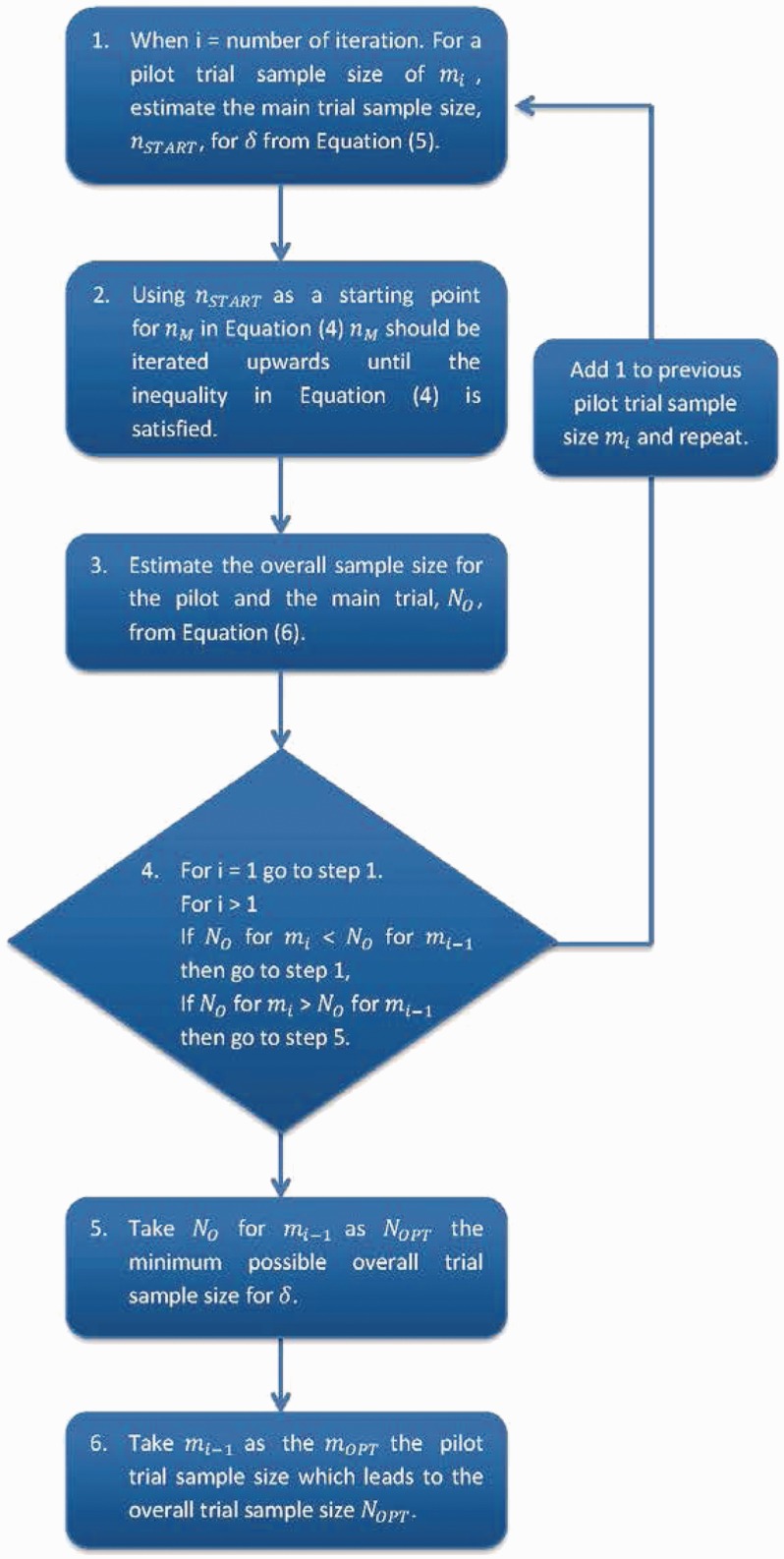
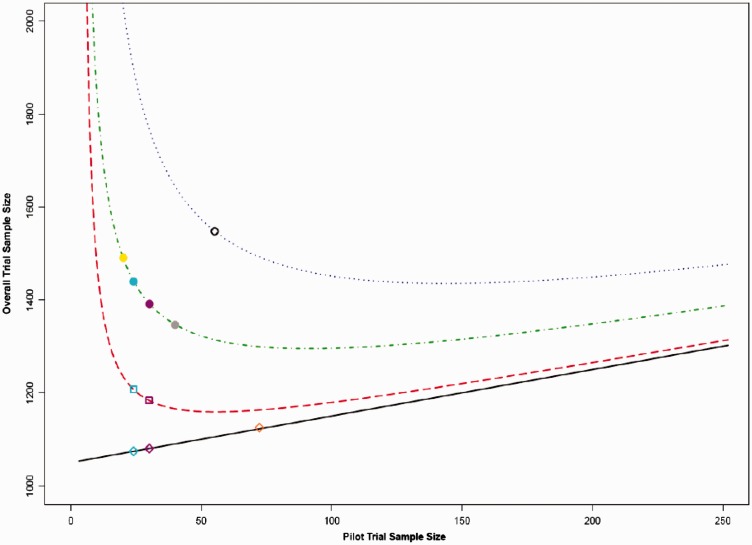
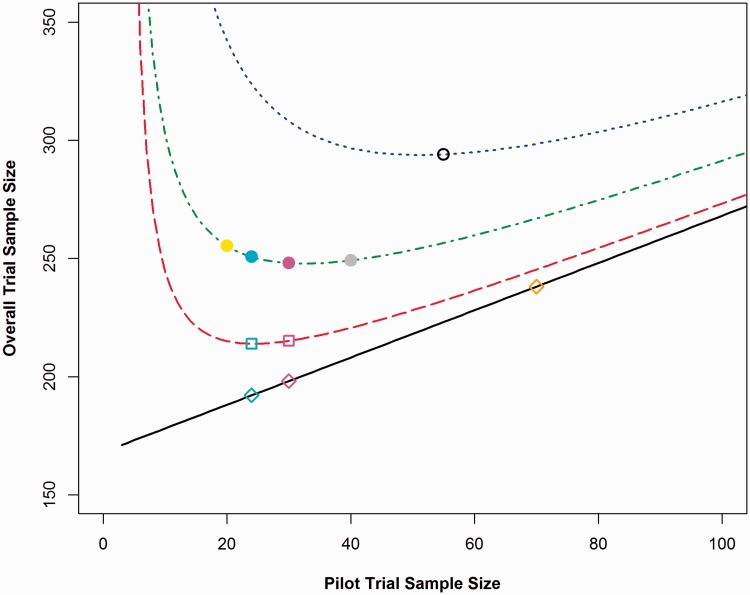
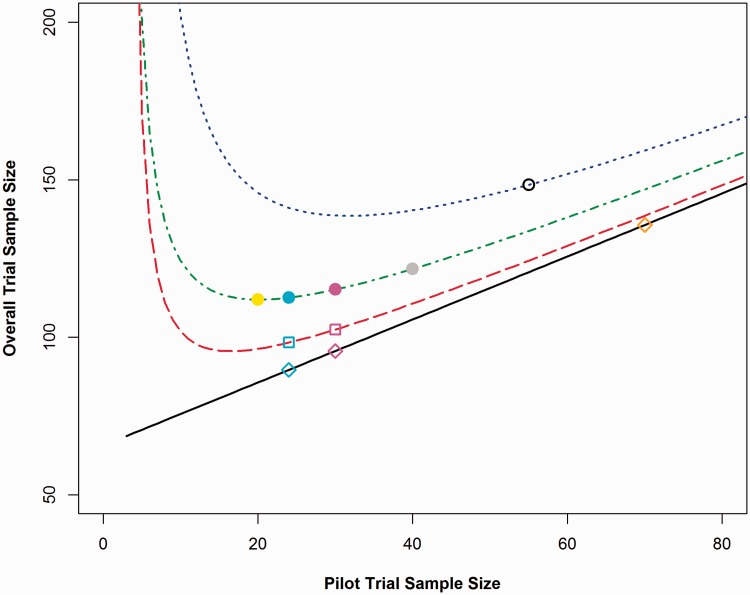
Sample size justification is an important consideration when planning a clinical trial, not only for the main trial but also for any preliminary pilot trial. When the outcome is a continuous variable, the sample size calculation requires an accurate estimate of the standard deviation of the outcome measure. A pilot trial can be used to get an estimate of the standard deviation, which could then be used to anticipate what may be observed in the main trial. However, an important consideration is that pilot trials often estimate the standard deviation parameter imprecisely. This paper looks at how we can choose an external pilot trial sample size in order to minimise the sample size of the overall clinical trial programme, that is, the pilot and the main trial together. We produce a method of calculating the optimal solution to the required pilot trial sample size when the standardised effect size for the main trial is known. However, as it may not be possible to know the standardised effect size to be used prior to the pilot trial, approximate rules are also presented. For a main trial designed with 90% power and two-sided 5% significance, we recommend pilot trial sample sizes per treatment arm of 75, 25, 15 and 10 for standardised effect sizes that are extra small (≤0.1), small (0.2), medium (0.5) or large (0.8), respectively.
Overview
The claims and statistics of this paper haven’t been checked yet.
Free: it reads the open-access text and checks the first 5 claims that cite a source we can check. Create a free account to check every claim.
Integrity signals
Registry
Cites
Statistics
Figures
Verification
Claims the paper makes
The claims and statistics of this paper haven’t been checked yet.
Free: it reads the open-access text and checks the first 5 claims that cite a source we can check. Create a free account to check every claim.
Claims other papers make about this one
Each is checked against this paper’s own text: does it say what the citing paper says it does?
The source backs part of the claim, not all of it — or backs it for a different population, condition or comparison.
In the citing paper
“Another limitation is that the sample size was relatively small, although this was consistent with previous recommendations of 24-35 participants for pilot and feasibility studies to provide sufficient data and precision of means and variances.117,134,135”
From Acceptance and commitment therapy for older people with treatment-resistant generalised anxiety disorder: The FACTOID feasibility study (2021) · cites this paper as [135]
Experimental — accuracy not yet measuredThe source backs part of the claim, not all of it — or backs it for a different population, condition or comparison.
In the citing paper
“pilot trial sample size estimation (n = 14) was based on medium standardized effect sizes (0.5) for a main trial designed with 90% power and two-sided 5% significance [41].”
From Senolytics in idiopathic pulmonary fibrosis: Results from a first-in-human, open-label, pilot study (2019) · cites this paper as [41]
Experimental — accuracy not yet measuredThe source backs part of the claim, not all of it — or backs it for a different population, condition or comparison.
In the citing paper
“For such a trial designed with 90% power and two sided 5% significance, they recommend pilot trial sample sizes for each treatment arm of 75, 25, 15, and 10 for standardised effect sizes that are extra small (0.1), small (0.2), medium (0.5), or large (0.8), respectively.”
From CONSORT 2010 statement: extension to randomised pilot and feasibility trials. (2016) · cites this paper as [58]
Experimental — accuracy not yet measuredThe source backs part of the claim, not all of it — or backs it for a different population, condition or comparison.
In the citing paper
“Sample sizes of 25 participants per arm are also recommended for pilot studies as they are capable of detecting small effect sizes (0.2) with 90% power and 2-sided significance at 5% [28].”
From Exploring the Feasibility of Digital Voice Assistants for Delivery of a Home-Based Exercise Intervention in Older Adults With Obesity and Type 2 Diabetes Mellitus: Randomized Controlled Trial (2024) · cites this paper as [28]
Experimental — accuracy not yet measuredThe source backs part of the claim, not all of it — or backs it for a different population, condition or comparison.
In the citing paper
“This sample size would also be sufficient to detect small effect sizes (0.20 with 90% power and α = 0.05 [21] for secondary outcomes including osteoporosis knowledge and attitudes towards osteoporosis medication.”
From Feasibility and effectiveness of a digital voice assistant for improving anti-osteoporosis medication adherence, and osteoporosis knowledge and attitudes, in postmenopausal women with osteoporosis: A 12-month randomised controlled trial (2025) · cites this paper as [21]
Experimental — accuracy not yet measured
20 more claims about this paper
Create a free account to see every claim other papers make about this one.
Self-check
Percentages, sums and reported differences re-computed from the paper’s own numbers.
The self-check needs the paper’s full text.
Citations
Cites
Cohen, J. (1992) · Psychological Bulletin · doi:10.1037//0033-2909.112.1.155 · Cited by 8,771
A tutorial on pilot studies: the what, why and how
Thabane, L., Ma, J., Chu, R., Cheng, J., Ismaila, A., Rios, L. P., Robson, R., Thabane, M., Giangregorio, L., & Goldsmith, C. H. (2010) · BMC Medical Research Methodology · doi:10.1186/1471-2288-10-1 · Cited by 3,384
Sample size of 12 per group rule of thumb for a pilot study
Julious, S. A. (2005) · Pharmaceutical Statistics · doi:10.1002/pst.185 · Cited by 3,068 · cited 2×
“Initially a flat rule of thumb was used, and the pilot sample size was chosen to be 24 evaluable patients in total as recommended by Julious.(16) However, suppose that a priori the standardised effect size for the main trial is 0.”
MethodInfluentialSelf-citationClinical Trials: A Practical Approach.
Hill, I. D., & Pocock, S. J. (1984) · Biometrics · doi:10.2307/2531186 · Cited by 2,930
Design and analysis of pilot studies: recommendations for good practice
Lancaster, G. A., Dodd, S., & Williamson, P. R. (2004) · Journal of Evaluation in Clinical Practice · doi:10.1111/j..2002.384.doc.x · Cited by 2,572 · cited 1×
“Therefore, since the purpose of the pilot is not to give a formal assessment of efficacy, then the sample size provided by the conventional calculations may be higher than necessary.(13)”
BackgroundWhat is a pilot or feasibility study? A review of current practice and editorial policy
Arain, M., Campbell, M. J., Cooper, C. L., & Lancaster, G. A. (2010) · BMC Medical Research Methodology · doi:10.1186/1471-2288-10-67 · Cited by 1,483
Self-citationSample Size Tables for Clinical Studies
Machin, D., Campbell, M. J., Tan, S. B., & Tan, S. H. (2008) · Wiley eBooks · doi:10.1002/9781444300710 · Cited by 1,336 · cited 1×
“Recruiting too few participants in a main trial means that the probability of finding a clinically relevant difference statistically significant is low and as a consequence, the chance of inconclusive results is high.(2,3) Conversely, if the sample size is too large, resources may be wasted, more patients than necessa…”
BackgroundSelf-citationSim, J., & Lewis, M. (2012) · Journal of Clinical Epidemiology · doi:10.1016/j.jclinepi.2011.07.011 · Cited by 1,036
On the use of a pilot sample for sample size determination
Browne, R. H. (1995) · Statistics in Medicine · doi:10.1002/sim.4780141709 · Cited by 1,007
Teare, M. D., Dimairo, M., Shephard, N., Hayman, A., Whitehead, A., & Walters, S. J. (2014) · Trials · doi:10.1186/1745-6215-15-264 · Cited by 773 · cited 3×
“Julious(16) 24 Kieser and Wassmer(12) 20–40 Browne(10) 30 Sim and Lewis(11) 55 Teare et al.(17) 70 Whitehead et al.”
BackgroundInfluentialSelf-citation
Research works printed but not linked: 1
- Grieve AP Sample sizes and confidence intervals. Am Stat 1990; 44: 190– 190.
Cited by
Items 901–1,000 of 1,005
Luo, J., Wang, P., Meng, F., Yang, X., Zhang, Y., Zu, S., Cui, F., Ng, R. M., & Li, Z. (2024) · Psychotherapy Research · doi:10.1080/10503307.2024.2335520 · Cited by 6
“According to the principles of sample size calculation in a pilot study (Whitehead et al., 2016), for a main trial designed with 90% power and 2-sided 5% significance, the sample sizes for treatment arms were 75, 25, 15, and 10 for standardized effect sizes that are extra small ( ≤ 0.1), small…”
InfluentialMorrow, M. M. B., Hughes, L. C., Collins, D. M., & Vos-Draper, T. L. (2024) · JMIR Research Protocols · doi:10.2196/51849 · Cited by 5
“…SCI/D with high risk of recurring pressure injury who answer “yes” to one of the following questions are eligible: (1) I get pressure ulcers about every couple of years; (2) I get at least 1 pressure ulcer a year; and (3) I always seem to have sores, often requiring surgery or hospitalization [39].”
BackgroundMethodInfluentialSwanson, C. W., Vial, S. E., Manini, T. M., Sibille, K. T., & Clark, D. J. (2024) · Pilot and Feasibility Studies · doi:10.1186/s40814-024-01516-1 · Cited by 4
“Therefore, a total sample of 34 participants would provide enough data to estimate a main trial sample size with 90% power granted the pilot study produces effect sizes that fall within the anticipated range [36].”
BackgroundInfluentialVisvalingam, S., Matheson, A. C., Magson, N. M., & Norberg, M. M. (2024) · Current Psychology · doi:10.1007/s12144-024-06238-4 · Cited by 2
“Therefore, for an expected small difference between groups (0.1 < d < 0.3), we chose a sample size target of 50 (25 per arm; Whitehead et al., 2016).”
InfluentialPeivandi, S., Heydari-Latibari, S., Ghasemzadeh, F., Zamaniyan, M., Bahar, A., Majidi, H., & Maleki, B. (2024) · PubMed Central · doi:10.22038/ajp.2023.23357 · Cited by 8
“According to Whitehead et al.'s study, the needed pilot trial sample size per treatment arm for an 80% powered main trial with a small standardized effect size is 20 (Whitehead et al., 2016).”
MethodHafiz, N. K., Alias, Z., Kumarasamy, M. M., & Mokhtar, N. B. (2024) · International Journal of Management Studies · doi:10.32890/ijms2024.31.2.5 · Cited by 9
Li, Y., Bloom, T., Bullock, L., & Rhee, H. (2024) · Journal of the American Psychiatric Nurses Association · doi:10.1177/10783903241268206 · Cited by 3
Sabri, B., Mata, T., Li, J., Butter, S., Campbell, J. C., & Budhathoki, C. B. (2024) · Contemporary Clinical Trials Communications · doi:10.1016/j.conctc.2024.101357 · Cited by 5
“In the design of a main trial with 90 % power and two-sided 5 % significance, the recommended sample sizes per treatment arm in pilot studies are 75, 25, 15, and 10 for standardized effect sizes, which are extra small ( ≤ 0.1), small (0.2), medium (0.5) or large (0.8), respectively [40].”
BackgroundInfluentialWierts, C. M., Rhodes, R. E., Faulkner, G., Zumbo, B. D., & Beauchamp, M. R. (2024) · Journal of Behavioral Medicine · doi:10.1007/s10865-024-00516-z · Cited by 5
Knee4Life: Empowering Knee Recovery After Total Knee Replacement Through Digital Health Protocol
Mansoubi, M., Leveridge, P., Smith, M. C., Fox, A., Massey, G. J., Lamb, S. E., Keene, D. J., Newell, P., Jacobs, E., Kalson, N. S., et al. (2024) · Sensors · doi:10.3390/s24227334 · Cited by 4
Carpallo‐Porcar, B., Calvo, S., Varela, I. L., Franch, L. B., la Cruz, N. B., Gómez-Barrera, M., & Jiménez‐Sánchez, C. (2024) · Psychology Health & Medicine · doi:10.1080/13548506.2024.2439180 · Cited by 3
“A sample size of 50 participants, 20 participants per arm, was determined according to the recommendations for RCT pilot studies (Kieser & Wassmer, 1996; A. L. Whitehead et al., 2016), plus 30% for possible dropouts.”
Surratt, H. L., Brown, S., Burton, A. L., Cranford, W., Fanucchi, L. C., Green, C., Mersch, S. M., Rains, R., & Westgate, P. M. (2025) · Therapeutic Advances in Infectious Disease · doi:10.1177/20499361251314766 · Cited by 3
Aljabery, M. A., Coetzee, I., van der Wath, A., Al‐Awabdeh, E., & Masenge, A. (2025) · Journal of Clinical Nursing · doi:10.1111/jocn.17704 · Cited by 4
“Accordingly, 10 participants per group were estimated as the pilot study sample size (total of 20 participants) (Whitehead et al. 2016 The researcher collected the data using the socio-demographic, MMD-HP, and MDT pre-and post-intervention and then implemented the four educational sessions and the…”
Das, S., Pal, S., & Sardar, S. K. (2025) · Maternal Health Neonatology and Perinatology · doi:10.1186/s40748-025-00204-z · Cited by 3
“Several researchers have recommended various sample sizes for conducting a pilot RCT ranging from 20 to 70 [14–16].”
Scrivener, K., Ball, E., Dean, C. M., Glinsky, J. V., Ada, L., Graham, P. L., Young, N., Felton, K., & Lannin, N. A. (2025) · Pilot and Feasibility Studies · doi:10.1186/s40814-025-01613-9 · Cited by 3
“Fifty participants (25 per group) are planned to use the results of this pilot trial to inform the power analysis for a future definitive trial [13, 14].”
Soni, D., Panesar, B., Dufort, A., Guan, L., Lee, J., Waldern, D., Hathaway, S., Sanger, N., Stacey, S., Minuzzi, L., et al. (2025) · Pilot and Feasibility Studies · doi:10.1186/s40814-025-01635-3 · Cited by 5
Abdelrahman, R. A. A., Abdelrahman, R. K., Elalfy, I., ElSharkawy, A. M., Elsaid, M. A., Hassan, I. E., Elsayed, A. H. I., Hassan, I. E., & Abdelbadie, M. (2025) · Anaesthesiology Intensive Therapy · doi:10.5114/ait.2025.147736 · Cited by 3
Bell, L., Ruddock, A. D., Boriel, J., Maden‐Wilkinson, T., Thompson, S. W., Wright, K. J., Burke, K., & Rogerson, D. (2025) · Journal of Functional Morphology and Kinesiology · doi:10.3390/jfmk10020227 · Cited by 4
“As this study was a pilot trial utilising a convenience sampling approach, no sample size calculations were performed [83].”
A Companion Robot for Children With Asthma: Descriptive Development and Feasibility Pilot Study
Sangngam, J., Rungamornrat, S., Santipipat, R., & Ponthanee, K. (2025) · JMIR Pediatrics and Parenting · doi:10.2196/68943 · Cited by 3
“The sample size was guided by recommendations for pilot and feasibility studies [16].”
Li, J., Zhang, T. G., Cheung, J. P. Y., Meng, N., Wu, Z., Ma, D. C. F., Chan, E. A., Yu, L., Cao, Y., & Li, M. (2025) · BMJ Open · doi:10.1136/bmjopen-2025-098734 · Cited by 5
Cheng, K.-C., Hii, E. Y. X., Lin, Y.-N., Kuo, Y., & Tsai, Y. (2025) · BMC Complementary Medicine and Therapies · doi:10.1186/s12906-025-05090-8 · Cited by 6
“The sample size was determined following the recommendations for pilot studies [37].”
Kim, E. J., Kim, S. K., & Song, S. S. (2025) · Child Health Nursing Research · doi:10.4094/chnr.2025.019 · Cited by 5
“Following the recommendations of Whitehead et al. [20] for pilot studies, which base the sample size on standardized effect sizes, a target sample size of 20 participants was deemed appropriate for assessing the intervention’s feasibility and pre-liminary efficacy.”
Kim, J. I., Kim, P., Lee, J.-H., Kim, Y. J., Yang, N.-R., Baeg, M. K., Choi, J. S., Kim, H. J., Kim, J., Sunwoo, Y., et al. (2017) · BMJ Open · doi:10.1136/bmjopen-2017-018362 · Cited by 3
Braga, H. D. O., Gregório, E. C., Myra, R. S., de Souza, A. S. K., Kunh, T. V., Klug, J., Guimarães, A. C. D. A., & Swarowsky, A. (2019) · Pilot and Feasibility Studies · doi:10.1186/s40814-019-0394-9 · Cited by 4
“In relation to the quantitative variables, the present study is not intended to be fully powered for detection of statistically significant effects, but it will enable a sample size calculation related to the quantitative variables for a future randomized trial [33].”
BackgroundShomaker, L. B., Gulley, L. D., Clark, E. L. M., Hilkin, A. M., Pivarunas, B., Tanofsky‐Kraff, M., Nadeau, K. J., Barbour, L. A., Scott, S. M., & Sheeder, J. L. (2020) · Pilot and Feasibility Studies · doi:10.1186/s40814-020-00578-1 · Cited by 4
Intervention Design and Trial Protocol: Mindfulness-based Exposure for PAP-associated Claustrophobia
Gawrysiak, M. J., Baime, M. J., King, T. S., Watach, A. J., McPhillips, M., Kolanowski, A. M., Schutte-Rodin, S., & Sawyer, A. M. (2020) · Western Journal of Nursing Research · doi:10.1177/0193945920924608 · Cited by 3
“…outcomes (medium to large); this rationale is based on the classification of claustrophobia as an anxiety disorder sub-type, our prior work (Edmonds et al., 2015; Starcevic, 2009) and published recommendations for pilot or feasibility study sample size justification (Whitehead et al., 2016).”
BackgroundLucchini‐Raies, C., Doren, F. M., Beca, P., Pérez, J. C., Campos, S., & López‐Dicastillo, O. (2020) · Journal of Advanced Nursing · doi:10.1111/jan.14534 · Cited by 5
Santana, C. A. S., Tudella, E., Rocha, N. A. C. F., & de Campos, A. C. (2021) · Developmental Neurorehabilitation · doi:10.1080/17518423.2020.1858458 · Cited by 4
Miller, M. G., Starr, K. N. P., Rincker, J., Orenduff, M. C., McDonald, S. R., Pieper, C. F., Fruik, A., Lyles, K. W., & Bales, C. W. (2021) · Journal of Nutrition in Gerontology and Geriatrics · doi:10.1080/21551197.2021.1896615 · Cited by 3
“For this pilot study, the sample size of N1⁄4 70 was based on our experience from previous higher protein weight loss intervention studies and results from Sim and Lewis that recommend a sample size of n 55 for small to medium standardized effect sizes.(30,31,54,55) Finally, while we will conduct tests of hypotheses o…”
MethodCigarette pack size and consumption: an adaptive randomised controlled trial
Lee, I., Blackwell, A. K. M., Scollo, M., De‐loyde, K., Morris, R. W., Pilling, M. A., Hollands, G. J., Wakefield, M. A., Munafo, M. R., & Marteau, T. M. (2021) · BMC Public Health · doi:10.1186/s12889-021-11413-4 · Cited by 9
Prior, K., Salemink, E., Wiers, R. W. H. J., Teachman, B. A., Piggott, M., Newton, N. C., Teesson, M., Baillie, A., Manning, V., McLellan, L. F., et al. (2021) · JMIR Research Protocols · doi:10.2196/28667 · Cited by 5
“On the basis of several rules of thumb used to determine an appropriate sample size for a pilot study [83-85], a sample size of 90 young people (30 per arm) was selected to provide sufficient data on the feasibility, acceptability, and preliminary efficacy of the program, although we recognize that the scope of this p…”
MethodChang, X., Wang, M., Du, L., Liao, L., He, L., Huixia, Z., & He, L. (2021) · Medical Science Monitor · doi:10.12659/msm.930785 · Cited by 3
Marian, I. R., Goff, M., Williams, J. A. E., Gulati, M., Chester‐Jones, M., Francis, A., Watson, M., Vincent, T. L., Woollacott, S., Mackworth-Young, C. G., et al. (2021) · Pilot and Feasibility Studies · doi:10.1186/s40814-021-00869-1 · Cited by 4
Lowe, C., Sing, H. H., Marsh, W., & Morrissey, D. (2021) · JMIR Research Protocols · doi:10.2196/31541 · Cited by 3
“Our sample size is based on the estimated stepped rules of thumb from Whitehead et al [51] to demonstrate an extra small standardized effect size (σ<0.”
MethodInfluentialRanjit, Y. S., Krishnan, A., Ghosh, D., Cravero, C., Zhou, X., & Altice, F. L. (2022) · JMIR Research Protocols · doi:10.2196/28332 · Cited by 4
“This was deemed appropriate for obtaining preliminary findings and optimizing a large-scale RCT for future studies [74].”
MethodКелдибековна, С. С., Kubysheva, N. I., Klimanov, I. A., Shutov, A., Eliseeva, T. I., Vv, N., Конторщикова, К. Н., Новиков, Д. В., & Batyrshin, I. (2021) · Oxidative Medicine and Cellular Longevity · doi:10.1155/2021/2105406 · Cited by 3
“Currently, there are several practical rules according to which the group size in the pilot study is from 15 to 35 people [30, 31].”
BackgroundSimmons, L., Emily, C., Barker, R. N., & Barnett, F. (2022) · Focus on Health Professional Education A Multi-Professional Journal · doi:10.11157/fohpe.v23i1.389 · Cited by 6
“Even in pilot designs, sample size justification supporting the reasons for choosing a particular size is required (Whitehead et al., 2016).”
BackgroundRathore, V., Mitchell, A. E., Morawska, A., & Tadakamadla, S. K. (2022) · Healthcare · doi:10.3390/healthcare10050924 · Cited by 5
“(2016), a sample size of 15 families per arm will be required with 90% power and two-sided 5% significance [35] and medium effect size (Cohen’s d = 0.”
BackgroundMethodInfluentialTreesirichod, A., Eiamkulbutr, S., Laohathai, P., Vongbhavit, K., & Panburana, J. (2022) · Pediatrics & Neonatology · doi:10.1016/j.pedneo.2021.12.014 · Cited by 3
Shaikh, R. F., Ali, M. T., Mohsin, A., Hiware, S. D., Ahmad, A., Daimi, S. R. H., Moizuddin, K., Shaikh, S. A. H., & Siddiqui, F. B. (2022) · Cureus · doi:10.7759/cureus.26597 · Cited by 5
Shidhaye, R. R., Bangal, V. B., Bhargav, H., Tilekar, S. D., Thanage, C., Suradkar, R., Game, K., Pulate, V., Tambe, S., Murhar, V., et al. (2022) · Wellcome Open Research · doi:10.12688/wellcomeopenres.17729.1 · Cited by 5
Won, E. S., Ku, Y. H., Lee, E. Y., Kim, I.-W., Lee, H., & Kang, J. H. (2022) · Medicine · doi:10.1097/md.0000000000030073 · Cited by 3
Farhane‐Medina, N. Z., Castillo‐Mayén, R., Tabernero, C., Rubio, S. J., Gutiérrez‐Domingo, T., Cuadrado, E., Arenas, A., & Luque, B. (2022) · Nursing Open · doi:10.1002/nop2.1400 · Cited by 4
Kim, J., Kang, D., Kim, K., Nam, S., & Goo, B. (2022) · Journal of Pain Research · doi:10.2147/jpr.s383965 · Cited by 4
Nakahara, H., Nawata, R., Matsuo, R., & Ohgomori, T. (2022) · PLoS ONE · doi:10.1371/journal.pone.0276119 · Cited by 4
“We determined pilot trial sample sizes as standardized effect sizes based on a previous report [19].”
MethodAttitude changes following short-form opioid overdose video education: a pilot study
Galiher, M. V., & Huffman, M. (2022) · Harm Reduction Journal · doi:10.1186/s12954-022-00696-4 · Cited by 7
Cheng, D., Young, D. K. W., Carlbring, P., Petrus Yat-nam, N. G., & Hung, S. L. (2022) · Research on Social Work Practice · doi:10.1177/10497315221137137 · Cited by 3
Profiles of Work and Quality of Life among Young Adult Cancer Survivors
Ghazal, L. V., Merriman, J. D., Santacroce, S. J., Fletcher, J., Wright, F., & Dickson, V. V. (2022) · Western Journal of Nursing Research · doi:10.1177/01939459221120742 · Cited by 3
“Regarding the quantitative sample, we previously reported a sample of 40 was sufficient to detect significant relationships, after applying Whiteheads’ stepped sample size rules of thumb (Whitehead et al., 2016).”
MethodLipardo, D., Manlapaz, D., ORPILLA, V. B., Arevalo, J. T. C., Buan, J. C. S., Cortez, J. L. F., Desquitado, K. P., Geli, V. M. L., Lacorte, J. R. L., Masibay, J. R., et al. (2022) · Philippine Journal of Physical Therapy · doi:10.46409/002.jegq6438 · Cited by 4
Lebeaut, A., Pedersen, E. R., Francis, D. J., Zvolensky, M. J., & Vujanovic, A. A. (2023) · Contemporary Clinical Trials Communications · doi:10.1016/j.conctc.2023.101088 · Cited by 3
“Additionally, extant guidelines for pilot RCT designs [66] indicate that a targeted sample size of 100 participants would yield 90% power to detect small-to-moderate effects for study aims set at alpha = .”
BackgroundChua, S. K., Chua, Y. Y., Singh, D. K. A., & Mokhtar, S. A. (2022) · Malaysian Journal of Medicine and Health Sciences · doi:10.47836/mjmhs.18.s15.38 · Cited by 3
Imad, N., Pearson, N., Hall, A. E., Shoesmith, A., Nathan, N., Giles, L., Grady, A., & Yoong, S. (2023) · International Journal of Environmental Research and Public Health · doi:10.3390/ijerph20065043 · Cited by 4
“However, the researchers sought to recruit 20 ECEC services, as this number was considered feasible in the timeframe and sufficient to provide an adequate indication of the feasibility and acceptability of study methods and the sustainment strategy [30,31].”
BackgroundSmith, T. O., Garrett, A., Liu, T., Morris, A., Gallyer, V., Fordham, B., Dutton, S., Chester‐Jones, M., Lamb, S. E., & Winter, S. C. (2023) · Frontiers in Oncology · doi:10.3389/fonc.2023.1110500 · Cited by 3
“(20) and Teare et al’s recommendation (21).”
Zapata‐Calvente, A. L., Martín‐de‐las‐Heras, S., Bueno‐Cavanillas, A., Andreasen, K., Rasch, V., & Khan, K. S. (2023) · PLoS ONE · doi:10.1371/journal.pone.0282997 · Cited by 3
“The approaches recommended for use of standardized effect sizes for pilot study sample sizes estimation are not applicable [47].”
MethodSomerville, E. K., Bollinger, R. M., Keleman, A. A., Haxton, M., Sarrami, B., Chen, S., Holden, B. M., Yan, Y., & Stark, S. L. (2023) · British Journal of Occupational Therapy · doi:10.1177/03080226221135366 · Cited by 4
“The proposed sample will provide 90% power and two-sided 5% significance (Whitehead et al., 2016).”
MethodKiburi, S. K., Kwobah, E., Paruk, S., & Chiliza, B. (2023) · BMC Digital Health · doi:10.1186/s44247-023-00014-3 · Cited by 6
Hwang, D. W., Yoo, D.-H., Bae, I.-S., Youn, J.-H., Yoon, K.-Y., Jang, W.-S., Lee, Y.-J., Park, J. H., Cho, H. W., Kim, S. D., et al. (2023) · EXPLORE · doi:10.1016/j.explore.2023.04.011 · Cited by 4
Methods of Recruitment for Surgical and Perioperative Randomized Controlled Trials: A Rapid Review
Ninomiya, M. M., Hiemstra, J., Nicholson, E., & Isaac, K. V. (2023) · World Journal of Surgery · doi:10.1007/s00268-023-07124-z · Cited by 3
Yuen, H. K., Kamp, E. V., Green, S., Edwards, L., Kirklin, K., Hanebrink, S., Klebine, P., Han, A., & Chen, Y. (2023) · Journal of Spinal Cord Medicine · doi:10.1080/10790268.2023.2253390 · Cited by 3
Shamkuwar, M. K., Shankar, S., Yadav, B., Ranjan, S., Jindal, N., Sharma, L., Rana, R. K., Singhal, R., Khanduri, S., Sharma, B. S., et al. (2022) · Journal of Research in Ayurvedic Sciences · doi:10.4103/jras.jras_97_22 · Cited by 4
Blanchard, C. C. V., Pérez, B. D. D., Tindall, T., Clarkson, K., Felmban, G., Scheffler, G., Periam, R., Lankappa, S. T., Constantinescu, C. S., das Nair, R., et al. (2023) · Open Medicine · doi:10.1515/med-2023-0814 · Cited by 3
“…should provide su ffi cient information to inform our feasibility objectives and to inform the design of a potential phase III RCT. Whitehead et al. [45] recommend that pilot trial sample sizes should be between 10 and 20 participants per intervention group, to o ff er 80% power and two-tailed 5%…”
BackgroundStent composition and immune response after long-term coronary angioplasty
Sant’Anna, V. A. R., Barbosa, A. H. P., Souza, R. A., de Sousa, J. M. A., Monfardini, F., Gidlund, M., & Fonseca, H. A. R. (2023) · Physiology International · doi:10.1556/2060.2023.00162 · Cited by 3
Pagnez, M. A. M., Mello, M. S., Bittencourt, J. V., Ricard, F., & Nogueira, L. A. C. (2024) · International journal of osteopathic medicine · doi:10.1016/j.ijosm.2024.100714 · Cited by 3
Liu, M., Di, Y. M., Zhang, L., Yang, L., La, Z., Chen, J., Wang, R., Xie, X., Lan, F., Xie, L., et al. (2024) · Frontiers in Endocrinology · doi:10.3389/fendo.2024.1334609 · Cited by 3
Banks, H. C., Lemos, T., de Oliveira, L. A. S., & Ferreira, A. D. S. (2024) · Journal of Bodywork and Movement Therapies · doi:10.1016/j.jbmt.2024.02.032 · Cited by 4
Mera, N., Luna, E. C. W., & Benavides-Córdoba, V. (2024) · PLoS ONE · doi:10.1371/journal.pone.0302476 · Cited by 3
“As a pilot trial, the objectives differ from those of a main trial, making formal power considerations for determining sample size typically unnecessary [15,16].”
Mason, B., Tangrood, Z. J., Sharr, J., & Powell, A. (2024) · Contemporary Clinical Trials Communications · doi:10.1016/j.conctc.2024.101304 · Cited by 3
Weng, X., Yin, H., Liu, K., Song, C., Xie, J., Guo, N., & Wang, M. P. (2024) · JMIR Research Protocols · doi:10.2196/58636 · Cited by 4
“There is no fixed rule for calculating sample size for a pilot study [29].”
Feng, L.-S., Wang, T., Cai, Y., Dai, Q., Ding, P.-P., & Li, L.-L. (2024) · BMJ Open · doi:10.1136/bmjopen-2023-079429 · Cited by 2
Investigation of stress in dogs during an MRI examination in response to hearing protection
Schroers, M., Zablotski, Y., & Meyer‐Lindenberg, A. (2024) · PLoS ONE · doi:10.1371/journal.pone.0312166 · Cited by 5
A body image training program for health professionals: A single group pre-post evaluation
Marashi, M., O’Loughlin, E. K., Brown, D. M., & Sabiston, C. M. (2025) · Body Image · doi:10.1016/j.bodyim.2025.101863 · Cited by 4
Lavi, R., Pau, M., Dreyer-Alster, S., Drori, T., Cocco, E. E., & Kalron, A. (2025) · Journal of NeuroEngineering and Rehabilitation · doi:10.1186/s12984-025-01681-1 · Cited by 2
Early supportive and nutritional care for adults with pancreatic cancer: A pilot study.
Lin, Y.-C., Turner, K., Rajasekhara, S., Kim, D. W., de Castria, T. D., Nguyen, O. T., Hume, E., Sprow, O., Santiago, C., Milano, J., et al. (2025) · Journal of Pain and Symptom Management · doi:10.1016/j.jpainsymman.2025.07.032 · Cited by 3
The effect of sacroiliac chiropractic adjustments on innominate angles
Moodley, M., & Craig, M. (2020) · Health SA Gesondheid · doi:10.4102/hsag.v25i0.1398 · Cited by 3
“Planning for a future study with 80% power, 50 participants in each arm, is suggested for small effect sizes (Whitehead et al. 2016).”
BackgroundLyndon, H., Latour, J. M., Marsden, J. F., Campbell, S., Stevens, K. N., & Kent, B. (2019) · Journal of Advanced Nursing · doi:10.1111/jan.14106 · Cited by 5
Evidence-Based Interventions for Mental Health Consequences of Intimate Partner Violence
Yapp, E., Keynejad, R. C., & Oram, S. (2019) · Mental health and illness worldwide · doi:10.1007/978-981-10-0371-4_22-1 · Cited by 6
Zamir, N., Pook, M., McDonald, E., & Fox‐Robichaud, A. (2020) · Pilot and Feasibility Studies · doi:10.1186/s40814-020-0564-9 · Cited by 3
Frequency of pap smear among doctors: A pilot study
Yusuf, L. (2020) · Pakistan Journal of Medical Sciences · doi:10.12669/pjms.36.4.1651 · Cited by 3
Scharff, F. B., Lau, M. E., Riisager, L. G., Møeller, S. B., Salimi, M. L., Gondan, M., & Folke, S. (2020) · Pilot and Feasibility Studies · doi:10.1186/s40814-020-00633-x · Cited by 4
“Based on existing knowledge about feasibility study methodology [6, 52, 54] and two feasibility studies of mHealth tool in public health settings [9, 26], we plan to recruit 70 patients.”
MethodHanna, K. M. B., Sambrook, P. J., Armfield, J. M., & Brennan, D. S. (2020) · Oral Surgery · doi:10.1111/ors.12559 · Cited by 2
Pratanaphon, S., Sonsuwan, N., Chaimano, S., Chandee, S., Autkhruea, K., Sa‐nguanmoo, P., & Wonglangka, K. (2022) · Turkish Thoracic Journal · doi:10.5152/turkthoracj.2022.21115 · Cited by 4
Zhang, H. W., Yeung, K. N. K., Tong, M. C. F., Lin, Z., Chang, W. W. T., Ng, I. H.-Y., Sum, C. H., Leung, K. C., Chan, K. L., Ngan, K., et al. (2022) · Frontiers in Pharmacology · doi:10.3389/fphar.2022.844730 · Cited by 3
“Sample Size Estimation As an exploratory pilot study, the stepped rules of thumb is used for estimating the pilot sample size (Whitehead et al., 2016; Bell et al., 2018).”
Shepherd, T. A., Edelstyn, N. M. J., Longshaw, L., Sim, J., Watts, K., Mayes, A. R., Murray, M., & Ellis, S. J. (2017) · Pilot and Feasibility Studies · doi:10.1186/s40814-017-0154-7 · Cited by 3
Kim, K.-I., & Jo, J. (2018) · Medicine · doi:10.1097/md.0000000000009696 · Cited by 3
Milbury, K., Li, J., Weathers, S.-P. S., Shih, Y. T., Malliaha, S., Li, Y., & Cohen, L. G. (2019) · Pilot and Feasibility Studies · doi:10.1186/s40814-019-0479-5 · Cited by 3
Mehta, S. D., Okall, D. O., Otieno, F., Green, S. J., Nordgren, R. K., Huibner, S., Bailey, R. C., Bhaumik, D. K., LANDAY, A. L., & Kaul, R. (2021) · International Journal of STD & AIDS · doi:10.1177/0956462420985973 · Cited by 3
Hadoush, H., Almasri, N. A., & Alnuman, N. (2021) · Developmental Neurorehabilitation · doi:10.1080/17518423.2021.1905730 · Cited by 3
“The sample size chosen in this study was based on the recommendation of the recent study of Whitehead et al. (2016),24 who estimated the minimum sample size of a pilot randomized trial with a continuous outcome variable.”
MethodEl-Khechen, H. A., Khan, M. I. U., Leenus, S., Olaiya, O. R., Durrani, Z. H., Masood, Z., Leenus, A., Akhter, S., & Mbuagbaw, L. C. E. (2021) · Pilot and Feasibility Studies · doi:10.1186/s40814-021-00934-9 · Cited by 4
“Several approaches can be used, such as targeting a percentage of the larger study’s sample size [48], having a set minimum number of participants per arm [48, 49], and using a stepped approach determined by standardized effect sizes [50].”
MethodFunctional training improves the effectiveness of stretching programs for university cleaning staff
Artiga, O., Bucy, A., Qiu, R., Cramer, E., & Raney, M. A. (2022) · International Journal of Workplace Health Management · doi:10.1108/ijwhm-05-2021-0112 · Cited by 5
Ajlouni, W. M. E., Kaur, G., & Alomari, S. A. (2019) · Preprints.org · doi:10.20944/preprints201905.0355.v1 · Cited by 3
Kanchibhotla, D., Harsora, P., Subramanian, S., reddy, R., & Hari Venkatesh, K. R. (2021) · Research Square · doi:10.21203/rs.3.rs-923003/v2 · Cited by 3
Fonseca, K. L., Farrés, J., Barbakadze, K., Jikia, I., Tsotskhalashvili, M., García‐Illarramendi, J. M., Arias, L., Otwombe, K. N., Sopegno, C., Despuig, A., et al. (2025) · medRxiv · doi:10.1101/2025.05.29.25328553 · Cited by 3
Gavin, N., Wignall, E., Marsh, N. M., Marquart, L., Dobeli, K., O’Brien, C., Verderosa, A. D., Totsika, M., & Keogh, S. J. (2023) · The Journal of Vascular Access · doi:10.1177/11297298231171422 · Cited by 2
Tola, Y. O., Lawal, M. A., Johnson, E. O., Phiri, P., Njokanma, I. G., Lawal, A. O., Liang, W., & Chow, K. M. (2023) · Cancer Nursing · doi:10.1097/ncc.0000000000001308 · Cited by 4
Boora, M., & Kaur, J. (2023) · Comparative Exercise Physiology · doi:10.1163/17552559-20230009 · Cited by 2
Effects of online leisure education on leisure behaviors and experiences among university students
Kono, S., Cho, S. J., Dattilo, J., & Nagata, S. (2024) · Journal of Leisure Research · doi:10.1080/00222216.2024.2305767 · Cited by 4
“Second, our sample size calculation was based on Whitehead et al. (2016) recommendation for pilot studies, and thus it is possible that for some outcomes (e.g., autonomy satisfaction and frustration in leisure), our study was somewhat under-powered especially due to attrition.”
Köprülüoğlu, M., Saraç, D. C., Naz, İ., Gerdan, V., Solmaz, D., & Akar, S. (2024) · Physiotherapy Theory and Practice · doi:10.1080/09593985.2024.2353259 · Cited by 2
“…assumptions: a type I error of 5%, a type two error of 20%, an expected correlation coefficient of 0.48 between EBBS score (obtained from a pilot study performed in 15 patients with RA) and a null hypothesis correlation coefficient of 0.25 (Whitehead, Julious, Cooper, and Campbell, 2016).”
InfluentialBüttiker, J., Marks, D., Hanke, M., Ludyga, S., Marsico, P., Eggimann, B., & Giannouli, E. (2024) · Frontiers in Neurology · doi:10.3389/fneur.2024.1402145 · Cited by 7
Dinu, L. M., Smith, T. J., Hauser, T. U., & Dommett, E. J. (2024) · Neuroscience & Biobehavioral Reviews · doi:10.1016/j.neubiorev.2024.105915 · Cited by 3
Kılıç, Ç. T., & Öztürk, H. (2024) · International Journal of Nursing Practice · doi:10.1111/ijn.13314 · Cited by 3
“It is also recommended that the sample size be at least 30 for the pilot test (Whitehead et al. 2016) and for the test–retest (Tavşancıl 2019).”
Metadata
- Authors
- Whitehead, A. L., Julious, S. A., Cooper, C. L., & Campbell, M. J.
- Affiliations
- University of Sheffield (GB)
- Corresponding author
- Whitehead, Amy L
- Venue
- Statistical Methods in Medical Research
- Publisher
- SAGE Publications
- Published
- 2015-06-19
- Volume
- 25
- Issue
- 3
- Pages
- 1057-1073
- ISSN
- 0962-2802 (ISSN-L)
- 1477-0334
- PMC
- PMC4876429
- OpenAlex
- W2137904825
- Semantic Scholar
- acf7c691cd77fce40fa8d45f63c5d2971e6ec50d
- Cited by
- 1,936
- References
- 26
- Citations by year
- 2026: 314 · 2025: 333 · 2024: 287 · 2023: 239 · 2022: 245 · 2021: 204 · 2020: 148 · 2019: 87 · 2018: 51 · 2017: 17 · 2016: 8
- FWCI
- 22.54
- Type
- journal article
- Language
- en
- Open access
- hybrid
- doi.org
- Licence
- cc-by
- journals.sagepub.com/page/policies/text-and-data-mining-license (tdm)
- Locations
- Statistical Methods in Medical Research (publishedVersion, cc-by)
- Europe PMC (PubMed Central) (publishedVersion, cc-by)
- PubMed Central (publishedVersion, cc-by)
- PubMed (publishedVersion)
- White Rose Research Online (University of Leeds, The University of Sheffield, University of York) (acceptedVersion)
- ePrints Soton (University of Southampton) (acceptedVersion)
- Topics
- Physical Sciences › Mathematics › Statistics and Probability › Statistical Methods in Clinical Trials
- Physical Sciences › Mathematics › Statistics and Probability › Statistical Methods in Epidemiology
- Social Sciences › Decision Sciences › Statistics, Probability and Uncertainty › Meta-analysis and systematic reviews
- Keywords
- sample size determination, main trial, continuous outcomes, standard deviation estimation, clinical trial design
- MeSH terms
- Humans, Pilot Projects, Randomized Controlled Trials as Topic, Outcome Assessment, Health Care, Sample Size
About these checks
Registry, retraction, Cites and statistics results are computed, not judged, with one exception: a printed reference that no index lists is read once by a model before it counts as a citation error. Claims are extracted by a model and kept only when their quote appears verbatim in the text; each cited source is then checked, with a model’s help, for whether it says what the claim relies on. Those verdicts can be wrong — read the claim’s quote and the cited source before relying on one.
Statistics and arithmetic are recomputed, not judged.
Confidence bands are shown only for fields calibrated on our annotated test set. None is calibrated yet, so no band is shown.
What counts as a claim ›How we measure confidence ›How we check this ›
Are you an author, or do you see a problem with this page? Request a review
Data sources
Bibliographic data: Semantic Scholar, OpenAlex, Crossref.
Contains information from the Semantic Scholar Academic Graph Datasets, made available under the ODC Attribution License (ODC-BY 1.0).
Semantic Scholar’s data is described in: Kinney, R., et al. (2023). The Semantic Scholar Open Data Platform. arXiv:2301.10140.
