

Estimating the sample size for a pilot randomised trial to minimise the overall trial sample size for the external pilot and main trial for a continuous outcome variable
Open accessThe DOI matches its Crossref record; 26 of the 26 references it cites were found in a registry or an index.
Abstract
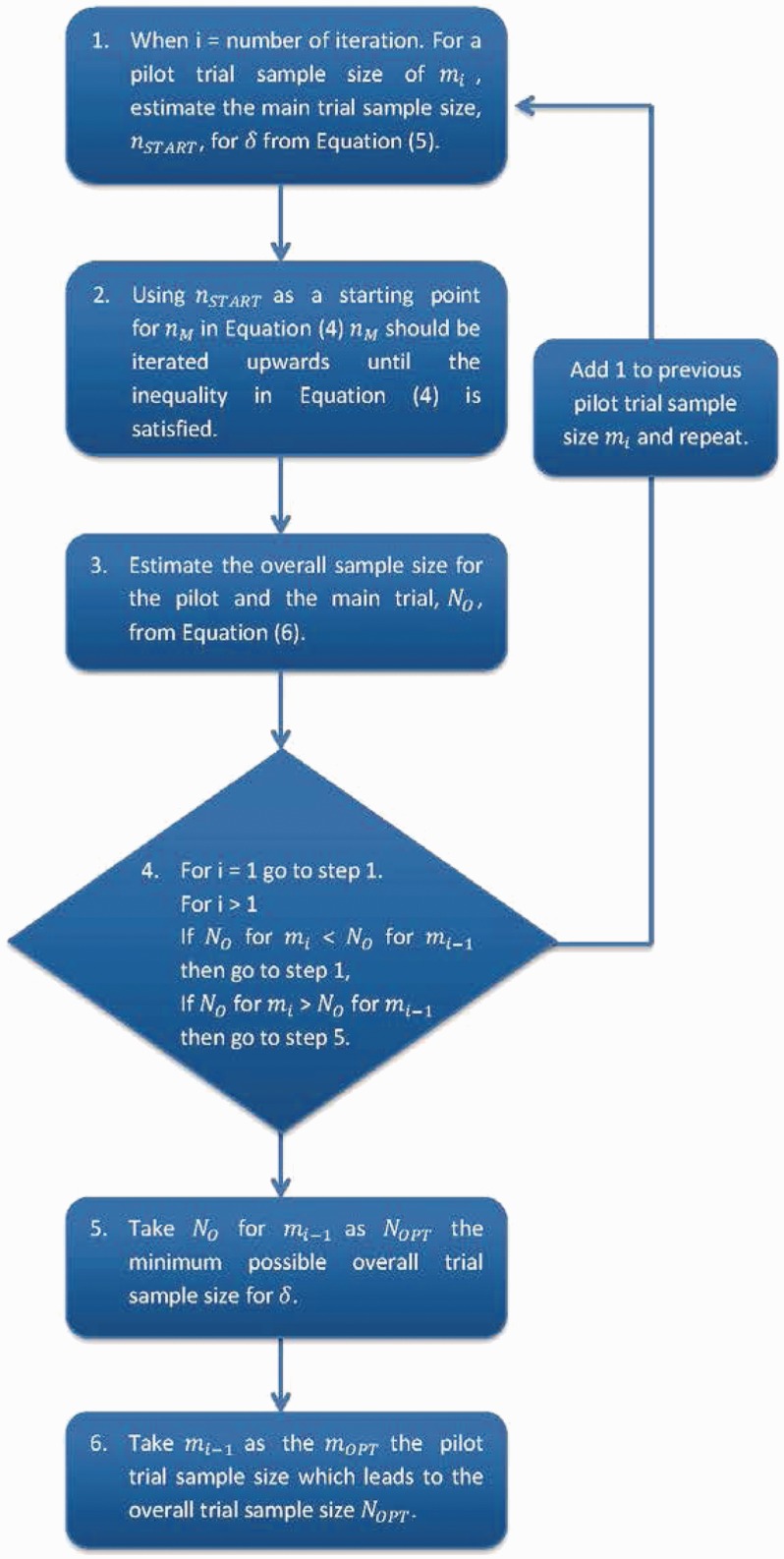
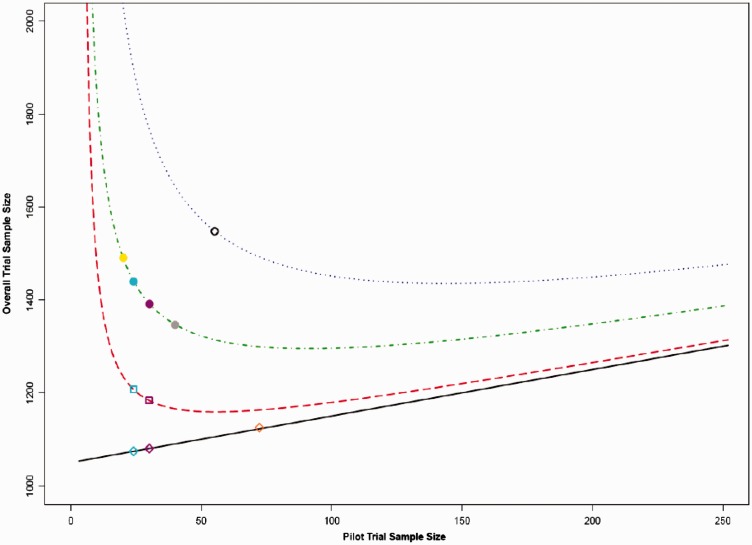
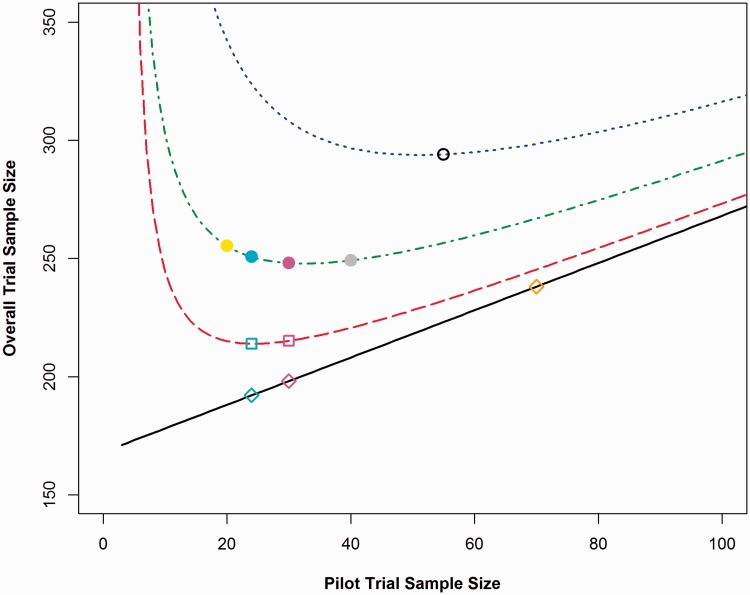
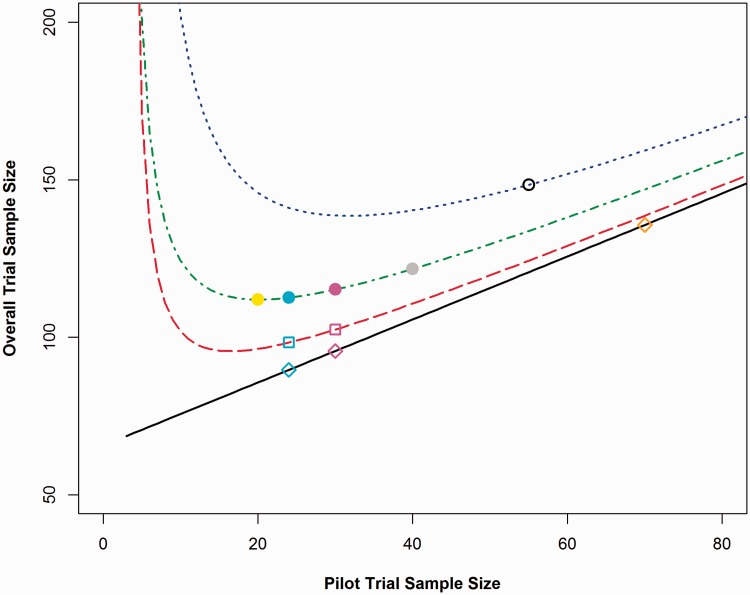
Sample size justification is an important consideration when planning a clinical trial, not only for the main trial but also for any preliminary pilot trial. When the outcome is a continuous variable, the sample size calculation requires an accurate estimate of the standard deviation of the outcome measure. A pilot trial can be used to get an estimate of the standard deviation, which could then be used to anticipate what may be observed in the main trial. However, an important consideration is that pilot trials often estimate the standard deviation parameter imprecisely. This paper looks at how we can choose an external pilot trial sample size in order to minimise the sample size of the overall clinical trial programme, that is, the pilot and the main trial together. We produce a method of calculating the optimal solution to the required pilot trial sample size when the standardised effect size for the main trial is known. However, as it may not be possible to know the standardised effect size to be used prior to the pilot trial, approximate rules are also presented. For a main trial designed with 90% power and two-sided 5% significance, we recommend pilot trial sample sizes per treatment arm of 75, 25, 15 and 10 for standardised effect sizes that are extra small (≤0.1), small (0.2), medium (0.5) or large (0.8), respectively.
Overview
The claims and statistics of this paper haven’t been checked yet.
Free: it reads the open-access text and checks the first 5 claims that cite a source we can check. Create a free account to check every claim.
Integrity signals
Registry
Cites
Statistics
Figures
Verification
Claims the paper makes
The claims and statistics of this paper haven’t been checked yet.
Free: it reads the open-access text and checks the first 5 claims that cite a source we can check. Create a free account to check every claim.
Claims other papers make about this one
Each is checked against this paper’s own text: does it say what the citing paper says it does?
The source backs part of the claim, not all of it — or backs it for a different population, condition or comparison.
In the citing paper
“Another limitation is that the sample size was relatively small, although this was consistent with previous recommendations of 24-35 participants for pilot and feasibility studies to provide sufficient data and precision of means and variances.117,134,135”
From Acceptance and commitment therapy for older people with treatment-resistant generalised anxiety disorder: The FACTOID feasibility study (2021) · cites this paper as [135]
Experimental — accuracy not yet measuredThe source backs part of the claim, not all of it — or backs it for a different population, condition or comparison.
In the citing paper
“pilot trial sample size estimation (n = 14) was based on medium standardized effect sizes (0.5) for a main trial designed with 90% power and two-sided 5% significance [41].”
From Senolytics in idiopathic pulmonary fibrosis: Results from a first-in-human, open-label, pilot study (2019) · cites this paper as [41]
Experimental — accuracy not yet measuredThe source backs part of the claim, not all of it — or backs it for a different population, condition or comparison.
In the citing paper
“For such a trial designed with 90% power and two sided 5% significance, they recommend pilot trial sample sizes for each treatment arm of 75, 25, 15, and 10 for standardised effect sizes that are extra small (0.1), small (0.2), medium (0.5), or large (0.8), respectively.”
From CONSORT 2010 statement: extension to randomised pilot and feasibility trials. (2016) · cites this paper as [58]
Experimental — accuracy not yet measuredThe source backs part of the claim, not all of it — or backs it for a different population, condition or comparison.
In the citing paper
“Sample sizes of 25 participants per arm are also recommended for pilot studies as they are capable of detecting small effect sizes (0.2) with 90% power and 2-sided significance at 5% [28].”
From Exploring the Feasibility of Digital Voice Assistants for Delivery of a Home-Based Exercise Intervention in Older Adults With Obesity and Type 2 Diabetes Mellitus: Randomized Controlled Trial (2024) · cites this paper as [28]
Experimental — accuracy not yet measuredThe source backs part of the claim, not all of it — or backs it for a different population, condition or comparison.
In the citing paper
“This sample size would also be sufficient to detect small effect sizes (0.20 with 90% power and α = 0.05 [21] for secondary outcomes including osteoporosis knowledge and attitudes towards osteoporosis medication.”
From Feasibility and effectiveness of a digital voice assistant for improving anti-osteoporosis medication adherence, and osteoporosis knowledge and attitudes, in postmenopausal women with osteoporosis: A 12-month randomised controlled trial (2025) · cites this paper as [21]
Experimental — accuracy not yet measured
20 more claims about this paper
Create a free account to see every claim other papers make about this one.
Self-check
Percentages, sums and reported differences re-computed from the paper’s own numbers.
The self-check needs the paper’s full text.
Citations
Cites
Cohen, J. (1992) · Psychological Bulletin · doi:10.1037//0033-2909.112.1.155 · Cited by 8,771
A tutorial on pilot studies: the what, why and how
Thabane, L., Ma, J., Chu, R., Cheng, J., Ismaila, A., Rios, L. P., Robson, R., Thabane, M., Giangregorio, L., & Goldsmith, C. H. (2010) · BMC Medical Research Methodology · doi:10.1186/1471-2288-10-1 · Cited by 3,384
Sample size of 12 per group rule of thumb for a pilot study
Julious, S. A. (2005) · Pharmaceutical Statistics · doi:10.1002/pst.185 · Cited by 3,068 · cited 2×
“Initially a flat rule of thumb was used, and the pilot sample size was chosen to be 24 evaluable patients in total as recommended by Julious.(16) However, suppose that a priori the standardised effect size for the main trial is 0.”
MethodInfluentialSelf-citationClinical Trials: A Practical Approach.
Hill, I. D., & Pocock, S. J. (1984) · Biometrics · doi:10.2307/2531186 · Cited by 2,930
Design and analysis of pilot studies: recommendations for good practice
Lancaster, G. A., Dodd, S., & Williamson, P. R. (2004) · Journal of Evaluation in Clinical Practice · doi:10.1111/j..2002.384.doc.x · Cited by 2,572 · cited 1×
“Therefore, since the purpose of the pilot is not to give a formal assessment of efficacy, then the sample size provided by the conventional calculations may be higher than necessary.(13)”
BackgroundWhat is a pilot or feasibility study? A review of current practice and editorial policy
Arain, M., Campbell, M. J., Cooper, C. L., & Lancaster, G. A. (2010) · BMC Medical Research Methodology · doi:10.1186/1471-2288-10-67 · Cited by 1,483
Self-citationSample Size Tables for Clinical Studies
Machin, D., Campbell, M. J., Tan, S. B., & Tan, S. H. (2008) · Wiley eBooks · doi:10.1002/9781444300710 · Cited by 1,336 · cited 1×
“Recruiting too few participants in a main trial means that the probability of finding a clinically relevant difference statistically significant is low and as a consequence, the chance of inconclusive results is high.(2,3) Conversely, if the sample size is too large, resources may be wasted, more patients than necessa…”
BackgroundSelf-citationSim, J., & Lewis, M. (2012) · Journal of Clinical Epidemiology · doi:10.1016/j.jclinepi.2011.07.011 · Cited by 1,036
On the use of a pilot sample for sample size determination
Browne, R. H. (1995) · Statistics in Medicine · doi:10.1002/sim.4780141709 · Cited by 1,007
Teare, M. D., Dimairo, M., Shephard, N., Hayman, A., Whitehead, A., & Walters, S. J. (2014) · Trials · doi:10.1186/1745-6215-15-264 · Cited by 773 · cited 3×
“Julious(16) 24 Kieser and Wassmer(12) 20–40 Browne(10) 30 Sim and Lewis(11) 55 Teare et al.(17) 70 Whitehead et al.”
BackgroundInfluentialSelf-citation
Research works printed but not linked: 1
- Grieve AP Sample sizes and confidence intervals. Am Stat 1990; 44: 190– 190.
Cited by
Items 301–400 of 1,005
Wong, K. P., & Qin, J. (2023) · JMIR Research Protocols · doi:10.2196/48208 · Cited by 15
“Teare et al [24] and Whitehead et al [25] indicated that studies with a sample size of 20 participants per arm have at least 80% power and 90% confidence.”
BackgroundChan, W. L. S., Chan, C. W. L., Chan, H. H. W., Chan, K. C. K., Chan, J. S. K., & Chan, O. L. W. (2024) · Australian Journal on Ageing · doi:10.1111/ajag.13297 · Cited by 20
“26 We hypothesised that (1) the scores of at least 50% of the exergames would be significantly improved; and (2) the mean scores of all acceptability domains would be 3.00 or higher.”
InfluentialShi, N., Wong, A. K. C., Wong, F. K. Y., Zhang, N., Zhu, W., Shen, K., Lai, X., Jin, Y., Gu, C., Nie, L., et al. (2024) · Digital Health · doi:10.1177/20552076241231560 · Cited by 20
Liu, J. J. W., Ein, N., Gervasio, J., Baker, C., Plouffe, R. A., Wanklyn, S. G., Burhan, A. M., Lau, B., Abreu, E., Wasiuta, T., et al. (2024) · Frontiers in Psychiatry · doi:10.3389/fpsyt.2024.1338581 · Cited by 16
Pavlou, M., Flavell, C. A., Mostajeran, F., Nikitas, C., Kikidis, D., Bibas, A. G., Gatsios, D. A., Tsakanikas, V., Fotiadis, D. I., Koutsouris, D., et al. (2024) · Age and Ageing · doi:10.1093/ageing/afae214 · Cited by 19
“However, for quantitative studies, a sample of 30 per group may be adequate to establish feasibility [31].”
BackgroundLiu, J. Q., Mak, Y. W., Tang, A. L., Kwan, C., Zoubi, F. A., Wong, T. K. T., Tsang, G. S. H., Kwong, H. C., Lai, S. W. T., Sze, S. P. S., et al. (2025) · Journal of Pain · doi:10.1016/j.jpain.2025.105350 · Cited by 21
Can you beat the music? Validation of a gamified rhythmic training in children with ADHD
Jamey, K., Laflamme, H., Foster, N. E. V., Rigoulot, S., Lippé, S., Kotz, S. A., & Bella, S. D. (2025) · Behavior Research Methods · doi:10.3758/s13428-025-02802-3 · Cited by 24
“In line with Whitehead et al. (2016) guidelines for pilot studies, formal power calculations were not necessary.”
Thijs, L., Voets, E., Wiskerke, E., Nauwelaerts, T., Arys, Y., Haspeslagh, H., Kool, J., Bischof, P., Bauer, C. M., Lemmens, R., et al. (2021) · Journal of NeuroEngineering and Rehabilitation · doi:10.1186/s12984-021-00910-7 · Cited by 17
Rawlings, G. H., Beail, N., Armstrong, I. J., & Thompson, A. R. (2022) · ERJ Open Research · doi:10.1183/23120541.00526-2021 · Cited by 19
Sandgren, S. S., Haycraft, E., Arcelus, J., & Plateau, C. R. (2022) · European Eating Disorders Review · doi:10.1002/erv.2891 · Cited by 15
“96) and achieving 90% power (Z0.90 = 1.282; Whitehead et al., 2016) with a specified 0.”
BackgroundInfluentialMagee, M. R., Gholamrezaei, A., McNeilage, A. G., Dwyer, L., Sim, A., Ferreira, M. L., Darnall, B. D., Glare, P. A., & Ashton-James, C. E. (2022) · BMJ Open · doi:10.1136/bmjopen-2021-057174 · Cited by 14
Carpallo‐Porcar, B., Romo-Calvo, L., Pérez‐Palomares, S., Jiménez‐Sánchez, C., Herrero, P., la Cruz, N. B., & Calvo, S. (2022) · PLoS ONE · doi:10.1371/journal.pone.0270766 · Cited by 15
“A sample size of 50 subjects will be required, 20 in each group, plus 10 in anticipation of future losses according to the recommendations for RCT pilot studies [95, 96].”
McKeown, E., McGraw, C., Holder, P., Shand, J., & Hirani, S. P. (2022) · JMIR Formative Research · doi:10.2196/36517 · Cited by 17
“For pilot studies, the sample size for quantitative components is suggested to be 30 [23,24], which will allow parameter estimates and loss to follow-up rates for subsequent large studies.”
BackgroundRamu, P., Osman, M. B., Mutalib, N. A. A., Aljaberi, M. A. A., Lee, K., Lin, C., & Hamat, R. A. (2023) · Healthcare · doi:10.3390/healthcare11060853 · Cited by 35
Balboni, A., Lombardo, E. C., BALBONI, G., & Gazzani, F. (2023) · Minerva Dental and Oral Science · doi:10.23736/s2724-6329.23.04783-6 · Cited by 22
Joseph, R. P., Ainsworth, B. E., Vega‐López, S., Adams, M. A., Hollingshead, K. E., Hooker, S. P., Todd, M. W., Gaesser, G. A., & Keller, C. S. (2018) · Contemporary Clinical Trials · doi:10.1016/j.cct.2018.12.011 · Cited by 16
“, [99]), the projected sample size should be sufficient to address the study aims.”
BackgroundDanielsson, L., Wærn, M., Hensing, G. K. E., & Holmgren, K. E. (2019) · Clinical Rehabilitation · doi:10.1177/0269215519880230 · Cited by 14
Smith, V., Warty, R. R., Kashyap, R., Neil, P., Adriaans, C., Nair, A., Krishnan, S., Costa, F. D. S., Vollenhoven, B. J., & Wallace, E. M. (2020) · Scientific Reports · doi:10.1038/s41598-020-60040-3 · Cited by 20
Bielinski, L. L., Krieger, T., Moggi, F., Trimpop, L. F., Willutzki, U., Nissen, C., & Berger, T. (2020) · JMIR Research Protocols · doi:10.2196/20936 · Cited by 16
“Moreover, according to Whitehead and colleagues [52], for a main trial designed with 90% power and 2-sided 5% significance, 25 participants per treatment arm are necessary in the pilot for standardized effect sizes that are small.”
Focht, B. C., Lucas, A. R., Grainger, E. M., Simpson, C., Fairman, C. M., Thomas‐Ahner, J. M., Chaplow, Z. L., DeScenza, V. R., Bowman, J. L., & Clinton, S. K. (2019) · Integrative Cancer Therapies · doi:10.1177/1534735419893764 · Cited by 15
Li, Y.-T., Tsai, Y.-J., Wang, L.-Y., Ou, Y.-C., Kao, Y.-L., & Lin, K.-Y. (2023) · Maturitas · doi:10.1016/j.maturitas.2022.10.004 · Cited by 13
Li, Y., Li, M., Bressington, D., Li, K., Wong, A. Y., Chung, W. M., Molassiotis, A., Ma, C. Z.-H., Kor, P. P. K., & Yeung, W. F. (2024) · Archives of Physical Medicine and Rehabilitation · doi:10.1016/j.apmr.2024.05.017 · Cited by 13
Kandhari, N., Prabhakar, M., Shannon, O. M., Fostier, W., Koehl, C., Rogathi, J. J., Temu, G. A., Stephan, B. C. M., Gray, W. K., Haule, I., et al. (2020) · International Journal of Food Sciences and Nutrition · doi:10.1080/09637486.2020.1776226 · Cited by 13
“Therefore, we calculated our sample size using the approach for pilot feasibility trials proposed by Whitehead et al (Whitehead et al. 2016).”
MethodXiao, Y., Wallace, J. E., Ahad, M., van Gemert, C. E., Thompson, A. J. V., Doyle, J., Lam, H. Y., Chan, K., Bennett, G., Adamson, E., et al. (2021) · BMC Public Health · doi:10.1186/s12889-021-11916-0 · Cited by 14
Wang, L., Norman, I. J., Xiao, T., Li, Y., Li, X., & Leamy, M. C. (2022) · Frontiers in Psychiatry · doi:10.3389/fpsyt.2021.809679 · Cited by 16
Designing Psychosocial Intervention Pilot Studies: A Tutorial for Palliative Care Investigators
Winger, J. G., Kelleher, S. A., Fisher, H. M., Somers, T. J., & Samsa, G. P. (2022) · Journal of Pain and Symptom Management · doi:10.1016/j.jpainsymman.2022.02.338 · Cited by 16
Signore, A., Jung, M. E., Semenchuk, B. N., Kullman, S. M., Tefft, O., Webber, S. C., Ferguson, L. J., Kowalski, K. C., Fortier, M., McGavock, J., et al. (2022) · Pilot and Feasibility Studies · doi:10.1186/s40814-022-01072-6 · Cited by 20
“Following sample size recommendations for pilot feasibility studies [34], we aimed to recruit 20 participants (10 in each arm).”
MethodAffective Control Training (AffeCT) reduces negative affect in depressed individuals
Schweizer, S., Auer, T., Hitchcock, C., Lee-Carbon, L., Rodrigues, E., & Dalgleish, T. (2022) · Journal of Affective Disorders · doi:10.1016/j.jad.2022.06.016 · Cited by 16
Atukunda, E. C., Siedner, M. J., Obua, C., Musiimenta, A., Ware, N. C., Mugisha, S., Najjuma, J. N., Mugyenyi, G. R., & Matthews, L. T. (2023) · JMIR Formative Research · doi:10.2196/36619 · Cited by 24
“Using the rule of thumb [38,39], we calculated the sample size needed to identify 2.”
Manser, P., Michels, L., Schmidt, A., Barinka, F., & de Bruin, E. D. (2023) · JMIR Research Protocols · doi:10.2196/41173 · Cited by 18
“In line with this, the sample size for this RCT was justified to provide a sufficiently precise estimate of the treatment effect to minimize the sample size needed for a future full-scale RCT [193].”
InfluentialLiu, J., Zhao, X., Wei, X., Yan, D., Ou, W., Liao, M., Ji, S., Peng, Y., Wu, S., Wang, M., et al. (2023) · Psychiatry Research · doi:10.1016/j.psychres.2023.115326 · Cited by 13
Ong, A. D., Wilcox, K. T., Moskowitz, J. T., Wethington, E., Addington, E. L., Sanni, M. O., Kim, P., & Reid, M. C. (2023) · Innovation in Aging · doi:10.1093/geroni/igad070 · Cited by 14
“…feasibility and acceptability of the methods and procedures to be used in a larger, fully powered trial of LARKSPUR, the sample size was chosen based on feasibility indicators rather than formal power calculations for tests of between-group differences (Teresi et al., 2022; Whitehead et al., 2016).”
MethodLipping, E., Saar, S., Reinsoo, A., Bahhir, A., Kirsimägi, Ü., Lepner, U., & Talving, P. (2023) · Annals of Surgery · doi:10.1097/sla.0000000000006103 · Cited by 16
Gutiérrez, G., Lunsky, I. O., Heer, S. V., Szulewski, A., & Chaplin, T. (2023) · Canadian Journal of Emergency Medicine · doi:10.1007/s43678-023-00586-z · Cited by 21
Schmidt, S., Krahl, D., Podszun, J., Knecht, S., Zimmerer, A., Sobau, C., Ellermann, A., & Ruhl, A. (2024) · Knee Surgery Sports Traumatology Arthroscopy · doi:10.1002/ksa.12430 · Cited by 15
A randomized controlled field trial of iBsafe—a novel child safety game app
Dixon, C. A., Ammerman, R. T., Johnson, B. L., Lampe, C., Hart, K. W., Lindsell, C. J., & Mahabee‐Gittens, E. M. (2019) · mHealth · doi:10.21037/mhealth.2019.01.02 · Cited by 13
Efficacy and Safety of Topical Chloroquine in Mild to Moderate Dry Eye Disease
Titiyal, J. S., Kaur, M., Falera, R., Bharghava, A., Sah, R., & Sen, S. (2019) · Current Eye Research · doi:10.1080/02713683.2019.1641824 · Cited by 14
“Seventy-five cases were enrolled for each treatment arm in order to detect very small treatment effects.(17) The patients were allocated into two treatment groups – group I (n = 75) received topical CMC0.”
MethodWarner, G., Durbeej, N., Salari, R., Fängström, K., Lampa, E., Baghdasaryan, Z., Osman, F., Löfving, S. G., Aronsson, A., Feldman, I., et al. (2020) · BMJ Open · doi:10.1136/bmjopen-2019-035459 · Cited by 14
Nakao, R., & Ueno, T. (2021) · BDJ Open · doi:10.1038/s41405-021-00068-3 · Cited by 13
Xue, F., Zhang, R., Zhang, Y., Liu, J., Cai, Y., Cao, P. H., & Luan, Q. (2021) · Journal of Dental Sciences · doi:10.1016/j.jds.2021.10.012 · Cited by 13
“20), 14 participants in every group were needed in each group.(20) Normality was checked using the ShapiroeWilk test.”
MethodRibeiro, D. C., Tangrood, Z. J., Wilson, R., Sole, G., & Abbott, J. H. (2022) · BMJ Open · doi:10.1136/bmjopen-2021-053572 · Cited by 18
Li, Y., Peng, C., Zhang, M., Xie, L., Gao, J., Ying-ji, W., Gao, Y., & Hou, L. (2022) · Evidence-based Complementary and Alternative Medicine · doi:10.1155/2022/4291477 · Cited by 21
Sun, Y., Wang, M. P., Ho, S. Y., Chan, C. S., Man, P. K. W., Kwok, T. T.-O., Wan, A., & Lam, T. H. (2022) · Games for Health Journal · doi:10.1089/g4h.2021.0215 · Cited by 12
Wolf, S., Zanker, J., Sommer, F., Vlasenko, D., Pinto, D. R. M., Hoffmann, M., Anthuber, M., & Schrempf, M. C. (2022) · Pilot and Feasibility Studies · doi:10.1186/s40814-022-01213-x · Cited by 15
“2 and a later planned study with a power of 90% [39].”
BackgroundSeecheran, N. A., Maharaj, A., Boodhai, B., Seecheran, R. V., Seecheran, V. K., Persad, S. A., Ramsaroop, K., Sandy, S., Giddings, S., Sakhamuri, S. M., et al. (2019) · Open Heart · doi:10.1136/openhrt-2018-000841 · Cited by 13
Hasan, S. M. T., Ahmed, S. I., Khan, M. A., Sarker, S. A., & Ahmed, T. (2020) · JMIR Research Protocols · doi:10.2196/16676 · Cited by 14
“…sample size calculation may not be applicable; however, we will aim for 35 participants in each arm based on the recommendation by Whitehead et al [18] on the required sample size for pilot trials and by considering a conservative (small) effect size for the definitive trial designed with 90%…”
Azimi, M., & Hasheminasab, F. S. (2020) · Trials · doi:10.1186/s13063-020-04915-w · Cited by 13
“Recording the adverse effect x x x x [14].”
Li, Y., Wong, A., Chung, W. M., Li, M., Molasiotis, A., Bressington, D., Ma, C. Z.-H., Kor, P. P. K., & Yeung, W. F. (2023) · PLOS ONE · doi:10.1371/journal.pone.0282846 · Cited by 12
“…a widely acceptable sample size for a preliminary analysis will be adopted to examine intervention feasibility and to estimate a between-group effect (i.e., 30 participants in each study group for a small standardized effect size of 0.25 with 80% power and two-sided 5% significance) [36].”
InfluentialSmith, M. M. F., Collins, N. J., Mellor, R., Grimaldi, A. M., Elliott, J. M., Hoggarth, M. A., Weber, K. A., II, & Vicenzino, B. (2020) · Journal of Foot and Ankle Research · doi:10.1186/s13047-020-00384-1 · Cited by 15
Parewa, M., Burman, A. S., Brahma, A., Rutten, L., Sadhukhan, S., Misra, P., Gupta, B., Saklani, N. K., Michael, J., Basu, A., et al. (2021) · Complementary Medicine Research · doi:10.1159/000514524 · Cited by 20
Ambari, A. M., Lilihata, G., Zuhri, E., Ekawati, E., Wijaya, S. A., Dwiputra, B., Sukmawan, R., Radi, B., Haryana, S. M., Adiarto, S., et al. (2021) · Frontiers in Cardiovascular Medicine · doi:10.3389/fcvm.2021.761112 · Cited by 13
Chen, C., Sullivan, S. S., Lorenz, R. A., Wittenberg-Lyles, E. M., Li, C., & Chang, Y. (2021) · Journal of Clinical Nursing · doi:10.1111/jocn.16132 · Cited by 15
Woodward, A., Broom, D. R., Dalton, C., Metwally, M., & Klonizakis, M. (2022) · Journal of Physical Activity and Health · doi:10.1123/jpah.2022-0103 · Cited by 16
Verkuil, F., Hemke, R., van Gulik, E. C., Barendregt, A. M., Rashid, A. N., Schonenberg‐Meinema, D., Dolman, K. M., Deurloo, E. E., van Dijke, K. F., den Harder, J. M., et al. (2022) · Insights into Imaging · doi:10.1186/s13244-022-01299-0 · Cited by 12
Fernandes, C.-S. F., Deng, Y., Tran, A. H., Hieftje, K. D., Pendergrass, T. M., Taylor, C. K., & Fiellin, L. E. (2023) · Games for Health Journal · doi:10.1089/g4h.2021.0118 · Cited by 16
“This study’s sample size is based on the literature providing rationale for sample size for pilot studies, 33 given the focus on preliminary efficacy, user experience, and feasibility.”
Apelin-17 to diagnose idiopathic pulmonary arterial hypertension: A biomarker study
Foris, V., Kovács, G., Avian, A., Bálint, Z., Douschan, P., Ghanim, B., Klepetko, W., Olschewski, A., & Olschewski, H. (2023) · Frontiers in Physiology · doi:10.3389/fphys.2022.986295 · Cited by 12
“This adaptive design allowed us to include a sufficient number of patients in a reasonable period of time (Leon et al., 2011; Whitehead et al., 2016).”
MethodBernard, M., Poncin, E., Bovet, É., Tamchès, E., Cantin, B., Pralong, J., & Borasio, G. D. (2023) · BMC Palliative Care · doi:10.1186/s12904-023-01172-x · Cited by 20
“2) for a main trial designed with 90% power and two-sided 5% significance, for instance [30].”
BackgroundHemming, K., Taljaard, M., Gkini, E., & Bishop, J. R. B. (2023) · Pilot and Feasibility Studies · doi:10.1186/s40814-023-01384-1 · Cited by 15
“We have not considered sample size calculation for non-binary outcomes, such as estimation of the standard deviation of continuous outcomes, which might be of interest in a pilot trial [23].”
BackgroundMethodLi, Y., Rhee, H., Bullock, L., McCaw, B. R., & Bloom, T. (2023) · Journal of Interpersonal Violence · doi:10.1177/08862605231207624 · Cited by 14
“Following the stepped rules of thumb for pilot trial sample size per treatment arm (Whitehead et al., 2016), 20 participants per arm would provide a power of 80% to detect an effect size of 0.1–0.3 with a two-tailed Type I error of .05.”
MethodInfluentialHezel, N., Buchner, T., Becker, C., Bauer, J. M., Sloot, L. H., Steib, S., & Werner, C. (2025) · European Review of Aging and Physical Activity · doi:10.1186/s11556-025-00375-w · Cited by 14
“The sample size was determined a priori based on recommendations for pilot randomized controlled trials (RCT) [50].”
Chee, W., Lee, Y., Ji, X., Chee, E., & Im, E. (2019) · CIN Computers Informatics Nursing · doi:10.1097/cin.0000000000000577 · Cited by 15
Dimitrijević, Z., Šalinger-Martinović, S., Nikolic, V. N., & Cvetković, T. (2019) · Diagnostics · doi:10.3390/diagnostics9040202 · Cited by 14
Ajlouni, W. M. E., Kaur, G., & Alomari, S. A. (2020) · Social Science Computer Review · doi:10.1177/0894439320971234 · Cited by 17
“A suitable pilot study sample size was prepared for medium sample ES at a significance criterion a of .05 with 40 participants (Whitehead et al., 2016).”
MethodProchilo, G. A., Costa, R. J. S., Hassed, C., Chambers, R., & Molenberghs, P. (2021) · Pilot and Feasibility Studies · doi:10.1186/s40814-020-00751-6 · Cited by 12
Choi, Y., Jung, I. C., Kim, A., Park, H., Kwon, O., Lee, J., & Kim, J. (2021) · Brain Sciences · doi:10.3390/brainsci11060756 · Cited by 13
“For the purpose of this study, the sample size was determined to be 16 for each group considering that the standardized effect size of EA for MCI would be medium [46].”
MethodBayuo, J., Wong, F. K. Y., & Chung, L. Y. F. (2021) · Trials · doi:10.1186/s13063-021-05679-7 · Cited by 18
Goldschmidt, A. B., Tortolani, C. C., Egbert, A. H., Brick, L. A. D., Elwy, A. R., Donaldson, D. L., & Grange, D. L. (2022) · International Journal of Eating Disorders · doi:10.1002/eat.23796 · Cited by 13
Correlation between BIM data creation and big data attributes in construction
Ali, F. H., & Bandi, S. (2022) · International Journal of Construction Management · doi:10.1080/15623599.2022.2119071 · Cited by 15
“Beforecarrying out the large-scale data collection, a pilot study was carried out to ensure the reliability of the instrument in which at least 30 responses were supposed to be acquired (Taherdoost 2016; Whitehead et al. 2016).”
MethodAhmad, N. A., Drus, S. M., & Kasim, H. (2022) · Journal of Systems and Information Technology · doi:10.1108/jsit-11-2020-0254 · Cited by 14
Pandey, A., Pandey, A., Pandey, A. S., Bonsignore, A., Auclair, A., & Poirier, P. (2022) · Canadian Journal of Cardiology · doi:10.1016/j.cjca.2022.09.019 · Cited by 21
Ferrucci, R., Serino, S., Ruggiero, F., Repetto, C., Colombo, D., Pedroli, E., Marceglia, S. R. F., Riva, G., & Priori, A. (2019) · Frontiers in Neuroscience · doi:10.3389/fnins.2019.00198 · Cited by 12
Azhari, N. N., Manaf, R. A., Ng, S. W., Bajunid, S. F. B. S. A., Gobil, A. R. M., Saad, W. Z., & Nordin, S. A. (2019) · International Journal of Environmental Research and Public Health · doi:10.3390/ijerph16122108 · Cited by 17
Null hypothesis significance testing and effect sizes: can we ‘effect’ everything … or … anything?
Lovell, D. P. (2020) · Current Opinion in Pharmacology · doi:10.1016/j.coph.2019.12.001 · Cited by 20
McGrattan, A., McEvoy, C. T., Vijayakumar, A., Moore, S. E., Neville, C. E., McGuinness, B., McKinley, M. C., & Woodside, J. V. (2021) · Pilot and Feasibility Studies · doi:10.1186/s40814-020-00738-3 · Cited by 12
Farragher, J. F., Thomas, C. M., Ravani, P., Manns, B., Elliott, M. J., & Hemmelgarn, B. R. (2019) · BMJ Open · doi:10.1136/bmjopen-2019-030333 · Cited by 14
Effect of Transcutaneous Auricular Vagus Nerve Stimulation in Chronic Low Back Pain: A Pilot Study
Figueiredo, I. T., Pers, Y., Duflos, C., Herman, F., Sztajnzalc, B., Lecoq, H., Laffont, I., Dupeyron, A., & Homs, A. (2024) · Journal of Clinical Medicine · doi:10.3390/jcm13247601 · Cited by 16
“A sample size of 30 participants was chosen based on practical considerations and recommendations suggesting that 20 to 30 participants are sufficient to assess feasibility, estimate variability and detect medium-to-large effect sizes in pilot studies [27].”
Fazio, C. D., Scaliti, E., Stanziano, M., Nigri, A., Demichelis, G., Tamietto, M., & Palermo, S. (2026) · Frontiers in Human Neuroscience · doi:10.3389/fnhum.2026.1743236 · Cited by 13
Agazzi, H. C., Hayford, H., Thomas, N., Dickinson, S., Ortiz, C., & Salinas‐Miranda, A. (2022) · Clinical Child Psychology and Psychiatry · doi:10.1177/13591045221096313 · Cited by 12
Nykänen, M., Kurki, A.-L., & Airila, A. (2022) · Vocations and Learning · doi:10.1007/s12186-022-09289-5 · Cited by 29
Görtz‐Dorten, A., Frank, M., Fessel, A., Hofmann, L., & Döpfner, M. (2022) · Trials · doi:10.1186/s13063-022-06325-6 · Cited by 14
“4) [75], for which approximately 30 participants per treatment arm for a pilot randomized trial are recommended [74, 76].”
BackgroundNgu, H., Neo, S. H., Ling, E. K. Y., Ho, H. S. S., & Tan, N. C. (2022) · Journal of Patient-Reported Outcomes · doi:10.1186/s41687-022-00519-x · Cited by 14
“[42] With an anticipated 10% drop out rate, from prevalence estimates of 20%,2 assuming 50% of eligible men will decline participation, a total of at least 420 will be screened for their eligibility using LUTS.”
BackgroundRamamoorthy, N. K., Vengadesan, V., Pallam, R. B., Sadras, S. R., Renganathan, S., & Sarma, V. V. (2023) · Preparative Biochemistry & Biotechnology · doi:10.1080/10826068.2022.2162922 · Cited by 11
“Given the large operational size of the biorefinery experimental-model (48 kg),([23]) higher”
BackgroundMelsæther, C., Høtoft, D., Wellejus, A., Hermes, G. D. A., & Damholt, A. B. (2023) · Nutrients · doi:10.3390/nu15184000 · Cited by 14
“Intending to use one of the studies as a control, we applied the method of stepped rules of thumb for the estimation of the pilot study sample size, which is why a sample size of 25 mother–infant dyads in each study was considered suitable [49].”
MethodPark, J., Wiese, L. K., & Holt, J. (2023) · Clinical Gerontologist · doi:10.1080/07317115.2023.2277333 · Cited by 14
“First, the small sample size limited the ability to conduct robust analyses but was sufficient for making preliminary estimates of variances and effects (Whitehead et al., 2016).”
Jiang, S., Chen, Y., & Wang, L. (2024) · Trauma Violence & Abuse · doi:10.1177/15248380241227986 · Cited by 24
“Typically, the sample size in such experimental setups is predicated on statistical tenets and the overarching research design (Whitehead et al., 2016).”
Zulkefly, N. S., Schaff, A. R. D., Zaini, N. A., Mukhtar, F., & Dahlan, R. (2024) · Digital Health · doi:10.1177/20552076241249572 · Cited by 13
“66 Furthermore, the current fi ndings add to the local research investigating universal interventions for parents of adolescents.”
BackgroundMethodSirisomboon, R., Nuampa, S., Leetheeragul, J., Sudphet, M., Pimol, K., Sirithepmontree, S., & Silavong, L. (2024) · Midwifery · doi:10.1016/j.midw.2024.104132 · Cited by 20
Zhi, Y., Tse, M. Y. M., Huang, H.-T., Fang, H., Chung, J. W. Y., Chong, D. Y. K., & Wong, T. K. S. (2024) · International Journal of Nursing Sciences · doi:10.1016/j.ijnss.2024.08.007 · Cited by 13
“In the pilot investigation, we followed the sample size recommendations outlined by Whitehead et al. (2016) [22] based on standardized effect sizes.”
Steinkraus, K. C., Feldmann, H., Hunold, L. S., Graf, S., Dörr-Harim, C., Nasir, N., Michalski, C. W., & Hüttner, F. J. (2024) · Perioperative Medicine · doi:10.1186/s13741-024-00454-z · Cited by 11
Alcon, C. A., Zoch, C., Luetkenhaus, R., Lyman, E., Brizzolara, K. J., Goh, H., & Wang-Price, S. S. (2024) · Pain Medicine · doi:10.1093/pm/pnae101 · Cited by 18
Schmidt‐Andersen, P., Pouplier, A., Faigenbaum, A. D., Beth, C. K., Olsen, C. C., Lykkedegn, S., Hasle, H., Müller, K., Larsen, H. B., Fridh, M., et al. (2025) · Pediatric Blood & Cancer · doi:10.1002/pbc.31498 · Cited by 14
“The INTERACT trial is expected to include 128 children with cancer [29].”
Hodkinson, D. J., Drabek, M. M., Horvath, S., Pszczółkowski, S., Tench, C. R., Tănăsescu, R., Lankappa, S. T., Walsh, D. A., Morriss, R. K., & Auer, D. P. (2025) · Clinical Neurophysiology · doi:10.1016/j.clinph.2025.02.267 · Cited by 13
“The sample size for this pilot was selected for estimation of variance to be used to power future larger clinical trials, as per published recommendation (Whitehead et al., 2016).”
Han, A., Oster, R. A., Yuen, H. K., Jenkins, J., Hawkins, J., & Edwards, L. (2025) · JMIR Formative Research · doi:10.2196/67545 · Cited by 18
“This sample size is also consistent with the recommendation of a minimum of 10 participants per group for pilot RCTs [34].”
Ramachandran, H. J., Yeo, T. J., Seah, A. C. W., Yeo, T. M., Chua, M. C. H., Gani, Q. S., Lim, P. S., Lai, S. M., Teo, J. Y. C., & Wang, W. (2025) · European Journal of Cardiovascular Nursing · doi:10.1093/eurjcn/zvaf053 · Cited by 13
McKenna, S. G., Donnelly, A., Esbensen, B. A., Fraser, A. D., & Kennedy, N. (2018) · Rheumatology International · doi:10.1007/s00296-018-4052-y · Cited by 11
Jobst, S., Leppla, L., & Köberich, S. (2020) · Pilot and Feasibility Studies · doi:10.1186/s40814-020-00624-y · Cited by 15
Schwartz, A., Martínez-Sánchez, G., de Lucía, A. M., Viana, S. M., & Mita, C. A. (2021) · Journal of Pharmacy & Pharmacognosy Research · doi:10.56499/jppres20.971_9.2.126 · Cited by 25
“According to the recommendations of Whitehead et al. (2016), the sample size calculation of this pilot complementary application of O3SS is estimated.”
Koh, J., Hung, O. Y., Eshtehardi, P., Kumar, A., Rabah, R. R., Raad, M., Kumar, S., Chaudhry, S., Gupta, S. K., Hosseini, H., et al. (2020) · Circulation Cardiovascular Interventions · doi:10.1161/circinterventions.119.008204 · Cited by 12
Mitchell, T. S., du Preez, E., & Theadom, A. (2021) · Clinical Rehabilitation · doi:10.1177/0269215521998535 · Cited by 14
Wang, S., Cheung, D. S. K., Leung, A. Y. M., & Davidson, P. M. (2021) · Research in Nursing & Health · doi:10.1002/nur.22143 · Cited by 12
Metadata
- Authors
- Whitehead, A. L., Julious, S. A., Cooper, C. L., & Campbell, M. J.
- Affiliations
- University of Sheffield (GB)
- Corresponding author
- Whitehead, Amy L
- Venue
- Statistical Methods in Medical Research
- Publisher
- SAGE Publications
- Published
- 2015-06-19
- Volume
- 25
- Issue
- 3
- Pages
- 1057-1073
- ISSN
- 0962-2802 (ISSN-L)
- 1477-0334
- PMC
- PMC4876429
- OpenAlex
- W2137904825
- Semantic Scholar
- acf7c691cd77fce40fa8d45f63c5d2971e6ec50d
- Cited by
- 1,936
- References
- 26
- Citations by year
- 2026: 314 · 2025: 333 · 2024: 287 · 2023: 239 · 2022: 245 · 2021: 204 · 2020: 148 · 2019: 87 · 2018: 51 · 2017: 17 · 2016: 8
- FWCI
- 22.54
- Type
- journal article
- Language
- en
- Open access
- hybrid
- doi.org
- Licence
- cc-by
- journals.sagepub.com/page/policies/text-and-data-mining-license (tdm)
- Locations
- Statistical Methods in Medical Research (publishedVersion, cc-by)
- Europe PMC (PubMed Central) (publishedVersion, cc-by)
- PubMed Central (publishedVersion, cc-by)
- PubMed (publishedVersion)
- White Rose Research Online (University of Leeds, The University of Sheffield, University of York) (acceptedVersion)
- ePrints Soton (University of Southampton) (acceptedVersion)
- Topics
- Physical Sciences › Mathematics › Statistics and Probability › Statistical Methods in Clinical Trials
- Physical Sciences › Mathematics › Statistics and Probability › Statistical Methods in Epidemiology
- Social Sciences › Decision Sciences › Statistics, Probability and Uncertainty › Meta-analysis and systematic reviews
- Keywords
- sample size determination, main trial, continuous outcomes, standard deviation estimation, clinical trial design
- MeSH terms
- Humans, Pilot Projects, Randomized Controlled Trials as Topic, Outcome Assessment, Health Care, Sample Size
About these checks
Registry, retraction, Cites and statistics results are computed, not judged, with one exception: a printed reference that no index lists is read once by a model before it counts as a citation error. Claims are extracted by a model and kept only when their quote appears verbatim in the text; each cited source is then checked, with a model’s help, for whether it says what the claim relies on. Those verdicts can be wrong — read the claim’s quote and the cited source before relying on one.
Statistics and arithmetic are recomputed, not judged.
Confidence bands are shown only for fields calibrated on our annotated test set. None is calibrated yet, so no band is shown.
What counts as a claim ›How we measure confidence ›How we check this ›
Are you an author, or do you see a problem with this page? Request a review
Data sources
Bibliographic data: Semantic Scholar, OpenAlex, Crossref.
Contains information from the Semantic Scholar Academic Graph Datasets, made available under the ODC Attribution License (ODC-BY 1.0).
Semantic Scholar’s data is described in: Kinney, R., et al. (2023). The Semantic Scholar Open Data Platform. arXiv:2301.10140.
