

Estimating the sample size for a pilot randomised trial to minimise the overall trial sample size for the external pilot and main trial for a continuous outcome variable
Open accessThe DOI matches its Crossref record; 26 of the 26 references it cites were found in a registry or an index.
Abstract
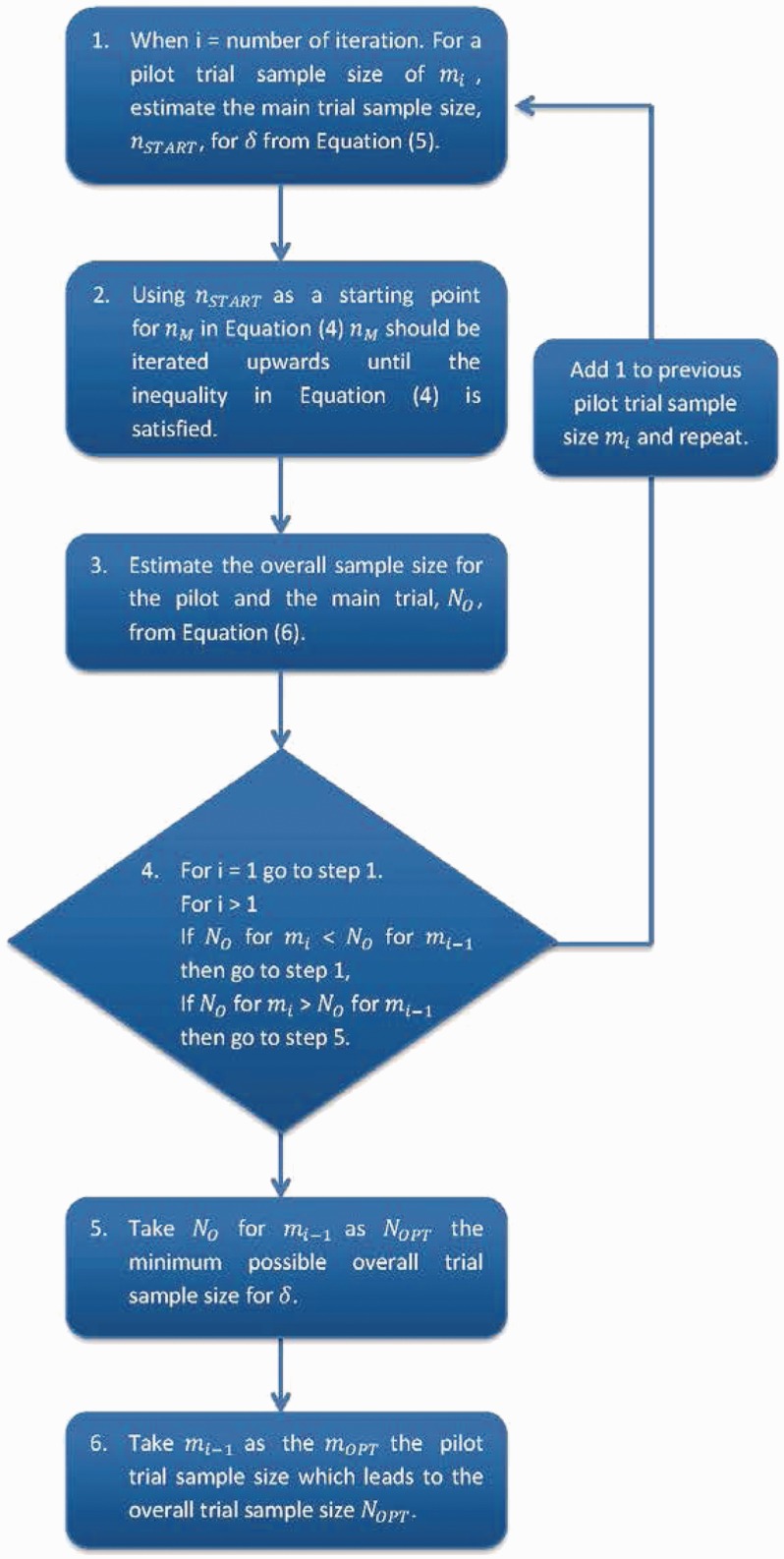
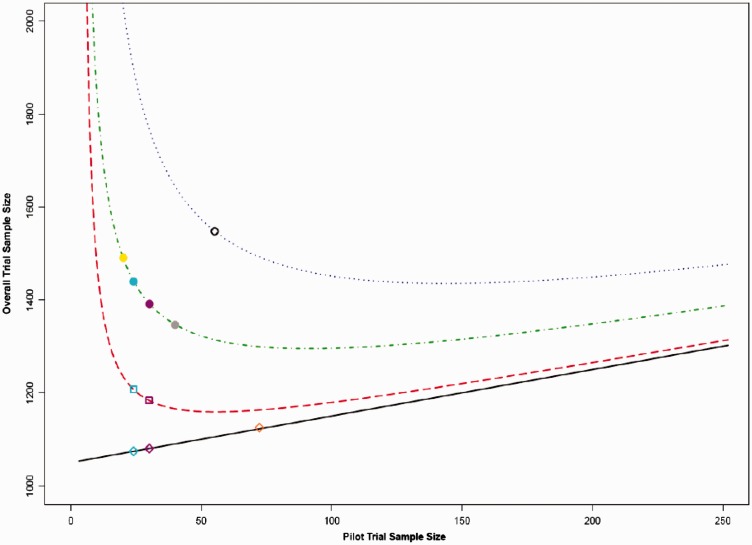
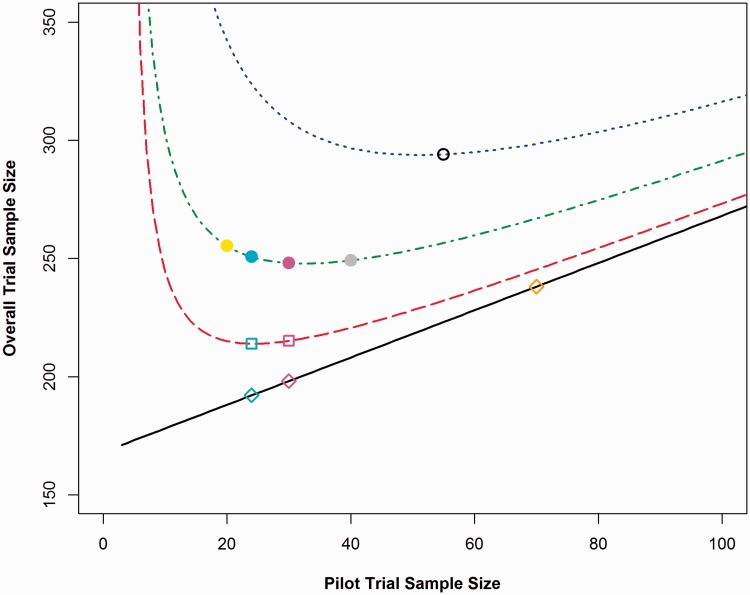
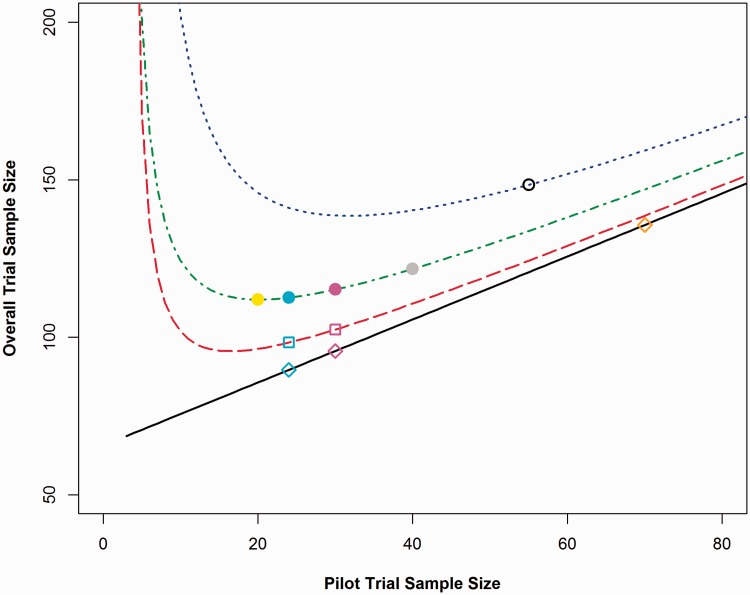
Sample size justification is an important consideration when planning a clinical trial, not only for the main trial but also for any preliminary pilot trial. When the outcome is a continuous variable, the sample size calculation requires an accurate estimate of the standard deviation of the outcome measure. A pilot trial can be used to get an estimate of the standard deviation, which could then be used to anticipate what may be observed in the main trial. However, an important consideration is that pilot trials often estimate the standard deviation parameter imprecisely. This paper looks at how we can choose an external pilot trial sample size in order to minimise the sample size of the overall clinical trial programme, that is, the pilot and the main trial together. We produce a method of calculating the optimal solution to the required pilot trial sample size when the standardised effect size for the main trial is known. However, as it may not be possible to know the standardised effect size to be used prior to the pilot trial, approximate rules are also presented. For a main trial designed with 90% power and two-sided 5% significance, we recommend pilot trial sample sizes per treatment arm of 75, 25, 15 and 10 for standardised effect sizes that are extra small (≤0.1), small (0.2), medium (0.5) or large (0.8), respectively.
Overview
The claims and statistics of this paper haven’t been checked yet.
Free: it reads the open-access text and checks the first 5 claims that cite a source we can check. Create a free account to check every claim.
Integrity signals
Registry
Cites
Statistics
Figures
Verification
Claims the paper makes
The claims and statistics of this paper haven’t been checked yet.
Free: it reads the open-access text and checks the first 5 claims that cite a source we can check. Create a free account to check every claim.
Claims other papers make about this one
Each is checked against this paper’s own text: does it say what the citing paper says it does?
The source backs part of the claim, not all of it — or backs it for a different population, condition or comparison.
In the citing paper
“Another limitation is that the sample size was relatively small, although this was consistent with previous recommendations of 24-35 participants for pilot and feasibility studies to provide sufficient data and precision of means and variances.117,134,135”
From Acceptance and commitment therapy for older people with treatment-resistant generalised anxiety disorder: The FACTOID feasibility study (2021) · cites this paper as [135]
Experimental — accuracy not yet measuredThe source backs part of the claim, not all of it — or backs it for a different population, condition or comparison.
In the citing paper
“pilot trial sample size estimation (n = 14) was based on medium standardized effect sizes (0.5) for a main trial designed with 90% power and two-sided 5% significance [41].”
From Senolytics in idiopathic pulmonary fibrosis: Results from a first-in-human, open-label, pilot study (2019) · cites this paper as [41]
Experimental — accuracy not yet measuredThe source backs part of the claim, not all of it — or backs it for a different population, condition or comparison.
In the citing paper
“For such a trial designed with 90% power and two sided 5% significance, they recommend pilot trial sample sizes for each treatment arm of 75, 25, 15, and 10 for standardised effect sizes that are extra small (0.1), small (0.2), medium (0.5), or large (0.8), respectively.”
From CONSORT 2010 statement: extension to randomised pilot and feasibility trials. (2016) · cites this paper as [58]
Experimental — accuracy not yet measuredThe source backs part of the claim, not all of it — or backs it for a different population, condition or comparison.
In the citing paper
“Sample sizes of 25 participants per arm are also recommended for pilot studies as they are capable of detecting small effect sizes (0.2) with 90% power and 2-sided significance at 5% [28].”
From Exploring the Feasibility of Digital Voice Assistants for Delivery of a Home-Based Exercise Intervention in Older Adults With Obesity and Type 2 Diabetes Mellitus: Randomized Controlled Trial (2024) · cites this paper as [28]
Experimental — accuracy not yet measuredThe source backs part of the claim, not all of it — or backs it for a different population, condition or comparison.
In the citing paper
“This sample size would also be sufficient to detect small effect sizes (0.20 with 90% power and α = 0.05 [21] for secondary outcomes including osteoporosis knowledge and attitudes towards osteoporosis medication.”
From Feasibility and effectiveness of a digital voice assistant for improving anti-osteoporosis medication adherence, and osteoporosis knowledge and attitudes, in postmenopausal women with osteoporosis: A 12-month randomised controlled trial (2025) · cites this paper as [21]
Experimental — accuracy not yet measured
20 more claims about this paper
Create a free account to see every claim other papers make about this one.
Self-check
Percentages, sums and reported differences re-computed from the paper’s own numbers.
The self-check needs the paper’s full text.
Citations
Cites
Cohen, J. (1992) · Psychological Bulletin · doi:10.1037//0033-2909.112.1.155 · Cited by 8,771
A tutorial on pilot studies: the what, why and how
Thabane, L., Ma, J., Chu, R., Cheng, J., Ismaila, A., Rios, L. P., Robson, R., Thabane, M., Giangregorio, L., & Goldsmith, C. H. (2010) · BMC Medical Research Methodology · doi:10.1186/1471-2288-10-1 · Cited by 3,384
Sample size of 12 per group rule of thumb for a pilot study
Julious, S. A. (2005) · Pharmaceutical Statistics · doi:10.1002/pst.185 · Cited by 3,068 · cited 2×
“Initially a flat rule of thumb was used, and the pilot sample size was chosen to be 24 evaluable patients in total as recommended by Julious.(16) However, suppose that a priori the standardised effect size for the main trial is 0.”
MethodInfluentialSelf-citationClinical Trials: A Practical Approach.
Hill, I. D., & Pocock, S. J. (1984) · Biometrics · doi:10.2307/2531186 · Cited by 2,930
Design and analysis of pilot studies: recommendations for good practice
Lancaster, G. A., Dodd, S., & Williamson, P. R. (2004) · Journal of Evaluation in Clinical Practice · doi:10.1111/j..2002.384.doc.x · Cited by 2,572 · cited 1×
“Therefore, since the purpose of the pilot is not to give a formal assessment of efficacy, then the sample size provided by the conventional calculations may be higher than necessary.(13)”
BackgroundWhat is a pilot or feasibility study? A review of current practice and editorial policy
Arain, M., Campbell, M. J., Cooper, C. L., & Lancaster, G. A. (2010) · BMC Medical Research Methodology · doi:10.1186/1471-2288-10-67 · Cited by 1,483
Self-citationSample Size Tables for Clinical Studies
Machin, D., Campbell, M. J., Tan, S. B., & Tan, S. H. (2008) · Wiley eBooks · doi:10.1002/9781444300710 · Cited by 1,336 · cited 1×
“Recruiting too few participants in a main trial means that the probability of finding a clinically relevant difference statistically significant is low and as a consequence, the chance of inconclusive results is high.(2,3) Conversely, if the sample size is too large, resources may be wasted, more patients than necessa…”
BackgroundSelf-citationSim, J., & Lewis, M. (2012) · Journal of Clinical Epidemiology · doi:10.1016/j.jclinepi.2011.07.011 · Cited by 1,036
On the use of a pilot sample for sample size determination
Browne, R. H. (1995) · Statistics in Medicine · doi:10.1002/sim.4780141709 · Cited by 1,007
Teare, M. D., Dimairo, M., Shephard, N., Hayman, A., Whitehead, A., & Walters, S. J. (2014) · Trials · doi:10.1186/1745-6215-15-264 · Cited by 773 · cited 3×
“Julious(16) 24 Kieser and Wassmer(12) 20–40 Browne(10) 30 Sim and Lewis(11) 55 Teare et al.(17) 70 Whitehead et al.”
BackgroundInfluentialSelf-citation
Research works printed but not linked: 1
- Grieve AP Sample sizes and confidence intervals. Am Stat 1990; 44: 190– 190.
Cited by
Items 501–600 of 1,005
Mattke, A. C., Johnson, K. E., GIBBONS, K. S., Long, D. A., Robertson, J. D., Venugopal, P. S., Blumenthal, A., Schibler, A., & Schlapbach, L. J. (2023) · JMIR Research Protocols · doi:10.2196/43760 · Cited by 9
“A sample size XSL • FO RenderX of 50 patients has been chosen in line with the recommendations for pilot studies that anticipate a medium effect size for a continuous primary outcome for the main trial [17].”
Bielinski, L. L., Krieger, T., Kley, M. A., Moggi, F., & Berger, T. (2023) · Internet Interventions · doi:10.1016/j.invent.2023.100650 · Cited by 8
Lightfoot, C. J., Wilkinson, T. J., Vadaszy, N., Graham-Brown, M. P. M., Davies, M. J., Yates, T. E., & Smith, A. C. (2024) · Journal of Renal Care · doi:10.1111/jorc.12488 · Cited by 8
Cheung, A. T., Ho, L. L. K., Li, W. H. C., Chan, G. C. F., Choi, K. C., Chung, J. O. K., & Chan, C. Y. W. H. (2024) · Nursing Open · doi:10.1002/nop2.2134 · Cited by 13
“A stepped rule of thumb for pilot studies based on the antici - pated effect size of a future main trial (Whitehead et al., 2016) was adopted to guide the sample size planning for the present pilot study.”
MethodThoen, A., Alaerts, K., Prinsen, J., Steyaert, J. G., & Damme, T. V. (2024) · Applied Psychophysiology and Biofeedback · doi:10.1007/s10484-024-09638-1 · Cited by 23
“Following the recommendations of Whitehead et al. (2016 ) for a pilot RCT with medium effect size (α = 0.05; 1-β = 0.80), a priori sample size calculations resulted in 40 adolescents to be recruited i.e. to obtain 10 adolescents receiving either supervised HRVB or sham with or without additional…”
InfluentialLim, K. S., Fong, S., Yu, X., Lim, Y.-H., Wong, K.-Y., Lai, S.-T., Ng, C.-G., Tan, C., & Tan, S.-B. (2024) · Epilepsy & Behavior · doi:10.1016/j.yebeh.2024.109778 · Cited by 13
Low, S. L. K., Ho, G. F., Liu, B., Koh, E., Fei, Y., Teo, C. S., & Zhu, X. (2024) · Integrative Cancer Therapies · doi:10.1177/15347354241252698 · Cited by 11
Zheng, P., Phillips, S. A., Duffecy, J. L., DeJonge, S. R., DuBose, N. G., & Motl, R. W. (2024) · Contemporary Clinical Trials · doi:10.1016/j.cct.2024.107636 · Cited by 11
“We further note that researchers have suggested a sample size of 40 (20 per condition) for a pilot study will have 80% power for the subsequent Stage-II studies seeking an effect size of 0.2 using an independent samples t-test with a 5% two-sided significance level [35].”
InfluentialSmith, J. J., Beauchamp, M. R., Puterman, E. M., Leahy, A. A., Valkenborghs, S. R., Wade, L., Chen, F. S., & Lubans, D. R. (2024) · Psychology of sport and exercise · doi:10.1016/j.psychsport.2024.102754 · Cited by 11
Rigg, A., Kemp, E., Koczwara, B., Butow, P. N., Girgis, A., Hulbert-Williams, N., Kaambwa, B., Long, R., Schofield, P. E., Turner, J., et al. (2024) · Supportive Care in Cancer · doi:10.1007/s00520-024-08924-2 · Cited by 11
“A target sample of 40 was selected (20 per arm), as per recommended guidelines for pilot RCTs with small-to-moderate anticipated effect sizes [27].”
MethodSupervía, M., Batalha, A. P. D. B., Gómez, E., Bonikowske, A. R., Riaño, M. O. A., & Ghisi, G. L. D. M. (2024) · Frontiers in Rehabilitation Sciences · doi:10.3389/fresc.2024.1495621 · Cited by 11
Aly, N. M., Kashlan, M. K. E., Giraudeau, N., & Tantawi, M. E. (2024) · International Journal of Paediatric Dentistry · doi:10.1111/ipd.13291 · Cited by 8
Cano-Montoya, J., Hurtado, N., Vergara, C. N., Vargas, S. B., Rojas-Vargas, M., Martínez-Huenchullán, S., Álvarez, C., & Izquierdo, M. (2025) · Journal of Cardiovascular Development and Disease · doi:10.3390/jcdd12010030 · Cited by 15
“Based on these parameters, the recommended total sample size was 36 participants [27].”
Meuli, S., Gentile, D., Garcovich, D., Giuliante, L., Staderini, E., & Cordaro, M. (2025) · BMC Oral Health · doi:10.1186/s12903-025-05893-8 · Cited by 8
Nicolosi, B., Neri, E., Fioravanti, L., Leoncini, S., Felice, C. D., García‐Molina, P., & Mugnaini, A. (2025) · Journal of Clinical Nursing · doi:10.1111/jocn.17825 · Cited by 14
“Cohen's d and effect size r ( r λ| ) were calculated according to Cohen (1988), and interpreted according to Whitehead et al. (2016).”
Cogan, N., Kirk, A. F., & Graf, C. (2026) · JMIR Research Protocols · doi:10.2196/72250 · Cited by 8
Fuertes-Kenneally, L., Torres‐Mezcua, F., Brocal, M. H., Rico, J. A. Q., Ajo, R., Climent-Ballester, S., Rocamora, J. P., Siscar, P. B., Valencia, J., Torres-Saura, F., et al. (2026) · EuroIntervention · doi:10.4244/eij-d-26-00032 · Cited by 8
Sample size re‐estimation incorporating prior information on a nuisance parameter
Mütze, T., Schmidli, H., & Friede, T. (2017) · Pharmaceutical Statistics · doi:10.1002/pst.1837 · Cited by 8
“[7,8,9] The mentioned approaches all aim to plan the sample size of a new clinical trial based on external information about the variance.”
BackgroundLow, A. W., Chen, K. S.-M., Tan, Y. G., Ng, T. K., & Yuen, J. S. P. (2021) · International Journal of Urology · doi:10.1111/iju.14509 · Cited by 8
Cusimano, M. C., Sajewycz, K., Harle, I. A., Giroux, J., Hanna, T., Willing, S., Martin, V., & Francis, J. (2021) · Journal of Obstetrics and Gynaecology Canada · doi:10.1016/j.jogc.2021.03.005 · Cited by 12
Dank, M., Mühl, D., Herold, M., Hornyák, L., Szász, A. M., & Herold, Z. (2022) · Journal of Clinical Medicine · doi:10.3390/jcm11164815 · Cited by 10
“The sample size calculation was based on literature data, assuming large effect sizes between the various parameter comparisons [19].”
MethodLai, B. W., Davis, D., Young, R., Swanson‐Kimani, E., Wozow, C., Wen, H., Kim, Y., Wilroy, J., & Rimmer, J. H. (2022) · JMIR Research Protocols · doi:10.2196/40708 · Cited by 11
“Of the 49 published RCTs on youth with cerebral palsy, the average sample size was 30 [22], and most of the study participants were ambulatory because wheelchair users were often excluded, which hinders the generalizability and transferability of the study findings [22-26].”
BackgroundMethodInfluentialKearns, N., Raigal‐Aran, L., O’Connell, K., Davis, A., Bermingham, K., O’Reilly, S., Collins, D. C., Corrigan, M. A., Coulter, J., Cleary, V., et al. (2022) · Pilot and Feasibility Studies · doi:10.1186/s40814-022-01186-x · Cited by 8
“This pragmatic approach maximizes the ability to identify barriers to implementation of the clinic and collect information in parallel arms that will be required to properly design a next step efficacy study [34, 35] (e.”
BackgroundGómez-Cambronero, Á., Casteleyn, S., Bretón-López, J. M., García‐Palacios, A., & Mira, A. (2023) · Internet Interventions · doi:10.1016/j.invent.2023.100624 · Cited by 33
“The sample size in this pilot randomized control trial has been calculated following literature recommendations Whitehead et al. (2016).”
MethodSzabo‐Reed, A. N., Hall, T., Vidoni, E. D., Sciver, A. R. V., Sewell, M., Burns, J. M., Cullum, C. M., Gahan, W. P., Hynan, L. S., Kerwin, D. R., et al. (2023) · Alzheimer s & Dementia Translational Research & Clinical Interventions · doi:10.1002/trc2.12422 · Cited by 10
“6 Therefore, multisite clinical research designs are often used to increase sample size, obtain more representative samples, and increase the generalizability of the outcome measures.”
Lwin, T. N., Mudannayake, R., MacDonald, S. G., Arrowsmith, J. E., Burt, C. C., Besser, M. W., & Falter, F. (2023) · Canadian Journal of Anesthesia/Journal canadien d anesthésie · doi:10.1007/s12630-023-02645-6 · Cited by 8
Bruorton, M., Donnelley, M., Goddard, T. R., O’Connor, A., Parsons, D., Phillips, J., Carson‐Chahhoud, K., & Tai, A. (2024) · BMJ Open · doi:10.1136/bmjopen-2023-080034 · Cited by 9
Azevedo, J., Swales, M. A., Carreiras, D., Guiomar, R. N. R. M., Macedo, A., & Castilho, P. (2024) · Journal of Affective Disorders · doi:10.1016/j.jad.2024.04.033 · Cited by 11
Kadam, A., Wani, S. K., Gadekar, G. N., Katage, G., Garg, K., & Mungikar, S. (2024) · Archives of Orthopaedic and Trauma Surgery · doi:10.1007/s00402-024-05347-w · Cited by 9
Pharmacopuncture therapy for adhesive capsulitis: A pragmatic randomized controlled pilot study
Kim, J. J., Park, K. S., Kim, S., Seo, J. Y., Cho, H.-W., Lee, Y. J., Yang, C., Ha, I., & Han, C.-H. (2024) · Integrative Medicine Research · doi:10.1016/j.imr.2024.101065 · Cited by 8
Bayesian design and analysis of external pilot trials for complex interventions
Wilson, D. T., Wason, J. M. S., Brown, J. M., Farrin, A. J., & Walwyn, R. E. A. (2021) · Statistics in Medicine · doi:10.1002/sim.8941 · Cited by 10
“Alternatively, one of several rules-of-thumb for choosing pilot sample size [3, 9, 11, 13] could be used, with the resulting operating characteristics evaluated using the proposed method.”
MethodAlper, R. M., Hurtig, R. R., & McGregor, K. K. (2019) · Journal of Child Language · doi:10.1017/s0305000919000138 · Cited by 8
Herawati, F., Maharjana, I. B. N., Kuswardhani, R. A. T., & Susilo, A. P. (2020) · Hospital Pharmacy · doi:10.1177/0018578720942227 · Cited by 11
Kidd, S. A., McKenzie, K. J., Wang, W., Agrawal, S., & Voineskos, A. N. (2021) · JMIR Research Protocols · doi:10.2196/24736 · Cited by 9
“First, we expect to establish the feasibility of the trial by obtaining reliable estimates of feasibility indicators, for example, retention rate and completion rate of key measurements [46].”
Schrempf, M. C., Petzold, J. Q., Vachon, H., Petersen, M. A., Gutschon, J., Wolf, S., Sommer, F., Murnauer, M., & Anthuber, M. (2021) · BMJ Open · doi:10.1136/bmjopen-2020-044193 · Cited by 12
Stasi, S., Τσεκούρα, Μ., Gliatis, J., & Sakellari, V. (2021) · Cureus · doi:10.7759/cureus.14336 · Cited by 8
“However, the main goal is to try out aspects of the proposed main trial [23].”
BackgroundRittberg, R., Czaykowski, P., & Niraula, S. (2021) · JNCI Cancer Spectrum · doi:10.1093/jncics/pkab061 · Cited by 9
“80, a-error (type I error) of 5% (2-sided), and 1:1 randomization (9).”
pourfard, M. Z., Mirmoosavi, S. J., Toosi, M. B., Rakhshandeh, H., Rashidi, R., Mohammad‐Zadeh, M., Gholampour, A., & Noras, M. (2021) · Epilepsy Research · doi:10.1016/j.eplepsyres.2021.106735 · Cited by 8
Vasu, D. T., Nordin, N. A. M., & Ghazali, S. E. (2021) · Medicine · doi:10.1097/md.0000000000026924 · Cited by 13
“The one group experimental pilot study involves 20 participants which is considered adequate to assess the feasibility of a pilot intervention.([30]) For the main study, 70 eligible stroke participants will be recruited.”
BackgroundWattanapan, P., Saengnil, T., Niamnuy, C., Paphangkorakit, J., & Devahastin, S. (2021) · Journal of Texture Studies · doi:10.1111/jtxs.12631 · Cited by 9
Laramée, A., Léonard, G., Morin, M., Roch, M., & Gaudreault, N. (2021) · Archives of Physiotherapy · doi:10.1186/s40945-021-00118-x · Cited by 14
Jong, M. C., Mulder, E., Kristoffersen, A. E., Stub, T., Dahlqvist, H. Z., Viitasara, E., Lown, E. A., Schats, W., & Jong, M. (2022) · BMJ Open · doi:10.1136/bmjopen-2022-061502 · Cited by 8
Li, Y., Zhou, Y., Chen, M., Fu, M. R., Luo, B., Yu, P., Zheng, H. X., & Liu, F. (2022) · Journal of Multidisciplinary Healthcare · doi:10.2147/jmdh.s349519 · Cited by 9
“3),(20) the optimal pilot sample size of 25 per arm is recommended.(45) As such, we will target 68 participants to account for a 25% attrition(20) and ensure at least 25 subjects for each group at follow-up.”
BackgroundShi, N., Wong, A. K. C., Wong, F. K. Y., Zhang, N., Lai, X., & Gan, L. (2022) · Cancer Control · doi:10.1177/10732748221115469 · Cited by 11
Joschtel, B., Gomersall, S. R., Tweedy, S. M., Petsky, H., Chang, A. B., & Trost, S. G. (2022) · Frontiers in Pediatrics · doi:10.3389/fped.2022.953429 · Cited by 13
“Following established procedures for estimating the sample size for a pilot RCT (12), the minimum sample size requirement was set to 10 participants per treatment arm (N = 20).”
MethodInfluentialWilson, J. R. M., Doty, S., Petitt, J. C., El-Abtah, M. E., Francis, J. J., Sharpe, M. G., Kelly, M. L., & Anderson, K. D. (2022) · Frontiers in Neurology · doi:10.3389/fneur.2022.1033386 · Cited by 8
Hwang, B.-K., Park, K. S., Ku, S.-H., Kim, S.-H., Moon, H.-W., Park, M.-S., Baek, H.-K., Namgoong, J., Hwangbo, S.-Y., Seo, J.-Y., et al. (2023) · Healthcare · doi:10.3390/healthcare11040534 · Cited by 8
Leung, K. K., Carr, F., Kennedy, M., Russell, M. J., Sari, Z., Triscott, J. A. C., & Korownyk, C. S. (2023) · BMJ Open · doi:10.1136/bmjopen-2022-069543 · Cited by 10
Goni, K. M., Isa, Y. Z. M., & Abdullah, T. B. (2023) · Journal of Human Resource and Sustainability Studies · doi:10.4236/jhrss.2023.113036 · Cited by 17
“Accordingly, Whitehead et al. (2016) posited the rule of thumb for estimating sample size for pilot study to use at least thirty (30) respondents or greater.”
Graf, S., Feldmann, H., Hunold, L. S., Steinkraus, K. C., Nasir, N., Michalski, C. W., Dörr-Harim, C., & Hüttner, F. J. (2023) · BMJ Open · doi:10.1136/bmjopen-2023-074738 · Cited by 8
Amani, D. (2023) · Cogent Social Sciences · doi:10.1080/23311886.2023.2266634 · Cited by 15
“The selection of 50 respondents was based on scientific recommendations from Whitehead et al. (2016) and Saunders et al. (2007), who suggest that at least 30 respondents are sufficient for pilot testing in social science research.”
BackgroundFulton, A. S., Coates, A. M., Williams, M., Howe, P. R. C., Garg, M. L., Wood, L. G., Frith, P. A., & Hill, A. M. (2017) · Pilot and Feasibility Studies · doi:10.1186/s40814-017-0211-2 · Cited by 8
Qi, M., Moyle, W., Jones, C., & Weeks, B. K. (2019) · Topics in Geriatric Rehabilitation · doi:10.1097/tgr.0000000000000244 · Cited by 9
the Canadian Critical Care Trials Group, Guerra, G. G., Joffe, A. R., Sheppard, C., Hewson, K., Dinu, I. A., de Caen, A. R., Jou, H., Hartling, L., & Vohra, S. (2020) · Pilot and Feasibility Studies · doi:10.1186/s40814-020-0563-x · Cited by 8
“Also, this number of participants per group follows the recommended rules for pilot trials’ sample size when the standardized effect size is unknown but expected to be small [36].”
BackgroundRoué, J., Delpeut, J., D’hennezel-Roche, A., Tierrie, T., Barzic, A., L’Her, E., & Cros, P. (2020) · Pediatric Pulmonology · doi:10.1002/ppul.25035 · Cited by 8
Early prognostic capacity of serum lactate for severe postpartum hemorrhage
Kway, V. B., Reyther, R. A. C., Domínguez-Salgado, L. A., Espinosa‐Tanguma, R., Medina, Ú., & Gordillo‐Moscoso, A. (2020) · International Journal of Gynecology & Obstetrics · doi:10.1002/ijgo.13446 · Cited by 8
Iupati, S., Bridge, R., Allan, S. G., & Hewitt, D. (2020) · Journal of Pain and Symptom Management · doi:10.1016/j.jpainsymman.2020.11.003 · Cited by 11
Lotan, R., Ganmore, I., Livny, A., Shelly, S., Zacharia, M., Uribarri, J., Beisswenger, P. J., Cai, W., Beeri, M. S., & Troen, A. M. (2021) · Frontiers in Nutrition · doi:10.3389/fnut.2021.614149 · Cited by 8
“(47) who recommend at least 25 people per arm in the pilot study if the intention is to power a future trial with 90% power where the expected effect size is small.”
BackgroundLuo, H., Galvao, D. A., Newton, R. U., Tang, C., Dean, A. P., Jasas, K., Johansson, M., Yusoff, I. F., Spry, N. A., & Taaffe, D. R. (2021) · BMJ Open Gastroenterology · doi:10.1136/bmjgast-2021-000642 · Cited by 8
Sharma, M., Kanekar, A. S., Batra, K., Hayes, T., & Lakhan, R. (2022) · Healthcare · doi:10.3390/healthcare10040614 · Cited by 9
Sample size: methods of calculation and reporting
Campbell, M. (2019) · African Journal of Midwifery and Women s Health · doi:10.12968/ajmw.2019.0007 · Cited by 8
Self-citationOng, A. D., Moskowitz, J. T., Wethington, E., Addington, E. L., Sanni, M. O., Goktas, S., Sluys, E., Swong, S., Kim, P., & Reid, M. C. (2022) · PsyArXiv (OSF Preprints) · doi:10.1016/j.cct.2022.106880 · Cited by 8
Faulkner, J., Prouty, D., Devlin, L., Appleton, D., Roche, M., Below, K., Moffat, J., Snell, D., Williams, M. N., Barker-Collo, S., et al. (2025) · BMJ Open · doi:10.1136/bmjopen-2024-089727 · Cited by 7
Hayward, M., Berry, C., Cameron, B., Arnold, K., Berry, K., Bremner, S., Cavanagh, K., Fowler, D., Gage, H., Greenwood, K., et al. (2020) · Trials · doi:10.1186/s13063-020-4181-y · Cited by 7
Wang, C., Jalal, M. I. A., Song, Z. L., Teo, Y. P., Tan, C. A., Heng, K. V., Low, M. S. Y., Zaini, A. A., & Lum, L. C. S. (2022) · International Journal of Environmental Research and Public Health · doi:10.3390/ijerph192113878 · Cited by 12
“3) for each study outcome, we set the sample size as 20 participants per groups so that 80% power could be achieved in the main trial that we will carry out in the future [23].”
BackgroundImproving Sleep with Far-Infrared-Emitting Pajamas: A Pilot Randomized Controlled Trial
Chen, S., Cheung, T.-W., Yu, B. Y., Chan, M.-Y., Yeung, W., & Li, L. (2023) · International Journal of Environmental Research and Public Health · doi:10.3390/ijerph20053870 · Cited by 6
Gözneli, R., Sendurur, T., & Silahtar, E. (2023) · International Journal of Medical Sciences · doi:10.7150/ijms.85722 · Cited by 7
“Although, it was reported that a pilot study should have sample size of at least twenty participants [28], the larger sample size may affect the result and statistical significance.”
BackgroundDrabek, M. M., Hodkinson, D. J., Horvath, S., Millar, B., Pszczółkowski, S., Tench, C. R., Tănăsescu, R., Lankappa, S. T., Morriss, R. K., Walsh, D. A., et al. (2023) · BMJ Open · doi:10.1136/bmjopen-2023-073378 · Cited by 8
“27 Handling and storage of data Hardcopies of consent, notes, and data will be stored securely in lockable closets.”
BackgroundUemura, K., Kamitani, T., Watanabe, A., Okamoto, H., Saho, K., & Yamada, M. (2024) · Journal of Aging and Physical Activity · doi:10.1123/japa.2023-0180 · Cited by 8
Sandberg, L., Boström, A., Hagströmer, M., Lindgren, C., Kivipelto, M., Sandlund, C., & Welmer, A. (2024) · PLoS ONE · doi:10.1371/journal.pone.0304570 · Cited by 10
Alves, I., Moreira, A. P., Sousa, T., Teles, P., Fernandes, C. S., Gonçalves, F., & Magalhães, B. M. B. D. S. (2024) · European Journal of Oncology Nursing · doi:10.1016/j.ejon.2024.102665 · Cited by 10
Cano-Montoya, J., Rojas-Vargas, M., Vargas, S. B., Vergara, C. N., Martínez-Huenchullán, S., Gallegos, F., Álvarez, C., & Izquierdo, M. (2025) · BMC Sports Science Medicine and Rehabilitation · doi:10.1186/s13102-025-01119-0 · Cited by 12
“With these parameters, the recommended total sample size is 12 participants per group [37].”
Altun, G., Esin, A., Özşahin, Y., Arslan, Ş., Erkalp, K., & Salihoğlu, Z. (2025) · BMC Anesthesiology · doi:10.1186/s12871-025-03206-8 · Cited by 8
“These pilot data meet the minimum sample size recommended by Whitehead et al. [26].”
Nagata, Y., Satake, Y., Yamazaki, R., Nishio, S., Suzuki, M., Kanemoto, H., Yamakawa, M., Figueroa, D., Maalouly, E., Ishiguro, H., et al. (2025) · Psychogeriatrics · doi:10.1111/psyg.70076 · Cited by 11
“…of 10–15 participants per group to estimate the outcome standard deviation with approximately 20% precision for a medium standardised effect [21], we set 10 participants as the lower recruitment target and, allowing for an anticipated dropout of up to 20%, aimed to recruit 12 participants…”
Li, J., Huang, X., Luo, J., Zhang, J.-Y., Liang, X., Huang, C., & Qin, H. (2020) · Journal of International Medical Research · doi:10.1177/0300060520947915 · Cited by 7
Electroacupuncture modulates cortical excitability in a manner dependent on the parameters used
de Brito, F. X., Luz-Santos, C., Camatti, J. R., da Fonseca, R. J. D. S., Suzarth, G., Moraes, L. M. C., da Silva, M. L., da Silva, J. R. T., Vercelino, R., Sá, K. N., et al. (2021) · Acupuncture in Medicine · doi:10.1177/09645284211057560 · Cited by 7
Shukla, K., Parikh, B., Kumar, A., & Nakra, M. (2021) · Journal of Anaesthesiology Clinical Pharmacology · doi:10.4103/joacp.joacp_371_20 · Cited by 7
Ymer, L., McKay, A., Wong, D. K., & Ponsford, J. L. (2022) · Pilot and Feasibility Studies · doi:10.1186/s40814-022-01070-8 · Cited by 7
“For a pilot trial, Whitehead and Julious [29] suggest a sample size of at least 10 per treatment arm for an anticipated large effect size; however, for high confidence in estimating sample size for the main trial, Sim and Lewis [30] suggest at least 50 participants.”
BackgroundWang, H., Tan, J.-Y. B., Wang, T., Liu, X., Bressington, D. T., Zheng, S., & Huang, H. (2022) · BMJ Open · doi:10.1136/bmjopen-2022-064358 · Cited by 9
Mohan, V., Wibisono, R., Chalke, S., Fletcher, G. C., & Leroi, F. (2023) · Pathogens · doi:10.3390/pathogens12020349 · Cited by 8
“The method for setting up a screening study was adapted from previous studies conducted by Kieser and Wassmer [36] and Whitehead, Julious [37].”
MethodJoyce, K. M., Rioux, C., MacKinnon, A., Katz, L. Y., Reynolds, K., Kelly, L. E., Klassen, T. P., Afifi, T. O., Mushquash, A. R., Clement, F. M., et al. (2023) · Pilot and Feasibility Studies · doi:10.1186/s40814-023-01260-y · Cited by 14
“However, our target sample size of 30 participants per group is consistent with prior recommendations and will provide data to sufficiently establish BEAM feasibility [62, 63].”
ResultShidhaye, R. R., Bangal, V. B., Bhargav, H., Tilekar, S. D., Thanage, C., Gore, S., Doifode, A., Thete, U., Game, K., Hake, V., et al. (2023) · Frontiers in Human Neuroscience · doi:10.3389/fnhum.2023.1115699 · Cited by 12
Lumsden, E., Kimble, R. M., McMillan, C., Storey, K., Ware, R. S., & Griffin, B. R. (2023) · Pilot and Feasibility Studies · doi:10.1186/s40814-023-01308-z · Cited by 8
“[44], Birkett and Day [45] and Browne [46].”
BackgroundHertig-Godeschalk, A., Glišić, M., Ruettimann, B., Valido, E. M., Capossela, S., Stoyanov, J. V., & Flueck, J. L. (2023) · Pilot and Feasibility Studies · doi:10.1186/s40814-023-01339-6 · Cited by 7
“Since there is only a limited number of active wheelchair athletes in Switzerland, we calculated 98 our required sample size based on recommendations for a minimized pilot trial sample size 99 (16).”
MethodMarlotte, L., Klomhaus, A. M., Ijadi‐Maghsoodi, R., Aralis, H. J., Lester, P. E., Esperon, K. G., & Kataoka, S. (2023) · Frontiers in Psychology · doi:10.3389/fpsyg.2023.1233901 · Cited by 12
“While our study had a smaller-than-anticipated sample size, a small sample size is justified for a small pilot randomized trial (Whitehead et al., 2016), such as the present study.”
ResultLbban, E., Macey, A., Rundle, J., Ashor, A. W., IDRIS, I. R., & Siervo, M. (2023) · International Journal for Vitamin and Nutrition Research · doi:10.1024/0300-9831/a000799 · Cited by 10
Tuthill, E. L., Maltby, A. E., Odhiambo, B. C., Hoffmann, T. J., Nyaura, M., Shikari, R., Cohen, C. R., & Weiser, S. D. (2023) · International Breastfeeding Journal · doi:10.1186/s13006-023-00600-1 · Cited by 8
“Sample size was determined based on standardized feasibility procedures [20, 21].”
MethodKhan, K., Hall, C. L., Babbage, C., Dodzo, S., Greenhalgh, C., Lucassen, M. F. G., Merry, S., Sayal, K. S., Sprange, K., Stasiak, K., et al. (2024) · Pilot and Feasibility Studies · doi:10.1186/s40814-024-01475-7 · Cited by 10
“There are multiple methods suggested for sample sizes in pilot studies, but here the numbers are reflecting the smallest sample size (pilot plus subsequent efficacy trial), for which 40 per arm is reasonable [45].”
MethodYuan, P. D., Hu, Y. W., Chen, X., Chen, G. Y., Pan, Y., Lao, H. Y., & Liang, D. (2024) · Ocular Immunology and Inflammation · doi:10.1080/09273948.2024.2343084 · Cited by 9
“16”
White, M. J., Zaccaria, I., Ennahdi-Elidrissi, F., Putzu, A., Dimassi, S., Luise, S., Diaper, J., Mulin, S., Baudat, A., Gil-Wey, B., et al. (2024) · British Journal of Anaesthesia · doi:10.1016/j.bja.2024.05.020 · Cited by 7
Li, H., Wong, C. L., Jin, X., Wang, N., & Shi, Z. (2024) · BMJ Open · doi:10.1136/bmjopen-2023-082090 · Cited by 7
Oladayo, A., Lawal, F. B., Sofola, O. O., Uti, O. G., Oyapero, A., Aborisade, A., Olujitan, M., Fagbule, O. F., Williams, A. T., Dedeke, A., et al. (2025) · International Dental Journal · doi:10.1016/j.identj.2025.100891 · Cited by 14
Nainggolan, L., Bardosono, S., & Ilyas, E. I. I. (2018) · Indian Journal of Community Medicine · doi:10.4103/ijcm.ijcm_377_16 · Cited by 7
Beck, A. K., Baker, A., Jones, S. H., Lobban, F. A., KAY‐LAMBKIN, F. J., Attia, J. R., & Banfield, M. (2018) · BMJ Open · doi:10.1136/bmjopen-2017-019203 · Cited by 10
Wójcik, M., Dziembowska, I., Izdebski, P. K., & Żekanowska, E. (2019) · International journal of osteopathic medicine · doi:10.1016/j.ijosm.2019.04.007 · Cited by 8
Liverpool, S., Webber, H., Matthews, R., Wolpert, M., & Edbrooke-Childs, J. H. (2019) · JMIR Research Protocols · doi:10.2196/14571 · Cited by 9
“A sample ranging from 10 to 30 per arm should allow for calculations of feasibility and standardized effect sizes that are small to medium [60,61].”
BackgroundEstrada, F., Crosas, J. M., Ahuir, M., Pérez-Muñoz, S., Zabala, W., Aguayo, R., Barbero, J. D., Montalvo, I., Tost, M., Llauradó, L., et al. (2020) · Frontiers in Psychiatry · doi:10.3389/fpsyt.2020.00636 · Cited by 7
“This sample size would be sufficient to detect moderate to large effects with a statistical power of 90% and two-sided 5% significance (48).”
BackgroundFinlay‐jones, A. L., Davis, J. A., O’Donovan, A., Kottampally, K., Ashley, R., Silva, D. T., Ohan, J. L., Prescott, S. L., & Downs, J. A. (2020) · JMIR Research Protocols · doi:10.2196/19803 · Cited by 8
Chee, W., Kim, S., Tsai, H., Liu, J., & Im, E. (2020) · CIN Computers Informatics Nursing · doi:10.1097/cin.0000000000000669 · Cited by 8
“The objective of a pilot trial is not to prove the superiority of the treatment but to test trial procedures and processes and to get estimates of parameters for the main trial sample size calculation.(26) In light of this, Julious(27) and Kieser and Wassmer(28) suggested 24 and 24-40 as the adequate total sample size…”
BackgroundBayesian design and analysis of external pilot trials for complex interventions.
Wilson, D. T., Wason, J. M. S., Brown, J. M., Farrin, A. J., & Walwyn, R. E. A. (2019) · White Rose Research Online (University of Leeds, The University of Sheffield, University of York) · doi:10.17863/cam.69622 · Cited by 7
Metadata
- Authors
- Whitehead, A. L., Julious, S. A., Cooper, C. L., & Campbell, M. J.
- Affiliations
- University of Sheffield (GB)
- Corresponding author
- Whitehead, Amy L
- Venue
- Statistical Methods in Medical Research
- Publisher
- SAGE Publications
- Published
- 2015-06-19
- Volume
- 25
- Issue
- 3
- Pages
- 1057-1073
- ISSN
- 0962-2802 (ISSN-L)
- 1477-0334
- PMC
- PMC4876429
- OpenAlex
- W2137904825
- Semantic Scholar
- acf7c691cd77fce40fa8d45f63c5d2971e6ec50d
- Cited by
- 1,936
- References
- 26
- Citations by year
- 2026: 314 · 2025: 333 · 2024: 287 · 2023: 239 · 2022: 245 · 2021: 204 · 2020: 148 · 2019: 87 · 2018: 51 · 2017: 17 · 2016: 8
- FWCI
- 22.54
- Type
- journal article
- Language
- en
- Open access
- hybrid
- doi.org
- Licence
- cc-by
- journals.sagepub.com/page/policies/text-and-data-mining-license (tdm)
- Locations
- Statistical Methods in Medical Research (publishedVersion, cc-by)
- Europe PMC (PubMed Central) (publishedVersion, cc-by)
- PubMed Central (publishedVersion, cc-by)
- PubMed (publishedVersion)
- White Rose Research Online (University of Leeds, The University of Sheffield, University of York) (acceptedVersion)
- ePrints Soton (University of Southampton) (acceptedVersion)
- Topics
- Physical Sciences › Mathematics › Statistics and Probability › Statistical Methods in Clinical Trials
- Physical Sciences › Mathematics › Statistics and Probability › Statistical Methods in Epidemiology
- Social Sciences › Decision Sciences › Statistics, Probability and Uncertainty › Meta-analysis and systematic reviews
- Keywords
- sample size determination, main trial, continuous outcomes, standard deviation estimation, clinical trial design
- MeSH terms
- Humans, Pilot Projects, Randomized Controlled Trials as Topic, Outcome Assessment, Health Care, Sample Size
About these checks
Registry, retraction, Cites and statistics results are computed, not judged, with one exception: a printed reference that no index lists is read once by a model before it counts as a citation error. Claims are extracted by a model and kept only when their quote appears verbatim in the text; each cited source is then checked, with a model’s help, for whether it says what the claim relies on. Those verdicts can be wrong — read the claim’s quote and the cited source before relying on one.
Statistics and arithmetic are recomputed, not judged.
Confidence bands are shown only for fields calibrated on our annotated test set. None is calibrated yet, so no band is shown.
What counts as a claim ›How we measure confidence ›How we check this ›
Are you an author, or do you see a problem with this page? Request a review
Data sources
Bibliographic data: Semantic Scholar, OpenAlex, Crossref.
Contains information from the Semantic Scholar Academic Graph Datasets, made available under the ODC Attribution License (ODC-BY 1.0).
Semantic Scholar’s data is described in: Kinney, R., et al. (2023). The Semantic Scholar Open Data Platform. arXiv:2301.10140.
