

Estimating the sample size for a pilot randomised trial to minimise the overall trial sample size for the external pilot and main trial for a continuous outcome variable
Open accessThe DOI matches its Crossref record; 26 of the 26 references it cites were found in a registry or an index.
Abstract
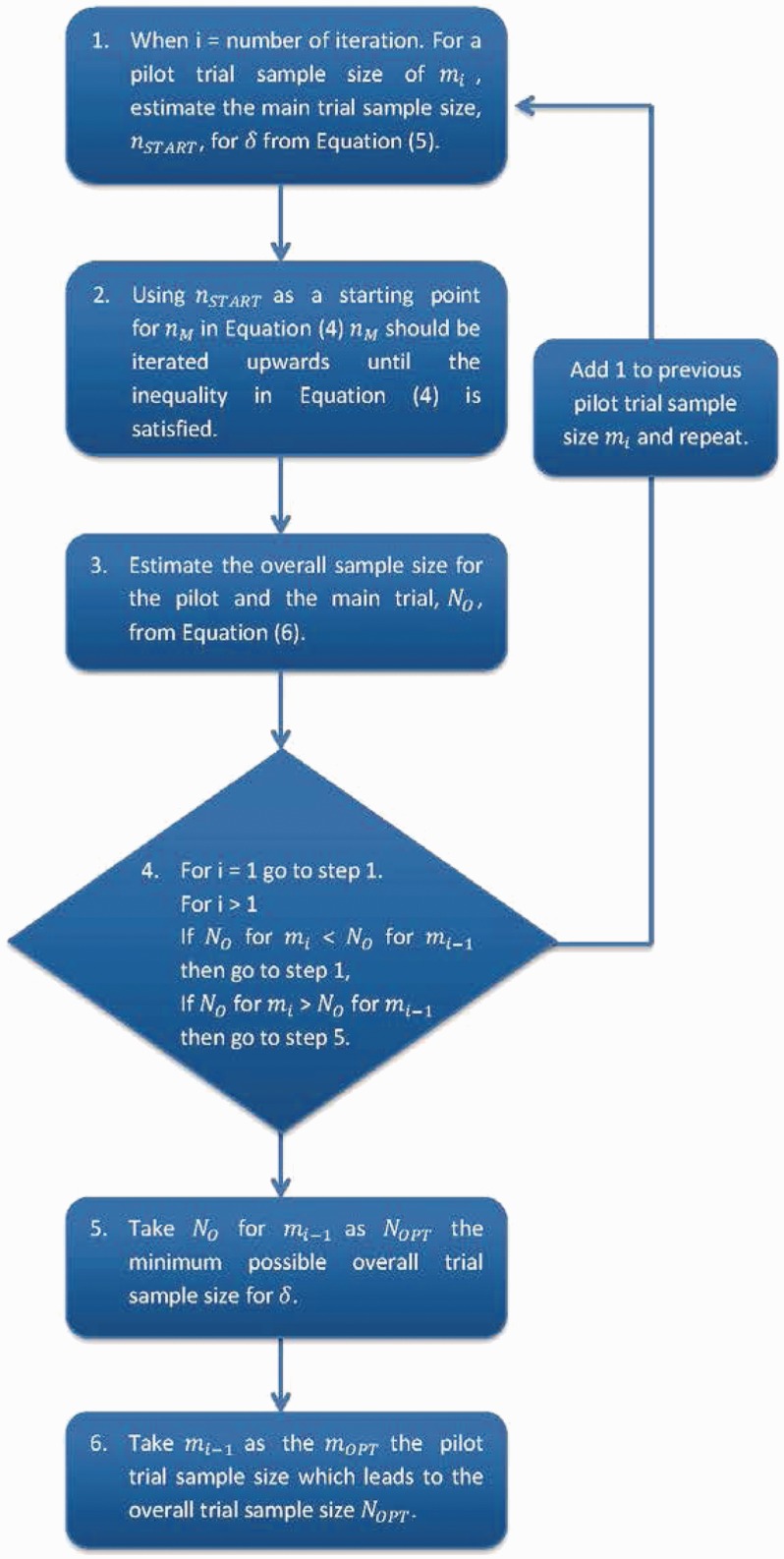
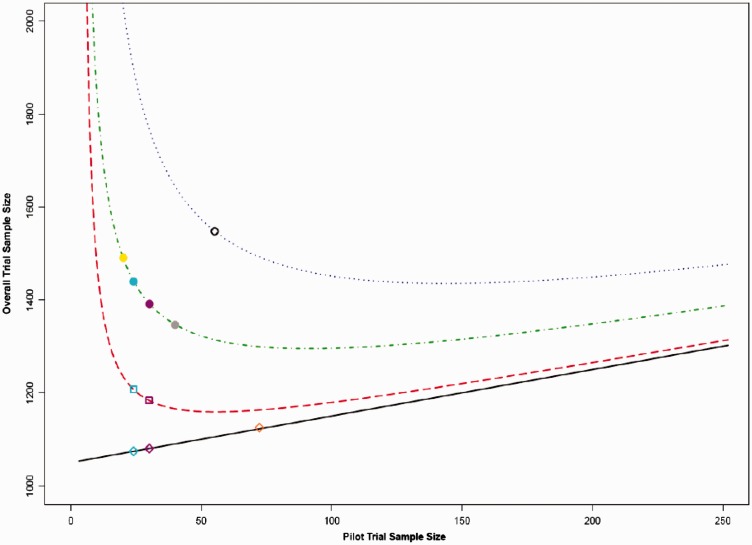
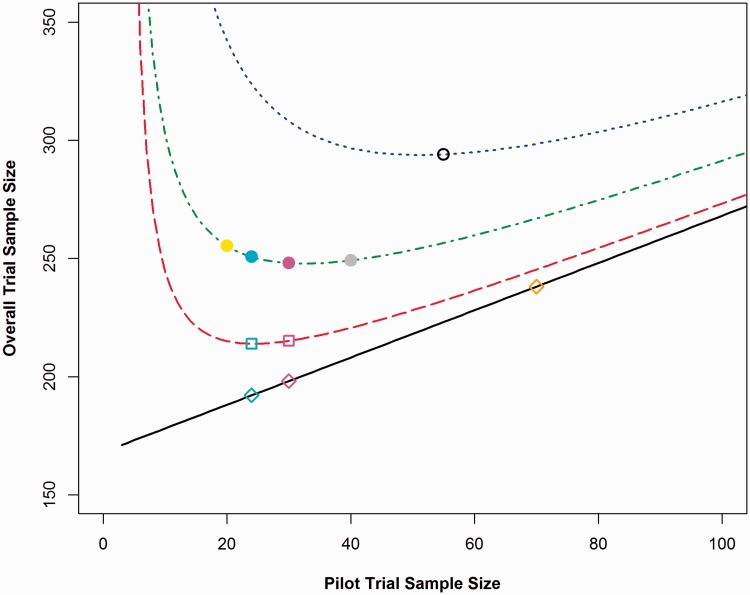
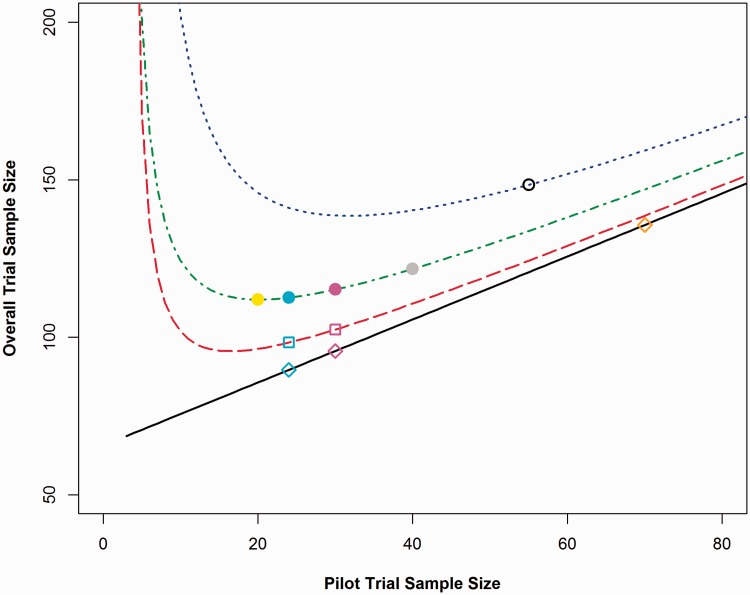
Sample size justification is an important consideration when planning a clinical trial, not only for the main trial but also for any preliminary pilot trial. When the outcome is a continuous variable, the sample size calculation requires an accurate estimate of the standard deviation of the outcome measure. A pilot trial can be used to get an estimate of the standard deviation, which could then be used to anticipate what may be observed in the main trial. However, an important consideration is that pilot trials often estimate the standard deviation parameter imprecisely. This paper looks at how we can choose an external pilot trial sample size in order to minimise the sample size of the overall clinical trial programme, that is, the pilot and the main trial together. We produce a method of calculating the optimal solution to the required pilot trial sample size when the standardised effect size for the main trial is known. However, as it may not be possible to know the standardised effect size to be used prior to the pilot trial, approximate rules are also presented. For a main trial designed with 90% power and two-sided 5% significance, we recommend pilot trial sample sizes per treatment arm of 75, 25, 15 and 10 for standardised effect sizes that are extra small (≤0.1), small (0.2), medium (0.5) or large (0.8), respectively.
Overview
The claims and statistics of this paper haven’t been checked yet.
Free: it reads the open-access text and checks the first 5 claims that cite a source we can check. Create a free account to check every claim.
Integrity signals
Registry
Cites
Statistics
Figures
Verification
Claims the paper makes
The claims and statistics of this paper haven’t been checked yet.
Free: it reads the open-access text and checks the first 5 claims that cite a source we can check. Create a free account to check every claim.
Claims other papers make about this one
Each is checked against this paper’s own text: does it say what the citing paper says it does?
The source backs part of the claim, not all of it — or backs it for a different population, condition or comparison.
In the citing paper
“Another limitation is that the sample size was relatively small, although this was consistent with previous recommendations of 24-35 participants for pilot and feasibility studies to provide sufficient data and precision of means and variances.117,134,135”
From Acceptance and commitment therapy for older people with treatment-resistant generalised anxiety disorder: The FACTOID feasibility study (2021) · cites this paper as [135]
Experimental — accuracy not yet measuredThe source backs part of the claim, not all of it — or backs it for a different population, condition or comparison.
In the citing paper
“pilot trial sample size estimation (n = 14) was based on medium standardized effect sizes (0.5) for a main trial designed with 90% power and two-sided 5% significance [41].”
From Senolytics in idiopathic pulmonary fibrosis: Results from a first-in-human, open-label, pilot study (2019) · cites this paper as [41]
Experimental — accuracy not yet measuredThe source backs part of the claim, not all of it — or backs it for a different population, condition or comparison.
In the citing paper
“For such a trial designed with 90% power and two sided 5% significance, they recommend pilot trial sample sizes for each treatment arm of 75, 25, 15, and 10 for standardised effect sizes that are extra small (0.1), small (0.2), medium (0.5), or large (0.8), respectively.”
From CONSORT 2010 statement: extension to randomised pilot and feasibility trials. (2016) · cites this paper as [58]
Experimental — accuracy not yet measuredThe source backs part of the claim, not all of it — or backs it for a different population, condition or comparison.
In the citing paper
“Sample sizes of 25 participants per arm are also recommended for pilot studies as they are capable of detecting small effect sizes (0.2) with 90% power and 2-sided significance at 5% [28].”
From Exploring the Feasibility of Digital Voice Assistants for Delivery of a Home-Based Exercise Intervention in Older Adults With Obesity and Type 2 Diabetes Mellitus: Randomized Controlled Trial (2024) · cites this paper as [28]
Experimental — accuracy not yet measuredThe source backs part of the claim, not all of it — or backs it for a different population, condition or comparison.
In the citing paper
“This sample size would also be sufficient to detect small effect sizes (0.20 with 90% power and α = 0.05 [21] for secondary outcomes including osteoporosis knowledge and attitudes towards osteoporosis medication.”
From Feasibility and effectiveness of a digital voice assistant for improving anti-osteoporosis medication adherence, and osteoporosis knowledge and attitudes, in postmenopausal women with osteoporosis: A 12-month randomised controlled trial (2025) · cites this paper as [21]
Experimental — accuracy not yet measured
20 more claims about this paper
Create a free account to see every claim other papers make about this one.
Self-check
Percentages, sums and reported differences re-computed from the paper’s own numbers.
The self-check needs the paper’s full text.
Citations
Cites
Cohen, J. (1992) · Psychological Bulletin · doi:10.1037//0033-2909.112.1.155 · Cited by 8,771
A tutorial on pilot studies: the what, why and how
Thabane, L., Ma, J., Chu, R., Cheng, J., Ismaila, A., Rios, L. P., Robson, R., Thabane, M., Giangregorio, L., & Goldsmith, C. H. (2010) · BMC Medical Research Methodology · doi:10.1186/1471-2288-10-1 · Cited by 3,384
Sample size of 12 per group rule of thumb for a pilot study
Julious, S. A. (2005) · Pharmaceutical Statistics · doi:10.1002/pst.185 · Cited by 3,068 · cited 2×
“Initially a flat rule of thumb was used, and the pilot sample size was chosen to be 24 evaluable patients in total as recommended by Julious.(16) However, suppose that a priori the standardised effect size for the main trial is 0.”
MethodInfluentialSelf-citationClinical Trials: A Practical Approach.
Hill, I. D., & Pocock, S. J. (1984) · Biometrics · doi:10.2307/2531186 · Cited by 2,930
Design and analysis of pilot studies: recommendations for good practice
Lancaster, G. A., Dodd, S., & Williamson, P. R. (2004) · Journal of Evaluation in Clinical Practice · doi:10.1111/j..2002.384.doc.x · Cited by 2,572 · cited 1×
“Therefore, since the purpose of the pilot is not to give a formal assessment of efficacy, then the sample size provided by the conventional calculations may be higher than necessary.(13)”
BackgroundWhat is a pilot or feasibility study? A review of current practice and editorial policy
Arain, M., Campbell, M. J., Cooper, C. L., & Lancaster, G. A. (2010) · BMC Medical Research Methodology · doi:10.1186/1471-2288-10-67 · Cited by 1,483
Self-citationSample Size Tables for Clinical Studies
Machin, D., Campbell, M. J., Tan, S. B., & Tan, S. H. (2008) · Wiley eBooks · doi:10.1002/9781444300710 · Cited by 1,336 · cited 1×
“Recruiting too few participants in a main trial means that the probability of finding a clinically relevant difference statistically significant is low and as a consequence, the chance of inconclusive results is high.(2,3) Conversely, if the sample size is too large, resources may be wasted, more patients than necessa…”
BackgroundSelf-citationSim, J., & Lewis, M. (2012) · Journal of Clinical Epidemiology · doi:10.1016/j.jclinepi.2011.07.011 · Cited by 1,036
On the use of a pilot sample for sample size determination
Browne, R. H. (1995) · Statistics in Medicine · doi:10.1002/sim.4780141709 · Cited by 1,007
Teare, M. D., Dimairo, M., Shephard, N., Hayman, A., Whitehead, A., & Walters, S. J. (2014) · Trials · doi:10.1186/1745-6215-15-264 · Cited by 773 · cited 3×
“Julious(16) 24 Kieser and Wassmer(12) 20–40 Browne(10) 30 Sim and Lewis(11) 55 Teare et al.(17) 70 Whitehead et al.”
BackgroundInfluentialSelf-citation
Research works printed but not linked: 1
- Grieve AP Sample sizes and confidence intervals. Am Stat 1990; 44: 190– 190.
Cited by
Items 601–700 of 1,005
Johansson, K., Adler, M., Båve, U., Ekman, C., & Lundberg, J. (2021) · Medicine · doi:10.1097/md.0000000000025273 · Cited by 10
Stoodley, C., McKellar, L. V., Ziaian, T., Steen, M., Gwilt, I., & Fereday, J. A. (2021) · JMIR Research Protocols · doi:10.2196/29770 · Cited by 8
Petrinec, A. B., Hughes, J. W., Zullo, M. D., Wilk, C., & George, R. L. (2021) · JMIR Research Protocols · doi:10.2196/30813 · Cited by 7
“The sample size was determined according to the recommendations of Whitehead et al [54] for estimating an a priori small effect size, and an attrition rate of 30% was derived from previous studies [6,9].”
MethodSITAgliptin for Depressive Symptoms in Type 2 Diabetes: A Feasibility Randomized Controlled Trial
Moulton, C. D., Rokakis, A. S., Pickup, J. C., Young, A. H., Stahl, D. R., & Ismail, K. (2021) · Psychosomatic Medicine · doi:10.1097/psy.0000000000000985 · Cited by 10
Amirdelfan, K., Hong, M. R., Tay, B. K.-B., Reddy, S., Reddy, V. S. A., Yang, M., Khanna, K., Shirvalkar, P. R., Abrecht, C. R., & Gulati, A. (2021) · Journal of Pain Research · doi:10.2147/jpr.s325230 · Cited by 7
“7 is expected.(12) To ensure the validity of pilot studies, 15 to 20 participants per treatment arm are typically required.”
BackgroundHuybrechts, I., Kliemann, N., Pérol, O., Cattey-Javouhey, A., Benech, N., Maire, A., Lignini, T., Carretier, J., Saurin, J., Fervers, B., et al. (2021) · Nutrients · doi:10.3390/nu13113685 · Cited by 10
“Considering the feasibility study objectives we aimed to recruit at least 30 participants [28].”
BackgroundChen, X.-L., Yu, L., Zhu, Y., Wang, T., Han, J., Chen, X., Zhang, J.-H., Huang, J., Qian, X.-L., & Wang, B. (2021) · Medicine · doi:10.1097/md.0000000000027962 · Cited by 7
Khambari, M. N. M., Majuddin, C., Wong, S. L., Ghazali, N., & Norowi, N. M. (2022) · Contemporary Educational Technology · doi:10.30935/cedtech/11667 · Cited by 17
“According to Whitehead et al. (2016), a reasonable sample size of at least 30 or greater is preferable for a pilot study.”
BackgroundTharavichitkun, J., Yadee, T., Angkaow, P., & Suansanae, T. (2022) · Neurology International · doi:10.3390/neurolint14010022 · Cited by 9
Lee, Y., & Kim, D. (2022) · Geriatric Nursing · doi:10.1016/j.gerinurse.2022.03.001 · Cited by 10
Hernandez‐Tejada, M. A., Nagel, A. K., Madisetti, M., Balasubramanian, S., & Kelechi, T. J. (2022) · Pilot and Feasibility Studies · doi:10.1186/s40814-022-01000-8 · Cited by 7
Kimber, M., Vanstone, M. G., Dimitropoulos, G., Collin‐Vézina, D., & Stewart, D. E. (2022) · Pilot and Feasibility Studies · doi:10.1186/s40814-022-01096-y · Cited by 10
Gopalakrishnan, K., Nielsen, N. F., Ramirez, A. L., Sørensen, J., Walter, M., & Krassioukov, A. V. (2022) · Continence Reports · doi:10.1016/j.contre.2022.100010 · Cited by 7
DelMastro, H. M., Ruiz, J. A., Simaitis, L. B., Gromisch, E. S., Neto, L. O., Cohen, E. T., Wong, E., Krug, R. J., & Lo, A. (2022) · International Journal of MS Care · doi:10.7224/1537-2073.2022-010 · Cited by 7
Delmore, B. A., Sprigle, S. H., Samim, M., Alfonso, A. R., Lin, L. H., & Chiu, E. S. (2022) · Advances in Skin & Wound Care · doi:10.1097/01.asw.0000874180.84660.8b · Cited by 7
Zhang, Q., Liao, P., Liang, M., & Chan, A. P. C. (2022) · Engineering Construction & Architectural Management · doi:10.1108/ecam-03-2022-0229 · Cited by 7
Ashtiani, E. M., Shokouhi, N., Mohseni, M., Saedi, N., Mehrizi, A. A. H., & Bakhtiyari, M. (2023) · Obstetrics & Gynecology Science · doi:10.5468/ogs.22171 · Cited by 7
“…courses with radiofrequency modulation therapy, the optimal sample size per arm was proposed to be 22 with an estimated standardized difference of 0.5% and 95% upper confidence limit in a trial designed with 80% power to detect two-sided 5% significance, according to Whitehead et al. [25].”
InfluentialBlecha, S., Hager, A., Gross, V., Seyfried, T., Zeman, F., Lubnow, M., Burger, M., & Pawlik, M. T. (2023) · Journal of Clinical Medicine · doi:10.3390/jcm12041460 · Cited by 7
“Because we expected small to medium effect sizes, a sample size of n = 25 per group (ntotal = 100) was targeted to obtain rather robust effect estimates in all four groups for further studies [21,22].”
MethodAn Electronic Shared Decision-Making App to Improve Asthma Outcomes: A Randomized Controlled Trial
Lee, D. L., Hammond, J. W., Finkel, K. A., Gardner, D. D., Nelson, B. W., & Baptist, A. P. (2023) · The Journal of Allergy and Clinical Immunology In Practice · doi:10.1016/j.jaip.2023.06.016 · Cited by 7
Munro, J., Goodman, W., Oliphant, R., Russell, S., Taylor, C., Beeken, R. J., & Hubbard, G. (2023) · Pilot and Feasibility Studies · doi:10.1186/s40814-023-01329-8 · Cited by 10
“, a sample size of 20 was considered appropriate [40].”
BackgroundJester, J. M., Riggs, J. L., Menke, R. A., Alfafara, E. A., Issa, M., Muzik, M., & Rosenblum, K. L. (2023) · Frontiers in Psychiatry · doi:10.3389/fpsyt.2023.1048511 · Cited by 9
Di‐Bonaventura, S., Fernández‐Carnero, J., & Peña, R. F. (2024) · PLoS ONE · doi:10.1371/journal.pone.0289430 · Cited by 7
“This adjustment, accounting for a 95% confidence level, yielded an SD of 3.227 using the formula [56, 57] Consequently, the effect size (d) was calculated as 0.619195 (derived from 2/3.”
MethodInfluentialWhitton, C., Wong, Y. H. M., Lau, J., Chua, X. H., Müller, A. M., Tan, C. S., van Dam, R. M., Müller‐Riemenschneider, F., & Rebello, S. A. (2024) · Appetite · doi:10.1016/j.appet.2024.107338 · Cited by 11
“…that brand engagement is associated with greater likelihood of advertisements triggering food cravings (Sadeghirad et al., 2016), we would need at least 25 participants per group in stratified analyses to test a small effect with 90% power at the level of 5% significance (Whitehead et al., 2016).”
Kohlbrenner, R. M., Lehrman, E. D., Taylor, A. G., Kohi, M. P., Fidelman, N. A., Kumar, V., Conrad, M. B., & Kolli, K. P. (2018) · Journal of Vascular and Interventional Radiology · doi:10.1016/j.jvir.2018.05.006 · Cited by 7
Li, Y., Hou, L., Wang, Y., Xie, L., Zhang, M., Pan, Z., Li, Y., Ding, Y., Sun, M., Yu-fang, Q., et al. (2019) · BMJ Open · doi:10.1136/bmjopen-2018-027498 · Cited by 7
“8), respectively.(35) The present study is designed with 90% power and two-sided 5% significance, and sample size for each treatment arm is set to 25 subjects with the allocated ratio of 1:1.”
MethodYu, S., Framme, C., Menke, M. N., Berger, L., Zinkernagel, M. S., Munk, M. R., Wolf, S., & Ebneter, A. (2020) · Scientific Reports · doi:10.1038/s41598-020-61835-0 · Cited by 7
Ooi, S. L., Pak, S. C., Micalos, P. S., Schupfer, E., Zielinski, R., Jeffries, T., Harris, G., Golombick, T., & McKinnon, D. H. (2020) · Contemporary Clinical Trials Communications · doi:10.1016/j.conctc.2020.100580 · Cited by 11
Ramirez-Garcìa, P., Leclerc-Loiselle, J., Gagnon, M., Côté, J., Brouillette, M., & Thomas, R. (2020) · Journal of Complementary and Integrative Medicine · doi:10.1515/jcim-2019-0167 · Cited by 9
Feehan, J., Degabrielle, E., Tripodi, N., Saedi, A. A., Vogrin, S., & Duque, G. (2021) · Experimental Gerontology · doi:10.1016/j.exger.2021.111399 · Cited by 7
Fecal Calprotectin Is Increased in Stroke
Park, S. Y., Lee, S. P., & Kim, W. J. (2021) · Journal of Clinical Medicine · doi:10.3390/jcm11010159 · Cited by 7
Louie, J., Baquie, K., Offerman, J., Granger, C. L., Khan, F., & Bower, K. J. (2021) · Clinical Rehabilitation · doi:10.1177/02692155211064949 · Cited by 8
“While there is no consensus on an appropriate sample size for pilot and feasibility studies, recommendations have ranged from 24 to 70 participants.(20) A week prior to the intervention program commencing, the study coordinator, not involved in the assessment or intervention sessions, allocated participants to either…”
BackgroundSchnieders, E., Röhr, F., Mbewe, M., Shanzi, A., Berner-Rodoreda, A., Barteit, S., Louis, V. R., Andreadis, P., Syakantu, G., & Neuhann, F. (2022) · JMIR Medical Education · doi:10.2196/34751 · Cited by 11
Hikaka, J., Hughes, C. M., Jones, R., Connolly, M. J., & Martini, N. D. (2019) · Research in Social and Administrative Pharmacy · doi:10.1016/j.sapharm.2019.12.004 · Cited by 9
Hunegnaw, M. T., Mesinovic, J., Jansons, P., George, E. S., De Ross, B., Kiss, N., Ebeling, P. R., Daly, R. M., Gvozdenko, E., & Scott, D. (2025) · Archives of Osteoporosis · doi:10.1007/s11657-025-01529-0 · Cited by 8
“This sample size would also be sufficient to detect small effect sizes (0.20 with 90% power and α = 0.05 [21] for secondary outcomes including osteoporosis knowledge and attitudes towards osteoporosis medication.”
InfluentialHan, A., Wilroy, J. D., Jenkins, J., & Yuen, H. K. (2023) · Disability and Rehabilitation · doi:10.1080/09638288.2022.2038283 · Cited by 10
Franco, P., Olhaberry, M., Cuijpers, P., Kelders, S., & Muzard, A. (2023) · Internet Interventions · doi:10.1016/j.invent.2023.100616 · Cited by 6
“However, some authors suggest using a sample size of 25 per group for pilot studies (Whitehead et al., 2016).”
BackgroundKılıç, A., Hudson, J., Scott, W., McCracken, L. M., Hackett, R. A., & Hughes, L. D. (2023) · Internet Interventions · doi:10.1016/j.invent.2023.100658 · Cited by 6
Nishimoto, Y., Salim, F., Yama, K., Kumagai, K., Jo, R., Harada, M., Maruyama, Y., Aita, Y., Fujii, N., Inokuchi, T., et al. (2023) · Frontiers in Microbiology · doi:10.3389/fmicb.2023.1233460 · Cited by 9
“However, it was assumed to have a large effect size for the elderly group, and the sample size was set to ten in accordance with previous studies (Whitehead et al., 2016).”
ResultRaman, S., Rahiman, S. N., Kennedy, M., Mattke, A. C., Venugopal, P. S., McBride, C. A., Tu, Q., Zapf, F., Kühlwein, E., Woodgate, J., et al. (2023) · BMJ Open · doi:10.1136/bmjopen-2023-076460 · Cited by 6
“37”
Lontano, A., Pascucci, D., Pattavina, F., Vincenti, S., Boninti, F., Grossi, R., Incitti, I., Bilotta, M., Pastorino, R., Vento, G., et al. (2024) · Journal of Hospital Infection · doi:10.1016/j.jhin.2024.03.020 · Cited by 6
Mangalore, R. P., Chai, M. G., Pope, J. D., Lee, S. J., Padiglione, A. A., Diehl, A., Roberts, L., Sim, K., Rawson-Harris, P., Wicha, S. G., et al. (2024) · BMJ Open · doi:10.1136/bmjopen-2023-083635 · Cited by 6
“As this is an exploratory study, we were guided by the sample size recommendations for pilot studies 17–19 and the number of eligible patients anticipated to present to the Alfred Hospital’s ICU over a 6-month period.”
MethodReangsing, C., Moonpanane, K., Pittchalard, K., & Schneider, J. K. (2024) · Journal of Affective Disorders · doi:10.1016/j.jad.2024.07.006 · Cited by 7
Kamarudin, S. S., Idris, I. B., Sharip, S., & Ahmad, N. (2025) · JMIR Research Protocols · doi:10.2196/63564 · Cited by 9
Huang, X., Zhang, S., Zhao, X., Li, X., Bao, F., Lan, Y., Zhang, Y., An, R., Li, B., Yu, F., et al. (2025) · General Psychiatry · doi:10.1136/gpsych-2024-101858 · Cited by 12
Costela-Ruiz, V. J., González-Vigil, E., Ibáñez, O. E., Alcázar-Caballero, R. M., Melguizo‐Rodríguez, L., Fernández-López, O., & Arias‐Santiago, S. (2025) · PLoS ONE · doi:10.1371/journal.pone.0323173 · Cited by 8
“Pilot trials are intended to obtain initial estimates of key parameters, such as recruitment rates, protocol adherence and variability of outcome measures, which will be useful for calculating the appropriate sample size in subsequent larger studies [81].”
Chau, P. H., Cheung, D. S. T., Kwok, J. Y. Y., Chan, W. C., & Yu, D. S. F. (2025) · JMIR Aging · doi:10.2196/67267 · Cited by 10
“According to the literature, for a main trial designed with 80% power and 2-sided 5% significance to detect a small-to-medium effect (Cohen d between 0.1 and 0.3), a sample size of at least 20 per treatment arm is needed for a pilot study [16].”
InfluentialChamp, R. E., Meneses, R. W., Adamou, M., Gillibrand, W. P., Arrey, S. K., & Tolchard, B. (2025) · JMIR Formative Research · doi:10.2196/69943 · Cited by 8
“Sample sizes for feasibility studies are much debated [68], and recommendations vary from 10-12 per group to 60-75 per group depending on study objectives [69].”
Liu, J., Cao, J., Shi, Y., Sevick, M. A., Islam, N. S., Feldman, N., Li, H., Wang, C., Zhao, Y., Tamura, K., et al. (2025) · JMIR mhealth and uhealth · doi:10.2196/78036 · Cited by 9
“According to Whitehead et al [30], in order to detect a small group difference of 0.2% in HbA 1c levels with 80% power and 5% type I error in a future full-scale RCT, we would need to recruit 50 participants in a pilot RCT.”
InfluentialBennett, E., Lycett, D., Whelan, M., Bellamy, E. L., Banks, S., & Patel, R. (2025) · Frontiers in Psychiatry · doi:10.3389/fpsyt.2025.1620372 · Cited by 7
Alfaleh, G., Huffman, F. G., Li, T., & Vaccaro, J. A. (2020) · Journal of Health Science and Medical Research · doi:10.31584/jhsmr.2020765 · Cited by 7
Hui, Y. H., So, W. K. W., Ng, M. S. N., Leung, J. T. ‐., Ho, E. T. L., & Wong, S. S.-H. (2020) · Journal of Renal Care · doi:10.1111/jorc.12358 · Cited by 6
Ghazal, L. V., Merriman, J. D., Santacroce, S. J., Fletcher, J., Wright, F., & Dickson, V. V. (2021) · Journal of Adolescent and Young Adult Oncology · doi:10.1089/jayao.2021.0135 · Cited by 6
Pose-Bazarra, S., López-Valladares, M. J., López‐de‐Ullibarri, I., & Azuara‐Blanco, A. (2022) · Eye · doi:10.1038/s41433-022-02271-4 · Cited by 6
Mobile Application-Based Education to Improve Family Caregivers’ Readiness: Feasibility Study
Rochmawati, E., & Putranto, D. (2022) · The Journal for Nurse Practitioners · doi:10.1016/j.nurpra.2022.08.023 · Cited by 11
Abhishek, A., Fuller, A., Nakafero, G., Zhang, W., Dumbleton, J., Hawkey, C. J., Coupland, C. A. C., Terkeltaub, R. A., & Doherty, M. (2022) · Rheumatology Advances in Practice · doi:10.1093/rap/rkac086 · Cited by 7
Brunet, J., Price, J., Srikanthan, A., Gillison, F., Standage, M., Taljaard, M., Beauchamp, M. R., Reed, J. L., & Wurz, A. J. (2022) · PLoS ONE · doi:10.1371/journal.pone.0273045 · Cited by 8
“A conventional power calculation is inappropriate for this pilot RCT with primary feasibility and acceptability outcomes [45, 46].”
BackgroundMethodNakimuli‐Mpungu, E., Wamala, K., Nalugya, J. S., Nakanyike, C., Iya, J., Kitaka, S. B., Namuli, J. D., Akimana, B., Nachega, J. B., Mills, E. J., et al. (2023) · Frontiers in Health Services · doi:10.3389/frhs.2023.1011898 · Cited by 7
“Sample size justification The goal of this pilot trial is to test trial procedures and processes and to get estimates of parameters for the main trial sample size calculation (43).”
BackgroundSawyer, P., Shi, H., Keller, P. W., Brown, S., & Rodriguez, M. E. F. (2023) · Aging Medicine · doi:10.1002/agm2.12255 · Cited by 6
Clonal dynamics limits detection of selection in tumour xenograft CRISPR/Cas9 screens
Lee, T. W., Hunter, F. W., Tsai, P., Print, C. G., Wilson, W. R., & Jamieson, S. M. F. (2023) · Cancer Gene Therapy · doi:10.1038/s41417-023-00664-5 · Cited by 10
Ozanimod Therapy in Patients With COVID-19 Requiring Oxygen Support
Lellouche, F., Blais‐Lecours, P., Maltais, F., SARRAZIN, J., Rola, P., Nguyen, T., Châteauvert, N., & Marsolais, D. (2023) · CHEST Journal · doi:10.1016/j.chest.2023.10.023 · Cited by 7
Calcitriol Treatment Is Safe and Increases Frataxin Levels in Friedreich Ataxia Patients
Perna, B. A., Tamarit, J., Cabiscol, E., Delaspre, F., Miguela, A., Huertas‐Pons, J. M., Quiroga‐Varela, A., Merchan-Ruiz, M., Domínguez, D. L., Torrentà, L. R., et al. (2024) · Movement Disorders · doi:10.1002/mds.29808 · Cited by 7
Carpallo‐Porcar, B., Calvo, S., Alamillo-Salas, J., Herrero, P., Gómez-Barrera, M., & Jiménez‐Sánchez, C. (2024) · Archives of Physical Medicine and Rehabilitation · doi:10.1016/j.apmr.2024.04.014 · Cited by 7
Oladayo, A., Lawal, F. B., Sofola, O. O., Uti, O. G., Oyapero, A., Aborisade, A., Stewart, B., Daep, C. A., Hines, D., Beard, J., et al. (2024) · Frontiers in Public Health · doi:10.3389/fpubh.2024.1398869 · Cited by 7
Lelutiu‐Weinberger, C., Filimon, M. L., Zavodszky, A. M., Lixandru, M., Hanu, L., Fierbințeanu, C., Patrascu, R., Streinu‐Cercel, A., Luculescu, S., Bora, M., et al. (2024) · Trials · doi:10.1186/s13063-024-08313-4 · Cited by 7
“Whitehead and colleagues [54] suggest, as a rule of thumb, including at least 25 participants in each condition for a pilot trial if the standardized effect size is between 0.1 and 0.3.”
BackgroundMethodInfluentialBornheimer, L. A., Verdugo, J. L., Brdar, N. M., Im, V., Jeffers, N., Bushnell, C. B., Hoener, K., Tasker, M., DeWeese, K., Florence, T., et al. (2024) · Pilot and Feasibility Studies · doi:10.1186/s40814-024-01523-2 · Cited by 7
“This meets the pilot trial sample size guidelines of Whitehead and colleagues [50] for a pilot trial with 80% power and a small effect size (0.1 ≤ δ 0.3) for secondary clinical and cognitive outcomes, using a two-tailed alpha of 0.05.”
MethodInfluentialDantes, G. R., Asril, N. M., Liem, A., Suwastini, N. K. A., Keng, S., & Mahayanti, N. W. S. (2024) · JMIR Research Protocols · doi:10.2196/56693 · Cited by 10
“The sample size for this feasibility study was 30 participants for each study arm, with 95% CIs and small standardized effect sizes [27].”
BackgroundMethodProviding Care to People With Intellectual and Developmental Disabilities in Medical Education
Lunsky, I. O., Gutiérrez, G., Rabu, O., Gemmill, M., & Hamer, D. M. (2024) · American Journal on Intellectual and Developmental Disabilities · doi:10.1352/1944-7558-129.6.476 · Cited by 7
“As such the literature reports that this type of study would require a minimum sample of 10 – 12 participants per treatment arm, considering a main study with a power estimate of 90% and a confidence interval of 95% (Julious, 2005; M. Dawn Teare et al., 2014; Whitehead et al., 2016).”
BackgroundMotivational Interviewing in Patients with Acute Psychosis: A Feasibility Study
Panchalingam, J., Horisberger, R., Corda, C., Kleisner, N., Krasnoff, J., Burrer, A., Spiller, T. R., Edkins, V., Seifritz, E., & Homan, P. (2025) · Schizophrenia Bulletin Open · doi:10.1093/schizbullopen/sgaf004 · Cited by 8
Bonizzi, A., Signati, L., Grimaldi, M., Truffi, M., Piccotti, F., Gagliardi, S., Dotti, G., Mazzucchelli, S., Albasini, S., Cazzola, R., et al. (2025) · Biosensors and Bioelectronics · doi:10.1016/j.bios.2025.117287 · Cited by 9
Volger, S., Estorninos, E. M., Capeding, M. R., Lebumfacil, J. D., Radler, D. R., Parrott, J. S., & Rothpletz‐Puglia, P. (2018) · Health and Quality of Life Outcomes · doi:10.1186/s12955-018-0944-5 · Cited by 7
“However, in accordance with sample size recommendations for pilot studies [53] and based on a desired expected effect size of 0.”
MethodWilson, D. T., Brown, J., Farrin, A. J., & Walwyn, R. E. A. (2021) · Statistics in Medicine · doi:10.1002/sim.9091 · Cited by 6
“thod leads to reasonable error rates when the pilot sample size is around 50 patients per arm. While this is more than some common rules-of-thumb for choosing an external pilot sample size such as 25 [13] or 35 [3] per arm, it remains reasonable in the context of a pilot preceding a much 17 larger trial. In comparison…”
MethodResultJanelle Monáe vs. Katy Perry: Depiction of Bi + Identities and Relationship to Depression and Stigma
Chickerella, R., McGinley, M., Schuyler, S. W., Horne, S. G., Yel, N., & Whitehouse, A. (2021) · Journal of Bisexuality · doi:10.1080/15299716.2021.1874586 · Cited by 8
“According to the “rule of 12” for pilot studies, 12 participants is a reasonable and precise way to gather mean and variance data (Julious, 2005; Whitehead et al., 2016).”
BackgroundLloyd‐Jones, C., Kennedy, N. J., Quinton, A. E., & Bligh, L. N. (2021) · Sonography · doi:10.1002/sono.12286 · Cited by 6
Jadon, A., Srivastawa, S., Sinha, N., Chakraborty, S., Bakshi, A., & Singh, B. (2021) · Ain-Shams Journal of Anaesthesiology · doi:10.1186/s42077-021-00178-y · Cited by 6
“Sample size calculation and choosing the number of subjects 30 were based on the studies suggesting sample size for pilot studies with moderate effect size keeping 95% confidence level, 80% power, and < 0.05% p value for significance (Whitehead et al. 2016).”
MethodInfluentialAnderson, L. A., Kildea, S. V., Lee, N., Kynoch, K., & Gao, Y. (2022) · Journal of Human Lactation · doi:10.1177/08903344221088789 · Cited by 6
“Sample size calculation was based on three areas: (1) general guidelines for pilot studies, including a general rule of at least 30 participants and a minimum sample size of 12 participants per group (Bell et al., 2018; Whitehead et al., 2016); (2) the estimated timeframe to complete the study; and (3) the number of p…”
MethodMatula, K. A., Minar, P., Daraiseh, N. M., Lin, L., Recker, M., & Lipstein, E. A. (2022) · Health Expectations · doi:10.1111/hex.13618 · Cited by 6
“However, with 26 participants, this pilot study can prepare a study detecting medium effect size.(30) The 2–3 weeks study window before participants' clinic appointments may have been too short of a time for them to integrate an app into their daily lives and we were unable to track individual participants across diff…”
BackgroundAsgharpour, M., Enayati, N., Sadrabadi, M. R., Afrakoti, M. M., Khavandegar, A., Mardi, P., Alirezaei, A., Taherinia, A., & Bakhtiyari, M. (2022) · Evidence-based Complementary and Alternative Medicine · doi:10.1155/2022/2001441 · Cited by 8
“between groups, using a two-sided Z-test of the diference between proportions with 90% power and a 5% signifcance level [35].”
MethodUnder the sword of Damocles: Exploring the well-being of university academics during a crisis
Subban, P., Laletas, S., Creely, E., Southcott, J. E., & Fernandes, V. (2022) · Frontiers in Education · doi:10.3389/feduc.2022.1004286 · Cited by 13
“This figure is regarded as statistically appropriate (Browne, 1995; Whitehead et al., 2016).”
BackgroundDoogue, R., Hayes, P., Hebert, R., Sheikhi, A., Rai, T., Morton, K., Román, C., McManus, R. J., & Glynn, L. G. (2023) · Pilot and Feasibility Studies · doi:10.1186/s40814-023-01240-2 · Cited by 9
Computerized Block Games for Automated Cognitive Assessment: Development and Evaluation Study
Cheng, X., Gilmore, G. C., Lerner, A. J., & Lee, K. (2023) · JMIR Serious Games · doi:10.2196/40931 · Cited by 7
“However, for this preliminary study, we applied the simplest method—sample size rules of thumb, which recommended samples of a minimum of 70 (35 per group) in pilot studies [44,45].”
MethodMichael, N. G., Sulistio, M., Wojnar, R., & Gorelik, A. (2023) · BMC Palliative Care · doi:10.1186/s12904-023-01160-1 · Cited by 6
“Additionally, the sample size estimations were based on similar studies [28], and based on variance minimisation stratagem [29].”
MethodHaworth, L., Danes-Daetz, C., Stainton, P., Birdsall, D. P., & Chohan, A. (2024) · International Journal of Health Promotion and Education · doi:10.1080/14635240.2024.2306373 · Cited by 7
“This may suggest a lack of relevancy for the results, however, based upon published guidance (Whitehead et al. 2016) it is suggested that sample sizes of 15 and 10 are recommended when effect sizes are medium (0.5) or large (0.8), respectively.”
InfluentialKrobtrakulchai, T., Puranachaikere, T., Atsariyasing, W., Viravan, N., Thongchoi, K., & Prommin, P. (2024) · Siriraj Medical Journal/San Sirirat · doi:10.33192/smj.v76i2.266383 · Cited by 7
Gromisch, E. S., Turner, A. P., Neto, L. O., Haselkorn, J. K., & Raskin, S. A. (2024) · Multiple Sclerosis and Related Disorders · doi:10.1016/j.msard.2024.105718 · Cited by 5
Watson, D. P., Ray, B. R., Robison, L., Xu, H., Edwards, R. G., Salyers, M. P., Hill, J., & Shue, S. A. (2017) · Pilot and Feasibility Studies · doi:10.1186/s40814-017-0212-1 · Cited by 7
Caldas, É. C., Rezende, L. A., Oliveira, K. D. S., Pinheiro, H. A., de Melo, G. F., & Silva, K. H. C. V. E. (2017) · Fisioterapia em Movimento · doi:10.1590/1980-5918.030.004.ao10 · Cited by 9
Thiel, C., Braun, T., & Grüneberg, C. (2018) · Zeitschrift für Gerontologie und Geriatrie · doi:10.1007/s00391-018-1443-3 · Cited by 8
Ribeiro, D. C., Tangrood, Z. J., Sole, G., & Abbott, J. H. (2019) · BMJ Open · doi:10.1136/bmjopen-2018-028261 · Cited by 9
“characteristics of the full trial.(62) Based on recommendations by Whitehead et al,(62) the sample size of a feasibility study should be estimated based on the expected range for the effect size, the power and alpha (both established a priori), and the total number of arms of treatment planned for the full trial.”
BackgroundMethodInfluentialMarch, M. K., Harmer, A. R., Godfrey, E. L., Venkatesh, S., Thomas, B., & Dennis, S. M. (2020) · BMJ Open · doi:10.1136/bmjopen-2019-032675 · Cited by 7
Miller, V. A., Newcombe, J. B., Radovich, P., Johnston, F., Medina, E., Jr., & Nelson, A. P. (2021) · International Journal of E-Health and Medical Communications · doi:10.4018/ijehmc.20210501.oa6 · Cited by 9
“2%) aAge given in months bSTAT categories as determined by the Thoracic Surgeons–European Association for cardio-thoracic surgery (Whitehead et al., 2016) cCategory 1: Patch repair of Atrial Septal Defect (ASD) or Ventricular Septal Defect (VSD) pulmonic valve replacements dCategory 2: Ross procedure, Fontan procedure…”
MethodSinger, J., Li, Y. J., Ying, T., Aouad, L. J., Gracey, D. M., Wyburn, K., Macia, L., Wu, H., & Chadban, S. J. (2021) · BMJ Open · doi:10.1136/bmjopen-2021-049184 · Cited by 7
Gutiérrez, G., Rosenblat, J. D., Hawken, E. R., Swainson, J., & Vázquez, G. H. (2022) · JMIR Research Protocols · doi:10.2196/34711 · Cited by 7
Sobh, A., Rabea, H., Hamouda, M. A., Shawky, F., & Abdelrahim, M. E. A. (2022) · Beni-Suef University Journal of Basic and Applied Sciences · doi:10.1186/s43088-022-00268-2 · Cited by 6
Mannocci, A., Ciavardini, S., Mattioli, F., Massimi, A., D’Egidio, V., Lia, L., Scaglietta, F., Giannini, A., Antico, R., Dorelli, B., et al. (2022) · International Journal of Environmental Research and Public Health · doi:10.3390/ijerph19031461 · Cited by 5
Branquinho, M., Canavarro, M. C., & Fonseca, A. (2024) · Clinical Psychology & Psychotherapy · doi:10.1002/cpp.70007 · Cited by 5
Jones, G., Bailey, L., Beeken, R. J., Brady, S., Cooper, C. L., Copeland, R. J., Crosland, S., Dawson, S., Faires, M., Gilbody, S. M., et al. (2024) · Pilot and Feasibility Studies · doi:10.1186/s40814-024-01460-0 · Cited by 10
Self-citationShi, Y., Sevick, M. A., Tang, H., Wang, C., Zhao, Y., Yoon, S., Li, H., Jiang, Y., Bai, Y., ONG, I. H., et al. (2025) · Journal of General Internal Medicine · doi:10.1007/s11606-025-09430-9 · Cited by 6
“Whitehead et al. 23 suggest that a large RCT designed to detect a small standardized effect size of 0.2 in the HbA1c level (primary health outcome), with 80% power and a 5% two-sided significance level, would require a sample size of 50 for a pilot RCT.”
InfluentialLi, P. W. C., Yu, D. S. F., Chan, N. Y., Chiu, S., Leung, J. Y. H., Ye, E. Q. H., & Cheng, M. H.-F. (2025) · European Journal of Cardiovascular Nursing · doi:10.1093/eurjcn/zvaf041 · Cited by 9
Paraskeva, N., Haywood, S., Anquandah, J. S., White, P., Budhraja, M., Diedrichs, P. C., & Williamson, H. (2025) · Journal of Medical Internet Research · doi:10.2196/66625 · Cited by 12
“As per recommendations by Whitehead et al [78], our target sample size was in line with that for a main trial designed with 90% power and 2-sided 5% significance; a minimum of 25 participants per arm were required to detect standardized small effect sizes (0.2), which align with the effects…”
InfluentialWang, X., Chien, W. T., & Chong, Y. Y. (2025) · International Journal of Nursing Studies Advances · doi:10.1016/j.ijnsa.2025.100381 · Cited by 8
“It is recommended that pilot trial sample sizes per treatment arm should be 25 to detect small standardised effect sizes (0.2) for a main trial designed with 90 % power and a two-sided 5 % significance (Whitehead et al., 2016).”
Influential
Metadata
- Authors
- Whitehead, A. L., Julious, S. A., Cooper, C. L., & Campbell, M. J.
- Affiliations
- University of Sheffield (GB)
- Corresponding author
- Whitehead, Amy L
- Venue
- Statistical Methods in Medical Research
- Publisher
- SAGE Publications
- Published
- 2015-06-19
- Volume
- 25
- Issue
- 3
- Pages
- 1057-1073
- ISSN
- 0962-2802 (ISSN-L)
- 1477-0334
- PMC
- PMC4876429
- OpenAlex
- W2137904825
- Semantic Scholar
- acf7c691cd77fce40fa8d45f63c5d2971e6ec50d
- Cited by
- 1,936
- References
- 26
- Citations by year
- 2026: 314 · 2025: 333 · 2024: 287 · 2023: 239 · 2022: 245 · 2021: 204 · 2020: 148 · 2019: 87 · 2018: 51 · 2017: 17 · 2016: 8
- FWCI
- 22.54
- Type
- journal article
- Language
- en
- Open access
- hybrid
- doi.org
- Licence
- cc-by
- journals.sagepub.com/page/policies/text-and-data-mining-license (tdm)
- Locations
- Statistical Methods in Medical Research (publishedVersion, cc-by)
- Europe PMC (PubMed Central) (publishedVersion, cc-by)
- PubMed Central (publishedVersion, cc-by)
- PubMed (publishedVersion)
- White Rose Research Online (University of Leeds, The University of Sheffield, University of York) (acceptedVersion)
- ePrints Soton (University of Southampton) (acceptedVersion)
- Topics
- Physical Sciences › Mathematics › Statistics and Probability › Statistical Methods in Clinical Trials
- Physical Sciences › Mathematics › Statistics and Probability › Statistical Methods in Epidemiology
- Social Sciences › Decision Sciences › Statistics, Probability and Uncertainty › Meta-analysis and systematic reviews
- Keywords
- sample size determination, main trial, continuous outcomes, standard deviation estimation, clinical trial design
- MeSH terms
- Humans, Pilot Projects, Randomized Controlled Trials as Topic, Outcome Assessment, Health Care, Sample Size
About these checks
Registry, retraction, Cites and statistics results are computed, not judged, with one exception: a printed reference that no index lists is read once by a model before it counts as a citation error. Claims are extracted by a model and kept only when their quote appears verbatim in the text; each cited source is then checked, with a model’s help, for whether it says what the claim relies on. Those verdicts can be wrong — read the claim’s quote and the cited source before relying on one.
Statistics and arithmetic are recomputed, not judged.
Confidence bands are shown only for fields calibrated on our annotated test set. None is calibrated yet, so no band is shown.
What counts as a claim ›How we measure confidence ›How we check this ›
Are you an author, or do you see a problem with this page? Request a review
Data sources
Bibliographic data: Semantic Scholar, OpenAlex, Crossref.
Contains information from the Semantic Scholar Academic Graph Datasets, made available under the ODC Attribution License (ODC-BY 1.0).
Semantic Scholar’s data is described in: Kinney, R., et al. (2023). The Semantic Scholar Open Data Platform. arXiv:2301.10140.
