

Estimating the sample size for a pilot randomised trial to minimise the overall trial sample size for the external pilot and main trial for a continuous outcome variable
Open accessThe DOI matches its Crossref record; 26 of the 26 references it cites were found in a registry or an index.
Abstract
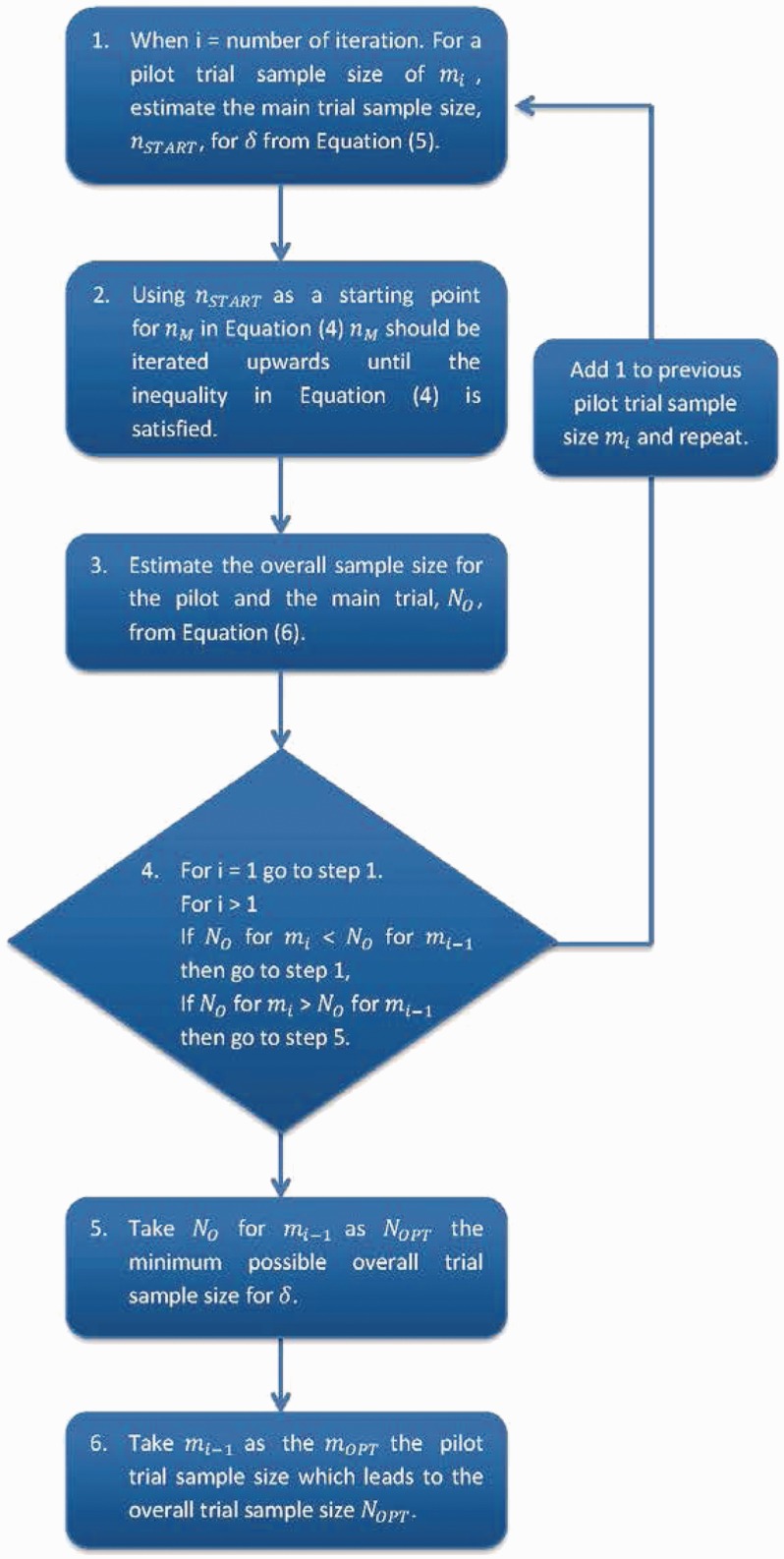
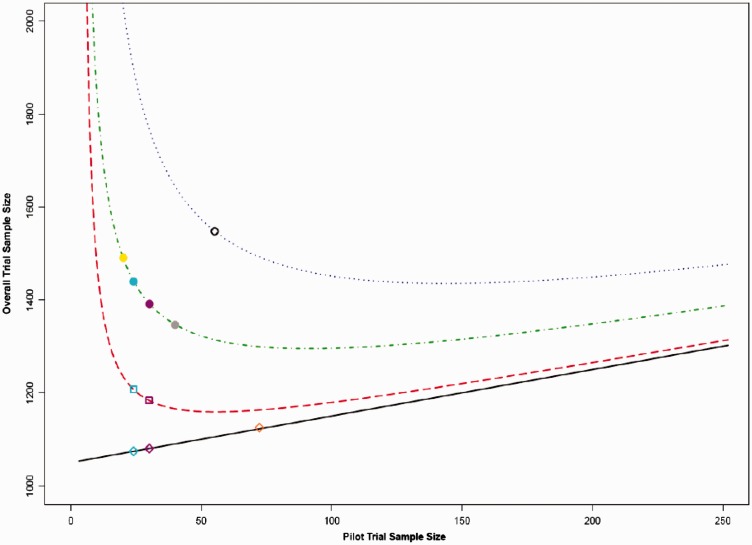
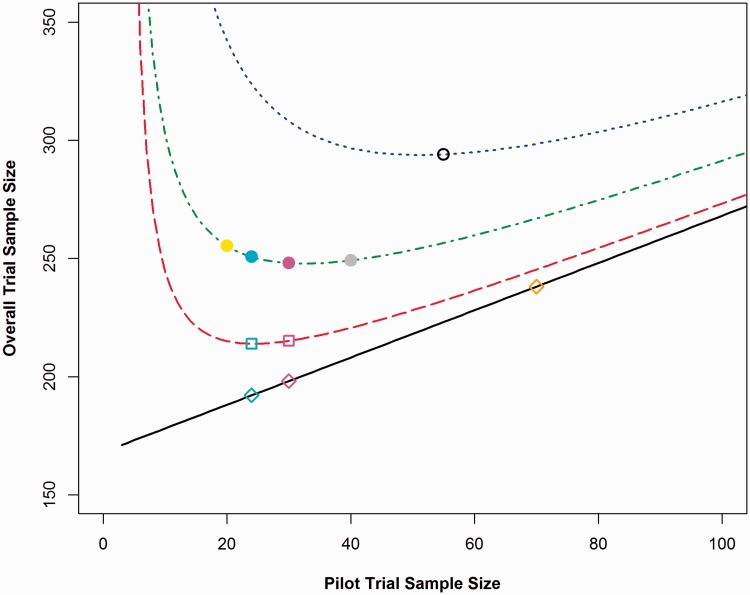
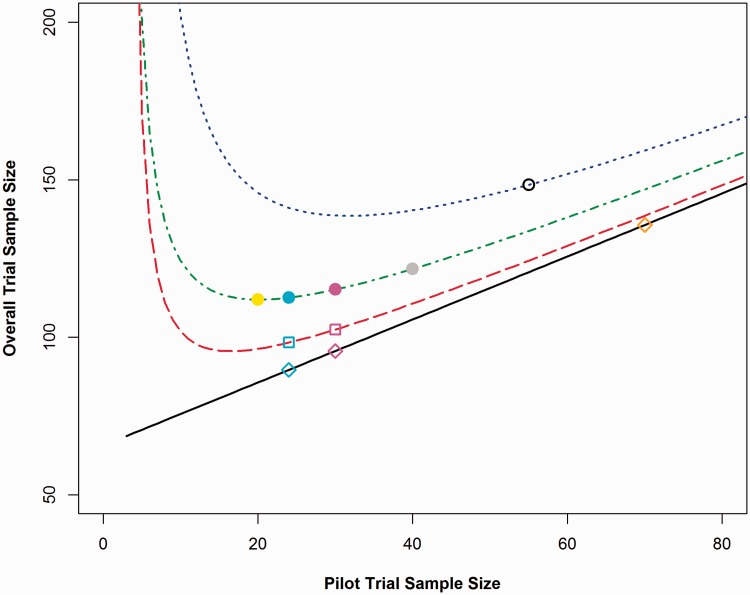
Sample size justification is an important consideration when planning a clinical trial, not only for the main trial but also for any preliminary pilot trial. When the outcome is a continuous variable, the sample size calculation requires an accurate estimate of the standard deviation of the outcome measure. A pilot trial can be used to get an estimate of the standard deviation, which could then be used to anticipate what may be observed in the main trial. However, an important consideration is that pilot trials often estimate the standard deviation parameter imprecisely. This paper looks at how we can choose an external pilot trial sample size in order to minimise the sample size of the overall clinical trial programme, that is, the pilot and the main trial together. We produce a method of calculating the optimal solution to the required pilot trial sample size when the standardised effect size for the main trial is known. However, as it may not be possible to know the standardised effect size to be used prior to the pilot trial, approximate rules are also presented. For a main trial designed with 90% power and two-sided 5% significance, we recommend pilot trial sample sizes per treatment arm of 75, 25, 15 and 10 for standardised effect sizes that are extra small (≤0.1), small (0.2), medium (0.5) or large (0.8), respectively.
Overview
The claims and statistics of this paper haven’t been checked yet.
Free: it reads the open-access text and checks the first 5 claims that cite a source we can check. Create a free account to check every claim.
Integrity signals
Registry
Cites
Statistics
Figures
Verification
Claims the paper makes
The claims and statistics of this paper haven’t been checked yet.
Free: it reads the open-access text and checks the first 5 claims that cite a source we can check. Create a free account to check every claim.
Claims other papers make about this one
Each is checked against this paper’s own text: does it say what the citing paper says it does?
The source backs part of the claim, not all of it — or backs it for a different population, condition or comparison.
In the citing paper
“Another limitation is that the sample size was relatively small, although this was consistent with previous recommendations of 24-35 participants for pilot and feasibility studies to provide sufficient data and precision of means and variances.117,134,135”
From Acceptance and commitment therapy for older people with treatment-resistant generalised anxiety disorder: The FACTOID feasibility study (2021) · cites this paper as [135]
Experimental — accuracy not yet measuredThe source backs part of the claim, not all of it — or backs it for a different population, condition or comparison.
In the citing paper
“pilot trial sample size estimation (n = 14) was based on medium standardized effect sizes (0.5) for a main trial designed with 90% power and two-sided 5% significance [41].”
From Senolytics in idiopathic pulmonary fibrosis: Results from a first-in-human, open-label, pilot study (2019) · cites this paper as [41]
Experimental — accuracy not yet measuredThe source backs part of the claim, not all of it — or backs it for a different population, condition or comparison.
In the citing paper
“For such a trial designed with 90% power and two sided 5% significance, they recommend pilot trial sample sizes for each treatment arm of 75, 25, 15, and 10 for standardised effect sizes that are extra small (0.1), small (0.2), medium (0.5), or large (0.8), respectively.”
From CONSORT 2010 statement: extension to randomised pilot and feasibility trials. (2016) · cites this paper as [58]
Experimental — accuracy not yet measuredThe source backs part of the claim, not all of it — or backs it for a different population, condition or comparison.
In the citing paper
“Sample sizes of 25 participants per arm are also recommended for pilot studies as they are capable of detecting small effect sizes (0.2) with 90% power and 2-sided significance at 5% [28].”
From Exploring the Feasibility of Digital Voice Assistants for Delivery of a Home-Based Exercise Intervention in Older Adults With Obesity and Type 2 Diabetes Mellitus: Randomized Controlled Trial (2024) · cites this paper as [28]
Experimental — accuracy not yet measuredThe source backs part of the claim, not all of it — or backs it for a different population, condition or comparison.
In the citing paper
“This sample size would also be sufficient to detect small effect sizes (0.20 with 90% power and α = 0.05 [21] for secondary outcomes including osteoporosis knowledge and attitudes towards osteoporosis medication.”
From Feasibility and effectiveness of a digital voice assistant for improving anti-osteoporosis medication adherence, and osteoporosis knowledge and attitudes, in postmenopausal women with osteoporosis: A 12-month randomised controlled trial (2025) · cites this paper as [21]
Experimental — accuracy not yet measured
20 more claims about this paper
Create a free account to see every claim other papers make about this one.
Self-check
Percentages, sums and reported differences re-computed from the paper’s own numbers.
The self-check needs the paper’s full text.
Citations
Cites
Cohen, J. (1992) · Psychological Bulletin · doi:10.1037//0033-2909.112.1.155 · Cited by 8,771
A tutorial on pilot studies: the what, why and how
Thabane, L., Ma, J., Chu, R., Cheng, J., Ismaila, A., Rios, L. P., Robson, R., Thabane, M., Giangregorio, L., & Goldsmith, C. H. (2010) · BMC Medical Research Methodology · doi:10.1186/1471-2288-10-1 · Cited by 3,384
Sample size of 12 per group rule of thumb for a pilot study
Julious, S. A. (2005) · Pharmaceutical Statistics · doi:10.1002/pst.185 · Cited by 3,068 · cited 2×
“Initially a flat rule of thumb was used, and the pilot sample size was chosen to be 24 evaluable patients in total as recommended by Julious.(16) However, suppose that a priori the standardised effect size for the main trial is 0.”
MethodInfluentialSelf-citationClinical Trials: A Practical Approach.
Hill, I. D., & Pocock, S. J. (1984) · Biometrics · doi:10.2307/2531186 · Cited by 2,930
Design and analysis of pilot studies: recommendations for good practice
Lancaster, G. A., Dodd, S., & Williamson, P. R. (2004) · Journal of Evaluation in Clinical Practice · doi:10.1111/j..2002.384.doc.x · Cited by 2,572 · cited 1×
“Therefore, since the purpose of the pilot is not to give a formal assessment of efficacy, then the sample size provided by the conventional calculations may be higher than necessary.(13)”
BackgroundWhat is a pilot or feasibility study? A review of current practice and editorial policy
Arain, M., Campbell, M. J., Cooper, C. L., & Lancaster, G. A. (2010) · BMC Medical Research Methodology · doi:10.1186/1471-2288-10-67 · Cited by 1,483
Self-citationSample Size Tables for Clinical Studies
Machin, D., Campbell, M. J., Tan, S. B., & Tan, S. H. (2008) · Wiley eBooks · doi:10.1002/9781444300710 · Cited by 1,336 · cited 1×
“Recruiting too few participants in a main trial means that the probability of finding a clinically relevant difference statistically significant is low and as a consequence, the chance of inconclusive results is high.(2,3) Conversely, if the sample size is too large, resources may be wasted, more patients than necessa…”
BackgroundSelf-citationSim, J., & Lewis, M. (2012) · Journal of Clinical Epidemiology · doi:10.1016/j.jclinepi.2011.07.011 · Cited by 1,036
On the use of a pilot sample for sample size determination
Browne, R. H. (1995) · Statistics in Medicine · doi:10.1002/sim.4780141709 · Cited by 1,007
Teare, M. D., Dimairo, M., Shephard, N., Hayman, A., Whitehead, A., & Walters, S. J. (2014) · Trials · doi:10.1186/1745-6215-15-264 · Cited by 773 · cited 3×
“Julious(16) 24 Kieser and Wassmer(12) 20–40 Browne(10) 30 Sim and Lewis(11) 55 Teare et al.(17) 70 Whitehead et al.”
BackgroundInfluentialSelf-citation
Research works printed but not linked: 1
- Grieve AP Sample sizes and confidence intervals. Am Stat 1990; 44: 190– 190.
Cited by
Items 101–200 of 1,005
Nixon, A. C., Bampouras, T. M., Gooch, H. J., Young, H. M. L., Finlayson, K. W., Pendleton, N., Mitra, S., Brady, M. E., & Dhaygude, A. P. (2021) · PLoS ONE · doi:10.1371/journal.pone.0251652 · Cited by 43
“The target sample size was 40 participants, which allowed for a dropout rate of up to 50% and would still provide sufficient data to assess study feasibility and inform a sample size calculation for a definitive RCT [34,35].”
BackgroundMistretta, E. G., & Davis, M. C. (2021) · Mindfulness · doi:10.1007/s12671-021-01766-7 · Cited by 49
“This criterion was developed based on the fact that small studies were considered pilot trials without standardized procedures, and statisticians have estimated that 10 subjects per group is an appropriate lower limit (Whitehead et al., 2016).”
Lee, D., Kim, S. K., Kim, K., Lee, J. R., Suh, C. S., & Kim, S. H. (2017) · Journal of Minimally Invasive Gynecology · doi:10.1016/j.jmig.2017.08.651 · Cited by 34
Lee, J., Lee, T. S., Yoo, S. Y., Lee, S. W., Jang, J. H., Choi, Y., & Park, Y. R. (2023) · EClinicalMedicine · doi:10.1016/j.eclinm.2023.102072 · Cited by 52
“As this is a pilot trial, a formal calculation for sample size is not necessary, but we did follow Whitehead et al. (2016) 20 method to calculate the sample size for the pilot trial.”
MethodMackey, D. C., Perkins, A., Tai, K. H., Sims‐Gould, J., & McKay, H. A. (2018) · Journal of Aging and Physical Activity · doi:10.1123/japa.2018-0137 · Cited by 32
“To estimate variability with adequate precision, Whitehead et al. (2016) recommended 25 participants per treatment arm for standardized effect sizes that are small (0.2).”
MethodInfluentialJuarascio, A. S., Parker, M. N., Manasse, S. M., Barney, J. L., Wyckoff, E. P., & Dochat, C. (2020) · Appetite · doi:10.1016/j.appet.2020.104634 · Cited by 38
Still, C. H., Margevicius, S. P., Harwell, C., Huang, M.-C., Martin, L., Dang, P. B., & Wright, J. T. (2020) · Patient Preference and Adherence · doi:10.2147/ppa.s283086 · Cited by 45
Jansson‐Fröjmark, M., & Jacobson, K. (2021) · Behavioural and Cognitive Psychotherapy · doi:10.1017/s1352465821000023 · Cited by 37
Cook, J. A., Julious, S. A., Sones, W. R., Hampson, L. V., Hewitt, C. E., Berlin, J. A., Ashby, D., Emsley, R., Fergusson, D. A., Walters, S. J., et al. (2019) · Health Technology Assessment · doi:10.3310/hta23600 · Cited by 43
Self-citationBagga, B., Sharma, S., Gour, R. P. S., Mohamed, A., Joseph, J., Rathi, V. M., & Garg, P. (2020) · Eye · doi:10.1038/s41433-020-1109-4 · Cited by 35
“Being a pilot study and owing to low incidence of the infection, the arbitrary sample size of 30 was decided according to the Rules of thumb [25] as described by Browne et al.”
MethodJoseph, R. P., Todd, M. W., Ainsworth, B. E., Vega‐López, S., Adams, M. A., Hollingshead, K. E., Hooker, S. P., Gaesser, G. A., & Keller, C. S. (2023) · International Journal of Environmental Research and Public Health · doi:10.3390/ijerph20021000 · Cited by 36
Kliemann, N., Croker, H. A., Johnson, F., & Beeken, R. J. (2019) · JMIR mhealth and uhealth · doi:10.2196/12326 · Cited by 33
“A rule of thumb for the sample size of pilot studies is to have around 25 participants per randomization group for a small standardized effect size of 0.2 [28].”
BackgroundInfluentialthe Canadian Critical Care Trials Group, Guerra, G. G., Joffe, A. R., Sheppard, C., Hewson, K., Dinu, I. A., Hajihosseini, M., deCaen, A., Jou, H., Hartling, L., et al. (2021) · Journal of Intensive Care · doi:10.1186/s40560-020-00523-7 · Cited by 36
“Also, 20 participants per group followed the recommended rules for pilot trial sample size when the standardized effect size is unknown but expected to be small [24].”
BackgroundMethodZale, E. L., Pierre‐Louis, C., Macklin, E. A., Riklin, E. I. K., & Vranceanu, A. (2017) · Journal of Neuro-Oncology · doi:10.1007/s11060-017-2720-5 · Cited by 34
Rogers, P., Al-Aidrous, S., BANYA, W. A. S., Haley, S. R., Mittal, T. K., Kabir, T., Panoulas, V. F., Raja, S. G., Bhudia, S. K., Probert, H., et al. (2018) · Pilot and Feasibility Studies · doi:10.1186/s40814-018-0363-8 · Cited by 34
“Considering a likely ‘moderate’ effect size of the CR intervention we estimated that approximately 15 patients per group would be required to inform the design of a definitive trial [34].”
BackgroundHan, A., Yuen, H. K., & Jenkins, J. (2023) · Journal of Health Psychology · doi:10.1177/13591053221141131 · Cited by 30
Kishita, N., Gould, R. L., Farquhar, M., Contreras, M., Van Hout, E., Losada, A., Cabrera, I., Hornberger, M., Richmond, E., & McCracken, L. M. (2022) · Aging & Mental Health · doi:10.1080/13607863.2021.1985966 · Cited by 30
Cho, A., Cha, C., & Baek, G. (2024) · Journal of Medical Internet Research · doi:10.2196/54029 · Cited by 29
“For the pilot test, we adopted a minimum of 12 participants recommended by Whitehead et al [59]; however, only 10 participants were able to complete the pilot test.”
Yeung, C. Y., Ho, K. H. M., & Chan, H. Y. L. (2023) · BMC Geriatrics · doi:10.1186/s12877-023-03815-3 · Cited by 36
Trunk training following stroke
Thijs, L., Voets, E., Denissen, S., Mehrholz, J., Elsner, B., Lemmens, R., & Verheyden, G. (2023) · Cochrane Database of Systematic Reviews · doi:10.1002/14651858.cd013712.pub2 · Cited by 86
Schrempf, M. C., Zanker, J., Arndt, T. T., Vlasenko, D., Anthuber, M., Müller, G., Sommer, F., & Wolf, S. (2023) · Games for Health Journal · doi:10.1089/g4h.2023.0004 · Cited by 32
“38 A target reduction in the length of stay of 2 days results in a standardized effect size of 0.21.”
InfluentialZamani, N., Buckley, N. A., & Hassanian‐Moghaddam, H. (2020) · Critical Care · doi:10.1186/s13054-020-2740-y · Cited by 30
Enrique Roig, A., Mooney, O., Salamanca-Sanabria, A., Lee, C. T., Farrell, S., & Richards, D. (2020) · JMIR Formative Research · doi:10.2196/20167 · Cited by 29
“A sample size of 25 per arm is recommended for pilot trials when effect sizes are expected to be small [36].”
Soundy, A., Hemmings, L., Gardiner, L., Rosewilliam, S., Heneghan, N. R., Cronin, K., & Reid, K. (2021) · Patient Education and Counseling · doi:10.1016/j.pec.2021.01.022 · Cited by 33
Lim, Y., Tang, K. D., Karpe, A. V., Beale, D. J., Totsika, M., Kenny, L., Morrison, M., & Punyadeera, C. (2021) · Head & Neck · doi:10.1002/hed.26619 · Cited by 31
“The current pilot study adhered to the Browne's flat rule for sample size estimation but lack of treatment nonresponders and low rates of cancer recurrence.(62) In the future, the sample size should be increased to validate and expand on current findings.”
MethodMaheu‐Cadotte, M., Dubé, V., Cossette, S., Lapierre, A., Fontaine, G., Deschênes, M., & Lavoie, P. (2021) · JMIR Serious Games · doi:10.2196/28650 · Cited by 38
Rong, J., Ding, L., Xiong, L., Zhang, W., Wang, W., Deng, M., Wang, Y., Chen, Z., & Jia, J. (2021) · Frontiers in Neurology · doi:10.3389/fneur.2021.683703 · Cited by 31
“Thus, a total of 40 participants (20 per arm) was estimated as an optimal sample size for this study according to the stepped rules of thumb (29).”
MethodAhmadi, S. J., Musavi, Z., Samim, N., Sadeqi, M., & Jobson, L. (2022) · Frontiers in Psychiatry · doi:10.3389/fpsyt.2022.826633 · Cited by 34
Parial, L. L., Kor, P. P. K., Sumile, E. F., & Leung, A. Y. M. (2022) · The Gerontologist · doi:10.1093/geront/gnac081 · Cited by 34
Nagraj, S., Kennedy, S., Jha, V., Norton, R., Hinton, L., Billot, L., Rajan, E., Abdul, A., Phalswal, A., Arora, V., et al. (2023) · JMIR Formative Research · doi:10.2196/44362 · Cited by 35
Ha, D. M., Comer, A. C., Dollar, B., Bedoy, R., Ford, M. A., Gozansky, W. S., Zeng, C. X., Arch, J. J., Leach, H. J., Malhotra, A., et al. (2023) · Supportive Care in Cancer · doi:10.1007/s00520-023-07999-7 · Cited by 36
“We aimed 30–40 participants enrolled (15–20/group) based on estimates for a continuous outcome variable in a pilot trial [56] to minimize overall (pilot and efficacy) trial sample size, and detect an estimated standardized medium (0.”
Logan, A., Freeman, J. A., Kent, B., Pooler, J., Creanor, S., Vickery, J., Enki, D. G., Barton, A., & Marsden, J. F. (2018) · Pilot and Feasibility Studies · doi:10.1186/s40814-018-0254-z · Cited by 36
Mailhot, T., Goulet, M., Maheu‐Cadotte, M., Fontaine, G., Lequin, P., & Lavoie, P. (2019) · Journal of research in nursing · doi:10.1177/1744987119883404 · Cited by 31
Deng, C., Campbell, D., Diprose, W. K., Eom, C., Wang, K., Robertson, N. N., Short, T. G., Brew, S., Caldwell, J. R., McGuinness, B. J., et al. (2019) · Anaesthesia · doi:10.1111/anae.14940 · Cited by 32
“A target sample size of 50 was determined to be sufficient for this pilot trial based on published guidelines [24, 25].”
MethodJaffar, A., Sidik, S. M., Foo, C. N., Muhammad, N. A., Manaf, R. A., & Suhaili, N. (2022) · International Journal of Environmental Research and Public Health · doi:10.3390/ijerph19042332 · Cited by 38
“However, a careful interpretation is crucial, as the findings from this study reveal a risk of type II error due to the study’s small sample size and medium effect size [41].”
BackgroundRamirez, M., & Wu, S. (2017) · JMIR Diabetes · doi:10.2196/diabetes.7063 · Cited by 32
“It was based on a rule of thumb, which is an accepted method for setting sample sizes in pilot studies [33].”
Weber, F. P., Kloek, C. J. J., Stuhrmann, S., Blum, Y., Grüneberg, C., & Veenhof, C. (2024) · Arthritis Research & Therapy · doi:10.1186/s13075-024-03291-z · Cited by 37
“However, smaller sample sizes are recommended for simple calculations [47], which fit our main objective of investigating the usability and preliminary effectiveness of the Join2Move program.”
BackgroundA Proposed Approach for Conducting Studies That Use Data From Social Media Platforms
D'Souza, R. S., Hooten, W. M., & Murad, M. H. (2021) · Mayo Clinic Proceedings · doi:10.1016/j.mayocp.2021.02.010 · Cited by 33
Jolley, S., Johns, L. C., O’Donoghue, E., Oliver, J., Khondoker, M., Byrne, M., Butler, L., De Rosa, C., Leal, D., McGovern, J., et al. (2020) · British Journal of Clinical Psychology · doi:10.1111/bjc.12265 · Cited by 26
A pilot study of alternative substrates in the critically Ill subject using a ketogenic feed
McNelly, A. S., Langan, A., Bear, D. E., Page, A., Martin, T., Seidu, F., Santos, F., Rooney, K. D., Liang, K., Heales, S., et al. (2023) · Nature Communications · doi:10.1038/s41467-023-42659-8 · Cited by 32
Antonini, A., Gentile, G., Giglio, M., Marcante, A., Gage, H., Touray, M., Fotiadis, D. I., Gatsios, D. A., Konitsiotis, S., Timotijević, L., et al. (2018) · Trials · doi:10.1186/s13063-018-2767-4 · Cited by 29
Christopher, M., Bowen, S., & Witkiewitz, K. (2020) · Trials · doi:10.1186/s13063-020-4165-y · Cited by 23
Feasibility of a trauma quality-of-life follow-up clinic
Trevino, C. M., Geier, T. J., Timmer‐Murillo, S. C., Shawlin, M., Milia, D. J., Codner, P. A., & deRoon‐Cassini, T. A. (2020) · The Journal of Trauma: Injury, Infection, and Critical Care · doi:10.1097/ta.0000000000002672 · Cited by 28
“The sample size was selected to minimize the total sample size for the pilot program and the main randomized trial using the method of Whitehead et al.20 by balancing the precision of the variability estimate from the pilot program with the inflation of the follow-up trials sample size because of an imprecise estimate.”
MethodHaile, C., Kirk, A. F., Cogan, N. A., Janssen, X., Gibson, A., & MacDonald, B. (2020) · International Journal of Environmental Research and Public Health · doi:10.3390/ijerph17165763 · Cited by 38
“The sample size was chosen based on the recommendation from [20] for pilot trial sample sizes with an expected small effect.”
MethodMantovani, A., Neri, F., D’Urso, G., Mencarelli, L., Tatti, E., Momi, D., Menardi, A., Sprugnoli, G., Santarnecchi, E., & Rossi, S. (2020) · Journal of Psychiatric Research · doi:10.1016/j.jpsychires.2020.10.030 · Cited by 31
Virtual reality and its use in post-operative pain following laparoscopy: a feasibility study
Payne, O., Smith, V., Rolnik, D. L., Davies-Tuck, M. L., Warty, R. R., Seo, D., Wetherell, L., Murday, H. K., Nair, A., Kaur, R., et al. (2022) · Scientific Reports · doi:10.1038/s41598-022-17183-2 · Cited by 33
Gil-Pagés, M., Sánchez, J. S., Sánchez-Carrión, R., Tormos, J. M., Cantallops, A. E., & García‐Molina, A. (2018) · Trials · doi:10.1186/s13063-018-2577-8 · Cited by 40
“The total sample size required for a two-arm trial following some currently proposed approximation guidelines is between 24 and 70 [21].”
MethodSurf therapy for improving child and adolescent mental health: A pilot randomised control trial
Olive, L., Dober, M., Mazza, C., Turner, A., Mohebbi, M., Berk, M., & Telford, R. (2023) · Psychology of Sport and Exercise · doi:10.1016/j.psychsport.2022.102349 · Cited by 26
Woodward, A., Broom, D. R., Dalton, C., Metwally, M., & Klonizakis, M. (2020) · Trials · doi:10.1186/s13063-019-3962-7 · Cited by 31
Jiang, Y., Nuerdawulieti, B., Chen, Z., Guo, J., Sun, P., Chen, M., & Li, J. (2023) · Journal of Telemedicine and Telecare · doi:10.1177/1357633x231156631 · Cited by 31
“29 Therefore, the total number of participants was 78.”
Poetar, C.-R., Bradley, N., & Voinescu, A. (2023) · Frontiers in Psychology · doi:10.3389/fpsyg.2023.1157469 · Cited by 28
Suen, L. K. P., Wang, W., Cheng, K. K. Y., Chua, M. C. H., Yeung, W., Koh, W. K., Yeung, S. K. W., & Ho, J. Y. S. (2019) · JMIR mhealth and uhealth · doi:10.2196/14386 · Cited by 27
“According to Whitehead et al [31], a sample size of 15 per treatment arm is adequate.”
Shinozaki, K., Jacobson, L. S., Saeki, K., Hirahara, H., Kobayashi, N., Weisner, S., Falotico, J. M., Li, T., Kim, J. H., & Becker, L. B. (2019) · Journal of Intensive Care · doi:10.1186/s40560-019-0406-0 · Cited by 30
Budiarani, V. H., Maulidan, R., Setianto, D. P., & Widayanti, I. (2021) · Journal of Indonesian Economy and Business · doi:10.22146/jieb.59879 · Cited by 34
“The researcher targeted a sample of 100 respondents for inflation rate factor of sample size is 1.287 with a 90% confidence level based on UCL (Upper Confidence Limit) Approach calculations (Whitehead, Julious, Cooper, & Campbell, 2015).”
MethodInfluentialQasem, Y. A. M., Abdullah, R., Jusoh, Y. Y., Atan, R. B., & Asadi, S. (2021) · Sustainability · doi:10.3390/su13094664 · Cited by 36
“Most scholars opine that a sample size of about 20–40 is appropriate [119–123]; hence, the pilot testing conducted in this study gathered 38 validated questionnaires filled up by ICT decision-makers from public universities in Malaysia [19].”
BackgroundWilliams, J. A. E., Chester‐Jones, M., Lowe, C., Goff, M., Francis, A., Brewer, G., Marian, I. R., Morris, S. L., Warwick, D., Eldridge, L., et al. (2022) · The Lancet Rheumatology · doi:10.1016/s2665-9913(22)00218-1 · Cited by 30
Alsheikh, G. A. A., & Sobihah, M. (2019) · International Journal of Ethics and Systems · doi:10.1108/ijoes-01-2019-0001 · Cited by 32
Ehrensberger, M., Simpson, D., Broderick, P. B., Blake, C. M., Horgan, F., Hickey, P. P., O’Reilly, J., & Monaghan, K. (2019) · American Journal of Physical Medicine & Rehabilitation · doi:10.1097/phm.0000000000001162 · Cited by 31
Albutt, A., O'Hara, J. K., Conner, M. T., & Lawton, R. (2019) · Journal of research in nursing · doi:10.1177/1744987119867744 · Cited by 26
“The proposed sample size was 30 patient participants in line with recommendations regarding sample sizes for pilot studies (Browne, 1995; Whitehead et al., 2016).”
ResultWhicher, C. A., Price, H. C., Phiri, P., Rathod, S., Barnard-Kelly, K. D., Reidy, C., Thorne, K. I., Asher, C. J., Peveler, R., McCarthy, J., et al. (2019) · Trials · doi:10.1186/s13063-019-3689-5 · Cited by 26
Luther, L., Fischer, M. W., Johnson-Kwochka, A. V., Minor, K. S., Holden, R. J., Lapish, C. C., McCormick, B. P., & Salyers, M. P. (2020) · Journal of Consulting and Clinical Psychology · doi:10.1037/ccp0000599 · Cited by 33
Pantos, K., Simopoulou, M., Maziotis, E., Rapani, A., Grigoriadis, S., Tsioulou, P., Giannelou, P., Nitsos, N., Tzonis, P., Koutsilieris, M., et al. (2021) · Scientific Reports · doi:10.1038/s41598-021-95072-w · Cited by 25
Gulmark Hansen, F. C., Jørgensen, M. G., & Sørensen, J. A. (2023) · Journal of Breast Cancer · doi:10.4048/jbc.2023.26.e2 · Cited by 25
“[32] and enrolled 20 patients in this trial.”
Background“Brain‐IT”: Exergame training with biofeedback breathing in neurocognitive disorders
Manser, P., & de Bruin, E. D. (2024) · Alzheimer s & Dementia · doi:10.1002/alz.13913 · Cited by 28
“39 The effect estimate measure of a standardized mean difference (instead of partial eta-squared) was used because this was required to estimate the required sample size that provides a sufficiently precise estimate of the treat-ment effect to minimize the sample needed for a future full-scale RCT based on the methods…”
MethodHua, F., Walsh, T., Glenny, A., & Worthington, H. V. (2018) · BMC Medical Research Methodology · doi:10.1186/s12874-017-0469-3 · Cited by 32
“We then inflated the minimum size by 8% (non-central tdistribution approach; for pilot study sized 12 per arm, type I error 5%, power 80%) to account for the fact that a sample estimate of the variance, rather than the ‘population’ variance, was used in the calculation [48].”
MethodHubbard, G., Beeken, R. J., Taylor, C., Watson, A. J. M., Munro, J., & Goodman, W. (2019) · Pilot and Feasibility Studies · doi:10.1186/s40814-019-0461-2 · Cited by 28
Noack, E. M., Kleinert, E., & Müller, F. (2020) · BMC Health Services Research · doi:10.1186/s12913-020-05098-5 · Cited by 34
“75 patients in each interventional and control group 1 is described as appropriate [26].”
BackgroundPilot Studies in clinical research
Julious, S. A. (2016) · Statistical Methods in Medical Research · doi:10.1177/0962280216651022 · Cited by 22
“pilot trial can be used to get an estimate of this.(17) They describe how an external pilot trial sample size can be chosen in order to minimise the sample size of the overall clinical trial programme - the pilot and the main trial added together - and propose stepped rules of thumb for pilot sample sizes.”
Self-citationLester, E., DiStefano, S., Mace, R., Macklin, E., Plotkin, S., & Vranceanu, A.-M. (2020) · General Hospital Psychiatry · doi:10.1016/j.genhosppsych.2019.12.001 · Cited by 22
Sampling Methods and Sample Size Determination in Clinical Research: An Educational Review
Zrineh, A., Al‐Usta, M., & Alwawi, A. A. (2026) · Journal of General and Family Medicine · doi:10.1002/jgf2.70096 · Cited by 71
“In some clinical research scenarios, for continuous outcomes, sample size calculations require accurate estimates of the population variance or standard deviation [38].”
Brain Development in Fetuses of Mothers with Diabetes: A Case-Control MR Imaging Study
Denison, F. C., Macnaught, G., Semple, S. I. K., Terris, G., Walker, J., Anblagan, D., Serag, A., Reynolds, R. M., & Boardman, J. P. (2017) · American Journal of Neuroradiology · doi:10.3174/ajnr.a5118 · Cited by 26
Roebuck, G. S., Urquhart, D. M., Knox, L., Fitzgerald, P. B., Cicuttini, F., Lee, S. J., & Fitzgibbon, B. M. (2018) · Journal of Pain · doi:10.1016/j.jpain.2018.06.003 · Cited by 34
Asharani, P. V., Karuvetil, M. Z., Brian, T. Y. W., Satghare, P., Roystonn, K., Wang, P., Cetty, L., Zainuldin, N. A. B., & Subramaniam, M. (2022) · International Journal of Mental Health and Addiction · doi:10.1007/s11469-021-00734-5 · Cited by 32
“The sample size for this pilot study was estimated based on the ‘stepped sample size’ rule of thumb (Machin et al., 2018; Whitehead et al., 2016).”
MethodPro-Environmental Attitudes, E-Bike Adoption Motivations, and Tourist Green Behavior
Mehmood, S., & Zhou, Z. (2023) · Leisure Sciences · doi:10.1080/01490400.2023.2201276 · Cited by 32
Luo, Y., Zhang, J., Wang, C., Zhao, X., Chang, Q., Wang, H., & Wang, C. (2019) · Expert Review of Neurotherapeutics · doi:10.1080/14737175.2019.1601558 · Cited by 24
Simpson, D., Ehrensberger, M., Horgan, F., Blake, C. M., Roberts, D., Broderick, P. B., & Monaghan, K. (2019) · Physiotherapy Research International · doi:10.1002/pri.1792 · Cited by 26
Flujas-Contreras, J. M., García-Palacios, A., & Gómez, I. (2021) · International Journal of Environmental Research and Public Health · doi:10.3390/ijerph18062958 · Cited by 23
“The pilot trial sample size was calculated in relation to the clinical trial [64].”
MethodSweeney, L., Moss-Morris, R. E., Czuber‐Dochan, W., & Norton, C. S. (2021) · Pilot and Feasibility Studies · doi:10.1186/s40814-021-00829-9 · Cited by 29
“Consulting guidelines on sample size for pilot studies [39] and a similar intervention in IBD [19], a sample size aim of 20 participants per arm was deemed adequate to assess for feasibility and acceptability, and allow for 70% retention rate.”
BackgroundMcEvoy, C. T., Moore, S. E., Erwin, C. M., Kontogianni, M. D., Wallace, S. M., Appleton, K. M., Cupples, M., Hunter, S. J., Kee, F., McCance, D. R., et al. (2021) · British Journal Of Nutrition · doi:10.1017/s0007114521003986 · Cited by 29
“In pilot studies, a formal sample size calculation is not required; however, there is some debate regarding the sample required for pilot studies(33), andwewere able to estimate likely power based on data on the variability of MDS results (SD 1·3 from baseline to 6 months) in a behavioural counselling group of a previ…”
Vepsäläinen, H., Skaffari, E., Wojtkowska, K., Barlińska, J., Kinnunen, S., Makkonen, R., Heikkilä, M., Lehtovirta, M., Ray, C., Suhonen, E., et al. (2022) · JMIR mhealth and uhealth · doi:10.2196/30352 · Cited by 31
“On the basis of the literature regarding pilot trial sample size estimation [30], we aimed to recruit 100 children from both countries.”
Son, Y., & Kim, E. Y. (2022) · European Journal of Cardiovascular Nursing · doi:10.1093/eurjcn/zvac077 · Cited by 23
Enrique, Á., Mooney, O., Salamanca-Sanabria, A., Lee, C. T., Farrell, S., & Richards, D. (2019) · Internet Interventions · doi:10.1016/j.invent.2019.100254 · Cited by 30
“2 for resilience and well-being outcomes and recent guidelines for estimating sample size for pilot RCTs designed with 90% power and two-sided 5% significance, based on a non-central t-distribution approach, a sample size of 75 was determined (25 per arm; Whitehead et al., 2016).”
MethodInfluentialAmini, F., Teh, J. J., Tan, C. K., Tan, E. S. S., & Ng, E. S. C. (2025) · Life · doi:10.3390/life15030500 · Cited by 22
“Following sample size recommendations, a minimum of 10 participants per group were required for this pilot randomized trial [16].”
Walking and running with non-specific chronic low back pain: What about the lumbar lordosis angle?
Simonet, E., Winteler, B., Frangi, J., Suter, M., Meier, M. L., Eichelberger, P., Baur, H., & Schmid, S. (2020) · Journal of Biomechanics · doi:10.1016/j.jbiomech.2020.109883 · Cited by 24
Robinson, T. W., Geary, R. L., Davis, R. P., Hurie, J., Williams, T. K., Velazquez-Ramirez, G., Moossavi, S., Chen, H., & Murea, M. (2021) · Kidney Medicine · doi:10.1016/j.xkme.2020.11.016 · Cited by 22
“8), respectively.(16) We targeted enrollment of 50”
Li, C., Xiong, Y. Y., Muessig, K. E., Tang, W., Huang, H., Mu, T., Tong, X., Yu, J., Yang, Z., Sherer, R. D., et al. (2022) · BMJ Open · doi:10.1136/bmjopen-2021-055899 · Cited by 24
Auvichayapat, P., Intayot, K., Udomchat, C., Suphakunpinyo, C., Patjanasoontorn, N., Keeratitanont, K., Tunkamnerdthai, O., Jensen, M. P., Humbert, A. T., & Auvichayapat, N. (2022) · Developmental Medicine & Child Neurology · doi:10.1111/dmcn.15457 · Cited by 26
Demchenko, I., Rampersad, S. M., Datta, A., Horn, A., Churchill, N. W., Kennedy, S. H., Krishnan, S., Rueda, A., Schweizer, T. A., Griffiths, J. D., et al. (2024) · Frontiers in Neuroscience · doi:10.3389/fnins.2024.1390250 · Cited by 25
Reynolds, R. M., Denison, F. C., Juszczak, E., Bell, J. L., Penneycard, J. M., Strachan, M. W. J., Lindsay, R. S., Alexander, C. I., Love, C. D. B., Whyte, S., et al. (2017) · BMC Pregnancy and Childbirth · doi:10.1186/s12884-017-1505-3 · Cited by 24
Wray, T. B., Kahler, C. W., Simpanen, E. M., & Operario, D. (2019) · AIDS and Behavior · doi:10.1007/s10461-019-02396-w · Cited by 25
Larsen, E. N., Corley, A., Mitchell, M. L., Lye, I., Powell, M., Tom, S., Mihala, G., Ullman, A. J., Gibson, V., Marsh, N. M., et al. (2020) · Australian Critical Care · doi:10.1016/j.aucc.2020.05.004 · Cited by 25
“Failure (primary outcome) 6 (11) 12 (23) 18 (17) Device-days (total) 211 173 384 Dwell time (days) 2.”
Rickard, C. M., Flynn, J. M., Larsen, E. N., Mihala, G., Playford, E. G., Shaw, J., Keogh, S. J., Ullman, A. J., Zhang, L., Gavin, N., et al. (2020) · American Journal of Infection Control · doi:10.1016/j.ajic.2020.07.026 · Cited by 21
Murea, M., Moossavi, S., Fletcher, A. J., Jones, D. N., Sheikh, H. I., Russell, G. B., & Kalantar‐Zadeh, K. (2021) · BMJ Open · doi:10.1136/bmjopen-2020-047596 · Cited by 22
The Feasibility of a Lifestyle Physical Activity Intervention for Black Women with Asthma
Nyenhuis, S. M., Shah, N., Kim, H., Márquez, D. X., Wilbur, J., & Sharp, L. K. (2021) · The Journal of Allergy and Clinical Immunology In Practice · doi:10.1016/j.jaip.2021.07.028 · Cited by 22
Garcés, L. G., Sánchez‐López, M. I., Cano, S. L., Meliá, Y. C., Marqués-Azcona, D., Biviá-Roig, G., Lisón, J. F., & Peyró-Gregori, L. (2021) · Scientific Reports · doi:10.1038/s41598-021-03761-3 · Cited by 32
Hadlandsmyth, K., Conrad, M., Steffensmeier, K. S., Van Tiem, J., Obrecht, A., Cullen, J. J., & Vander Weg, M. W. (2022) · Annals of Surgery · doi:10.1097/sla.0000000000004671 · Cited by 21
“Initially, targeted enrollment was N = 75 with the goal of 30 per arm (20% attrition) to provide pilot data to estimate effect sizes for a subsequent larger trial [27-29].”
MethodAli, B. M., Azmeh, A., & Alhalabi, N. (2023) · BMC Ophthalmology · doi:10.1186/s12886-023-02808-5 · Cited by 25
“[26]) using F-test ANOVA repeated measures within factors with a 0.”
BackgroundMethodSadeghizadeh, M., Asadollahi, E., Jahangiri, B., Yadollahzadeh, M., Mohajeri, M., Afsharpad, M., Najafi, F., Rezaie, N., Eskandari, M., Ardakani, M. T., et al. (2023) · Phytotherapy Research · doi:10.1002/ptr.7844 · Cited by 23
Lee, K., Shamunee, J., Lindenfeld, L., Ross, E. S., Hageman, L., Sedrak, M. S., Wong, F. L., Nakamura, R., Forman, S. J., Bhatia, S., et al. (2023) · BMC Cancer · doi:10.1186/s12885-023-10884-5 · Cited by 24
Singh, S., Avinash, R., Jaiswal, S., & Kumari, A. (2023) · Indian Journal of Anaesthesia · doi:10.4103/ija.ija_844_21 · Cited by 21
Metadata
- Authors
- Whitehead, A. L., Julious, S. A., Cooper, C. L., & Campbell, M. J.
- Affiliations
- University of Sheffield (GB)
- Corresponding author
- Whitehead, Amy L
- Venue
- Statistical Methods in Medical Research
- Publisher
- SAGE Publications
- Published
- 2015-06-19
- Volume
- 25
- Issue
- 3
- Pages
- 1057-1073
- ISSN
- 0962-2802 (ISSN-L)
- 1477-0334
- PMC
- PMC4876429
- OpenAlex
- W2137904825
- Semantic Scholar
- acf7c691cd77fce40fa8d45f63c5d2971e6ec50d
- Cited by
- 1,936
- References
- 26
- Citations by year
- 2026: 314 · 2025: 333 · 2024: 287 · 2023: 239 · 2022: 245 · 2021: 204 · 2020: 148 · 2019: 87 · 2018: 51 · 2017: 17 · 2016: 8
- FWCI
- 22.54
- Type
- journal article
- Language
- en
- Open access
- hybrid
- doi.org
- Licence
- cc-by
- journals.sagepub.com/page/policies/text-and-data-mining-license (tdm)
- Locations
- Statistical Methods in Medical Research (publishedVersion, cc-by)
- Europe PMC (PubMed Central) (publishedVersion, cc-by)
- PubMed Central (publishedVersion, cc-by)
- PubMed (publishedVersion)
- White Rose Research Online (University of Leeds, The University of Sheffield, University of York) (acceptedVersion)
- ePrints Soton (University of Southampton) (acceptedVersion)
- Topics
- Physical Sciences › Mathematics › Statistics and Probability › Statistical Methods in Clinical Trials
- Physical Sciences › Mathematics › Statistics and Probability › Statistical Methods in Epidemiology
- Social Sciences › Decision Sciences › Statistics, Probability and Uncertainty › Meta-analysis and systematic reviews
- Keywords
- sample size determination, main trial, continuous outcomes, standard deviation estimation, clinical trial design
- MeSH terms
- Humans, Pilot Projects, Randomized Controlled Trials as Topic, Outcome Assessment, Health Care, Sample Size
About these checks
Registry, retraction, Cites and statistics results are computed, not judged, with one exception: a printed reference that no index lists is read once by a model before it counts as a citation error. Claims are extracted by a model and kept only when their quote appears verbatim in the text; each cited source is then checked, with a model’s help, for whether it says what the claim relies on. Those verdicts can be wrong — read the claim’s quote and the cited source before relying on one.
Statistics and arithmetic are recomputed, not judged.
Confidence bands are shown only for fields calibrated on our annotated test set. None is calibrated yet, so no band is shown.
What counts as a claim ›How we measure confidence ›How we check this ›
Are you an author, or do you see a problem with this page? Request a review
Data sources
Bibliographic data: Semantic Scholar, OpenAlex, Crossref.
Contains information from the Semantic Scholar Academic Graph Datasets, made available under the ODC Attribution License (ODC-BY 1.0).
Semantic Scholar’s data is described in: Kinney, R., et al. (2023). The Semantic Scholar Open Data Platform. arXiv:2301.10140.
