

Lactobacillus plantarum MB452 enhances the function of the intestinal barrier by increasing the expression levels of genes involved in tight junction formation
Open accessThe DOI matches its Crossref record; 57 of the 57 references it cites were found in a registry or an index.
Abstract
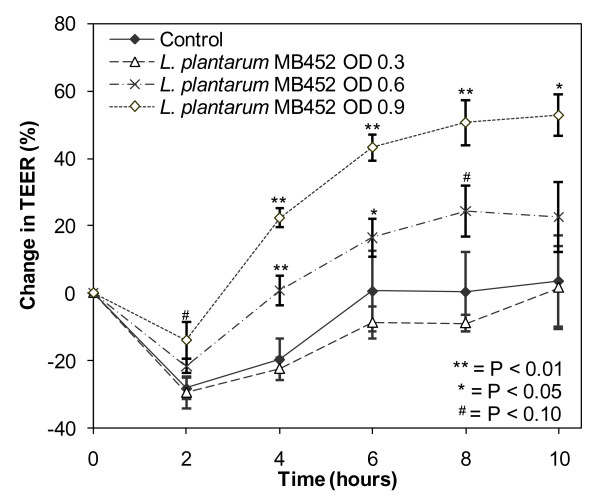
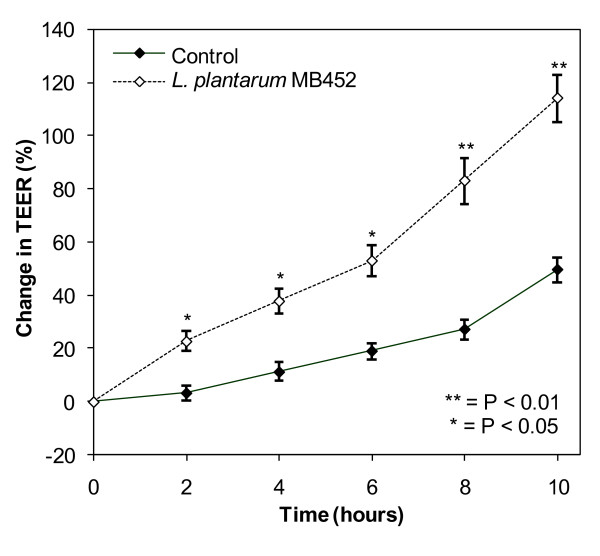
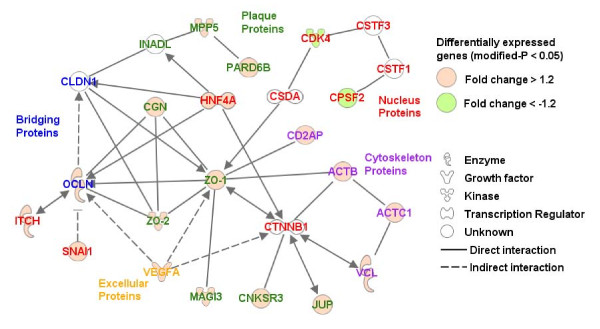
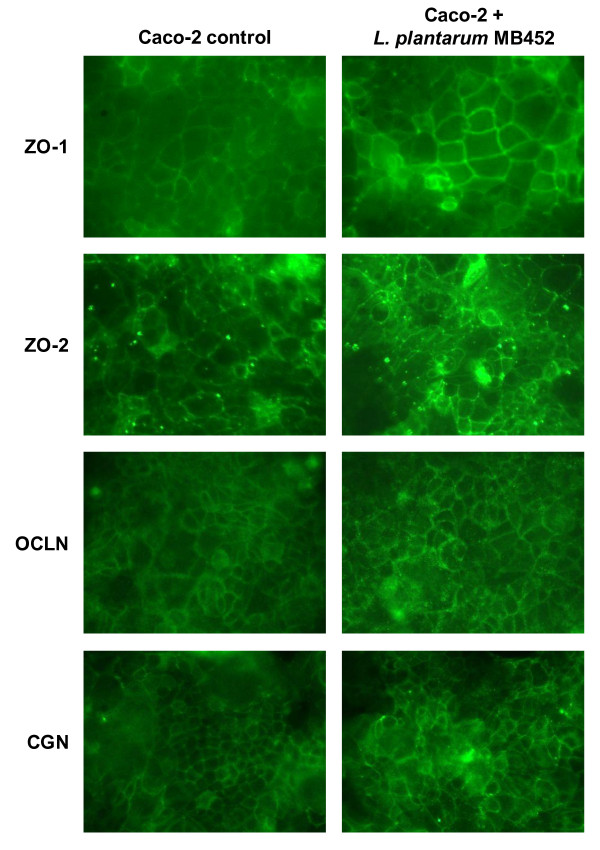
BACKGROUND: Intestinal barrier function is important for preserving health, as a compromised barrier allows antigen entry and can induce inflammatory diseases. Probiotic bacteria can play a role in enhancing intestinal barrier function; however, the mechanisms are not fully understood. Existing studies have focused on the ability of probiotics to prevent alterations to tight junctions in disease models, and have been restricted to a few tight junction bridging proteins. No studies have previously investigated the effect of probiotic bacteria on healthy intestinal epithelial cell genes involved in the whole tight junction signalling pathway, including those encoding for bridging, plaque and dual location tight junction proteins. Alteration of tight junction signalling in healthy humans is a potential mechanism that could lead to the strengthening of the intestinal barrier, resulting in limiting the ability of antigens to enter the body and potentially triggering undesirable immune responses. RESULTS: The effect of Lactobacillus plantarum MB452 on tight junction integrity was determined by measuring trans-epithelial electrical resistance (TEER) across Caco-2 cell layers. L. plantarum MB452 caused a dose-dependent TEER increase across Caco-2 cell monolayers compared to control medium. Gene expression was compared in Caco-2 cells untreated or treated with L. plantarum MB452 for 10 hours. Caco-2 cell RNA was hybridised to human oligonucleotide arrays. Data was analysed using linear models and differently expressed genes were examined using pathway analysis tools. Nineteen tight junction-related genes had altered expression levels in response to L. plantarum MB452 (modified-P < 0.05, fold-change > 1.2), including those encoding occludin and its associated plaque proteins that anchor it to the cytoskeleton. L. plantarum MB452 also caused changes in tubulin and proteasome gene expression levels which may be linked to intestinal barrier function. Caco-2 tight junctions were visualised by fluorescent microscopy of immuno-stained occludin, zona occludens (ZO)-1, ZO-2 and cingulin. Caco-2 cells treated with L. plantarum MB452 had higher intensity fluorescence of each of the four tight junction proteins compared to untreated controls. CONCLUSIONS: This research indicates that enhancing the expression of genes involved in tight junction signalling is a possible mechanism by which L. plantarum MB452 improves intestinal barrier function.
Overview
The claims and statistics of this paper haven’t been checked yet.
Free: it reads the open-access text and checks the first 5 claims that cite a source we can check. Create a free account to check every claim.
Integrity signals
Registry
Cites
Statistics
Figures
Verification
Claims the paper makes
The claims and statistics of this paper haven’t been checked yet.
Free: it reads the open-access text and checks the first 5 claims that cite a source we can check. Create a free account to check every claim.
Claims other papers make about this one
Each is checked against this paper’s own text: does it say what the citing paper says it does?
In the citing paper
“Microbes(Figure 3) can directly alter expression of tight junction proteins such as claudin-380 and zonula occludens-181 or enhance expression of genes involved in tight junction signaling82.”
From The gut Microbiome in adult and pediatric functional gastrointestinal disorders (2019) · cites this paper as [82]
In the citing paper
“enhancing epithelial barrier function (98,99)”
From Sex steroid deficiency-associated bone loss is microbiota dependent and prevented by probiotics (2016) · cites this paper as [98]
Self-check
Percentages, sums and reported differences re-computed from the paper’s own numbers.
The self-check needs the paper’s full text.
Citations
Cites
Vandesompele, J., De Preter, K., Pattyn, F., Poppe, B., Van Roy, N., De Paepe, A., & Speleman, F. (2002) · Genome Biology · doi:10.1186/gb-2002-3-7-research0034 · Cited by 20,038 · cited 1×
“The reference genes (GAPD, SDHA and YWHAZ) were chosen based on the findings of Vandesompele et al [52] and their log ratios in the microarray data (close to 1; not differentially expressed).”
MethodSelf-citationPfaffl, M. W. (2002) · Nucleic Acids Research · doi:10.1093/nar/30.9.e36 · Cited by 7,376 · cited 1×
“The analysis was carried out as described in Additional File 3 and the data was analysed using Relative Expression Software Tool 2008 (version 2.0.7) with efficiency correction [ 53 ].”
MethodInfluentiallimma: Linear Models for Microarray Data
Smyth, G. K. (2005) · Statistics for Biology and Health · doi:10.1007/0-387-29362-0_23 · Cited by 5,796 · cited 1×
“The Limma package in Bioconductor was used to analyse the microarray data [ 50 ].”
MethodJUNCTIONAL COMPLEXES IN VARIOUS EPITHELIA
Farquhar, M. G., & Palade, G. E. (1963) · The Journal of Cell Biology · doi:10.1083/jcb.17.2.375 · Cited by 3,635 · cited 1×
“These intercellular complexes consist of tight junctions, adherens junctions, desmosomes and gap junctions [11].”
BackgroundBioinformatics and Computational Biology Solutions Using R and Bioconductor
(2005) · Statistics for Biology and Health · doi:10.1007/0-387-29362-0 · Cited by 3,289
Ford Alexander, C., Paul, M., Hanauer Steven, B., 谭蓓, & Dong, W. Z. (2001) · Cited by 3,020
Identifying biological themes within lists of genes with EASE
Hosack, D. A., Dennis, G., Sherman, B. T., Lane, H. C., & Lempicki, R. A. (2003) · Genome Biology · doi:10.1186/gb-2003-4-10-r70 · Cited by 1,950 · cited 1×
“Differentially expressed genes were clustered into functional groups and pathways using Ingenuity Pathway Analysis (IPA version 7.1; Ingenuity Systems Inc., Redwood City, CA, USA), and Gene Ontology categories and KEGG pathways using EASE (version 2.0)[ 51 ].”
MethodInfluentialGionchetti, P., Rizzello, F., Venturi, A., Brigidi, P., Matteuzzi, D., Bazzocchi, G., Poggioli, G., Miglioli, M., & Campieri, M. (2000) · Gastroenterology · doi:10.1053/gast.2000.9370 · Cited by 1,486 · cited 1×
“VLS#3, which is a mixture of eight bacteria including L. plantarum MB452, has previously been reported to enhance tight junction integrity in vitro [18], reduce colitis in rodent models [19,20] and improve human intestinal health [ 21-23 ].”
BackgroundFanning, A. S., Jameson, B. J., Jesaitis, L. A., & Anderson, J. M. (1998) · Journal of Biological Chemistry · doi:10.1074/jbc.273.45.29745 · Cited by 1,432 · cited 1×
“The zonula occludens bind to the cytoplasmic end of occludin and form the scaffolding to link occludin to the actin cytoskeleton [26].”
BackgroundKelly, D., Campbell, J. I., King, T. P., Grant, G., Jansson, E. A., Coutts, A. G. P., Pettersson, S., & Conway, S. (2004) · Nature Immunology · doi:10.1038/ni1018 · Cited by 1,003 · cited 1×
“L. plantarum MB452 did not alter the expression levels of other genes and pathways that have been affected by some probiotic bacteria, such as the NF-B pathway [33], PPARg [ 40 ,41], innate immune response”
Background
Cited by
Items 201–300 of 512
Slowing Alzheimer’s disease progression through probiotic supplementation
Medeiros, D., McMurry, K., Pfeiffer, M., Newsome, K., Testerman, T., Graf, J., Silver, A. C., & Sacchetti, P. (2024) · Frontiers in Neuroscience · doi:10.3389/fnins.2024.1309075 · Cited by 33
Aja‐Macaya, P., Conde‐Pérez, K., Trigo‐Tasende, N., Buetas, E., Nasser‐Ali, M., Nión, P., Rumbo‐Feal, S., Ladra, S., Bou, G., Mira, Á., et al. (2025) · Scientific Reports · doi:10.1038/s41598-025-10999-8 · Cited by 44
Tight Junction Proteins in the Weaned Piglet Intestine: Roles and Regulation
Wang, J., & Ji, H. (2019) · Current Protein and Peptide Science · doi:10.2174/1389203720666190125095122 · Cited by 36
Preclinical Evidence of Probiotics in Colorectal Carcinogenesis: A Systematic Review
Brasiel, P. G. D. A., Luquetti, S. C. P. D., Pelúzio, M. D. C. G., Novaes, R. D., & Gonçalves, R. V. (2020) · Digestive Diseases and Sciences · doi:10.1007/s10620-020-06062-3 · Cited by 55
Al-Marzooqi, S. K., Almarzooqi, F., Sadida, H. Q., Jerobin, J., Ahmed, I., Abou‐Samra, A., Fakhro, K. A., Dhawan, P., Bhat, A. A., & Akil, A. A. (2024) · Obesity Reviews · doi:10.1111/obr.13766 · Cited by 37
“223 Probiotics, which are live microorganisms including bacterial genera such as Lactobacilli sp , Bifidobacteria sp , and Streptococcus sp , have been shown to exert beneficial effects on gut permeability and metabolic health.”
Samtiya, M., Bhat, M. I., Gupta, T., Kapila, S., & Kapila, R. (2019) · Probiotics and Antimicrobial Proteins · doi:10.1007/s12602-019-09529-6 · Cited by 31
“Lactobacillus plantarum MB452 also increased TEER of Caco-2 cells by improving expression of occludin, ZO-1, ZO-2, and cingulin genes and suggested improvement of intestinal barrier integrity [54].”
BackgroundSylvain, F., Leroux, N., Normandeau, É., da Costa, J. C., Pierre-Luc, M., Bouslama, S., Holland, A., Barroso, D. C., Val, A. L., & Derôme, N. (2023) · Nature Communications · doi:10.1038/s41467-023-39461-x · Cited by 32
“Studies on mice, humans, and cell cultures demonstrated that exposition of epithelial cells to probiotic or commensal bacteria metabolites bene fi ts barrier integrity by regulating epithelial permeability 28 – 30 .”
Investigating the potential of fish oil as a nutraceutical in an animal model of early life stress
Egerton, S., Donoso, F., Fitzgerald, P., Gite, S., Fouhy, F., Whooley, J., Dinan, T. G., Cryan, J. F., Culloty, S. C., Ross, R. P., et al. (2020) · Nutritional Neuroscience · doi:10.1080/1028415x.2020.1753322 · Cited by 32
“However, these changes could be translated through changes in the production of SCFA [31] or enhanced functioning of the intestinal barrier [32].”
BackgroundImpact of Food-Derived Bioactive Compounds on Intestinal Immunity
Zimmermann, C., & Wagner, A. E. (2021) · Biomolecules · doi:10.3390/biom11121901 · Cited by 36
Liu, Y., Liu, Q., Zhao, J., Zhang, H., Zhai, Q., & Chen, W. (2022) · International Journal of Biological Macromolecules · doi:10.1016/j.ijbiomac.2022.09.136 · Cited by 32
Cai, Y., Wang, W., Liang, H., Sun, L., Teitelbaum, D. H., & Yang, H. (2013) · Scandinavian Journal of Gastroenterology · doi:10.3109/00365521.2013.772227 · Cited by 31
“Intestinal injury leads to the altered distribution of TJ proteins in vivo, which is also known as functional TJ (barrier function) deficiency [27,35,36].”
BackgroundWei, C.-X., Wu, J.-H., Huang, Y., Wang, X., & Li, J.-Y. (2022) · PLoS ONE · doi:10.1371/journal.pone.0267831 · Cited by 32
McGovern, C. J., González‐Orozco, B. D., & Jiménez‐Flores, R. (2024) · Journal of Dairy Science · doi:10.3168/jds.2023-24364 · Cited by 31
Astó, E., Huedo, P., Altadill, T., Aguiló, M., Sticco, M., Pérez, M., & Espadaler, J. (2022) · Frontiers in Microbiology · doi:10.3389/fmicb.2021.741391 · Cited by 31
Segui‐Perez, C., Stapels, D. A. C., Ma, Z., Su, J., Passchier, E. M., Westendorp, B., Wubbolts, R., Wu, W., van Putten, J. P. M., & Strijbis, K. (2024) · Journal of Cell Science · doi:10.1242/jcs.261468 · Cited by 36
Bugs and Guts: Practical Applications of Probiotics for Gastrointestinal Disorders in Children
Barnes, D. M., & Yeh, A. M. (2015) · Nutrition in Clinical Practice · doi:10.1177/0884533615610081 · Cited by 37
Casula, E., Pisano, M. B., Serreli, G., Zodio, S., Melis, M. P., Corona, G., Costabile, A., Cosentino, S., & Deiana, M. (2022) · Food and Chemical Toxicology · doi:10.1016/j.fct.2022.113558 · Cited by 27
Jiang, S., & Miao, Z. (2023) · PubMed Central · Cited by 42
Bifidobacterium alleviate metabolic disorders via converting methionine to 5’-methylthioadenosine
Lyu, Q., Chen, R.-A., Chuang, H.-L., Zou, H.-B., Liu, L., Sung, L., Liu, P., Wu, H., Chang, H.-Y., Cheng, W.-J., et al. (2024) · Gut Microbes · doi:10.1080/19490976.2023.2300847 · Cited by 30
Sex differences in zonulin in affective disorders and associations with current mood symptoms
Maget, A., Dalkner, N., Hamm, C., Bengesser, S., Fellendorf, F. T., Platzer, M., Queissner, R., Birner, A., Lenger, M., Mörkl, S., et al. (2021) · Journal of Affective Disorders · doi:10.1016/j.jad.2021.07.021 · Cited by 32
Food Supplements to Mitigate Detrimental Effects of Pelvic Radiotherapy
Segers, C., Verslegers, M., Baatout, S., Leys, N., Lebeer, S., & Mastroleo, F. (2019) · Microorganisms · doi:10.3390/microorganisms7040097 · Cited by 27
An, J., & Ha, E.-M. (2020) · The Journal of Microbiology · doi:10.1007/s12275-020-0375-y · Cited by 29
Intestinal Microbiota Interventions to Enhance Athletic Performance—A Review
Patel, B. K., Patel, K. H., Lee, C. N., & Moochhala, S. (2024) · International Journal of Molecular Sciences · doi:10.3390/ijms251810076 · Cited by 32
Dong, J., Ping, L., Zhang, K., Tang, H., Liu, J., Liu, D., Zhao, L. M., Evivie, S. E., Li, B., & Huo, G. (2022) · Food & Function · doi:10.1039/d1fo04204a · Cited by 27
Wiefels, M. D., Furar, E., Eshraghi, R. S., Mittal, J., Memis, I., Moosa, M., Mittal, R., & Eshraghi, A. A. (2022) · Current Neuropharmacology · doi:10.2174/1570159x20666221003085508 · Cited by 25
“Additionally, Lactobacillus planta-rum treatment has led to increased expression of genes that impact ZO-1, ZO-2, occludin, and other tight junction pathway participants in order to augment the integrity of the epithelial barrier [107, 108].”
BackgroundLiu, S., Yang, L., Zhang, Y., Chen, H., Li, X., Xu, Z., Du, R. F., Li, X., Ma, J., & Liu, D. (2024) · Frontiers in Veterinary Science · doi:10.3389/fvets.2024.1335765 · Cited by 35
Wu, F., Cheng, Y., Zhou, J., Liu, X., Lin, R., Xiang, S., Liu, Z., & Wang, C. (2023) · International Journal of Biological Macromolecules · doi:10.1016/j.ijbiomac.2023.123320 · Cited by 24
O’Flaherty, S., & Klaenhammer, T. R. (2012) · Applied and Environmental Microbiology · doi:10.1128/aem.00504-12 · Cited by 25
“These studies have identified genes involved in numerous cellular functions, including gut barrier function (2) and immunomodulation (18).”
BackgroundKumar, H., Rangrez, A. Y., Dayananda, K. M., Atre, A. N., Patole, M. S., & Shouche, Y. S. (2011) · BMC Microbiology · doi:10.1186/1471-2180-11-152 · Cited by 27
“Gene expression profiling of tight junction proteins demonstrated the effect of L. plantarum MB452 in strengthening of tight junction associated proteins in Caco2 cell line [ 17 ].”
El-Hamid, M. I. A., Ibrahim, D., Hamed, R. I., Nossieur, H. H., Elbana, M. H., Baz, H., Abd-Allah, E. M., Oksh, A. S. A. E., Ibrahim, G. A., Khalifa, E., et al. (2022) · Animals · doi:10.3390/ani12162082 · Cited by 23
Devi, M. B., Bhattacharya, A., Kumar, A., Singh, C. T., Das, S., Sarma, H. K., Mukherjee, A. K., & Khan, M. R. (2024) · Cell Communication and Signaling · doi:10.1186/s12964-024-01900-7 · Cited by 24
Bacillus Coagulans Enhance the Immune Function of the Intestinal Mucosa of Yellow Broilers
Xu, L., Fan, Q., Zhuang, Y., Wang, Q., Gao, Y. Q., & Wang, C. (2017) · Brazilian Journal of Poultry Science · doi:10.1590/1806-9061-2015-0180 · Cited by 21
“maintain intestinal flora balance, enhance the intestinal barrier function (Anderson et al., 2010; Dai et al., 2012; Furrie E., 2005), and the immune function.”
BackgroundIsmaeil, H., Abdo, W. S., Amer, S., Tahoun, A. A. E., Massoud, D., Zanaty, E. M., Bin-Jumah, M. N., & Mahmoud, A. M. (2020) · Processes · doi:10.3390/pr8020225 · Cited by 21
“plantarum has been reported to attenuate inflammation by inhibiting NF-κB signaling [50,51].”
BackgroundHuman Systemic Immune Response to Ingestion of the Oral Probiotic Streptococcus salivarius BLIS K12
Laws, G., Hale, J. D. F., & Kemp, R. A. (2021) · Probiotics and Antimicrobial Proteins · doi:10.1007/s12602-021-09822-3 · Cited by 27
Adnane, M., Whiston, R., Tasara, T., Bleul, U., & Chapwanya, A. (2024) · Animals · doi:10.3390/ani14071073 · Cited by 23
“…ability to (i) positively impact the host, (ii) maintain high cell counts and viability over an extended period, (iii) adhere to the epithelium and establish colonization within the lumen of the genital tract, (iv) produce antimicrobial substances targeting pathogens, (v) stabilize the initial…”
BackgroundBurkholder, K. M., Fletcher, D. H., Gileau, L., & Kandolo, A. (2019) · Pathogens and Disease · doi:10.1093/femspd/ftz025 · Cited by 23
Shin, S. Y., Hussain, Z., Lee, Y. J., & Park, H. (2020) · Neurogastroenterology & Motility · doi:10.1111/nmo.13966 · Cited by 25
Beet Pulp: An Alternative to Improve the Gut Health of Growing Pigs
Diao, H., Jiao, A., Yu, B., He, J., Zheng, P., Yu, J., Luo, Y., Luo, J., Mao, X., & Chen, D. (2020) · Animals · doi:10.3390/ani10101860 · Cited by 24
Chang, B., Sang, L.-X., WANG, Y., Tong, J., & Wang, B. (2013) · International Journal of Molecular Medicine · doi:10.3892/ijmm.2013.1229 · Cited by 21
“Although changes in epithelial tight junction protein expression have been studied extensively in monolayers stimulated by cytokines, challenged by bacteria, or exposed to aspirin (17-23), much remains to be understood about barrier disruptive changes under acute alcohol consumption.”
Zeng, L., Yu, G., Yang, K., Hao, W., & Chen, H. (2021) · Evidence-based Complementary and Alternative Medicine · doi:10.1155/2021/9924410 · Cited by 25
“-ese effects explain the beneficial effects of probiotics [44, 45].”
BackgroundCinca-Morros, S., & Álvarez‐Herms, J. (2024) · Microorganisms · doi:10.3390/microorganisms12061160 · Cited by 21
“Another probiotic strain, Lactobacillus plantarum MB452 (from the VSL3 probiotic), induces the transcription of genes like occludin and cingulin that improve gut barrier integrity [92].”
BackgroundProbiotics as alternatives to antibiotics in treating post-weaning diarrhoea in pigs: Review paper
Bogere, P., Choi, Y. J., & Heo, J.-Y. (2019) · South African Journal of Animal Science · doi:10.4314/sajas.v49i3.1 · Cited by 20
Impact of in ovo administered pioneer colonizers on intestinal proteome on day of hatch
Wilson, K. M., Rodrigues, D. R., Briggs, W. N., Duff, A. F., Chasser, K. M., Bottje, W. G., & Bielke, L. R. (2020) · Poultry Science · doi:10.1016/j.psj.2019.10.017 · Cited by 22
“Proteins involved in cell-to-cell contact, a foundation for the cytoskeleton and their transcription factors, are necessary to have the formation of tight and adheren junctions complexes (Anderson et al., 2010).”
BackgroundProtective effect of Lactobacillus plantarum ATCC8014 on acrylamide-induced oxidative damage in rats
Zhao, S., Zhao, X., Liu, Q., Jiang, Y., Li, Y.-H., Feng, W., Xu, H., & Shao, M. (2020) · Applied Biological Chemistry · doi:10.1186/s13765-020-00527-9 · Cited by 22
Ye, P., Harty, D. W. S., Commandeur, Z., & Hunter, N. (2012) · Microbial Pathogenesis · doi:10.1016/j.micpath.2012.11.004 · Cited by 20
Seicaru, E. M., Ilie, I. R. P., Cătinean, A., Craciun, A. M., & Ghervan, C. (2022) · Journal of Gastrointestinal and Liver Diseases · doi:10.15403/jgld-4248 · Cited by 23
The role and therapeutic potential of gut microbiome in severe burn
Huang, Z., Huang, Y., Chen, J., Tang, Z., Chen, Y., Liu, H., Huang, M., Qing, L., Li, L., Wang, Q. L., et al. (2022) · Frontiers in Cellular and Infection Microbiology · doi:10.3389/fcimb.2022.974259 · Cited by 21
“Beneficial symbiotic bacteria can enhance intestinal mucosal barrier function by reducing intestinal barrier permeability and increasing the expression of TJ proteins (Anderson et al., 2010; Martens et al., 2018).”
BackgroundPostbiotics as Potential Detoxification Tools for Mitigation of Pesticides
Khani, N., Noorkhajavi, G., Raziabad, R. H., Rad, A. H., & Ziavand, M. (2023) · Probiotics and Antimicrobial Proteins · doi:10.1007/s12602-023-10184-1 · Cited by 26
“One example is the post-biotic produced by L. plantarum , which has been shown to increase the expression of occludin, zona occluden-1 and -2, and cingulin, tight junction proteins, in the Caco-2 intestinal cell-line [90].”
The impact of gut microbiota on the occurrence, treatment, and prognosis of ischemic stroke
Chen, L., Wang, X., Wang, S., Liu, W., Song, Z., & Liao, H.-L. (2025) · Neurobiology of Disease · doi:10.1016/j.nbd.2025.106836 · Cited by 19
“Among them, L. plantarum can enhance intestinal barrier function through tight junctions(TJs) and occludins in intestinal epithelial cells (Lee and Kim, 2020; Anderson et al., 2010).”
Synbiotic and antioxidant activity of fruit by-products and their effect on human health
Akter, B., & Salleh, R. M. (2020) · Food Research · doi:10.26656/fr.2017.5(1).401 · Cited by 26
“Studies have revealed that promoting gene expression for tight junction signalling can be a probable mechanism to amplify the mucosal barrier unity (Anderson et al., 2010).”
BackgroundYu, X., Wei, M., Yang, D. L., Wu, X., Wei, H., & Xu, F. (2022) · Probiotics and Antimicrobial Proteins · doi:10.1007/s12602-022-09933-5 · Cited by 21
“plantarum DSM 2648 can adhere to the intestinal epithelial cells and prevent bacterial translocation into the mesenteric lymph nodes [38].”
BackgroundLactobacillus plantarum culture supernatants improve intestinal tissue exposed to deoxynivalenol
Maidana, L. G., Gerez, J. R., Pinho, F., García, S., & Bracarense, A. P. F. R. L. (2017) · Experimental and Toxicologic Pathology · doi:10.1016/j.etp.2017.06.005 · Cited by 21
Ault-Seay, T. B., Moorey, S. E., Mathew, D. J., Schrick, F. N., Pohler, K. G., McLean, K. J., & Myer, P. R. (2023) · Frontiers in Animal Science · doi:10.3389/fanim.2023.1111636 · Cited by 23
“Additional mechanisms of Lactobacillus probiotics that have been observed in the gastrointestinal tract that may also benefit the reproductive tract include increasing barrier function of the endometrial epithelium, producing antimicrobial compounds, and competitively excluding pathogens by consuming essential nutrien…”
BackgroundAnderson, R. C., Young, W., Clerens, S., Cookson, A. L., McCann, M. J., Armstrong, K. M., & Roy, N. C. (2013) · PLoS ONE · doi:10.1371/journal.pone.0078774 · Cited by 21
“It was sufficient to use monolayers of this age because at this stage in development the tight junctions between the cells have already formed, and a previous study showed that the TEER response of differentiated versus undifferentiated Caco-2 monolayers was comparable [11,22].”
BackgroundMethodResultSelf-citationProbiotics During the Therapeutic Management of Periodontitis
Furlaneto, F. A. C., Ishikawa, K., Messora, M. R., & Mayer, M. P. A. (2022) · Advances in experimental medicine and biology · doi:10.1007/978-3-030-96881-6_19 · Cited by 20
Liang, H., Chen, T., Yan, H., Huang, Z., & Tang, L. (2014) · Molecular Medicine Reports · doi:10.3892/mmr.2014.1996 · Cited by 18
Yanagihara, S., Fukuda, S., Ohno, H., & Yamamoto, N. (2012) · Journal of Medicinal Food · doi:10.1089/jmf.2012.0040 · Cited by 19
Probióticos y su mecanismo de acción en alimentación animal
Molina, A. (2019) · Agronomía Mesoamericana · doi:10.15517/am.v30i2.34432 · Cited by 30
Jose, N. M., Bunt, C. R., McDowell, A., Chiu, J. Z. S., & Hussain, M. A. (2017) · Journal of Dairy Science · doi:10.3168/jds.2017-12912 · Cited by 17
Gut microbiota in non-alcoholic fatty liver disease: Pathophysiology, diagnosis, and therapeutics
Pandey, H., Goel, P., Srinivasan, V. M., Tang, D. W. T., Wong, S. H., & Lal, D. (2025) · World Journal of Hepatology · doi:10.4254/wjh.v17.i6.106849 · Cited by 23
Probiotics in inflammatory bowel diseases: emphasis on mechanisms and clinical application
Zhang, J., Zhang, X., Cheng, X., Wang, S., Lv, Y., Xu, Z., & Wu, G. (2025) · Frontiers in Medicine · doi:10.3389/fmed.2025.1620079 · Cited by 23
Wang, J., Wang, B., Du, H., Zhang, H., Li, H., Wang, F., & Zhao, X. (2019) · Poultry Science · doi:10.3382/ps/pez428 · Cited by 17
Elshaghabee, F. M. F., & Rokana, N. (2021) · Sustainable agriculture reviews · doi:10.1007/978-3-030-58259-3_2 · Cited by 21
He, P., Feng, L., Zhang, L., Mi, H., Wu, P., Liu, Y., Jiang, J., Kuang, S., Tang, L., Zhou, X., et al. (2021) · Aquaculture · doi:10.1016/j.aquaculture.2021.737439 · Cited by 17
D’Arrigo, M., Muscarà, C., Molonia, M. S., Cimino, F., & Gervasi, T. (2024) · Journal of Functional Foods · doi:10.1016/j.jff.2024.106062 · Cited by 18
Koh, Y., Chang, Y., Lin, W., Leung, S.-Y., Chen, W. J., Wu, S.-H., Wei, Y., Gung, C.-L., Chou, Y.-C., & Pan, M. (2024) · ACS Omega · doi:10.1021/acsomega.3c07529 · Cited by 21
Proceedings of the 2018 Santa Fe Bone Symposium: Advances in the Management of Osteoporosis
Lewiecki, E. M., Bilezikian, J. P., Giangregorio, L., Greenspan, S. L., Khosla, S., Kostenuik, P. J., Krohn, K., McClung, M. R., Miller, P. D., & Pacifici, R. (2018) · Journal of Clinical Densitometry · doi:10.1016/j.jocd.2018.09.010 · Cited by 21
Martens, K., Boeck, I. D., Jokicevic, K., Kiekens, F., Farré, R., Vanderveken, O. M., Seys, S., Lebeer, S., Hellings, P. W., & Steelant, B. (2021) · Allergy Asthma and Immunology Research · doi:10.4168/aair.2021.13.4.560 · Cited by 17
Review: The Nose as a Route for Therapy. Part 2 Immunotherapy
Padayachee, Y., Flicker, S., Linton, S., Cafferkey, J., Kon, O. M., Johnston, S. L., Ellis, A. K., Desrosiers, M. Y., Turner, P., Valenta, R., et al. (2021) · Frontiers in Allergy · doi:10.3389/falgy.2021.668781 · Cited by 23
Scardaci, R., Bietto, F., Racine, P., Boukerb, A. M., Lesouhaitier, O., Feuilloley, M. G. J., Scutera, S., Musso, T., Connil, N., & Pessione, E. (2022) · Microorganisms · doi:10.3390/microorganisms10030487 · Cited by 19
“plantarum was shown to trigger the expression of genes related to the tight junction’s formation [61].”
BackgroundLi, S., Sun, Y., Hu, X., Qin, W., Li, C., Liu, Y., Liu, A., Zhao, Y., Wu, D., Lin, D., et al. (2019) · Food Science & Nutrition · doi:10.1002/fsn3.1164 · Cited by 20
Probiotics: an update on mechanisms of action and clinical applications
Goudarzi, M., Goudarzi, H., & Rashidan, M. (2014) · Novelty in biomedicine · doi:10.22037/nbm.v2i1.6127 · Cited by 22
Overview of the compromised mucosal integrity in celiac disease
Taraz, T., Ghehsareh, M. M., Asri, N., Mojarad, E. N., Rezaei–Tavirani, M., Jahani‐Sherafat, S., Naseh, A., & Rostami‐Nejad, M. (2024) · Journal of Molecular Histology · doi:10.1007/s10735-023-10175-0 · Cited by 17
“Caco-2 cells treatment with Lactobacillus plantarum MB452 ele-vates transcription of occludin and cingulin genes (Anderson et al. 2010).”
Watanabe, M., Nakai, H., Ohara, T., Kawasaki, K., Murosaki, S., & Hirose, Y. (2024) · Scientific Reports · doi:10.1038/s41598-024-62657-0 · Cited by 19
Zhang, J., Chen, J., Liang, H., Li, M., Zhou, W., Yang, Y., Zhang, Z., Ding, Q., Ran, C., & Zhou, Z. (2024) · Aquaculture · doi:10.1016/j.aquaculture.2024.741448 · Cited by 18
A cellular model for screening of lactobacilli that can enhance tight junctions
Xu, Q., Li, X., Wang, E., He, Y., Yin, B., Fang, D., Wang, G., Zhao, J., Zhang, H., & Chen, W. (2016) · RSC Advances · doi:10.1039/c6ra24148d · Cited by 17
Wu, Y., Han, X., Cao, X., Liu, R., Tang, L., Zeng, Z., & Li, W. (2019) · Probiotics and Antimicrobial Proteins · doi:10.1007/s12602-019-09538-5 · Cited by 17
Zhou, Y., Ni, X., Duan, L., Niu, L., Liu, Q., Zeng, Y., Wang, Q., Wang, J., Khalique, A., Pan, K., et al. (2020) · Probiotics and Antimicrobial Proteins · doi:10.1007/s12602-020-09722-y · Cited by 21
Intestinal Protective Effects of Herbal-Based Formulations in Rats against Neomycin Insult
Bose, S., Han, K.-W., Lee, M.-J., & Kim, H. (2013) · Evidence-based Complementary and Alternative Medicine · doi:10.1155/2013/161278 · Cited by 16
“can improve intestinal barrier function by affecting the expression of genes in the tight junction (TJ) signaling pathway in healthy intestinal epithelial cells, in particular the genes encoding occludin and its associated plaque proteins, ZO-1, ZO-2, and cingulin [59].”
BackgroundLiu, L., Cai, X., Yan, J., Luo, Y., Shao, M., Lu, Y., Sun, Z., & Cao, P. (2012) · Evidence-based Complementary and Alternative Medicine · doi:10.1155/2012/983801 · Cited by 19
“Moreover, probiotics facilitate the redistribution of TJs from the cytoplasm to the membrane [39] and TJs gene expressions [40], compete for adhesion space with intestinal pathogens [41], and antagonize cytokines-induced epithelial barrier dysfunction [42].”
BackgroundWong, W., Chan, B., Cho, P.-T., Leung, T.-W., & Tai, W. (2024) · Journal of Functional Foods · doi:10.1016/j.jff.2024.106167 · Cited by 16
Abdel-Raheem, S. M., El-Hamid, M. I. A., Khamis, T., Baz, H. A., Omar, A. E., Gad, W. M., El-Azzouny, M. M., Habaka, M. A. M., Mohamed, R. I., Elkenawy, M. E., et al. (2024) · Poultry Science · doi:10.1016/j.psj.2024.104334 · Cited by 16
“Likewise, it has been af fi rmed that lactic acid bacteria can repair the intestinal barrier impairment generating from pathogenic microbial infection (Anderson et al., 2010).”
BackgroundJam, S. A. M., Morshedi, M., Khosroushahi, A. Y., Eftekharsadat, A., Alipour, M., & Alipour, B. (2020) · Iranian journal of pharmaceutical research · doi:10.22037/ijpr.2019.112135.13547 · Cited by 16
The probiotic potential of Lactobacillus plantarum strain RW1 isolated from canine faeces
Raheem, A., Wang, M., Zhang, J., Liang, L., Liang, R., Yin, Y., Zhu, Y.-L., Yang, W., Wang, L., Lv, X., et al. (2022) · Journal of Applied Microbiology · doi:10.1111/jam.15341 · Cited by 17
“It has been reported in many studies that LAB can improve enteric pathogenic- induced intestinal epithelial barrier damage (Anderson et al., 2010; Chen et al., 2012; Heeney et al., 2019; Karczewski et al., 2010; Qin et al., 2009; Zhang et al., 2013).”
BackgroundInvestigation of Host–Microbe–Parasite Interactions in an In Vitro 3D Model of the Vertebrate Gut
Moysidou, C., Withers, A. M., Nisbet, A. J., Price, D. R. G., Bryant, C. E., Cantacessi, C., & Owens, R. M. (2022) · Advanced Biology · doi:10.1002/adbi.202200015 · Cited by 16
Probiotics Administration in Cystic Fibrosis: What Is the Evidence?
Esposito, S., Testa, I., Zani, E. M., Cunico, D., Torelli, L., Grandinetti, R., Fainardi, V., Pisi, G., & Principi, N. (2022) · Nutrients · doi:10.3390/nu14153160 · Cited by 18
Wala, S. J., Sajankila, N., Ragan, M. V., Duff, A. F., Wickham, J., Volpe, S. G., Wang, Y., Conces, M. R., Dumbauld, Z., Purayil, N., et al. (2023) · Scientific Reports · doi:10.1038/s41598-023-44676-5 · Cited by 15
Effects of Lactobacillus plantarum on Broiler Health: Integrated Microbial and Metabolomics Analysis
Wang, L., Nabi, F., Zhang, X., Zhou, G., Shah, Q. A., Li, S., Lu, Y., Mu, S., Zhu, X., Lin, Z., et al. (2024) · Probiotics and Antimicrobial Proteins · doi:10.1007/s12602-024-10336-x · Cited by 16
“Recent investigation has explored the crucial impact of microbial metabolites on health restoration and disease development [52, 53].”
Mercer, S. D., Doherty, C., Singh, G., Willmott, T., Cheesapcharoen, T., Teanpaisan, R., O’Neill, C. A., Ledder, R. G., & McBain, A. J. (2025) · Scientific Reports · doi:10.1038/s41598-025-86914-y · Cited by 17
“The use of L. plantarum to protect against oral pathogens has not been extensively studied, however, its positive influence on oral 14 and gut 15 barrier function has been documented.”
Interactions Between Microbes and the Gut Epithelium
Madsen, K. L. (2011) · Journal of Clinical Gastroenterology · doi:10.1097/mcg.0b013e3182274249 · Cited by 14
Xiao, D., Wang, Z., Dai, X., Hu, Y., Zhong, M., Xiong, L., Jiang, C., Khalique, A., Ni, X., Zeng, D., et al. (2022) · Probiotics and Antimicrobial Proteins · doi:10.1007/s12602-022-09924-6 · Cited by 15
“[70] also found that Lactobacillus plantarum MB452 can improve intestinal barrier function by increasing the transcription of tight junction proteins-related genes.”
Lee, S. Y., Byun, H. J., Choi, H., Won, J., Han, J., Park, S., Kim, D., & Sung, J. H. (2022) · Biotechnology and Bioprocess Engineering · doi:10.1007/s12257-021-0268-x · Cited by 14
“epithelial electrical resistance (TEER) and immunostaining of tight junction proteins [40].”
BackgroundHo, S. W., El-Nezami, H. S., & Shah, N. P. (2019) · Journal of Functional Foods · doi:10.1016/j.jff.2019.103571 · Cited by 18
Kang, J. Y., Lee, M., Song, J. H., Choi, E. J., Kim, D. U., Lim, S. K., Kim, N., & Chang, J. Y. (2022) · Journal of Microbiology and Biotechnology · doi:10.4014/jmb.2209.09026 · Cited by 13
“Here, the LAB strains effectively suppressed the increased LPS-induced permeability, and although the mechanism underlying the efficacy of LAB strains is yet to be elucidated, various LAB strains are regularly being reported to improve intestinal permeability effectively in in vivo and in vitro models [31-33].”
BackgroundGuo, W., Wang, C., Qin, K., Shi, H., Yang, X., & Yang, X. (2023) · Poultry Science · doi:10.1016/j.psj.2023.102522 · Cited by 16
Bulut, S. D., Döndaş, H. A., Çelebioğlu, H. U., Sansano, J. M., & Döndaş, N. Y. (2025) · Probiotics and Antimicrobial Proteins · doi:10.1007/s12602-025-10613-3 · Cited by 15
“This research suggests that L. plantarum MB452 enhances intestinal barrier function by upregulating genes involved in tight junction signaling [200].”
Ren, T., You, Y., Luo, Y., Wang, Y., & Liu, X. (2018) · Journal of Food Science · doi:10.1111/1750-3841.14285 · Cited by 13
Yeast in layer diets: its effect on production, health, egg composition and economics
Alagawany, M. M., Bilal, R. M., Elnesr, S. S., Elwan, H. A. M., Farag, M. R., Dhama, K., & Naiel, M. A. E. (2023) · World s Poultry Science Journal · doi:10.1080/00439339.2023.2164235 · Cited by 13
“Moreover, Anderson et al. (2010) suggested that yeast promoted the intestinal barrier function of birds by upregulating the tight junction-related gene expression and positively modulating goblet cells in the gut.”
BackgroundSmoak, P., Harman, N., Flores, V. A., Kisiolek, J. N., Pullen, N., LISANO, J., Hayward, R., & Stewart, L. K. (2021) · Medicine & Science in Sports & Exercise · doi:10.1249/mss.0000000000002690 · Cited by 13
“Copyright © 2021 by the American College of Sports Medicine observed in KEF may be due to improvements or maintenance of intestinal barrier function by way of increased tight junctions (36), mucus production (37), and protection against pathogens, supported by the probiotics found in kefir (38).”
BackgroundRegulation of Physiological Barrier Function by the Commensal Microbiota
McArthur, S. (2023) · Life · doi:10.3390/life13020396 · Cited by 17
“bacterial cultures increased transepithelial electrical resistance and expression of numerous TJ and desmosomal components, including occludin, ZO-1, ZO-2 and plakoglobin, although, notably, none of the studied claudin family members were affected [56].”
Metadata
- Authors
- Anderson, R. C., Cookson, A. L., McNabb, W. C., Park, Z., McCann, M. J., Kelly, W. J., & Roy, N. C.
- Affiliations
- AgResearch (NZ)
- Corresponding author
- Anderson, Rachel C
- Venue
- BMC Microbiology
- Published
- 2010
- Volume
- 10
- Issue
- 1
- Pages
- 316
- ISSN
- 1471-2180 (ISSN-L)
- PMC
- PMC3004893
- OpenAlex
- W1972441174
- Cited by
- 510
- References
- 57
- Citations by year
- 2026: 33 · 2025: 42 · 2024: 54 · 2023: 56 · 2022: 45 · 2021: 44 · 2020: 36 · 2019: 45 · 2018: 26 · 2017: 21 · 2016: 15 · 2015: 22 · 2014: 22 · 2013: 21 · 2012: 17
- FWCI
- 24.02
- Type
- journal article
- Language
- en
- Open access
- gold
- doi.org
- Licence
- cc-by
- Locations
- BMC Microbiology (publishedVersion, cc-by)
- PubMed Central (publishedVersion, cc-by)
- PubMed (publishedVersion)
- DOAJ (DOAJ: Directory of Open Access Journals) (submittedVersion)
- Funders
- AgResearch
- Topics
- Life Sciences › Agricultural and Biological Sciences › Food Science › Probiotics and Fermented Foods
- Health Sciences › Medicine › Gastroenterology › Gastrointestinal motility and disorders
- Life Sciences › Biochemistry, Genetics and Molecular Biology › Molecular Biology › Gut microbiota and health
- Keywords
- probiotics, intestinal barrier function, tight junctions, tight junction gene expression, occludin, ZO-1, ZO-2, cingulin, transepithelial electrical resistance, Caco-2 cells, tubulin, proteasome
- MeSH terms
- Epithelial Cells, Humans, Intestines, Signal Transduction, Gene Expression, Electric Impedance, Caco-2 Cells, Tight Junctions, Lactiplantibacillus plantarum
About these checks
Registry, retraction, Cites and statistics results are computed, not judged, with one exception: a printed reference that no index lists is read once by a model before it counts as a citation error. Claims are extracted by a model and kept only when their quote appears verbatim in the text; each cited source is then checked, with a model’s help, for whether it says what the claim relies on. Those verdicts can be wrong — read the claim’s quote and the cited source before relying on one.
Statistics and arithmetic are recomputed, not judged.
Confidence bands are shown only for fields calibrated on our annotated test set. None is calibrated yet, so no band is shown.
What counts as a claim ›How we measure confidence ›How we check this ›
Are you an author, or do you see a problem with this page? Request a review
Data sources
Bibliographic data: Semantic Scholar, OpenAlex, Crossref.
Contains information from the Semantic Scholar Academic Graph Datasets, made available under the ODC Attribution License (ODC-BY 1.0).
Semantic Scholar’s data is described in: Kinney, R., et al. (2023). The Semantic Scholar Open Data Platform. arXiv:2301.10140.
