

Lactobacillus plantarum MB452 enhances the function of the intestinal barrier by increasing the expression levels of genes involved in tight junction formation
Open accessThe DOI matches its Crossref record; 57 of the 57 references it cites were found in a registry or an index.
Abstract
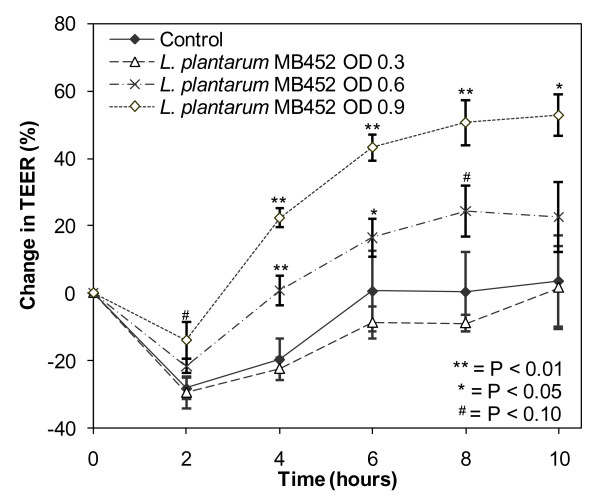
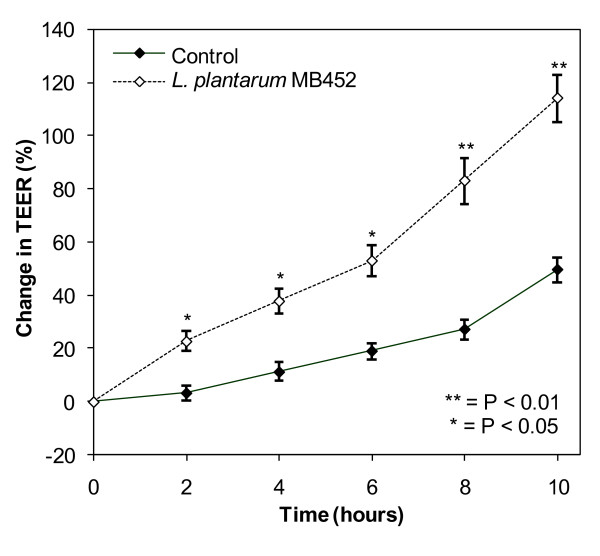
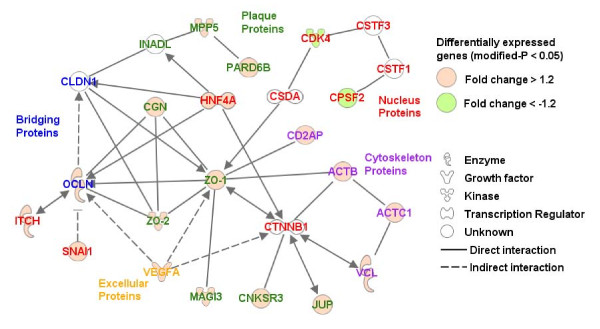
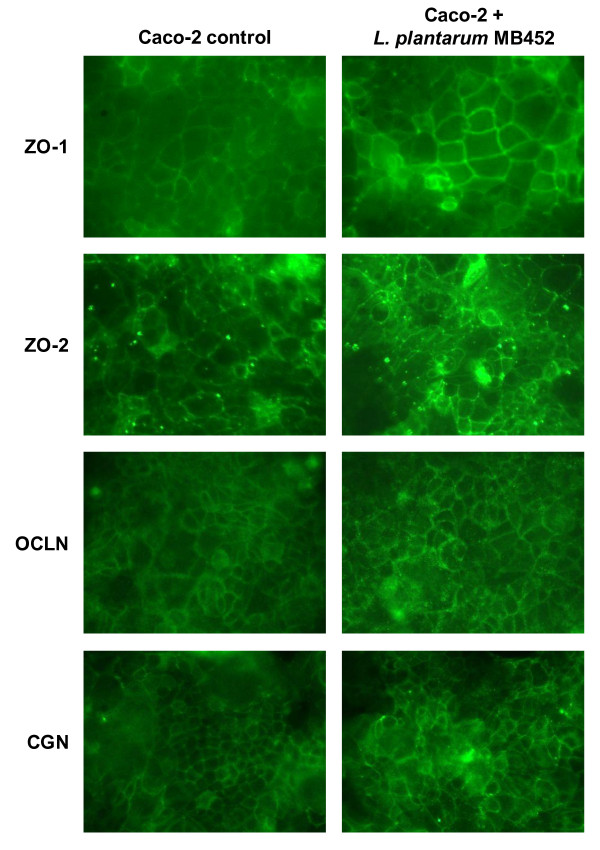
BACKGROUND: Intestinal barrier function is important for preserving health, as a compromised barrier allows antigen entry and can induce inflammatory diseases. Probiotic bacteria can play a role in enhancing intestinal barrier function; however, the mechanisms are not fully understood. Existing studies have focused on the ability of probiotics to prevent alterations to tight junctions in disease models, and have been restricted to a few tight junction bridging proteins. No studies have previously investigated the effect of probiotic bacteria on healthy intestinal epithelial cell genes involved in the whole tight junction signalling pathway, including those encoding for bridging, plaque and dual location tight junction proteins. Alteration of tight junction signalling in healthy humans is a potential mechanism that could lead to the strengthening of the intestinal barrier, resulting in limiting the ability of antigens to enter the body and potentially triggering undesirable immune responses. RESULTS: The effect of Lactobacillus plantarum MB452 on tight junction integrity was determined by measuring trans-epithelial electrical resistance (TEER) across Caco-2 cell layers. L. plantarum MB452 caused a dose-dependent TEER increase across Caco-2 cell monolayers compared to control medium. Gene expression was compared in Caco-2 cells untreated or treated with L. plantarum MB452 for 10 hours. Caco-2 cell RNA was hybridised to human oligonucleotide arrays. Data was analysed using linear models and differently expressed genes were examined using pathway analysis tools. Nineteen tight junction-related genes had altered expression levels in response to L. plantarum MB452 (modified-P < 0.05, fold-change > 1.2), including those encoding occludin and its associated plaque proteins that anchor it to the cytoskeleton. L. plantarum MB452 also caused changes in tubulin and proteasome gene expression levels which may be linked to intestinal barrier function. Caco-2 tight junctions were visualised by fluorescent microscopy of immuno-stained occludin, zona occludens (ZO)-1, ZO-2 and cingulin. Caco-2 cells treated with L. plantarum MB452 had higher intensity fluorescence of each of the four tight junction proteins compared to untreated controls. CONCLUSIONS: This research indicates that enhancing the expression of genes involved in tight junction signalling is a possible mechanism by which L. plantarum MB452 improves intestinal barrier function.
Overview
The claims and statistics of this paper haven’t been checked yet.
Free: it reads the open-access text and checks the first 5 claims that cite a source we can check. Create a free account to check every claim.
Integrity signals
Registry
Cites
Statistics
Figures
Verification
Claims the paper makes
The claims and statistics of this paper haven’t been checked yet.
Free: it reads the open-access text and checks the first 5 claims that cite a source we can check. Create a free account to check every claim.
Claims other papers make about this one
Each is checked against this paper’s own text: does it say what the citing paper says it does?
In the citing paper
“Microbes(Figure 3) can directly alter expression of tight junction proteins such as claudin-380 and zonula occludens-181 or enhance expression of genes involved in tight junction signaling82.”
From The gut Microbiome in adult and pediatric functional gastrointestinal disorders (2019) · cites this paper as [82]
In the citing paper
“enhancing epithelial barrier function (98,99)”
From Sex steroid deficiency-associated bone loss is microbiota dependent and prevented by probiotics (2016) · cites this paper as [98]
Self-check
Percentages, sums and reported differences re-computed from the paper’s own numbers.
The self-check needs the paper’s full text.
Citations
Cites
Vandesompele, J., De Preter, K., Pattyn, F., Poppe, B., Van Roy, N., De Paepe, A., & Speleman, F. (2002) · Genome Biology · doi:10.1186/gb-2002-3-7-research0034 · Cited by 20,038 · cited 1×
“The reference genes (GAPD, SDHA and YWHAZ) were chosen based on the findings of Vandesompele et al [52] and their log ratios in the microarray data (close to 1; not differentially expressed).”
MethodSelf-citationPfaffl, M. W. (2002) · Nucleic Acids Research · doi:10.1093/nar/30.9.e36 · Cited by 7,376 · cited 1×
“The analysis was carried out as described in Additional File 3 and the data was analysed using Relative Expression Software Tool 2008 (version 2.0.7) with efficiency correction [ 53 ].”
MethodInfluentiallimma: Linear Models for Microarray Data
Smyth, G. K. (2005) · Statistics for Biology and Health · doi:10.1007/0-387-29362-0_23 · Cited by 5,796 · cited 1×
“The Limma package in Bioconductor was used to analyse the microarray data [ 50 ].”
MethodJUNCTIONAL COMPLEXES IN VARIOUS EPITHELIA
Farquhar, M. G., & Palade, G. E. (1963) · The Journal of Cell Biology · doi:10.1083/jcb.17.2.375 · Cited by 3,635 · cited 1×
“These intercellular complexes consist of tight junctions, adherens junctions, desmosomes and gap junctions [11].”
BackgroundBioinformatics and Computational Biology Solutions Using R and Bioconductor
(2005) · Statistics for Biology and Health · doi:10.1007/0-387-29362-0 · Cited by 3,289
Ford Alexander, C., Paul, M., Hanauer Steven, B., 谭蓓, & Dong, W. Z. (2001) · Cited by 3,020
Identifying biological themes within lists of genes with EASE
Hosack, D. A., Dennis, G., Sherman, B. T., Lane, H. C., & Lempicki, R. A. (2003) · Genome Biology · doi:10.1186/gb-2003-4-10-r70 · Cited by 1,950 · cited 1×
“Differentially expressed genes were clustered into functional groups and pathways using Ingenuity Pathway Analysis (IPA version 7.1; Ingenuity Systems Inc., Redwood City, CA, USA), and Gene Ontology categories and KEGG pathways using EASE (version 2.0)[ 51 ].”
MethodInfluentialGionchetti, P., Rizzello, F., Venturi, A., Brigidi, P., Matteuzzi, D., Bazzocchi, G., Poggioli, G., Miglioli, M., & Campieri, M. (2000) · Gastroenterology · doi:10.1053/gast.2000.9370 · Cited by 1,486 · cited 1×
“VLS#3, which is a mixture of eight bacteria including L. plantarum MB452, has previously been reported to enhance tight junction integrity in vitro [18], reduce colitis in rodent models [19,20] and improve human intestinal health [ 21-23 ].”
BackgroundFanning, A. S., Jameson, B. J., Jesaitis, L. A., & Anderson, J. M. (1998) · Journal of Biological Chemistry · doi:10.1074/jbc.273.45.29745 · Cited by 1,432 · cited 1×
“The zonula occludens bind to the cytoplasmic end of occludin and form the scaffolding to link occludin to the actin cytoskeleton [26].”
BackgroundKelly, D., Campbell, J. I., King, T. P., Grant, G., Jansson, E. A., Coutts, A. G. P., Pettersson, S., & Conway, S. (2004) · Nature Immunology · doi:10.1038/ni1018 · Cited by 1,003 · cited 1×
“L. plantarum MB452 did not alter the expression levels of other genes and pathways that have been affected by some probiotic bacteria, such as the NF-B pathway [33], PPARg [ 40 ,41], innate immune response”
Background
Cited by
Items 301–400 of 512
Wei, B., Nie, S., Meng, Q., Qu, Z., Shan, A., & Chen, Z. (2016) · British Journal Of Nutrition · doi:10.1017/s0007114516001951 · Cited by 12
Fermented Milk in Protection Against Inflammatory Mechanisms in Obesity
Pothuraju, R., Yenuganti, V. R., Hussain, S. A., & Sharma, M. (2017) · Elsevier eBooks · doi:10.1016/b978-0-12-805417-8.00029-9 · Cited by 18
Acute stressor alters inter-species microbial competition for resistant starch-supplemented medium
Pantoja-Feliciano, I. G., Soares, J. W., Doherty, L. A., Karl, J. P., McClung, H. L., Armstrong, N. J., Branck, T. A., & Arcidiacono, S. M. (2018) · Gut Microbes · doi:10.1080/19490976.2018.1554962 · Cited by 12
Zhang, Y., Anderson, R. C., You, C., Purba, A., Yan, M., Maclean, P. H., Liu, Z., & Ulluwishewa, D. (2024) · Microorganisms · doi:10.3390/microorganisms12050873 · Cited by 12
“Strains of L. plantarum have also been shown to upregulate expression of the TJ-related genes and proteins, such as occludin and zona occludens-1 (ZO-1), both in vivo and in vitro [10,11].”
BackgroundSelf-citationGao, Z., Du, H., Yu, S. M., Li, Q., Shi, R.-Q., Jiang, Z., Yang, H., Shen, L., & Zhou, H. (2025) · Science Advances · doi:10.1126/sciadv.ady6562 · Cited by 12
“These findings indicate that localized microbial colonization influences specific epithelial functions ( 42 ), enhancing absorption and barrier integrity in a RS manner, and that the RS model provides a flexible platform to mimic complex host-microbe interactions in vivo.”
The Trichinella spiralis-derived antigens alleviate HFD-induced obesity and inflammation in mice
Tong, M., Yang, X., Liu, H., Ge, H., Huang, G., Kang, X., Yang, H., Liu, Q., Ren, P., Kuang, X., et al. (2023) · International Immunopharmacology · doi:10.1016/j.intimp.2023.109924 · Cited by 12
Fatima, S. N., Arif, F., Khalid, R., Khan, M., & Naseem, K. (2025) · Microbial Pathogenesis · doi:10.1016/j.micpath.2025.107882 · Cited by 13
Kart, U., Smagulova, D., Khairetdinova, D., Raimbekova, A., & Hortelano, G. (2026) · Frontiers in Cellular and Infection Microbiology · doi:10.3389/fcimb.2026.1738291 · Cited by 11
Xue, X., Wang, D., Ji, Z., & Xie, Y. (2021) · Translational Andrology and Urology · doi:10.21037/tau-21-112 · Cited by 13
“A further animal study showed that there was a significant difference in the abundance of 175 operational taxonomic units between high serum creatinine level animals and the control group, and the most significant decrease was in family Lactobacillaceae, which was recognized as an important factor in promoting bowel m…”
BackgroundKim, H., Yoo, M.-S., Jeon, H., Shim, J.-J., Park, W. J., Kim, J.-Y., & Lee, J.-L. (2023) · Microorganisms · doi:10.3390/microorganisms11092254 · Cited by 15
“Lactobacillus species improve the intestinal barrier function by enhancing TJ formation [34,35].”
BackgroundWu, B., Jiang, H., He, Q., Wang, M., Xue, J., Liu, H., Shi, K., Wei, M., Liang, S., & Zhang, L. (2016) · The Nephron journals/Nephron journals · doi:10.1159/000452453 · Cited by 10
Chen, Y., Kong, Y., Juhasz, A. L., Li, H., Zhang, R., & Cui, X. (2022) · Environmental Science & Technology · doi:10.1021/acs.est.2c00136 · Cited by 10
Probiotics in the Rescue of Gut Inflammation
Ghosh, A. R. (2018) · Elsevier eBooks · doi:10.1016/b978-0-12-814625-5.00006-6 · Cited by 10
Landy, J., & Hart, A. L. (2013) · Alimentary Pharmacology & Therapeutics · doi:10.1111/apt.12517 · Cited by 11
Scauro, A., Rocchetti, M. T., Soccio, M., la Gatta, B., Liberatore, M. T., Simone, N. D., Spano, G., Fiocco, D., & Russo, P. (2025) · Probiotics and Antimicrobial Proteins · doi:10.1007/s12602-025-10538-x · Cited by 10
“Indeed, previous studies typically used shorter treatment periods and mainly involved probiotics [16, 82–85] rather than postbiotics [86, 87] with TEER monitored up to 72 h [88].”
Zheng, Z., Dai, J., Pan, X., Xiang, J., You, P., Zhang, H., & Luo, L. (2025) · International Journal of Biological Macromolecules · doi:10.1016/j.ijbiomac.2025.145306 · Cited by 14
Yang, X., Zhou, X., Jiang, L., & Jiang, Y. (2025) · Probiotics and Antimicrobial Proteins · doi:10.1007/s12602-025-10701-4 · Cited by 9
Hossain, M. E., Munni, M. B., & Islam, S. (2025) · Poultry Science · doi:10.1016/j.psj.2025.106117 · Cited by 19
“(Anderson et al., 2010) Indigenous lactic acid bacteria Improves intestinal histology and promotes mucin expression and epithelial integrity in broiler ileum.”
Virwani, P. D., Cai, L., Yeung, P. K. K., Qian, G., Chen, Y., Zhou, L., Wong, J. W. H., Wang, Y., Ho, J. W. K., Lau, K. K., et al. (2022) · Microbiome · doi:10.1186/s40168-022-01366-0 · Cited by 10
“Alternation of tight junction proteins leads to epithelial barrier dysfunction and causes inflammation associated with the pathogenesis of diet and GM-induced metabolic complications [5, 6, 50, 51].”
BackgroundTian, Z., Chen, J., Lin, T., Zhu, J., Gan, H., Chen, F., Zhang, S., & Guan, W. (2023) · Animals · doi:10.3390/ani13223497 · Cited by 9
“Previous research has also shown that Lactobacillus can fine-tune the composition of gut flora [33], boost the expression of intestinal tight junction proteins and mucins [34,35], modulate the intestinal immune responses [36], and trigger the expression of pBD [37].”
ResultNutrition, Immunity, and Cancer
Ghaedi, E., Rezaei, N., & Mahmoudi, M. (2019) · Springer eBooks · doi:10.1007/978-3-030-16073-9_12 · Cited by 9
Cordeiro, B. F., Lemos, L., Oliveira, E. R., Silva, S. H., Savassi, B., Figueiroa, A., Faria, A. M. C., Ferreira, E. F., Esmerino, E. A., Rocha, R. S., et al. (2019) · International Dairy Journal · doi:10.1016/j.idairyj.2019.104551 · Cited by 10
Purnasari, P. W., Nasihun, T., & Zulaikhah, S. T. (2021) · Folia Medica · doi:10.3897/folmed.63.e53768 · Cited by 8
Metabolic fate of chokeberry (Aronia melanocarpa) phenolics in different food matrices
Köpsel, M., Özkan, G., & Esatbeyoglu, T. (2024) · Current Research in Food Science · doi:10.1016/j.crfs.2024.100967 · Cited by 11
Zhang, Y., Chen, C., Zhao, J., Stanton, C., Ross, R. P., Chen, W., & Yang, B. K. (2025) · Food Bioscience · doi:10.1016/j.fbio.2025.106229 · Cited by 9
El-Dein, A. N., Alshehri, W. A., Khalel, A. F., & Awad, H. M. (2025) · BMC Microbiology · doi:10.1186/s12866-025-04062-9 · Cited by 8
“For example, studies have demonstrated that Lactobacillus rhamnosus GG can increase the expression of occludin and claudin-1, important tight junction proteins, thereby fortifying the epithelial barrier [5, 6].”
Enhancing Cognitive Health with Psychobiotics
McCarthy, J., & Martirosyan, D. M. (2025) · Agriculture and Food Bioactive Compounds · doi:10.31989/afbc.v2i5.1651 · Cited by 10
Lactobacillus salivarius extracellular vesicles enhance gut and liver function in MAFLD
Zhu, L., Huang, J., Luo, Z., Yan, H., Wu, X., & Liao, R. (2025) · Frontiers in Immunology · doi:10.3389/fimmu.2025.1660131 · Cited by 18
Arslan, B. N., Döndaş, N. Y., Koçhan, S., Bulut, S. D., Tamer, M. A., Çelebioğlu, H. U., Bodur, M., Ağagündüz, D., Tabanelli, G., Barbieri, F., et al. (2026) · Frontiers in Nutrition · doi:10.3389/fnut.2026.1779688 · Cited by 17
“The outcomes of this process have been shown to result in a strengthening of barrier integrity and a limitation of pathogen adherence (41–44).”
Cingulin family: Structure, function and clinical significance
Su, Y., Long, Y., & Xie, K. (2024) · Life Sciences · doi:10.1016/j.lfs.2024.122504 · Cited by 9
Belchik, S. E., Oba, P. M., Lin, C.-Y., & Swanson, K. S. (2024) · Journal of Animal Science · doi:10.1093/jas/skae297 · Cited by 10
Li, H., Luo, L., Zhou, Y., Ling, H., Yang, Q., & Qi, D. (2020) · Aquaculture Reports · doi:10.1016/j.aqrep.2020.100440 · Cited by 8
Brunelli, L., Vitis, V. D., Ferrari, R., Minuzzo, M., Fiore, W., Jäger, R., Taverniti, V., & Guglielmetti, S. (2022) · Frontiers in Pharmacology · doi:10.3389/fphar.2022.857987 · Cited by 13
Rana, A., & Smriti (2026) · Journal of the Science of Food and Agriculture · doi:10.1002/jsfa.70275 · Cited by 7
Tan, J., Zhang, D., Cheng, L., Liu, N., Jamali, M., Jamloo, H., Farjaminejad, R., Lei, C., Saedisomeolia, A., & Jamilian, A. (2024) · Nutrition Reviews · doi:10.1093/nutrit/nuae190 · Cited by 7
Liu, X.-W., Feng, L., Mi, H., Zhang, L., Jiang, W., Wu, P., Jiang, J., Kuang, S., Tang, L., Shi, H.-Q., et al. (2021) · Aquaculture · doi:10.1016/j.aquaculture.2021.737303 · Cited by 7
Varada, V. V., Kumar, S., Balaga, S., Thanippilly, A. J., Pushpadass, H. A., Rashmi, H. M., Jangir, B. L., Tyagi, N., & Samanta, A. K. (2024) · Food & Function · doi:10.1039/d4fo02732a · Cited by 9
Liu, L., Liu, L., Yuan, Z., Zhao, W., Huang, L., Luo, X., Li, F., & Zheng, H. (2024) · Journal of Hazardous Materials · doi:10.1016/j.jhazmat.2024.136891 · Cited by 8
The Anti-Inflammatory Effect of a Probiotic Cocktail in Human Feces Induced-Mouse Model
Salimi, A., Sepehr, A., Hejazifar, N., Talebi, M., Rohani, M., & Pourshafie, M. R. (2023) · Inflammation · doi:10.1007/s10753-023-01870-x · Cited by 9
“Probiotics are able to decrease gut permeability caused by pathogens and increase tight junction protein expression [60].”
BackgroundTysnes, K. R., & Robertson, L. J. (2014) · Parasitology · doi:10.1017/s0031182014001772 · Cited by 7
“Several probiotic bacteria have been shown to increase TEER of intestinal epithelial cells (Ramos et al. 2013), probably by inducing increased expression of tight and adherence junctions between the cells (Anderson et al. 2010).”
Liu, Y., Gibson, G. R., & Walton, G. (2015) · Nutrition and Aging · doi:10.3233/nua-150058 · Cited by 7
“/ Aging, fat, prebiotics, probiotics and immunity of prebiotics and probiotics [91, 97, 98], therefore improving barrier function and preventing translocation of pathogens.”
The Neuroimmune Role of Intestinal Microbiota in the Pathogenesis of Cardiovascular Disease
Suslov, A. V., Chairkina, E., Davidovna, S. M., Suslova, I. S., Khotina, V. A., Kirichenko, T. V., & Postnov, A. Y. (2021) · Journal of Clinical Medicine · doi:10.3390/jcm10091995 · Cited by 8
“For example, Lactobacillus plantarum enhances the epithelial barrier stimulating expression of genes involved in the signaling pathway of tight junctions zonula occludens-1, zonula occludens-2, and occludin [71].”
BackgroundMoreno, A., Meca, G., Esteban-Torres, M., & Escrivá, L. (2025) · Food Bioscience · doi:10.1016/j.fbio.2025.107583 · Cited by 6
Eicosapentaenoic acid and docosahexaenoic acid suppress colonic tumorigenesis in obese mice
Xu, Y., Zhang, H., Yang, H., Liu, C., Song, C., Cheng, Y., He, C., Zou, Z., Zhou, D., Wu, G., et al. (2024) · Journal of Functional Foods · doi:10.1016/j.jff.2024.106164 · Cited by 6
Apolipoprotein A-I: Potential Protection Against Intestinal Injury Induced by Dietary Lipid
Wang, J.-X., Yu, S., Huang, G., Yu, Y., & Li, Y. (2024) · Journal of Inflammation Research · doi:10.2147/jir.s468842 · Cited by 8
“76 At present, it is unclear how APOA-I specifically regulates the gut microbiome, and more studies are required to elucidate the mechanisms associated with APOA-I in gut-microbe interactions.”
BackgroundUterine Microbiota and Bisphenols: Novel Influencers in Reproductive Health
Castellanos‐Ruiz, D., Ojeda-Borbolla, J. G., Ruiz-García, O. V., Peña‐Corona, S. I., Martínez-Peña, A. A., Ibarra‐Rubio, M. E., Gavilanes‐Ruíz, M., & Mendoza-Rodríguez, C. A. (2025) · Journal of Xenobiotics · doi:10.3390/jox15010026 · Cited by 7
Therapeutic Strategies of Targeting Gut Microbiota in Colorectal Cancer Management
Sen, A., Murkute, P. S., Dave, R., Abubakar, M., Pattam, S., Kumar, S., Mishra, N., Dey, S., & Ashique, S. (2025) · Cancer drug discovery and develogment/Cancer drug discovery and development · doi:10.1007/978-3-031-86065-2_14 · Cited by 6
Barnett, A. M., Mullaney, J. A., McNabb, W. C., & Roy, N. C. (2023) · Tissue Barriers · doi:10.1080/21688370.2023.2222632 · Cited by 7
Self-citationCho, E., Yoo, Y., & Yoon, Y. (2025) · Journal of Animal Science and Technology · doi:10.5187/jast.2024.e47 · Cited by 7
“The random effect of replication on treatment group (isolate) was tested, and significant differences in LS means among the treatment groups were determined with Tukey at α = 0.05.”
InfluentialUse of Probiotic Bacteria and Their Bioactive Compounds for Wound Care
Devi, S., & Kumar, P. (2021) · Springer eBooks · doi:10.1007/978-981-16-2677-7_10 · Cited by 6
Barnett, M. P. G., & Ferguson, L. R. (2016) · Elsevier eBooks · doi:10.1016/b978-0-12-802971-8.00017-1 · Cited by 7
Potential relationship between gut microbiota and animal diarrhea: a systematic review
Zhang, Y., Ma, Y., & Qi, Y. (2025) · Frontiers in Microbiology · doi:10.3389/fmicb.2025.1637331 · Cited by 12
Torres-Maravilla, E., Carvalho, F. A., Holowacz, S., Delannoy, J., Lenoir, L., Jacouton, E., Barbut, F., Langella, P., Bermúdez‐Humarán, L. G., & Waligora‐Dupriet, A. (2024) · Beneficial Microbes · doi:10.1163/18762891-bja00006 · Cited by 6
Rawat, A., Bhattacharya, A., Tharu, R., Maurya, R., Bhadada, S. K., Bishnoi, M., & Kondepudi, K. K. (2025) · The Microbe · doi:10.1016/j.microb.2025.100512 · Cited by 6
Doğuer, Ç., Akalan, H., Demirok, N. T., Erdal, B., Mete, R., & Bilgen, T. (2022) · European Journal of Nutrition · doi:10.1007/s00394-022-03015-6 · Cited by 8
“, who found that increased intestinal epithelial barrier integrity in Caco-2 cells following incubation with Lactobacillus plantarum MB452 was associated with the upregulation of the genes involved in the formation of TJs, including ZO-1, ZO-2, and occludin [26].”
BackgroundBacterial translocation: gap in the shield
Rosero, O., Kovács, T., Ónody, P., Harsányi, L., & Szíjártó, A. (2014) · Orvosi Hetilap · doi:10.1556/oh.2014.29836 · Cited by 5
TSUJIKAWA, Y., Suzuki, M., & Sakane, I. (2021) · Bioscience of Microbiota Food and Health · doi:10.12938/bmfh.2020-083 · Cited by 6
“The expression levels of genes related to tight junction (TJ) formation [12] and barrier integrity of intestinal epithelial cell (IEC) monolayers, as measured by transepithelial electrical resistance (TEER), were increased [13–15].”
BackgroundWidowati, T. W., Hamzah, B., Wijaya, A., & Pambayun, R. (2013) · Cited by 11
Orlando, A., Linsalata, M., D’Attoma, B., & Russo, F. (2017) · Journal of Functional Foods · doi:10.1016/j.jff.2017.06.055 · Cited by 7
Probiotics in the Management of Microplastics-Induced Enteritis
Deng, X., Sheng, X., Meng, L., Li, Y., & Yang, J. (2025) · Food Reviews International · doi:10.1080/87559129.2025.2511908 · Cited by 5
Role of the intestinal microbiota in sepsis-associated encephalopathy
Zhang, M. M., Xiao, D., He, T., Guo, L., & Yang, X. (2025) · Burns & Trauma · doi:10.1093/burnst/tkaf070 · Cited by 4
“Moreover, Lactobacillus plantarum MB452 upregulates TJ protein expression [140].”
Uzair, S. A., Ajeesh, A., Ahmed, S. H., Alabduljabbar, S., Ahmad, F., Lakshmanan, A. P., & Terranegra, A. (2025) · Nutrition Reviews · doi:10.1093/nutrit/nuaf238 · Cited by 5
“108,109 Gut microbiome has an affinity to change with diet while simultaneously mediating the effects of diet on gut health 110 through complex interactions.”
Hou, X., Dai, P., Song, X., Long, X., Gao, J., & Chai, T. (2023) · Probiotics and Antimicrobial Proteins · doi:10.1007/s12602-023-10072-8 · Cited by 5
“It has been found that probiotics can improve intestinal barrier function by increasing the transcription level of tight junction protein genes [40].”
Omeragić, E., Imamović, B., Bečić, E., Dedić, M., & Hashemi, F. (2024) · Springer eBooks · doi:10.1007/978-981-97-3790-1_19 · Cited by 6
Gastrointestinal mucus: Interaction with food components and simulation
Qin, Z., Feng, J., Udo, T., Farmanfarmaee, A., Jiao, Y., & Kong, F. (2025) · Food Bioscience · doi:10.1016/j.fbio.2025.106382 · Cited by 5
Giacchi, V., Sciacca, P., & Betta, P. (2015) · Elsevier eBooks · doi:10.1016/b978-0-12-802189-7.00019-8 · Cited by 9
Wresdiyati, T., Laila, S. R., Setiorini, Y., Arief, I. I., & Astawan, M. (2013) · DOAJ (DOAJ: Directory of Open Access Journals) · doi:10.15395/mkb.v45n2.110 · Cited by 4
The Role of the Microbiota and Potential for Dietary Intervention in Chronic Fatigue Syndrome
Kirchgessner, A. L. (2016) · Elsevier eBooks · doi:10.1016/b978-0-12-802304-4.00021-9 · Cited by 4
Environmental Pollutants That Can Be Metabolized by the Host (Gut Microbiota)
El-Dalatony, M. M., & Li, X. (2020) · Springer eBooks · doi:10.1007/978-981-15-4759-1_5 · Cited by 5
Role of Probiotics in Rheumatoid Arthritis
Shukla, R., Ruwali, M., Pawar, N. S., & Flora, S. J. S. (2020) · Springer eBooks · doi:10.1007/978-981-15-8214-1_13 · Cited by 4
Bacterial overgrowth syndrome with hyperammonemia as a cause of cognitive disorders
Вологжанина, Л. Г., Бородина, Е. Н., Игумнова, О. А., & Trapeznikova, A. А. (2021) · Экспериментальная и клиническая гастроэнтерология · doi:10.31146/1682-8658-ecg-186-2-79-87 · Cited by 5
Cytoprotective Effects of Lactobacilli on Mouse Epithelial Cells during Salmonella Infection
Zhang, G., Raheem, A., Gao, X., Zhang, J., Shi, L., Wang, M., Li, M., Yin, Y., Li, S., Cui, X., et al. (2022) · Fermentation · doi:10.3390/fermentation8030101 · Cited by 4
Liver microbial community and associated host transcriptome in calves with feed induced acidosis
Li, W., Larsen, A., Murphy, B., & Fregulia, P. (2023) · Frontiers in Veterinary Science · doi:10.3389/fvets.2023.1193473 · Cited by 6
Novik, G. I., Sidarenka, A. V., Kiseleva, E. P., Kolomiets, E. I., & Dey, E. S. (2013) · Springer eBooks · doi:10.1007/978-1-4614-8005-1_9 · Cited by 4
Adherent-invasive Escherichia coli LF82 disrupts the tight junctions of Caco-2 monolayers
Sha, S., Gao, H., Zeng, H., Chen, F., Kang, J., Jing, Y., Liu, X., & Xu, B. (2024) · Arab Journal of Gastroenterology · doi:10.1016/j.ajg.2024.07.011 · Cited by 4
Yang, B., Tan, M., & Xiong, F. (2025) · Medicine · doi:10.1097/md.0000000000042367 · Cited by 3
“[61,62] Hsu, Emory et al pointed out that probiotics can increase the expression level of tight junction proteins, thereby reducing antigen transmission and immune cell activation.”
Tsao, S., Yeh, T., Wang, T.-J., Nishiyama, K., Pan, C., Lou, C.-H., & Huang, H.-Y. (2025) · Antioxidants · doi:10.3390/antiox14121428 · Cited by 4
“These results are in line with previous evidence that probiotics such as Lactobacillus plantarum MB452 and multi-strain formulations can enhance TEER and upregulate TJ proteins in intestinal epithelial models, while preventing inflammation-induced barrier dysfunction [40–42].”
Lin, H., Shao, C., Yu, J., Chen, H., Ren, Y., Ren, J., Zeng, Y., Wu, Y., Zhang, Q., & Xiao, X. (2026) · Frontiers in Microbiology · doi:10.3389/fmicb.2026.1782361 · Cited by 3
Comparative genomics in probiotic bacteria
Valdez-Baez, J. L., de Jesus, L. C. L., Marques, P. H., Prado, L. C. D. S., Felice, A. G., Rodrigues, T. C. V., Aburjaile, F. F., Azevedo, V., & Soares, S. D. C. (2022) · Elsevier eBooks · doi:10.1016/b978-0-323-89875-1.00005-5 · Cited by 4
Enhanced tight junction in Caco-2 cells by the pretreatment with Lactobacillus johnsonii strain MG
Bai, Y., Miyanaga, K., & Yamamoto, N. (2023) · Bioscience Biotechnology and Biochemistry · doi:10.1093/bbb/zbad131 · Cited by 4
Singh, K., Mariki, A. F., Singh, P. A., Arora, S., & Bajwa, N. (2024) · Springer eBooks · doi:10.1007/978-981-99-5575-6_1 · Cited by 3
Song, X., Guan, W., Du, Z., Gong, Y., Wang, D., Xiong, Y., Gao, Y., & Shi, X. (2025) · Frontiers in Microbiology · doi:10.3389/fmicb.2025.1622017 · Cited by 3
Effects of Acetaldehyde on Intestinal Barrier Function
Elamin, E. E., Masclee, A., & Jonkers, D. M. A. E. (2015) · Elsevier eBooks · doi:10.1016/b978-0-12-800773-0.00014-8 · Cited by 4
Evaluation of Probiotic and Antimicrobial Potential of Canine Derived–LactobacilliPreprint
Zhang, G., Raheem, A., Zhang, J., Yue, M., Yan, X., Wang, M., & Qin, T. (2021) · Preprints.org · doi:10.20944/preprints202107.0239.v1 · Cited by 4
“Many studies have reported that LAB have potential to improve the intestinal barrier damage induced by enteric pathogens [64-69].”
BackgroundThe value of increased intestinal permeability in the pathogenesis of internal diseases
Parfenov, A. I. (2024) · Terapevticheskii arkhiv · doi:10.26442/00403660.2024.02.202587 · Cited by 4
Integrated analyses of the intestinal microbiome and transcriptome in Ningxiang piglets
Hu, Z., Yao, Y., Chen, F., Feng, L., Yuan, Z., Deng, J., Huang, L., Yin, Y., & Tang, X. (2024) · Genomics · doi:10.1016/j.ygeno.2024.110919 · Cited by 3
Extracellular vesicles derived from fermented milk whey suppress melanogenesis in B16 melanoma cells
Shinozaki, Y., Ikarashi, N., Nishinaka, Y., Kaneko, K., Tabata, K., Saito, R., Yokoyama, K., Kon, R., Sakai, H., & Hosoe, T. (2025) · Food Bioscience · doi:10.1016/j.fbio.2025.107732 · Cited by 3
Estrogenic Effect of Probiotics on Anxiety and Depression: A Narrative Review
Rosas-Sánchez, G. U., Germán-Ponciano, L. J., Rodríguez‐Landa, J. F., Bonilla‐Jaime, H., Limón‐Morales, O., García-Ríos, R. I., Muñoz‐Carrillo, J. L., Gutiérrez-Coronado, O., Villalobos‐Gutiérrez, P. T., & Soria-Fregozo, C. (2025) · International Journal of Molecular Sciences · doi:10.3390/ijms26209948 · Cited by 4
“On the other hand, Escherichia coli Nissle 1917 strengthened the epithelial barrier by inducing the expression of ZO-2 and the redistribution of ZO-1 [106,107].”
Wang, J., Pan, P., Wang, H., Huang, Y., Ren, D., & Jiang, B. (2026) · Journal of Agricultural and Food Chemistry · doi:10.1021/acs.jafc.5c11621 · Cited by 2
Chen, Y.-J., Yang, B.-W., Gu, Z.-C., & Han, J. (2026) · Frontiers in Medicine · doi:10.3389/fmed.2026.1767462 · Cited by 3
“For example, Lactobacillus plantarum has been shown in vitro to upregulate expression of tight-junction proteins such as occludin and ZO-1 in human epithelial cell monolayers, increasing transepithelial electrical resistance and suggesting improved paracellular barrier function (80).”
Gut microbiota modulation in the prevention and treatment of heat stroke
Wang, Z., Yan, J., Xiao, J., Guo, W., & 邓茂林 (2026) · Frontiers in Immunology · doi:10.3389/fimmu.2026.1837970 · Cited by 2
“The probiotic strain Lactobacillus plantarum MB452 improves intestinal barrier integrity by inducing the transcription of genes encoding tight junction proteins such as occludin and cingulin (80).”
Probiotics for Allergic Airway Infection and Inflammations
Patil, S. V., Mohite, B. V., & Patil, V. S. (2021) · Springer eBooks · doi:10.1007/978-981-33-6236-9_13 · Cited by 3
Can probiotics win the battle against environmental endocrine disruptors?
Sevim, Ç., & Kara, M. (2021) · Arhiv za farmaciju · doi:10.5937/arhfarm71-34237 · Cited by 2
Doğuer, Ç., Demirok, N. T., & Gündüz, K. B. E. (2023) · Journal of Surgery and Medicine · doi:10.28982/josam.7585 · Cited by 2
Probiotics as a targeted intervention in anti-ageing: a review
Shi, F., Peng, J., Li, H., Liu, D., Han, L., Wang, Y., Liu, Q., & Liu, Q. (2024) · Biomarkers · doi:10.1080/1354750x.2024.2424388 · Cited by 2
“Probiotics enhance the distribution and efficacy of immune cells like NK cells, macrophages, granulocytes and t-cells by fostering beneficial bacterial activity and regulating relevant protein expression (Anderson et al. 2010; Matsumoto et al. 2011; Sultana et al. 2013; Stewart et al. 2015).”
Specific carbohydrate diet: irritable bowel syndrome patient case study
O'Dwyer, D. D., & Darville, R. L. (2015) · Nutrition & Food Science · doi:10.1108/nfs-05-2015-0056 · Cited by 3
“…been found in 30-75% D ow nl oa de d by W or ce st er P ol yt ec hn ic I ns tit ut e A t 1 0: 39 0 9 O ct ob er 2 01 5 (P T ) of irritable bowel sufferers (Anderson et al., 2010; Ewaschuk et al., 2008; Lin, 2004; Lupascu et al., 2005; Pimentel et al., 2003; Sapone et al., 2011; Ukena et al., 2007).”
BackgroundФілімонова, Н. І., Al-Sahlanee, B. J. A., Сенюк, І., & Кононенко, А. Г. (2019) · EUREKA Health Sciences · doi:10.21303/2504-5679.2019.00870 · Cited by 2
“Among the autochthonous microorganisms, the main role belongs to bifidobacteria and lactobacilli [14, 15].”
BackgroundProbiotics and their significance in therapeutic nutrition
Jain, S., & Pratiksha (2020) · IP Journal of Nutrition Metabolism and Health Science · doi:10.18231/j.ijnmhs.2020.004 · Cited by 2
Gut Microbiota Dysbiosis and Chronic Intestinal Inflammation
Sarmento, A., & Simões, C. (2021) · Elsevier eBooks · doi:10.1016/b978-0-12-819265-8.00057-7 · Cited by 3
Gastrointestinal Tract: Microflora and Transit Aspects
Gomes, A., Pintado, M., & Silva, J. S. E. (2014) · Pan Stanford Publishing eBooks · doi:10.1201/b15676-3 · Cited by 4
Metadata
- Authors
- Anderson, R. C., Cookson, A. L., McNabb, W. C., Park, Z., McCann, M. J., Kelly, W. J., & Roy, N. C.
- Affiliations
- AgResearch (NZ)
- Corresponding author
- Anderson, Rachel C
- Venue
- BMC Microbiology
- Published
- 2010
- Volume
- 10
- Issue
- 1
- Pages
- 316
- ISSN
- 1471-2180 (ISSN-L)
- PMC
- PMC3004893
- OpenAlex
- W1972441174
- Cited by
- 510
- References
- 57
- Citations by year
- 2026: 33 · 2025: 42 · 2024: 54 · 2023: 56 · 2022: 45 · 2021: 44 · 2020: 36 · 2019: 45 · 2018: 26 · 2017: 21 · 2016: 15 · 2015: 22 · 2014: 22 · 2013: 21 · 2012: 17
- FWCI
- 24.02
- Type
- journal article
- Language
- en
- Open access
- gold
- doi.org
- Licence
- cc-by
- Locations
- BMC Microbiology (publishedVersion, cc-by)
- PubMed Central (publishedVersion, cc-by)
- PubMed (publishedVersion)
- DOAJ (DOAJ: Directory of Open Access Journals) (submittedVersion)
- Funders
- AgResearch
- Topics
- Life Sciences › Agricultural and Biological Sciences › Food Science › Probiotics and Fermented Foods
- Health Sciences › Medicine › Gastroenterology › Gastrointestinal motility and disorders
- Life Sciences › Biochemistry, Genetics and Molecular Biology › Molecular Biology › Gut microbiota and health
- Keywords
- probiotics, intestinal barrier function, tight junctions, tight junction gene expression, occludin, ZO-1, ZO-2, cingulin, transepithelial electrical resistance, Caco-2 cells, tubulin, proteasome
- MeSH terms
- Epithelial Cells, Humans, Intestines, Signal Transduction, Gene Expression, Electric Impedance, Caco-2 Cells, Tight Junctions, Lactiplantibacillus plantarum
About these checks
Registry, retraction, Cites and statistics results are computed, not judged, with one exception: a printed reference that no index lists is read once by a model before it counts as a citation error. Claims are extracted by a model and kept only when their quote appears verbatim in the text; each cited source is then checked, with a model’s help, for whether it says what the claim relies on. Those verdicts can be wrong — read the claim’s quote and the cited source before relying on one.
Statistics and arithmetic are recomputed, not judged.
Confidence bands are shown only for fields calibrated on our annotated test set. None is calibrated yet, so no band is shown.
What counts as a claim ›How we measure confidence ›How we check this ›
Are you an author, or do you see a problem with this page? Request a review
Data sources
Bibliographic data: Semantic Scholar, OpenAlex, Crossref.
Contains information from the Semantic Scholar Academic Graph Datasets, made available under the ODC Attribution License (ODC-BY 1.0).
Semantic Scholar’s data is described in: Kinney, R., et al. (2023). The Semantic Scholar Open Data Platform. arXiv:2301.10140.
