

The Fur regulon in anaerobically grown Salmonella enterica sv. Typhimurium: identification of new Fur targets
Open accessThe DOI matches its Crossref record; 156 of the 156 references it cites were found in a registry or an index.
Abstract
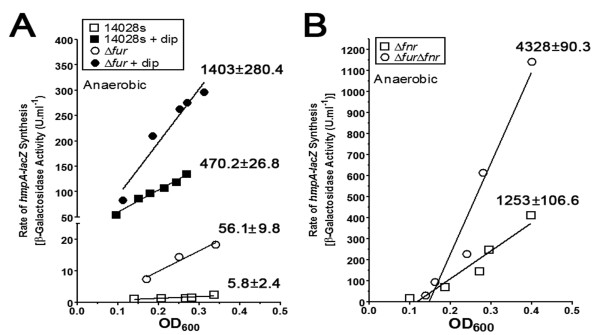
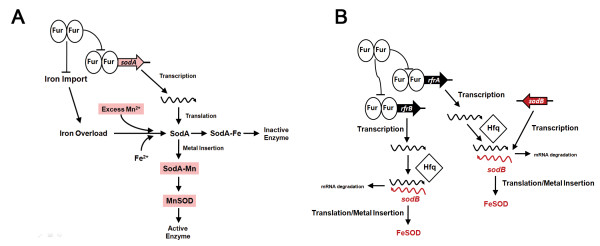
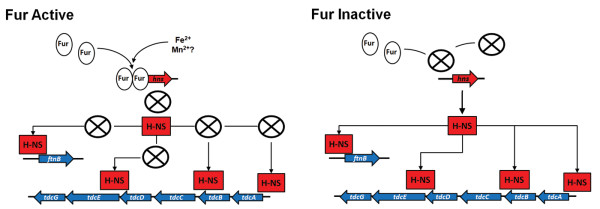
Background: The Ferric uptake regulator (Fur) is a transcriptional regulator that controls iron homeostasis in bacteria. Although the regulatory role of Fur in Escherichia coli is well characterized, most of the studies were conducted under routine culture conditions, i.e., in ambient oxygen concentration. To reveal potentially novel aspects of the Fur regulon in Salmonella enterica serovar Typhimurium under oxygen conditions similar to that encountered in the host, we compared the transcriptional profiles of the virulent wild-type strain (ATCC 14028s) and its isogenic Δ fur strain under anaerobic conditions. Results: Microarray analysis of anaerobically grown Δ fur S. Typhimurium identified 298 differentially expressed genes. Expression of several genes controlled by Fnr and NsrR appeared to be also dependent on Fur. Furthermore, Fur was required for the activity of the cytoplasmic superoxide disumutases (MnSOD and FeSOD). The regulation of FeSOD gene,sodB, occurred via small RNAs (i.e., the ryhB homologs,rfrA and rfrB) with the aid of the RNA chaperone Hfq. The transcription of sodA was increased in Δ fur;however, the enzyme was inactive due to the incorporation of iron instead of manganese in SodA. Additionally, in Δ fur, the expression of the gene coding for the ferritin-like protein (ftnB) was down-regulated, while the transcription of the gene coding for the nitric oxide (NO·) detoxifying flavohemoglobin (hmpA) was up-regulated. The promoters of ftnB and hmpA do not contain recognized Fur binding motifs, which indicated their probable indirect regulation by Fur. However, Fur activation of ftnB was independent of Fnr. In addition, the expression of the gene coding for the histone-like protein, H-NS (hns) was increased in Δ fur. This may explain the observed down-regulation of the tdc operon, responsible for the anaerobic degradation of threonine, and ftnB in Δ fur. Conclusions: This study determined that Fur is a positive factor in ftnB regulation, while serving to repress the expression of hmpA. Furthermore, Fur is required for the proper expression and activation of the antioxidant enzymes, FeSOD and MnSOD. Finally, this work identified twenty-six new targets of Fur regulation, and demonstrates that H-NS repressed genes are down-regulated in Δ fur.
Overview
The claims and statistics of this paper haven’t been checked yet.
Free: it reads the open-access text and checks the first 5 claims that cite a source we can check. Create a free account to check every claim.
Integrity signals
Registry
Cites
Statistics
Figures
Verification
Claims the paper makes
The claims and statistics of this paper haven’t been checked yet.
Free: it reads the open-access text and checks the first 5 claims that cite a source we can check. Create a free account to check every claim.
Claims other papers make about this one
Each is checked against this paper’s own text: does it say what the citing paper says it does?
The source backs part of the claim, not all of it — or backs it for a different population, condition or comparison.
In the citing paper
“Furthermore, indirect regulation by the Fur‐inhibited repressor RyhB sRNA suppresses expression of non‐essential iron‐requiring proteins during iron depletion. 62 , 70 , 71 , 72”
From The battle for iron in enteric infections (2020) · cites this paper as [72]
Experimental — accuracy not yet measured
Self-check
Percentages, sums and reported differences re-computed from the paper’s own numbers.
The self-check needs the paper’s full text.
Citations
Cites
PROTEIN MEASUREMENT WITH THE FOLIN PHENOL REAGENT
Lowry, O., Rosebrough, N., Farr, A. L., & Randall, R. (1951) · Journal of Biological Chemistry · doi:10.1016/s0021-9258(19)52451-6 · Cited by 317,331 · cited 1×
“Protein concentration was determined by the Lowry method [54].”
MethodExperiments in molecular genetics
Miller, J. H. (1972) · Medical Entomology and Zoology · Cited by 27,157
One-step inactivation of chromosomal genes in Escherichia coli K-12 using PCR products
Datsenko, K. A., & Wanner, B. L. (2000) · Proceedings of the National Academy of Sciences · doi:10.1073/pnas.120163297 · Cited by 14,782 · cited 4×
“pKD4 bla FRT cat FRT PS1 PS2 oriR6K [41]”
BackgroundInfluentialSuperoxide dismutase: Improved assays and an assay applicable to acrylamide gels
Beauchamp, C., & Fridovich, I. (1971) · Analytical Biochemistry · doi:10.1016/0003-2697(71)90370-8 · Cited by 12,892 · cited 2×
“1 Yes [14,55,82,88,143-148] Yes [85,146,148] Fnr, ArcA, IHF, SoxRS [53,81]”
MethodUniversal chemical assay for the detection and determination of siderophores
Schwyn, B., & Neilands, J. B. (1987) · Analytical Biochemistry · doi:10.1016/0003-2697(87)90612-9 · Cited by 6,549 · cited 1×
“In addition, the plasmid pfur-ha restored FeSOD activity (Figure 3A - lane 5) as well as the phenotypic appearance of the WT strain observed on a Tris buffered chrome azurol agar plates (CAS plates) [94] containing 0.”
BackgroundLXXIII.—Oxidation of tartaric acid in presence of iron
Fenton, H. J. H. (1894) · J. Chem. Soc., Trans. · doi:10.1039/ct8946500899 · Cited by 3,179
Oxidation of tartaric acid in presence of iron
Fenton, H. J. H. (1894) · Journal of the Chemical Society (Resumed) · Cited by 1,498
Gut inflammation provides a respiratory electron acceptor for Salmonella
Winter, S. E., Thiennimitr, P., Winter, M. G., Butler, B. P., Huseby, D. L., Crawford, R. W., Russell, J. M., Bevins, C. L., Adams, L. G., Tsolis, R. M., et al. (2010) · Nature · doi:10.1038/nature09415 · Cited by 1,290 · cited 1×
“, conditions resembling that encountered by the pathogen during infection [40]).”
BackgroundHertz, G. Z., & Stormo, G. D. (1999) · Bioinformatics · doi:10.1093/bioinformatics/15.7.563 · Cited by 1,243 · cited 1×
“If a sequence corresponding to a Fur binding motif was identified, then this sequence was given a weighted score [45].”
BackgroundA small RNA regulates the expression of genes involved in iron metabolism in Escherichia coli
Massé, E., & Gottesman, S. (2002) · Proceedings of the National Academy of Sciences · doi:10.1073/pnas.032066599 · Cited by 1,154 · cited 13×
“The regulation of FeSOD gene, sodB, occurred via small RNAs (i.e., the ryhB homologs, rfrA and rfrB) with the aid of the RNA chaperone Hfq.”
BackgroundInfluentialEriksson, S., Lucchini, S., Thompson, A., Rhen, M., & Hinton, J. C. D. (2003) · Molecular Microbiology · doi:10.1046/j.1365-2958.2003.03313.x · Cited by 846 · cited 2×
“Typhimurium is within macrophages, repression of the Fur regulated iroBCDE promoter occurs regardless of the presence of the host metal transporter Nramp1 [27,28].”
BackgroundPhysiology of the bacterial cell : a molecular approach
Neidhardt, F. C., Ingraham, J. L., & Schaechter, M. (1990) · Cited by 808
Physiology of the bacterial cell — A molecular approach
Murrell, J. C. (1991) · Trends in Genetics · doi:10.1016/0168-9525(91)90427-r · Cited by 777
Selective Silencing of Foreign DNA with Low GC Content by the H-NS Protein in Salmonella
Navarre, W. W., Porwollik, S., Wang, Y., McClelland, M., Rosen, H., Libby, S. J., & Fang, F. C. (2006) · Science · doi:10.1126/science.1128794 · Cited by 722 · cited 8×
“Similar to Fur, H-NS is a repressor of transcription [31,34,35,114].”
BackgroundResultInfluentialSelf-citationSelection of Bacterial Virulence Genes That Are Specifically Induced in Host Tissues
Mahan, M. J., Slauch, J. M., & Mekalanos, J. J. (1993) · Science · doi:10.1126/science.8430319 · Cited by 660 · cited 1×
“Typhimurium infection [66,67].”
Bagg, A., & Neilands, J. B. (1987) · Biochemistry · doi:10.1021/bi00391a039 · Cited by 593 · cited 2×
“The classical model of the regulatory role of Fur depicts transcriptional repression through ferrous iron that results in Fur-Fe binding to the operator site of a target gene [2,3].”
BackgroundH-NS: a universal regulator for a dynamic genome
Dorman, C. J. (2004) · Nature Reviews Microbiology · doi:10.1038/nrmicro883 · Cited by 578 · cited 1×
“H-NS controls diverse functions within the cell and forms complex structures when binding DNA that indicates a central role in DNA topology [109-113].”
BackgroundH-NS Mediates the Silencing of Laterally Acquired Genes in Bacteria
Lucchini, S., Rowley, G., Goldberg, M. D., Hurd, D., Harrison, M., & Hinton, J. C. D. (2006) · PLoS Pathogens · doi:10.1371/journal.ppat.0020081 · Cited by 554 · cited 1×
“H-NS preferentially binds to AT rich segments of DNA, which are characteristic of horizontally acquired Salmonella pathogenicity islands (SPIs) [36].”
BackgroundGlobal Iron-dependent Gene Regulation in Escherichia coli
McHugh, J. P., Rodríguez-Quiñones, F., Abdul-Tehrani, H., Svistunenko, D. A., Poole, R. K., Cooper, C. E., & Andrews, S. C. (2003) · Journal of Biological Chemistry · doi:10.1074/jbc.m303381200 · Cited by 468 · cited 1×
“The regulatory role of Fur has been demonstrated in numerous pathogenic and non-pathogenic organisms growing in the presence of ambient oxygen [10-19].”
BackgroundCharacterization of the ferrous iron uptake system of Escherichia coli
Kammler, M., Schön, C., & Hantke, K. (1993) · Journal of Bacteriology · doi:10.1128/jb.175.19.6212-6219.1993 · Cited by 460 · cited 1×
“8 Yes[12,14,63,134,139,140] No ArcA and Fnr [141]”
Touati, D., Jacques, M., Tardat, B., Bouchard, L., & Despied, S. (1995) · Journal of Bacteriology · doi:10.1128/jb.177.9.2305-2314.1995 · Cited by 436
Functional specialization within the Fur family of metalloregulators
Lee, J.-W., & Helmann, J. D. (2007) · BioMetals · doi:10.1007/s10534-006-9070-7 · Cited by 432 · cited 1×
“The Ferric uptake regulator (Fur) is a metal-dependent regulator of transcription and post-transcription in bacteria, which senses metal concentration and/or the redox state of the cells (reviewed in [1]).”
BackgroundFur Regulon in Gram-negative Bacteria
Stojiljkovic, I., Bäumler, A. J., & Hantke, K. (1994) · Journal of Molecular Biology · doi:10.1006/jmbi.1994.1163 · Cited by 371 · cited 1×
“The regulatory role of Fur has been demonstrated in numerous pathogenic and non-pathogenic organisms growing in the presence of ambient oxygen [10-19].”
BackgroundsoxR, a locus governing a superoxide response regulon in Escherichia coli K-12
Tsaneva, I. R., & Weiss, B. (1990) · Journal of Bacteriology · doi:10.1128/jb.172.8.4197-4205.1990 · Cited by 341 · cited 2×
“1 Yes [14,55,82,88,143-148] Yes [85,146,148] Fnr, ArcA, IHF, SoxRS [53,81]”
BackgroundStojiljkovic, I., Bäumler, A. J., & Heffron, F. (1995) · Journal of Bacteriology · doi:10.1128/jb.177.5.1357-1366.1995 · Cited by 334 · cited 1×
“Typhimurium and the Gram-positive pathogen Listeria monocytogenes [118,119].”
BackgroundModulation of Shigella virulence in response to available oxygen in vivo
Marteyn, B., West, N. P., Browning, D. F., Cole, J. A., Shaw, J. G., Palm, F., Mounier, J., Prévost, M.-C., Sansonetti, P., & Tang, C. M. (2010) · Nature · doi:10.1038/nature08970 · Cited by 322 · cited 2×
“Typhimurium) [21], Shigella flexnari [22], Neisseria meningitidis [23], and Pseudomonas aeruginosa [24].”
BackgroundLazazzera, B. A., Beinert, H., Khoroshilova, N., Kennedy, M. C., & Kiley, P. J. (1996) · Journal of Biological Chemistry · doi:10.1074/jbc.271.5.2762 · Cited by 317 · cited 1×
“Fnr is a transcriptional regulator that is active as a homodimer and contains an oxygen labile iron sulfur cluster (4Fe-4S) [26].”
BackgroundTranscriptional silencing and thermoregulation of gene expression in Escherichia coli
Göransson, M., Sondén, B., Nilsson, P., Dagberg, B., Foreman, K., Emanuelsson, K., & Uhlin, B. E. (1990) · Nature · doi:10.1038/344682a0 · Cited by 310 · cited 1×
“H-NS controls diverse functions within the cell and forms complex structures when binding DNA that indicates a central role in DNA topology [109-113].”
BackgroundJoseph, B., Przybilla, K., Stühler, C., Schauer, K., Slaghuis, J., Fuchs, T. M., & Goebel, W. (2006) · Journal of Bacteriology · doi:10.1128/jb.188.2.556-568.2006 · Cited by 306 · cited 1×
“Typhimurium and the Gram-positive pathogen Listeria monocytogenes [118,119].”
BackgroundEllermeier, C. D., Janakiraman, A., & Slauch, J. M. (2002) · Gene · doi:10.1016/s0378-1119(02)00551-6 · Cited by 302 · cited 3×
“8 Yes [15,46,61,134-138] No MntR [61]”
MethodRecognition of DNA by Fur: a Reinterpretation of the Fur Box Consensus Sequence
Baichoo, N., & Helmann, J. D. (2002) · Journal of Bacteriology · doi:10.1128/jb.184.21.5826-5832.2002 · Cited by 282 · cited 1×
“Fur-Fe binding to DNA are presumed to be homodimeric; however, multimeric complexes have been reported [4,5].”
BackgroundNiederhoffer, E. C., Naranjo, C. M., Bradley, K. L., & Fee, J. A. (1990) · Journal of Bacteriology · doi:10.1128/jb.172.4.1930-1938.1990 · Cited by 271 · cited 2×
“1 Yes [14,55,82,88,143-148] Yes [85,146,148] Fnr, ArcA, IHF, SoxRS [53,81]”
BackgroundEnzymatic defenses against the toxicity of oxygen and of streptonigrin in Escherichia coli
Hassan, H. M., & Fridovich, I. (1977) · Journal of Bacteriology · doi:10.1128/jb.129.3.1574-1583.1977 · Cited by 259
Self-citationStojiljkovic, I., & Hantke, K. (1992) · The EMBO Journal · doi:10.1002/j.1460-2075.1992.tb05535.x · Cited by 258 · cited 1×
“In Yersinia enterocolitica, YdiE has a conserved HemP (COG4256) domain, and is encoded within the hemin uptake operon [69].”
BackgroundGlobal analysis of the Bacillus subtilis Fur regulon and the iron starvation stimulon
Baichoo, N., Wang, T., Ye, R., & Helmann, J. D. (2002) · Molecular Microbiology · doi:10.1046/j.1365-2958.2002.03113.x · Cited by 250 · cited 1×
“The regulatory role of Fur has been demonstrated in numerous pathogenic and non-pathogenic organisms growing in the presence of ambient oxygen [10-19].”
BackgroundJanakiraman, A., & Slauch, J. M. (2000) · Molecular Microbiology · doi:10.1046/j.1365-2958.2000.01783.x · Cited by 234 · cited 1×
“, cutC) [58-65] (Additional file 2: Table S2).”
Poole, R. K., Anjum, M. F., Membrillo-Hernández, J., Kim, S. O., Hughes, M. N., & Stewart, V (1996) · Journal of Bacteriology · doi:10.1128/jb.178.18.5487-5492.1996 · Cited by 234 · cited 8×
“Expression of hmpA is repressed by Fnr and another DNA binding protein that contains an iron sulfur cluster, NsrR [21,95-97,99].”
BackgroundInfluentialGaballa, A., Antelmann, H., Aguilar, C., Khakh, S. K., Song, K.-B., Smaldone, G. T., & Helmann, J. D. (2008) · Proceedings of the National Academy of Sciences · doi:10.1073/pnas.0711752105 · Cited by 232 · cited 1×
“The regulatory role of Fur has been demonstrated in numerous pathogenic and non-pathogenic organisms growing in the presence of ambient oxygen [10-19].”
BackgroundMahan, M. J., Tobias, J. W., Slauch, J. M., Hanna, P. C., Collier, R. J., & Mekalanos, J. J. (1995) · Proceedings of the National Academy of Sciences · doi:10.1073/pnas.92.3.669 · Cited by 228 · cited 1×
“Typhimurium infection [66,67].”
New insights into transcriptional regulation by H-NS
Fang, F. C., & Rimsky, S. (2008) · Current Opinion in Microbiology · doi:10.1016/j.mib.2008.02.011 · Cited by 222 · cited 1×
“H-NS is a DNA binding protein that is associated with the nucleoid of Gram-negative enteric bacteria (reviewed in [30]).”
BackgroundRole of the Fur Regulon in Iron Transport in Bacillus subtilis
Ollinger, J., Song, K.-B., Antelmann, H., Hecker, M., & Helmann, J. D. (2006) · Journal of Bacteriology · doi:10.1128/jb.188.10.3664-3673.2006 · Cited by 209 · cited 1×
“The regulatory role of Fur has been demonstrated in numerous pathogenic and non-pathogenic organisms growing in the presence of ambient oxygen [10-19].”
BackgroundMukhopadhyay, P., Zheng, M., Bedzyk, L. A., LaRossa, R. A., & Storz, G. (2004) · Proceedings of the National Academy of Sciences · doi:10.1073/pnas.0307741100 · Cited by 207 · cited 2×
“6 Yes [13,15] No NarL[149,150] ArcA [151] Troxell et al.”
BackgroundIron and Fur Regulation in Vibrio cholerae and the Role of Fur in Virulence
Mey, A. R., Wyckoff, E. E., Kanukurthy, V., Fisher, C. R., & Payne, S. M. (2005) · Infection and Immunity · doi:10.1128/iai.73.12.8167-8178.2005 · Cited by 199 · cited 2×
“1 Yes [14,55,82,88,143-148] Yes [85,146,148] Fnr, ArcA, IHF, SoxRS [53,81]”
BackgroundIncreased Bending Rigidity of Single DNA Molecules by H-NS, a Temperature and Osmolarity Sensor
Amit, R., Oppenheim, A. B., & Stavans, J. (2003) · Biophysical Journal · doi:10.1016/s0006-3495(03)75051-6 · Cited by 194 · cited 1×
“H-NS controls diverse functions within the cell and forms complex structures when binding DNA that indicates a central role in DNA topology [109-113].”
BackgroundLiu, X., & De Wulf, P. (2004) · Journal of Biological Chemistry · doi:10.1074/jbc.m313454200 · Cited by 193 · cited 6×
“The medium used throughout this study was a buffered (pH = 7.4) LB containing 100 mM MOPS and 20 mM xylose (LB-MOPS-X) [21,29,42,43]; where indicated, kanamycin and ampicillin were used at 55 μg ml1 and 100 μg ml-1, respectively.”
MethodInfluentialCompan, I., & Touati, D. (1993) · Journal of Bacteriology · doi:10.1128/jb.175.6.1687-1696.1993 · Cited by 191 · cited 2×
“1 Yes [14,55,82,88,143-148] Yes [85,146,148] Fnr, ArcA, IHF, SoxRS [53,81]”
BackgroundThe Escherichia coli nucleoid protein H-NS functions directly as a transcriptional repressor.
Ueguchi, C., & Mizuno, T. (1993) · The EMBO Journal · doi:10.1002/j.1460-2075.1993.tb05745.x · Cited by 190 · cited 1×
“Similar to Fur, H-NS is a repressor of transcription [31,34,35,114].”
BackgroundMaintenance of Nitric Oxide and Redox Homeostasis by the Salmonella Flavohemoglobin Hmp
Bang, I.-S., Liu, L., Vazquez-Torres, A., Crouch, M.-L., Stamler, J. S., & Fang, F. C. (2006) · Journal of Biological Chemistry · doi:10.1074/jbc.m605174200 · Cited by 186
Ethanolamine utilization in Salmonella typhimurium
Roof, D. M., & Roth, J. R. (1988) · Journal of Bacteriology · doi:10.1128/jb.170.9.3855-3863.1988 · Cited by 185 · cited 1×
“Ethanolamine is a significant source of carbon and nitrogen during Salmonella infection [71].”
BackgroundJones, H. M., & Gunsalus, R. P. (1987) · Journal of Bacteriology · doi:10.1128/jb.169.7.3340-3349.1987 · Cited by 180 · cited 1×
“In addition, Fnr is an activator of the frd and dms operons, which are responsible for anaerobic utilization of fumarate and dimethyl sulfide as alternative electron acceptors, respectively [120-123].”
BackgroundNitric Oxide Formation by Escherichia coli
Corker, H., & Poole, R. K. (2003) · Journal of Biological Chemistry · doi:10.1074/jbc.m303282200 · Cited by 178 · cited 8×
“Expression of hmpA is repressed by Fnr and another DNA binding protein that contains an iron sulfur cluster, NsrR [21,95-97,99].”
BackgroundInfluentialSitABCD Is the Alkaline Mn2+Transporter of Salmonella enterica Serovar Typhimurium
Kehres, D. G., Janakiraman, A., Slauch, J. M., & Maguire, M. E. (2002) · Journal of Bacteriology · doi:10.1128/jb.184.12.3159-3166.2002 · Cited by 177 · cited 1×
“, cutC) [58-65] (Additional file 2: Table S2).”
DNA Bridging: a Property Shared among H-NS-Like Proteins
Dame, R. T., Luijsterburg, M. S., Krin, E., Bertin, P. N., Wagner, R., & Wuite, G. J. L. (2005) · Journal of Bacteriology · doi:10.1128/jb.187.5.1845-1848.2005 · Cited by 176 · cited 1×
“H-NS controls diverse functions within the cell and forms complex structures when binding DNA that indicates a central role in DNA topology [109-113].”
BackgroundContribution of TonB- and Feo-mediated iron uptake to growth of Salmonella typhimurium in the mouse
Tsolis, R. M., Bäumler, A. J., Heffron, F., & Stojiljkovic, I. (1996) · Infection and Immunity · doi:10.1128/iai.64.11.4549-4556.1996 · Cited by 174 · cited 1×
“, cutC) [58-65] (Additional file 2: Table S2).”
Identification of a new iron regulated locus of Salmonella typhi
Bäumler, A. J., Tsolis, R. M., van der Velden, A. W. M., Stojiljković, I., Anic, S., & Heffron, F. (1996) · Gene · doi:10.1016/s0378-1119(96)00560-4 · Cited by 174 · cited 2×
“Although Fur repression of the iroBCDE loci is known [59], iroN is encoded downstream of this operon and is transcribed in the opposite orientation.”
BackgroundDubrac, S., & Touati, D. (2000) · Journal of Bacteriology · doi:10.1128/jb.182.13.3802-3808.2000 · Cited by 174 · cited 2×
“coli [83,84] have established that Fur is indirectly required for the translation of sodB via its repression of the small RNA, ryhB, which works in conjunction with the RNA chaperon protein, Hfq [88,89].”
BackgroundBjarnason, J., Southward, C. M., & Surette, M. G. (2003) · Journal of Bacteriology · doi:10.1128/jb.185.16.4973-4982.2003 · Cited by 173
Reprogramming of anaerobic metabolism by the FnrS small RNA
Durand, S., & Storz, G. (2010) · Molecular Microbiology · doi:10.1111/j.1365-2958.2010.07044.x · Cited by 171 · cited 1×
“The reason for this is unclear, but may be due to the activation of the Hfq-binding small RNA (fnrS) by Fnr, which subsequently represses the expression of sodA [90,91].”
BackgroundEllermeier, J. R., & Slauch, J. M. (2008) · Journal of Bacteriology · doi:10.1128/jb.00926-07 · Cited by 160 · cited 2×
“Typhimurium [39], suggested that the regulation of sodB in S.”
BackgroundHassett, D. J., Sokol, P. A., Howell, M. L., Ma, J. F., Schweizer, H. T., Ochsner, U., & Vasil, M. L. (1996) · Journal of Bacteriology · doi:10.1128/jb.178.14.3996-4003.1996 · Cited by 158 · cited 1×
“1 Yes [14,55,82,88,143-148] Yes [85,146,148] Fnr, ArcA, IHF, SoxRS [53,81]”
Runyen-Janecky, L. J., Reeves, S. A., Gonzales, E. G., & Payne, S. M. (2003) · Infection and Immunity · doi:10.1128/iai.71.4.1919-1928.2003 · Cited by 155 · cited 2×
“8 Yes[12,14,63,134,139,140] No ArcA and Fnr [141]”
Foster, J. W., & Hall, H. K. (1992) · Journal of Bacteriology · doi:10.1128/jb.174.13.4317-4323.1992 · Cited by 154 · cited 1×
“The regulatory role of Fur has been demonstrated in numerous pathogenic and non-pathogenic organisms growing in the presence of ambient oxygen [10-19].”
BackgroundPartridge, J. D., Bodenmiller, D. M., Humphrys, M. S., & Spiro, S. (2009) · Molecular Microbiology · doi:10.1111/j.1365-2958.2009.06799.x · Cited by 150
Fink, R. C., Evans, M. R., Porwollik, S., Vazquez-Torres, A., Jones-Carson, J., Troxell, B., Libby, S. J., McClelland, M., & Hassan, H. M. (2007) · Journal of Bacteriology · doi:10.1128/jb.00726-06 · Cited by 149
Self-citationThe ferric uptake regulation (Fur) repressor is a zinc metalloprotein
Althaus, E. W., Outten, C. E., Olson, K. E., Cao, H., & O'Halloran, T. V. (1999) · Biochemistry · doi:10.1021/bi982788s · Cited by 147 · cited 1×
“Fur also contains zinc for protein stability [8,9].”
BackgroundIroN, a Novel Outer Membrane Siderophore Receptor Characteristic of Salmonella enterica
Bäumler, A. J., Norris, T. L., Lasco, T., Voigt, W., Reissbrodt, R., Rabsch, W., & Heffron, F. (1998) · Journal of Bacteriology · doi:10.1128/jb.180.6.1446-1453.1998 · Cited by 147 · cited 2×
“Our results confirm the prediction by Baumler et al that iroN is regulated by Fur [58].”
ResultMicrobial Dimethylsulfoxide and Trimethylamine-N-Oxide Respiration
McCrindle, S. L., Kappler, U., & McEwan, A. G. (2005) · Advances in microbial physiology/Advances in Microbial Physiology · doi:10.1016/s0065-2911(05)50004-3 · Cited by 145 · cited 1×
“In addition, Fnr is an activator of the frd and dms operons, which are responsible for anaerobic utilization of fumarate and dimethyl sulfide as alternative electron acceptors, respectively [120-123].”
BackgroundVelayudhan, J., Castor, M., Richardson, A., Main‐Hester, K. L., & Fang, F. C. (2007) · Molecular Microbiology · doi:10.1111/j.1365-2958.2007.05600.x · Cited by 140
Partridge, J. D., Sanguinetti, G., Dibden, D. P., Roberts, R. E., Poole, R. K., & Green, J. (2007) · Journal of Biological Chemistry · doi:10.1074/jbc.m700728200 · Cited by 136 · cited 3×
“The same investigators [108], postulated that Fnr was unable to induce ftnB and that other regulators were required.”
BackgroundInfluentialMills, S. A., & Marletta, M. A. (2005) · Biochemistry · doi:10.1021/bi0507579 · Cited by 131 · cited 1×
“In addition, the metal cofactor present in vivo is controversial, due to the ability of the Fur protein to bind different divalent cations, in vitro [6].”
BackgroundIdentification of Pseudomonas aeruginosa Genes Involved in Virulence and Anaerobic Growth
Filiatrault, M. J., Picardo, K. F., Ngai, H., Passador, L., & Iglewski, B. H. (2006) · Infection and Immunity · doi:10.1128/iai.02014-05 · Cited by 128 · cited 2×
“Typhimurium) [21], Shigella flexnari [22], Neisseria meningitidis [23], and Pseudomonas aeruginosa [24].”
BackgroundFur regulon of Salmonella typhimurium: identification of new iron-regulated genes
Tsolis, R. M., Bäumler, A. J., Stojiljkovic, I., & Heffron, F. (1995) · Journal of Bacteriology · doi:10.1128/jb.177.16.4628-4637.1995 · Cited by 127 · cited 1×
“The regulatory role of Fur has been demonstrated in numerous pathogenic and non-pathogenic organisms growing in the presence of ambient oxygen [10-19].”
BackgroundXiong, A., Singh, V. K., Cabrera, G., & Jayaswal, R. K. (2000) · Microbiology · doi:10.1099/00221287-146-3-659 · Cited by 122 · cited 1×
“5 Yes [12,13,15] Yes [11,152,153]”
Costanzo, A., Nicoloff, H., Barchinger, S. E., Banta, A. B., Gourse, R. L., & Ades, S. E. (2007) · Molecular Microbiology · doi:10.1111/j.1365-2958.2007.06072.x · Cited by 121 · cited 1×
“, one-time point assays) are well documented [50-53].”
BackgroundIdentification of cutC and cutF (nlpE) genes involved in copper tolerance in Escherichia coli
Gupta, S. D., Lee, B. T., Camakaris, J., & Wu, H. C. (1995) · Journal of Bacteriology · doi:10.1128/jb.177.15.4207-4215.1995 · Cited by 121 · cited 1×
“, cutC) [58-65] (Additional file 2: Table S2).”
Identification of SoxS-Regulated Genes in Salmonella enterica Serovar Typhimurium
Pomposiello, P. J., & Demple, B. (2000) · Journal of Bacteriology · doi:10.1128/jb.182.1.23-29.2000 · Cited by 119 · cited 1×
“Typhimurium [86].”
X-ray Absorption Spectroscopy of a New Zinc Site in the Fur Protein from Escherichia coli
Jacquamet, L., Aberdam, D., Adrait, A., Hazemann, J.-L., Latour, J.-M., & Michaud-Soret, I. (1998) · Biochemistry · doi:10.1021/bi9721344 · Cited by 119
Costanzo, A., & Ades, S. E. (2006) · Journal of Bacteriology · doi:10.1128/jb.01981-05 · Cited by 119 · cited 1×
“, one-time point assays) are well documented [50-53].”
BackgroundBoysen, A., Møller-Jensen, J., Kallipolitis, B., Valentin-Hansen, P., & Overgaard, M. (2010) · Journal of Biological Chemistry · doi:10.1074/jbc.m109.089755 · Cited by 116 · cited 1×
“The reason for this is unclear, but may be due to the activation of the Hfq-binding small RNA (fnrS) by Fnr, which subsequently represses the expression of sodA [90,91].”
BackgroundMelville, S. B., & Gunsalus, R. P. (1990) · Journal of Biological Chemistry · doi:10.1016/s0021-9258(17)30570-7 · Cited by 114
Tardat, B., & Touati, D. (1993) · Molecular Microbiology · doi:10.1111/j.1365-2958.1993.tb01668.x · Cited by 112 · cited 1×
“1 Yes [14,55,82,88,143-148] Yes [85,146,148] Fnr, ArcA, IHF, SoxRS [53,81]”
Večerek, B., Moll, I., Afonyushkin, T., Kaberdin, V., & Bläsi, U. (2003) · Molecular Microbiology · doi:10.1046/j.1365-2958.2003.03727.x · Cited by 112 · cited 11×
“The regulation of FeSOD gene, sodB, occurred via small RNAs (i.e., the ryhB homologs, rfrA and rfrB) with the aid of the RNA chaperone Hfq.”
BackgroundInfluentialExpression and mutational analysis of the nucleoid‐associated protein H‐NS of Salmonella typhimurium
Hinton, J. C. D., Santos, D. S., Seirafi, A., Hulton, C. S. J., Pavitt, G. D., & Higgins, C. F. (1992) · Molecular Microbiology · doi:10.1111/j.1365-2958.1992.tb01408.x · Cited by 111
Six, S., Andrews, S. C., Unden, G., & Guest, J. R. (1994) · Journal of Bacteriology · doi:10.1128/jb.176.21.6470-6478.1994 · Cited by 108 · cited 1×
“coli, the transport of C4-dicarboxylates occurs via two seemingly redundant genes encoded by dcuA and dcuB [70].”
BackgroundRegulation of sod genes in Escherichia coli: relevance to superoxide dismutase function
Fee, J. A. (1991) · Molecular Microbiology · doi:10.1111/j.1365-2958.1991.tb01968.x · Cited by 107 · cited 1×
“1 Yes [14,55,82,88,143-148] Yes [85,146,148] Fnr, ArcA, IHF, SoxRS [53,81]”
Griggs, D. W., & Konisky, J. (1989) · Journal of Bacteriology · doi:10.1128/jb.171.2.1048-1054.1989 · Cited by 106 · cited 1×
“0 Yes [12,15] Yes [133]”
Tardat, B., & Touati, D. (1991) · Molecular Microbiology · doi:10.1111/j.1365-2958.1991.tb02129.x · Cited by 103 · cited 1×
“coli [80-85], but there is little knowledge about the regulation of these genes in S.”
BackgroundJouihan, H. A., Cobine, P. A., Cooksey, R. C., Hoagland, E. A., Boudina, S., Abel, E. D., Winge, D. R., & McClain, D. A. (2008) · Molecular Medicine · doi:10.2119/2007-00114.jouihan · Cited by 102 · cited 1×
“reduced oxidative stress in a murine model of hemochromatosis [107].”
BackgroundRegulation of the Salmonella typhimuriumFlavohemoglobin Gene
Crawford, M. J., & Goldberg, D. E. (1998) · Journal of Biological Chemistry · doi:10.1074/jbc.273.51.34028 · Cited by 100 · cited 1×
“However, it was later revealed that the reporter fusion was to the Fur repressed iroC and not to the hmpA [116].”
BackgroundHassett, D. J., Howell, M. L., Ochsner, U. A., Vasil, M. L., Johnson, Z., & Dean, G. E. (1997) · Journal of Bacteriology · doi:10.1128/jb.179.5.1452-1459.1997 · Cited by 100 · cited 1×
“1 Yes [14,55,82,88,143-148] Yes [85,146,148] Fnr, ArcA, IHF, SoxRS [53,81]”
Neilands, J. B. (1993) · Archives of Biochemistry and Biophysics · doi:10.1006/abbi.1993.1172 · Cited by 100
Troxell, B., Sikes, M. L., Fink, R. C., Vazquez-Torres, A., Jones-Carson, J., & Hassan, H. M. (2011) · Journal of Bacteriology · doi:10.1128/jb.00942-10 · Cited by 99
Self-citationSutton, V. R., Mettert, E. L., Beinert, H., & Kiley, P. J. (2004) · Journal of Bacteriology · doi:10.1128/jb.186.23.8018-8025.2004 · Cited by 99
Erickson, K. D., & Detweiler, C. S. (2006) · Molecular Microbiology · doi:10.1111/j.1365-2958.2006.05420.x · Cited by 98 · cited 1×
“4 Yes [12,15] No Rcs [131]”
Brickman, T. J., Ozenberger, B. A., & McIntosh, M. A. (1990) · Journal of Molecular Biology · doi:10.1016/0022-2836(90)90229-f · Cited by 96 · cited 1×
“8 Yes [12,15,130] Yes [130]”
Gilberthorpe, N. J., Lee, M. E., Stevanin, T. M., Read, R. C., & Poole, R. K. (2007) · Microbiology · doi:10.1099/mic.0.2006/003731-0 · Cited by 94 · cited 1×
“Additionally, a previous report did not reveal a role for Fur in regulation of hmpA [97], while two other studies found a modest effect of Fur on hmpA expression [98,117].”
ResultHassan, H. M., & Sun, H. C. (1992) · Proceedings of the National Academy of Sciences · doi:10.1073/pnas.89.8.3217 · Cited by 92 · cited 2×
“1 Yes [14,55,82,88,143-148] Yes [85,146,148] Fnr, ArcA, IHF, SoxRS [53,81]”
BackgroundSelf-citationNrdR Controls Differential Expression of the Escherichia coli Ribonucleotide Reductase Genes
Torrents, E., Grinberg, I., Gorovitz-Harris, B., Lundström, H., Borovok, I., Aharonowitz, Y., Sjöberg, B.-M., & Cohen, G. (2007) · Journal of Bacteriology · doi:10.1128/jb.00440-07 · Cited by 92 · cited 1×
“NrdR is a global transcriptional regulator that controls expression of oxygen-dependent and independent ribonucleotide reductases [102-104].”
BackgroundMain-Hester, K. L., Colpitts, K. M., Thomas, G. A., Fang, F. C., & Libby, S. J. (2008) · Infection and Immunity · doi:10.1128/iai.01224-07 · Cited by 91 · cited 1×
“Typically, H-NS exhibits a repressive role in gene regulation, especially of genetic loci associated with virulence [31,33-35].”
BackgroundTranscriptional Regulation of sitABCD of Salmonella enterica Serovar Typhimurium by MntR and Fur
Ikeda, J. S., Janakiraman, A., Kehres, D. G., Maguire, M. E., & Slauch, J. M. (2005) · Journal of Bacteriology · doi:10.1128/jb.187.3.912-922.2005 · Cited by 91 · cited 1×
“, cutC) [58-65] (Additional file 2: Table S2).”
Olekhnovich, I. N., & Kadner, R. J. (2007) · Journal of Bacteriology · doi:10.1128/jb.00905-07 · Cited by 87 · cited 2×
“Typically, H-NS exhibits a repressive role in gene regulation, especially of genetic loci associated with virulence [31,33-35].”
BackgroundGolby, P., Kelly, D. J., Guest, J. R., & Andrews, S. C. (1998) · Journal of Bacteriology · doi:10.1128/jb.180.24.6586-6596.1998 · Cited by 82 · cited 1×
“6 Yes [13,15] No NarL[149,150] ArcA [151] Troxell et al.”
BackgroundAnalysis of the ArcA regulon in anaerobically grown Salmonella enterica sv. Typhimurium
Evans, M. R., Fink, R. C., Vázquez‐Torres, A., Porwollik, S., Jones‐Carson, J., McClelland, M., & Hassan, H. M. (2011) · BMC Microbiology · doi:10.1186/1471-2180-11-58 · Cited by 80
Self-citationGoh, E.-B., Bledsoe, P. J., Chen, L., Gyaneshwar, P., Stewart, V. J., & Igo, M. M. (2005) · Journal of Bacteriology · doi:10.1128/jb.187.14.4890-4899.2005 · Cited by 79
Chao, T.-C., Becker, A., Buhrmester, J., Pühler, A., & Weidner, S. (2004) · Journal of Bacteriology · doi:10.1128/jb.186.11.3609-3620.2004 · Cited by 78 · cited 1×
“8 Yes [15,46,61,134-138] No MntR [61]”
Fur–DNA Interactions at the Bidirectional fepDGC-entS Promoter Region in Escherichia coli
Lavrrar, J. L., Christoffersen, C. A., & McIntosh, M. A. (2002) · Journal of Molecular Biology · doi:10.1016/s0022-2836(02)00849-5 · Cited by 77 · cited 1×
“Fur-Fe binding to DNA are presumed to be homodimeric; however, multimeric complexes have been reported [4,5].”
BackgroundCrucial Roles of Both Flanking Sequences in Silencing of the hilA promoter in Salmonella enterica
Olekhnovich, I. N., & Kadner, R. J. (2006) · Journal of Molecular Biology · doi:10.1016/j.jmb.2006.01.007 · Cited by 77 · cited 2×
“Typically, H-NS exhibits a repressive role in gene regulation, especially of genetic loci associated with virulence [31,33-35].”
BackgroundTeixidó, L., Carrasco, B., Alonso, J. C., Barbé, J., & Campoy, S. (2011) · PLoS ONE · doi:10.1371/journal.pone.0019711 · Cited by 75 · cited 1×
“, HilA and HilD) [38,39].”
Mutalik, V. K., Nonaka, G., Ades, S. E., Rhodius, V. A., & Gross, C. A. (2009) · Journal of Bacteriology · doi:10.1128/jb.01047-09 · Cited by 72 · cited 1×
“, one-time point assays) are well documented [50-53].”
BackgroundHunt, M. D., Pettis, G. S., & McIntosh, M. A. (1994) · Journal of Bacteriology · doi:10.1128/jb.176.13.3944-3955.1994 · Cited by 71 · cited 2×
“8 Yes [12,16,127-129] Yes [128,129]”
McCollister, B. D., Bourret, T. J., Gill, R., Jones-Carson, J., & Vázquez-Torres, A. (2005) · The Journal of Experimental Medicine · doi:10.1084/jem.20050246 · Cited by 69
Govantes, F., Orjalo, A. V., & Gunsalus, R. P. (2000) · Molecular Microbiology · doi:10.1046/j.1365-2958.2000.02215.x · Cited by 69 · cited 6×
“Tardat B, Touati D: Iron and oxygen regulation of Escherichia coli MnSOD expression: competition between the global regulators Fur and ArcA for binding to DNA.”
BackgroundInfluentialThe Interaction of Mitochondrial Iron with Manganese Superoxide Dismutase
Naranuntarat, A., Jensen, L. T., Pazicni, S., Penner-Hahn, J. E., & Culotta, V. C. (2009) · Journal of Biological Chemistry · doi:10.1074/jbc.m109.026773 · Cited by 66
Dubrac, S., & Touati, D. (2002) · Microbiology · doi:10.1099/00221287-148-1-147 · Cited by 66 · cited 2×
“coli [83,84] have established that Fur is indirectly required for the translation of sodB via its repression of the small RNA, ryhB, which works in conjunction with the RNA chaperon protein, Hfq [88,89].”
BackgroundAmmendola, S., Pasquali, P., Pacello, F., Rotilio, G., Castor, M., Libby, S. J., Figueroa-Bossi, N., Bossi, L., Fang, F. C., & Battistoni, A. (2008) · Journal of Biological Chemistry · doi:10.1074/jbc.m710499200 · Cited by 65 · cited 2×
“1 cell line was shown to be Fnr-dependent [25].”
BackgroundPrivalle, C. T., & Fridovich, I. (1992) · Journal of Biological Chemistry · doi:10.1016/s0021-9258(19)50400-8 · Cited by 64 · cited 1×
“Iron is known to bind to the active site of MnSODs that leads to inactivation of the enzyme [106,124].”
BackgroundFhuF, an iron‐regulated protein of Escherichia coli with a new type of [2Fe‐2S] center
Müller, K., Matzanke, B. F., Schünemann, V., Trautwein, A. X., & Hantke, K. (1998) · European Journal of Biochemistry · doi:10.1046/j.1432-1327.1998.2581001.x · Cited by 63 · cited 1×
“5 Yes [12,13,15] Yes [11,152,153]”
Jeon, J.-H., Kim, H., Yun, J., Ryu, S., Groisman, E. A., & Shin, D. (2008) · Journal of Bacteriology · doi:10.1128/jb.00903-08 · Cited by 62 · cited 1×
“, cutC) [58-65] (Additional file 2: Table S2).”
Anaerobic Regulation of Shigella flexneri Virulence: ArcA Regulates fur and Iron Acquisition Genes
Boulette, M. L., & Payne, S. M. (2007) · Journal of Bacteriology · doi:10.1128/jb.00621-07 · Cited by 61 · cited 1×
“8 Yes[12,14,63,134,139,140] No ArcA and Fnr [141]”
Role of FNR and FNR‐regulated, sugar fermentation genes in Neisseria meningitidis infection
Bartolini, E., Frigimelica, E., Giovinazzi, S., Galli, G., Shaik-Dasthagirisaheb, Y. B., Genco, C. A., Welsch, J. A., Granoff, D. M., Grandi, G., & Grifantini, R. (2006) · Molecular Microbiology · doi:10.1111/j.1365-2958.2006.05163.x · Cited by 60 · cited 2×
“Typhimurium) [21], Shigella flexnari [22], Neisseria meningitidis [23], and Pseudomonas aeruginosa [24].”
BackgroundContribution of the FeoB transporter to Streptococcus suis virulence.
Aranda, J., Cortés, P., Garrido, M. E., Fittipaldi, N., Llagostera, M., Gottschalk, M. G., & Barbé, J. (2009) · Estudis Romànics (Institut d'Estudis Catalans) · Cited by 59
Sebastian, S., Agarwal, S., Murphy, J. R., & Genco, C. A. (2002) · Journal of Bacteriology · doi:10.1128/jb.184.14.3965-3974.2002 · Cited by 59 · cited 1×
“This gene, secY, is a direct target of Fur regulation in Neisseria meningitides [100,101].”
BackgroundPlatero, R., Peixoto, L., O'Brian, M. R., & Fabiano, E. (2004) · Applied and Environmental Microbiology · doi:10.1128/aem.70.7.4349-4355.2004 · Cited by 59
The ΔuvrB mutations in the Ames strains of Salmonella span 15 to 119 genes
Porwollik, S., Wong, R. M.-Y., Sims, S. H., Schaaper, R. M., DeMarini, D. M., & McClelland, M. (2001) · Mutation research. Fundamental and molecular mechanisms of mutagenesis · doi:10.1016/s0027-5107(01)00239-1 · Cited by 59
Self-citationEscolar, L., Pérez-Martín, J., & de Lorenzo, V. (1998) · Journal of Bacteriology · doi:10.1128/jb.180.9.2579-2582.1998 · Cited by 58 · cited 2×
“8 Yes [12,16,127-129] Yes [128,129]”
Overton, T. W., Griffiths, L., Patel, M. D., Hobman, J. L., Penn, C. W., Cole, J. A., & Constantinidou, C. (2006) · Biochemical Society Transactions · doi:10.1042/bst0340104 · Cited by 57 · cited 3×
“Overton TW, Griffiths L, Patel MD, Hobman JL, Penn CW, Cole JA, Constantinidou C: Microarray analysis of gene regulation by oxygen, nitrate, nitrite, FNR, NarL and NarP during anaerobic growth of Escherichia coli: new insights into microbial physiology.”
BackgroundKitphati, W., Ngok-ngam, P., Suwanmaneerat, S., Sukchawalit, R., & Mongkolsuk, S. (2007) · Applied and Environmental Microbiology · doi:10.1128/aem.00531-07 · Cited by 56 · cited 1×
“8 Yes [15,46,61,134-138] No MntR [61]”
In vivo supercoiling of plasmid and chromosomal DNA in an Escherichia coli hns mutant
Mojica, F. J. M., & Higgins, C. F. (1997) · Journal of Bacteriology · doi:10.1128/jb.179.11.3528-3533.1997 · Cited by 55 · cited 1×
“H-NS controls diverse functions within the cell and forms complex structures when binding DNA that indicates a central role in DNA topology [109-113].”
BackgroundPettis, G. S., Brickman, T. J., & McIntosh, M. A. (1988) · Journal of Biological Chemistry · doi:10.1016/s0021-9258(18)37361-7 · Cited by 52 · cited 1×
“7 Yes [12,15,16,126-129] Yes [128,129]”
Role and Regulation of the Shigella flexneri Sit and MntH Systems
Runyen-Janecky, L., Dazenski, E., Hawkins, S., & Warner, L. (2006) · Infection and Immunity · doi:10.1128/iai.00562-06 · Cited by 49 · cited 1×
“8 Yes [15,46,61,134-138] No MntR [61]”
In vivo cycling of the Escherichia coli transcription factor FNR between active and inactive states
Dibden, D. P., & Green, J. D. (2005) · Microbiology · doi:10.1099/mic.0.28253-0 · Cited by 46 · cited 1×
“In addition, Fnr is an activator of the frd and dms operons, which are responsible for anaerobic utilization of fumarate and dimethyl sulfide as alternative electron acceptors, respectively [120-123].”
BackgroundA hybrid superoxide dismutase containing both functional iron and manganese.
Clare, D. A., Blum, J., & Fridovich, I. (1984) · Journal of Biological Chemistry · doi:10.1016/s0021-9258(18)91104-x · Cited by 45
Molecular characterization of the tdc operon of Escherichia coli K-12
Goss, T. J., Schweizer, H. P., & Datta, P. (1988) · Journal of Bacteriology · doi:10.1128/jb.170.11.5352-5359.1988 · Cited by 43 · cited 1×
“Another metabolic pathway, the tdc operon (required for the anaerobic transport and metabolism of L-threonine and L-serine [72,73]) was activated by Fur.”
BackgroundGanduri, Y. L., Sadda, S. R., Datta, M. W., Jambukeswaran, R. K., & Datta, P. (1993) · Molecular and General Genetics MGG · doi:10.1007/bf00280391 · Cited by 42 · cited 1×
“TdcA is a member of the LysR family of transcriptional activators [75].”
BackgroundBorovok, I., Kreisberg-Zakarin, R., Yanko, M., Schreiber, R., Myslovati, M., Åslund, F., Holmgren, A., Cohen, G., & Aharonowitz, Y. (2002) · Microbiology · doi:10.1099/00221287-148-2-391 · Cited by 40 · cited 1×
“NrdR is a global transcriptional regulator that controls expression of oxygen-dependent and independent ribonucleotide reductases [102-104].”
BackgroundPanosa, A., Roca, I., & Gibert, I. (2010) · PLoS ONE · doi:10.1371/journal.pone.0011328 · Cited by 39 · cited 1×
“Although, deletion of fur results in up-regulation of nrdHIEF [105], a class Ib ribonucleotide reductase, we did not detect increased expression of this operon in our conditions.”
BackgroundHernández-Urzúa, E., Zamorano‐Sánchez, D., Ponce‐Coria, J., Morett, E., Grogan, S., Poole, R. K., & Membrillo‐Hernández, J. (2006) · Archives of Microbiology · doi:10.1007/s00203-006-0175-8 · Cited by 38 · cited 2×
“detoxifying protein [95-98], was differentially expressed in Δfur (Additional file 2: Table S2).”
BackgroundResultFoster, J. W., & Bearson, B. L. (1994) · Journal of Bacteriology · doi:10.1128/jb.176.9.2596-2602.1994 · Cited by 35 · cited 1×
“7 Yes [12,15,16,126-129] Yes [128,129]”
A novel mechanism controls anaerobic and catabolite regulation of the Escherichia coli tdc operon
Sawers, R. G. (2001) · Molecular Microbiology · doi:10.1111/j.1365-2958.2001.02316.x · Cited by 34 · cited 1×
“Interestingly, H-NS also represses genes associated with anaerobic metabolism including those responsible for the degradation of Lthreonine, encoded by the tdc operon, and are induced under anaerobic conditions [37].”
Background[36] Fumarate reductase of Escherichia coli
Lemire, B. D., & Weiner, J. H. (1986) · Methods in enzymology on CD-ROM/Methods in enzymology · doi:10.1016/s0076-6879(86)26038-3 · Cited by 32 · cited 1×
“Fumarate reductase activity (FRD) was assayed from cell-free extracts as described previously [56].”
MethodAn outline of enzyme induction
Monod, J. (1958) · Recueil des Travaux Chimiques des Pays-Bas · doi:10.1002/recl.19580770607 · Cited by 32 · cited 1×
“b-galactosidase assays were conducted during growth and the activity (U/ml) [47] was plotted against changes in OD600 in the form of a differential plot [48,49]; which are usually recommended for determining the rate of synthesis of an mRNA or a protein relative to the total rate of synthesis in the cell.”
MethodYoung, G. M., & Postle, K. (1994) · Molecular Microbiology · doi:10.1111/j.1365-2958.1994.tb00373.x · Cited by 32 · cited 1×
“4 Yes [12,15] Yes [132]”
Privalle, C. T., & Fridovich, I. (1993) · Journal of Biological Chemistry · doi:10.1016/s0021-9258(18)53517-1 · Cited by 29 · cited 1×
“However, evidence exists that Fur regulates specific genes differently in the presence of ferrous iron or manganese [7].”
BackgroundGrinberg, I. R., Shteinberg, T., Hassan, A., Aharonowitz, Y., Borovok, I., & Cohen, G. (2008) · Journal of Bacteriology · doi:10.1128/jb.01145-08 · Cited by 25 · cited 1×
“NrdR is a global transcriptional regulator that controls expression of oxygen-dependent and independent ribonucleotide reductases [102-104].”
BackgroundTaylor, C. M., Osman, D., & Cavet, J. S. (2008) · Microbial Pathogenesis · doi:10.1016/j.micpath.2008.11.001 · Cited by 22
Shaik-Dasthagirisaheb, Y. B., Grogan, S., Davey, M., Sebastian, S., Goswami, S., Szmigielski, B., & Genco, C. A. (2006) · Journal of Bacteriology · doi:10.1128/jb.01638-06 · Cited by 21 · cited 2×
“0 Yes [101] Yes [100]”
BackgroundCorrigendum to “The ΔuvrB mutations in the Ames strains of Salmonella span 15 to 119 genes”
Porwollik, S., Wong, R. M.-Y., Sims, S. H., Schaaper, R. M., DeMarini, D. M., & McClelland, M. (2001) · Mutation research. Fundamental and molecular mechanisms of mutagenesis · doi:10.1016/s0027-5107(01)00276-7 · Cited by 19
Self-citationFunctional analysis of the tdcABC promoter of Escherichia coli: roles of TdcA and TdcR
Hagewood, B. T., Ganduri, Y. L., & Datta, P. (1994) · Journal of Bacteriology · doi:10.1128/jb.176.20.6214-6220.1994 · Cited by 17 · cited 1×
“The genes in this operon (tdcBCDEG) are activated by tdcA [74].”
BackgroundThe iscS gene deficiency affects the expression of pyrimidine metabolism genes
Mihara, H., Hidese, R., Yamane, M., Kurihara, T., & Esaki, N. (2008) · Biochemical and Biophysical Research Communications · doi:10.1016/j.bbrc.2008.05.019 · Cited by 17 · cited 1×
“4 No No IscS [142]”
Molecular analysis of the Salmonella typhimurium tdc operon regulation.
Kim, M.-J., Lim, S., & Ryu, S. (2008) · PubMed · Cited by 17
Goss, T. J., & Datta, P. (1984) · Journal of Bacteriology · doi:10.1128/jb.158.3.826-831.1984 · Cited by 16 · cited 1×
“Another metabolic pathway, the tdc operon (required for the anaerobic transport and metabolism of L-threonine and L-serine [72,73]) was activated by Fur.”
BackgroundA tdcA Mutation Reduces the Invasive Ability of Salmonella enterica Serovar Typhimurium
Kim, M.-J., Lim, S., Kim, D., Choy, H. E., & Ryu, S. (2009) · Molecules and Cells · doi:10.1007/s10059-009-0133-9 · Cited by 13 · cited 1×
“Typhimurium [77,78].”
Schrum, L. W., & Hassan, H. M. (1994) · Archives of Biochemistry and Biophysics · doi:10.1006/abbi.1994.1115 · Cited by 13 · cited 1×
“1 Yes [14,55,82,88,143-148] Yes [85,146,148] Fnr, ArcA, IHF, SoxRS [53,81]”
Self-citationA Mutation in tdcA Attenuates the Virulence of Salmonella enterica Serovar Typhimurium
Lim, S., Kim, M.-J., Choi, J., & Ryu, S. (2010) · Molecules and Cells · doi:10.1007/s10059-010-0063-6 · Cited by 11 · cited 1×
“Typhimurium [77,78].”
Crawford, M. J., & Goldberg, D. E. (2006) · Journal of Biological Chemistry · doi:10.1016/s0021-9258(20)81770-0 · Cited by 9
Niederhoffer, E. C., & Fee, J. A. (1990) · BioMetals · doi:10.1007/bf01140586 · Cited by 8 · cited 1×
“1 Yes [14,55,82,88,143-148] Yes [85,146,148] Fnr, ArcA, IHF, SoxRS [53,81]”
Cited by
Transcriptional regulation by Ferric Uptake Regulator (Fur) in pathogenic bacteria
Troxell, B., & Hassan, H. M. (2013) · Frontiers in Cellular and Infection Microbiology · doi:10.3389/fcimb.2013.00059 · Cited by 500
Self-citationSalmonella Pathogenicity and Host Adaptation in Chicken-Associated Serovars
Foley, S. L., Johnson, T. J., Ricke, S. C., Nayak, R., & Danzeisen, J. (2013) · Microbiology and Molecular Biology Reviews · doi:10.1128/mmbr.00015-13 · Cited by 330
Pajarillo, E. A. B., Lee, E., & Kang, D.-K. (2021) · Animal Nutrition · doi:10.1016/j.aninu.2021.03.005 · Cited by 223
Colgan, A. M., Kröger, C., Diard, M., Hardt, W.-D., Puente, J. L., Sivasankaran, S. K., Hokamp, K., & Hinton, J. C. D. (2016) · PLOS Genetics · doi:10.1371/journal.pgen.1006258 · Cited by 128
Protection from nitrosative stress: A central role for microbial flavohemoglobin
Forrester, M. T., & Foster, M. W. (2012) · Free Radical Biology and Medicine · doi:10.1016/j.freeradbiomed.2012.01.028 · Cited by 141
Metadata
- Authors
- Troxell, B., Fink, R. C., Porwollik, S., McClelland, M., & Hassan, H. M.
- Affiliations
- North Carolina State University (US)
- University of Minnesota (US)
- Vaccine Research Institute of San Diego (US)
- Corresponding author
- Hassan, Hosni M
- Venue
- BMC Microbiology
- Published
- 2011-10-21
- Volume
- 11
- Issue
- 1
- Pages
- 236-236
- ISSN
- 1471-2180 (ISSN-L)
- PMC
- PMC3212961
- OpenAlex
- W2137164070
- Cited by
- 72
- References
- 156
- Citations by year
- 2026: 2 · 2025: 1 · 2024: 3 · 2023: 5 · 2022: 5 · 2021: 7 · 2020: 2 · 2019: 5 · 2018: 4 · 2017: 4 · 2016: 5 · 2015: 1 · 2014: 9 · 2013: 12 · 2012: 7
- FWCI
- 5.58
- Type
- journal article
- Language
- en
- Open access
- gold
- doi.org
- Licence
- cc-by
- Locations
- BMC Microbiology (publishedVersion, cc-by)
- PubMed Central (publishedVersion, cc-by)
- PubMed (publishedVersion)
- IUScholarWorks (Indiana University) (submittedVersion, cc-by)
- eScholarship (California Digital Library) (submittedVersion, cc-by)
- DOAJ (DOAJ: Directory of Open Access Journals) (submittedVersion, cc-by-sa)
- Funders
- National Institutes of Health (NIH T32)
- Agricultural Research Service
- National Institute of Allergy and Infectious Diseases (R21AI083964, R01AI 07397, R01AI079065, R01AI083646, R01AI039557, R01AI052237, R01AI075093, T32AI060519)
- Topics
- Life Sciences › Biochemistry, Genetics and Molecular Biology › Genetics › Bacterial Genetics and Biotechnology
- Life Sciences › Immunology and Microbiology › Microbiology › Escherichia coli research studies
- Life Sciences › Agricultural and Biological Sciences › Food Science › Salmonella and Campylobacter epidemiology
- Keywords
- Fur regulon, ferric uptake regulator, Salmonella typhimurium, anaerobic growth, iron homeostasis, iron-sulfur proteins, superoxide dismutase, sodB, soft drinks, H-NS, FNR, NSRR, small RNA, Hfq
- MeSH terms
- Anaerobiosis, Bacterial Proteins, Iron, Oxygen, Repressor Proteins, Salmonella typhimurium, Gene Expression Regulation, Bacterial, Regulon
About these checks
Registry, retraction, Cites and statistics results are computed, not judged, with one exception: a printed reference that no index lists is read once by a model before it counts as a citation error. Claims are extracted by a model and kept only when their quote appears verbatim in the text; each cited source is then checked, with a model’s help, for whether it says what the claim relies on. Those verdicts can be wrong — read the claim’s quote and the cited source before relying on one.
Statistics and arithmetic are recomputed, not judged.
Confidence bands are shown only for fields calibrated on our annotated test set. None is calibrated yet, so no band is shown.
What counts as a claim ›How we measure confidence ›How we check this ›
Are you an author, or do you see a problem with this page? Request a review
Data sources
Bibliographic data: Semantic Scholar, OpenAlex, Crossref.
Contains information from the Semantic Scholar Academic Graph Datasets, made available under the ODC Attribution License (ODC-BY 1.0).
Semantic Scholar’s data is described in: Kinney, R., et al. (2023). The Semantic Scholar Open Data Platform. arXiv:2301.10140.
