

Defining the healthy “core microbiome” of oral microbial communities
Open accessThe DOI matches its Crossref record; 29 of the 29 references it cites were found in a registry or an index.
Abstract
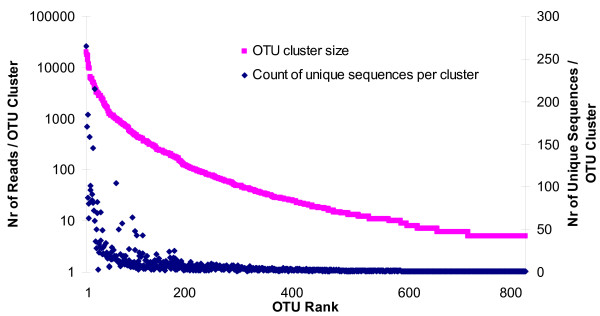
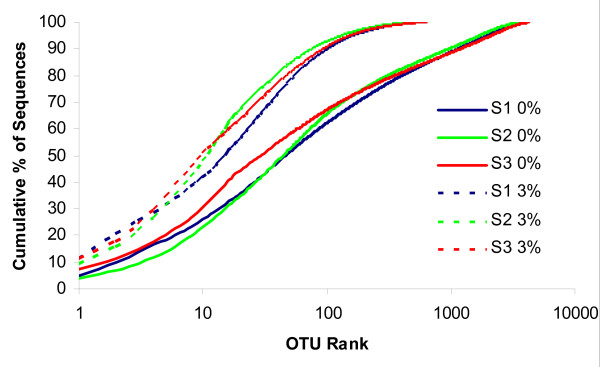
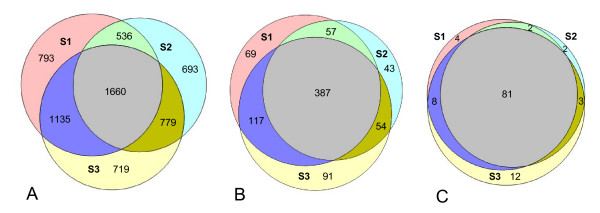
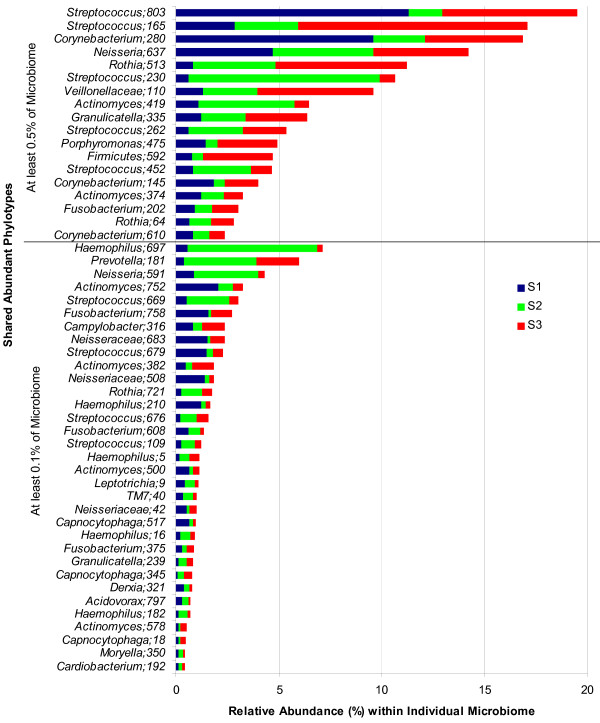
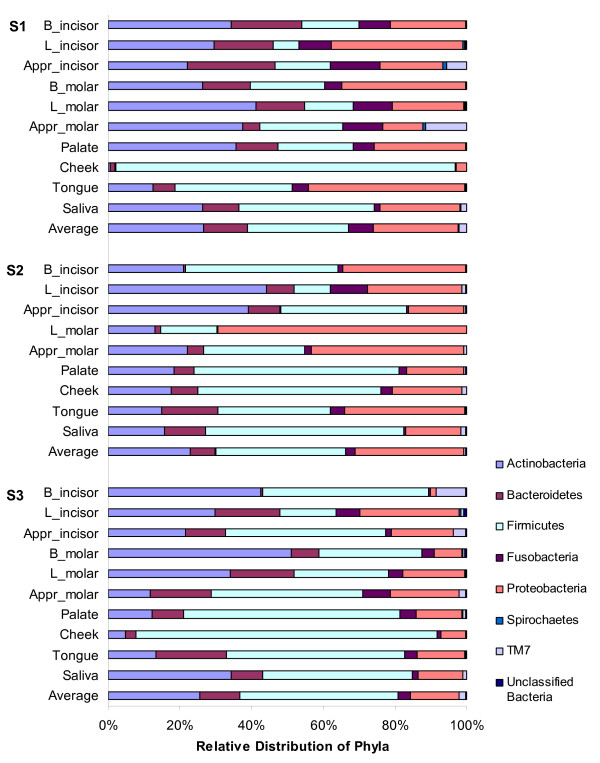
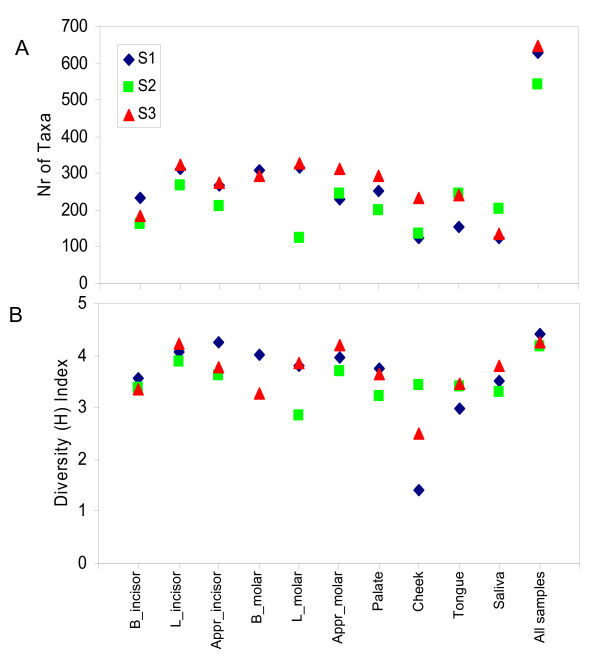
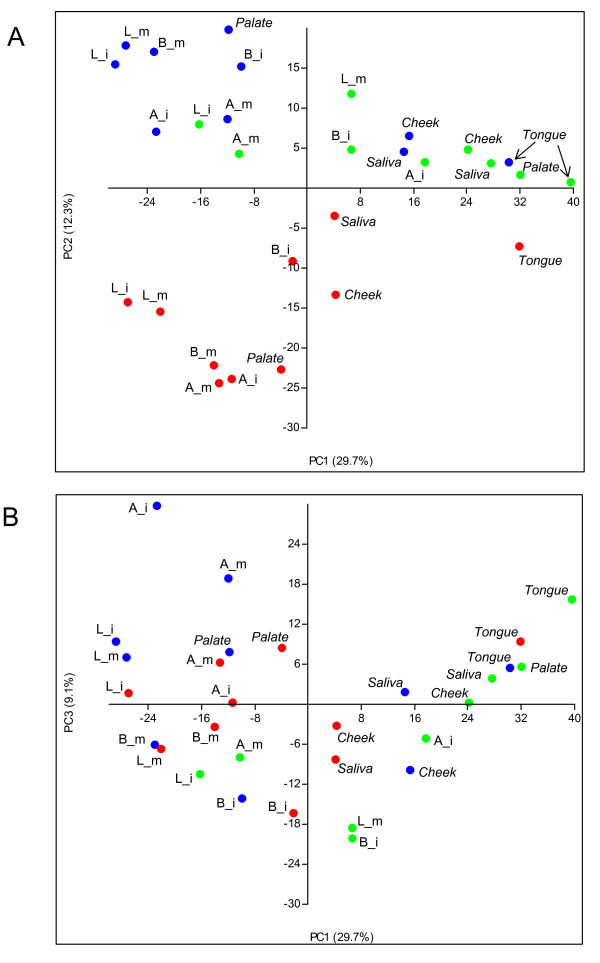
BACKGROUND: Most studies examining the commensal human oral microbiome are focused on disease or are limited in methodology. In order to diagnose and treat diseases at an early and reversible stage an in-depth definition of health is indispensible. The aim of this study therefore was to define the healthy oral microbiome using recent advances in sequencing technology (454 pyrosequencing). RESULTS: We sampled and sequenced microbiomes from several intraoral niches (dental surfaces, cheek, hard palate, tongue and saliva) in three healthy individuals. Within an individual oral cavity, we found over 3600 unique sequences, over 500 different OTUs or "species-level" phylotypes (sequences that clustered at 3% genetic difference) and 88 - 104 higher taxa (genus or more inclusive taxon). The predominant taxa belonged to Firmicutes (genus Streptococcus, family Veillonellaceae, genus Granulicatella), Proteobacteria (genus Neisseria, Haemophilus), Actinobacteria (genus Corynebacterium, Rothia, Actinomyces), Bacteroidetes (genus Prevotella, Capnocytophaga, Porphyromonas) and Fusobacteria (genus Fusobacterium).Each individual sample harboured on average 266 "species-level" phylotypes (SD 67; range 123 - 326) with cheek samples being the least diverse and the dental samples from approximal surfaces showing the highest diversity. Principal component analysis discriminated the profiles of the samples originating from shedding surfaces (mucosa of tongue, cheek and palate) from the samples that were obtained from solid surfaces (teeth).There was a large overlap in the higher taxa, "species-level" phylotypes and unique sequences among the three microbiomes: 84% of the higher taxa, 75% of the OTUs and 65% of the unique sequences were present in at least two of the three microbiomes. The three individuals shared 1660 of 6315 unique sequences. These 1660 sequences (the "core microbiome") contributed 66% of the reads. The overlapping OTUs contributed to 94% of the reads, while nearly all reads (99.8%) belonged to the shared higher taxa. CONCLUSIONS: We obtained the first insight into the diversity and uniqueness of individual oral microbiomes at a resolution of next-generation sequencing. We showed that a major proportion of bacterial sequences of unrelated healthy individuals is identical, supporting the concept of a core microbiome at health.
Overview
The claims and statistics of this paper haven’t been checked yet.
Free: it reads the open-access text and checks the first 5 claims that cite a source we can check. Create a free account to check every claim.
Integrity signals
Registry
Cites
Statistics
Figures
Verification
Claims the paper makes
The claims and statistics of this paper haven’t been checked yet.
Free: it reads the open-access text and checks the first 5 claims that cite a source we can check. Create a free account to check every claim.
Claims other papers make about this one
Each is checked against this paper’s own text: does it say what the citing paper says it does?
The source backs part of the claim, not all of it — or backs it for a different population, condition or comparison.
In the citing paper
“Up to 80% of oral bacteria are dominated by about 200 species in the Phyla Firmicutes (esp. Streptococcus, Veillonella, Granulicatella, Gemella spp.) and Proteobacteria (esp. Neisseria, Haemophilus spp.), with contributions from Bacteroidetes, Actinobacteria and Fusobacteria totaling upwards of 95% of all identified oral microbiota (Figure 2)[171–177].”
From Enterosalivary nitrate metabolism and the microbiome: Intersection of microbial metabolism, nitric oxide and diet in cardiac and pulmonary vascular health (2017) · cites this paper as [172]
Experimental — accuracy not yet measuredThe source backs part of the claim, not all of it — or backs it for a different population, condition or comparison.
In the citing paper
“This is of course not the case and the oral flora of a dog comprises hundreds of species (including pathogenic) bacteria, fungi, and viruses [153,154].”
From A One Health Perspective on the Human-Companion Animal Relationship with Emphasis on Zoonotic Aspects. (2020) · cites this paper as [154]
Experimental — accuracy not yet measuredThe source backs part of the claim, not all of it — or backs it for a different population, condition or comparison.
In the citing paper
“The core microbiome comprised typical oral bacteria that are commonly identified as abundant in similar oral microbiome surveys [28].”
From Citizen science charts two major “stomatotypes” in the oral microbiome of adolescents and reveals links with habits and drinking water composition (2018) · cites this paper as [28]
Experimental — accuracy not yet measuredThe cited source says what the claim attributes to it.
In the citing paper
“This core community composition and distribution is consistent with previous studies of oral healthy microbiomes [2, 9, 22, 28–30].”
From Citizen science charts two major “stomatotypes” in the oral microbiome of adolescents and reveals links with habits and drinking water composition (2018) · cites this paper as [28]
Self-check
Percentages, sums and reported differences re-computed from the paper’s own numbers.
The self-check needs the paper’s full text.
Citations
Cites
PAST: PALEONTOLOGICAL STATISTICAL SOFTWARE PACKAGE FOR EDUCATION AND DATA ANALYSIS
Hammer, Ø., Harper, D. A. T., & Ryan, P. D. (2001) · Palaeontologia Electronica · Cited by 17,871
A core gut microbiome in obese and lean twins
Turnbaugh, P. J., Hamady, M., Yatsunenko, T., Cantarel, B. L., Duncan, A., Ley, R. E., Sogin, M. L., Jones, W. J., Roe, B. A., Affourtit, J. P., et al. (2009) · Nature · doi:10.1038/nature07540 · Cited by 7,823 · cited 5×
“A 97% identity in 16S rRNA gene sequences is commonly used to group "species-level" phylotypes [1,11,12].”
InfluentialPruesse, E., Quast, C., Knittel, K., Fuchs, B. M., Ludwig, W., Peplies, J., & Glockner, F. O. (2007) · Nucleic Acids Research · doi:10.1093/nar/gkm864 · Cited by 6,668 · cited 1×
“We then used the GAST algorithm [27] to calculate the percent difference between each unique sequence and its closest match in a database of 69816 unique eubacterial and 2779 unique archaeal V5-V6 sequences, representing 323499 SSU rRNA sequences from the SILVA database [28].”
Microbial diversity in the deep sea and the underexplored “rare biosphere”
Sogin, M. L., Morrison, H. G., Huber, J. A., Welch, D. M., Huse, S. M., Neal, P. R., Arrieta, J. M., & Herndl, G. J. (2006) · Proceedings of the National Academy of Sciences · doi:10.1073/pnas.0605127103 · Cited by 3,701 · cited 3×
“Data analysis GS-FLX sequencing data were processed as previously described [14].”
Self-citationDefining the normal bacterial flora of the oral cavity
Aas, J. A., Paster, B. J., Stokes, L. N., Olsen, I., & Dewhirst, F. E. (2005) · Journal of Clinical Microbiology · doi:10.1128/jcm.43.11.5721-5732.2005 · Cited by 3,092 · cited 3×
“This richness is considerably higher than the 34 to 72 phylotypes and the 6 to 30 genera previously described using conventional cloning and sequencing [15,16].”
Schloss, P. D., & Handelsman, J. (2005) · Applied and Environmental Microbiology · doi:10.1128/aem.71.3.1501-1506.2005 · Cited by 2,501 · cited 1×
“The operational taxonomic units (OTUs) were created by aligning unique sequences and calculating distance matrices as previously described [14] and using DOTUR [30] to create clusters at the 0.”
Dethlefsen, L., Huse, S., Sogin, M. L., & Relman, D. A. (2008) · PLoS Biology · doi:10.1371/journal.pbio.0060280 · Cited by 2,361 · cited 2×
“However, most microbial diversity projects to date have used 3% OTUs [1,13,14], and to be consistent with other research using pyrosequencing sequences we have chosen to use 3% OTUs as well.”
Self-citationThe Ribosomal Database Project (RDP-II): sequences and tools for high-throughput rRNA analysis
Cole, J. R. (2004) · Nucleic Acids Research · doi:10.1093/nar/gki038 · Cited by 1,475 · cited 1×
“Taxa were assigned to each full-length reference sequence using several sources including Entrez Genome entries, cultured strain identities, SILVA, and the Ribosomal Database Project Classifier [29].”
Kunin, V., Engelbrektson, A., Ochman, H., & Hugenholtz, P. (2010) · Environmental Microbiology · doi:10.1111/j.1462-2920.2009.02051.x · Cited by 1,277 · cited 1×
“Recent publications [9,10] have identified the potential inflation of richness and diversity estimates caused by low-quality reads (pyrosequencing noise).”
The influence of sex, handedness, and washing on the diversity of hand surface bacteria
Fierer, N., Hamady, M., Lauber, C. L., & Knight, R. (2008) · Proceedings of the National Academy of Sciences · doi:10.1073/pnas.0807920105 · Cited by 1,108 · cited 3×
“A 97% identity in 16S rRNA gene sequences is commonly used to group "species-level" phylotypes [1,11,12].”
Research works printed but not linked: 1
- Zaura E Plaque stagnation sites and dental caries: Studies on dental biofilm and dentin demineralization in narrow grooves PhD thesis 2002 Amsterdam: Faculteit der Tandheelkunde, University of Amsterdam
Cited by
Items 801–900 of 1,000
Xerostomia and the Oral Microflora
Ligtenberg, A. J. M., & Almståhl, A. (2014) · Springer eBooks · doi:10.1007/978-3-642-55154-3_6 · Cited by 11
Lavender, H., Poncin, K., & Tang, C. M. (2017) · Infection and Immunity · doi:10.1128/iai.00305-17 · Cited by 11
“uals and constitute approximately 10% of the human oral bacterial flora (1, 5, 6).”
Menon, R. K., & Gopinath, D. (2018) · Oral Oncology · doi:10.1016/j.oraloncology.2018.02.019 · Cited by 9
Xing, Y., Yang, Y., Xu, L., Hao, N., Zhao, R., Wang, J., Li, S., Zhang, D., Zhang, T., & Kang, T. (2020) · Current Microbiology · doi:10.1007/s00284-019-01864-9 · Cited by 10
A probabilistic model to identify the core microbial communityPreprint
Gumiere, T., Meyer, K., Burns, A. R., Gumière, S. J., Bohannan, B. J. M., & Andreote, F. D. (2018) · bioRxiv (Cold Spring Harbor Laboratory) · doi:10.1101/491183 · Cited by 10
“An increased understanding of core microbial functions could support more robust studies in several fields, from human health (Zaura et al., 2009) to increased crop production.”
BackgroundBuerger, S. M. (2020) · Wiley eBooks · doi:10.1002/9781119593058.ch3 · Cited by 9
Sun, S., Zhang, H., Ye, L., Huang, L., Du, J., Liang, X., Zhang, X., Chen, J., Jiang, Y., & Chen, L. (2024) · Frontiers in Microbiology · doi:10.3389/fmicb.2024.1419686 · Cited by 11
Shimuta, K., Ohama, Y., Ito, S., Hoshina, S., Takahashi, H., Igawa, G., Yamamoto, M. D., Akeda, Y., & Ohnishi, M. (2025) · The Journal of Infectious Diseases · doi:10.1093/infdis/jiaf008 · Cited by 8
Zhao, L., Xie, H., Kang, L., & Liao, G. (2025) · Journal of Evidence-Based Medicine · doi:10.1111/jebm.70001 · Cited by 8
Adams, S., Cawley, A., Arnold, D. S., Hoptroff, M., Slomka, V., Matheson, J. R., Marriott, R. E., Gemmell, M. R., & Marsh, P. D. (2025) · Scientific Reports · doi:10.1038/s41598-025-92545-0 · Cited by 14
Fritsch, T., Muss, C., & Jacob, U. M. (2026) · doi:10.64447/2025nam0008 · Cited by 14
Rikvold, P. D., Johnsen, K. K., Leonhardt, D., Møllebjerg, A., Nielsen, S. M., Hansen, L. B. S., Meyer, R. L., & Schlafer, S. (2022) · 3D Printing and Additive Manufacturing · doi:10.1089/3dp.2022.0009 · Cited by 9
Toward Oral Thanatomicrobiology—An Overview of the Forensic Implications of Oral Microflora
Nilendu, D. (2023) · Academic Forensic Pathology · doi:10.1177/19253621231176411 · Cited by 9
“Distinct organisms thrive in separate areas of the mouth (4,5).”
Conserved core microbiota in managed and free-ranging Loxodonta africana elephants
Thorel, M., Obregón, D., Mulot, B., Maître, A., Mateos‐Hernández, L., Moalic, P.-Y., Chuang, A. W., Cabezas‐Cruz, A., & Leclerc, A. (2023) · Frontiers in Microbiology · doi:10.3389/fmicb.2023.1247719 · Cited by 9
Microbiota Profiles of Hen Eggs from the Different Seasons and Different Sectors of Shanghai, China
Gong, H., Ma, Y., Wang, M., Gu, Y., Deng, R., Deng, B., Feng, D., Han, Y., Mi, R., Huang, Y., et al. (2023) · Microorganisms · doi:10.3390/microorganisms11102519 · Cited by 8
Bartsch, S., Scholz, K. J., Al‐Ahmad, A., & Cieplik, F. (2025) · Advances in experimental medicine and biology · doi:10.1007/978-3-031-79146-8_16 · Cited by 10
Dysbiosis of the Intestinal Microbiota in IBS
Lyra, A., & Lahtine, S. (2012) · InTech eBooks · doi:10.5772/25759 · Cited by 9
“The mouth and stomach harbour their distinct microbiotas (Bik et al, 2006; Zaura et al, 2009).”
Ogba, O. M., & Abia-Bassey, L. N. (2015) · Microbiology Discovery · doi:10.7243/2052-6180-3-7 · Cited by 11
A comparison of sampling methods for examining the laryngeal microbiome
Hanshew, A. S., Jetté, M. E., Tadayon, S. N., & Thibeault, S. L. (2017) · PLoS ONE · doi:10.1371/journal.pone.0174765 · Cited by 8
Zhao, T., Shen, X., Dai, C., & Cui, L. (2018) · Journal of Veterinary Science · doi:10.4142/jvs.2018.19.6.798 · Cited by 8
“Base on the relative abundance of bacteria at the genus level, Venn diagrams were generated to visualize the shared and unique OTUs among samples or groups by using the R package “VennDiagram”, based on the occurrence of OTUs across samples/groups regardless of their relative abundance [50].”
Urubschurov, V., Stroebel, C., Günther, E., Romanowski, K., Büsing, K., & Zeyner, A. (2019) · Journal of Animal Physiology and Animal Nutrition · doi:10.1111/jpn.13079 · Cited by 9
Oral flora meningoencephalitis diagnosis by next-generation DNA sequencing
Heintz, E. V., Pettengill, M. A., Gangat, M., Hardy, D. J., Bonnez, W., & Sobhanie, M. M. (2019) · Access Microbiology · doi:10.1099/acmi.0.000056 · Cited by 8
Microbiomes of colored dental biofilms in children with or without severe caries experience
Nagai, N., Homma, H., Sakurai, A., Takahashi, N., & Shintani, S. (2020) · Clinical and Experimental Dental Research · doi:10.1002/cre2.317 · Cited by 10
Verspecht, T., Holm, W. V., Boon, N., Bernaerts, K., Daep, C. A., Zayed, N., Quirynen, M., & Teughels, W. (2021) · Scientific Reports · doi:10.1038/s41598-021-94510-z · Cited by 9
Dynamics of immunological and microbiological indicators of oral fluid in caries therapy
Guryanova, S. V., Kolesnikova, N. V., Гудима, Г. О., Леонидовна, Л. Н., & Karaulov, A. V. (2021) · Immunologiya · doi:10.33029/0206-4952-2021-42-4-386-394 · Cited by 8
Droplet-based microsystems as novel assessment tools for oral microbial dynamics
Uzoukwu, E. U., Phandanouvong-Lozano, V., Usman, H., Sfeir, C. S., & Niepa, T. H. R. (2022) · Biotechnology Advances · doi:10.1016/j.biotechadv.2021.107903 · Cited by 8
Sun, D., Wang, C., Sun, L., Hu, L., Fang, Z., Deng, Q., Zhao, J. J., & Gooneratne, R. (2022) · Nutrients · doi:10.3390/nu14040776 · Cited by 8
“A Venn diagram was generated to visualise the shared and unique OTUs among the samples or groups using the R package “VennDiagram”; this analysis was based on the occurrence of OTUs across samples/groups regardless of their relative abundance [21].”
MethodSun, H., Zhang, Q., Xu, C., Mao, A., Zhao, H., Chen, M., Sun, W., Li, G., & Zhang, T. (2023) · Metabolites · doi:10.3390/metabo13040554 · Cited by 8
“A Venn diagram was generated to visualize the shared and unique ASVs among samples or groups using the R package VennDiagram, based on the occurrence of ASVs across groups regardless of their relative abundance [48].”
MethodThe role of the human microbiome in otolaryngology–head and neck surgery: A contemporary review
Hong, P., Liu, C. M., Nordstrom, L., & Lalwani, A. K. (2013) · The Laryngoscope · doi:10.1002/lary.24490 · Cited by 9
Skopina, M. Y., Pershina, E. V., Andronov, E. E., Vasileva, A., Averina, S. G., Gavrilova, O. V., Ivanikova, N. V., & Pinevich, A. V. (2014) · Journal of Great Lakes Research · doi:10.1016/j.jglr.2014.11.030 · Cited by 8
Oral microflora of supragingival and subgingival biofilms in Algerian healthy adults
Ziouani, S., Klouche-Khelil, N., Ben-Yelles, I., Hoceini, A., Aissaoui, N., Nas, F., & Ghellai, L. (2015) · African Journal of Microbiology Research · doi:10.5897/ajmr2015.7457 · Cited by 8
“Defining the healthy oral cavity microflora is a very important tool to understand microbial diversity and function as well as etiology of disease better, in order to diagnose diseases at an earlier and reversible stage (Zaura et al., 2009).”
BackgroundInfluentialBaseline Oral Microbiome and All-cancer Incidence in a Cohort of Nonsmoking Mexican American Women
Zhang, X., Hoffman, K. L., Wei, P., Gbito, K. Y. E., Joseph, R., Li, F., Scheet, P. A., Chang, S., Petrosino, J. F., & Daniel, C. R. (2021) · Cancer Prevention Research · doi:10.1158/1940-6207.capr-20-0405 · Cited by 8
“Contrary to the gut microbiome, where higher diversity is typically considered a marker of good health, higher diversity of the oral microbiome may be a reflection of the breakdown of core, healthy genera and increased pathogen abundance in this population of women (27).”
BackgroundChen, Y., Zhang, Z., Luo, H., & Li, Z. (2021) · Archives of Microbiology · doi:10.1007/s00203-021-02461-w · Cited by 9
Zakis, D. R., Brandt, B. W., van der Waal, S. V., Keijser, B. J. F., Crielaard, W., van der Plas, D. W. K., Volgenant, C. M. C., & Zaura, E. (2024) · Journal of Oral Microbiology · doi:10.1080/20002297.2024.2369350 · Cited by 11
“Predominant taxa in a healthy oral micro-biome mostly consist of Firmicutes, Proteobacteria, Actinobacteria, Bacteroidetes and Fusobacteria, with a varying degree of proportions based on the intraoral niche [9].”
BackgroundMethodSelf-citationThe oral microbiota and its relationship to dental calculus and caries
Benseddik, F., Pilliol, V., Alou, M. T., Wasfy, R. M., Raoult, D., & Dubourg, G. (2024) · Archives of Oral Biology · doi:10.1016/j.archoralbio.2024.106161 · Cited by 8
Kim, K., Na, H. S., Oh, T. J., Han, H., Kim, J. Y., Hong, J.-S., Lee, H., Park, Y. S., & Chung, J. (2025) · Frontiers in Microbiology · doi:10.3389/fmicb.2025.1553404 · Cited by 8
“In contrast, in the control group, Actinomyces sp. HMT-169, Fusobacterium periodonticum , and Haemophilus sp. HMT-908 were significant, which are commonly associated with periodontal health or gingivitis (Zaura et al., 2009; Abusleme et al., 2021).”
Santos, H. S. D. B., Pagnussatti, M. E. L., & Arthur, R. A. (2025) · Advances in experimental medicine and biology · doi:10.1007/978-3-031-79146-8_3 · Cited by 7
The tongue microbiome of young patients with chronic kidney disease and their healthy mothers
Höfer, K. C., Weber, L. T., Barbe, A. G., Graf, I., Thom, S., Nowag, A., Scholz, C. J., Wisplinghoff, H., Noack, M. J., & Jazmati, N. (2024) · Clinical Oral Investigations · doi:10.1007/s00784-024-05492-x · Cited by 9
“Sampling was performed according to the protocol of Zaura et al. [20].”
Wang, X., Gao, Y., Zang, P., Zhang, G., Yang, X., & Liu, Q. (2024) · Frontiers in Plant Science · doi:10.3389/fpls.2024.1334958 · Cited by 7
Microbiome and Hemato-immune Aging
Johansson, A., Ho, N. P. Y., & Takizawa, H. (2024) · Experimental Hematology · doi:10.1016/j.exphem.2024.104685 · Cited by 9
Mehanna, N. S., & Reid, G. (2010) · Journal of Medicinal Food · doi:10.1089/jmf.2009.0051 · Cited by 7
Identification of an anaerobic bacterial consortium that degrades roxarsone
Li, Y., Liu, Y., Zhang, Z., Fei, Y., Tian, X., & Cao, S. (2020) · MicrobiologyOpen · doi:10.1002/mbo3.1003 · Cited by 7
Xu, X., Liu, S., Zhu, X., & Guo, X. (2020) · Current Microbiology · doi:10.1007/s00284-020-02219-5 · Cited by 7
Wu, J., Du, H., Wu, J., Luo, J., Fu, P., Qiao, X., & Wei, Q. (2021) · Journal of Applied Ichthyology · doi:10.1111/jai.14270 · Cited by 7
Zhao, Z., Wang, B., Liu, M., Jiang, K., & Wang, L. (2022) · Aquaculture Research · doi:10.1111/are.15881 · Cited by 7
The Oral Microbiota in Health and Disease: An Overview of Molecular Findings
Siqueira, J. F., Jr., & Rôças, I. N. (2022) · Methods in molecular biology · doi:10.1007/978-1-0716-2780-8_5 · Cited by 7
Xu, L., Wu, Z., Wang, Y., Wang, S., Shu, C., Duan, Z., & Deng, S. (2021) · Journal of Zhejiang University SCIENCE B · doi:10.1631/jzus.b2000554 · Cited by 8
Li, F. R., Fu, D., Tao, D., Feng, X., Wong, M. C. M., Xu, W., & Lu, H. (2021) · Frontiers in Cellular and Infection Microbiology · doi:10.3389/fcimb.2021.637394 · Cited by 8
Cellulose Nanocrystals Show Anti-Adherent and Anti-Biofilm Properties against Oral Microorganisms
Panio, A., Ionescu, A. C., Ferla, B. L., Zoia, L., Savadori, P., Tartaglia, G. M., & Brambilla, E. (2024) · Bioengineering · doi:10.3390/bioengineering11040355 · Cited by 7
“In this context, anti-adherence and biofilm inhibition strategies could effectively restore the plaque ecosystem’s balance [4–6].”
BackgroundMa, R., Yu, X., Huang, C., Xue, F., Hou, R., Wu, W., Feng, F., Bi, W., Zhang, L., Liu, J., et al. (2025) · BMC Microbiology · doi:10.1186/s12866-025-04084-3 · Cited by 6
García-Rios, P., Rodríguez‐Lozano, F. J., González-Murcia, R., Murcia, L., Victoria‐Montesinos, D., & García‐Muñoz, A. M. (2026) · Journal of Oral Microbiology · doi:10.1080/20002297.2026.2617757 · Cited by 7
“This counterintuitive pattern suggests that increased microbial diversity should not always be interpreted as a marker of eubiosis [43].”
The Changes of Phyllosphere Fungal Communities among Three Different Populus spp.
Sun, Z., Zhang, W., Liu, Y., Ding, C., & Zhu, W. (2023) · Microorganisms · doi:10.3390/microorganisms11102479 · Cited by 8
“A Venn diagram was generated using the R package “VennDiagram” to display shared and unique ASVs among samples or groups based on the occurrence of ASVs across samples/groups, irrespective of their relative abundance [37].”
MethodThe Oral Microbiome in Diabetes, Arterial Hypertension, and Obesity: A Scoping Review
Lima, C. P. V., Pauletto, P., Lataro, R. M., Canto, G. D. L., Damé‐Teixeira, N., & Stefani, C. M. (2025) · Advances in experimental medicine and biology · doi:10.1007/978-3-031-79146-8_13 · Cited by 7
Arredondo, A., Gerard, À., Isabal, S., Teughels, W., Laleman, I., José, C. M., Isbej, L., Huapaya, E., Mendoza‐Azpur, G., Mor, C., et al. (2025) · Journal of Periodontal Research · doi:10.1111/jre.13406 · Cited by 6
Han, X., Luo, Q., Chen, Y., Xuan, Y., Huang, C., Liu, B., Zhang, Y., Wu, X., Chen, Y., & Guo, J. (2025) · Applied Soil Ecology · doi:10.1016/j.apsoil.2025.106158 · Cited by 8
Principles of infection prevention and reprocessing in ENT endoscopy
Krämer, A., Kohnen, W., Israel, S., Ryll, S., Hübner, N., Luckhaupt, H., & Hosemann, W. (2015) · GMS. Current topics in otorhinolaryngology - head and neck surgery · doi:10.3205/cto000125 · Cited by 7
“In the free oral cavity, aerobe organisms are predominant while for example in the subgingival space anaerobes such as Actinomyces, Fusobacteria, and Peptostreptococci are found.”
BackgroundDysbiosis of Oral Microbiota and Its Effect on Epithelial-Mesenchymal Transition: a Review
Chakraborti, S., & Das, R. K. (2020) · SN Comprehensive Clinical Medicine · doi:10.1007/s42399-020-00573-w · Cited by 6
Yang, N., Li, M., Huang, Y., Liang, X., Quan, Z., Liu, H., Li, J., & Yue, X. (2022) · Frontiers in Veterinary Science · doi:10.3389/fvets.2022.889432 · Cited by 8
“Shared and unique ASVs among treatments were visualized by a Venn diagram using the R package “VennDiagram,” which was based on the occurrence of ASVs across treatments regardless of their relative abundance (26).”
MethodDifferences in Supragingival Microbiome in Patients with and without Full-Crown Prostheses
Guo, M., Zhang, Z., Lu, J., Wang, D., Yan, Y., Zhang, S., Yu, X., Su, S., Yuan, L., Li, Z., et al. (2022) · Dentistry Journal · doi:10.3390/dj10080152 · Cited by 7
“[34] first observed the diversity and uniqueness of an individual’s oral microbial community and proposed the concept of core microbial community in healthy oral cavities.”
BackgroundResultRaman, S. R., Liu, C., Herremans, K. M., Riner, A. N., Vudatha, V., Freudenberger, D. C., McKinley, K. L., Triplett, E. W., & Trevino, J. (2022) · Microorganisms · doi:10.3390/microorganisms10112291 · Cited by 6
Herrera, B. S., Henz, S. L., Dua, S. A., Martin, L., Teles, R. P., Patel, M., & Teles, F. (2023) · Archives of Oral Biology · doi:10.1016/j.archoralbio.2023.105721 · Cited by 6
Ma, H., Li, Y., Han, P., Zhang, R., Yuan, J., Sun, Y., Li, J., & Chen, J. (2024) · Animals · doi:10.3390/ani14020178 · Cited by 7
“A Venn diagram was generated using the R package [30].”
MethodMicrobiota induces expression of tumor necrosis factor in postnatal mouse skin
Yuzhakova, D. V., Shirmanova, M. V., Bocharov, A. А., Astrakhantseva, I. V., Vasilenko, E. A., Gorshkova, E. N., Drutskaya, M. S., Вадимовна, З. Е., Недоспасов, С. А., & Kruglov, A. (2016) · Biochemistry (Moscow) · doi:10.1134/s0006297916110080 · Cited by 6
“is the low level of variety at the level of phyla, but rather great variety at the level of species [8-13].”
BackgroundYokoi, A., Ekuni, D., Hata, H., Yamane, M., Maruyama, T., Yamanaka, R., & Morita, M. (2019) · Journal of Applied Oral Science · doi:10.1590/1678-7757-2018-0635 · Cited by 8
The Oral Microbiome of Healthy Japanese People at the Age of 90
Nomura, Y., Kakuta, E., Kaneko, N., Nohno, K., Yoshihara, A., & Hanada, N. (2020) · Applied Sciences · doi:10.3390/app10186450 · Cited by 6
“Veillonella is known to be prevalently detected at various sites in the oral cavity, such as dental plaque, saliva [65], and oral mucosa [66].”
BackgroundZhang, J., Niu, C., Zhang, Q., Wang, M., Ni, L., Liu, J., Rong, X., Zhao, C., & Chen, J. (2021) · Journal of Renal Nutrition · doi:10.1053/j.jrn.2020.11.004 · Cited by 7
Incidence of Postoperative Pneumonia and Oral Microbiome for Patients with Cancer Operation
Nomura, Y., Inai, Y., Shimpo, Y., Okada, A., Yamamoto, Y., Sogabe, K., Wada, N., & Hanada, N. (2022) · Applied Sciences · doi:10.3390/app12062920 · Cited by 8
Microbiota in Periodontitis: Advances in the Omic Era
Fong, S. B., Boyer, É., Bonnaure‐Mallet, M., & Meuric, V. (2022) · Advances in experimental medicine and biology · doi:10.1007/978-3-030-96881-6_2 · Cited by 6
Blood, gut, and oral microbiome in kidney transplant recipients
Araújo, R., Sampaio, S., Merino-Riba, A., Lelouvier, B., Servant, F., Quelhas‐Santos, J., Pestana, M., & Sampaio‐Maia, B. (2023) · Indian Journal of Nephrology · doi:10.4103/ijn.ijn_168_22 · Cited by 6
“This composition disagrees with other studies that evaluated oral swabs in KTRs [2] and dental plaque or saliva in healthy controls, [21,22] where Firmicutes, especially Streptococcus , were the most prevalent genus.”
ResultPayungporn, S., Arirachakaran, P., Poomipak, W., Praianantathavorn, K., Charalampakis, G., & Poovorawan, Y. (2017) · Jundishapur Journal of Microbiology · doi:10.5812/jjm.13646 · Cited by 9
“gingivalis was observed from disease sites (1).”
BackgroundBratcher, H. B., Rodrigues, C. M. C., Finn, A. H. R., Wootton, M., Cameron, J. C., Smith, A. J., Heath, P. T., Ladhani, S. N., Snape, M. D., Pollard, A. J., et al. (2019) · Wellcome Open Research · doi:10.12688/wellcomeopenres.15362.1 · Cited by 6
Yeo, K., Wu, F., Li, R., Smith, E., Wormald, P.-J., Valentine, R., Psaltis, A. J., Vreugde, S., & Fenix, K. (2024) · Pathogens · doi:10.3390/pathogens13100826 · Cited by 5
“Oral microbes are site-specialist, and bacteria species usually prefer a particular oral site and are less likely to be found at other sites [24,39,40,87].”
BackgroundStructural and functional changes in the oral microbiome of patients with craniofacial microsomia
Zang, T., Zhang, Z., Liu, W., Yin, L., Zhao, S., Liu, B., Ma, L., Li, Z., & Tang, X. (2025) · Scientific Reports · doi:10.1038/s41598-025-86537-3 · Cited by 5
Dipalma, G., Inchingolo, A. D., Fiore, A., Balestriere, L., Carone, C., Inchingolo, F., Corsalini, M., Severino, M., Palermo, A., Venere, D. D., et al. (2025) · International Journal of Dentistry · doi:10.1155/ijod/8036633 · Cited by 7
The Oral Microbiome, Oral Hyperpermeability, and Periodontitis in Metabolic Syndrome
Nehaoua, A., Gasmi, A., Noor, S., & Benahmed, A. G. (2025) · Advances in experimental medicine and biology · doi:10.1007/978-3-032-03176-1_6 · Cited by 5
Xu, Y., Zhao, Z., Kong, Y., Fan, Y., He, J., Fan, Z., Wang, G., & Hu, Y. M. (2026) · JACS Au · doi:10.1021/jacsau.6c00012 · Cited by 5
Lim, M. Y., Kim, J., & Nam, Y. (2023) · Frontiers in Cellular and Infection Microbiology · doi:10.3389/fcimb.2023.1114014 · Cited by 5
“Several studies have indeed examined healthy oral microbiomes (Zaura et al., 2009; Human Microbiome Project, 2012; Nearing et al., 2020) and reported relationships between the oral microbiome and specific factors that possibly influence oral microbiome composition, such as smoking (Wu et al.”
BackgroundTang, T., Wang, F., Fang, G., Mao, T., Guo, J., Kuang, H., Sun, G., Guo, X., Duan, Y., & You, J. (2023) · Frontiers in Microbiology · doi:10.3389/fmicb.2023.1180368 · Cited by 5
Hu, N., Li, Y., Wang, M., Ji, H., Zhang, X., San, B., & Shi, H. (2024) · Life · doi:10.3390/life14030322 · Cited by 5
“Using the “Venn Diagram” R package, a Venn diagram was generated to show the shared and unique ASVs in a sample or population based on the occurrence of ASVs in different samples and populations, regardless of their relative abundance [34].”
MethodZhang, J., Wei, J., Ji, K., & Zhang, Y. (2025) · Scientific Reports · doi:10.1038/s41598-025-92051-3 · Cited by 5
“The SHC, CHC, FHC, NCP, CP, and Pt did not differ between CK and the other study sites.”
Symbiosis and Pathogenicity of Actinobacteria
Anteneh, Y. S., & Franco, C. M. M. (2017) · Springer eBooks · doi:10.1007/978-3-319-60339-1_9 · Cited by 6
Balbinot, G. D. S., Santo, C. M. N. D. E., Leitune, V. C. B., Visioli, F., Soares, R. M. D., Sauro, S., & Collares, F. M. (2022) · Polymers · doi:10.3390/polym14214482 · Cited by 5
“The antibacterial effect, known for triazine compounds in different applications [11– 13,15,17,22,37], was observed in this study for Streptococcus mutans, which are among the most prevalent bacterial in the oral environment [38,39] and was selected in this study to confirm the ability of these materials to reduce the…”
BackgroundInferring diet, disease and antibiotic resistance from ancient human oral microbiomes
Dahlquist-Axe, G., Standeven, F. J., Speller, C., Tedder, A., & Meehan, C. J. (2024) · Microbial Genomics · doi:10.1099/mgen.0.001251 · Cited by 9
“Core bacterial genera present in ≥66 % of healthy human oral cavities include Streptococcus, Granulicatella, Neisseria and Haemophilus [32].”
BackgroundThe Gut Microbiota Mediates the Protective Effects of Spironolactone on Myocardial Infarction
Li, L., Sun, J., Li, Y., Zhu, S.-W., & Duan, S. (2024) · The Journal of Microbiology · doi:10.1007/s12275-024-00164-7 · Cited by 5
“Using the ASV/OTU abundance table to create a Venn plot, count the members in each group based on their presence or absence between groups (Zaura et al., 2009).”
Recruiting Human Microbiome Shotgun Data to Site-Specific Reference Genomes
Xie, G. G., Lo, C., Scholz, M. B., & Chain, P. S. G. (2014) · PLoS ONE · doi:10.1371/journal.pone.0084963 · Cited by 5
“For example, 114 references, 31 genera, and 27 families are shared among 9 oral sub-sites from our pooled samples (Table S5 in File S2), which is consistent with recent rRNA gene based observations of large overlap among oral microbiome samples [22,23].”
ResultKhalil, D., & Hultin, M. (2019) · IntechOpen eBooks · doi:10.5772/intechopen.79486 · Cited by 6
Microbial Forensics: Human Identification
Eom, Y. (2018) · Journal of Experimental & Biomedical Sciences/Biomedical Science Letters · doi:10.15616/bsl.2018.24.4.292 · Cited by 6
“이러한 대용량 병렬 염기서열 결정법(MPS)을 사용하여 타액의 미생물군집을 연구한 결과들이 많이 보고되었다 (Aas et al., 2005; Costello et al., 2009; Lazarevic t al., 2009; - 295 - Zaura et al., 2009; Lazarevic et al., 2010; Caporaso et al., 2011; Stahringer et al., 2012).”
Verbeke, F., der borght, K. V., Spiegeleer, A. D., Debunne, N., Janssens, Y., Wynendaele, E., & Spiegeleer, B. M. J. D. (2022) · Journal of Pharmaceutical and Biomedical Analysis · doi:10.1016/j.jpba.2022.114594 · Cited by 5
“Among the bacteria inhabiting the oral cavity, Streptococci species are the most abundant [6].”
BackgroundGül, F., Karadayı, Ş., Yurdabakan, Z. Z., Özbek, T., & Karadayı, B. (2022) · Forensic Science International · doi:10.1016/j.forsciint.2022.111447 · Cited by 5
Oropharyngeal, proximal colonic, and vaginal microbiomes of healthy Korean native black pig gilts
Bugenyi, A. W., Lee, M.-R., Choi, Y., Song, K., Lee, H., Son, Y., Lee, D., Lee, S., Son, Y.-J., & Heo, J.-Y. (2023) · BMC Microbiology · doi:10.1186/s12866-022-02743-3 · Cited by 8
Oral biofilms: Architecture and control
Priya, A., Nagaiah, H. P., Malligarjunan, N., & Pandian, S. K. (2023) · Elsevier eBooks · doi:10.1016/b978-0-323-99977-9.00025-9 · Cited by 5
Galeeva, J. S., Starikova, E. V., Fedorov, D. E., Manolov, A. I., Pavlenko, A. V., Konanov, D. N., Krivonos, D. V., Babenko, V. V., Klimina, K. M., Veselovsky, V. A., et al. (2023) · Frontiers in Microbiomes · doi:10.3389/frmbi.2023.1067019 · Cited by 6
“The taxonomic composition of oropharyngeal swabs of COVID-19 patients is consistent with the results of studies about human oropharyngeal microbiota (Zaura et al., 2009; Bach et al., 2020).”
BackgroundResultFungal community inside lichen: a curious case of sparse diversity and high modularity
Yang, J., Woo, J.-J., Oh, S., Kim, W., & Hur, J. (2023) · Environmental Microbiome · doi:10.1186/s40793-023-00531-8 · Cited by 6
Probióticos y su relación con el control de caries. Revisión de tema
de Colombia, U. C., & Díaz, M. D. P. A. (2016) · Revista Facultad de Odontología Universidad de Antioquia · doi:10.17533/udea.rfo.v28n1a10 · Cited by 11
Managing Denture Biofilm Related Diseases
Wu, T., Shi, W., Loewy, Z. G., & He, X. (2015) · Dentistry - Open Journal · doi:10.17140/doj-2-116 · Cited by 7
Exploring Human Bacterial Diversity Toward Prevention of Infectious Disease and Health Promotion
Yousuf, B., & Mishra, A. (2018) · Elsevier eBooks · doi:10.1016/b978-0-12-814849-5.00029-0 · Cited by 7
Verma, D., Srivastava, A., Garg, P. K., Akhter, Y., Dubey, A. K., Mishra, S., & Deo, S. V. S. (2020) · Archives of Microbiology · doi:10.1007/s00203-020-02084-7 · Cited by 6
Dispersion characteristics of oral microbial communities in a built environment
Yanagi, U., Kato, S., Nagano, H., Ito, K., Yamanaka, T., Momoi, Y., Kobayashi, H., & HAYAMA, H. (2022) · Japan Architectural Review · doi:10.1002/2475-8876.12261 · Cited by 6
Nambu, T., Yamane, K., Yamanaka, T., Mashimo, C., Maruyama, H., Yoshida, M., Hayashi, H., Leung, K., & Fukushima, H. (2013) · Archives of Oral Biology · doi:10.1016/j.archoralbio.2012.10.017 · Cited by 6
Torres, P. J., & Kelley, S. T. (2017) · Methods in molecular biology · doi:10.1007/978-1-4939-7514-3_11 · Cited by 5
Metadata
- Authors
- Zaura, E., Keijser, B. J., Huse, S. M., & Crielaard, W.
- Affiliations
- Academic Center for Dentistry Amsterdam (NL)
- Netherlands Organisation for Applied Scientific Research (NL)
- Marine Biological Laboratory (US)
- Corresponding author
- Zaura, Egija
- Venue
- BMC Microbiology
- Published
- 2009
- Volume
- 9
- Issue
- 1
- Pages
- 259
- ISSN
- 1471-2180 (ISSN-L)
- PMC
- PMC2805672
- OpenAlex
- W2117522399
- Cited by
- 1,323
- References
- 29
- Citations by year
- 2026: 68 · 2025: 96 · 2024: 88 · 2023: 87 · 2022: 114 · 2021: 138 · 2020: 118 · 2019: 103 · 2018: 68 · 2017: 69 · 2016: 61 · 2015: 64 · 2014: 55 · 2013: 55 · 2012: 53
- FWCI
- 48.63
- Type
- journal article
- Language
- en
- Open access
- gold
- doi.org
- Licence
- cc-by
- Locations
- BMC Microbiology (publishedVersion, cc-by)
- PubMed Central (publishedVersion, cc-by)
- PubMed (publishedVersion)
- UvA-DARE (University of Amsterdam) (acceptedVersion, other-oa)
- TNO Repository (submittedVersion)
- DOAJ (DOAJ: Directory of Open Access Journals) (submittedVersion, cc-by-sa)
- VU Research Portal (submittedVersion, other-oa)
- Repository hosted by TU Delft Library (TU Delft) (submittedVersion)
- Data Archiving and Networked Services (DANS) (submittedVersion, other-oa)
- Funders
- National Science Foundation (P50 ES012742, 0430724)
- National Institutes of Health
- National Institute of Environmental Health Sciences (P50ES012742)
- Topics
- Health Sciences › Dentistry › Periodontics › Oral microbiology and periodontitis research
- Life Sciences › Biochemistry, Genetics and Molecular Biology › Molecular Biology › Gut microbiota and health
- Physical Sciences › Environmental Science › Ecology › Microbial Community Ecology and Physiology
- Keywords
- oral microbiota, core microbiome, oral bacterial diversity, shared OTUs, dental surfaces, tongue, cheek, hard palate, saliva, Streptococcus, Neisseria, Fusobacterium, Prevotella, Bacteroidetes, Firmicutes, Proteobacteria, actinobacteria
- MeSH terms
- Bacteria, DNA, Bacterial, Humans, Male, Mouth, Cluster Analysis, Sequence Analysis, DNA, Principal Component Analysis, Ribosome Subunits, Small, Bacterial, Metagenome
About these checks
Registry, retraction, Cites and statistics results are computed, not judged, with one exception: a printed reference that no index lists is read once by a model before it counts as a citation error. Claims are extracted by a model and kept only when their quote appears verbatim in the text; each cited source is then checked, with a model’s help, for whether it says what the claim relies on. Those verdicts can be wrong — read the claim’s quote and the cited source before relying on one.
Statistics and arithmetic are recomputed, not judged.
Confidence bands are shown only for fields calibrated on our annotated test set. None is calibrated yet, so no band is shown.
What counts as a claim ›How we measure confidence ›How we check this ›
Are you an author, or do you see a problem with this page? Request a review
Data sources
Bibliographic data: Semantic Scholar, OpenAlex, Crossref.
Contains information from the Semantic Scholar Academic Graph Datasets, made available under the ODC Attribution License (ODC-BY 1.0).
Semantic Scholar’s data is described in: Kinney, R., et al. (2023). The Semantic Scholar Open Data Platform. arXiv:2301.10140.
