

Defining the healthy “core microbiome” of oral microbial communities
Open accessThe DOI matches its Crossref record; 29 of the 29 references it cites were found in a registry or an index.
Abstract
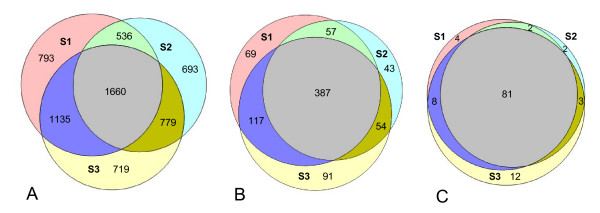
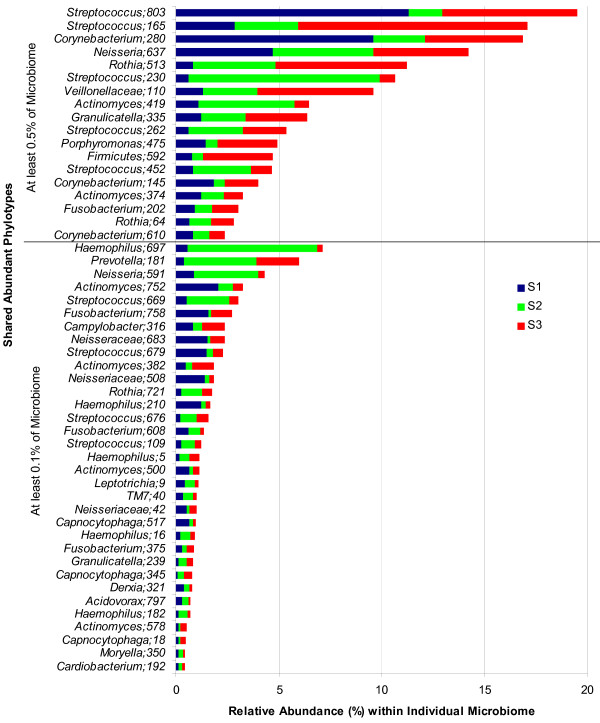
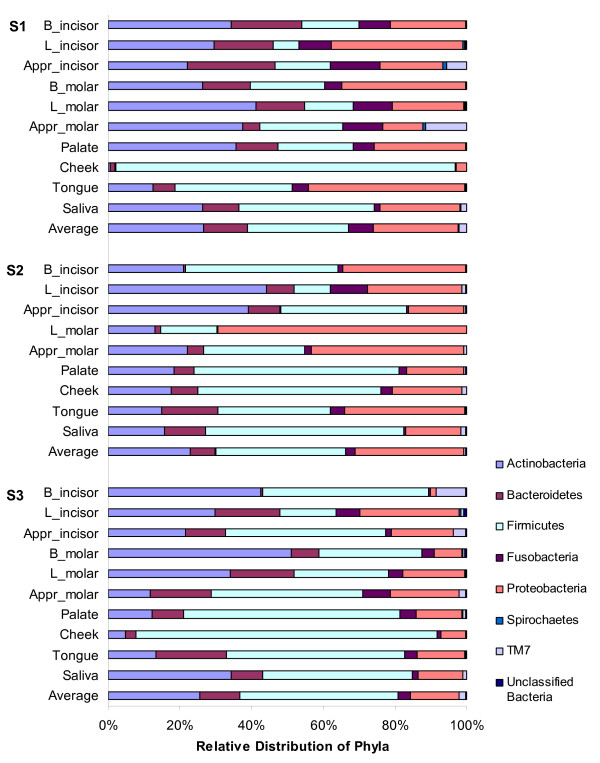
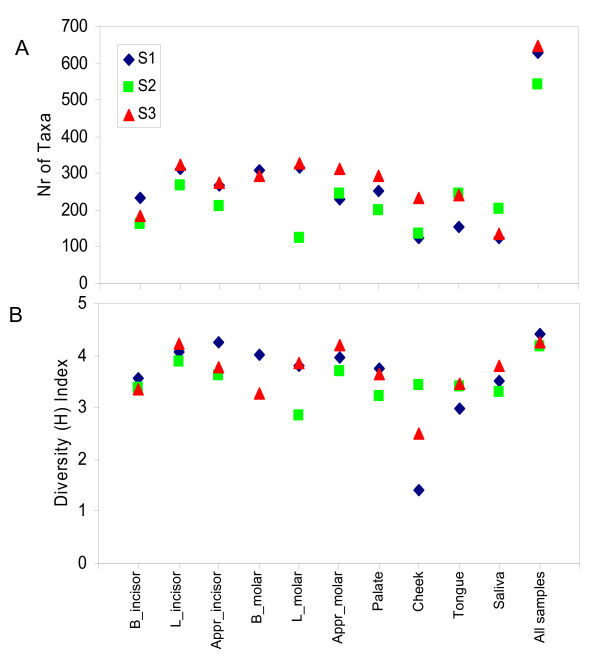
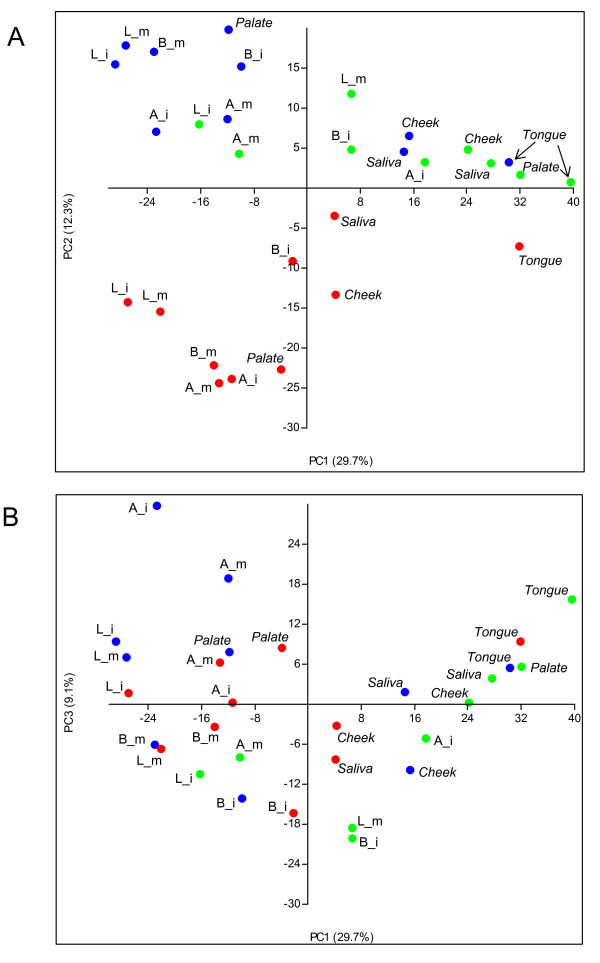
BACKGROUND: Most studies examining the commensal human oral microbiome are focused on disease or are limited in methodology. In order to diagnose and treat diseases at an early and reversible stage an in-depth definition of health is indispensible. The aim of this study therefore was to define the healthy oral microbiome using recent advances in sequencing technology (454 pyrosequencing). RESULTS: We sampled and sequenced microbiomes from several intraoral niches (dental surfaces, cheek, hard palate, tongue and saliva) in three healthy individuals. Within an individual oral cavity, we found over 3600 unique sequences, over 500 different OTUs or "species-level" phylotypes (sequences that clustered at 3% genetic difference) and 88 - 104 higher taxa (genus or more inclusive taxon). The predominant taxa belonged to Firmicutes (genus Streptococcus, family Veillonellaceae, genus Granulicatella), Proteobacteria (genus Neisseria, Haemophilus), Actinobacteria (genus Corynebacterium, Rothia, Actinomyces), Bacteroidetes (genus Prevotella, Capnocytophaga, Porphyromonas) and Fusobacteria (genus Fusobacterium).Each individual sample harboured on average 266 "species-level" phylotypes (SD 67; range 123 - 326) with cheek samples being the least diverse and the dental samples from approximal surfaces showing the highest diversity. Principal component analysis discriminated the profiles of the samples originating from shedding surfaces (mucosa of tongue, cheek and palate) from the samples that were obtained from solid surfaces (teeth).There was a large overlap in the higher taxa, "species-level" phylotypes and unique sequences among the three microbiomes: 84% of the higher taxa, 75% of the OTUs and 65% of the unique sequences were present in at least two of the three microbiomes. The three individuals shared 1660 of 6315 unique sequences. These 1660 sequences (the "core microbiome") contributed 66% of the reads. The overlapping OTUs contributed to 94% of the reads, while nearly all reads (99.8%) belonged to the shared higher taxa. CONCLUSIONS: We obtained the first insight into the diversity and uniqueness of individual oral microbiomes at a resolution of next-generation sequencing. We showed that a major proportion of bacterial sequences of unrelated healthy individuals is identical, supporting the concept of a core microbiome at health.
Overview
The claims and statistics of this paper haven’t been checked yet.
Free: it reads the open-access text and checks the first 5 claims that cite a source we can check. Create a free account to check every claim.
Integrity signals
Registry
Cites
Statistics
Figures
Verification
Claims the paper makes
The claims and statistics of this paper haven’t been checked yet.
Free: it reads the open-access text and checks the first 5 claims that cite a source we can check. Create a free account to check every claim.
Claims other papers make about this one
Each is checked against this paper’s own text: does it say what the citing paper says it does?
The source backs part of the claim, not all of it — or backs it for a different population, condition or comparison.
In the citing paper
“Up to 80% of oral bacteria are dominated by about 200 species in the Phyla Firmicutes (esp. Streptococcus, Veillonella, Granulicatella, Gemella spp.) and Proteobacteria (esp. Neisseria, Haemophilus spp.), with contributions from Bacteroidetes, Actinobacteria and Fusobacteria totaling upwards of 95% of all identified oral microbiota (Figure 2)[171–177].”
From Enterosalivary nitrate metabolism and the microbiome: Intersection of microbial metabolism, nitric oxide and diet in cardiac and pulmonary vascular health (2017) · cites this paper as [172]
Experimental — accuracy not yet measuredThe source backs part of the claim, not all of it — or backs it for a different population, condition or comparison.
In the citing paper
“This is of course not the case and the oral flora of a dog comprises hundreds of species (including pathogenic) bacteria, fungi, and viruses [153,154].”
From A One Health Perspective on the Human-Companion Animal Relationship with Emphasis on Zoonotic Aspects. (2020) · cites this paper as [154]
Experimental — accuracy not yet measuredThe source backs part of the claim, not all of it — or backs it for a different population, condition or comparison.
In the citing paper
“The core microbiome comprised typical oral bacteria that are commonly identified as abundant in similar oral microbiome surveys [28].”
From Citizen science charts two major “stomatotypes” in the oral microbiome of adolescents and reveals links with habits and drinking water composition (2018) · cites this paper as [28]
Experimental — accuracy not yet measuredThe cited source says what the claim attributes to it.
In the citing paper
“This core community composition and distribution is consistent with previous studies of oral healthy microbiomes [2, 9, 22, 28–30].”
From Citizen science charts two major “stomatotypes” in the oral microbiome of adolescents and reveals links with habits and drinking water composition (2018) · cites this paper as [28]
Self-check
Percentages, sums and reported differences re-computed from the paper’s own numbers.
The self-check needs the paper’s full text.
Citations
Cites
PAST: PALEONTOLOGICAL STATISTICAL SOFTWARE PACKAGE FOR EDUCATION AND DATA ANALYSIS
Hammer, Ø., Harper, D. A. T., & Ryan, P. D. (2001) · Palaeontologia Electronica · Cited by 17,871
A core gut microbiome in obese and lean twins
Turnbaugh, P. J., Hamady, M., Yatsunenko, T., Cantarel, B. L., Duncan, A., Ley, R. E., Sogin, M. L., Jones, W. J., Roe, B. A., Affourtit, J. P., et al. (2009) · Nature · doi:10.1038/nature07540 · Cited by 7,823 · cited 5×
“A 97% identity in 16S rRNA gene sequences is commonly used to group "species-level" phylotypes [1,11,12].”
InfluentialPruesse, E., Quast, C., Knittel, K., Fuchs, B. M., Ludwig, W., Peplies, J., & Glockner, F. O. (2007) · Nucleic Acids Research · doi:10.1093/nar/gkm864 · Cited by 6,668 · cited 1×
“We then used the GAST algorithm [27] to calculate the percent difference between each unique sequence and its closest match in a database of 69816 unique eubacterial and 2779 unique archaeal V5-V6 sequences, representing 323499 SSU rRNA sequences from the SILVA database [28].”
Microbial diversity in the deep sea and the underexplored “rare biosphere”
Sogin, M. L., Morrison, H. G., Huber, J. A., Welch, D. M., Huse, S. M., Neal, P. R., Arrieta, J. M., & Herndl, G. J. (2006) · Proceedings of the National Academy of Sciences · doi:10.1073/pnas.0605127103 · Cited by 3,701 · cited 3×
“Data analysis GS-FLX sequencing data were processed as previously described [14].”
Self-citationDefining the normal bacterial flora of the oral cavity
Aas, J. A., Paster, B. J., Stokes, L. N., Olsen, I., & Dewhirst, F. E. (2005) · Journal of Clinical Microbiology · doi:10.1128/jcm.43.11.5721-5732.2005 · Cited by 3,092 · cited 3×
“This richness is considerably higher than the 34 to 72 phylotypes and the 6 to 30 genera previously described using conventional cloning and sequencing [15,16].”
Schloss, P. D., & Handelsman, J. (2005) · Applied and Environmental Microbiology · doi:10.1128/aem.71.3.1501-1506.2005 · Cited by 2,501 · cited 1×
“The operational taxonomic units (OTUs) were created by aligning unique sequences and calculating distance matrices as previously described [14] and using DOTUR [30] to create clusters at the 0.”
Dethlefsen, L., Huse, S., Sogin, M. L., & Relman, D. A. (2008) · PLoS Biology · doi:10.1371/journal.pbio.0060280 · Cited by 2,361 · cited 2×
“However, most microbial diversity projects to date have used 3% OTUs [1,13,14], and to be consistent with other research using pyrosequencing sequences we have chosen to use 3% OTUs as well.”
Self-citationThe Ribosomal Database Project (RDP-II): sequences and tools for high-throughput rRNA analysis
Cole, J. R. (2004) · Nucleic Acids Research · doi:10.1093/nar/gki038 · Cited by 1,475 · cited 1×
“Taxa were assigned to each full-length reference sequence using several sources including Entrez Genome entries, cultured strain identities, SILVA, and the Ribosomal Database Project Classifier [29].”
Kunin, V., Engelbrektson, A., Ochman, H., & Hugenholtz, P. (2010) · Environmental Microbiology · doi:10.1111/j.1462-2920.2009.02051.x · Cited by 1,277 · cited 1×
“Recent publications [9,10] have identified the potential inflation of richness and diversity estimates caused by low-quality reads (pyrosequencing noise).”
The influence of sex, handedness, and washing on the diversity of hand surface bacteria
Fierer, N., Hamady, M., Lauber, C. L., & Knight, R. (2008) · Proceedings of the National Academy of Sciences · doi:10.1073/pnas.0807920105 · Cited by 1,108 · cited 3×
“A 97% identity in 16S rRNA gene sequences is commonly used to group "species-level" phylotypes [1,11,12].”
Research works printed but not linked: 1
- Zaura E Plaque stagnation sites and dental caries: Studies on dental biofilm and dentin demineralization in narrow grooves PhD thesis 2002 Amsterdam: Faculteit der Tandheelkunde, University of Amsterdam
Cited by
Items 301–400 of 1,000
Qi, Y., Wu, H., Yang, Z., Zhou, Y., Jin, L., Yang, M., & Wang, F. (2021) · Digestive Diseases and Sciences · doi:10.1007/s10620-021-06837-2 · Cited by 72
Iqbal, A., Ali, I., Yuan, P., Khan, R., He, L., Wei, S., & Jiang, L. (2022) · Frontiers in Microbiology · doi:10.3389/fmicb.2022.856355 · Cited by 61
Rare taxa in the core microbiome
Chakraborty, D., Jousset, A., Wei, Z., & Banerjee, S. (2025) · Trends in Microbiology · doi:10.1016/j.tim.2025.03.002 · Cited by 70
The Oral Microbiota in Health and Disease: An Overview of Molecular Findings
Siqueira, J. F., Jr., & Rôças, I. N. (2016) · Methods in molecular biology · doi:10.1007/978-1-4939-6685-1_7 · Cited by 66
High Doses of Copper and Mercury Changed Cecal Microbiota in Female Mice
Ruan, Y., Wu, C., Guo, X., Xu, Z. Q., Xing, C., Cao, H., Zhang, C., Hu, G., & Liu, P. (2018) · Biological Trace Element Research · doi:10.1007/s12011-018-1456-1 · Cited by 65
Xu, Y.-C., Yh, J., Chen, L., Huang, W., & Yang, D. (2018) · Oral Diseases · doi:10.1111/odi.12871 · Cited by 62
Compositional Differences in the Oral Microbiome of E-cigarette Users
Chopyk, J., Bojanowski, C. M., Shin, J. H., Moshensky, A., Fuentes, A. L., Bonde, S. S., Chuki, D., Pride, D. T., & Alexander, L. E. C. (2021) · Frontiers in Microbiology · doi:10.3389/fmicb.2021.599664 · Cited by 74
Dols, J. A. M., Smit, P. W., Kort, R., Reid, G., Schuren, F. H. J., Tempelman, H. A., Bontekoe, T. R., Korporaal, H., & Boon, M. E. (2011) · American Journal of Obstetrics and Gynecology · doi:10.1016/j.ajog.2010.11.012 · Cited by 66
Second Era of OMICS in Caries Research: Moving Past the Phase of Disillusionment
Nascimento, M. M., Zaura, E., Mira, A., Takahashi, N., & ten Cate, J. M. (2017) · Journal of Dental Research · doi:10.1177/0022034517701902 · Cited by 60
“The first report revealing the vast diversity of oral microbial communities was published in 2008 (Keijser et al. 2008) and succeeded by the first core oral microbiome report (Zaura et al. 2009).”
BackgroundSelf-citationLiddle, L., Burleigh, M. C., Monaghan, C., Muggeridge, D. J., Sculthorpe, N., Pedlar, C. R., Butcher, J., Henriquez, F. L., & Easton, C. (2019) · Nitric Oxide · doi:10.1016/j.niox.2018.12.003 · Cited by 59
“The Shannon Diversity Index, which accounts for both richness and evenness of OTUs, was also similar to previous reports in healthy humans (Zaura et al. 2009; Hyde et al. 2014a; Burleigh et al. 2018).”
The oral microbiome and salivary proteins influence caries in children aged 6 to 8 years
Chen, W., Jiang, Q., Yan, G., & Yang, D. (2020) · BMC Oral Health · doi:10.1186/s12903-020-01262-9 · Cited by 71
He, X., Yan, C., Zhao, S., Zhao, Y., Huang, R., & Li, Y. (2022) · Experimental Gerontology · doi:10.1016/j.exger.2022.111959 · Cited by 64
Raggi, P., López, P., Díaz, A., Carrasco, D., Silva, A., Velez, A., Opazo, R., Magne, F., & Navarrete, P. (2014) · Environmental Microbiology · doi:10.1111/1462-2920.12397 · Cited by 67
“There are many inter-individual differences in microbiota composition, thus the identification of shared microorganisms, known as the core microbiota, is one approach to address this research question (Tap et al., 2009; Tschop et al., 2009; Turnbaugh and Gordon, 2009; Zaura et al., 2009).”
BackgroundIntegration of non-oral bacteria into in vitro oral biofilms
Thurnheer, T., & Belibasakis, G. N. (2014) · Virulence · doi:10.4161/21505594.2014.967608 · Cited by 64
“and Actinomyces sp(3) The oral microbiome has a huge diversity spanning to more than 700 microbial taxa,(4,5) which can account for more than 10,000 phylotypes.(6) Despite this enormous diversity, the oral microbiome exhibits a strong tropism.”
BackgroundZomorodian, K., Ghadiri, P., Saharkhiz, M. J., Moein, M. R., Mehriar, P., Bahrani, F., Golzar, T., Pakshir, K., & Fani, M. M. (2015) · Jundishapur Journal of Microbiology · doi:10.5812/jjm.17766 · Cited by 61
“2015;8(2):e17766 incorporating cymene in the lipid bilayer of bacteria and facilitating transport of thymol across the cytoplasmic membrane (39).”
BackgroundInfluentialRuan, X., Luo, J., Zhang, P., & Howell, K. S. (2022) · npj Biofilms and Microbiomes · doi:10.1038/s41522-022-00343-7 · Cited by 63
“4 67 Attempts to define the core oral microbiome of a healthy human has occurred during the last ten years 68 [11].”
BackgroundResultSousa, V., Nibali, L., Spratt, D. A., Dopico, J., Mardas, N., Petrie, A., & Donos, N. (2016) · Clinical Oral Implants Research · doi:10.1111/clr.12834 · Cited by 64
A preliminary study of the oral microbiota in Chinese patients with Sjögren’s syndrome
Li, M., Zou, Y., Jiang, Q., Jiang, L., Yu, Q., Ding, X., & Yu, Y. (2016) · Archives of Oral Biology · doi:10.1016/j.archoralbio.2016.06.016 · Cited by 62
Saliva-Derived Commensal and Pathogenic Biofilms in a Human Gingiva Model
Buskermolen, J. K., Janus, M. M., Roffel, S., Krom, B. P., & Gibbs, S. (2017) · Journal of Dental Research · doi:10.1177/0022034517729998 · Cited by 61
“This correlates to the in vivo human oral microbiome, which contains between 30 and 300 species of bacteria (Zaura et al. 2009).”
BackgroundInfluentialJiang, J., He, Y., Kou, H., Ju, Z., Gao, X., & Zhao, H. (2019) · Ecological Indicators · doi:10.1016/j.ecolind.2019.105702 · Cited by 66
McLean, J. S., Fansler, S. J., Majors, P. D., McAteer, K., Allen, L. Z., Shirtliff, M. E., Lux, R., & Shi, W. (2012) · PLoS ONE · doi:10.1371/journal.pone.0032219 · Cited by 58
“Efforts of the Human Microbiome project (HMP) and recent advances in high-throughput genomics now allow for a comprehensive survey of bacterial species present in the oral cavity and how species composition varies among individuals [18,19,20,21].”
BackgroundEngen, S. A., Valen, H. R., Becattini, S., Jarrossay, D., Blix, I. J. S., Petersen, F. C., Sallusto, F., & Schenck, K. (2014) · PLoS ONE · doi:10.1371/journal.pone.0104306 · Cited by 66
“a healthy person can host more than 200 [3].”
BackgroundCommensal and Pathogenic Biofilms Alter Toll-Like Receptor Signaling in Reconstructed Human Gingiva
Shang, L., Deng, D., Buskermolen, J. K., Roffel, S., Janus, M. M., Krom, B. P., Crielaard, W., & Gibbs, S. (2019) · Frontiers in Cellular and Infection Microbiology · doi:10.3389/fcimb.2019.00282 · Cited by 64
“Typical biomarkers for commensal (Granulicatella), gingivitis (Catonella and Prevotella), and cariogenic (Streptococcus) were present and corresponded to the phenotypes (Kumar et al., 2005; Zaura et al., 2009; Sanz et al., 2017).”
BackgroundSelf-citationFungal mitochondrial oxygen consumption induces the growth of strict anaerobic bacteria
Lambooij, J. M., Hoogenkamp, M. A., Brandt, B. W., Janus, M. M., & Krom, B. P. (2017) · Fungal Genetics and Biology · doi:10.1016/j.fgb.2017.10.001 · Cited by 56
The Oral Microbiome and Inflammation in Mild Cognitive Impairment
Yang, I., Arthur, R. A., Zhao, L., Clark, J., Hu, Y., Corwin, E. J., & Lah, J. (2021) · Experimental Gerontology · doi:10.1016/j.exger.2021.111273 · Cited by 56
Liu, F.-T., Yang, S., Yang, Z. F., Zhou, P., Peng, T., Yin, J., Ye, Z., Shan, H., Yu, Y., & Li, R. (2022) · Microbiology Spectrum · doi:10.1128/spectrum.00462-22 · Cited by 71
“A Venn diagram was generated to visualize the shared and unique OTUs among samples or groups using the R package “VennDiagram” based on the occurrence of OTUs across samples/ groups regardless of their relative abundances (45).”
MethodTowards an Evolutionary Model of Animal-Associated Microbiomes
Yeoman, C. J., Chia, N., Yildirim, S., Miller, M. E. B., Kent, A., Stumpf, R., Leigh, S. R., Nelson, K. E., White, B. A., & Wilson, B. A. (2011) · Entropy · doi:10.3390/e13030570 · Cited by 56
“It should also be pointed out that metabolite distributions within a microbiome are not necessarily homogenous, consequentially spatial and temporal dynamics are known to exist in many microbiomes [39,126,127].”
BackgroundOvine pedomics: the first study of the ovine foot 16S rRNA-based microbiome
Calvo-Bado, L. A., Oakley, B. B., Dowd, S. E., Green, L. E., Medley, G. F., Ul-Hassan, A., Bateman, V., Gaze, W. H., Witcomb, L. A., Grogono‐Thomas, R., et al. (2011) · The ISME Journal · doi:10.1038/ismej.2011.25 · Cited by 72
“F. necrophorum is a normal inhabitant of the alimentary tract of animals (Langworth, 1977) and is detected in faecal (Tadepalli et al., 2009) and oral (Zaura et al., 2009) material.”
BackgroundGlycaemic status affects the subgingival microbiome of diabetic patients
Longo, P. L., Dabdoub, S. M., Kumar, P., Artese, H. P. C., Dib, S. A., Romito, G. A., & Mayer, M. P. A. (2018) · Journal Of Clinical Periodontology · doi:10.1111/jcpe.12908 · Cited by 63
Development and characterization of an oral multispecies biofilm implant flow chamber model
Kommerein, N., Doll, K., Stumpp, N. S., & Stiesch, M. (2018) · PLoS ONE · doi:10.1371/journal.pone.0196967 · Cited by 62
Deng, J., Yin, Y., Luo, J., Zhu, W., & Zhou, Y. (2019) · PeerJ · doi:10.7717/peerj.6251 · Cited by 60
“2 (R Development Core Team, 2017) package with “VennDiagram,” based on the occurrence of OTUs across sample (Zaura et al., 2009).”
MethodLópez, C. D., Vidaki, A., Ralf, A., González, D. M., Radjabzadeh, D., Kraaij, R., Uitterlinden, A. G., Haas, C., Lao, Ó., & Kayser, M. (2019) · Forensic Science International Genetics · doi:10.1016/j.fsigen.2019.03.015 · Cited by 61
Managing Oral Health in the Context of Antimicrobial Resistance
Bessa, L. J., Botelho, J., Machado, V., Alves, R. C., & Mendes, J. J. (2022) · International Journal of Environmental Research and Public Health · doi:10.3390/ijerph192416448 · Cited by 72
“pinpointed [14,22], and it refers to the microbial taxa or the genomic and functional attributes associated with those taxa that are characteristic of the oral cavity under healthy conditions [23,24].”
BackgroundPopulation-specific differences in the human microbiome: Factors defining the diversity
Govender, P., & Ghai, M. (2024) · Gene · doi:10.1016/j.gene.2024.148923 · Cited by 68
Relationship of children’s salivary microbiota with their caries status: a pyrosequencing study
Gomar‐Vercher, S., Cabrera‐Rubio, R., Mira, Á., & Almerich‐Silla, J. M. (2014) · Clinical Oral Investigations · doi:10.1007/s00784-014-1200-y · Cited by 55
Menon, R. K., Gopinath, D., Li, K. Y., Leung, Y. Y., & Botelho, M. G. (2018) · International Journal of Oral and Maxillofacial Surgery · doi:10.1016/j.ijom.2018.08.002 · Cited by 69
Perkowski, K., Baltaza, W., Conn, D. B., Marczyńska-Stolarek, M., & Chomicz, L. (2019) · Annals of Agricultural and Environmental Medicine · doi:10.26444/aaem/105797 · Cited by 55
Laryngotracheal Microbiota in Adult Laryngotracheal Stenosis
Hillel, A. T., Tang, S. S., Carlos, C., Skarlupka, J. H., Gowda, M., Yin, L. X., Motz, K., Currie, C. R., Suen, G., & Thibeault, S. L. (2019) · mSphere · doi:10.1128/mspheredirect.00211-19 · Cited by 60
Li, C. L., Gu, Y., He, Q., Huang, J., Song, Y., Wan, X., & Li, Y. (2021) · Frontiers in Cellular and Infection Microbiology · doi:10.3389/fcimb.2021.748558 · Cited by 57
“A Venn diagram was generated to visualize the shared and unique genera among groups regardless of their relative abundance using the R package “VennDiagram” (Zaura et al., 2009).”
MethodOral microbiome composition changes in mouse models of colitis
Rautava, J., Pinnell, L. J., Vong, L., Akseer, N., Assa, A., & Sherman, P. M. (2014) · Journal of Gastroenterology and Hepatology · doi:10.1111/jgh.12713 · Cited by 61
Oral microbial biofilm models and their application to the testing of anticariogenic agents
Sim, C. P. C., Dashper, S. G., & Reynolds, E. C. (2016) · Journal of Dentistry · doi:10.1016/j.jdent.2016.04.010 · Cited by 62
Spatial scale in analysis of the dental plaque microbiome
Borisy, G. G., & Valm, A. M. (2021) · Periodontology 2000 · doi:10.1111/prd.12364 · Cited by 64
Bostancı, N., Krog, M. C., Hugerth, L. W., Bashir, Z., Fransson, E., Boulund, F., Belibasakis, G. N., Wannerberger, K., Engstrand, L. G., Nielsen, H. S., et al. (2021) · Frontiers in Cellular and Infection Microbiology · doi:10.3389/fcimb.2021.625229 · Cited by 62
Bartsch, S., Kohnert, E., Kreutz, C., Woelber, J. P., Anderson, A. C., Burkhardt, A.-S., Hellwig, E., Buchalla, W., Hiller, K., Ratka‐Krueger, P., et al. (2024) · Frontiers in Microbiology · doi:10.3389/fmicb.2024.1429692 · Cited by 62
Not All Biofluids Are Created Equal: Chewing Over Salivary Diagnostics and the Epigenome
Wren, M. E., Shirtcliff, E. A., & Drury, S. S. (2015) · Clinical Therapeutics · doi:10.1016/j.clinthera.2015.02.022 · Cited by 52
“In addition to pathologic microbiotic factors, the healthy “core” salivary microbiome can be characterized via deep-sequencing from whole saliva and location-specific dental swabs within the oral cavity, providing additional insight into human health and development.(33) For example, salivary microbiome diversity was…”
Einarsson, G. G., Zhao, J., LiPuma, J. J., Downey, D. G., Tunney, M. M., & Elborn, J. S. (2019) · ERJ Open Research · doi:10.1183/23120541.00128-2017 · Cited by 58
Rabe, A., Salazar, M. G., Michalik, S., Fuchs, S., Welk, A., Kocher, T., & Völker, U. (2019) · Journal of Oral Microbiology · doi:10.1080/20002297.2019.1654786 · Cited by 58
Zhao, X., Liu, B.-F., Wang, X., Chen, C., Ren, N., & Xing, D. (2019) · Water Research · doi:10.1016/j.watres.2019.115424 · Cited by 52
Lack of Lipid A Pyrophosphorylation and Functional lptA Reduces Inflammation by Neisseria Commensals
John, C. M., Liu, M., Phillips, N. J., Yang, Z., Funk, C. R., Zimmerman, L. I., Griffiss, J. M., Stein, D. C., & Jarvis, G. A. (2012) · Infection and Immunity · doi:10.1128/iai.00506-12 · Cited by 53
“level phylotypes harbored at each site (66), with only streptococci”
BackgroundMetabolic Interactions between Bacteria and Fungi in Commensal Oral Biofilms
Lof, M., Janus, M., & Krom, B. (2017) · Journal of Fungi · doi:10.3390/jof3030040 · Cited by 51
“This microbiome can be classified into the core microbiome, which is shared among all humans, and the variable microbiome, which is different between individuals [12].”
BackgroundImmunomodulatory role of oral microbiota in inflammatory diseases and allergic conditions
Moreno, C. M., Boeree, E., Freitas, C. M. T., & Weber, K. S. (2023) · Frontiers in Allergy · doi:10.3389/falgy.2023.1067483 · Cited by 58
“The most common oral bacterial taxa found in healthy individuals are Firmicutes, Proteobacteria, Actinobacteria, Fusobacterium, and Bacteriodetes (9, 93).”
BackgroundMicrobial diagnostics in periodontal diseases
Manoil, D., Parga, A., Bostancı, N., & Belibasakis, G. N. (2024) · Periodontology 2000 · doi:10.1111/prd.12571 · Cited by 75
Human diseases, immunity and the oral microbiota—Insights gained from metagenomic studies
Idris, A., Hasnain, S. Z., Huat, L. Z., & Koh, D. S. Q. (2016) · Oral Science International · doi:10.1016/s1348-8643(16)30024-6 · Cited by 58
Knapp, S., Brodal, C., Peterson, J., Qi, F., Kreth, J., & Merritt, J. (2017) · Frontiers in Cellular and Infection Microbiology · doi:10.3389/fcimb.2017.00139 · Cited by 54
“…V. denticariosi, V. rogosae, and V. tobetsuensis), where they comprise significant fractions of the oral flora found within supra- and subgingival dental plaque as well as on the oral mucosa (Aas et al., 2005; Beighton et al., 2008; Haffajee et al., 2009; Zaura et al., 2009; Abusleme et al., 2013).”
BackgroundZawadzki, P. J., Perkowski, K., Padzik, M., Mierzwińska‐Nastalska, E., Szaflik, J. P., Conn, D. B., & Chomicz, L. (2017) · BioMed Research International · doi:10.1155/2017/8106491 · Cited by 58
Igawa, G., Yamagishi, Y., Lee, K., Dorin, M., Shimuta, K., Suematsu, H., Nakayama, S., Mikamo, H., Unemo, M., & Ohnishi, M. (2018) · Antimicrobial Agents and Chemotherapy · doi:10.1128/aac.02069-17 · Cited by 51
Oral Microbiome and Cancer Therapy-Induced Oral Mucositis
Mougeot, J.-L., Stevens, C. B., Morton, D. S., Brennan, M. T., & Mougeot, F. B. (2019) · JNCI Monographs · doi:10.1093/jncimonographs/lgz002 · Cited by 81
Effects of amoxicillin treatment on the salivary microbiota in children with acute otitis media
Lazarević, V., Manzano, S., Gaïa, N., Girard, M., Whiteson, K., Hibbs, J. R., François, P., Gervaix, A., & Schrenzel, J. (2013) · Clinical Microbiology and Infection · doi:10.1111/1469-0691.12213 · Cited by 58
“Two out of 81 genera identified, Amaricoccus and Moritella, have not been previously found in the salivary microbiota [11,21–24], but each of them had only one occurrence.”
BackgroundResultThe Oral Bacterial Microbiome of Interdental Surfaces in Adolescents According to Carious Risk
Inquimbert, C., Bourgeois, D. M., Bravo, M., Viennot, S., Tramini, P., Llodrá, J. C., Molinari, N., Dussart, C., Giraudeau, N., & Carrouel, F. (2019) · Microorganisms · doi:10.3390/microorganisms7090319 · Cited by 59
“To diagnose and treat caries at an early and reversible stage, an in-depth definition of health is indispensable [36].”
BackgroundThe Current Strategies in Controlling Oral Diseases by Herbal and Chemical Materials
Motallaei, M. N., Yazdanıan, M., Tebyanian, H., Tahmasebi, E., Alam, M. M. R., Abbasi, K., Seifalian, A. M., Ranjbar, R., & Yazdanian, A. (2021) · Evidence-based Complementary and Alternative Medicine · doi:10.1155/2021/3423001 · Cited by 60
“*e loss of mucosal surface reduces the microbial load on the mucosal surfaces [1, 2].”
BackgroundA digital twin of the infant microbiome to predict neurodevelopmental deficits
Sizemore, N., Oliphant, K., Zheng, R., Martin, C. R., Claud, E. C., & Chattopadhyay, I. (2024) · Science Advances · doi:10.1126/sciadv.adj0400 · Cited by 59
“…that universal benchmarks for microbial relative abundance ranges are challenging to obtain due to the diversity of microbial communities, which vary significantly between and within individuals over time ( 52 ), making it difficult to define a universally “healthy” range ( 53 ) for any taxa.”
BackgroundIn vitrophenotypic differentiation towards commensal and pathogenic oral biofilms
Janus, M. M., Keijser, B. J. F., Bikker, F. J., Exterkate, R. A. M., Crielaard, W., & Krom, B. P. (2015) · Biofouling · doi:10.1080/08927014.2015.1067887 · Cited by 53
“For instance, as little as 30 species are shared among healthy volunteers but up to 300 species can be found in the oral microbiome (Zaura et al. 2009).”
BackgroundSelf-citationBoutin, S., Hagenfeld, D., Zimmermann, H., Sayed, N. E., Höpker, T., Greiser, K. H., Becher, H., Kim, T., & Dalpke, A. H. (2017) · Frontiers in Microbiology · doi:10.3389/fmicb.2017.00340 · Cited by 58
“This concept of a “healthy core microbiota” was suggested in several studies before, which showed a high diversity and similarity to the different ecological niches within the oral cavity (Zaura et al., 2009; Bik et al., 2010).”
BackgroundZhou, L., Huo, X., Liu, B., Wu, H., & Feng, J. (2020) · Frontiers in Microbiology · doi:10.3389/fmicb.2020.592539 · Cited by 53
Presence of periodontal pathogenic bacteria in blood of patients with coronary artery disease
Corredor, Z., Suárez-Molina, A., Fong, C., Cifuentes-C, L., & Guauque-Olarte, S. (2022) · Scientific Reports · doi:10.1038/s41598-022-05337-1 · Cited by 50
Sedghizadeh, P. P., Yooseph, S., Fadrosh, D. W., Allen, L. Z., Thiagarajan, M., Salek, H., Farahnik, F., & Williamson, S. J. (2012) · Oral Surgery Oral Medicine Oral Pathology and Oral Radiology · doi:10.1016/j.oooo.2012.08.444 · Cited by 49
The saliva microbiome of Pan and Homo
Li, J., Nasidze, I., Quinque, D., Li, M., Horz, H., André, C., Garriga, R. M., Halbwax, M., Fischer, A., & Stoneking, M. (2013) · BMC Microbiology · doi:10.1186/1471-2180-13-204 · Cited by 55
“A previous study that found support for a core oral microbiome (~75% of the OTUs in the study) in healthy individuals [28] was based on just three individuals; the putative core microbiome that we identified for humans as well as for apes accounts for a much smaller fraction of the OTUs in our study (12.”
Antibiotic resistance in Prevotella species isolated from patients with cystic fibrosis
Sherrard, L. J., Graham, K., McGrath, S., McIlreavey, L., Hatch, J., Muhlebach, M. S., Wolfgang, M. C., Gilpin, D. F., Elborn, J. S., Schneiders, T., et al. (2013) · Journal of Antimicrobial Chemotherapy · doi:10.1093/jac/dkt191 · Cited by 56
Analysis of the Gut Microbiome of Wild and Captive Père David’s Deer
Sun, C., Liu, H., Liu, B., Yuan, B., & Lu, C. (2019) · Frontiers in Microbiology · doi:10.3389/fmicb.2019.02331 · Cited by 50
The Numerous Microbial Species in Oral Biofilms: How Could Antibacterial Therapy Be Effective?
ten Cate, J. M., & Zaura, E. (2012) · Advances in Dental Research · doi:10.1177/0022034512450028 · Cited by 53
“Using the open-ended, high-throughput ‘Next Generation Sequencing’ approach, Keijser et al. (2008) and Zaura et al. (2009) confirmed the previous findings, but analysis of their data also revealed that the number of ‘species’ per individual and overall is considerably larger.”
ResultSelf-citationRen, L., Memarzadeh, K., Zhang, S., Sun, Z., Yang, C., Ren, G., Allaker, R. P., & Yang, K. (2016) · Materials Science and Engineering C · doi:10.1016/j.msec.2016.05.069 · Cited by 49
“It has been suggested that the diversity of bacteria in an individual oral cavity is in the region of 500 species, which can readily colonize the different types of surfaces including teeth, prosthetic devices and dental implants [8-10].”
Location-Specific Oral Microbiome Possesses Features Associated With CKD
Hu, J., Iragavarapu, S., Nadkarni, G. N., Huang, R., Erazo, M., Bao, X., Verghese, D. A., Coca, S. G., Ahmed, M. K., & Peter, I. (2017) · Kidney International Reports · doi:10.1016/j.ekir.2017.08.018 · Cited by 56
“mutans and others, playing a role in the dysregulation of the host inflammation response,(37) the commensal Neisseria, Veillonella and Streptococcus are known to represent the major proportion of the core saliva microbiota.(38) Yet, several recent studies have shown that the commensal Neisseria and Streptococcus could…”
BackgroundDoll, K., Yang, I., Fadeeva, E., Kommerein, N., Szafrański, S. P., der Wieden, G. B., Greuling, A., Winkel, A., Chichkov, B. N., Stumpp, N. S., et al. (2019) · ACS Applied Materials & Interfaces · doi:10.1021/acsami.9b06817 · Cited by 52
Wolff, D., Frese, C., Schoilew, K., Dalpke, A. H., Wolff, B., & Boutin, S. (2019) · PLoS ONE · doi:10.1371/journal.pone.0219714 · Cited by 54
López, C. D., Kayser, M., & Vidaki, A. (2021) · Frontiers in Microbiology · doi:10.3389/fmicb.2021.647933 · Cited by 48
Sobstyl, A., Chałupnik, A., Mertowska, P., & Grywalska, E. (2023) · International Journal of Molecular Sciences · doi:10.3390/ijms241310920 · Cited by 53
“The “true” oral microflora mix is difficult to identify because the oral cavity is constantly exposed to the external environment, allowing exogenous microorganisms, air and food to enter [203].”
BackgroundBacterial Flora of Dental Periradicular Lesions Analyzed by the 454-Pyrosequencing Technology
Saber, M. H., Schwarzberg, K., Alonaizan, F. A., Kelley, S. T., Sedghizadeh, P. P., Furlan, M., Levy, T. A., Simon, J. H., & Slots, J. (2012) · Journal of Endodontics · doi:10.1016/j.joen.2012.06.037 · Cited by 46
Dynamics of tongue microbial communities with single-nucleotide resolution using oligotyping
Mark Welch, J. L., Utter, D. R., Rossetti, B. J., Mark Welch, D. B., Eren, A. M., & Borisy, G. G. (2014) · Frontiers in Microbiology · doi:10.3389/fmicb.2014.00568 · Cited by 48
“We use this high temporal and taxonomic level of resolution to detect correlated changes in oligotype abundance that could indicate which taxa likely interact synergistically or occupy similar habitats, and which likely interact antagonistically or prefer distinct habitats.”
BackgroundMethodDeng, J., Zhang, Y., Yin, Y., Zhu, X., Zhu, W., & Zhou, Y. (2019) · PeerJ · doi:10.7717/peerj.7141 · Cited by 48
“Among samples, the unique and shared OTUs of the soil bacterial community were used to create Venn diagrams using the R (R v.3.4.4) with the ‘‘VennDiagram’’ package (Zaura et al., 2009).”
MethodInfluentialWang, Z., Na, R., Koziol, L., Schellenberg, M. P., Li, X., Ta, N., Jin, K., & Wang, H. (2020) · Plant and Soil · doi:10.1007/s11104-020-04424-4 · Cited by 47
“2015) were used to visualize relative taxonomic compositions, while venn diagrams were used to compare shared OTUs among samples regardless of the relative frequencies of these OTUs within samples (Zaura et al. 2009).”
MethodLuo, T., Srinivasan, U., Ramadugu, K., Shedden, K. A., Neiswanger, K., Trumble, E., Li, J. J., McNeil, D. W., Crout, R. J., Weyant, R. J., et al. (2016) · Applied and Environmental Microbiology · doi:10.1128/aem.01132-16 · Cited by 45
“In the linear mixed-effects regression models controlling for participant random effects and oral site (plaque and saliva versus gum), storage at 20°C was a significant predictor of recovering a lower relative abundance of Bacteroidetes and TM7 candidate division organisms, whereas storage at 20°C predicted a higher,…”
BackgroundResultInfluentialOcular surface microbiota: Ophthalmic infectious disease and probiotics
Chiang, M.-C., & Chern, E. (2022) · Frontiers in Microbiology · doi:10.3389/fmicb.2022.952473 · Cited by 53
“This contrasts with the signature core microbiome of OTUs that are found on the human skin, in the gut, or in the oral cavity (Zaura et al., 2009; Zhu et al., 2010; Byrd et al., 2018).”
BackgroundBacillus as a potential diagnostic marker for yellow tongue coating
Ye, J., Cai, X., Yang, J., Sun, X., Hu, C., Xia, J., Shen, J., Su, K., Yan, H., Xu, Y., et al. (2016) · Scientific Reports · doi:10.1038/srep32496 · Cited by 47
Ng, E., Tay, J. R. H., Balan, P., Ong, M. M. A., Bostancı, N., Belibasakis, G. N., & Seneviratne, C. J. (2021) · Journal of Periodontal Research · doi:10.1111/jre.12811 · Cited by 49
Liu, Z., Xie, W., Yang, Z., Huang, X., & Zhou, H. (2021) · Agronomy · doi:10.3390/agronomy11051017 · Cited by 48
“A Venn diagram was generated to visualize the shared and unique OTUs among groups based on the occurrence of OTUs across groups regardless of their relative abundances [28].”
MethodNull-model-based network comparison reveals core associations
Röttjers, L., Vandeputte, D., Raes, J., & Faust, K. (2021) · ISME Communications · doi:10.1038/s43705-021-00036-w · Cited by 50
“Such core microbiomes have been identi fi ed for the human gut [11], the oral microbiome [12], and the coral microbiome [13].”
BackgroundTargeting the succinate receptor effectively inhibits periodontitis
Guo, Y., Xu, F., Thomas, S. C., Zhang, Y., Paul, B., Satishkumar, S., Chae, S., Li, P., Almeter, C., Kamer, A. R., et al. (2022) · Cell Reports · doi:10.1016/j.celrep.2022.111389 · Cited by 48
“Under healthy conditions, the oral microbiome harbors hundreds of bacterial species that exhibit a homeostatic equilibrium with the host (Zaura et al., 2009).”
BackgroundPseudomonadota in the oral cavity: a glimpse into the environment-human nexus
Leão, I., de Carvalho, T. B., Henriques, V., Ferreira, C., Sampaio‐Maia, B., & Manaia, C. M. (2022) · Applied Microbiology and Biotechnology · doi:10.1007/s00253-022-12333-y · Cited by 52
Poor oral hygiene is associated with the detection of obligate anaerobes in pneumonia
Hata, R., Noguchi, S., Kawanami, T., Yamasaki, K., Akata, K., Ikegami, H., Fukuda, K., Hirashima, S., Miyawaki, A., Fujino, Y., et al. (2019) · Journal of Periodontology · doi:10.1002/jper.19-0043 · Cited by 45
Candida–Bacterial Biofilms and Host–Microbe Interactions in Oral Diseases
Negrini, T. D. C., Koo, H., & Arthur, R. A. (2019) · Advances in experimental medicine and biology · doi:10.1007/978-3-030-28524-1_10 · Cited by 51
Site‐tropism of streptococci in the oral microbiome
McLean, A. R., Torres‐Morales, J., Dewhirst, F. E., Borisy, G. G., & Welch, J. L. M. (2022) · Molecular Oral Microbiology · doi:10.1111/omi.12387 · Cited by 46
Li, L., Lan, X., Peng, X., Shi, S., Zhao, Y., Liu, W., Luo, Q., Jia, L., Feng, B., Chen, Z., et al. (2022) · International Journal of Molecular Sciences · doi:10.3390/ijms231810620 · Cited by 46
“The shared and unique ASVs among groups were visualized by Venn diagram using R package “VennDiagram”, based on the occurrence of ASVs across groups regardless of their relative abundance [100].”
MethodCharacterisation of the human oral microbiome
Wade, W. G. (2013) · Journal of Oral Biosciences · doi:10.1016/j.job.2013.06.001 · Cited by 55
“Within the mouth, different habitats are colonised by characteristic consortia of organisms and can be broadly divided into three groups which are colonised by similar communities: the gingiva and hard palate; tongue and throat; and dental plaque, both supra- and sub-gingival [21,22].”
BackgroundPrevalence and diversity of S ynergistetes taxa in periodontal health and disease
You, M., Mo, S., Watt, R. M., & Leung, W. K. (2012) · Journal of Periodontal Research · doi:10.1111/j.1600-0765.2012.01516.x · Cited by 48
N. elongata Produces Type IV Pili That Mediate Interspecies Gene Transfer with N. gonorrhoeae
Higashi, D. L., Biais, N., Weyand, N. J., Agellon, A. B., Sisko, J. L., Brown, L. M., & So, M. (2011) · PLoS ONE · doi:10.1371/journal.pone.0021373 · Cited by 48
“Over eight species of commensal Neisseria commonly colonize human mucosal epithelia [12,13,14].”
BackgroundWanger, G., Gorby, Y. A., El‐Naggar, M. Y., Yuzvinsky, T. D., Schaudinn, C., Gorur, A., & Sedghizadeh, P. P. (2012) · Oral Surgery Oral Medicine Oral Pathology and Oral Radiology · doi:10.1016/j.oooo.2012.08.446 · Cited by 50
Bellando-Randone, S., Russo, E., Venerito, V., Matucci‐Cerinic, M., Iannone, F., Tangaro, S., & Amedei, A. (2021) · Journal of Personalized Medicine · doi:10.3390/jpm11070625 · Cited by 50
“For oral mucosa, the use of nylon sterile microbrushes [20,82] and sterile brushes [83] have been reported.”
Phạm, V. H., Abbas, W., Huang, J., Guo, F., Zhang, K., Kong, L., Zhen, W., Guo, Y., & Wang, Z. (2022) · Animal nutrition · doi:10.1016/j.aninu.2022.09.010 · Cited by 50
“AVenn diagramwas created with R software to visualize the shared and unique OTU among samples based on the Silva taxonomic database (Zaura et al., 2009).”
MethodRemoval of Dental Biofilms with an Ultrasonically Activated Water Stream
Howlin, R. P., Fabbri, S., Offin, D. G., Symonds, N., Kiang, K. S., Knee, R. J., Yoganantham, D., Webb, J. S., Birkin, P. R., Leighton, T. G., et al. (2015) · Journal of Dental Research · doi:10.1177/0022034515589284 · Cited by 43
“The oral cavity provides an optimal environment for the colonization and proliferation of a diverse array of microorganisms (Aas et al. 2005; Zaura et al. 2009).”
BackgroundRocco, C. J., Davey, M. E., Bakaletz, L. O., & Goodman, S. D. (2017) · Molecular Oral Microbiology · doi:10.1111/omi.12157 · Cited by 42
“Within the oral cavity, Streptococcus is the predominant genus and Porphyromonas represents a small portion of the bacteria present (Lazarevic et al., 2009; Zaura et al., 2009).”
Metadata
- Authors
- Zaura, E., Keijser, B. J., Huse, S. M., & Crielaard, W.
- Affiliations
- Academic Center for Dentistry Amsterdam (NL)
- Netherlands Organisation for Applied Scientific Research (NL)
- Marine Biological Laboratory (US)
- Corresponding author
- Zaura, Egija
- Venue
- BMC Microbiology
- Published
- 2009
- Volume
- 9
- Issue
- 1
- Pages
- 259
- ISSN
- 1471-2180 (ISSN-L)
- PMC
- PMC2805672
- OpenAlex
- W2117522399
- Cited by
- 1,323
- References
- 29
- Citations by year
- 2026: 68 · 2025: 96 · 2024: 88 · 2023: 87 · 2022: 114 · 2021: 138 · 2020: 118 · 2019: 103 · 2018: 68 · 2017: 69 · 2016: 61 · 2015: 64 · 2014: 55 · 2013: 55 · 2012: 53
- FWCI
- 48.63
- Type
- journal article
- Language
- en
- Open access
- gold
- doi.org
- Licence
- cc-by
- Locations
- BMC Microbiology (publishedVersion, cc-by)
- PubMed Central (publishedVersion, cc-by)
- PubMed (publishedVersion)
- UvA-DARE (University of Amsterdam) (acceptedVersion, other-oa)
- TNO Repository (submittedVersion)
- DOAJ (DOAJ: Directory of Open Access Journals) (submittedVersion, cc-by-sa)
- VU Research Portal (submittedVersion, other-oa)
- Repository hosted by TU Delft Library (TU Delft) (submittedVersion)
- Data Archiving and Networked Services (DANS) (submittedVersion, other-oa)
- Funders
- National Science Foundation (P50 ES012742, 0430724)
- National Institutes of Health
- National Institute of Environmental Health Sciences (P50ES012742)
- Topics
- Health Sciences › Dentistry › Periodontics › Oral microbiology and periodontitis research
- Life Sciences › Biochemistry, Genetics and Molecular Biology › Molecular Biology › Gut microbiota and health
- Physical Sciences › Environmental Science › Ecology › Microbial Community Ecology and Physiology
- Keywords
- oral microbiota, core microbiome, oral bacterial diversity, shared OTUs, dental surfaces, tongue, cheek, hard palate, saliva, Streptococcus, Neisseria, Fusobacterium, Prevotella, Bacteroidetes, Firmicutes, Proteobacteria, actinobacteria
- MeSH terms
- Bacteria, DNA, Bacterial, Humans, Male, Mouth, Cluster Analysis, Sequence Analysis, DNA, Principal Component Analysis, Ribosome Subunits, Small, Bacterial, Metagenome
About these checks
Registry, retraction, Cites and statistics results are computed, not judged, with one exception: a printed reference that no index lists is read once by a model before it counts as a citation error. Claims are extracted by a model and kept only when their quote appears verbatim in the text; each cited source is then checked, with a model’s help, for whether it says what the claim relies on. Those verdicts can be wrong — read the claim’s quote and the cited source before relying on one.
Statistics and arithmetic are recomputed, not judged.
Confidence bands are shown only for fields calibrated on our annotated test set. None is calibrated yet, so no band is shown.
What counts as a claim ›How we measure confidence ›How we check this ›
Are you an author, or do you see a problem with this page? Request a review
Data sources
Bibliographic data: Semantic Scholar, OpenAlex, Crossref.
Contains information from the Semantic Scholar Academic Graph Datasets, made available under the ODC Attribution License (ODC-BY 1.0).
Semantic Scholar’s data is described in: Kinney, R., et al. (2023). The Semantic Scholar Open Data Platform. arXiv:2301.10140.
