

Defining the healthy “core microbiome” of oral microbial communities
Open accessThe DOI matches its Crossref record; 29 of the 29 references it cites were found in a registry or an index.
Abstract
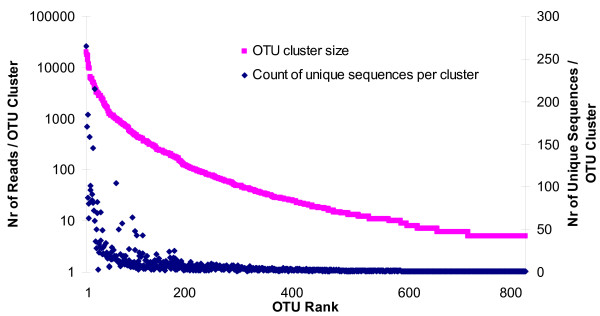
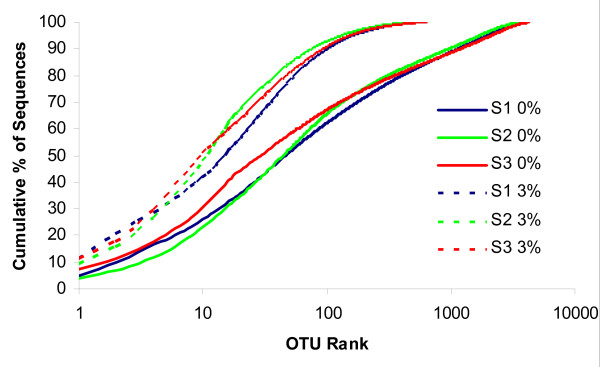
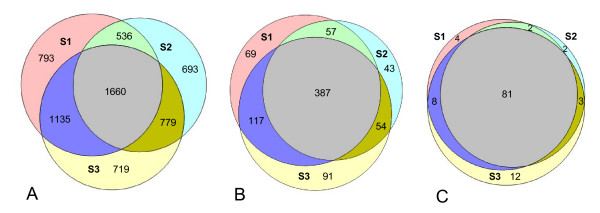
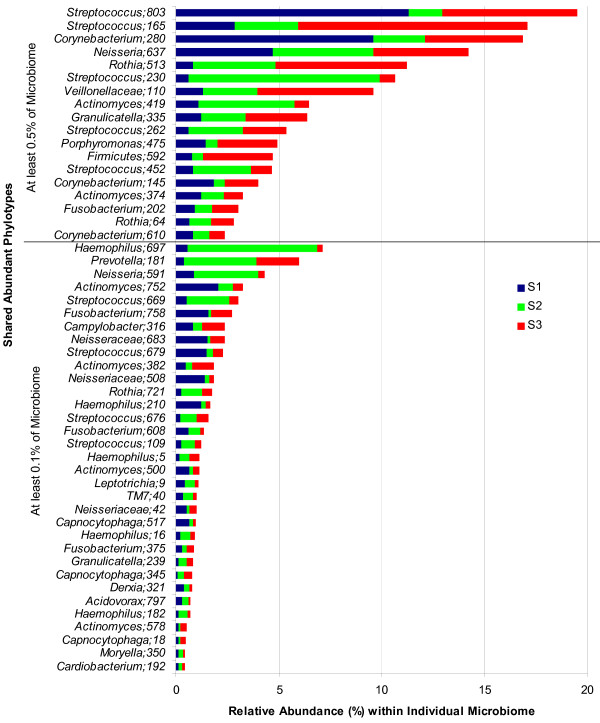
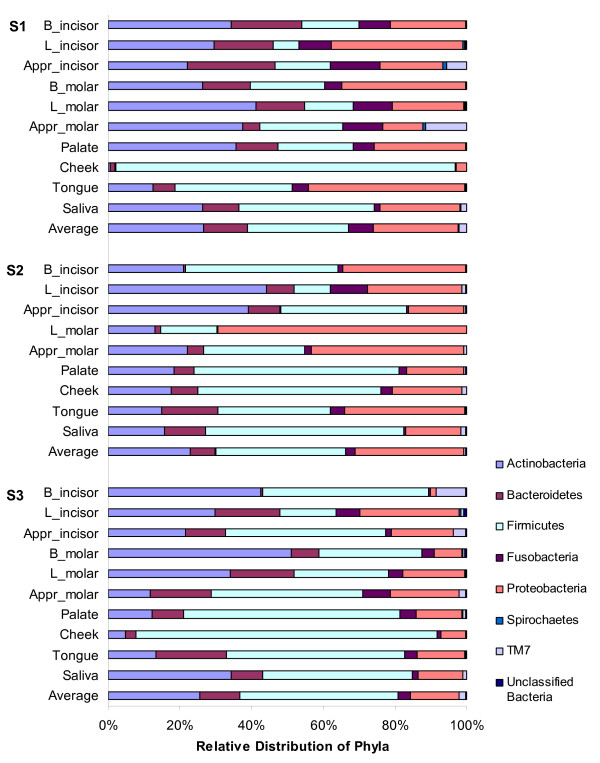
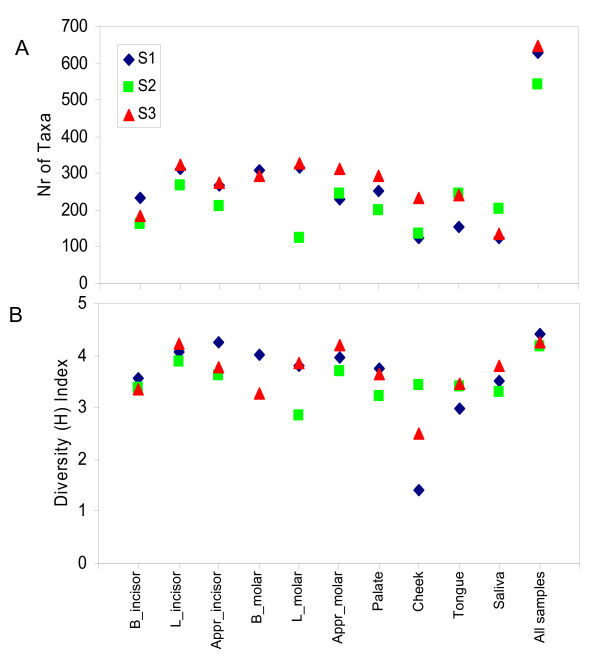
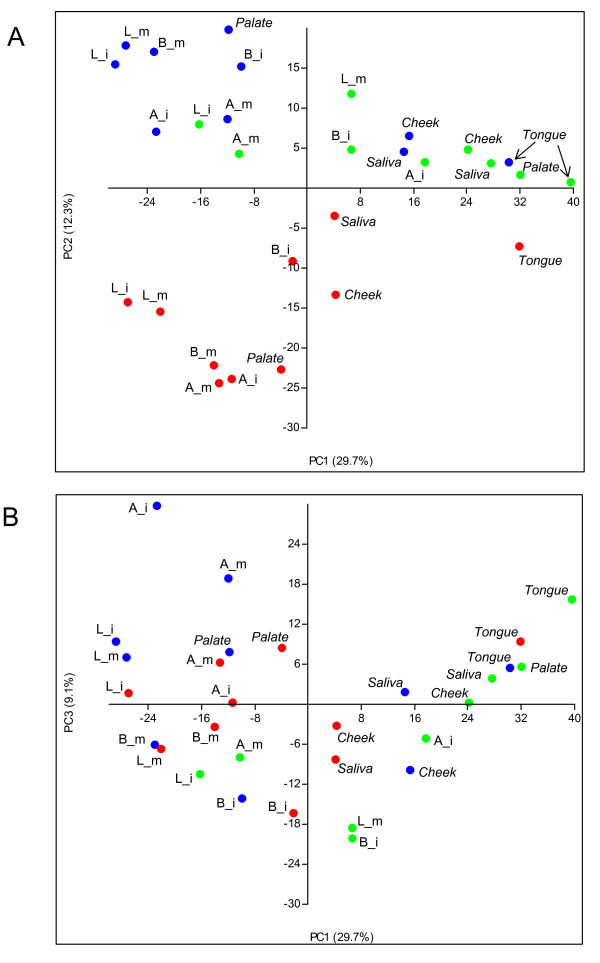
BACKGROUND: Most studies examining the commensal human oral microbiome are focused on disease or are limited in methodology. In order to diagnose and treat diseases at an early and reversible stage an in-depth definition of health is indispensible. The aim of this study therefore was to define the healthy oral microbiome using recent advances in sequencing technology (454 pyrosequencing). RESULTS: We sampled and sequenced microbiomes from several intraoral niches (dental surfaces, cheek, hard palate, tongue and saliva) in three healthy individuals. Within an individual oral cavity, we found over 3600 unique sequences, over 500 different OTUs or "species-level" phylotypes (sequences that clustered at 3% genetic difference) and 88 - 104 higher taxa (genus or more inclusive taxon). The predominant taxa belonged to Firmicutes (genus Streptococcus, family Veillonellaceae, genus Granulicatella), Proteobacteria (genus Neisseria, Haemophilus), Actinobacteria (genus Corynebacterium, Rothia, Actinomyces), Bacteroidetes (genus Prevotella, Capnocytophaga, Porphyromonas) and Fusobacteria (genus Fusobacterium).Each individual sample harboured on average 266 "species-level" phylotypes (SD 67; range 123 - 326) with cheek samples being the least diverse and the dental samples from approximal surfaces showing the highest diversity. Principal component analysis discriminated the profiles of the samples originating from shedding surfaces (mucosa of tongue, cheek and palate) from the samples that were obtained from solid surfaces (teeth).There was a large overlap in the higher taxa, "species-level" phylotypes and unique sequences among the three microbiomes: 84% of the higher taxa, 75% of the OTUs and 65% of the unique sequences were present in at least two of the three microbiomes. The three individuals shared 1660 of 6315 unique sequences. These 1660 sequences (the "core microbiome") contributed 66% of the reads. The overlapping OTUs contributed to 94% of the reads, while nearly all reads (99.8%) belonged to the shared higher taxa. CONCLUSIONS: We obtained the first insight into the diversity and uniqueness of individual oral microbiomes at a resolution of next-generation sequencing. We showed that a major proportion of bacterial sequences of unrelated healthy individuals is identical, supporting the concept of a core microbiome at health.
Overview
The claims and statistics of this paper haven’t been checked yet.
Free: it reads the open-access text and checks the first 5 claims that cite a source we can check. Create a free account to check every claim.
Integrity signals
Registry
Cites
Statistics
Figures
Verification
Claims the paper makes
The claims and statistics of this paper haven’t been checked yet.
Free: it reads the open-access text and checks the first 5 claims that cite a source we can check. Create a free account to check every claim.
Claims other papers make about this one
Each is checked against this paper’s own text: does it say what the citing paper says it does?
The source backs part of the claim, not all of it — or backs it for a different population, condition or comparison.
In the citing paper
“Up to 80% of oral bacteria are dominated by about 200 species in the Phyla Firmicutes (esp. Streptococcus, Veillonella, Granulicatella, Gemella spp.) and Proteobacteria (esp. Neisseria, Haemophilus spp.), with contributions from Bacteroidetes, Actinobacteria and Fusobacteria totaling upwards of 95% of all identified oral microbiota (Figure 2)[171–177].”
From Enterosalivary nitrate metabolism and the microbiome: Intersection of microbial metabolism, nitric oxide and diet in cardiac and pulmonary vascular health (2017) · cites this paper as [172]
Experimental — accuracy not yet measuredThe source backs part of the claim, not all of it — or backs it for a different population, condition or comparison.
In the citing paper
“This is of course not the case and the oral flora of a dog comprises hundreds of species (including pathogenic) bacteria, fungi, and viruses [153,154].”
From A One Health Perspective on the Human-Companion Animal Relationship with Emphasis on Zoonotic Aspects. (2020) · cites this paper as [154]
Experimental — accuracy not yet measuredThe source backs part of the claim, not all of it — or backs it for a different population, condition or comparison.
In the citing paper
“The core microbiome comprised typical oral bacteria that are commonly identified as abundant in similar oral microbiome surveys [28].”
From Citizen science charts two major “stomatotypes” in the oral microbiome of adolescents and reveals links with habits and drinking water composition (2018) · cites this paper as [28]
Experimental — accuracy not yet measuredThe cited source says what the claim attributes to it.
In the citing paper
“This core community composition and distribution is consistent with previous studies of oral healthy microbiomes [2, 9, 22, 28–30].”
From Citizen science charts two major “stomatotypes” in the oral microbiome of adolescents and reveals links with habits and drinking water composition (2018) · cites this paper as [28]
Self-check
Percentages, sums and reported differences re-computed from the paper’s own numbers.
The self-check needs the paper’s full text.
Citations
Cites
PAST: PALEONTOLOGICAL STATISTICAL SOFTWARE PACKAGE FOR EDUCATION AND DATA ANALYSIS
Hammer, Ø., Harper, D. A. T., & Ryan, P. D. (2001) · Palaeontologia Electronica · Cited by 17,871
A core gut microbiome in obese and lean twins
Turnbaugh, P. J., Hamady, M., Yatsunenko, T., Cantarel, B. L., Duncan, A., Ley, R. E., Sogin, M. L., Jones, W. J., Roe, B. A., Affourtit, J. P., et al. (2009) · Nature · doi:10.1038/nature07540 · Cited by 7,823 · cited 5×
“A 97% identity in 16S rRNA gene sequences is commonly used to group "species-level" phylotypes [1,11,12].”
InfluentialPruesse, E., Quast, C., Knittel, K., Fuchs, B. M., Ludwig, W., Peplies, J., & Glockner, F. O. (2007) · Nucleic Acids Research · doi:10.1093/nar/gkm864 · Cited by 6,668 · cited 1×
“We then used the GAST algorithm [27] to calculate the percent difference between each unique sequence and its closest match in a database of 69816 unique eubacterial and 2779 unique archaeal V5-V6 sequences, representing 323499 SSU rRNA sequences from the SILVA database [28].”
Microbial diversity in the deep sea and the underexplored “rare biosphere”
Sogin, M. L., Morrison, H. G., Huber, J. A., Welch, D. M., Huse, S. M., Neal, P. R., Arrieta, J. M., & Herndl, G. J. (2006) · Proceedings of the National Academy of Sciences · doi:10.1073/pnas.0605127103 · Cited by 3,701 · cited 3×
“Data analysis GS-FLX sequencing data were processed as previously described [14].”
Self-citationDefining the normal bacterial flora of the oral cavity
Aas, J. A., Paster, B. J., Stokes, L. N., Olsen, I., & Dewhirst, F. E. (2005) · Journal of Clinical Microbiology · doi:10.1128/jcm.43.11.5721-5732.2005 · Cited by 3,092 · cited 3×
“This richness is considerably higher than the 34 to 72 phylotypes and the 6 to 30 genera previously described using conventional cloning and sequencing [15,16].”
Schloss, P. D., & Handelsman, J. (2005) · Applied and Environmental Microbiology · doi:10.1128/aem.71.3.1501-1506.2005 · Cited by 2,501 · cited 1×
“The operational taxonomic units (OTUs) were created by aligning unique sequences and calculating distance matrices as previously described [14] and using DOTUR [30] to create clusters at the 0.”
Dethlefsen, L., Huse, S., Sogin, M. L., & Relman, D. A. (2008) · PLoS Biology · doi:10.1371/journal.pbio.0060280 · Cited by 2,361 · cited 2×
“However, most microbial diversity projects to date have used 3% OTUs [1,13,14], and to be consistent with other research using pyrosequencing sequences we have chosen to use 3% OTUs as well.”
Self-citationThe Ribosomal Database Project (RDP-II): sequences and tools for high-throughput rRNA analysis
Cole, J. R. (2004) · Nucleic Acids Research · doi:10.1093/nar/gki038 · Cited by 1,475 · cited 1×
“Taxa were assigned to each full-length reference sequence using several sources including Entrez Genome entries, cultured strain identities, SILVA, and the Ribosomal Database Project Classifier [29].”
Kunin, V., Engelbrektson, A., Ochman, H., & Hugenholtz, P. (2010) · Environmental Microbiology · doi:10.1111/j.1462-2920.2009.02051.x · Cited by 1,277 · cited 1×
“Recent publications [9,10] have identified the potential inflation of richness and diversity estimates caused by low-quality reads (pyrosequencing noise).”
The influence of sex, handedness, and washing on the diversity of hand surface bacteria
Fierer, N., Hamady, M., Lauber, C. L., & Knight, R. (2008) · Proceedings of the National Academy of Sciences · doi:10.1073/pnas.0807920105 · Cited by 1,108 · cited 3×
“A 97% identity in 16S rRNA gene sequences is commonly used to group "species-level" phylotypes [1,11,12].”
Research works printed but not linked: 1
- Zaura E Plaque stagnation sites and dental caries: Studies on dental biofilm and dentin demineralization in narrow grooves PhD thesis 2002 Amsterdam: Faculteit der Tandheelkunde, University of Amsterdam
Cited by
Items 101–200 of 1,000
Dental materials with antibiofilm properties
Wang, Z., Shen, Y., & Haapasalo, M. (2014) · Dental Materials · doi:10.1016/j.dental.2013.12.001 · Cited by 188
Duran-Pinedo, A. E., & Frias-Lopez, J. (2015) · Microbes and Infection · doi:10.1016/j.micinf.2015.03.014 · Cited by 187
“Changes detected by HOMIM in the subgingival microbiota of patients with refractory periodontitis, in comparison with good responders to treatment, included Bacteroidetes sp., Porphyromonas endodontalis, P. gingivalis, Prevotella spp., T. forsythia, Dialister spp., Selenomonas spp., Catonella morbi, Eubacterium spp.,…”
InfluentialKoch, C. D., Gladwin, M. T., Freeman, B. A., Lundberg, J. O., Weitzberg, E., & Morris, A. (2017) · Free Radical Biology and Medicine · doi:10.1016/j.freeradbiomed.2016.12.015 · Cited by 186
Microbial signature profiles of periodontally healthy and diseased patients
Lourenço, T. G. B., Heller, D., Silva‐Boghossian, C. M., Cotton, S. L., Paster, B. J., & Colombo, A. P. V. (2014) · Journal of Clinical Periodontology · doi:10.1111/jcpe.12302 · Cited by 185
“These major groups of microorganisms could be considered as a part of the core microbiome of the periodontal microbiota (Zaura et al. 2009, Abusleme et al. 2013).”
BackgroundPatterns of Oral Microbiota Diversity in Adults and Children: A Crowdsourced Population Study
Burcham, Z. M., Garneau, N. L., Comstock, S. S., Tucker, R. M., Knight, R., Metcalf, J. L., Scientists, G. O. T. L. C., Miranda, A., Reinhart, B., Meyers, D., et al. (2020) · Scientific Reports · doi:10.1038/s41598-020-59016-0 · Cited by 183
The oral microbiota – a mechanistic role for systemic diseases
Jia, G., Zhi, A., Lai, P. F. H., Wang, G., Xia, Y., Xiong, Z., Zhang, H., Che, N., & Ai, L. (2018) · British Dental Journal · doi:10.1038/sj.bdj.2018.217 · Cited by 181
The influence of the human microbiome and probiotics on cardiovascular health
Ettinger, G., MacDonald, K., Reid, G., & Burton, J. P. (2014) · Gut Microbes · doi:10.4161/19490976.2014.983775 · Cited by 180
“The moral rights of the named author(s) have been asserted. www.landesbioscience.com 719Gut Microbes Gut Microbes 5:6, 719--728; November/December 2014; Published with license by Taylor & Francis REVIEW distinct and complex microbial communities.9 Over 500 oral bacterial species have been identified, with the healthy…”
BackgroundUse of Probiotics and Oral Health
Allaker, R. P., & Stephen, A. S. (2017) · Current Oral Health Reports · doi:10.1007/s40496-017-0159-6 · Cited by 167
Bennett, J. S., Jolley, K. A., Earle, S. G., Corton, C., Bentley, S. D., Parkhill, J., & Maiden, M. C. J. (2012) · Microbiology · doi:10.1099/mic.0.056077-0 · Cited by 177
“The genus Neisseria comprises Gram-negative oxidasepositive diplococci, many of which are harmless commensal inhabitants of the mucosal and dental surfaces of humans (Zaura et al., 2009).”
BackgroundThe Oral Microbiome of Children: Development, Disease, and Implications Beyond Oral Health
Gomez, A., & Nelson, K. E. (2017) · Microbial Ecology · doi:10.1007/s00248-016-0854-1 · Cited by 175
Porphyromonas gingivalis disturbs host–commensal homeostasis by changing complement function
Olsen, I., Lambris, J. D., & Hajishengallis, G. (2017) · Journal of Oral Microbiology · doi:10.1080/20002297.2017.1340085 · Cited by 172
Salivary Microbiome Diversity in Caries-Free and Caries-Affected Children
Jiang, S., Gao, X., Jin, L., & Lo, E. (2016) · International Journal of Molecular Sciences · doi:10.3390/ijms17121978 · Cited by 171
“[25] found that salivary microbiome from three subjects shared 387 out of 818 OTUs and suggested that there was a “core microbiome” in the oral microbial communities.”
BackgroundJenkinson, H. F. (2011) · Environmental Microbiology · doi:10.1111/j.1462-2920.2011.02573.x · Cited by 170
Hurley, E., Barrett, M. P. J., Kinirons, M., Whelton, H., Ryan, C. A., Stanton, C., Harris, H. M. B., & O’Toole, P. W. (2019) · BMC Oral Health · doi:10.1186/s12903-018-0693-1 · Cited by 168
Targeting implant-associated infections: titanium surface loaded with antimicrobial
Souza, J. G. S., Bertolini, M. M., Costa, R. C., Nagay, B. E., Dongari-Bagtzoglou, A., & Barão, V. A. R. (2021) · iScience · doi:10.1016/j.isci.2020.102008 · Cited by 170
Obesity Alters the Microbial Community Profile in Korean Adolescents
Hu, H.-J., Park, S.-G., Jang, H. B., Choi, M.-G., Park, K.-H., Kang, J. H., Park, S. I., Lee, H.-J., & Cho, S.-H. (2015) · PLOS ONE · doi:10.1371/journal.pone.0134333 · Cited by 169
“The number of OTUs was determined by clustering the sequences from each sample using a 97% sequence identity cut-off [16, 25, 26] using QIIME software (v.”
MethodBacterial Profile of Dentine Caries and the Impact of pH on Bacterial Population Diversity
Kianoush, N., Adler, C. J., Nguyen, K.-A. T., Browne, G. V., Simonian, M., & Hunter, N. (2014) · PLoS ONE · doi:10.1371/journal.pone.0092940 · Cited by 168
“The carious lesions we investigated contained between 15% to 50% of the total number of OTUs recorded from pyrosequencing analysis of plaque and saliva samples from healthy sites [60] and healthy mucosal biofilms [58], respectively.”
BackgroundResultInfluentialThe microbiota of the grapevine holobiont: A key component of plant health
Bettenfeld, P., Cadena i Canals, J., Jacquens, L., Fernandez, O., Fontaine, F., van Schaik, E., Courty, P.-E., & Trouvelot, S. (2022) · Journal of Advanced Research · doi:10.1016/j.jare.2021.12.008 · Cited by 165
“genotype, age, location, and the climate or edaphic properties [29,63].”
BackgroundIntraindividual variation in core microbiota in peri-implantitis and periodontitis
Maruyama, N., Maruyama, F., Takeuchi, Y., Aikawa, C., Izumi, Y., & Nakagawa, I. (2014) · Scientific Reports · doi:10.1038/srep06602 · Cited by 169
Dougal, K., de la Fuente, G., Harris, P. A., Girdwood, S. E., Pinloche, E., Geor, R. J., Nielsen, B. D., Schott, H. C., Elzinga, S., & Newbold, C. J. (2014) · PLoS ONE · doi:10.1371/journal.pone.0087424 · Cited by 165
“Core populations in other environments such as the oral cavity of dogs [44] and humans [45] and the tonsils of pigs [46] are characterised by having a few highly dominant OTUs.”
BackgroundPyrosequencing as a tool for better understanding of human microbiomes
Siqueira, J. F., Fouad, A. F., & Rôças, I. N. (2012) · Journal of Oral Microbiology · doi:10.3402/jom.v4i0.10743 · Cited by 163
“Reads with multiple errors can form new OTUs if they are more distant from their true source and commonly occur as singletons or doubletons (49).”
BackgroundIdentification of a Core Bacterial Community within the Large Intestine of the Horse
Dougal, K., de la Fuente, G., Harris, P. A., Girdwood, S. E., Pinloche, E., & Newbold, C. J. (2013) · PLoS ONE · doi:10.1371/journal.pone.0077660 · Cited by 166
A non-endoscopic device to sample the oesophageal microbiota: a case-control study
Elliott, D. R. F., Walker, A. W., O'Donovan, M., Parkhill, J., & Fitzgerald, R. C. (2017) · The Lancet Gastroenterology & Hepatology · doi:10.1016/s2468-1253(16)30086-3 · Cited by 164
Soffritti, I., D’Accolti, M., Fabbri, C., Passaro, A., Manfredini, R., Zuliani, G., Libanore, M., Franchi, M., Contini, C., & Caselli, E. (2021) · Frontiers in Microbiology · doi:10.3389/fmicb.2021.687513 · Cited by 186
Leung, V., & Lévesque, C. M. (2012) · Journal of Bacteriology · doi:10.1128/jb.06707-11 · Cited by 164
“mutans is the oral biofilm, one of the most complex human microbiota (55).”
BackgroundHealth-Associated Niche Inhabitants as Oral Probiotics: The Case of Streptococcus dentisani
López-López, A., Camelo-Castillo, A., Ferrer, M. D., Simon-Soro, Á., & Mira, A. (2017) · Frontiers in Microbiology · doi:10.3389/fmicb.2017.00379 · Cited by 160
Willis, J. R., González-Torres, P., Pittis, A. A., Bejarano, L. A., Cozzuto, L., Andreu-Somavilla, N., Alloza-Trabado, M., Valentín, A., Ksiezopolska, E., Company, C., et al. (2018) · Microbiome · doi:10.1186/s40168-018-0592-3 · Cited by 158
“The core microbiome comprised typical oral bacteria that are commonly identified as abundant in similar oral microbiome surveys [28].”
BackgroundHelicobacter pylori and the gastric microbiota
Engstrand, L. G., & Lindberg, M. (2013) · Best Practice & Research Clinical Gastroenterology · doi:10.1016/j.bpg.2013.03.016 · Cited by 177
“The most prevalent genera and families in the oral core microbiome are Streptococcus, Corynebacterium, Neisseria, Rothia, Veillonellaceae, Heamophilus, Actinomyces, Granulicatella and Prevotella [24].”
BackgroundImpact of Microbiome on Ocular Health
Kugadas, A., & Gadjeva, M. G. (2016) · The Ocular Surface · doi:10.1016/j.jtos.2016.04.004 · Cited by 172
Jensen, A., Fagö-Olsen, H., Sørensen, C. H., & Kilian, M. (2013) · PLoS ONE · doi:10.1371/journal.pone.0056418 · Cited by 173
“1%) in agreement with findings from other anatomical sites and underlining the selectivity of the colonization of the human body [19,21,37–39].”
MethodResultCephas, K. D., Kim, J., Mathai, R. A., Barry, K. A., Dowd, S. E., Meline, B. S., & Swanson, K. S. (2011) · PLoS ONE · doi:10.1371/journal.pone.0023503 · Cited by 158
“The prevalence of the genera Porphyromonas and Prevotella was lower than that reported by other researchers [5,6,14,22].”
BackgroundResultMicrobial transformation from normal oral microbiota to acute endodontic infections
Hsiao, W. W. L., Li, K. L., Liu, Z., Jones, C., Fraser-Liggett, C. M., & Fouad, A. F. (2012) · BMC Genomics · doi:10.1186/1471-2164-13-345 · Cited by 156
“Several Fusobacterium OTUs at 1% cutoff also showed higher relative abundances in diseases samples albeit with higher p-values (>0.01 and 0.05).”
BackgroundMethodInfluentialPyrosequencing Analysis of Subgingival Microbiota in Distinct Periodontal Conditions
Park, O.-J., Yi, H., Jeon, J. H., Kang, S.-S., Koo, K.-T., Kum, K.-Y., Chun, J., Yun, C.-H., & Han, S. H. (2015) · Journal of Dental Research · doi:10.1177/0022034515583531 · Cited by 155
“…was the most prevalent phylum and Proteobacteria the second most prevalent phylum in other oral regions, including subgingival and supragingival plaques, saliva, and dental surfaces of individuals with a healthy periodontium (Keijser et al. 2008; Lazarevic et al. 2009; Zaura et al. 2009).”
BackgroundThe Oral Microbiome of Denture Wearers Is Influenced by Levels of Natural Dentition
O’Donnell, L. E., Robertson, D., Nile, C. J., Cross, L. J., Riggio, M., Sherriff, A., Bradshaw, D., Lambert, M., Malcolm, J., Buijs, M. J., et al. (2015) · PLOS ONE · doi:10.1371/journal.pone.0137717 · Cited by 150
“However, given the vast number of studies regarding the composition of the oral microbiome, there is already an excellent understanding of the bacterial species normally found in the oral cavity based on the genuses we have identified [44, 47].”
BackgroundSelf-citationAcquisition and maturation of oral microbiome throughout childhood: An update.
Sampaio‐Maia, B., & Monteiro-Silva, F. (2014) · PubMed · doi:10.4103/1735-3327.135876 · Cited by 155
Direct sequencing of the human microbiome readily reveals community differences
Kuczynski, J., Costello, E. K., Nemergut, D. R., Zaneveld, J., Lauber, C. L., Knights, D., Koren, O., Fierer, N., Kelley, S. T., Ley, R. E., et al. (2010) · Genome Biology · doi:10.1186/gb-2010-11-5-210 · Cited by 160
“Oral 3 29 298,261 10,285 Collected samples from various oral niches of three individuals; 26% of the [39] (tooth, tongue, unique sequences and 47% of species-level phylotypes found in the study buccal mucosa, were found in all three subjects.”
von Rosenvinge, E. C., Song, Y., White, J. R., Maddox, C., Blanchard, T. G., & Fricke, W. F. (2013) · The ISME Journal · doi:10.1038/ismej.2013.33 · Cited by 160
“Our results reveal that human gastric fluid harbors a diverse microbiota dominated by Actinobacteria, Bacteroidetes, Firmicutes, Fusobacteria and Proteobacteria, demonstrating a similar overall composition at the phylum level as previously found in other GI tract locations, including intraoral niches (Zaura et al., 20…”
ResultPhạm, V. H., Kan, L., Huang, J., Geng, Y., Zhen, W., Guo, Y., Abbas, W., & Wang, Z. (2020) · Journal of Animal Science and Biotechnology/Journal of animal science and biotechnology · doi:10.1186/s40104-019-0421-y · Cited by 162
High-throughput sequencing and clinical microbiology: progress, opportunities and challenges
Pallen, M. J., Loman, N. J., & Penn, C. W. (2010) · Current Opinion in Microbiology · doi:10.1016/j.mib.2010.08.003 · Cited by 173
“Similar surveys have focused on the microbial inhabitants of the human mouth [50,51] and gut [52,53] and the effects of circumcision on the microbiome of the penis [54].”
BackgroundAlterations in diversity of the oral microbiome in pediatric inflammatory bowel disease
Docktor, M. J., Paster, B. J., Abramowicz, S., Ingram, J., Wang, Y. E., Correll, M., Jiang, H., Cotton, S. L., Kokaras, A. S., & Bousvaros, A. (2012) · Inflammatory Bowel Diseases · doi:10.1002/ibd.21874 · Cited by 150
“We have just begun to establish a ‘‘phylogenetic core’’ of microbiota that is helping to define health in these complex environments including the oral microbiome.(37,38) Dysbiosis or deviation from this core has revealed distinct shifts in the enteric microbiota of individuals with CD and UC.”
BackgroundXiao, C., Ran, S., Huang, Z., & Liang, J. (2016) · Frontiers in Microbiology · doi:10.3389/fmicb.2016.01145 · Cited by 171
“Zaura et al. provided the first insight into the oral core microbiome using 454 pyrosequencing technology and found 387 overlapping OTUs in 3 healthy individuals (Zaura et al., 2009).”
BackgroundMethodComparing the Bacterial Diversity of Acute and Chronic Dental Root Canal Infections
dos Santos, A. L., Siqueira, J. F., Jr., Rôças, I. N., Jesus, E. C., Rosado, A. S., & Tiedje, J. M. (2011) · PLoS ONE · doi:10.1371/journal.pone.0028088 · Cited by 169
“This technology has also been applied to the analysis of the human microbiota associated with healthy or diseased sites [18,19,20,21,22], including the oral cavity [23,24,25,26].”
MethodThe Oral Microbiome in the Elderly With Dental Caries and Health
Jiang, Q., Liu, J., Chen, L., Gan, N., & Yang, D. (2019) · Frontiers in Cellular and Infection Microbiology · doi:10.3389/fcimb.2018.00442 · Cited by 146
Candida and Other Fungal Species: Forgotten Players of Healthy Oral Microbiota
Krom, B. P., Kidwai, S., & ten Cate, J. M. (2014) · Journal of Dental Research · doi:10.1177/0022034514521814 · Cited by 144
Single-Molecule DNA Amplification and Analysis Using Microfluidics
Zhang, C., & Xing, D. (2010) · Chemical Reviews · doi:10.1021/cr900081z · Cited by 155
Gallstone Disease and Microbiome
Григорьева, И. Н., & Романова, Т. И. (2020) · Microorganisms · doi:10.3390/microorganisms8060835 · Cited by 167
Oral Microbiota and Alzheimer’s Disease: Do All Roads Lead to Rome?
Sureda, A., Daglia, M., Argüelles Castilla, S., Sanadgol, N., Fazel Nabavi, S., Khan, H., Belwal, T., Jeandet, P., Marchese, A., Pistollato, F., et al. (2020) · Pharmacological Research · doi:10.1016/j.phrs.2019.104582 · Cited by 143
Xu, H., Hao, W., Zhou, Q., Wang, W., Xia, Z., Liu, C., Chen, X., Qin, M., & Chen, F. (2014) · PLoS ONE · doi:10.1371/journal.pone.0089269 · Cited by 142
The microbiome–systemic diseases connection
van der Meulen, T. A., Harmsen, H., Bootsma, H., Spijkervet, F., Kroese, F., & Vissink, A. (2016) · Oral Diseases · doi:10.1111/odi.12472 · Cited by 151
“When looking at higher order taxonomic levels (i.e. the genus or phylum level), human microbiome communities begin to resemble one another more, although variation in the relative abundance in the shared genera or phyla is still large (Hamady and Knight, 2009; Zaura et al, 2009; Zhang et al, 2015a).”
BackgroundSeed, P. C. (2015) · Cold Spring Harbor Perspectives in Medicine · doi:10.1101/cshperspect.a019810 · Cited by 145
“To put this level of diversity into context, prior studies have identified more than 50–100 bacterial genera in the healthy oral microbiome (Zaura et al. 2009; Bik et al. 2010).”
BackgroundInfluentialCharacterizing oral microbial communities across dentition states and colonization niches
Mason, M. R., Chambers, S., Dabdoub, S. M., Thikkurissy, S., & Kumar, P. S. (2018) · Microbiome · doi:10.1186/s40168-018-0443-2 · Cited by 142
Jiang, B., Liang, X., Chen, Y., Ma, T., Liu, L., Li, J., Jiang, R., Chen, T., Zhang, X., & Li, S. (2012) · Scientific Reports · doi:10.1038/srep00936 · Cited by 149
van Brakel, R., Cune, M. S., Winkelhoff, A. J. V., de Putter, C., Verhoeven, J. W., & van der Reijden, W. A. (2010) · Clinical Oral Implants Research · doi:10.1111/j.1600-0501.2010.02005.x · Cited by 140
“Therefore, we have not performed an investigation method that gives an overview of ‘‘all species’’, like anaerobic culture or – a money-wise expensive – molecular technique as next-generation sequencing, although the latter would be a very promising option (Zaura et al. 2009).”
MethodEarly microbial succession in redeveloping dental biofilms in periodontal health and disease
Teles, F. R., Teles, R. P., Uzel, N. G., Song, X. Q., Torresyap, G., Socransky, S. S., & Haffajee, A. D. (2012) · Journal of Periodontal Research · doi:10.1111/j.1600-0765.2011.01409.x · Cited by 139
Preliminary analysis of salivary microbiome and their potential roles in oral lichen planus
Wang, K., Lu, W., Tu, Q., Ge, Y., He, J., Zhou, Y., Gou, Y., Van Nostrand, J. D., Qin, Y., Li, J., et al. (2016) · Scientific Reports · doi:10.1038/srep22943 · Cited by 138
Microbiome of peri-implant infections: Lessons from conventional, molecular and metagenomic analyses
Charalampakis, G., & Belibasakis, G. N. (2015) · Virulence · doi:10.4161/21505594.2014.980661 · Cited by 132
Virk, M. S., Virk, M. A., He, Y., Tufail, T., Gul, M., Qayum, A., Rehman, A., Rashid, A., Ekumah, J., Han, X., et al. (2024) · Nutrients · doi:10.3390/nu16040546 · Cited by 158
Pyrosequencing Analysis of the Apical Root Canal Microbiota
Siqueira, J. F., Jr., Alves, F. R. F., & Rôças, I. N. (2011) · Journal of Endodontics · doi:10.1016/j.joen.2011.08.012 · Cited by 152
The autoimmunity–oral microbiome connection
Nikitakis, N. G., Papaioannou, W., Sakkas, L. I., & Kousvelari, E. E. (2016) · Oral Diseases · doi:10.1111/odi.12589 · Cited by 141
Role of Short Chain Fatty Acids in Controlling Tregs and Immunopathology During Mucosal Infection
Bhaskaran, N., Quigley, C., Paw, C., Butala, S., Schneider, E., & Pandiyan, P. (2018) · Frontiers in Microbiology · doi:10.3389/fmicb.2018.01995 · Cited by 144
“, 2011), that may be functionally distinct from the gut (Avila et al., 2009; Zaura et al., 2009; Ghannoum et al., 2010; Belda-Ferre et al., 2012; Dang et al., 2012; Yamazaki et al., 2012).”
BackgroundSantus, W., Devlin, J. R., & Behnsen, J. (2021) · Infection and Immunity · doi:10.1128/iai.00648-20 · Cited by 129
“The oral 146 mycobiome thus appears to be more subject-specific than the oral bacteriome, where 47% of 147 bacterial OTUs were shared between three analyzed samples (55).”
BackgroundDeep sequencing reveals microbiota dysbiosis of tongue coat in patients with liver carcinoma
Lu, H., Ren, Z., Li, A., Zhang, H., Jiang, J., Xu, S., Luo, Q., Zhou, K., Sun, X., Zheng, S., et al. (2016) · Scientific Reports · doi:10.1038/srep33142 · Cited by 139
Burleigh, M. C., Liddle, L., Monaghan, C., Muggeridge, D. J., Sculthorpe, N., Butcher, J. P., Henriquez, F. L., Allen, J. D., & Easton, C. (2018) · Free Radical Biology and Medicine · doi:10.1016/j.freeradbiomed.2018.03.023 · Cited by 127
“Our samples were similar in bacterial diversity to those reported previously [21], [37].”
ResultWang, F., Dong, W., Zhao, Z., Wang, H., Wen-zheng, L., Chen, G., Wang, F., Zhao, Y., Huang, J. S., & Zhou, T. (2021) · The Science of The Total Environment · doi:10.1016/j.scitotenv.2021.146383 · Cited by 133
Extravaginal reservoirs of vaginal bacteria as risk factors for incident bacterial vaginosis.
Marrazzo, J. M., Fiedler, T. L., Srinivasan, S., Thomas, K. K., Liu, C., Ko, D., Xie, H., Saracino, M., & Fredricks, D. N. (2012) · The Journal of Infectious Diseases · doi:10.1093/infdis/jis242 · Cited by 123
“ported to be part of the oral microbiome [25, 26].”
BackgroundLee, S. A., Lim, J. Y., Kim, B.-S., Cho, S. J., Kim, N. Y., Kim, O. B., & Kim, Y. (2015) · Nutrition Research and Practice · doi:10.4162/nrp.2015.9.3.242 · Cited by 120
Preliminary characterization of the oral microbiota of Chinese adults with and without gingivitis
Huang, S., Yang, F., Zeng, X., Chen, J., Li, R., Wen, T., Li, C., Wei, W., Liu, J., Chen, L., et al. (2011) · BMC Oral Health · doi:10.1186/1472-6831-11-33 · Cited by 123
“The composition and diversity of microbiota in these habitats may contribute to oral health [3-6] and oral diseases such as dental caries, periodontitis, and gingivitis [7,8].”
BackgroundResultZamakhchari, M., Wei, G., Dewhirst, F., Lee, J., Schuppan, D., Oppenheim, F. G., & Helmerhorst, E. J. (2011) · PLoS ONE · doi:10.1371/journal.pone.0024455 · Cited by 121
“mucilaginosa also primarily colonizes the oral cavity [33] but has furthermore been isolated from other body sites, including the upper respiratory tract and the duodenum [34,35,36].”
BackgroundBrand, H. S., Ligtenberg, A. J. M., & Veerman, E. C. I. (2014) · Monographs in oral science · doi:10.1159/000358784 · Cited by 119
The Relation between Oral Candida Load and Bacterial Microbiome Profiles in Dutch Older Adults
Kraneveld, E. A., Buijs, M. J., Bonder, M. J., Visser, M., Keijser, B. J. F., Crielaard, W., & Zaura, E. (2012) · PLoS ONE · doi:10.1371/journal.pone.0042770 · Cited by 118
“Although different intraoral niches select for a habitat-specific microbiome and salivary microbial profiles show higher similarity to mucosal sites than to dental surfaces [15], saliva is frequently preferredasarepresentativeoral sample for largeclinical studies [16].”
Self-citationUsing high throughput sequencing to explore the biodiversity in oral bacterial communities
Diaz, P. I., Dupuy, A. K., Abusleme, L., Reese, B., Obergfell, C., Choquette, L., Dongari‐Bagtzoglou, A., Peterson, D. E., Terzi, E., & Strausbaugh, L. D. (2012) · Molecular Oral Microbiology · doi:10.1111/j.2041-1014.2012.00642.x · Cited by 118
“However, before largescale studies are conducted, it is necessary to evaluate the oral microbiome composition during health because large inter-individual variability may limit the discovery of disease-associated biomarkers.”
BackgroundResultInfluentialKhor, B., Snow, M., Herrman, E., Ray, N., Mansukhani, K., Patel, K. A., Said-Al-Naief, N., Maier, T., & Machida, C. A. (2021) · Microorganisms · doi:10.3390/microorganisms9030496 · Cited by 115
“Upon microbial homeostasis of the mouth, the phylotypes of Streptococcus, Granulicatella, Neisseria, Haemophilus, Corynebacterium, Rothia, Actinomyces, Prevotella, Capnocytophaga, Porphyromonas, and Fusobacterium all predominate in health [6].”
BackgroundRajpoot, M., Sharma, A. K., Sharma, A. K., & Gupta, G. K. (2018) · Seminars in Cancer Biology · doi:10.1016/j.semcancer.2018.02.003 · Cited by 124
A spatial gradient of bacterial diversity in the human oral cavity shaped by salivary flow
Proctor, D. M., Fukuyama, J. A., Loomer, P. M., Armitage, G. C., Lee, S. A., Davis, N. M., Ryder, M. I., Holmes, S. P., & Relman, D. A. (2018) · Nature Communications · doi:10.1038/s41467-018-02900-1 · Cited by 115
Oral Microbiome of Deep and Shallow Dental Pockets In Chronic Periodontitis
Ge, X., Rodriguez, R., Trinh, M., Gunsolley, J., & Xu, P. (2013) · PLoS ONE · doi:10.1371/journal.pone.0065520 · Cited by 114
“OM_1061R primer covered at least 30 more oral microbial strains than other primers at the same location (comparing with 1061R [23], 1052–1071 [24] or 1053–1068 [25] in Table S3).”
BackgroundSputum Microbiota Associated with New, Recurrent and Treatment Failure Tuberculosis
Wu, J., Liu, W., He, L., Huang, F., Chen, J., Cui, P., Shen, Y., Zhao, J., Wang, W., Zhang, Y., et al. (2013) · PLoS ONE · doi:10.1371/journal.pone.0083445 · Cited by 118
“Recently, high-throughput sequencing technologies have been applied to characterize human microbiota [2] in various body habitats such as gut [3], oral cavity [4,5], vagina [6] and respiratory tract [7].”
BackgroundTribble, G. D., Angelov, N., Weltman, R., Wang, B.-Y., Eswaran, S. V., Gay, I. C., Parthasarathy, K., Dao, D.-H. V., Richardson, K. N., Ismail, N. M., et al. (2019) · Frontiers in Cellular and Infection Microbiology · doi:10.3389/fcimb.2019.00039 · Cited by 118
Sturgeon, A., Stull, J. W., Costa, M., & Weese, J. S. (2012) · Veterinary Microbiology · doi:10.1016/j.vetmic.2012.11.018 · Cited by 134
“The relative proportion of phyla in this study are in contrast with data from the human oral cavity, where Actinobacteria predominate (Zaura et al., 2009), as this phylum represented less than 1% of all reads in the current study.”
BackgroundMethodResultInfluentialAI-2 of Aggregatibacter actinomycetemcomitans inhibits Candida albicans biofilm formation
Bachtiar, E. W., Bachtiar, B. M., Jarosz, L. M., Amir, L. R., Sunarto, H., Ganin, H., Meijler, M. M., & Krom, B. P. (2014) · Frontiers in Cellular and Infection Microbiology · doi:10.3389/fcimb.2014.00094 · Cited by 115
Lin, S., Zhou, X., Zhou, Y.-L., Kuang, W.-M., Chen, Y., Luo, L., & Dai, F. (2020) · Fish & Shellfish Immunology · doi:10.1016/j.fsi.2020.04.070 · Cited by 119
Assessing the variation within the oral microbiome of healthy adults
Nearing, J. T., DeClercq, V., Van Limbergen, J., & Langille, M. G. I. (2020) · mSphere · doi:10.1128/msphere.00451-20 · Cited by 117
“These studies have uncovered that, at the genus level, the oral microbiome remains relatively stable between individuals (1, 18) and across multiple geographic locations (16, 19), but at deeper taxonomic resolutions it can be variable.”
BackgroundMicrobiota and their role in the pathogenesis of oral mucositis
Vanhoecke, B. W. A., Ryck, T. D., Stringer, A. M., de Wiele, T. V., & Keefe, D. M. K. (2014) · Oral Diseases · doi:10.1111/odi.12224 · Cited by 124
Manoil, D., Al‐Manei, K., & Belibasakis, G. N. (2020) · PROTEOMICS - CLINICAL APPLICATIONS · doi:10.1002/prca.201900060 · Cited by 125
Stimulated and unstimulated saliva samples have significantly different bacterial profiles
Gomar‐Vercher, S., Simón‐Soro, Á., Almerich‐Silla, J. M., & Mira, Á. (2018) · PLoS ONE · doi:10.1371/journal.pone.0198021 · Cited by 128
The Oral Host–Microbial Interactome: An Ecological Chronometer of Health?
Freire, M., Nelson, K. E., & Edlund, A. (2021) · Trends in Microbiology · doi:10.1016/j.tim.2020.11.004 · Cited by 106
Analysis of environmental driving factors on Core Functional Community during Daqu fermentation
Zhu, Q., Chen, L., Peng, Z., Zhang, Q., Huang, W., Yang, F., Du, G., Zhang, J., & Wang, L. (2022) · Food Research International · doi:10.1016/j.foodres.2022.111286 · Cited by 114
Community Interactions of Oral Streptococci
Jakubovics, N. S., Yassin, S. A., & Rickard, A. H. (2014) · Advances in Applied Microbiology · doi:10.1016/b978-0-12-800261-2.00002-5 · Cited by 107
Alfano, N., Courtiol, A., Vielgrader, H. D., Timms, P., Roca, A. L., & Greenwood, A. D. (2015) · Scientific Reports · doi:10.1038/srep10189 · Cited by 114
Association of human papilloma virus with pterygia and ocular-surface squamous neoplasia
Girolamo, N. D. (2011) · Eye · doi:10.1038/eye.2011.312 · Cited by 118
The salivary microbiome for differentiating individuals: proof of principle
Leake, S. L., Pagni, M., Falquet, L., Taroni, F., & Greub, G. (2016) · Microbes and Infection · doi:10.1016/j.micinf.2016.03.011 · Cited by 113
“77 78 A number of studies showing saliva bacterial community composition using NGS have been 79 published [1,4-9].”
BackgroundZaura, E., Pappalardo, V. Y., Buijs, M. J., Volgenant, C. M. C., & Brandt, B. W. (2020) · Periodontology 2000 · doi:10.1111/prd.12359 · Cited by 129
Self-citationThe human oral metaproteome reveals potential biomarkers for caries disease
Belda‐Ferre, P., Williamson, J., Simón‐Soro, Á., Artacho, A., Jensen, O. N., & Mira, A. (2015) · PROTEOMICS · doi:10.1002/pmic.201400600 · Cited by 101
Gao, B., Wang, R., Peng, Y., & Li, X. (2018) · Journal of Ethnopharmacology · doi:10.1016/j.jep.2018.06.006 · Cited by 108
Zhang, W., Luo, J., Dong, X., Zhao, S., Hao, Y., Peng, C., Shi, H., Zhou, Y., Shan, L., Sun, Q., et al. (2019) · Journal of Cancer · doi:10.7150/jca.28077 · Cited by 108
“Previous studies have identified the core microbiome related to health [13] and shown that shifts in the core microbiome are associated with the immuno-inflammatory response [14].”
BackgroundSubgingival microbiome in periodontal health, gingivitis and different stages of periodontitis
Iniesta, M., Chamorro, C., Ambrosio, N., Marín, M. J., Sanz, M., & Herrera, D. (2023) · Journal Of Clinical Periodontology · doi:10.1111/jcpe.13793 · Cited by 119
The Human Microbiome Project, Personalized Medicine and the Birth of Pharmacomicrobiomics
Rizkallah, M. R., Saad, R., & Aziz, R. K. (2010) · Current pharmacogenomics and personalized medicine (Online)/Current pharmacogenomics and personalized medicine · doi:10.2174/187569210792246326 · Cited by 114
Huang, Y. J., & Lynch, S. V. (2011) · Expert Review of Respiratory Medicine · doi:10.1586/ers.11.76 · Cited by 100
“sampled several intra-oral sites (given potential microbial community variation in different oral niches) in three healthy subjects, including the buccal and palatal surfaces, tongue and saliva [75].”
BackgroundAlcohol and tobacco consumption affects bacterial richness in oral cavity mucosa biofilms
Thomas, A. M., Gleber‐Netto, F. O., Fernandes, G. R., de Amorim, M. G., Barbosa, L., Francisco, A. L. N., de Andrade, A. G., Setúbal, J. C., Kowalski, L. P., Nunes, D. N., et al. (2014) · BMC Microbiology · doi:10.1186/s12866-014-0250-2 · Cited by 120
“TM7 is a novel candidate bacterial division and previous studies have shown that microbes from this division are commonly found in the human oral flora at relatively low abundance, generally around 1% [53,54] and up to 8% [55] of the oral bacterial population, and a possible role of this phylum in periodontal disease…”
BackgroundEnvironmental filtering increases with elevation for the assembly of gut microbiota in wild pikas
Li, H., Zhou, R., Zhu, J., Huang, X., & Qu, J. (2019) · Microbial Biotechnology · doi:10.1111/1751-7915.13450 · Cited by 118
“For example, species from Streptococcus are generally common bacterial taxa in human skin, mouth, throat and intestine (van der Mee-Marquet et al., 2008; Zaura et al., 2009; Chaffanel et al., 2018).”
BackgroundCircadian oscillations of microbial and functional composition in the human salivary microbiome
Takayasu, L., Suda, W., Takanashi, K., Iioka, E., Kurokawa, R., Shindo, C., Hattori, Y., Yamashita, N., Nishijima, S., Oshima, K., et al. (2017) · DNA Research · doi:10.1093/dnares/dsx001 · Cited by 117
Metadata
- Authors
- Zaura, E., Keijser, B. J., Huse, S. M., & Crielaard, W.
- Affiliations
- Academic Center for Dentistry Amsterdam (NL)
- Netherlands Organisation for Applied Scientific Research (NL)
- Marine Biological Laboratory (US)
- Corresponding author
- Zaura, Egija
- Venue
- BMC Microbiology
- Published
- 2009
- Volume
- 9
- Issue
- 1
- Pages
- 259
- ISSN
- 1471-2180 (ISSN-L)
- PMC
- PMC2805672
- OpenAlex
- W2117522399
- Cited by
- 1,323
- References
- 29
- Citations by year
- 2026: 68 · 2025: 96 · 2024: 88 · 2023: 87 · 2022: 114 · 2021: 138 · 2020: 118 · 2019: 103 · 2018: 68 · 2017: 69 · 2016: 61 · 2015: 64 · 2014: 55 · 2013: 55 · 2012: 53
- FWCI
- 48.63
- Type
- journal article
- Language
- en
- Open access
- gold
- doi.org
- Licence
- cc-by
- Locations
- BMC Microbiology (publishedVersion, cc-by)
- PubMed Central (publishedVersion, cc-by)
- PubMed (publishedVersion)
- UvA-DARE (University of Amsterdam) (acceptedVersion, other-oa)
- TNO Repository (submittedVersion)
- DOAJ (DOAJ: Directory of Open Access Journals) (submittedVersion, cc-by-sa)
- VU Research Portal (submittedVersion, other-oa)
- Repository hosted by TU Delft Library (TU Delft) (submittedVersion)
- Data Archiving and Networked Services (DANS) (submittedVersion, other-oa)
- Funders
- National Science Foundation (P50 ES012742, 0430724)
- National Institutes of Health
- National Institute of Environmental Health Sciences (P50ES012742)
- Topics
- Health Sciences › Dentistry › Periodontics › Oral microbiology and periodontitis research
- Life Sciences › Biochemistry, Genetics and Molecular Biology › Molecular Biology › Gut microbiota and health
- Physical Sciences › Environmental Science › Ecology › Microbial Community Ecology and Physiology
- Keywords
- oral microbiota, core microbiome, oral bacterial diversity, shared OTUs, dental surfaces, tongue, cheek, hard palate, saliva, Streptococcus, Neisseria, Fusobacterium, Prevotella, Bacteroidetes, Firmicutes, Proteobacteria, actinobacteria
- MeSH terms
- Bacteria, DNA, Bacterial, Humans, Male, Mouth, Cluster Analysis, Sequence Analysis, DNA, Principal Component Analysis, Ribosome Subunits, Small, Bacterial, Metagenome
About these checks
Registry, retraction, Cites and statistics results are computed, not judged, with one exception: a printed reference that no index lists is read once by a model before it counts as a citation error. Claims are extracted by a model and kept only when their quote appears verbatim in the text; each cited source is then checked, with a model’s help, for whether it says what the claim relies on. Those verdicts can be wrong — read the claim’s quote and the cited source before relying on one.
Statistics and arithmetic are recomputed, not judged.
Confidence bands are shown only for fields calibrated on our annotated test set. None is calibrated yet, so no band is shown.
What counts as a claim ›How we measure confidence ›How we check this ›
Are you an author, or do you see a problem with this page? Request a review
Data sources
Bibliographic data: Semantic Scholar, OpenAlex, Crossref.
Contains information from the Semantic Scholar Academic Graph Datasets, made available under the ODC Attribution License (ODC-BY 1.0).
Semantic Scholar’s data is described in: Kinney, R., et al. (2023). The Semantic Scholar Open Data Platform. arXiv:2301.10140.
