

A universal scaling relationship between body mass and proximal limb bone dimensions in quadrupedal terrestrial tetrapods
Open accessThe DOI matches its Crossref record; 152 of the 152 references it cites were found in a registry or an index.
Abstract
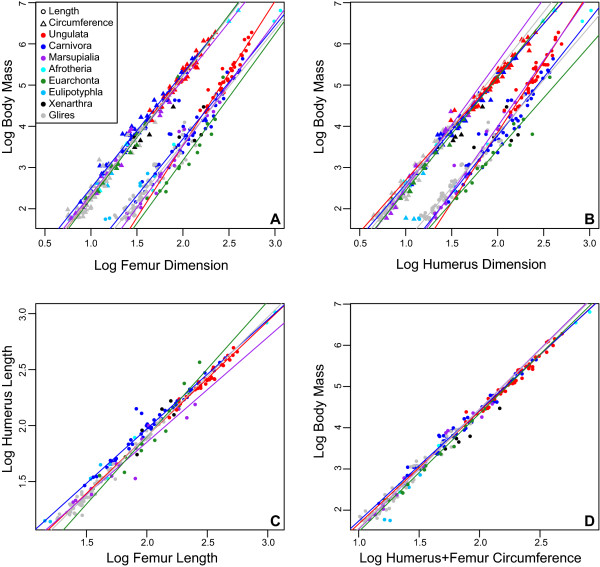
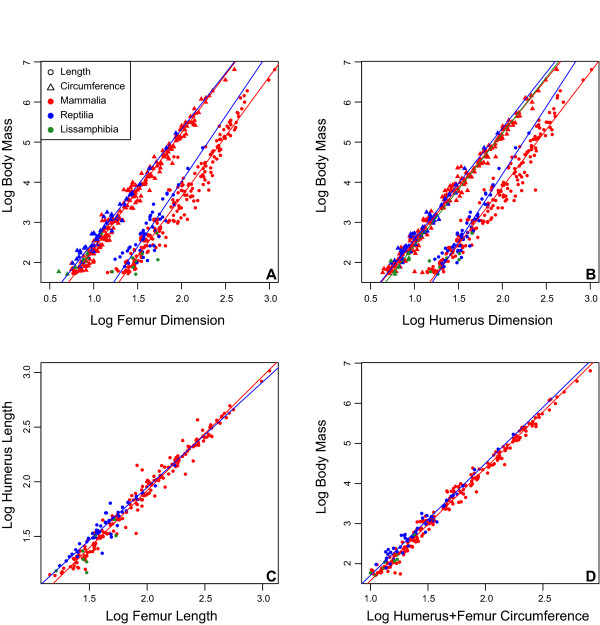
BACKGROUND: Body size is intimately related to the physiology and ecology of an organism. Therefore, accurate and consistent body mass estimates are essential for inferring numerous aspects of paleobiology in extinct taxa, and investigating large-scale evolutionary and ecological patterns in the history of life. Scaling relationships between skeletal measurements and body mass in birds and mammals are commonly used to predict body mass in extinct members of these crown clades, but the applicability of these models for predicting mass in more distantly related stem taxa, such as non-avian dinosaurs and non-mammalian synapsids, has been criticized on biomechanical grounds. Here we test the major criticisms of scaling methods for estimating body mass using an extensive dataset of mammalian and non-avian reptilian species derived from individual skeletons with live weights. RESULTS: Significant differences in the limb scaling of mammals and reptiles are noted in comparisons of limb proportions and limb length to body mass. Remarkably, however, the relationship between proximal (stylopodial) limb bone circumference and body mass is highly conserved in extant terrestrial mammals and reptiles, in spite of their disparate limb postures, gaits, and phylogenetic histories. As a result, we are able to conclusively reject the main criticisms of scaling methods that question the applicability of a universal scaling equation for estimating body mass in distantly related taxa. CONCLUSIONS: The conserved nature of the relationship between stylopodial circumference and body mass suggests that the minimum diaphyseal circumference of the major weight-bearing bones is only weakly influenced by the varied forces exerted on the limbs (that is, compression or torsion) and most strongly related to the mass of the animal. Our results, therefore, provide a much-needed, robust, phylogenetically corrected framework for accurate and consistent estimation of body mass in extinct terrestrial quadrupeds, which is important for a wide range of paleobiological studies (including growth rates, metabolism, and energetics) and meta-analyses of body size evolution.
Overview
The claims and statistics of this paper haven’t been checked yet.
Free: it reads the open-access text and checks the first 5 claims that cite a source we can check. Create a free account to check every claim.
Integrity signals
Registry
Cites
Statistics
Figures
Verification
Claims the paper makes
The claims and statistics of this paper haven’t been checked yet.
Free: it reads the open-access text and checks the first 5 claims that cite a source we can check. Create a free account to check every claim.
Claims other papers make about this one
Each is checked against this paper’s own text: does it say what the citing paper says it does?
The cited source says what the claim attributes to it.
In the citing paper
“As Microraptor is critical for our analysis we compared our mass value to one generated from an estimate of femoral circumference using the empirical equation of Campione et al. [128] as well as comparisons to mass estimates generated through 3-D computer and displacement methods [19, 22, 76]. All of these produce similar estimates to the one obtained using Christiansen & Farin ˜ a [127] (see”
From Potential for Powered Flight Neared by Most Close Avialan Relatives, but Few Crossed Its Thresholds (2020) · cites this paper as [128]
Self-check
Percentages, sums and reported differences re-computed from the paper’s own numbers.
The self-check needs the paper’s full text.
Citations
Cites
R: A Language and Environment for Statistical Computing
R Core Team (2025) · doi:10.32614/r.manuals · Cited by 352,181
Controlling the False Discovery Rate: A Practical and Powerful Approach to Multiple Testing
Benjamini, Y., & Hochberg, Y. (1995) · Journal of the Royal Statistical Society Series B: Statistical Methodology · doi:10.1111/j.2517-6161.1995.tb02031.x · Cited by 109,482 · cited 7×
“The results of the two intercept comparison methods described above are presented, and all P-values are corrected using the FDR [119,120], implemented with the ‘p.adjust’ function in R.”
BackgroundMethodInfluentialAPE: analyses of phylogenetics and evolution in R language
Paradis, E., Claude, J., & Strimmer, K. (2004) · Bioinformatics · doi:10.1093/bioinformatics/btg412 · Cited by 11,335 · cited 1×
“Branch lengths were assigned and transformed in Mesquite and the tree file was imported into R, where contrasts were calculated using the ‘APE’ package [140].”
MethodPhylogenies and the Comparative Method
Felsenstein, J. (1985) · The American Naturalist · doi:10.1086/284325 · Cited by 9,793 · cited 1×
“[73], we calculated the phylogenetic independent contrasts (PIC) for the entire dataset in order to correct for non-independence of the raw data as a result of common ancestry [121].”
Method(2009) · Cited by 6,571
The Ecological Implications of Body Size
Peters, R. H. (1983) · Cambridge University Press eBooks · doi:10.1017/cbo9780511608551 · Cited by 5,649
(2019) · American Museum Novitates · doi:10.1206/novi · Cited by 4,138
Effects of Size and Temperature on Metabolic Rate
Gillooly, J. F., Brown, J. H., West, G. B., Savage, V. M., & Charnov, E. L. (2001) · Science · doi:10.1126/science.1061967 · Cited by 3,810
Size, Function, and Life History
Calder, W. A. (1984) · Medical Entomology and Zoology · Cited by 2,864
Cellular Scaling Rules for the Brains of Marsupials: Not as “Primitive” as Expected
Dos Santos, S. E., Porfirio, J., da Cunha, F. B., Manger, P. R., Tavares, W., Pessoa, L., Raghanti, M. A., Sherwood, C. C., & Herculano-Houzel, S. (2017) · Brain, Behavior and Evolution · doi:10.1159/000452856 · Cited by 2,642
(2017) · Palaeontologia Electronica · doi:10.26879/suffix · Cited by 2,533
Bivariate line‐fitting methods for allometry
Warton, D. I., Wright, I. J., Falster, D. S., & Westoby, M. (2006) · Biological Reviews · doi:10.1017/s1464793106007007 · Cited by 2,319 · cited 6×
“Conventional methods for comparing intercepts (for example, ANCOVA, Wald statistic, and traditional t-tests) alter the original intercepts by forcing a common slope to each group being analyzed [115,116].”
BackgroundMethodInfluentialProcedures for the Analysis of Comparative Data Using Phylogenetically Independent Contrasts
Garland, T., Harvey, P. H., & Ives, A. R. (1992) · Systematic Biology · doi:10.1093/sysbio/41.1.18 · Cited by 2,151
The delayed rise of present-day mammals
Bininda-Emonds, O. R. P., Cardillo, M., Jones, K. E., MacPhee, R. D. E., Beck, R. M. D., Grenyer, R., Price, S. A., Vos, R. A., Gittleman, J. L., & Purvis, A. (2007) · Nature · doi:10.1038/nature05634 · Cited by 2,082 · cited 9×
“Finarelli JA: Hierarchy and the reconstruction of evolutionary trends: evidence for constraints on the evolution of body size in terrestrial caniform carnivorans (Mammalia).”
MethodInfluentialEVOLUTION OF THE BRAIN AND INTELLIGENCE
Radinsky, L. (1975) · Evolution · doi:10.1111/j.1558-5646.1975.tb00828.x · Cited by 1,969
Kleiber, M. (1947) · Physiological Reviews · doi:10.1152/physrev.1947.27.4.511 · Cited by 1,817 · cited 1×
“In extant taxa, body size is recognized as one of the most important biological properties because it strongly correlates with numerous physiological and ecological factors, such as metabolic rate [1-3], growth rate [4,5], fecundity [6], diversity [7], and population density [8,9], as well as home range and land area…”
Backgroundsmatr 3– an R package for estimation and inference about allometric lines
Warton, D. I., Duursma, R. A., Falster, D. S., & Taskinen, S. (2012) · Methods in Ecology and Evolution · doi:10.1111/j.2041-210x.2011.00153.x · Cited by 1,712
Martins, E. P., & Hansen, T. F. (1997) · The American Naturalist · doi:10.1086/286013 · Cited by 1,711 · cited 1×
“Finally, because none of the bivariate or multiple regressions account for correlation and covariance of morphology between taxa as a result of phylogenetic history, we re-analyzed the data using a phylogenetic generalized least squares approach [143], a method recently applied to estimate body mass in extinct bovids…”
MethodJones, K. E., Bielby, J., Cardillo, M., Fritz, S. A., O'Dell, J., Orme, C. D. L., Safi, K., Sechrest, W., Boakes, E. H., Carbone, C., et al. (2009) · Ecology · doi:10.1890/08-1494.1 · Cited by 1,654 · cited 1×
“For the non-avian reptile sample, as well as some of the largest mammals, maturity was established by verifying that the body mass of the measured specimen is similar to published reports of average body masses for that species (for example, [84,110-112]).”
BackgroundPopulation density and body size in mammals
Damuth, J. (1981) · Nature · doi:10.1038/290699a0 · Cited by 1,210 · cited 1×
“In extant taxa, body size is recognized as one of the most important biological properties because it strongly correlates with numerous physiological and ecological factors, such as metabolic rate [1-3], growth rate [4,5], fecundity [6], diversity [7], and population density [8,9], as well as home range and land area…”
BackgroundMcMahon, T. (1973) · Science · doi:10.1126/science.179.4079.1201 · Cited by 1,175 · cited 7×
“These theoretical models were formally presented by McMahon [95,96], who provided empirical support for elastic scaling in terrestrial vertebrates (using ungulates as a proxy), as opposed to a strict geometric (isometric) scaling.”
BackgroundMethodInfluentialEffects of size and temperature on developmental time
Gillooly, J. F., Charnov, E. L., West, G. B., Savage, V. M., & Brown, J. H. (2002) · Nature · doi:10.1038/417070a · Cited by 937
Scaling Body Support in Mammals: Limb Posture and Muscle Mechanics
Biewener, A. A. (1989) · Science · doi:10.1126/science.2740914 · Cited by 869
Energy metabolism as related to body size and respiratory surfaces, and its evolution
Hemmingsen, A. M., Hemmingsen, E. A., & Hemmingsen, S. M. (1960) · Medical Entomology and Zoology · Cited by 852
Body size in mammalian paleobiology: estimation and biological implications
(1991) · Choice Reviews Online · doi:10.5860/choice.29-0302 · Cited by 820
Multiple comparisons: philosophies and illustrations
Curran-Everett, D. (2000) · American Journal of Physiology-Regulatory, Integrative and Comparative Physiology · doi:10.1152/ajpregu.2000.279.1.r1 · Cited by 743
Evolution of the Brain and Intelligence
Raikow, R. J., & Jerison, H. J. (1974) · Bird-Banding · doi:10.2307/4512058 · Cited by 697
Betulin Is a Potent Anti-Tumor Agent that Is Enhanced by Cholesterol
Mullauer, F. B., Kessler, J. H., & Medema, J. P. (2009) · PLoS ONE · doi:10.1371/journal.pone.0005361 · Cited by 688
Evolution of Body Size: Consequences of an Energetic Definition of Fitness
Brown, J. H., Marquet, P. A., & Taper, M. L. (1993) · The American Naturalist · doi:10.1086/285558 · Cited by 658 · cited 1×
“In extant taxa, body size is recognized as one of the most important biological properties because it strongly correlates with numerous physiological and ecological factors, such as metabolic rate [1-3], growth rate [4,5], fecundity [6], diversity [7], and population density [8,9], as well as home range and land area…”
BackgroundThe phylogeny and classification of the tetrapods
Unwin, D. M. (1989) · Trends in Ecology & Evolution · doi:10.1016/0169-5347(89)90162-6 · Cited by 509
Rubin, C. T., & Lanyon, L. E. (1982) · Journal of Experimental Biology · doi:10.1242/jeb.101.1.187 · Cited by 498
Vidal, N., & Hedges, S. B. (2005) · Comptes Rendus. Biologies · doi:10.1016/j.crvi.2005.10.001 · Cited by 461 · cited 1×
“The phylogenetic tree [See Additional file 6, Figure S1] was constructed in Mesquite [122], based on recent phylogenetic analyses obtained for extant Mammalia [123], and non-avian reptiles [124-130].”
MethodTownsend, T. M., Larson, A., Louis, E., & Macey, J. R. (2004) · Systematic Biology · doi:10.1080/10635150490522340 · Cited by 458
Using body size to understand the structural design of animals: quadrupedal locomotion
McMahon, T. A. (1975) · Journal of Applied Physiology · doi:10.1152/jappl.1975.39.4.619 · Cited by 440 · cited 8×
“These theoretical models were formally presented by McMahon [95,96], who provided empirical support for elastic scaling in terrestrial vertebrates (using ungulates as a proxy), as opposed to a strict geometric (isometric) scaling.”
BackgroundMethodInfluentialAllometry of the limb bones of mammals from shrews (Sorex) to elephant (Loxodonta)
Alexander, R. M., Jayes, A. S., Maloiy, G. M. O., & Wathuta, E. M. (1979) · Journal of Zoology · doi:10.1111/j.1469-7998.1979.tb03964.x · Cited by 422
Dynamic strain similarity in vertebrates; an alternative to allometric limb bone scaling
Rubin, C. T., & Lanyon, L. E. (1984) · Journal of Theoretical Biology · doi:10.1016/s0022-5193(84)80031-4 · Cited by 416 · cited 8×
“Biomechanical studies using in vivo strain gauges and force platforms in mammals and birds have concluded that peak functional strains (that is, safety factors, strain at which yield or failure occur/peak functional strain) placed on a limb bone during locomotion are consistent among taxa of different size and differe…”
BackgroundResultInfluential(1932) · University of Michigan Press eBooks · doi:10.3998/mpub.9690664 · Cited by 412
Biewener, A. A. (1983) · Journal of Experimental Biology · doi:10.1242/jeb.105.1.147 · Cited by 409
Scaling and power-laws in ecological systems
Marquet, P. A., Quiñones, R. A., Abades, S., Labra, F., Tognelli, M., Arim, M., & Rivadeneira, M. (2005) · Journal of Experimental Biology · doi:10.1242/jeb.01588 · Cited by 401
Long‐bone circumference and weight in mammals, birds and dinosaurs
Anderson, J. F., Hall‐Martin, A., & Russell, D. A. (1985) · Journal of Zoology · doi:10.1111/j.1469-7998.1985.tb04915.x · Cited by 394 · cited 10×
“[73], herein referred to as the Anderson method, suggested that the body mass of dinosaurs could be estimated using the measured scaling relationship between live mass and total circumference of the stylopodia (humerus + femur) derived from a sample of 33 species of extant terrestrial mammals.”
BackgroundMethodInfluentialGaffney, E. S., & Meylan, P. A. (1988) · Cited by 369
Wiens, J. J., Brandley, M. C., & Reeder, T. W. (2006) · Evolution · doi:10.1554/05-328.1 · Cited by 354
Dinosaurs, dragons, and dwarfs: The evolution of maximal body size
Burness, G. P., Diamond, J., & Flannery, T. (2001) · Proceedings of the National Academy of Sciences · doi:10.1073/pnas.251548698 · Cited by 336 · cited 2×
“In extant taxa, body size is recognized as one of the most important biological properties because it strongly correlates with numerous physiological and ecological factors, such as metabolic rate [1-3], growth rate [4,5], fecundity [6], diversity [7], and population density [8,9], as well as home range and land area…”
BackgroundA basal dromaeosaurid and size evolution preceding avian flight
Turner, A. H., Pol, D., Clarke, J. A., Erickson, G. M., & Norell, M. A. (2007) · Science · doi:10.1126/science.1144066 · Cited by 332 · cited 1×
“Due to the biological implications of body size, it is not surprising that numerous paleontological studies have used body mass estimates to reconstruct and interpret: patterns of body size evolution [13-22], brain-size allometry and evolution [23-26], the evolution of reproduction [27-29], growth rates [30,31], postu…”
BackgroundMetabolism of Squamate Reptiles: Allometric and Ecological Relationships
Andrews, R. M., & Pough, F. H. (1985) · Physiological Zoology · doi:10.1086/physzool.58.2.30158569 · Cited by 314 · cited 1×
“For the non-avian reptile sample, as well as some of the largest mammals, maturity was established by verifying that the body mass of the measured specimen is similar to published reports of average body masses for that species (for example, [84,110-112]).”
BackgroundDynamics of dinosaurs and other extinct giants
(1989) · Choice Reviews Online · doi:10.5860/choice.27-1523 · Cited by 311
The Evolution of Body Size, Cope's Rule and the Origin of Amniotes
Laurin, M. (2004) · Systematic Biology · doi:10.1080/10635150490445706 · Cited by 310 · cited 2×
“Furthermore, skeletal measurements are generally easier to obtain than full body scale reconstructions, especially for taxa that are only partially preserved, and are therefore more practical estimators in large-scale evolutionary and ecological studies (for example, [15-17,20]).”
BackgroundJenkins, F. A. (1971) · Journal of Zoology · doi:10.1111/j.1469-7998.1971.tb02189.x · Cited by 292 · cited 1×
“Taxa were chosen based on three criteria: 1) The dataset must include a large range in body mass, so that sizerelated postural differences can be assessed [83,114].”
MethodThe SauropodsEvolution and Paleobiology
Curry Rogers, K., & Wilson, J. (2005) · University of California Press eBooks · doi:10.1525/california/9780520246232.001.0001 · Cited by 287
Allometric scaling in comparative biology: problems of concept and method
Smith, R. J. (1984) · American Journal of Physiology-Regulatory, Integrative and Comparative Physiology · doi:10.1152/ajpregu.1984.246.2.r152 · Cited by 283 · cited 1×
“The statistical merits and flaws of logarithmically transforming data have been heavily debated (for example, [81,82,103,104]) and will not be discussed further here.”
BackgroundBiology of the sauropod dinosaurs: understanding the life of giants
(2011) · Choice Reviews Online · doi:10.5860/choice.49-0282 · Cited by 275
Near, T. J., Meylan, P. A., & Shaffer, H. B. (2005) · The American Naturalist · doi:10.1086/427734 · Cited by 269 · cited 1×
“Branch lengths in the reptile portion of the tree were largely calculated using molecular estimates of divergence times [131-138].”
MethodAssessing dinosaur growth patterns: a microscopic revolution
Erickson, G. M. (2005) · Trends in Ecology & Evolution · doi:10.1016/j.tree.2005.08.012 · Cited by 257 · cited 1×
“Due to the biological implications of body size, it is not surprising that numerous paleontological studies have used body mass estimates to reconstruct and interpret: patterns of body size evolution [13-22], brain-size allometry and evolution [23-26], the evolution of reproduction [27-29], growth rates [30,31], postu…”
BackgroundFinarelli, J. A., & Flynn, J. J. (2006) · Systematic Biology · doi:10.1080/10635150500541698 · Cited by 254 · cited 2×
“Due to the biological implications of body size, it is not surprising that numerous paleontological studies have used body mass estimates to reconstruct and interpret: patterns of body size evolution [13-22], brain-size allometry and evolution [23-26], the evolution of reproduction [27-29], growth rates [30,31], postu…”
BackgroundMethodDinosaurian growth patterns and rapid avian growth rates
Erickson, G. M., Rogers, K. C., & Yerby, S. A. (2001) · Nature · doi:10.1038/35086558 · Cited by 252
Le, M., Raxworthy, C. J., McCord, W. P., & Mertz, L. (2006) · Molecular Phylogenetics and Evolution · doi:10.1016/j.ympev.2006.03.003 · Cited by 246 · cited 1×
“The phylogenetic tree [See Additional file 6, Figure S1] was constructed in Mesquite [122], based on recent phylogenetic analyses obtained for extant Mammalia [123], and non-avian reptiles [124-130].”
MethodThe Sauropods: evolution and paleobiology
(2006) · Choice Reviews Online · doi:10.5860/choice.43-5907 · Cited by 245
Allometry and Biomechanics: Limb Bones in Adult Ungulates
McMahon, T. A. (1975) · The American Naturalist · doi:10.1086/283026 · Cited by 237 · cited 1×
“In particular, their limbs are considered to follow an elastic trend [70,77,78,93,96,100].”
BackgroundGiant boid snake from the Palaeocene neotropics reveals hotter past equatorial temperatures
Head, J. J., Bloch, J. I., Hastings, A. K., Bourque, J. R., Cadena, E. A., Herrera, F. A., Polly, P. D., & Jaramillo, C. A. (2009) · Nature · doi:10.1038/nature07671 · Cited by 229 · cited 1×
“[37], visceral organ size [38], and community and trophic structures [10,39,40].”
BackgroundDifferential scaling of the long bones in the terrestrial carnivora and other mammals
Bertram, J. E. A., & Biewener, A. A. (1990) · Journal of Morphology · doi:10.1002/jmor.1052040205 · Cited by 219
Varricchio, D. J., Jackson, F., Borkowski, J. J., & Horner, J. R. (1997) · Nature · doi:10.1038/385247a0 · Cited by 217
Carrano, M. T. (1999) · Journal of Zoology · doi:10.1017/s095283699900103x · Cited by 212 · cited 3×
“Taxa were chosen based on three criteria: 1) The dataset must include a large range in body mass, so that sizerelated postural differences can be assessed [83,114].”
BackgroundMethodHansen, T. F., & Bartoszek, K. (2012) · Systematic Biology · doi:10.1093/sysbio/syr122 · Cited by 200 · cited 1×
“It is the most appropriate model for estimating a value of y based on x, as it accounts for the complete error of the y variable that can be explained by the x variable [81,141].”
BackgroundCalculation and Miscalculation of the Allometric Equation as a Model in Biological Data
Zar, J. H. (1968) · BioScience · doi:10.2307/1294589 · Cited by 197 · cited 3×
“This is advisable when comparing biological scaling lines because first, the intercept at x = 0 is an extrapolation of the line beyond the range of the data [115], but perhaps more importantly given the type of data used here, a value of x = 0 is biologically meaningless.”
BackgroundMethodRange Size-Body Size Relationships: Evidence of Scale Dependence
Gaston, K. J., & Blackburn, T. M. (1996) · Oikos · doi:10.2307/3545889 · Cited by 188
Avian paternal care had dinosaur origin
Varricchio, D. J., Moore, J. R., Erickson, G. M., Norell, M. A., Jackson, F. D., & Borkowski, J. J. (2008) · Science · doi:10.1126/science.1163245 · Cited by 177 · cited 1×
“Due to the biological implications of body size, it is not surprising that numerous paleontological studies have used body mass estimates to reconstruct and interpret: patterns of body size evolution [13-22], brain-size allometry and evolution [23-26], the evolution of reproduction [27-29], growth rates [30,31], postu…”
BackgroundEstimating the masses and centers of mass of extinct animals by 3-D mathematical slicing
Henderson, D. M. (1999) · Paleobiology · doi:10.1666/0094-8373(1999)025<0088:etmaco>2.3.co;2 · Cited by 177 · cited 4×
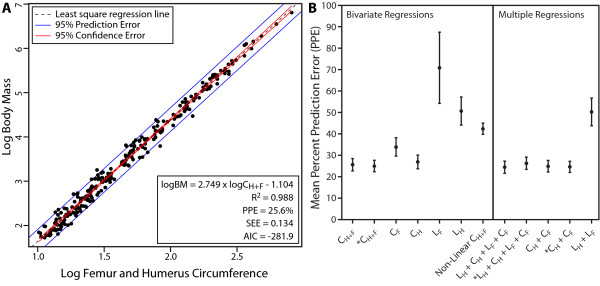
“These predicted masses and prediction error ranges, when compared to previous estimates based on volumetric reconstructions [49,51,71], show that many reconstructed models underestimate body mass, sometimes significantly below that predicted by the mean PPE (Table 6).”
BackgroundMethodResultInfluentialBenson, R. B. J., Butler, R. J., Carrano, M. T., & O'Connor, P. M. (2012) · Biological Reviews · doi:10.1111/j.1469-185x.2011.00190.x · Cited by 175 · cited 1×
“2 [46,48]; however, given the varying levels of bone pneumaticity observed in saurischian dinosaurs [58,59], and the fact that birds typically exhibit lower densities than mammals and other reptiles [60], it is almost certain that the specific gravity of extinct animals also varied [59].”
BackgroundA new method to calculate allometric length-mass relationships of dinosaurs
Seebacher, F. (2001) · Journal of Vertebrate Paleontology · doi:10.1671/0272-4634(2001)021[0051:anmtca]2.0.co;2 · Cited by 172 · cited 4×
“These predicted masses and prediction error ranges, when compared to previous estimates based on volumetric reconstructions [49,51,71], show that many reconstructed models underestimate body mass, sometimes significantly below that predicted by the mean PPE (Table 6).”
BackgroundMethodResultInfluentialScaling of the limb long bones to body mass in terrestrial mammals
Christiansen, P. (1999) · Journal of Morphology · doi:10.1002/(sici)1097-4687(199902)239:2<143::aid-jmor3>3.0.co;2-o · Cited by 169
Hutchinson, J. R., Bates, K. T., Molnar, J., Allen, V., & Makovicky, P. J. (2011) · PLoS ONE · doi:10.1371/journal.pone.0026037 · Cited by 167 · cited 3×
“Perhaps more importantly, the numerous assumptions about soft tissue properties and body shape (for example, muscle sizes) in many of the models make it difficult to control for sources of error and to determine the confidence associated with a given mass estimate, although recent computational modelling advances atte…”
BackgroundMethodMass prediction in theropod dinosaurs
Christiansen, P., & Fariña †, R. A. (2004) · Historical Biology · doi:10.1080/08912960412331284313 · Cited by 167 · cited 2×
“However, in stem groups (for example, non-avian dinosaurs and non-mammalian synapsids), estimations are often based on volumetric reconstructions, which involve physical three-dimensional scale models [46,47], graphic double integration of two-dimensional reconstructions [48-50], or computer-generated life reconstruct…”
BackgroundMethodAnatomical and Ecological Evidence of Endothermy in Dinosaurs
BAKKER, R. T. (1972) · Nature · doi:10.1038/238081a0 · Cited by 166 · cited 2×
“Such estimates are widely used in the literature (for example, [35,38]) despite the fact that they are prone to a considerable amount of error.”
BackgroundScaling of the limb long bones to body mass in terrestrial mammals
Christiansen, P. (1999) · Journal of Morphology · doi:10.1002/(sici)1097-4687(199902)239:2<167::aid-jmor5>3.0.co;2-8 · Cited by 164 · cited 12×
“For the most part, the dataset was built with newly measured specimens; however, it was augmented with published measurements from Christiansen and Harris [109] and Anderson et al. [73] [See Additional file 1, Dataset].”
BackgroundMethodInfluentialCarrano, M. T. (1998) · Paleobiology · doi:10.1017/s0094837300020108 · Cited by 163
(1939) · University of Michigan Press eBooks · doi:10.3998/mpub.9690659 · Cited by 160
Farlow, J. O. (1976) · Ecology · doi:10.2307/1941052 · Cited by 159 · cited 1×
“[37], visceral organ size [38], and community and trophic structures [10,39,40].”
BackgroundEstimating Mass Properties of Dinosaurs Using Laser Imaging and 3D Computer Modelling
Bates, K. T., Manning, P. L., Hodgetts, D., & Sellers, W. I. (2009) · PLoS ONE · doi:10.1371/journal.pone.0004532 · Cited by 156 · cited 1×
“However, in stem groups (for example, non-avian dinosaurs and non-mammalian synapsids), estimations are often based on volumetric reconstructions, which involve physical three-dimensional scale models [46,47], graphic double integration of two-dimensional reconstructions [48-50], or computer-generated life reconstruct…”
BackgroundBlob, R. W., & Biewener, A. A. (1999) · Journal of Experimental Biology · doi:10.1242/jeb.202.9.1023 · Cited by 155
Engstrom, T. N., Shaffer, H. B., & McCord, W. P. (2004) · Systematic Biology · doi:10.1080/10635150490503053 · Cited by 147
Blob, R. W., & Biewener, A. A. (2001) · Journal of Experimental Biology · doi:10.1242/jeb.204.6.1099 · Cited by 143
Body size ofSmilodon (Mammalia: Felidae)
Christiansen, P., & Harris, J. M. (2005) · Journal of Morphology · doi:10.1002/jmor.10384 · Cited by 142 · cited 3×
“For the most part, the dataset was built with newly measured specimens; however, it was augmented with published measurements from Christiansen and Harris [109] and Anderson et al.”
MethodBurly gaits: centers of mass, stability, and the trackways of sauropod dinosaurs
Henderson, D. M. (2006) · Journal of Vertebrate Paleontology · doi:10.1671/0272-4634(2006)26[907:bgcoms]2.0.co;2 · Cited by 131 · cited 1×
“Despite the complications associated with life reconstructions of extinct taxa, models are important for testing numerous biomechanical hypotheses [61,63-68].”
BackgroundRelative Brain Size and Behavior in Archosaurian Reptiles
Hopson, J. A. (1977) · Annual Review of Ecology and Systematics · doi:10.1146/annurev.es.08.110177.002241 · Cited by 130 · cited 1×
“Due to the biological implications of body size, it is not surprising that numerous paleontological studies have used body mass estimates to reconstruct and interpret: patterns of body size evolution [13-22], brain-size allometry and evolution [23-26], the evolution of reproduction [27-29], growth rates [30,31], postu…”
BackgroundSpinks, P. Q., & Shaffer, H. B. (2009) · Systematic Biology · doi:10.1093/sysbio/syp005 · Cited by 126
Naro‐Maciel, E., Lê, M. Đ., FitzSimmons, N. N., & Amato, G. (2008) · Molecular Phylogenetics and Evolution · doi:10.1016/j.ympev.2008.08.004 · Cited by 125 · cited 1×
“Branch lengths in the reptile portion of the tree were largely calculated using molecular estimates of divergence times [131-138].”
MethodMy theropod is bigger than yours … or not: estimating body size from skull length in theropods
Therrien, F., & Henderson, D. M. (2007) · Journal of Vertebrate Paleontology · doi:10.1671/0272-4634(2007)27[108:mtibty]2.0.co;2 · Cited by 124 · cited 1×
“Due to the biological implications of body size, it is not surprising that numerous paleontological studies have used body mass estimates to reconstruct and interpret: patterns of body size evolution [13-22], brain-size allometry and evolution [23-26], the evolution of reproduction [27-29], growth rates [30,31], postu…”
BackgroundMitochondrial DNA Evidence and Evolution in Varanoidea (Squamata)
Ast, J. C. (2001) · Cladistics · doi:10.1006/clad.2001.0169 · Cited by 123
Hutchinson, J. R., Ng-Thow-Hing, V., & Anderson, F. C. (2007) · Journal of Theoretical Biology · doi:10.1016/j.jtbi.2007.01.023 · Cited by 123 · cited 1×
“Although the Anderson method provides a more objective way to estimate body mass in extinct taxa, it has been criticized by numerous authors (for example, [49,56,61,70,71,74-76]).”
MethodColbert, E. H. (1962) · reroDoc Digital Library · Cited by 115
Modeling growth rates for sauropod dinosaurs
Lehman, T. M., & Woodward, H. N. (2008) · Paleobiology · doi:10.1666/0094-8373(2008)034[0264:mgrfsd]2.0.co;2 · Cited by 107
The evolution of locomotion in archosaurs
Hutchinson, J. R. (2006) · Comptes Rendus Palevol · doi:10.1016/j.crpv.2005.09.002 · Cited by 103 · cited 1×
“extinct quadrupedal groups, and is particularly important for a wide range of paleobiological studies, including growth rates [31], metabolism[36], and energetics [105], as well as for quantifying body size changes across major evolutionary transitions that are accompanied by major changes in gait, including shifts in…”
BackgroundBody size evolution in Mesozoic birds
HONE, D. W. E., Dyke, G. J., HADEN, M., & Benton, M. J. (2008) · Journal of Evolutionary Biology · doi:10.1111/j.1420-9101.2007.01483.x · Cited by 102 · cited 4×
“Furthermore, skeletal measurements are generally easier to obtain than full body scale reconstructions, especially for taxa that are only partially preserved, and are therefore more practical estimators in large-scale evolutionary and ecological studies (for example, [15-17,20]).”
BackgroundInfluentialBlob, R. W. (2000) · Journal of Zoology · doi:10.1111/j.1469-7998.2000.tb00793.x · Cited by 102
When teeth and bones disagree: body mass estimation of a giant extinct rodent
Millien, V., & Bovy, H. (2010) · Journal of Mammalogy · doi:10.1644/08-mamm-a-347r1.1 · Cited by 102
Scaling of mammalian long bones: small and large mammals compared
Christiansen, P. (1999) · Journal of Zoology · doi:10.1111/j.1469-7998.1999.tb00996.x · Cited by 102 · cited 12×
“For the most part, the dataset was built with newly measured specimens; however, it was augmented with published measurements from Christiansen and Harris [109] and Anderson et al. [73] [See Additional file 1, Dataset].”
BackgroundResultInfluentialBrain Evolution and Dinosaur Brains
Jerison, H. J. (1969) · The American Naturalist · doi:10.1086/282627 · Cited by 101 · cited 1×
“Due to the biological implications of body size, it is not surprising that numerous paleontological studies have used body mass estimates to reconstruct and interpret: patterns of body size evolution [13-22], brain-size allometry and evolution [23-26], the evolution of reproduction [27-29], growth rates [30,31], postu…”
BackgroundColbert, E. H. (1963) · reroDoc Digital Library · Cited by 101
Macroevolutionary trends in the Dinosauria: Cope's rule
HONE, D. W. E., KEESEY, T. M., PISANI, D., & PURVIS, A. (2005) · Journal of Evolutionary Biology · doi:10.1111/j.1420-9101.2004.00870.x · Cited by 100
Implications of limb bone scaling, curvature and eccentricity in mammals and non‐avian dinosaurs
Carrano, M. T. (2001) · Journal of Zoology · doi:10.1017/s0952836901000541 · Cited by 99 · cited 7×
“Scaling methods are often criticized when models are extended to more distantly related stem taxa, based on arguments such as uneven taxon sampling (ungulate bias), its applicability to animals of different gaits and limb postures, as well as its susceptibility to residual and extreme outliers [51,70,72,82].”
BackgroundMethodInfluentialBody-size evolution in the Dinosauria
Carrano, M. T. (2006) · Smithsonian Digital Repository (Smithsonian Institution) · Cited by 96
The largest land mammal ever imagined
Fortelius, M., & Kappelman, J. W. (1993) · Zoological Journal of the Linnean Society · doi:10.1006/zjls.1993.1018 · Cited by 96 · cited 2×
“For the first two groups, studies have since shown that scaling relationships still provide the most reliable mass estimates [43,69].”
BackgroundElastic and/or geometric similarity in mammalian design?
Economos, A. C. (1983) · Journal of Theoretical Biology · doi:10.1016/0022-5193(83)90206-0 · Cited by 94 · cited 5×
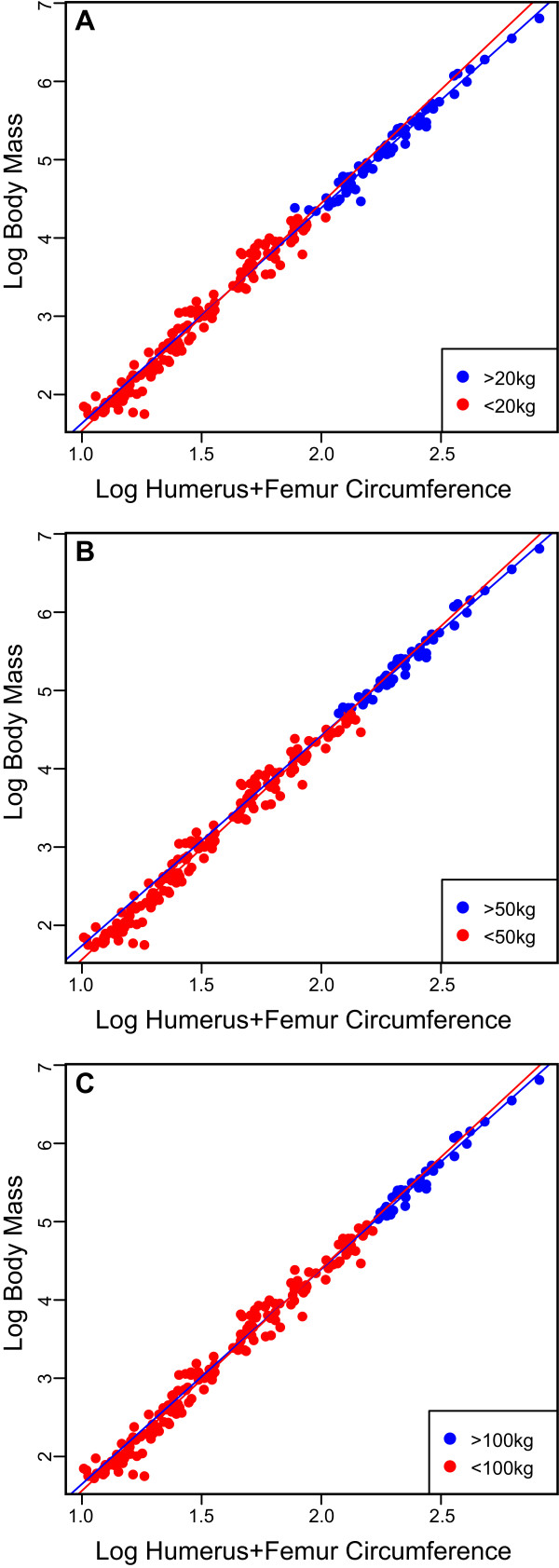
“Size class comparisons were based on three body mass thresholds: 20 kg, which was previously used by Economos [94] to show differential scaling in mammals, and it is also thought to represent the lower size limit for migratory mammals and hence may affect limb scaling patterns [4]; 50 kg, a threshold at which mammalia…”
BackgroundMethodResultInfluentialRoos, J., Aggarwal, R. K., & Janke, A. (2007) · Molecular Phylogenetics and Evolution · doi:10.1016/j.ympev.2007.06.018 · Cited by 94 · cited 1×
“Branch lengths in the reptile portion of the tree were largely calculated using molecular estimates of divergence times [131-138].”
MethodAlbert, E. M., Mauro, D. S., García-París, M., Rüber, L., & Zardoya, R. (2008) · Gene · doi:10.1016/j.gene.2008.05.014 · Cited by 92
Young, M. T., Bell, M. A., Andrade, M. B. D., & Brusatte, S. L. (2011) · Zoological Journal of the Linnean Society · doi:10.1111/j.1096-3642.2011.00734.x · Cited by 90 · cited 1×
“The use of skeletal scaling to estimate body mass is common in extinct mammals and birds (for example, [17,41,42,45,98]); however, it is less common in extinct non-avian archosaurs and non-mammalian synapsids ([48,73,99] being notable exceptions).”
BackgroundPterosaur body mass estimates from three-dimensional mathematical slicing
Henderson, D. M. (2010) · Journal of Vertebrate Paleontology · doi:10.1080/02724631003758334 · Cited by 84 · cited 1×
“Despite the complications associated with life reconstructions of extinct taxa, models are important for testing numerous biomechanical hypotheses [61,63-68].”
BackgroundLong bone scaling and limb posture in non-avian theropods: Evidence for differential allometry
Christiansen, P. (1999) · Journal of Vertebrate Paleontology · doi:10.1080/02724634.1999.10011180 · Cited by 78
Amer, S. A. M., & Kumazawa, Y. (2005) · Biological Journal of the Linnean Society · doi:10.1111/j.1095-8312.2005.00485.x · Cited by 77
Tipsy punters: sauropod dinosaur pneumaticity, buoyancy and aquatic habits
Henderson, D. M. (2004) · Proceedings of the Royal Society B Biological Sciences · doi:10.1098/rsbl.2003.0136 · Cited by 76 · cited 8×
“Henderson DM: Tipsy punters: sauropod dinosaur pneumaticity, buoyancy and aquatic habits.”
BackgroundInfluentialMaximum Size of the Alligator (Alligator mississippiensis)
Woodward, A. R., White, J. H., & Linda, S. B. (1995) · Journal of Herpetology · doi:10.2307/1564733 · Cited by 76 · cited 1×
“For the non-avian reptile sample, as well as some of the largest mammals, maturity was established by verifying that the body mass of the measured specimen is similar to published reports of average body masses for that species (for example, [84,110-112]).”
BackgroundEstimation of Body Mass in Paleontology
Smith, R. J. (2002) · Journal of Human Evolution · doi:10.1006/jhev.2002.0573 · Cited by 75
Dinosaur Fossils Predict Body Temperatures
Gillooly, J. F., Allen, A. P., & Charnov, E. L. (2006) · PLoS Biology · doi:10.1371/journal.pbio.0040248 · Cited by 75
Body size evolution in Mesozoic birds: little evidence for Cope’s rule
Butler, R. J., & Goswami, A. (2008) · Journal of Evolutionary Biology · doi:10.1111/j.1420-9101.2008.01594.x · Cited by 74 · cited 1×
“Due to the biological implications of body size, it is not surprising that numerous paleontological studies have used body mass estimates to reconstruct and interpret: patterns of body size evolution [13-22], brain-size allometry and evolution [23-26], the evolution of reproduction [27-29], growth rates [30,31], postu…”
BackgroundOkajima, Y., & Kumazawa, Y. (2010) · BMC Evolutionary Biology · doi:10.1186/1471-2148-10-141 · Cited by 74 · cited 1×
“Branch lengths in the reptile portion of the tree were largely calculated using molecular estimates of divergence times [131-138].”
MethodBiomechanics of Running Indicates Endothermy in Bipedal Dinosaurs
Pontzer, H., Allen, V., & Hutchinson, J. R. (2009) · PLoS ONE · doi:10.1371/journal.pone.0007783 · Cited by 73 · cited 1×
“Due to the biological implications of body size, it is not surprising that numerous paleontological studies have used body mass estimates to reconstruct and interpret: patterns of body size evolution [13-22], brain-size allometry and evolution [23-26], the evolution of reproduction [27-29], growth rates [30,31], postu…”
BackgroundBiogeography of body size in Pacific island birds
Boyer, A. G., & Jetz, W. (2010) · Ecography · doi:10.1111/j.1600-0587.2010.06315.x · Cited by 70 · cited 1×
“The use of skeletal scaling to estimate body mass is common in extinct mammals and birds (for example, [17,41,42,45,98]); however, it is less common in extinct non-avian archosaurs and non-mammalian synapsids ([48,73,99] being notable exceptions).”
BackgroundThe phylogeny and classification of tetrapods
Benton, M. J. (1986) · Lethaia · doi:10.1111/j.1502-3931.1986.tb00726.x · Cited by 69
Butcher, M. T., Espinoza, N. R., Cirilo, S. R., & Blob, R. W. (2008) · Journal of Experimental Biology · doi:10.1242/jeb.018986 · Cited by 67
Gunga, H., Suthau, T., Bellmann, A., Stoinski, S., Friedrich, A., Trippel, T. D., Kirsch, K. A., & Hellwich, O. (2008) · Fossil record · doi:10.1002/mmng.200700011 · Cited by 66 · cited 3×
“However, in stem groups (for example, non-avian dinosaurs and non-mammalian synapsids), estimations are often based on volumetric reconstructions, which involve physical three-dimensional scale models [46,47], graphic double integration of two-dimensional reconstructions [48-50], or computer-generated life reconstruct…”
BackgroundImplications of body-mass estimates for dinosaurs
Peczkis, J. (1995) · Journal of Vertebrate Paleontology · doi:10.1080/02724634.1995.10011575 · Cited by 66 · cited 1×
“[37], visceral organ size [38], and community and trophic structures [10,39,40].”
BackgroundAllometry of the limb long bones of insectivores and rodents
Bou, J., Casinos, A., & Ocaña, J. (1987) · Journal of Morphology · doi:10.1002/jmor.1051920204 · Cited by 66 · cited 1×
“The only outliers identified here appear to be related to unique ecologies, such as suspension locomotion (Choloepus didactylus) and burrowing (Priodontes maximus, Condylura cristata, Parascalops breweri), which can generally be inferred from skeletal anatomy as a potential confounding factor to mass estimation based…”
BackgroundEsteban‐Trivigno, S. D., Mendoza, M., & Renzi, M. D. (2008) · Journal of Morphology · doi:10.1002/jmor.10659 · Cited by 66 · cited 4×
“For the first two groups, studies have since shown that scaling relationships still provide the most reliable mass estimates [43,69].”
BackgroundMethodInfluentialGunga, H., Suthau, T., Bellmann, A., Friedrich, A., Schwanebeck, T., Stoinski, S., Trippel, T. D., Kirsch, K. A., & Hellwich, O. (2007) · Die Naturwissenschaften · doi:10.1007/s00114-007-0234-2 · Cited by 63
Flight characteristics of Triassic and Jurassic Pterosauria: an appraisal based on wing shape
Hazlehurst, G., & Rayner, J. M. V. (1992) · Paleobiology · doi:10.1017/s009483730001099x · Cited by 62 · cited 1×
“2 [46,48]; however, given the varying levels of bone pneumaticity observed in saurischian dinosaurs [58,59], and the fact that birds typically exhibit lower densities than mammals and other reptiles [60], it is almost certain that the specific gravity of extinct animals also varied [59].”
BackgroundMakovicky, P. J. (2007) · Copeia · doi:10.1643/0045-8511(2007)7[1061:appote]2.0.co;2 · Cited by 60
Allometric equations for predicting body mass of dinosaurs
Packard, G. C., Boardman, T. J., & Birchard, G. F. (2009) · Journal of Zoology · doi:10.1111/j.1469-7998.2009.00594.x · Cited by 59
Biodiversity and body size are linked across metazoans
McClain, C. R., & Boyer, A. G. (2009) · Proceedings of the Royal Society B Biological Sciences · doi:10.1098/rspb.2009.0245 · Cited by 58 · cited 1×
“In extant taxa, body size is recognized as one of the most important biological properties because it strongly correlates with numerous physiological and ecological factors, such as metabolic rate [1-3], growth rate [4,5], fecundity [6], diversity [7], and population density [8,9], as well as home range and land area…”
BackgroundBates, K. T., Falkingham, P. L., Breithaupt, B. H., Hodgetts, D., Sellers, W. I., & Manning, P. L. (2009) · reroDoc Digital Library · Cited by 58
The Evolution of Sauropod Locomotion: Morphological Diversity of a Secondarily Quadrupedal Radiation
Carrano, M. T. (2005) · University of California Press eBooks · doi:10.1525/california/9780520246232.003.0009 · Cited by 56
Hurlburt, G. R. (1999) · Journal of Vertebrate Paleontology · doi:10.1080/02724634.1999.10011145 · Cited by 56 · cited 3×
“However, in stem groups (for example, non-avian dinosaurs and non-mammalian synapsids), estimations are often based on volumetric reconstructions, which involve physical three-dimensional scale models [46,47], graphic double integration of two-dimensional reconstructions [48-50], or computer-generated life reconstruct…”
BackgroundHabitat primary production and the evolution of body size within the hartebeest clade
Capellini, I., & Gosling, L. M. (2007) · Biological Journal of the Linnean Society · doi:10.1111/j.1095-8312.2007.00883.x · Cited by 50
Interspecific allometry of bone dimensions: A review of the theoretical models
Garcia, G. J. M., & DASILVA, J. (2006) · Physics of Life Reviews · doi:10.1016/j.plrev.2006.07.002 · Cited by 50
Janis, C. M., & Carrano, M. T. (1991) · Annales Zoologici Fennici · Cited by 50
Okajima, Y., & Kumazawa, Y. (2008) · Gene · doi:10.1016/j.gene.2008.06.011 · Cited by 49
Bipedalism and quadrupedalism in Megatheriurn: an attempt at biomechanical reconstruction
Casinos, A. (1996) · Lethaia · doi:10.1111/j.1502-3931.1996.tb01842.x · Cited by 47
Body size, energetics, and the Ordovician restructuring of marine ecosystems
Finnegan, S., & Droser, M. L. (2008) · Paleobiology · doi:10.1666/07074.1 · Cited by 46 · cited 1×
“extinct quadrupedal groups, and is particularly important for a wide range of paleobiological studies, including growth rates [31], metabolism[36], and energetics [105], as well as for quantifying body size changes across major evolutionary transitions that are accompanied by major changes in gait, including shifts in…”
BackgroundAllometry of visceral organs in living amniotes and its implications for sauropod dinosaurs
Franz, R., Hummel, J., Kienzle, E., Kölle, P., Gunga, H., & Clauß, M. (2009) · Proceedings of the Royal Society B Biological Sciences · doi:10.1098/rspb.2008.1735 · Cited by 44 · cited 2×
“Such estimates are widely used in the literature (for example, [35,38]) despite the fact that they are prone to a considerable amount of error.”
BackgroundLong and girdle bone histology ofStegosaurus: implications for growth and life history
Redelstorff, R., & Sander, P. M. (2009) · Journal of Vertebrate Paleontology · doi:10.1671/039.029.0420 · Cited by 43
Gunga, H.-C., Kirsch, K., Rittweger, J., Röcker, L., Clarke, A., Albertz, J., Wiedemann, A., Mokry, S., Suthau, T., Wehr, A., et al. (1999) · Fossil record · doi:10.1002/mmng.1999.4860020106 · Cited by 42 · cited 2×
“Although the issue of body mass extrapolation to giant extinct taxa (for example, Sauropoda; [50,72]) will always exist, the vast majority of extinct animals, including most non-avian dinosaurs, fall within the body mass range of extant taxa.”
BackgroundEvolution of limb bone loading and body size in varanid lizards
Clemente, C. J., Withers, P. C., Thompson, G. G., & Lloyd, D. G. (2011) · Journal of Experimental Biology · doi:10.1242/jeb.059345 · Cited by 42
Fröbisch, J. (2006) · Canadian Journal of Earth Sciences · doi:10.1139/e06-031 · Cited by 38
Mitochondrial DNA Evidence and Evolution in Varanoidea (Squamata)
Ast, J. C. (2001) · Cladistics · doi:10.1111/j.1096-0031.2001.tb00118.x · Cited by 33 · cited 1×
“The phylogenetic tree [See Additional file 6, Figure S1] was constructed in Mesquite [122], based on recent phylogenetic analyses obtained for extant Mammalia [123], and non-avian reptiles [124-130].”
MethodOn the dual nature of chance in evolutionary biology and paleobiology
Eble, G. J. (1999) · Paleobiology · doi:10.1666/0094-8373(1999)025<0075:otdnoc>2.3.co;2 · Cited by 29
Movements of Echinochrome Granules during the Early Development of Sea Urchin Eggs
Belanger, A. M., & Rustad, R. C. (1972) · Nature New Biology · doi:10.1038/newbio239081a0 · Cited by 29
On allometric equations for predicting body mass of dinosaurs
Cawley, G. C., & Janacek, G. J. (2009) · Journal of Zoology · doi:10.1111/j.1469-7998.2009.00665.x · Cited by 27 · cited 2×
“We agree with the latter study, which demonstrated that log-transformed data is preferred for this type of analysis as it assigns an equal weight to all data points in a regression, rather than upper extreme values and, furthermore, residuals are not significantly related to size [104].”
BackgroundResultThe pattern of evolution in Pleistocene human brain size.
Lee, S.-H., & Wolpoff, M. H. (2003) · Paleobiology · doi:10.1017/s0094837300018054 · Cited by 27
Femoral Strength and Posture in Terrestrial Birds and Non‐Avian Theropods
Farke, A. A., & Alicea, J. (2009) · The Anatomical Record · doi:10.1002/ar.20963 · Cited by 22 · cited 1×
“These results concur with other studies on non-avian reptiles [84] and birds [101] that have shown remarkable morphological similarities of limb circumference (or diameter) between taxa with highly variable limb posture.”
ResultEsteban‐Trivigno, S. D., & Köhler, M. (2011) · Mammalian Biology · doi:10.1016/j.mambio.2011.07.004 · Cited by 19 · cited 1×
“Finally, because none of the bivariate or multiple regressions account for correlation and covariance of morphology between taxa as a result of phylogenetic history, we re-analyzed the data using a phylogenetic generalized least squares approach [143], a method recently applied to estimate body mass in extinct bovids…”
MethodFouchet, D., Leblanc, G., Sauvage, F., Guiserix, M., Poulet, H., & Pontier, D. (2009) · PLoS ONE · doi:10.1371/journal.pone.0007377 · Cited by 14
Finarelli, J. A. (2008) · Paleobiology · doi:10.1666/07078.1 · Cited by 14 · cited 1×
“Due to the biological implications of body size, it is not surprising that numerous paleontological studies have used body mass estimates to reconstruct and interpret: patterns of body size evolution [13-22], brain-size allometry and evolution [23-26], the evolution of reproduction [27-29], growth rates [30,31], postu…”
BackgroundHow were vendobiont bodies patterned?
(2001) · doi:10.1666/0094-8373(2001)027
Research works printed but not linked: 12
- Hopson JA: Paleoneurology. Biology of the Replilia, Neurology A. Edited by: Gans C, Northcutt RG, Ulinski P. 1979, New York: Academic Press, 9: 39-146.
- Gingerich PD: Prediction of body mass in mammalian species from long bone lengths and diameters. Contributions from the Museum of Paleontology, University of Michigan. 1990, 28: 79-92.
- Campbell KE, Marcus L: The relationships of hindlimb bone dimensions to body weight in birds. Natural History Museum of Los Angeles County Science Series. 1992, 36: 395-412.
- Gunga H-C, Kirsch K, Rittweger J, Clarke A, Albertz J, Wiedemann A, Wehr A, Heinrich W-D, Schultze H-P: Dimensions of Brachiosaurus brancai, Dicraeosaurus hansemanni and Diplodocus carnegii and their implications for gravitational physiology. Adaptation Biol Med. 2002, 3: 156-169.
- Grand TI: The functional anatomy of body mass. Body Size in Mammalian Paleobiology: Estimation and Biological Implications. Edited by: Damuth J, MacFadden BJ. 1990, Cambridge, UK: Cambridge University Press, 39-47.
- Wedel MJ: Vertebral pneumaticity, air sacs, and the physiology of sauropod dinosaurs. Paleobiology. 2003, 29: 243-255. 10.1666/0094-8373(2003)029<0243:VPASAT>2.0.CO;2. · doi:10.1666/0094-8373(2003)029
- Mallison H: Plateosaurus in 3D: how CAD models and kinetic-dynamic modeling bring an extinct animal to life. Biology of the Sauropod Dinosaurs: Understanding the Life of Giants. Edited by: Klein N, Remes K, Gee CT, Sander PM. 2011, Bloomington, ID: Indiana University Press, 219-236.
- Mallison H: Rearing giants: kinetic-dynamic modeling of sauropod bipedal and tripodal poses. Biology of the Sauropod Dinosaurs: Understanding the Life of Giants. Edited by: Klein N, Remes K, Gee CT, Sander PM. 2011, Bloomington, ID: Indiana University Press, 237-250.
- Paul G: Dinosaur models: the good, the bad, and using them to estimate the mass of dinosaurs. Dinofest International. Edited by: Wolberg DL, Stump E, Rosenberg GD. 1997, Arizona State University: The Academy of Natural Sciences, 39-45.
- Sokal RR, Rohlf FJ: Biometry: The Principles and Practice of Statistics in Biological Science. 1969, San Francisco, CA: W. H. Freeman and Company
- Blob RW: Evolution of hindlimb posture in nonmammalian therapsids: biomechanical tests of paleontological hypotheses. Paleobiology. 2001, 27: 14-38. 10.1666/0094-8373(2001)027<0014:EOHPIN>2.0.CO;2. · doi:10.1666/0094-8373(2001)027
- Andrews RM: Patterns of growth in reptiles. Biology of the Reptilia: Physiology D. Edited by: Gans C, Pough FH. 1982, London, UK: Academic Press, 13: 273-320.
Cited by
Benson, R. B. J., Campione, N. E., Carrano, M. T., Mannion, P. D., Sullivan, C., Upchurch, P., & Evans, D. C. (2014) · PLoS Biology · doi:10.1371/journal.pbio.1001853 · Cited by 457
“, limb bone lengths) and volumetric models of extinct dinosaurs ([84–86]; reviewed by [40]).”
BackgroundMethodSelf-citationTschopp, E., Mateus, O., & Benson, R. B. J. (2015) · PeerJ · doi:10.7717/peerj.857 · Cited by 266
“Carballido et al. (2012b) divided the original character, which did not discriminate between cervical and dorsal vertebrae (Wilson & Sereno, 1998).”
BackgroundExceptional continental record of biotic recovery after the Cretaceous–Paleogene mass extinction
Lyson, T. R., Miller, I. M., Bercovici, A. D., Weissenburger, K., Fuentes, A. J., Clyde, W. C., Hagadorn, J. W., Butrim, M. J., Johnson, K. R., Fleming, R. F., et al. (2019) · Science · doi:10.1126/science.aay2268 · Cited by 192
A new giant titanosaur sheds light on body mass evolution among sauropod dinosaurs
Carballido, J. L., Pol, D., Otero, A., Cerda, I. A., Salgado, L., Garrido, A. C., Ramezani, J., Cúneo, N. R., & Krause, J. M. (2017) · Proceedings of the Royal Society B: Biological Sciences · doi:10.1098/rspb.2017.1219 · Cited by 208
“We used the modification implemented by Campione and Evans (2012), which uses a scaling equation, adjusted for phylogenetic correlation/covariance between species, as follows: Log BM = 2.”
BackgroundMethodInfluentialCampione, N. E., Evans, D. C., Brown, C. M., & Carrano, M. T. (2014) · Methods in Ecology and Evolution · doi:10.1111/2041-210x.12226 · Cited by 208
“Results were graphically examined within the context of the quadrupedal data presented by Campione & Evans (2012).”
BackgroundMethodResultSelf-citation
Metadata
- Authors
- Campione, N. E., & Evans, D. C.
- Affiliations
- University of Toronto (CA)
- Royal Ontario Museum (CA)
- Corresponding author
- Campione, Nicolás E
- Venue
- BMC Biology
- Published
- 2012-07-10
- Volume
- 10
- Issue
- 1
- Pages
- 60-60
- ISSN
- 1741-7007 (ISSN-L)
- PMC
- PMC3403949
- OpenAlex
- W2053913541
- Cited by
- 475
- References
- 152
- Citations by year
- 2026: 19 · 2025: 45 · 2024: 38 · 2023: 39 · 2022: 37 · 2021: 62 · 2020: 46 · 2019: 42 · 2018: 18 · 2017: 29 · 2016: 32 · 2015: 27 · 2014: 20 · 2013: 17 · 2012: 3
- FWCI
- 15.86
- Type
- journal article
- Language
- en
- Open access
- gold
- doi.org
- Licence
- cc-by
- creativecommons.org/licenses/by/2.0 (tdm)
- Locations
- BMC Biology (publishedVersion, cc-by)
- Europe PMC (PubMed Central) (publishedVersion, cc-by)
- PubMed Central (publishedVersion, cc-by)
- PubMed (publishedVersion)
- RUNE (Research UNE) (submittedVersion, cc-by)
- TSpace (University of Toronto) (submittedVersion)
- KTH Publication Database DiVA (KTH Royal Institute of Technology) (submittedVersion, other-oa)
- DOAJ (DOAJ: Directory of Open Access Journals) (submittedVersion)
- Topics
- Physical Sciences › Earth and Planetary Sciences › Paleontology › Evolution and Paleontology Studies
- Physical Sciences › Earth and Planetary Sciences › Paleontology › Paleontology and Evolutionary Biology
- Life Sciences › Agricultural and Biological Sciences › Ecology, Evolution, Behavior and Systematics › Morphological variations and asymmetry
- Keywords
- body mass estimation, scaling laws, mammals, non-avian reptiles, non-avian dinosaurs, body size evolution, paleobiology, limb biomechanics
- MeSH terms
- Animals, Bone and Bones, Extremities, Gait, Mammals, Phylogeny, Posture, Reptiles, Least-Squares Analysis, Body Size
About these checks
Registry, retraction, Cites and statistics results are computed, not judged, with one exception: a printed reference that no index lists is read once by a model before it counts as a citation error. Claims are extracted by a model and kept only when their quote appears verbatim in the text; each cited source is then checked, with a model’s help, for whether it says what the claim relies on. Those verdicts can be wrong — read the claim’s quote and the cited source before relying on one.
Statistics and arithmetic are recomputed, not judged.
Confidence bands are shown only for fields calibrated on our annotated test set. None is calibrated yet, so no band is shown.
What counts as a claim ›How we measure confidence ›How we check this ›
Are you an author, or do you see a problem with this page? Request a review
Data sources
Bibliographic data: Semantic Scholar, OpenAlex, Crossref.
Contains information from the Semantic Scholar Academic Graph Datasets, made available under the ODC Attribution License (ODC-BY 1.0).
Semantic Scholar’s data is described in: Kinney, R., et al. (2023). The Semantic Scholar Open Data Platform. arXiv:2301.10140.
