

A neuroprosthesis for tremor management through the control of muscle co-contraction
Open accessThe DOI matches its Crossref record; 66 of the 66 references it cites were found in a registry or an index; 3 of the 43 sources its claims cite were checked for support.
Abstract
BACKGROUND: Pathological tremor is the most prevalent movement disorder. Current treatments do not attain a significant tremor reduction in a large proportion of patients, which makes tremor a major cause of loss of quality of life. For instance, according to some estimates, 65% of those suffering from upper limb tremor report serious difficulties during daily living. Therefore, novel forms for tremor management are required. Since muscles intrinsically behave as a low pass filter, and tremor frequency is above that of volitional movements, the authors envisioned the exploitation of these properties as a means of developing a novel treatment alternative. This treatment would rely on muscle co-contraction for tremor management, similarly to the strategy employed by the intact central nervous system to stabilize a limb during certain tasks. METHODS: We implemented a neuroprosthesis that regulated the level of muscle co-contraction by injecting current at a pair of antagonists through transcutaneous neurostimulation. Co-contraction was adapted to the instantaneous parameters of tremor, which were estimated from the raw recordings of a pair of solid state gyroscopes with a purposely designed adaptive algorithm. For the experimental validation, we enrolled six patients suffering from parkinsonian or essential tremor of different severity, and evaluated the effect of the neuroprosthesis during standard tasks employed for neurological examination. RESULTS: The neuroprosthesis attained significant attenuation of tremor (p<0.001), and reduced its amplitude up to a 52.33±25.48%. Furthermore, it alleviated both essential and parkinsonian tremor in spite of their different etiology and symptomatology. Tremor severity was not a limiting factor on the performance of the neuroprosthesis, although there was a subtle trend towards larger attenuation of more severe tremors. Tremor frequency was not altered during neurostimulation, as expected from the central origin of Parkinson's disease and essential tremor. All patients showed a good tolerance to neurostimulation in terms of comfort and absence of pain, and some spontaneously reported that they felt that tremor was reduced when the neuroprosthesis was activated. CONCLUSIONS: The results presented herein demonstrate that the neuroprosthesis provides systematic attenuation of the two major types of tremor, irrespectively from their severity. This study sets the basis for the validation of the neuroprosthesis as an alternative, non-invasive means for tremor management.
Overview
CoChat Summary
TL;DR
This paper presents a wearable neuroprosthesis that reduces upper-limb tremor by transcutaneous neurostimulation that induces muscle co-contraction at antagonist muscles. In 6 patients with essential tremor or Parkinsonian tremor, it significantly reduced tremor amplitude, with a mean reduction of 52.33±25.48% (p<0.001), without changing tremor frequency.
Key findings
- In 6 patients (1 female; 2 PD, 4 ET; mean age 68.2±13.8 years; tremor severity 3 to 30 on the Fahn-Tolosa-Marin score), the neuroprosthesis reduced tremor amplitude to 52.33±25.48% of baseline on average.
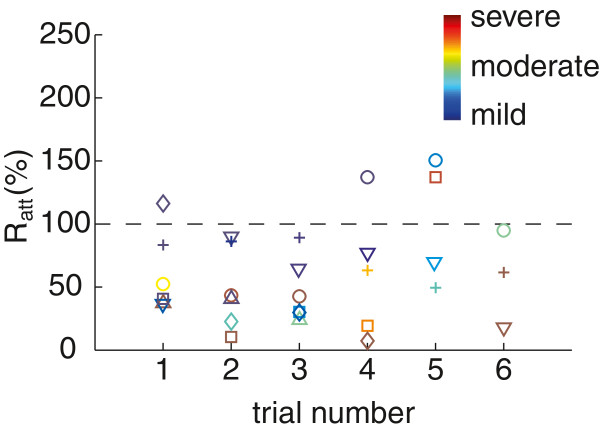
- The reduction was statistically significant (p<0.001) and was observed in 26 out of 30 trials.
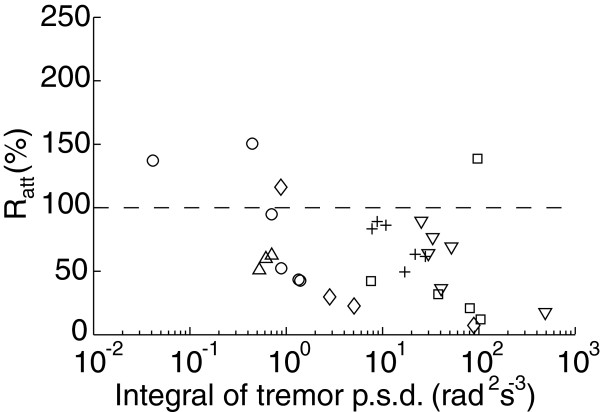
- More severe tremors were attenuated to a greater extent (p=0.008), and the trend in attenuation vs. baseline amplitude had a log-log slope of −0.160 with R²=0.243.
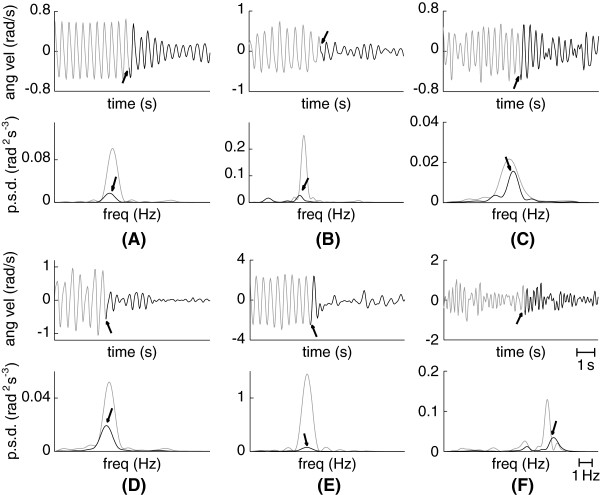
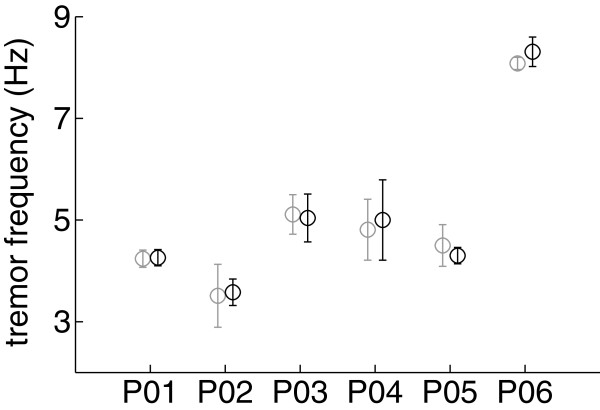
- Tremor frequency was not altered by neurostimulation (p=0.831).
Methods
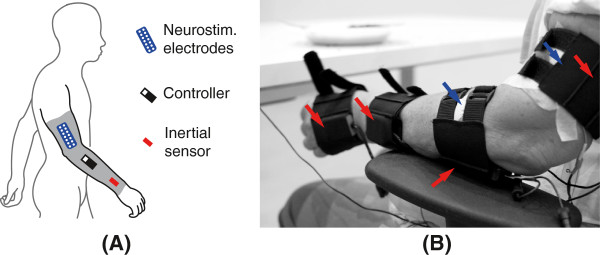
- The authors built a wearable neuroprosthesis that delivered transcutaneous neurostimulation to antagonist muscles to increase co-contraction and thereby manipulate joint stiffness and viscosity.
- Tremor was estimated from solid-state gyroscopes using a two-stage adaptive signal-processing pipeline: a g-h filter to separate voluntary movement, then a WFLC + Kalman filter cascade to track tremor frequency and amplitude.
- They tested the device in 6 patients with either Parkinson’s disease (n=2) or essential tremor (n=4) during standard neurological tasks; analysis compared trials with vs. without active stimulation using Mann-Whitney tests and a power-spectrum-based attenuation ratio (Ratt).
Limitations
- The paper states that controller gains were selected manually, and says better automatic gain selection could improve outcomes and might reduce the 4 trials in which tremor worsened.
- The authors note that muscle accommodation/fatigue during extended use would require adapting controller parameters over time.
- Evident from the text: the sample was very small (n=6) and heterogeneous, so the findings are promising but limited for generalization.
Model-written summary. Check it against the paper before relying on it.
Integrity signals
Registry
Cites
Statistics
Figures
Verification
Claims the paper makes
1 Valid · 4 Not valid · 21 Not checked · 47 Own results and interpretations
The cited sources that could be checked couldn’t confirm or dispute this claim.
In the paper
“tremor frequency is above that of volitional movements”
- Also stated in: § The neuroprosthesis for tremor management · plain
“tremors occur at a higher frequency (in the 3–12 Hz band [10]) than that employed to perform the ADL (below 2 Hz [43])”
§ A neuroprosthesis for tremor management through the control of muscle co-contraction > Abstract > Background
What the sources say
- Could not verifycites [10] Deuschl G Bain P Brin M Consensus statement of the movement disorder society on tremor. Ad Hoc Scientific Committee Mov Disord 1998 13 Suppl 3 2 23 9827589 sourceExperimental — accuracy not yet measured
Our copy of Perlmutter & Mink (2006) discusses tremor and stimulation frequencies throughout (e.g., the Abstract's VIM stimulation relieving tremor, the INTRODUCTION sections on VIM/thalamic slice work, Deiber et al. 1993 PET with settings lowered to 50–65 Hz, and Ushe et al. 2004 frequency-response characteristics of VIM DBS for ET), but no passage states or implies a comparison between tremor frequency and the frequency of volitional/voluntary movements. Searches for 'tremor frequency above volitional movements', 'tremor 4–7 Hz oscillation band vs voluntary movement', 'physiological tremor voluntary movement bandwidth', and 'stimulation frequency must exceed tremor frequency' returned only passages about stimulation parameters and tremor suppression, none addressing the claim's point. Nothing in our copy contradicts the claim either, so it is not disputed. (LLM, conf=0.68)
- Not matchedcites [43] Mann KA Werner FW Palmer AK Frequency spectrum analysis of wrist motion for activities of daily living J Orthopaed Res 1989 7 2 304 306 10.1002/jor.1100070219 2918428
The reference list we hold has no entry [43].
plain- Asserted: passes — The authors put it forward as true.
- Checkable: passes — It can be checked against evidence.
- Load-bearing: passes — The paper’s conclusions depend on it.
- Based: passes — The paper gives a reason why it holds.
- Also stated in: § The neuroprosthesis for tremor management · plain
The sources with a verdict support this claim; the rest weren’t checked yet, have no full text we could read, or their verdicts aren’t rated yet.
In the paper
“voluntary [24,25] or artificially elicited [26] muscle contractions affect the severity of the tremor, by generating forces on the musculoskeletal system.”
§ A neuroprosthesis for tremor management through the control of muscle co-contraction > Background
What the sources say
- Not checked — no full text of the sourcecites [24] Dietz V Hillesheimer W Freund HJ Correlation between tremor, voluntary contraction, and firing pattern of motor units in Parkinson’s disease J Neurol Neurosurg Psychiatry 1974 37 8 927 937 10.1136/jnnp.37.8.927 4419618 PMC494807 source
- Not checked — no full text of the sourcecites [25] Héroux ME Pari G Norman KE The effect of contraction intensity on force fluctuations and motor unit entrainment in individuals with essential tremor Clin Neurophysiol 2010 121 2 233 239 [ http://dx.doi.org/10.1016/j.clinph.2009.10.015] 10.1016/j.clinph.2009.10.015 20045376 source
- Supportedcites [26] Javidan M Elek J Prochazka A Attenuation of pathological tremors by functional electrical stimulation. II: Clinical evaluation Ann Biomed Eng 1992 20 2 225 236 10.1007/BF02368522 1575378 source
For the artificially elicited contractions attributed to this source as [26], the Introduction says FES activates muscles as actuators and that the proposed system will apply biomechanical loads to suppress tremor. It also states that applying force can change tremor amplitude. The voluntary-contraction portion is cited to other sources. (LLM, conf=0.87)
plainstates a cause- Asserted: passes — The authors put it forward as true.
- Checkable: passes — It can be checked against evidence.
- Load-bearing: passes — The paper’s conclusions depend on it.
- Based: passes — The paper gives a reason why it holds.
The cited sources that could be checked couldn’t confirm or dispute this claim.
In the paper
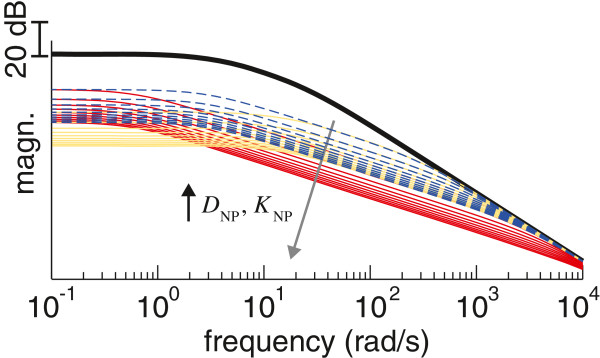
“it is displayed how the cut off frequency would be decreased in a nonlinear manner when the contraction level, and thus the resultant stiffness, K+KNP, and viscosity, D+DNP, of the joint [37], were increased.”
§ A neuroprosthesis for tremor management through the control of muscle co-contraction > Methods > The neuroprosthesis for tremor management
What the sources say
- Could not verifycites [37] Hunter IW Kearney RE Dynamics of human ankle stiffness: variation with mean ankle torque J Biomech 1982 15 10 747 752 10.1016/0021-9290(82)90089-6 7153227 sourceExperimental — accuracy not yet measured
Our copy of Yu et al. (2007) is a BOLD fMRI study of paced thumb movements in PD; its treatment of rigidity is limited to correlating UPDRS rigidity scores with percent signal change in contralateral M1 (Results, 'Relation between hyperactivation and limb rigidity'; Discussion). No passage in the prompt or from searches ('cut-off frequency', 'viscosity', 'damping coefficient', 'joint stiffness K+KNP, D+DNP', 'contraction level') addresses a mechanical/impedance model of the joint or how stiffness and viscosity jointly shift a system's cut-off frequency, so the claim's point cannot be checked against this paper. Nothing in our copy contradicts it either; the paper is complete (not truncated). (LLM, conf=0.72)
hedgedstates a cause- Asserted: passes — The authors put it forward as true.
- Checkable: passes — It can be checked against evidence.
- Load-bearing: passes — The paper’s conclusions depend on it.
- Based: passes — The paper gives a reason why it holds.
- Could not verify
A result the paper reports from its own data — it cites no other source for it, so there is none to check. The quote shows it is in the paper.
In the paper
“All patients showed a good tolerance to neurostimulation in terms of comfort and absence of pain”
§ A neuroprosthesis for tremor management through the control of muscle co-contraction > Abstract > Results
plain- Asserted: passes — The authors put it forward as true.
- Checkable: passes — It can be checked against evidence.
- Load-bearing: unclear — It is unclear whether the paper’s conclusions depend on it.
- Based: passes — The paper gives a reason why it holds.
A result the paper states — it cites no source for it, so there is none to check. The quote shows it is in the paper.
In the paper
“Tremor frequency was not altered during neurostimulation, as expected from the central origin of Parkinson’s disease and essential tremor.”
§ A neuroprosthesis for tremor management through the control of muscle co-contraction > Abstract > Results
plain- Asserted: passes — The authors put it forward as true.
- Checkable: passes — It can be checked against evidence.
- Load-bearing: unclear — It is unclear whether the paper’s conclusions depend on it.
- Based: passes — The paper gives a reason why it holds.
38 more claims
Create a free account to see all 73 claims and to verify the 7 references still open.
- It may state two separate claims as one. 18
- Probably not a substantial claim. 17
Claims other papers make about this one
Each is checked against this paper’s own text: does it say what the citing paper says it does?
The cited source says what the claim attributes to it.
In the citing paper
“Alternatively, some approaches modulate the impedance of the human-machine system [20, 24, 29].”
From Controlling a motorized orthosis to follow elbow volitional movement: tests with individuals with pathological tremor (2019) · cites this paper as [29]
The cited source says what the claim attributes to it.
In the citing paper
“Of the above systems, several were demonstrated with individuals with tremor [17–20, 27–32] resulting in ~ 20–88% tremor attenuation levels”
From Controlling a motorized orthosis to follow elbow volitional movement: tests with individuals with pathological tremor (2019) · cites this paper as [29]
The cited source says what the claim attributes to it.
In the citing paper
“Other studies reported some migration of tremor to nearby joints [29].”
From Controlling a motorized orthosis to follow elbow volitional movement: tests with individuals with pathological tremor (2019) · cites this paper as [29]
The cited source says what the claim attributes to it.
In the citing paper
“This neuroprosthesis was validated within two PD patients and four ET patients, who reported a reduction of 52.3 ± 25.5% in 26 out of 30 trials compared to trials where the neuroprosthesis was not active.”
From A Review on Wearable Technologies for Tremor Suppression (2021) · cites this paper as [69]
Citations
Cites
Estimation and Tracking: Principles, Techniques, and Software
Bar‐Shalom, Y., & Li, X. (1993) · Medical Entomology and Zoology · Cited by 2,202
Fedorov, V. V., Studden, W. J., & Klimko, E. M. (1972) · Cited by 2,092
Consensus Statement of the Movement Disorder Society on Tremor
Deuschl, G., Bain, P., & Brin, M. (2008) · Movement Disorders · doi:10.1002/mds.870131303 · Cited by 1,981 · cited 5×
“Typical exercises for neurological examination were considered: resting the arm on the lap, keeping both arms outstretched, the finger to finger test, and the finger to nose test [10].”
BackgroundMethodInfluentialPathological synchronization in Parkinson's disease: networks, models and treatments
Hammond, C., Bergman, H., & Brown, P. (2007) · Trends in Neurosciences · doi:10.1016/j.tins.2007.05.004 · Cited by 1,629 · cited 1×
“PD is estimated to afflict more than ten million people all over the world [9].”
BackgroundRascol, O., Brooks, D. J., Korczyn, A. D., De Deyn, P. P., Clarke, C. E., & Lang, A. E. (2000) · New England Journal of Medicine · doi:10.1056/nejm200005183422004 · Cited by 1,539
Repetitive control system: a new type servo system for periodic exogenous signals
Hara, S., Yamamoto, Y., Omata, T., & Nakano, M. (1988) · IEEE Transactions on Automatic Control · doi:10.1109/9.1274 · Cited by 1,407 · cited 1×
“Tremor parameters estimated during a (tremor) period were employed to generate the control action in the subsequent one, analogously to repetitive control theory [40].”
MethodThe central nervous system stabilizes unstable dynamics by learning optimal impedance
Burdet, E., Osu, R., Franklin, D. W., Milner, T. E., & Kawato, M. (2001) · Nature · doi:10.1038/35106566 · Cited by 1,097 · cited 2×
“Indeed, co-contraction is exploited by the intact central nervous system to stabilize the limbs during specific tasks [35,36].”
BackgroundResultPerlmutter, J. S., & Mink, J. W. (2006) · Annual Review of Neuroscience · doi:10.1146/annurev.neuro.29.051605.112824 · Cited by 1,073
Adaptive control of mechanical impedance by coactivation of antagonist muscles
Hogan, N. (1984) · IEEE Transactions on Automatic Control · doi:10.1109/tac.1984.1103644 · Cited by 1,041 · cited 2×
“Indeed, co-contraction is exploited by the intact central nervous system to stabilize the limbs during specific tasks [35,36].”
BackgroundResultSubthalamic nucleus deep brain stimulation: Summary and meta-analysis of outcomes
Kleiner-Fisman, G., Herzog, J., Fisman, D. N., Tamma, F., Lyons, K. E., Pahwa, R., Lang, A. E., & Deuschl, G. (2006) · Movement Disorders · doi:10.1002/mds.20962 · Cited by 957
Core assessment program for surgical interventional therapies in Parkinson's disease (CAPSIT-PD)
Defer, G.-L., Widner, H., Mari�, R.-M., R�my, P., Levivier, M., & Conference Participants: Conference Participants: G. L. Defer, M. (. (1999) · Movement Disorders · doi:10.1002/1531-8257(199907)14:4<572::aid-mds1005>3.0.co;2-c · Cited by 865
Parkinson’s Disease and Movement Disorders
(2005) · Jaypee Brothers Medical Publishers (P) Ltd. eBooks · doi:10.5005/jp/books/10587 · Cited by 798
Deuschl, G., Raethjen, J., Lindemann, M., & Krack, P. (2001) · Muscle & Nerve · doi:10.1002/mus.1063 · Cited by 508 · cited 1×
“This is motivated by the central origin of tremor in PD [8] and ET [4,5], which predominates over the other mechanisms that contribute to their genesis, namely long and short latency reflexes, and mechanical factors [56].”
BackgroundThe contractile properties of human motor units during voluntary isometric contractions
Milner‐Brown, H. S., Stein, R. B., & Yemm, R. (1973) · The Journal of Physiology · doi:10.1113/jphysiol.1973.sp010087 · Cited by 476 · cited 4×
“[30,31,38]), while the NP was represented as a variable stiffness and viscosity, according to what was explained before.”
BackgroundInfluentialRole of hyperactive cerebellum and motor cortex in Parkinson's disease
Yu, H., Sternad, D., Corcos, D. M., & Vaillancourt, D. E. (2007) · NeuroImage · doi:10.1016/j.neuroimage.2006.11.047 · Cited by 436
Tracking and Kalman Filtering Made Easy
Brookner, E. (1998) · doi:10.1002/0471224197 · Cited by 435 · cited 2×
“Filter parameters gk and hk were considered to be constant, and chosen so that they fulfill the next relationship, which minimizes the squared error of previous measurements assigning less significance to older values [44]:”
BackgroundMethodTreatment of patients with essential tremor
Deuschl, G., Raethjen, J., Hellriegel, H., & Elble, R. (2011) · The Lancet Neurology · doi:10.1016/s1474-4422(10)70322-7 · Cited by 428 · cited 2×
“01%) was similar to that of drugs with proved efficacy (∼ 50% [12]), but worse than the results attained with DBS (tremor attenuation ∼ 50 – 80%, [64]).”
BackgroundResultDynamics of human ankle stiffness: Variation with mean ankle torque
Hunter, I. W., & Kearney, R. E. (1982) · Journal of Biomechanics · doi:10.1016/0021-9290(82)90089-6 · Cited by 377 · cited 3×
“Furthermore, this could be implemented directly by increasing muscle activation, because stiffness and viscosity are monotonic functions of the contraction level [37].”
BackgroundInfluentialDesign and Validation of a Rehabilitation Robotic Exoskeleton for Tremor Assessment and Suppression
Rocon, E., Belda-Lois, J. M., Ruiz, A. F., Manto, M., Moreno, J. C., & Pons, J. L. (2007) · IEEE Transactions on Neural Systems and Rehabilitation Engineering · doi:10.1109/tnsre.2007.903917 · Cited by 349 · cited 5×
“This system attained consistent attenuation of tremors over a certain severity but, however, did not fulfill users’ expectations in terms of cosmetics and aesthetics [21].”
BackgroundMethodInfluentialSelf-citationCurrent approaches to the treatment of Parkinson’s disease
Jankovic, J. (2008) · Neuropsychiatric Disease and Treatment · doi:10.2147/ndt.s2006 · Cited by 342 · cited 1×
“Drugs often induce side effects [11,12], and show decreased effectiveness over years of use [13,14], while DBS is related to increased risk of intracranial haemorrhage [15] and psychiatric manifestations [16], and the percentage of eligible patients is extremely low [17].”
BackgroundLouis, E. D. (2005) · The Lancet Neurology · doi:10.1016/s1474-4422(05)00991-9 · Cited by 334
Pathophysiology of Parkinson's disease: From clinical neurology to basic neuroscience and back
Bergman, H., & Deuschl, G. (2002) · Movement Disorders · doi:10.1002/mds.10140 · Cited by 310 · cited 4×
“Therefore, our results are in line with evidences on the limited role of sensory feedback in the generation, maintenance and modulation of tremor in PD [8].”
BackgroundResultInfluentialWenning, G. K., Kiechl, S., Seppi, K., Müller, J., Högl, B., Saletu, M., Rungger, G., Gasperi, A., Willeit, J., & Poewe, W. (2005) · The Lancet Neurology · doi:10.1016/s1474-4422(05)70226-x · Cited by 302 · cited 1×
“Although obtaining an estimate of its prevalence is challenging [1], a recent population study showed that tremor affects 15% of those with age ranging between 50 and 89 years [2].”
BackgroundEssential tremor: emerging views of a common disorder
Benito-León, J., & Louis, E. D. (2006) · Nature Clinical Practice Neurology · doi:10.1038/ncpneuro0347 · Cited by 295 · cited 2×
“This is motivated by the central origin of tremor in PD [8] and ET [4,5], which predominates over the other mechanisms that contribute to their genesis, namely long and short latency reflexes, and mechanical factors [56].”
BackgroundAdaptive cancelling of physiological tremor for improved precision in microsurgery
Riviere, C. N., Rader, R. S., & Thakor, N. V. (1998) · IEEE Transactions on Biomedical Engineering · doi:10.1109/10.686791 · Cited by 260 · cited 7×
“Instantaneous tremor frequency and amplitude were subsequently estimated (in the second stage) with a Weighted Frequency Fourier Linear Combiner (WFLC) [45] and a Kalman Filter [46] in the following manner: the WFLC tracked tremor frequency, and this value was fed into the Kalman filter, which estimated the instantane…”
MethodInfluentialPrevalence of essential tremor in three elderly populations of central Spain
Benito‐León, J., Bermejo‐Pareja, F., Morales, J., Vega, S., & Molina, J. (2003) · Movement Disorders · doi:10.1002/mds.10376 · Cited by 250 · cited 2×
“Although obtaining an estimate of its prevalence is challenging [1], a recent population study showed that tremor affects 15% of those with age ranging between 50 and 89 years [2].”
BackgroundEssential tremor — Neurodegenerative or nondegenerative disease towards a working definition of ET
Deuschl, G., & Elble, R. (2009) · Movement Disorders · doi:10.1002/mds.22755 · Cited by 232 · cited 2×
“As for ET, on the contrary, all three cerebellar areas are impaired to a certain extent [7].”
BackgroundPhysiologic and essential tremor
Elble, R. J. (1986) · Neurology · doi:10.1212/wnl.36.2.225 · Cited by 231 · cited 1×
“A number of works show how adequate inertial (mass) loading of the tremulous limb reduces the amplitude of most types of tremor [18,19], and so does the application of forces with certain characteristics.”
BackgroundTremor-correlated cortical activity in essential tremor
Hellwig, B., Häußler, S., Schelter, B., Lauk, M., Guschlbauer, B., Timmer, J., & Lücking, C. (2001) · The Lancet · doi:10.1016/s0140-6736(00)04044-7 · Cited by 202
Wilms, H., Sievers, J., & Deuschl, G. (1999) · Movement Disorders · doi:10.1002/1531-8257(199907)14:4<557::aid-mds1004>3.0.co;2-g · Cited by 200
Deep Brain Stimulation for Movement Disorders
Starr, P. A., Vitek, J. L., & Bakay, R. A. E. (1998) · Neurosurgery Clinics of North America · doi:10.1016/s1042-3680(18)30273-0 · Cited by 194
Pathophysiology of nonparkinsonian tremors
Deuschl, G., & Bergman, H. (2002) · Movement Disorders · doi:10.1002/mds.10141 · Cited by 171 · cited 1×
“Thus we believe that cerebellar disfunction could explain the exacerbation of ET during voluntary contractions, possibly through reticulospinal projections to muscles [61,62].”
BackgroundPreventing levodopa-induced dyskinesias.
Olanow, C. W., & Obeso, J. A. (2000) · PubMed · Cited by 156
Attenuation of pathological tremors by functional electrical stimulation I: Method
Prochazka, A., Elek, J., & Javidan, M. (1992) · Annals of Biomedical Engineering · doi:10.1007/bf02368521 · Cited by 150 · cited 3×
“Notice that transcutaneous neurostimulation for tremor management had been preliminarily evaluated in [32].”
BackgroundSen, S., Kawaguchi, A., Truong, Y., Lewis, M. M., & Huang, X. (2010) · Neuroscience · doi:10.1016/j.neuroscience.2009.12.036 · Cited by 116 · cited 1×
“[60]—, has been found.”
AN INVESTIGATION INTO THE VALUE OF TREATING INTENTION TREMOR BY WEIGHTING THE AFFECTED LIMB
HEWER, R. L., COOPER, R., & MORGAN, M. H. (1972) · Brain · doi:10.1093/brain/95.3.579 · Cited by 112 · cited 1×
“A number of works show how adequate inertial (mass) loading of the tremulous limb reduces the amplitude of most types of tremor [18,19], and so does the application of forces with certain characteristics.”
BackgroundReal-Time Estimation of Pathological Tremor Parameters from Gyroscope Data
Gallego, J., Rocon, E., Roa, J. O., Moreno, J., & Pons, J. L. (2010) · Sensors · doi:10.3390/s100302129 · Cited by 107 · cited 2×
“Next, given that the concomitant voluntary and tremulous movements are additive [42], the total joint rotation y(k) measured at each joint was expressed as:”
BackgroundMethodSelf-citationFrequency spectrum analysis of wrist motion for activities of daily living
Mann, K. A., Wernere, F. W., & Palmer, A. K. (1989) · Journal of Orthopaedic Research · doi:10.1002/jor.1100070219 · Cited by 107 · cited 1×
“The estimation of voluntary movement relied on the fact that tremors occur at a higher frequency (in the 3– 12 Hz band [10]) than that employed to perform the ADL (below 2 Hz [43]).”
MethodTremor: Clinical Features, Pathophysiology, and Treatment
Elble, R. J. (2009) · Neurologic Clinics · doi:10.1016/j.ncl.2009.04.003 · Cited by 102 · cited 4×
“Importantly, no tremor is yet fully understood [4], which hampers the development of novel therapies, and the refinement of the existing ones.”
BackgroundInfluentialDietz, V., Hillesheimer, W., & Freund, H. J. (1974) · Journal of Neurology, Neurosurgery & Psychiatry · doi:10.1136/jnnp.37.8.927 · Cited by 94 · cited 2×
“Furthermore, voluntary [24,25] or artificially elicited [26] muscle contractions affect the severity of the tremor, by generating forces on the musculoskeletal system.”
BackgroundResultEmpirical Mode Decomposition: a novel technique for the study of tremor time series
de Lima, E. R., Andrade, A. O., Pons, J. L., Kyberd, P., & Nasuto, S. J. (2006) · Medical and Biological Engineering and Computing · doi:10.1007/s11517-006-0065-x · Cited by 93
Self-citationPsychiatric Complications of Deep Brain Stimulation for Parkinson’s Disease
Piasecki, S. D., & Jefferson, J. W. (2004) · The Journal of Clinical Psychiatry · doi:10.4088/jcp.v65n0617 · Cited by 92 · cited 1×
“Drugs often induce side effects [11,12], and show decreased effectiveness over years of use [13,14], while DBS is related to increased risk of intracranial haemorrhage [15] and psychiatric manifestations [16], and the percentage of eligible patients is extremely low [17].”
BackgroundPathological tremor management: modelling, compensatory technology and evaluation
Rocon, E., Belda-Lois, J. M., Sanchez-Lacuesta, J. J., & Pons, J. L. (2004) · Technology and Disability · doi:10.3233/tad-2004-16102 · Cited by 89 · cited 1×
“According to some estimates, more than 65% of those who suffer from pathological tremor—referred to as tremor in the remainder of the paper—at the upper limb report serious difficulties when performing their activities of daily living (ADLs) [3].”
BackgroundSelf-citationDynamic synchronisation of central oscillators in essential tremor
Hellwig, B., Schelter, B. O., Guschlbauer, B., Timmer, J., & Lücking, C. H. (2003) · Clinical Neurophysiology · doi:10.1016/s1388-2457(03)00116-0 · Cited by 86 · cited 1×
“for EMG analysis [48].”
Tremor suppression through impedance control
Pledgie, S., Barner, K. E., Agrawal, S. K., & Rahman, T. (2000) · IEEE Transactions on Rehabilitation Engineering · doi:10.1109/86.830949 · Cited by 85 · cited 3×
“[30,31,38]), while the NP was represented as a variable stiffness and viscosity, according to what was explained before.”
BackgroundAttenuation of pathological tremors by functional electrical stimulation II: Clinical evaluation
Javidan, M., Elek, J., & Prochazka, A. (1992) · Annals of Biomedical Engineering · doi:10.1007/bf02368522 · Cited by 80 · cited 2×
“Furthermore, voluntary [24,25] or artificially elicited [26] muscle contractions affect the severity of the tremor, by generating forces on the musculoskeletal system.”
BackgroundMethodProvocation of Parkinsonian tremor
Raethjen, J., Austermann, K., Witt, K., Zeuner, K. E., Papengut, F., & Deuschl, G. (2008) · Movement Disorders · doi:10.1002/mds.22014 · Cited by 75 · cited 1×
“Patients with mild or moderate tremor were asked to count mentally backwards during the experiments to exacerbate their tremor [51,52], and the two with PD counted out loud at the beginning of the session as recommended in [52].”
MethodAlon, G., & Smith, G. V. (2005) · Europe PMC (PubMed Central) · Cited by 71
Deep brain stimulation for movement disorders
Collins, K. L., Lehmann, E. M., & Patil, P. G. (2009) · Neurobiology of Disease · doi:10.1016/j.nbd.2009.11.019 · Cited by 67
A longitudinal study of tremor frequencies in Parkinson’s disease and essential tremor
Hellwig, B., Mund, P., Schelter, B., Guschlbauer, B., Timmer, J., & Lücking, C. H. (2009) · Clinical Neurophysiology · doi:10.1016/j.clinph.2008.11.002 · Cited by 65 · cited 1×
“The fact that the NP successfully alleviated low frequency tremors is of great interest, as the frequency of both essential and parkinsonian tremor experience a decline with time [54], and thus broadens the group of potential users of the system.”
BackgroundThe effect of mechanical damping loads on disabling action tremor
Aisen, M. L., Arnold, A., Baiges, I., Maxwell, S., & Rosen, M. (1993) · Neurology · doi:10.1212/wnl.43.7.1346 · Cited by 64 · cited 1×
“Force loads typically consist of viscous fields [20,21], although the effect of added stiffness [22] and inertia [23] on tremor has also been investigated.”
BackgroundAnalysis of Viscoelastic Properties of Wrist Joint for Quantification of Parkinsonian Rigidity
Park, B. K., Kwon, Y., Kim, J., Lee, J.-H., Eom, G., Koh, S., Jun, J., & Hong, J. (2010) · IEEE Transactions on Neural Systems and Rehabilitation Engineering · doi:10.1109/tnsre.2010.2091149 · Cited by 58
The effect of inertial loading on wrist postural tremor in essential tremor
Héroux, M. E., Pari, G., & Norman, K. E. (2009) · Clinical Neurophysiology · doi:10.1016/j.clinph.2009.03.012 · Cited by 55
Stretch reflex oscillations and essential tremor.
Elble, R. J., Higgins, C., & Moody, C. J. (1987) · Journal of Neurology, Neurosurgery & Psychiatry · doi:10.1136/jnnp.50.6.691 · Cited by 51 · cited 2×
“ET patients however, exhibit a more evident interaction between the stretch reflex and the tremor itself [22], being the most noticeable example the separation of both components, otherwise entrained, under inertial loading [57].”
BackgroundPassive mechanical properties of the wrist and physiological tremor.
Lakie, M., Walsh, E. G., & Wright, G. W. (1986) · Journal of Neurology, Neurosurgery & Psychiatry · doi:10.1136/jnnp.49.6.669 · Cited by 47 · cited 1×
“Force loads typically consist of viscous fields [20,21], although the effect of added stiffness [22] and inertia [23] on tremor has also been investigated.”
BackgroundReport from a U.S. conference on essential tremor
Elble, R. J. (2006) · Movement Disorders · doi:10.1002/mds.21157 · Cited by 46 · cited 1×
“Furthermore, when compared to pharmacotherapy, the NP reduced tremor amplitude in all 4 ET patients in our group, while drugs are effective in ∼ 50% of patients [65].”
BackgroundEffects of visual feedback on manual tracking and action tremor in Parkinson's disease
Liu, X., Tubbesing, S. A., Aziz, T. Z., Miall, R. C., & Stein, J. F. (1999) · Experimental Brain Research · doi:10.1007/s002210050917 · Cited by 41 · cited 1×
“Although the cerebellothalamic pathways play a role in the generation of parkinsonian symptoms [58], no evidence of cerebellar involvement apart from a compensative hyperactivation [59]—increased as the disease progresses”
BackgroundLongitudinal study of essential tremor
Elble, R. J., Higgins, C., & Hughes, L. (1992) · Neurology · doi:10.1212/wnl.42.2.441 · Cited by 39 · cited 1×
“This characteristic was a consequence of our patient selection because: i) we included two patients suffering from PD, which tremor frequency is typically below 6 Hz [10], and ii) the severity of ET is inversely correlated with its frequency (the slope between the log displacement and the log amplitude is ∼ −4 [55]),…”
BackgroundComparison of an EMG-controlled prosthesis and the normal human biceps brachii muscle.
Aaron, S., & Stein, R. B. (1976) · PubMed · Cited by 36
On the use of an active wearable exoskeleton for tremor suppression via biomechanical loading
Rocón, E., Ruiz-Olaya, A. F., Brunetti, F., Pons, J. L., Lois, J. M. B., & Sánchez-Lacuesta, J. (2006) · Proceedings - IEEE International Conference on Robotics and Automation/Proceedings · doi:10.1109/robot.2006.1642179 · Cited by 25
Self-citationEvaluation of a controlled-energy-dissipation orthosis for tremor suppression
Arnold, A. S., Rosen, M. J., & Aisen, M. L. (1993) · Journal of Electromyography and Kinesiology · doi:10.1016/s1050-6411(05)80001-x · Cited by 24 · cited 1×
“These findings motivated the development of orthotic devices for tremor attenuation, being the majority of them wheel-chair mounted [27,28] or fixed to an external frame [29,30].”
BackgroundTreatment of streptococcal pharyngitis. I. Clinical evaluation.
Rabinovitch, M., MacKenzie, R., Brazeau, M., et al. (1973) · PubMed · Cited by 23
Héroux, M. E., Pari, G., & Norman, K. E. (2010) · Clinical Neurophysiology · doi:10.1016/j.clinph.2009.10.015 · Cited by 21 · cited 2×
“Furthermore, voluntary [24,25] or artificially elicited [26] muscle contractions affect the severity of the tremor, by generating forces on the musculoskeletal system.”
BackgroundResultBiomechanical Constraints in the Design of Robotic Systems for Tremor Suppression
Lois, J. M. B., Page, A. F., Baydal, J.-M., & Barber, R. (2007) · doi:10.5772/5152 · Cited by 15 · cited 2×
“[30,31,38]), while the NP was represented as a variable stiffness and viscosity, according to what was explained before.”
BackgroundSelf-citationHwang, I., Lin, C. K., & Wu, P.-S. (2009) · Journal of Electromyography and Kinesiology · doi:10.1016/j.jelekin.2009.03.005 · Cited by 15 · cited 1×
“The first was a study on coordination during postural holding in PD, where the authors found that mass loading of the index finger enhanced the tremor at the proximal segments while posture was maintained [63].”
BackgroundA Biomechanical Model for Pathological Tremor Suppression
Lois, J. M. B., Horno, S. M.-D., Bermejo, I., Castillo, A., & Sancho, J. (2013) · Biosystems & biorobotics · doi:10.1007/978-3-642-34546-3_110 · Cited by 1
Self-citation
Research works printed but not linked: 1
- Hendriks J Rosen M Berube N Aisen M A second-generation joystick for people disabled by tremor Proceedings of the 14th Annual RESNA Conference: 21-26 June 1991 1991 Kansas City: RESNA Press 248 251
Cited by
Online tremor suppression using electromyography and low-level electrical stimulation
Dosen, S., Muceli, S., Dideriksen, J. L., Romero, J. P., Rocon, E., Pons, J., & Farina, D. (2015) · IEEE Transactions on Neural Systems and Rehabilitation Engineering · doi:10.1109/tnsre.2014.2328296 · Cited by 120
“In some recent studies [17]–[20] tremor was detected using inertial sensors to measure the kinematics (angle, velocity, and/or acceleration) of the affected joint(s) and extract tremor features (amplitude, frequency).”
BackgroundResultSelf-citationEvancho, A. M., Tyler, W. J., & McGregor, K. (2023) · Frontiers in Human Neuroscience · doi:10.3389/fnhum.2023.1151218 · Cited by 114
“, 2022), yielding an average rate of tremor inhibition of over 50% (Popović Maneski et al., 2011; Zhang et al., 2011; Gallego et al., 2013; Freeman et al., 2015).”
BackgroundElectrical stimulation of afferent pathways for the suppression of pathological tremor
Dideriksen, J. L., Laine, C. M., Dosen, S., Muceli, S., Rocon, E., Pons, J. L., Benito-Leon, J., & Farina, D. (2017) · Frontiers in Neuroscience · doi:10.3389/fnins.2017.00178 · Cited by 67
“…the use of external devices to suppress tremor by mechanical loading (Pledgie et al., 2000; Rocon et al., 2007) or electrical stimulation (Javidan et al., 1992; Prochazka et al., 1992; Gillard et al., 1999; Popović Maneski et al., 2011; Gallego et al., 2013; Bó et al., 2014; Dosen et al., 2015).”
BackgroundMethodInfluentialSelf-citationPeripheral electrical stimulation to reduce pathological tremor: a review
Pascual-Valdunciel, A., Hoo, G. W., Avrillon, S., Barroso, F. O., Goldman, J. G., Hernandez-Pavon, J. C., & Pons, J. L. (2021) · Journal of NeuroEngineering and Rehabilitation · doi:10.1186/s12984-021-00811-9 · Cited by 66
“In this strategy, simultaneous electrical stimulation applied above the motor threshold in both agonist and antagonist muscles increase the impedance of the joint and therefore minimize the involuntary oscillations [17, 20, 39].”
BackgroundSelf-citationMedical Devices for Tremor Suppression: Current Status and Future Directions
Mo, J., & Priefer, R. (2021) · Biosensors · doi:10.3390/bios11040099 · Cited by 78
“TREMOR neurorobot ET (4); PD tremor (2) 52% tremor suppression [81]”
Background
Metadata
- Authors
- Gallego, J. Á., Rocon, E., Belda-Lois, J. M., & Pons, J. L.
- Affiliations
- Consejo Superior de Investigaciones Científicas (ES)
- Corresponding author
- Gallego, Juan Álvaro
- Venue
- Journal of NeuroEngineering and Rehabilitation
- Published
- 2013
- Volume
- 10
- Issue
- 1
- Pages
- 36
- ISSN
- 1743-0003 (ISSN-L)
- PMC
- PMC3661364
- OpenAlex
- W2163040354
- Cited by
- 81
- References
- 65
- Citations by year
- 2025: 4 · 2024: 5 · 2023: 8 · 2022: 11 · 2021: 7 · 2020: 5 · 2019: 9 · 2018: 2 · 2017: 8 · 2016: 5 · 2015: 7 · 2014: 6 · 2013: 4
- FWCI
- 4.65
- Type
- journal article
- Language
- en
- Open access
- gold
- doi.org
- Licence
- cc-by
- Locations
- Journal of NeuroEngineering and Rehabilitation (publishedVersion, cc-by)
- Europe PMC (PubMed Central) (publishedVersion, cc-by)
- PubMed Central (publishedVersion, cc-by)
- PubMed (publishedVersion)
- DIGITAL.CSIC (Spanish National Research Council (CSIC)) (submittedVersion)
- Funders
- European Commission (ICT-2011, 287739, 224051)
- Universitat de València
- Ministerio de Ciencia e Innovación (CSD2009, CSD2009-00067)
- Consejo Superior de Investigaciones Científicas
- Topics
- Health Sciences › Medicine › Clinical Neurology › Deep Brain Stimulation and Movement Disorders
- Life Sciences › Neuroscience › Cognitive Neuroscience › Motor Control and Adaptation
- Health Sciences › Medicine › Clinical Neurology › Botulinum Toxin and Related Neurological Disorders
- Keywords
- pathological tremor, neural prostheses, co-contraction, Parkinson's disease, essential tremor, gyroscope, adaptive algorithms, non-invasive treatment, antagonists
- MeSH terms
- Adult, Aged, Aged, 80 and over, Algorithms, Transcutaneous Electric Nerve Stimulation, Female, Humans, Male, Middle Aged, Muscle Contraction, Parkinson Disease, Muscle, Skeletal, Essential Tremor, Neural Prostheses
About these checks
Registry, retraction, Cites and statistics results are computed, not judged, with one exception: a printed reference that no index lists is read once by a model before it counts as a citation error. Claims are extracted by a model and kept only when their quote appears verbatim in the text; each cited source is then checked, with a model’s help, for whether it says what the claim relies on. Those verdicts can be wrong — read the claim’s quote and the cited source before relying on one.
The claim verdicts this report counts are experimental: their accuracy is not yet measured.
A language model drew the claims from the paper on 2026-10-10, under version 3 of the claim definition (model deepseek-v4.1-flash, prompt extract-v3).
A second model labelled each claim on 2026-10-10 (model jev-1.13-20260917, definition revision gold-guideline-v0.2).
Cited sources are checked with a language model’s help (qwen3.8-omni-flash and gpt-6-sol).
Statistics and arithmetic are recomputed, not judged.
Confidence bands are shown only for fields calibrated on our annotated test set. None is calibrated yet, so no band is shown.
What counts as a claim ›How we measure confidence ›How we check this ›
Are you an author, or do you see a problem with this page? Request a review
Data sources
Bibliographic data: Semantic Scholar, OpenAlex, Crossref.
Contains information from the Semantic Scholar Academic Graph Datasets, made available under the ODC Attribution License (ODC-BY 1.0).
Semantic Scholar’s data is described in: Kinney, R., et al. (2023). The Semantic Scholar Open Data Platform. arXiv:2301.10140.
