

A neuroprosthesis for tremor management through the control of muscle co-contraction
Open accessThe DOI matches its Crossref record; 66 of the 66 references it cites were found in a registry or an index; 3 of the 43 sources its claims cite were checked for support.
Abstract
BACKGROUND: Pathological tremor is the most prevalent movement disorder. Current treatments do not attain a significant tremor reduction in a large proportion of patients, which makes tremor a major cause of loss of quality of life. For instance, according to some estimates, 65% of those suffering from upper limb tremor report serious difficulties during daily living. Therefore, novel forms for tremor management are required. Since muscles intrinsically behave as a low pass filter, and tremor frequency is above that of volitional movements, the authors envisioned the exploitation of these properties as a means of developing a novel treatment alternative. This treatment would rely on muscle co-contraction for tremor management, similarly to the strategy employed by the intact central nervous system to stabilize a limb during certain tasks. METHODS: We implemented a neuroprosthesis that regulated the level of muscle co-contraction by injecting current at a pair of antagonists through transcutaneous neurostimulation. Co-contraction was adapted to the instantaneous parameters of tremor, which were estimated from the raw recordings of a pair of solid state gyroscopes with a purposely designed adaptive algorithm. For the experimental validation, we enrolled six patients suffering from parkinsonian or essential tremor of different severity, and evaluated the effect of the neuroprosthesis during standard tasks employed for neurological examination. RESULTS: The neuroprosthesis attained significant attenuation of tremor (p<0.001), and reduced its amplitude up to a 52.33±25.48%. Furthermore, it alleviated both essential and parkinsonian tremor in spite of their different etiology and symptomatology. Tremor severity was not a limiting factor on the performance of the neuroprosthesis, although there was a subtle trend towards larger attenuation of more severe tremors. Tremor frequency was not altered during neurostimulation, as expected from the central origin of Parkinson's disease and essential tremor. All patients showed a good tolerance to neurostimulation in terms of comfort and absence of pain, and some spontaneously reported that they felt that tremor was reduced when the neuroprosthesis was activated. CONCLUSIONS: The results presented herein demonstrate that the neuroprosthesis provides systematic attenuation of the two major types of tremor, irrespectively from their severity. This study sets the basis for the validation of the neuroprosthesis as an alternative, non-invasive means for tremor management.
Overview
CoChat Summary
TL;DR
This paper presents a wearable neuroprosthesis that reduces upper-limb tremor by transcutaneous neurostimulation that induces muscle co-contraction at antagonist muscles. In 6 patients with essential tremor or Parkinsonian tremor, it significantly reduced tremor amplitude, with a mean reduction of 52.33±25.48% (p<0.001), without changing tremor frequency.
Key findings
- In 6 patients (1 female; 2 PD, 4 ET; mean age 68.2±13.8 years; tremor severity 3 to 30 on the Fahn-Tolosa-Marin score), the neuroprosthesis reduced tremor amplitude to 52.33±25.48% of baseline on average.
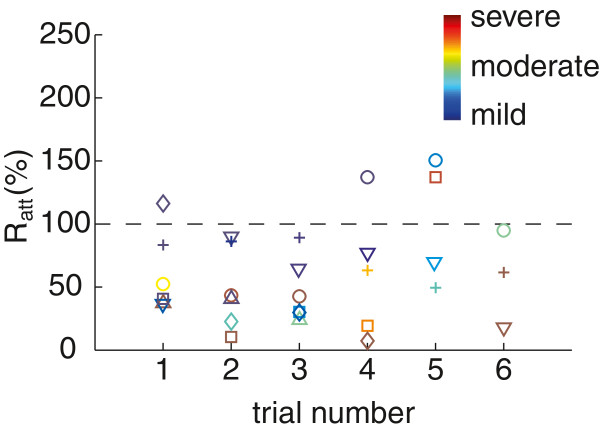
- The reduction was statistically significant (p<0.001) and was observed in 26 out of 30 trials.
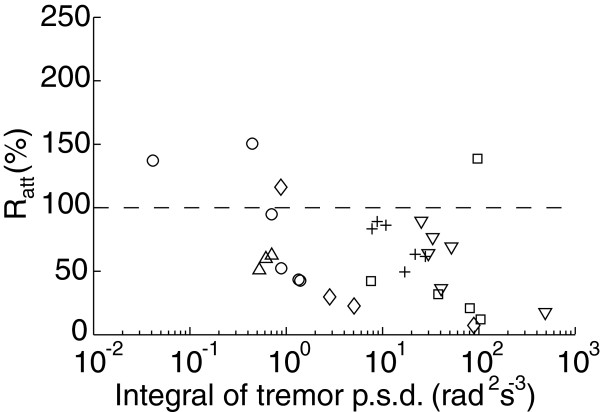
- More severe tremors were attenuated to a greater extent (p=0.008), and the trend in attenuation vs. baseline amplitude had a log-log slope of −0.160 with R²=0.243.
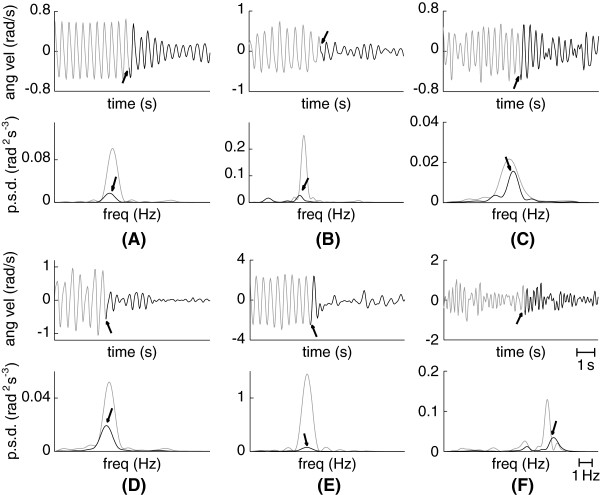
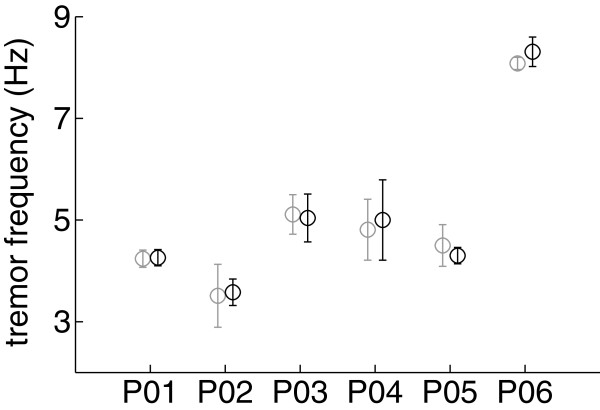
- Tremor frequency was not altered by neurostimulation (p=0.831).
Methods
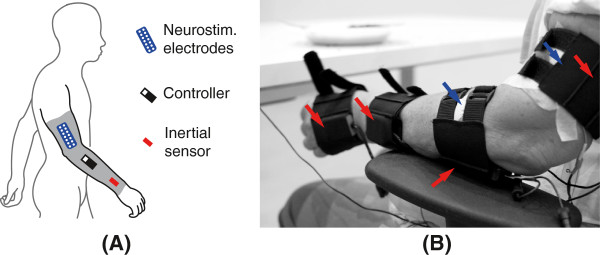
- The authors built a wearable neuroprosthesis that delivered transcutaneous neurostimulation to antagonist muscles to increase co-contraction and thereby manipulate joint stiffness and viscosity.
- Tremor was estimated from solid-state gyroscopes using a two-stage adaptive signal-processing pipeline: a g-h filter to separate voluntary movement, then a WFLC + Kalman filter cascade to track tremor frequency and amplitude.
- They tested the device in 6 patients with either Parkinson’s disease (n=2) or essential tremor (n=4) during standard neurological tasks; analysis compared trials with vs. without active stimulation using Mann-Whitney tests and a power-spectrum-based attenuation ratio (Ratt).
Limitations
- The paper states that controller gains were selected manually, and says better automatic gain selection could improve outcomes and might reduce the 4 trials in which tremor worsened.
- The authors note that muscle accommodation/fatigue during extended use would require adapting controller parameters over time.
- Evident from the text: the sample was very small (n=6) and heterogeneous, so the findings are promising but limited for generalization.
Model-written summary. Check it against the paper before relying on it.
Integrity signals
Registry
Cites
Statistics
Figures
Verification
Claims the paper makes
1 Valid · 4 Not valid · 21 Not checked · 47 Own results and interpretations
The cited sources that could be checked couldn’t confirm or dispute this claim.
In the paper
“tremor frequency is above that of volitional movements”
- Also stated in: § The neuroprosthesis for tremor management · plain
“tremors occur at a higher frequency (in the 3–12 Hz band [10]) than that employed to perform the ADL (below 2 Hz [43])”
§ A neuroprosthesis for tremor management through the control of muscle co-contraction > Abstract > Background
What the sources say
- Could not verifycites [10] Deuschl G Bain P Brin M Consensus statement of the movement disorder society on tremor. Ad Hoc Scientific Committee Mov Disord 1998 13 Suppl 3 2 23 9827589 sourceExperimental — accuracy not yet measured
Our copy of Perlmutter & Mink (2006) discusses tremor and stimulation frequencies throughout (e.g., the Abstract's VIM stimulation relieving tremor, the INTRODUCTION sections on VIM/thalamic slice work, Deiber et al. 1993 PET with settings lowered to 50–65 Hz, and Ushe et al. 2004 frequency-response characteristics of VIM DBS for ET), but no passage states or implies a comparison between tremor frequency and the frequency of volitional/voluntary movements. Searches for 'tremor frequency above volitional movements', 'tremor 4–7 Hz oscillation band vs voluntary movement', 'physiological tremor voluntary movement bandwidth', and 'stimulation frequency must exceed tremor frequency' returned only passages about stimulation parameters and tremor suppression, none addressing the claim's point. Nothing in our copy contradicts the claim either, so it is not disputed. (LLM, conf=0.68)
- Not matchedcites [43] Mann KA Werner FW Palmer AK Frequency spectrum analysis of wrist motion for activities of daily living J Orthopaed Res 1989 7 2 304 306 10.1002/jor.1100070219 2918428
The reference list we hold has no entry [43].
plain- Asserted: passes — The authors put it forward as true.
- Checkable: passes — It can be checked against evidence.
- Load-bearing: passes — The paper’s conclusions depend on it.
- Based: passes — The paper gives a reason why it holds.
- Also stated in: § The neuroprosthesis for tremor management · plain
The sources with a verdict support this claim; the rest weren’t checked yet, have no full text we could read, or their verdicts aren’t rated yet.
In the paper
“voluntary [24,25] or artificially elicited [26] muscle contractions affect the severity of the tremor, by generating forces on the musculoskeletal system.”
§ A neuroprosthesis for tremor management through the control of muscle co-contraction > Background
What the sources say
- Not checked — no full text of the sourcecites [24] Dietz V Hillesheimer W Freund HJ Correlation between tremor, voluntary contraction, and firing pattern of motor units in Parkinson’s disease J Neurol Neurosurg Psychiatry 1974 37 8 927 937 10.1136/jnnp.37.8.927 4419618 PMC494807 source
- Not checked — no full text of the sourcecites [25] Héroux ME Pari G Norman KE The effect of contraction intensity on force fluctuations and motor unit entrainment in individuals with essential tremor Clin Neurophysiol 2010 121 2 233 239 [ http://dx.doi.org/10.1016/j.clinph.2009.10.015] 10.1016/j.clinph.2009.10.015 20045376 source
- Supportedcites [26] Javidan M Elek J Prochazka A Attenuation of pathological tremors by functional electrical stimulation. II: Clinical evaluation Ann Biomed Eng 1992 20 2 225 236 10.1007/BF02368522 1575378 source
For the artificially elicited contractions attributed to this source as [26], the Introduction says FES activates muscles as actuators and that the proposed system will apply biomechanical loads to suppress tremor. It also states that applying force can change tremor amplitude. The voluntary-contraction portion is cited to other sources. (LLM, conf=0.87)
plainstates a cause- Asserted: passes — The authors put it forward as true.
- Checkable: passes — It can be checked against evidence.
- Load-bearing: passes — The paper’s conclusions depend on it.
- Based: passes — The paper gives a reason why it holds.
The cited sources that could be checked couldn’t confirm or dispute this claim.
In the paper
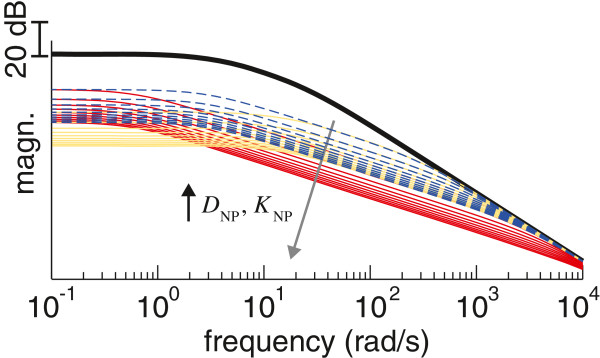
“it is displayed how the cut off frequency would be decreased in a nonlinear manner when the contraction level, and thus the resultant stiffness, K+KNP, and viscosity, D+DNP, of the joint [37], were increased.”
§ A neuroprosthesis for tremor management through the control of muscle co-contraction > Methods > The neuroprosthesis for tremor management
What the sources say
- Could not verifycites [37] Hunter IW Kearney RE Dynamics of human ankle stiffness: variation with mean ankle torque J Biomech 1982 15 10 747 752 10.1016/0021-9290(82)90089-6 7153227 sourceExperimental — accuracy not yet measured
Our copy of Yu et al. (2007) is a BOLD fMRI study of paced thumb movements in PD; its treatment of rigidity is limited to correlating UPDRS rigidity scores with percent signal change in contralateral M1 (Results, 'Relation between hyperactivation and limb rigidity'; Discussion). No passage in the prompt or from searches ('cut-off frequency', 'viscosity', 'damping coefficient', 'joint stiffness K+KNP, D+DNP', 'contraction level') addresses a mechanical/impedance model of the joint or how stiffness and viscosity jointly shift a system's cut-off frequency, so the claim's point cannot be checked against this paper. Nothing in our copy contradicts it either; the paper is complete (not truncated). (LLM, conf=0.72)
hedgedstates a cause- Asserted: passes — The authors put it forward as true.
- Checkable: passes — It can be checked against evidence.
- Load-bearing: passes — The paper’s conclusions depend on it.
- Based: passes — The paper gives a reason why it holds.
- Could not verify
A result the paper reports from its own data — it cites no other source for it, so there is none to check. The quote shows it is in the paper.
In the paper
“All patients showed a good tolerance to neurostimulation in terms of comfort and absence of pain”
§ A neuroprosthesis for tremor management through the control of muscle co-contraction > Abstract > Results
plain- Asserted: passes — The authors put it forward as true.
- Checkable: passes — It can be checked against evidence.
- Load-bearing: unclear — It is unclear whether the paper’s conclusions depend on it.
- Based: passes — The paper gives a reason why it holds.
A result the paper states — it cites no source for it, so there is none to check. The quote shows it is in the paper.
In the paper
“Tremor frequency was not altered during neurostimulation, as expected from the central origin of Parkinson’s disease and essential tremor.”
§ A neuroprosthesis for tremor management through the control of muscle co-contraction > Abstract > Results
plain- Asserted: passes — The authors put it forward as true.
- Checkable: passes — It can be checked against evidence.
- Load-bearing: unclear — It is unclear whether the paper’s conclusions depend on it.
- Based: passes — The paper gives a reason why it holds.
38 more claims
Create a free account to see all 73 claims and to verify the 11 references still open.
- It may state two separate claims as one. 18
- Probably not a substantial claim. 17
Claims other papers make about this one
Each is checked against this paper’s own text: does it say what the citing paper says it does?
The cited source says what the claim attributes to it.
In the citing paper
“Alternatively, some approaches modulate the impedance of the human-machine system [20, 24, 29].”
From Controlling a motorized orthosis to follow elbow volitional movement: tests with individuals with pathological tremor (2019) · cites this paper as [29]
The cited source says what the claim attributes to it.
In the citing paper
“Of the above systems, several were demonstrated with individuals with tremor [17–20, 27–32] resulting in ~ 20–88% tremor attenuation levels”
From Controlling a motorized orthosis to follow elbow volitional movement: tests with individuals with pathological tremor (2019) · cites this paper as [29]
The cited source says what the claim attributes to it.
In the citing paper
“Other studies reported some migration of tremor to nearby joints [29].”
From Controlling a motorized orthosis to follow elbow volitional movement: tests with individuals with pathological tremor (2019) · cites this paper as [29]
The cited source says what the claim attributes to it.
In the citing paper
“This neuroprosthesis was validated within two PD patients and four ET patients, who reported a reduction of 52.3 ± 25.5% in 26 out of 30 trials compared to trials where the neuroprosthesis was not active.”
From A Review on Wearable Technologies for Tremor Suppression (2021) · cites this paper as [69]
Citations
Cites
Estimation and Tracking: Principles, Techniques, and Software
Bar‐Shalom, Y., & Li, X. (1993) · Medical Entomology and Zoology · Cited by 2,202
Fedorov, V. V., Studden, W. J., & Klimko, E. M. (1972) · Cited by 2,092
Consensus Statement of the Movement Disorder Society on Tremor
Deuschl, G., Bain, P., & Brin, M. (2008) · Movement Disorders · doi:10.1002/mds.870131303 · Cited by 1,981 · cited 5×
“Typical exercises for neurological examination were considered: resting the arm on the lap, keeping both arms outstretched, the finger to finger test, and the finger to nose test [10].”
BackgroundMethodInfluentialPathological synchronization in Parkinson's disease: networks, models and treatments
Hammond, C., Bergman, H., & Brown, P. (2007) · Trends in Neurosciences · doi:10.1016/j.tins.2007.05.004 · Cited by 1,629 · cited 1×
“PD is estimated to afflict more than ten million people all over the world [9].”
BackgroundRascol, O., Brooks, D. J., Korczyn, A. D., De Deyn, P. P., Clarke, C. E., & Lang, A. E. (2000) · New England Journal of Medicine · doi:10.1056/nejm200005183422004 · Cited by 1,539
Repetitive control system: a new type servo system for periodic exogenous signals
Hara, S., Yamamoto, Y., Omata, T., & Nakano, M. (1988) · IEEE Transactions on Automatic Control · doi:10.1109/9.1274 · Cited by 1,407 · cited 1×
“Tremor parameters estimated during a (tremor) period were employed to generate the control action in the subsequent one, analogously to repetitive control theory [40].”
MethodThe central nervous system stabilizes unstable dynamics by learning optimal impedance
Burdet, E., Osu, R., Franklin, D. W., Milner, T. E., & Kawato, M. (2001) · Nature · doi:10.1038/35106566 · Cited by 1,097 · cited 2×
“Indeed, co-contraction is exploited by the intact central nervous system to stabilize the limbs during specific tasks [35,36].”
BackgroundResultPerlmutter, J. S., & Mink, J. W. (2006) · Annual Review of Neuroscience · doi:10.1146/annurev.neuro.29.051605.112824 · Cited by 1,073
Adaptive control of mechanical impedance by coactivation of antagonist muscles
Hogan, N. (1984) · IEEE Transactions on Automatic Control · doi:10.1109/tac.1984.1103644 · Cited by 1,041 · cited 2×
“Indeed, co-contraction is exploited by the intact central nervous system to stabilize the limbs during specific tasks [35,36].”
BackgroundResultSubthalamic nucleus deep brain stimulation: Summary and meta-analysis of outcomes
Kleiner-Fisman, G., Herzog, J., Fisman, D. N., Tamma, F., Lyons, K. E., Pahwa, R., Lang, A. E., & Deuschl, G. (2006) · Movement Disorders · doi:10.1002/mds.20962 · Cited by 957
Research works printed but not linked: 1
- Hendriks J Rosen M Berube N Aisen M A second-generation joystick for people disabled by tremor Proceedings of the 14th Annual RESNA Conference: 21-26 June 1991 1991 Kansas City: RESNA Press 248 251
Cited by
Online tremor suppression using electromyography and low-level electrical stimulation
Dosen, S., Muceli, S., Dideriksen, J. L., Romero, J. P., Rocon, E., Pons, J., & Farina, D. (2015) · IEEE Transactions on Neural Systems and Rehabilitation Engineering · doi:10.1109/tnsre.2014.2328296 · Cited by 120
“In some recent studies [17]–[20] tremor was detected using inertial sensors to measure the kinematics (angle, velocity, and/or acceleration) of the affected joint(s) and extract tremor features (amplitude, frequency).”
BackgroundResultSelf-citationEvancho, A. M., Tyler, W. J., & McGregor, K. (2023) · Frontiers in Human Neuroscience · doi:10.3389/fnhum.2023.1151218 · Cited by 114
“, 2022), yielding an average rate of tremor inhibition of over 50% (Popović Maneski et al., 2011; Zhang et al., 2011; Gallego et al., 2013; Freeman et al., 2015).”
BackgroundElectrical stimulation of afferent pathways for the suppression of pathological tremor
Dideriksen, J. L., Laine, C. M., Dosen, S., Muceli, S., Rocon, E., Pons, J. L., Benito-Leon, J., & Farina, D. (2017) · Frontiers in Neuroscience · doi:10.3389/fnins.2017.00178 · Cited by 67
“…the use of external devices to suppress tremor by mechanical loading (Pledgie et al., 2000; Rocon et al., 2007) or electrical stimulation (Javidan et al., 1992; Prochazka et al., 1992; Gillard et al., 1999; Popović Maneski et al., 2011; Gallego et al., 2013; Bó et al., 2014; Dosen et al., 2015).”
BackgroundMethodInfluentialSelf-citationPeripheral electrical stimulation to reduce pathological tremor: a review
Pascual-Valdunciel, A., Hoo, G. W., Avrillon, S., Barroso, F. O., Goldman, J. G., Hernandez-Pavon, J. C., & Pons, J. L. (2021) · Journal of NeuroEngineering and Rehabilitation · doi:10.1186/s12984-021-00811-9 · Cited by 66
“In this strategy, simultaneous electrical stimulation applied above the motor threshold in both agonist and antagonist muscles increase the impedance of the joint and therefore minimize the involuntary oscillations [17, 20, 39].”
BackgroundSelf-citationMedical Devices for Tremor Suppression: Current Status and Future Directions
Mo, J., & Priefer, R. (2021) · Biosensors · doi:10.3390/bios11040099 · Cited by 78
“TREMOR neurorobot ET (4); PD tremor (2) 52% tremor suppression [81]”
BackgroundA Review on Wearable Technologies for Tremor Suppression
Lora-Millan, J. S., Delgado-Oleas, G., Benito-León, J., & Rocon, E. (2021) · Frontiers in Neurology · doi:10.3389/fneur.2021.700600 · Cited by 62
“15 Tremor Neuroprosthesis (69) Adaptive cocontraction 2 PD patients; 4 ET patients 52.”
BackgroundSelf-citationFromme, N. P., Camenzind, M., Riener, R., & Rossi, R. M. (2019) · Journal of NeuroEngineering and Rehabilitation · doi:10.1186/s12984-019-0543-7 · Cited by 62
Advances in selective activation of muscles for non-invasive motor neuroprostheses
Koutsou, A. D., Moreno, J. C., del‐Ama, A. J., Rocón, E., & Pons, J. L. (2016) · Journal of NeuroEngineering and Rehabilitation · doi:10.1186/s12984-016-0165-2 · Cited by 62
“FES systems can be applied as motor neuroprostheses of motor functions for recovery in stroke patients [4, 5] or as means for compensation in assistive technologies, for example for control of walking and grasping after spinal cord injury (SCI) [6] or tremor suppression [7].”
BackgroundSelf-citationJitkritsadakul, O., Thanawattano, C., Anan, C., & Bhidayasiri, R. (2017) · Journal of the Neurological Sciences · doi:10.1016/j.jns.2017.08.3246 · Cited by 51
Therapeutic advances in tremor
Fasano, A., & Deuschl, G. (2015) · Movement Disorders · doi:10.1002/mds.26383 · Cited by 43
“Systems that attenuate tremor by delivering electrical stimulation to the antagonist muscles in an out-ofphase manner while recording tremor from the EMG signals of the muscles from which tremor originates have recently been tested in small open-label studies in patients with PD or ET in which they produced marked red…”
MethodMarchis, C. D., Monteiro, T. S., Simón-Martínez, C., Conforto, S., & Gharabaghi, A. (2016) · Journal of NeuroEngineering and Rehabilitation · doi:10.1186/s12984-016-0129-6 · Cited by 51
“A number of studies have shown the effectiveness of FES for improving muscle function in different central nervous system (CNS) disorders such as stroke [1], tremor [2], multiple sclerosis [3, 4] or spinal cord injury [5] for both the upper and lower extremity [6].”
BackgroundCharacterization of Parkinsonian Hand Tremor and Validation of a High-Order Tremor Estimator
Zhou, Y., Jenkins, M. E., Naish, M. D., & Trejos, A. L. (2018) · IEEE Transactions on Neural Systems and Rehabilitation Engineering · doi:10.1109/tnsre.2018.2859793 · Cited by 42
“studies [21], [30], [42]–[44], [51] the WFLC was used to estimate only the fundamental frequency.”
MethodOn the Use of Fixed‐Intensity Functional Electrical Stimulation for Attenuating Essential Tremor
Bó, A. P. L., Azevedo‐Coste, C., Geny, C., Poignet, P., & Fattal, C. (2014) · Artificial Organs · doi:10.1111/aor.12261 · Cited by 40
“Preliminary evaluation of this approach, indicating good results, has already been performed in simulation (12), on healthy subjects (13), and in tremor patients (14).”
BackgroundJitkritsadakul, O., Thanawattano, C., Anan, C., & Bhidayasiri, R. (2015) · Journal of the Neurological Sciences · doi:10.1016/j.jns.2015.08.1527 · Cited by 38
Repetitive Control of Electrical Stimulation for Tremor Suppression
Copur, E. H., Freeman, C. T., Chu, B., & Laila, D. S. (2019) · IEEE Transactions on Control Systems Technology · doi:10.1109/tcst.2017.2771327 · Cited by 38
“In [17] muscle co-contraction was used to increase the stiffness and viscosity of an antagonist muscle pair, thereby reducing tremor amplitude significantly.”
MethodPascual-Valdunciel, A., Gonzalez-Sanchez, M., Muceli, S., Adan-Barrientos, B., Escobar-Segura, V., Perez-Sanchez, J. R., Jung, M. K., Schneider, A., Hoffmann, K.-P., Moreno, J. C., et al. (2021) · IEEE Transactions on Biomedical Engineering · doi:10.1109/tbme.2020.3015572 · Cited by 37
“Two main stimulation strategies have been applied: 1) out-of-phase, which is the most common and generates muscle contraction in the antagonistic muscle to the one presenting tremor activity [7]; and 2) co-contraction, which continuously stimulates a pair of antagonist muscles acting on the same joint to increase its…”
MethodSelf-citationMuceli, S., Poppendieck, W., Hoffmann, K.-P., Dosen, S., Benito-León, J., Barroso, F. O., Pons, J. L., & Farina, D. (2019) · Journal of Neural Engineering · doi:10.1088/1741-2552/ab047a · Cited by 33
“Electrical stimulation has been also used in neuroprostheses for tremor suppression (Prochazka et al 1992, Gallego et al 2013).”
Self-citationA Wearable System for Attenuating Essential Tremor Based on Peripheral Nerve Stimulation
Kim, J., Wichmann, T., Inan, O. T., & Deweerth, S. P. (2020) · IEEE Journal of Translational Engineering in Health and Medicine · doi:10.1109/jtehm.2020.2985058 · Cited by 33
“Although muscle stimulation from [17], [18], [24], [25] reported a promising tremor reduction ratio of between 50% and 85%, the threshold amplitude of the stimulation to generate muscle twitches are typically higher than the sensory threshold.”
BackgroundMethodRepetitive control of functional electrical stimulation for induced tremor suppression
Freeman, C. T., Sampson, P., Burridge, J. H., & Hughes, A.-M. (2015) · Mechatronics · doi:10.1016/j.mechatronics.2015.10.008 · Cited by 31
Herrnstadt, G., McKeown, M. J., & Menon, C. (2019) · Journal of NeuroEngineering and Rehabilitation · doi:10.1186/s12984-019-0484-1 · Cited by 30
“Alternatively, some approaches modulate the impedance of the human-machine system [20, 24, 29].”
A Method for Suppressing Electrical Stimulation Artifacts from Electromyography
Li, Y., Chen, J., & Yang, Y. (2019) · International Journal of Neural Systems · doi:10.1142/s0129065718500545 · Cited by 29
Simulated Tremor Propagation in the Upper Limb: From Muscle Activity to Joint Displacement
Corie, T., & Charles, S. K. (2019) · Journal of Biomechanical Engineering · doi:10.1115/1.4043442 · Cited by 30
Real-Time Voluntary Motion Prediction and Parkinson’s Tremor Reduction Using Deep Neural Networks
Ibrahim, A. H., Zhou, Y., Jenkins, M. E., Trejos, A. L., & Naish, M. D. (2021) · IEEE Transactions on Neural Systems and Rehabilitation Engineering · doi:10.1109/tnsre.2021.3097007 · Cited by 34
Peripherical Electrical Stimulation for Parkinsonian Tremor: A Systematic Review
Meng, L., Jin, M., Zhu, X., & Ming, D. (2022) · Frontiers in Aging Neuroscience · doi:10.3389/fnagi.2022.795454 · Cited by 30
Diagnosis and Treatment of Tremor in Parkinson’s Disease Using Mechanical Devices
Fujikawa, J., Morigaki, R., Yamamoto, N., Nakanishi, H., Oda, T., Izumi, Y., & Takagi, Y. (2022) · Life · doi:10.3390/life13010078 · Cited by 30
A Fabric-Based Textile Stretch Sensor for Optimized Measurement of Strain in Clothing
Teyeme, Y., Malengier, B., Tesfaye, T., & Langenhove, L. V. (2020) · Sensors · doi:10.3390/s20247323 · Cited by 25
“They are used for communication, sensing and monitoring, even for position location, to enable personal applications such as protection and safety functionality, emergency response, and dedicated tasks such as controlling the vibration of muscles during athletic activities [6,7].”
BackgroundFundamental Principles of Tremor Propagation in the Upper Limb
Davidson, A. D., & Charles, S. K. (2016) · Annals of Biomedical Engineering · doi:10.1007/s10439-016-1765-5 · Cited by 29
Essential tremor amplitude modulation by median nerve stimulation
Reis, C., Arruda, B. S., Pogosyan, A. H., Brown, P., & Cagnan, H. (2021) · Scientific Reports · doi:10.1038/s41598-021-96660-6 · Cited by 26
Inertial Sensor Error Reduction through Calibration and Sensor Fusion
Lambrecht, S., Nogueira, S. L., Bôrtole, M., Siqueira, A. A. G., Terra, M. H., Rocón, E., & Pons, J. L. (2016) · Sensors · doi:10.3390/s16020235 · Cited by 25
Self-citationMechanical vibration does not systematically reduce the tremor in essential tremor patients
Lora-Millán, J. S., López-Blanco, R., Gallego, J. Á., Méndez-Guerrero, A., González de la Aleja, J., & Rocon, E. (2019) · Scientific Reports · doi:10.1038/s41598-019-52988-8 · Cited by 20
Self-citationTremor Control Devices for Essential Tremor: A Systematic Literature Review
Castrillo-Fraile, V., Casas-Peña, E., Trejo Gabriel Y Galán, J. M., López, P. D. D., Collazo, C., & Cubo, E. (2019) · Europe PMC (PubMed Central) · doi:10.7916/tohm.v0.688 · Cited by 17
“III Seki et al.21,22 ET (1) Myoelectric-controlled exoskeletal robot Elbow ?”
BackgroundInfluentialGlobal Kalman filter approaches to estimate absolute angles of lower limb segments
Nogueira, S. L., Lambrecht, S., Inoue, R. S., Bôrtole, M., Montagnoli, A. N., Moreno, J. C., Rocón, E., Terra, M. H., Siqueira, A. A. G., & Pons, J. L. (2017) · BioMedical Engineering OnLine · doi:10.1186/s12938-017-0346-7 · Cited by 19
Self-citationSuppression of Enhanced Physiological Tremor via Stochastic Noise: Initial Observations
Trenado, C., Amtage, F., Huethe, F., Schulte‐Mönting, J., Méndez‐Balbuena, I., Baker, S. N., Baker, M. R., Hepp‐Reymond, M., Manjarrez, E., & Kristeva, R. (2014) · PLoS ONE · doi:10.1371/journal.pone.0112782 · Cited by 17
“allowing tremor modulation via wearable functional electrical stimulation devises [12], [13], [29], [33].”
MethodMedical and Surgical Treatment of Tremors
Schneider, S. A., & Deuschl, G. (2014) · Neurologic Clinics · doi:10.1016/j.ncl.2014.09.005 · Cited by 19
Lambrecht, S., Gallego, J. A., Rocon, E., & Pons, J. L. (2014) · Frontiers in Neuroscience · doi:10.3389/fnins.2014.00221 · Cited by 16
“Other studies have shown that it is possible to attenuate the tremor using the human muscle tissue as actuators, through functional electrical stimulation (Javidan et al., 1992; Popović Maneski et al., 2011; Gallego et al., 2013; Bó et al., 2014).”
BackgroundMethodSelf-citationOvercoming the impact of physiologic tremors in ophthalmology
Singh, G., Jie, W. W. J., Sun, M. T., Casson, R. J., Selva, D. N., & Chan, W. O. (2022) · Graefe s Archive for Clinical and Experimental Ophthalmology · doi:10.1007/s00417-022-05718-2 · Cited by 21
“demonstrated a neuroprosthesis that was effective in reducing the amplitude of tremor by an average of 52% [70].”
BackgroundFujikawa, J., Morigaki, R., Yamamoto, N., Oda, T., Nakanishi, H., Izumi, Y., & Takagi, Y. (2022) · Frontiers in Aging Neuroscience · doi:10.3389/fnagi.2022.807909 · Cited by 19
Tremor Suppression With Mechanical Vibration Stimulation
Liu, W., Kai, T., & Kiguchi, K. (2020) · IEEE Access · doi:10.1109/access.2020.3045023 · Cited by 13
Puttaraksa, G., Muceli, S., Barsakcioglu, D. Y., Holobar, A., Clarke, A. K., Charles, S. K., Pons, J. L., & Farina, D. (2022) · IEEE Transactions on Neural Systems and Rehabilitation Engineering · doi:10.1109/tnsre.2022.3158606 · Cited by 13
Self-citationKim, J., Wichmann, T., Inan, O. T., & DeWeerth, S. P. (2022) · Journal of Personalized Medicine · doi:10.3390/jpm12010076 · Cited by 16
Ojanguren, E. I., Sánchez-Márquez, G., Asiain-Aristu, J. R., et al. (2019) · Journal of Rehabilitation and Assistive Technologies Engineering · doi:10.1177/2055668319862141 · Cited by 11
Phokaewvarangkul, O., Vateekul, P., Wichakam, I., Anan, C., & Bhidayasiri, R. (2021) · Frontiers in Aging Neuroscience · doi:10.3389/fnagi.2021.727654 · Cited by 13
Shah, V. V., Goyal, S., & Palanthandalam‐Madapusi, H. J. (2017) · IEEE Transactions on Neural Systems and Rehabilitation Engineering · doi:10.1109/tnsre.2017.2746623 · Cited by 11
“These efforts include injecting HFS at a pair of antagonists through transcutaneous neurostimualtion [61], applying Function Electrical Stimulation (FES) at wrist flexor and extensor”
BackgroundBarrios, L. J., Hornero, R., Turiel, J. P., Pons, J. L., Vidal, J., & Azorín, J. M. (2017) · Revista Iberoamericana de Automática e Informática Industrial RIAI · doi:10.1016/j.riai.2017.06.003 · Cited by 14
“…los proyectos europeos TREMOR y NEUROTREMOR, con aproximaciones ligeramente diferentes, en el primer caso mediante estimulación periférica motora (Gallego et al., 2013, Koutsou et al., 2016) y en el segundo caso mediante estimulación periférica sensorial (Dosen et al., 2014; Piazza et al., 2016).”
BackgroundSelf-citationVolitional Suppression of Parkinsonian Resting Tremor
Blakemore, R. L., MacAskill, M. R., Myall, D. J., & Anderson, T. (2019) · Movement Disorders Clinical Practice · doi:10.1002/mdc3.12801 · Cited by 10
System identification for FES-based tremor suppression
Çopur, E. H., Freeman, C. T., Chu, B., & Laila, D. S. (2015) · European Journal of Control · doi:10.1016/j.ejcon.2015.12.003 · Cited by 10
“Within tremor suppression, the model must also include a characterisation of both the tremulous motion and voluntary 30 action in order to define the associated control problem [3, 17, 33, 45, 47].”
MethodGordleeva, S., Grigorev, N., Николаевна, П. Е., Kurkin, S., Kazantsev, V., & Hramov, A. E. (2025) · Ageing Research Reviews · doi:10.1016/j.arr.2025.102923 · Cited by 12
Jochumsen, M., Poulsen, K. B., Sørensen, S. L., Sulkjær, C. S., Corydon, F. K., Strauss, L. S., & Roos, J. B. (2024) · Journal of Neural Engineering · doi:10.1088/1741-2552/ad6189 · Cited by 11
“Examples of such devices include canes and walkers for improving mobility [3], or technology such as neuroprosthet-© ics utilizing electrical stimulation to suppress tremor [4].”
Towards ultrasound imaging-based closed-loop peripheral nerve stimulation for tremor suppression
Sharma, N., Xue, X., Iyer, A., Jiang, X., & Roque, D. (2023) · Current Opinion in Biomedical Engineering · doi:10.1016/j.cobme.2023.100484 · Cited by 8
Zhou, Y., Daemi, P., Jenkins, M. E., Naish, M. D., & Trejos, A. L. (2024) · IEEE Transactions on Medical Robotics and Bionics · doi:10.1109/tmrb.2024.3350769 · Cited by 6
“A WTSD suppresses tremor by delivering either motion and force to the user’s joint(s) [6], [7], [8], [9], [10], [11], [12], [13] or by stimulating muscles via electrical stimulation [6], [14], [15], [16], [17], [18].”
BackgroundAssistive Robotics as Alternative Treatment for Tremor
Rocón, E., Gallego, J. Á., Lois, J. M. B., & Pons, J. L. (2013) · Advances in intelligent systems and computing · doi:10.1007/978-3-319-03413-3_12 · Cited by 7
“exhibited a positive, yet variable, response to the approach here presented, which is of great interest for ET patients, given that only 50 % of them benefits from the drugs that are currently prescribed to manage their disorder, [9].”
BackgroundMethodSelf-citationDesign and validation of a neuroprosthesis for the treatment of upper limb tremor
Gallego, J. Á., Rocón, E., Lois, J. M. B., Koutsou, A. D., Mena, S., Castillo, A., & Pons, J. L. (2013) · Annual International Conference of the IEEE Engineering in Medicine and Biology Society (EMBC) · doi:10.1109/embc.2013.6610323 · Cited by 8
Self-citationZhou, Y., Box, D., Hardy, K. G., Jenkins, M. E., Garland, S. J., Naish, M. D., & Trejos, A. L. (2022) · Journal of Rehabilitation and Assistive Technologies Engineering · doi:10.1177/20556683221094480 · Cited by 5
Kiguchi, K., Kai, T., & Liu, W. (2020) · Conference proceedings/Conference proceedings - IEEE International Conference on Systems, Man, and Cybernetics · doi:10.1109/smc42975.2020.9283118 · Cited by 4
“Applying functional electrical stimulation (FES) is another approach to suppress the ET movement [5]-[11].”
BackgroundDevelopment of a Textile Integrated, Two-State Controlled Tremor Suppression Orthosis for the Wrist
Fromme, N. P., Esser, A., Camenzind, M., Mylius, V., Baumann, C. R., Büchele, F., Riener, R., Wolf, P., & Rossi, R. M. (2023) · IEEE Transactions on Medical Robotics and Bionics · doi:10.1109/tmrb.2023.3293192 · Cited by 4
“and more recently peripheral electrical stimulation of afferent (sensory) pathways [15], [19], [20], [21].”
BackgroundUltrasound Imaging Triggered Tremor Suppression With Personalized Afferent Stimulation Frequency
Iyer, A., Xue, X., Ganesh, V., Jiang, X., Gallippi, C. M., Roque, D., & Sharma, N. (2024) · IEEE Transactions on Biomedical Engineering · doi:10.1109/tbme.2024.3519628 · Cited by 4
Paradiso, R., Toma, G. D., & Mancuso, C. (2017) · Springer eBooks · doi:10.1007/978-3-319-69362-0_9 · Cited by 3
Antagonistic muscular co-contraction for skilled, healthy piano technique: a scoping review
Ashkenazi, C., Waddell, G., & Williamon, A. (2025) · Frontiers in Psychology · doi:10.3389/fpsyg.2025.1386273 · Cited by 3
Metzner, C., Stringham, A., Hislop, B., Bonham, J., Chatterton, L., DeFigueiredo, R., & Charles, S. K. (2023) · Tremor and Other Hyperkinetic Movements · doi:10.5334/tohm.740 · Cited by 6
Zhao, X., Huang, T., Jin, M., Zhao, H., Shi, Y., Wang, Y., Shen, X., Li, Z., Shi, Q., Zhu, X., et al. (2025) · IEEE Transactions on Neural Systems and Rehabilitation Engineering · doi:10.1109/tnsre.2025.3591134 · Cited by 1
“Closed-loop control systems [27] are commonly employed in tremor management to optimize stimulation efficacy by dynamically adjusting electrical stimulation based on continuous feedback from biological signals, typically electromyography (EMG) [28] or kinematic data [29].”
Zhou, Y., Jenkins, M. E., Naish, M. D., & Trejos, A. L. (2022) · Annual International Conference of the IEEE Engineering in Medicine and Biology Society (EMBC) · doi:10.1109/embc48229.2022.9871546 · Cited by 1
“Most of these devices suppress tremor by delivering motion and force on the target joint using electromechanical actuators [5]–[7], and several devices use electrical stimulation to activate the user’s muscles [8]–[10].”
BackgroundAssessment and Elimination of Surgeon Hand Tremor During Robotic Surgery
Kumar, A., Kumar, S., & Kumar, A. (2022) · Springer eBooks · doi:10.1007/978-981-19-1550-5_97-1 · Cited by 4
Mechatronic Devices for Upper Limb Tremor
Zhou, Y., Daemi, P., Edmonds, B. P. R., Habibollahi, Z., Jenkins, M. E., Naish, M. D., & Trejos, A. L. (2023) · Contemporary clinical neuroscience · doi:10.1007/978-3-031-26128-2_22 · Cited by 1
Bhosale, P., Rewatkar, R. M., Pokle, P. B., & Reddy, K. T. V. (2024) · DMIHER International Conference on Artificial Intelligence in Healthcare, Education and Industry (IDICAIHEI) · doi:10.1109/idicaiei61867.2024.10842711 · Cited by 1
Assessment and Elimination of Surgeon Hand Tremor During Robotic Surgery
Kumar, A., Kumar, S., & Kumar, A. (2023) · Springer eBooks · doi:10.1007/978-981-99-2074-7_97 · Cited by 3
Advances in the Assessment and Suppression of Pathological Tremor in the Framework of TREMOR Project
Gallego, J. Á., Rocón, E., & Pons, J. L. (2013) · Biosystems & biorobotics · doi:10.1007/978-3-642-34546-3_10
Self-citationGallego, J. Á., Rocón, E., Lois, J. M. B., & Pons, J. L. (2013) · World Congress on Medical Physics and Biomedical Engineering, September 7 - 12, 2009, Munich, Germany · doi:10.1007/978-3-319-00846-2_431 · Cited by 1
Self-citationTowards the Development of a Wearable Tremor Suppression Glove
Zhou, Y. (2015) · Scholarship@Western (Western University)
Gallego, J. Á., Dideriksen, J. L., Holobar, A., Romero, J. P., Benito‐León, J., Bermejo‐Pareja, F., Pons, J. L., Rocón, E., & Farina, D. (2014) · Biosystems & biorobotics · doi:10.1007/978-3-319-08072-7_58
Self-citationAnalysis and simulation of the neural oscillator for tremor suppression by FES
Wang, S., Gao, Y., Xiao, F., Xin, W., & Zhao, J. (2015) · IEEE International Conference on Robotics and Biomimetics (ROBIO) · doi:10.1109/robio.2015.7418847
“The simulation results demonstrate that the output of roughly approximated oscillator is in accordance with that of the original oscillator.”
ResultKobravi, H.-R., Ali, S., Vatandoust, M., & Marvi, R. (2016) · Journal of Medical Signals & Sensors · doi:10.4103/2228-7477.181041
“Nevertheless, concerning the range of wrist joint movement during the observed rhythmic motions, about 35° for the stroke patient and about 95° for the healthy subject, the calculated RMS prediction errors are acceptable [Figures 11 and 12].”
Local Circular Modeling based Real-time Pathological Tremor Characterization for FES Applications
Tatinati, S., Wang, Y., Veluvolu, K. C., & Ang, W. T. (2015) · International Convention on Rehabilitation Engineering & Assistive Technology
A Machine Learning Approach for Classification of Tremor - A Neurological Movement Disorder
Ranjan, R., Palaniswami, M. S., & Bhushan, B. (2019) · Advances in intelligent systems and computing · doi:10.1007/978-3-030-29513-4_95 · Cited by 1
The Validation of Tremor-Cancelling Technologies Needs a Multidisciplinary Consensus Statement
Blanco, R. L., Benito‐León, J., Hernández‐Gallego, J., et al. (2020) · PubMed · doi:10.7916/tohm.v0.765
Dispositivos tecnológicos para la supresión del temblor
Blanco, R. L. (2025) · Kranion · doi:10.24875/kranion.m22000023
Hybrid Robotics and Neuroprosthetics for Associative Neurorehabilitation
Barroso, F. O., Moreno, J. C., Torricelli, D., & Pons, J. L. (2022) · Handbook of Neuroengineering · doi:10.1007/978-981-15-2848-4_54-1
Self-citationHybrid Robotics and Neuroprosthetics for Associative Neurorehabilitation
Barroso, F. O., Moreno, J. C., Torricelli, D., & Pons, J. L. (2023) · Handbook of Neuroengineering · doi:10.1007/978-981-16-5540-1_54
Self-citationJitkritsadakul, O., Bhidayasiri, R., Rattanatharn, R., & Thanawattano, C. (2017) · Chula Digiverse · doi:10.58837/chula.the.2017.372 · Cited by 1
Hosseini, S. M., Farashi, S., & Bashirian, S. (2023) · Journal of NeuroEngineering and Rehabilitation · doi:10.1186/s12984-023-01255-z · Cited by 1
“…[63], modulation of tremor frequency by nerve stimulation [53], modulation of the peripheral reflex mechanism by electrical stimulation [46], and the generation of forces within the muscle, stimulating agonist-antagonist muscles and producing opposite forces to suppress handshaking [64].”
BackgroundTremor Suppression Using Functional Electrical Stimulation Based Repetitive Control
Yin, Q., & Zhang, T. (2024) · IEEE/ACIS International Conference on Computer and Information Science (ICIS) · doi:10.1109/icis61260.2024.10778308
The role of neurorehabilitation in the suppression of pathological tremor
Lora-Millán, J. S., & Rocón, E. (2025) · Elsevier eBooks · doi:10.1016/b978-0-12-819877-3.00011-1 · Cited by 1
Self-citation
Metadata
- Authors
- Gallego, J. Á., Rocon, E., Belda-Lois, J. M., & Pons, J. L.
- Affiliations
- Consejo Superior de Investigaciones Científicas (ES)
- Corresponding author
- Gallego, Juan Álvaro
- Venue
- Journal of NeuroEngineering and Rehabilitation
- Published
- 2013
- Volume
- 10
- Issue
- 1
- Pages
- 36
- ISSN
- 1743-0003 (ISSN-L)
- PMC
- PMC3661364
- OpenAlex
- W2163040354
- Semantic Scholar
- 45775c9ecdd93f68022b33121c7aeea458d83bcc
- Cited by
- 81
- References
- 65
- Citations by year
- 2025: 4 · 2024: 5 · 2023: 8 · 2022: 11 · 2021: 7 · 2020: 5 · 2019: 9 · 2018: 2 · 2017: 8 · 2016: 5 · 2015: 7 · 2014: 6 · 2013: 4
- FWCI
- 4.65
- Type
- journal article
- Language
- en
- Open access
- gold
- doi.org
- Licence
- cc-by
- Locations
- Journal of NeuroEngineering and Rehabilitation (publishedVersion, cc-by)
- Europe PMC (PubMed Central) (publishedVersion, cc-by)
- PubMed Central (publishedVersion, cc-by)
- PubMed (publishedVersion)
- DIGITAL.CSIC (Spanish National Research Council (CSIC)) (submittedVersion)
- Funders
- European Commission (ICT-2011, 287739, 224051)
- Universitat de València
- Ministerio de Ciencia e Innovación (CSD2009, CSD2009-00067)
- Consejo Superior de Investigaciones Científicas
- Topics
- Health Sciences › Medicine › Clinical Neurology › Deep Brain Stimulation and Movement Disorders
- Life Sciences › Neuroscience › Cognitive Neuroscience › Motor Control and Adaptation
- Health Sciences › Medicine › Clinical Neurology › Botulinum Toxin and Related Neurological Disorders
- Keywords
- pathological tremor, neural prostheses, co-contraction, Parkinson's disease, essential tremor, gyroscope, adaptive algorithms, non-invasive treatment, antagonists
- MeSH terms
- Adult, Aged, Aged, 80 and over, Algorithms, Transcutaneous Electric Nerve Stimulation, Female, Humans, Male, Middle Aged, Muscle Contraction, Parkinson Disease, Muscle, Skeletal, Essential Tremor, Neural Prostheses
About these checks
Registry, retraction, Cites and statistics results are computed, not judged, with one exception: a printed reference that no index lists is read once by a model before it counts as a citation error. Claims are extracted by a model and kept only when their quote appears verbatim in the text; each cited source is then checked, with a model’s help, for whether it says what the claim relies on. Those verdicts can be wrong — read the claim’s quote and the cited source before relying on one.
The claim verdicts this report counts are experimental: their accuracy is not yet measured.
A language model drew the claims from the paper on 2026-10-10, under version 3 of the claim definition (model deepseek-v4.1-flash, prompt extract-v3).
A second model labelled each claim on 2026-10-10 (model jev-1.13-20260917, definition revision gold-guideline-v0.2).
Cited sources are checked with a language model’s help (qwen3.8-omni-flash and gpt-6-sol).
Statistics and arithmetic are recomputed, not judged.
Confidence bands are shown only for fields calibrated on our annotated test set. None is calibrated yet, so no band is shown.
What counts as a claim ›How we measure confidence ›How we check this ›
Are you an author, or do you see a problem with this page? Request a review
Data sources
Bibliographic data: Semantic Scholar, OpenAlex, Crossref.
Contains information from the Semantic Scholar Academic Graph Datasets, made available under the ODC Attribution License (ODC-BY 1.0).
Semantic Scholar’s data is described in: Kinney, R., et al. (2023). The Semantic Scholar Open Data Platform. arXiv:2301.10140.
