

The DOI matches its Crossref record; 31 of the 31 references it cites were found in a registry or an index.
A randomized, double-blind, placebo-controlled pilot study of a probiotic in emotional symptoms of chronic fatigue syndrome
Open accessAbstract
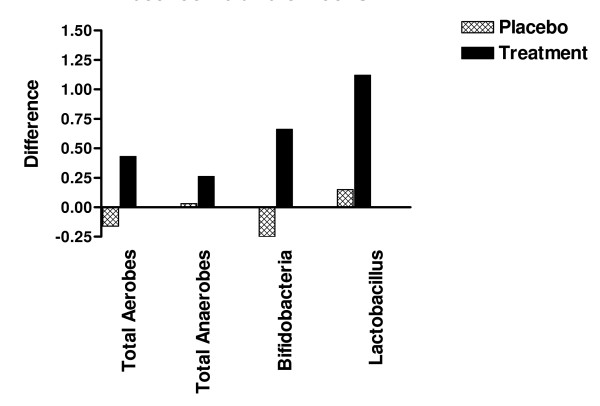
Chronic fatigue syndrome (CFS) is complex illness of unknown etiology. Among the broad range of symptoms, many patients report disturbances in the emotional realm, the most frequent of which is anxiety. Research shows that patients with CFS and other so-called functional somatic disorders have alterations in the intestinal microbial flora. Emerging studies have suggested that pathogenic and non-pathogenic gut bacteria might influence mood-related symptoms and even behavior in animals and humans. In this pilot study, 39 CFS patients were randomized to receive either 24 billion colony forming units of Lactobacillus casei strain Shirota (LcS) or a placebo daily for two months. Patients provided stool samples and completed the Beck Depression and Beck Anxiety Inventories before and after the intervention. We found a significant rise in both Lactobacillus and Bifidobacteria in those taking the LcS, and there was also a significant decrease in anxiety symptoms among those taking the probiotic vs controls (p = 0.01). These results lend further support to the presence of a gut-brain interface, one that may be mediated by microbes that reside or pass through the intestinal tract.
Overview
The claims and statistics of this paper haven’t been checked yet.
Run the check — free, no account needed. It reads the open-access text and checks the sources it cites.
Integrity signals
Registry
Cites
Statistics
Figures
Verification
Claims the paper makes
The claims and statistics of this paper haven’t been checked yet.
Run the check — free, no account needed. It reads the open-access text and checks the sources it cites.
Claims other papers make about this one
Each is checked against this paper’s own text: does it say what the citing paper says it does?
In the citing paper
“Furthermore, L. casei strain significantly reduced anxiety symptoms in patients with chronic fatigue syndrome (Rao et al. 2009)”
From Therapeutic effect of GLP-1 engineered strain on mice model of Alzheimer’s disease and Parkinson’s disease (2020) · cites this paper as Rao et al. 2009
In the citing paper
“Additionally, there is now preliminary evidence for reduced subjective feelings of anxiety and improved aspects of well-being after probiotic intake (Rao et al. 2009; Messaoudi et al. 2011).”
From Prebiotic intake reduces the waking cortisol response and alters emotional bias in healthy volunteers (2015) · cites this paper as Rao et al. 2009
In the citing paper
“The current results also differ from previous findings that indicate subjective anxiolytic effects of probiotics (Rao et al. 2009; Messaoudi et al. 2011) as we found no effects of prebiotics on subjective measures of subclinical anxiety or perceived stress.”
From Prebiotic intake reduces the waking cortisol response and alters emotional bias in healthy volunteers (2015) · cites this paper as Rao et al. 2009
In the citing paper
“A study by Rao et al. [277], reported that 8 weeks of 8 × 10⁷ CFU of L. casei given to individuals with chronic fatigue syndrome reduced anxiety symptoms.”
From International Society of Sports Nutrition Position Stand: Probiotics (2019) · cites this paper as [277]
In the citing paper
“There was no effect on depression, but those receiving the probiotic demonstrated significant improvement on the Beck Anxiety Inventory compared with the placebo group.131”
From The Gut Microbiome and the Brain (2014) · cites this paper as [131]
Self-check
Percentages, sums and reported differences re-computed from the paper’s own numbers.
The self-check needs the paper’s full text.
Citations
Cites
Carruthers, B. M., Jain, A. K., De Meirleir, K. L., Peterson, D. L., Klimas, N. G., Lerner, A. M., Bested, A. C., Flor-Henry, P., Joshi, P., Powles, A. C. P., et al. (2003) · Journal of Chronic Fatigue Syndrome · doi:10.1300/j092v11n01_02 · Cited by 1,180
Self-citationWhitehead, W. E., Palsson, O., & Jones, K. R. (2002) · Gastroenterology · doi:10.1053/gast.2002.32392 · Cited by 1,116 · cited 5×
“It is also true that LcS has been shown to reduce small intestinal bacterial overgrowth and the subjective reporting of the passage of gas in patients with IBS [29].”
BackgroundInfluentialDesbonnet, L., Garrett, L., Clarke, G., Bienenstock, J., & Dinan, T. G. (2008) · Journal of Psychiatric Research · doi:10.1016/j.jpsychires.2008.03.009 · Cited by 952
Parracho, H. M., Bingham, M. O., Gibson, G. R., & McCartney, A. L. (2005) · Journal of Medical Microbiology · doi:10.1099/jmm.0.46101-0 · Cited by 784
Aaron, L. A., Burke, M. M., & Buchwald, D. (2000) · Archives of Internal Medicine · doi:10.1001/archinte.160.2.221 · Cited by 607
Impact of consuming a milk drink containing a probiotic on mood and cognition
Benton, D., Williams, C., & Brown, A. (2007) · European Journal of Clinical Nutrition · doi:10.1038/sj.ejcn.1602546 · Cited by 554
Gut microflora as a target for energy and metabolic homeostasis
Cani, P. D., & Delzenne, N. M. (2007) · Current Opinion in Clinical Nutrition and Metabolic Care · doi:10.1097/mco.0b013e3282efdebb · Cited by 332
MITSUOKA, T. (2009) · Nutrition Reviews · doi:10.1111/j.1753-4887.1992.tb02499.x · Cited by 296
Koebnick, C., Wagner, I., Leitzmann, P., Stern, U., & Zunft, H. F. (2003) · Canadian Journal of Gastroenterology · doi:10.1155/2003/654907 · Cited by 288 · cited 1×
“Indeed LcS has been shown to regulate bowel function and decrease constipation in a controlled trial [28].”
BackgroundMajor depressive disorder: probiotics may be an adjuvant therapy.
Logan, A., & Katzman, M. (2005) · Medical Hypotheses · doi:10.1016/j.mehy.2004.08.019 · Cited by 277
Self-citation
Cited by
Sorted by citations
Items 101–200 of 575
The Role of the Gut Microbiota in the Pathogenesis of Parkinson's Disease
Yang, D., Zhao, D., Ali Shah, S. Z., Wu, W., Lai, M., Zhang, X., Li, J., Guan, Z., Zhao, H., Li, W., et al. (2019) · Frontiers in Neurology · doi:10.3389/fneur.2019.01155 · Cited by 162
Kato-Kataoka, A., Nishida, K., Takada, M., Suda, K., Kawai, M., Shimizu, K., Kushiro, A., Hoshi, R., Watanabe, O., Igarashi, T., et al. (2016) · Beneficial Microbes · doi:10.3920/bm2015.0100 · Cited by 166
Co-evolution in context: The importance of studying gut microbiomes in wild animals
Amato, K. R. (2013) · Microbiome Science and Medicine · doi:10.2478/micsm-2013-0002 · Cited by 168
The gut microbiome and mental health: implications for anxiety- and trauma-related disorders
Malan-Muller, S., Valles-Colomer, M., Raes, J., Lowry, C. A., Seedat, S., & Hemmings, S. M. J. (2018) · OMICS: A Journal of Integrative Biology · doi:10.1089/omi.2017.0077 · Cited by 161
Gutted! Unraveling the Role of the Microbiome in Major Depressive Disorder
Bastiaanssen, T. F. S., Cussotto, S., Claesson, M. J., Clarke, G., Dinan, T. G., & Cryan, J. F. (2020) · Harvard Review of Psychiatry · doi:10.1097/hrp.0000000000000243 · Cited by 159
Haran, J. P., Bradley, E. S., Zeamer, A. L., Cincotta, L., Salive, M.-C., Dutta, P., Mutaawe, S., Anya, O., Meza-Segura, M., Moormann, A. M., et al. (2021) · JCI Insight · doi:10.1172/jci.insight.152346 · Cited by 159
Moody microbes or fecal phrenology: what do we know about the microbiota-gut-brain axis?
Forsythe, P., Kunze, W., & Bienenstock, J. (2016) · BMC Medicine · doi:10.1186/s12916-016-0604-8 · Cited by 162
Bacterial vaginosis: a review on clinical trials with probiotics.
Mastromarino, P., Vitali, B., & Mosca, L. (2013) · PubMed · Cited by 153
Wiley, N., Dinan, T. G., Ross, R. P., Stanton, C., Clarke, G. A., & Cryan, J. F. (2017) · Journal of Animal Science · doi:10.2527/jas.2016.1256 · Cited by 190
Seneff, S., & Samsel, A. (2015) · Surgical Neurology International · doi:10.4103/2152-7806.153876 · Cited by 170
Tomasik, J., Yolken, R. H., Bahn, S., & Dickerson, F. (2015) · Biomarker Insights · doi:10.4137/bmi.s22007 · Cited by 155
The effects of vitamin B on the immune/cytokine network and their involvement in depression
Mikkelsen, K., Stojanovska, L., Prakash, M. D., & Apostolopoulos, V. (2016) · Maturitas · doi:10.1016/j.maturitas.2016.11.012 · Cited by 157
Shukla, S. K., Cook, D., Meyer, J., Vernon, S. D., Le, T., Clevidence, D., Robertson, C. E., Schrodi, S. J., Yale, S., & Frank, D. N. (2015) · PLOS ONE · doi:10.1371/journal.pone.0145453 · Cited by 137
Murray, E., Sharma, R., Smith, K. B., Mar, K. D., Barve, R., Lukasik, M., Pirwani, A. F., Malette-Guyon, E., Lamba, S., Thomas, B. J., et al. (2019) · Brain Behavior and Immunity · doi:10.1016/j.bbi.2019.06.016 · Cited by 150
Probiotics in the Management of Lung Diseases
Mortaz, E., Adcock, I. M., Folkerts, G., Barnes, P. J., Vos, A. P., & Garssen, J. (2013) · Mediators of Inflammation · doi:10.1155/2013/751068 · Cited by 148
The Relationship Between the Gut Microbiome-Immune System-Brain Axis and Major Depressive Disorder
Foster, J. A., Baker, G. B., & Dursun, S. M. (2021) · Frontiers in Neurology · doi:10.3389/fneur.2021.721126 · Cited by 161
Gut inflammation in chronic fatigue syndrome
Lakhan, S. E., & Kirchgessner, A. (2010) · Nutrition & Metabolism · doi:10.1186/1743-7075-7-79 · Cited by 143
Microbiota and neurologic diseases: potential effects of probiotics
Umbrello, G., & Esposito, S. (2016) · Journal of Translational Medicine · doi:10.1186/s12967-016-1058-7 · Cited by 147
Morris, G., & Maes, M. H. J. (2014) · Current Neuropharmacology · doi:10.2174/1570159x11666131120224653 · Cited by 143
Acne vulgaris, probiotics and the gut-brain-skin axis: from anecdote to translational medicine
Bowe, W. P., Patel, N., & Logan, A. C. (2013) · Beneficial Microbes · doi:10.3920/bm2012.0060 · Cited by 145
Self-citationGut Microbiota: A Perspective for Psychiatrists
Rea, K., Dinan, T. G., & Cryan, J. F. (2019) · Neuropsychobiology · doi:10.1159/000504495 · Cited by 146
Yang, Z., Li, J., Gui, X., Shi, X., Bao, Z., Han, H., & Li, M. D. (2020) · Molecular Psychiatry · doi:10.1038/s41380-020-0729-1 · Cited by 139
On communication between gut microbes and the brain
Forsythe, P., Kunze, W. A., & Bienenstock, J. (2012) · Current Opinion in Gastroenterology · doi:10.1097/mog.0b013e3283572ffa · Cited by 137
Lee, J., Chu, S. H., Jeon, J. Y., Lee, M. K., Park, J., Lee, D., Lee, J., & Kim, N. K. (2014) · Digestive and Liver Disease · doi:10.1016/j.dld.2014.09.004 · Cited by 140
The Microbiota-Inflammasome Hypothesis of Major Depression
Inserra, A., Rogers, G. B., Licinio, J., & Wong, M. (2018) · BioEssays · doi:10.1002/bies.201800027 · Cited by 134
Haghighat, N., Rajabi, S., & Mohammadshahi, M. (2019) · Nutritional Neuroscience · doi:10.1080/1028415x.2019.1646975 · Cited by 140
Psychobiotics and the gut–brain axis: in the pursuit of happiness
Foster, J. A., & Zhou, L. (2015) · Neuropsychiatric Disease and Treatment · doi:10.2147/ndt.s61997 · Cited by 141
The Emerging Field of Nutritional Mental Health
Kaplan, B. J., Rucklidge, J. J., Romijn, A., & McLeod, K. (2015) · Clinical Psychological Science · doi:10.1177/2167702614555413 · Cited by 132
Multi-hit early life adversity affects gut microbiota, brain and behavior in a sex-dependent manner
Rincel, M., Aubert, P., Chevalier, J., Grohard, P. ‐., Basso, L., de Oliveira, C. M., Helbling, J., Lévy, É., Chevalier, G., Leboyer, M., et al. (2019) · Brain Behavior and Immunity · doi:10.1016/j.bbi.2019.03.006 · Cited by 139
The Microbiome-Gut-Brain Axis and Resilience to Developing Anxiety or Depression under Stress
Bear, T., Dalziel, J. E., Coad, J., Roy, N. C., Butts, C. A., & Gopal, P. K. (2021) · Microorganisms · doi:10.3390/microorganisms9040723 · Cited by 136
McKean, J., Naug, H., Nikbakht, E., Amiet, B., & Colson, N. (2017) · The Journal of Alternative and Complementary Medicine · doi:10.1089/acm.2016.0023 · Cited by 125
Cowan, C. S. M., Callaghan, B. L., Kan, J. M., & Richardson, R. (2015) · Genes Brain & Behavior · doi:10.1111/gbb.12263 · Cited by 130
Age Drives Distortion of Brain Metabolic, Vascular and Cognitive Functions, and the Gut Microbiome
Hoffman, J. D., Parikh, I. J., Green, S. J., Chlipala, G. E., Mohney, R. P., Keaton, M., Bauer, B., Hartz, A. M. S., & Lin, A. (2017) · Frontiers in Aging Neuroscience · doi:10.3389/fnagi.2017.00298 · Cited by 124
Mutual Interactions among Exercise, Sport Supplements and Microbiota
Zeppa, S. D., Agostini, D., Gervasi, M., Annibalini, G., Amatori, S., Ferrini, F., Sisti, D., Piccoli, G., Barbieri, E., Sestili, P., et al. (2019) · Nutrients · doi:10.3390/nu12010017 · Cited by 128
Rudzki, L., Stone, T. W., Maes, M. H. J., Misiak, B., Samochowiec, J., & Szulc, A. (2021) · Progress in Neuro-Psychopharmacology and Biological Psychiatry · doi:10.1016/j.pnpbp.2020.110240 · Cited by 125
Posttraumatic stress disorder: does the gut microbiome hold the key?
Leclercq, S., Forsythe, P., & Bienenstock, J. (2016) · The Canadian Journal of Psychiatry · doi:10.1177/0706743716635535 · Cited by 121
Bested, A. C., Logan, A. C., & Selhub, E. M. (2013) · Gut Pathogens · doi:10.1186/1757-4749-5-3 · Cited by 121
Self-citationThe Gut Microbiome in Myalgic Encephalomyelitis (ME)/Chronic Fatigue Syndrome (CFS)
König, R. S., Albrich, W. C., Kahlert, C. R., Bahr, L. S., Löber, U., Vernazza, P., Scheibenbogen, C., & Forslund, S. K. (2022) · Frontiers in Immunology · doi:10.3389/fimmu.2021.628741 · Cited by 133
Pathological Mechanisms Underlying Myalgic Encephalomyelitis/Chronic Fatigue Syndrome
Missailidis, D., Annesley, S. J., & Fisher, P. R. (2019) · Diagnostics · doi:10.3390/diagnostics9030080 · Cited by 122
Inflammatory Mediators in Mood Disorders: Therapeutic Opportunities
Pfau, M. L., Ménard, C., & Russo, S. J. (2017) · The Annual Review of Pharmacology and Toxicology · doi:10.1146/annurev-pharmtox-010617-052823 · Cited by 118
The Microbiota-Gut-Immune-Glia (MGIG) Axis in Major Depression
Rudzki, L., & Maes, M. H. J. (2020) · Molecular Neurobiology · doi:10.1007/s12035-020-01961-y · Cited by 115
García-Gutiérrez, E., Narbad, A., & Rodríguez, J. M. (2020) · Frontiers in Neuroscience · doi:10.3389/fnins.2020.578666 · Cited by 118
Maguire, M., & Maguire, G. (2018) · Reviews in the Neurosciences · doi:10.1515/revneuro-2018-0024 · Cited by 114
Effects of regulating intestinal microbiota on anxiety symptoms: A systematic review
Yang, B., Wei, J., Ju, P., & Chen, J. (2019) · General Psychiatry · doi:10.1136/gpsych-2019-100056 · Cited by 120
The gut–brain axis in irritable bowel syndrome and inflammatory bowel disease
Ancona, A., Petito, C., Iavarone, I., Petito, V., Galasso, L., Leonetti, A., Turchini, L., Belella, D., Ferrarese, D., Addolorato, G., et al. (2020) · Digestive and Liver Disease · doi:10.1016/j.dld.2020.11.026 · Cited by 115
Marcial, G., Ford, A., Haller, M. J., Gezan, S. A., Harrison, N. A., Cai, D., Meyer, J. L., Perry, D. J., Atkinson, M. A., Wasserfall, C. H., et al. (2017) · Frontiers in Immunology · doi:10.3389/fimmu.2017.00655 · Cited by 112
Maes, M. H. J., Twisk, F., Kubera, M., Ringel, K., Leunis, J., & Geffard, M. (2011) · Journal of Affective Disorders · doi:10.1016/j.jad.2011.09.010 · Cited by 108
Wang, B., Mao, Y., Diorio, C. J., Wang, L., Huizinga, J. D., Bienenstock, J., & Kunze, W. (2009) · Neurogastroenterology & Motility · doi:10.1111/j.1365-2982.2009.01384.x · Cited by 106
Seiler, A., von Känel, R., & Slavich, G. M. (2020) · Frontiers in Psychiatry · doi:10.3389/fpsyt.2020.565239 · Cited by 119
Montagnani, M., Bottalico, L., Potenza, M. A., Charitos, I. A., Topi, S., Colella, M., & Santacroce, L. (2023) · International Journal of Molecular Sciences · doi:10.3390/ijms241210322 · Cited by 109
Characterization of the intestinal microbiota and its interaction with probiotics and health impacts
de Almada, C. N., de Almada, C. N., Martinez, R. C. R., & Sant’Ana, A. S. (2015) · Applied Microbiology and Biotechnology · doi:10.1007/s00253-015-6582-5 · Cited by 102
Randomised clinical trial: yoga vs a low‐ FODMAP diet in patients with irritable bowel syndrome
Schumann, D., Langhorst, J., Dobos, G. J., & Cramer, H. (2017) · Alimentary Pharmacology & Therapeutics · doi:10.1111/apt.14400 · Cited by 110
Probiotics in Treatment of Viral Respiratory Infections and Neuroinflammatory Disorders
Shahbazi, R., Yasavoli‐Sharahi, H., Alsadi, N., Ismail, N., & Matar, C. (2020) · Molecules · doi:10.3390/molecules25214891 · Cited by 102
Autism spectrum disorder: pathogenesis, biomarker, and intervention therapy
Zhuang, H., Liang, Z., Ma, G., Qureshi, A., Ran, X., Feng, C., Liu, X., Yan, X., & Shen, L. (2024) · MedComm · doi:10.1002/mco2.497 · Cited by 111
Fermented foods, neuroticism, and social anxiety: An interaction model
Hilimire, M. R., DeVylder, J., & Forestell, C. A. (2015) · Psychiatry Research · doi:10.1016/j.psychres.2015.04.023 · Cited by 96
Probiotic, Prebiotic, and Brain Development
Cerdó, T., Ruiz-Rodriguez, A., Suárez, A., & Campoy, C. (2017) · Nutrients · doi:10.3390/nu9111247 · Cited by 103
The microbiome of the built environment and mental health
Hoisington, A. J., Brenner, L. A., Kinney, K. A., Postolache, T. T., & Lowry, C. A. (2015) · Microbiome · doi:10.1186/s40168-015-0127-0 · Cited by 95
Man and the Microbiome: A New Theory of Everything?
Butler, M., Cryan, J. F., & Dinan, T. G. (2019) · Annual Review of Clinical Psychology · doi:10.1146/annurev-clinpsy-050718-095432 · Cited by 96
Vaghef‐Mehrabany, E., Maleki, V., Behrooz, M., Ranjbar, F., & Ebrahimi‐Mameghani, M. (2019) · Clinical Nutrition · doi:10.1016/j.clnu.2019.06.004 · Cited by 96
Probiotics and Psychobiotics: the Role of Microbial Neurochemicals
Oleskin, A. V., & Ba, S. (2019) · Probiotics and Antimicrobial Proteins · doi:10.1007/s12602-019-09583-0 · Cited by 94
The microbiome as a novel paradigm in studying stress and mental health.
Liu, R. T. (2017) · American Psychologist · doi:10.1037/amp0000058 · Cited by 96
Immune-based strategies for mood disorders: facts and challenges
Colpo, G. D., Leboyer, M., Dantzer, R., Trivedi, M. H., & Teixeira, A. L. (2017) · Expert Review of Neurotherapeutics · doi:10.1080/14737175.2018.1407242 · Cited by 93
Gut microbiota regulates key modulators of social behavior
Parashar, A., & Udayabanu, M. (2016) · European Neuropsychopharmacology · doi:10.1016/j.euroneuro.2015.11.002 · Cited by 88
Mills, S., Lane, J. A., Smith, G. J., Grimaldi, K. A., Ross, R. P., & Stanton, C. (2019) · Nutrients · doi:10.3390/nu11071468 · Cited by 88
Mika, A., Day, H. E. W., Martinez, A. S., Rumian, N. L., Greenwood, B. N., Chichlowski, M., Berg, B. M., & Fleshner, M. (2016) · European Journal of Neuroscience · doi:10.1111/ejn.13444 · Cited by 91
Probiotics: Current Landscape and Future Horizons
Day, R. L., Harper, A. J., Woods, R. M., Davies, O. G., & Heaney, L. M. (2019) · Future Science OA · doi:10.4155/fsoa-2019-0004 · Cited by 92
Wei, X., Xin, J., Chen, W., Wang, J., Lv, Y., Wei, Y., Li, Z., Ding, Q., Shen, Y., Xu, X., et al. (2023) · Biomedicine & Pharmacotherapy · doi:10.1016/j.biopha.2023.114862 · Cited by 93
Le microbiote intestinal : description, rôle et implication physiopathologique
Landman, C., & Quévrain, E. (2015) · La Revue de Médecine Interne · doi:10.1016/j.revmed.2015.12.012 · Cited by 109
Park, M., Shin, M., Mun, D., Jeong, S.-Y., Jeong, D., Song, M., Ko, G., Unno, T., Kim, Y., & Oh, S. (2020) · Scientific Reports · doi:10.1038/s41598-020-77587-w · Cited by 88
Bested, A. C., Logan, A. C., & Selhub, E. M. (2013) · Gut Pathogens · doi:10.1186/1757-4749-5-4 · Cited by 84
Self-citationCowan, C. S. M., Callaghan, B. L., & Richardson, R. (2016) · Translational Psychiatry · doi:10.1038/tp.2016.94 · Cited by 83
Acute and repeated exposure to social stress reduces gut microbiota diversity in Syrian hamsters
Partrick, K. A., Chassaing, B., Beach, L. Q., McCann, K. E., Gewirtz, A. T., & Huhman, K. L. (2018) · Behavioural Brain Research · doi:10.1016/j.bbr.2018.02.005 · Cited by 83
Le Morvan de Sequeira, C., Hengstberger, C., Enck, P., & Mack, I. (2022) · Nutrients · doi:10.3390/nu14030621 · Cited by 82
Systematic review of evidence to support the theory of psychobiotics
Romijn, A. R., & Rucklidge, J. J. (2015) · Nutrition Reviews · doi:10.1093/nutrit/nuv025 · Cited by 81
Tremblay, A., Lingrand, L., Maillard, M., Feuz, B., & Tompkins, T. A. (2020) · Progress in Neuro-Psychopharmacology and Biological Psychiatry · doi:10.1016/j.pnpbp.2020.110142 · Cited by 85
Probiotics as an Adjuvant Therapy in Major Depressive Disorder
Vlaini, J. V., Šuran, J., Vlaini, T., & Vukorep, A. L. (2016) · Current Neuropharmacology · doi:10.2174/1570159x14666160526120928 · Cited by 83
Rudzki, L., & Szulc, A. (2018) · Frontiers in Psychiatry · doi:10.3389/fpsyt.2018.00205 · Cited by 80
Eskandarzadeh, S., Effatpanah, M., Khosravi‐Darani, K., Askari, R., Hosseini, A. F., Reisian, M., & Jazayeri, S. (2019) · Nutritional Neuroscience · doi:10.1080/1028415x.2019.1598669 · Cited by 83
Gut-brain axis: A matter of concern in neuropsychiatric disorders…!
Naveed, M., Zhou, Q.-G., Chu, X., Taleb, A., Meng, F. J., Ahmed, B., Zhang, Y., Fukunaga, K., & Han, F. (2020) · Progress in Neuro-Psychopharmacology and Biological Psychiatry · doi:10.1016/j.pnpbp.2020.110051 · Cited by 82
Paulsen, J. A., Ptacek, T., Carter, S. J., Liu, N., Kumar, R., Hyndman, L., Lefkowitz, E. J., Morrow, C. D., & Rogers, L. Q. (2017) · Supportive Care in Cancer · doi:10.1007/s00520-016-3568-5 · Cited by 80
Dysbiotic drift: mental health, environmental grey space, and microbiota
Logan, A. C. (2015) · Journal of PHYSIOLOGICAL ANTHROPOLOGY · doi:10.1186/s40101-015-0061-7 · Cited by 80
Self-citationGut microbiome in serious mental illnesses: A systematic review and critical evaluation
Nguyen, T. T., Hathaway, H., Kościółek, T., Knight, R. D., & Jeste, D. V. (2019) · Schizophrenia Research · doi:10.1016/j.schres.2019.08.026 · Cited by 80
Campagnolo, N., Johnston, S. C., Collatz, A., Staines, D., & Marshall‐Gradisnik, S. (2017) · Journal of Human Nutrition and Dietetics · doi:10.1111/jhn.12435 · Cited by 77
Barros-Santos, T., Silva, K. S. O., Libarino-Santos, M., Cata-Preta, E. G., Reis, H. S., Tamura, E. K., de Oliveira-Lima, A. J., Berro, L. F., Uetanabaro, A. P. T., & Marinho, E. A. V. (2020) · PLoS ONE · doi:10.1371/journal.pone.0234037 · Cited by 76
Microbiome in brain function and mental health
Kennedy, P. J., Murphy, A., Cryan, J. F., Ross, R. P., Dinan, T. G., & Stanton, C. (2016) · Trends in Food Science & Technology · doi:10.1016/j.tifs.2016.05.001 · Cited by 81
Carvalho, J. L., Miranda, M., FIALHO, A. K. C. D. S., Castro-Faria-Neto, H., Anatriello, E., Keller, A. C., & Aimbire, F. (2020) · PLoS ONE · doi:10.1371/journal.pone.0225560 · Cited by 73
Psychobiotics as treatment for anxiety, depression, and related symptoms: a systematic review
Smith, K. S., Greene, M. W., Babu, J. R., & Frugé, A. D. (2019) · Nutritional Neuroscience · doi:10.1080/1028415x.2019.1701220 · Cited by 76
Slyepchenko, A., Carvalho, A. F., Cha, D. S., Kasper, S. F., & McIntyre, R. S. (2015) · CNS & Neurological Disorders - Drug Targets · doi:10.2174/1871527313666141130205242 · Cited by 73
Fang, X., Zhou, X., Miao, Y., Han, Y., Wei, J., & Chen, T. (2020) · AMB Express · doi:10.1186/s13568-020-01014-6 · Cited by 70
Role of probiotics and prebiotics in mitigation of different diseases
Manzoor, S., Wani, S. M., Mir, S. A., & Rizwan, D. (2022) · Nutrition · doi:10.1016/j.nut.2022.111602 · Cited by 79
Ganci, M., Suleyman, E., Butt, H., & Ball, M. (2019) · Brain and Behavior · doi:10.1002/brb3.1408 · Cited by 75
Reconceptualizing anorexia nervosa
Bulik, C. M., Flatt, R. E., Abbaspour, A., & Carroll, I. M. (2019) · Psychiatry and Clinical Neurosciences · doi:10.1111/pcn.12857 · Cited by 75
Slim, M., Calandre, E. P., & Rico‐Villademoros, F. (2014) · Rheumatology International · doi:10.1007/s00296-014-3109-9 · Cited by 69
Logan, A. C., Katzman, M. A., & Balanzá‐Martínez, V. (2015) · Journal of PHYSIOLOGICAL ANTHROPOLOGY · doi:10.1186/s40101-015-0041-y · Cited by 73
Self-citationNeuromicrobiology: How Microbes Influence the Brain
de la Fuente‐Núñez, C., Meneguetti, B. T., Franco, O. L., & Lu, T. K. (2017) · ACS Chemical Neuroscience · doi:10.1021/acschemneuro.7b00373 · Cited by 75
Improvements in sleep indices during exam stress due to consumption of a Bifidobacterium longum
Moloney, G. M., Long-Smith, C. M., Murphy, A., Dorland, D., Hojabri, S. F., Ramirez, L. O., Marin, D. C., Bastiaanssen, T. F. S., Cusack, A.-M., Berding, K., et al. (2021) · Brain, Behavior, & Immunity - Health · doi:10.1016/j.bbih.2020.100174 · Cited by 67
Yang, X., He, X., Xu, S., Zhang, Y., Mo, C., Lai, Y., Song, Y., Zheng, Y., Ai, P., Qian, Y., et al. (2023) · Food & Function · doi:10.1039/d3fo00728f · Cited by 78
Zeng, L., Yang, K., He, Q., Zhu, X., Long, Z., Wu, Y., Chen, J., Li, Y., Zeng, J., Cui, G., et al. (2024) · BMC Medicine · doi:10.1186/s12916-024-03303-4 · Cited by 72
Approach to the diagnosis and management of dysbiosis
Alagiakrishnan, K., Morgadinho, J., & Halverson, T. (2024) · Frontiers in Nutrition · doi:10.3389/fnut.2024.1330903 · Cited by 79
Marques, T. M., Cryan, J. F., Shanahan, F., Fitzgerald, G. F., Ross, R. P., Dinan, T. G., & Stanton, C. (2013) · Innovative Food Science & Emerging Technologies · doi:10.1016/j.ifset.2013.10.016 · Cited by 68
Metadata
- Authors
- Rao, A. V., Bested, A. C., Beaulne, T. M., Katzman, M. A., Iorio, C., Berardi, J. M., & Logan, A. C.
- Affiliations
- University of Toronto (CA)
- Women's College Hospital (CA)
- START Clinic (CA)
- Corresponding author
- Logan, Alan C
- Venue
- Gut Pathogens
- Published
- 2009-03-19
- Volume
- 1
- Issue
- 1
- Pages
- 6-6
- ISSN
- 1757-4749 (ISSN-L)
- PMC
- PMC2664325
- OpenAlex
- W2024392981
- Cited by
- 577
- References
- 31
- Citations by year
- 2026: 12 · 2025: 43 · 2024: 23 · 2023: 38 · 2022: 46 · 2021: 42 · 2020: 53 · 2019: 48 · 2018: 48 · 2017: 48 · 2016: 50 · 2015: 46 · 2014: 31 · 2013: 21 · 2012: 9
- FWCI
- 14.84
- Type
- journal article
- Language
- en
- Open access
- gold
- doi.org
- Licence
- cc-by
- Locations
- Gut Pathogens (publishedVersion, cc-by)
- Europe PMC (PubMed Central) (publishedVersion, cc-by)
- PubMed Central (publishedVersion, cc-by)
- PubMed (publishedVersion)
- TSpace (University of Toronto) (submittedVersion)
- DOAJ (DOAJ: Directory of Open Access Journals) (submittedVersion, cc-by-sa)
- Topics
- Life Sciences › Agricultural and Biological Sciences › Food Science › Probiotics and Fermented Foods
- Life Sciences › Biochemistry, Genetics and Molecular Biology › Molecular Biology › Gut microbiota and health
- Health Sciences › Medicine › Gastroenterology › Gastrointestinal motility and disorders
- Keywords
- chronic fatigue syndrome, probiotics, Lactobacillus casei Shirota, anxiety, depression, gut microbiota, gut-brain axis, Bifidobacterium, functional somatic syndromes, mood symptoms
About these checks
Registry, retraction, Cites and statistics results are computed, not judged, with one exception: a printed reference that no index lists is read once by a model before it counts as a citation error. Claims are extracted by a model and kept only when their quote appears verbatim in the text; each cited source is then checked, with a model’s help, for whether it says what the claim relies on. Those verdicts can be wrong — read the claim’s quote and the cited source before relying on one.
Statistics and arithmetic are recomputed, not judged.
Confidence bands are shown only for fields calibrated on our annotated test set. None is calibrated yet, so no band is shown.
What counts as a claim ›How we measure confidence ›How we check this ›
Are you an author, or do you see a problem with this page? Request a review
