

The DOI matches its Crossref record; 31 of the 31 references it cites were found in a registry or an index.
A randomized, double-blind, placebo-controlled pilot study of a probiotic in emotional symptoms of chronic fatigue syndrome
Open accessAbstract
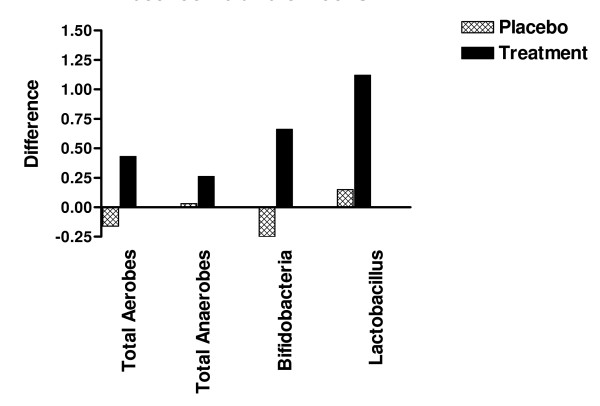
Chronic fatigue syndrome (CFS) is complex illness of unknown etiology. Among the broad range of symptoms, many patients report disturbances in the emotional realm, the most frequent of which is anxiety. Research shows that patients with CFS and other so-called functional somatic disorders have alterations in the intestinal microbial flora. Emerging studies have suggested that pathogenic and non-pathogenic gut bacteria might influence mood-related symptoms and even behavior in animals and humans. In this pilot study, 39 CFS patients were randomized to receive either 24 billion colony forming units of Lactobacillus casei strain Shirota (LcS) or a placebo daily for two months. Patients provided stool samples and completed the Beck Depression and Beck Anxiety Inventories before and after the intervention. We found a significant rise in both Lactobacillus and Bifidobacteria in those taking the LcS, and there was also a significant decrease in anxiety symptoms among those taking the probiotic vs controls (p = 0.01). These results lend further support to the presence of a gut-brain interface, one that may be mediated by microbes that reside or pass through the intestinal tract.
Overview
The claims and statistics of this paper haven’t been checked yet.
Run the check — free, no account needed. It reads the open-access text and checks the sources it cites.
Integrity signals
Registry
Cites
Statistics
Figures
Verification
Claims the paper makes
The claims and statistics of this paper haven’t been checked yet.
Run the check — free, no account needed. It reads the open-access text and checks the sources it cites.
Claims other papers make about this one
Each is checked against this paper’s own text: does it say what the citing paper says it does?
In the citing paper
“Furthermore, L. casei strain significantly reduced anxiety symptoms in patients with chronic fatigue syndrome (Rao et al. 2009)”
From Therapeutic effect of GLP-1 engineered strain on mice model of Alzheimer’s disease and Parkinson’s disease (2020) · cites this paper as Rao et al. 2009
In the citing paper
“Additionally, there is now preliminary evidence for reduced subjective feelings of anxiety and improved aspects of well-being after probiotic intake (Rao et al. 2009; Messaoudi et al. 2011).”
From Prebiotic intake reduces the waking cortisol response and alters emotional bias in healthy volunteers (2015) · cites this paper as Rao et al. 2009
In the citing paper
“The current results also differ from previous findings that indicate subjective anxiolytic effects of probiotics (Rao et al. 2009; Messaoudi et al. 2011) as we found no effects of prebiotics on subjective measures of subclinical anxiety or perceived stress.”
From Prebiotic intake reduces the waking cortisol response and alters emotional bias in healthy volunteers (2015) · cites this paper as Rao et al. 2009
In the citing paper
“A study by Rao et al. [277], reported that 8 weeks of 8 × 10⁷ CFU of L. casei given to individuals with chronic fatigue syndrome reduced anxiety symptoms.”
From International Society of Sports Nutrition Position Stand: Probiotics (2019) · cites this paper as [277]
In the citing paper
“There was no effect on depression, but those receiving the probiotic demonstrated significant improvement on the Beck Anxiety Inventory compared with the placebo group.131”
From The Gut Microbiome and the Brain (2014) · cites this paper as [131]
Self-check
Percentages, sums and reported differences re-computed from the paper’s own numbers.
The self-check needs the paper’s full text.
Citations
Cites
Carruthers, B. M., Jain, A. K., De Meirleir, K. L., Peterson, D. L., Klimas, N. G., Lerner, A. M., Bested, A. C., Flor-Henry, P., Joshi, P., Powles, A. C. P., et al. (2003) · Journal of Chronic Fatigue Syndrome · doi:10.1300/j092v11n01_02 · Cited by 1,180
Self-citationWhitehead, W. E., Palsson, O., & Jones, K. R. (2002) · Gastroenterology · doi:10.1053/gast.2002.32392 · Cited by 1,116 · cited 5×
“It is also true that LcS has been shown to reduce small intestinal bacterial overgrowth and the subjective reporting of the passage of gas in patients with IBS [29].”
BackgroundInfluentialDesbonnet, L., Garrett, L., Clarke, G., Bienenstock, J., & Dinan, T. G. (2008) · Journal of Psychiatric Research · doi:10.1016/j.jpsychires.2008.03.009 · Cited by 952
Parracho, H. M., Bingham, M. O., Gibson, G. R., & McCartney, A. L. (2005) · Journal of Medical Microbiology · doi:10.1099/jmm.0.46101-0 · Cited by 784
Aaron, L. A., Burke, M. M., & Buchwald, D. (2000) · Archives of Internal Medicine · doi:10.1001/archinte.160.2.221 · Cited by 607
Impact of consuming a milk drink containing a probiotic on mood and cognition
Benton, D., Williams, C., & Brown, A. (2007) · European Journal of Clinical Nutrition · doi:10.1038/sj.ejcn.1602546 · Cited by 554
Gut microflora as a target for energy and metabolic homeostasis
Cani, P. D., & Delzenne, N. M. (2007) · Current Opinion in Clinical Nutrition and Metabolic Care · doi:10.1097/mco.0b013e3282efdebb · Cited by 332
MITSUOKA, T. (2009) · Nutrition Reviews · doi:10.1111/j.1753-4887.1992.tb02499.x · Cited by 296
Koebnick, C., Wagner, I., Leitzmann, P., Stern, U., & Zunft, H. F. (2003) · Canadian Journal of Gastroenterology · doi:10.1155/2003/654907 · Cited by 288 · cited 1×
“Indeed LcS has been shown to regulate bowel function and decrease constipation in a controlled trial [28].”
BackgroundMajor depressive disorder: probiotics may be an adjuvant therapy.
Logan, A., & Katzman, M. (2005) · Medical Hypotheses · doi:10.1016/j.mehy.2004.08.019 · Cited by 277
Self-citation
Cited by
Sorted by citations
Cryan, J. F., O'Riordan, K. J., Cowan, C. S. M., Sandhu, K. V., Bastiaanssen, T. F. S., Boehme, M., Codagnone, M. G., Cussotto, S., Fulling, C., Golubeva, A. V., et al. (2019) · Physiological Reviews · doi:10.1152/physrev.00018.2018 · Cited by 5,286
Bravo, J. A., Forsythe, P., Chew, M. V., Escaravage, E., Savignac, H. M., Dinan, T. G., Bienenstock, J., & Cryan, J. F. (2011) · Proceedings of the National Academy of Sciences · doi:10.1073/pnas.1102999108 · Cited by 3,888
Hsiao, E. Y., McBride, S. W., Hsien, S., Sharon, G., Hyde, E. R., McCue, T., Codelli, J. A., Chow, J., Reisman, S. E., Petrosino, J. F., et al. (2013) · Cell · doi:10.1016/j.cell.2013.11.024 · Cited by 3,283
Gut–brain axis: How the microbiome influences anxiety and depression
Foster, J. A., & McVey Neufeld, K.-A. (2013) · Trends in Neurosciences · doi:10.1016/j.tins.2013.01.005 · Cited by 2,460
Messaoudi, M., Lalonde, R., Violle, N., Javelot, H., Desor, D., Nejdi, A., Bisson, J.-F., Rougeot, C., Pichelin, M., Cazaubiel, M., et al. (2011) · British Journal of Nutrition · doi:10.1017/s0007114510004319 · Cited by 1,324
Psychobiotics: A novel class of psychotropic
Dinan, T. G., Stanton, C., & Cryan, J. F. (2013) · Biological Psychiatry · doi:10.1016/j.biopsych.2013.05.001 · Cited by 1,287
Consumption of fermented milk product with probiotic modulates brain activity
Tillisch, K., Labus, J., Kilpatrick, L., Jiang, Z., Stains, J., Ebrat, B., Guyonnet, D., Legrain–Raspaud, S., Trotin, B., Naliboff, B., et al. (2013) · Gastroenterology · doi:10.1053/j.gastro.2013.02.043 · Cited by 1,192
Stress & the gut-brain axis: Regulation by the microbiome
Foster, J. A., Rinaman, L., & Cryan, J. F. (2017) · Neurobiology of Stress · doi:10.1016/j.ynstr.2017.03.001 · Cited by 1,150
Kelly, J. R., Kennedy, P. J., Cryan, J. F., Dinan, T. G., Clarke, G., & Hyland, N. P. (2015) · Frontiers in Cellular Neuroscience · doi:10.3389/fncel.2015.00392 · Cited by 1,110
Gut microbes and the brain: paradigm shift in neuroscience
Mayer, E. A., Knight, R., Mazmanian, S. K., Cryan, J. F., & Tillisch, K. (2014) · The Journal of Neuroscience · doi:10.1523/jneurosci.3299-14.2014 · Cited by 1,033
Effects of the probiotic Bifidobacterium infantis in the maternal separation model of depression
Desbonnet, L., Garrett, L., Clarke, G., Kiely, B., Cryan, J. F., & Dinan, T. G. (2010) · Neuroscience · doi:10.1016/j.neuroscience.2010.08.005 · Cited by 999
The microbiome-gut-brain axis: from bowel to behavior
Cryan, J. F., & O’Mahony, S. M. (2011) · Neurogastroenterology & Motility · doi:10.1111/j.1365-2982.2010.01664.x · Cited by 990
Leclercq, S., Matamoros, S., Cani, P. D., Neyrinck, A. M., Jamar, F., Stärkel, P., Windey, K., Tremaroli, V., Bäckhed, F., Verbeke, K., et al. (2014) · Proceedings of the National Academy of Sciences · doi:10.1073/pnas.1415174111 · Cited by 972
Benefaction of probiotics for human health: A review
George Kerry, R., Patra, J. K., Gouda, S., Park, Y., Shin, H.-S., & Das, G. (2018) · Journal of Food and Drug Analysis · doi:10.1016/j.jfda.2018.01.002 · Cited by 898
Akkasheh, G., Kashani-Poor, Z., Tajabadi-Ebrahimi, M., Jafari, P., Akbari, H., Taghizadeh, M., Memarzadeh, M. R., Asemi, Z., & Esmaillzadeh, A. (2016) · Nutrition · doi:10.1016/j.nut.2015.09.003 · Cited by 767
Gut microbiome-host interactions in health and disease
Kinross, J. K., Darzi, A. W., & Nicholson, J. K. (2011) · Genome Medicine · doi:10.1186/gm228 · Cited by 714
Bercik, P., Verdu, E. F., Foster, J. A., Macri, J., Potter, M., Huang, X., Malinowski, P., Jackson, W., Blennerhassett, P., Neufeld, K. A., et al. (2010) · Gastroenterology · doi:10.1053/j.gastro.2010.06.063 · Cited by 674
Steenbergen, L., Sellaro, R., van Hemert, S., Bosch, J. A., & Colzato, L. S. (2015) · Brain, Behavior, and Immunity · doi:10.1016/j.bbi.2015.04.003 · Cited by 671
“These genera have been found to be effective in ameliorating anxious and depressive symptoms (Benton et al., 2006; Rao et al., 2009; Yamamura et al., 2009; Desbonnet et al., 2010; Bravo et al., 2011; Messaoudi et al., 2011).”
BackgroundLiang, S., Wang, T., Hu, X., Luo, J., Li, W., Wu, X., Duan, Y., & Jin, F. (2015) · Neuroscience · doi:10.1016/j.neuroscience.2015.09.033 · Cited by 651
The Gut Microbiome and the Brain
Galland, L. (2014) · Journal of Medicinal Food · doi:10.1089/jmf.2014.7000 · Cited by 648
Butyrate, neuroepigenetics and the gut microbiome: Can a high fiber diet improve brain health?
Bourassa, M. W., Alim, I., Bultman, S. J., & Ratan, R. R. (2016) · Neuroscience Letters · doi:10.1016/j.neulet.2016.02.009 · Cited by 667
Gastrointestinal microbiota in children with autism in Slovakia
Tomova, A., Husarova, V., Lakatosova, S., Bakos, J., Vlkova, B., Babinska, K., & Ostatnikova, D. (2015) · Physiology & Behavior · doi:10.1016/j.physbeh.2014.10.033 · Cited by 632
Sochocka, M., Donskow-Łysoniewska, K., Diniz, B. S., Kurpas, D., Brzozowska, E., & Leszek, J. (2019) · Molecular Neurobiology · doi:10.1007/s12035-018-1188-4 · Cited by 584
Microbiome, probiotics and neurodegenerative diseases: deciphering the gut brain axis
Westfall, S., Lomis, N., Kahouli, I., Dia, S. Y., Singh, S. P., & Prakash, S. (2017) · Cellular and Molecular Life Sciences · doi:10.1007/s00018-017-2550-9 · Cited by 570
The microbiome and host behavior
Vuong, H. E., Yano, J. M., Fung, T. C., & Hsiao, E. Y. (2017) · Annual Review of Neuroscience · doi:10.1146/annurev-neuro-072116-031347 · Cited by 537
How to select a probiotic? A review and update of methods and criteria
Pereira, G. V. D. M., Coelho, B. D. O., Magalhães, A. I., Thomaz‐Soccol, V., & Soccol, C. R. (2018) · Biotechnology Advances · doi:10.1016/j.biotechadv.2018.09.003 · Cited by 574
Schmidt, K., Cowen, P. J., Harmer, C. J., Tzortzis, G., Errington, S., & Burnet, P. W. J. (2015) · Psychopharmacology · doi:10.1007/s00213-014-3810-0 · Cited by 522
Gut barrier disruption and chronic disease
Martel, J., Chang, S.-H., Ko, Y.-F., Hwang, T.-L., Young, J. D., & Ojcius, D. M. (2022) · Trends in Endocrinology & Metabolism · doi:10.1016/j.tem.2022.01.002 · Cited by 514
Rudzki, L., Ostrowska, L., Pawlak, D., Małus, A., Pawlak, K., Waszkiewicz, N., & Szulc, A. (2019) · Psychoneuroendocrinology · doi:10.1016/j.psyneuen.2018.10.010 · Cited by 499
Autism Spectrum Disorders and the Gut Microbiota
Fattorusso, A., Di Genova, L., Dell’Isola, G., Mencaroni, E., & Esposito, S. (2019) · Nutrients · doi:10.3390/nu11030521 · Cited by 484
The effects of probiotics on depressive symptoms in humans: a systematic review
Wallace, C. J. K., & Milev, R. (2017) · Annals of General Psychiatry · doi:10.1186/s12991-017-0138-2 · Cited by 471
The Gut Microbiota and Autism Spectrum Disorders
Li, Q., Han, Y., Dy, A. B. C., & Hagerman, R. J. (2017) · Frontiers in Cellular Neuroscience · doi:10.3389/fncel.2017.00120 · Cited by 462
Slykerman, R. F., Hood, F., Wickens, K., Thompson, J. M. D., Barthow, C., Murphy, R., Kang, J., Rowden, J., Stone, P., Crane, J., et al. (2017) · EBioMedicine · doi:10.1016/j.ebiom.2017.09.013 · Cited by 422
Microbiota-Gut-Brain Axis: New Therapeutic Opportunities
Long-Smith, C., O'Riordan, K. J., Clarke, G., Stanton, C., Dinan, T. G., & Cryan, J. F. (2020) · Annual Review of Pharmacology and Toxicology · doi:10.1146/annurev-pharmtox-010919-023628 · Cited by 419
Savignac, H. M., Kiely, B., Dinan, T. G., & Cryan, J. F. (2014) · Neurogastroenterology & Motility · doi:10.1111/nmo.12427 · Cited by 418
Gut microbiota in autism and mood disorders
Mangiola, F. (2016) · World Journal of Gastroenterology · doi:10.3748/wjg.v22.i1.361 · Cited by 413
Savignac, H. M., Corona, G., Mills, H., Chen, L., Spencer, J. P. E., Tzortzis, G., & Burnet, P. W. J. (2013) · Neurochemistry International · doi:10.1016/j.neuint.2013.10.006 · Cited by 377
Kanmani, S., & Koo, B. (2020) · International Journal of Molecular Sciences · doi:10.3390/ijms21207551 · Cited by 392
Bifidobacteria modulate cognitive processes in an anxious mouse strain
Savignac, H. M., Tramullas, M., Kiely, B., Dinan, T. G., & Cryan, J. F. (2015) · Behavioural Brain Research · doi:10.1016/j.bbr.2015.02.044 · Cited by 365
A meta-analysis of the use of probiotics to alleviate depressive symptoms
Ng, Q. X., Peters, C., Ho, C. Y. X., Lim, D. Y., & Yeo, W.-S. (2018) · Journal of Affective Disorders · doi:10.1016/j.jad.2017.11.063 · Cited by 357
Giloteaux, L., Goodrich, J. K., Walters, W. A., Levine, S. M., Ley, R. E., & Hanson, M. R. (2016) · Microbiome · doi:10.1186/s40168-016-0171-4 · Cited by 339
The Gut-Brain Axis: Influence of Microbiota on Mood and Mental Health.
Appleton, J. (2018) · Europe PMC (PubMed Central) · Cited by 411
Voices from within: gut microbes and the CNS
Forsythe, P., & Kunze, W. A. (2013) · Cellular and Molecular Life Sciences · doi:10.1007/s00018-012-1028-z · Cited by 336
Effect of probiotics on central nervous system functions in animals and humans: a systematic review
Wang, H., Lee, I.-S., Braun, C., & Enck, P. (2016) · Journal of Neurogastroenterology and Motility · doi:10.5056/jnm16018 · Cited by 334
Neurotransmitters as food supplements: the effects of GABA on brain and behavior
Boonstra, E., de Kleijn, R., Colzato, L. S., Alkemade, A., Forstmann, B. U., & Nieuwenhuis, S. (2015) · Frontiers in Psychology · doi:10.3389/fpsyg.2015.01520 · Cited by 357
The Impact of Microbiota on Brain and Behavior: Mechanisms & Therapeutic Potential
Borre, Y. E., Moloney, R. D., Clarke, G., Dinan, T. G., & Cryan, J. F. (2014) · Advances in Experimental Medicine and Biology · doi:10.1007/978-1-4939-0897-4_17 · Cited by 329
Modulation of Gut Microbiota–Brain Axis by Probiotics, Prebiotics, and Diet
Liu, X., Cao, S., & Zhang, X. (2015) · Journal of Agricultural and Food Chemistry · doi:10.1021/acs.jafc.5b02404 · Cited by 304
Harshaw, C. (2015) · Psychological Bulletin · doi:10.1037/a0038101 · Cited by 302
Sherwin, E., Sandhu, K. V., Dinan, T. G., & Cryan, J. F. (2016) · CNS Drugs · doi:10.1007/s40263-016-0370-3 · Cited by 309
Acne vulgaris, probiotics and the gut-brain-skin axis - back to the future?
Bowe, W. P., & Logan, A. C. (2011) · Gut Pathogens · doi:10.1186/1757-4749-3-1 · Cited by 312
Self-citationKato-Kataoka, A., Nishida, K., Takada, M., Kawai, M., Kikuchi-Hayakawa, H., Suda, K., Ishikawa, H., Gondo, Y., Shimizu, K., Matsuki, T., et al. (2016) · Applied and Environmental Microbiology · doi:10.1128/aem.04134-15 · Cited by 288
Fermented foods, microbiota, and mental health: ancient practice meets nutritional psychiatry
Selhub, E. M., Logan, A. C., & Bested, A. C. (2014) · Journal of Physiological Anthropology · doi:10.1186/1880-6805-33-2 · Cited by 280
Self-citationSlyepchenko, A., Maes, M., Jacka, F. N., Köhler, C. A., Barichello, T., McIntyre, R. S., Berk, M., Grande, I., Foster, J. A., Vieta, E., et al. (2017) · Psychotherapy and Psychosomatics · doi:10.1159/000448957 · Cited by 278
International Society of Sports Nutrition Position Stand: Probiotics
Jäger, R., Mohr, A. E., Carpenter, K. C., Kerksick, C. M., Purpura, M., Moussa, A., Townsend, J. R., Lamprecht, M., West, N. P., Black, K., et al. (2019) · Journal of the International Society of Sports Nutrition · doi:10.1186/s12970-019-0329-0 · Cited by 277
Lew, L.-C., Hor, Y.-Y., Yusoff, N. A. A., Choi, S.-B., Yusoff, M. S. B., Roslan, N. S., Ahmad, A., Mohammad, J. A. M., Abdullah, M. F. I. L., Zakaria, N., et al. (2019) · Clinical Nutrition · doi:10.1016/j.clnu.2018.09.010 · Cited by 272
Fatigue in IBD: epidemiology, pathophysiology and management
Borren, N. Z., van der Woude, C. J., & Ananthakrishnan, A. N. (2018) · Nature Reviews Gastroenterology & Hepatology · doi:10.1038/s41575-018-0091-9 · Cited by 278
Kim, Y., & Shin, C. (2018) · Current Neuropharmacology · doi:10.2174/1570159x15666170915141036 · Cited by 281
Pirbaglou, M., Katz, J., de Souza, R. J., Stearns, J. C., Motamed, M., & Ritvo, P. (2016) · Nutrition Research · doi:10.1016/j.nutres.2016.06.009 · Cited by 270
Gut-Brain Psychology: Rethinking Psychology From the Microbiota–Gut–Brain Axis
Liang, S., Wu, X., & Jin, F. (2018) · Frontiers in Integrative Neuroscience · doi:10.3389/fnint.2018.00033 · Cited by 279
The gut microbiota: A treasure for human health
Li, D., Wang, P., Wang, P., Hu, X., & Chen, F. (2016) · Biotechnology Advances · doi:10.1016/j.biotechadv.2016.08.003 · Cited by 271
Chahwan, B., Kwan, S., Isik, A., van Hemert, S., Burke, C., & Roberts, L. (2019) · Journal of Affective Disorders · doi:10.1016/j.jad.2019.04.097 · Cited by 256
Probiotics, Prebiotics, and Synbiotics: Gut and Beyond
Vyas, U., & Ranganathan, N. (2012) · Gastroenterology Research and Practice · doi:10.1155/2012/872716 · Cited by 263
Schaub, A.-C., Schneider, E., Vázquez-Castellanos, J. F., Schweinfurth, N., Kettelhack, C., Doll, J. P. K., Yamanbaeva, G., Mählmann, L., Brand, S., Beglinger, C., et al. (2022) · Translational Psychiatry · doi:10.1038/s41398-022-01977-z · Cited by 280
Takada, M., Nishida, K., Kataoka‐Kato, A., Gondo, Y., Ishikawa, H., Suda, K., Kawai, M., Hoshi, R., Watanabe, O., Igarashi, T., et al. (2016) · Neurogastroenterology & Motility · doi:10.1111/nmo.12804 · Cited by 243
Nutritional Aspects of Depression
Lang, U. E., Beglinger, C., Schweinfurth, N., Walter, M., & Borgwardt, S. (2015) · Cellular Physiology and Biochemistry · doi:10.1159/000430229 · Cited by 255
Mohammadi, A. A., Jazayeri, S., Khosravi‐Darani, K., Solati, Z., Mohammadpour, N., Asemi, Z., Adab, Z., Djalali, M., Tehrani‐Doost, M., Hosseini, M., et al. (2015) · Nutritional Neuroscience · doi:10.1179/1476830515y.0000000023 · Cited by 241
RetractedMicrobiota and the gut–brain axis
Bienenstock, J., Kunze, W., & Forsythe, P. (2015) · Nutrition Reviews · doi:10.1093/nutrit/nuv019 · Cited by 234
The role of the gut microbiota in dietary interventions for depression and anxiety
Bear, T. L. K., Dalziel, J. E., Coad, J., Roy, N. C., Butts, C. A., & Gopal, P. K. (2020) · Advances in Nutrition · doi:10.1093/advances/nmaa016 · Cited by 229
Food for thought: The role of nutrition in the microbiota-gut–brain axis
Oriach, C. S., Robertson, R. C., Stanton, C., Cryan, J. F., & Dinan, T. G. (2016) · Clinical Nutrition Experimental · doi:10.1016/j.yclnex.2016.01.003 · Cited by 240
Beneficial Properties of Probiotics
Shi, L. H., Kunasundari, B., Thiagarajah, K., Ismail, N. I. M., & Yin, O. S. (2016) · Tropical Life Sciences Research · doi:10.21315/tlsr2016.27.2.6 · Cited by 227
Schumann, D., Klose, P., Lauche, R., Dobos, G., Langhorst, J., & Cramer, H. (2017) · Nutrition · doi:10.1016/j.nut.2017.07.004 · Cited by 228
The “psychomicrobiotic”: targeting microbiota in major psychiatric disorders: a systematic review
Fond, G., Boukouaci, W., Chevalier, G., Regnault, A., Eberl, G., Hamdani, N., Dickerson, F., Macgregor, A., Boyer, L., Dargel, A., et al. (2015) · Pathologie Biologie · doi:10.1016/j.patbio.2014.10.003 · Cited by 219
Making Sense of … the Microbiome in Psychiatry
Bastiaanssen, T. F. S., Cowan, C. S. M., Claesson, M. J., Dinan, T. G., & Cryan, J. F. (2018) · The International Journal of Neuropsychopharmacology · doi:10.1093/ijnp/pyy067 · Cited by 234
Chen, Y.-H., Bai, J., Wu, D., Yu, S.-F., Qiang, X.-L., Bai, H., Wang, H., & Peng, Z. (2019) · Journal of Affective Disorders · doi:10.1016/j.jad.2019.08.014 · Cited by 231
Food Formats for Effective Delivery of Probiotics
Sanders, M. E., & Marco, M. L. (2010) · Annual Review of Food Science and Technology · doi:10.1146/annurev.food.080708.100743 · Cited by 222
Investigations of Bacteroides spp. towards next-generation probiotics
Tan, H., Zhai, Q., & Chen, W. (2018) · Food Research International · doi:10.1016/j.foodres.2018.08.088 · Cited by 228
Immune-to-Brain Communication Pathways in Inflammation-Associated Sickness and Depression
D’Mello, C., & Swain, M. G. (2016) · Current topics in behavioral neurosciences · doi:10.1007/7854_2016_37 · Cited by 226
Frémont, M., Coomans, D. H., Massart, S., & Meirleir, K. D. (2013) · Anaerobe · doi:10.1016/j.anaerobe.2013.06.002 · Cited by 208
Microbiota-gut-brain signalling in Parkinson's disease: Implications for non-motor symptoms
Felice, V. D., Quigley, E. M., Sullivan, A. M., O'Keeffe, G. W., & O'Mahony, S. M. (2016) · Parkinsonism & Related Disorders · doi:10.1016/j.parkreldis.2016.03.012 · Cited by 205
Chidambaram, S. B., Essa, M. M., Rathipriya, A. G., Bishir, M., Ray, B., Mahalakshmi, A. M., Tousif, A. H., Sakharkar, M. K., Kashyap, R. S., Friedland, R. P., et al. (2022) · Pharmacology & Therapeutics · doi:10.1016/j.pharmthera.2021.107988 · Cited by 204
Antidepressive Mechanisms of Probiotics and Their Therapeutic Potential
Yong, S. J., Tong, T., Chew, J., & Lim, W. L. (2020) · Frontiers in Neuroscience · doi:10.3389/fnins.2019.01361 · Cited by 222
The Gut-Brain Axis in Parkinson’s Disease: Possibilities for Food-Based Therapies
Perez-Pardo, P., Kliest, T., Dodiya, H. B., Broersen, L. M., Garssen, J., Keshavarzian, A., & Kraneveld, A. D. (2017) · European Journal of Pharmacology · doi:10.1016/j.ejphar.2017.05.042 · Cited by 203
“The administration of Lactobacillus casei strain Shirota in chronic fatigue syndrome patients significantly decreased anxiety symptoms (Rao et al., 2009).”
BackgroundMika, A., Van Treuren, W., González, A., Herrera, J. J., Knight, R., & Fleshner, M. (2015) · PLOS ONE · doi:10.1371/journal.pone.0125889 · Cited by 197
Emerging trends and research foci in gastrointestinal microbiome
Huang, X., Fan, X., Ying, J., & Chen, S. (2019) · Journal of Translational Medicine · doi:10.1186/s12967-019-1810-x · Cited by 195
Steroids, stress and the gut microbiome-brain axis
Tetel, M. J., de Vries, G. J., Melcangi, R. C., Panzica, G., & O'Mahony, S. M. (2018) · Journal of Neuroendocrinology · doi:10.1111/jne.12548 · Cited by 187
Luo, J., Wang, T., Liang, S., Hu, X., Li, W., & Jin, F. (2014) · Science China Life Sciences · doi:10.1007/s11427-014-4615-4 · Cited by 187
The impact of dietary macronutrient intake on cognitive function and the brain
Muth, A.-K., & Park, S. Q. (2021) · Clinical Nutrition · doi:10.1016/j.clnu.2021.04.043 · Cited by 213
Effects of Probiotics on Cognitive Reactivity, Mood, and Sleep Quality
Marotta, A., Sarno, E., Del Casale, A., Pane, M., Mogna, L., Amoruso, A., Felis, G. E., & Fiorio, M. (2019) · Frontiers in Psychiatry · doi:10.3389/fpsyt.2019.00164 · Cited by 186
Tillisch, K., Mayer, E. A., Gupta, A., Gill, Z., Brazeilles, R., Le Nevé, B., van Hylckama Vlieg, J. E. T., Guyonnet, D., Derrien, M., & Labus, J. S. (2017) · Psychosomatic Medicine · doi:10.1097/psy.0000000000000493 · Cited by 185
A review of dietary and microbial connections to depression, anxiety, and stress
Taylor, A. M., & Holscher, H. D. (2018) · Nutritional Neuroscience · doi:10.1080/1028415x.2018.1493808 · Cited by 204
Arnold, L. E., Luna, R. A., Williams, K., Chan, J., Parker, R. A., Wu, Q., Hollway, J. A., Jeffs, A., Lu, F., Coury, D. L., et al. (2019) · Journal of Child and Adolescent Psychopharmacology · doi:10.1089/cap.2018.0156 · Cited by 183
Abautret-Daly, Á., Dempsey, E., Parra‐Blanco, A., Medina, C., & Harkin, A. (2017) · Acta Neuropsychiatrica · doi:10.1017/neu.2017.3 · Cited by 186
Aslam, H., Green, J., Jacka, F. N., Collier, F., Berk, M., Pasco, J., & Dawson, S. L. (2020) · Nutritional Neuroscience · doi:10.1080/1028415x.2018.1544332 · Cited by 179
D'Mello, C., Ronaghan, N., Zaheer, R., Dicay, M., Le, T., MacNaughton, W. K., Surrette, M. G., & Swain, M. G. (2015) · Journal of Neuroscience · doi:10.1523/jneurosci.0575-15.2015 · Cited by 187
The Potential Role of Probiotics in the Management of Childhood Autism Spectrum Disorders
Critchfield, J. W., van Hemert, S., Ash, M. E., Mulder, L. H. C., & Ashwood, P. (2011) · Gastroenterology Research and Practice · doi:10.1155/2011/161358 · Cited by 178
Dash, S., Syed, Y. A., & Khan, M. R. (2022) · Frontiers in Cell and Developmental Biology · doi:10.3389/fcell.2022.880544 · Cited by 193
The microbiota, immunoregulation, and mental health: implications for public health
Lowry, C. A., Smith, D. G., Siebler, P. H., Schmidt, D., Stamper, C. E., Hassell, J. E., Yamashita, P. S., Fox, J. H., Reber, S. O., Brenner, L. A., et al. (2016) · Current Environmental Health Reports · doi:10.1007/s40572-016-0100-5 · Cited by 172
γ-Aminobutyric Acid (GABA): Biosynthesis, Role, Commercial Production, and Applications
Rashmi, D., Zanan, R. L., John, S., Khandagale, K. S., & Nadaf, A. B. (2018) · Studies in natural products chemistry · doi:10.1016/b978-0-444-64057-4.00013-2 · Cited by 175
Raison, C. L., Lowry, C. A., & Rook, G. A. W. (2010) · Archives of General Psychiatry · doi:10.1001/archgenpsychiatry.2010.161 · Cited by 169
Gut microbiota interacts with brain microstructure and function
Fernandez-Real, J.-M., Serino, M., Blasco, G., Puig, J., Daunis-i-Estadella, J., Ricart, W., Burcelin, R., Fernández-Aranda, F., & Portero-Otin, M. (2015) · The Journal of Clinical Endocrinology & Metabolism · doi:10.1210/jc.2015-3076 · Cited by 167
Metadata
- Authors
- Rao, A. V., Bested, A. C., Beaulne, T. M., Katzman, M. A., Iorio, C., Berardi, J. M., & Logan, A. C.
- Affiliations
- University of Toronto (CA)
- Women's College Hospital (CA)
- START Clinic (CA)
- Corresponding author
- Logan, Alan C
- Venue
- Gut Pathogens
- Published
- 2009-03-19
- Volume
- 1
- Issue
- 1
- Pages
- 6-6
- ISSN
- 1757-4749 (ISSN-L)
- PMC
- PMC2664325
- OpenAlex
- W2024392981
- Cited by
- 577
- References
- 31
- Citations by year
- 2026: 12 · 2025: 43 · 2024: 23 · 2023: 38 · 2022: 46 · 2021: 42 · 2020: 53 · 2019: 48 · 2018: 48 · 2017: 48 · 2016: 50 · 2015: 46 · 2014: 31 · 2013: 21 · 2012: 9
- FWCI
- 14.84
- Type
- journal article
- Language
- en
- Open access
- gold
- doi.org
- Licence
- cc-by
- Locations
- Gut Pathogens (publishedVersion, cc-by)
- Europe PMC (PubMed Central) (publishedVersion, cc-by)
- PubMed Central (publishedVersion, cc-by)
- PubMed (publishedVersion)
- TSpace (University of Toronto) (submittedVersion)
- DOAJ (DOAJ: Directory of Open Access Journals) (submittedVersion, cc-by-sa)
- Topics
- Life Sciences › Agricultural and Biological Sciences › Food Science › Probiotics and Fermented Foods
- Life Sciences › Biochemistry, Genetics and Molecular Biology › Molecular Biology › Gut microbiota and health
- Health Sciences › Medicine › Gastroenterology › Gastrointestinal motility and disorders
- Keywords
- chronic fatigue syndrome, probiotics, Lactobacillus casei Shirota, anxiety, depression, gut microbiota, gut-brain axis, Bifidobacterium, functional somatic syndromes, mood symptoms
About these checks
Registry, retraction, Cites and statistics results are computed, not judged, with one exception: a printed reference that no index lists is read once by a model before it counts as a citation error. Claims are extracted by a model and kept only when their quote appears verbatim in the text; each cited source is then checked, with a model’s help, for whether it says what the claim relies on. Those verdicts can be wrong — read the claim’s quote and the cited source before relying on one.
Statistics and arithmetic are recomputed, not judged.
Confidence bands are shown only for fields calibrated on our annotated test set. None is calibrated yet, so no band is shown.
What counts as a claim ›How we measure confidence ›How we check this ›
Are you an author, or do you see a problem with this page? Request a review
