

The DOI matches its Crossref record; 346 of the 347 references it cites were found in a registry or an index.
Functional coordination of alternative splicing in the mammalian central nervous system
Open accessAbstract
Background: Alternative splicing (AS) functions to expand proteomic complexity and plays numerous important roles in gene regulation. However, the extent to which AS coordinates functions in a cell and tissue type specific manner is not known. Moreover, the sequence code that underlies cell and tissue type specific regulation of AS is poorly understood. Results: Using quantitative AS microarray profiling, we have identified a large number of widely expressed mouse genes that contain single or coordinated pairs of alternative exons that are spliced in a tissue regulated fashion. The majority of these AS events display differential regulation in central nervous system (CNS) tissues. Approximately half of the corresponding genes have neural specific functions and operate in common processes and interconnected pathways. Differential regulation of AS in the CNS tissues correlates strongly with a set of mostly new motifs that are predominantly located in the intron and constitutive exon sequences neighboring CNS-regulated alternative exons. Different subsets of these motifs are correlated with either increased inclusion or increased exclusion of alternative exons in CNS tissues, relative to the other profiled tissues. Conclusion: Our findings provide new evidence that specific cellular processes in the mammalian CNS are coordinated at the level of AS, and that a complex splicing code underlies CNS specific AS regulation. This code appears to comprise many new motifs, some of which are located in the constitutive exons neighboring regulated alternative exons. These data provide a basis for understanding the molecular mechanisms by which the tissue specific functions of widely expressed genes are coordinated at the level of AS.
Overview
The claims and statistics of this paper haven’t been checked yet.
Run the check — free, no account needed. It reads the open-access text and checks the sources it cites.
Integrity signals
Registry
Cites
Statistics
Figures
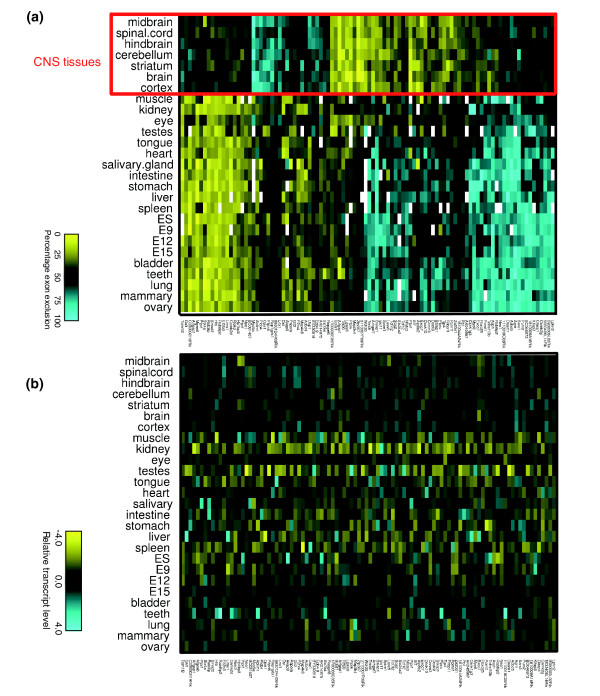
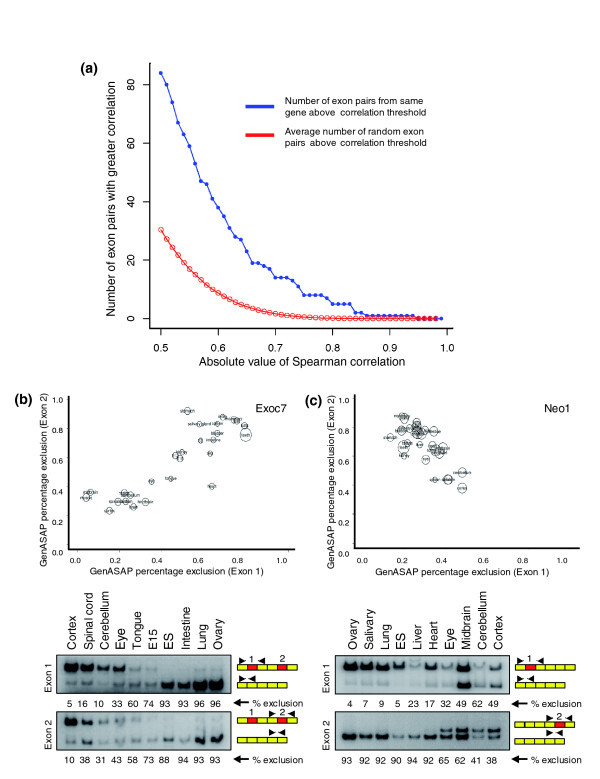
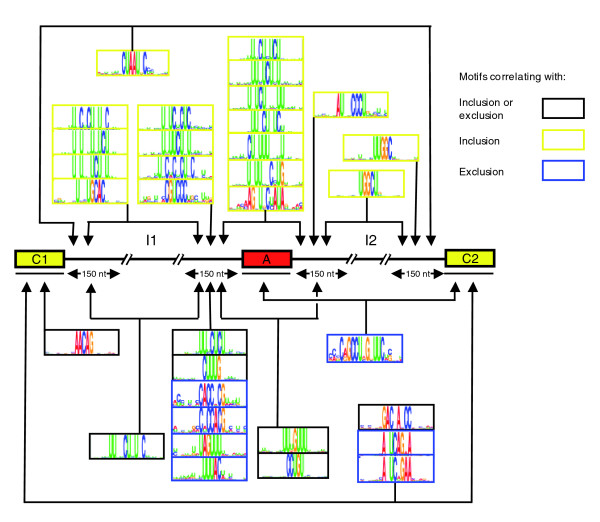
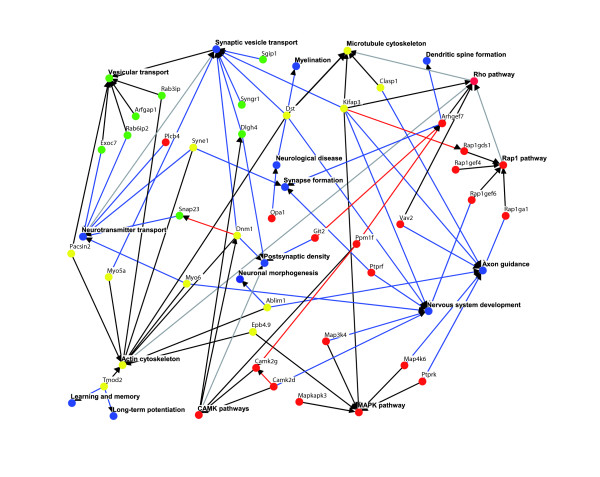
Verification
Claims the paper makes
The claims and statistics of this paper haven’t been checked yet.
Run the check — free, no account needed. It reads the open-access text and checks the sources it cites.
Claims other papers make about this one
Each is checked against this paper’s own text: does it say what the citing paper says it does?
In the citing paper
“Consistent with previous results (Fagnani et al., 2007; Pan et al., 2004), there is little overlap (8.5%) between genes with neural-regulated AS and mRNA expression, although these subsets of genes are highly enriched in overlapping GO terms (40% in common; Figure S1).”
From A Highly Conserved Program of Neuronal Microexons Is Misregulated in Autistic Brains (2014) · cites this paper as Fagnani et al., 2007
In the citing paper
“These data reveal the largest program of neural-regulated AS events defined to date, and that this program is associated with a broader range of functional processes and pathways linked to nervous system biology than previously detected (Boutz et al., 2007; Fagnani et al., 2007; Ule et al., 2005).”
From A Highly Conserved Program of Neuronal Microexons Is Misregulated in Autistic Brains (2014) · cites this paper as Fagnani et al., 2007
Self-check
Percentages, sums and reported differences re-computed from the paper’s own numbers.
The self-check needs the paper’s full text.
Citations
Cites
Items 201–346 of 346
Myosin-Va Regulates Exocytosis through the Submicromolar Ca2+-dependent Binding of Syntaxin-1A
Watanabe, M., Nomura, K., Ohyama, A., Ishikawa, R., Komiya, Y., Hosaka, K., Yamauchi, E., Taniguchi, H., Sasakawa, N., Kumakura, K., et al. (2005) · Molecular Biology of the Cell · doi:10.1091/mbc.e05-03-0252 · Cited by 97
In its active form, the GTP-binding protein rab8 interacts with a stress-activated protein kinase.
Ren, M., Zeng, J., Lemos-Chiarandini, C. D., Rosenfeld, M. G., Adesnik, M., & Sabatini, D. D. (1996) · Proceedings of the National Academy of Sciences · doi:10.1073/pnas.93.10.5151 · Cited by 96
Keeling, S. L., Gad, J. M., & Cooper, H. M. (1997) · Oncogene · doi:10.1038/sj.onc.1201225 · Cited by 95
A Simple Hyper-Geometric Approach for Discovering Putative Transcription Factor Binding Sites
Barash, Y., Bejerano, G., & Friedman, N. (2001) · Lecture notes in computer science · doi:10.1007/3-540-44696-6_22 · Cited by 94
Self-citationPIST: A Novel PDZ/Coiled-Coil Domain Binding Partner for the Rho-Family GTPase TC10
Neudauer, C. L., Joberty, G., & Macara, I. G. (2001) · Biochemical and Biophysical Research Communications · doi:10.1006/bbrc.2000.4160 · Cited by 94
Synaptogyrins Regulate Ca2+-dependent Exocytosis in PC12 Cells
Sugita, S., Janz, R., & Südhof, T. C. (1999) · Journal of Biological Chemistry · doi:10.1074/jbc.274.27.18893 · Cited by 93
Deguchi‐Tawarada, M., Inoue, E., Takao‐Rikitsu, E., Inoue, M., Ohtsuka, T., & Takai, Y. (2004) · Genes to Cells · doi:10.1111/j.1356-9597.2004.00697.x · Cited by 92
The Multiassembly Problem: Reconstructing Multiple Transcript Isoforms From EST Fragment MixturesPreprint
Xing, Y., Resch, A. M., & Lee, C. (2004) · Genome Research · doi:10.1101/gr.1304504 · Cited by 92
Lundquist, E. A., Herman, R. K., Shaw, J. E., & Bargmann, C. I. (1998) · Neuron · doi:10.1016/s0896-6273(00)80547-4 · Cited by 91
Spinal cord injury induces early and persistent lesional P2X4 receptor expression
Schwab, J. M., Guo, L., & Schluesener, H. J. (2005) · Journal of Neuroimmunology · doi:10.1016/j.jneuroim.2005.02.016 · Cited by 90
Identification and characterization of neogenin, a DCC-related gene
Meyerhardt, J. A., Look, A. T., Bigner, S. H., & Fearon, E. R. (1997) · Oncogene · doi:10.1038/sj.onc.1200935 · Cited by 89
A New Member of the Amphiphysin Family Connecting Endocytosis and Signal Transduction Pathways
Leprince, C., Romero, F., Cussac, D., Vayssiere, B., Berger, R., Tavitian, A., & Camonis, J. H. (1997) · Journal of Biological Chemistry · doi:10.1074/jbc.272.24.15101 · Cited by 89
Yang, Y., Hwang, C. K., D’Souza, U. M., Lee, S.-H., Junn, E., & Mouradian, M. M. (2000) · Journal of Biological Chemistry · doi:10.1074/jbc.m908382199 · Cited by 89
Poinat, P., Arcangelis, A. D., Sookhareea, S., Zhu, X., Hedgecock, E. M., Labouesse, M., & Georges‐Labouesse, E. (2002) · Current Biology · doi:10.1016/s0960-9822(02)00764-9 · Cited by 87
Complex Alternative RNA Processing Generates an Unexpected Diversity of Poly(A) Polymerase Isoforms
Zhao, W., & Manley, J. L. (1996) · Molecular and Cellular Biology · doi:10.1128/mcb.16.5.2378 · Cited by 87
Walsh, D., Li, Z., Wu, Y., & Nagata, K. (1997) · Cellular and Molecular Life Sciences · doi:10.1007/pl00000592 · Cited by 86
Cox, P. R., & Zoghbi, H. Y. (2000) · Genomics · doi:10.1006/geno.1999.6061 · Cited by 86
Kuiperij, H. B., de Rooij, J., Rehmann, H., van Triest, M. H., Wittinghofer, A., Bos, J. L., & Zwartkruis, F. J. T. (2003) · Biochimica et Biophysica Acta (BBA) - Molecular Cell Research · doi:10.1016/s0167-4889(02)00365-8 · Cited by 86
Identification of a Switch in Neurotrophin Signaling by Selective Tyrosine Phosphorylation
Arévalo, J. C., Pereira, D. B., Yano, H., Teng, K. K., & Chao, M. V. (2005) · Journal of Biological Chemistry · doi:10.1074/jbc.m504163200 · Cited by 85
Thyrotropin receptor trafficking relies on the hScrib–βPIX–GIT1–ARF6 pathway
Lahuna, O., Quellari, M., Achard, C. S., Nola, S., Méduri, G., Navarro, C., Vitale, N., Borg, J., & Misrahi, M. (2005) · The EMBO Journal · doi:10.1038/sj.emboj.7600616 · Cited by 85
Detecting Selective Expression of Genes and ProteinsPreprint
Greller, L. D., & Tobin, F. L. (1999) · Genome Research · doi:10.1101/gr.9.3.282 · Cited by 84
Struckhoff, E. C., & Lundquist, E. A. (2003) · Development · doi:10.1242/dev.00300 · Cited by 84
Structure of synaptogyrin (p29) defines novel synaptic vesicle protein.
Stenius, K., Janz, R., Südhof, T. C., & Jahn, R. (1995) · The Journal of Cell Biology · doi:10.1083/jcb.131.6.1801 · Cited by 84
Zhang, J. S., & Longo, F. M. (1995) · The Journal of Cell Biology · doi:10.1083/jcb.128.3.415 · Cited by 79
Cuadra, A. E., Kuo, S., Kawasaki, Y., Bredt, D. S., & Chetkovich, D. M. (2004) · Journal of Neuroscience · doi:10.1523/jneurosci.1255-04.2004 · Cited by 78
An architecture for biological information extraction and representation
Vailaya, A., Bluvas, P., Kincaid, R. H., Kuchinsky, A., Creech, M. L., & Adler, A. (2004) · Bioinformatics · doi:10.1093/bioinformatics/bti187 · Cited by 77
Interaction Cloning of Rabin3, a Novel Protein That Associates with the Ras-Like GTPase Rab3A
Brondyk, W. H., McKiernan, C. J., Fortner, K. A., Stabila, P. F., Holz, R. W., & Macara, I. G. (1995) · Molecular and Cellular Biology · doi:10.1128/mcb.15.3.1137 · Cited by 77
Analysis of alternative splicing with microarrays: successes and challenges.
Lee, C., & Roy, M. (2004) · Genome biology · doi:10.1186/gb-2004-5-7-231 · Cited by 76
Lee, S., Kim, M., Park, K. H., Earm, Y. E., & Ho, W. (2002) · Journal of Neuroscience · doi:10.1523/jneurosci.22-16-06891.2002 · Cited by 76
Farhan, H., Korkhov, V. M., Paulitschke, V., Dorostkar, M. M., Scholze, P., Kudlacek, O., Freissmuth, M., & Sitte, H. H. (2004) · Journal of Biological Chemistry · doi:10.1074/jbc.m307325200 · Cited by 76
Townsend‐Nicholson, A., King, B. F., Wildman, S. S. P., & Burnstock, G. (1999) · Molecular Brain Research · doi:10.1016/s0169-328x(98)00328-3 · Cited by 76
Abell, A. N., Rivera‐Pérez, J. A., Cuevas, B. D., Uhlik, M. T., Sather, S., Johnson, N. L., Minton, S. K., Lauder, J. M., Winter-Vann, A. M., Nakamura, K., et al. (2005) · Molecular and Cellular Biology · doi:10.1128/mcb.25.20.8948-8959.2005 · Cited by 76
Azim, A. C., Knoll, J. H. M., Beggs, A. H., & Chishti, A. H. (1995) · Journal of Biological Chemistry · doi:10.1074/jbc.270.29.17407 · Cited by 75
Uittenbogaard, M. N., & Chiaramello, A. (2002) · Gene Expression Patterns · doi:10.1016/s1567-133x(01)00022-9 · Cited by 75
Watakabe, A., Kobayashi, R., & Helfman, D. M. (1996) · Journal of Cell Science · doi:10.1242/jcs.109.9.2299 · Cited by 75
Kawamoto, S. (1996) · Journal of Biological Chemistry · doi:10.1016/s0021-9258(19)86956-9 · Cited by 74
Cox, P. R., Fowler, V. M., Xu, B., Sweatt, J. D., Paylor, R. E., & Zoghbi, H. Y. (2003) · Molecular and Cellular Neuroscience · doi:10.1016/s1044-7431(03)00025-3 · Cited by 74
Genes that guide growth cones along the C. elegans ventral nerve cord
Wightman, B., Baran, R., & Garriga, G. (1997) · Development · doi:10.1242/dev.124.13.2571 · Cited by 73
Yoshimura, Y., Aoi, C., & Yamauchi, T. (2000) · Molecular Brain Research · doi:10.1016/s0169-328x(00)00170-4 · Cited by 72
BPAG1n4 is essential for retrograde axonal transport in sensory neurons
Liu, J., Ding, J., Kowal, A. S., Nardine, T. M., Allen, K. E., Delcroix, J., Wu, C., Mobley, W. C., Fuchs, E. V., & Yang, Y. (2003) · The Journal of Cell Biology · doi:10.1083/jcb.200306075 · Cited by 72
Dan, I., Watanabe, N. M., Kobayashi, T., Suzuki, K., Fukagaya, Y., Kajikawa, E., Kimura, W., Nakashima, T. M., Matsumoto, K., Ninomiya‐Tsuji, J., et al. (2000) · FEBS Letters · doi:10.1016/s0014-5793(00)01247-3 · Cited by 71
Cloning of human erythroid dematin reveals another member of the villin family.
Rana, A. P. S., Ruff, P., Maalouf, G. J., Speicher, D. W., & Chishti, A. H. (1993) · Proceedings of the National Academy of Sciences · doi:10.1073/pnas.90.14.6651 · Cited by 71
Cabrera-Poch, N., Sánchez‐Ruiloba, L., Rodríguez‐Martínez, M., & Iglesias, T. (2004) · Journal of Biological Chemistry · doi:10.1074/jbc.m312242200 · Cited by 71
Vaessin, H., Brand, M., Jan, L. Y., & Jan, Y. N. (1994) · Development · doi:10.1242/dev.120.4.935 · Cited by 71
Ternary complex with Trk, p75, and an ankyrin‐rich membrane spanning protein
Chang, M., Arévalo, J. C., & Chao, M. V. (2004) · Journal of Neuroscience Research · doi:10.1002/jnr.20262 · Cited by 70
Headpiece domain of dematin is required for the stability of the erythrocyte membrane
Khanna, R., Chang, S. H., Andrabi, S., Azam, M., Kim, A., Rivera, A., Brugnara, C., Low, P. S., Liu, S.-C., & Chishti, A. H. (2002) · Proceedings of the National Academy of Sciences · doi:10.1073/pnas.052155999 · Cited by 70
Nishikimi, A., Meller, N., Uekawa, N., Isobe, K.-I., Schwartz, M. A., & Maruyama, M. (2005) · FEBS Letters · doi:10.1016/j.febslet.2005.01.006 · Cited by 70
MAGI1 Recruits Dll1 to Cadherin-based Adherens Junctions and Stabilizes It on the Cell Surface
Mizuhara, E., Nakatani, T., Minaki, Y., Sakamoto, Y., Ono, Y., & Takai, Y. (2005) · Journal of Biological Chemistry · doi:10.1074/jbc.m500375200 · Cited by 69
Isoform‐specific knockout of FE65 leads to impaired learning and memory
Wang, B., Hu, Q., Hearn, M. G., Shimizu, K., Ware, C. B., Liggitt, D. H., Jin, L., Cool, B. H., Storm, D. R., & Martin, G. M. (2003) · Journal of Neuroscience Research · doi:10.1002/jnr.10834 · Cited by 69
PACSIN 2, a novel member of the PACSIN family of cytoplasmicadapter proteins1
Ritter, B., Modregger, J., Paulsson, M., & Plomann, M. (1999) · FEBS Letters · doi:10.1016/s0014-5793(99)00830-3 · Cited by 69
Phenotypic Analysis of Seizure-prone Mice Lackingl-Isoaspartate (d-Aspartate)O-Methyltransferase
Kim, E., Lowenson, J. D., Clarke, S. G., & Young, S. G. (1999) · Journal of Biological Chemistry · doi:10.1074/jbc.274.29.20671 · Cited by 69
Tsutsui, K., Maeda, Y., Tsutsui, K., Seki, S., & Tokunaga, A. (1997) · Biochemical and Biophysical Research Communications · doi:10.1006/bbrc.1997.6927 · Cited by 68
SMAP, an Smg GDS-associating Protein Having Arm Repeats and Phosphorylated by Src Tyrosine Kinase
Shimizu, K., Kawabe, H., Minami, S., Honda, T., Takaishi, K., Shirataki, H., & Takai, Y. (1996) · Journal of Biological Chemistry · doi:10.1074/jbc.271.43.27013 · Cited by 68
A Polar Mechanism Coordinates Different Regions of Alternative Splicing within a Single Gene
Fededa, J. P., Petrillo, E., Gelfand, M. S., Neverov, A. D., Kadener, S., Nogués, G., Pelisch, F., Baralle, F. E., Muro, A. F., & Kornblihtt, A. R. (2005) · Molecular Cell · doi:10.1016/j.molcel.2005.06.035 · Cited by 67
Alternative 5' splice site selection induced by heat shock.
Takechi, H., Hosokawa, N., Hirayoshi, K., & Nagata, K. (1994) · Molecular and Cellular Biology · doi:10.1128/mcb.14.1.567-575.1994 · Cited by 65
Mino, A., Ohtsuka, T., Inoue, E., & Takai, Y. (2000) · Genes to Cells · doi:10.1046/j.1365-2443.2000.00385.x · Cited by 65
Actin filament binding by a monomeric IQGAP1 fragment with a single calponin homology domain
Mateer, S. C., Morris, L. E., Cromer, D. A., Benseñor, L. B., & Bloom, G. S. (2004) · Cell Motility and the Cytoskeleton · doi:10.1002/cm.20013 · Cited by 65
Myosin Va is required for normal photoreceptor synaptic activity
Libby, R. T., Lillo, C., Kitamoto, J., Williams, D. S., & Steel, K. P. (2004) · Journal of Cell Science · doi:10.1242/jcs.01316 · Cited by 64
The N Terminus of Amphiphysin II Mediates Dimerization and Plasma Membrane Targeting
Ramjaun, A. R., Philie, J., de Heuvel, E., & McPherson, P. S. (1999) · Journal of Biological Chemistry · doi:10.1074/jbc.274.28.19785 · Cited by 64
Dong, H. F., Light, P. E., French, R. J., & Lytton, J. (2001) · Journal of Biological Chemistry · doi:10.1074/jbc.m103401200 · Cited by 63
Characterization of the human synaptogyrin gene family
Kedra, D., Pan, H. H., Seroussi, E., Fransson, I., Guilbaud, C., Collins, J. E., Dunham, I., Blennow, E., Roe, B. A., Piehl, F., et al. (1998) · Human Genetics · doi:10.1007/s004390050795 · Cited by 62
Hirono, M., Sugiyama, T., Kishimoto, Y., Sakai, I., Miyazawa, T., Kishio, M., Inoue, H., Nakao, K., Ikeda, M., Kawahara, S., et al. (2001) · Journal of Biological Chemistry · doi:10.1074/jbc.m105413200 · Cited by 62
cTAGE: A Cutaneous T Cell Lymphoma Associated Antigen Family with Tumor-Specific Splicing
Koch, J., Dübel, S., Usener, D., Schadendorf, D., & Eichmüller, S. B. (2003) · Journal of Investigative Dermatology · doi:10.1046/j.1523-1747.2003.12318.x · Cited by 61
Hruska-Hageman, A. M., Benson, C. J., Leonard, A. S., Price, M. P., & Welsh, M. J. (2004) · Journal of Biological Chemistry · doi:10.1074/jbc.m405874200 · Cited by 61
Wright, G. J., Leslie, J. D., Ariza‐McNaughton, L., & Lewis, J. H. (2004) · Development · doi:10.1242/dev.01417 · Cited by 60
A consensus CaMK IV-responsive RNA sequence mediates regulation of alternative exons in neurons
Xie, J., Jan, C. H., Stoilov, P., PARK, J., & Black, D. L. (2005) · RNA · doi:10.1261/rna.2171205 · Cited by 60
Inferring global levels of alternative splicing isoforms using a generative model of microarray data
Shai, O., Morris, Q., Blencowe, B. J., & Frey, B. J. (2006) · Bioinformatics · doi:10.1093/bioinformatics/btk028 · Cited by 60
Self-citationHu, Y., Leo, C., Yu, S., Huang, B. C. B., Wang, H., Shen, M., Luo, Y., Daniel-Issakani, S., Payan, D. G., & Xu, X. M. (2004) · Journal of Biological Chemistry · doi:10.1074/jbc.m404497200 · Cited by 59
Yu, W., Sharp, D. J., Kuriyama, R., Mallik, P., & Baas, P. W. (1997) · The Journal of Cell Biology · doi:10.1083/jcb.136.3.659 · Cited by 58
Hata, Y., & Takai, Y. (1999) · Cellular and Molecular Life Sciences · doi:10.1007/s000180050445 · Cited by 56
Neuman, T., Keen, A., Knapik, E. W., Shain, D. H., Ross, M., Nornes, H. O., & Zuber, M. X. (1993) · European Journal of Neuroscience · doi:10.1111/j.1460-9568.1993.tb00498.x · Cited by 55
Nielsen, A. L., Pallisgaard, N., Pedersen, F. S., & Jørgensen, P. (1992) · Molecular and Cellular Biology · doi:10.1128/mcb.12.8.3449 · Cited by 53
Orita, S., Kaibuchi, K., Kuroda, S., Shimizu, K., Nakanishi, H., & Takai, Y. (1993) · Journal of Biological Chemistry · doi:10.1016/s0021-9258(19)74425-1 · Cited by 52
Trevaskis, J. L., Walder, K. R., Foletta, V. C., Kerr-Bayles, L., McMillan, J. S., Cooper, A., Lee, S., Bolton, K. A., Prior, M. J., Fahey, R. P., et al. (2005) · Endocrinology · doi:10.1210/en.2005-0282 · Cited by 51
Ikegaya, Y., Yamada, M., Fukuda, T., Kuroyanagi, H., Shirasawa, T., & Nishiyama, N. (2001) · Hippocampus · doi:10.1002/hipo.1043 · Cited by 51
Luo, S., Chen, Y., Lai, K., Arévalo, J. C., Froehner, S. C., Adams, M. E., Chao, M. V., & Ip, N. Y. (2005) · The Journal of Cell Biology · doi:10.1083/jcb.200412008 · Cited by 51
Splicing Regulation in Drosophila Sex Determination
Förch, P., & Valcárcel, J. (2003) · Progress in molecular and subcellular biology · doi:10.1007/978-3-662-09728-1_5 · Cited by 50
Lieshout, E. M. M. V., van der Heijden, I., Hendriks, W. J. A. J., & van der Zee, C. E. E. M. (2001) · Neuroscience · doi:10.1016/s0306-4522(00)00526-1 · Cited by 50
Mizobuchi, M., Murao, K., Takeda, R., & Kakimoto, Y. (1994) · Journal of Neurochemistry · doi:10.1046/j.1471-4159.1994.62010322.x · Cited by 50
Acarín, L., Paris, J., González, B., & Castellano, B. (2002) · Glia · doi:10.1002/glia.10040 · Cited by 50
Kadota, K., Nishimura, S., Bono, H. U., Nakamura, S., Hayashizaki, Y., Okazaki, Y., & Takahashi, K. (2003) · Physiological Genomics · doi:10.1152/physiolgenomics.00153.2002 · Cited by 49
Essential nucleotides direct neuron-specific splicing of gamma 2 pre-mRNA.
Zhang, L., Ashiya, M., Sherman, T. G., & Grabowski, P. J. (1996) · Europe PMC (PubMed Central) · Cited by 48
The roles of twoC. elegansHOX co-factor orthologs in cell migration and vulva development
Yang, L. L., Sym, M., & Kenyon, C. J. (2005) · Development · doi:10.1242/dev.01569 · Cited by 47
Drosopoulos, N. E., Walsh, F. S., & Doherty, P. (1999) · Molecular and Cellular Neuroscience · doi:10.1006/mcne.1999.0758 · Cited by 46
Zhang, J. S., Honkaniemi, J., Yang, T., Yeo, T. T. S., & Longo, F. M. (1998) · Molecular and Cellular Neuroscience · doi:10.1006/mcne.1998.0663 · Cited by 46
Okumura, M., Yamakawa, H., Ohara, O., & Owaribe, K. (2002) · Journal of Biological Chemistry · doi:10.1074/jbc.m109209200 · Cited by 45
Miyata, M., Kashiwadani, H., Fukaya, M., Hayashi, T., Wu, D., Suzuki, T., Watanabe, M., & Kawakami, Y. (2003) · Journal of Neuroscience · doi:10.1523/jneurosci.23-22-08098.2003 · Cited by 44
Roles of Phospholipase Cβ4 in Synapse Elimination and Plasticity in Developing and Mature Cerebellum
Kano, M., Hashimoto, K., Miyata, M., & Watanabe, M. (2001) · Molecular Neurobiology · doi:10.1385/mn:23:1:69 · Cited by 44
Dynamin I phosphorylation and the control of synaptic vesicle endocytosis.
Smillie, K. J., & Cousin, M. A. (2005) · Biochemical Society Symposia · doi:10.1042/bss0720087 · Cited by 43
Pilt, a Novel Peripheral Membrane Protein at Tight Junctions in Epithelial Cells*
Kawabe, H., Nakanishi, H., Asada, M., Fukuhara, A., Morimoto, K., Takeuchi, M., & Takai, Y. (2001) · Journal of Biological Chemistry · doi:10.1074/jbc.m107335200 · Cited by 43
Yang, J.-H., Sklar, P. B., Axel, R., & Maniatis, T. (1997) · Proceedings of the National Academy of Sciences · doi:10.1073/pnas.94.9.4354 · Cited by 42
Slavov, D. B., & Gardiner, K. (2002) · Gene · doi:10.1016/s0378-1119(02)01016-8 · Cited by 42
Phosphorylation‐dependent interactions of α‐Actinin‐1/IQGAP1 with the AMPA receptor subunit GluR4
Nuriya, M., Oh, S., & Huganir, R. L. (2005) · Journal of Neurochemistry · doi:10.1111/j.1471-4159.2005.03410.x · Cited by 42
Shirataki, H., Kaibuchi, K., Hiroyoshi, M., Isomura, M., Araki, S., Sasaki, T., & Takai, Y. (1991) · Journal of Biological Chemistry · doi:10.1016/s0021-9258(18)54761-x · Cited by 40
Human transformer 2β and SRp55 interact with a calcitonin-specific splice enhancer
Tran, Q. K., Coleman, T. P., & Roesser, J. R. (2003) · Biochimica et Biophysica Acta (BBA) - Gene Structure and Expression · doi:10.1016/s0167-4781(02)00600-0 · Cited by 40
Kawahara, Y., Ito, K., Ito, M., Tsuji, S., & Kwak, S. (2005) · Gene · doi:10.1016/j.gene.2005.07.028 · Cited by 39
Imamura, R., Masuda, E. S., Naito, Y., Imai, S., Fujino, T., Takano, T., Arai, K., & Arai, N. (1998) · The Journal of Immunology · doi:10.4049/jimmunol.161.7.3455 · Cited by 36
Regulation of the neuron-specific exon of clathrin light chain B
Stamm, S., Casper, D., Hanson, V., & Helfman, D. M. (1999) · Molecular Brain Research · doi:10.1016/s0169-328x(98)00313-1 · Cited by 35
Brain α erythroid spectrin: identification, compartmentalization, and β spectrin associations
Clark, M. B., Ma, Y., Bloom, M. L., Barker, J. E., Zagon, I. S., Zimmer, W. E., & Goodman, S. R. (1994) · Brain Research · doi:10.1016/0006-8993(94)91267-x · Cited by 35
高, 賢. (2002) · Kobe University Repository Kernel (Kobe University) · Cited by 34
Chiaramello, A., Soosaar, A., Neuman, T., & Zuber, M. X. (1995) · Molecular Brain Research · doi:10.1016/0169-328x(94)00236-8 · Cited by 33
Heckel, D., Brass, N., Fischer, U., Blin, N., Steudel, I., Türeci, Ö., Fackler, O., Zang, K. D., & Meese, E. (1997) · Human Molecular Genetics · doi:10.1093/hmg/6.12.2031 · Cited by 33
SYNGR1 is associated with schizophrenia and bipolar disorder in southern India
Verma, R., Kubendran, S., Das, S. K., Jain, S., & Brahmachari, S. K. (2005) · Journal of Human Genetics · doi:10.1007/s10038-005-0307-z · Cited by 33
Liu, J., Koyano‐Nakagawa, N., Amasaki, Y., Saito-Ohara, F., Ikeuchi, T., Imai, S., Takano, T., Arai, N., Yokota, T., & Arai, K. (1997) · Molecular Biology of the Cell · doi:10.1091/mbc.8.1.157 · Cited by 33
Meller, N., Irani-Tehrani, M., Ratnikov, B. I., Paschal, B. M., & Schwartz, M. A. (2004) · Journal of Biological Chemistry · doi:10.1074/jbc.m404535200 · Cited by 32
MGEA6 is tumor-specific overexpressed and frequently recognized by patient-serum antibodies
Comtesse, N., Niedermayer, I., Glass, B., Heckel, D., Maldener, E., Nastainczyk, W., Feiden, W., & Meese, E. U. (2002) · Oncogene · doi:10.1038/sj.onc.1205005 · Cited by 31
Fournier, K. M., & Robinson, M. B. (2006) · Neurochemistry International · doi:10.1016/j.neuint.2005.12.030 · Cited by 31
Ashour, F., & Deuchars, J. (2004) · Brain Research · doi:10.1016/j.brainres.2004.08.002 · Cited by 30
Yang, Y., & Lundquist, E. A. (2005) · Molecular and Cellular Biology · doi:10.1128/mcb.25.12.5158-5170.2005 · Cited by 30
Golgi Localization Determinants in ArfGAP1 and in New Tissue-specific ArfGAP1 Isoforms
Parnis, A., Rawet, M., Regev, L., Barkan, B., Rotman, M., Gaitner, M., & Cassel, D. (2005) · Journal of Biological Chemistry · doi:10.1074/jbc.m508959200 · Cited by 29
Iijima, T., Imai, T., Kimura, Y., Bernstein, A., Okano, H. J., Yuzaki, M., & Okano, H. (2005) · Proceedings of the National Academy of Sciences · doi:10.1073/pnas.0504684102 · Cited by 27
Nakata, T., Yokota, T., Emi, M., & Minami, S. (2002) · Genes Chromosomes and Cancer · doi:10.1002/gcc.10095 · Cited by 27
Frank, B. S., Vardar‐Ulu, D., Chishti, A. H., & McKnight, C. J. (2004) · Journal of Biological Chemistry · doi:10.1074/jbc.m310524200 · Cited by 27
Characterization of FBX25, encoding a novel brain-expressed F-box protein
Hagens, O., Minina, E., Schweiger, S., Ropers, H., & Kalscheuer, V. M. (2005) · Biochimica et Biophysica Acta (BBA) - General Subjects · doi:10.1016/j.bbagen.2005.09.018 · Cited by 26
Donai, H., Murakami, T., Amano, T., Sogawa, Y., & Yamauchi, T. (2000) · Molecular Brain Research · doi:10.1016/s0169-328x(00)00221-7 · Cited by 25
Hirakura, Y., Lin, M.-C., & Kagan, B. (1999) · Journal of Neuroscience Research · doi:10.1002/(sici)1097-4547(19991201)58:5 · Cited by 25
A nonsense mutation in the synaptogyrin 1 gene in a family with schizophrenia
Verma, R., Chauhan, C. R., Saleem, Q., Gandhi, C., Jain, S., & Brahmachari, S. K. (2004) · Biological Psychiatry · doi:10.1016/j.biopsych.2003.10.012 · Cited by 24
Belfort, G. M., & Kandror, K. V. (2003) · Journal of Biological Chemistry · doi:10.1074/jbc.m304174200 · Cited by 23
NFAT4 is expressed in primary astrocytes and activated by glutamate
Jones, E. A., Sun, D., Kobierski, L. A., & Symes, A. J. (2003) · Journal of Neuroscience Research · doi:10.1002/jnr.10584 · Cited by 23
Human Erythrocyte Dematin and Protein 4.2 (Pallidin) Are ATP Binding Proteins
Azim, A. C., Marfatia, S. M., Korsgren, C., Dotimas, E., Cohen, C. M., & Chishti, A. H. (1996) · Biochemistry · doi:10.1021/bi951745y · Cited by 22
Nagao, T., Endo, K., Kawauchi, H., Walldorf, U., & Furukubo-Tokunaga, K. (2000) · Development Genes and Evolution · doi:10.1007/s004270050316 · Cited by 22
Takakura, A., Miyoshi, J., Ishizaki, H., Tanaka, M., Togawa, A., Nishizawa, Y., Yoshida, H., Nishikawa, S., & Takai, Y. (2000) · Molecular Biology of the Cell · doi:10.1091/mbc.11.5.1875 · Cited by 22
CALEB/NGC Interacts with the Golgi-associated Protein PIST
Hassel, B., Schreff, M., Stübe, E., Blaich, U., & Schumacher, S. (2003) · Journal of Biological Chemistry · doi:10.1074/jbc.m305577200 · Cited by 20
Shibata, A., Hattori, M., Suda, H., & Sakaki, Y. (1996) · Gene · doi:10.1016/0378-1119(96)00150-3 · Cited by 19
Honkaniemi, J., Zhang, J. S., Yang, T., Zhang, C., Tisi, M. A., & Longo, F. M. (1998) · Molecular Brain Research · doi:10.1016/s0169-328x(98)00151-x · Cited by 19
FBXO25, an F-box protein homologue of atrogin-1, is not induced in atrophying muscle
Maragno, A. L., Baqui, M. M. A., & Gomes, M. D. (2006) · Biochimica et Biophysica Acta (BBA) - General Subjects · doi:10.1016/j.bbagen.2006.03.020 · Cited by 18
Lutchman, M., Kim, A. C., Cheng, L., Whitehead, I. P., Oh, S. S., Hanspal, M., Boukharov, A. A., Hanada, T., & Chishti, A. H. (2002) · European Journal of Biochemistry · doi:10.1046/j.0014-2956.2001.02694.x · Cited by 17
Lu, C.-W., Huang, X., Ma, H. F., Gooley, J. J., Aparacio, J., Roof, D. J., Chen, C., Chen, D. F., & Li, T. (2003) · Neuroscience · doi:10.1016/s0306-4522(03)00263-x · Cited by 17
AMPA receptor properties and coexpression with sodium–calcium exchangers in rat hypothalamic neurons
Sergeeva, O. A., Amberger, B., Vorobjev, V. S., Eriksson, K. S., & Haas, H. L. (2004) · European Journal of Neuroscience · doi:10.1111/j.1460-9568.2004.03208.x · Cited by 16
Uittenbogaard, M. N., & Chiaramello, A. (1999) · Neuroscience Letters · doi:10.1016/s0304-3940(99)00710-7 · Cited by 15
Alterations in myelination in the central nervous system of dystonia musculorum mice
Saulnier, R., Repentigny, Y. D., Yong, V. W., & Kothary, R. (2002) · Journal of Neuroscience Research · doi:10.1002/jnr.10289 · Cited by 15
Hassan, B. A., & Vaessin, H. (1997) · Developmental Genetics · doi:10.1002/(sici)1520-6408(1997)21:2 · Cited by 15
OGAWARA, M., Takahashi, M. M., Shimizu, T., Nakajima, M., Setoguchi, Y., & Shirasawa, T. (2002) · Journal of Neuroscience Research · doi:10.1002/jnr.10302 · Cited by 15
Zhai, B., Huo, H., & Liao, K. (2001) · Biochemical and Biophysical Research Communications · doi:10.1006/bbrc.2001.5348 · Cited by 15
Identification of a Novel Splice Variant of C3G Which Shows Tissue-Specific Expression
Shivakrupa, Singh, R., & Swarup, G. (1999) · DNA and Cell Biology · doi:10.1089/104454999314980 · Cited by 15
RZF, a zinc-finger protein in the photoreceptors of human retina
Sharma, S., Dimasi, D. P., Higginson, K., & Della, N. G. (2004) · Gene · doi:10.1016/j.gene.2004.08.015 · Cited by 14
Alternative splicing and structure of the human erythroid dematin gene
Kim, A., Azim, A. C., & Chishti, A. H. (1998) · Biochimica et Biophysica Acta (BBA) - Gene Structure and Expression · doi:10.1016/s0167-4781(98)00078-5 · Cited by 14
Kotani, K., Kikuchi, A., Doi, K., Kishida, S., Sakoda, T., Kishi, K., & Takai, Y. (1992) · PubMed · Cited by 14
Bence, M., Arbuckle, M. I., Dickson, K. S., & Grant, S. G. N. (2004) · Molecular Brain Research · doi:10.1016/j.molbrainres.2004.09.024 · Cited by 13
Galus, A., Lagos, A. M., Romanik, E. A., & O’Connor, C. M. (1994) · Archives of Biochemistry and Biophysics · doi:10.1006/abbi.1994.1341 · Cited by 12
Developmental change of α-spectrin mRNA in the rat brain
Gélot, A., Moreau, J., Khrestchatisky, M., Ari, Y. B., & Pollard, H. (1994) · Developmental Brain Research · doi:10.1016/0165-3806(94)90310-7 · Cited by 9
Identification of Three New Splice Variants of the SNARE Protein SNAP-23
Shukla, A., Corydon, T. J., Nielsen, S. D.-H., Hoffmann, H. J., & Dahl, R. (2001) · Biochemical and Biophysical Research Communications · doi:10.1006/bbrc.2001.5144 · Cited by 8
Site-specific splice variation of the human P2X4 receptor
Carpenter, D., Meadows, H. J., Brough, S., Chapman, G. A., Clarke, C. E., Coldwell, M. C., Davis, R., Harrison, D. C., Meakin, J., McHale, M. T., et al. (1999) · Neuroscience Letters · doi:10.1016/s0304-3940(99)00653-9 · Cited by 8
cDNA sequence, genomic structure, and expression of the mouse dematin gene ( Epb4.9 )
Azim, A. C., Kim, A. C., Lutchman, M., Andrabi, S., & Peters, L. L. (1999) · Mammalian Genome · doi:10.1007/s003359901153 · Cited by 5
Schmitz, F. (2001) · Neuroscience Letters · doi:10.1016/s0304-3940(01)02238-8 · Cited by 2
Dulac, C. (2005) · Cell · doi:10.1016/j.cell.2005.05.017 · Cited by 1
Cited by
Sorted by citations
Barash, Y., Calarco, J. A., Gao, W., Pan, Q., Wang, X., Shai, O., Blencowe, B. J., & Frey, B. J. (2010) · Nature · doi:10.1038/nature09000 · Cited by 925
Self-citationAlternative Splicing Regulatory Networks: Functions, Mechanisms, and Evolution
Ule, J., & Blencowe, B. J. (2019) · Molecular Cell · doi:10.1016/j.molcel.2019.09.017 · Cited by 780
Self-citationRNA processing and its regulation: global insights into biological networks
Licatalosi, D. D., & Darnell, R. B. (2009) · Nature Reviews Genetics · doi:10.1038/nrg2673 · Cited by 777
Functional consequences of developmentally regulated alternative splicing
Kalsotra, A., & Cooper, T. A. (2011) · Nature Reviews Genetics · doi:10.1038/nrg3052 · Cited by 729
A single-molecule long-read survey of the human transcriptome
Sharon, D., Tilgner, H., Grubert, F., & Snyder, M. (2013) · Nature Biotechnology · doi:10.1038/nbt.2705 · Cited by 701
Metadata
- Authors
- Fagnani, M., Barash, Y., Ip, J. Y., Misquitta, C., Pan, Q., Saltzman, A. L., Shai, O., Lee, L., Rozenhek, A., Mohammad, N., Willaime-Morawek, S., Babak, T., Zhang, W., Hughes, T. R., van der Kooy, D., Frey, B. J., & Blencowe, B. J.
- Affiliations
- University of Toronto (CA)
- Hebrew University of Jerusalem (IL)
- Corresponding author
- Frey, Brendan J
- Blencowe, Benjamin J
- ORCID
- Venue
- Genome Biology
- Published
- 2007-06-12
- Volume
- 8
- Issue
- 6
- Pages
- R108-R108
- ISSN
- 1465-6906 (ISSN-L)
- 1474-760X
- PMC
- PMC2394768
- OpenAlex
- W2170074416
- Cited by
- 120
- References
- 347
- Citations by year
- 2026: 3 · 2025: 6 · 2024: 3 · 2023: 2 · 2022: 3 · 2021: 4 · 2020: 2 · 2019: 3 · 2018: 3 · 2017: 6 · 2016: 5 · 2015: 7 · 2014: 10 · 2013: 11 · 2012: 6
- FWCI
- 4.90
- Type
- journal article
- Language
- en
- Open access
- gold
- doi.org
- Locations
- Genome biology (publishedVersion, cc-by)
- PubMed Central (publishedVersion, cc-by)
- PubMed (publishedVersion)
- ePrints Soton (University of Southampton) (acceptedVersion)
- TSpace (University of Toronto) (submittedVersion)
- Funders
- Genome Canada
- Ontario Genomics
- Ontario Genomics Institute
- Canadian Institutes of Health Research
- Natural Sciences and Engineering Research Council of Canada
- National Cancer Institute
- Topics
- Life Sciences › Biochemistry, Genetics and Molecular Biology › Molecular Biology › RNA Research and Splicing
- Life Sciences › Biochemistry, Genetics and Molecular Biology › Molecular Biology › RNA regulation and disease
- Life Sciences › Biochemistry, Genetics and Molecular Biology › Cancer Research › Cancer-related molecular mechanisms research
- Keywords
- alternative splicing, central nervous system, alternative exons, mouse genes
- MeSH terms
- Animals, Central Nervous System, Exons, Gene Expression Regulation, Introns, Organ Specificity, Regulatory Sequences, Nucleic Acid, Alternative Splicing, Oligonucleotide Array Sequence Analysis, Gene Expression Profiling, Mice
About these checks
Registry, retraction, Cites and statistics results are computed, not judged, with one exception: a printed reference that no index lists is read once by a model before it counts as a citation error. Claims are extracted by a model and kept only when their quote appears verbatim in the text; each cited source is then checked, with a model’s help, for whether it says what the claim relies on. Those verdicts can be wrong — read the claim’s quote and the cited source before relying on one.
Statistics and arithmetic are recomputed, not judged.
Confidence bands are shown only for fields calibrated on our annotated test set. None is calibrated yet, so no band is shown.
What counts as a claim ›How we measure confidence ›How we check this ›
Are you an author, or do you see a problem with this page? Request a review
