

The DOI matches its Crossref record; 346 of the 347 references it cites were found in a registry or an index.
Functional coordination of alternative splicing in the mammalian central nervous system
Open accessAbstract
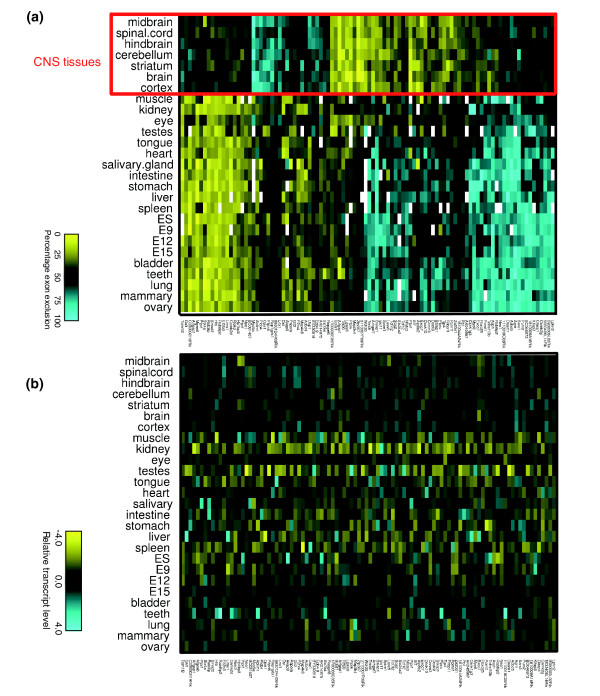
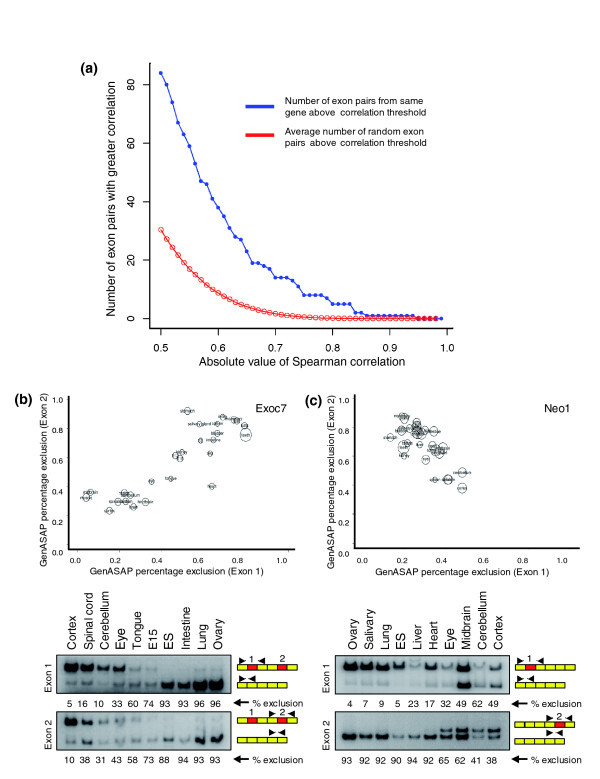
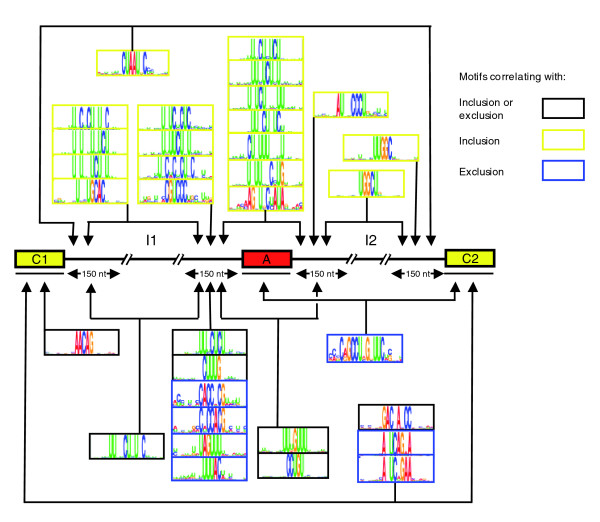
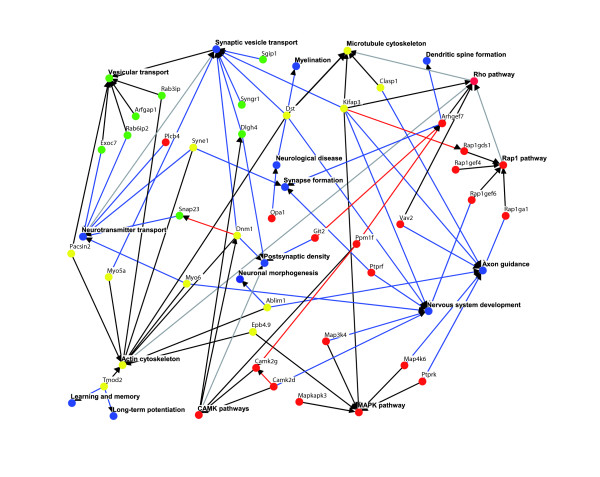
Background: Alternative splicing (AS) functions to expand proteomic complexity and plays numerous important roles in gene regulation. However, the extent to which AS coordinates functions in a cell and tissue type specific manner is not known. Moreover, the sequence code that underlies cell and tissue type specific regulation of AS is poorly understood. Results: Using quantitative AS microarray profiling, we have identified a large number of widely expressed mouse genes that contain single or coordinated pairs of alternative exons that are spliced in a tissue regulated fashion. The majority of these AS events display differential regulation in central nervous system (CNS) tissues. Approximately half of the corresponding genes have neural specific functions and operate in common processes and interconnected pathways. Differential regulation of AS in the CNS tissues correlates strongly with a set of mostly new motifs that are predominantly located in the intron and constitutive exon sequences neighboring CNS-regulated alternative exons. Different subsets of these motifs are correlated with either increased inclusion or increased exclusion of alternative exons in CNS tissues, relative to the other profiled tissues. Conclusion: Our findings provide new evidence that specific cellular processes in the mammalian CNS are coordinated at the level of AS, and that a complex splicing code underlies CNS specific AS regulation. This code appears to comprise many new motifs, some of which are located in the constitutive exons neighboring regulated alternative exons. These data provide a basis for understanding the molecular mechanisms by which the tissue specific functions of widely expressed genes are coordinated at the level of AS.
Overview
The claims and statistics of this paper haven’t been checked yet.
Run the check — free, no account needed. It reads the open-access text and checks the sources it cites.
Integrity signals
Registry
Cites
Statistics
Figures
Verification
Claims the paper makes
The claims and statistics of this paper haven’t been checked yet.
Run the check — free, no account needed. It reads the open-access text and checks the sources it cites.
Claims other papers make about this one
Each is checked against this paper’s own text: does it say what the citing paper says it does?
In the citing paper
“Consistent with previous results (Fagnani et al., 2007; Pan et al., 2004), there is little overlap (8.5%) between genes with neural-regulated AS and mRNA expression, although these subsets of genes are highly enriched in overlapping GO terms (40% in common; Figure S1).”
From A Highly Conserved Program of Neuronal Microexons Is Misregulated in Autistic Brains (2014) · cites this paper as Fagnani et al., 2007
In the citing paper
“These data reveal the largest program of neural-regulated AS events defined to date, and that this program is associated with a broader range of functional processes and pathways linked to nervous system biology than previously detected (Boutz et al., 2007; Fagnani et al., 2007; Ule et al., 2005).”
From A Highly Conserved Program of Neuronal Microexons Is Misregulated in Autistic Brains (2014) · cites this paper as Fagnani et al., 2007
Self-check
Percentages, sums and reported differences re-computed from the paper’s own numbers.
The self-check needs the paper’s full text.
Citations
Cites
Controlling the False Discovery Rate: A Practical and Powerful Approach to Multiple Testing
Benjamini, Y., & Hochberg, Y. (1995) · Journal of the Royal Statistical Society Series B: Statistical Methodology · doi:10.1111/j.2517-6161.1995.tb02031.x · Cited by 109,482
Gapped BLAST and PSI-BLAST: a new generation of protein database search programs
Altschul, S. (1997) · Nucleic Acids Research · doi:10.1093/nar/25.17.3389 · Cited by 73,302
Cytoscape: A software Environment for integrated models of biomolecular interaction networks
Shannon, P., Markiel, A., Ozier, O., Baliga, N. S., Wang, J. T., Ramage, D., Amin, N., Schwikowski, B., & Ideker, T. (2003) · Genome Research · doi:10.1101/gr.1239303 · Cited by 51,888
Modern Applied Statistics with S
Venables, W. N., & Ripley, B. D. (2002) · Statisctics and computing/Statistics and computing · doi:10.1007/978-0-387-21706-2 · Cited by 25,941
Bioconductor: open software development for computational biology and bioinformatics
Gentleman, R. C., Carey, V. J., Bates, D. M., Bolstad, B., Dettling, M., Dudoit, S., Ellis, B., Gautier, L., Ge, Y., Gentry, J., et al. (2004) · Genome biology · doi:10.1186/gb-2004-5-10-r80 · Cited by 12,082
Gentleman R: R: A language for data analysis and graphics
Ihaka, R., & Gentleman, R. (1996) · Journal of Computational and Graphical Statistics · doi:10.1080/10618600.1996.10474713 · Cited by 11,747
Database resources of the National Center for Biotechnology Information: update
Wheeler, D. L. (2003) · Nucleic Acids Research · doi:10.1093/nar/gkh073 · Cited by 10,695
The control of the false discovery rate in multiple testing under dependency
Benjamini, Y., & Yekutieli, D. (2001) · The Annals of Statistics · doi:10.1214/aos/1013699998 · Cited by 10,490
Divergence measures based on the Shannon entropy
Lin, J.-H. (1991) · IEEE Transactions on Information Theory · doi:10.1109/18.61115 · Cited by 5,877
Bootstrap Methods and Their Application
Loughin, T. M., Davison, A. C., & HINKLEY, D. V. (1999) · Journal of the American Statistical Association · doi:10.2307/2669707 · Cited by 5,478
Procedures for Detecting Outlying Observations in Samples
Grubbs, F. E. (1969) · Technometrics · doi:10.1080/00401706.1969.10490657 · Cited by 4,105
Evolutionarily conserved elements in vertebrate, insect, worm, and yeast genomes
Siepel, A., Bejerano, G., Pedersen, J. S., Hinrichs, A. S., Hou, M., Rosenbloom, K., Clawson, H., Spieth, J., Hillier, L. W., Richards, S., et al. (2005) · Genome Research · doi:10.1101/gr.3715005 · Cited by 3,971
Mechanisms of Alternative Pre-Messenger RNA Splicing
Black, D. L. (2003) · Annual Review of Biochemistry · doi:10.1146/annurev.biochem.72.121801.161720 · Cited by 2,704
Chen, H., Detmer, S. A., Ewald, A. J., Griffin, E. E., Fraser, S. E., & Chan, D. C. (2003) · The Journal of Cell Biology · doi:10.1083/jcb.200211046 · Cited by 2,601
Modern Applied Statistics with S Fourth edition
Venables, W. N., & Ripley, B. D. (2002) · Cited by 2,538
Galaxy: a platform for interactive large-scale genome analysis.Preprint
Giardine, B., Riemer, C., Hardison, R., Burhans, R. C., Elnitski, L., Shah, P., Zhang, Y., Blankenberg, D., Albert, I., Taylor, J., et al. (2005) · Genome Research · doi:10.1101/gr.4086505 · Cited by 2,217
Entrez Gene: gene-centered information at NCBI
Maglott, D. R., Ostell, J., Pruitt, K. D., & Tatusova, T. A. (2010) · Nucleic Acids Research · doi:10.1093/nar/gkq1237 · Cited by 2,126
The UCSC Genome Browser Database: update 2006
Hinrichs, A. S. (2006) · Nucleic Acids Research · doi:10.1093/nar/gkj144 · Cited by 1,646
Sample criteria for testing outlying observations
Grubbs, F. E. (1950) · The Annals of Mathematical Statistics · doi:10.1214/aoms/1177729885 · Cited by 1,631
PDZ domain proteins of synapses
Kim, E., & Sheng, M. (2004) · Nature reviews. Neuroscience · doi:10.1038/nrn1517 · Cited by 1,630
ESEfinder: a web resource to identify exonic splicing enhancers
Cartegni, L. (2003) · Nucleic Acids Research · doi:10.1093/nar/gkg616 · Cited by 1,593
Hawley, S. A., Pan, D. A., Mustard, K. J., Ross, L., Bain, J., Edelman, A. M., Frenguelli, B. G., & Hardie, D. G. (2005) · Cell Metabolism · doi:10.1016/j.cmet.2005.05.009 · Cited by 1,589
P2X4 receptors induced in spinal microglia gate tactile allodynia after nerve injury
Tsuda, M., Shigemoto‐Mogami, Y., Koizumi, S., Mizokoshi, A., Kohsaka, S., Salter, M. W., & Inoue, K. (2003) · Nature · doi:10.1038/nature01786 · Cited by 1,567
Delettre, C., Lenaers, G., Griffoin, J.-M., Gigarel, N., Lorenzo, C., Belenguer, P., Pelloquin, L., Grosgeorge, J., Turc-Carel, C., Perret, E., et al. (2000) · Nature Genetics · doi:10.1038/79936 · Cited by 1,446
Genome-Wide Survey of Human Alternative Pre-mRNA Splicing with Exon Junction Microarrays
Johnson, J. M., Castle, J. C., Garrett-Engele, P. W., Kan, Z., Loerch, P., Armour, C. D., Santos, R., Schadt, E. E., Stoughton, R. B., & Shoemaker, D. D. (2003) · Science · doi:10.1126/science.1090100 · Cited by 1,418
Alexander, C., Votruba, M., Pesch, U. E. A., Thiselton, D. L., Mayer, S., Moore, A., Rodriguez, M., Kellner, U., Leo-Kottler, B., Auburger, G., et al. (2000) · Nature Genetics · doi:10.1038/79944 · Cited by 1,330
OPA1 requires mitofusin 1 to promote mitochondrial fusion
Cipolat, S., de Brito, O. M., Dal Zilio, B., & Scorrano, L. (2004) · Proceedings of the National Academy of Sciences · doi:10.1073/pnas.0407043101 · Cited by 1,300
Understanding alternative splicing: towards a cellular code
Matlin, A. J., Clark, F., & Smith, C. W. J. (2005) · Nature Reviews Molecular Cell Biology · doi:10.1038/nrm1645 · Cited by 1,299
GOstat: find statistically overrepresented Gene Ontologies within a group of genes
Beißbarth, T., & Speed, T. P. (2004) · Bioinformatics · doi:10.1093/bioinformatics/bth088 · Cited by 1,256
Alternative splicing: increasing diversity in the proteomic world
Graveley, B. R. (2001) · Trends in Genetics · doi:10.1016/s0168-9525(00)02176-4 · Cited by 1,228
A Transcriptively Active Complex of APP with Fe65 and Histone Acetyltransferase Tip60
Cao, X., & Südhof, T. C. (2001) · Science · doi:10.1126/science.1058783 · Cited by 1,202
Alternative Splicing: New Insights from Global Analyses
Blencowe, B. J. (2006) · Cell · doi:10.1016/j.cell.2006.06.023 · Cited by 1,122
Self-citationCLIP Identifies Nova-Regulated RNA Networks in the Brain
Ule, J., Jensen, K. B., Ruggiu, M., Mele, A., Ule, A., & Darnell, R. B. (2003) · Science · doi:10.1126/science.1090095 · Cited by 1,120
Moderate expansion of a normally biallelic trinucleotide repeat in spinocerebellar ataxia type 2
Pulst, S.-M., Nechiporuk, A. V., Nechiporuk, T., Gispert, S., Chen, X., Lopes‐Cendes, Í., Pearlman, S., Starkman, S., Díaz, G. O., Lunkes, A., et al. (1996) · Nature Genetics · doi:10.1038/ng1196-269 · Cited by 1,113
Predictive Identification of Exonic Splicing Enhancers in Human Genes
Fairbrother, W. G., Yeh, R., Sharp, P. A., & Burge, C. B. (2002) · Science · doi:10.1126/science.1073774 · Cited by 1,020
Higuchi, M., Maas, S., Single, F. N., Hartner, J., Rozov, A., Burnashev, N., Feldmeyer, D., Sprengel, R., & Seeburg, P. H. (2000) · Nature · doi:10.1038/35017558 · Cited by 967
Alternative pre-mRNA splicing: the logic of combinatorial control
Smith, C. W. J., & Valcárcel, J. (2000) · Trends in Biochemical Sciences · doi:10.1016/s0968-0004(00)01604-2 · Cited by 901
Rap1 mediates sustained MAP kinase activation induced by nerve growth factor
York, R. D., Yao, H. W., Dillon, T. J., Ellig, C. L., Eckert, S. P., McCleskey, E. W., & Stork, P. A. (1998) · Nature · doi:10.1038/33451 · Cited by 858
Molecular motors and mechanisms of directional transport in neurons
Hirokawa, N., & Takemura, R. (2005) · Nature reviews. Neuroscience · doi:10.1038/nrn1624 · Cited by 856
Imbert, G., Saudou, F., Yvert, G., Devys, D., Trottier, Y., Garnier, J., Weber, C., Mandel, J., Cancel‐Tassin, G., Abbas, N., et al. (1996) · Nature Genetics · doi:10.1038/ng1196-285 · Cited by 848
Mitofusin-2 Determines Mitochondrial Network Architecture and Mitochondrial Metabolism
Bach, D., Pich, S., Soriano, F. X., Vega, N., Baumgartner, B., Oriola, J., Daugaard, J. R., Lloberas, J., Camps, M., Zierath, J. R., et al. (2003) · Journal of Biological Chemistry · doi:10.1074/jbc.m212754200 · Cited by 832
Ligges, U. (2003) · Computational Statistics & Data Analysis · Cited by 795
Sanpei, K., Takano, H., Igarashi, S., Sato, T., Oyake, M., Sasaki, H., Wakisaka, A., Tashiro, K., Ishida, Y., Ikeuchi, T., et al. (1996) · Nature Genetics · doi:10.1038/ng1196-277 · Cited by 761
Genome-wide detection of alternative splicing in expressed sequences of human genes
Modrek, B. (2001) · Nucleic Acids Research · doi:10.1093/nar/29.13.2850 · Cited by 681
Systematic Identification and Analysis of Exonic Splicing Silencers
Wang, Z., Rolish, M. E., Yeo, G. W.-M., Tung, V., Mawson, M., & Burge, C. B. (2004) · Cell · doi:10.1016/j.cell.2004.11.010 · Cited by 678
Regulation of alternative splicing by RNA editing
Rueter, S. M., Dawson, T. R., & Emeson, R. B. (1999) · Nature · doi:10.1038/19992 · Cited by 637
An R and S-Plus Companion to Applied Regression
Millar, P., & Fox, J. P. (2003) · The Canadian Journal of Sociology · doi:10.2307/3341881 · Cited by 634
Rac1 and Cdc42 Capture Microtubules through IQGAP1 and CLIP-170
Fukata, M., Watanabe, T., Noritake, J., Nakagawa, M., Yamaga, M., Kuroda, S., Matsuura, Y., Iwamatsu, A., Perez, F., & Kaibuchi, K. (2002) · Cell · doi:10.1016/s0092-8674(02)00800-0 · Cited by 625
Online Predicted Human Interaction Database
Brown, K. R., & Jurišica, I. (2005) · Computer applications in the biosciences · doi:10.1093/bioinformatics/bti273 · Cited by 611
Variation in alternative splicing across human tissues
Yeo, G., Holste, D., Kreiman, G., & Burge, C. B. (2004) · Genome Biology · doi:10.1186/gb-2004-5-10-r74 · Cited by 584
An RNA map predicting Nova-dependent splicing regulation
Ule, J., Stefani, G., Mele, A., Ruggiu, M., Wang, X., Taneri, B., Gaasterland, T., Blencowe, B. J., & Darnell, R. B. (2006) · Nature · doi:10.1038/nature05304 · Cited by 528
Self-citationNova regulates brain-specific splicing to shape the synapse
Ule, J., Ule, A., Spencer, J., Williams, A., Hu, J.-S., Cline, M., Wang, H., Clark, T., Fraser, C., Ruggiu, M., et al. (2005) · Nature Genetics · doi:10.1038/ng1610 · Cited by 509
Resampling-based multiple testing for microarray data analysis
Ge, Y., Dudoit, S., & Speed, T. P. (2003) · Test · doi:10.1007/bf02595811 · Cited by 506
Multiple links between transcription and splicing
Kornblihtt, A. R., de la Mata, M., Fededa, J. P., Muñoz, M. J., & Nogués, G. (2004) · RNA · doi:10.1261/rna.7100104 · Cited by 492
Burd, C. G., & Dreyfuss, G. (1994) · The EMBO Journal · doi:10.1002/j.1460-2075.1994.tb06369.x · Cited by 488
Watanabe, T., Wang, S., Noritake, J., Sato, K., Fukata, M., Takefuji, M., Nakagawa, M., Izumi, N., Akiyama, T., & Kaibuchi, K. (2004) · Developmental Cell · doi:10.1016/j.devcel.2004.10.017 · Cited by 480
Osprey: a network visualization system
Breitkreutz, B., Stark, C., & Tyers, M. (2003) · Genome biology · doi:10.1186/gb-2003-4-3-r22 · Cited by 472
Griparić, L., van der Wel, N. N., Orozco, I. J., Peters, P. J., & van der Bliek, A. M. (2004) · Journal of Biological Chemistry · doi:10.1074/jbc.m400920200 · Cited by 468
Guo, L., Degenstein, L., Dowling, J. J., Yu, Q., Wollmann, R. L., Perman, B., & Fuchs, E. V. (1995) · Cell · doi:10.1016/0092-8674(95)90333-x · Cited by 440
Caudy, M. A., Vaessin, H., Brand, M., Tuma, R. S., Jan, L. Y., & Jan, Y. N. (1988) · Cell · doi:10.1016/0092-8674(88)90250-4 · Cited by 433
Computational definition of sequence motifs governing constitutive exon splicingPreprint
Zhang, X. H.-F., & Chasin, L. A. (2004) · Genes & Development · doi:10.1101/gad.1195304 · Cited by 423
Côté, J., & Vuori, K. (2002) · Journal of Cell Science · doi:10.1242/jcs.00219 · Cited by 421
Differential Distribution of Dynamin Isoforms in Mammalian Cells
Cao, H., Garcı́a, F., & McNiven, M. A. (1998) · Molecular Biology of the Cell · doi:10.1091/mbc.9.9.2595 · Cited by 409
Mitofusins 1/2 and ERRα expression are increased in human skeletal muscle after physical exercise
Cartoni, R., Léger, B., Hock, M. B., Praz, M., Crettenand, A., Pich, S., Ziltener, J., Luthi, F., Dériaz, O., Zorzano, A., et al. (2005) · The Journal of Physiology · doi:10.1113/jphysiol.2005.092031 · Cited by 406
Xu, X., Yang, D., Ding, J.-H., Wang, W., Chu, P., Dalton, N. D., Wang, H., Bermingham, J. R., Ye, Z., Liu, F. C., et al. (2005) · Cell · doi:10.1016/j.cell.2004.11.036 · Cited by 391
Graef, I. A., Wang, F., Charron, F., Chen, L., Neilson, J., Tessier-Lavigne, M., & Crabtree, G. R. (2003) · Cell · doi:10.1016/s0092-8674(03)00390-8 · Cited by 379
A GIT1/PIX/Rac/PAK Signaling Module Regulates Spine Morphogenesis and Synapse Formation through MLC
Zhang, H., Webb, D. J., Asmussen, H., Niu, S., & Horwitz, A. F. (2005) · Journal of Neuroscience · doi:10.1523/jneurosci.3553-04.2005 · Cited by 365
Essential Roles in Synaptic Plasticity for Synaptogyrin I and Synaptophysin I
Janz, R., Südhof, T. C., Hammer, R. E., Unni, V. K., Siegelbaum, S. A., & Bolshakov, V. Y. (1999) · Neuron · doi:10.1016/s0896-6273(00)81122-8 · Cited by 348
Content-rich biological network constructed by mining PubMed abstracts
Chen, H., & Sharp, B. M. (2004) · BMC Bioinformatics · doi:10.1186/1471-2105-5-147 · Cited by 345
New insights into the roles of agrin
Bezáková, G., & Rüegg, M. A. (2003) · Nature Reviews Molecular Cell Biology · doi:10.1038/nrm1074 · Cited by 341
Huynh, D. P., Figueroa, K. P., Hoang, N., & Pulst, S.-M. (2000) · Nature Genetics · doi:10.1038/79162 · Cited by 330
IQGAP proteins are integral components of cytoskeletal regulation
Briggs, M. W., & Sacks, D. B. (2003) · EMBO Reports · doi:10.1038/sj.embor.embor867 · Cited by 329
Pan, Q., Shai, O., Misquitta, C., Zhang, W., Saltzman, A. L., Mohammad, N., Babak, T., Siu, H., Hughes, T. R., Morris, Q. D., et al. (2004) · Molecular Cell · doi:10.1016/j.molcel.2004.12.004 · Cited by 323
Self-citationThe evolving roles of alternative splicing
Lareau, L. F., Green, R. E., Bhatnagar, R. S., & Brenner, S. E. (2004) · Current Opinion in Structural Biology · doi:10.1016/j.sbi.2004.05.002 · Cited by 319
The functional landscape of mouse gene expression
Zhang, W., Morris, Q., Chang, R., Shai, O., Bakowski, M. A., Mitsakakis, N., Mohammad, N., Robinson, M. D., Zirngibl, R. A., Somogyi, E., et al. (2004) · Journal of Biology · doi:10.1186/jbiol16 · Cited by 315
Self-citationHofmann, Y., Lorson, C. L., Stamm, S., Androphy, E. J., & Wirth, B. (2000) · Proceedings of the National Academy of Sciences · doi:10.1073/pnas.160181697 · Cited by 314
Syndapin Isoforms Participate in Receptor-Mediated Endocytosis and Actin Organization
Qualmann, B., & Kelly, R. B. (2000) · The Journal of Cell Biology · doi:10.1083/jcb.148.5.1047 · Cited by 313
Calcium/calmodulin-dependent protein kinase II and synaptic plasticity
Colbran, R. J., & Brown, A. M. (2004) · Current Opinion in Neurobiology · doi:10.1016/j.conb.2004.05.008 · Cited by 311
Markovtsov, V. V., Nikolic, J. M., Goldman, J. A., Turck, C. W., Chou, M., & Black, D. L. (2000) · Molecular and Cellular Biology · doi:10.1128/mcb.20.20.7463-7479.2000 · Cited by 311
Jin, Y., Suzuki, H., Maegawa, S., Endo, H., Sugano, S., Hashimoto, K., Yasuda, K., & Inoue, K. (2003) · The EMBO Journal · doi:10.1093/emboj/cdg089 · Cited by 311
Neuspiel, M., Zunino, R., Gangaraju, S., Rippstein, P. U., & McBride, H. M. (2005) · Journal of Biological Chemistry · doi:10.1074/jbc.m501599200 · Cited by 308
Disruption of scribble (Scrb1) causes severe neural tube defects in the circletail mouse
Murdoch, J. N. (2003) · Human Molecular Genetics · doi:10.1093/hmg/ddg014 · Cited by 308
A Novel Protein Complex Linking the δ2 Glutamate Receptor and Autophagy
Yue, Z., Horton, A., Bravin, M., DeJager, P. L., Selimi, F., & Heintz, N. (2002) · Neuron · doi:10.1016/s0896-6273(02)00861-9 · Cited by 306
Phospholipase C isozymes selectively couple to specific neurotransmitter receptors
Kim, D., Jun, K. S., Lee, S. B., Kang, N.-G., Min, D. S., Kim, Y.-H., Ryu, S. H., Suh, P.-G., & Shin, H.-S. (1997) · Nature · doi:10.1038/38508 · Cited by 305
An Essential Cytoskeletal Linker Protein Connecting Actin Microfilaments to Intermediate Filaments
Yang, Y., Dowling, J. J., Yu, Q., Kouklis, P. D., Cleveland, D. W., & Fuchs, E. V. (1996) · Cell · doi:10.1016/s0092-8674(00)80138-5 · Cited by 305
Kim, E., Lowenson, J. D., MacLaren, D. C., Clarke, S. G., & Young, S. G. (1997) · Proceedings of the National Academy of Sciences · doi:10.1073/pnas.94.12.6132 · Cited by 293
CZH proteins: a new family of Rho-GEFs
Meller, N., Merlot, S., & Guda, C. (2005) · Journal of Cell Science · doi:10.1242/jcs.02671 · Cited by 280
Neogenin mediates the action of repulsive guidance molecule
Rajagopalan, S., Deitinghoff, L., Davis, D., Conrad, S., Skutella, T., Chédotal, A., Mueller, B. K., & Strittmatter, S. M. (2004) · Nature Cell Biology · doi:10.1038/ncb1156 · Cited by 276
Homologues of the Caenorhabditis elegans Fox-1 Protein Are Neuronal Splicing Regulators in Mammals
Underwood, J. G., Boutz, P. L., Dougherty, J. D., Stoilov, P., & Black, D. L. (2005) · Molecular and Cellular Biology · doi:10.1128/mcb.25.22.10005-10016.2005 · Cited by 272
Calcium triggers calcineurin-dependent synaptic vesicle recycling in mammalian nerve terminals
Marks, B., & McMahon, H. T. (1998) · Current Biology · doi:10.1016/s0960-9822(98)70297-0 · Cited by 271
Huang, Y., Jung, M., Sarkissian, M., & Richter, J. D. (2002) · The EMBO Journal · doi:10.1093/emboj/21.9.2139 · Cited by 270
The mouse dystonia musculorum gene is a neural isoform of bullous pemphigoid antigen 1
Brown, A., Bernier, G., Mathieu, M., Rossant, J., & Kothary, R. (1995) · Nature Genetics · doi:10.1038/ng0795-301 · Cited by 268
RGM and its receptor neogenin regulate neuronal survival
Matsunaga, E., Tauszig-Delamasure, S., Monnier, P. P., Mueller, B. K., Strittmatter, S. M., Mehlen, P., & Chédotal, A. (2004) · Nature Cell Biology · doi:10.1038/ncb1157 · Cited by 267
Wu, Y. L., Dowbenko, D. J., Spencer, S. D., Laura, R. P., Lee, J., Gu, Q., & Lasky, L. A. (2000) · Journal of Biological Chemistry · doi:10.1074/jbc.m909741199 · Cited by 267
Apel, E. D., Lewis, R. M., Grady, R. M., & Sanes, J. R. (2000) · Journal of Biological Chemistry · doi:10.1074/jbc.m004775200 · Cited by 263
Nagata, K., Puls, A., Futter, C. E., Aspenstrom, P., Schaefer, E., Nakata, T., Hirokawa, N., & Hall, A. (1998) · The EMBO Journal · doi:10.1093/emboj/17.1.149 · Cited by 263
Naisbitt, S. R., Valtschanoff, J. G., Allison, D. W., Sala, C., Kim, E., Craig, A. M., Weinberg, R. J., & Sheng, M. (2000) · Journal of Neuroscience · doi:10.1523/jneurosci.20-12-04524.2000 · Cited by 259
Wang, Y., Liu, X., Biederer, T., & Südhof, T. C. (2002) · Proceedings of the National Academy of Sciences · doi:10.1073/pnas.182532999 · Cited by 256
Butler, M. H., David, C., Ochoa, G.-C., Freyberg, Z., Daniell, L., Grabs, D., Cremona, O., & Camilli, P. D. (1997) · The Journal of Cell Biology · doi:10.1083/jcb.137.6.1355 · Cited by 256
Nerve Growth Factor Activates Persistent Rap1 Signaling in Endosomes
Wu, C., Lai, C.-F., & Mobley, W. C. (2001) · Journal of Neuroscience · doi:10.1523/jneurosci.21-15-05406.2001 · Cited by 249
Use of minigene systems to dissect alternative splicing elements
Cooper, T. A. (2005) · Methods · doi:10.1016/j.ymeth.2005.07.015 · Cited by 248
Vav family GEFs link activated ephs to endocytosis and axon guidance
Cowan, C. W., Shao, Y. R., Sahin, M., Shamah, S. M., Lin, M. Z., Greer, P. L., Gao, S., Griffith, E. C., Brugge, J. S., & Greenberg, M. E. (2005) · Neuron · doi:10.1016/j.neuron.2005.03.019 · Cited by 246
Prekeris, R., & Terrian, D. M. (1997) · The Journal of Cell Biology · doi:10.1083/jcb.137.7.1589 · Cited by 245
LAR receptor protein tyrosine phosphatases in the development and maintenance of excitatory synapses
Dunah, A. W., Hueske, E., Wyszynski, M. W., Hoogenraad, C. C., Jaworski, J., Pak, D. T. S., Simonetta, A., Liu, G., & Sheng, M. (2005) · Nature Neuroscience · doi:10.1038/nn1416 · Cited by 244
Pascual, M., Vicente-Crespo, M., Monferrer, L., & Artero, R. D. (2006) · Differentiation · doi:10.1111/j.1432-0436.2006.00060.x · Cited by 243
Gerwins, P., Jonathan, L., & Johnson, G. L. (1997) · Journal of Biological Chemistry · doi:10.1074/jbc.272.13.8288 · Cited by 242
Dynamin at the actin–membrane interface
Orth, J. D., & McNiven, M. A. (2003) · Current Opinion in Cell Biology · doi:10.1016/s0955-0674(02)00010-8 · Cited by 239
A role for myosin VI in postsynaptic structure and glutamate receptor endocytosis
Osterweil, E. K., Wells, D. G., & Mooseker, M. S. (2005) · The Journal of Cell Biology · doi:10.1083/jcb.200410091 · Cited by 236
Pan, Q., Saltzman, A. L., Kim, Y. K., Misquitta, C., Shai, O., Maquat, L. E., Frey, B. J., & Blencowe, B. J. (2006) · Genes & Development · doi:10.1101/gad.1382806 · Cited by 229
Self-citationIntronic Binding Sites for hnRNP A/B and hnRNP F/H Proteins Stimulate Pre-mRNA Splicing
Martínez-Contreras, R. D., Fisette, J., Nasim, F., Madden, R., Cordeau, M., & Chabot, B. (2006) · PLoS Biology · doi:10.1371/journal.pbio.0040021 · Cited by 226
ASD: a bioinformatics resource on alternative splicing
Stamm, S. (2005) · Nucleic Acids Research · doi:10.1093/nar/gkj031 · Cited by 223
Jayanthi, S., Deng, X., Ladenheim, B., McCoy, M. T., Cluster, A. S., Cai, N.-S., & Cadet, J. L. (2005) · Proceedings of the National Academy of Sciences · doi:10.1073/pnas.0404990102 · Cited by 223
Ashiya, M., & Grabowski, P. J. (1997) · PubMed · Cited by 220
Finding signals that regulate alternative splicing in the post-genomic era.
Ladd, A. N., & Cooper, T. A. (2002) · Genome biology · doi:10.1186/gb-2002-3-11-reviews0008 · Cited by 219
IQGAP1 Binds Rap1 and Modulates Its Activity
Jeong, H., Li, Z., Brown, M. P., & Sacks, D. B. (2007) · Journal of Biological Chemistry · doi:10.1074/jbc.m700487200 · Cited by 218
Mammalian Scribble Forms a Tight Complex with the βPIX Exchange Factor
Audebert, S., Navarro, C., Nourry, C., Chasserot-Golaz, S., Lécine, P., Bellaiche, Y., Dupont, J.-L., Premont, R. T., Sempéré, C., Strub, J.-M., et al. (2004) · Current Biology · doi:10.1016/j.cub.2004.05.051 · Cited by 218
Syne proteins anchor muscle nuclei at the neuromuscular junction
Grady, R. M., Starr, D. A., Ackerman, G. L., Sanes, J. R., & Han, M. (2005) · Proceedings of the National Academy of Sciences · doi:10.1073/pnas.0500711102 · Cited by 218
Chan, R. C., & Black, D. L. (1997) · Molecular and Cellular Biology · doi:10.1128/mcb.17.8.4667 · Cited by 216
Knudsen, B. S., Feller, S. M., & Hanafusa, H. (1994) · Journal of Biological Chemistry · doi:10.1016/s0021-9258(20)30059-4 · Cited by 215
Takeda, S., Yamazaki, H., Seog, D., Kanai, Y., Terada, S., & Hirokawa, N. (2000) · The Journal of Cell Biology · doi:10.1083/jcb.148.6.1255 · Cited by 213
Activation of a Dab1/CrkL/C3G/Rap1 Pathway in Reelin-Stimulated Neurons
Ballif, B. A., Arnaud, L., Arthur, W. T., Guris, D. L., Imamoto, A., & Cooper, J. A. (2004) · Current Biology · doi:10.1016/j.cub.2004.03.038 · Cited by 212
Syndapins integrate N‐WASP in receptor‐mediated endocytosis
Kessels, M. M., & Qualmann, B. (2002) · The EMBO Journal · doi:10.1093/emboj/cdf604 · Cited by 210
Zhang, Q., Ragnauth, C. D., Greener, M., Shanahan, C. M., & Roberts, R. G. (2002) · Genomics · doi:10.1006/geno.2002.6859 · Cited by 209
Hattula, K., Furuhjelm, J., Arffman, A., & Peränen, J. (2002) · Molecular Biology of the Cell · doi:10.1091/mbc.e02-03-0143 · Cited by 205
Natural variation and genetic covariance in adult hippocampal neurogenesis
Kempermann, G., Chesler, E. J., Lu, L., Williams, R. W., & Gage, F. H. (2006) · Proceedings of the National Academy of Sciences · doi:10.1073/pnas.0510291103 · Cited by 202
All three PACSIN isoforms bind to endocytic proteins and inhibit endocytosis
Modregger, J., Ritter, B., Witter, B., Paulsson, M., & Plomann, M. (2000) · Journal of Cell Science · doi:10.1242/jcs.113.24.4511 · Cited by 202
Mizuno, T., Kaibuchi, K., Yamamoto, T., Kawamura, M., Sakoda, T., Fujioka, H., Matsuura, Y., & Takai, Y. (1991) · Proceedings of the National Academy of Sciences · doi:10.1073/pnas.88.15.6442 · Cited by 199
Meyer, G. R. Y. D., Varoqueaux, F., Neeb, A., Oschlies, M., & Brose, N. (2004) · Neuropharmacology · doi:10.1016/j.neuropharm.2004.06.023 · Cited by 199
Chou, M., Underwood, J. G., Nikolic, J. M., Luu, M. H. T., & Black, D. L. (2000) · Molecular Cell · doi:10.1016/s1097-2765(00)80260-9 · Cited by 198
Cloning and characterization of KAP3: a novel kinesin superfamily-associated protein of KIF3A/3B.
Yamazaki, H., Nakata, T., Okada, Y., & Hirokawa, N. (1996) · Proceedings of the National Academy of Sciences · doi:10.1073/pnas.93.16.8443 · Cited by 197
Unusual Intron Conservation near Tissue-Regulated Exons Found by Splicing Microarrays
Sugnet, C. W., Srinivasan, K., Clark, T. A., O’Brien, G. S., Cline, M., Wang, H., Williams, A., Kulp, D., Blume, J. E., Haussler, D. H., et al. (2006) · PLoS Computational Biology · doi:10.1371/journal.pcbi.0020004 · Cited by 197
Ge, K., DuHadaway, J. B., Du, W., Herlyn, M., Rodeck, U., & Prendergast, G. C. (1999) · Proceedings of the National Academy of Sciences · doi:10.1073/pnas.96.17.9689 · Cited by 196
The KIF3 motor transports N-cadherin and organizes the developing neuroepithelium
Teng, J., Rai, T., Tanaka, Y., Takei, Y., Nakata, T., Hirasawa, M., Kulkarni, A. B., & Hirokawa, N. (2005) · Nature Cell Biology · doi:10.1038/ncb1249 · Cited by 195
Dobrosotskaya, I. Y., Guy, R. K., & James, G. L. (1997) · Journal of Biological Chemistry · doi:10.1074/jbc.272.50.31589 · Cited by 194
Ramjaun, A. R., & McPherson, P. S. (1998) · Journal of Neurochemistry · doi:10.1046/j.1471-4159.1998.70062369.x · Cited by 194
Identification and Characterization of a Nerve Terminal-enriched Amphiphysin Isoform
Ramjaun, A. R., Micheva, K. D., Bouchelet, I., & McPherson, P. S. (1997) · Journal of Biological Chemistry · doi:10.1074/jbc.272.26.16700 · Cited by 192
IQGAP1 Integrates Ca2+/Calmodulin and B-Raf Signaling
Ren, J.-G., Li, Z., & Sacks, D. B. (2008) · Journal of Biological Chemistry · doi:10.1074/jbc.m804626200 · Cited by 190
Subunit structure of the mammalian exocyst complex
Kee, Y., Yoo, J.-S., Hazuka, C. D., Peterson, K. E., Hsu, S.-C., & Scheller, R. H. (1997) · Proceedings of the National Academy of Sciences · doi:10.1073/pnas.94.26.14438 · Cited by 189
Lai, F., Chen, C., Carter, K. C., & Nishikura, K. (1997) · Molecular and Cellular Biology · doi:10.1128/mcb.17.5.2413 · Cited by 189
Sabo, S. L., Ikin, A. F., Buxbaum, J. D., & Greengard, P. (2003) · The Journal of Neuroscience · doi:10.1523/jneurosci.23-13-05407.2003 · Cited by 187
Nakahata, S. (2005) · Nucleic Acids Research · doi:10.1093/nar/gki338 · Cited by 182
Vesicle Endocytosis Requires Dynamin-Dependent GTP Hydrolysis at a Fast CNS Synapse
Yamashita, T., Hige, T., & Takahashi, T. (2005) · Science · doi:10.1126/science.1103631 · Cited by 179
Integrators of the Cytoskeleton that Stabilize Microtubules
Yang, Y., Bauer, C. R., Strasser, G. A., Wollman, R. L., Julien, J., & Fuchs, E. V. (1999) · Cell · doi:10.1016/s0092-8674(00)81017-x · Cited by 179
Liu, B., & Neufeld, A. H. (2000) · Glia · doi:10.1002/(sici)1098-1136(200004)30:2 · Cited by 178
Leung, C. L., Zheng, M. H., Prater, S. M., & Liem, R. K. H. (2001) · The Journal of Cell Biology · doi:10.1083/jcb.200012098 · Cited by 177
Synaptic multiprotein complexes associated with 5‐HT2C receptors: a proteomic approach
Bécamel, C., Alonso, G., Galéotti, N., Demey, E., Jouin, P., Ullmer, C., Dumuis, A., Bockaert, J., & Marin, P. (2002) · The EMBO Journal · doi:10.1093/emboj/21.10.2332 · Cited by 173
Lee, H., Engel, U., Rusch, J., Scherrer, S., Sheard, K., & Vactor, D. V. (2004) · Neuron · doi:10.1016/j.neuron.2004.05.020 · Cited by 173
Calcium-dependent interaction of Lis1 with IQGAP1 and Cdc42 promotes neuronal motility
Kholmanskikh, S. S., Koeller, H. B., Wynshaw-Boris, A. J., Gómez, T. M., Letourneau, P. C., & Ross, M. E. (2005) · Nature Neuroscience · doi:10.1038/nn1619 · Cited by 173
Zizimin1, a novel Cdc42 activator, reveals a new GEF domain for Rho proteins
Meller, N., Irani-Tehrani, M., Kiosses, W. B., Del Pozo, M. A., & Schwartz, M. A. (2002) · Nature Cell Biology · doi:10.1038/ncb835 · Cited by 171
Characterization of novel Rab6-interacting proteins involved in endosome-to-TGN transport
Monier, S., Jollivet, F., Janoueix‐Lerosey, I., Johannes, L., & Goud, B. (2002) · Traffic · doi:10.1034/j.1600-0854.2002.030406.x · Cited by 170
The syndapin protein family: linking membrane trafficking with the cytoskeleton
Kessels, M. M., & Qualmann, B. (2004) · Journal of Cell Science · doi:10.1242/jcs.01290 · Cited by 167
Cycling of NMDA Receptors during Trafficking in Neurons before Synapse Formation
Washbourne, P., Liu, X.-B., Jones, E. G., & McAllister, A. K. (2004) · Journal of Neuroscience · doi:10.1523/jneurosci.2555-04.2004 · Cited by 167
Vielmetter, J., Kayyem, J. F., Roman, J. M., & Dreyer, W. J. (1994) · The Journal of Cell Biology · doi:10.1083/jcb.127.6.2009 · Cited by 165
Kong, H., Boulter, J., Weber, J. L., Lai, C., & Chao, M. V. (2001) · Journal of Neuroscience · doi:10.1523/jneurosci.21-01-00176.2001 · Cited by 164
Identification of Guanine Nucleotide Exchange Factors (GEFs) for the Rap1 GTPase
Rebhun, J. F., Castro, A. F., & Quilliam, L. A. (2000) · Journal of Biological Chemistry · doi:10.1074/jbc.m005327200 · Cited by 164
P2X Receptor Trafficking in Neurons Is Subunit Specific
Bobanović, L. K., Royle, S., & Murrell‐Lagnado, R. D. (2002) · Journal of Neuroscience · doi:10.1523/jneurosci.22-12-04814.2002 · Cited by 164
Mammalian CELF/Bruno-like RNA-binding proteins: molecular characteristics and biological functions
Barreau, C., Paillard, L., Méreau, A., & Osborne, H. B. (2005) · Biochimie · doi:10.1016/j.biochi.2005.10.011 · Cited by 156
Deficiency in Protein l-Isoaspartyl Methyltransferase Results in a Fatal Progressive Epilepsy
Yamamoto, A., Takagi, H., Kitamura, D., Tatsuoka, H., Nakano, H., Kawano, H., Kuroyanagi, H., Yahagi, Y., Kobayashi, S., Koizumi, K.-I., et al. (1998) · Journal of Neuroscience · doi:10.1523/jneurosci.18-06-02063.1998 · Cited by 154
Interaction of SAP97 with Minus-end-directed Actin Motor Myosin VI
Wu, H., Nash, J. E., Zamorano, P. L., & Garner, C. C. (2002) · Journal of Biological Chemistry · doi:10.1074/jbc.m203735200 · Cited by 154
Identification and Cloning of Kidins220, a Novel Neuronal Substrate of Protein Kinase D
Iglesias, T., Cabrera-Poch, N., Mitchell, M., Naven, T. J. P., Rozengurt, E., & Schiavo, G. (2000) · Journal of Biological Chemistry · doi:10.1074/jbc.m005261200 · Cited by 153
Misaka, T., Miyashita, T., & Kubo, Y. (2002) · Journal of Biological Chemistry · doi:10.1074/jbc.m109260200 · Cited by 153
Sakurai, A., Fukuhara, S., Yamagishi, A., Sako, K., Kamioka, Y., Masuda, M., Nakaoka, Y., & Mochizuki, N. (2005) · Molecular Biology of the Cell · doi:10.1091/mbc.e05-07-0647 · Cited by 152
Bridgman, P. C. (1999) · The Journal of Cell Biology · doi:10.1083/jcb.146.5.1045 · Cited by 151
Regulating Actin Dynamics at Membranes: A Focus on Dynamin
Schafer, D. A. (2004) · Traffic · doi:10.1111/j.1600-0854.2004.00199.x · Cited by 150
Erkman, L., Yates, P. A., McLaughlin, T., McEvilly, R. J., Whisenhunt, T. R., O’Connell, S. M., Krones, A., Kirby, M. A., Rapaport, D. H., Bermingham, J. R., et al. (2000) · Neuron · doi:10.1016/s0896-6273(00)00153-7 · Cited by 150
Alternative splicing of conserved exons is frequently species-specific in human and mouse
Pan, Q., Bakowski, M. A., Morris, Q., Zhang, W., Frey, B. J., Hughes, T. R., & Blencowe, B. J. (2004) · Trends in Genetics · doi:10.1016/j.tig.2004.12.004 · Cited by 149
Self-citationArévalo, J. C., Yano, H., Teng, K. K., & Chao, M. V. (2004) · The EMBO Journal · doi:10.1038/sj.emboj.7600253 · Cited by 147
Dual role of the exocyst in AMPA receptor targeting and insertion into the postsynaptic membrane
Gerges, N. Z., Backos, D. S., Rupasinghe, C. N., Spaller, M. R., & Esteban, J. A. (2006) · The EMBO Journal · doi:10.1038/sj.emboj.7601065 · Cited by 147
Aoki, K., Nakamura, T., Fujikawa, K., & Matsuda, M. (2005) · Molecular Biology of the Cell · doi:10.1091/mbc.e04-10-0904 · Cited by 144
Structural Analysis of the Human BIN1 Gene
Wechsler-Reya, R., Sakamuro, D., Zhang, J., Duhadaway, J., & Prendergast, G. C. (1997) · Journal of Biological Chemistry · doi:10.1074/jbc.272.50.31453 · Cited by 142
Kim, S.-H., Ko, J., Shin, H., Lee, J.-R., Lim, C., Han, J., Altrock, W. D., Garner, C. C., Gundelfinger, E. D., Premont, R. T., et al. (2003) · Journal of Biological Chemistry · doi:10.1074/jbc.m212287200 · Cited by 140
Baek, D., & Green, P. (2005) · Proceedings of the National Academy of Sciences · doi:10.1073/pnas.0506139102 · Cited by 138
The GIT Family of ADP-ribosylation Factor GTPase-activating Proteins
Premont, R. T., Claing, A., Vitale, N., Perry, S. J., & Lefkowitz, R. J. (2000) · Journal of Biological Chemistry · doi:10.1074/jbc.275.29.22373 · Cited by 136
Spongiform Degeneration in mahoganoid Mutant Mice
He, L., Lu, X., Jolly, A. F., Eldridge, A. G., Watson, S. J., Jackson, P. K., Barsh, G. S., & Gunn, T. M. (2003) · Science · doi:10.1126/science.1079694 · Cited by 135
The tetranucleotide UCAY directs the specific recognition of RNA by the Nova K-homology 3 domain
Jensen, K. B., Musunuru, K., Lewis, H. A., Burley, S. K., & Darnell, R. B. (2000) · Proceedings of the National Academy of Sciences · doi:10.1073/pnas.090553997 · Cited by 132
Molecular Characterization of abLIM, a Novel Actin-binding and Double Zinc Finger Protein
Roof, D. J., Hayes, A., Adamian, M., Chishti, A. H., & Li, T. (1997) · The Journal of Cell Biology · doi:10.1083/jcb.138.3.575 · Cited by 130
Jordan, J. D., He, J. C., Eungdamrong, N. J., Gomes, I., Ali, W., Nguyen, T., Bivona, T. G., Philips, M. R., Devi, L. A., & Iyengar, R. (2005) · Journal of Biological Chemistry · doi:10.1074/jbc.m411521200 · Cited by 130
The molecular machinery of synaptic vesicle exocytosis
Li, L., & Chin, L. (2003) · Cellular and Molecular Life Sciences · doi:10.1007/s00018-003-2240-7 · Cited by 129
Pineda‐Lucena, A., Ho, C. S. W., Mao, D. Y. L., Sheng, Y., Laister, R. C., Muhandiram, R., Lü, Y., Seet, B. T., Katz, S., Szyperski, T., et al. (2005) · Journal of Molecular Biology · doi:10.1016/j.jmb.2005.05.046 · Cited by 129
Proteomic Analysis of β1-Adrenergic Receptor Interactions with PDZ Scaffold Proteins
He, J., Bellini, M., Inuzuka, H., Xu, J., Xiong, Y., Yang, X., Castleberry, A. M., & Hall, R. A. (2005) · Journal of Biological Chemistry · doi:10.1074/jbc.m509503200 · Cited by 126
NIBP, a Novel NIK and IKKβ-binding Protein That Enhances NF-κB Activation
Hu, W.-H., Pendergast, J. S., Mo, X.-M., Brambilla, R., Bracchi-Ricard, V. C., Li, F., Walters, W. M., Blits, B., He, L., Schaal, S. M., et al. (2005) · Journal of Biological Chemistry · doi:10.1074/jbc.m501670200 · Cited by 126
Molecular Cloning of a Novel Potassium-dependent Sodium-Calcium Exchanger from Rat Brain
Tsoi, M., Rhee, K.-H., Bungard, D., Li, X., Lee, S.-L., Auer, R. N., & Lytton, J. (1998) · Journal of Biological Chemistry · doi:10.1074/jbc.273.7.4155 · Cited by 124
Toresson, H., Parmar, M., & Campbell, K. (2000) · Mechanisms of Development · doi:10.1016/s0925-4773(00)00324-5 · Cited by 124
The Mechanism for Regulation of the F-actin Binding Activity of IQGAP1 by Calcium/Calmodulin
Mateer, S. C., McDaniel, A. E., Nicolas, V., Habermacher, G. M., Lin, M.-J., Cromer, D. A., King, M. E., & Bloom, G. S. (2002) · Journal of Biological Chemistry · doi:10.1074/jbc.m109535200 · Cited by 119
Oulad‐Abdelghani, M., Chazaud, C., Bouillet, P., Sapin, V., Chambon, P., & Dollé, P. (1997) · Developmental Dynamics · doi:10.1002/(sici)1097-0177(199710)210:2 · Cited by 114
Miyata, M., Kim, H., Hashimoto, K., Lee, T., Cho, S. Y., Jiang, H., Wu, Y., Jun, K., Wu, D., Kano, M., et al. (2001) · European Journal of Neuroscience · doi:10.1046/j.0953-816x.2001.01570.x · Cited by 112
Alternative splicing modulates the frequency‐dependent response of CaMKII to Ca2+ oscillations
Bayer, K. U., Koninck, P. D., & Schulman, H. (2002) · The EMBO Journal · doi:10.1093/emboj/cdf360 · Cited by 112
Cottrell, J. R., Borók, E., Horváth, T. L., & Nedivi, E. (2004) · Neuron · doi:10.1016/j.neuron.2004.10.025 · Cited by 111
Kaibuchi, K., Mizuno, T., Fujioka, H., Yamamoto, T. S., Kishi, K., Fukumoto, Y., Hori, Y., & Takai, Y. (1991) · Molecular and Cellular Biology · doi:10.1128/mcb.11.5.2873 · Cited by 110
Gao, X., Satoh, T., Liao, Y., Song, C., Hu, C.-D., Kariya, K.-I., & Kataoka, T. (2001) · Journal of Biological Chemistry · doi:10.1074/jbc.m105760200 · Cited by 106
Peters, M., Mizuno, K., Ris, L., Angelo, M., Godaux, E., & Giese, K.-P. (2003) · Journal of Neuroscience · doi:10.1523/jneurosci.23-30-09752.2003 · Cited by 104
Ramain, P., Khechumian, R., Khetchoumian, K., Arbogast, N., Ackermann, C., & Heitzler, P. (2000) · Molecular Cell · doi:10.1016/s1097-2765(05)00079-1 · Cited by 104
p38 Mitogen-Activated Protein Kinase
Kerkelä, R., & Force, T. L. (2006) · Journal of the American College of Cardiology · doi:10.1016/j.jacc.2006.05.005 · Cited by 104
MAGI-1: A Widely Expressed, Alternatively Spliced Tight Junction Protein
Laura, R. P., Ross, S., Koeppen, H., & Lasky, L. A. (2002) · Experimental Cell Research · doi:10.1006/excr.2002.5475 · Cited by 103
Minovitsky, S. (2005) · Nucleic Acids Research · doi:10.1093/nar/gki210 · Cited by 103
Chi, H., Sarkisian, M. R., RAKIC, P. T., & Flavell, R. A. (2005) · Proceedings of the National Academy of Sciences · doi:10.1073/pnas.0500026102 · Cited by 102
Gad, J. M., Keeling, S. L., Wilks, A. F., Tan, S., & Cooper, H. M. (1997) · Developmental Biology · doi:10.1006/dbio.1997.8756 · Cited by 101
Le, K., Mitsouras, K., Roy, M., Wang, Q., Xu, Q., Nelson, S. F., & Lee, C. J. (2004) · Nucleic Acids Research · doi:10.1093/nar/gnh173 · Cited by 100
Intersectin Regulates Fission and Internalization of Caveolae in Endothelial Cells
Predescu, S. A., Predescu, D. N., Timblin, B. K., Stan, R. V., & Malik, A. B. (2003) · Molecular Biology of the Cell · doi:10.1091/mbc.e03-01-0041 · Cited by 100
Shiratsuchi, T., Futamura, M., Oda, K., Nishimori, H., Nakamura, Y., & Tokino, T. (1998) · Biochemical and Biophysical Research Communications · doi:10.1006/bbrc.1998.8603 · Cited by 98
Cited by
Sorted by citations
Barash, Y., Calarco, J. A., Gao, W., Pan, Q., Wang, X., Shai, O., Blencowe, B. J., & Frey, B. J. (2010) · Nature · doi:10.1038/nature09000 · Cited by 925
Self-citationAlternative Splicing Regulatory Networks: Functions, Mechanisms, and Evolution
Ule, J., & Blencowe, B. J. (2019) · Molecular Cell · doi:10.1016/j.molcel.2019.09.017 · Cited by 780
Self-citationRNA processing and its regulation: global insights into biological networks
Licatalosi, D. D., & Darnell, R. B. (2009) · Nature Reviews Genetics · doi:10.1038/nrg2673 · Cited by 777
Functional consequences of developmentally regulated alternative splicing
Kalsotra, A., & Cooper, T. A. (2011) · Nature Reviews Genetics · doi:10.1038/nrg3052 · Cited by 729
A single-molecule long-read survey of the human transcriptome
Sharon, D., Tilgner, H., Grubert, F., & Snyder, M. (2013) · Nature Biotechnology · doi:10.1038/nbt.2705 · Cited by 701
Metadata
- Authors
- Fagnani, M., Barash, Y., Ip, J. Y., Misquitta, C., Pan, Q., Saltzman, A. L., Shai, O., Lee, L., Rozenhek, A., Mohammad, N., Willaime-Morawek, S., Babak, T., Zhang, W., Hughes, T. R., van der Kooy, D., Frey, B. J., & Blencowe, B. J.
- Affiliations
- University of Toronto (CA)
- Hebrew University of Jerusalem (IL)
- Corresponding author
- Frey, Brendan J
- Blencowe, Benjamin J
- ORCID
- Venue
- Genome Biology
- Published
- 2007-06-12
- Volume
- 8
- Issue
- 6
- Pages
- R108-R108
- ISSN
- 1465-6906 (ISSN-L)
- 1474-760X
- PMC
- PMC2394768
- OpenAlex
- W2170074416
- Cited by
- 120
- References
- 347
- Citations by year
- 2026: 3 · 2025: 6 · 2024: 3 · 2023: 2 · 2022: 3 · 2021: 4 · 2020: 2 · 2019: 3 · 2018: 3 · 2017: 6 · 2016: 5 · 2015: 7 · 2014: 10 · 2013: 11 · 2012: 6
- FWCI
- 4.90
- Type
- journal article
- Language
- en
- Open access
- gold
- doi.org
- Locations
- Genome biology (publishedVersion, cc-by)
- PubMed Central (publishedVersion, cc-by)
- PubMed (publishedVersion)
- ePrints Soton (University of Southampton) (acceptedVersion)
- TSpace (University of Toronto) (submittedVersion)
- Funders
- Genome Canada
- Ontario Genomics
- Ontario Genomics Institute
- Canadian Institutes of Health Research
- Natural Sciences and Engineering Research Council of Canada
- National Cancer Institute
- Topics
- Life Sciences › Biochemistry, Genetics and Molecular Biology › Molecular Biology › RNA Research and Splicing
- Life Sciences › Biochemistry, Genetics and Molecular Biology › Molecular Biology › RNA regulation and disease
- Life Sciences › Biochemistry, Genetics and Molecular Biology › Cancer Research › Cancer-related molecular mechanisms research
- Keywords
- alternative splicing, central nervous system, alternative exons, mouse genes
- MeSH terms
- Animals, Central Nervous System, Exons, Gene Expression Regulation, Introns, Organ Specificity, Regulatory Sequences, Nucleic Acid, Alternative Splicing, Oligonucleotide Array Sequence Analysis, Gene Expression Profiling, Mice
About these checks
Registry, retraction, Cites and statistics results are computed, not judged, with one exception: a printed reference that no index lists is read once by a model before it counts as a citation error. Claims are extracted by a model and kept only when their quote appears verbatim in the text; each cited source is then checked, with a model’s help, for whether it says what the claim relies on. Those verdicts can be wrong — read the claim’s quote and the cited source before relying on one.
Statistics and arithmetic are recomputed, not judged.
Confidence bands are shown only for fields calibrated on our annotated test set. None is calibrated yet, so no band is shown.
What counts as a claim ›How we measure confidence ›How we check this ›
Are you an author, or do you see a problem with this page? Request a review
