

Genome-wide deletion mutant analysis reveals genes required for respiratory growth, mitochondrial genome maintenance and mitochondrial protein synthesis in Saccharomyces cerevisiae
Open accessThe DOI matches its Crossref record; 87 of the 87 references it cites were found in a registry or an index.
Abstract
Background: The mitochondrial respiratory chain produces metabolic energy by oxidative phosphorylation. Biogenesis of the respiratory chain requires the coordinated expression of two genomes: the nuclear genome encoding the vast majority of mitochondrial proteins, and the mitochondrial genome encoding a handful of mitochondrial proteins. The understanding of the molecular processes contributing to respiratory chain assembly and maintenance requires the systematic identification and functional analysis of the genes involved. Results: We pursued a systematic, genome-wide approach to define the sets of genes required for respiratory activity and maintenance and expression of the mitochondrial genome in yeast. By comparative gene deletion analysis we found an unexpected phenotypic plasticity among respiratory-deficient mutants, and we identified ten previously uncharacterized genes essential for respiratory growth (RRG1 through RRG10). Systematic functional analysis of 319 respiratory-deficient mutants revealed 16 genes essential for maintenance of the mitochondrial genome, 88 genes required for mitochondrial protein translation, and 10 genes required for expression of specific mitochondrial gene products. A group of mutants acquiring irreversible damage compromising respiratory capacity includes strains defective in assembly of the cytochrome c oxidase that were found to be particularly sensitive to aging. Conclusions: These data advance the understanding of the molecular processes contributing to maintenance of the mitochondrial genome, mitochondrial protein translation, and assembly of the respiratory chain. They revealed a number of previously uncharacterized components, and provide a comprehensive picture of the molecular processes required for respiratory activity in a simple eukaryotic cell.
Overview
The claims and statistics of this paper haven’t been checked yet.
Free: it reads the open-access text and checks the first 5 claims that cite a source we can check. Create a free account to check every claim.
Integrity signals
Registry
Cites
Statistics
Figures
Verification
Claims the paper makes
The claims and statistics of this paper haven’t been checked yet.
Free: it reads the open-access text and checks the first 5 claims that cite a source we can check. Create a free account to check every claim.
Self-check
Percentages, sums and reported differences re-computed from the paper’s own numbers.
The self-check needs the paper’s full text.
Citations
Cites
Analysis of Relative Gene Expression Data Using Real-Time Quantitative PCR and the 2−ΔΔCT Method
Livak, K. J., & Schmittgen, T. D. (2001) · Methods · doi:10.1006/meth.2001.1262 · Cited by 180,860 · cited 1×
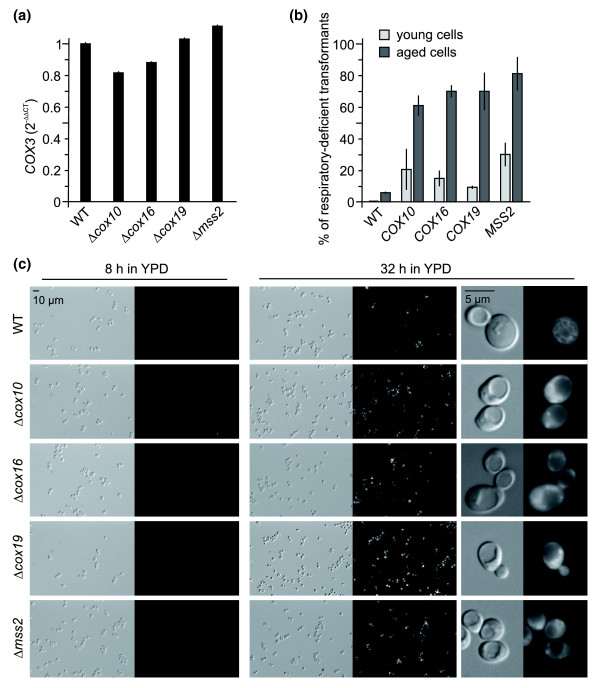
“3 7000 System SDS software Core Application (Applied Biosystems) and calculated according to the 2T-method [85].”
MethodSikorski, R. S., & Hieter, P. (1989) · Genetics · doi:10.1093/genetics/122.1.19 · Cited by 8,664
Mitochondria, Oxidants, and Aging
Balaban, R. S., Nemoto, S., & Finkel, T. (2005) · Cell · doi:10.1016/j.cell.2005.02.001 · Cited by 4,388 · cited 9×
“As mitochondrial metabolism and aging are linked to the generation of potentially harmful reactive oxygen species (ROS) [66] we asked whether ROS accumulate in COX assembly mutants.”
BackgroundInfluentialFunctional profiling of the Saccharomyces cerevisiae genome
Giaever, G., Chu, A. M., Ni, L., Connelly, C., Riles, L., Véronneau, S., Dow, S., Lucau-Danila, A., Anderson, K., André, B., et al. (2002) · Nature · doi:10.1038/nature00935 · Cited by 4,316 · cited 2×
“The MATα gene deletion library [16] and its supplement covering newly assigned small ORFs [21] was obtained from BioCat (Heidelberg, Germany), and MATa single mutant Δmip1 was obtained from EUROSCARF (Frankfurt, Germany).”
BackgroundMethodGlobal analysis of protein localization in budding yeast
Huh, W.-K., Falvo, J. V., Gerke, L. C., Carroll, A. S., Howson, R. W., Weissman, J. S., & O'Shea, E. K. (2003) · Nature · doi:10.1038/nature02026 · Cited by 4,248 · cited 6×
“Proteins Rrg1, Rrg2, and Rrg5 through Rrg10 have been localized to mitochondria by high-throughput green fluorescent protein (GFP) fusion protein localization [ 35 ] and/or mitochondrial proteome analysis [6,34].”
BackgroundInfluentialSherman, F. (2002) · Methods in Enzymology · doi:10.1016/s0076-6879(02)50954-x · Cited by 4,121 · cited 1×
“cerevisiae was cultivated and manipulated according to standard procedures [82].”
Method[1] Getting started with yeast
Sherman, F. (1991) · Methods in Enzymology · doi:10.1016/0076-6879(91)94004-v · Cited by 4,067
Baker Brachmann, C., Davies, A., Cost, G. J., Caputo, E., Li, J., Hieter, P., & Boeke, J. D. (1998) · Yeast · doi:10.1002/(sici)1097-0061(19980130)14:2<115::aid-yea204>3.0.co;2-2 · Cited by 3,401
Gray, M. W., Burger, G., & Lang, B. F. (1999) · Science · doi:10.1126/science.283.5407.1476 · Cited by 1,719
Computational Method to Predict Mitochondrially Imported Proteins and their Targeting Sequences
Claros, M. G., & Vincens, P. (1996) · European Journal of Biochemistry · doi:10.1111/j.1432-1033.1996.00779.x · Cited by 1,643 · cited 1×
“Although a mitochondrial location of Rrg3 has not been shown experimentally, the Mitoprot program [69] predicts the presence of a mitochondrial presequence with a high probability (0.”
Background
Research works printed but not linked: 1
- Ephrussi B Hottinguer H Tavlitzki J Action de l'acriflavine sur les levures II. Étude génétique du mutant "petite colonie". Ann Inst Pasteur 1949 76 419 442
Cited by
Mitochondrial fusion and fission in cell life and death
Westermann, B. (2010) · Nature Reviews Molecular Cell Biology · doi:10.1038/nrm3013 · Cited by 2,002
“In yeast, fusion-defective mutants rapidly lose their mitochondrial genome and consequently show defects in respiratio”
BackgroundSelf-citationHorvath, S. E., & Daum, G. (2013) · Progress in Lipid Research · doi:10.1016/j.plipres.2013.07.002 · Cited by 907
“In the yeast, deletion of UPS1, MDM31 or GEP5 causes a decrease in Psd1 levels and consequently a reduction of PE formation under fermentable growth conditions [296,297,335,336,341,342].”
BackgroundBioenergetic role of mitochondrial fusion and fission
Westermann, B. (2012) · Biochimica et Biophysica Acta (BBA) - Bioenergetics · doi:10.1016/j.bbabio.2012.02.033 · Cited by 687
Self-citationThe Yeast Deletion Collection: A Decade of Functional Genomics
Giaever, G., & Nislow, C. (2014) · Genetics · doi:10.1534/genetics.114.161620 · Cited by 481
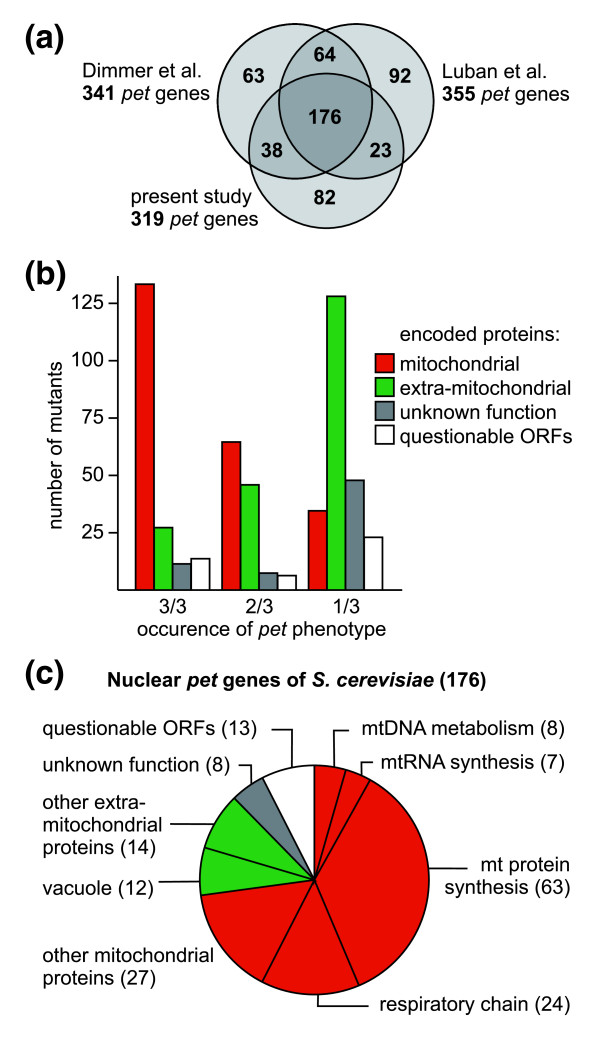
“The most recent of these studies (Merz and Westermann 2009) revealed an overlap of 176 genes between three colony-based studies, representing approximately half of the genes identified in each individual screen.”
BackgroundResultA Dynamic Interface between Vacuoles and Mitochondria in Yeast
Elbaz-Alon, Y., Rosenfeld-Gur, E., Shinder, V., Futerman, A. H., Geiger, T., & Schuldiner, M. (2014) · Developmental Cell · doi:10.1016/j.devcel.2014.06.007 · Cited by 380
“It has, however, previously been reported that the absence of Vps39 leads to impaired respiration capacity (Merz and Westermann, 2009).”
BackgroundCellular Metabolism Regulates Contact Sites between Vacuoles and Mitochondria
Hönscher, C., Mari, M., Auffarth, K., Bohnert, M., Griffith, J., Geerts, W., van der Laan, M., Cabrera, M., Reggiori, F., & Ungermann, C. (2014) · Developmental Cell · doi:10.1016/j.devcel.2014.06.006 · Cited by 332
“…by a loss of the cardiolipin synthase Crd1 (Chen et al., 2008), whereas several endosomal and vacuolarmutants, including all V-ATPase subunits, result in a mitochondrial petite phenotype (Merz and Westermann, 2009) or affect mitochondrial functions in longevity (Hughes and Gottschling, 2012).”
BackgroundReal-time monitoring of basal H2O2 levels with peroxiredoxin-based probes
Morgan, B., Van Laer, K., Owusu, T. N. E., Ezeriņa, D., Pastor-Flores, D., Amponsah, P. S., Tursch, A., & Dick, T. P. (2016) · Nature Chemical Biology · doi:10.1038/nchembio.2067 · Cited by 253
The crucial impact of lysosomes in aging and longevity
Carmona-Gutierrez, D., Hughes, A. L., Madeo, F., & Ruckenstuhl, C. (2016) · Ageing Research Reviews · doi:10.1016/j.arr.2016.04.009 · Cited by 244
Mitochondrial Respiratory Chain Complexes
Sousa, J. S., D’Imprima, E., & Vonck, J. (2018) · Subcellular Biochemistry · doi:10.1007/978-981-10-7757-9_7 · Cited by 231
Mitochondrial ER Contacts Are Crucial for Mitophagy in Yeast
Böckler, S., & Westermann, B. (2014) · Developmental Cell · doi:10.1016/j.devcel.2014.01.012 · Cited by 216
Self-citationCysteine Toxicity Drives Age-Related Mitochondrial Decline by Altering Iron Homeostasis
Hughes, C. E., Coody, T. K., Jeong, M.-Y., Berg, J. A., Winge, D. R., & Hughes, A. L. (2020) · Cell · doi:10.1016/j.cell.2019.12.035 · Cited by 217
“We and others previously found that vacuole acidification is required to maintain mitochondrial function and structure in budding yeast (Dimmer et al., 2002; Hughes and Gottschling, 2012; Merz and Westermann, 2009; Ohya et al., 1991).”
Shingu-Vazquez, M., & Traven, A. (2011) · Eukaryotic Cell · doi:10.1128/ec.05184-11 · Cited by 209
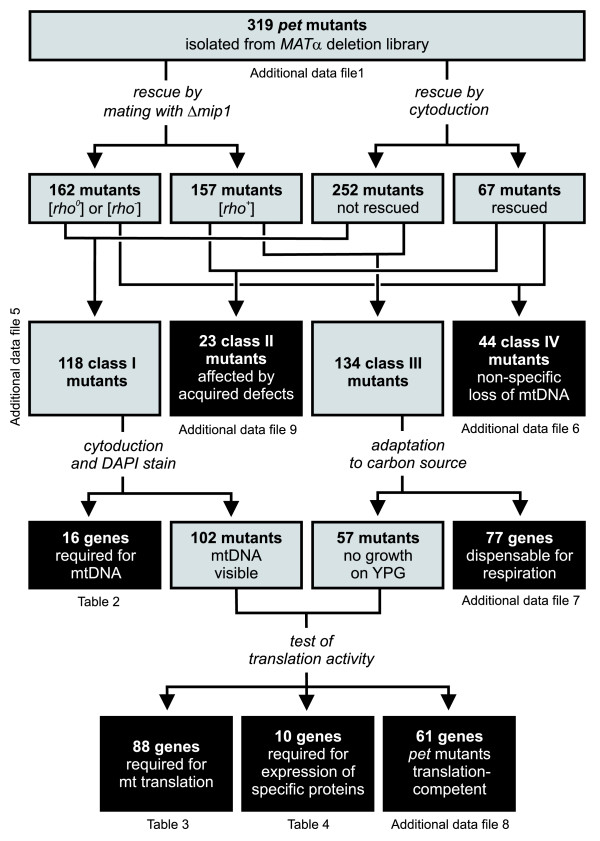
“cerevisiae deletion collection, 162 mutants were identified which tend to lose mtDNA (58).”
BackgroundInfluentialReversible 26S Proteasome Disassembly upon Mitochondrial Stress
Livnat-Levanon, N., Kevei, É., Kleifeld, O., Krutauz, D., Segref, A., Rinaldi, T., Erpapazoglou, Z., Cohen, M., Reis, N., Hoppe, T., et al. (2014) · Cell Reports · doi:10.1016/j.celrep.2014.04.030 · Cited by 188
“A dense interlocked network of mitochondria is also apparent in many mammalian cells (see example in Figure 5B; left) and in WT yeast (Altmann and Westermann, 2005; Merz and Westermann, 2009; Rinaldi et al., 2002).”
BackgroundSwinnen, S., Schaerlaekens, K., Pais, T., Claesen, J., Hubmann, G., Yang, Y., Demeke, M., Foulquié-Moreno, M. R., Goovaerts, A., Souvereyns, K., et al. (2012) · Genome Research · doi:10.1101/gr.131698.111 · Cited by 178
“(Merz and Westermann 2009).”
BackgroundThe role of mitochondrial DNA mutation on neurodegenerative diseases
Cha, M.-Y., Kim, D. K., & Mook-Jung, I. (2015) · Experimental & Molecular Medicine · doi:10.1038/emm.2014.122 · Cited by 156
The aging lysosome: An essential catalyst for late-onset neurodegenerative diseases
Nixon, R. A. (2020) · Biochimica et Biophysica Acta (BBA) - Proteins and Proteomics · doi:10.1016/j.bbapap.2020.140443 · Cited by 149
“Cells lacking subunits of the v-ATPase or treated with v-ATPase inhibitors have a very short lifespan and exhibit a range of mitochondrial impairments(Dimmer et al., 2002; Hughes and Gottschling, 2012; Merz and Westermann, 2009; Schleit et al., 2013).”
BackgroundOrij, R., Urbanus, M. L., Vizeacoumar, F. J., Giaever, G., Boone, C., Nislow, C., Brul, S., & Smits, G. J. (2012) · Genome Biology · doi:10.1186/gb-2012-13-9-r80 · Cited by 147
“Eleven of these (msf1Δ, aep3Δ, pet100Δ, atp7Δ, mss116Δ, mtg2Δ, mnn9Δ, plc1Δ, dep1Δ, rpl21aΔ, and snf2Δ) had extremely low growth rates on glycerol/ethanol medium, and were indeed previously shown to have severely reduced growth on respiratory media or to be respiratory growth deficient [28-30].”
Mitochondrial inheritance in fungi
Basse, C. W. (2010) · Current Opinion in Microbiology · doi:10.1016/j.mib.2010.09.003 · Cited by 157
Making connections: interorganelle contacts orchestrate mitochondrial behavior
Klecker, T., Böckler, S., & Westermann, B. (2014) · Trends in Cell Biology · doi:10.1016/j.tcb.2014.04.004 · Cited by 147
Self-citationCoa3 and Cox14 are essential for negative feedback regulation of COX1 translation in mitochondria
Mick, D. U., Vukotic, M., Piechura, H., Meyer, H. E., Warscheid, B., Deckers, M., & Rehling, P. (2010) · Journal of Cell Biology · doi:10.1083/jcb.201007026 · Cited by 115
“2 A), in agreement with recent data from a genome-wide screen on respiratory-deficient mutants (Merz and Westermann, 2009).”
Cytochrome c oxidase deficiency
Brischigliaro, M., & Zeviani, M. (2020) · Biochimica et Biophysica Acta (BBA) - Bioenergetics · doi:10.1016/j.bbabio.2020.148335 · Cited by 136
Han, S., Bahmanyar, S., Zhang, P., Grishin, N., Oegema, K., Crooke, R., Graham, M., Reue, K., Dixon, J. E., & Goodman, J. M. (2012) · Journal of Biological Chemistry · doi:10.1074/jbc.m111.324350 · Cited by 106
Vowinckel, J., Hartl, J., Butler, R., & Ralser, M. (2015) · Mitochondrion · doi:10.1016/j.mito.2015.07.001 · Cited by 104
“…of mitochondria independent of their MMP in yeast, we fused GFP to the fungal mitochondrial localisation signal oftheF 0 -ATPasesubunit9(preSU9)of Neurosporacrassa ,anestablished MMP independent localisation signal (Merz and Westermann, 2009; Schmidt et al., 1984; Westermann and Neupert, 2000).”
MethodBraun, R. J., Sommer, C., Carmona‐Gutiérrez, D., Khoury, C. M., Ring, J., Büttner, S., & Madeo, F. (2011) · Journal of Biological Chemistry · doi:10.1074/jbc.m110.194852 · Cited by 116
Segev, N., & Gerst, J. E. (2018) · Journal of Cell Biology · doi:10.1083/jcb.201706059 · Cited by 96
“Key missing components of the rpl1bΔ translatome include mMPs that display respiration-deficient phenotypes when mutated, including those involved in ATP synthesis (Atp1), protein import (Scc1), tricarboxylic acid cycle (Kgd1), and other processes (Turner et al., 2000; Poirier et al., 2002; Merz and Westermann, 2009;…”
Mitochondria–nucleus network for genome stability
Kaniak, A., & Skoneczna, A. (2015) · Free Radical Biology and Medicine · doi:10.1016/j.freeradbiomed.2015.01.013 · Cited by 111
“Strains lacking the MIP 1 gene are rho 0 [43,52], indicating that Mip1 is the major, if not unique (see below), replicative DNA polymerase in the mitochondria of this species.”
Garay, E., Campos, S. E., de la Cruz, J. G., Gaspar, A. P., Jinich, A., & DeLuna, A. (2014) · PLoS Genetics · doi:10.1371/journal.pgen.1004168 · Cited by 100
“drial function [17,18] influence lifespan from yeast to mammals.”
BackgroundMitochondrial inheritance in yeast
Westermann, B. (2013) · Biochimica et Biophysica Acta (BBA) - Bioenergetics · doi:10.1016/j.bbabio.2013.10.005 · Cited by 111
Self-citationOXPHOS deficiency activates global adaptation pathways to maintain mitochondrial membrane potential
Liu, S., Liu, S., He, B., Li, L., Li, L., Wang, J., Cai, T., Chen, S., & Jiang, H. (2021) · EMBO Reports · doi:10.15252/embr.202051606 · Cited by 97
“Because some OXPHOS subunits are required for mtDNA maintenance (Merz & Westermann, 2009), we mated cor1 Δ , cox9 Δ , and atp7 Δ cells with q 0 cells to examine their mtDNA quality.”
Ono, J., Gerstein, A. C., & Otto, S. P. (2017) · PLOS Biology · doi:10.1371/journal.pbio.1002591 · Cited by 84
Peris, D., Pérez‐Torrado, R., Hittinger, C. T., Barrio, E., & Querol, A. (2017) · Yeast · doi:10.1002/yea.3283 · Cited by 98
“The genes encoded by the mitochondrial genome interact closely with many genes encoded by the nuclear genome (Merz and Westermann, 2009).”
BackgroundGerstein, A. C., Lo, D. S., & Otto, S. P. (2012) · Genetics · doi:10.1534/genetics.112.142620 · Cited by 81
“Because erg5D is respiratory deficient (Merz and Westermann 2009), we checked 25 of the petite lines we isolated from our screens for sequence changes in ERG5, yet found no evidence of additional mutations in ERG5.”
BackgroundFontanesi, F., Clemente, P., & Barrientos, A. (2011) · Journal of Biological Chemistry · doi:10.1074/jbc.m110.188805 · Cited by 82
Lipinski, K. A., Kaniak, A., & Golik, P. (2010) · Biochimica et Biophysica Acta (BBA) - Bioenergetics · doi:10.1016/j.bbabio.2009.12.019 · Cited by 104
“Strains lacking the MIP1 gene immediately lose all the mitochondrial DNA (becoming rho) [21,22], which corroborates the notion that Mip1p is the unique replicative DNA polymerase in yeast mitochondria.”
BackgroundNon-canonical translation initiation in yeast generates a cryptic pool of mitochondrial proteins
Monteuuis, G., Miścicka, A., Świrski, M. I., Zenad, L., Niemitalo, O., Wróbel, L., Alam, J., Chacińska, A., Kastaniotis, A. J., & Kufel, J. (2019) · Nucleic Acids Research · doi:10.1093/nar/gkz301 · Cited by 86
“Observations for Trz1 and Lsm1 are in agreement with previous reports showing that lack of these proteins leads to mitochondrial defects (70,72).”
ResultMitochondrial inheritance in budding yeasts: towards an integrated understanding
Solieri, L. (2010) · Trends in Microbiology · doi:10.1016/j.tim.2010.08.001 · Cited by 80
Preserving Lysosomal Function in the Aging Brain: Insights from Neurodegeneration
Peng, W., Minakaki, G., Nguyen, M., & Krainc, D. (2019) · Neurotherapeutics · doi:10.1007/s13311-019-00742-3 · Cited by 79
Mitochondrial-derived compartments facilitate cellular adaptation to amino acid stress
Schuler, M.-H., English, A. M., Xiao, T., Campbell, T. J., Shaw, J. M., & Hughes, A. L. (2021) · Molecular Cell · doi:10.1016/j.molcel.2021.08.021 · Cited by 83
Löbs, A., Schwartz, C., Thorwall, S., & Wheeldon, I. R. (2018) · ACS Synthetic Biology · doi:10.1021/acssynbio.8b00331 · Cited by 76
Longen, S., Woellhaf, M. W., Petrungaro, C., Riemer, J., & Herrmann, J. M. (2013) · Developmental Cell · doi:10.1016/j.devcel.2013.11.007 · Cited by 73
“Genome instability is associated with many mutants of ribosomal proteins including Mrp10 (Merz and Westermann, 2009).”
BackgroundSchepers, W., Zeebroeck, G. V., Pinkse, M. W. H., Verhaert, P. D. E. M., & Thevelein, J. M. (2012) · Journal of Biological Chemistry · doi:10.1074/jbc.m112.421503 · Cited by 80
Functional and regulatory profiling of energy metabolism in fission yeast
Malecki, M., Bitton, D. A., Rodríguez-López, M., Rallis, C., Calavia, N. G., Smith, G. C., & Bähler, J. (2016) · Genome Biology · doi:10.1186/s13059-016-1101-2 · Cited by 68
“The respiratorydeficient phenotype shows high variability as noticed previously in budding yeast [34].”
Hou, J., Friedrich, A., Gounot, J.-S., & Schacherer, J. (2015) · Nature Communications · doi:10.1038/ncomms8214 · Cited by 74
“COX15 encodes an inner membrane cargo protein in the mitochondria, the function of which is essential for respiration 28 .”
Segev, N., & Gerst, J. E. (2018) · Journal of Cell Biology · doi:10.1083/jcb.20170605901292018c · Cited by 65
Oxidative stress and aging: Learning from yeast lessons
Eleuthério, E. C. A., Brasil, A. D. A., França, M. B., de Almeida, D. S. G., Rona, G. B., & Magalhães, R. S. S. (2017) · Fungal Biology · doi:10.1016/j.funbio.2017.12.003 · Cited by 70
Lipinski, K. A., Puchta, O., Surendranath, V., Kudla, M., & Golik, P. (2011) · Molecular Biology and Evolution · doi:10.1093/molbev/msr120 · Cited by 62
“Sov1p is a protein of unknown function that also localizes to mitochondria and the phenotypes of its mutants indicate an involvement in the expression or maintenance of the mitochondrial genome (Merz and Westermann 2009).”
BackgroundGenetic instability in budding and fission yeast—sources and mechanisms
Skoneczna, A., Kaniak, A., & Skoneczny, M. (2015) · FEMS Microbiology Reviews · doi:10.1093/femsre/fuv028 · Cited by 67
“The MIP1 gene deletion leads to the loss of mtDNA (rho0 strains; Foury 1989; Merz and Westermann 2009), indicating that this”
BackgroundInfluentialKursu, V. A. S., Pietikäinen, L. P., Fontanesi, F., Aaltonen, M. J., Suomi, F., Nair, R., Schonauer, M. S., Dieckmann, C. L., Barrientos, A., Hiltunen, J. K., et al. (2013) · Molecular Microbiology · doi:10.1111/mmi.12402 · Cited by 60
“It has been shown that the mtFAS pathway is not required for the expression, assembly or function of respiratory complexes per se (Merz and Westermann, 2009).”
BackgroundMitochondrial contact sites as platforms for phospholipid exchange
Dimmer, K. S., & Rapaport, D. (2016) · Biochimica et Biophysica Acta (BBA) - Molecular and Cell Biology of Lipids · doi:10.1016/j.bbalip.2016.07.010 · Cited by 61
Qu, Y., Jelicic, B., Pettolino, F., Perry, A., Lo, T. L., Hewitt, V. L., Bantun, F., Beilharz, T. H., Peleg, A. Y., Lithgow, T., et al. (2012) · Eukaryotic Cell · doi:10.1128/ec.05292-11 · Cited by 57
“cerevisiae, it is known that a large number of mitochondrial proteins/processes are necessary for mtDNA maintenance, but only for some (mostly those affecting mtDNA metabolism directly) is the molecular basis for this function understood (48).”
BackgroundResultInfluentialItoh, K., Tamura, Y., Iijima, M., & Sesaki, H. (2013) · Molecular Biology of the Cell · doi:10.1091/mbc.e13-03-0125 · Cited by 57
“These deletion strains include aim∆ (altered inheritance of mitochondria), rrg∆ (required for respiratory growth), and fmp∆ mutants (found in mitochondrial proteome; Supplemental Table S1; Sickmann et al., 2003; Hess et al., 2009; Merz and Westermann, 2009).”
BackgroundElurbe, D. M., & Huynen, M. A. (2016) · Biochimica et Biophysica Acta (BBA) - Bioenergetics · doi:10.1016/j.bbabio.2016.03.027 · Cited by 58
“NDUFAF4 is homologous to Neugrin, a protein upregulated during neuronal differentiation [55] whose yeast ortholog, Rrg9 [56] is mitochondrial [57].”
BackgroundAmyloids and Yeast Prion Biology
Wickner, R. B., Edskes, H. K., Bateman, D. A., Kelly, A. C., Gorkovskiy, A., Dayani, Y., & Zhou, A. (2013) · Biochemistry · doi:10.1021/bi301686a · Cited by 55
Mitochondrial dynamics in yeast cell death and aging
Braun, R. J., & Westermann, B. (2011) · Biochemical Society Transactions · doi:10.1042/bst0391520 · Cited by 61
Self-citationThe Arabidopsis COX11 Homolog is Essential for Cytochrome c Oxidase Activity
Radin, I., Mansilla, N., Rödel, G., & Steinebrunner, I. (2015) · Frontiers in Plant Science · doi:10.3389/fpls.2015.01091 · Cited by 62
“…that depend on respiration-based energy supply to a sudden halt: respective Saccharomyces (S.) cerevisiae mutants stop growing on non-fermentable carbon sources (Merz and Westermann, 2009) as do COX-deficient Chlamydomonas reinhardtii mutants under heterotrophic conditions (Colin et al., 1995).”
Wilms, T., Swinnen, E., Eskes, E., Edo, L. D., Uwineza, A., Essche, R. V., Rosseels, J., Zabrocki, P., Cameroni, E., Franssens, V., et al. (2017) · PLoS Genetics · doi:10.1371/journal.pgen.1006835 · Cited by 61
Liu, G., Chen, Y., Færgeman, N. J., & Nielsen, J. (2017) · FEMS Yeast Research · doi:10.1093/femsyr/fox063 · Cited by 60
Baker, N., Hamilton, G. M., Wilkes, J., Hutchinson, S., Barrett, M. P., & Horn, D. (2015) · Proceedings of the National Academy of Sciences · doi:10.1073/pnas.1505411112 · Cited by 54
“In yeast, V-ATPase mutations have an impact on petite phenotypes (44, 45), and V-ATPase function has also been linked to cellular aging and rejuvenation by controlling mitochondrial function (46).”
BackgroundWallace, E. W. J., Maufrais, C., Sales-Lee, J., Tuck, L., de Oliveira, L. M., Feuerbach, F., Moyrand, F., Natarajan, P., Madhani, H. D., & Janbon, G. (2020) · Nucleic Acids Research · doi:10.1093/nar/gkaa060 · Cited by 55
“a mitochondrial localization sequence and MSR1 deletions have a petite phenotype (95), although both have been detected in mitochondria suggesting some residual duallocalization of the cytoplasmic enzyme (96).”
BackgroundPhosphatidylethanolamine Biosynthesis in Mitochondria
Tamura, Y., Onguka, O., Itoh, K., Endo, T., Iijima, M., Claypool, S. M., & Sesaki, H. (2012) · Journal of Biological Chemistry · doi:10.1074/jbc.m112.390997 · Cited by 52
Mdm36 Is a Mitochondrial Fission-promoting Protein in Saccharomyces cerevisiae
Hammermeister, M., Schödel, K., & Westermann, B. (2010) · Molecular Biology of the Cell · doi:10.1091/mbc.e10-02-0096 · Cited by 52
“Epifluorescence microscopy was performed using an Axioplan 2 microscope (Carl Zeiss Lichtmikroskopie, Göttingen, Germany) equipped with a PlanNeofluar 100 /1.30 Ph3 oil objective (Carl Zeiss Lichtmikroskopie).”
BackgroundMethodSelf-citationThe Role of Mitochondria in the Aging Processes of Yeast
Breitenbach, M., Laun, P., Dickinson, J. R., Klocker, A., Rinnerthaler, M., Dawes, I. W., Aung-Htut, M. T., Breitenbach‐Koller, H., Caballero, A., Nyström, T., et al. (2011) · Sub-cellular biochemistry/Subcellular biochemistry · doi:10.1007/978-94-007-2561-4_3 · Cited by 60
Friederich, M. W., Timal, S., Powell, C. A., Dallabona, C., Kurolap, A., Palacios-Zambrano, S., Bratkovic, D., Derks, T. G. J., Bick, D. P., Bouman, K., et al. (2018) · Nature Communications · doi:10.1038/s41467-018-06250-w · Cited by 53
Breitenbach, M., Laun, P., & Jazwinski, S. M. (2011) · Sub-cellular biochemistry/Subcellular biochemistry · doi:10.1007/978-94-007-2561-4 · Cited by 59
The metabolic growth limitations of petite cells lacking the mitochondrial genome
Vowinckel, J., Hartl, J., Marx, H., Kerick, M., Runggatscher, K., Keller, M. A., Mülleder, M., Day, J., Weber, M., Rinnerthaler, M., et al. (2021) · Nature Metabolism · doi:10.1038/s42255-021-00477-6 · Cited by 48
Stumpf, J. D., Bailey, C. M., Spell, D., Stillwagon, M., Anderson, K. S., & Copeland, W. C. (2010) · Human Molecular Genetics · doi:10.1093/hmg/ddq089 · Cited by 53
Inaccurately Assembled Cytochrome c Oxidase Can Lead to Oxidative Stress-Induced Growth Arrest
Bode, M., Longen, S., Morgan, B., Peleh, V., Dick, T. P., Bihlmaier, K., & Herrmann, J. M. (2012) · Antioxidants and Redox Signaling · doi:10.1089/ars.2012.4685 · Cited by 55
“To this end we used a subset of the yeast Mata deletion library which contained 386 deletion mutants that showed a reduced growth on the nonfermentable carbon source glycerol (35).”
BackgroundMethodSinturel, F., Brechemier, D., Kiledjian, M., Condon, C., & Bénard, L. (2012) · Proceedings of the National Academy of Sciences · doi:10.1073/pnas.1120090109 · Cited by 43
“Dps1 and Cys3 for example, which have both been shown to be involved in respiration (26, 27), are affected differently by Dcs1 and Xrn1 (Fig.”
BackgroundThe Heme Transport Capacity of LHR1 Determines the Extent of Virulence in Leishmania amazonensis
Renberg, R. L., Yuan, X., Samuel, T. K., Miguel, D. C., Hamza, I., Andrews, N. W., & Flannery, A. R. (2015) · PLoS neglected tropical diseases · doi:10.1371/journal.pntd.0003804 · Cited by 43
“Heme uptake in T. cruzi has been reported to be ATP dependent [45], but whether this represents a process mediated by the T. cruzi LHR1 homolog or an alternative heme acquisition pathway via hemoglobin breakdown [46] remains to be determined.”
BackgroundInfluentialYeast and human mitochondrial helicases
Szczęsny, R. J., Wojcik, M. A., Borowski, L. S., Szewczyk, M., Skrok, M. M., Golik, P., & Stępień, P. P. (2013) · Biochimica et Biophysica Acta (BBA) - Gene Regulatory Mechanisms · doi:10.1016/j.bbagrm.2013.02.009 · Cited by 40
Cell size sets the diameter of the budding yeast contractile ring
Kukhtevich, I. V., Lohrberg, N., Padovani, F., Schneider, R., & Schmoller, K. M. (2020) · Nature Communications · doi:10.1038/s41467-020-16764-x · Cited by 34
A Signaling Lipid Associated with Alzheimer’s Disease Promotes Mitochondrial Dysfunction
Kennedy, M. A., Moffat, T. C., Gable, K. S., Ganesan, S., Niewola‐Staszkowska, K., Johnston, A., Nislow, C., Giaever, G. N., Harris, L. J., Loewith, R., et al. (2016) · Scientific Reports · doi:10.1038/srep19332 · Cited by 40
Puchta, O., Lubas, M., Lipinski, K. A., Piatkowski, J., Malecki, M., & Golik, P. (2010) · Genetics · doi:10.1534/genetics.110.113969 · Cited by 33
Tigano, M., Ruotolo, R., Dallabona, C., Fontanesi, F., Barrientos, A., Donnini, C., & Ottonello, S. (2015) · Nucleic Acids Research · doi:10.1093/nar/gkv765 · Cited by 37
“The hfm1 disruptant was classified as MS at 37◦C, but also exhibited a clear, although less intense, respiratory growth phenotype at 30◦C, consistently with another OXPHOS screen conducted at this temperature (29).”
BackgroundInvestigation of Candida parapsilosis virulence regulatory factors during host-pathogen interaction
Tóth, R., Cabral, V., Thuer, E., Bohner, F., Németh, T., Papp, C., Nimrichter, L., Attila, M. G., Vágvölgyi, C., Gabaldón, T., et al. (2018) · Scientific Reports · doi:10.1038/s41598-018-19453-4 · Cited by 40
Drp1 Phosphorylation Is Indispensable for Steroidogenesis in Leydig Cells
Park, J.-E., Kim, Y. J., Lee, S. G., Kim, J. Y., Chung, J.-Y., Jeong, S.-Y., Koh, H., Yun, J., Park, H. T., Yoo, Y. H., et al. (2019) · Endocrinology · doi:10.1210/en.2019-00029 · Cited by 38
Global analysis of the yeast knockout phenome
Turco, G. M., Chang, C., Wang, R. Y., Kim, G., Stoops, E. H., Richardson, B., Sochat, V., Rust, J., Oughtred, R., Thayer, N. H., et al. (2023) · Science Advances · doi:10.1126/sciadv.adg5702 · Cited by 41
Mechanisms by Which Different Functional States of Mitochondria Define Yeast Longevity
Beach, A., Leonov, A., Arlia‐Ciommo, A., Svistkova, V., Lutchman, V., & Titorenko, V. I. (2015) · International Journal of Molecular Sciences · doi:10.3390/ijms16035528 · Cited by 35
“orchestrated by mitochondrial proteins constituting the so-called mitochondrial translation control (MTC) module [18,173–177] (Figure 2D).”
BackgroundEfficient termination of nuclear lncRNA transcription promotes mitochondrial genome maintenance
du Mee, D. J. M., Ivanov, M., Parker, J. P., Buratowski, S., & Marquardt, S. (2018) · eLife · doi:10.7554/elife.31989 · Cited by 32
“The essential Nrd1-Nab3-Sen1 (NNS) Pol II transcription termination pathway terminates CUT transcription (Mischo and Proudfoot, 2013).”
BackgroundPower2: The power of yeast genetics applied to the powerhouse of the cell
Rutter, J. P., & Hughes, A. L. (2015) · Trends in Endocrinology and Metabolism · doi:10.1016/j.tem.2014.12.002 · Cited by 35
Identifying genes required for respiratory growth of fission yeast
Malecki, M., & Bähler, J. (2016) · Wellcome Open Research · doi:10.12688/wellcomeopenres.9992.1 · Cited by 27
Loss of the SIN3 transcriptional corepressor results in aberrant mitochondrial function
Barnes, V. L., Strunk, B. S., Lee, I., Hüttemann, M., & Pile, L. A. (2010) · BMC Biochemistry · doi:10.1186/1471-2091-11-26 · Cited by 31
“As SIN3 was not previously identified in global screens for factors required for respiratory activity [39-42], we Figure 4 S.”
BackgroundCaza, M., Hu, G., Nielson, E. D., Cho, M., Jung, W. H., & Kronstad, J. W. (2018) · PLoS Pathogens · doi:10.1371/journal.ppat.1007220 · Cited by 32
“These ideas are supported by genetic screens in 506 yeast that identified many VPS genes as contributing to mitochondrial morphology 507 (48,49).”
BackgroundMapping mitonuclear epistasis using a novel recombinant yeast population
Nguyen, T. H. M., Tinz-Burdick, A., Lenhardt, M., Geertz, M., Ramirez, F., Schwartz, M., Toledano, M., Bonney, B., Gaebler, B., Liu, W., et al. (2023) · PLoS Genetics · doi:10.1371/journal.pgen.1010401 · Cited by 30
“Sixteen of the associated genes generate non-respiratory 435 phenotypes when deleted from the genome [49, 71-73].”
Wallace-Salinas, V., Brink, D. P., Ahrén, D., & Gorwa‐Grauslund, M. F. (2015) · BMC Genomics · doi:10.1186/s12864-015-1737-4 · Cited by 30
“Although the missense variant present in ISO12 (M45I; detected in 38 % of the mapped alleles) is most probably functionally active, the effect of such amino acid change on the decreased respiratory capacity of ISO12 (by direct effects on CYC3p or through epigenetic mechanisms) cannot be discarded [78].”
BackgroundEnd-of-life cell cycle arrest contributes to stochasticity of yeast replicative aging
Delaney, J. R., Chou, A., Olsen, B., Carr, D. T., Murakami, C., Ahmed, U., Sim, S., An, E. H., Castanza, A. S., Fletcher, M., et al. (2013) · FEMS Yeast Research · doi:10.1111/1567-1364.12030 · Cited by 28
“Unlike the other longlived mutants tested, both idh2D and sps1D cells are also respiratory deficient (Merz & Westermann, 2009), but whether this defect is related to the terminal morphology phenotype remains unclear.”
BackgroundRelationship between respiration deficiency and azole resistance in clinical Candida glabrata
Peng, Y., Dong, D., Jiang, C., Yu, B., Wang, X., & Ji, Y. (2012) · FEMS Yeast Research · doi:10.1111/j.1567-1364.2012.00821.x · Cited by 27
“Usually, because of deletions in mitochondrial DNA or dysfunction of respiratory chain components, strains cannot respire normally on nonfermentative media, causing them to display the petite mutant phenotype (Merz & Westermann, 2009).”
BackgroundEdskes, H. K., Mukhamedova, M., Edskes, B. K., & Wickner, R. B. (2018) · Genetics · doi:10.1534/genetics.118.300981 · Cited by 28
“Prion Pathology Blocked by Ylr352wp 793 mutant in the NEDDylation genes could grow on the YPG + cycloheximide medium after receiving [URE3], except for uba3D (Figure 2), which is known to be respiratory incompetent independent of [URE3] (Merz and Westermann 2009).”
BackgroundIsolation of conditional mutations in genes essential for viability of Cryptococcus neoformans
Ianiri, G., Boyce, K. J., & Idnurm, A. (2016) · Current Genetics · doi:10.1007/s00294-016-0659-2 · Cited by 25
Smith, M. R., Boenzli, M. G., Hindagolla, V., Ding, J., Miller, J. M., Hutchison, J. E., Greenwood, J. A., Abeliovich, H., & Bakalinsky, A. T. (2012) · Applied and Environmental Microbiology · doi:10.1128/aem.01737-12 · Cited by 25
Stenger, M., Le, D. T., Klecker, T., & Westermann, B. (2020) · Microbial Cell · doi:10.15698/mic2020.09.729 · Cited by 28
Self-citationFrom beer to breadboards: yeast as a force for biological innovation
Gaikani, H. K., Stolar, M., Kriti, D., Nislow, C., & Giaever, G. N. (2024) · Genome biology · doi:10.1186/s13059-023-03156-9 · Cited by 31
“In one of the most recent of these studies, Merz and Westermann included a welcome comparison of these results, revealing an overlap of 176 genes between all three colony-based studies, each representing approximately half of the genes identified in each individual screen [81].”
BackgroundResultWilliams, T. C., Kroukamp, H., Xu, X., Wightman, E. L. I., Llorente, B., Borneman, A. R., Carpenter, A. C., van Wyk, N., Meier, F., Collier, T., et al. (2023) · Cell Genomics · doi:10.1016/j.xgen.2023.100379 · Cited by 33
Procházka, E., Franko, F., Poláková, S., & Sulo, P. (2012) · FEMS Yeast Research · doi:10.1111/j.1567-1364.2012.00833.x · Cited by 28
Qian, Y., Kachroo, A. H., Yellman, C. M., Marcotte, E. M., & Johnson, K. A. (2014) · Journal of Biological Chemistry · doi:10.1074/jbc.m113.526418 · Cited by 29
“The relative mtDNA content was measured using qPCR by comparing the ratio of copy numbers of the mitochondrially encoded COX3 gene to the nuclearly encoded GAL4 gene, as described previously (39).”
MethodvCLAMPs — an intimate link between vacuoles and mitochondria
Ungermann, C. (2015) · Current Opinion in Cell Biology · doi:10.1016/j.ceb.2015.03.006 · Cited by 24
Mitochondrial survivin reduces oxidative phosphorylation in cancer cells by inhibiting mitophagy
Townley, A. R., & Wheatley, S. P. (2020) · Journal of Cell Science · doi:10.1242/jcs.247379 · Cited by 24
“…of mitochondrial DNA (mtDNA) mutations that eventually trigger the loss of the respiratory apparatus (Balaban, Nemoto and Finkel, 2005; Porporato et al., 2017), causing a reduction in OXPHOS, and greater dependency on glycolysis, hence evoking the “Warburg Effect” (Merz and Westermann, 2009).”
BackgroundInfluentialFiguccia, S., Degiorgi, A., Berti, C. C., Baruffini, E., Dallabona, C., & Goffrini, P. (2021) · International Journal of Molecular Sciences · doi:10.3390/ijms22094524 · Cited by 22
“HER2 and PET112 are essential for mitochondrial function; in fact, their disruption destabilize mtDNA and makes the strain respiratory deficient [104,105].”
BackgroundMitochondria–organelle contact sites: the plot thickens
Elbaz‐Alon, Y. (2017) · Biochemical Society Transactions · doi:10.1042/bst20160130 · Cited by 25
Leonov, A., Arlia‐Ciommo, A., Bourque, S. D., Koupaki, O., Kyryakov, P., Dakik, P., McAuley, M., Medkour, Y., Mohammad, K., Maulo, T. D., et al. (2017) · Oncotarget · doi:10.18632/oncotarget.16766 · Cited by 20
“These mitochondrial traits include the following: 1) electron transport chain, oxidative phosphorylation and membrane potential [11-22]; 2) reactive oxygen species (ROS) homeostasis [11-13, 17, 23-34]; 3) protein synthesis and proteostasis [11, 27, 35-47]; 4) synthesis and assembly of iron-sulfur clusters [19, 27, 48-…”
Background
Metadata
- Authors
- Merz, S., & Westermann, B.
- Affiliations
- University of Bayreuth (DE)
- Corresponding author
- Westermann, Benedikt
- ORCID
- Westermann, Benedikt
- Venue
- Genome Biology
- Published
- 2009-09-14
- Volume
- 10
- Issue
- 9
- Pages
- R95-R95
- ISSN
- 1465-6906 (ISSN-L)
- 1474-760X
- PMC
- PMC2768984
- OpenAlex
- W2130947642
- Semantic Scholar
- ee3ea0a9dc9b93cb11750571986d02ae4832b604
- Cited by
- 213
- References
- 86
- Citations by year
- 2026: 4 · 2025: 9 · 2024: 11 · 2023: 26 · 2022: 4 · 2021: 9 · 2020: 12 · 2019: 12 · 2018: 12 · 2017: 17 · 2016: 16 · 2015: 17 · 2014: 16 · 2013: 10 · 2012: 14
- FWCI
- 5.09
- Type
- journal article
- Language
- en
- Open access
- gold
- doi.org
- Licence
- cc-by
- creativecommons.org/licenses/by/2.0/ (tdm)
- creativecommons.org/licenses/by/2.0/ (vor)
- Locations
- Genome biology (publishedVersion, cc-by)
- PubMed Central (publishedVersion, cc-by)
- PubMed (publishedVersion)
- ERef Bayreuth (University of Bayreuth) (submittedVersion)
- Funders
- Deutsche Forschungsgemeinschaft
- Topics
- Life Sciences › Biochemistry, Genetics and Molecular Biology › Molecular Biology › Mitochondrial Function and Pathology
- Life Sciences › Biochemistry, Genetics and Molecular Biology › Molecular Biology › Fungal and yeast genetics research
- Life Sciences › Biochemistry, Genetics and Molecular Biology › Cell Biology › Autophagy in Disease and Therapy
- Keywords
- mitochondrial DNA maintenance, mitochondrial translation, respiratory chain assembly, respiratory growth, cytochrome c oxidase assembly, respiration-deficient mutants, mitochondrial gene expression, phenotypic plasticity, Saccharomyces cerevisiae
- MeSH terms
- Electron Transport Complex IV, DNA, Mitochondrial, Electron Transport, Microscopy, Fluorescence, Mutation, Saccharomyces cerevisiae, Protein Biosynthesis, Gene Expression Regulation, Fungal, Genome, Fungal, Gene Deletion, Genes, Essential, Reverse Transcriptase Polymerase Chain Reaction, Mitochondrial Proteins, Saccharomyces cerevisiae Proteins, Genome, Mitochondrial
About these checks
Registry, retraction, Cites and statistics results are computed, not judged, with one exception: a printed reference that no index lists is read once by a model before it counts as a citation error. Claims are extracted by a model and kept only when their quote appears verbatim in the text; each cited source is then checked, with a model’s help, for whether it says what the claim relies on. Those verdicts can be wrong — read the claim’s quote and the cited source before relying on one.
Statistics and arithmetic are recomputed, not judged.
Confidence bands are shown only for fields calibrated on our annotated test set. None is calibrated yet, so no band is shown.
What counts as a claim ›How we measure confidence ›How we check this ›
Are you an author, or do you see a problem with this page? Request a review
Data sources
Bibliographic data: Semantic Scholar, OpenAlex, Crossref.
Contains information from the Semantic Scholar Academic Graph Datasets, made available under the ODC Attribution License (ODC-BY 1.0).
Semantic Scholar’s data is described in: Kinney, R., et al. (2023). The Semantic Scholar Open Data Platform. arXiv:2301.10140.
