

Transposable elements reveal a stem cell-specific class of long noncoding RNAs
Open accessThe DOI matches its Crossref record; 92 of the 92 references it cites were found in a registry or an index.
Abstract
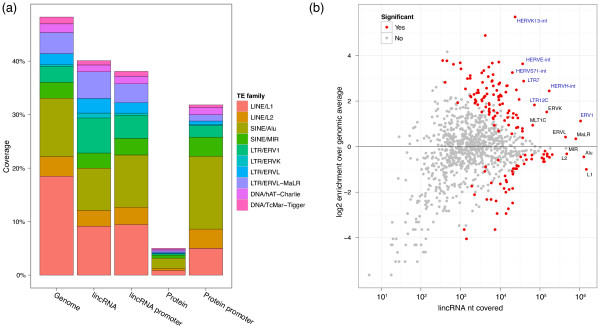
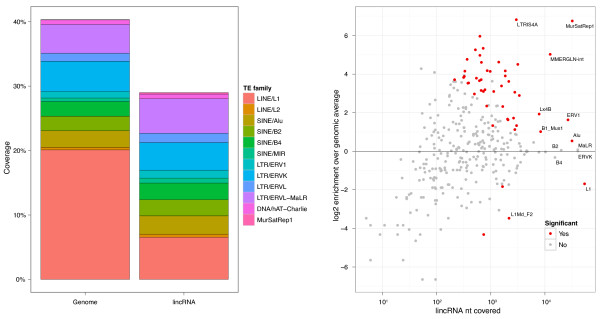
Background: Numerous studies over the past decade have elucidated a large set of long intergenic noncoding RNAs (lincRNAs) in the human genome. Research since has shown that lincRNAs constitute an important layer of genome regulation across a wide spectrum of species. However, the factors governing their evolution and origins remain relatively unexplored. One possible factor driving lincRNA evolution and biological function is transposable element (TE) insertions. Here, we comprehensively characterize the TE content of lincRNAs relative to genomic averages and protein coding transcripts. Results: Our analysis of the TE composition of 9,241 human lincRNAs revealed that, in sharp contrast to protein coding genes, 83% of lincRNAs contain a TE, and TEs comprise 42% of lincRNA sequence. lincRNA TE composition varies significantly from genomic averages - L1 and Alu elements are depleted and broad classes of endogenous retroviruses are enriched. TEs occur in biased positions and orientations within lincRNAs, particularly at their transcription start sites, suggesting a role in lincRNA transcriptional regulation. Accordingly, we observed a dramatic example of HERVH transcriptional regulatory signals correlating strongly with stem cell-specific expression of lincRNAs. Conversely, lincRNAs devoid of TEs are expressed at greater levels than lincRNAs with TEs in all tissues and cell lines, particularly in the testis. Conclusions: TEs pervade lincRNAs, dividing them into classes, and may have shaped lincRNA evolution and function by conferring tissue-specific expression from extant transcriptional regulatory signals.
Overview
The claims and statistics of this paper haven’t been checked yet.
Free: it reads the open-access text and checks the first 5 claims that cite a source we can check. Create a free account to check every claim.
Integrity signals
Registry
Cites
Statistics
Figures
Verification
Claims the paper makes
The claims and statistics of this paper haven’t been checked yet.
Free: it reads the open-access text and checks the first 5 claims that cite a source we can check. Create a free account to check every claim.
Claims other papers make about this one
Each is checked against this paper’s own text: does it say what the citing paper says it does?
The cited source doesn’t support the claim as written.
In the citing paper
“Indeed, lincRNAs containing REs showed much more tissue-specific pattern of expression in comparison with lincRNAs devoid of REs 17.”
From Are human endogenous retroviruses pathogenic? An approach to testing the hypothesis (2013) · cites this paper as [17]
Checked by a reasoning model — may be wrong.
Experimental — accuracy not yet measuredThe cited source says what the claim attributes to it.
In the citing paper
“Over 80% of lincRNAs were found to contain a RE, particularly enriched in HERVs, and more frequently inserted at the transcription start of the lincRNA 17.”
From Are human endogenous retroviruses pathogenic? An approach to testing the hypothesis (2013) · cites this paper as [17]
Self-check
Percentages, sums and reported differences re-computed from the paper’s own numbers.
The self-check needs the paper’s full text.
Citations
Cites
Controlling the False Discovery Rate: A Practical and Powerful Approach to Multiple Testing
Benjamini, Y., & Hochberg, Y. (1995) · Journal of the Royal Statistical Society Series B: Statistical Methodology · doi:10.1111/j.2517-6161.1995.tb02031.x · Cited by 109,482 · cited 1×
“P-values in all experiments were corrected for multiple hypothesis testing using Benjamini and Hochberg’s false discovery rate procedure [89].”
BEDTools: a flexible suite of utilities for comparing genomic features
Quinlan, A. R., & Hall, I. M. (2010) · Bioinformatics · doi:10.1093/bioinformatics/btq033 · Cited by 27,437
Initial sequencing and analysis of the human genome
International Human Genome Sequencing Consortium, Whitehead Institute for Biomedical Research, C. F. G. R., Lander, E. S., Linton, L. M., Birren, B., Nusbaum, C., Zody, M. C., Baldwin, J., Devon, K., Dewar, K., et al. (2001) · Nature · doi:10.1038/35057062 · Cited by 24,216
Ultrafast and memory-efficient alignment of short DNA sequences to the human genome.
Langmead, B., Trapnell, C., Pop, M., & Salzberg, S. L. (2009) · Genome Biology · doi:10.1186/gb-2009-10-3-r25 · Cited by 21,849 · cited 1×
“First, we mapped the reads to the genome using Bowtie [90] with the –best option to return the single best alignment per read.”
Model-based Analysis of ChIP-Seq (MACS)
Zhang, Y., Liu, T., Meyer, C. A., Eeckhoute, J., Johnson, D. S., Bernstein, B. E., Nusbaum, C., Myers, R. M., Brown, M., Li, W., et al. (2008) · Genome Biology · doi:10.1186/gb-2008-9-9-r137 · Cited by 18,386 · cited 1×
“Second, w e remapped the reads allowing up to twenty alignments and called peaks using the AREM softw are package, which implements an iterative algorithm to optimally allocate mult i- apping reads built on top of the MACS method[91, 92].”
Trapnell, C., Williams, B. A., Pertea, G., Mortazavi, A., Kwan, G., van Baren, M. J., Salzberg, S. L., Wold, B. J., & Pachter, L. (2010) · Nature Biotechnology · doi:10.1038/nbt.1621 · Cited by 15,556
On a Test of Whether one of Two Random Variables is Stochastically Larger than the Other
Mann, H. B., & Whitney, D. R. (1947) · The Annals of Mathematical Statistics · doi:10.1214/aoms/1177730491 · Cited by 14,320 · cited 1×
“For all comparisons of two sets of values where we were interested in whether one set was greater than another, we used a Mann-Whitney rank sum test [88].”
TopHat: discovering splice junctions with RNA-Seq
Trapnell, C., Pachter, L., & Salzberg, S. L. (2009) · Bioinformatics · doi:10.1093/bioinformatics/btp120 · Cited by 11,617
Long non-coding RNAs: insights into functions
Mercer, T. R., Dinger, M. E., & Mattick, J. S. (2009) · Nature Reviews Genetics · doi:10.1038/nrg2521 · Cited by 5,654 · cited 2×
“Background Recent comprehensive transcriptome sequencing studies uncovered a large class of previously unannotated long noncoding RNA (lncRNA) genes in various species with similar splicing and polyadenylation properties to mRNAs [1-8].”
Long non-coding RNA HOTAIR reprograms chromatin state to promote cancer metastasis
Gupta, R. A., Shah, N., Wang, K. C., Kim, J., Horlings, H. M., Wong, D. J., Tsai, M.-C., Hung, T., Argani, P., Rinn, J. L., et al. (2010) · Nature · doi:10.1038/nature08975 · Cited by 5,218 · cited 1×
“Accumulating evidence suggests lncRNAs are key regulators in cell differentiation and disease pathways[10-18].”
Self-citationDerrien, T., Johnson, R., Bussotti, G., Tanzer, A., Djebali, S., Tilgner, H., Guernec, G., Martin, D., Merkel, A., Knowles, D. G., et al. (2012) · Genome Research · doi:10.1101/gr.132159.111 · Cited by 5,061 · cited 2×
“Discussion It is now clear that there are many thousands of lincRNA transcripts encoded i n th human genome that play critical functional roles across a spectrum of cellular processes[6-8, 71-74].”
Evolution and Functions of Long Noncoding RNAs
Ponting, C. P., Oliver, P. L., & Reik, W. (2009) · Cell · doi:10.1016/j.cell.2009.02.006 · Cited by 4,208 · cited 3×
“Initial progress has been made to understand the evolution and origins of lncRNAs [6].”
Genome-wide maps of chromatin state in pluripotent and lineage-committed cells
Mikkelsen, T. S., Ku, M., Jaffe, D. B., Issac, B., Lieberman, E., Giannoukos, G., Alvarez, P., Brockman, W., Kim, T.-K., Koche, R. P., et al. (2007) · Nature · doi:10.1038/nature06008 · Cited by 4,129 · cited 15×
“We previously identified ten lncRNAs that were significantly upregulated in induced pluripotent stem cells (iPSCs) relative to human embryonic stem cells (ESCs) [52].”
InfluentialChromatin signature reveals over a thousand highly conserved large non-coding RNAs in mammals
Guttman, M., Amit, I., Garber, M., French, C., Lin, M. F., Feldser, D., Huarte, M., Zuk, O., Carey, B. W., Cassady, J. P., et al. (2009) · Nature · doi:10.1038/nature07672 · Cited by 4,098 · cited 1×
“Conservation Though less conserved than protein coding genes, lincRNAs are more conserved than neutrally evolving sequence by traditional substitution-based statistics [2,59-61].”
Self-citationGenome Regulation by Long Noncoding RNAs
Rinn, J. L., & Chang, H. Y. (2012) · Annual Review of Biochemistry · doi:10.1146/annurev-biochem-051410-092902 · Cited by 4,005 · cited 1×
“Discussion It is now clear that there are many thousands of lincRNA transcripts encoded in the human genome that play critical functional roles across a spectrum of cellular processes [6-8,71-74].”
Self-citationEvolutionarily conserved elements in vertebrate, insect, worm, and yeast genomes
Siepel, A., Bejerano, G., Pedersen, J. S., Hinrichs, A. S., Hou, M., Rosenbloom, K., Clawson, H., Spieth, J., Hillier, L. W., Richards, S., et al. (2005) · Genome Research · doi:10.1101/gr.3715005 · Cited by 3,971 · cited 1×
“Working towards a better understanding of the functional significance of TEs in human lincRNAs, we analyzed lincRNA mutation patterns through the more refined lens of TE annotations using PhastCons and PhyloP conservation scores assigned based on the placental mammal phylogeny [62,63].”
Cabili, M. N., Trapnell, C., Goff, L., Koziol, M., Tazon-Vega, B., Regev, A., & Rinn, J. L. (2011) · Genes & Development · doi:10.1101/gad.17446611 · Cited by 3,502 · cited 10×
“Next, we assembled a catalog of human lincRNAs from RNA sequencing (RNA-Seq) of 28 different tissues and cell lines using methods from our previous human lincRNA annotation effort [2] with careful processing of multi-mapping reads (Materials and methods).”
InfluentialSelf-citationRepbase Update, a database of eukaryotic repetitive elements
Jurka, J., Kapitonov, V. V., Pavlicek, A., Klonowski, P., Kohany, O., & Walichiewicz, J. (2005) · Cytogenetic and Genome Research · doi:10.1159/000084979 · Cited by 3,370 · cited 1×
“We annotated transposons using RepeatMasker[82] on Hg19 with the RepBase repeat library 20110920 after subtracti ng ncRNA, satellite, low complexity, and simple repeats[83].”
Khalil, A. M., Guttman, M., Huarte, M., Garber, M., Raj, A., Rivea Morales, D., Thomas, K., Presser, A., Bernstein, B. E., van Oudenaarden, A., et al. (2009) · Proceedings of the National Academy of Sciences · doi:10.1073/pnas.0904715106 · Cited by 2,872 · cited 1×
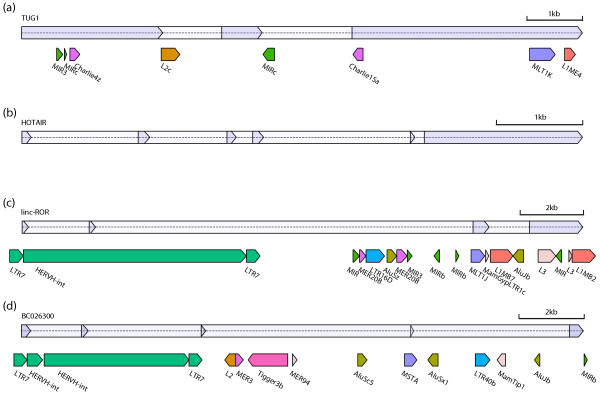
“The lincRNA TUG1 interacts with methylated Polycomb 2 protein to modulate its recognition of hist ne modifications[54, 55] and serves as an example of typical multi-family TE compos ition (Figure 2a).”
Self-citationA Long Noncoding RNA Controls Muscle Differentiation by Functioning as a Competing Endogenous RNA
Cesana, M., Cacchiarelli, D., Legnini, I., Santini, T., Sthandier, O., Chinappi, M., Tramontano, A., & Bozzoni, I. (2011) · Cell · doi:10.1016/j.cell.2011.09.028 · Cited by 2,554 · cited 1×
“Accumulating evidence suggests lncRNAs are key regulators in cell differentiation and disease pathways [10-18].”
Detection of nonneutral substitution rates on mammalian phylogenies
Pollard, K. S., Hubisz, M. J., Rosenbloom, K. R., & Siepel, A. (2010) · Genome Research · doi:10.1101/gr.097857.109 · Cited by 2,353 · cited 1×
“Working towards a better understanding of the functional significance of TEs in human lincRNAs, we analyzed lincRNA mutation patterns through the more refined lens of TE annotations using PhastCons and PhyloP conservation scores assigned based on the placental mammal phylogeny [62,63].”
Modular regulatory principles of large non-coding RNAs
Guttman, M., & Rinn, J. L. (2012) · Nature · doi:10.1038/nature10887 · Cited by 2,265 · cited 2×
“One hypothesis regarding lincRNA function and evolution proposes a language of independent, small sequencestructure domains [72].”
Self-citationA Large Intergenic Noncoding RNA Induced by p53 Mediates Global Gene Repression in the p53 Response
Huarte, M., Guttman, M., Feldser, D., Garber, M., Koziol, M. J., Kenzelmann-Broz, D., Khalil, A. M., Zuk, O., Amit, I., Rabani, M., et al. (2010) · Cell · doi:10.1016/j.cell.2010.06.040 · Cited by 2,053 · cited 1×
“Accumulating evidence suggests lncRNAs are key regulators in cell differentiation and disease pathways [10-18].”
Self-citationTransposable elements and the epigenetic regulation of the genome
Slotkin, R. K., & Martienssen, R. (2007) · Nature Reviews Genetics · doi:10.1038/nrg2072 · Cited by 2,044 · cited 1×
“The relative decrease in expression of TE-lincRNAs may be due to lasting effects of well-established TE silencing mechanisms in germline cells [75], which have been described in TE-derived promoters of protein coding genes [76].”
A long noncoding RNA maintains active chromatin to coordinate homeotic gene expression
Wang, K. C., Yang, Y. W., Liu, B., Sanyal, A., Corces-Zimmerman, R., Chen, Y., Lajoie, B. R., Protacio, A., Flynn, R. A., Gupta, R. A., et al. (2011) · Nature · doi:10.1038/nature09819 · Cited by 1,976
lincRNAs act in the circuitry controlling pluripotency and differentiation
Guttman, M., Donaghey, J., Carey, B. W., Garber, M., Grenier, J. K., Munson, G., Young, G., Lucas, A. B., Ach, R., Bruhn, L., et al. (2011) · Nature · doi:10.1038/nature10398 · Cited by 1,858
Self-citationLong Noncoding RNAs with Enhancer-like Function in Human Cells
Ørom, U. A., Derrien, T., Beringer, M., Gumireddy, K., Gardini, A., Bussotti, G., Lai, F., Zytnicki, M., Notredame, C., Huang, Q., et al. (2010) · Cell · doi:10.1016/j.cell.2010.09.001 · Cited by 1,721 · cited 1×
“The nucleotide-level conservation of lncRNAs is well-studied in vertebrates us ing simple substitution and indel-based models, which suggest that lncRNAs are more conserved than neutrally evolving regions of the genome, but less conserved than protein coding genes[1, 2, 19, 20].”
The impact of retrotransposons on human genome evolution
Cordaux, R., & Batzer, M. A. (2009) · Nature Reviews Genetics · doi:10.1038/nrg2640 · Cited by 1,703 · cited 1×
“Despite the selfish origins of TEs, their activity occasionally has subtle evolutionary benefits [25,26], which has allowed TEs to significantly shape the evolution of the human genome [27].”
Syncytin is a captive retroviral envelope protein involved in human placental morphogenesis
Mi, S., Lee, X., Li, X.-P., Veldman, G. M., Finnerty, H., Racie, L., LaVallie, E., Tang, X.-Y., Edouard, P., Howes, S., et al. (2000) · Nature · doi:10.1038/35001608 · Cited by 1,658 · cited 1×
“In a few known cases, TE proteins required for transposition have seeded novel genes in the host genome[28-31].”
Repetitive DNA and next-generation sequencing: computational challenges and solutions
Treangen, T. J., & Salzberg, S. L. (2012) · Nature Reviews Genetics · doi:10.1038/nrg3117 · Cited by 1,597 · cited 1×
“Multi-mapping reads Given the focus in this analysis on repetitive regions, we paid careful attention to the difficult issue of RNA-Seq reads mapping to multiple genomic positions [87].”
lncRNAs transactivate STAU1-mediated mRNA decay by duplexing with 3′ UTRs via Alu elements
Gong, C., & Maquat, L. E. (2011) · Nature · doi:10.1038/nature09701 · Cited by 1,262
Guttman, M., Garber, M., Levin, J. Z., Donaghey, J., Robinson, J., Adiconis, X., Fan, L., Koziol, M. J., Gnirke, A., Nusbaum, C., et al. (2010) · Nature Biotechnology · doi:10.1038/nbt.1633 · Cited by 1,253
Self-citationHuman–Mouse Alignments with BLASTZ
Schwartz, S., Kent, W. J., Smit, A., Zhang, Z., Baertsch, R., Hardison, R. C., Haussler, D., & Miller, W. (2003) · Genome Research · doi:10.1101/gr.809403 · Cited by 1,239 · cited 1×
“We classified every HERVH element in the human genome by the earliest primate ancestor where the homologous region in that genome (mapped via BlastZ whole-genome alignments [69]) has a RepeatMasker-annotated HERVH (Figure S17a in Additional file 1).”
Conserved Function of lincRNAs in Vertebrate Embryonic Development despite Rapid Sequence Evolution
Ulitsky, I., Shkumatava, A., Jan, C. H., Sive, H., & Bartel, D. P. (2011) · Cell · doi:10.1016/j.cell.2011.11.055 · Cited by 1,179 · cited 3×
“However, lincRNA sequence properties and evolutionary origins are just emerging [1-3,5,21,22].”
Repetitive Elements May Comprise Over Two-Thirds of the Human Genome
de Koning, A. P. J., Gu, W., Castoe, T. A., Batzer, M. A., & Pollock, D. D. (2011) · PLoS Genetics · doi:10.1371/journal.pgen.1002384 · Cited by 1,112 · cited 1×
“TEs are nucleic acid sequences capa ble of inserting into genomic DNA that are typically considered “selfish” genomic parasite s and have conquered 45-65% of the human genome[23, 24].”
Specific expression of long noncoding RNAs in the mouse brain
Mercer, T. R., Dinger, M. E., Sunkin, S. M., Mehler, M. F., & Mattick, J. S. (2008) · Proceedings of the National Academy of Sciences · doi:10.1073/pnas.0706729105 · Cited by 1,103 · cited 1×
“Genome-wide analyses found that human lncRNAs are more tissue-specific than protein coding genes and are preferentially proximal to developmental regulators [2,9].”
Prensner, J. R., Iyer, M. K., Balbin, O. A., Dhanasekaran, S. M., Cao, Q., Brenner, J. C., Laxman, B., Asangani, I. A., Grasso, C. S., Kominsky, H. D., et al. (2011) · Nature Biotechnology · doi:10.1038/nbt.1914 · Cited by 1,029
PhyloCSF: a comparative genomics method to distinguish protein-coding and non-coding regions
Lin, M., Jungreis, I., & Kellis, M. (2010) · Nature Precedings · doi:10.1038/npre.2010.4784.1 · Cited by 1,016 · cited 1×
“Next, we removed transcripts with evidence of protein coding potential via either overla p with a UCSC/RefSeq/GENCODE v4 protein annotation or a Phylo-CSF score > 100[85].”
Large intergenic non-coding RNA-RoR modulates reprogramming of human induced pluripotent stem cells
Loewer, S., Cabili, M. N., Guttman, M., Loh, Y.-H., Thomas, K., Park, I. H., Garber, M., Curran, M., Onder, T., Agarwal, S., et al. (2010) · Nature Genetics · doi:10.1038/ng.710 · Cited by 976 · cited 4×
“We previously identified ten lncRNAs that were significantly upregulated in induced pluripotent stem cells (iPSCs) relative to human embryonic stem cells (ESCs) [52].”
InfluentialSelf-citationA unique regulatory phase of DNA methylation in the early mammalian embryo
Smith, Z. D., Chan, M. M., Mikkelsen, T. S., Gu, H., Gnirke, A., Regev, A., & Meissner, A. (2012) · Nature · doi:10.1038/nature10960 · Cited by 971 · cited 1×
“The ERV1 family MMERGLN-int, recently discovered to undergo significant reduction of DNA methylation between mouse sperm to zygote [70], is 33-fold enriched (P 1.”
No-Nonsense Functions for Long Noncoding RNAs
Nagano, T., & Fraser, P. (2011) · Cell · doi:10.1016/j.cell.2011.03.014 · Cited by 878 · cited 1×
“Discussion It is now clear that there are many thousands of lincRNA transcripts encoded in the human genome that play critical functional roles across a spectrum of cellular processes [6-8,71-74].”
The regulated retrotransposon transcriptome of mammalian cells
Faulkner, G. J., Kimura, Y., Daub, C. O., Wani, S., Plessy, C., Irvine, K. M., Schroder, K., Cloonan, N., Steptoe, A. L., Lassmann, T., et al. (2009) · Nature Genetics · doi:10.1038/ng.368 · Cited by 828 · cited 3×
“TE position and orientation biases in lincRNAs Based on the intriguing enrichment of LTRs at lincRNA TSSs, we hypothesized that TEs have influenced lincRNA transcriptional regulation, similarly to protein coding genes [32-34].”
Transposition mediated by RAG1 and RAG2 and its implications for the evolution of the immune system
Agrawal, A., Eastman, Q. M., & Schatz, D. G. (1998) · Nature · doi:10.1038/29457 · Cited by 811 · cited 1×
“In a few known cases, TE proteins required for transposition have seeded novel genes in the host genome[28-31].”
Repetitive and Non-Repetitive DNA Sequences and a Speculation on the Origins of Evolutionary Novelty
Britten, R. J., & Davidson, E. H. (1971) · The Quarterly Review of Biology · doi:10.1086/406830 · Cited by 789 · cited 1×
“Despite the selfish origins of TEs, their activity occasionally has subtle evolutionary benefits [25,26], which has allowed TEs to significantly shape the evolution of the human genome [27].”
Systematic identification of long noncoding RNAs expressed during zebrafish embryogenesis
Pauli, A., Valen, E., Lin, M. F., Garber, M., Vastenhouw, N. L., Levin, J. Z., Fan, L., Sandelin, A., Rinn, J. L., Regev, A., et al. (2012) · Genome Research · doi:10.1101/gr.133009.111 · Cited by 786 · cited 2×
“Background Recent comprehensive transcriptome sequencing studies uncovered a large class of previously unannotated long noncoding RNA (lncRNA) genes in various species with similar splicing and polyadenylation properties to mRNAs [1-8].”
Self-citationTransposable elements have rewired the core regulatory network of human embryonic stem cells
Kunarso, G., Chia, N.-Y., Jeyakani, J., Hwang, C., Lu, X., Chan, Y.-S., Ng, H.-H., & Bourque, G. (2010) · Nature Genetics · doi:10.1038/ng.600 · Cited by 777
Functionality or transcriptional noise? Evidence for selection within long noncoding RNAs
Ponjavic, J., Ponting, C. P., & Lunter, G. (2007) · Genome Research · doi:10.1101/gr.6036807 · Cited by 735 · cited 3×
“Furthermore, prior analysis of a mouse lincRNA catalog concluded that TEs within lincRNAs are no more conserved than those genome-wide [59].”
Löwer, R., Löwer, J., & Kurth, R. (1996) · Proceedings of the National Academy of Sciences · doi:10.1073/pnas.93.11.5177 · Cited by 692 · cited 14×
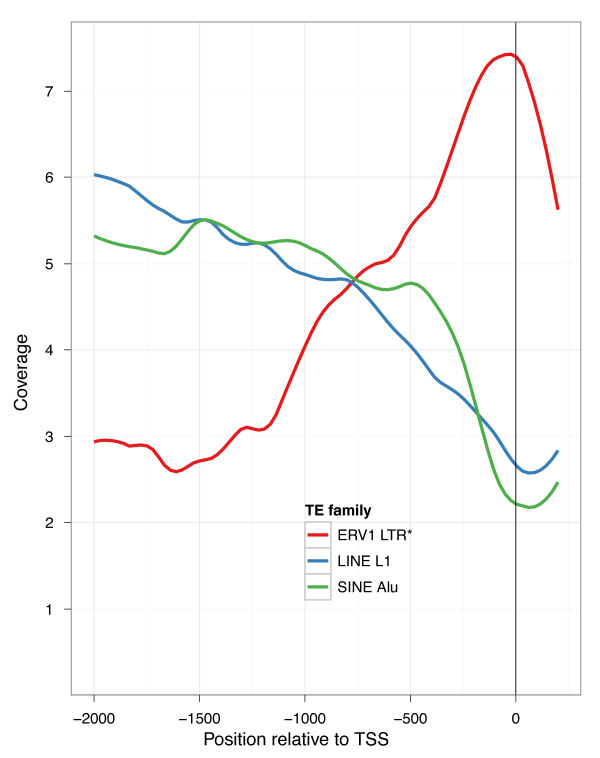
“In the lincRNA interior, LTR7 coverage subsequently drops, verifying that the pattern is truly a peak rather than the Position relative to TSS Coverage 2 4 6 ï ï ï ï TE family ER9LTR* /,1(/ SINE Alu 3 7 Figure 3 ERV1 LTRs associate with lincRNA TSSs.”
InfluentialEmerging functional and mechanistic paradigms of mammalian long non-coding RNAs
Moran, V. A., Perera, R. J., & Khalil, A. M. (2012) · Nucleic Acids Research · doi:10.1093/nar/gks296 · Cited by 637 · cited 1×
“Discussion It is now clear that there are many thousands of lincRNA transcripts encoded in the human genome that play critical functional roles across a spectrum of cellular processes [6-8,71-74].”
Yang, L., Lin, C., Liu, W., Zhang, J., Ohgi, K. A., Grinstein, J. D., Dorrestein, P. C., & Rosenfeld, M. G. (2011) · Cell · doi:10.1016/j.cell.2011.08.054 · Cited by 612 · cited 5×
“The lincRNA TUG1 interacts with methylated Polycomb 2 protein to modulate its recognition of histone modifications [54] [55] and serves as an example of typical multi-family TE composition (Figure 2a).”
InfluentialSchmidt, D., Schwalie, P. C., Wilson, M. D., Ballester, B., Gonçalves, Â., Kutter, C., Brown, G. D., Marshall, A., Flicek, P., & Odom, D. T. (2012) · Cell · doi:10.1016/j.cell.2011.11.058 · Cited by 606
Ng, S., Johnson, R., & Stanton, L. W. (2012) · The EMBO Journal · doi:10.1038/emboj.2011.459 · Cited by 514 · cited 1×
“Accumulating evidence suggests lncRNAs are key regulators in cell differentiation and disease pathways [10-18].”
A distal enhancer and an ultraconserved exon are derived from a novel retroposon
Bejerano, G., Lowe, C. B., Ahituv, N., King, B., Siepel, A., Salama, S. R., Rubin, E. M., James Kent, W., & Haussler, D. (2006) · Nature · doi:10.1038/nature04696 · Cited by 500 · cited 1×
“Further, TEs have shaped gene regulation by distributing transcription factor binding sites [35-39], spawning enhancers [40,41], and possibly by composing highly conserved noncoding regions [42,43].”
Ono, R., Nakamura, K., Inoue, K., Naruse, M., Usami, T., Wakisaka-Saito, N., Hino, T., Suzuki-Migishima, R., Ogonuki, N., Miki, H., et al. (2006) · Nature Genetics · doi:10.1038/ng1699 · Cited by 456 · cited 1×
“In a few known cases, TE proteins required for transposition have seeded novel genes in the host genome[28-31].”
Selfish genetic elements, genetic conflict, and evolutionary innovation
Werren, J. H. (2011) · Proceedings of the National Academy of Sciences · doi:10.1073/pnas.1102343108 · Cited by 444 · cited 1×
“Despite the selfish origins of TEs, their activity occasionally has subtle evolutionary benefits[25, 26], which has allowed TEs to significantly shape the evolution of the human genome[27].”
Suppression of progenitor differentiation requires the long noncoding RNA ANCR
Kretz, M., Webster, D. E., Flockhart, R. J., Lee, C. S., Zehnder, A., Lopez-Pajares, V., Qu, K., Zheng, G. X. Y., Chow, J., Kim, G. E., et al. (2012) · Genes & Development · doi:10.1101/gad.182121.111 · Cited by 434 · cited 1×
“Accumulating evidence suggests lncRNAs are key regulators in cell differentiation and disease pathways[10-18].”
Self-citationLynch, V. J., Leclerc, R. D., May, G., & Wagner, G. P. (2011) · Nature Genetics · doi:10.1038/ng.917 · Cited by 427 · cited 1×
“Further, TEs have shaped gene regulation by dist ri uting transcription factor binding sites[35-39], spawning enhancers[40, 41], and possibly by composing highly conserved noncoding regions[42, 43].”
Volff, J. (2006) · BioEssays · doi:10.1002/bies.20452 · Cited by 419 · cited 1×
“In a few known cases, TE proteins required for transposition have seeded novel genes in the host genome[28-31].”
Wang, T., Zeng, J., Lowe, C. B., Sellers, R. G., Salama, S. R., Yang, M., Burgess, S. M., Brachmann, R. K., & Haussler, D. (2007) · Proceedings of the National Academy of Sciences · doi:10.1073/pnas.0703637104 · Cited by 388 · cited 2×
“Recent research has described a number of groundbreaking examples of TEs in DNA affecting transcriptional regulation - for example, by distributing transcription factor binding site motifs inherent in the element throughout the genome [35-38].”
Origin and Evolution of Human microRNAs From Transposable Elements
Piriyapongsa, J., Mariño-Ramírez, L., & Jordan, I. K. (2007) · Genetics · doi:10.1534/genetics.107.072553 · Cited by 353 · cited 1×
“In addition to proteins, ncRNA genes, particularly microRNAs[44], can be derived from TEs[45].”
Alu element‐mediated gene silencing
Chen, L., DeCerbo, J. N., & Carmichael, G. G. (2008) · The EMBO Journal · doi:10.1038/emboj.2008.94 · Cited by 328 · cited 1×
“Furthermore, TEs have been shown to act in a variety of post-transcriptional processes regulating mRNAs, such as RNA editing [78,79], stability [80], and translation efficiency [46,81].”
Rapid Turnover of Long Noncoding RNAs and the Evolution of Gene Expression
Kutter, C., Watt, S., Stefflova, K., Wilson, M. D., Goncalves, A., Ponting, C. P., Odom, D. T., & Marques, A. C. (2012) · PLoS Genetics · doi:10.1371/journal.pgen.1002841 · Cited by 327 · cited 2×
“However, lincRNA sequence properties and evolutionary origins are just emerging [1-3,5,21,22].”
Endogenous retroviral LTRs as promoters for human genes: A critical assessment
Cohen, C. J., Lock, W. M., & Mager, D. L. (2009) · Gene · doi:10.1016/j.gene.2009.06.020 · Cited by 314 · cited 3×
“TE position and orientation biases in lincRNAs Based on the intriguing enrichment of LTRs at lincRNA TSSs, we hypothesized that TEs have influenced lincRNA transcriptional regulation, similarly to protein coding genes [32-34].”
Flockhart, R. J., Webster, D. E., Qu, K., Mascarenhas, N., Kovalski, J., Kretz, M., & Khavari, P. A. (2012) · Genome Research · doi:10.1101/gr.140061.112 · Cited by 277 · cited 2×
“The lower conservation levels of TE-lincRNAs is apparently permissive of function as there are many examples of important TElincRNAs , including TUG1 [54], linc-ROR [52], PCAT-1 [13], SLC7A2-IT1A [51], BANCR [77], and more.”
Catalogues of mammalian long noncoding RNAs: modest conservation and incompleteness
Marques, A. C., & Ponting, C. P. (2009) · Genome Biology · doi:10.1186/gb-2009-10-11-r124 · Cited by 254 · cited 1×
“The nucleotide-level conservation of lncRNAs is well-studied in vertebrates using simple substitution and indel-based models, which suggest that lncRNAs are more conserved than neutrally evolving regions of the genome, but less conserved than protein coding genes [1,2,19,20].”
Long noncoding RNA genes: conservation of sequence and brain expression among diverse amniotes
Chodroff, R. A., Goodstadt, L., Sirey, T. M., Oliver, P. L., Davies, K. E., Green, E. D., Molnár, Z., & Ponting, C. P. (2010) · Genome Biology · doi:10.1186/gb-2010-11-7-r72 · Cited by 253 · cited 1×
“Conservation Though less conserved than protein coding genes, lincRNAs are more conserved than neutrally evolving sequence by traditional substitution-based statistics [2,59-61].”
Lowe, C. B., Bejerano, G., & Haussler, D. (2007) · Proceedings of the National Academy of Sciences · doi:10.1073/pnas.0611223104 · Cited by 249 · cited 1×
“Further, TEs have shaped gene regulation by distributing transcription factor binding sites [35-39], spawning enhancers [40,41], and possibly by composing highly conserved noncoding regions [42,43].”
Long noncoding RNA-mediated anti-apoptotic activity in murine erythroid terminal differentiation
Hu, W., Yuan, B., Flygare, J., & Lodish, H. F. (2011) · Genes & Development · doi:10.1101/gad.178780.111 · Cited by 247 · cited 1×
“Accumulating evidence suggests lncRNAs are key regulators in cell differentiation and disease pathways[10-18].”
Functional noncoding sequences derived from SINEs in the mammalian genome
Nishihara, H., Smit, A. F. A., & Okada, N. (2006) · Genome Research · doi:10.1101/gr.5255506 · Cited by 246 · cited 1×
“Further, TEs have shaped gene regulation by distributing transcription factor binding sites [35-39], spawning enhancers [40,41], and possibly by composing highly conserved noncoding regions [42,43].”
Sela, N., Mersch, B., Gal-Mark, N., Lev-Maor, G., Hotz-Wagenblatt, A., & Ast, G. (2007) · Genome Biology · doi:10.1186/gb-2007-8-6-r127 · Cited by 234 · cited 1×
“Post-transcr iptionally, Alu elements (and potentially other TEs) harbor splicing signals, and insertions in protein coding genes have created new splice sites and exons[46-49].”
Many Human Genes Are Transcribed from the Antisense Promoter of L1 Retrotransposon
Nigumann, P., Redik, K., Mätlik, K., & Speek, M. (2002) · Genomics · doi:10.1006/geno.2002.6758 · Cited by 229 · cited 1×
“This suggests a minor role for the L1 antisense promoter in initiating lincRNA transcription, which has been documented for protein coding genes[66].”
Kleene, K. C. (2001) · Mechanisms of Development · doi:10.1016/s0925-4773(01)00413-0 · Cited by 216 · cited 1×
“Despite the relative difference, FPKM values of both TE- and dTE-lincRNAs rank highest in testis over all other tissues and cell lines, consistent with previous observations of widespread transcription in testis [58].”
Long noncoding RNAs in C. elegans
Nam, J.-W., & Bartel, D. P. (2012) · Genome Research · doi:10.1101/gr.140475.112 · Cited by 211
Identification and Properties of 1,119 Candidate LincRNA Loci in the Drosophila melanogaster Genome
Young, R. S., Marques, A. C., Tibbit, C., Haerty, W., Bassett, A. R., Liu, J.-L., & Ponting, C. P. (2012) · Genome Biology and Evolution · doi:10.1093/gbe/evs020 · Cited by 204 · cited 4×
“However, lincRNA sequence properties and evolutionary origins are just emerging [1-3,5,21,22].”
InfluentialPossible involvement of SINEs in mammalian-specific brain formation
Sasaki, T., Nishihara, H., Hirakawa, M., Fujimura, K., Tanaka, M., Kokubo, N., Kimura-Yoshida, C., Matsuo, I., Sumiyama, K., Saitou, N., et al. (2008) · Proceedings of the National Academy of Sciences · doi:10.1073/pnas.0709398105 · Cited by 193 · cited 1×
“Further, TEs have shaped gene regulation by distributing transcription factor binding sites [35-39], spawning enhancers [40,41], and possibly by composing highly conserved noncoding regions [42,43].”
Intronic Alus Influence Alternative Splicing
Lev-Maor, G., Ram, O., Kim, E., Sela, N., Goren, A., Levanon, E. Y., & Ast, G. (2008) · PLoS Genetics · doi:10.1371/journal.pgen.1000204 · Cited by 169 · cited 1×
“Post-transcriptionally, Alu elements (and potentially other TEs) harbor splicing signals, and insertions in protein coding genes have created new splice sites and exons [46-49].”
Transposable elements as a significant source of transcription regulating signals
Thornburg, B. G., Gotea, V., & Makałowski, W. (2006) · Gene · doi:10.1016/j.gene.2005.09.036 · Cited by 164 · cited 2×
“Further, TEs have shaped gene regulation by dist ri uting transcription factor binding sites[35-39], spawning enhancers[40, 41], and possibly by composing highly conserved noncoding regions[42, 43].”
Widespread establishment and regulatory impact of Alu exons in human genes
Shen, S., Lin, L., Cai, J. J., Jiang, P., Kenkel, E. J., Stroik, M. R., Sato, S., Davidson, B. L., & Xing, Y. (2011) · Proceedings of the National Academy of Sciences · doi:10.1073/pnas.1012834108 · Cited by 139 · cited 2×
“Post-transcriptionally, Alu elements (and potentially other TEs) harbor splicing signals, and insertions in protein coding genes have created new splice sites and exons [46-49].”
Retroviral promoters in the human genome
Conley, A. B., Piriyapongsa, J., & Jordan, I. K. (2008) · Bioinformatics · doi:10.1093/bioinformatics/btn243 · Cited by 134 · cited 3×
“TE position and orientation biases in lincRNAs Based on the intriguing enrichment of LTRs at lincRNA TSSs, we hypothesized that TEs have influenced lincRNA transcriptional regulation, similarly to protein coding genes [32-34].”
Lee, J. Y., Ji, Z., & Tian, B. (2008) · Nucleic Acids Research · doi:10.1093/nar/gkn540 · Cited by 125 · cited 1×
“This observation is consistent with the known role of Alu elements in contributing polyadenylation signals to the 3’ ends of many protein coding genes [64,65].”
Using Alu Elements as Polyadenylation Sites: A Case of Retroposon Exaptation
Chen, C., Ara, T., & Gautheret, D. (2009) · Molecular Biology and Evolution · doi:10.1093/molbev/msn249 · Cited by 98 · cited 1×
“This observation is consistent with the known role of Alu elements in contributing polyadenylation signals to the 3’ ends of many protein coding genes [64,65].”
Functional persistence of exonized mammalian-wide interspersed repeat elements (MIRs)
Krull, M., Petrusma, M., Makalowski, W., Brosius, J., & Schmitz, J. (2007) · Genome Research · doi:10.1101/gr.6320607 · Cited by 95 · cited 1×
“4-fold) [56].”
Sjøttem, E., Anderssen, S., & Johansen, T. (1996) · Journal of Virology · doi:10.1128/jvi.70.1.188-198.1996 · Cited by 94 · cited 2×
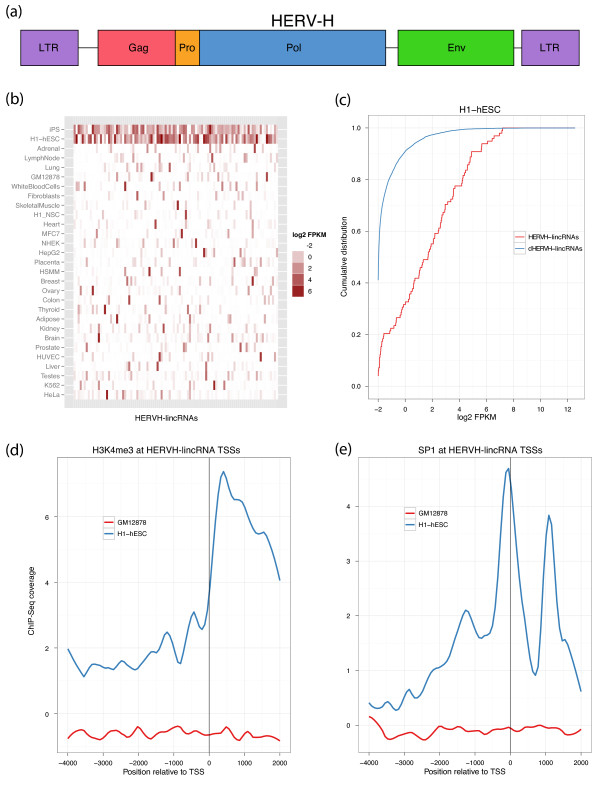
“Presence of the activating histone modification H3K4me3 and SP1, a transcription factor previously found to be critical for transcription of HERVH[68] , suggests that lincRNAs can acquire the remnant regulatory signals of their comp ising TEs.”
Capshew, C. R., Dusenbury, K. L., & Hundley, H. A. (2012) · Nucleic Acids Research · doi:10.1093/nar/gks590 · Cited by 66 · cited 1×
“Furthermore, TEs have been shown to act in a variety of post-transcriptional processes regulating mRNAs, such as RNA editing [78,79], stability [80], and translation efficiency [46,81].”
Cartault, F., Munier, P., Benko, E., Desguerre, I., Hanein, S., Boddaert, N., Bandiera, S., Vellayoudom, J., Trotot, P. K., Bintner, M., et al. (2012) · Proceedings of the National Academy of Sciences · doi:10.1073/pnas.1111596109 · Cited by 61 · cited 2×
“The lower conservation le vels of TE-lincRNAs is apparently permissive of function as there are many ex amples of important TE-lincRNAs, including TUG1[54], linc-ROR[52], PCAT-1[13], SLC7A2IT1A[51], BANCR[77], and more.”
Evidence for large diversity in the human transcriptome created by Alu RNA editing
Barak, M., Levanon, E. Y., Eisenberg, E., Paz-Yaacov, N., Rechavi, G., Church, G. M., & Mehr, R. (2009) · Nucleic Acids Research · doi:10.1093/nar/gkp729 · Cited by 60 · cited 1×
“Furthermore, TEs have been shown to act in a variety of post-transcriptional processes regulating mRNAs, such as RNA editing [78,79], stability [80], and translation efficiency [46,81].”
Misfolded human tRNA isodecoder binds and neutralizes a 3′ UTR-embedded Alu element
Rudinger‐Thirion, J., Lescure, A., Paulus, C., & Frugier, M. (2011) · Proceedings of the National Academy of Sciences · doi:10.1073/pnas.1103698108 · Cited by 56 · cited 1×
“Furthermore, TEs have been shown to act in a variety of post-transcriptional processes regulating mRNAs, such as RNA editing [78,79], stability [80], and translation efficiency [46,81].”
Epigenetic regulation of transposable element derived human gene promoters
Huda, A., Bowen, N. J., Conley, A. B., & Jordan, I. K. (2011) · Gene · doi:10.1016/j.gene.2010.12.010 · Cited by 49 · cited 1×
“The relative decrease in expression of TE-lincRNAs may be due to lasting effects of well-established TE silencing mechanisms in germline cells [75], which have been described in TE-derived promoters of protein coding genes [76].”
AnnotationSketch: a genome annotation drawing library
Steinbiss, S., Gremme, G., Schärfer, C., Mäder, M., & Kurtz, S. (2008) · Bioinformatics · doi:10.1093/bioinformatics/btn657 · Cited by 42 · cited 2×
“The images were created using the software AnnotationSketch [93]. found that dTE-lincRNAs are far more conserved, with mean PhastCons conservation probability 16.0% versus 8.0% for TE-lincRNAs (P ~ 0; Figure S8b in Additional file 1).”
InfluentialLarge-scale analysis of exonized mammalian-wide interspersed repeats in primate genomes
Lin, L., Jiang, P., Shen, S., Sato, S., Davidson, B. L., & Xing, Y. (2009) · Human Molecular Genetics · doi:10.1093/hmg/ddp152 · Cited by 41 · cited 1×
“Post-transcriptionally, Alu elements (and potentially other TEs) harbor splicing signals, and insertions in protein coding genes have created new splice sites and exons [46-49].”
AREM: Aligning Short Reads from ChIP-Sequencing by Expectation Maximization
Newkirk, D. A., Biesinger, J., Chon, A., Yokomori, K., & Xie, X. S. (2011) · Journal of Computational Biology · doi:10.1089/cmb.2011.0185 · Cited by 25 · cited 1×
“Second, w e remapped the reads allowing up to twenty alignments and called peaks using the AREM softw are package, which implements an iterative algorithm to optimally allocate mult i- apping reads built on top of the MACS method[91, 92].”
Retrotransposons and non-protein coding RNAs
Mourier, T., & Willerslev, E. (2009) · Briefings in Functional Genomics and Proteomics · doi:10.1093/bfgp/elp036 · Cited by 21 · cited 1×
“In addition to proteins, ncRNA genes, particularly microRNAs [44], can be derived from TEs [45].”
Cited by
Long non-coding RNAs: new players in cell differentiation and development
Fatica, A., & Bozzoni, I. (2014) · Nature Reviews Genetics · doi:10.1038/nrg3606 · Cited by 2,980
lincRNAs: Genomics, Evolution, and Mechanisms
Ulitsky, I., & Bartel, D. P. (2013) · Cell · doi:10.1016/j.cell.2013.06.020 · Cited by 2,608
“lincRNAs from human, mouse, and zebrafish are significantly more likely than mRNAs to overlap repetitive elements (Ulitsky et al., 2011; Kelley and Rinn, 2012), perhaps because lincRNA functions aremore tolerant of retrotransposon insertions.”
Long non-coding RNAs: definitions, functions, challenges and recommendations
Mattick, J. S., Amaral, P. P., Carninci, P., Carpenter, S., Chang, H. Y., Chen, L.-L., Chen, R., Dean, C., Dinger, M. E., Fitzgerald, K. A., et al. (2023) · Nature Reviews Molecular Cell Biology · doi:10.1038/s41580-022-00566-8 · Cited by 2,356
Self-citationMorris, K. V., & Mattick, J. S. (2014) · Nature Reviews Genetics · doi:10.1038/nrg3722 · Cited by 1,371
Regulatory activities of transposable elements: from conflicts to benefits
Chuong, E. B., Elde, N. C., & Feschotte, C. (2017) · Nature Reviews Genetics · doi:10.1038/nrg.2016.139 · Cited by 1,489
Metadata
- Authors
- Kelley, D., & Rinn, J.
- Affiliations
- Broad Institute (US)
- Corresponding author
- Rinn, John
- Venue
- Genome Biology
- Published
- 2012-11-26
- Volume
- 13
- Issue
- 11
- Pages
- R107-R107
- ISSN
- 1465-6906 (ISSN-L)
- 1474-760X
- PMC
- PMC3580499
- OpenAlex
- W2107454957
- Cited by
- 531
- References
- 92
- Citations by year
- 2026: 19 · 2025: 14 · 2024: 32 · 2023: 30 · 2022: 45 · 2021: 58 · 2020: 38 · 2019: 36 · 2018: 49 · 2017: 38 · 2016: 52 · 2015: 59 · 2014: 37 · 2013: 24
- FWCI
- 43.76
- Type
- journal article
- Language
- en
- Open access
- gold
- doi.org
- Licence
- cc-by
- creativecommons.org/licenses/by/2.0/ (tdm)
- creativecommons.org/licenses/by/2.0/ (vor)
- Locations
- Genome biology (publishedVersion, cc-by)
- Europe PMC (PubMed Central) (publishedVersion, cc-by)
- PubMed Central (publishedVersion, cc-by)
- PubMed (publishedVersion)
- Funders
- Damon Runyon Cancer Research Foundation
- Richard and Susan Smith Family Foundation
- Israel National Institute for Health Policy Research
- National Institutes of Health (DP2OD006670, GM099117)
- National Heart, Lung, and Blood Institute (T32HL007893)
- National Human Genome Research Institute (P50HG006193)
- National Institute of General Medical Sciences (P01GM099117)
- Topics
- Life Sciences › Biochemistry, Genetics and Molecular Biology › Genetics › Chromosomal and Genetic Variations
- Life Sciences › Biochemistry, Genetics and Molecular Biology › Cancer Research › Cancer-related molecular mechanisms research
- Life Sciences › Biochemistry, Genetics and Molecular Biology › Molecular Biology › Genomics and Chromatin Dynamics
- Keywords
- long intergenic non-coding RNA, transposable elements, endogenous retroviruses, HERV-H, transcriptional regulation, testis expression, Alu elements, tissue-specific gene expression
- MeSH terms
- Gene Expression Regulation, Humans, Organ Specificity, Stem Cells, Genome, Human, Retroelements, Endogenous Retroviruses, RNA, Long Noncoding
About these checks
Registry, retraction, Cites and statistics results are computed, not judged, with one exception: a printed reference that no index lists is read once by a model before it counts as a citation error. Claims are extracted by a model and kept only when their quote appears verbatim in the text; each cited source is then checked, with a model’s help, for whether it says what the claim relies on. Those verdicts can be wrong — read the claim’s quote and the cited source before relying on one.
Statistics and arithmetic are recomputed, not judged.
Confidence bands are shown only for fields calibrated on our annotated test set. None is calibrated yet, so no band is shown.
What counts as a claim ›How we measure confidence ›How we check this ›
Are you an author, or do you see a problem with this page? Request a review
Data sources
Bibliographic data: Semantic Scholar, OpenAlex, Crossref.
Contains information from the Semantic Scholar Academic Graph Datasets, made available under the ODC Attribution License (ODC-BY 1.0).
Semantic Scholar’s data is described in: Kinney, R., et al. (2023). The Semantic Scholar Open Data Platform. arXiv:2301.10140.
