

Methods to systematically review and meta-analyse observational studies: a systematic scoping review of recommendations
Open accessThe DOI matches its Crossref record; 104 of the 104 references it cites were found in a registry or an index; 48 of the 374 sources its claims cite were checked for support.
Abstract
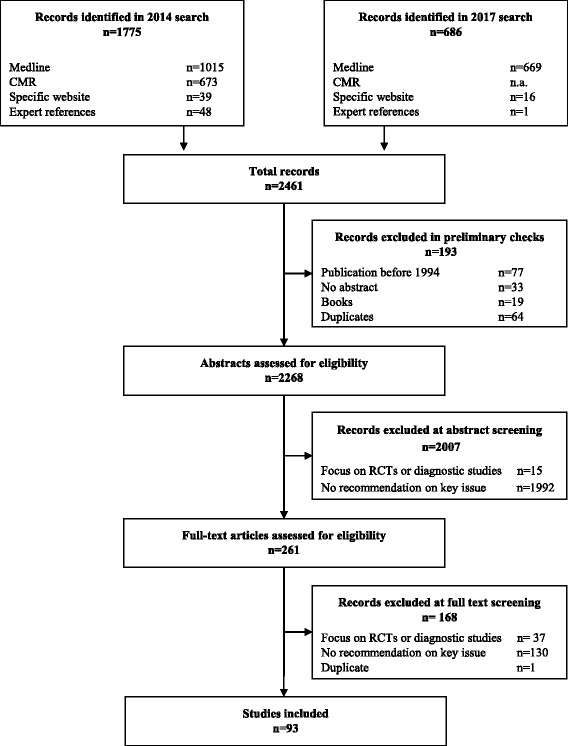
BACKGROUND: Systematic reviews and meta-analyses of observational studies are frequently performed, but no widely accepted guidance is available at present. We performed a systematic scoping review of published methodological recommendations on how to systematically review and meta-analyse observational studies. METHODS: We searched online databases and websites and contacted experts in the field to locate potentially eligible articles. We included articles that provided any type of recommendation on how to conduct systematic reviews and meta-analyses of observational studies. We extracted and summarised recommendations on pre-defined key items: protocol development, research question, search strategy, study eligibility, data extraction, dealing with different study designs, risk of bias assessment, publication bias, heterogeneity, statistical analysis. We summarised recommendations by key item, identifying areas of agreement and disagreement as well as areas where recommendations were missing or scarce. RESULTS: The searches identified 2461 articles of which 93 were eligible. Many recommendations for reviews and meta-analyses of observational studies were transferred from guidance developed for reviews and meta-analyses of RCTs. Although there was substantial agreement in some methodological areas there was also considerable disagreement on how evidence synthesis of observational studies should be conducted. Conflicting recommendations were seen on topics such as the inclusion of different study designs in systematic reviews and meta-analyses, the use of quality scales to assess the risk of bias, and the choice of model (e.g. fixed vs. random effects) for meta-analysis. CONCLUSION: There is a need for sound methodological guidance on how to conduct systematic reviews and meta-analyses of observational studies, which critically considers areas in which there are conflicting recommendations.
Overview
CoChat Summary
TL;DR
This systematic scoping review identified 93 articles giving methodological recommendations for systematic reviews and meta-analyses of observational studies. It found many recommendations were transferred from RCT guidance and that substantial disagreement remains on key methodological choices, with no comprehensive guidance available.
Key findings
- The searches identified 2461 articles; 93 were eligible. Only 1 (1%) addressed all 10 key items, 56 (60%) addressed two or more key items, and 37 (40%) addressed only one key item.
- Conflicting recommendations were found for “research question”, “study eligibility”, “considering different study designs”, “risk of bias assessment”, “publication bias” and “statistical analysis”. Examples include narrow versus broad research questions, whether to include all languages, whether to combine RCTs and non-randomised studies in one meta-analysis, use of quality scales versus component approaches, and fixed- versus random-effects models.
- Most included articles (62%) were published in statistical, epidemiological or systematic review methodological journals; 72% were written by authors affiliated with a systematic review organisation or a statistical/epidemiological university department. Many recommendations for observational studies were uncritically transferred from guidance for RCTs.
- Areas of agreement included the importance of a protocol, systematic risk-of-bias assessment, and examination of heterogeneity as central to meta-analysis of observational studies.
Methods
- Systematic scoping review following a protocol written before starting. Searches covered Medline, the Cochrane Methodology Register, websites of review centres, selected evidence-synthesis journals, expert contact, and references from included full texts; no language restrictions were applied. Initial search was January 2014, repeated February 2017 except for CMR.
- Included articles published from 1994 onward that provided recommendations on at least one of 10 a priori key methodological items. Excluded articles published before 1994, reviews of observational studies without methodological recommendations, and articles focused on RCTs, cost-effectiveness studies or diagnostic studies.
- Two reviewers independently screened and extracted data; disagreements were resolved by discussion or a senior methodologist. Recommendations were summarised descriptively and by qualitative thematic analysis. The authors did not appraise the methodological quality of included articles or recommendations.
Limitations
- Stated: including articles based on title and abstract may have missed relevant articles; books were excluded, including the Cochrane handbook; the authors did not assess the soundness of recommendations; and in-depth discussion of statistical methods was beyond scope.
- Stated: the authors did not appraise methodological quality of included articles and recommendations because widely accepted standards for systematic reviews and meta-analyses of observational studies are lacking.
- Evident from the text: the search relied on theoretical saturation rather than exhaustive retrieval, and the last search update was February 2017, so later guidance would not be captured.
Model-written summary. Check it against the paper before relying on it.
Integrity signals
Registry
Cites
Statistics
Figures
Verification
Claims the paper makes
18 Valid · 2 Not valid · 67 Not checked · 64 Own results and interpretations
At least one cited source doesn’t support this claim or points to a different paper, and none confirmed it — see the verdicts below.
In the paper
“Second, the use of a random-effects model for meta-analysis of observational studies by default was frequently recommended [8, 16, 29, 34, 70, 77, 100, 101].”
§ Methods to systematically review and meta-analyse observational studies: a systematic scoping review of recommendations > Results > Statistical analysis
What the sources say
- Not checked yetcites [8] Zwahlen M Renehan A Egger M Meta-analysis in medical research: potentials and limitations Urol Oncol 2008 26 320 329 10.1016/j.urolonc.2006.12.001 18452828 source
- Not checked yetcites [16] Lau J Ioannidis JP Schmid CH Quantitative synthesis in systematic reviews Ann Intern Med 1997 127 820 826 10.7326/0003-4819-127-9-199711010-00008 9382404 source
- Not checked yetcites [29] Egger M Smith GD Phillips AN Meta-analysis: principles and procedures BMJ 1997 315 1533 1537 10.1136/bmj.315.7121.1533 9432252 PMC2127925 source
- Not checked yetcites [34] Blair A Burg J Foran J Gibb H Greenland S Morris R Guidelines for application of meta-analysis in environmental epidemiology. ISLI risk science institute Regul Toxicol Pharmacol 1995 22 189 197 10.1006/rtph.1995.1084 8577954 source
- Disputedcites [70] Wong O Raabe GK Application of meta-analysis in reviewing occupational cohort studies Occup Environ Med 1996 53 793 800 10.1136/oem.53.12.793 8994397 PMC1128611 sourceExperimental — accuracy not yet measured
In the discussion of fixed- and random-effects models (p. 5), the paper says the choice is subject to ongoing debate, that commonly used methods are fixed-effects, and that random-effects models have been criticised. It does not recommend using random-effects models by default for observational studies; its account points in the opposite direction. (LLM, conf=0.85)
Checked by a reasoning model — may be wrong.
- Not checked yetcites [77] Colditz GA Burdick E Mosteller F Heterogeneity in meta-analysis of data from epidemiologic studies: a commentary Am J Epidemiol 1995 142 371 382 10.1093/oxfordjournals.aje.a117644 7625401 source
- Not checked yetcites [100] Pladevall-Vila M Delclos GL Varas C Guyer H Brugues-Tarradellas J Anglada-Arisa A Controversy of oral contraceptives and risk of rheumatoid arthritis: meta-analysis of conflicting studies and review of conflicting meta-analyses with special emphasis on analysis of heterogeneity Am J Epidemiol 1996 144 1 14 10.1093/oxfordjournals.aje.a008846 8659479 source
- Not checked yetcites [101] Dwyer T Couper D Walter SD Sources of heterogeneity in the meta-analysis of observational studies: the example of SIDS and sleeping position J Clin Epidemiol 2001 54 440 447 10.1016/S0895-4356(00)00313-9 11337206 source
plain- Asserted: passes — The authors put it forward as true.
- Checkable: passes — It can be checked against evidence.
- Load-bearing: unclear — It is unclear whether the paper’s conclusions depend on it.
- Based: passes — The paper gives a reason why it holds.
The sources with a verdict support this claim; the rest weren’t checked yet, have no full text we could read, or their verdicts aren’t rated yet.
In the paper
“Aspects that were frequently mentioned as important to address were the population, exposures or interventions, and outcomes [38–41, 43, 47, 48, 50, 54].”
§ Methods to systematically review and meta-analyse observational studies: a systematic scoping review of recommendations > Results > Research question
What the sources say
- Supportedcites [38] Simunovic N Sprague S Bhandari M Methodological issues in systematic reviews and meta-analyses of observational studies in orthopaedic research J Bone Jt Surg Am 2009 91 Suppl 3 87 94 10.2106/JBJS.H.01576 PMC12309503 19411505 source
The Introduction says that a systematic-review protocol should be centered on a focused research question and clearly describe the population, intervention or exposure, and outcomes of interest. This supports the aspects attributed to this source; the paper does not itself establish how frequently other sources mention them. (LLM, conf=0.92)
- Not checked yetcites [39] Armstrong R, Waters E, editors. Systematic Reviews of Health Promotion and Public Health Interventions. Guidelines for Systematic Reviews in Health Promotion and Public Health Task Force. Version 2. Melbourne University: Australia.; 2007.
- Supportedcites [40] Schünemann HJ Tugwell P Reeves BC Akl EA Santesso N Spencer FA Non-randomized studies as a source of complementary, sequential or replacement evidence for randomized controlled trials in systematic reviews on the effects of interventions Res Synth Methods. 2013 4 49 62 10.1002/jrsm.1078 26053539 source
Section 3.1 (p. 7) says review authors should define the elements of their PICO question when planning a review. Section 1.2 (p. 2) explicitly identifies population, intervention and outcomes among the elements to consider. The paper supports the cited point that these aspects are important to address, though it does not itself measure how frequently they are mentioned across sources. (LLM, conf=0.88)
- Not checked yetcites [41] Moola S Munn Z Sears K Sfetcu R Currie M Lisy K Conducting systematic reviews of association (etiology): the Joanna Briggs Institute’s approach Int J Evid Based Healthc. 2015 13 163 169 10.1097/XEB.0000000000000064 26262566 source
- Supportedcites [43] Ravani P Ronksley PE James MT Strippoli GF A nephrology guide to reading and using systematic reviews of observational studies Nephrol Dial Transplant 2015 30 1615 1621 10.1093/ndt/gfv257 26113546 source
Step 1 (p. 3) says that a systematic review’s question is specified using PICO and identifies population, intervention or exposure, and outcome as components. The source also includes a comparator, but the citing sentence does not claim its list is exhaustive. (LLM, conf=0.92)
- Not checked yetcites [47] Manchikanti L Datta S Smith HS Hirsch JA Evidence-based medicine, systematic reviews, and guidelines in interventional pain management: part 6. Systematic reviews and meta-analyses of observational studies Pain Physician 2009 12 819 850 19787009 source
- Not checked yetcites [48] Normand SL Meta-analysis: formulating, evaluating, combining, and reporting Stat Med 1999 18 321 359 10.1002/(SICI)1097-0258(19990215)18:3<321::AID-SIM28>3.0.CO;2-P 10070677 source
- Not checked yetcites [50] Raman G, Gaylor JM, Rao M, Chan J, Earley A, Chang LKW, et al. AHRQ methods for effective health care. In: Quality of reporting in systematic reviews of implantable medical devices. Rockville (MD): Agency for Healthcare Research and Quality (US); 2012. 23270007
- Not checked yetcites [54] Chaiyakunapruk N Saokaew S Sruamsiri R Dilokthornsakul P Systematic review and network meta-analysis in health technology assessment J Med Assoc Thail 2014 97 Suppl 5 S33 S42 24964697
plain- Asserted: passes — The authors put it forward as true.
- Checkable: passes — It can be checked against evidence.
- Load-bearing: unclear — It is unclear whether the paper’s conclusions depend on it.
- Based: passes — The paper gives a reason why it holds.
- Supported
The sources with a verdict support this claim; the rest weren’t checked yet, have no full text we could read, or their verdicts aren’t rated yet.
In the paper
“Only five articles referred to the combination of different non-randomised studies [38, 70, 75, 79, 80].”
§ Methods to systematically review and meta-analyse observational studies: a systematic scoping review of recommendations > Results > Considering different study designs
What the sources say
- Supportedcites [38] Simunovic N Sprague S Bhandari M Methodological issues in systematic reviews and meta-analyses of observational studies in orthopaedic research J Bone Jt Surg Am 2009 91 Suppl 3 87 94 10.2106/JBJS.H.01576 PMC12309503 19411505 source
The Introduction discusses whether different observational study designs should be combined and says that different study types should rarely be merged in a meta-analysis. This supports citing the paper as one article that refers to combining non-randomised studies; the count of five describes the citing document’s set of references, not a finding attributed to this paper. (LLM, conf=0.91)
- Supportedcites [70] Wong O Raabe GK Application of meta-analysis in reviewing occupational cohort studies Occup Environ Med 1996 53 793 800 10.1136/oem.53.12.793 8994397 PMC1128611 source
The Meta-review of occupational epidemiology (pp. 2–4) discusses when different occupational cohort studies can be combined in a meta-analysis. This establishes the cited paper as an example of an article addressing the combination of non-randomised studies; the count of five refers to the citing paper’s set of references, not a count this source needs to establish. (LLM, conf=0.91)
- Not checked yetcites [75] Valentine JC Thompson SG Issues relating to confounding and meta-analysis when including non-randomized studies in systematic reviews on the effects of interventions Res Synth Methods. 2013 4 26 35 10.1002/jrsm.1064 26053537 source
- Not checked yetcites [79] Martin DO Austin H An exact method for meta-analysis of case-control and follow-up studies Epidemiology 2000 11 255 260 10.1097/00001648-200005000-00005 10784240 source
- Not checked yetcites [80] Moreno V Martin ML Bosch FX de Sanjose S Torres F Munoz N Combined analysis of matched and unmatched case-control studies: comparison of risk estimates from different studies Am J Epidemiol 1996 143 293 300 10.1093/oxfordjournals.aje.a008741 8561164 source
plain- Asserted: passes — The authors put it forward as true.
- Checkable: passes — It can be checked against evidence.
- Load-bearing: unclear — It is unclear whether the paper’s conclusions depend on it.
- Based: passes — The paper gives a reason why it holds.
- Supported
The sources with a verdict support this claim; the rest weren’t checked yet, have no full text we could read, or their verdicts aren’t rated yet.
In the paper
“Most articles considered the combination of RCTs and non-randomised designs [29, 35, 38, 39, 49, 51, 56, 61, 75, 81].”
§ Methods to systematically review and meta-analyse observational studies: a systematic scoping review of recommendations > Results > Considering different study designs
What the sources say
- Not checked yetcites [29] Egger M Smith GD Phillips AN Meta-analysis: principles and procedures BMJ 1997 315 1533 1537 10.1136/bmj.315.7121.1533 9432252 PMC2127925 source
- Supportedcites [35] Loke YK Price D Herxheimer A Systematic reviews of adverse effects: framework for a structured approach BMC Med Res Methodol 2007 7 32 10.1186/1471-2288-7-32 17615054 PMC1933432 source
The Methods section (‘What types of studies?’) considers RCTs alongside cohort, case-control and other non-randomised designs for reviews of adverse effects. This paper supports its inclusion as one of the cited articles that considered both types of design; it does not itself establish the collective claim that most articles did so. (LLM, conf=0.88)
- Supportedcites [38] Simunovic N Sprague S Bhandari M Methodological issues in systematic reviews and meta-analyses of observational studies in orthopaedic research J Bone Jt Surg Am 2009 91 Suppl 3 87 94 10.2106/JBJS.H.01576 PMC12309503 19411505 source
The Introduction considers whether randomized controlled trials and observational studies should be included in the same review. As one of several citations supporting the citing authors’ summary of the articles, this paper is an example of an article that considers that combination. (LLM, conf=0.88)
- Not checked yetcites [39] Armstrong R, Waters E, editors. Systematic Reviews of Health Promotion and Public Health Interventions. Guidelines for Systematic Reviews in Health Promotion and Public Health Task Force. Version 2. Melbourne University: Australia.; 2007.
- Not checked yetcites [49] Price D Jefferson T Demicheli V Methodological issues arising from systematic reviews of the evidence of safety of vaccines Vaccine 2004 22 2080 2084 10.1016/j.vaccine.2004.01.009 15121328 source
- Not checked yetcites [51] Rosenthal R DiMatteo MR Meta-analysis: recent developments in quantitative methods for literature reviews Annu Rev Psychol 2001 52 59 82 10.1146/annurev.psych.52.1.59 11148299 source
- Not checked yetcites [56] Wille-Jorgensen P Renehan AG Systematic reviews and meta-analyses in coloproctology: interpretation and potential pitfalls Color Dis 2008 10 21 32 18005187 source
- Not checked yetcites [61] Thornton A Lee P Publication bias in meta-analysis: its causes and consequences J Clin Epidemiol 2000 53 207 216 10.1016/S0895-4356(99)00161-4 10729693 source
- Not checked yetcites [75] Valentine JC Thompson SG Issues relating to confounding and meta-analysis when including non-randomized studies in systematic reviews on the effects of interventions Res Synth Methods. 2013 4 26 35 10.1002/jrsm.1064 26053537 source
- Supportedcites [81] Souverein OW Dullemeijer C van’t Veer P van der Voet H Transformations of summary statistics as input in meta-analysis for linear dose-response models on a logarithmic scale: a methodology developed within EURRECA BMC Med Res Methodol 2012 12 57 10.1186/1471-2288-12-57 22533574 PMC3780718 source
The Background explicitly considers combining observational studies and RCTs in a single meta-analysis. The Discussion says the methodology makes their results comparable and identifies combining them as a possible application. This supports citing the paper as an article that considered the combination; the count of 'most articles' is the citing authors' synthesis, not a claim about this individual source. (LLM, conf=0.93)
plain- Asserted: passes — The authors put it forward as true.
- Checkable: passes — It can be checked against evidence.
- Load-bearing: unclear — It is unclear whether the paper’s conclusions depend on it.
- Based: passes — The paper gives a reason why it holds.
Every source the paper cites for this claim was checked and supports it.
In the paper
“However, our search was guided by the methodological principle of theoretical saturation [17, 18].”
§ Methods to systematically review and meta-analyse observational studies: a systematic scoping review of recommendations > Discussion
What the sources say
- Supportedcites [17] Lilford RJ Richardson A Stevens A Fitzpatrick R Edwards S Rock F Issues in methodological research: perspectives from researchers and commissioners Health Technol Assess 2001 5 1 57 10.3310/hta5080 11368832 source
In “Reflections on the findings,” the paper defines theoretical saturation as the point at which further searching yields no new insights and endorses systematicity rather than exhaustiveness. This supports its use as a principle guiding when to stop a literature search; the citing authors’ description of their own search is not a finding attributed to the source. (LLM, conf=0.92)
- Supportedcites [18] Rutjes A, Reitsma J, Coomarasamy A, Khan K, Bossuyt P. Evaluation of diagnostic tests when there is no gold standard. A review of methods. Health Technol Assess. 2007;11(50). 18021577 source
The “Literature search and inclusion of papers” section explicitly identifies theoretical saturation as a principle that guided the source paper’s search and selection. This supports citing it as a methodological precedent; the source does not independently establish how the citing authors conducted their own search. (LLM, conf=0.94)
plain- Asserted: passes — The authors put it forward as true.
- Checkable: passes — It can be checked against evidence.
- Load-bearing: passes — The paper’s conclusions depend on it.
- Based: passes — The paper gives a reason why it holds.
- Supported
43 more claims · 1 with their cited sources checked
Create a free account to see all 151 claims and to verify the 326 references still open.
- Probably not a substantial claim. 81
- It may state two separate claims as one. 45
Claims other papers make about this one
Each is checked against this paper’s own text: does it say what the citing paper says it does?
In the citing paper
“There is no standard answer to the question of whether study design or methodological quality should guide inclusion of studies [18].”
From COSMOS-E: Guidance on conducting systematic reviews and meta-analyses of observational studies of etiology (2019) · cites this paper as [18]
In the citing paper
“and some design issues are not settled yet [18].”
From COSMOS-E: Guidance on conducting systematic reviews and meta-analyses of observational studies of etiology (2019) · cites this paper as [18]
In the citing paper
“Authors provide different reasons for not pooling data [69], and different opinions exist on how to approach this question [18].”
From COSMOS-E: Guidance on conducting systematic reviews and meta-analyses of observational studies of etiology (2019) · cites this paper as [18]
In the citing paper
“The assumption that all these studies estimate the same underlying effect is rarely justified, and using a random-effects model for combining observational studies therefore seems reasonable [18].”
From COSMOS-E: Guidance on conducting systematic reviews and meta-analyses of observational studies of etiology (2019) · cites this paper as [18]
Self-check
Percentages, sums and reported differences re-computed from the paper’s own numbers.
Each contradiction between two passages listed here was confirmed by an independent check.
Rated minor: it would not touch a result — a value no result rests on, a p-value that stays on the same side of the significance level, or a conflict that is clerical, resolved elsewhere in the paper, or outside its own findings.
In the paper
§ Methods to systematically review and meta-analyse observational studies: a systematic scoping review of recommendations > Results > Overview of recommendations
“| Egger, 1997b [97] | Observational | ✗ | ✗ | ✗ | ✗ | ✗ | ✗ | ✗ | ✓ | ✗ | ✗ |”
§ Methods to systematically review and meta-analyse observational studies: a systematic scoping review of recommendations > References
“97. Egger M Smith GD Bias in location and selection of studies BMJ 1998 316 61 66 10.1136/bmj.316.7124.61 9451274 PMC2665334”
Rated minor: it would not touch a result — a value no result rests on, a p-value that stays on the same side of the significance level, or a conflict that is clerical, resolved elsewhere in the paper, or outside its own findings.
In the paper
§ Methods to systematically review and meta-analyse observational studies: a systematic scoping review of recommendations > Results > Study eligibility
“Five articles gave recommendations about how to assess eligibility: it should be blind [29, 30, 46], independent [29, 33, 46, 48], and performed by two reviewers [29, 30, 33, 48].”
§ Methods to systematically review and meta-analyse observational studies: a systematic scoping review of recommendations > Results > Overview of recommendations
“| | | Assessment of eligibility | 6 (27%) |”
Citations
Cites
Liberati, A., Altman, D. G., Tetzlaff, J., Mulrow, C., Gøtzsche, P. C., Ioannidis, J. P. A., Clarke, M., Devereaux, P. J., Kleijnen, J., & Moher, D. (2009) · PLoS Medicine · doi:10.1371/journal.pmed.1000100 · Cited by 28,164
Dermyshi, E., Wang, Y., Yan, C., Hong, W., Qiu, G., Gong, X., & Zhang, T. (2017) · Neonatology · doi:10.1159/000454668 · Cited by 24,451
Meta-analysis of Observational Studies in Epidemiology<SUBTITLE>A Proposal for Reporting</SUBTITLE>
Stroup, D. F. (2000) · JAMA · doi:10.1001/jama.283.15.2008 · Cited by 20,623
ROBINS-I: a tool for assessing risk of bias in non-randomised studies of interventions
Sterne, J. A., Hernán, M. A., Reeves, B. C., Savović, J., Berkman, N. D., Viswanathan, M., Henry, D., Altman, D. G., Ansari, M. T., Boutron, I., et al. (2016) · BMJ · doi:10.1136/bmj.i4919 · Cited by 20,329 · cited 3×
“A variation of this recommendation was to exclude studies that are at high risk of bias [42, 44, 54, 73, 82].”
BackgroundMethodLiberati, A., Altman, D. G., Tetzlaff, J., Mulrow, C., Gotzsche, P. C., Ioannidis, J. P. A., Clarke, M., Devereaux, P. J., Kleijnen, J., & Moher, D. (2009) · BMJ · doi:10.1136/bmj.b2700 · Cited by 17,648
GRADE guidelines: 3. Rating the quality of evidence
Balshem, H., Helfand, M., Schünemann, H. J., Oxman, A. D., Kunz, R., Brozek, J., Vist, G. E., Falck-Ytter, Y., Meerpohl, J., & Norris, S. (2011) · Journal of Clinical Epidemiology · doi:10.1016/j.jclinepi.2010.07.015 · Cited by 8,285 · cited 2×
“lack of applicability), and publication bias [84, 93].”
Guidance for conducting systematic scoping reviews
Peters, M. D. J., Godfrey, C. M., Khalil, H., McInerney, P., Parker, D., & Soares, C. B. (2015) · International Journal of Evidence-Based Healthcare · doi:10.1097/xeb.0000000000000050 · Cited by 7,472 · cited 1×
“However, we reported the source of each included article (see Additional file 3: Table S1) to facilitate the critical appraisal of recommendations by the reader [13].”
BackgroundMunn, Z., Moola, S., Lisy, K., Riitano, D., & Tufanaru, C. (2015) · International Journal of Evidence-Based Healthcare · doi:10.1097/xeb.0000000000000054 · Cited by 3,131 · cited 3×
“Similar to reviews of RCTs, it was suggested that criteria should be defined in terms of population, interventions, outcomes and study design of interest [47, 54], but a modified version for reviews of observational studies was also proposed: condition, context and population (“CoCoPop”) [72].”
MethodHow should meta‐regression analyses be undertaken and interpreted?
Thompson, S. G., & Higgins, J. P. T. (2002) · Statistics in Medicine · doi:10.1002/sim.1187 · Cited by 3,026 · cited 1×
“Thompson, 2002 [115] Observational ✗ ✗ ✗ ✗ ✗ ✗ ✗ ✗ ✗ ✓”
GRADE guidelines: 4. Rating the quality of evidence—study limitations (risk of bias)
Guyatt, G. H., Oxman, A. D., Vist, G., Kunz, R., Brozek, J., Alonso-Coello, P., Montori, V., Akl, E. A., Djulbegovic, B., & Falck-Ytter, Y. (2011) · Journal of Clinical Epidemiology · doi:10.1016/j.jclinepi.2010.07.017 · Cited by 2,798 · cited 2×
“lack of applicability), and publication bias [84, 93].”
Research works printed but not linked: 3
- The Cochrane Library. http://www.cochranelibrary.com. Accessed 20 Jun 2017.
- Raman G, Gaylor JM, Rao M, Chan J, Earley A, Chang LKW, et al. AHRQ methods for effective health care. In: Quality of reporting in systematic reviews of implantable medical devices. Rockville (MD): Agency for Healthcare Research and Quality (US); 2012. 23270007
- Naumann. How to develop a search strategy. 2007. https://www.researchgate.net/file.PostFileLoader.html?id=5996c4eb48954ceeca4bf303&assetKey=AS%3A528656902483968%401503053035454. Accessed 13 Feb 2018.
Cited by
Brauer, M., Roth, G. A., Aravkin, A. Y., Zheng, P., Abate, K. H., Abate, Y. H., Abbafati, C., Abbasgholizadeh, R., Abbasi, M. A., Abbasian, M., et al. (2024) · The Lancet · doi:10.1016/s0140-6736(24)00933-4 · Cited by 2,884
“41 These 95% UIs are used to derive the BPRF, defined for harmful risks as the 5th quantile risk curve closest to null and for protective risks as the 95th quantile risk curve closest to null (RR=1; the function representing a relationship in which a change in risk exposure has no effect on health…”
MOOSE Reporting Guidelines for Meta-analyses of Observational Studies
Brooke, B. S., Schwartz, T. A., & Pawlik, T. M. (2021) · JAMA Surgery · doi:10.1001/jamasurg.2021.0522 · Cited by 742
Dekkers, O. M., Vandenbroucke, J. P., Cevallos, M., Renehan, A. G., Altman, D. G., & Egger, M. (2019) · PLOS Medicine · doi:10.1371/journal.pmed.1002742 · Cited by 525
Self-citationQuantitative Research: A Successful Investigation in Natural and Social Sciences
Mohajan, H. K. (2020) · Journal of Economic Development, Environment and People · doi:10.26458/jedep.v9i4.679 · Cited by 469
“…summarized recommendations on predefined key items, such as protocol development, research question, search strategy, study eligibility, data extraction, dealing with different study designs, risk of bias assessment, publication bias, heterogeneity, and statistical analysis [Mueller et al., 2018].”
BackgroundSociodemographic determinants of digital health literacy: A systematic review and meta-analysis
Estrela, M., Semedo, G., Roque, F., Ferreira, P. L., & Herdeiro, M. T. (2023) · International Journal of Medical Informatics · doi:10.1016/j.ijmedinf.2023.105124 · Cited by 414
Hall, K. S., Hyde, E. T., Bassett, D. R., Carlson, S. A., Carnethon, M. R., Ekelund, U., Evenson, K. R., Galuska, D. A., Kraus, W. E., Lee, I.-M., et al. (2020) · International Journal of Behavioral Nutrition and Physical Activity · doi:10.1186/s12966-020-00978-9 · Cited by 361
A biological classification of Huntington's disease: the Integrated Staging System
Tabrizi, S. J., Schobel, S., Gantman, E. C., Mansbach, A., Borowsky, B., Konstantinova, P., Mestre, T. A., Panagoulias, J., Ross, C. A., Zauderer, M., et al. (2022) · The Lancet Neurology · doi:10.1016/s1474-4422(22)00120-x · Cited by 342
Donath, J. L., Lüke, T., Graf, E., Tran, U. S., & Götz, T. (2023) · Educational Psychology Review · doi:10.1007/s10648-023-09752-2 · Cited by 327
“The inclusion of different study designs has been discussed in the literature (Mueller et al., 2018), and this practice has become more common practice, as it can help answer the question of underlying effects and analyze biases introduced by the different designs (Price et al.”
BackgroundChallenges in meta-analyses with observational studies
Metelli, S., & Chaimani, A. (2020) · Evidence Based Mental Health · doi:10.1136/ebmental-2019-300129 · Cited by 290
Serra-Burriel, M., Keys, M., Campillo-Artero, C., Agodi, A., Barchitta, M., Gikas, A., Palos, C., & López-Casasnovas, G. (2020) · PLOS ONE · doi:10.1371/journal.pone.0227139 · Cited by 259
Myles, P. S., Shulman, M. A., Reilly, J., Kasza, J., & Romero, L. (2022) · British Journal of Anaesthesia · doi:10.1016/j.bja.2022.03.009 · Cited by 236
A meta‐analysis of problem gambling risk factors in the general adult population
Allami, Y., Hodgins, D. C., Young, M., Brunelle, N., Currie, S., Dufour, M., Flores‐Pajot, M., & Nadeau, L. (2021) · Addiction · doi:10.1111/add.15449 · Cited by 233
“As recommended by the MOOSE group and elsewhere [12,13], the following key study design covariates (i.”
MethodBesora-Moreno, M., Llauradó, E., Tarro, L., & Solà, R. (2020) · Nutrients · doi:10.3390/nu12030737 · Cited by 231
“Future studies should evaluate the influence of socioeconomic factors in malnutrition of randomized controlled intervention studies to obtain maximum evidence [69].”
BackgroundDifferentiation of self: A scoping review of Bowen Family Systems Theory’s core construct
Calatrava, M., Martins, M. V., Schweer‐Collins, M. L., Duch-Ceballos, C., & Rodríguez‐González, M. (2021) · Clinical Psychology Review · doi:10.1016/j.cpr.2021.102101 · Cited by 229
Cancer-related Fatigue in Breast Cancer Survivors: A Review
Ruiz-Casado, A., Álvarez-Bustos, A., de Pedro, C. G., Méndez-Otero, M., & Romero-Elías, M. (2021) · Clinical Breast Cancer · doi:10.1016/j.clbc.2020.07.011 · Cited by 209
A tutorial on methodological studies: the what, when, how and why
Mbuagbaw, L. C. E., Lawson, D. O., Puljak, L., Allison, D. B., & Thabane, L. (2020) · BMC Medical Research Methodology · doi:10.1186/s12874-020-01107-7 · Cited by 204
Internalization of body shape ideals and body dissatisfaction: A systematic review and meta‐analysis
Paterna, A., Alcaraz‐Ibáñez, M., Fuller‐Tyszkiewicz, M., & Sicilia, Á. (2021) · International Journal of Eating Disorders · doi:10.1002/eat.23568 · Cited by 193
“Due to the expected heterogeneity between studies in terms of participants' characteristics (e.g., gender or age) and exposure/outcomes (Mueller et al., 2018), and assuming that variations in the distribution and sampling errors of effect sizes may explain differences between them, the pooled…”
BackgroundDarmoch, F., Alraies, M. C., Al‐Khadra, Y., Moussa Pacha, H., Pinto, D. S., & Osborn, E. A. (2020) · Journal of the American Heart Association · doi:10.1161/jaha.119.013678 · Cited by 184
“7 and 1 for observational studies and RCTs, respectively, to ensure the consistency of our meta-analysis results.(11,12)”
BackgroundHealth effects associated with consumption of unprocessed red meat: a Burden of Proof study
Lescinsky, H., Afshin, A., Ashbaugh, C., Bisignano, C., Brauer, M., Ferrara, G., Hay, S. I., He, J., Iannucci, V., Marczak, L. B., et al. (2022) · Nature Medicine · doi:10.1038/s41591-022-01968-z · Cited by 172
Meyers, S. A., Earnshaw, V. A., D’Ambrosio, B., Courchesne, N., Werb, D., & Smith, L. R. (2021) · Drug and Alcohol Dependence · doi:10.1016/j.drugalcdep.2021.108706 · Cited by 172
“In an effort to protect against bias, inclusion and exclusion criteria were determined prior to analyses, and coding was implemented by two independent raters screening all articles for inclusion (SAM, BD) and scoring the study quality of all included articles (SAM, NC) (Mueller et al., 2018).”
Cuello-Garcia, C. A., Santesso, N., Morgan, R. L., Verbeek, J., Thayer, K., Ansari, M. T., Meerpohl, J., Schwingshackl, L., Katikireddi, S. V., Brozek, J. L., et al. (2022) · Journal of Clinical Epidemiology · doi:10.1016/j.jclinepi.2021.11.026 · Cited by 172
Cezard, G. I., McHale, C., Sullivan, F., Bowles, J., & Keenan, K. L. (2021) · BMJ Open · doi:10.1136/bmjopen-2020-048485 · Cited by 170
Turcotte, A.-F., O’Connor, S., Morin, S. N., Gibbs, J. C., Willie, B. M., Jean, S., & Gagnon, C. (2021) · PLOS ONE · doi:10.1371/journal.pone.0252487 · Cited by 166
Depla, A. L., de Wit, L., Steenhuis, T. J., Slieker, M. G., Voormolen, D. N., Scheffer, P. G., de Heus, R., van Rijn, B. B., & Bekker, M. N. (2021) · Ultrasound in Obstetrics and Gynecology · doi:10.1002/uog.22163 · Cited by 146
Bipolar disorder: Trimodal age‐at‐onset distribution
Bolton, S., Warner, J., Harriss, E., Geddes, J. R., & Saunders, K. (2020) · Bipolar Disorders · doi:10.1111/bdi.13016 · Cited by 138
Campbell, J. R., Winters, N., & Menzies, D. (2020) · BMJ · doi:10.1136/bmj.m549 · Cited by 139
Anxiety in asthma: a systematic review and meta-analysis
Ye, G., Baldwin, D. S., & Hou, R. H. (2021) · Psychological Medicine · doi:10.1017/s0033291720005097 · Cited by 135
“After reviewing recommendations for observational studies (Mueller et al. 2018), the approach developed by Hawker, Payne, Kerr, Hardey, & Powell (2002) was adopted to assess the methodological quality of individual studies included in this review.”
MethodThe prevalence of chronic pain in young adults: a systematic review and meta-analysis
Murray, C. B., de la Vega, R., Murphy, L. K., Kashikar-Zuck, S., & Palermo, T. M. (2022) · Pain · doi:10.1097/j.pain.0000000000002541 · Cited by 133
Sarri, G., Patorno, E., Yuan, H., Guo, J., Bennett, D., Wen, X., Zullo, A. R., Largent, J. A., Panaccio, M. P., Gokhale, M., et al. (2020) · BMJ Evidence-Based Medicine · doi:10.1136/bmjebm-2020-111493 · Cited by 141
van Veen, M., Lancel, M., Beijer, E., Remmelzwaal, S., & Rutters, F. (2021) · Sleep Medicine Reviews · doi:10.1016/j.smrv.2021.101500 · Cited by 128
The clinical utility of exome and genome sequencing across clinical indications: a systematic review
Shickh, S., Mighton, C. E., Uleryk, E. M., Pechlivanoglou, P., & Bombard, Y. (2021) · Human Genetics · doi:10.1007/s00439-021-02331-x · Cited by 115
Prevalence of common mental disorders in widowhood: A systematic review and meta-analysis
Kristiansen, C. B., Kjær, J. N., Hjorth, P., Andersen, K., & Prina, M. A. (2018) · Journal of Affective Disorders · doi:10.1016/j.jad.2018.11.088 · Cited by 116
Bussières, A., Hancock, M. J., Elklit, A., Ferreira, M. L., Ferreira, P. H., Stone, L. S., Wideman, T. H., Boruff, J. T., Zoubi, F. A., Chaudhry, F., et al. (2023) · European Journal of Psychotraumatology · doi:10.1080/20008066.2023.2284025 · Cited by 116
“Our published protocol (Bussières et al., 2020) mirrored recent recommendations on methods for systematic reviews and meta-analyses of observational studies (Dekkers et al., 2019; Mueller et al., 2018), and was prospectively registered in PROS-PERO (CRD42020150230).”
Organizations’ Management of the COVID-19 Pandemic: A Scoping Review of Business Articles
Boiral, O., Brotherton, M., Rivaud, L., & Guillaumie, L. (2021) · Sustainability · doi:10.3390/su13073993 · Cited by 109
“most significant information on a little-studied subject by limiting the biases associated with the use of a single study or specific type of data [8,9].”
BackgroundTakahashi, T., Samuels, B. A., Li, W., Parikh, M. A., Wei, J., Moses, J. W., Fearon, W. F., Henry, T. D., Tremmel, J. A., & Kobayashi, Y. (2022) · Journal of the American College of Cardiology · doi:10.1016/j.jacc.2022.03.385 · Cited by 109
Reproducibility of individual effect sizes in meta-analyses in psychology
Maassen, E., van Assen, M. A. L. M., Nuijten, M. B., Olsson-Collentine, A., & Wicherts, J. M. (2020) · PLOS ONE · doi:10.1371/journal.pone.0233107 · Cited by 82
“Careful considerations are needed when conducting a meta-analysis because of the many (sometimes arbitrary) decisions and judgments that one has to make during various stages of the research process [3].”
BackgroundRasmy, L., Nigo, M., Kannadath, B. S., Xie, Z., Mao, B., Patel, K., Zhou, Y., Zhang, W., Ross, A., Xu, H., et al. (2022) · The Lancet Digital Health · doi:10.1016/s2589-7500(22)00049-8 · Cited by 95
Incentives for Palm Oil Smallholders in Mandatory Certification in Indonesia
Pramudya, E. P., Wibowo, L. R., Nurfatriani, F., Nawireja, I. K., Kurniasari, D., Hutabarat, S., Kadarusman, Y. B., Iswardhani, A. O., & Rafik, R. (2022) · Land · doi:10.3390/land11040576 · Cited by 90
“The literature collection process was carried out through stages of data searching, filtering based on content in the abstracts, filtering based on full article assessment, and then identifying the results [91].”
MethodCardiometabolic risk factors and mental health status among truck drivers: a systematic review
Guest, A. J., Chen, Y., Pearson, N., King, J. A., Paine, N. J., & Clemes, S. A. (2020) · BMJ Open · doi:10.1136/bmjopen-2020-038993 · Cited by 84
Intimate partner violence and child attachment: A systematic review and meta-analysis
Noonan, C. B., & Pilkington, P. D. (2020) · Child Abuse & Neglect · doi:10.1016/j.chiabu.2020.104765 · Cited by 83
Problematic smartphone use and academic achievement: A systematic review and meta-analysis
Paterna, A., Alcaraz-Ibáñez, M., Aguilar-Parra, J. M., Salavera, C., Demetrovics, Z., & Griffiths, M. D. (2024) · Journal of Behavioral Addictions · doi:10.1556/2006.2024.00014 · Cited by 83
Occupational health outcomes among sanitation workers: A systematic review and meta-analysis
Oza, H. H., Lee, M. G., Boisson, S., Pega, F., Medlicott, K. O., & Clasen, T. (2021) · International Journal of Hygiene and Environmental Health · doi:10.1016/j.ijheh.2021.113907 · Cited by 84
Fazzini, B., Page, A., Pearse, R. M., & Puthucheary, Z. (2021) · British Journal of Anaesthesia · doi:10.1016/j.bja.2021.09.031 · Cited by 85
“variancemethod, and datawere pooled using a randomeffects meta-analyses model accounting for the incidence.(33) We assessed clinical heterogeneity amongst studies qualitatively, and statistical heterogeneity using the c(2) test and I(2) statistical measure.”
MethodMeta-Analysis Study: The Relationship Between Reflective Thinking And Learning Achievement
Chamdani, M., Yusuf, F. A., Salimi, M., & Fajari, L. E. W. (2022) · Journal on Efficiency and Responsibility in Education and Science · doi:10.7160/eriesj.2022.150305 · Cited by 86
“Quantitative meta-analysis is a statistical technique that combines two or more similar studies to obtain a quantitative mix of data (Mueller et al., 2018).”
BackgroundMethodDakic, J. G., Hay‐Smith, J., Cook, J. L., Lin, K., Calo, M., & Frawley, H. (2021) · Journal of Orthopaedic and Sports Physical Therapy · doi:10.2519/jospt.2021.10200 · Cited by 75
Lawson, D. O., Puljak, L., Pieper, D., Schandelmaier, S., Collins, G. S., Brignardello‐Petersen, R., Moher, D., Tugwell, P., Welch, V. A., Samaan, Z., et al. (2020) · BMJ Open · doi:10.1136/bmjopen-2020-040478 · Cited by 73
Non-Genetic Risk Factors for Parkinson’s Disease: An Overview of 46 Systematic Reviews
Chen, Y., Sun, X., Lin, Y., Zhang, Z., Gao, Y., & Wu, I. X. Y. (2021) · Journal of Parkinson s Disease · doi:10.3233/jpd-202521 · Cited by 69
“The methodological quality of future SRs strongly requires improvement, and international standards such as Conducting Systematic Reviews and Meta-Analyses of Observational Studies of Etiology (COSMOS-E), should be adhered to when conducting SRs [89, 90].”
A systemic review of the role of enterotoxic Bacteroides fragilis in colorectal cancer
Scott, N. E., Whittle, E., Jeraldo, P., & Chia, N. (2022) · Neoplasia · doi:10.1016/j.neo.2022.100797 · Cited by 69
“The cytotoxicity were typically semi-quantitative and relied on morphologic changes such as cell rounding or detachment following incubation with purified toxin [16] .”
BackgroundTiruye, G., Shiferaw, K., Tura, A. K., Debella, A., & Seid, A. (2021) · SAGE Open Medicine · doi:10.1177/20503121211053912 · Cited by 69
Total Quality Management (TQM) and Quality of Higher Education: A Meta-Analysis Study
Yusuf, F. A. (2023) · International Journal of Instruction · doi:10.29333/iji.2023.16210a · Cited by 69
Global Prevalence of Varicella-Associated Complications: A Systematic Review and Meta-Analysis
Shah, H. A., Meiwald, A., Perera, C., Casabona, G., Richmond, P., & Jamet, N. (2023) · Infectious Diseases and Therapy · doi:10.1007/s40121-023-00899-7 · Cited by 64
“In this meta-analysis of observational studies, it was important to investigate heterogeneity due to the diversity of study designs and potential risk of bias [21].”
Glišić, M., Raguindin, P. F., Gemperli, A., Taneri, P. E., Salvador, D., Voortman, T., Marques-Vidal, P. M., Papatheodorou, S., Kunutsor, S. K., Bano, A., et al. (2023) · Public health reviews · doi:10.3389/phrs.2023.1605454 · Cited by 62
“For this, we considered previous guidances for SRMA of observational studies (5–7), and acknowledged several contentious points concerning optimal methods for MA of observational studies (8).”
MethodCabellos-García, A. C., Martínez‐Sabater, A., Castro‐Sánchez, E., Kangasniemi, M. K., Juárez‐Vela, R., & Gea-Caballero, V. (2018) · BMC Public Health · doi:10.1186/s12889-018-6070-9 · Cited by 64
Meta‐analysis: Key features, potentials and misunderstandings
Dekkers, O. M. (2018) · Research and Practice in Thrombosis and Haemostasis · doi:10.1002/rth2.12153 · Cited by 60
Self-citationDeckers, C., Steyvers, M. J., Hannink, G., Schreuder, H. W. B., de Rooy, J. W. J., & van der Geest, I. C. M. (2020) · Acta Orthopaedica · doi:10.1080/17453674.2020.1763717 · Cited by 60
“If the features of studies were deemed not sufficiently similar to combine in a meta-analysis, we displayed the results of included studies in a forest plot but suppressed the summary estimate (Faber et al. 2016, Mueller et al. 2018, Reeves et al. 2019).”
BackgroundResultAssociation between emergency department length of stay and patient outcomes: A systematic review
Burgess, L., Ray‐Barruel, G., & Kynoch, K. (2021) · Research in Nursing & Health · doi:10.1002/nur.22201 · Cited by 59
Correlates of sedentary behaviour in Asian adults: A systematic review
Müller, A. M., Chen, B., Wang, N. X., Whitton, C., Direito, A., Petrunoff, N., & Müller‐Riemenschneider, F. (2020) · Obesity Reviews · doi:10.1111/obr.12976 · Cited by 59
“Second, the lack of methodological guidance on how to adequately conduct reviews of observational studies prevented us to follow established methods.(115) However, as we (a) adhered to closely related guidelines (eg, PRISMA) and (b) iteratively developed and adapted all our procedures, we believe that we conducted a q…”
BackgroundA systematic review of romantic relationship initiation and maintenance factors in autism
Yew, R. Y., Samuel, P., Hooley, M., Mesibov, G. B., & Stokes, M. A. (2021) · Personal Relationships · doi:10.1111/pere.12397 · Cited by 58
Cardon, E., Joossen, I., Vermeersch, H., Jacquemin, L., Mertens, G., Vanderveken, O. M., Topsakal, V., de Heyning, P. V., Rompaey, V. V., & Gilles, A. (2020) · PLoS ONE · doi:10.1371/journal.pone.0243785 · Cited by 57
“The methods described below follow guidelines based on PRISMA [77], MOOSE [78] and a recent systematic review on systematic review guidelines [79].”
MethodFazzini, B., Battaglini, D., Carenzo, L., Pelosi, P. P., Cecconi, M., & Puthucheary, Z. (2022) · British Journal of Anaesthesia · doi:10.1016/j.bja.2022.08.013 · Cited by 57
Bruins, T. E., van Veen, M. M., Werker, P. M. N., Dijkstra, P. U., & Broekstra, D. C. (2021) · JAMA Otolaryngology–Head & Neck Surgery · doi:10.1001/jamaoto.2021.1290 · Cited by 56
Ahmed, A., Dujaili, J. A., Rehman, I. U., Chuah, L., Hashmi, F. K., Awaisu, A., & Chaiyakunapruk, N. (2021) · Research in Social and Administrative Pharmacy · doi:10.1016/j.sapharm.2021.07.020 · Cited by 56
Cannabis use disorder and suicide attempts in bipolar disorder: A meta-analysis
Bartoli, F., Crocamo, C., & Carrà, G. (2019) · Neuroscience & Biobehavioral Reviews · doi:10.1016/j.neubiorev.2019.05.017 · Cited by 58
Bayih, W. A., Belay, D. M., Ayalew, M. Y., Tassew, M. A., Chanie, E. S., Feleke, D. G., Asnakew, S., Legas, G., Belete, A., Mekie, M., et al. (2021) · Heliyon · doi:10.1016/j.heliyon.2021.e06740 · Cited by 54
Riantho, A., Butarbutar, J. C. P., Fidiasrianto, K., Elson, E., Irvan, I., Haryono, H., & Prasetio, J. N. (2023) · JBJS Open Access · doi:10.2106/jbjs.oa.23.00010 · Cited by 54
Pahari, S., Barman, D., & Talukdar, R. (2023) · Tropical Medicine & International Health · doi:10.1111/tmi.13924 · Cited by 54
Zhou, G., Luo, Q., Luo, S., Chen, H., Cai, S., Guo, X., He, J. F., Xia, Y., Li, H., Zhou, Y., et al. (2023) · Frontiers in Immunology · doi:10.3389/fimmu.2023.1170579 · Cited by 53
“Publication bias was not statistically calculated because factors other than results, including investigator motivation and funding, may influence the publication of a study (18, 22), and publication bias is only one possible explanation of funnel plot asymmetry (23, 24).”
BackgroundMorbid exercise behaviour and eating disorders: A meta-analysis
Alcaraz‐Ibáñez, M., Paterna, A., Sicilia, Á., & Griffiths, M. D. (2020) · Journal of Behavioral Addictions · doi:10.1556/2006.2020.00027 · Cited by 54
“, sex or clinical condition) and exposure/outcomes (Mueller et al., 2018) in order to facilitate the generalization of the obtained findings (Borenstein et al.”
Evidence for the Concreteness of Abstract Language: A Meta-Analysis of Neuroimaging Studies
Maschio, N. D., Fedeli, D., Garofalo, G., & Buccino, G. (2021) · Brain Sciences · doi:10.3390/brainsci12010032 · Cited by 52
“All group contrasts included a sufficient number of peaks in accordance with the power guidelines [65].”
BackgroundPharmacist Involvement in Cancer Pain Management: A Systematic Review and Meta-Analysis
Shrestha, S., Bhuvan, K. C., Blebil, A. Q., & Teoh, S. L. (2022) · Journal of Pain · doi:10.1016/j.jpain.2022.02.002 · Cited by 52
Kim, B., & Royle, M. L. (2024) · Journal of Child Psychology and Psychiatry · doi:10.1111/jcpp.14022 · Cited by 56
Sabitova, A., McGranahan, R., Altamore, F., Jovanović, N., Windle, E., & Priebe, S. (2020) · JAMA Network Open · doi:10.1001/jamanetworkopen.2019.13202 · Cited by 51
The evidence for improving balance by strengthening the toe flexor muscles: A systematic review
Quinlan, S., Yan, A. F., Sinclair, P. J., & Hunt, A. R. (2020) · Gait & Posture · doi:10.1016/j.gaitpost.2020.07.006 · Cited by 51
Semkovska, M., Knittle, H., Leahy, J., & Rasmussen, J. R. (2022) · Australian & New Zealand Journal of Psychiatry · doi:10.1177/00048674221089231 · Cited by 51
“Instead, expert consensus advises that moderator analyses should be conducted to examine variability between studies, giving particular consideration to the topic area (Mueller et al., 2018; Shamliyan et al., 2012).”
BackgroundChua, W. J., Cheong, C. W. S., Lee, F. Q. H., Koh, E. Y. H., Toh, Y. P., Mason, S. R., & Krishna, L. K. R. (2020) · Journal of Continuing Education in the Health Professions · doi:10.1097/ceh.0000000000000308 · Cited by 50
Apical Periodontitis and Cardiovascular Disease in Adults: A Systematic Review with Meta-Analysis
Noites, R., Teixeira, M., Cavero‐Redondo, I., Álvarez‐Bueno, C., & Ribeiro, F. (2022) · Reviews in Cardiovascular Medicine · doi:10.31083/j.rcm2303100 · Cited by 49
“, ischemic heart disease - angina pectoris, acute myocardial infarction-, heart failure, cardiomyopathy, cerebrovascular disease, hypertensive diseases, atherosclerosis, peripheral artery disease); (iii) diagnosed apical periodontitis using periapical radiographs, panoramic radiographs or computerized tomography; (iv)…”
BackgroundGokhale, S., Taylor, D., Gill, J., Hu, Y., Zeps, N., Lequertier, V., Prado, L., Teede, H. J., & Enticott, J. (2023) · Frontiers in Medicine · doi:10.3389/fmed.2023.1192969 · Cited by 48
“The search yielded 8,103 studies from OVID Medline (4,172), OVID Emcare (260), CINHAL (555), EMBASE (3-076), and Cochrane (40).”
Backgroundvan Veen, M., Lancel, M., Şener, O., Verkes, R., Bouman, E. J., & Rutters, F. (2022) · Sleep Medicine Reviews · doi:10.1016/j.smrv.2022.101661 · Cited by 48
Hussein, H., Nevill, C. R., Meffen, A., Abrams, K. R., Bujkiewicz, S., Sutton, A. J., & Gray, L. J. (2022) · BMC Public Health · doi:10.1186/s12889-022-14213-6 · Cited by 49
“While methods such as meta-regression have been considered to address these issues [7, 8], a significant problem that has received little attention within public health research is the double-counting, also referred to as sample overlap, of individuals and databases when including such studies in evidence syntheses.”
MethodTildy, B. E., McNeill, A. D., Perman‐Howe, P. R., & Brose, L. S. (2023) · BMC Family Practice · doi:10.1186/s12875-023-01981-2 · Cited by 47
van Roon, A. M., Mercat, M., Schaik, G. V., Nielen, M., Graham, D. A., More, S. J., Guelbenzu‐Gonzalo, M., Fourichon, C., Madouasse, A., & Santman-Berends, I. M. G. A. (2020) · Journal of Dairy Science · doi:10.3168/jds.2020-18193 · Cited by 46
“In the scientific literature, there is disagreement about whether different study designs can be combined (Mueller et al., 2018).”
Meta-Analysis Study: The Effect of Android-Based Learning Media on Student Learning Outcomes
Romadiah, H., Dayurni, P., & Fajari, L. E. W. (2022) · International Journal of Asian Education · doi:10.46966/ijae.v3i4.300 · Cited by 45
Karampatakis, T., Tsergouli, K., & Lowrie, K. (2023) · Microbial Pathogenesis · doi:10.1016/j.micpath.2023.106090 · Cited by 43
Hohls, J. K., König, H., Quirke, E., & Hajek, A. (2019) · BMJ Open · doi:10.1136/bmjopen-2018-027218 · Cited by 43
Alsubaie, A. M., Mazaheri, M., Martinez‐Valdes, E., & Falla, D. (2023) · PLoS ONE · doi:10.1371/journal.pone.0287029 · Cited by 43
“Additionally, there are no established recommendations for evidence synthesis of observational studies, which makes it challenging to draw definitive conclusions based on the observational nature of the presented evidence [68].”
Bach‐Mortensen, A., Verboom, B., Movsisyan, A., & Esposti, M. D. (2021) · Nature Aging · doi:10.1038/s43587-021-00106-7 · Cited by 42
Determinants of birth asphyxia among newborns in Ethiopia: A systematic review and meta-analysis.
Desalew, A., Semahgn, A., & Tesfaye, G. (2020) · PubMed Central · Cited by 41
Self-management interventions to improve mobility after stroke: an integrative review
Sahely, A., Giles, D., Sintler, C., Soundy, A., & Rosewilliam, S. (2022) · Disability and Rehabilitation · doi:10.1080/09638288.2022.2028019 · Cited by 42
Yue, C., Cui, G., Ma, M., Tang, Y., Li, H., Liu, Y., & Zhang, X. (2022) · Frontiers in Surgery · doi:10.3389/fsurg.2022.970537 · Cited by 42
Bussières, A., Hartvigsen, J., Ferreira, M. L., Ferreira, P. H., Hancock, M. J., Stone, L. S., Wideman, T. H., Boruff, J., & Elklit, A. (2020) · Systematic Reviews · doi:10.1186/s13643-020-01474-8 · Cited by 40
“Further, we considered recent recommendations on methods to systematically review and meta-analyses of observational studies when developing this protocol [59, 60].”
MethodMaternal exposure to violence and offspring neurodevelopment: A systematic review
Toso, K., de Cock, T. P., & Leavey, G. (2020) · Paediatric and Perinatal Epidemiology · doi:10.1111/ppe.12651 · Cited by 39
Harrison, M., Roy, A. S., Hultqvist, J., Pan, A., McCartney, D., McGuire, N., Fitzpatrick, L. I., & Forsyth, K. (2020) · Social Psychiatry and Psychiatric Epidemiology · doi:10.1007/s00127-020-01885-x · Cited by 39
Irizar, P., Puddephatt, J., Gage, S. H., Fallon, V., & Goodwin, L. (2021) · Drug and Alcohol Dependence · doi:10.1016/j.drugalcdep.2021.108858 · Cited by 40
The HIV care cascade in sub‐Saharan Africa: systematic review of published criteria and definitions
Mugglin, C., Kläger, D., Gueler, A., Vanobberghen, F. M., Rice, B. D., Egger, M., & Africa, I. E. D. T. E. A. I. S. (2021) · Journal of the International AIDS Society · doi:10.1002/jia2.25761 · Cited by 39
“2 | METHODS We examined guidance on systematic reviews of observational studies [9,10] when planning this review and report our review according to the PRISMA statement [11].”
MethodSelf-citationVahedi, A., Eriksdotter, M., Ihle‐Hansen, H., Wyller, T. B., Øksengård, A. R., & Fure, B. (2022) · International Journal of Geriatric Psychiatry · doi:10.1002/gps.5822 · Cited by 39
“Although study designs differ, we have exclusively introduced cross‐ sectional data into our analyses, and, in addition, assessed the methodological quality of all included studies, using customized and validated checklists for cross‐sectional and cohort studies, respectively.(53) Cross‐sectional data is data from a p…”
MethodKhosravipour, M., & Khanlari, P. (2020) · The Science of The Total Environment · doi:10.1016/j.scitotenv.2020.139226 · Cited by 38
Zhou, G., Luo, Q., Luo, S., He, J. F., Chen, N., Zhang, Y., Yang, R., Qiu, Y., Li, S., Ping, Q., et al. (2022) · Clinical Immunology · doi:10.1016/j.clim.2022.109132 · Cited by 38
Gu, S., Katyal, A., Zhang, Q., Chung, W., Franciosi, S., & Sanatani, S. (2023) · Pediatric Cardiology · doi:10.1007/s00246-023-03146-5 · Cited by 37
“In order to examine the influence of study design on the effect estimate between CHD and ASD, a subgroup analysis by study design was also conducted [23]; thus, the pooled estimates for each design and overall are reported, and a test for subgroup differences was used.”
MethodEstimating morbidity due to stroke in Nigeria: a systematic review and meta-analysis
Adeloye, D., Ezejimofor, M. C., Auta, A., Mpazanje, R., Ezeigwe, N., Ngige, E., Harhay, M. O., Alemu, W., & Adewole, I. F. (2019) · Journal of the Neurological Sciences · doi:10.1016/j.jns.2019.05.020 · Cited by 37
Petersen, J. M., Barrett, M., Ahrens, K. A., Murray, E. J., Bryant, A., HOGUE, C. J. R., Mumford, S. L., Gadupudi, S. S., Fox, M. P., & Trinquart, L. (2022) · Research Synthesis Methods · doi:10.1002/jrsm.1544 · Cited by 36
“This lack of transparency with respect to confounding control suggests widespread misunderstanding around assessment of this bias in systematic reviews of observational studies and justifies the need for additional guidance and a practical tool to supplement existing risk of bias tools and to aid reporting.(9) We pres…”
Method
Metadata
- Authors
- Mueller, M., D’Addario, M., Egger, M., Cevallos, M., Dekkers, O., Mugglin, C., & Scott, P.
- Affiliations
- University of Bern (CH)
- Leiden University Medical Center (NL)
- University of Otago (NZ)
- Corresponding author
- Scott, Pippa
- Venue
- BMC Medical Research Methodology
- Published
- 2018-05-21
- Volume
- 18
- Issue
- 1
- Pages
- 44-44
- ISSN
- 1471-2288 (ISSN-L)
- PMC
- PMC5963098
- OpenAlex
- W2806453502
- Semantic Scholar
- 639ae139189516144a153fcc4b5d862e76db4eae
- Cited by
- 400
- References
- 104
- Citations by year
- 2026: 28 · 2025: 28 · 2024: 55 · 2023: 54 · 2022: 89 · 2021: 71 · 2020: 58 · 2019: 11 · 2018: 4
- FWCI
- 7.08
- Type
- journal article
- Language
- en
- Open access
- gold
- doi.org
- Licence
- cc-by
- creativecommons.org/licenses/by/4.0/ (tdm)
- Locations
- BMC Medical Research Methodology (publishedVersion, cc-by)
- Europe PMC (PubMed Central) (publishedVersion, other-oa)
- PubMed Central (publishedVersion, cc-by)
- PubMed (publishedVersion)
- Leiden Repository (Leiden University) (submittedVersion, public-domain)
- Data Archiving and Networked Services (DANS) (submittedVersion, other-oa)
- BORIS (University Library Bern) (submittedVersion, cc-by)
- DOAJ (DOAJ: Directory of Open Access Journals) (submittedVersion, cc-by-sa)
- Leiden Repository (Leiden University) (submittedVersion)
- Open Access CRIS of the University of Bern
- Funders
- University of Otago
- University of Bern
- Topics
- Social Sciences › Decision Sciences › Statistics, Probability and Uncertainty › Meta-analysis and systematic reviews
- Physical Sciences › Mathematics › Statistics and Probability › Statistical Methods in Epidemiology
- Physical Sciences › Mathematics › Statistics and Probability › Advanced Causal Inference Techniques
- Keywords
- meta-analysis, observational studies, methodological recommendations, risk of bias assessment, publication bias, heterogeneity, study design heterogeneity, data extraction, search strategies, protocol design, evidence synthesis
- MeSH terms
- Systematic Reviews as Topic, Humans, Publications, Meta-Analysis as Topic, Guidelines as Topic, Observational Studies as Topic
About these checks
Registry, retraction, Cites and statistics results are computed, not judged, with one exception: a printed reference that no index lists is read once by a model before it counts as a citation error. Claims are extracted by a model and kept only when their quote appears verbatim in the text; each cited source is then checked, with a model’s help, for whether it says what the claim relies on. Those verdicts can be wrong — read the claim’s quote and the cited source before relying on one.
The claim verdicts this report counts are experimental: their accuracy is not yet measured.
A language model drew the claims from the paper on 2026-10-04, under version 3 of the claim definition (model deepseek-v4.1-flash, prompt extract-v3).
A second model labelled each claim on 2026-10-04 (model jev-1.13-20260917, definition revision gold-guideline-v0.2).
Cited sources are checked with a language model’s help (gpt-6-sol).
Statistics and arithmetic are recomputed, not judged.
Confidence bands are shown only for fields calibrated on our annotated test set. None is calibrated yet, so no band is shown.
What counts as a claim ›How we measure confidence ›How we check this ›
Are you an author, or do you see a problem with this page? Request a review
Data sources
Bibliographic data: Semantic Scholar, OpenAlex, Crossref.
Contains information from the Semantic Scholar Academic Graph Datasets, made available under the ODC Attribution License (ODC-BY 1.0).
Semantic Scholar’s data is described in: Kinney, R., et al. (2023). The Semantic Scholar Open Data Platform. arXiv:2301.10140.
