

Bodily distress syndrome: A new diagnosis for functional disorders in primary care?
Open accessThe DOI matches its Crossref record; 99 of the 100 references it cites were found in a registry or an index.
Abstract
BACKGROUND: Conceptualisation and classification of functional disorders appear highly inconsistent in the health-care system, particularly in primary care. Numerous terms and overlapping diagnostic criteria are prevalent of which many are considered stigmatising by general practitioners and patients. The lack of a clear concept challenges the general practitioner's decision-making when a diagnosis or a treatment approach must be selected for a patient with a functional disorder. This calls for improvements of the diagnostic categories. Intense debate has risen in connection with the release of the fifth version of the 'Diagnostic and Statistical Manual of Mental Disorders' and the current revision of the 'International Statistical Classification of Diseases and Related Health Problems'. We aim to discuss a new evidence based diagnostic proposal, bodily distress syndrome, which holds the potential to change our current approach to functional disorders in primary care. A special focus will be directed towards the validity and utility criteria recommended for diagnostic categorisation. DISCUSSION: A growing body of evidence suggests that the numerous diagnoses for functional disorders listed in the current classifications belong to one family of closely related disorders. We name the underlying phenomenon 'bodily distress'; it manifests as patterns of multiple and disturbing bodily sensations. Bodily distress syndrome is a diagnostic category with specific criteria covering this illness phenomenon. The category has been explored through empirical studies, which in combination provide a sound basis for determining a symptom profile, the diagnostic stability and the boundaries of the condition. However, as bodily distress syndrome embraces only the most common symptom patterns, patients with few but impairing symptoms are not captured. Furthermore, the current lack of treatment options may also influence the acceptance of the proposed diagnosis. Bodily distress syndrome is a diagnostic category with notable validity according to empirical studies. Nevertheless, knowledge is sparse on the utility in primary care. Future intervention studies should investigate the translation of bodily distress syndrome into clinical practice. A particular focus should be directed towards the acceptability among general practitioners and patients. Most importantly, it should be investigated whether the new category may provide the basis for better treatment and improved clinical outcome.
Overview
The claims and statistics of this paper haven’t been checked yet.
Free: it reads the open-access text and checks the first 5 claims that cite a source we can check. Create a free account to check every claim.
Integrity signals
Registry
Cites
Statistics
Figures
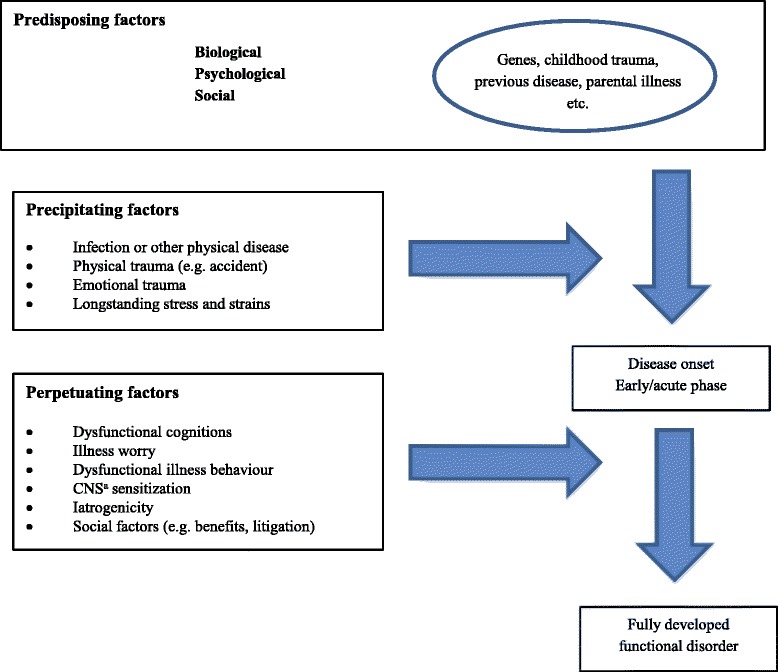
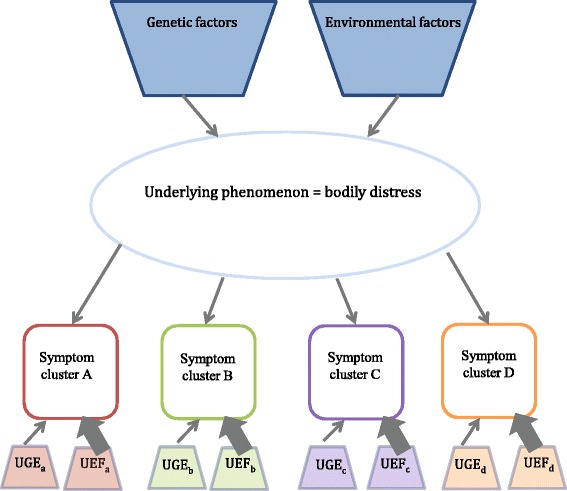
Verification
Claims the paper makes
The claims and statistics of this paper haven’t been checked yet.
Free: it reads the open-access text and checks the first 5 claims that cite a source we can check. Create a free account to check every claim.
Claims other papers make about this one
Each is checked against this paper’s own text: does it say what the citing paper says it does?
The source backs part of the claim, not all of it — or backs it for a different population, condition or comparison.
In the citing paper
“Moreover, adult patients presenting with multiple symptoms from several organ systems have a poorer prognosis and a higher risk of chronification.22–24”
From Comparing group-based acceptance and commitment therapy (ACT) with enhanced usual care for adolescents with functional somatic syndromes: A study protocol for a randomised trial (2016) · cites this paper as [22]
Experimental — accuracy not yet measured
Self-check
Percentages, sums and reported differences re-computed from the paper’s own numbers.
The self-check needs the paper’s full text.
Citations
Cites
Diagnostic and Statistical Manual of Mental Disorders
American Psychiatric Association (2013) · doi:10.1176/appi.books.9780890425596 · Cited by 116,369
Diagnostic and Statistical Manual of Mental Disorders
Williams, J. B. W., & First, M. (2013) · Encyclopedia of Social Work · doi:10.1093/acrefore/9780199975839.013.104 · Cited by 109,519
Central sensitization: implications for the diagnosis and treatment of pain
Woolf, C. J. (2011) · Pain · doi:10.1016/j.pain.2010.09.030 · Cited by 4,771 · cited 1×
“Altered autonomic balance [63, 72], stress-axis dysfunction [73–75], sensitised nervous system [76, 77] and activated inflammatory response [78] are all pathophysiological mechanisms that are believed to have the potential to produce and maintain physical symptoms.”
BackgroundSCAN: Schedules fonr Clinical Assessment in Neuropsychiatry
Wing, J. K. (1990) · Archives of General Psychiatry · doi:10.1001/archpsyc.1990.01810180089012 · Cited by 2,517
Psychosomatic medicine in Germany: more timely than ever
Zipfel, S., Herzog, W., Kruse, J., & Henningsen, P. (2016) · Psychotherapy and Psychosomatics · doi:10.1159/000447701 · Cited by 2,323
Establishment of Diagnostic Validity in Psychiatric Illness: Its Application to Schizophrenia
ROBINS, E., & GUZE, S. B. (1970) · American Journal of Psychiatry · doi:10.1176/ajp.126.7.983 · Cited by 2,243 · cited 1×
“In the following, we discuss BDS in relation to the accepted validators of clinical syndromes proposed by Kendell, and Robins and Guze [85–87], the additional criteria suggested by Fink and Rosendal [3, 88] and the criteria for clinical utility proposed by Kendell and First et al.”
MethodDistinguishing Between the Validity and Utility of Psychiatric Diagnoses
Kendell, R., & Jablensky, A. (2003) · American Journal of Psychiatry · doi:10.1176/appi.ajp.160.1.4 · Cited by 1,246 · cited 1×
“According to Kendell, a diagnostic category possesses utility when it provides non-trivial information about prognosis, treatment outcomes, and/or testable propositions about biological and social correlates (aetiology) [85].”
BackgroundFunctional somatic syndromes: one or many?
Wessely, S., Nimnuan, C., & Sharpe, M. (1999) · The Lancet · doi:10.1016/s0140-6736(98)08320-2 · Cited by 1,211
Whitehead, W. E., Palsson, O., & Jones, K. R. (2002) · Gastroenterology · doi:10.1053/gast.2002.32392 · Cited by 1,116
Barsky, A. J., Orav, E. J., & Bates, D. W. (2005) · Archives of General Psychiatry · doi:10.1001/archpsyc.62.8.903 · Cited by 911 · cited 1×
“This shortcoming exists although these conditions are frequent; in the more severe forms, the conditions are even persistent and associated with significant disability, and high societal and healthcare costs [3, 9–17].”
BackgroundThe epidemiology of irritable bowel syndrome
Card, T., Canavan, C., & West, J. (2014) · Clinical Epidemiology · doi:10.2147/clep.s40245 · Cited by 889 · cited 1×
“there appears to be a high degree of mobility between different functional disorders over time [42, 82, 83].”
BackgroundMedically Unexplained Physical Symptoms, Anxiety, and Depression: A Meta-Analytic Review
Henningsen, P., Zimmermann, T., & Sattel, H. (2003) · Psychosomatic Medicine · doi:10.1097/01.psy.0000075977.90337.e7 · Cited by 829 · cited 1×
“The wide range of conditions labelled with different names show striking similarities in symptom clustering [2, 51], aetiology [48], pathophysiological mechanisms [52], patient characteristics [53], treatment response [8] and co-morbidity [40, 54].”
BackgroundManagement of functional somatic syndromes
Henningsen, P., Zipfel, S., & Herzog, W. (2007) · The Lancet · doi:10.1016/s0140-6736(07)60159-7 · Cited by 741 · cited 3×
“The present diagnostic ICD-10 classification [7] includes numerous overlapping diagnoses within somatic and psychiatric specialties [22–31], e.”
BackgroundDepression, anxiety and somatization in primary care: Syndrome overlap and functional impairment
Löwe, B., Spitzer, R. L., Williams, J. B. W., Mussell, M., Schellberg, D., & Kroenke, K. (2008) · General Hospital Psychiatry · doi:10.1016/j.genhosppsych.2008.01.001 · Cited by 706 · cited 1×
“labelled functional disorders present with concurrent mental disorders, particularly with depression and anxiety [30, 40, 69].”
BackgroundWerner, A., & Malterud, K. (2003) · Social Science & Medicine · doi:10.1016/s0277-9536(02)00520-8 · Cited by 696 · cited 1×
“First, some general practitioners (GP) and patients are sceptical about the concept of functional disorders [18].”
BackgroundAaron, L. A., Burke, M. M., & Buchwald, D. (2000) · Archives of Internal Medicine · doi:10.1001/archinte.160.2.221 · Cited by 607 · cited 1×
“The present diagnostic ICD-10 classification [7] includes numerous overlapping diagnoses within somatic and psychiatric specialties [22–31], e.”
BackgroundMeeus, M., & Nijs, J. (2007) · Clinical Rheumatology · doi:10.1007/s10067-006-0433-9 · Cited by 541 · cited 1×
“Altered autonomic balance [63, 72], stress-axis dysfunction [73–75], sensitised nervous system [76, 77] and activated inflammatory response [78] are all pathophysiological mechanisms that are believed to have the potential to produce and maintain physical symptoms.”
BackgroundA Review of the Evidence for Overlap among Unexplained Clinical Conditions
Aaron, L. A., & Buchwald, D. (2001) · Annals of Internal Medicine · doi:10.7326/0003-4819-134-9_part_2-200105011-00011 · Cited by 503 · cited 1×
“The present diagnostic ICD-10 classification [7] includes numerous overlapping diagnoses within somatic and psychiatric specialties [22–31], e.”
BackgroundSomatoform Disorders: Time for a New Approach in DSM-V
Mayou, R., Kirmayer, L. J., Simon, G., Kroenke, K., & Sharpe, M. (2005) · American Journal of Psychiatry · doi:10.1176/appi.ajp.162.5.847 · Cited by 480 · cited 1×
“The present diagnostic ICD-10 classification [7] includes numerous overlapping diagnoses within somatic and psychiatric specialties [22–31], e.”
BackgroundDeary, V., Chalder, T., & Sharpe, M. (2007) · Clinical Psychology Review · doi:10.1016/j.cpr.2007.07.002 · Cited by 480 · cited 1×
“This may indicate that although behavioural and cognitive factors are associated with pathogenesis of functional disorders [60], they may not be prerequisite as diagnostic criteria.”
BackgroundEfficacy of treatment for somatoform disorders: a review of randomized controlled trials
Kroenke, K. (2007) · Psychosomatic Medicine · doi:10.1097/psy.0b013e31815b00c4 · Cited by 450 · cited 1×
“These include exercise, psychological treatment, information and structured care [25, 46, 79–81].”
BackgroundKaton, W., Sullivan, M., & Walker, E. (2001) · Annals of Internal Medicine · doi:10.7326/0003-4819-134-9_part_2-200105011-00017 · Cited by 418 · cited 1×
“Epidemiological research suggests that the differently labelled conditions share a multifactorial aetiology comprising interacting biological, psychological and environmental factors [48, 60–62].”
BackgroundClinical Utility as a Criterion for Revising Psychiatric Diagnoses
First, M. B., Pincus, H. A., Levine, J. B., Williams, J. B. W., Ustun, B., & Peele, R. (2004) · American Journal of Psychiatry · doi:10.1176/appi.ajp.161.6.946 · Cited by 341 · cited 1×
“proposed a more detailed definition of clinical utility as the extent to which a diagnostic classification assists the clinical decision-makers in conceptualising and communicating clinical information, using the diagnostic categories, choosing effective interventions and predicting future management needs [89].”
BackgroundFink, P., & Schröder, A. (2010) · Journal of Psychosomatic Research · doi:10.1016/j.jpsychores.2010.02.004 · Cited by 334 · cited 5×
“labelled functional disorders present with concurrent mental disorders, particularly with depression and anxiety [30, 40, 69].”
BackgroundInfluentialSelf-citationWeir, P. T., Harlan, G. A., Nkoy, F. L., Jones, S. S., Hegmann, K. T., Gren, L. H., & Lyon, J. L. (2006) · JCR: Journal of Clinical Rheumatology · doi:10.1097/01.rhu.0000221817.46231.18 · Cited by 322 · cited 1×
“The present diagnostic ICD-10 classification [7] includes numerous overlapping diagnoses within somatic and psychiatric specialties [22–31], e.”
BackgroundFink, P., Toft, T., Hansen, M. S., Ørnbøl, E., & Olesen, F. (2007) · Psychosomatic Medicine · doi:10.1097/psy.0b013e31802e46eb · Cited by 314 · cited 4×
“…as established evidence regarding BDS Validator Scientific method Study Identify and describe the syndrome ‘Clinical intuition’ or cluster analyses Fink et al. (2007) [2] Budtz-Lilly et al. (2015) [43] Demonstrate boundaries between related syndromes and from normality Statistical methods, e.g.…”
BackgroundMethodInfluentialSelf-citationResource Utilization of Patients With Hypochondriacal Health Anxiety and Somatization
Barsky, A. J., Ettner, S. L., Horsky, J., & Bates, D. W. (2001) · Medical Care · doi:10.1097/00005650-200107000-00007 · Cited by 309 · cited 1×
“This shortcoming exists although these conditions are frequent; in the more severe forms, the conditions are even persistent and associated with significant disability, and high societal and healthcare costs [3, 9–17].”
BackgroundThe prognosis of chronic fatigue and chronic fatigue syndrome: a systematic review
Joyce, J. (1997) · QJM · doi:10.1093/qjmed/90.3.223 · Cited by 303 · cited 1×
“persistency of chronic widespread pain of 35 % (community population) and a 12-month persistency of chronic fatigue syndrome of 70 % (primary-care population) [91, 92].”
BackgroundHypothalamic-pituitary-adrenal axis dysfunction in chronic fatigue syndrome
Papadopoulos, A. S., & Cleare, A. J. (2012) · Nature Reviews Endocrinology · doi:10.1038/nrendo.2011.153 · Cited by 280 · cited 1×
“Altered autonomic balance [63, 72], stress-axis dysfunction [73–75], sensitised nervous system [76, 77] and activated inflammatory response [78] are all pathophysiological mechanisms that are believed to have the potential to produce and maintain physical symptoms.”
BackgroundHow many functional somatic syndromes?
Nimnuan, C., Rabe-Hesketh, S., Wessely, S., & Hotopf, M. (2001) · Journal of Psychosomatic Research · doi:10.1016/s0022-3999(01)00224-0 · Cited by 269 · cited 1×
“The present diagnostic ICD-10 classification [7] includes numerous overlapping diagnoses within somatic and psychiatric specialties [22–31], e.”
BackgroundPeveler, R., Kilkenny, L., & Kinmonth, A.-L. (1997) · Journal of Psychosomatic Research · doi:10.1016/s0022-3999(96)00292-9 · Cited by 263 · cited 1×
“This shortcoming exists although these conditions are frequent; in the more severe forms, the conditions are even persistent and associated with significant disability, and high societal and healthcare costs [3, 9–17].”
BackgroundKendell, R. E. (1989) · Psychological Medicine · doi:10.1017/s0033291700011016 · Cited by 261
(2003) · Europe PMC (PubMed Central) · Cited by 255
Somatic Symptoms of Distress: An International Primary Care Study
Simon, G., Gater, R., Kisely, S., & Piccinelli, M. (1996) · Psychosomatic Medicine · doi:10.1097/00006842-199609000-00010 · Cited by 238 · cited 1×
“The wide range of conditions labelled with different names show striking similarities in symptom clustering [2, 51], aetiology [48], pathophysiological mechanisms [52], patient characteristics [53], treatment response [8] and co-morbidity [40, 54].”
BackgroundA population-based twin study of functional somatic syndromes
Kato, K., Sullivan, P. F., Evengård, B., & Pedersen, N. L. (2009) · Psychological Medicine · doi:10.1017/s0033291708003784 · Cited by 237 · cited 3×
“Some evidence suggests that both genetic and environmental factors are correlated with bodily distress; some are shared (and correlate with the overall phenomenon), while others may be unique for each subcategory of bodily distress [48, 66] and appear to be primarily due to the environmental influences experienced by…”
BackgroundTak, L. M., Cleare, A. J., Ormel, J., Manoharan, A., Kok, I. C., Wessely, S., & Rosmalen, J. G. M. (2011) · Biological Psychology · doi:10.1016/j.biopsycho.2011.02.002 · Cited by 230 · cited 1×
“Altered autonomic balance [63, 72], stress-axis dysfunction [73–75], sensitised nervous system [76, 77] and activated inflammatory response [78] are all pathophysiological mechanisms that are believed to have the potential to produce and maintain physical symptoms.”
BackgroundChronic Widespread Pain and Its Comorbidities: A Population-Based Study
Kato, K., Sullivan, P. F., Evengård, B., & Pedersen, N. L. (2006) · Archives of Internal Medicine · doi:10.1001/archinte.166.15.1649 · Cited by 224 · cited 1×
“The present diagnostic ICD-10 classification [7] includes numerous overlapping diagnoses within somatic and psychiatric specialties [22–31], e.”
BackgroundMartínez-Martínez, L.-A., Mora, T., Vargas, A., Fuentes-Iniestra, M., & Martínez-Lavín, M. (2014) · JCR: Journal of Clinical Rheumatology · doi:10.1097/rhu.0000000000000089 · Cited by 224 · cited 1×
“Altered autonomic balance [63, 72], stress-axis dysfunction [73–75], sensitised nervous system [76, 77] and activated inflammatory response [78] are all pathophysiological mechanisms that are believed to have the potential to produce and maintain physical symptoms.”
BackgroundEconomics of Medically Unexplained Symptoms: A Systematic Review of the Literature
Konnopka, A., Schaefert, R., Heinrich, S., Kaufmann, C., Luppa, M., Herzog, W., & König, H.-H. (2012) · Psychotherapy and Psychosomatics · doi:10.1159/000337349 · Cited by 207 · cited 1×
“This shortcoming exists although these conditions are frequent; in the more severe forms, the conditions are even persistent and associated with significant disability, and high societal and healthcare costs [3, 9–17].”
BackgroundIs there a better term than “medically unexplained symptoms”?
Creed, F., Guthrie, E., Fink, P., Henningsen, P., Rief, W., Sharpe, M., & White, P. (2010) · Journal of Psychosomatic Research · doi:10.1016/j.jpsychores.2009.09.004 · Cited by 207 · cited 3×
“An international group of experts has recommended using a non-stigmatising term, which should be neutral in terms of aetiology and pathology, for this diagnosis; bodily distress syndrome has been considered an option [5].”
BackgroundMethodSelf-citationMigraine, fibromyalgia, and depression among people with IBS: a prevalence study
Cole, J. A., Rothman, K. J., Cabral, H. J., Zhang, Y., & Farraye, F. A. (2006) · BMC Gastroenterology · doi:10.1186/1471-230x-6-26 · Cited by 196 · cited 1×
“The present diagnostic ICD-10 classification [7] includes numerous overlapping diagnoses within somatic and psychiatric specialties [22–31], e.”
BackgroundThe cost of somatisation among the working-age population in England for the year 2008-2009.
(2010) · PubMed Central · Cited by 174
Stability of Somatization Disorder and Somatization Symptoms Among Primary Care Patients
Simon, G. E., & Gureje, O. (1999) · Archives of General Psychiatry · doi:10.1001/archpsyc.56.1.90 · Cited by 163 · cited 1×
“This shortcoming exists although these conditions are frequent; in the more severe forms, the conditions are even persistent and associated with significant disability, and high societal and healthcare costs [3, 9–17].”
BackgroundFrom psychogenic movement disorder to functional movement disorder: It's time to change the name
Edwards, M. J., Stone, J., & Lang, A. E. (2014) · Movement Disorders · doi:10.1002/mds.25562 · Cited by 161 · cited 2×
“Also the improved conceptualisation provided through theoretically based hypotheses on aetiology may form the basis for a set of explanatory models which could serve as satisfactory candidates for both physicians and patients [84, 95, 96].”
BackgroundClassification of Somatization and Functional Somatic Symptoms in Primary Care
Fink, P., Rosendal, M., & Olesen, F. (2005) · Australian & New Zealand Journal of Psychiatry · doi:10.1080/j.1440-1614.2005.01682.x · Cited by 159 · cited 1×
“Background Many primary-care patients complain of symptoms which cannot be attributed to any conventionally defined medical disease or mental disorder [1–3].”
BackgroundSelf-citationFjorback, L. O., Arendt, M., Ørnbøl, E., Walach, H., Rehfeld, E., Schröder, A., & Fink, P. (2013) · Journal of Psychosomatic Research · doi:10.1016/j.jpsychores.2012.09.006 · Cited by 144 · cited 3×
“Data collected for clinical assessment of patients with multi-organ BDS show a high degree of patient acceptability [97], and multi-organ BDS has been used as an inclusion criterion in several clinical trials with low drop-out rates [45, 46].”
BackgroundMethodSelf-citationTak, L. M., Riese, H., de Bock, G. H., Andiappan, M., Kok, I. C., & Rosmalen, J. G. M. (2009) · Biological Psychology · doi:10.1016/j.biopsycho.2009.05.002 · Cited by 137 · cited 1×
“Altered autonomic balance [63, 72], stress-axis dysfunction [73–75], sensitised nervous system [76, 77] and activated inflammatory response [78] are all pathophysiological mechanisms that are believed to have the potential to produce and maintain physical symptoms.”
BackgroundLieb, R., Zimmermann, P., Friis, R. H., Höfler, M., Tholen, S., & Wittchen, H.-U. (2002) · European Psychiatry · doi:10.1016/s0924-9338(02)00686-7 · Cited by 135 · cited 1×
“there appears to be a high degree of mobility between different functional disorders over time [42, 82, 83].”
BackgroundA new questionnaire to identify bodily distress in primary care: the 'BDS checklist
Budtz-Lilly, A., Fink, P., Ørnbøl, E., Vestergaard, M., Moth, G., Christensen, K. S., & Rosendal, M. (2015) · Journal of Psychosomatic Research · doi:10.1016/j.jpsychores.2015.03.006 · Cited by 129 · cited 7×
“…or molecular character No studies found Additional validator Study The patients must be sampled from representative populations Fink et al. (2007) [2] Budtz-Lilly et al. (2015) [42] Budtz-Lilly et al. (2015) [43] Rask et al. (2015) [44] Results should be confirmed in crossvalidation…”
BackgroundMethodInfluentialSelf-citationMoss-Morris, R., & Spence, M. (2006) · Psychosomatic Medicine · doi:10.1097/01.psy.0000221384.07521.05 · Cited by 128
Somatization Increases Disability Independent of Comorbidity
Harris, A. M., Orav, E. J., Bates, D. W., & BARSKY, A. J. (2008) · Journal of General Internal Medicine · doi:10.1007/s11606-008-0845-0 · Cited by 125 · cited 1×
“This shortcoming exists although these conditions are frequent; in the more severe forms, the conditions are even persistent and associated with significant disability, and high societal and healthcare costs [3, 9–17].”
BackgroundThe impact of personality on the reporting of unfounded symptoms and illness.
Feldman, P. J., Cohen, S., Doyle, W. J., Skoner, D. P., & Gwaltney, J. M., Jr. (1999) · Journal of Personality and Social Psychology · doi:10.1037//0022-3514.77.2.370 · Cited by 124 · cited 1×
“Epidemiological research suggests that the differently labelled conditions share a multifactorial aetiology comprising interacting biological, psychological and environmental factors [48, 60–62].”
BackgroundThe natural history of chronic pain in the community: a better prognosis than in the clinic?
Macfarlane, G. J., Thomas, E., Papageorgiou, A. C., Schollum, J. B. W., Croft, P. R., & Silman, A. J. (1996) · PubMed · Cited by 123
Latent Variable Models of Functional Somatic Distress
ROBBINS, J. M., KIRMAYER, L. J., & HEMAMI, S. (1997) · The Journal of Nervous & Mental Disease · doi:10.1097/00005053-199710000-00003 · Cited by 123 · cited 2×
“Across several independent studies from different countries, similar symptom groups have been identified; these represent gastrointestinal symptoms, musculoskeletal symptoms, cardiopulmonary symptoms, neurological/ general symptoms and urogenital symptoms [2, 43, 51, 55–59].”
BackgroundResultExplanatory models of medically unexplained symptoms: a qualitative analysis of the literature.
van Ravenzwaaij, J., Hartman, T. O., van Ravesteijn, H., Eveleigh, R. M., van Rijswijk, E., & Lucassen, P. (2010) · PubMed Central · Cited by 121
Pathophysiologic mechanisms of fibromyalgia and its related disorders.
Bradley, L. A. (2008) · PubMed · Cited by 118
The new somatic symptom disorder in DSM-5 risks mislabeling many people as mentally ill
Frances, A. (2013) · BMJ · doi:10.1136/bmj.f1580 · Cited by 113
(2011) · Cambridge University Press eBooks · doi:10.1017/cbo9780511977862 · Cited by 111
Witthöft, M., Hiller, W., Loch, N., & Jasper, F. (2012) · International Journal of Behavioral Medicine · doi:10.1007/s12529-012-9237-2 · Cited by 110 · cited 2×
“Regarding a cross-validation of the diagnosis, it is worth mentioning that symptom groups and patient severity groups similar to those of BDS have been identified in several studies [49–51, 55–58, 94].”
BackgroundResultFink, P., & Rosendal, M. (2008) · Current Opinion in Psychiatry · doi:10.1097/yco.0b013e3282f51254 · Cited by 106 · cited 3×
“In the following, we discuss BDS in relation to the accepted validators of clinical syndromes proposed by Kendell, and Robins and Guze [85–87], the additional criteria suggested by Fink and Rosendal [3, 88] and the criteria for clinical utility proposed by Kendell and First et al. [85, 89] (see Table 2).”
MethodSelf-citationLatent class analysis of functional somatic symptoms in a population-based sample of twins
Kato, K., Sullivan, P. F., & Pedersen, N. L. (2010) · Journal of Psychosomatic Research · doi:10.1016/j.jpsychores.2010.01.010 · Cited by 95 · cited 2×
“Regarding a cross-validation of the diagnosis, it is worth mentioning that symptom groups and patient severity groups similar to those of BDS have been identified in several studies [49–51, 55–58, 94].”
BackgroundResultA Biological Substrate for Somatoform Disorders: Importance of Pathophysiology
Dimsdale, J. E., & Dantzer, R. (2007) · Psychosomatic Medicine · doi:10.1097/psy.0b013e31815b00e7 · Cited by 95 · cited 1×
“Altered autonomic balance [63, 72], stress-axis dysfunction [73–75], sensitised nervous system [76, 77] and activated inflammatory response [78] are all pathophysiological mechanisms that are believed to have the potential to produce and maintain physical symptoms.”
BackgroundCognitive–behavioural group treatment for a range of functional somatic syndromes: Randomised trial
Schröder, A., Rehfeld, E., Ørnbøl, E., Sharpe, M., Licht, R. W., & Fink, P. (2012) · British Journal of Psychiatry · doi:10.1192/bjp.bp.111.098681 · Cited by 95 · cited 1×
“…Budtz-Lilly et al. (2015) [42] Rask et al. (2015) [44] Establish a distinct treatment response Therapeutic trials Fjordback et al. (2013)a [45] Schröder et al. (2012)a [46] Establish that the syndrome ‘breeds true’ Family studies No studies found Identify biological correlates Demonstrate…”
BackgroundSelf-citationThe fibromyalgia diagnosis – hardly helpful for the patients?: A qualitative focus group study
Undeland, M., & Malterud, K. (2007) · Scandinavian Journal of Primary Health Care · doi:10.1080/02813430701706568 · Cited by 88
Wolfe, F., Walitt, B. T., Katz, R. S., & Häuser, W. (2014) · PLoS ONE · doi:10.1371/journal.pone.0088740 · Cited by 83 · cited 1×
“The DSM-5 diagnosis of complex somatic symptom disorder (CSSD) [6], on the other hand, is more inclusive, but it has been criticised for lack of specificity [35–37].”
BackgroundThe most popular terms for medically unexplained symptoms: The views of CFS patients
Picariello, F., Ali, S., Moss-Morris, R. E., & Chalder, T. (2015) · Journal of Psychosomatic Research · doi:10.1016/j.jpsychores.2015.02.013 · Cited by 82
Rask, M. T., Ørnbøl, E., Rosendal, M., & Fink, P. (2017) · Psychosomatic Medicine · doi:10.1097/psy.0000000000000405 · Cited by 81
Self-citationRosendal, M., Bro, F., Fink, P., Christensen, K. S., & Olesen, F. (2003) · Europe PMC (PubMed Central) · Cited by 74
Self-citation“Functional somatic syndromes, one or many?”: An answer by cluster analysis
Lacourt, T. E., Houtveen, J. H., & van Doornen, L. J. P. (2012) · Journal of Psychosomatic Research · doi:10.1016/j.jpsychores.2012.09.013 · Cited by 73 · cited 1×
“Regarding a cross-validation of the diagnosis, it is worth mentioning that symptom groups and patient severity groups similar to those of BDS have been identified in several studies [49–51, 55–58, 94].”
ResultGara, M. A., Cohen Silver, R., Escobar, J. I., Holman, A., & Waitzkin, H. (1998) · Psychiatry Research · doi:10.1016/s0165-1781(98)00088-2 · Cited by 65 · cited 2×
“Across several independent studies from different countries, similar symptom groups have been identified; these represent gastrointestinal symptoms, musculoskeletal symptoms, cardiopulmonary symptoms, neurological/ general symptoms and urogenital symptoms [2, 43, 51, 55–59].”
BackgroundResultThe genetic aetiology of somatic distress
GILLESPIE, N. A., ZHU, G., HEATH, A. C., HICKIE, I. B., & MARTIN, N. G. (2000) · Psychological Medicine · doi:10.1017/s0033291799002640 · Cited by 65 · cited 1×
“Nevertheless, several studies suggest that the genetic predisposition to develop bodily distress is different from that of developing mental disorders [48, 53, 70, 71].”
BackgroundHamilton, W. T., Gallagher, A. M., Thomas, J. M., & White, P. D. (2009) · Psychological Medicine · doi:10.1017/s0033291709005601 · Cited by 61 · cited 1×
“2) [48, 67, 68].”
LIU, G., CLARK, M. R., & EATON, W. W. (1997) · Psychological Medicine · doi:10.1017/s0033291797004844 · Cited by 61 · cited 2×
“Across several independent studies from different countries, similar symptom groups have been identified; these represent gastrointestinal symptoms, musculoskeletal symptoms, cardiopulmonary symptoms, neurological/ general symptoms and urogenital symptoms [2, 43, 51, 55–59].”
BackgroundResultLam, T. P., Goldberg, D. P., Dowell, A. C., Fortes, S., Mbatia, J. K., Minhas, F. A., & Klinkman, M. S. (2013) · Family Practice · doi:10.1093/fampra/cms037 · Cited by 59 · cited 8×
“The term is meant to be descriptive of patient complaints and yet more constructive than ‘medically unexplained symptoms’, a label that many patients find hard to accept [84].”
BackgroundMethodInfluentialEmpirical foundations for the diagnosis of somatization: implications for DSM-5
Rosmalen, J. G. M., Tak, L. M., & de Jonge, P. (2011) · Psychological Medicine · doi:10.1017/s0033291710001625 · Cited by 56 · cited 2×
“Across several independent studies from different countries, similar symptom groups have been identified; these represent gastrointestinal symptoms, musculoskeletal symptoms, cardiopulmonary symptoms, neurological/ general symptoms and urogenital symptoms [2, 43, 51, 55–59].”
BackgroundResultPhysician-based estimates of medically unexplained symptoms: a comparison of four case definitions
Swanson, L. M., Hamilton, J. C., & Feldman, M. D. (2010) · Family Practice · doi:10.1093/fampra/cmq051 · Cited by 56 · cited 1×
“This diagnostic overlap challenges the GP’s decision-making: Which diagnosis and which referral programme out of the many available would be the most suitable for this particular patient? In addition, the somatoform diagnostic categories presented in the psychiatric chapter of ICD-10 are based on consensus and primari…”
BackgroundPsychobiological Aspects of Somatoform Disorders: Contributions of Monoaminergic Transmitter Systems
Rief, W., Pilger, F., Ihle, D., Verkerk, R. M., Scharpé, S., & Maes, M. H. J. (2004) · Neuropsychobiology · doi:10.1159/000075335 · Cited by 55
Budtz-Lilly, A., Vestergaard, M., Fink, P., Carlsen, A. H., & Rosendal, M. (2015) · British Journal of General Practice · doi:10.3399/bjgp15x686545 · Cited by 52 · cited 7×
“…or molecular character No studies found Additional validator Study The patients must be sampled from representative populations Fink et al. (2007) [2] Budtz-Lilly et al. (2015) [42] Budtz-Lilly et al. (2015) [43] Rask et al. (2015) [44] Results should be confirmed in crossvalidation…”
BackgroundMethodInfluentialSelf-citationRief, W., & Isaac, M. (2014) · Current Opinion in Psychiatry · doi:10.1097/yco.0000000000000089 · Cited by 51 · cited 3×
“Some authors seem to regard BDS as a diagnosis which does not enhance a non-dualistic clinical approach because other relevant differential diagnoses must first be ruled out in order to diagnose a patient with BDS [47].”
BackgroundInfluentialEpidemiology: prevalence, causes and consequences
Creed, F. H., BARSKY, A. J., & Leiknes, K. A. (2011) · Cambridge University Press eBooks · doi:10.1017/cbo9780511977862.002 · Cited by 50
Carson, A. J., Stone, J., Hansen, C. H., Duncan, R., Cavanagh, J., Matthews, K., Murray, G., & Sharpe, M. (2015) · Journal of Neurology, Neurosurgery & Psychiatry · doi:10.1136/jnnp-2014-308234 · Cited by 45 · cited 1×
“Furthermore, neither the commonly used term MUS nor the frequently used research method of simply counting symptoms to identify functional disorders are based on diagnostic criteria, and symptom counts have been shown to be unreliable in clinical practice because of the poor sensitivity and specificity of this approac…”
MethodThe prognosis of bodily distress syndrome: a cohort study in primary care
Budtz-Lilly, A., Vestergaard, M., Fink, P., Carlsen, A. H., & Rosendal, M. (2015) · General Hospital Psychiatry · doi:10.1016/j.genhosppsych.2015.08.002 · Cited by 41 · cited 9×
“…or molecular character No studies found Additional validator Study The patients must be sampled from representative populations Fink et al. (2007) [2] Budtz-Lilly et al. (2015) [42] Budtz-Lilly et al. (2015) [43] Rask et al. (2015) [44] Results should be confirmed in crossvalidation…”
BackgroundMethodResultInfluentialSchröder, A., & Fink, P. (2011) · Psychiatric Clinics of North America · doi:10.1016/j.psc.2011.05.008 · Cited by 39 · cited 2×
“Without a well-defined concept and general agreement on specific diagnostic categories, many patients with functional disorders remain undetected and are not offered adequate treatment [8].”
BackgroundSelf-citationPrice, J. R., & Leaver, L. (2002) · BMJ · doi:10.1136/bmj.325.7354.33 · Cited by 31 · cited 1×
“Patients seek the same from their GP whether or not their symptoms can be explained by well-defined medical conditions; constructive dialogue, tangible explanations for their symptoms, and treatment and care [38, 39].”
BackgroundSchaefert, R., Laux, G., Kaufmann, C., Schellberg, D., Bölter, R., Szécsényi, J., Sauer, N., Herzog, W., & Kuehlein, T. (2010) · Journal of Psychosomatic Research · doi:10.1016/j.jpsychores.2010.05.003 · Cited by 31 · cited 8×
“From primary care consecutive patients consulting 38 GPs on a new illness problem (n = 701) were included.”
BackgroundInfluentialHäuser, W., & Wolfe, F. (2013) · Journal of Psychosomatic Research · doi:10.1016/j.jpsychores.2013.09.005 · Cited by 30 · cited 1×
“The DSM-5 diagnosis of complex somatic symptom disorder (CSSD) [6], on the other hand, is more inclusive, but it has been criticised for lack of specificity [35–37].”
BackgroundTerminology, classification and concepts
Henningsen, P., Fink, P., Hausteiner‐Wiehle, C., & Rief, W. (2011) · Cambridge University Press eBooks · doi:10.1017/cbo9780511977862.003 · Cited by 30
Self-citationolde Hartman, T., Hassink-Franke, L., Dowrick, C., Fortes, S., Lam, C., van der Horst, H., Lucassen, P., & van Weel-Baumgarten, E. (2008) · Family Practice · doi:10.1093/fampra/cmn041 · Cited by 29
Tak, L. M., Bakker, S. J. L., & Rosmalen, J. G. M. (2009) · Psychoneuroendocrinology · doi:10.1016/j.psyneuen.2008.12.017 · Cited by 28
Schröder, A., & Fink, P. (2009) · Journal of Psychosomatic Research · doi:10.1016/j.jpsychores.2009.06.013 · Cited by 28 · cited 1×
“Across several independent studies from different countries, similar symptom groups have been identified; these represent gastrointestinal symptoms, musculoskeletal symptoms, cardiopulmonary symptoms, neurological/ general symptoms and urogenital symptoms [2, 43, 51, 55–59].”
BackgroundSelf-citationLembo, A. J., Zaman, M., Krueger, R. F., Tomenson, B. M., & Creed, F. H. (2009) · The American Journal of Gastroenterology · doi:10.1038/ajg.2009.23 · Cited by 24 · cited 1×
“Nevertheless, several studies suggest that the genetic predisposition to develop bodily distress is different from that of developing mental disorders [48, 53, 70, 71].”
BackgroundAre medically unexplained symptoms and functional disorders predictive for the illness course?
Hansen, H. S., Rosendal, M., Oernboel, E., & Fink, P. (2011) · Journal of Psychosomatic Research · doi:10.1016/j.jpsychores.2011.02.015 · Cited by 17 · cited 1×
“These diagnoses are considered stigmatising by many GPs and patients [33, 34].”
BackgroundSelf-citationCan we explain medically unexplained symptoms?
Burton, C. D. (2014) · Family Practice · doi:10.1093/fampra/cmu067 · Cited by 13 · cited 1×
“Patients seek the same from their GP whether or not their symptoms can be explained by well-defined medical conditions; constructive dialogue, tangible explanations for their symptoms, and treatment and care [38, 39].”
Background[Towards a unified treatment approach for functional somatic syndromes and somatization].
Schröder, A., Fink, P., Fjordback, L., Frostholm, L., & Rosendal, M. (2010) · PubMed · Cited by 11
Self-citationIdentification, assessment and treatment of individual patients
Creed, F. H., Feltz-Cornelis, C. M. V. D., Guthrie, E., Henningsen, P., Rief, W., Schröder, A., & White, P. D. (2011) · Cambridge University Press eBooks · doi:10.1017/cbo9780511977862.009 · Cited by 11
Self-citationStenager, E. N., Svendsen, M. A., & Stenager, E. (2003) · PubMed · Cited by 9
Management of Somatic Symptoms
Schröder, A., & Dimsdale, J. E. (2014) · doi:10.2310/neuro.1300 · Cited by 5
Self-citationFunktionelle lidelser - udredning og behandling (Fink, P., Rosendal, M.), Boganmeldelse
Davidsen, A. S. (2012) · Research at the University of Copenhagen (University of Copenhagen) · Cited by 3
Agger, J. L., Schröder, A., Fink, P., Gormsen, L. C., & Jensen, T. S. (2013) · Journal of Psychosomatic Research · doi:10.1016/j.jpsychores.2013.06.024 · Cited by 2 · cited 1×
“The trials investigate the effect of specialised treatments such as cognitive behavioural therapy, acceptance and commitment therapy, mindfulnessbased stress reduction and antidepressants [93].”
BackgroundSelf-citation
Research works printed but not linked: 1
- Schroder A Fink P Sharpe M The management of MUS: Guided by diagnosis or illness severity? Lancet (Psychiatry) 2015
Cited by
The biopsychosocial model of illness: a model whose time has come
Wade, D. T., & Halligan, P. W. (2017) · Clinical Rehabilitation · doi:10.1177/0269215517709890 · Cited by 787
Petersen, M. W., Schröder, A., Jørgensen, T., Ørnbøl, E., Meinertz Dantoft, T., Eliasen, M., Benros, M. E., & Fink, P. (2020) · Scientific Reports · doi:10.1038/s41598-020-60318-6 · Cited by 170
Self-citationRosendal, M., Olde Hartman, T. C., Aamland, A., van der Horst, H., Lucassen, P., Budtz-Lilly, A., & Burton, C. (2017) · BMC Family Practice · doi:10.1186/s12875-017-0592-6 · Cited by 129
“Hence, symptom patterns of central sensitization as for example those seen in BDS may be a way forward to identify the most severely affected group of patients with symptom disorders [73].”
BackgroundSelf-citationCohort description: The Danish study of Functional Disorders
Dantoft, T. M., Ebstrup, J. F., Linneberg, A., Skovbjerg, S., Madsen, A. L., Mehlsen, J., Brinth, L., Eplov, L., Carstensen, T., Schroder, A., et al. (2017) · Clinical Epidemiology · doi:10.2147/clep.s129335 · Cited by 108
“Questionnaires regarding a large variety of relevant symptoms were also administered regarding fibromyalgia,(49,50) chronic fatigue syndrome,(43) irritable bowel syndrome and dyspepsia, multiple chemical sensitivity,(51,52) whiplash-associated disorders, and bodily distress syndrome.(6,17,53) Interview To establish FS…”
Self-citationSmakowski, A., Hüsing, P., Völcker, S., Löwe, B., Rosmalen, J. G. M., Mora, M. C. S., & Toussaint, A. C. (2024) · Journal of Psychosomatic Research · doi:10.1016/j.jpsychores.2024.111608 · Cited by 105
Metadata
- Authors
- Budtz-Lilly, A., Schröder, A., Rask, M. T., Fink, P., Vestergaard, M., & Rosendal, M.
- Affiliations
- Aarhus University (DK)
- Aarhus University Hospital (DK)
- Corresponding author
- Budtz-Lilly, Anna
- Venue
- BMC Family Practice
- Published
- 2015-12
- Volume
- 16
- Issue
- 1
- Pages
- 180-180
- ISSN
- 1471-2296 (ISSN-L)
- PMC
- PMC4681035
- OpenAlex
- W2216441011
- Cited by
- 115
- References
- 100
- Citations by year
- 2026: 7 · 2025: 10 · 2024: 12 · 2023: 9 · 2022: 15 · 2021: 15 · 2020: 14 · 2019: 15 · 2018: 7 · 2017: 9 · 2016: 2
- FWCI
- 4.84
- Type
- journal article
- Language
- en
- Open access
- gold
- doi.org
- Licence
- Locations
- BMC Family Practice (publishedVersion, cc-by)
- Europe PMC (PubMed Central) (publishedVersion, cc-by)
- PubMed Central (publishedVersion, cc-by)
- PubMed (publishedVersion)
- Funders
- Lundbeckfonden (R155-2012-11280)
- TrygFonden
- Region Midtjylland
- H. Lundbeck A/S
- Danish Foundation TrygFonden
- Topics
- Health Sciences › Medicine › Psychiatry and Mental health › Psychosomatic Disorders and Their Treatments
- Health Sciences › Medicine › Psychiatry and Mental health › Fibromyalgia and Chronic Fatigue Syndrome Research
- Social Sciences › Arts and Humanities › History and Philosophy of Science › Medicine, History, and Philosophy
- Keywords
- bodily distress syndrome, functional disorders, diagnostic classification, primary care, diagnostic validity, diagnostic value, DSM-5, ICD-11, diagnostic criteria, symptom profiles, general practitioners, patient acceptability
- MeSH terms
- Diagnosis, Differential, Humans, Morbidity, Primary Health Care, Somatoform Disorders, Syndrome, Global Health, Prevalence, General Practitioners
About these checks
Registry, retraction, Cites and statistics results are computed, not judged, with one exception: a printed reference that no index lists is read once by a model before it counts as a citation error. Claims are extracted by a model and kept only when their quote appears verbatim in the text; each cited source is then checked, with a model’s help, for whether it says what the claim relies on. Those verdicts can be wrong — read the claim’s quote and the cited source before relying on one.
Statistics and arithmetic are recomputed, not judged.
Confidence bands are shown only for fields calibrated on our annotated test set. None is calibrated yet, so no band is shown.
What counts as a claim ›How we measure confidence ›How we check this ›
Are you an author, or do you see a problem with this page? Request a review
Data sources
Bibliographic data: Semantic Scholar, OpenAlex, Crossref.
Contains information from the Semantic Scholar Academic Graph Datasets, made available under the ODC Attribution License (ODC-BY 1.0).
Semantic Scholar’s data is described in: Kinney, R., et al. (2023). The Semantic Scholar Open Data Platform. arXiv:2301.10140.
