

New horizons in tumor microenvironment biology: challenges and opportunities
Open accessThe DOI matches its Crossref record; 105 of the 105 references it cites were found in a registry or an index.
Abstract
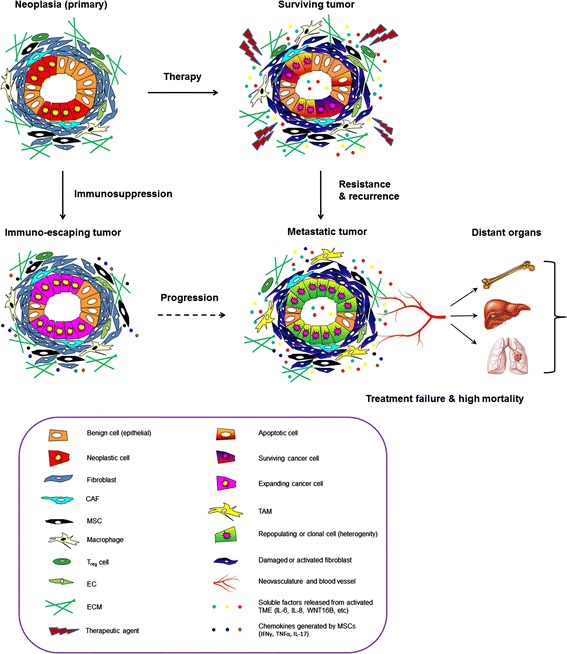
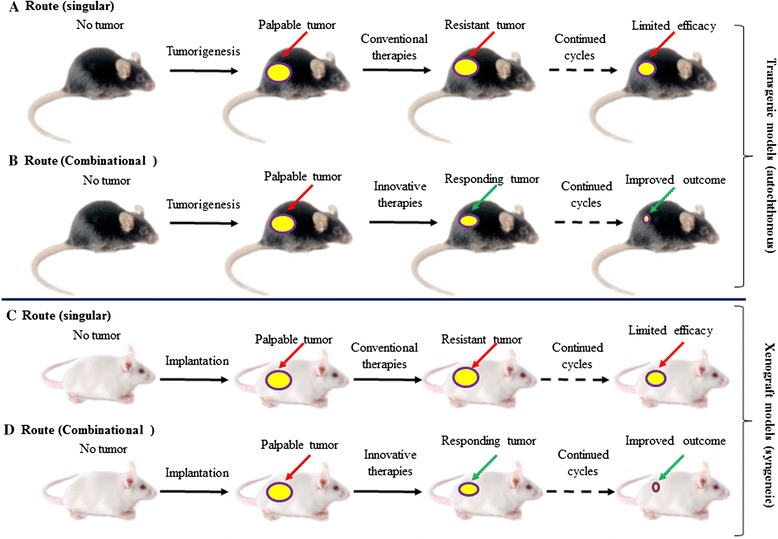
The tumor microenvironment (TME) is being increasingly recognized as a key factor in multiple stages of disease progression, particularly local resistance, immune-escaping, and distant metastasis, thereby substantially impacting the future development of frontline interventions in clinical oncology. An appropriate understanding of the TME promotes evaluation and selection of candidate agents to control malignancies at both the primary sites as well as the metastatic settings. This review presents a timely outline of research advances in TME biology and highlights the prospect of targeting the TME as a critical strategy to overcome acquired resistance, prevent metastasis, and improve therapeutic efficacy. As benign cells in TME niches actively modulate response of cancer cells to a broad range of standard chemotherapies and targeted agents, cancer-oriented therapeutics should be combined with TME-targeting treatments to achieve optimal clinical outcomes. Overall, a body of updated information is delivered to summarize recently emerging and rapidly progressing aspects of TME studies, and to provide a significant guideline for prospective development of personalized medicine, with the long term aim of providing a cure for cancer patients.
Overview
The claims and statistics of this paper haven’t been checked yet.
Free: it reads the open-access text and checks the first 5 claims that cite a source we can check. Create a free account to check every claim.
Integrity signals
Registry
Cites
Statistics
Figures
Verification
Claims the paper makes
The claims and statistics of this paper haven’t been checked yet.
Free: it reads the open-access text and checks the first 5 claims that cite a source we can check. Create a free account to check every claim.
Claims other papers make about this one
Each is checked against this paper’s own text: does it say what the citing paper says it does?
The cited source says what the claim attributes to it.
In the citing paper
“As a result, solid tumors are inherently heterogeneous and structurally complex [18].”
From Microfluidic modelling of the tumor microenvironment for anti-cancer drug development (2019) · cites this paper as [18]
Self-check
Percentages, sums and reported differences re-computed from the paper’s own numbers.
The self-check needs the paper’s full text.
Citations
Cites
PD-1 and PD-L1 Immune Checkpoint Blockade to Treat Breast Cancer
Hartkopf, A. D., Taran, F.-A., Wallwiener, M., Walter, C. B., Krämer, B., Grischke, E.-M., & Brucker, S. Y. (2016) · Breast Care · doi:10.1159/000453569 · Cited by 30,845
The blockade of immune checkpoints in cancer immunotherapy
Pardoll, D. M. (2012) · Nature Reviews Cancer · doi:10.1038/nrc3239 · Cited by 13,838 · cited 1×
“For example, T cell activation involves both positive and negative checkpoint signals to finely tune responses to prevent excessive pathological changes [17,18].”
BackgroundMicroenvironmental regulation of tumor progression and metastasis
Quail, D. F., & Joyce, J. A. (2013) · Nature Medicine · doi:10.1038/nm.3394 · Cited by 7,994 · cited 1×
“Tumor dormancy is regulated by several mechanisms, driven partially by the TME, including cellular dormancy (cells arrested in G0), tumor mass dormancy (proliferation refrained by apoptosis), or immune dormancy (an equilibrium maintained by immunosurveillance) [92].”
BackgroundThe distribution of secondary growths in cancer of the breast.
Paget, S. (1889) · The Lancet · doi:10.1016/s0140-6736(00)49915-0 · Cited by 5,277
The immune contexture in human tumours: impact on clinical outcome
Fridman, W. H., Pagès, F., Sautès-Fridman, C., & Galon, J. (2012) · Nature reviews. Cancer · doi:10.1038/nrc3245 · Cited by 4,981 · cited 2×
“For instance, when defining predictive markers that will eventually aid in the selection of patients who most likely benefit from intervention, analysis based on the entire TME is an essential step of utmost importance to determine specific therapies to employ [17,103,104].”
BackgroundCancer drug resistance: an evolving paradigm
Holohan, C., Van Schaeybroeck, S., Longley, D. B., & Johnston, P. G. (2013) · Nature Reviews Cancer · doi:10.1038/nrc3599 · Cited by 4,681 · cited 1×
“TME-mediated resistance can be initiated by multiple cell lineages and structural components in the stroma, including but not limited to fibroblasts, endothelial cells, pericytes, smooth muscle cells, neutrophils, macrophages, integrins, fibronectins, and collagens [26,30].”
BackgroundTumor-Associated Macrophages: From Mechanisms to Therapy
Noy, R., & Pollard, J. W. (2014) · Immunity · doi:10.1016/j.immuni.2014.06.010 · Cited by 4,089 · cited 1×
“Furthermore, type II tumor-associated macrophages (TAMs) drastically affect tumorigenesis, angiogenesis, and intravasation, and can prevent immune attack by natural killer (NK) and T cells during tumor development and after recovery from chemo- and/or immunotherapy [23].”
BackgroundTumor Metastasis: Molecular Insights and Evolving Paradigms
Valastyan, S., & Weinberg, R. A. (2011) · Cell · doi:10.1016/j.cell.2011.09.024 · Cited by 4,011 · cited 2×
“Metastasis accounts for approximately 90% of overall mortality among solid tumor patients [78].”
BackgroundMelanoma exosomes educate bone marrow progenitor cells toward a pro-metastatic phenotype through MET
Peinado, H., Alečković, M., Lavotshkin, S., Matei, I., Costa-Silva, B., Moreno-Bueno, G., Hergueta-Redondo, M., Williams, C., García-Santos, G., Ghajar, C. M., et al. (2012) · Nature Medicine · doi:10.1038/nm.2753 · Cited by 3,715 · cited 1×
“As supporting evidence, several studies demonstrated that exosomes derived from BM-MSCs can induce progenitor cells to undergo mesenchymal-to-epithelial transition (MET), indicating active message delivery between cancer cells and the bone marrow TME [72,73].”
Cancer stem cells in solid tumours: accumulating evidence and unresolved questions
Visvader, J. E., & Lindeman, G. J. (2008) · Nature Reviews Cancer · doi:10.1038/nrc2499 · Cited by 3,429 · cited 1×
“In such cases, CSCs represent the potential source of eventual tumor relapse following therapy, which are typically therapy-resistant due to decreased oxidative stress response, increased genomic stability, and expression of multiple drug resistance transporters [35].”
BackgroundInfluential
Research works printed but not linked: 1
- Paget S The distribution of secondary growths in cancer of the breast. 1889 Canc Metastasis Rev 1989 8 98 101 2673568
Cited by
Items 101–200 of 723
Nanovaccines: An effective therapeutic approach for cancer therapy
Gurunathan, S., Pratheep, T., Wang, L., Cao, Q., & Kim, J. (2023) · Biomedicine & Pharmacotherapy · doi:10.1016/j.biopha.2023.115992 · Cited by 89
Groult, H., Cousin, R., Chot-Plassot, C., Maura, M., Bridiau, N., Piot, J., Maugard, T., & Fruitier‐Arnaudin, I. (2019) · Marine Drugs · doi:10.3390/md17030140 · Cited by 81
Extrachromosomal circular DNA: a new potential role in cancer progression
Wang, T., Zhang, H., Zhou, Y., & Shi, J. (2021) · Journal of Translational Medicine · doi:10.1186/s12967-021-02927-x · Cited by 81
“(1) Is it true that eccDNA only promotes cancer? (2) Is there a mechanism of intercellular eccDNA transmission? As we all know, the tumor microenvironment (TME), including fibroblasts and myofibroblasts, neuroendocrine cells, adipose cells, immune and inflammatory cells, the blood and lymphatic vascular networks, and…”
BackgroundWong, K. Y., Cheung, A. H. K., Chen, B., Chan, W. N., Yu, J. Q., Lo, K. W., Kang, W., & To, K. F. (2022) · International Journal of Cancer · doi:10.1002/ijc.34127 · Cited by 81
“The TME is an ecosystem composed of multicellular and noncellular components.(12,13) Four major components of the TME are:”
BackgroundAntonioli, L., Novitskiy, S. V., Sachsenmeier, K. F., Fornai, M., Blandizzi, C., & Haskó, G. (2017) · Drug Discovery Today · doi:10.1016/j.drudis.2017.06.005 · Cited by 80
Cheng, H. S., Lee, J. X. T., Wahli, W., & Tan, N. S. (2019) · Molecular Cancer · doi:10.1186/s12943-019-0971-9 · Cited by 85
Precision targeted therapy of ovarian cancer
Sapiezynski, J., Taratula, O., Rodríguez-Rodríguez, L., & Minko, T. (2016) · Journal of Controlled Release · doi:10.1016/j.jconrel.2016.10.014 · Cited by 81
“One of the major challenges facing oncologists that impedes optimal cancer treatment is the fact that tumors are heterogeneous and contain a number of distinct cell types (Figure 8) [7].”
BackgroundZEB 1‐ AS 1: A crucial cancer‐related long non‐coding RNA
Li, J., Li, Z., Leng, K., Xu, Y., Ji, D., Huang, L., Cui, Y., & Jiang, X. (2017) · Cell Proliferation · doi:10.1111/cpr.12423 · Cited by 80
Ferroptosis and its Role in Gastric Cancer
Gu, R., Xia, Y., Li, P., Zou, D., Lu, K., Ren, L., Zhang, H., & Sun, Z. (2022) · Frontiers in Cell and Developmental Biology · doi:10.3389/fcell.2022.860344 · Cited by 77
Zhang, D., Cai, Z., Liao, N., Lan, S., Wu, M., Sun, H., Wei, Z., Li, J., & Liu, X. (2018) · Chemical Science · doi:10.1039/c8sc02408a · Cited by 75
Duan, T., Xu, Z., Sun, F., Wang, Y., Zhang, J., Luo, C., & Wang, M. (2019) · Biomedicine & Pharmacotherapy · doi:10.1016/j.biopha.2019.109121 · Cited by 74
Self-citationExploring the clinical value of tumor microenvironment in platinum-resistant ovarian cancer
Ghoneum, A., Almousa, S., Warren, B., Abdulfattah, A. Y., Shu, J., Abouelfadl, H., Gonzalez, D., Livingston, C., & Said, N. A. (2021) · Seminars in Cancer Biology · doi:10.1016/j.semcancer.2020.12.024 · Cited by 80
Chin, V. T., Nagrial, A. M., Chou, A., Biankin, A. V., Gill, A. J., Timpson, P., & Pajic, M. (2015) · Expert Reviews in Molecular Medicine · doi:10.1017/erm.2015.17 · Cited by 71
de Looff, M., de Jong, S., & Kruyt, F. A. E. (2019) · Frontiers in Immunology · doi:10.3389/fimmu.2019.01530 · Cited by 78
The Emerging Role of Nerves and Glia in Colorectal Cancer
Schonkeren, S. L., Thijssen, M. S., Vaes, N., Boesmans, W., & Melotte, V. (2021) · Cancers · doi:10.3390/cancers13010152 · Cited by 77
“Classically, the TME is considered to comprise fibroblasts, myofibroblasts, immune cells, adipose cells, neuroendocrine cells, vasculature, the lymphatic system, and extracellular matrix components [2].”
BackgroundLicaj, M., Mhaidly, R., Kieffer, Y., Croizer, H., Bonneau, C., Meng, A., Djerroudi, L., Mujangi-Ebeka, K., Hocine, H. R., Bourachot, B., et al. (2024) · Nature Communications · doi:10.1038/s41467-024-45595-3 · Cited by 72
Three-dimensional bio-printing: A new frontier in oncology research
Charbe, N. B., McCarron, P. A., & Tambuwala, M. M. (2017) · World Journal of Clinical Oncology · doi:10.5306/wjco.v8.i1.21 · Cited by 78
Tumor microenvironment in mycosis fungoides and Sézary syndrome
Rubio-González, B., Zain, J. M., Rosen, S. T., & Querfeld, C. (2015) · Current Opinion in Oncology · doi:10.1097/cco.0000000000000243 · Cited by 69
CCL20 Signaling in the Tumor Microenvironment
Chen, W., Qin, Y., & Liu, S. (2020) · Advances in experimental medicine and biology · doi:10.1007/978-3-030-36667-4_6 · Cited by 71
Siegler, E. L., Kim, Y. J., & Wang, P. (2016) · Journal of Cellular Immunotherapy · doi:10.1016/j.jocit.2016.08.002 · Cited by 63
“Increasing evidence suggests that the TME is a crucial part of cancer development, proliferation, and metastasis [3].”
BackgroundYu, S., Hu, C., Cai, L., Du, X., Lin, F. Y., Yu, Q., Liu, L., Zhang, C. L., Liu, X., Li, W., et al. (2020) · Frontiers in Oncology · doi:10.3389/fonc.2020.01778 · Cited by 64
RetractedChemokine-Cytokine Networks in the Head and Neck Tumor Microenvironment
Nisar, S., Yousuf, P., Masoodi, T., Wani, N. A., Hashem, S., Singh, M. K., Sageena, G., Mishra, D., Kumar, R., Haris, M., et al. (2021) · International Journal of Molecular Sciences · doi:10.3390/ijms22094584 · Cited by 69
“The HNSCC TME is a heterogeneous complex of cellular and non-cellular components that dictate aberrant tissue function and promote the development of aggressive tumors [23].”
Background3D Tumor Spheroid and Organoid to Model Tumor Microenvironment for Cancer Immunotherapy
Zhu, Y., Kang, E., Wilson, M., Basso, T., Chen, E., Yu, Y., & Li, Y.-R. (2022) · Organoids · doi:10.3390/organoids1020012 · Cited by 67
lnflammation-induced epigenetic switches in cancer
Rokavec, M., Öner, M. G., & Hermeking, H. (2015) · Cellular and Molecular Life Sciences · doi:10.1007/s00018-015-2045-5 · Cited by 71
“Other stromal cells of the TME include fibroblasts, myofibroblasts, adipocytes, neuroendocrine cells, and endothelial cells [9, 10].”
BackgroundWhom to blame for metastasis, the epithelial–mesenchymal transition or the tumor microenvironment?
Pietilä, M., Ivaska, J., & Mani, S. A. (2016) · Cancer Letters · doi:10.1016/j.canlet.2015.12.033 · Cited by 69
Klymenko, Y., & Nephew, K. P. (2018) · Cancers · doi:10.3390/cancers10090295 · Cited by 66
Dandelion‐Like Tailorable Nanoparticles for Tumor Microenvironment Modulation
Guo, Q., He, X., Li, C., He, Y., Peng, Y., Zhang, Y., Lü, Y., Chen, X., Zhang, Y., Chen, Q., et al. (2019) · Advanced Science · doi:10.1002/advs.201901430 · Cited by 63
Tsioumpekou, M., Cunha, S. I., Ma, H., Åhgren, A., Cedervall, J., Olsson, A., Heldin, C., & Lennartsson, J. (2019) · Theranostics · doi:10.7150/thno.37851 · Cited by 66
Lactate and Lactate Transporters as Key Players in the Maintenance of the Warburg Effect
Pereira‐Nunes, A., Afonso, J., Granja, S., & Baltazar, F. (2020) · Advances in experimental medicine and biology · doi:10.1007/978-3-030-34025-4_3 · Cited by 69
Jin, Z., Lei, L., Lin, D., Liu, Y., Song, Y., Gong, H., Zhu, Y., Mei, Y., Hu, B., Wu, Y., et al. (2018) · The Journal of Immunology · doi:10.4049/jimmunol.1800627 · Cited by 67
Fibrosis and cancer: shared features and mechanisms suggest common targeted therapeutic approaches
Landolt, L. Z., Spagnoli, G. C., Hertig, A., Brochériou, I., & Marti, H. (2020) · Nephrology Dialysis Transplantation · doi:10.1093/ndt/gfaa301 · Cited by 64
Emerging Prospects for Nanoparticle‐Enabled Cancer Immunotherapy
Buabeid, M. A., Arafa, E. A., & Murtaza, G. (2020) · Journal of Immunology Research · doi:10.1155/2020/9624532 · Cited by 65
“In addition, immunothera-peutics are more e ff ective against lymphoma than solid tumors [8, 9] likely due to di ffi cult penetration of immuno-therapeutic agents through their abnormal ECM (extracellular matrix) [10, 11].”
Role of the tumor microenvironment in cancer hallmarks and targeted therapy (Review)
Naser, R., Fakhoury, I., El‑Fouani, A., Abi‑Habib, R., & El‑Sibai, M. (2022) · International Journal of Oncology · doi:10.3892/ijo.2022.5471 · Cited by 61
Pathogenic Role of Exosomes in Epstein-Barr Virus (EBV)-Associated Cancers
Teow, S., Liew, K., Khoo, A. S. B., & Peh, S. (2017) · International Journal of Biological Sciences · doi:10.7150/ijbs.19531 · Cited by 60
Construction of a risk score prognosis model based on hepatocellular carcinoma microenvironment
Zhang, F.-P., Huang, Y., Luo, W., Deng, W., Liu, C., Xu, L., & Liu, C. (2020) · World Journal of Gastroenterology · doi:10.3748/wjg.v26.i2.134 · Cited by 62
Macrophage-derived exosomes in cancers: Biogenesis, functions and therapeutic applications
Liu, J., Wu, F., & Zhou, H. (2020) · Immunology Letters · doi:10.1016/j.imlet.2020.08.003 · Cited by 58
Recent Strategies to Address Hypoxic Tumor Environments in Photodynamic Therapy
Du, Y., Han, J., Jin, F., & Du, Y. (2022) · Pharmaceutics · doi:10.3390/pharmaceutics14091763 · Cited by 60
“The TME, which is composed of extracellular matrix, stromal cells, and immune cells, has been found to play a significant role in tumor progression [1].”
BackgroundDai, L., Fan, G., Xie, T., Li, L., Tang, L. M., Chen, H., Shi, Y., & Xiao-hong, H. (2024) · Biomarker Research · doi:10.1186/s40364-024-00605-w · Cited by 64
“…(TME) constitutes a microecosystem crucial for tumor survival, encompassing tumor cells, stromal cells, and associated immune cells such as tumor-associated macrophages (TAMs), fibroblasts, T cells, and dendritic cells, along with their products including cytokines and chemokines [8].”
BackgroundSelf-citationS100A7: from mechanism to cancer therapy
Padilla, L., Plaza, S. D., Adán, J., Masa, M., Martinez, J. M., Roque, L., Coll, T., Hervás, R., Calvis, C., Llinàs, L., et al. (2017) · Oncogene · doi:10.1038/onc.2017.283 · Cited by 57
Göv, E., Kori, M., & Arğa, K. Y. (2017) · OMICS A Journal of Integrative Biology · doi:10.1089/omi.2017.0115 · Cited by 60
“…not only malignant cells but also genetically stable stromal cells, which include fi-broblast, myofibroblasts, neuroendocrine cells, adipose cells, immune and inflammatory cells, the blood and lymphatic vascular cells, and the extracellular matrix (ECM) (Chen et al., 2015; Klemm and Joyce, 2015).”
Zhang, J., Li, X., & Huang, L. (2020) · Advanced Drug Delivery Reviews · doi:10.1016/j.addr.2020.05.006 · Cited by 59
The Tumor Microenvironment: Signal Transduction
Zhang, X., Ma, H., Gao, Y., Liang, Y., Du, Y., Hao, S., & Ni, T. (2024) · Biomolecules · doi:10.3390/biom14040438 · Cited by 68
“TME has garnered growing attention owing to its pivotal involvement in tumor immunosuppression, distant metastasis, local drug resistance, and response to targeted therapy [114].”
BackgroundKarakas, D., & Ozpolat, B. (2020) · Journal of Molecular Medicine · doi:10.1007/s00109-020-01917-8 · Cited by 54
Description of the immune microenvironment of chondrosarcoma and contribution to progression
Simard, F. A., Richert, I., Vandermoeten, A., Decouvelaere, A.-V., Michot, J.-P., Caux, C., Blay, J.-Y., & Dutour, A. (2017) · OncoImmunology · doi:10.1080/2162402x.2016.1265716 · Cited by 48
Theranostic Probes for Targeting Tumor Microenvironment: An Overview
Sikkandhar, M., Nedumaran, A., Ravichandar, R., Singh, S., Santhakumar, I., Goh, Z., Mishra, S., Archunan, G., Gulyás, B., & Padmanabhan, P. (2017) · International Journal of Molecular Sciences · doi:10.3390/ijms18051036 · Cited by 54
“Thus, this review aims to summarize TME-specific nano-theranostic probes that have been developed over the past few years designed for different imaging modalities, coupled with their usefulness and limitations [16].”
BackgroundLiposomal Formulations to Modulate the Tumour Microenvironment and Antitumour Immune Response
Gilabert‐Oriol, R., Ryan, G. M., Leung, A. W. Y., Firmino, N. S., Bennewith, K. L., & Bally, M. B. (2018) · International Journal of Molecular Sciences · doi:10.3390/ijms19102922 · Cited by 53
“Drug candidates have been developed to target the components of the TME in order to overcome acquired resistances, prevent metastasis of cancer cells, and improve therapeutic efficacy [13].”
BackgroundThree-dimensional imaging and quantitative analysis in CLARITY processed breast cancer tissues
Chen, Y., Shen, Q., White, S. L. P., Gökmen‐Polar, Y., Badve, S., & Goodman, L. J. (2019) · Scientific Reports · doi:10.1038/s41598-019-41957-w · Cited by 57
Molecular Pathways: Maintaining MAPK Inhibitor Sensitivity by Targeting Nonmutational Tolerance
Smith, M. P., & Wellbrock, C. (2016) · Clinical Cancer Research · doi:10.1158/1078-0432.ccr-16-0954 · Cited by 51
Organic/inorganic nanocomposites for cancer immunotherapy
Hao, M., Chen, B., Zhao, X., Zhao, N., & Xu, F. (2020) · Materials Chemistry Frontiers · doi:10.1039/d0qm00323a · Cited by 54
Improving Bioprinted Volumetric Tumor Microenvironments In Vitro
Li, J., Parra‐Cantu, C., Wang, Z., & Zhang, Y. S. (2020) · Trends in cancer · doi:10.1016/j.trecan.2020.06.002 · Cited by 52
“The TME comprises the ECM, myofibroblasts, fibroblasts, neuroendocrine cells, adipose cells, immuneinflammatory cells, and the blood and lymphatic vascular networks [26].”
BackgroundGregório, A. C., Fonseca, N. A., Moura, V., Lacerda, M., Figueiredo, P., Simões, S., Dias, S., & Moreira, J. N. (2016) · PLoS ONE · doi:10.1371/journal.pone.0165817 · Cited by 53
Anari, F., Ramamurthy, C., & Zibelman, M. (2018) · Future Oncology · doi:10.2217/fon-2017-0585 · Cited by 50
Targeting stromal cell Syndecan‐2 reduces breast tumour growth, metastasis and limits immune evasion
Loftus, P., Watson, L., Deedigan, L., Camarillo‐Retamosa, E., Dwyer, R. M., O’Flynn, L., Alagesan, S., Griffin, M. D., O’Brien, T., Kerin, M. J., et al. (2020) · International Journal of Cancer · doi:10.1002/ijc.33383 · Cited by 50
“Therapies directed to cancer cells fail to eradicate stromal cells, which can re-establish a tumourigenic environment and promote recurrence.(5,6) Studies indicate that fibroblast activation protein alpha (FAP), fibroblast surface protein (FSP), alpha smooth muscle actin (αSMA), CD45 and CD11b stromal cells”
BackgroundLuo, Q., Dong, Z., Xie, W., Fu, X., Lin, L., Zeng, Q., Chen, Y., Ye, G., Chen, M., Hu, H., et al. (2023) · Cell Reports · doi:10.1016/j.celrep.2023.112437 · Cited by 55
Self-citationRevisiting ovarian cancer microenvironment: a friend or a foe?
Zhang, B., Chen, F., Xu, Q., Han, L., Xu, J., Gao, L., Sun, X., Li, Y., Li, Y., Qian, M., et al. (2017) · Protein & Cell · doi:10.1007/s13238-017-0466-7 · Cited by 51
“A typical TME comprises diverse non-cancerous cell lineages, including stromal fibroblasts, infiltrating leukocytes, adipocytes, neuroendocrine cells, endothelial cells, and pericytes (Chen et al., 2015).”
BackgroundSelf-citationKoh, B., Jeon, H., Kim, D., Kang, D., & Kim, K. S. (2018) · Oncology Letters · doi:10.3892/ol.2018.9836 · Cited by 56
“Thus, when targeting TME to treat specific cancers, fibroblasts in the tissue should be carefully examined and either positive/negative modulation of the TME should be applied depending on the prevailing fibroblast‑mediated regulation of cancer.”
BackgroundInfluentialTagde, P., Tagde, P., Tagde, S., Bhattacharya, T., Garg, V., Akter, R., Rahman, M. H., Najda, A., Albadrani, G. M., Sayed, A. A., et al. (2021) · Biomedicine & Pharmacotherapy · doi:10.1016/j.biopha.2021.111928 · Cited by 51
RetractedPakravan, K., Mohammadi, M. M., Ghazimoradi, M. H., Cho, W. C. S., Sadeghizadeh, M., & Babashah, S. (2022) · Journal of Translational Medicine · doi:10.1186/s12967-022-03780-2 · Cited by 51
A review concerning the breast cancer-related tumour microenvironment
Rodríguez-Bejarano, O. H., Parra-López, C., & Patarroyo, M. A. (2024) · Critical Reviews in Oncology/Hematology · doi:10.1016/j.critrevonc.2024.104389 · Cited by 57
Cancer Stem Cells and Their Interaction with the Tumor Microenvironment in Neuroblastoma
Garner, E. F., & Beierle, E. A. (2015) · Cancers · doi:10.3390/cancers8010005 · Cited by 51
“In the early stages of tumor development, the microenvironment provides a physical barrier against tumorigenesis [9].”
BackgroundBridging the Knowledge of Different Worlds to Understand the Big Picture of Cancer Nanomedicines
Balasubramanian, V., Liu, Z., Hirvonen, J. J., & Santos, H. A. (2017) · Advanced Healthcare Materials · doi:10.1002/adhm.201700432 · Cited by 55
Optimising the chick chorioallantoic membrane xenograft model of neuroblastoma for drug delivery
Swadi, R., Mather, G. B., Pizer, B. L., Losty, P. D., Sée, V., & Moss, D. (2018) · BMC Cancer · doi:10.1186/s12885-017-3978-x · Cited by 54
Qian, Q., Zhu, L., Zhu, X., Sun, M., & Yan, D. (2019) · Matter · doi:10.1016/j.matt.2019.09.016 · Cited by 51
Exploring the Potential of Breast Microbiota as Biomarker for Breast Cancer and Therapeutic Response
Dieleman, S., Aarnoutse, R., Ziemons, J., Kooreman, L. F. S., Boleij, A., & Smidt, M. L. (2021) · American Journal Of Pathology · doi:10.1016/j.ajpath.2021.02.020 · Cited by 50
“The TME consists of a heterogeneous collection of fibroblasts, myofibroblasts, neuroendocrine cells, adipocytes, extracellular matrix, blood and lymphatic vascular networks, and is enriched with many immune and inflammatory cells.(6) Recent findings demonstrate the existence of microbiota, both in healthy stroma and i…”
BackgroundEngineering Approaches for Breast Cancer Diagnosis: A Review
Kamal, A. M., Sakorikar, T., Pal, U. M., & Pandya, H. J. (2022) · IEEE Reviews in Biomedical Engineering · doi:10.1109/rbme.2022.3181700 · Cited by 48
“The tumor and its neighboring microenvironment are highly interdependent [24].”
BackgroundMa, Q., Liu, J., Wu, G., Teng, M., Wang, S., Cui, M., & Li, Y. (2018) · Clinical and Experimental Pharmacology and Physiology · doi:10.1111/1440-1681.12992 · Cited by 50
Лернер, М. И., Mikhaylov, G., Tsukanov, A. A., Lozhkomoev, A. S., Gutmanas, E. Y., Gotman, I., Kozak, A., Türk, V., Turk, B., Psakhye, S. G., et al. (2018) · Nano Letters · doi:10.1021/acs.nanolett.8b01592 · Cited by 47
Fotsitzoudis, C., Koulouridi, A., Messaritakis, I., Konstantinidis, T., Gouvas, N., Tsiaoussis, J., & Souglakos, J. (2022) · Cancers · doi:10.3390/cancers14184394 · Cited by 46
Orally Administrable Therapeutic Nanoparticles for the Treatment of Colorectal Cancer
Ying, K., Bai, B., Gao, X., Xu, Y., Wang, H., & Xie, B. (2021) · Frontiers in Bioengineering and Biotechnology · doi:10.3389/fbioe.2021.670124 · Cited by 50
Reichl, B., Niederstaetter, L., Bögl, T., Neuditschko, B., Bileck, A., Gojo, J., Buchberger, W. W., Peyrl, A., & Gerner, C. (2020) · Cancers · doi:10.3390/cancers12061350 · Cited by 45
López-Carrasco, A., Martín-Vañó, S., Burgos‐Panadero, R., Monferrer, E., Berbegall, A. P., Fernández-Blanco, B., Navarro, S., & Noguera, R. (2020) · Journal of Experimental & Clinical Cancer Research · doi:10.1186/s13046-020-01729-1 · Cited by 46
Yamano, S., Gi, M., Tago, Y., Doi, K., Okada, S., Hirayama, Y., Tachibana, H., Ishii, N., Fujioka, M., Tatsumi, K., et al. (2015) · Cancer Science · doi:10.1111/cas.12855 · Cited by 44
Xiang, Y., Chen, Q., Nan, Y., Liu, M., Xiao, Z., Yang, Y., Zhang, J., Ying, X., Long, X., Wang, S., et al. (2023) · Advanced Functional Materials · doi:10.1002/adfm.202312092 · Cited by 46
Role of TRPM7 kinase in cancer
Meng, S., Alanazi, R., Ji, D., Bandura, J., Luo, Z., Fleig, A., Feng, Z., & Sun, H. (2021) · Cell Calcium · doi:10.1016/j.ceca.2021.102400 · Cited by 45
“The TME promotes cancer progression by stimulating anti-apoptosis and proliferation in malignant cells [96,97].”
BackgroundSuflețel, R. T., Melincovici, C. S., Gheban, B., Zaharie, T., & Mihu, C. M. (2021) · Romanian Journal of Morphology and Embryology · doi:10.47162/rjme.61.3.01 · Cited by 46
“Under physiological conditions, stroma ensures the tissue homeostasis and prevents tumor development; even so, when a cell becomes malignant, its supporting matrix changes in a manner to sustain tumor development [254, 257, 338, 339].”
BackgroundAnti-inflammatory and proapoptotic effects of umbelliferone in colon carcinogenesis
Muthu, R., Selvaraj, N., & Vaiyapuri, M. (2015) · Human & Experimental Toxicology · doi:10.1177/0960327115618245 · Cited by 43
“This network then acts on the microenvironment, particularly affecting the infiltration and angiogenic actions of TNF-a, at least in part, its ability to cause differentiation of epithelial cells in the tumor microenviroment.(45,46) Hence, our study clearly indicates that the inhibition of p65-NF- B expression by UMB…”
ResultUnderstanding specific functions of PARP-2: new lessons for cancer therapy.
Ali, S. O., Khan, F. A., Galindo-Campos, M. A., & Yélamos, J. (2016) · RECERCAT (Consorci de Serveis Universitaris de Catalunya) · Cited by 61
Ready player one? Autophagy shapes resistance to photodynamic therapy in cancers
Duan, X., Chen, B., Cui, Y., Zhou, L., Wu, C., Yang, Z., Wen, Y., Miao, X., Li, Q., Xiong, L., et al. (2018) · APOPTOSIS · doi:10.1007/s10495-018-1489-0 · Cited by 44
Tang, B., Wu, J., Zhu, M. X., Sun, X., Liu, J., Xie, R., Dong, H., Xiao, Y., Carethers, J. M., Yang, S., et al. (2019) · Oncogene · doi:10.1038/s41388-019-0709-6 · Cited by 43
RetractedVirumbrales-Muñoz, M., Ayuso, J. M., Lacueva, A., Randelovic, T., Livingston, M. K., Beebe, D. J., Oliván, S., Pereboom, D., Doblare, M., Fernández, L., et al. (2019) · Scientific Reports · doi:10.1038/s41598-019-42529-8 · Cited by 41
Quaglino, P., Fava, P., Pileri, A., Grandi, V., Sanlorenzo, M., Panasiti, V., Guglielmo, A., Violetti, S. A., Novelli, M., Astrua, C., et al. (2020) · Journal of Investigative Dermatology · doi:10.1016/j.jid.2020.07.026 · Cited by 45
Terminating Cancer by Blocking VISTA as a Novel Immunotherapy: Hasta la vista, baby
Yum, J.-E. I., & Hong, Y. (2021) · Frontiers in Oncology · doi:10.3389/fonc.2021.658488 · Cited by 43
Effects of senescence on the tumour microenvironment and response to therapy
Reynolds, L. E., Maallin, S., Haston, S., Martínez-Barberá, J. P., Hodivala‐Dilke, K., & Pedrosa, A. (2023) · FEBS Journal · doi:10.1111/febs.16984 · Cited by 45
“Tumour formation is a complex and dynamic process in which the interaction between cancer cells and the TME determines whether the initial tumour is eradicated or metastasises [22,23].”
Crosstalk between metabolic and epigenetic modifications during cell carcinogenesis
Gao, Y., Zhang, S., Zhang, X., Du, Y., Ni, T., & Hao, S. (2024) · iScience · doi:10.1016/j.isci.2024.111359 · Cited by 50
Craven, K. E., Gore, J., Wilson, J. L., & Korc, M. (2015) · Oncotarget · doi:10.18632/oncotarget.6345 · Cited by 44
“All three TGF-β isoforms are overexpressed in PDAC and are associated with poor outcome [60], and within the tumor microenvironment TGF-βs modulate angiogenesis, but enhance or suppress it depending on which genes are regulated and how they influence the angiogenic switch [9, 61].”
Pal, S., Medatwal, N., Kumar, S., Kar, A., Komalla, V., Yavvari, P. S., Mishra, D., Rizvi, Z. A., Nandan, S., Malakar, D., et al. (2019) · ACS Central Science · doi:10.1021/acscentsci.9b00551 · Cited by 42
“3 Therefore, angiogenesis and in fl ammation along with uncontrolled tumor cell proliferation are critical therapeutic targets to achieve e ff ective tumor regression and patient survival and for combating drug resistance.”
Biomarkers for Immune Checkpoint Inhibitor Response in NSCLC: Current Developments and Applicability
Tostes, K., Siqueira, A. P., Reis, R. M., Leal, L. F., & Arantes, L. M. R. B. (2023) · International Journal of Molecular Sciences · doi:10.3390/ijms241511887 · Cited by 46
Zhu, X., Tian, X., Ji, L., Zhang, X., Cao, Y., Shen, C., Hu, Y., Wong, J. W. H., Fang, J.-Y., Hong, J., et al. (2021) · npj Precision Oncology · doi:10.1038/s41698-021-00142-x · Cited by 41
Öncül, S., & Cho, M. S. (2023) · Cancers · doi:10.3390/cancers15041282 · Cited by 42
Feng, H., Zhao, J., Schiergens, T. S., Wang, P., Ou, B., Al-Sayegh, R., Li, M.-L., Lu, A., Yin, S., & Thasler, W. E. (2018) · British Journal of Cancer · doi:10.1038/bjc.2017.415 · Cited by 41
“…evidence was provided that MSC could also induce an inflammatory and immune suppression microenvironment, resulting in an impaired immunological sensitivity and the promotion of tumour growth, which gives rise to an increased risk of tumour recurrence (Houthuijzen et al, 2012; Chen et al, 2015).”
BackgroundTumor microenvironment in primary liver tumors: A challenging role of natural killer cells
Polidoro, M. A., Mikulak, J., Cazzetta, V., Lleò, A., Mavilio, D., Torzilli, G., & Donadon, M. (2020) · World Journal of Gastroenterology · doi:10.3748/wjg.v26.i33.4900 · Cited by 44
Habanjar, O., Diab‐Assaf, M., Caldefie‐Chezet, F., & Delort, L. (2022) · Biology · doi:10.3390/biology11020339 · Cited by 45
“Generally, the PMN consists of (i) cellular components such as myofibroblasts, fibroblasts, adipocytes, and immune-inflammatory cells, and (ii) noncellular components of tumor niches such as extracellular matrix (ECM) including the blood and lymphatic networks [13].”
BackgroundA pan-cancer metabolic atlas of the tumor microenvironment
Rohatgi, N., Ghoshdastider, U., Baruah, P., Kulshrestha, T., & Skanderup, A. J. (2022) · Cell Reports · doi:10.1016/j.celrep.2022.110800 · Cited by 46
Jin, Y., Bian, S., Wang, H., Mo, J., He, F., Li, L., Chen, T., & Jiang, H. (2022) · Cell Death and Disease · doi:10.1038/s41419-022-05129-5 · Cited by 45
Lamprecht, S., Sigal-Batikoff, I., Shany, S., Abu-Freha, N., Ling, E., Delinasios, G. J., Moyal-Atias, K., Delinasios, J. G., & Fich, A. (2018) · Cancers · doi:10.3390/cancers10030061 · Cited by 41
Huang, K. C., Chiang, S., Chang, H.-Y., Chen, W. T., Yang, P.-C., Chen, T.-W., Liang, J., Shiau, A., Ke, T., & Chao, K. S. C. (2022) · Cell Death and Disease · doi:10.1038/s41419-022-05069-0 · Cited by 41
Wang, Y., Takeishi, K., Li, Z., Cervantes‐Alvarez, E., de l’Hortet, A. C., Guzman‐Lepe, J., Cui, X., & Zhu, J. (2017) · Organogenesis · doi:10.1080/15476278.2017.1322243 · Cited by 40
“1038/nbt1257 [24] Chen F, Zhuang X, Lin L, Yu P, Wang Y, Shi Y, Hu G, Sun Y.”
BackgroundSelf-citationZhang, S., Bai, X., & Shan, F. (2020) · International Immunopharmacology · doi:10.1016/j.intimp.2020.106247 · Cited by 43
Gastman, B., Agarwal, P. K., Berger, A., Boland, G. M., Broderick, S., Butterfield, L. H., Byrd, D. R., Fecci, P. E., Ferris, R. L., Fong, Y., et al. (2020) · Journal for ImmunoTherapy of Cancer · doi:10.1136/jitc-2020-001583 · Cited by 41
Osan, C., Chira, S., Nutu, A. M., Braicu, C., Băciuț, M. F., Korban, S. S., & Berindan‐Neagoe, I. (2021) · Genes · doi:10.3390/genes12121989 · Cited by 43
Metadata
- Authors
- Chen, F., Zhuang, X., Lin, L., Yu, P., Wang, Y., Shi, Y., Hu, G., & Sun, Y.
- Affiliations
- Shanghai Jiao Tong University (CN)
- Corresponding author
- Sun, Yu
- Venue
- BMC Medicine
- Published
- 2015-03-05
- Volume
- 13
- Issue
- 1
- Pages
- 45-45
- ISSN
- 1741-7015 (ISSN-L)
- PMC
- PMC4350882
- OpenAlex
- W2127686099
- Semantic Scholar
- b55be59deaf313855dba891ef8ed0f4aadc7f777
- Cited by
- 704
- References
- 105
- Citations by year
- 2026: 24 · 2025: 49 · 2024: 63 · 2023: 76 · 2022: 79 · 2021: 98 · 2020: 83 · 2019: 65 · 2018: 64 · 2017: 47 · 2016: 37 · 2015: 19
- FWCI
- 5.99
- Type
- journal article
- Language
- en
- Open access
- gold
- doi.org
- Locations
- BMC Medicine (publishedVersion, cc-by)
- Europe PMC (PubMed Central) (publishedVersion, cc-by)
- PubMed Central (publishedVersion, cc-by)
- PubMed (publishedVersion)
- Funders
- U.S. Department of Defense (PC111703)
- University of Washington (WA 98195)
- National Natural Science Foundation of China (81330046, 81472709, 31371409)
- Chinese Academy of Sciences (215123, XDA01040107, XDA01040110)
- Soochow University (215123)
- Shanghai Rising-Star Program
- Directorate for Biological Sciences
- School of Medicine, Shanghai Jiao Tong University
- Congressionally Directed Medical Research Programs
- Topics
- Health Sciences › Medicine › Oncology › Cancer Cells and Metastasis
- Health Sciences › Medicine › Oncology › Cancer Immunotherapy and Biomarkers
- Life Sciences › Biochemistry, Genetics and Molecular Biology › Cancer Research › Cancer, Hypoxia, and Metabolism
- Keywords
- tumor microenvironment, acquired drug resistance, immune evasion, metastasis, cancer immunotherapy, chemoresistance, personalized medicine, cancer therapy
- MeSH terms
- Humans, Medical Oncology, Neoplasms, Tumor Microenvironment
About these checks
Registry, retraction, Cites and statistics results are computed, not judged, with one exception: a printed reference that no index lists is read once by a model before it counts as a citation error. Claims are extracted by a model and kept only when their quote appears verbatim in the text; each cited source is then checked, with a model’s help, for whether it says what the claim relies on. Those verdicts can be wrong — read the claim’s quote and the cited source before relying on one.
Statistics and arithmetic are recomputed, not judged.
Confidence bands are shown only for fields calibrated on our annotated test set. None is calibrated yet, so no band is shown.
What counts as a claim ›How we measure confidence ›How we check this ›
Are you an author, or do you see a problem with this page? Request a review
Data sources
Bibliographic data: Semantic Scholar, OpenAlex, Crossref.
Contains information from the Semantic Scholar Academic Graph Datasets, made available under the ODC Attribution License (ODC-BY 1.0).
Semantic Scholar’s data is described in: Kinney, R., et al. (2023). The Semantic Scholar Open Data Platform. arXiv:2301.10140.
