

New horizons in tumor microenvironment biology: challenges and opportunities
Open accessThe DOI matches its Crossref record; 105 of the 105 references it cites were found in a registry or an index.
Abstract
The tumor microenvironment (TME) is being increasingly recognized as a key factor in multiple stages of disease progression, particularly local resistance, immune-escaping, and distant metastasis, thereby substantially impacting the future development of frontline interventions in clinical oncology. An appropriate understanding of the TME promotes evaluation and selection of candidate agents to control malignancies at both the primary sites as well as the metastatic settings. This review presents a timely outline of research advances in TME biology and highlights the prospect of targeting the TME as a critical strategy to overcome acquired resistance, prevent metastasis, and improve therapeutic efficacy. As benign cells in TME niches actively modulate response of cancer cells to a broad range of standard chemotherapies and targeted agents, cancer-oriented therapeutics should be combined with TME-targeting treatments to achieve optimal clinical outcomes. Overall, a body of updated information is delivered to summarize recently emerging and rapidly progressing aspects of TME studies, and to provide a significant guideline for prospective development of personalized medicine, with the long term aim of providing a cure for cancer patients.
Overview
The claims and statistics of this paper haven’t been checked yet.
Free: it reads the open-access text and checks the first 5 claims that cite a source we can check. Create a free account to check every claim.
Integrity signals
Registry
Cites
Statistics
Figures
Verification
Claims the paper makes
The claims and statistics of this paper haven’t been checked yet.
Free: it reads the open-access text and checks the first 5 claims that cite a source we can check. Create a free account to check every claim.
Claims other papers make about this one
Each is checked against this paper’s own text: does it say what the citing paper says it does?
The cited source says what the claim attributes to it.
In the citing paper
“As a result, solid tumors are inherently heterogeneous and structurally complex [18].”
From Microfluidic modelling of the tumor microenvironment for anti-cancer drug development (2019) · cites this paper as [18]
Self-check
Percentages, sums and reported differences re-computed from the paper’s own numbers.
The self-check needs the paper’s full text.
Citations
Cites
PD-1 and PD-L1 Immune Checkpoint Blockade to Treat Breast Cancer
Hartkopf, A. D., Taran, F.-A., Wallwiener, M., Walter, C. B., Krämer, B., Grischke, E.-M., & Brucker, S. Y. (2016) · Breast Care · doi:10.1159/000453569 · Cited by 30,845
The blockade of immune checkpoints in cancer immunotherapy
Pardoll, D. M. (2012) · Nature Reviews Cancer · doi:10.1038/nrc3239 · Cited by 13,838 · cited 1×
“For example, T cell activation involves both positive and negative checkpoint signals to finely tune responses to prevent excessive pathological changes [17,18].”
BackgroundMicroenvironmental regulation of tumor progression and metastasis
Quail, D. F., & Joyce, J. A. (2013) · Nature Medicine · doi:10.1038/nm.3394 · Cited by 7,994 · cited 1×
“Tumor dormancy is regulated by several mechanisms, driven partially by the TME, including cellular dormancy (cells arrested in G0), tumor mass dormancy (proliferation refrained by apoptosis), or immune dormancy (an equilibrium maintained by immunosurveillance) [92].”
BackgroundThe distribution of secondary growths in cancer of the breast.
Paget, S. (1889) · The Lancet · doi:10.1016/s0140-6736(00)49915-0 · Cited by 5,277
The immune contexture in human tumours: impact on clinical outcome
Fridman, W. H., Pagès, F., Sautès-Fridman, C., & Galon, J. (2012) · Nature reviews. Cancer · doi:10.1038/nrc3245 · Cited by 4,981 · cited 2×
“For instance, when defining predictive markers that will eventually aid in the selection of patients who most likely benefit from intervention, analysis based on the entire TME is an essential step of utmost importance to determine specific therapies to employ [17,103,104].”
BackgroundCancer drug resistance: an evolving paradigm
Holohan, C., Van Schaeybroeck, S., Longley, D. B., & Johnston, P. G. (2013) · Nature Reviews Cancer · doi:10.1038/nrc3599 · Cited by 4,681 · cited 1×
“TME-mediated resistance can be initiated by multiple cell lineages and structural components in the stroma, including but not limited to fibroblasts, endothelial cells, pericytes, smooth muscle cells, neutrophils, macrophages, integrins, fibronectins, and collagens [26,30].”
BackgroundTumor-Associated Macrophages: From Mechanisms to Therapy
Noy, R., & Pollard, J. W. (2014) · Immunity · doi:10.1016/j.immuni.2014.06.010 · Cited by 4,089 · cited 1×
“Furthermore, type II tumor-associated macrophages (TAMs) drastically affect tumorigenesis, angiogenesis, and intravasation, and can prevent immune attack by natural killer (NK) and T cells during tumor development and after recovery from chemo- and/or immunotherapy [23].”
BackgroundTumor Metastasis: Molecular Insights and Evolving Paradigms
Valastyan, S., & Weinberg, R. A. (2011) · Cell · doi:10.1016/j.cell.2011.09.024 · Cited by 4,011 · cited 2×
“Metastasis accounts for approximately 90% of overall mortality among solid tumor patients [78].”
BackgroundMelanoma exosomes educate bone marrow progenitor cells toward a pro-metastatic phenotype through MET
Peinado, H., Alečković, M., Lavotshkin, S., Matei, I., Costa-Silva, B., Moreno-Bueno, G., Hergueta-Redondo, M., Williams, C., García-Santos, G., Ghajar, C. M., et al. (2012) · Nature Medicine · doi:10.1038/nm.2753 · Cited by 3,715 · cited 1×
“As supporting evidence, several studies demonstrated that exosomes derived from BM-MSCs can induce progenitor cells to undergo mesenchymal-to-epithelial transition (MET), indicating active message delivery between cancer cells and the bone marrow TME [72,73].”
Cancer stem cells in solid tumours: accumulating evidence and unresolved questions
Visvader, J. E., & Lindeman, G. J. (2008) · Nature Reviews Cancer · doi:10.1038/nrc2499 · Cited by 3,429 · cited 1×
“In such cases, CSCs represent the potential source of eventual tumor relapse following therapy, which are typically therapy-resistant due to decreased oxidative stress response, increased genomic stability, and expression of multiple drug resistance transporters [35].”
BackgroundInfluentialInfluence of tumour micro-environment heterogeneity on therapeutic response
Junttila, M. R., & de Sauvage, F. J. (2013) · Nature · doi:10.1038/nature12626 · Cited by 2,694 · cited 5×
“The recently emerging model of patient-derived xenograft reflects the complexity of tumors including the structural and functional heterogeneity of TME, but the host is immunodeficient [6].”
BackgroundMethodInfluentialÖzdemir, B. C., Pentcheva-Hoang, T., Carstens, J. L., Zheng, X., Wu, C.-C., Simpson, T. R., Laklai, H., Sugimoto, H., Kahlert, C., Novitskiy, S. V., et al. (2014) · Cancer Cell · doi:10.1016/j.ccr.2014.04.005 · Cited by 2,681
Ren, G., Zhang, L., Zhao, X., Xu, G., Zhang, Y., Roberts, A. I., Zhao, R. C., & Shi, Y. (2008) · Cell Stem Cell · doi:10.1016/j.stem.2007.11.014 · Cited by 2,101 · cited 1×
“Combination treatment of MSCs with interferon gamma (IFN-γ) and TNF-α would dramatically increase the expression of several chemokines and inducible nitric oxide synthase (iNOS), a key immune suppressive molecule [67].”
MethodSelf-citationFeig, C., Jones, J. O., Kraman, M., Wells, R. J. B., Deonarine, A., Chan, D. S., Connell, C. M., Roberts, E. W., Zhao, Q., Caballero, O. L., et al. (2013) · Proceedings of the National Academy of Sciences · doi:10.1073/pnas.1320318110 · Cited by 2,100 · cited 1×
“Both CAFs and CSCs are implicated in the TME-mediated signaling to remodel cancer cells; for instance, CAFs express high levels of extracellular factors including chemokine CXC motif ligand (CXCL)12, chemokine CC motif ligand (CCL)2, CCL8, and insulinlike growth factor binding protein 7, thereby forming an inflammator…”
BackgroundStromal Elements Act to Restrain, Rather Than Support, Pancreatic Ductal Adenocarcinoma
Rhim, A. D., Oberstein, P. E., Thomas, D. H., Mirek, E. T., Palermo, C. F., Sastra, S. A., Dekleva, E. N., Saunders, T., Becerra, C. P., Tattersall, I. W., et al. (2014) · Cancer Cell · doi:10.1016/j.ccr.2014.04.021 · Cited by 2,085 · cited 1×
“The naive stroma is a critical compartment in maintaining physiological homeostasis of normal tissue, and recent studies strengthened the concept that some stromal components have anticancer activities by regulating immunosuppression and restraining carcinogenesis, which is particularly the case of pancreatic ductal a…”
BackgroundIntra-tumour heterogeneity: a looking glass for cancer?
Marusyk, A., Almendro, V., & Polyak, K. (2012) · Nature Reviews Cancer · doi:10.1038/nrc3261 · Cited by 2,000 · cited 1×
“Further, given the accumulating evidence of overwhelming heterogeneity at each aspect of tumor evolution which is significantly subject to functional influence of cancer cell extrinsic compartments, targeting the TME turns out to be quite urgent and should be given enough priority [97-99].”
BackgroundClonal evolution in relapsed acute myeloid leukaemia revealed by whole-genome sequencing
Ding, L., Ley, T. J., Larson, D. E., Miller, C. A., Koboldt, D. C., Welch, J. S., Ritchey, J. K., Young, M. A., Lamprecht, T., McLellan, M. D., et al. (2012) · Nature · doi:10.1038/nature10738 · Cited by 1,993 · cited 1×
“Given that genetic or epigenetic reprogramming of niche-resident LPCs may occur to generate refractory subclones upon exposure to clinical treatments [54], the study highlights that future therapeutic strategies should be adjusted to prevent the arising of an early protective TME.”
BackgroundTumour micro-environment elicits innate resistance to RAF inhibitors through HGF secretion
Straussman, R., Morikawa, T., Shee, K., Barzily-Rokni, M., Qian, Z. R., Du, J., Davis, A., Mongare, M. M., Gould, J., Frederick, D. T., et al. (2012) · Nature · doi:10.1038/nature11183 · Cited by 1,771 · cited 1×
“Vemurafenib (PLX4032) BRAF-mutant melanoma; BRAFmutant colorectal cancer and glioblastoma Interrupts the B-Raf/MEK step on the B-Raf/MEK/ERK pathway Stroma-induced resistance; resistance to RAF inhibitors is induced by hepatocyte growth factor secreted from tumor-adjacent stromal cells [43,44]”
BackgroundBissell, M. J., & Hines, W. C. (2011) · Nature Medicine · doi:10.1038/nm.2328 · Cited by 1,517 · cited 1×
“Cancer cells first breach the basement membrane, a specialized ECM structure in the TME, by co-opting the EMT program, which allows dissolution of tight junctions, loss of cell polarity, and acquisition of multiple mesenchymal attributes [81].”
BackgroundPlasticity of mesenchymal stem cells in immunomodulation: pathological and therapeutic implications
Wang, Y., Chen, X., Cao, W., & Shi, Y. (2014) · Nature Immunology · doi:10.1038/ni.3002 · Cited by 1,452 · cited 1×
“In contrast to TAMs, which compose a terminal lineage, MSCs remain primitive and can generate adipocytes, pericytes, chondrocytes, neurons, osteocytes, and mainstay stromal cells, including fibroblasts and endothelial cells, and can also transdifferentiate into both ectodermal and endodermal cells, thereby displaying…”
ResultSelf-citationTGF-ß Signaling in Fibroblasts Modulates the Oncogenic Potential of Adjacent Epithelia
Bhowmick, N. A., Chytil, A., Plieth, D., Gorska, A. E., Dumont, N., Shappell, S., Washington, M. K., Neilson, E. G., & Moses, H. L. (2004) · Science · doi:10.1126/science.1090922 · Cited by 1,401 · cited 1×
“Genetic alterations in stromal fibroblasts caused pathologies in the adjacent glandular epithelium, as demonstrated by FGF10 overexpression in a tissue recombination model and transforming growth factor beta type II receptor (TGF-βRII) conditional elimination in transgenic mice [24, 25].”
BackgroundLessons from the Cancer Genome
Garraway, L. A., & Lander, E. S. (2013) · Cell · doi:10.1016/j.cell.2013.03.002 · Cited by 1,308 · cited 1×
“out to be quite urgent and should be given enough priority [98-100].”
BackgroundThe metastatic niche: adapting the foreign soil
Psaila, B., & Lyden, D. (2009) · Nature Reviews Cancer · doi:10.1038/nrc2621 · Cited by 1,300 · cited 1×
“Either at primary sites or in vasculature vessels, cancer cells can release microvesicles or soluble factors to adapt incipient metastatic sites into ‘pre-metastatic niches’; for example, systemic factors attract bone marrow-derived macrophages and hematopoietic progenitor cells that are accompanied by CAFs and endoth…”
BackgroundWidespread potential for growth-factor-driven resistance to anticancer kinase inhibitors
Wilson, T. R., Fridlyand, J., Yan, Y., Penuel, E., Burton, L., Chan, E., Peng, J., Lin, E., Wang, Y., Sosman, J., et al. (2012) · Nature · doi:10.1038/nature11249 · Cited by 1,134 · cited 2×
“Tumors employ various strategies to recruit MSCs and chemokines are the most reported; for instance, breast tumors secret monocyte chemotactic protein-1 to stimulate the migration of MSCs, while prostate tumors release CXCL16 to attract MSCs via binding to the CXCR receptor on these cells [43,61].”
BackgroundSelf-citationA CXCL1 Paracrine Network Links Cancer Chemoresistance and Metastasis
Acharyya, S., Oskarsson, T., Vanharanta, S., Malladi, S., Kim, J., Morris, P. G., Manova-Todorova, K., Leversha, M., Hogg, N., Seshan, V. E., et al. (2012) · Cell · doi:10.1016/j.cell.2012.04.042 · Cited by 1,085 · cited 2×
“Doxorubicin and cyclophosphamide (AC regimen) Breast cancer Generate DNA intercalation; inhibits topoisomerase II and interferes with DNA replication Stroma-induced resistance; chemotherapeutic agents trigger a stromal reaction leading to TNF-α production by endothelial and other stromal cells [40]”
BackgroundSelmani, Z., Naji, A., Zidi, I., Favier, B., Gaiffe, E., Obert, L., Borg, C., Saas, P., Tiberghien, P., Rouas-Freiss, N., et al. (2008) · Stem Cells · doi:10.1634/stemcells.2007-0554 · Cited by 1,081
The quest to overcome resistance to EGFR-targeted therapies in cancer
Chong, C. R., & Jänne, P. A. (2013) · Nature Medicine · doi:10.1038/nm.3388 · Cited by 1,052 · cited 2×
“Erlotinib and gefitinib Metastatic lung, colorectal, pancreatic, or head and neck cancers Inhibits the epidermal growth factor receptor (EGFR), can stimulate apoptosis and differentiation of cancer cell that lack EGFR Substantial stroma-induced resistance; clinical responses to EGFR tyrosine kinase inhibitors and mono…”
BackgroundQuante, M., Tu, S. P., Tomita, H., Gonda, T., Wang, S. S. W., Takashi, S., Baik, G. H., Shibata, W., DiPrete, B., Betz, K. S., et al. (2011) · Cancer Cell · doi:10.1016/j.ccr.2011.01.020 · Cited by 1,044 · cited 1×
“Approximately 20% of CAFs originate from bone marrow and derive from MSCs, as demonstrated by studies using mouse models of inflammation-induced tumors [60].”
BackgroundBayne, L. J., Beatty, G. L., Jhala, N., Clark, C. E., Rhim, A. D., Stanger, B. Z., & Vonderheide, R. H. (2012) · Cancer Cell · doi:10.1016/j.ccr.2012.04.025 · Cited by 947 · cited 1×
“The myeloid-derived suppressor cell (MDSC) population which encompasses immature dendritic cells, neutrophils, monocytes, and early myeloid progenitors implicates tumor-initiated endocrine signaling to the immune system through multiple chemokines such as granulocyte-macrophage colony stimulating factor [19,20].”
BackgroundBM mesenchymal stromal cell–derived exosomes facilitate multiple myeloma progression
Roccaro, A. M., Sacco, A., Maiso, P., Azab, A. K., Tai, Y.-T., Reagan, M., Azab, F., Flores, L. M., Campigotto, F., Weller, E., et al. (2013) · Journal of Clinical Investigation · doi:10.1172/jci66517 · Cited by 794 · cited 1×
“As supporting evidence, several studies demonstrated that exosomes derived from BM-MSCs can induce progenitor cells to undergo mesenchymal-to-epithelial transition (MET), indicating active message delivery between cancer cells and the bone marrow TME [72,73].”
Sun, Y., Campisi, J., Higano, C., Beer, T. M., Porter, P., Coleman, I., True, L., & Nelson, P. S. (2012) · Nature Medicine · doi:10.1038/nm.2890 · Cited by 793 · cited 1×
“pathway in adjacent cancer epithelial cells, thus markedly attenuating the effects of cytotoxic chemotherapy [39].”
BackgroundSelf-citationTumor entrained neutrophils inhibit seeding in the premetastatic lung
Granot, Z., Henke, E., Comen, E. A., King, T. A., Norton, L., & Benezra, R. (2011) · Cancer Cell · doi:10.1016/j.ccr.2011.08.012 · Cited by 782 · cited 1×
“Successful seeding of cancer cells at secondary organs is just a prerequisite, and the TME at the secondary site may actually restrain ectopic cell survival and expansion as illustrated by neutrophil-mediated killing of cancer cells or thrombospondin 1 secretion by bone marrow-derived Gr1 cells [90,91].”
BackgroundKosaka, N., Iguchi, H., Hagiwara, K., Yoshioka, Y., Takeshita, F., & Ochiya, T. (2013) · Journal of Biological Chemistry · doi:10.1074/jbc.m112.446831 · Cited by 771 · cited 1×
“Particularly, miR-210 is released from metastatic breast cancer cells via nSMase2dependent exosomal secretion, which once transported to endothelial cells can enhance cell migration and capillary formation, thereby enhancing angiogenesis and metastasis [95].”
BackgroundTumor metastasis: moving new biological insights into the clinic
Wan, L., Pantel, K., & Kang, Y. (2013) · Nature Medicine · doi:10.1038/nm.3391 · Cited by 748 · cited 3×
“Tumors not only preferentially select proclivity sites for metastasis, but exhibit variable dormancy length in temporary course [31], both as important facets to be considered for improved drug design and treatment strategy to thwart disease exacerbation at each individual stage.”
BackgroundOncogenic Kras-induced GM-CSF production promotes the development of pancreatic neoplasia
Pylayeva-Gupta, Y., Lee, K. E., Hajdu, C. H., Miller, G., & Bar-Sagi, D. (2012) · Cancer Cell · doi:10.1016/j.ccr.2012.04.024 · Cited by 721 · cited 1×
“The myeloid-derived suppressor cell (MDSC) population which encompasses immature dendritic cells, neutrophils, monocytes, and early myeloid progenitors implicates tumor-initiated endocrine signaling to the immune system through multiple chemokines such as granulocyte-macrophage colony stimulating factor [19,20].”
BackgroundDe novo carcinogenesis promoted by chronic inflammation is B lymphocyte dependent
de Visser, K. E., Korets, L. V., & Coussens, L. M. (2005) · Cancer Cell · doi:10.1016/j.ccr.2005.04.014 · Cited by 715
Yang, M., Chen, J., Su, F., Yu, B., Su, F., Lin, L., Liu, Y., Huang, J.-D., & Song, E. (2011) · Molecular Cancer · doi:10.1186/1476-4598-10-117 · Cited by 693 · cited 1×
“The miRNAs can also be transmitted from stroma cells to cancer cells as exemplified by microvesicledelivered miR-223, which is highly expressed in IL-4activated TAMs but not in breast cancer cells and which, upon transmission from TAMs to cocultured cancer cells, promotes tumor invasion and metastasis [96].”
BackgroundSelf-citationGiampieri, S., Manning, C., Hooper, S., Jones, L., Hill, C. S., & Sahai, E. (2009) · Nature Cell Biology · doi:10.1038/ncb1973 · Cited by 601
Non-cell-autonomous driving of tumour growth supports sub-clonal heterogeneity
Marusyk, A., Tabassum, D. P., Altrock, P. M., Almendro, V., Michor, F., & Polyak, K. (2014) · Nature · doi:10.1038/nature13556 · Cited by 597
Species Variation in the Mechanisms of Mesenchymal Stem Cell-Mediated Immunosuppression
Ren, G., Su, J., Zhang, L., Zhao, X., Ling, W., L'huillie, A., Zhang, J., Lu, Y., Roberts, A. I., Ji, W., et al. (2009) · Stem Cells · doi:10.1002/stem.118 · Cited by 597 · cited 1×
“However, information collected from studies of the murine system may not be directly extended to humans because human MSCs utilized indoleamine 2,3-dioxygenase (IDO) instead of iNOS to suppress immune response [70].”
BackgroundSelf-citationTherapeutic targeting of the tumor microenvironment
Joyce, J. A. (2005) · Cancer Cell · doi:10.1016/j.ccr.2005.05.024 · Cited by 582 · cited 1×
“Introduction Cancer is a systemic disease, and it is not a solo production but rather an ensemble performance [1].”
Macrophages and cathepsin proteases blunt chemotherapeutic response in breast cancer
Shree, T., Olson, O. C., Elie, B. T., Kester, J. C., Garfall, A. L., Simpson, K., Bell-McGuinn, K. M., Zabor, E. C., Brogi, E., & Joyce, J. A. (2011) · Genes & Development · doi:10.1101/gad.180331.111 · Cited by 541 · cited 1×
“Particularly, resistance to chemotherapy frequently results from cell extrinsic factors such as cytokines, growth factors, and even proteases derived from a TME that is structurally and functionally modified by drug-induced cytotoxicity [32-34].”
BackgroundThe parallel lives of angiogenesis and immunosuppression: cancer and other tales
Motz, G. T., & Coukos, G. (2011) · Nature Reviews Immunology · doi:10.1038/nri3064 · Cited by 481 · cited 8×
“Jingushi K, Ueda Y, Kitae K, Hase H, Egawa H, Ohshio I, et al. miRNA-629 targets TRIM33 to promote TGF-beta/Smad signaling and metastatic phenotypes in ccRCC. Mol Cancer Res.”
BackgroundInfluentialThe role of tumour-stromal interactions in modifying drug response: challenges and opportunities
McMillin, D. W., Negri, J. M., & Mitsiades, C. S. (2013) · Nature Reviews Drug Discovery · doi:10.1038/nrd3870 · Cited by 474 · cited 1×
“Recent studies intensively evaluated the functional roles of TME in protecting acute myeloid leukemia cells or chronic lymphocytic leukemia cells against alkylating agents, anthracyclines, imatinib and nucleoside analogues, mutant Janus kinase 2 (JAK2) cells against JAK inhibitors including tofacitinib and ruxolitinib…”
BackgroundMesenchymal stem cells: a double-edged sword in regulating immune responses
Li, W., Ren, G., Huang, Y., Su, J., Han, Y., Li, J., Chen, X., Cao, K., Chen, Q., Shou, P., et al. (2012) · Cell Death & Differentiation · doi:10.1038/cdd.2012.26 · Cited by 435 · cited 1×
“MSCs are capable of modulating immune status; however, the immunoregulatory function of MSCs is not intrinsic but depends on their cytokine milieu [65].”
BackgroundSelf-citationDwyer, R. M., Potter-Beirne, S. M., Harrington, K. A., Lowery, A. J., Hennessy, E., Murphy, J. M., Barry, F. P., O'Brien, T., & Kerin, M. J. (2007) · Clinical Cancer Research · doi:10.1158/1078-0432.ccr-07-0731 · Cited by 431 · cited 1×
“Tumors employ various strategies to recruit MSCs and chemokines are the most reported; for instance, breast tumors secret monocyte chemotactic protein-1 to stimulate the migration of MSCs, while prostate tumors release CXCL16 to attract MSCs via binding to the CXCR receptor on these cells [43,61].”
BackgroundDNA Damage-Mediated Induction of a Chemoresistant Niche
Gilbert, L. A., & Hemann, M. T. (2010) · Cell · doi:10.1016/j.cell.2010.09.043 · Cited by 428 · cited 2×
“In experiments using doxorubicin to treat the well-established Eμ-Myc model of Burkitt’s lymphoma, surviving metastatic cancer cells were localized in the thymus [37].”
BackgroundMethodRecruitment of mesenchymal stem cells into prostate tumours promotes metastasis
Jung, Y., Kim, J. K., Shiozawa, Y., Wang, J., Mishra, A., Joseph, J., Berry, J. E., McGee, S., Lee, E., Sun, H., et al. (2013) · Nature Communications · doi:10.1038/ncomms2766 · Cited by 423 · cited 1×
“Gain of function as resistance for cancer cells can be regulated by diverse mechanisms, and it may arise as a direct consequence of EMT triggered by a large array of the TME-derived molecules through activation of intracellular networks that cover hepatocyte growth factor/c-met, epidermal growth factor (EGF)/EGF recep…”
BackgroundThe Reprogramming of Tumor Stroma by HSF1 Is a Potent Enabler of Malignancy
Scherz-Shouval, R., Santagata, S., Mendillo, M. L., Sholl, L. M., Ben-Aharon, I., Beck, A. H., Dias-Santagata, D., Koeva, M., Stemmer, S. M., Whitesell, L., et al. (2014) · Cell · doi:10.1016/j.cell.2014.05.045 · Cited by 386 · cited 1×
“The active stroma of solid tumors is not only composed of carcinoma-associated fibroblasts (CAFs) and myofibroblasts, but characterized with remodeled matrix, reprogrammed metabolism, activated transcription, and altered synthesis of repair-associated proteins [10-12].”
BackgroundSceneay, J., Chow, M. T., Chen, A., Halse, H. M., Wong, C. S. F., Andrews, D. M., Sloan, E. K., Parker, B. S., Bowtell, D. D., Smyth, M. J., et al. (2012) · Cancer Research · doi:10.1158/0008-5472.can-11-3873 · Cited by 364 · cited 1×
“into secondary organs [85], each case remarkably promoting pre-metastatic”
BackgroundRen, G., Zhao, X., Wang, Y., Zhang, X., Chen, X., Xu, C., Yuan, Z.-R., Roberts, A. I., Zhang, L., Zheng, B., et al. (2012) · Cell Stem Cell · doi:10.1016/j.stem.2012.08.013 · Cited by 361 · cited 1×
“MSCs isolated from spontaneous lymphomas have a strikingly high expression of CCL2 compared with bone marrow-derived MSCs (BM-MSCs), and promote tumor growth by recruiting type 2 like TAMs to tumor site, a phenomenon that can be mimicked by treating BM-MSCs with tumor necrosis factor alpha (TNF-α) [66].”
BackgroundSelf-citationTumor clone dynamics in lethal prostate cancer
Carreira, S., Romanel, A., Goodall, J., Grist, E., Ferraldeschi, R., Miranda, S., Prandi, D., Lorente, D., Frenel, J.-S., Pezaro, C., et al. (2014) · Science Translational Medicine · doi:10.1126/scitranslmed.3009448 · Cited by 340 · cited 1×
“Even under therapeutic conditions, resistant cancer clones frequently emerge and show complex dynamics with spatial and temporal heterogeneity, implying distinct mechanisms of resistance operative at different sites depending on treatment selection pressure [2,3].”
BackgroundMesenchymal cells recruit and regulate T regulatory cells
Di Ianni, M., Del Papa, B., De Ioanni, M., Moretti, L., Bonifacio, E., Cecchini, D., Sportoletti, P., Falzetti, F., & Tabilio, A. (2008) · Experimental Hematology · doi:10.1016/j.exphem.2007.11.007 · Cited by 314 · cited 1×
“In particular, human leukocyte antigen-G5 secreted by MSCs stimulates FoxP3 CD25 CD4 Tregs proliferation and maintains the immunosuppressive activity by reducing T lymphocytes and NK functions for an extended period upon co-culture in vitro [76,77].”
BackgroundRoodhart, J. M. L., Daenen, L. G. M., Stigter, E. C. A., Prins, H.-J., Gerrits, J., Houthuijzen, J. M., Gerritsen, M. G., Schipper, H. S., Backer, M. J. G., van Amersfoort, M., et al. (2011) · Cancer Cell · doi:10.1016/j.ccr.2011.08.010 · Cited by 305 · cited 1×
“Interestingly, MSCs can also release two distinct polyunsaturated fatty acids, 12-oxo-5,8,10-heptadecatrienoic acid and hexadeca4,7,10,13-tetraenoic acid, which are in minute quantities but induce resistance to a broad spectrum of chemotherapeutic agents, particularly platinum analogs [75].”
BackgroundValencia, T., Kim, J. Y., Abu-Baker, S., Moscat-Pardos, J., Ahn, C. S., Reina-Campos, M., Duran, A., Castilla, E. A., Metallo, C. M., Diaz-Meco, M. T., et al. (2014) · Cancer Cell · doi:10.1016/j.ccr.2014.05.004 · Cited by 304 · cited 2×
“The active stroma of solid tumors is not only composed of carcinoma-associated fibroblasts (CAFs) and myofibroblasts, but characterized with remodeled matrix, reprogrammed metabolism, activated transcription, and altered synthesis of repair-associated proteins [10-12].”
BackgroundTargeting the Tumor Microenvironment: From Understanding Pathways to Effective Clinical Trials
Fang, H., & DeClerck, Y. A. (2013) · Cancer Research · doi:10.1158/0008-5472.can-13-0661 · Cited by 284 · cited 1×
“Further, given the accumulating evidence of overwhelming heterogeneity at each aspect of tumor evolution which is significantly subject to functional influence of cancer cell extrinsic compartments, targeting the TME turns out to be quite urgent and should be given enough priority [97-99].”
BackgroundTorres, S., Bartolomé, R. A., Mendes, M., Barderas, R., Fernandez-Aceñero, M. J., Peláez-García, A., Peña, C., Lopez-Lucendo, M., Villar-Vázquez, R., de Herreros, A. G., et al. (2013) · Clinical Cancer Research · doi:10.1158/1078-0432.ccr-13-1130 · Cited by 227 · cited 1×
“Both CAFs and CSCs are implicated in the TME-mediated signaling to remodel cancer cells; for instance, CAFs express high levels of extracellular factors including chemokine CXC motif ligand (CXCL)12, chemokine CC motif ligand (CCL)2, CCL8, and insulinlike growth factor binding protein 7, thereby forming an inflammator…”
BackgroundSmith, M. P., Sanchez-Laorden, B., O'Brien, K., Brunton, H., Ferguson, J., Young, H., Dhomen, N., Flaherty, K. T., Frederick, D. T., Cooper, Z. A., et al. (2014) · Cancer Discovery · doi:10.1158/2159-8290.cd-13-1007 · Cited by 223
Birnie, R., Bryce, S. D., Roome, C., Dussupt, V., Droop, A., Lang, S. H., Berry, P. A., Hyde, C. F., Lewis, J. L., Stower, M. J., et al. (2008) · Genome Biology · doi:10.1186/gb-2008-9-5-r83 · Cited by 212
Suppression of Colon Cancer Metastasis by Aes through Inhibition of Notch Signaling
Sonoshita, M., Aoki, M., Fuwa, H., Aoki, K., Hosogi, H., Sakai, Y., Hashida, H., Takabayashi, A., Sasaki, M., Robine, S., et al. (2011) · Cancer Cell · doi:10.1016/j.ccr.2010.11.008 · Cited by 209 · cited 2×
“Intravasation is a critical step that allows cancer cells to cross pericyte and endothelial cell barriers before they gain access to other organs [86,87].”
BackgroundMemarzadeh, S., Xin, L., Mulholland, D. J., Mansukhani, A., Wu, H., Teitell, M. A., & Witte, O. N. (2007) · Cancer Cell · doi:10.1016/j.ccr.2007.11.002 · Cited by 201 · cited 1×
“Genetic alterations in stromal fibroblasts caused pathologies in the adjacent glandular epithelium, as demonstrated by FGF10 overexpression in a tissue recombination model and TGF-β type II receptor conditional elimination in transgenic mice [24,25].”
BackgroundLeukemia Propagating Cells Rebuild an Evolving Niche in Response to Therapy
Duan, C.-W., Shi, J., Chen, J., Wang, B., Yu, Y.-H., Qin, X., Zhou, X.-C., Cai, Y.-J., Li, Z.-Q., Zhang, F., et al. (2014) · Cancer Cell · doi:10.1016/j.ccr.2014.04.015 · Cited by 198 · cited 2×
“resident leukemia propagating cells (LPCs) to survive with antiapoptotic properties [47].”
BackgroundMesenchymal Stem Cells Use IDO to Regulate Immunity in Tumor Microenvironment
Ling, W., Zhang, J., Yuan, Z., Ren, G., Zhang, L., Chen, X., Rabson, A. B., Roberts, A. I., Wang, Y., & Shi, Y. (2014) · Cancer Research · doi:10.1158/0008-5472.can-13-1656 · Cited by 194 · cited 1×
“Therefore, a recent study employed a humanized MSC system, which allows mouse iNOS promoter-driven IDO expression to be activated by inflammatory cytokines similar to the human IDO promoter [71].”
BackgroundSelf-citationInterleukin-17 enhances immunosuppression by mesenchymal stem cells
Han, X., Yang, Q., Lin, L., Xu, C., Zheng, C., Chen, X., Han, Y., Li, M., Cao, W., Cao, K., et al. (2014) · Cell Death & Differentiation · doi:10.1038/cdd.2014.85 · Cited by 189 · cited 1×
“Further, the immunosuppressive effect of MSCs induced by IFN-γ and TNF-α can be dramatically enhanced by IL-17, which enhances mRNA stability by modulating the protein level of ARE/poly(U)-binding/degradation factor 1, a wellknown factor that promotes mRNA decay [68].”
BackgroundSelf-citationCdc42 promotes transendothelial migration of cancer cells through β1 integrin
Reymond, N., Im, J. H., Garg, R., Vega, F. M., Borda d’Agua, B., Riou, P., Cox, S., Valderrama, F., Muschel, R. J., & Ridley, A. J. (2012) · Journal of Cell Biology · doi:10.1083/jcb.201205169 · Cited by 184
Berlin, J., Bendell, J. C., Hart, L. L., Firdaus, I., Gore, I., Hermann, R. C., Mulcahy, M. F., Zalupski, M. M., Mackey, H. M., Yauch, R. L., et al. (2013) · Clinical Cancer Research · doi:10.1158/1078-0432.ccr-12-1800 · Cited by 181 · cited 1×
“Moreover, although mounting preclinical studies substantiated enhanced expression of Hedgehog ligands across multiple forms of cancer and associated stromal fibroblast activation, suppressors against the major Hedgehog pathway protein Smoothened, mainly vismodegib and saridegib, were unable to prove their efficacy exc…”
BackgroundCytokine-dependent imatinib resistance in mouse BCR-ABL+, Arf-null lymphoblastic leukemia
Williams, R. T., den Besten, W., & Sherr, C. J. (2007) · Genes & Development · doi:10.1101/gad.1588607 · Cited by 180 · cited 1×
“Particularly, resistance to chemotherapy frequently results from cell extrinsic factors such as cytokines, growth factors, and even proteases derived from a TME that is structurally and functionally modified by drug-induced cytotoxicity [32-34].”
BackgroundOvercoming implementation challenges of personalized cancer therapy
Meric‐Bernstam, F., & Mills, G. B. (2012) · Nature Reviews Clinical Oncology · doi:10.1038/nrclinonc.2012.127 · Cited by 173 · cited 1×
“Regional differences under selective pressures, including acidity and hypoxia in the neoplasia, drastically influence its progression, as do distinct environmental factors select for mutations that engender survival and repopulation of cancer cells, eventually creating tumor heterogeneity and causing treatment difficu…”
BackgroundEndothelial Cell HIF-1α and HIF-2α Differentially Regulate Metastatic Success
Branco-Price, C., Zhang, N., Schnelle, M., Evans, C., Katschinski, D. M., Liao, D., Ellies, L., & Johnson, R. S. (2012) · Cancer Cell · doi:10.1016/j.ccr.2011.11.017 · Cited by 168
p38MAPK plays a crucial role in stromal-mediated tumorigenesis
Alspach, E., Flanagan, K. C., Luo, X., Ruhland, M. K., Huang, H., Pazolli, E., Donlin, M. J., Marsh, T., Piwnica-Worms, D., Monahan, J., et al. (2014) · Cancer Discovery · doi:10.1158/2159-8290.cd-13-0743 · Cited by 167 · cited 1×
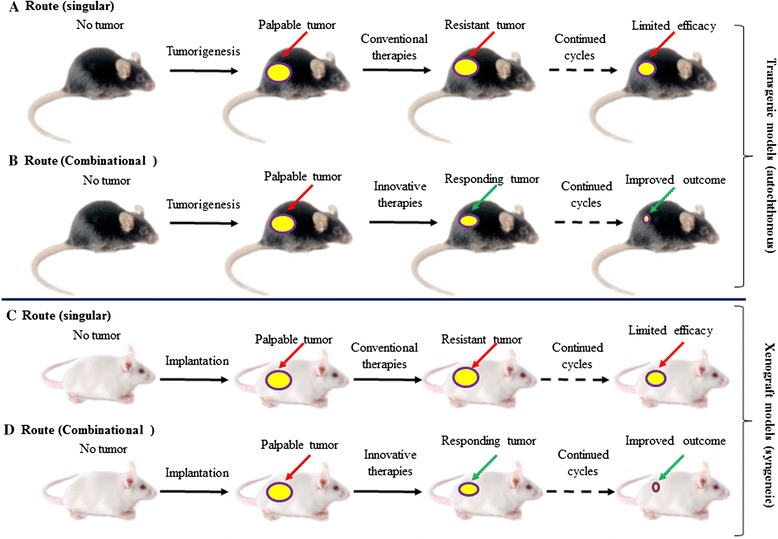
“Second, the TMEstimulated cancer resistance and disease resilience may be technically prevented by rational administration of agents between therapeutic cycles to periodically retard key regulators of the TME signaling network, a feasible approach to minimize the influence of tumor-promoting factors from activated str…”
BackgroundEckstein, N., Servan, K., Hildebrandt, B., Pölitz, A., Jonquières, G. V., Wolf-Kümmeth, S., Napierski, I., Hamacher, A., Kassack, M. U., Budczies, J., et al. (2009) · Cancer Research · doi:10.1158/0008-5472.can-08-3153 · Cited by 166 · cited 1×
“Particularly, resistance to chemotherapy frequently results from cell extrinsic factors such as cytokines, growth factors, and even proteases derived from a TME that is structurally and functionally modified by drug-induced cytotoxicity [32-34].”
BackgroundAugsten, M., Sjöberg, E., Frings, O., Vorrink, S. U., Frijhoff, J., Olsson, E., Borg, Å., & Östman, A. (2014) · Cancer Research · doi:10.1158/0008-5472.can-13-2740 · Cited by 164
Microenvironmental regulation of cancer metastasis by miRNAs
Zhang, Y., Yang, P., & Wang, X. (2013) · Trends in Cell Biology · doi:10.1016/j.tcb.2013.09.007 · Cited by 147 · cited 1×
“Micro RNAs (miRNAs) are circulated in cancer patient serum and can serve as important biomarkers for many cancer types [94].”
BackgroundRupp, C., Scherzer, M., Rudisch, A., Unger, C., Haslinger, C., Schweifer, N., Artaker, M., Nivarthi, H., Moriggl, R., Hengstschläger, M., et al. (2014) · Oncogene · doi:10.1038/onc.2014.18 · Cited by 134 · cited 1×
“chemokine CC motif ligand (CCL)2, CCL8, insulin-like growth factor binding protein (IGFBP)7 thereby forming an inflammatory niche [13-15].”
BackgroundCatena, R., Bhattacharya, N., El Rayes, T., Wang, S., Choi, H., Gao, D., Ryu, S., Joshi, N., Bielenberg, D., Lee, S. B., et al. (2013) · Cancer Discovery · doi:10.1158/2159-8290.cd-12-0476 · Cited by 131 · cited 2×
“formation at metastatic sites [91].”
BackgroundKaye, S. B., Fehrenbacher, L., Holloway, R., Amit, A., Karlan, B., Slomovitz, B., Sabbatini, P., Fu, L., Yauch, R. L., Chang, I., et al. (2012) · Clinical Cancer Research · doi:10.1158/1078-0432.ccr-12-1796 · Cited by 131 · cited 1×
“Moreover, although mounting preclinical studies substantiated enhanced expression of Hedgehog ligands across multiple forms of cancer and associated stromal fibroblast activation, suppressors against the major Hedgehog pathway protein Smoothened, mainly vismodegib and saridegib, were unable to prove their efficacy exc…”
BackgroundMetabolic programming of mesenchymal stromal cells by oxygen tension directs chondrogenic cell fate
Leijten, J., Georgi, N., Teixeira, L. M., van Blitterswijk, C., Post, J. N., & Karperien, M. (2014) · Proceedings of the National Academy of Sciences · doi:10.1073/pnas.1410977111 · Cited by 123 · cited 1×
“In contrast to TAMs, which compose a terminal lineage, MSCs remain primitive and can generate adipocytes, pericytes, chondrocytes, neurons, osteocytes, and mainstay stromal cells, including fibroblasts and endothelial cells, and can also transdifferentiate into both ectodermal and endodermal cells, thereby displaying…”
ResultNF-κB-induced KIAA1199 promotes survival through EGFR signalling
Shostak, K., Zhang, X., Hubert, P., Göktuna, S. I., Jiang, Z., Klevernic, I., Hildebrand, J., Roncarati, P., Hennuy, B., Ladang, A., et al. (2014) · Nature Communications · doi:10.1038/ncomms6232 · Cited by 120 · cited 1×
“cytokine/chemokine-mediated pathways such as TGF-β/Smad signaling [41-45].”
The impact of tumor stroma on drug response in breast cancer
Dittmer, J., & Leyh, B. (2014) · Seminars in Cancer Biology · doi:10.1016/j.semcancer.2014.05.006 · Cited by 119 · cited 1×
“The active stroma of solid tumors is not only composed of carcinoma-associated fibroblasts (CAFs) and myofibroblasts, but characterized with remodeled matrix, reprogrammed metabolism, activated transcription, and altered synthesis of repair-associated proteins [10-12].”
BackgroundThree-Dimensional Cultures of Mouse Mammary Epithelial Cells
Mroue, R., & Bissell, M. J. (2012) · Methods in Molecular Biology · doi:10.1007/978-1-62703-125-7_14 · Cited by 109 · cited 1×
“The disease is usually initiated as a result of the stepwise accumulation of genetic and epigenetic changes in the epithelial compartment; however, increasing evidence indicates that the tumor microenvironment (TME) can dictate aberrant tissue function and play a critical role in the subsequent development of more adv…”
BackgroundAzuma, K., Kawahara, A., Sonoda, K., Nakashima, K., Tashiro, K., Watari, K., Izumi, H., Kage, M., Kuwano, M., Ono, M., et al. (2014) · Oncotarget · doi:10.18632/oncotarget.1866 · Cited by 106 · cited 1×
“Afatinib Metastatic non-small cell lung cancer, breast cancer, and other EGFR/Her2driven cancers Irreversibly inhibits EGFR and HER2 kinases Stromal expression of fibroblast growth factor (FGF) 2 and the FGFR1 is upregulated, allowing survival of afatinib-resistant cancer cells [46] Chen et al.”
BackgroundRosanò, L., Cianfrocca, R., Tocci, P., Spinella, F., Di Castro, V., Caprara, V., Semprucci, E., Ferrandina, G., Natali, P. G., & Bagnato, A. (2014) · Cancer Research · doi:10.1158/0008-5472.can-13-3133 · Cited by 97 · cited 1×
“cytokine/chemokine-mediated pathways such as TGF-β/Smad signaling [41-45].”
Corso, S., & Giordano, S. (2013) · Cancer Discovery · doi:10.1158/2159-8290.cd-13-0040 · Cited by 92 · cited 1×
“Recent studies intensively evaluated the functional roles of TME in protecting acute myeloid leukemia cells or chronic lymphocytic leukemia cells against alkylating agents, anthracyclines, imatinib and nucleoside analogues, mutant Janus kinase 2 (JAK2) cells against JAK inhibitors including tofacitinib and ruxolitinib…”
BackgroundNam, D., Lee, J., Joo, K. M., Lee, J., & Yoon, Y. (2014) · OncoTargets and Therapy · doi:10.2147/ott.s36582 · Cited by 90 · cited 2×
“Gain of function as resistance for cancer cells can be regulated by diverse mechanisms, and it may arise as a direct consequence of EMT triggered by a large array of the TME-derived molecules through activation of intracellular networks that cover hepatocyte growth factor/c-met, epidermal growth factor (EGF)/EGF recep…”
BackgroundSui, H., Zhu, L., Deng, W., & Li, Q. (2014) · Oncology Research and Treatment · doi:10.1159/000367802 · Cited by 86 · cited 1×
“In this regard, most treatment-resistant cancers harbor a subgroup of cells with stem-like or mesenchymal features that are resistant to cancer therapies [52].”
BackgroundmiR-629 Targets TRIM33 to Promote TGFβ/Smad Signaling and Metastatic Phenotypes in ccRCC
Jingushi, K., Ueda, Y., Kitae, K., Hase, H., Egawa, H., Ohshio, I., Kawakami, R., Kashiwagi, Y., Tsukada, Y., Kobayashi, T., et al. (2014) · Molecular Cancer Research · doi:10.1158/1541-7786.mcr-14-0300 · Cited by 85 · cited 1×
“Gain of function as resistance for cancer cells can be regulated by diverse mechanisms, and it may arise as a direct consequence of EMT triggered by a large array of the TME-derived molecules through activation of intracellular networks that cover hepatocyte growth factor/c-met, epidermal growth factor (EGF)/EGF recep…”
BackgroundTranslational Horizons in the Tumor Microenvironment: Harnessing Breakthroughs and Targeting Cures
Sun, Y. (2015) · Medicinal Research Reviews · doi:10.1002/med.21338 · Cited by 83 · cited 3×
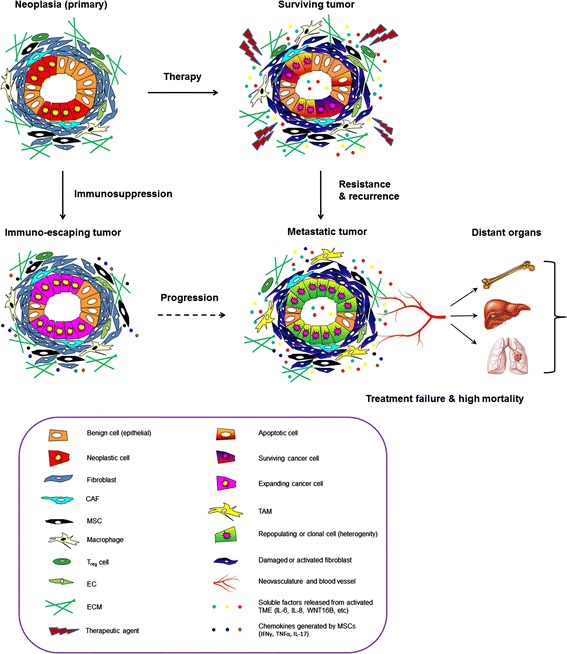
“Collectively, the results present a mechanism by which genotoxic therapies or targeted agents given in a cyclical manner can enhance subsequent treatment resistance through cell non-autonomous programs that are attributed to the “treatment-activated TME” [26] (Table 1).”
BackgroundSelf-citationMolecular imaging for assessment of mesenchymal stem cells mediated breast cancer therapy
Leng, L., Wang, Y., He, N., Wang, D., Zhao, Q., Feng, G., Su, W., Xu, Y., Han, Z., Kong, D., et al. (2014) · Biomaterials · doi:10.1016/j.biomaterials.2014.03.014 · Cited by 83 · cited 1×
“Specifically, MSCs have intrinsic clinical value and hold potential for therapeutic use in stem cell-based cancer therapy as a vehicle to deliver gene products to targeted sites [62-64].”
BackgroundSelf-citationCastells, M., Milhas, D., Gandy, C., Thibault, B., Rafii, A., Delord, J., & Couderc, B. C. (2013) · Cell Death and Disease · doi:10.1038/cddis.2013.384 · Cited by 77 · cited 1×
“In ovarian cancer, MSC secretions promote phosphatidylinositol 3-kinase (PI3K)/ Akt signaling and the X-linked inhibitor of apoptosis protein phosphorylation, inducing carboplatin-specific resistance through trogocytosis [74].”
BackgroundMolecular Pathways: Involving Microenvironment Damage Responses in Cancer Therapy Resistance
Sun, Y., & Nelson, P. S. (2012) · Clinical Cancer Research · doi:10.1158/1078-0432.ccr-11-0768 · Cited by 73
Self-citationHuang, Y., Yu, P., Li, W., Ren, G., Roberts, A. I., Cao, W., Zhang, X., Su, J., Chen, X., Chen, Q., et al. (2014) · Oncogene · doi:10.1038/onc.2013.355 · Cited by 68 · cited 1×
“When inoculated with B16F0 melanoma in mice, p53-deficient MSCs resulted in tumors larger than those harboring wild type MSCs, and such a tumor promoting effect could be abolished by administration of the iNOS inhibitor, S-methylisothiourea [69].”
BackgroundSelf-citationChallenges Facing JAK Inhibitor Therapy for Myeloproliferative Neoplasms
Tefferi, A. (2012) · New England Journal of Medicine · doi:10.1056/nejme1115119 · Cited by 66 · cited 1×
“Ruxolitinib (INCB018424) JAK2-mutant myeloproliferative disorders and highrisk myelofibrosis (a type of bone marrow cancer) Inhibits Janus kinase inhibitor with selectivity for subtypes JAK1 and JAK2 of this enzyme Stroma-induced resistance; humoral factors secreted by stromal cells protect myeloproliferative neoplasm…”
BackgroundPacini, S. (2014) · Frontiers in Cell and Developmental Biology · doi:10.3389/fcell.2014.00050 · Cited by 65 · cited 1×
“In contrast to TAMs, which compose a terminal lineage, MSCs remain primitive and can generate adipocytes, pericytes, chondrocytes, neurons, osteocytes, and mainstay stromal cells, including fibroblasts and endothelial cells, and can also transdifferentiate into both ectodermal and endodermal cells, thereby displaying…”
ResultThe pro‐metastatic role of bone marrow‐derived cells: a focus on MSCs and regulatory T cells
Koh, B. I., & Kang, Y. (2012) · EMBO Reports · doi:10.1038/embor.2012.41 · Cited by 55 · cited 1×
“Depletion of Tregs inhibits the progression of breast cancer, leukemia, myeloma, fibrosarcoma, colon adenocarcinoma, and lung cancer, while primary tumor infiltration by Tregs promotes the metastatic potential [55].”
BackgroundStromal EGF and IGF-I Together Modulate Plasticity of Disseminated Triple-Negative Breast Tumors
Castaño, Z., Marsh, T., Tadipatri, R., Kuznetsov, H. S., Al‐Shahrour, F., Paktinat, M., Greene-Colozzi, A., Nilsson, B., Richardson, A. L., & McAllister, S. S. (2013) · Cancer Discovery · doi:10.1158/2159-8290.cd-13-0041 · Cited by 47 · cited 1×
“A novel mechanism of triple-negative breast cancer metastasis was recently delineated, and involves the TME factors as peripheral signals, including EGF and insulin-like growth factor-I (IGF-I), at distant indolent tumor sites [93].”
BackgroundLee, J., Joo, K. M., Lee, J., Yoon, Y., & Nam, D.-H. (2014) · Dove Medical Press (Taylor and Francis Group) · Cited by 44
Kuo, P., Huang, M., Hung, J., Chou, S., Chiang, S.-Y., Huang, Y., Yang, C., Tsai, M., Chang, W., & Hsu, Y. (2013) · International Journal of Cancer · doi:10.1002/ijc.28673 · Cited by 43 · cited 1×
“Thus, TME at primary site increases tumor dispersion via paracrine signals by generating a chemotactic relay system, a case that can be further exemplified by CXCL14 secreted by CAFs, or EGF and CXCL5 released by tumor-associated dendritic cells in prostate and lung tumors, respectively [82,83].”
BackgroundMesenchymal Stem Cells as Therapeutic Delivery Vehicles Targeting Tumor Stroma
Serakinci, N., Christensen, R., Fahrioglu, U., Sorensen, F. B., Dagnæs-Hansen, F., Hajek, M., Jensen, T. H., Kolvraa, S., & Keith, N. W. (2011) · Cancer Biotherapy and Radiopharmaceuticals · doi:10.1089/cbr.2011.1024 · Cited by 41 · cited 1×
“Specifically, MSCs have intrinsic clinical value and hold potential for therapeutic use in stem cell-based cancer therapy as a vehicle to deliver gene products to targeted sites [62-64].”
BackgroundBone Marrow-Derived Mesenchymal Stem Cells Drive Lymphangiogenesis
Maertens, L., Erpicum, C., Detry, B., Blacher, S., Lenoir, B., Carnet, O., Péqueux, C., Cataldo, D. D., Lecomte, J., Paupert, J., et al. (2014) · PLoS ONE · doi:10.1371/journal.pone.0106976 · Cited by 40 · cited 1×
“In contrast to TAMs, which compose a terminal lineage, MSCs remain primitive and can generate adipocytes, pericytes, chondrocytes, neurons, osteocytes, and mainstay stromal cells, including fibroblasts and endothelial cells, and can also transdifferentiate into both ectodermal and endodermal cells, thereby displaying…”
ResultMcMillin, D. W., Delmore, J., Negri, J., Ooi, M., Klippel, S., Miduturu, C. V., Gray, N. S., Richardson, P. G., Anderson, K. C., Kung, A. L., et al. (2011) · PLoS ONE · doi:10.1371/journal.pone.0020226 · Cited by 27 · cited 1×
“Doxorubicin Multiple myeloma Generate DNA intercalation; inhibit topoisomerase II Stroma-induced resistance [41]”
BackgroundMolecular determinants of response to cisplatin-based neoadjuvant chemotherapy
Joaquim Bellmunt, B., Pons, F., & Orsola, A. (2013) · Current Opinion in Urology · doi:10.1097/mou.0b013e328363de67 · Cited by 23 · cited 1×
“For instance, when defining predictive markers that will eventually aid in the selection of patients who most likely benefit from intervention, analysis based on the entire TME is an essential step of utmost importance to determine specific therapies to employ [17,103,104].”
BackgroundTackling the tumor microenvironment: what challenge does it pose to anticancer therapies?
Chen, F., Qi, X., Qian, M., Dai, Y., & Sun, Y. (2014) · Protein & Cell · doi:10.1007/s13238-014-0097-1 · Cited by 23 · cited 2×
“inappropriate activation of the stroma, including those provoked by the therapeutics, immunomodulation mediated by certain TME cell lineages, and distant metastasis induced by the TME components, can potentiate and accelerate tumor progression towards a high rate of disease mortality [5].”
BackgroundSelf-citationSuzuki, T., Kawamura, K., Li, Q., Okamoto, S., Tada, Y., Tatsumi, K., Shimada, H., Hiroshima, K., Yamaguchi, N., & Tagawa, M. (2014) · BMC Cancer · doi:10.1186/1471-2407-14-713 · Cited by 20 · cited 1×
“Specifically, MSCs have intrinsic clinical value and hold potential for therapeutic use in stem cell-based cancer therapy as a vehicle to deliver gene products to targeted sites [62-64].”
BackgroundPlace de la radiothérapie externe dans les cancers de la thyroïde
Sun, X. S., Guevara, N., Fakhry, N., Sun, S., Marcy, P. Y., Santini, J., Bosset, J.-F., & Thariat, J. (2013) · Cancer/Radiothérapie · doi:10.1016/j.canrad.2012.12.003 · Cited by 6
Tam, V., Hooker, C. M., Molena, D., Hulbert, A., Lee, B., Kleinberg, L. R., Yang, S. C., Forastiere, A. A., & Brock, M. V. (2014) · Journal of Clinical Oncology · doi:10.1200/jco.2014.32.3_suppl.137 · Cited by 4
Research works printed but not linked: 1
- Paget S The distribution of secondary growths in cancer of the breast. 1889 Canc Metastasis Rev 1989 8 98 101 2673568
Cited by
Mao, X., Xu, J., Wang, W., Liang, C., Hua, J., Liu, J., Zhang, B., Meng, Q., Yu, X., & Shi, S. (2021) · Molecular Cancer · doi:10.1186/s12943-021-01428-1 · Cited by 2,290
Role of hypoxia in cancer therapy by regulating the tumor microenvironment
Jing, X., Yang, F., Shao, C., Wei, K., Xie, M., Shen, H., & Shu, Y. (2019) · Molecular Cancer · doi:10.1186/s12943-019-1089-9 · Cited by 2,054
“The TME decreases drug penetration and confers the advantage of proliferation and antiapoptosis to surviving cells, facilitating resistance and common modifications in disease morphology [4, 5].”
BackgroundThe Science and Translation of Lactate Shuttle Theory
Brooks, G. A. (2018) · Cell Metabolism · doi:10.1016/j.cmet.2018.03.008 · Cited by 1,486
“Lactate Influences Acidity of the Tumor Microenvironment (TME) The TME is an active niche that shapes tumor pathogenesis and evolution (Chen et al., 2015).”
BackgroundRole of tumor microenvironment in tumorigenesis
Wang, M., Zhao, J., Zhang, L., Wei, F., Lian, Y., Wu, Y., Gong, Z., Zhang, S., Zhou, J., Cao, K., et al. (2017) · Journal of Cancer · doi:10.7150/jca.17648 · Cited by 1,404
Arneth, B. (2019) · Medicina · doi:10.3390/medicina56010015 · Cited by 1,250
“For instance, understanding the role of the naïve stroma will help caregivers determine how the TME influences the physiological homeostasis of normal tissues [12,14,15].”
Background
Metadata
- Authors
- Chen, F., Zhuang, X., Lin, L., Yu, P., Wang, Y., Shi, Y., Hu, G., & Sun, Y.
- Affiliations
- Shanghai Jiao Tong University (CN)
- Corresponding author
- Sun, Yu
- Venue
- BMC Medicine
- Published
- 2015-03-05
- Volume
- 13
- Issue
- 1
- Pages
- 45-45
- ISSN
- 1741-7015 (ISSN-L)
- PMC
- PMC4350882
- OpenAlex
- W2127686099
- Semantic Scholar
- b55be59deaf313855dba891ef8ed0f4aadc7f777
- Cited by
- 704
- References
- 105
- Citations by year
- 2026: 24 · 2025: 49 · 2024: 63 · 2023: 76 · 2022: 79 · 2021: 98 · 2020: 83 · 2019: 65 · 2018: 64 · 2017: 47 · 2016: 37 · 2015: 19
- FWCI
- 5.99
- Type
- journal article
- Language
- en
- Open access
- gold
- doi.org
- Locations
- BMC Medicine (publishedVersion, cc-by)
- Europe PMC (PubMed Central) (publishedVersion, cc-by)
- PubMed Central (publishedVersion, cc-by)
- PubMed (publishedVersion)
- Funders
- U.S. Department of Defense (PC111703)
- University of Washington (WA 98195)
- National Natural Science Foundation of China (81330046, 81472709, 31371409)
- Chinese Academy of Sciences (215123, XDA01040107, XDA01040110)
- Soochow University (215123)
- Shanghai Rising-Star Program
- Directorate for Biological Sciences
- School of Medicine, Shanghai Jiao Tong University
- Congressionally Directed Medical Research Programs
- Topics
- Health Sciences › Medicine › Oncology › Cancer Cells and Metastasis
- Health Sciences › Medicine › Oncology › Cancer Immunotherapy and Biomarkers
- Life Sciences › Biochemistry, Genetics and Molecular Biology › Cancer Research › Cancer, Hypoxia, and Metabolism
- Keywords
- tumor microenvironment, acquired drug resistance, immune evasion, metastasis, cancer immunotherapy, chemoresistance, personalized medicine, cancer therapy
- MeSH terms
- Humans, Medical Oncology, Neoplasms, Tumor Microenvironment
About these checks
Registry, retraction, Cites and statistics results are computed, not judged, with one exception: a printed reference that no index lists is read once by a model before it counts as a citation error. Claims are extracted by a model and kept only when their quote appears verbatim in the text; each cited source is then checked, with a model’s help, for whether it says what the claim relies on. Those verdicts can be wrong — read the claim’s quote and the cited source before relying on one.
Statistics and arithmetic are recomputed, not judged.
Confidence bands are shown only for fields calibrated on our annotated test set. None is calibrated yet, so no band is shown.
What counts as a claim ›How we measure confidence ›How we check this ›
Are you an author, or do you see a problem with this page? Request a review
Data sources
Bibliographic data: Semantic Scholar, OpenAlex, Crossref.
Contains information from the Semantic Scholar Academic Graph Datasets, made available under the ODC Attribution License (ODC-BY 1.0).
Semantic Scholar’s data is described in: Kinney, R., et al. (2023). The Semantic Scholar Open Data Platform. arXiv:2301.10140.
