

Immune related adverse events associated with anti-CTLA-4 antibodies: systematic review and meta-analysis
Open accessThe DOI matches its Crossref record; 142 of the 142 references it cites were found in a registry or an index.
Abstract
BACKGROUND: Targeting CTLA-4 is a recent strategic approach in cancer control: blocking CTLA-4 enhances an antitumor immunity by promoting T-cell activation and cytotoxic T-lymphocyte proliferation. This induction of a tolerance break against the tumor may be responsible for immune-related adverse events (irAEs). Our objective was to assess the incidence and nature of irAEs in oncologic patients receiving anti-CTLA-4 antibodies (ipilimumab and tremelimumab). METHODS: A systematic search of literature up to February 2014 was performed in MEDLINE, EMBASE, and Cochrane databases to identify relevant articles. Paired reviewers independently selected articles for inclusion and extracted data. Pooled incidence was calculated using R(©), package meta. RESULTS: Overall, 81 articles were included in the study, with a total of 1265 patients from 22 clinical trials included in the meta-analysis. Described irAEs consisted of skin lesions (rash, pruritus, and vitiligo), colitis, and less frequently hepatitis, hypophysitis, thyroiditis, and some rare events such as sarcoidosis, uveitis, Guillain-Barré syndrome, immune-mediated cytopenia and polymyalgia rheumatic/Horton. The overall incidence of all-grade irAEs was 72 % (95 % CI, 65-79 %). The overall incidence of high-grade irAEs was 24 % (95 % CI, 18-30 %). The risk of developing irAEs was dependent of dosage, with incidence of all-grade irAEs being evaluated to 61 % (95 % CI, 56-66 %) for ipilimumab 3 mg/kg and 79 % (95 % CI, 69-89 %) for ipilimumab 10 mg/kg. Death due to irAEs occurred in 0.86 % of patients. The median time of onset of irAEs was about 10 weeks (IQR, 6-12) after the onset of treatment, corresponding with the first three cycles but varied according to the organ system involved. Such immune activation could also be indicative for tumor-specific T-cell activation and irAE occurrence was associated with clinical response to CTLA-4 blocking in 60 % of patients. CONCLUSION: The price of potential long-term survival to metastatic tumors is an atypical immune toxicity, reflecting the mechanism of action of anti-CTLA-4 antibodies. A better knowledge of these irAEs and its management in a multidisciplinary approach will help to reduce morbidity and therapy interruptions.
Overview
The claims and statistics of this paper haven’t been checked yet.
Free: it reads the open-access text and checks the first 5 claims that cite a source we can check. Create a free account to check every claim.
Integrity signals
Registry
Cites
Statistics
Figures
Verification
Claims the paper makes
The claims and statistics of this paper haven’t been checked yet.
Free: it reads the open-access text and checks the first 5 claims that cite a source we can check. Create a free account to check every claim.
Claims other papers make about this one
Each is checked against this paper’s own text: does it say what the citing paper says it does?
The source backs part of the claim, not all of it — or backs it for a different population, condition or comparison.
In the citing paper
“ICI-associated colitis is routinely treated with immunosuppressive therapy, including corticosteroids and/or agents targeting tumor necrosis factor alpha (TNF-alpha), all of which have significant side effects.”
From Fecal microbiota transplantation for refractory immune checkpoint inhibitor-associated colitis (2018) · cites this paper as [5]
Experimental — accuracy not yet measuredThe source backs part of the claim, not all of it — or backs it for a different population, condition or comparison.
In the citing paper
“Neurologic immune-related adverse events from immune checkpoint inhibitors include autonomic neuropathy and can present with severe GI dysmotility (Bertrand et al., 2015).”
From Autonomic nervous system and gastrointestinal manifestations with an emphasis on gastric dysfunction (2026) · cites this paper as Bertrand et al., 2015
Experimental — accuracy not yet measured
Self-check
Percentages, sums and reported differences re-computed from the paper’s own numbers.
The self-check needs the paper’s full text.
Citations
Cites
The Cochrane Collaboration's tool for assessing risk of bias in randomised trials
Higgins, J. P. T., Altman, D. G., Gotzsche, P. C., Juni, P., Moher, D., Oxman, A. D., Savovic, J., Schulz, K. F., Weeks, L., Sterne, J. A. C., et al. (2011) · BMJ · doi:10.1136/bmj.d5928 · Cited by 33,817
PD-1 and PD-L1 Immune Checkpoint Blockade to Treat Breast Cancer
Hartkopf, A. D., Taran, F.-A., Wallwiener, M., Walter, C. B., Krämer, B., Grischke, E.-M., & Brucker, S. Y. (2016) · Breast Care · doi:10.1159/000453569 · Cited by 30,845
Dermyshi, E., Wang, Y., Yan, C., Hong, W., Qiu, G., Gong, X., & Zhang, T. (2017) · Neonatology · doi:10.1159/000454668 · Cited by 24,451
Adverse Renal Effects of Immune Checkpoint Inhibitors: A Narrative Review
Wanchoo, R., Karam, S., Uppal, N. N., Barta, V. S., Deray, G., Devoe, C., Launay-Vacher, V., Jhaveri, K. D., & on behalf of Cancer and Kidney International Network Workgroup on Immune Checkpoint Inhibitors (2017) · American Journal of Nephrology · doi:10.1159/000455014 · Cited by 15,256
Improved Survival with Ipilimumab in Patients with Metastatic Melanoma
Hodi, F. S., O'Day, S. J., McDermott, D. F., Weber, R. W., Sosman, J. A., Haanen, J. B., Gonzalez, R., Robert, C., Schadendorf, D., Hassel, J. C., et al. (2010) · New England Journal of Medicine · doi:10.1056/nejmoa1003466 · Cited by 15,155 · cited 4×
“[7], an irAE was defined as an adverse event that was associated with exposure to the study drug and that was consistent with an immune phenomenon.”
BackgroundInfluentialThe blockade of immune checkpoints in cancer immunotherapy
Pardoll, D. M. (2012) · Nature Reviews Cancer · doi:10.1038/nrc3239 · Cited by 13,838 · cited 1×
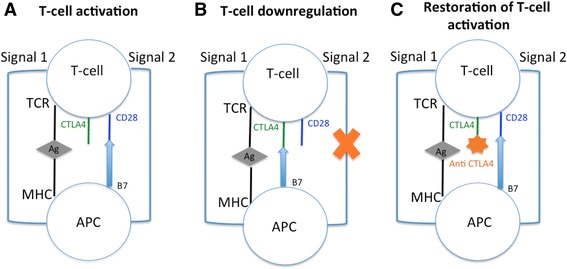
“Thus, blockades of immune checkpoints with antagonists of inhibitory pathways have been developed and anti-CTLA-4 antibodies are precursors in this domain [3] (Mechanism of action: anti CTLA-4 antibodies in Fig.”
BackgroundIpilimumab plus Dacarbazine for Previously Untreated Metastatic Melanoma
Robert, C., Thomas, L., Bondarenko, I., O'Day, S., Weber, J., Garbe, C., Lebbe, C., Baurain, J.-F., Testori, A., Grob, J.-J., et al. (2011) · New England Journal of Medicine · doi:10.1056/nejmoa1104621 · Cited by 4,496 · cited 1×
“Thus, a fully humanized anti-CTLA-4 monoclonal antibody immunoglobulin (Ig) G1 isotype (ipilimumab) was approved by the Food and Drug Administration (FDA) in 2011 at a dosage of 3 mg/kg every 3 weeks for four cycles in advanced melanoma, with evidence of improved survival [7, 8].”
BackgroundGenetic Basis for Clinical Response to CTLA-4 Blockade in Melanoma
Snyder, A., Makarov, V., Merghoub, T., Yuan, J., Zaretsky, J. M., Desrichard, A., Walsh, L. A., Postow, M. A., Wong, P., Ho, T. S., et al. (2014) · New England Journal of Medicine · doi:10.1056/nejmoa1406498 · Cited by 4,286 · cited 1×
“[119] also defined a genetic basis for benefit from CTLA-4 blockade in melanoma by whole-exome sequencing on tumors and matched blood samples.”
BackgroundTivol, E. A., Borriello, F., Schweitzer, A. N., Lynch, W. P., Bluestone, J. A., & Sharpe, A. H. (1995) · Immunity · doi:10.1016/1074-7613(95)90125-6 · Cited by 2,914 · cited 1×
“This role is supported by the lethal lympho-proliferation and autoimmunity in CTLA-4 knockout mice [5].”
BackgroundFitzgerald, M., Hayward, I. P., Thomas, A. C., Campbell, J. H., & CAMPBELL, G. R. (1995) · Cited by 2,552
Research works printed but not linked: 1
- Salenave J Chanson P Young J Hypophysite lymphocytaire. Endocrinologie-Nutrition, 10-023-D-10 2007 Paris Elsevier Masson SAS
Cited by
Items 201–300 of 750
Structure and Optimization of Checkpoint Inhibitors
Picardo, S. L., Doi, J., & Hansen, A. R. (2019) · Cancers · doi:10.3390/cancers12010038 · Cited by 51
“resulting in improved complete response rates and higher overall survival (OS), but also in increased rates of irAEs [54,55].”
BackgroundKähler, K. C., Hassel, J. C., Heinzerling, L., Loquai, C., Thoms, K., Ugurel, S., Zimmer, L., & Gutzmer, R. (2020) · JDDG Journal der Deutschen Dermatologischen Gesellschaft · doi:10.1111/ddg.14128 · Cited by 51
Immunotherapy-induced Hepatotoxicity: A Review
Cunha, T. D., Wu, G. Y., & Vaziri, H. (2022) · Journal of Clinical and Translational Hepatology · doi:10.14218/jcth.2022.00105 · Cited by 49
“43 54 2 mg/kg every 3 weeks 4 (7) 1 (2) 2 (4) 1 (2)”
BackgroundHua, Y., Shao, Z., Zhai, A., Zhang, L., Wang, Z., Zhao, G., Xie, F., Liu, J., Zhao, X., Chen, X. S., et al. (2023) · ACS Nano · doi:10.1021/acsnano.3c01068 · Cited by 49
Fan, S., Ren, H., Zhao, L. S., Yin, J., Feng, G., Wang, J., & Guan, H. (2020) · Asia-Pacific Journal of Clinical Oncology · doi:10.1111/ajco.13375 · Cited by 49
Castro, M. A., Corrales, E. P., Molina‐Cerrillo, J., & Alonso‐Gordoa, T. (2021) · Biomedicines · doi:10.3390/biomedicines9030304 · Cited by 50
“CTLA-4 inhibitors seems to produce IRAEs more frequently compared with PD-1/PDL1 inhibitors [105].”
BackgroundMason, N. J., Chester, N., Xiong, A., Rotolo, A., Wu, Y., Yoshimoto, S., Glassman, P. M., Gulendran, G., & Siegel, D. L. (2021) · mAbs · doi:10.1080/19420862.2021.2004638 · Cited by 48
“An unfortunate consequence of disrupting immune homeostasis and immunological self-tolerance through checkpoint inhibition is the induction of auto-immunity.(24) Such immune-related adverse events frequently affect the gastrointestinal tract, endocrine glands, skin and liver, although any organ system can be affected.”
Managing Adverse Events With Immune Checkpoint Agents
Dadu, R., Zobniw, C., & Diab, A. (2016) · The Cancer Journal · doi:10.1097/ppo.0000000000000186 · Cited by 48
Friedlander, P. A., Wood, K., Wassmann, K., Christenfeld, A. M., Bhardwaj, N., & Oh, W. K. (2018) · Journal for ImmunoTherapy of Cancer · doi:10.1186/s40425-018-0408-9 · Cited by 48
Reassessing Patterns of Response to Immunotherapy with PET: From Morphology to Metabolism
Costa, L. B., Queiroz, M. A., Barbosa, F. D. G., Nunes, R. F., Zaniboni, E. C., Ruiz, M. F. D. C. M., Jardim, D. L. F., Marin, J. F. G., Cerri, G. G., & Buchpiguel, C. A. (2020) · Radiographics · doi:10.1148/rg.2021200093 · Cited by 48
Cutaneous Adverse Events of Immune Checkpoint Inhibitors: A Summarized Overview
Plachouri, K., Vryzaki, E., & Georgiou, S. (2019) · Current Drug Safety · doi:10.2174/1574886313666180730114309 · Cited by 47
Immune-Related Adverse Events: A Case-Based Approach
Connolly, C. M., Bambhania, K., & Naidoo, J. (2019) · Frontiers in Oncology · doi:10.3389/fonc.2019.00530 · Cited by 47
Improving safety of cancer immunotherapy via delivery technology
Hu, D., Zhang, W., Tang, J., Zhou, Z., Liu, X., & Shen, Y. (2020) · Biomaterials · doi:10.1016/j.biomaterials.2020.120407 · Cited by 47
Analysis of Risk Factors for Hepatotoxicity Induced by Immune Checkpoint Inhibitors
Cho, Y. A., Han, J. M., Kang, S. Y., Kim, D. C., Youn, Y. J., Choi, K. H., & Gwak, H. S. (2021) · Journal of Immunotherapy · doi:10.1097/cji.0000000000000347 · Cited by 41
Panneerselvam, K., Amin, R. N., Wei, D., Tan, D., Lum, P. J., Zhang, H. C., Richards, D. M., Altan, M., Grivas, P. D., Thompson, J. A., et al. (2021) · Journal of the National Comprehensive Cancer Network · doi:10.6004/jnccn.2020.7675 · Cited by 46
Cancer Immunotherapy: Whence and Whither
Stambrook, P. J., Maher, J. F., & Farzaneh, F. (2017) · Molecular Cancer Research · doi:10.1158/1541-7786.mcr-16-0427 · Cited by 47
“However, there are concerns of longer-term effects such as the potential for increased risk of autoimmune disease following treatment with PD-1 or CTLA-4 inhibitors (23, 182).”
BackgroundNeurological complications of new chemotherapy agents
Zukas, A. M., & Schiff, D. (2017) · Neuro-Oncology · doi:10.1093/neuonc/nox115 · Cited by 46
Chandramohan, V., Bao, X., Yu, X., Parker, S., McDowall, C., Yu, Y.-R. A., Healy, P. N., Desjardins, A., Gunn, M. D., Gromeier, M., et al. (2019) · Journal for ImmunoTherapy of Cancer · doi:10.1186/s40425-019-0614-0 · Cited by 46
“Due to the incidence of severe immune-related adverse events in patients receiving αCTLA-4 antibodies in the clinic, we decided not to pursue the D2C7-IT+αCTLA-4 combination [35, 40].”
BackgroundCancer Immunotherapy-Associated Hypophysitis
Castillero, F., Castillo, O., Jiménez, G. J., Fallas-Ramirez, J.-M., Álvarez, M. P. P., & Arrieta, O. G. (2019) · Future Oncology · doi:10.2217/fon-2019-0101 · Cited by 45
The gut microbiota and immune checkpoint inhibitors
Humphries, A., & DAUD, A. I. (2018) · Human Vaccines & Immunotherapeutics · doi:10.1080/21645515.2018.1442970 · Cited by 47
Achilles’ Heel of currently approved immune checkpoint inhibitors: immune related adverse events
Yan, T., Yu, L., Zhang, J., Chen, Y., Fu, Y., Tang, J., & Liao, D. (2024) · Frontiers in Immunology · doi:10.3389/fimmu.2024.1292122 · Cited by 45
Opportunistic autoimmunity secondary to cancer immunotherapy (OASI): An emerging challenge
Kostine, M., Chiche, L., Lazaro, E., Halfon, P., Charpin, C., Arniaud, D., Rétornaz, F., Blanco, P., Jourde‐Chiche, N., Richez, C., et al. (2017) · La Revue de Médecine Interne · doi:10.1016/j.revmed.2017.01.004 · Cited by 44
Self-citationHepatotoxicity of immune check point inhibitors: Approach and management
Lleò, A., Rimassa, L., & Colombo, M. (2019) · Digestive and Liver Disease · doi:10.1016/j.dld.2019.06.017 · Cited by 44
Safety of immune checkpoint inhibitors in patients with cancer and pre-existing autoimmune disease
Alexander, S. A., Swami, U., Kaur, A., Gao, Y., Fatima, M. T., Ginn, M. M., Stein, J., Grivas, P. D., Zakharia, Y., & Singh, N. (2021) · Annals of Translational Medicine · doi:10.21037/atm-20-8124 · Cited by 45
Jacob, J. S., Dutra, B. E., Garcia‐Rodriguez, V., Panneerselvam, K., Abraham, F. O., Zou, F., Ma, W., Grivas, P. D., Thompson, J. A., Altan, M., et al. (2021) · Journal of the National Comprehensive Cancer Network · doi:10.6004/jnccn.2020.7697 · Cited by 44
“Recurrence of mucositis; n5134 20 (61) 32 (32) .”
Berner, F., Bomze, D., Lichtensteiger, C., Walter, V. P., Niederer, R., Ali, O. H., Wyss, N., Bauer, J., Freudenmann, L. K., Marcu, A., et al. (2022) · Science Immunology · doi:10.1126/sciimmunol.abn9644 · Cited by 45
Tang, X., Xiong, Y., Zhao, Y., Yang, J., Shi, A., Zheng, K., Liu, Y., Shu, C., Jiang, T., Ma, N., et al. (2022) · Frontiers in Immunology · doi:10.3389/fimmu.2022.1014053 · Cited by 43
The Role of Microbiota-Derived Vitamins in Immune Homeostasis and Enhancing Cancer Immunotherapy
Gholami, H., Chmiel, J. A., Burton, J. P., & Vareki, S. M. (2023) · Cancers · doi:10.3390/cancers15041300 · Cited by 44
A Review of Immune-Mediated Adverse Events in Melanoma
Kennedy, L. B., & Salama, A. K. S. (2019) · Oncology and Therapy · doi:10.1007/s40487-019-0096-8 · Cited by 43
Immune checkpoint inhibitor-induced diarrhea/colitis: Endoscopic and pathologic findings
Nishida, T., Iijima, H., & Adachi, S. (2019) · World Journal of Gastrointestinal Pathophysiology · doi:10.4291/wjgp.v10.i2.17 · Cited by 44
Immune checkpoint inhibitor–related luminal GI adverse events
Kröner, P. T., Mody, K., & Farraye, F. A. (2019) · Gastrointestinal Endoscopy · doi:10.1016/j.gie.2019.09.009 · Cited by 43
Rheumatic immune‐related adverse events induced by immune checkpoint inhibitors
Zhong, H., Zhou, J., Xu, D., & Zeng, X. (2020) · Asia-Pacific Journal of Clinical Oncology · doi:10.1111/ajco.13346 · Cited by 43
Long, G. V., Robert, C., Butler, M. O., Couture, F., Carlino, M. S., O'Day, S. J., Atkinson, V. G., Cebon, J. S., Brown, M. P., Dalle, S., et al. (2021) · Clinical Cancer Research · doi:10.1158/1078-0432.ccr-21-0793 · Cited by 43
“Age, median (range; y) 64 (27–78) 63 (33–82) Sex, n (%) Male 38 (75) 33 (65) Female 13 (25) 18 (35) ECOG performance status, n (%) 0 45 (88) 42 (82) 1 6 (12) 9 (18) Lactate dehydrogenase concentration, n (%) Normal 30 (59) 36 (71) >ULN 18 (35) 13 (25) Unknown 3 (6) 2 (4) PD-L1 status n (%) Positive 32 (63) 31 (61) Neg…”
Xu, H., Feng, H., Zhang, W., Wei, F., Zhou, L., Liu, L., Zhao, Y., Lv, Y., Shi, X., Zhang, J., et al. (2022) · Experimental Cell Research · doi:10.1016/j.yexcr.2022.113157 · Cited by 42
Recognizing and managing on toxicities in cancer immunotherapy
Liu, Y., Hui-fang, Y., Dong, S., Zhong, Y., & Hu, S. (2017) · Tumor Biology · doi:10.1177/1010428317694542 · Cited by 42
Strategies of Combination Drug Delivery for Immune Checkpoint Blockades
Ruan, H., Bu, L., Hu, Q., Cheng, H., Lu, W., & Gu, Z. (2018) · Advanced Healthcare Materials · doi:10.1002/adhm.201801099 · Cited by 42
Ali, A. K., & Watson, D. E. (2017) · Pharmacotherapy The Journal of Human Pharmacology and Drug Therapy · doi:10.1002/phar.2035 · Cited by 41
Kwon, S., Velasquez, F. C., Rasmussen, J. C., Greives, M. R., Turner, K. D., Morrow, J. R., Hwu, W., Ross, R. F., Zhang, S., & Sevick-Muraca, E. M. (2019) · Theranostics · doi:10.7150/thno.35280 · Cited by 41
“If lymphatic delivery of anti-CTLA-4 to TDLN reduces the dose-dependent irAEs observed in humans [13], then combinational therapies that are otherwise too toxic for use in many patients [5, 14] could potentially increase the anti-tumor response as seen in this preclinical study.”
BackgroundHypophysitis (Including IgG4 and Immunotherapy)
Angelousi, A. G., Alexandraki, K., Tsoli, M., Kaltsas, G., & Kassi, E. N. (2020) · Neuroendocrinology · doi:10.1159/000506903 · Cited by 43
Immune checkpoint inhibitor-related hypophysitis
Mizukoshi, T., Fukuoka, H., & Takahashi, Y. (2022) · Best Practice & Research Clinical Endocrinology & Metabolism · doi:10.1016/j.beem.2022.101668 · Cited by 41
FDG PET/CT for Evaluation of Immunotherapy Response in Lung Cancer Patients
Leger, M. C., Routy, B., & Juneau, D. (2022) · Seminars in Nuclear Medicine · doi:10.1053/j.semnuclmed.2022.04.010 · Cited by 42
Checkpoint inhibitors and gastrointestinal immune-related adverse events
Pernot, S., Ramtohul, T., & Taïeb, J. (2016) · Current Opinion in Oncology · doi:10.1097/cco.0000000000000292 · Cited by 41
Dalmazi, G. D., Caturegli, P., & Chalan, P. (2019) · Elsevier eBooks · doi:10.1016/b978-0-12-812102-3.00043-9 · Cited by 41
Immune Checkpoint Inhibitors and Neurotoxicity
Zhao, Z., Zhang, C., Zhou, L., Dong, P., & Shi, L. (2020) · Current Neuropharmacology · doi:10.2174/1570159x19666201230151224 · Cited by 40
“Other symptoms were also reported, such as confusion, hallucination, memory loss, erectile dysfunction, loss of libido, cold intolerance, dizziness, and insomnia [56, 69-71].”
BackgroundCancer immunotherapy in patients with preexisting autoimmune disorders
Donia, M., Pedersen, M., & Svane, I. M. (2016) · Seminars in Immunopathology · doi:10.1007/s00281-016-0595-8 · Cited by 40
Antibody-mediated neutralization of soluble MIC significantly enhances CTLA4 blockade therapy
Zhang, J., Liu, D., Li, G., Staveley-O’Carroll, K. F., Graff, J. N., Li, Z., & Wu, J. D. (2017) · Science Advances · doi:10.1126/sciadv.1602133 · Cited by 40
FDG PET/CT for Assessment of Immune Therapy: Opportunities and Understanding Pitfalls
Cho, S. Y., Huff, D. T., Jeraj, R., & Albertini, M. R. (2020) · Seminars in Nuclear Medicine · doi:10.1053/j.semnuclmed.2020.06.001 · Cited by 39
Immune Checkpoint Molecule TIGIT Regulates Kidney T Cell Functions and Contributes to AKI
Noel, S., Lee, K., Gharaie, S., Kurzhagen, J. T., Pierorazio, P. M., Arend, L. J., Kuchroo, V. K., Cahan, P., & Rabb, H. (2023) · Journal of the American Society of Nephrology · doi:10.1681/asn.0000000000000063 · Cited by 39
Diagnosing and Managing Uveitis Associated with Immune Checkpoint Inhibitors: A Review
Zhang, H., Houadj, L., Wu, K. Y., & Tran, S. D. (2024) · Diagnostics · doi:10.3390/diagnostics14030336 · Cited by 38
Pantuck, M. A., McDermott, D. F., & Drakaki, A. (2019) · Cancer · doi:10.1002/cncr.32326 · Cited by 38
“A recent meta-analysis has found that anti–CTLA-4 treatment causes highgrade irAEs in approximately 20% to 30% of patients.(10) Meanwhile, anti–PD-1 treatment causes high-grade toxicity requiring immunosuppression less than 5% of the time.”
BackgroundTakahashi, N., Tsuji, K., Tamiya, H., Shinohara, T., Kuroda, N., & Takeuchi, E. (2018) · Lung Cancer · doi:10.1016/j.lungcan.2018.05.015 · Cited by 37
Peyrony, O., Tieghem, Y., Franchitti, J., Ellouze, S., Morra, I., Madelaine, I., Flicoteaux, R., Baroudjian, B., Azoulay, É., Chevret, S., et al. (2019) · Emergency Medicine Journal · doi:10.1136/emermed-2018-208091 · Cited by 37
Advances on immune-related adverse events associated with immune checkpoint inhibitors
Fan, Y., Geng, Y., Shen, L., & Zhang, Z. (2020) · Frontiers of Medicine · doi:10.1007/s11684-019-0735-3 · Cited by 37
“Interestingly, CTLA-4 and PD-1/PD-L1 inhibitors usually display distinct patterns of tissue-specific irAEs [21,22].”
BackgroundImmune Checkpoint Inhibitors in the Treatment of Cancer
Zam, W., & Ali, L. (2021) · Current Clinical Pharmacology · doi:10.2174/1574884716666210325095022 · Cited by 37
Semmrich, M., Marchand, J.-B., Fend, L., Rehn, M., Remy, C., Holmkvist, P., Silvestre, N., Svensson, C., Kleinpeter, P., Deforges, J., et al. (2022) · Journal for ImmunoTherapy of Cancer · doi:10.1136/jitc-2021-003488 · Cited by 37
Advances in targeted therapy and immunotherapy for melanoma (Review)
Qin, Z., & Zheng, M. (2023) · Experimental and Therapeutic Medicine · doi:10.3892/etm.2023.12115 · Cited by 37
“Pancreatitis, nephritis, severe skin reactions including Steven Johnson syndrome, neurologic conditions like inflammatory myopathy, aseptic meningitis, posterior reversible encephalopathy syndrome and myasthenia gravis are also described in the literature, underscoring a wide spectrum of effects of immune activa‐ tion…”
BackgroundCancer immunotherapy: Current applications and challenges
Sun, J., & Lu, X. (2020) · Cancer Letters · doi:10.1016/j.canlet.2020.03.024 · Cited by 38
Gupta, S., Belouali, A., Shah, N. J., Atkins, M. B., & Madhavan, S. (2021) · JCO Clinical Cancer Informatics · doi:10.1200/cci.20.00109 · Cited by 36
Paderi, A., Gambale, E., Botteri, C., Giorgione, R., Lavacchi, D., Brugia, M., Mazzoni, F., Giommoni, E., Bormioli, S., Amedei, A., et al. (2021) · Molecules · doi:10.3390/molecules26195789 · Cited by 36
“They rarely affect the nervous system, kidney, blood, muscles, joints, heart or eyes [21,23].”
BackgroundFall in thyroid stimulating hormone (TSH) may be an early marker of ipilimumab-induced hypophysitis
Sousa, S. M. C. D., Sheriff, N., Tran, C. H., Menzies, A. M., Tsang, V., Long, G. V., & Tonks, K. T. T. (2018) · Pituitary · doi:10.1007/s11102-018-0866-6 · Cited by 36
“Dermatological, gastrointestinal and endocrine toxicities are reported in up to 72% of patients [2].”
BackgroundInfluentialTwo distinct clinical patterns of checkpoint inhibitor-induced thyroid dysfunction
Olsson-Brown, A. C., Lord, R., Sacco, J. J., Wagg, J., Coles, M. C., & Pirmohamed, M. (2020) · Endocrine Connections · doi:10.1530/ec-19-0473 · Cited by 35
“While the majority of irAEs are treatable and reversible with corticosteroid containing immunosuppression, the endocrinopathies appear to be irreversible and, in the majority of cases, require lifelong replacement therapy (11).”
Sanaei, M., Pourbagheri‐Sigaroodi, A., Kaveh, V., Sheikholeslami, S. A., Salari, S., & Bashash, D. (2020) · Critical Reviews in Oncology/Hematology · doi:10.1016/j.critrevonc.2020.103160 · Cited by 35
Immune checkpoint inhibitor–associated hypercalcaemia
Izzedine, H., Chazal, T., Wanchoo, R., & Jhaveri, K. D. (2020) · Nephrology Dialysis Transplantation · doi:10.1093/ndt/gfaa326 · Cited by 35
Liu, X., Tang, H. T., Zhou, Q., Zeng, Y., Lu, B., Chen, D., Li, Y., Qian, J., Chen, M., Zhao, J., et al. (2023) · Frontiers in Immunology · doi:10.3389/fimmu.2023.1109281 · Cited by 35
Xu, H., Tan, P., Zheng, X., Huang, Y., Lin, T., Wei, Q., Ai, J., & Yang, L. (2019) · Drug Design Development and Therapy · doi:10.2147/dddt.s196316 · Cited by 35
Luo, B., Zhang, Y., Zhang, C., Liu, X., & Shi, C. (2021) · Cancer Letters · doi:10.1016/j.canlet.2021.04.001 · Cited by 34
Lipid-based nanoparticles for cancer immunotherapy
Fan, S., Han, H., Yan, Z., Lu, Y., He, B., & Zhang, Q. (2023) · Medical Review · doi:10.1515/mr-2023-0020 · Cited by 33
“However, undesirable side e ff ects such as irAEs brought by administrating CTLA-4-blocking monoclonal antibodies limited its application [171].”
BackgroundMoskovitz, J. M., Moy, J. D., Seiwert, T. Y., & Ferris, R. L. (2017) · The Oncologist · doi:10.1634/theoncologist.2016-0318 · Cited by 34
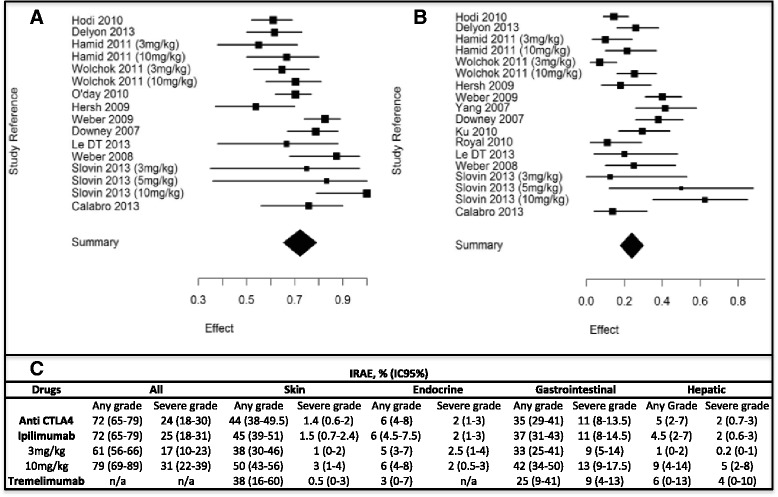
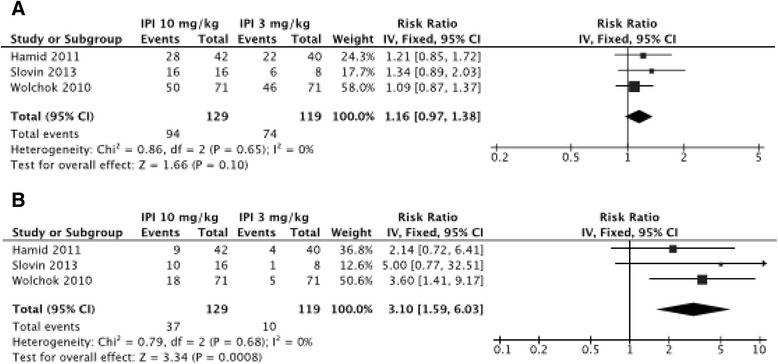
“The development of AEs with ipilimumab appears to be dose dependent, with 61% of patients sustaining AEs on the approved 3 mg/kg dose for melanoma compared with 79% on the 10 mg/kg dose [89, 90].”
BackgroundEndocrinopathies Associated with Immune Checkpoint Inhibitor Cancer Treatment: A Review
Okura, N., Asano, M., Uchino, J., Morimoto, Y., Iwasaku, M., Kaneko, Y., Yamada, T., Fukui, M., & Takayama, K. (2020) · Journal of Clinical Medicine · doi:10.3390/jcm9072033 · Cited by 33
“However, significantly longer survival associated with the higher dose has been documented in some reports, and an association between irAE development and treatment efficacy has been pointed out [18,24].”
BackgroundHaploinsufficiency of immune checkpoint receptor CTLA4 induces a distinct neuroinflammatory disorder
Schindler, M. K., Pittaluga, S., Enose‐Akahata, Y., Su, H. C., Rao, V. K., Rump, A., Jacobson, S., Cortese, I. C. M., Reich, D. S., & Uzel, G. (2020) · Journal of Clinical Investigation · doi:10.1172/jci135947 · Cited by 33
“Nevertheless, while revolutionizing the treatment of advanced melanoma (4), adverse events in patients with cancer treated with ipilimumab alone, or in combination with other checkpoint inhibitors, have been described (5).”
BackgroundThe changing clinical spectrum of endocrine adverse events in cancer immunotherapy
Chiloiro, S., Bianchi, A., Giampietro, A., Milardi, D., Marinis, L. D., & Pontecorvi, A. (2021) · Trends in Endocrinology and Metabolism · doi:10.1016/j.tem.2021.10.009 · Cited by 33
Vedolizumab as a successful treatment of CTLA-4–associated autoimmune enterocolitis
Navarini, A. A., Hruz, P. L., Berger, C. T., Hou, T. Z., Schwab, C., Gabrysch, A., Higgins, R., Frede, N., Sgier, B.-C. P., Kämpe, O., et al. (2016) · Journal of Allergy and Clinical Immunology · doi:10.1016/j.jaci.2016.08.042 · Cited by 33
Immunotherapy‐Induced Colitis: An Emerging Problem for the Hospitalist
Marin-Acevedo, J. A., Harris, D. M., & Burton, M. C. (2018) · Journal of Hospital Medicine · doi:10.12788/jhm.2925 · Cited by 33
Exploiting autoimmunity unleashed by low‐dose immune checkpoint blockade to treat advanced cancer
Bakács, T., Moss, R. W., Kleef, R., Szász, M. A., & Anderson, C. C. (2019) · Scandinavian Journal of Immunology · doi:10.1111/sji.12821 · Cited by 33
Immune-related Neutropenia Following Treatment With Immune Checkpoint Inhibitors
Finkel, I., Sternschuss, M., Wollner, M., Shamai, S., Peled, N., Turgeman, I., Shochat, T., & Dudnik, E. (2019) · Journal of Immunotherapy · doi:10.1097/cji.0000000000000293 · Cited by 32
Clinical Research on the Mechanisms Underlying Immune Checkpoints and Tumor Metastasis
Tang, X., Shi, A., Xiong, Y., Zheng, K., Liu, Y., Shi, X.-G., Jiang, T., & Zhao, J. (2021) · Frontiers in Oncology · doi:10.3389/fonc.2021.693321 · Cited by 32
Pancreatic injury following immune checkpoint inhibitors: A systematic review and meta-analysis
Zhang, T., Wang, Y., Shi, C., Liu, X., Lv, S., Wang, X., & Li, W. (2022) · Frontiers in Pharmacology · doi:10.3389/fphar.2022.955701 · Cited by 32
“Furthermore, most patients treated with ICIs develop immune-related adverse events (irAEs) (Bertrand et al., 2015; Wang et al., 2019; Xu et al., 2018), some of which can be life-threatening (Bagchi et al.”
BackgroundImmunotherapies for advanced hepatocellular carcinoma
Sun, L., Zhang, K.-J., Xie, Y.-M., Liu, J., & Xiao, Z. (2023) · Frontiers in Pharmacology · doi:10.3389/fphar.2023.1138493 · Cited by 32
Mori, S., Kurimoto, T., Ueda, K., Enomoto, H., Sakamoto, M., Keshi, Y., Yamada, Y., & Nakamura, M. (2018) · Case Reports in Ophthalmology · doi:10.1159/000491075 · Cited by 32
Assoun, S., Lemiale, V., & Azoulay, É. (2019) · Intensive Care Medicine · doi:10.1007/s00134-019-05650-w · Cited by 32
“Recently, the development of immune checkpoint inhibitors in different settings and for different types of cancer has led to the rise of a new spectrum of immunotherapy-related adverse events (irAEs) [5] [6] [7] , as a consequence of self-tolerance impairment through reduced cytotoxic T cell inhibition; however, the r…”
BackgroundCancer treatment-related cardiovascular disease: Current status and future research priorities
Nonaka, M., Hosoda, H., & Uezono, Y. (2021) · Biochemical Pharmacology · doi:10.1016/j.bcp.2021.114599 · Cited by 31
Griffiths, P. L., Peipert, J. D., Leith, A., Rider, A., Morgan, L., Cella, D. F., & Cocks, K. (2022) · Supportive Care in Cancer · doi:10.1007/s00520-022-06802-3 · Cited by 31
Immune checkpoints: new insights into the pathogenesis of thyroid eye disease
Shu, X., Shao, Y., Chen, Y., Zeng, C., Huang, X., & Wei, R.-L. (2024) · Frontiers in Immunology · doi:10.3389/fimmu.2024.1392956 · Cited by 31
“There have been reports of cancer patients developing Graves ’ disease following therapy with ipilimumab or tremelimumab (87 – 89).”
BackgroundCutaneous sarcoidosis in a melanoma patient under Ipilimumab therapy
Leboráns, L. M., Martínez, A. E., Martínez, A. M. V., de Miquel, V. A., & Jaime, A. B. (2016) · Dermatologic Therapy · doi:10.1111/dth.12380 · Cited by 31
Lysosome‐Targeting Bacterial Outer Membrane Vesicles for Tumor Specific Degradation of PD‐L1
Ji, P., Wu, P., Wang, L., Wang, Y., Guo, X., Gao, R., Guo, Z., Zhou, H., Liu, Z., Liang, Y., et al. (2024) · Small · doi:10.1002/smll.202400770 · Cited by 30
Utsunomiya, A., Oyama, N., Iino, S., Baba, N., Chino, T., Utsunomiya, N., & Hasegawa, M. (2018) · Case Reports in Dermatology · doi:10.1159/000485910 · Cited by 30
Alimohammadi, R., Alibeigi, R., Nikpoor, A. R., Chalbatani, G. M., Webster, T. J., Jaafari, M. R., & Jalali, S. A. (2020) · International Journal of Nanomedicine · doi:10.2147/ijn.s260760 · Cited by 30
Jamieson, L., Forster, M. D., Zaki, K., Mithra, S., Alli, H., O’Connor, A., Patel, A., Wong, I. C. K., & Chambers, P. (2020) · BMC Cancer · doi:10.1186/s12885-020-07215-3 · Cited by 32
“Meta-analyses of clinical trials have shown that 27% of patients treated with CPI inhibitors develop irAEs of some degree, with 6% being severe; a minority experience rare but important side effects that may result in treatment discontinuation [5]; however, the quality of irAE reporting in clinical trials has been sho…”
IGSF11 and VISTA: a pair of promising immune checkpoints in tumor immunotherapy
Tang, X., Xiong, Y., Shi, X.-G., Zhao, Y., Shi, A., Zheng, K., Liu, Y., Jiang, T., Ma, N., & Zhao, J. (2022) · Biomarker Research · doi:10.1186/s40364-022-00394-0 · Cited by 30
A phase IB study of ipilimumab with peginterferon alfa-2b in patients with unresectable melanoma
Brohl, A. S., Khushalani, N. I., Eroglu, Z., Markowitz, J., Thapa, R., Chen, Y. A., Kudchadkar, R. R., & Weber, J. S. (2016) · Journal for ImmunoTherapy of Cancer · doi:10.1186/s40425-016-0194-1 · Cited by 30
“It should be noted, however, that the rate of G3 ipilimumab-related toxicities, and in particular G3 rash (13%), was higher than in most previous reports of single agent ipilimumab use at this dose [25].”
ResultLu, H., Zhu, P., Deng, Y.-Y., Chen, Z., & Yang, L. (2023) · Clinical & Translational Oncology · doi:10.1007/s12094-023-03313-3 · Cited by 29
“Another meta-analysis reported that the median onset time for irAEs was approximately 10 weeks[40].”
Checkpoint Inhibitors: Common Immune-Related Adverse Events and Their Management
Gordon, R., Kasler, M. K., Stasi, K., Shames, Y., Errante, M., Ciccolini, K. T., Lucas, A. S., Raasch, P., & Fischer-Cartlidge, E. A. (2017) · Clinical journal of oncology nursing · doi:10.1188/17.cjon.s2.45-52 · Cited by 29
Hutzler, S., Erbar, S., Jabulowsky, R. A., Hanauer, J. R. H., Schnotz, J. H., Beißert, T., Bodmer, B. S., Eberle, R., Böller, K., Klamp, T., et al. (2017) · Scientific Reports · doi:10.1038/s41598-017-16928-8 · Cited by 30
Biomarkers associated with immune-related adverse events induced by immune checkpoint inhibitors
Guo, A.-J., Deng, Q.-Y., Dong, P., Zhou, L., & Shi, L. (2024) · World Journal of Clinical Oncology · doi:10.5306/wjco.v15.i8.1002 · Cited by 28
Kähler, K. C., Hassel, J. C., Heinzerling, L., Loquai, C., Thoms, K., Ugurel, S., Zimmer, L., Gutzmer, R., & (ADO), F. D. K. „. N. D. A. D. O. (2020) · JDDG Journal der Deutschen Dermatologischen Gesellschaft · doi:10.1111/ddg.14128_g · Cited by 28
Kee, D., & McArthur, G. A. (2016) · European Journal of Surgical Oncology · doi:10.1016/j.ejso.2016.07.014 · Cited by 28
“In patients treated with ipilimumab, the majority (>70%) will develop some form of immunerelated adverse event (irAE) with a quarter of cases considered severe.(57) The majority of events involve the skin”
Landry, M. R., DuRoss, A. N., Neufeld, M. J., Hahn, L., Sahay, G., Luxenhofer, R., & Sun, C. (2020) · Materials Today Bio · doi:10.1016/j.mtbio.2020.100082 · Cited by 28
“In this case and others, CTLA-4 antibodies are dose limited due to the high occurrence of grade 3 and 4 irAEs [3,7].”
BackgroundUrothelial Cancer: Inflammatory Mediators and Implications for Immunotherapy
Schepisi, G., Santoni, M., Massari, F., Gurioli, G., Salvi, S., Conteduca, V., Montironi, R., & Giorgi, U. D. (2016) · BioDrugs · doi:10.1007/s40259-016-0176-3 · Cited by 28
Neuromuscular complications in cancer
Grisold, W., Grisold, A., & Löscher, W. N. (2016) · Journal of the Neurological Sciences · doi:10.1016/j.jns.2016.06.002 · Cited by 28
Dermatologic Adverse Events of Checkpoint Inhibitors: What an Oncologist Should Know
Habre, M., Habre, S. B., & Kourié, H. R. (2016) · Immunotherapy · doi:10.2217/imt-2016-0074 · Cited by 28
Metadata
- Authors
- Bertrand, A., Kostine, M., Barnetche, T., Truchetet, M.-E., & Schaeverbeke, T.
- Affiliations
- Centre Hospitalier Universitaire de Bordeaux (FR)
- Centre National de la Recherche Scientifique (FR)
- Université de Bordeaux (FR)
- Corresponding author
- Bertrand, Anne
- Venue
- BMC Medicine
- Published
- 2015-09-04
- Volume
- 13
- Issue
- 1
- Pages
- 211-211
- ISSN
- 1741-7015 (ISSN-L)
- PMC
- PMC4559965
- OpenAlex
- W1914776013
- Cited by
- 704
- References
- 142
- Citations by year
- 2026: 25 · 2025: 33 · 2024: 48 · 2023: 65 · 2022: 65 · 2021: 72 · 2020: 95 · 2019: 99 · 2018: 75 · 2017: 76 · 2016: 48 · 2015: 1
- FWCI
- 7.15
- Type
- journal article
- Language
- en
- Open access
- gold
- doi.org
- Licence
- Locations
- BMC Medicine (publishedVersion, cc-by)
- Europe PMC (PubMed Central) (publishedVersion, cc-by)
- PubMed Central (publishedVersion, cc-by)
- PubMed (publishedVersion)
- Topics
- Health Sciences › Medicine › Oncology › Cancer Immunotherapy and Biomarkers
- Life Sciences › Immunology and Microbiology › Immunology › Immunotherapy and Immune Responses
- Life Sciences › Pharmacology, Toxicology and Pharmaceutics › Toxicology › Pharmacovigilance and Adverse Drug Reactions
- Keywords
- CTLA-4 blockade, ipilimumab, tremelimumab, immune checkpoint inhibitors, immunotoxicity, rash, colitis, hepatitis, hypophysitis, thyroiditis, dose-dependent toxicity, adverse event incidence, time to onset of adverse events, treatment response, cancer immunotherapy, metastatic cancer, vitiligo
- MeSH terms
- Ipilimumab, Antibodies, Monoclonal, Antineoplastic Agents, Humans, Immunologic Factors, Immunotherapy, Neoplasms, CTLA-4 Antigen, Antibodies, Monoclonal, Humanized
About these checks
Registry, retraction, Cites and statistics results are computed, not judged, with one exception: a printed reference that no index lists is read once by a model before it counts as a citation error. Claims are extracted by a model and kept only when their quote appears verbatim in the text; each cited source is then checked, with a model’s help, for whether it says what the claim relies on. Those verdicts can be wrong — read the claim’s quote and the cited source before relying on one.
Statistics and arithmetic are recomputed, not judged.
Confidence bands are shown only for fields calibrated on our annotated test set. None is calibrated yet, so no band is shown.
What counts as a claim ›How we measure confidence ›How we check this ›
Are you an author, or do you see a problem with this page? Request a review
Data sources
Bibliographic data: Semantic Scholar, OpenAlex, Crossref.
Contains information from the Semantic Scholar Academic Graph Datasets, made available under the ODC Attribution License (ODC-BY 1.0).
Semantic Scholar’s data is described in: Kinney, R., et al. (2023). The Semantic Scholar Open Data Platform. arXiv:2301.10140.
