

Immune related adverse events associated with anti-CTLA-4 antibodies: systematic review and meta-analysis
Open accessThe DOI matches its Crossref record; 142 of the 142 references it cites were found in a registry or an index.
Abstract
BACKGROUND: Targeting CTLA-4 is a recent strategic approach in cancer control: blocking CTLA-4 enhances an antitumor immunity by promoting T-cell activation and cytotoxic T-lymphocyte proliferation. This induction of a tolerance break against the tumor may be responsible for immune-related adverse events (irAEs). Our objective was to assess the incidence and nature of irAEs in oncologic patients receiving anti-CTLA-4 antibodies (ipilimumab and tremelimumab). METHODS: A systematic search of literature up to February 2014 was performed in MEDLINE, EMBASE, and Cochrane databases to identify relevant articles. Paired reviewers independently selected articles for inclusion and extracted data. Pooled incidence was calculated using R(©), package meta. RESULTS: Overall, 81 articles were included in the study, with a total of 1265 patients from 22 clinical trials included in the meta-analysis. Described irAEs consisted of skin lesions (rash, pruritus, and vitiligo), colitis, and less frequently hepatitis, hypophysitis, thyroiditis, and some rare events such as sarcoidosis, uveitis, Guillain-Barré syndrome, immune-mediated cytopenia and polymyalgia rheumatic/Horton. The overall incidence of all-grade irAEs was 72 % (95 % CI, 65-79 %). The overall incidence of high-grade irAEs was 24 % (95 % CI, 18-30 %). The risk of developing irAEs was dependent of dosage, with incidence of all-grade irAEs being evaluated to 61 % (95 % CI, 56-66 %) for ipilimumab 3 mg/kg and 79 % (95 % CI, 69-89 %) for ipilimumab 10 mg/kg. Death due to irAEs occurred in 0.86 % of patients. The median time of onset of irAEs was about 10 weeks (IQR, 6-12) after the onset of treatment, corresponding with the first three cycles but varied according to the organ system involved. Such immune activation could also be indicative for tumor-specific T-cell activation and irAE occurrence was associated with clinical response to CTLA-4 blocking in 60 % of patients. CONCLUSION: The price of potential long-term survival to metastatic tumors is an atypical immune toxicity, reflecting the mechanism of action of anti-CTLA-4 antibodies. A better knowledge of these irAEs and its management in a multidisciplinary approach will help to reduce morbidity and therapy interruptions.
Overview
The claims and statistics of this paper haven’t been checked yet.
Free: it reads the open-access text and checks the first 5 claims that cite a source we can check. Create a free account to check every claim.
Integrity signals
Registry
Cites
Statistics
Figures
Verification
Claims the paper makes
The claims and statistics of this paper haven’t been checked yet.
Free: it reads the open-access text and checks the first 5 claims that cite a source we can check. Create a free account to check every claim.
Claims other papers make about this one
Each is checked against this paper’s own text: does it say what the citing paper says it does?
The source backs part of the claim, not all of it — or backs it for a different population, condition or comparison.
In the citing paper
“ICI-associated colitis is routinely treated with immunosuppressive therapy, including corticosteroids and/or agents targeting tumor necrosis factor alpha (TNF-alpha), all of which have significant side effects.”
From Fecal microbiota transplantation for refractory immune checkpoint inhibitor-associated colitis (2018) · cites this paper as [5]
Experimental — accuracy not yet measuredThe source backs part of the claim, not all of it — or backs it for a different population, condition or comparison.
In the citing paper
“Neurologic immune-related adverse events from immune checkpoint inhibitors include autonomic neuropathy and can present with severe GI dysmotility (Bertrand et al., 2015).”
From Autonomic nervous system and gastrointestinal manifestations with an emphasis on gastric dysfunction (2026) · cites this paper as Bertrand et al., 2015
Experimental — accuracy not yet measured
Self-check
Percentages, sums and reported differences re-computed from the paper’s own numbers.
The self-check needs the paper’s full text.
Citations
Cites
The Cochrane Collaboration's tool for assessing risk of bias in randomised trials
Higgins, J. P. T., Altman, D. G., Gotzsche, P. C., Juni, P., Moher, D., Oxman, A. D., Savovic, J., Schulz, K. F., Weeks, L., Sterne, J. A. C., et al. (2011) · BMJ · doi:10.1136/bmj.d5928 · Cited by 33,817
PD-1 and PD-L1 Immune Checkpoint Blockade to Treat Breast Cancer
Hartkopf, A. D., Taran, F.-A., Wallwiener, M., Walter, C. B., Krämer, B., Grischke, E.-M., & Brucker, S. Y. (2016) · Breast Care · doi:10.1159/000453569 · Cited by 30,845
Dermyshi, E., Wang, Y., Yan, C., Hong, W., Qiu, G., Gong, X., & Zhang, T. (2017) · Neonatology · doi:10.1159/000454668 · Cited by 24,451
Adverse Renal Effects of Immune Checkpoint Inhibitors: A Narrative Review
Wanchoo, R., Karam, S., Uppal, N. N., Barta, V. S., Deray, G., Devoe, C., Launay-Vacher, V., Jhaveri, K. D., & on behalf of Cancer and Kidney International Network Workgroup on Immune Checkpoint Inhibitors (2017) · American Journal of Nephrology · doi:10.1159/000455014 · Cited by 15,256
Improved Survival with Ipilimumab in Patients with Metastatic Melanoma
Hodi, F. S., O'Day, S. J., McDermott, D. F., Weber, R. W., Sosman, J. A., Haanen, J. B., Gonzalez, R., Robert, C., Schadendorf, D., Hassel, J. C., et al. (2010) · New England Journal of Medicine · doi:10.1056/nejmoa1003466 · Cited by 15,155 · cited 4×
“[7], an irAE was defined as an adverse event that was associated with exposure to the study drug and that was consistent with an immune phenomenon.”
BackgroundInfluentialThe blockade of immune checkpoints in cancer immunotherapy
Pardoll, D. M. (2012) · Nature Reviews Cancer · doi:10.1038/nrc3239 · Cited by 13,838 · cited 1×
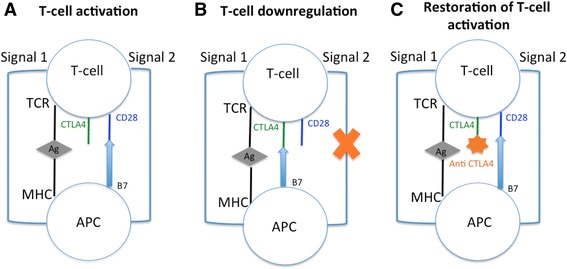
“Thus, blockades of immune checkpoints with antagonists of inhibitory pathways have been developed and anti-CTLA-4 antibodies are precursors in this domain [3] (Mechanism of action: anti CTLA-4 antibodies in Fig.”
BackgroundIpilimumab plus Dacarbazine for Previously Untreated Metastatic Melanoma
Robert, C., Thomas, L., Bondarenko, I., O'Day, S., Weber, J., Garbe, C., Lebbe, C., Baurain, J.-F., Testori, A., Grob, J.-J., et al. (2011) · New England Journal of Medicine · doi:10.1056/nejmoa1104621 · Cited by 4,496 · cited 1×
“Thus, a fully humanized anti-CTLA-4 monoclonal antibody immunoglobulin (Ig) G1 isotype (ipilimumab) was approved by the Food and Drug Administration (FDA) in 2011 at a dosage of 3 mg/kg every 3 weeks for four cycles in advanced melanoma, with evidence of improved survival [7, 8].”
BackgroundGenetic Basis for Clinical Response to CTLA-4 Blockade in Melanoma
Snyder, A., Makarov, V., Merghoub, T., Yuan, J., Zaretsky, J. M., Desrichard, A., Walsh, L. A., Postow, M. A., Wong, P., Ho, T. S., et al. (2014) · New England Journal of Medicine · doi:10.1056/nejmoa1406498 · Cited by 4,286 · cited 1×
“[119] also defined a genetic basis for benefit from CTLA-4 blockade in melanoma by whole-exome sequencing on tumors and matched blood samples.”
BackgroundTivol, E. A., Borriello, F., Schweitzer, A. N., Lynch, W. P., Bluestone, J. A., & Sharpe, A. H. (1995) · Immunity · doi:10.1016/1074-7613(95)90125-6 · Cited by 2,914 · cited 1×
“This role is supported by the lethal lympho-proliferation and autoimmunity in CTLA-4 knockout mice [5].”
BackgroundFitzgerald, M., Hayward, I. P., Thomas, A. C., Campbell, J. H., & CAMPBELL, G. R. (1995) · Cited by 2,552
Research works printed but not linked: 1
- Salenave J Chanson P Young J Hypophysite lymphocytaire. Endocrinologie-Nutrition, 10-023-D-10 2007 Paris Elsevier Masson SAS
Cited by
Items 701–750 of 750
Luo, X.-Y., Wu, K.-M., & He, X.-X. (2021) · Figshare · doi:10.6084/m9.figshare.14615275
Santo, G., Cucè, M., Restuccia, A., Del Giudice, T., Tassone, P., Cicone, F., Tagliaferri, P., & Cascini, G. L. (2024) · Figshare · doi:10.6084/m9.figshare.27049000
Zheng, X., Lin, J., Xiong, J., Guan, Y., Lan, B., Li, Y., Gao, X., Fei, Z., Chen, L., Chen, L., et al. (2024) · Figshare · doi:10.6084/m9.figshare.26605642
Jamieson, L., Forster, M. D., Zaki, K., Mithra, S., Alli, H., O’Connor, A., Patel, A., Wong, I. C. K., & Chambers, P. (2020) · Figshare · doi:10.6084/m9.figshare.12788925
Boegeholz, J., Brueggen, C. S., Pauli, C., Dimitriou, F., Haralambieva, E., Dummer, R., Manz, M. G., & Widmer, C. C. (2020) · Figshare · doi:10.6084/m9.figshare.12127455
Patrizio, A. (2020) · Electronic Theses and Dissertations Repository (University of Pisa)
Immunotherapy in the Management of Lung Cancer
Tasnim, H. (2021) · BRAC University Institutional Repository (BRAC University)
Imunoterapia no cancro da mama
Caetano, C. S. L. (2018) · Repositório Comum (Repositório Científico de Acesso Aberto de Portugal)
Relatórios de Estágio e Monografia intitulada “Imunoterapia no Tratamento do Cancro”
Lopes, A. D. J. D. S. (2017) · Portuguese National Funding Agency for Science, Research and Technology (RCAAP Project by FCT)
Anti-PD-1 Immunotherapy in Advanced Metastatic Melanoma
Moreira, A. R. S. (2019) · Portuguese National Funding Agency for Science, Research and Technology (RCAAP Project by FCT)
L’ingénierie des cellules NK entant que nouvelle immunothérapie ciblée contre le rhabdomyosarcome
Benhaddou, S. (2023) · Papyrus : Institutional Repository (Université de Montréal) · doi:10.71781/26882
Cancer immunotherapy toxicities: A case report and review of the literature
Pillonel, V. (2020) · IRIS
Larrainzar-Coghen, T., & de Medicina, U. A. D. B. D. (2018) · LA Referencia (Red Federada de Repositorios Institucionales de Publicaciones Científicas)
Valcuende‐Rosique, A. (2025) · Repository of Digital Objects for Teaching Research and Culture (University of Valencia)
Changes in autoreactive B cell lifestyle early in development of autoimmunity
Smith, M. J., Dow, S., Cambier, J. C., Avery, A., & Webb, C. B. (2017) · Digital Collections of Colorado (Colorado State University) · doi:10.25675/3.020551
Halak, K., Mohamed, Y., & Gintautas, A. (2025) · Health Sciences · doi:10.35988/sm-hs.2025.313
[18F]FDG PET/CT Imaging in Cancer Treatment with Checkpoint Inhibitors
Catalfamo, B., & Lopci, E. (2025) · Springer eBooks · doi:10.1007/978-3-032-00765-0_171
de Oliveira, M. C. (2024) · LA Referencia (Red Federada de Repositorios Institucionales de Publicaciones Científicas)
The impact of immunotherapy on the endocrine system: a systematic review
Neto, I. M. S. D. C. (2022) · Portuguese National Funding Agency for Science, Research and Technology (RCAAP Project by FCT)
Grech, J., Abela, E., Taliana, K. M., & Camilleri, L. (2026) · Malta Medical Journal
Anquetil, C. (2021) · theses.fr (ABES) · doi:10.70675/dce475d2z4b83z4647z85aczea2eb971762b
Cancers associés au VIH : immunogénomique, immunogénicité et immunothérapie
Abbar, B. (2024) · theses.fr (ABES) · doi:10.70675/4f30d250zc7b8z462ez9893z38a97714c288
Wang, J., Wang, Z., Zhao, W., Chen, H., Lu, B., Shao, Y., Zheng, Y., Liu, S., Wang, M., Fang, L., et al. (2026) · Journal for ImmunoTherapy of Cancer · doi:10.1136/jitc-2026-015052
“These findings establish a mechanistically distinct and highly effective immunotherapeutic strategy with broad potential for solid tumors characterized by myeloid-driven immune suppression.”
Chronic and emerging immune-related adverse events from immune checkpoint inhibitors
Frey, C. (2026) · Disease and Therapeutics · doi:10.1016/j.dist.2026.100011 · Cited by 1
Association of Immune Checkpoint Inhibitors With Otologic Symptoms: A Propensity Score‐Matched Study
Thompson, Z. E., Chwa, J. S., Luong, A., Hong, A. T., & Choi, J. S. (2026) · The Laryngoscope · doi:10.1002/lary.70636
Shukshin, A. A., Rubinstein, A., Головкин, А. С., Моисеева, О. М., & Kudryavtsev, I. V. (2026) · Medical academic journal · doi:10.17816/maj641690
Immunotherapy and gastrointestinal-related side effects in patients with cancers
Jacenik, D., & Beswick, E. J. (2026) · Elsevier eBooks · doi:10.1016/b978-0-443-41638-5.00006-5
Qasem, M. A. A., Budhy, T. I., Suprabawati, D. G. A., Ervina, W. F., & Al-Mojahid, F. Q. (2026) · Health Dynamics · doi:10.33846/hd30702
“(34) Such tolerance-breaking on the tumor is also associated with immune-related adverse events (irAEs) which suggest the crucial role of CTLA-4 in maintaining self-tolerance.”
InfluentialCao, L., Tong, S., & Jiang, H. (2026) · Frontiers in Immunology · doi:10.3389/fimmu.2026.1871187
“…blockade is consistently associated with a higher incidence of severe immune-related adverse events, particularly colitis and hypophysitis (156, 161), whereas SBRT-based combination regimens generally remain well tolerated, with most adverse events limited to grade 1 – 2 and manageable through…”
Anwer, M. (2026) · International Immunopharmacology · doi:10.1016/j.intimp.2026.117271
Dincses, E., & Özköse, G. G. (2026) · Cerrahpasa Medical Journal · doi:10.5152/cjm.2026.26058
“%] vs. 1 [2”
Xia, Y., Dong, H., Meng, X., Dong, Y., Yang, X., & Xia, Y. (2026) · Frontiers in Cardiovascular Medicine · doi:10.3389/fcvm.2026.1834378
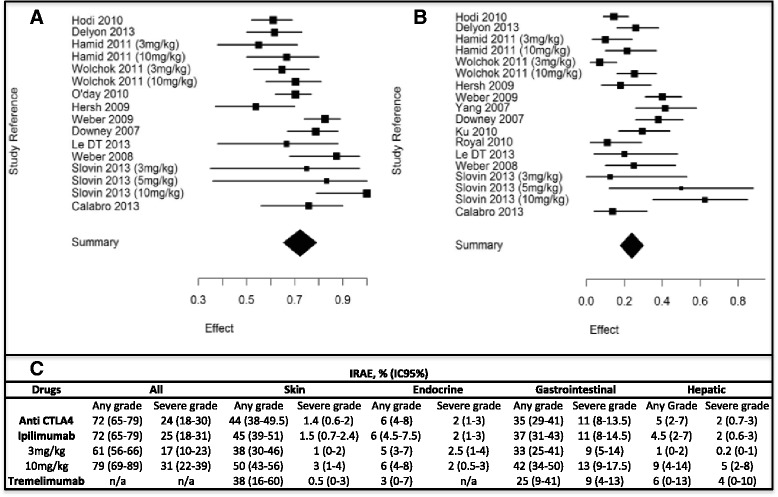
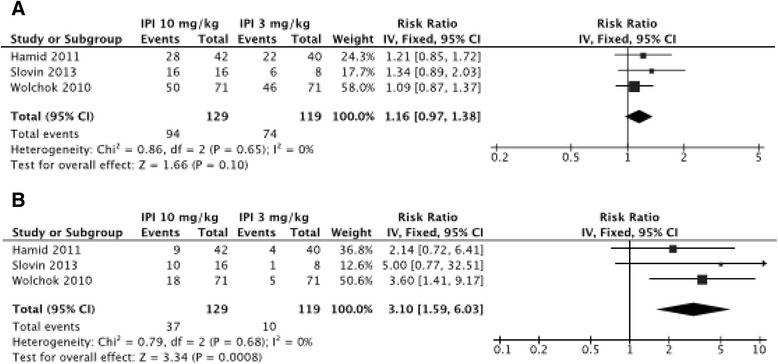
“Specifically, the incidence of irAEs was 61% when ipilimumab was administered at 3 mg/kg, increasing to 79% upon dose escalation to 10 mg/kg (64).”
Microneedle-Enabled Exosome Therapy: From Tumor Targeting to Precision Treatment of Complex Diseases
Fang, Y., Song, H., Li, D., Jiang, Y., Zhao, K., Qiu, X., Zhao, C., Yu, X., Li, Y., & Song, X. (2026) · International Journal of Nanomedicine · doi:10.2147/ijn.s631632
Agbarya, A., Shrem, N. S., Miari, A., Brenner, R., Dudnik, Y., Rabinovich, N. M., Meirovitz, A., Yakobson, A., Cohen, A. Y., Yasin, N. A., et al. (2026) · Frontiers in Immunology · doi:10.3389/fimmu.2026.1947761
“Despite these clinical advances, widespread immune activation can induce a unique spectrum of toxicities termed immune-related adverse events (irAEs), which stem from in fl ammatory damage to healthy tissues such as the skin, gastrointestinal tract, and lungs (7, 8).”
Systemic tumor-cell reprogramming converts solid tumors into in situ biofactories for immunotherapyPreprint
Wang, S., Xu, Q., Wu, M., Duan, J., Gao, Q., Ma, H., Li, W., & Zheng, T. (2026) · bioRxiv (Cold Spring Harbor Laboratory) · doi:10.64898/2026.09.26.754636
“Systemic administration of anti-CTLA-4 antibodies can cause dose-limiting irAEs such as dermatitis, colitis, and hepatitis—reflecting broad immune activation beyond the tumor site(2).”
Alexander, E. S., & Erinjeri, J. P. (2026) · Springer eBooks · doi:10.1007/978-3-031-49762-9_73
Lachapelle, M., Poitras, C., Roy, H., Paradis, C. S.-M., & Fortin, S. (2022) · Pharmactuel
Qiu, L., Huang, Q., Pan, X., Chen, G., Liu, W., Wang, K., Zhou, Y., Xie, R., Dong, X., Wu, Q., et al. (2026) · Med · doi:10.1016/j.medj.2026.101331
Riemer, R. (2026) · FreiDok plus (Universitätsbibliothek Freiburg) · doi:10.6094/unifr/288719
BindingDB (2024) · UC San Diego · doi:10.7270/q2930zcz
Imunoterapia Anti-PD-1 no Melanoma Metastático Avançado
Moreira, A. R. S. (2019) · Portuguese National Funding Agency for Science, Research and Technology (RCAAP Project by FCT)
Conditional biologics in cancer immunotherapy: mechanisms, applications and clinical progress
Keenan, B. P., Killebrew, J. R., Hollenbaugh, D. L., & Fong, L. H. (2026) · Nature Reviews Drug Discovery · doi:10.1038/s41573-026-01552-x
Sweep, M. W. D., Tjan, M. J. H., Gorris, M. A. J., Bol, K. F., & Westdorp, H. (2023) · doi:10.3389/fimmu.2023.1212432.s001
Liu, X., Tang, H., Zhou, Q., Zeng, Y., Lu, B., Chen, D., Li, Y., Qian, J., Chen, M., Zhao, J., et al. (2023) · doi:10.3389/fimmu.2023.1109281.s001
Gao, J., Miao, J., Sun, H., Fu, X., Zhang, P., Chen, Z., & Zhu, P. (2022) · doi:10.3389/fimmu.2022.955812.s001
Metadata
- Authors
- Bertrand, A., Kostine, M., Barnetche, T., Truchetet, M.-E., & Schaeverbeke, T.
- Affiliations
- Centre Hospitalier Universitaire de Bordeaux (FR)
- Centre National de la Recherche Scientifique (FR)
- Université de Bordeaux (FR)
- Corresponding author
- Bertrand, Anne
- Venue
- BMC Medicine
- Published
- 2015-09-04
- Volume
- 13
- Issue
- 1
- Pages
- 211-211
- ISSN
- 1741-7015 (ISSN-L)
- PMC
- PMC4559965
- OpenAlex
- W1914776013
- Cited by
- 704
- References
- 142
- Citations by year
- 2026: 25 · 2025: 33 · 2024: 48 · 2023: 65 · 2022: 65 · 2021: 72 · 2020: 95 · 2019: 99 · 2018: 75 · 2017: 76 · 2016: 48 · 2015: 1
- FWCI
- 7.15
- Type
- journal article
- Language
- en
- Open access
- gold
- doi.org
- Licence
- Locations
- BMC Medicine (publishedVersion, cc-by)
- Europe PMC (PubMed Central) (publishedVersion, cc-by)
- PubMed Central (publishedVersion, cc-by)
- PubMed (publishedVersion)
- Topics
- Health Sciences › Medicine › Oncology › Cancer Immunotherapy and Biomarkers
- Life Sciences › Immunology and Microbiology › Immunology › Immunotherapy and Immune Responses
- Life Sciences › Pharmacology, Toxicology and Pharmaceutics › Toxicology › Pharmacovigilance and Adverse Drug Reactions
- Keywords
- CTLA-4 blockade, ipilimumab, tremelimumab, immune checkpoint inhibitors, immunotoxicity, rash, colitis, hepatitis, hypophysitis, thyroiditis, dose-dependent toxicity, adverse event incidence, time to onset of adverse events, treatment response, cancer immunotherapy, metastatic cancer, vitiligo
- MeSH terms
- Ipilimumab, Antibodies, Monoclonal, Antineoplastic Agents, Humans, Immunologic Factors, Immunotherapy, Neoplasms, CTLA-4 Antigen, Antibodies, Monoclonal, Humanized
About these checks
Registry, retraction, Cites and statistics results are computed, not judged, with one exception: a printed reference that no index lists is read once by a model before it counts as a citation error. Claims are extracted by a model and kept only when their quote appears verbatim in the text; each cited source is then checked, with a model’s help, for whether it says what the claim relies on. Those verdicts can be wrong — read the claim’s quote and the cited source before relying on one.
Statistics and arithmetic are recomputed, not judged.
Confidence bands are shown only for fields calibrated on our annotated test set. None is calibrated yet, so no band is shown.
What counts as a claim ›How we measure confidence ›How we check this ›
Are you an author, or do you see a problem with this page? Request a review
Data sources
Bibliographic data: Semantic Scholar, OpenAlex, Crossref.
Contains information from the Semantic Scholar Academic Graph Datasets, made available under the ODC Attribution License (ODC-BY 1.0).
Semantic Scholar’s data is described in: Kinney, R., et al. (2023). The Semantic Scholar Open Data Platform. arXiv:2301.10140.
