

Immune related adverse events associated with anti-CTLA-4 antibodies: systematic review and meta-analysis
Open accessThe DOI matches its Crossref record; 142 of the 142 references it cites were found in a registry or an index.
Abstract
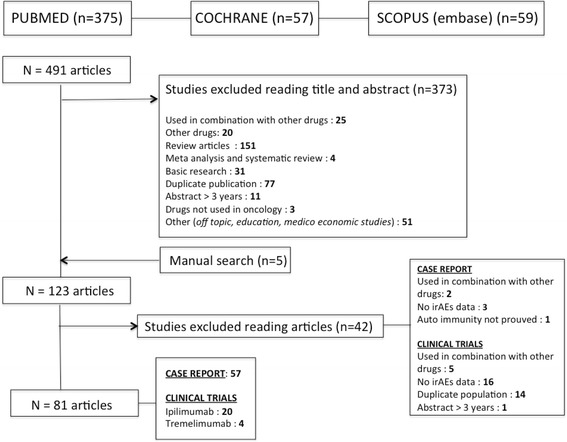
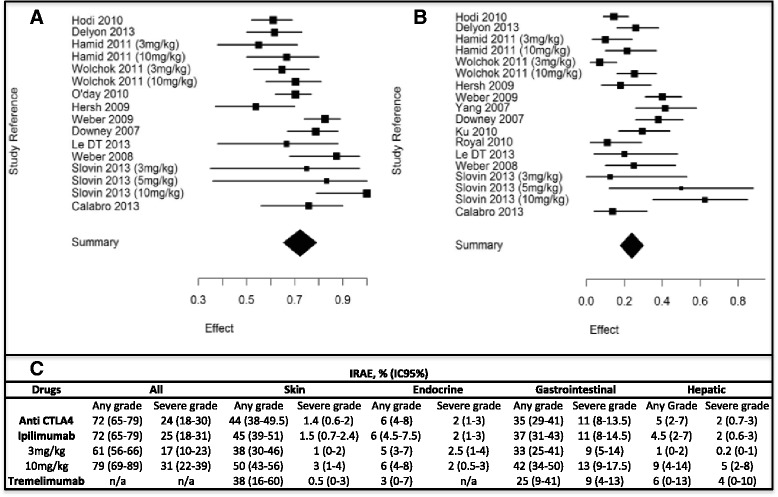
BACKGROUND: Targeting CTLA-4 is a recent strategic approach in cancer control: blocking CTLA-4 enhances an antitumor immunity by promoting T-cell activation and cytotoxic T-lymphocyte proliferation. This induction of a tolerance break against the tumor may be responsible for immune-related adverse events (irAEs). Our objective was to assess the incidence and nature of irAEs in oncologic patients receiving anti-CTLA-4 antibodies (ipilimumab and tremelimumab). METHODS: A systematic search of literature up to February 2014 was performed in MEDLINE, EMBASE, and Cochrane databases to identify relevant articles. Paired reviewers independently selected articles for inclusion and extracted data. Pooled incidence was calculated using R(©), package meta. RESULTS: Overall, 81 articles were included in the study, with a total of 1265 patients from 22 clinical trials included in the meta-analysis. Described irAEs consisted of skin lesions (rash, pruritus, and vitiligo), colitis, and less frequently hepatitis, hypophysitis, thyroiditis, and some rare events such as sarcoidosis, uveitis, Guillain-Barré syndrome, immune-mediated cytopenia and polymyalgia rheumatic/Horton. The overall incidence of all-grade irAEs was 72 % (95 % CI, 65-79 %). The overall incidence of high-grade irAEs was 24 % (95 % CI, 18-30 %). The risk of developing irAEs was dependent of dosage, with incidence of all-grade irAEs being evaluated to 61 % (95 % CI, 56-66 %) for ipilimumab 3 mg/kg and 79 % (95 % CI, 69-89 %) for ipilimumab 10 mg/kg. Death due to irAEs occurred in 0.86 % of patients. The median time of onset of irAEs was about 10 weeks (IQR, 6-12) after the onset of treatment, corresponding with the first three cycles but varied according to the organ system involved. Such immune activation could also be indicative for tumor-specific T-cell activation and irAE occurrence was associated with clinical response to CTLA-4 blocking in 60 % of patients. CONCLUSION: The price of potential long-term survival to metastatic tumors is an atypical immune toxicity, reflecting the mechanism of action of anti-CTLA-4 antibodies. A better knowledge of these irAEs and its management in a multidisciplinary approach will help to reduce morbidity and therapy interruptions.
Overview
The claims and statistics of this paper haven’t been checked yet.
Free: it reads the open-access text and checks the first 5 claims that cite a source we can check. Create a free account to check every claim.
Integrity signals
Registry
Cites
Statistics
Figures
Verification
Claims the paper makes
The claims and statistics of this paper haven’t been checked yet.
Free: it reads the open-access text and checks the first 5 claims that cite a source we can check. Create a free account to check every claim.
Claims other papers make about this one
Each is checked against this paper’s own text: does it say what the citing paper says it does?
The source backs part of the claim, not all of it — or backs it for a different population, condition or comparison.
In the citing paper
“ICI-associated colitis is routinely treated with immunosuppressive therapy, including corticosteroids and/or agents targeting tumor necrosis factor alpha (TNF-alpha), all of which have significant side effects.”
From Fecal microbiota transplantation for refractory immune checkpoint inhibitor-associated colitis (2018) · cites this paper as [5]
Experimental — accuracy not yet measuredThe source backs part of the claim, not all of it — or backs it for a different population, condition or comparison.
In the citing paper
“Neurologic immune-related adverse events from immune checkpoint inhibitors include autonomic neuropathy and can present with severe GI dysmotility (Bertrand et al., 2015).”
From Autonomic nervous system and gastrointestinal manifestations with an emphasis on gastric dysfunction (2026) · cites this paper as Bertrand et al., 2015
Experimental — accuracy not yet measured
Self-check
Percentages, sums and reported differences re-computed from the paper’s own numbers.
The self-check needs the paper’s full text.
Citations
Cites
The Cochrane Collaboration's tool for assessing risk of bias in randomised trials
Higgins, J. P. T., Altman, D. G., Gotzsche, P. C., Juni, P., Moher, D., Oxman, A. D., Savovic, J., Schulz, K. F., Weeks, L., Sterne, J. A. C., et al. (2011) · BMJ · doi:10.1136/bmj.d5928 · Cited by 33,817
PD-1 and PD-L1 Immune Checkpoint Blockade to Treat Breast Cancer
Hartkopf, A. D., Taran, F.-A., Wallwiener, M., Walter, C. B., Krämer, B., Grischke, E.-M., & Brucker, S. Y. (2016) · Breast Care · doi:10.1159/000453569 · Cited by 30,845
Dermyshi, E., Wang, Y., Yan, C., Hong, W., Qiu, G., Gong, X., & Zhang, T. (2017) · Neonatology · doi:10.1159/000454668 · Cited by 24,451
Adverse Renal Effects of Immune Checkpoint Inhibitors: A Narrative Review
Wanchoo, R., Karam, S., Uppal, N. N., Barta, V. S., Deray, G., Devoe, C., Launay-Vacher, V., Jhaveri, K. D., & on behalf of Cancer and Kidney International Network Workgroup on Immune Checkpoint Inhibitors (2017) · American Journal of Nephrology · doi:10.1159/000455014 · Cited by 15,256
Improved Survival with Ipilimumab in Patients with Metastatic Melanoma
Hodi, F. S., O'Day, S. J., McDermott, D. F., Weber, R. W., Sosman, J. A., Haanen, J. B., Gonzalez, R., Robert, C., Schadendorf, D., Hassel, J. C., et al. (2010) · New England Journal of Medicine · doi:10.1056/nejmoa1003466 · Cited by 15,155 · cited 4×
“[7], an irAE was defined as an adverse event that was associated with exposure to the study drug and that was consistent with an immune phenomenon.”
BackgroundInfluentialThe blockade of immune checkpoints in cancer immunotherapy
Pardoll, D. M. (2012) · Nature Reviews Cancer · doi:10.1038/nrc3239 · Cited by 13,838 · cited 1×
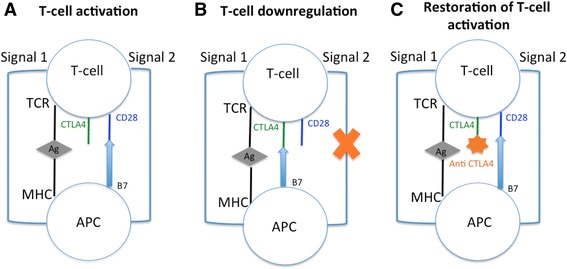
“Thus, blockades of immune checkpoints with antagonists of inhibitory pathways have been developed and anti-CTLA-4 antibodies are precursors in this domain [3] (Mechanism of action: anti CTLA-4 antibodies in Fig.”
BackgroundIpilimumab plus Dacarbazine for Previously Untreated Metastatic Melanoma
Robert, C., Thomas, L., Bondarenko, I., O'Day, S., Weber, J., Garbe, C., Lebbe, C., Baurain, J.-F., Testori, A., Grob, J.-J., et al. (2011) · New England Journal of Medicine · doi:10.1056/nejmoa1104621 · Cited by 4,496 · cited 1×
“Thus, a fully humanized anti-CTLA-4 monoclonal antibody immunoglobulin (Ig) G1 isotype (ipilimumab) was approved by the Food and Drug Administration (FDA) in 2011 at a dosage of 3 mg/kg every 3 weeks for four cycles in advanced melanoma, with evidence of improved survival [7, 8].”
BackgroundGenetic Basis for Clinical Response to CTLA-4 Blockade in Melanoma
Snyder, A., Makarov, V., Merghoub, T., Yuan, J., Zaretsky, J. M., Desrichard, A., Walsh, L. A., Postow, M. A., Wong, P., Ho, T. S., et al. (2014) · New England Journal of Medicine · doi:10.1056/nejmoa1406498 · Cited by 4,286 · cited 1×
“[119] also defined a genetic basis for benefit from CTLA-4 blockade in melanoma by whole-exome sequencing on tumors and matched blood samples.”
BackgroundTivol, E. A., Borriello, F., Schweitzer, A. N., Lynch, W. P., Bluestone, J. A., & Sharpe, A. H. (1995) · Immunity · doi:10.1016/1074-7613(95)90125-6 · Cited by 2,914 · cited 1×
“This role is supported by the lethal lympho-proliferation and autoimmunity in CTLA-4 knockout mice [5].”
BackgroundFitzgerald, M., Hayward, I. P., Thomas, A. C., Campbell, J. H., & CAMPBELL, G. R. (1995) · Cited by 2,552
Research works printed but not linked: 1
- Salenave J Chanson P Young J Hypophysite lymphocytaire. Endocrinologie-Nutrition, 10-023-D-10 2007 Paris Elsevier Masson SAS
Cited by
Items 501–600 of 750
Immunotherapy for Breast Cancer Treatment
Simonian, M., Ghaffari, M. H., & Negahdari, B. (2021) · Iranian Biomedical Journal · doi:10.52547/ibj.25.3.140 · Cited by 6
“Because the CTLA-4 limits the T-cells colony expansion and activation, its blocking would reduce the required threshold for T-cell activation; consequently, it would often be accompanied by autoimmune intense side effects and immunity-related ones, such as colitis, dermatitis, and hypophysitis [45] .”
BackgroundGuo, C., Jiang, S., Kuang, Y., & Hu, H. (2018) · Journal of Cancer · doi:10.7150/jca.28120 · Cited by 6
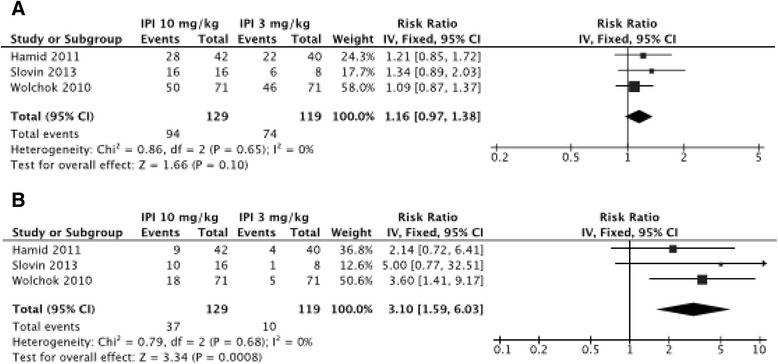
“For example, the risk of developing irAEs was dependent of dosage, with higher incidence of irAEs being seen in high-dose of ipilimumab group [52].”
BackgroundINTRACELLULAR MECHANISMS OF TUMOR CELL IMMUNORESISTANCE
Hermanowicz, J. M., Sieklucka, B., Nosek, K., & Pawlak, D. (2020) · Acta Biochimica Polonica · doi:10.18388/abp.2020_2878 · Cited by 6
“Many events can be life-threatening, which requires discontinuation of treatment or long-term corticosteroids (Bertrand et al., 2015).”
BackgroundZhai, Y., Ye, X., Hu, F., Xu, J., Guo, X., Zhou, X., Zheng, Y., Zhao, X., Xu, X. G., Cao, Y., et al. (2022) · Frontiers in Endocrinology · doi:10.3389/fendo.2021.809063 · Cited by 5
Gamero, M. T., Patel, A., & Storozynsky, E. (2024) · Current Cardiology Reports · doi:10.1007/s11886-024-02147-x · Cited by 5
Santo, G., Cucè, M., Restuccia, A., Giudice, T. D., Tassone, P., Cicone, F., Tagliaferri, P., & Cascini, G. L. (2024) · Cancer Imaging · doi:10.1186/s40644-024-00774-9 · Cited by 5
“%) vs. 26.8% (95% CI, 21.7–32.6) and 6.1% (95% CI, 4.8–7.6) for anti-CTLA4 drugs [5] and PD-1 [6] signaling inhibitors, respectively.”
InfluentialWei, J., Han, X., Ye, Y., Qi, T., Zhou, T., Lu, F., Yan, X., & Lü, B. (2024) · PubMed Central · doi:10.11817/j.issn.1672-7347.2024.230536 · Cited by 5
“…等发现, ICPis 剂 量与后续内分泌腺体 rAEs 发生率呈正相关。在黑色 素瘤患者中,接受较高剂量免疫抑制剂 (10mg/kg) 治 疗的患者垂体炎的发生率显著高于低剂量组 (3mg/kg) [13] 。如何平衡 ICPis 剂量、肿瘤治疗有效性及内分泌 腺体 rAEs 发生率这三者间的关系仍需进一步探讨。 然而, Bertrand 等 [14] 发现, rAEs 发生率与 两年复查 1 次 [15] 。 Emma 等 [11] 前瞻性研究发现,定期 甲状腺功能检查至关重要。指南 [16] 体阳性表现 [16] 。确诊后,应尽快与胰岛素控制血糖水 及中国专家共识 [15]”
Clinical pharmacologic aspects of immune checkpoint inhibitors in cancer therapy
Kim, K., & Jung, H. (2016) · Translational and Clinical Pharmacology · doi:10.12793/tcp.2016.24.1.7 · Cited by 5
“[29] At a meta-analysis, overall incidence of all-grade irAEs and grade 3/4 irAEs were 72 % and 24 %, respectively.[47] The risk ratio of ipilimumab at 10 mg/kg compared with 3 mg/kg was over three times the overall incidence level of grade 3/4 irAEs.”
BackgroundKerepesi, C., Bakács, T., & Szabados, T. (2019) · Theoretical Biology and Medical Modelling · doi:10.1186/s12976-019-0105-5 · Cited by 5
Mapping Out Autoimmunity Control in Primary Immune Regulatory Disorders
Farmer, J. R., & Uzel, G. (2020) · The Journal of Allergy and Clinical Immunology In Practice · doi:10.1016/j.jaip.2020.12.024 · Cited by 5
Circulating biomarkers of response to immunotherapy and immune-related adverse events
Garrison, Z. R., Hornick, N. I., Cheng, J. B., & Kulkarni, R. P. (2022) · Expert Review of Molecular Diagnostics · doi:10.1080/14737159.2022.2130688 · Cited by 5
“For CTLA-4-based CBIs (ipilimumab and tremilumumab), irAE incidence was recorded to be 72% (mild presentations) and 24% (severe presentations) [56].”
BackgroundFreitas, J. D. A. S., Bendicho, M. T., & Júnior, A. D. F. S. (2023) · Journal of Oncology Pharmacy Practice · doi:10.1177/10781552231171881 · Cited by 5
“In patients without PAD, recent studies show that the incidence rate of IRAE was 72% and 50 – 60% during the use of anti-CTLA-4, 31,32 suggesting that the frequency of adverse events does not exceed that seen in large clinical trials.”
Wang, Y., Shen, Y., Li, Q., Xu, H., Gao, A., Li, K., Rong, Y., Gao, S., Liang, H., & Zhang, X. (2024) · Frontiers in Nutrition · doi:10.3389/fnut.2024.1376889 · Cited by 5
“Bidirectional and multivariate MR analyses were implemented with the packages “TwoSampleMR” (26), “MR-PRESSO” (31), and “MendelianRandomization” (38); meta-analysis was done using the “meta” (39) package.”
MethodCheema, P. K., Iafolla, M. A. J., Nematollahi, M., Berco, F., Kaushik, D., Matthews, P., Raskin, W., Perdrizet, K., Dudani, S., Husain, J., et al. (2022) · Current Oncology · doi:10.3390/curroncol29020074 · Cited by 5
“The overall incidence of all grades of irAEs may be as high as 75% in patients treated with CTLA-4 inhibitors [4] and up to 30% in patients treated with PD-1/PD-L1 inhibitors [5–7].”
BackgroundEnwerem, N. Y., & Yen, E. F. (2023) · Current Opinion in Gastroenterology · doi:10.1097/mog.0000000000000986 · Cited by 5
Opportunistic autoimmunity secondary to immunotherapy and melanoma: Back to ABCDE?
Kostine, M., Stavris, C., & Chiche, L. (2017) · European Journal of Cancer · doi:10.1016/j.ejca.2017.03.017 · Cited by 5
Self-citationManagement of Immune-Mediated Paraneoplastic Neurological Disorders
Ayzenberg, I., Gold, R., & Kleiter, I. (2017) · Neurology International Open · doi:10.1055/s-0043-112730 · Cited by 5
“Apart from an augmented immune response to tumor cells this treatment can also cause immune-mediated para-neoplastic syndromes [118, 119].”
BackgroundShah, M., Jomaa, M. K., Ferrarotto, R., Yeung, S. J., Hanna, E. Y., & Reyes‐Gibby, C. C. (2019) · Head & Neck · doi:10.1002/hed.25911 · Cited by 5
Hypoproteinemia being a manifestation of immunotherapy-related liver dysfunction
Deng, J., Chen, X., Sun, H., Liu, Y., Li, W., Chen, B., Zhao, S., Jia, K., Wang, H., Guo, H., et al. (2020) · Annals of Translational Medicine · doi:10.21037/atm-20-4980 · Cited by 5
Immune Related Adverse Events: Classification and Management Approaches in Advanced Kidney Cancer
Zengin, Z. B., Salgia, N., Chehrazi‐Raffle, A., Meza, L., Malhotra, J., & Pal, S. K. (2020) · The Cancer Journal · doi:10.1097/ppo.0000000000000473 · Cited by 5
Atezolizumab-induced bilateral anterior uveitis: A case report
Mito, T., Takeda, S., Motono, N., & Sasaki, H. (2021) · American Journal of Ophthalmology Case Reports · doi:10.1016/j.ajoc.2021.101205 · Cited by 5
Guaraldi, F., Casar‐Borota, O., & Jaffrain‐Rea, M. (2018) · Elsevier eBooks · doi:10.1016/b978-0-12-801238-3.64944-9 · Cited by 5
Berner, F., Bomze, D., Lichtensteiger, C., Walter, V., Niederer, R., Ali, O. H., Wyss, N., Bauer, J., Freudenmann, L., Marcu, A., et al. (2022) · immuneACCESS · doi:10.21417/fb2022si · Cited by 5
Correction of endocrine complications of oncoimmunotherapy
Pigarova, E. A., Shutova, A. S., & Dzeranova, L. K. (2023) · Obesity and metabolism · doi:10.14341/omet12828 · Cited by 5
Park, S. J., Yang, S., Lee, S.-H., Joo, S. H., Park, T., Kim, D. H., Kim, H., Park, S., Kim, J.-T., Kwack, W. G., et al. (2025) · Diagnostics · doi:10.3390/diagnostics15020226 · Cited by 4
DiLeo, M., Oglesby, S., Leung, C. H., Pauken, K. E., Farooq, S., Haydu, L. E., Kubicki, S. L., Martinez, R., Welborn, M. E., Zahiruddin, S., et al. (2026) · Cancer · doi:10.1002/cncr.70262 · Cited by 4
Immune Checkpoint Inhibitor–Related Myositis and Associated Triad Overlap Syndrome
Rubino, S., Cannon, G. W., Sauer, B. C., Rojas, J., Stoddard, G. J., Kunkel, G. A., Walsh, J. A., England, B. R., Baker, J. F., & Braaten, T. J. (2026) · Arthritis Care & Research · doi:10.1002/acr.80015 · Cited by 4
“14,19 The World Health Organization pharmacovigilance surveys measured the mortality of ICI myositis at 21.2%.”
InfluentialSun, Z., Deng, X., Guo, J., Liu, M., Wang, S., Wang, J., Zheng, J., Niu, K., Shen, W., Ye, Z., et al. (2026) · Proceedings of the National Academy of Sciences · doi:10.1073/pnas.2427234123 · Cited by 4
Cho, B. C., Balaraman, R., Chen, H.-J., Yu, X., Fawole, A. A., Liu, Z.-G., Zhang, G., Wu, L., Yang, B., Leddon, J. L., et al. (2026) · Nature Medicine · doi:10.1038/s41591-026-04323-8 · Cited by 4
“…previous data from the PRESERVE-001 study 10 and is aligned with the well-characterized immune-related toxicities reported for ipili-mumab, including gastrointestinal, hepatic, endocrine and pulmonary immune-mediated events, which dominate the toxicity spectrum of CTLA-4-directed therapies 27–29 .”
Feng, J., Niu, W., Zhang, J., Ding, Y., Li, Z., Zhang, J., Li, B., Li, C., Wang, F., Wang, G., et al. (2025) · Frontiers in Immunology · doi:10.3389/fimmu.2025.1571607 · Cited by 4
Saganty, R. S., Leiva, O., Hutchins, E., Stein-Merlob, A. F., & Yang, E. H. (2025) · Journal of the American Heart Association · doi:10.1161/jaha.125.042824 · Cited by 4
“2,7,8 11 These adverse effects may develop from within the first few months of ICI initiation to after discontinuation of treat-ment and can affect any organ, most commonly involving the lungs, gastrointestinal tract, skin, thyroid, and heart.”
Tingry, T., Massy, E., Piperno, M., Auroux, M., Kostine, M., Maillet, D., Amini‐Adlé, M., Fabien, N., Estublier, C., Gonçalves, D., et al. (2021) · Bulletin du Cancer · doi:10.1016/j.bulcan.2021.01.016 · Cited by 4
Self-citationYasui, S., Yoshida, A., Takata, M., Kamitani, Y., Nakada, Y., Kurumi, H., Ikebuchi, Y., Kawaguchi, K., Yashima, K., & Isomoto, H. (2022) · Internal Medicine · doi:10.2169/internalmedicine.9663-22 · Cited by 4
“Therefore, data on the safety of ICIs in patients with pre-existing AD are relatively limited.”
BackgroundInfluentialAlquzi, F. I. Y., Bowers, A. P., Alexander, K. E., & Bradford, N. (2023) · Journal of Pain and Symptom Management · doi:10.1016/j.jpainsymman.2023.02.316 · Cited by 4
Riveiro‐Barciela, M., Carballal, S., Díaz‐González, Á., Mañosa, M., Gallego-Plazas, J., Cubiella, J., Jiménez‐Fonseca, P., Varela, M., Menchen, L. A., Sangro, B., et al. (2024) · Gastroenterología y Hepatología (English Edition) · doi:10.1016/j.gastre.2023.10.003 · Cited by 4
Pituitary Antibodies in an Adolescent with Secondary Adrenal Insufficiency and Turner Syndrome
Pollock, A. J., Seibert, T. S., Salvatori, C. G., Caturegli, P., & Allen, D. B. (2016) · Hormone Research in Paediatrics · doi:10.1159/000446912 · Cited by 4
Genomics and Bioinformatics in Biological Discovery and Pharmaceutical Development
Jones, W. D. (2020) · Springer eBooks · doi:10.1007/978-3-030-48555-9_3 · Cited by 4
Efficacy of ipilimumab 3 mg/kg following progression on low-dose ipilimumab in metastatic melanoma
Lai-Kwon, J. E., Jacques, S. K., Carlino, M. S., Benannoune, N., Robert, C., Allayous, C., Baroudjian, B., Lebbé, C., Zimmer, L., Eroglu, Z., et al. (2023) · European Journal of Cancer · doi:10.1016/j.ejca.2023.03.006 · Cited by 4
Hoffner, B., Vaughn, M. R., Reed, M. M., & Weber, M. S. (2019) · Journal of the Advanced Practitioner in Oncology · doi:10.6004/jadpro.2019.10.4.5 · Cited by 4
Thomas, A. R., Eyada, M., Kono, M., Varatharajalu, K., Lu, Y., Xu, G., Panneerselvam, K., Shatila, M., Altan, M., Wang, J., et al. (2022) · Journal of Cancer Research and Clinical Oncology · doi:10.1007/s00432-022-04405-3 · Cited by 4
Safety profile of immune checkpoint inhibitors according to cancer type
Guérin, C., Laramas, M., Bettega, F., Bocquet, A., Berton, E., Lugosi, M., Bouillet, L., & Toffart, A. (2023) · Bulletin du Cancer · doi:10.1016/j.bulcan.2023.04.011 · Cited by 4
An In Vitro Model That Predicts the Therapeutic Efficacy of Immunomodulatory Antibodies
Dai, M., Yip, Y. Y., Hellström, I., & Hellström, K. E. (2016) · Journal of Immunotherapy · doi:10.1097/cji.0000000000000135 · Cited by 4
Lee, E., Bender, D. A., Koutcher, L. D., Hyde, B. B., Hur, C., Faye, A. S., & Cheng, S. K. (2021) · Cancer · doi:10.1002/cncr.33975 · Cited by 4
Yamae, T., Aoyama, Y., Izawa, H., Shen, D., Nemoto, H., Takase, H., & Tanaka, R. (2025) · Japanese Journal of Ophthalmology · doi:10.1007/s10384-025-01307-y · Cited by 3
“The incidence of irAEs is 64%–72% [1], and irAEs usually occur within 3–6 months after the start of ICI, although they may occur more than 1 year later [2, 3].”
Hematological immune-related adverse events associated with checkpoint inhibitors
Janson, M., Cherifi, F., Bardet, H., & Damaj, G. L. (2026) · Cancer Treatment Reviews · doi:10.1016/j.ctrv.2026.103121 · Cited by 3
Sun, Z. X., Li, Y., Ma, H., Gao, Y., Hu, J., & Zheng, L. (2026) · Science Progress · doi:10.1177/00368504261456476 · Cited by 3
Ocular inflammatory adverse events of immune checkpoint inhibitors- a multimodal imaging study
Sanjay, S., Loo, Y., Waduthantri, S., & Chee, S.-P. (2026) · Journal of Ophthalmic Inflammation and Infection · doi:10.1186/s12348-026-00627-5 · Cited by 3
Scholz, A., DeFalco, J., Leung, Y., Aydin, I. T., Czupalla, C. J., Cao, W., Santos, D., Vad, N. M., Lippow, S. M., Baía, G. S., et al. (2022) · Proceedings of the National Academy of Sciences · doi:10.1073/pnas.2123483119 · Cited by 3
Hawi, G., Kim, P., & Lee, P. P. (2026) · Journal of Theoretical Biology · doi:10.1016/j.jtbi.2026.112493 · Cited by 3
[Advances in targeted and immune therapies for hepatocellular carcinoma].
Nan, Y. M., & Miao, T. G. (2022) · PubMed Central · doi:10.3760/cma.j.cn501113-20220624-00344 · Cited by 3
Cardiovascular toxicity with CTLA‐4 inhibitors in cancer patients: A meta‐analysis
Liu, H., Fu, L., Jin, S., Ye, X., Chen, Y., Pu, S., & Xue, Y. (2024) · Cancer Innovation · doi:10.1002/cai2.116 · Cited by 3
“Patients using higher doses (10 mg/kg) of ipilimumab have been reported to have a higher risk of adverse events than those using lower doses (3 mg/kg) [34].”
BackgroundKimura, S., Katsuya, H., Nakashima, C., Sueoka‐Aragane, N., Hayashida, K., Sasaki, K., Sogawa, R., Furuno, T., Yamauchi, M., Noshirο, H., et al. (2025) · BMC Immunology · doi:10.1186/s12865-025-00711-w · Cited by 3
“In particular, the incidence of skin disorders, gastrointestinal symptoms (e.g., colitis) and endocrine disorders (e.g., pituitary inflammation) increases significantly [13, 25].”
Checkpoint inhibitors and the risk of infection
McCarthy, M. W., & Walsh, T. J. (2017) · Expert Review of Precision Medicine and Drug Development · doi:10.1080/23808993.2017.1380517 · Cited by 3
“agement of cancer in clinical practice [100,101].”
Enhancing Natural Killer Cell Activity
Ghoneum, M. H. (2023) · Springer eBooks · doi:10.1007/978-981-19-5735-2_2 · Cited by 3
Riveiro‐Barciela, M., Carballal, S., Díaz‐González, Á., Mañosa, M., Plazas, J. G., Cubiella, J., Jiménez‐Fonseca, P., Varela, M., Menchen, L. A., Sangro, B., et al. (2024) · Revista Española de Enfermedades Digestivas · doi:10.17235/reed.2024.10250/2024 · Cited by 3
Management of Immunotherapy Related Adverse Effects
DeSouza, K., & Savva, C. (2016) · Journal of Cancer Prevention & Current Research · doi:10.15406/jcpcr.2016.06.00187 · Cited by 3
“Clinically, the rash manifests as erythematous, reticular, maculopapular, nodular or lichenoid eruption with or without pruritus [14] or hypopigmentation on the extremities and trunk with the palms, soles and head being speared in the majority of the cases [11,15,16].”
BackgroundRotte, A., & Bhandaru, M. (2016) · Springer eBooks · doi:10.1007/978-3-319-48066-4_16 · Cited by 3
Immune Checkpoint Inhibitors in Melanoma: Review and Update
Pires, E. M., & Moura, C. (2018) · Journal of the Portuguese Society of Dermatology and Venereology · doi:10.29021/spdv.76.3.970 · Cited by 3
[Progress of Steroids Effect on Efficacy of Immune Checkpoint Inhibitors].
Pan, G., & Fan, Y. (2019) · PubMed Central · doi:10.3779/j.issn.1009-3419.2019.12.09 · Cited by 3
Fukaya‐Shiba, A., Otsuka, K., Sasaki, H., Shikano, M., & Wakao, R. (2021) · Frontiers in Medicine · doi:10.3389/fmed.2021.756870 · Cited by 3
Underlying Autoimmune Disease Is Not a Contraindication to the Use of Ipilimumab
Disis, M. L. (2015) · JAMA Oncology · doi:10.1001/jamaoncol.2015.4717 · Cited by 3
Immune therapy, a double-edged sword for oncolytic viruses
McCormack, R., & Kaur, B. (2019) · Expert Opinion on Biological Therapy · doi:10.1080/14712598.2019.1650911 · Cited by 3
Khachaturyan, A. V., & Владиславович, Б. П. (2024) · Siberian Journal of Oncology · doi:10.21294/1814-4861-2024-23-1-120-129 · Cited by 2
Review of dermatologic drugs relevant to inflammatory bowel disease
Smaha, K. M., Money, S. M., & Davis, L. S. (2024) · JAAD reviews. · doi:10.1016/j.jdrv.2024.07.001 · Cited by 2
Tan, H. L., Shah, N., He, B., Liu, T., Li, T., Liu, M., Gu, Y., Zhi, C., Ou, Y., Huang, J., et al. (2025) · Frontiers in Immunology · doi:10.3389/fimmu.2025.1669924 · Cited by 2
The Emerging Melanoma Management: Historical Perspective to Future Directions
Hui, S. Y., Rohit, J., Haass, N. K., Weninger, W., Tikoo, S., & Guo, D. (2026) · Cancers · doi:10.3390/cancers18060968 · Cited by 2
“Therefore, despite prolonged survival, Ipilimumab therapy is frequently associated with irAEs [65,66].”
Risk factors for cutaneous immune-related adverse events: a systematic scoping review
Su, Z., Zhang, L. H., Lian, X., & Wang, Y. (2026) · Frontiers in Immunology · doi:10.3389/fimmu.2026.1722781 · Cited by 2
Circulating predictive markers of immune checkpoint inhibitors in non-small cell lung cancer
Musaelyan, A. A., Akopov, A. L., Lapin, S. V., Назаров, В. Д., Fillipov, D. I., Emanuel, V. L., & Орлов, С. В. (2021) · Advances in molecular oncology · doi:10.17650/2313-805x-2021-8-3-34-43 · Cited by 2
“Это, в свою очередь, приводит в ряде случаев к нарушению толерантности Т-клеток не только к опухолевым антигенам, но и к аутоантигенам, что вызывает активацию аутореактивных В-клеток и в конечном счете образование аутоантител [59].”
Tajiri, K., 郁夫, 関., & 真樹, 家. (2019) · Journal of JCS Cardiologists · doi:10.1253/jjcsc.28.0_3 · Cited by 2
A narrative review of the principal glucocorticoids employed in cancer
Denaro, N., Garrone, O., Morelli, A., Pellegrino, B., Merlano, M. C., Vacca, D., Pearce, J. L., Farci, D., Musolino, A., Scartozzi, M., et al. (2022) · Seminars in Oncology · doi:10.1053/j.seminoncol.2023.01.004 · Cited by 2
Diagnosis and Management of Immune-Related Adverse Events of Immune Checkpoint Inhibitor Therapy
Fazer-Posorske, C., Kottschade, L. A., & Schwecke, A. (2024) · Springer eBooks · doi:10.1007/978-3-031-59475-5_14 · Cited by 2
Ejigah, V., Mandala, B., & Akala, E. O. (2022) · PubMed · Cited by 2
Abdo, E.-L., Ajib, I., Mounzer, J. E., Husseini, M., Kalaoun, G., Matta, T.-M., Mosleh, R., Nasr, F., Richani, N., Khalil, A., et al. (2025) · Inflammation Research · doi:10.1007/s00011-025-02008-5 · Cited by 3
“A meta-analysis study included 1265 patients from 22 clinical trials evaluated the incidence of immune related adverse events in patients treated with anti-CTLA-4 therapy [165].”
Systems Immunology Approach in Understanding the Association of Allergy and Cancer
Majumdar, S., & Saha, S. (2020) · Springer eBooks · doi:10.1007/978-981-15-3350-1_2 · Cited by 2
Pituitary enlargement following ipilimumab without long term endocrine dysfunction
Nogueira, E. F., Menon, A., Dede, A. D., Mitra, I., Brock, C. S., Larkin, J., & Morganstein, D. L. (2021) · Current Problems in Cancer · doi:10.1016/j.currproblcancer.2021.100710 · Cited by 3
Nanotechnology for Diagnosis, Imaging, and Treatment of Head and Neck Cancer
Ebrahimi, M. (2021) · Springer eBooks · doi:10.1007/978-3-030-69859-1_4 · Cited by 2
Local immunotherapy of cancer and metastasis
Kwon, S., & Yeo, Y. (2021) · Elsevier eBooks · doi:10.1016/b978-0-323-85781-9.00018-x · Cited by 2
Khalid, M., Sutterfield, B., Minley, K., Ottwell, R., Abercrombie, M., Heath, C., Torgerson, T., Hartwell, M. L., & Vassar, M. B. (2023) · JMIR Dermatology · doi:10.2196/43821 · Cited by 2
CTLA-4 silencing could promote anti-tumor effects in hepatocellular
Mardi, A., Alizadeh, M., Amir, S. A., Baghbanzadeh, A., Baradaran, B., Aghebati‐Maleki, A., Shotorbani, S. S., Movloudi, M., & Maleki, L. A. (2024) · Medical Oncology · doi:10.1007/s12032-024-02361-1 · Cited by 2
“Moreover, anti-CTLA-4 therapy has a significant risk of immune-related side effects, up to 70% in different tumor types [30].”
Eckel, H. N. C., Lyu, S. I., Faste, F., Sharma, S. J., Nobis, A., Wuerdemann, N., Ziogas, M., Mayer, M., Suchan, M., Wennhold, K., et al. (2025) · Cells · doi:10.3390/cells14130985 · Cited by 2
“This may be the case because anti-CTLA4 therapies, such as those involving ipilimumab, are associated with a higher risk of immune-related adverse events (irAEs) [44].”
Rotte, A., & Bhandaru, M. (2016) · Springer eBooks · doi:10.1007/978-3-319-48066-4_11 · Cited by 2
Autoimmune Encephalitis in Children
Armangué, T. (2017) · Journal of Pediatric Neurology · doi:10.1055/s-0037-1604477 · Cited by 2
Sammons, S. L., McNamara, M. A., Salama, A. K. S., & Crawford, J. (2018) · Springer eBooks · doi:10.1007/978-3-319-70253-7_12 · Cited by 2
Bernal, S. Y., & Meager, M. R. (2019) · Springer eBooks · doi:10.1007/978-3-030-14895-9_25 · Cited by 2
Dai, M., Hellström, I., & Hellström, K. E. (2020) · Methods in pharmacology and toxicology · doi:10.1007/978-1-0716-0171-6_1 · Cited by 2
Hanawa, K., Sawada, N., Aikawa, J., Otake, Y., Kasai, Y., Mochizuki, K., Shimura, H., Mochizuki, T., Kira, S., & Mitsui, T. (2023) · Oncology Letters · doi:10.3892/ol.2023.14199 · Cited by 2
Jazieh, K., Kottschade, L. A., & Dimou, A. (2024) · Journal of Immunotherapy and Precision Oncology · doi:10.36401/jipo-23-44 · Cited by 2
“4] The rate of grade 3–5 irAEs is higher when anti-PD1/PD-L1 treatment is combined with CTLA4 blockade.”
BackgroundBakács, T., Kristóf, K., Mehrishi, J. N., Szabados, T., Kerepesi, C., Regoes, E., & Tusnady, G. (2016) · arXiv (Cornell University) · doi:10.48550/arxiv.1601.02404 · Cited by 2
Ehrenfeld, M., & Shoenfeld, Y. (2019) · Rheumatology · doi:10.1093/rheumatology/kez093 · Cited by 2
Vlaming, M. R., He, Y. Z., & Bremer, E. (2023) · Springer eBooks · doi:10.1007/978-3-030-80962-1_196-1 · Cited by 1
Freitas, J. D. A. S., Neto, M. M. D. S., de Lima, C. K. F., Sorte, N. C. A. B., Bendicho, M. T., & Júnior, A. D. F. S. (2024) · Medicina Clínica · doi:10.1016/j.medcli.2024.08.003 · Cited by 1
Shaker, M. K., Omar, A., Elghazaly, H. A., & Abou‐Alfa, G. K. (2025) · Springer eBooks · doi:10.1007/978-981-96-3894-9_8 · Cited by 1
Lekkerkerker, S., Kaasjager, K. A. H., Haitjema, S., Hulsbergen-Veelken, C. A. R., Herbschleb, K. H., Verhaar, M. C., Khairoun, M., & Ocak, G. (2025) · PLoS ONE · doi:10.1371/journal.pone.0336491 · Cited by 1
Pina-Cabral, T., Pereira, J., Paulo-Fernandes, J., Silva, M., Fontes-Sousa, M., Anacleto, M., Lobo-Martins, S., Mirco, A., Miranda, H., Martins, A., et al. (2025) · Cancers · doi:10.3390/cancers18010076 · Cited by 1
Xia, Y., Gao, S., Wei, Q., Gu, W., Li, X., & Qu, H. (2026) · ImmunoTargets and Therapy · doi:10.2147/itt.s566542 · Cited by 1
“22 25 These variations in reported incidence rates may arise from differences in ICI regimens, tumor types, patient characteristics, and study designs.”
Wu, K., Luo, X.-Q., Tan, P., Li, Q.-Q., Yang, H.-C., Ji, M.-C., Zhu, X., Lai, Y., Li, Y., Yang, H.-J., et al. (2026) · Med · doi:10.1016/j.medj.2025.100988 · Cited by 1
Immune checkpoint inhibitors are associated with peripheral artery disease in cancer patients
Chwa, J. S., Hong, A. T., Lin, F., Zeng, W., Lo, Z. J., Han, S. M., Armstrong, D. G., & Tan, T. (2026) · Journal of Vascular Surgery · doi:10.1016/j.jvs.2026.02.006 · Cited by 1
Murakami, K. (2026) · Immunological Medicine · doi:10.1080/25785826.2026.2664951 · Cited by 1
“CTLA-4 blockade disrupts tumor tolerance, causing irAEs in approximately 60% of ipilimumab-treated patients [29].”
Swaminathan, M., Angelakas, A., Baxter, M. A., Cotton, J., Dobeson, C., Feeney, L., Gault, A., Hughes, D. J., Jones, C., Lee, R. J., et al. (2026) · Supportive Care in Cancer · doi:10.1007/s00520-026-10794-9 · Cited by 1
“More than half of patients receiving ICI therapy develop irAEs of varying severity and these can have significant impacts on mortality and morbidity [2, 3].”
Huang, J. Z., Yang, X., Li, F., Li, X., Wei, H., & Li, M. Q. (2026) · Cells · doi:10.3390/cells15121107 · Cited by 1
“These dual challenges in efficacy and safety necessitate the discovery of novel immune checkpoints to enhance therapeutic outcomes [136].”
Metadata
- Authors
- Bertrand, A., Kostine, M., Barnetche, T., Truchetet, M.-E., & Schaeverbeke, T.
- Affiliations
- Centre Hospitalier Universitaire de Bordeaux (FR)
- Centre National de la Recherche Scientifique (FR)
- Université de Bordeaux (FR)
- Corresponding author
- Bertrand, Anne
- Venue
- BMC Medicine
- Published
- 2015-09-04
- Volume
- 13
- Issue
- 1
- Pages
- 211-211
- ISSN
- 1741-7015 (ISSN-L)
- PMC
- PMC4559965
- OpenAlex
- W1914776013
- Cited by
- 704
- References
- 142
- Citations by year
- 2026: 25 · 2025: 33 · 2024: 48 · 2023: 65 · 2022: 65 · 2021: 72 · 2020: 95 · 2019: 99 · 2018: 75 · 2017: 76 · 2016: 48 · 2015: 1
- FWCI
- 7.15
- Type
- journal article
- Language
- en
- Open access
- gold
- doi.org
- Licence
- Locations
- BMC Medicine (publishedVersion, cc-by)
- Europe PMC (PubMed Central) (publishedVersion, cc-by)
- PubMed Central (publishedVersion, cc-by)
- PubMed (publishedVersion)
- Topics
- Health Sciences › Medicine › Oncology › Cancer Immunotherapy and Biomarkers
- Life Sciences › Immunology and Microbiology › Immunology › Immunotherapy and Immune Responses
- Life Sciences › Pharmacology, Toxicology and Pharmaceutics › Toxicology › Pharmacovigilance and Adverse Drug Reactions
- Keywords
- CTLA-4 blockade, ipilimumab, tremelimumab, immune checkpoint inhibitors, immunotoxicity, rash, colitis, hepatitis, hypophysitis, thyroiditis, dose-dependent toxicity, adverse event incidence, time to onset of adverse events, treatment response, cancer immunotherapy, metastatic cancer, vitiligo
- MeSH terms
- Ipilimumab, Antibodies, Monoclonal, Antineoplastic Agents, Humans, Immunologic Factors, Immunotherapy, Neoplasms, CTLA-4 Antigen, Antibodies, Monoclonal, Humanized
About these checks
Registry, retraction, Cites and statistics results are computed, not judged, with one exception: a printed reference that no index lists is read once by a model before it counts as a citation error. Claims are extracted by a model and kept only when their quote appears verbatim in the text; each cited source is then checked, with a model’s help, for whether it says what the claim relies on. Those verdicts can be wrong — read the claim’s quote and the cited source before relying on one.
Statistics and arithmetic are recomputed, not judged.
Confidence bands are shown only for fields calibrated on our annotated test set. None is calibrated yet, so no band is shown.
What counts as a claim ›How we measure confidence ›How we check this ›
Are you an author, or do you see a problem with this page? Request a review
Data sources
Bibliographic data: Semantic Scholar, OpenAlex, Crossref.
Contains information from the Semantic Scholar Academic Graph Datasets, made available under the ODC Attribution License (ODC-BY 1.0).
Semantic Scholar’s data is described in: Kinney, R., et al. (2023). The Semantic Scholar Open Data Platform. arXiv:2301.10140.
