

Immune related adverse events associated with anti-CTLA-4 antibodies: systematic review and meta-analysis
Open accessThe DOI matches its Crossref record; 142 of the 142 references it cites were found in a registry or an index.
Abstract
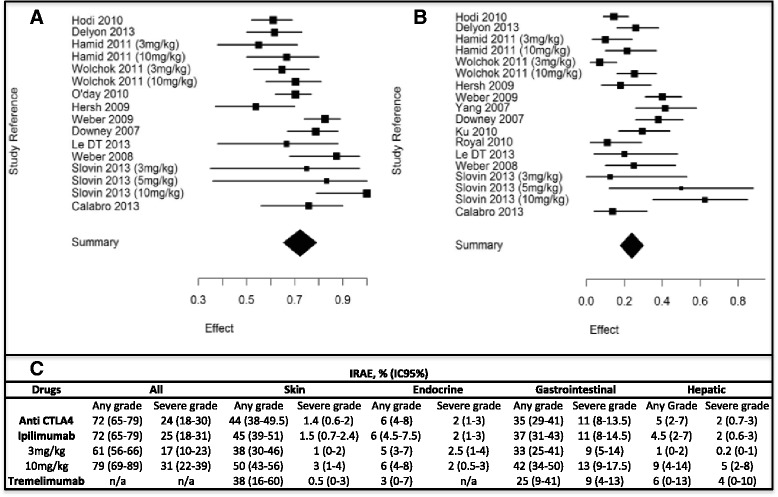
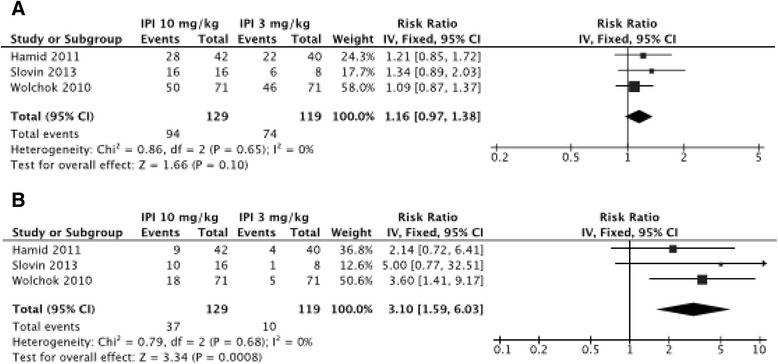
BACKGROUND: Targeting CTLA-4 is a recent strategic approach in cancer control: blocking CTLA-4 enhances an antitumor immunity by promoting T-cell activation and cytotoxic T-lymphocyte proliferation. This induction of a tolerance break against the tumor may be responsible for immune-related adverse events (irAEs). Our objective was to assess the incidence and nature of irAEs in oncologic patients receiving anti-CTLA-4 antibodies (ipilimumab and tremelimumab). METHODS: A systematic search of literature up to February 2014 was performed in MEDLINE, EMBASE, and Cochrane databases to identify relevant articles. Paired reviewers independently selected articles for inclusion and extracted data. Pooled incidence was calculated using R(©), package meta. RESULTS: Overall, 81 articles were included in the study, with a total of 1265 patients from 22 clinical trials included in the meta-analysis. Described irAEs consisted of skin lesions (rash, pruritus, and vitiligo), colitis, and less frequently hepatitis, hypophysitis, thyroiditis, and some rare events such as sarcoidosis, uveitis, Guillain-Barré syndrome, immune-mediated cytopenia and polymyalgia rheumatic/Horton. The overall incidence of all-grade irAEs was 72 % (95 % CI, 65-79 %). The overall incidence of high-grade irAEs was 24 % (95 % CI, 18-30 %). The risk of developing irAEs was dependent of dosage, with incidence of all-grade irAEs being evaluated to 61 % (95 % CI, 56-66 %) for ipilimumab 3 mg/kg and 79 % (95 % CI, 69-89 %) for ipilimumab 10 mg/kg. Death due to irAEs occurred in 0.86 % of patients. The median time of onset of irAEs was about 10 weeks (IQR, 6-12) after the onset of treatment, corresponding with the first three cycles but varied according to the organ system involved. Such immune activation could also be indicative for tumor-specific T-cell activation and irAE occurrence was associated with clinical response to CTLA-4 blocking in 60 % of patients. CONCLUSION: The price of potential long-term survival to metastatic tumors is an atypical immune toxicity, reflecting the mechanism of action of anti-CTLA-4 antibodies. A better knowledge of these irAEs and its management in a multidisciplinary approach will help to reduce morbidity and therapy interruptions.
Overview
The claims and statistics of this paper haven’t been checked yet.
Free: it reads the open-access text and checks the first 5 claims that cite a source we can check. Create a free account to check every claim.
Integrity signals
Registry
Cites
Statistics
Figures
Verification
Claims the paper makes
The claims and statistics of this paper haven’t been checked yet.
Free: it reads the open-access text and checks the first 5 claims that cite a source we can check. Create a free account to check every claim.
Claims other papers make about this one
Each is checked against this paper’s own text: does it say what the citing paper says it does?
The source backs part of the claim, not all of it — or backs it for a different population, condition or comparison.
In the citing paper
“ICI-associated colitis is routinely treated with immunosuppressive therapy, including corticosteroids and/or agents targeting tumor necrosis factor alpha (TNF-alpha), all of which have significant side effects.”
From Fecal microbiota transplantation for refractory immune checkpoint inhibitor-associated colitis (2018) · cites this paper as [5]
Experimental — accuracy not yet measuredThe source backs part of the claim, not all of it — or backs it for a different population, condition or comparison.
In the citing paper
“Neurologic immune-related adverse events from immune checkpoint inhibitors include autonomic neuropathy and can present with severe GI dysmotility (Bertrand et al., 2015).”
From Autonomic nervous system and gastrointestinal manifestations with an emphasis on gastric dysfunction (2026) · cites this paper as Bertrand et al., 2015
Experimental — accuracy not yet measured
Self-check
Percentages, sums and reported differences re-computed from the paper’s own numbers.
The self-check needs the paper’s full text.
Citations
Cites
The Cochrane Collaboration's tool for assessing risk of bias in randomised trials
Higgins, J. P. T., Altman, D. G., Gotzsche, P. C., Juni, P., Moher, D., Oxman, A. D., Savovic, J., Schulz, K. F., Weeks, L., Sterne, J. A. C., et al. (2011) · BMJ · doi:10.1136/bmj.d5928 · Cited by 33,817
PD-1 and PD-L1 Immune Checkpoint Blockade to Treat Breast Cancer
Hartkopf, A. D., Taran, F.-A., Wallwiener, M., Walter, C. B., Krämer, B., Grischke, E.-M., & Brucker, S. Y. (2016) · Breast Care · doi:10.1159/000453569 · Cited by 30,845
Dermyshi, E., Wang, Y., Yan, C., Hong, W., Qiu, G., Gong, X., & Zhang, T. (2017) · Neonatology · doi:10.1159/000454668 · Cited by 24,451
Adverse Renal Effects of Immune Checkpoint Inhibitors: A Narrative Review
Wanchoo, R., Karam, S., Uppal, N. N., Barta, V. S., Deray, G., Devoe, C., Launay-Vacher, V., Jhaveri, K. D., & on behalf of Cancer and Kidney International Network Workgroup on Immune Checkpoint Inhibitors (2017) · American Journal of Nephrology · doi:10.1159/000455014 · Cited by 15,256
Improved Survival with Ipilimumab in Patients with Metastatic Melanoma
Hodi, F. S., O'Day, S. J., McDermott, D. F., Weber, R. W., Sosman, J. A., Haanen, J. B., Gonzalez, R., Robert, C., Schadendorf, D., Hassel, J. C., et al. (2010) · New England Journal of Medicine · doi:10.1056/nejmoa1003466 · Cited by 15,155 · cited 4×
“[7], an irAE was defined as an adverse event that was associated with exposure to the study drug and that was consistent with an immune phenomenon.”
BackgroundInfluentialThe blockade of immune checkpoints in cancer immunotherapy
Pardoll, D. M. (2012) · Nature Reviews Cancer · doi:10.1038/nrc3239 · Cited by 13,838 · cited 1×
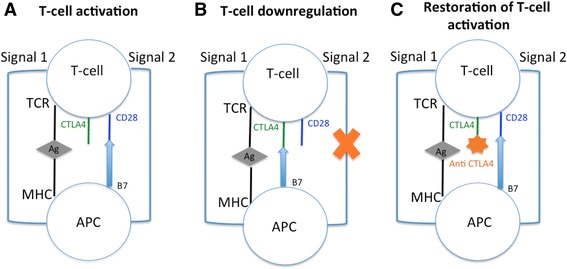
“Thus, blockades of immune checkpoints with antagonists of inhibitory pathways have been developed and anti-CTLA-4 antibodies are precursors in this domain [3] (Mechanism of action: anti CTLA-4 antibodies in Fig.”
BackgroundIpilimumab plus Dacarbazine for Previously Untreated Metastatic Melanoma
Robert, C., Thomas, L., Bondarenko, I., O'Day, S., Weber, J., Garbe, C., Lebbe, C., Baurain, J.-F., Testori, A., Grob, J.-J., et al. (2011) · New England Journal of Medicine · doi:10.1056/nejmoa1104621 · Cited by 4,496 · cited 1×
“Thus, a fully humanized anti-CTLA-4 monoclonal antibody immunoglobulin (Ig) G1 isotype (ipilimumab) was approved by the Food and Drug Administration (FDA) in 2011 at a dosage of 3 mg/kg every 3 weeks for four cycles in advanced melanoma, with evidence of improved survival [7, 8].”
BackgroundGenetic Basis for Clinical Response to CTLA-4 Blockade in Melanoma
Snyder, A., Makarov, V., Merghoub, T., Yuan, J., Zaretsky, J. M., Desrichard, A., Walsh, L. A., Postow, M. A., Wong, P., Ho, T. S., et al. (2014) · New England Journal of Medicine · doi:10.1056/nejmoa1406498 · Cited by 4,286 · cited 1×
“[119] also defined a genetic basis for benefit from CTLA-4 blockade in melanoma by whole-exome sequencing on tumors and matched blood samples.”
BackgroundTivol, E. A., Borriello, F., Schweitzer, A. N., Lynch, W. P., Bluestone, J. A., & Sharpe, A. H. (1995) · Immunity · doi:10.1016/1074-7613(95)90125-6 · Cited by 2,914 · cited 1×
“This role is supported by the lethal lympho-proliferation and autoimmunity in CTLA-4 knockout mice [5].”
BackgroundFitzgerald, M., Hayward, I. P., Thomas, A. C., Campbell, J. H., & CAMPBELL, G. R. (1995) · Cited by 2,552
Research works printed but not linked: 1
- Salenave J Chanson P Young J Hypophysite lymphocytaire. Endocrinologie-Nutrition, 10-023-D-10 2007 Paris Elsevier Masson SAS
Cited by
Items 301–400 of 750
Immune Checkpoint Inhibitors in the Cancer Patient with An Organ Transplant
Wanchoo, R., Riella, L. V., Uppal, N. N., Lopez, C. A., Nair, V. V., Devoe, C., & Jhaveri, K. D. (2017) · Journal of Onco-Nephrology · doi:10.5301/jo-n.5000006 · Cited by 28
“Given the scope of this article, the authors refer the reader to an exhaustive review on all immune-related toxicities associated with ICI by Bertrand et al (20).”
BackgroundMarei, H. E. S., Al-Thani, A., Caceci, T., Arriga, R., Sconocchia, T., Ottaviani, A., Lanzilli, G., Roselli, M., Caratelli, S., Cenciarelli, C., et al. (2019) · Biochemical Pharmacology · doi:10.1016/j.bcp.2019.06.002 · Cited by 28
Komaki, Y., Komaki, F., Yamada, A., Micić, D., Ido, A., & Sakuraba, A. (2017) · Clinical Pharmacology & Therapeutics · doi:10.1002/cpt.633 · Cited by 27
New Molecular, Biological, and Immunological Agents Inducing Hypophysitis
Angelousi, A. G., Chatzellis, E., & Kaltsas, G. (2017) · Neuroendocrinology · doi:10.1159/000480086 · Cited by 28
Sun, T., Zhang, W., Li, Y., Jin, Z., Du, Y., Tian, J., & Xue, H. (2019) · Molecular Cancer Therapeutics · doi:10.1158/1535-7163.mct-19-0495 · Cited by 27
“Previous studies revealed that 75% of patients treated with CTLA-4 inhibitors developed all-grade irAEs, which were dose dependent (37), whereas patients treated with PD-1/PD-L1 inhibitors had a 30% risk of developing irAEs (38–40).”
ResultInterim [18F]FDG PET/CT can predict response to anti-PD-1 treatment in metastatic melanoma
Sachpekidis, C., Kopp‐Schneider, A., Pan, L., Papamichail, D., Haberkorn, U., Hassel, J. C., & Dimitrakopoulou‐Strauss, A. (2020) · European Journal of Nuclear Medicine and Molecular Imaging · doi:10.1007/s00259-020-05137-7 · Cited by 27
Biologic and advanced immunomodulating therapeutic options for sarcoidosis: a clinical update
Obi, O. N., Lower, E. E., & Baughman, R. P. (2021) · Expert Review of Clinical Pharmacology · doi:10.1080/17512433.2021.1878024 · Cited by 27
“ciated with biotherapy-induced sarcoidosis [131,410,411], and patients with severe immune dysregulation syndromes and heterozygous CTLA4 mutations have impaired CLTA4 function resulting in dysregulation of T-reg cells and sus-”
BackgroundTipping the balance: inhibitory checkpoints in intestinal homeostasis
Joosse, M. E., Nederlof, I., Walker, L. S. K., & Samsom, J. N. (2018) · Mucosal Immunology · doi:10.1038/s41385-018-0113-5 · Cited by 27
Chen, B., Chen, W., Jin, J., Wang, X., Cao, Y., & He, Y. (2019) · Disease Markers · doi:10.1155/2019/8901649 · Cited by 26
“CTLA-4, a homolog of CD28, is expressed by T cells and could inhibit the T cell immune response by diminishing costimulatory signal [37].”
Eight pillars of oncorheumatology: Crossroads between malignancies and musculoskeletal diseases
Szekanecz, Z., Gomez, I., Soós, B., Bodoki, L., Szamosi, S., András, C., Juhász, B., Váróczy, L., Antal‐Szalmás, P., Szodoray, P., et al. (2020) · Autoimmunity Reviews · doi:10.1016/j.autrev.2020.102658 · Cited by 26
Farley, M. J., Bartlett, D. B., Skinner, T. L., Schaumberg, M. A., & Jenkins, D. G. (2022) · Medicine & Science in Sports & Exercise · doi:10.1249/mss.0000000000003067 · Cited by 26
“though immunotherapy has demonstrated recent clinical success in several, but not all, cancers, it is also associated with many side effects with an inflammatory background (3,4).”
BackgroundWei, X. L., Zhao, L., Yang, F., Yang, Y., Zhang, H., Du, K., Tian, X., Fan, R., Si, G., Wang, K., et al. (2024) · Molecular Therapy · doi:10.1016/j.ymthe.2024.09.010 · Cited by 26
“9 These challenges underscore that enhancing both the speci fi city and ef fi ciency of intratumoral Treg depletion agents could facilitate development of more ef fi cacious cancer therapies.”
Combination immunotherapies implementing adoptive T-cell transfer for advanced-stage melanoma
Foley, K. C., Nishimura, M. I., & Moore, T. V. (2018) · Melanoma Research · doi:10.1097/cmr.0000000000000436 · Cited by 29
Intratumoral Nanofluidic System for Enhancing Tumor Biodistribution of Agonist CD40 Antibody
Chua, C. Y. X., Ho, J., Šušnjar, A., Lolli, G., Trani, N. D., Pesaresi, F., Zhang, M., Nance, E. A., & Grattoni, A. (2020) · Advanced Therapeutics · doi:10.1002/adtp.202000055 · Cited by 26
Riveiro‐Barciela, M., Carballal, S., Díaz‐González, Á., Mañosa, M., Gallego-Plazas, J., Cubiella, J., Jiménez‐Fonseca, P., Varela, M., Menchen, L. A., Sangro, B., et al. (2024) · Gastroenterología y Hepatología · doi:10.1016/j.gastrohep.2023.10.009 · Cited by 25
Beyond Chemoimmunotherapy in Advanced Non–Small Cell Lung Cancer: New Frontiers, New Challenges
Mountzios, G., Naidoo, J., Wang, C., Creelan, B., Trotier, D., Campbell, T. C., & Peters, S. (2024) · American Society of Clinical Oncology Educational Book · doi:10.1200/edbk_432526 · Cited by 25
The Role of Immune Checkpoint Receptors in Regulating Immune Reactivity in Lupus
Lu, K., Wu, M.-Y., Wang, C., Wang, C., Chung, W., Chung, W., & Chen, C. (2019) · Cells · doi:10.3390/cells8101213 · Cited by 25
“A recent meta-analysis demonstrated that the overall incidence of irAEs associated to anti-CTLA-4 treatment was 72% for all-grade and 24% for high-grade [82].”
BackgroundNuzzo, P. V., Pond, G. R., Alaiwi, S. A., Nassar, A. H., Flippot, R., Curran, C. R., Kilbridge, K. L., Wei, X. X., McGregor, B. A., Choueiri, T. K., et al. (2020) · Journal for ImmunoTherapy of Cancer · doi:10.1136/jitc-2019-000371 · Cited by 25
Chinese Expert Consensus on Immunotherapy for Hepatocellular Carcinoma (2021 Edition)
Yang, Y. C., Sun, J., Wu, M., Lau, W. Y., Zheng, S., Wang, X., Chen, X., Fan, J., Dong, J., Cai, J., et al. (2022) · Liver Cancer · doi:10.1159/000526038 · Cited by 24
The Proliferative Role of Immune Checkpoints in Tumors: Double Regulation
Tang, X., Luo, Z.-L., Xiong, Y., Yang, J., Shi, A., Zheng, K., Liu, Y., Shu, C., Ma, N., Lü, Q., et al. (2022) · Cancers · doi:10.3390/cancers14215374 · Cited by 24
Motor polyradiculopathy during pembrolizumab treatment of metastatic melanoma
Sepúlveda, M., Martínez‐Hernández, E., Gaba, L., Victoria, I., Solà‐Valls, N., Falgàs, N., Casanova‐Mollá, J., & Graus, F. (2017) · Muscle & Nerve · doi:10.1002/mus.25672 · Cited by 24
“Due to this mechanism of action, some immune-related side effects have been reported, mainly affecting the skin, gastrointestinal tract, liver, and endocrine system.(4,5) The description of neurological adverse events has been rare.”
BackgroundAnti-PD-1 immunotherapy in advanced metastatic melanoma: State of the art and future challenges
Moreira, R. S., Bicker, J., Musicco, F., Persichetti, A., & Pereira, A. M. P. T. (2019) · Life Sciences · doi:10.1016/j.lfs.2019.117093 · Cited by 23
Mature Dendritic Cells May Promote High-Avidity Tuning of Vaccine T Cell Responses
Kumbhari, A., Egelston, C. A., Lee, P. P., & Kim, P. (2020) · Frontiers in Immunology · doi:10.3389/fimmu.2020.584680 · Cited by 24
Immunotherapy of Colorectal Cancer: New Perspectives After a Long Path
Correale, P., Botta, C., Ciliberto, D., Pastina, P., Ingargiola, R., Zappavigna, S., Tassone, P., Pirtoli, L., Caraglia, M., & Tagliaferri, P. (2016) · Immunotherapy · doi:10.2217/imt-2016-0089 · Cited by 24
Immune checkpoint inhibitors: An emergency medicine focused review
Yoo, M. J., Long, B., Brady, W. J., Holian, A., Sudhir, A., & Gottlieb, M. A. (2021) · The American Journal of Emergency Medicine · doi:10.1016/j.ajem.2021.08.038 · Cited by 23
TNF-α inhibitor ameliorates immune-related arthritis and pneumonitis in humanized mice
Gao, J., Miao, J., Sun, H., Fu, X., Zhang, P., Chen, Z., & Zhu, P. (2022) · Frontiers in Immunology · doi:10.3389/fimmu.2022.955812 · Cited by 23
Hu, Y. Y., Paris, S., Bertolet, G., Barsoumian, H. B., Wang, Q., SILVA, J. D., Patel, N. B., Nguyen, N., Doss, D. J., Huang, A., et al. (2022) · Frontiers in Immunology · doi:10.3389/fimmu.2022.1022011 · Cited by 23
Javid, H., Attarian, F., Saadatmand, T., Rezagholinejad, N., Mehri, A., Amiri, H., & Karimi‐Shahri, M. (2023) · Journal of Cellular Biochemistry · doi:10.1002/jcb.30402 · Cited by 23
“This results in severe autoimmune and immune‐related side effects, such as colitis, dermatitis, uveitis, and hypophysitis, which are indeed correlated with clinical response.(34) In the event that side effects arise, the patient can usually benefit from corticosteroids when mAb treatment is interrupted.”
BackgroundZheng, X., Lin, J., Xiong, J., Guan, Y., Lan, B., Li, Y., Gao, X., Fei, Z., Chen, L., Chen, L., et al. (2023) · BMC Cancer · doi:10.1186/s12885-023-10920-4 · Cited by 23
“Meta analysis results showed that the incidence of grade 3–4 immunotoxicity was approximately 10–24% with programmed cell death protein 1( PD-1) or cytotoxic T lymphocyte-associated antigen-4 (CTLA-4) monotherapy [5, 6], and reached 59% with combined immunotherapy [7].”
BackgroundLi, X., Liu, Z., Mi, M., Zhang, C., Xiao, Y., Liu, X., Wu, G., & Zhang, L. (2019) · Cancer Management and Research · doi:10.2147/cmar.s185030 · Cited by 23
“CTLA-4 is a particularly important immune checkpoint receptor and the first to be clinically targeted in oncology.(57) CTLA-4 signaling has been implicated in tolerance induction in vivo and may also augment suppressor CD4+ T-cell activity, thereby downregulating the immune response.”
BackgroundOncologic Emergencies: Immune-Based Cancer Therapies and Complications
Long, B., Brem, E. A., & Koyfman, A. (2020) · Western Journal of Emergency Medicine · doi:10.5811/westjem.2020.1.45898 · Cited by 23
Barat, M., Guégan, S., Cottereau, A., Guillo, E., Hoeffel, C. C., Barret, M., Gaujoux, S., Dohan, A. J. J., & Soyer, P. A. (2020) · Abdominal Radiology · doi:10.1007/s00261-020-02837-4 · Cited by 23
Leroy, V., Gerard, É., Dutriaux, C., Prey, S., Gey, A., Mertens, C., Beylot-Barry, M., & Pham‐Ledard, A. (2019) · Cancer Immunology Immunotherapy · doi:10.1007/s00262-019-02298-9 · Cited by 23
Local and distant response to intratumoral immunotherapy assessed by immunoPET in mice
Meyblum, L., Chevaleyre, C., Susini, S., Jégo, B., Deschamps, F., Kereselidze, D., Bonnet, B., Marabelle, A., de Baère, T., Lebon, V., et al. (2023) · Journal for ImmunoTherapy of Cancer · doi:10.1136/jitc-2023-007433 · Cited by 23
Ayass, M. A., Tripathi, T., Griko, N., Okyay, T., Nair, R. R., Zhang, J., Zhu, K., Melendez, K., Pashkov, V., & Abi-Mosleh, L. (2024) · Cancers · doi:10.3390/cancers16051041 · Cited by 22
“Presently, only two anti-CTLA-4 human monoclonal antibodies (Ipilimumab and Tremelimumab) are FDA-approved for use, either alone or in combination therapies, enhancing anti-tumor effects and prognosis [14,15].”
BackgroundCollet, L., Delrieu, L., Bouhamama, A., Crochet, H., Swalduz, A., Nerot, A., Marchal, T., Chabaud, S., & Heudel, P. (2021) · Cancers · doi:10.3390/cancers13092200 · Cited by 22
“8% were grade I or II adverse events, consistent with published findings [3,35,36].”
ResultMantia, C. M., & Buchbinder, E. I. (2019) · Hematology/Oncology Clinics of North America · doi:10.1016/j.hoc.2018.12.008 · Cited by 23
Immunotherapy for the treatment of breast cancer
Ayala, M. A. M., Gottardo, M. F., Asad, A. S., Zuccato, C. F., Candia, A. J. N., Seilicovich, A., & Candolfi, M. (2017) · Expert Opinion on Biological Therapy · doi:10.1080/14712598.2017.1324566 · Cited by 22
“uveïtis, and hypophysitis, which indeed correlate with clinical responses [31].”
BackgroundEating away cancer: the potential of diet and the microbiome for shaping immunotherapy outcome
Nguyen, N.-T. A., Jiang, Y., & McQuade, J. L. (2024) · Frontiers in Immunology · doi:10.3389/fimmu.2024.1409414 · Cited by 23
Novel immunotherapeutic approaches in gastric cancer
Yang, M., Lin, W., Huang, J., Mannucci, A., & Luo, H. (2024) · Precision Clinical Medicine · doi:10.1093/pcmedi/pbae020 · Cited by 21
Aptamer based immunotherapy: a potential solid tumor therapeutic
Mathavan, S., Tam, Y., Mustaffa, K. M. F., & Tye, G. J. (2025) · Frontiers in Immunology · doi:10.3389/fimmu.2025.1536569 · Cited by 21
“Patients with these mAbs show long-lasting clinical improvements and sometimes extended survival (23, 24), but are linked to severe immune-related adverse effect including skin lesion, colitis, endocrinopathies (24) and systemic toxicity indicated by noticeable weight loss in mice (23).”
Beardslee, T. J., Draper, A., & Kudchadkar, R. R. (2018) · Journal of Oncology Pharmacy Practice · doi:10.1177/1078155218793709 · Cited by 21
Zhang, S., Zhou, Z., Wang, L., Li, M., Zhang, F., & Zeng, X. (2021) · Therapeutic Advances in Chronic Disease · doi:10.1177/2040622320976996 · Cited by 22
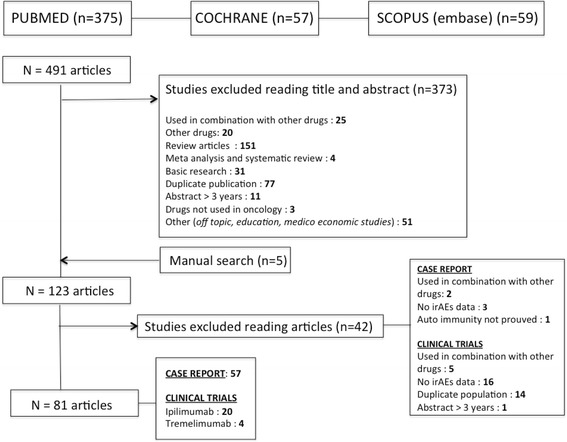
“The exclusion criteria were as follows: (1) nononcologic patients; (2) oncologic patients treated with ICI agents combined with other treatments simultaneously (for example, chemotherapy, radiotherapy); (3) retrospective studies, reviews, systematic reviews and meta-analyses, case reports, basic research, and expert o…”
BackgroundMethodIshikawa, E., Yamamoto, T., & Matsumura, A. (2017) · Neurologia medico-chirurgica · doi:10.2176/nmc.nmc.ra.2016-0334 · Cited by 21
Uhara, H. (2018) · International Journal of Clinical Oncology · doi:10.1007/s10147-018-1246-y · Cited by 22
“A systematic review and meta-analysis of irAE associated with ipilimumab showed that the overall incidences of all-grade irAEs and high-grade irAEs were 72 and 24%, respectively [19].”
BackgroundTreg Cell Therapeutic Strategies for Breast Cancer: Holistic to Local Aspects
Zhang, H., Felthaus, O., Eigenberger, A., Klein, S., & Prantl, L. (2024) · Cells · doi:10.3390/cells13181526 · Cited by 20
Immunotherapy with Checkpoint Inhibitors for Hepatocellular Carcinoma: Where Are We Now?
Tovoli, F., Lorenzo, S. D., & Trevisani, F. (2020) · Vaccines · doi:10.3390/vaccines8040578 · Cited by 20
“Instead, with CTLA-4 inhibitors, the overall incidence of irAEs is dose-dependent and remarkably higher, reaching 72% for all Grades and 24% for Grade ≥3 [38].”
BackgroundPD-1 inhibitor causes pathological injury to multiple organs in a Lewis lung cancer mouse model
Chen, Y., Liu, Y., Xiong, X., Zeng, Z., Luo, D., & Liu, A. (2022) · International Immunopharmacology · doi:10.1016/j.intimp.2022.108551 · Cited by 20
Managing Select Immune-Related Adverse Events in Patients Treated with Immune Checkpoint Inhibitors
Cheema, P. K., Iafolla, M. A. J., Abdel-Qadir, H. M., Bellini, A. B., Chatur, N., Chandok, N., Comondore, V. R., Cunningham, M. E., Halperin, I. J., Hu, A. C., et al. (2024) · Current Oncology · doi:10.3390/curroncol31100473 · Cited by 20
Evolution of early phase clinical trials in oncology
Bui, N. Q., & Kummar, S. (2017) · Journal of Molecular Medicine · doi:10.1007/s00109-017-1612-7 · Cited by 20
Immune Checkpoint Inhibitor Toxicity Review for the Palliative Care Clinician
Hansen, E., Wang, X., Case, A. A., Puzanov, I. J., & Smith, T. (2018) · Journal of Pain and Symptom Management · doi:10.1016/j.jpainsymman.2018.05.015 · Cited by 20
Olszewska, P., Pazdrak, B., & Kruzel, M. L. (2021) · Archivum Immunologiae et Therapiae Experimentalis · doi:10.1007/s00005-021-00637-2 · Cited by 20
Sweep, M. W. D., Tjan, M. J. H., Gorris, M. A. J., Bol, K. F., & Westdorp, H. (2023) · Frontiers in Immunology · doi:10.3389/fimmu.2023.1212432 · Cited by 20
“In patients receiving CTLA-4 inhibition, the incidence of grade 3-4 toxicity is approximately 24% while with anti PD-(L)1 therapy this is around 14% (2, 3).”
BackgroundGazzé, G. (2018) · Melanoma Management · doi:10.2217/mmt-2017-0026 · Cited by 20
Yamagata, S., Kageyama, K., Takayasu, S., Asari, Y., Makita, K., Terui, K., & Daimon, M. (2019) · Internal Medicine · doi:10.2169/internalmedicine.3008-19 · Cited by 20
“Anti-CTLA-4 antibody can cause autoimmune hypophysitis in up to 10% of patients (9).”
BackgroundA case of arthritis under pembrolizumab
Salmon, J., Lambrecht, I., Brochot, P., & Grange, F. (2016) · Joint Bone Spine · doi:10.1016/j.jbspin.2016.03.003 · Cited by 19
Microbiota and Extracellular Vesicles in Anti-PD-1/PD-L1 Therapy
Mishra, S., Amatya, S. B., Salmi, S., Koivukangas, V., Karihtala, P., & Reunanen, J. (2022) · Cancers · doi:10.3390/cancers14205121 · Cited by 19
“The result might be attributed to a decrease in the richness and variety of gut microorganisms during the antibiotic treatment [35,36].”
BackgroundThe immune checkpoint VISTA is associated with prognosis in patients with malignant uveal melanoma
Salah, N. E. I. I., MARNISSI, F., Lakhdar, A., Karkouri, M., Elbelhadji, M., & Badou, A. (2023) · Frontiers in Immunology · doi:10.3389/fimmu.2023.1225140 · Cited by 19
Mei, T., Wang, T., Deng, Q., & Gong, Y. (2023) · Frontiers in Immunology · doi:10.3389/fimmu.2023.1062679 · Cited by 19
Application of Immune Checkpoint Inhibitors in Cancer
Chen, Z., Song, Z., Den, S., Zhang, W., Han, M., Lan, T., Du, X., Ning, J., Chen, X., Lin, H., et al. (2025) · MedComm · doi:10.1002/mco2.70176 · Cited by 19
Tauber, M., Cohen, R., Laly, P., JOSSELIN-MAHR, L., André, T., & MEKINIAN, A. (2018) · Clinical Rheumatology · doi:10.1007/s10067-018-4373-y · Cited by 18
Filho, R. S. D. O., de Oliveira, D. A., Nisimoto, M. Y. S. M., & Marti, L. C. (2023) · Cancers · doi:10.3390/cancers15245751 · Cited by 18
“Therefore, proper administration and monitoring are essential during this type of treatment [17–19].”
BackgroundNeurological and Neuropsychiatric Adverse Effects of Dermatologic Medications
Liu, M., Huang, Y. Y. M., Hsu, S., & Kass, J. S. (2016) · CNS Drugs · doi:10.1007/s40263-016-0392-x · Cited by 18
Gill, C. E., Rouse, S., & Jacobson, R. D. (2017) · Current Neurology and Neuroscience Reports · doi:10.1007/s11910-017-0785-3 · Cited by 18
Martín, P., Blanco-Domínguez, R., & Sánchez‐Díaz, R. (2020) · Cellular and Molecular Immunology · doi:10.1038/s41423-020-00586-4 · Cited by 18
Pharmacologically induced uveitis
Elsayed, M. E. A. A., & Kozak, I. (2021) · Survey of Ophthalmology · doi:10.1016/j.survophthal.2021.01.003 · Cited by 19
Skin manifestations associated with checkpoint inhibitors
Nazzaro, G., Buffon, S., Giacalone, S., Maronese, C. A., & Marzano, A. V. (2022) · JEADV Clinical Practice · doi:10.1002/jvc2.27 · Cited by 18
Spotlight on atezolizumab and its potential in the treatment of advanced urothelial bladder cancer
Aydın, A. M., Woldu, S. L., Hutchinson, R. C., Boegemann, M., Bagrodia, A., Lotan, Y., Margulis, V., & Krabbe, L. (2017) · OncoTargets and Therapy · doi:10.2147/ott.s109453 · Cited by 19
“One drawback of this approach appears to be a lack of selectivity of CTLA4 blockade in T-cell expansion, and this may underlie the significant immunorelated toxicities associated with ipilimumab.(19) Another ICP is the interaction between PD1 and its ligands PDL1 and PDL2.”
Toxicité des inhibiteurs de points de contrôle immunitaires
Delaunay, M., Caron, P. J., Sibaud, V., Godillot, C., Collot, S., Milia, J., Prévôt, G., & Mazières, J. (2018) · Revue des Maladies Respiratoires · doi:10.1016/j.rmr.2017.08.006 · Cited by 18
Hypophysitis Induced by Immune Checkpoint Inhibitors in a Scottish Melanoma Population
Wei, K. Z., Baxter, M. A., & Casasola, R. (2019) · Melanoma Management · doi:10.2217/mmt-2018-0009 · Cited by 18
Frye, B. C., Rump, I. C., Uhlmann, A., Schubach, F., Ihorst, G., Grimbacher, B., Zissel, G., & Quernheim, J. M. (2020) · Contemporary Clinical Trials Communications · doi:10.1016/j.conctc.2020.100575 · Cited by 18
Yamada, H., Okajima, F., Onda, T., Fujimori, S., Emoto, N., & Sugihara, H. (2020) · BMC Endocrine Disorders · doi:10.1186/s12902-020-00613-5 · Cited by 17
Calvo, V., Fernández, M. A., Collazo-Lorduy, A., Franco, F., Núñez, B., & Provencio, M. (2021) · Lung Cancer Management · doi:10.2217/lmt-2021-0003 · Cited by 17
Drobner, J. C., Portal, D. E., Runcie, K. D., Yang, Y., & Singer, E. A. (2023) · Journal of Kidney Cancer and VHL · doi:10.15586/jkcvhl.v10i3.295 · Cited by 17
Flaadt, T., Rehm, J., Simon, T., Hero, B., Ladenstein, R. L., Lode, H. N., Grabow, D., Nolte, S., Crazzolara, R., Greil, J., et al. (2025) · Cancers · doi:10.3390/cancers17010149 · Cited by 16
Overcoming the cardiac toxicities of cancer therapy immune checkpoint inhibitors
Irabor, O. C., Nelson, N. G., Shah, Y., Niazi, M. Z., Poiset, S., Storozynsky, E., Singla, D. K., Hooper, D. C., & Lu, B. (2022) · Frontiers in Oncology · doi:10.3389/fonc.2022.940127 · Cited by 16
Management of trophoblastic tumors : review of evidence, current practice, and future directions
Deleuze, A., Massard, C., Du, F. L., You, B., Lefeuvre‐Plesse, C., Bolze, P., & Rouge, T. D. L. M. (2023) · Expert Review of Anticancer Therapy · doi:10.1080/14737140.2023.2215438 · Cited by 16
Cancer Therapy with Checkpoint Inhibitors: Establishing a Role for Ophthalmology
Davis, M. E., & Francis, J. H. (2017) · Seminars in Oncology Nursing · doi:10.1016/j.soncn.2017.08.003 · Cited by 16
Cutaneous CD56+ T-cell lymphoma developing during pembrolizumab treatment for metastatic melanoma
Zheng, Y. J., Lee, A., Pincus, L. B., Ho, W. W.-S., Vujic, M., & Ortiz‐Urda, S. (2018) · JAAD Case Reports · doi:10.1016/j.jdcr.2018.01.016 · Cited by 16
Immunotherapy Outcomes in Advanced Melanoma in Relation to Age
Joshi, K. P., Atwal, D., Ravilla, R., Pandey, Y., Yarlagadda, N., Kakadia, S., Makhoul, I., Hutchins, L. F., & Mahmoud, F. A. (2020) · The Permanente Journal · doi:10.7812/tpp/19.093 · Cited by 16
Gonzalez-Mazón, I., Sánchez-Bilbao, L., Martín-Varillas, J. L., García‐Castaño, A., Ruiz, M. D., Piña, I. B., Hernández, J. L., Castañeda, S., Llorca, J., González-Gay, M. Á., et al. (2021) · Clinical and Experimental Rheumatology · doi:10.55563/clinexprheumatol/o5nvgv · Cited by 16
Kähler, K. C., Hassel, J. C., Heinzerling, L., Loquai, C., Mößner, R., Ugurel, S., Zimmer, L., Gutzmer, R., & (ADO), F. D. K. „. N. D. A. D. O. (2016) · JDDG Journal der Deutschen Dermatologischen Gesellschaft · doi:10.1111/ddg.13047_g · Cited by 16
Regulatory T Cells: Central Concepts from Ontogeny to Therapy
Khor, B. (2017) · Transfusion Medicine Reviews · doi:10.1016/j.tmrv.2016.07.003 · Cited by 15
“Significant risk of immunerelated adverse events accompanies ipilimumab use (72% all grades, 24% high grade), especially colitis [118].”
BackgroundIaculli, A., Ghidini, M., Locati, F., Chiappa, L., Nastasi, G., Fasola, G., Grossi, F., Garrone, O., & Tozzi, V. D. (2024) · Cancer Medicine · doi:10.1002/cam4.7403 · Cited by 15
The current status of checkpoint inhibitors in metastatic bladder cancer
Fahmy, O., Khairul‐Asri, M. G., Stenzl, A., & Gakis, G. (2016) · Clinical & Experimental Metastasis · doi:10.1007/s10585-016-9807-9 · Cited by 16
“As a monotherapy, checkpoint inhibitors displayed acceptable tolerability in bladder cancer as well as in other malignancies [53, 54].”
BackgroundHarui, A., & Roth, M. D. (2022) · Gels · doi:10.3390/gels8050284 · Cited by 16
“According to convention, the dose of systemic anti-CTLA-4 therapy is directly linked to both its efficacy and toxicity [20,21].”
BackgroundZhou, J., Xiong, H.-F., Chen, X., Zhang, Z., Zhu, L., & Wu, B. (2023) · World Journal of Gastrointestinal Oncology · doi:10.4251/wjgo.v15.i4.689 · Cited by 15
Toxicity of Checkpoint Inhibition in Advanced RCC: A Systematic Review
Ornstein, M. C., & Garcia, J. A. (2017) · Kidney Cancer · doi:10.3233/kca-170017 · Cited by 15
Identification of discrepancy between CTLA4 expression and CTLA4 activation in gastric cancer
Xiang, Z., Chen, W., Zhang, J., Song, S., Xia, G., Huang, X., Xie, J., Yu, Y., & Zhang, Q. (2018) · Immunopharmacology and Immunotoxicology · doi:10.1080/08923973.2018.1533968 · Cited by 15
Garanzini, E. M., Scaramuzza, D., Spadarella, G., Guardo, L. D., & Marchianò, A. V. (2020) · BJR|case reports · doi:10.1259/bjrcr.20190065 · Cited by 15
Jain, J., Stein, J., & Garje, R. (2020) · Journal of Immunotherapy · doi:10.1097/cji.0000000000000327 · Cited by 15
Cheng, T., Wu, Y., & Wu, R. (2025) · Frontiers in Immunology · doi:10.3389/fimmu.2025.1616872 · Cited by 14
“This risk is also associated with factors such as the type of medication used and the speci fi c tumor type involved (39, 40).”
Immune checkpoint inhibitor-induced inflammatory arthritis: identification and management
Williams, S. G., Mollaeian, A., Katz, J. D., & Gupta, S. (2020) · Expert Review of Clinical Immunology · doi:10.1080/1744666x.2020.1804362 · Cited by 14
Bender, D. A., Heilbroner, S. P., Wang, T. J. C., Shu, C. A., Hyde, B. B., Spina, C. S., & Cheng, S. K. (2020) · Journal for ImmunoTherapy of Cancer · doi:10.1136/jitc-2020-001627 · Cited by 14
Jiang, F., Zhang, Z., Chong, X., Shen, L., Fan, M., Liu, X., An, J., Peng, Z., & Zhang, C. (2022) · Cancers · doi:10.3390/cancers14174167 · Cited by 14
Is Melanoma Progression Affected by Thyroid Diseases?
Ulisse, S., Baldini, E., Pironi, D., Gagliardi, F., Tripodi, D., Lauro, A., Carbotta, S., Tarroni, D., D’Armiento, M., Morrone, A., et al. (2022) · International Journal of Molecular Sciences · doi:10.3390/ijms231710036 · Cited by 14
“In 2015, a systematic review and meta-analysis was performed on a total of 1265 patients from 22 clinical trials employing anti-CTLA-4 antibodies to assess the incidence of immunotherapy related adverse events (irAE) [79].”
BackgroundImmune Checkpoint Inhibitors and Optic Neuropathy: A Systematic Review
Pietris, J., Santhosh, S., Cirocco, G. F., Lam, A., Bacchi, S., Tan, Y., Gupta, A. K., Kovoor, J. G., & Chan, W. O. (2023) · Seminars in Ophthalmology · doi:10.1080/08820538.2023.2168494 · Cited by 14
“Ophthalmic irAEs have not been widely reported and are estimated to represent less the 1% of all irAEs secondary to ICIs.(11) Of the observed ophthalmic irAEs, uveitis subtypes make up the majority.”
BackgroundInfluentialToxicity of tumor immune checkpoint inhibitors—more attention should be paid
Liu, Y., Wang, H., Deng, J., Sun, C., He, Y., & Zhou, C. (2019) · Translational Lung Cancer Research · doi:10.21037/tlcr.2019.11.26 · Cited by 14
“Gastrointestinal toxicity is observed in about 35% of patients in antiCTLA-4 mAbs dose-dependent manner (11).”
BackgroundPapouin, B., Mussini, C., Martin, E. D., & Guettier, C. (2018) · Annales de Pathologie · doi:10.1016/j.annpat.2018.07.005 · Cited by 14
Ipilimumab treatment associated with myasthenic crises and unfavorable disease course
Derle, E., & Benli, S. (2018) · Neurological Sciences · doi:10.1007/s10072-018-3471-6 · Cited by 13
Metadata
- Authors
- Bertrand, A., Kostine, M., Barnetche, T., Truchetet, M.-E., & Schaeverbeke, T.
- Affiliations
- Centre Hospitalier Universitaire de Bordeaux (FR)
- Centre National de la Recherche Scientifique (FR)
- Université de Bordeaux (FR)
- Corresponding author
- Bertrand, Anne
- Venue
- BMC Medicine
- Published
- 2015-09-04
- Volume
- 13
- Issue
- 1
- Pages
- 211-211
- ISSN
- 1741-7015 (ISSN-L)
- PMC
- PMC4559965
- OpenAlex
- W1914776013
- Cited by
- 704
- References
- 142
- Citations by year
- 2026: 25 · 2025: 33 · 2024: 48 · 2023: 65 · 2022: 65 · 2021: 72 · 2020: 95 · 2019: 99 · 2018: 75 · 2017: 76 · 2016: 48 · 2015: 1
- FWCI
- 7.15
- Type
- journal article
- Language
- en
- Open access
- gold
- doi.org
- Licence
- Locations
- BMC Medicine (publishedVersion, cc-by)
- Europe PMC (PubMed Central) (publishedVersion, cc-by)
- PubMed Central (publishedVersion, cc-by)
- PubMed (publishedVersion)
- Topics
- Health Sciences › Medicine › Oncology › Cancer Immunotherapy and Biomarkers
- Life Sciences › Immunology and Microbiology › Immunology › Immunotherapy and Immune Responses
- Life Sciences › Pharmacology, Toxicology and Pharmaceutics › Toxicology › Pharmacovigilance and Adverse Drug Reactions
- Keywords
- CTLA-4 blockade, ipilimumab, tremelimumab, immune checkpoint inhibitors, immunotoxicity, rash, colitis, hepatitis, hypophysitis, thyroiditis, dose-dependent toxicity, adverse event incidence, time to onset of adverse events, treatment response, cancer immunotherapy, metastatic cancer, vitiligo
- MeSH terms
- Ipilimumab, Antibodies, Monoclonal, Antineoplastic Agents, Humans, Immunologic Factors, Immunotherapy, Neoplasms, CTLA-4 Antigen, Antibodies, Monoclonal, Humanized
About these checks
Registry, retraction, Cites and statistics results are computed, not judged, with one exception: a printed reference that no index lists is read once by a model before it counts as a citation error. Claims are extracted by a model and kept only when their quote appears verbatim in the text; each cited source is then checked, with a model’s help, for whether it says what the claim relies on. Those verdicts can be wrong — read the claim’s quote and the cited source before relying on one.
Statistics and arithmetic are recomputed, not judged.
Confidence bands are shown only for fields calibrated on our annotated test set. None is calibrated yet, so no band is shown.
What counts as a claim ›How we measure confidence ›How we check this ›
Are you an author, or do you see a problem with this page? Request a review
Data sources
Bibliographic data: Semantic Scholar, OpenAlex, Crossref.
Contains information from the Semantic Scholar Academic Graph Datasets, made available under the ODC Attribution License (ODC-BY 1.0).
Semantic Scholar’s data is described in: Kinney, R., et al. (2023). The Semantic Scholar Open Data Platform. arXiv:2301.10140.
