

T cells and reactive oxygen species
Open accessThe DOI matches its Crossref record; 86 of the 87 references it cites were found in a registry or an index, and 1 are not checked yet.
Abstract
Reactive oxygen species (ROS) have been long considered simply as harmful by-products of metabolism, which damage cellular proteins, lipids, and nucleic acids. ROS are also known as a weapon of phagocytes, employed against pathogens invading the host. However, during the last decade, an understanding has emerged that ROS also have important roles as signaling messengers in a multitude of pathways, in all cells, tissues, and organs. T lymphocytes are the key players of the adaptive immune response, which both coordinate other immune cells and destroy malignant and virus-infected cells. ROS have been extensively implicated in T-cell hyporesponsiveness, apoptosis, and activation. It has also become evident that the source, the kinetics, and the localization of ROS production all influence cell responses. Thus, the characterization of the precise mechanisms by which ROS are involved in the regulation of T-cell functions is important for our understanding of the immune response and for the development of new therapeutic treatments against immune-mediated diseases. This review summarizes the 30-year-long history of research on ROS in T lymphocytes, with the emphasis on the physiological roles of ROS.
Overview
The claims and statistics of this paper haven’t been checked yet.
Free: it reads the open-access text and checks the first 5 claims that cite a source we can check. Create a free account to check every claim.
Integrity signals
Registry
Cites
Statistics
Figures
Verification
Claims the paper makes
The claims and statistics of this paper haven’t been checked yet.
Free: it reads the open-access text and checks the first 5 claims that cite a source we can check. Create a free account to check every claim.
Claims other papers make about this one
Each is checked against this paper’s own text: does it say what the citing paper says it does?
The source backs part of the claim, not all of it — or backs it for a different population, condition or comparison.
In the citing paper
“ROS causes T cell cycle arrest (Belikov et al., 2015; Yan and Banerjee, 2010) and T cell activation/proliferation requires a reducing extracellular microenvironment (Yan and Banerjee, 2010).”
From Comprehensive Multi-omics Analysis Reveals Mitochondrial Stress as a Central Biological Hub for Spaceflight Impact (2020) · cites this paper as Belikov et al., 2015
Experimental — accuracy not yet measured
Self-check
Percentages, sums and reported differences re-computed from the paper’s own numbers.
The self-check needs the paper’s full text.
Citations
Cites
Oxidants, oxidative stress and the biology of ageing
Finkel, T., & Holbrook, N. J. (2000) · Nature · doi:10.1038/35041687 · Cited by 9,413
The NOX Family of ROS-Generating NADPH Oxidases: Physiology and Pathophysiology
Bedard, K., & Krause, K.-H. (2007) · Physiological Reviews · doi:10.1152/physrev.00044.2005 · Cited by 6,989 · cited 3×
“Interestingly, six homologs of gp91 (NOX-2) have been identified in different tissues: NOX-1, NOX-3, NOX-4, NOX-5, dual oxidase 1 (DUOX-1), and DUOX-2 [14, 15].”
BackgroundOxidative stress, inflammation, and cancer: How are they linked?
Reuter, S., Gupta, S. C., Chaturvedi, M. M., & Aggarwal, B. B. (2010) · Free Radical Biology and Medicine · doi:10.1016/j.freeradbiomed.2010.09.006 · Cited by 5,441 · cited 1×
“Prolonged or excessive oxidative stress can lead to the impairment of cellular functions, cell death, senescence, or malignant transformation [9–11].”
BackgroundMitochondrial Reactive Oxygen Species (ROS) and ROS-Induced ROS Release
Zorov, D. B., Juhaszova, M., & Sollott, S. J. (2014) · Physiological Reviews · doi:10.1152/physrev.00026.2013 · Cited by 5,383 · cited 2×
“main sources of mitochondrial O2 •− [4, 5].”
BackgroundROS as signalling molecules: Mechanisms that generate specificity in ROS homeostasis
D'Autréaux, B., & Toledano, M. B. (2007) · Nature Reviews Molecular Cell Biology · doi:10.1038/nrm2256 · Cited by 3,642
Modulation of oxidative stress as an anticancer strategy
Gorrini, C., Harris, I. S., & Mak, T. W. (2013) · Nature Reviews Drug Discovery · doi:10.1038/nrd4002 · Cited by 3,579 · cited 1×
“Prolonged or excessive oxidative stress can lead to the impairment of cellular functions, cell death, senescence, or malignant transformation [9–11].”
BackgroundNOX enzymes and the biology of reactive oxygen
Lambeth, J. D. (2004) · Nature Reviews Immunology · doi:10.1038/nri1312 · Cited by 3,125 · cited 3×
“Interestingly, six homologs of gp91 (NOX-2) have been identified in different tissues: NOX-1, NOX-3, NOX-4, NOX-5, dual oxidase 1 (DUOX-1), and DUOX-2 [14, 15].”
BackgroundReconciling the chemistry and biology of reactive oxygen species
Winterbourn, C. C. (2008) · Nature Chemical Biology · doi:10.1038/nchembio.85 · Cited by 2,504 · cited 1×
“Superoxide (O2 ), hydrogen peroxide (H2O2), hydroxyl radical (OH), hypochlorous acid (HOCl), lipid peroxides (ROOH), singlet oxygen ((1)O2), and ozone (O3) are some of the most common ROS [1].”
BackgroundCellular mechanisms and physiological consequences of redox-dependent signalling
Holmström, K. M., & Finkel, T. (2014) · Nature Reviews Molecular Cell Biology · doi:10.1038/nrm3801 · Cited by 2,093 · cited 1×
“ROSmediated signaling is involved in multiple processes, such as cell growth [14, 15], stem cell renewal [16, 17], tumorigenesis [8, 14, 17], cell death [14, 15], cell senescence [15, 17], cell migration [16], oxygen sensing [15], angiogenesis [15], circadian rhythm maintenance [16], and immune responses [8, 15].”
BackgroundChemistry and biology of reactive oxygen species in signaling or stress responses
Dickinson, B. C., & Chang, C. J. (2011) · Nature Chemical Biology · doi:10.1038/nchembio.607 · Cited by 1,821 · cited 3×
“ROSmediated signaling is involved in multiple processes, such as cell growth [14, 15], stem cell renewal [16, 17], tumorigenesis [8, 14, 17], cell death [14, 15], cell senescence [15, 17], cell migration [16], oxygen sensing [15], angiogenesis [15], circadian rhythm maintenance [16], and immune responses [8, 15].”
Background
Cited by
Items 101–200 of 295
Qin, X., Liu, J., Du, Y., Li, Y., Li, Z., Chen, G., & Cao, Y. (2019) · International Immunopharmacology · doi:10.1016/j.intimp.2019.02.031 · Cited by 27
Effect of redox imbalance on protein modifications in lymphocytes of psoriatic patients
Wójcik, P., Gęgotek, A., Wroński, A., Jastrząb, A., Żebrowska, A., & Skrzydlewska, E. (2019) · The Journal of Biochemistry · doi:10.1093/jb/mvz096 · Cited by 27
Targeting the DNA repair enzymes MTH1 and OGG1 as a novel approach to treat inflammatory diseases
Karsten, S. (2022) · Basic & Clinical Pharmacology & Toxicology · doi:10.1111/bcpt.13765 · Cited by 26
Chen, Y., Ye, Y., Krauß, P.-L., Löwe, P., Pfeiffenberger, M., Damerau, A., Ehlers, L., Buttgereit, T., Hoff, P., Buttgereit, F., et al. (2022) · Frontiers in Immunology · doi:10.3389/fimmu.2022.911050 · Cited by 27
Perturbation in cellular redox homeostasis: Decisive regulator of T cell mediated immune responses
Gambhir, L., Sharma, V., Kandwal, P., & Saxena, S. (2018) · International Immunopharmacology · doi:10.1016/j.intimp.2018.12.049 · Cited by 26
Derous, D., Mitchell, S. E., Green, C. L., Wang, Y., Han, J. D. J., Chen, L., Promislow, D., Lusseau, D., Douglas, A., & Speakman, J. R. (2017) · The Journals of Gerontology Series A · doi:10.1093/gerona/glx101 · Cited by 27
“Although ROS are necessary for cellular activities (53) and the immune system (54), they may induce cellular damage leading to diseases (55).”
BackgroundConde, T., Neves, B., Couto, D., Melo, T., Lopes, D., Pais, R., Batista, J., Cardoso, H., Silva, J. L., Domingues, P., et al. (2023) · Marine Drugs · doi:10.3390/md21120629 · Cited by 25
“…production can cause dysfunction and tissue injury at the site of inflammation and have a negative impact on immune cells, such as T-cells [25], contributing to the onset of chronic inflammation, which is implicated in the pathogenesis of non-communicable diseases (e.g., cardiovascular…”
BackgroundMetabolism in Immune Cell Differentiation and Function
Chapman, N. M., Shrestha, S., & Chi, H. (2017) · Advances in experimental medicine and biology · doi:10.1007/978-94-024-1170-6_1 · Cited by 25
The Role of Metabolite-Sensing G Protein-Coupled Receptors in Inflammation and Metabolic Disease
Recio, C., Lucy, D., Iveson, P., Iqbal, A. J., Valaris, S., Wynne, G. M., Russell, A. J., Choudhury, R. P., O’Callaghan, C. A., Monaco, C., et al. (2017) · Antioxidants and Redox Signaling · doi:10.1089/ars.2017.7168 · Cited by 25
“In adaptive immunity, ROS act as important signaling molecules in all cell types and they are capable of causing T cell activation, hyporesponsiveness, and apoptosis (8).”
Role of Extracellular Vesicles in Liver Diseases
Tamási, V., Németh, K., & Csala, M. (2023) · Life · doi:10.3390/life13051117 · Cited by 24
Rahman, M., Steuer, J., Gillgren, P., Végvári, Á., Liu, A., & Frostegård, J. (2019) · JACC Basic to Translational Science · doi:10.1016/j.jacbts.2019.03.009 · Cited by 24
Reactive Oxygen Species and Their Implications on CD4 + T Cells in Type 1 Diabetes
Previte, D. M., & Piganelli, J. D. (2017) · Antioxidants and Redox Signaling · doi:10.1089/ars.2017.7357 · Cited by 23
“In particular, CD4 + T cells have been shown to require acute doses of ROS to facilitate activation and effector function (10, 70, 175).”
Abolbashari, S., Darroudi, S., Tayefi, M., Khashyarmaneh, Z., Zamani, P., Haghighi, H. M., Mohammadpour, A. H., Tavalaei, S., Ahmadnezhad, M., Esmaily, H., et al. (2018) · Journal of Blood Medicine · doi:10.2147/jbm.s184913 · Cited by 23
“Revealing the exact mechanisms by which ROS are involved in the regulation of T-cell functions is important to achieve a good insight of the immune response, and to develop new treatments for the control of immune-mediated diseases.(37)”
BackgroundCiliberti, M. G., Albenzio, M., Palo, P. D., Santillo, A., & Caroprese, M. (2020) · Frontiers in Veterinary Science · doi:10.3389/fvets.2020.00009 · Cited by 23
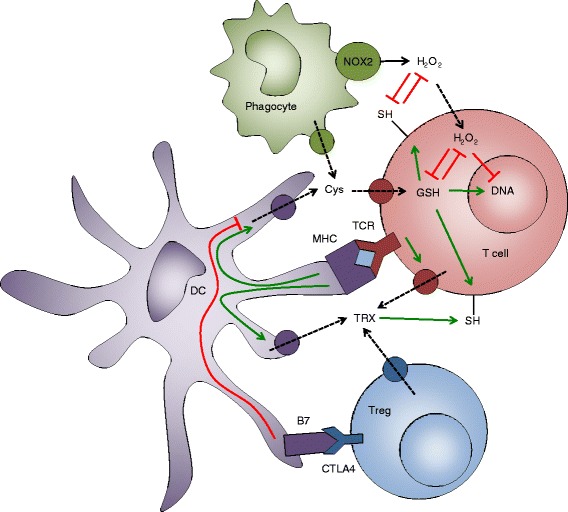
“Moreover, when passing from innate to adaptive response, the interactions among phagocytic cells, T cells, dendritic cells (DCs), and regulatory T (Treg) cells are principally controlled by both intra- and extracellular redox environments (1).”
BackgroundLiu, Y., Wang, K., Feng, Q., Zhang, Y., Wang, C., Liu, Q., Liu, X., Wang, X., Gao, W., Bai, X., et al. (2021) · Journal of Immunology Research · doi:10.1155/2021/9998517 · Cited by 23
Redox Imbalance and Its Metabolic Consequences in Tick-Borne Diseases
Groth, M., Skrzydlewska, E., Dobrzyńska, M., Pancewicz, S. A., & Moniuszko-Malinowska, A. M. (2022) · Frontiers in Cellular and Infection Microbiology · doi:10.3389/fcimb.2022.870398 · Cited by 22
Witkowski, J. M., Mikosik, A., Bryl, E., & Fülöp, T. (2017) · Experimental Gerontology · doi:10.1016/j.exger.2017.10.009 · Cited by 24
“This in turn results in multiple changes in the T cells, ranging from decreased DNA replication (and so, T cell proliferation to the cognate stimulus) to changes in signaling being the result of conformational changes in T cell receptor component TCRζ and in p56LCK, as well as to reduced PLCγ-1 phosphorylation and cal…”
BackgroundHIV and Cardiovascular Disease: Role of Immunometabolic Perturbations
Teer, E., & Essop, M. F. (2017) · Physiology · doi:10.1152/physiol.00028.2017 · Cited by 22
Petersson, J., Askman, S., Pettersson, Å., Wichert, S., Hellmark, T., Johansson, Å. C. M., & Hansson, M. (2021) · Journal of Immunology Research · doi:10.1155/2021/6344344 · Cited by 22
“ROS have been suggested to inhibit T-cells through several mechanisms, including inhibition of DNA synthesis and alterations in T-cell receptor signaling [18].”
BackgroundTreatment with Exogenously Added Catalase Alters CD8 T Cell Memory Differentiation and Function
Aksoylar, H., & Patsoukis, N. (2022) · Advanced Biology · doi:10.1002/adbi.202101320 · Cited by 22
Defining the Cell Surface Cysteinome Using Two-Step Enrichment Proteomics
(2023) · doi:10.1021/jacsau.3c00707 · Cited by 21
Zhang, S., Fan, S., Wang, Z.-L., Hou, W., Liu, T., Yoshida, S., Yang, S., Zheng, H., & Shen, Z. (2022) · Oxidative Medicine and Cellular Longevity · doi:10.1155/2022/1012509 · Cited by 21
“ROS production, as previously mentioned, is closely associated with apoptosis [12, 21, 34].”
Galati, D., Zanotta, S., Polistina, G. E., Coppola, A., Capitelli, L., & Bocchino, M. (2020) · Clinical Immunology · doi:10.1016/j.clim.2020.108454 · Cited by 21
Suzuki, N., Sawada, K., Takahashi, I., Matsuda, M., Fukui, S., Tokuyasu, H., Shimizu, H., Yokoyama, J., Akaike, A., & Nakaji, S. (2020) · Nutrients · doi:10.3390/nu12113222 · Cited by 21
“ROS production is a neutrophil function and ROS play an important role as signaling messengers under inflammatory conditions and in the immune system [9].”
BackgroundNutritional deficiencies that may predispose to long COVID
Schloss, J. V. (2023) · Inflammopharmacology · doi:10.1007/s10787-023-01183-3 · Cited by 21
Rational Design of Inflammation-Responsive Inflatable Nanogels for Ultrasound Molecular Imaging
Heo, J., Lim, C., Min, H. S., Lee, K. E., Jeong, K., Seo, Y. H., Lee, Y.-D., Yhee, J. Y., Kim, K., Kwon, I. C., et al. (2019) · Chemistry of Materials · doi:10.1021/acs.chemmater.9b00167 · Cited by 21
Opportunities and challenges for the development of covalent chemical immunomodulators
Backus, K. M., Cao, J. X., & Maddox, S. M. (2019) · Bioorganic & Medicinal Chemistry · doi:10.1016/j.bmc.2019.05.050 · Cited by 21
Defining the Cell Surface Cysteinome using Two-step Enrichment Proteomics
Yan, T., Boatner, L. M., Cui, L., Tontonoz, P., & Backus, K. M. (2023) · doi:10.1101/2023.10.17.562832 · Cited by 21
Nia, A. B., Caliri, A. W., & Tommasi, S. (2024) · Carcinogenesis · doi:10.1093/carcin/bgae046 · Cited by 20
Blevins, L. K., Crawford, R. B., Azzam, D. J., Guilarte, T. R., & Kaminski, N. E. (2020) · Journal of Leukocyte Biology · doi:10.1002/jlb.3a1219-729rr · Cited by 20
Targeting the TLR2 Receptor With a Novel Thymopentin-Derived Peptide Modulates Immune Responses
Wei, X., Zhang, L., Zhang, R., Wu, R., Petitte, J. N., Hou, Y., Si, D., Ahmad, B., Guo, H., Zhang, M., et al. (2021) · Frontiers in Immunology · doi:10.3389/fimmu.2021.620494 · Cited by 20
The link between immunity and hypertension in the kidney and heart
Benson, L. N., Guo, Y., Deck, K. S., Mora, C. J., Liu, Y., & Mu, S. (2023) · Frontiers in Cardiovascular Medicine · doi:10.3389/fcvm.2023.1129384 · Cited by 20
“This cGMP is produced by soluble Guanylate Cyclase (sGC) in the heart. sGC is activated by endogenous NO, which is produced by eNOS. eNOS is known to be inhibited by increased levels of intracellular ROS; as such, downstream contractility regulated by eNOS will be negatively impacted by increased ROS (152).”
BackgroundInfluentialNADPH Oxidase 3: Beyond the Inner Ear
Herb, M. (2024) · Antioxidants · doi:10.3390/antiox13020219 · Cited by 19
Metabolic Response to Tick-Borne Encephalitis Virus Infection and Bacterial Co-Infections
Dobrzyńska, M., Moniuszko-Malinowska, A. M., Jarocka-Karpowicz, I., Czupryna, P., Groth, M., & Skrzydlewska, E. (2022) · Pathogens · doi:10.3390/pathogens11040384 · Cited by 19
Formulation of an antimicrobial superabsorbent powder that gels in situ to produce reactive oxygen
Hall, T. J., Azoidis, I., Barroso, I. A., Hughes, E. A. B., Grover, L. M., & Cox, S. C. (2020) · Materials Science and Engineering C · doi:10.1016/j.msec.2020.111479 · Cited by 19
Nagaraj, C., Haitchi, H. M., Heinemann, Á., Howarth, P. H., Olschewski, A., & Marsh, L. M. (2017) · Antioxidants and Redox Signaling · doi:10.1089/ars.2016.6863 · Cited by 19
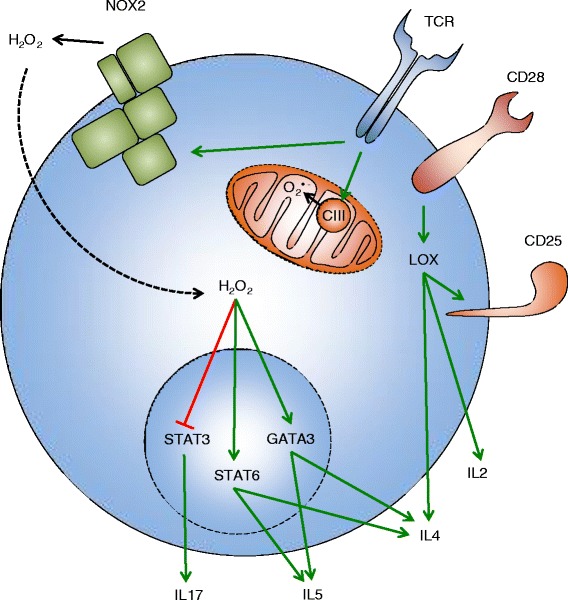
“Therefore, loss of gp91phox or p22phox would alleviate STAT3 inhibition and promote production of IL-17.”
Therapeutic Potential of Minor Cannabinoids in Dermatological Diseases—A Synthetic Review
Kwiecien, E., & Kowalczuk, D. (2023) · Molecules · doi:10.3390/molecules28166149 · Cited by 18
“Inhibiting this pathway may help alleviate symptoms of psoriasis such as redness and skin flaking [34,35].”
BackgroundGressler, A. E., Leng, H., Zinecker, H., & Simon, A. K. (2023) · Seminars in Immunology · doi:10.1016/j.smim.2023.101838 · Cited by 18
“Aging is generally associated with an increase in cellular ROS leading to conformational changes in TCR components, decreased DNA replication, and lower rates of T cell proliferation, thus affecting T cell responses [97].”
BackgroundThe Role of Rice Hull Liquid Smoke in the Traumatic Ulcer Healing
Arundina, I., Diyatri, I., Kusumaningsih, T., Surboyo, M. D. C., Monica, E., & Afanda, N. M. (2020) · European Journal of Dentistry · doi:10.1055/s-0040-1714445 · Cited by 18
Moolla, N., Killick, M. A., Papathanasopoulos, M. A., & Capovilla, A. (2016) · Biochimica et Biophysica Acta (BBA) - General Subjects · doi:10.1016/j.bbagen.2016.05.030 · Cited by 18
Silva‐Filho, R., Santos, N., dos Santos, M. C., Nunes, Á. M., Pinto, R., Marinho, C., Lima, T. A., Fernandes, M. P., Santos, J. C. C., & Leite, A. C. R. (2021) · Ecotoxicology and Environmental Safety · doi:10.1016/j.ecoenv.2021.112337 · Cited by 18
Paka, S. K., Kodi, T., Gopinathan, A., Byregowda, B. H., Nandakumar, K., & Kishore, A. (2026) · Cell Biochemistry and Function · doi:10.1002/cbf.70173 · Cited by 16
“Excessive ROS production causes oxidative stress, which increases inflammation, apoptosis, and tissue damage in the lungs [152].”
Ding, L., Wan, M., Wang, D., Cao, H., Wang, H., & Gao, P. (2022) · Frontiers in Immunology · doi:10.3389/fimmu.2022.840620 · Cited by 16
ATP-dependent transporters: emerging players at the crossroads of immunity and metabolism
Balasubramanian, A., & Sundrud, M. S. (2023) · Frontiers in Immunology · doi:10.3389/fimmu.2023.1286696 · Cited by 17
Antibacterial and Antiviral Nanofibrous Membranes
Bakhshi, A., Naghib, S. M., & Rabiee, N. (2024) · ACS symposium series · doi:10.1021/bk-2024-1472.ch002 · Cited by 16
The relationship of redox signaling with the risk for atherosclerosis
Lei, S., Liu, C., Zheng, T., Fu, W., & Huang, M.-Z. (2024) · Frontiers in Pharmacology · doi:10.3389/fphar.2024.1430293 · Cited by 16
“ROS production originating from T-cells has been implicated in T-cell biology, such as activation, proliferation, differentiation, and apoptosis (Belikov et al., 2015).”
BackgroundQueiroz, M. I. C., Sales, M. V. D. S., Barros, E. D. S. S., Amato, F. O. S. D., Gonçalves, C. M., Ursulino, J. S., Bueno, N. B., Marinho, C., Rocha, U., de Aquino, T. M., et al. (2025) · Journal of Hazardous Materials · doi:10.1016/j.jhazmat.2025.138088 · Cited by 16
Melatonin mitigates hippocampal and cognitive impairments caused by prenatal irradiation
Pipová, N., Kisková, T., Vilhanová, K., Stafurikova, A., Jendželovský, R., Račeková, E., & Šmajda, B. (2020) · European Journal of Neuroscience · doi:10.1111/ejn.14687 · Cited by 16
Potential protective effects of chrysin against immunotoxicity induced by diazinon
Zeinali, M., Shafaei, A., Rafatpanah, H., Mosavat, A., Tayebi-Meybodi, N., Hosseinzadeh, H., & Rezaee, S. A. (2022) · Scientific Reports · doi:10.1038/s41598-022-20010-3 · Cited by 16
Kim, S.-Y., Park, J., Han, J., & Jang, K. L. (2024) · Biomolecules · doi:10.3390/biom14101201 · Cited by 16
“Virus-specific cytotoxic T lymphocytes play a major role in ROS generation by eliminating infected hepatocytes and stimulating inflammatory cytokines [7].”
BackgroundDobrzyńska, I., Szachowicz‐Petelska, B., Wroński, A., Jarocka-Karpowicz, I., & Skrzydlewska, E. (2020) · International Journal of Molecular Sciences · doi:10.3390/ijms21239129 · Cited by 15
“The activation of lymphocytes is also accompanied by the generation of large amounts of ROS as well as the overproduction of cytokines that activate other immune cells, leading to chronic inflammation [23].”
BackgroundBusà, R., Bulati, M., Badami, E., Zito, G., Maresca, D. C., Conaldi, P. G., Ercolano, G., & Ianaro, A. (2022) · Frontiers in Cell and Developmental Biology · doi:10.3389/fcell.2022.907572 · Cited by 16
“Increased ROS production induces damages on adaptive immune response by interfering with TCR CD3ζ expression, which acts on IFN-γ expression, hampering activation, viability and proliferation of T cells (Belikov et al., 2015; Ohl and Tenbrock, 2018; Cheng et al., 2021).”
BackgroundCarbon Monoxide Inhibits T Cell Proliferation by Suppressing Reactive Oxygen Species Signaling
Yan, Y., Wang, L., Chen, S., Zhao, G., Fu, C., Xu, B., Tan, X., Xiang, Y., & Chen, G. (2019) · Antioxidants and Redox Signaling · doi:10.1089/ars.2019.7814 · Cited by 15
“Reactive oxygen species (ROS) are small, short-lived oxygen-containing molecules that are chemically highly reactive, a property that is mainly due to their unpaired electrons (radicals) (6).”
Lundberg, A. K., Chung, R. W. S., Zeijlon, L., Fernström, G., & Jonasson, L. (2021) · Journal of Translational Medicine · doi:10.1186/s12967-021-02906-2 · Cited by 15
“T cell activation is accompanied by the release of ROS which in turn leads to an upregulation of endogenous antioxidants [33].”
BackgroundBanerjee, P., Malik, A., Malhotra, S. S., & Sk, G. (2018) · Journal of Cellular Physiology · doi:10.1002/jcp.26934 · Cited by 16
Jeong, Y., Han, J., & Jang, K. L. (2024) · International Journal of Molecular Sciences · doi:10.3390/ijms25126606 · Cited by 14
“Virus-specific cytotoxic T lymphocytes, which are mainly responsible for liver injury by destroying infected hepatocytes and promoting the production of inflammatory cytokines, significantly contribute to ROS generation in the liver [40].”
BackgroundThe Immune Regulatory Effect of Boron on Ostrich Chick Splenic Lymphocytes
Zhang, X., Xiao, K., Qiu, W., Wang, J., Li, P., & Peng, K. (2020) · Biological Trace Element Research · doi:10.1007/s12011-020-02392-5 · Cited by 14
Jin, Y., Dixon, B., Jones, L., & Gorbet, M. (2021) · International Journal of Molecular Sciences · doi:10.3390/ijms222312899 · Cited by 14
“mixed tear PMNs to reflect the presence of different cell populations in the eye wash while recognizing that PMNs represent the largest cell population and main contributor of ROS production of the cells present in the collection (epithelial cells, while able to generate ROS, are necrotic, and lymphocytes [14,15] and…”
BackgroundSheen, A. M., Agarwal, Y., Cheah, K. M., Cowles, S. C., Stinson, J. A., Palmeri, J. R., Sikes, H. D., & Wittrup, K. D. (2023) · Redox Biology · doi:10.1016/j.redox.2023.102766 · Cited by 12
Rockhold, J. D., Marszalkowski, H., Sannella, M., Gibney, K., Murphy, L., Zukowski, E., Kalantar, G. H., Calvo, S. S.-C., Hart, S. N., Kuhn, M. K., et al. (2024) · GeroScience · doi:10.1007/s11357-024-01187-z · Cited by 12
“However, mitochondrial sources cannot be excluded because of the prominent role mitochondrial ROS plays in T cells [40, 58].”
MTH1 as a target to alleviate T cell driven diseases by selective suppression of activated T cells
Karsten, S., Fiskesund, R., Zhang, X., Marttila, P., Sanjiv, K., Pham, T. M., Rasti, A., Bräutigam, L., Almlöf, I., Marcusson‐Ståhl, M., et al. (2021) · Cell Death and Differentiation · doi:10.1038/s41418-021-00854-4 · Cited by 12
GRB2 promotes thymocyte positive selection by facilitating THEMIS-mediated inactivation of SHP1
Choi, S., Hatzihristidis, T., Gaud, G., Dutta, A., Lee, J., Arya, A. K., Clubb, L. M., Stamos, D. B., Markovics, A., Mikecz, K., et al. (2023) · The Journal of Experimental Medicine · doi:10.1084/jem.20221649 · Cited by 12
Ma, W., Luo, H., Lv, J., Wen, P., Liu, G., Yu, Z., Yáng, Z., & Huang, W. (2024) · Advanced Materials · doi:10.1002/adma.202402929 · Cited by 12
Blum, L., Tafferner, N., Spring, I., Kurz, J., de Bruin, N. M. W. J., Geißlinger, G., Parnham, M. J., & Schiffmann, S. (2018) · Journal of Molecular Medicine · doi:10.1007/s00109-018-1689-7 · Cited by 12
Upregulation of enzymatic antioxidants in CD4+ T cells of autistic children
Nadeem, A., Ahmad, S. F., Al-Harbi, N. O., Alasmari, A. F., AL-Ayadhi, L. Y., Alasmari, F. F., Ibrahim, K. E., Attia, S. M., & Bakheet, S. A. (2020) · Biochimie · doi:10.1016/j.biochi.2020.03.009 · Cited by 11
Shen, M., Chen, Q., Gao, Y., Yan, H., Feng, S., Ji, X., & Zhang, X. (2023) · BMC Medical Genomics · doi:10.1186/s12920-023-01577-w · Cited by 11
“ROS are essential for immune cells in both physiological and pathogenic conditions [10], involved in the maturation, activation and differentiation of B-cell by regulating the signaling molecules in various molecular pathways [11], and also broadly associated with T-cell activation, hyporesponsiveness and apoptosis [1…”
BackgroundExtracellular Vesicles in Viral Liver Diseases
Kouroumalis, E., Tsomidis, I., & Voumvouraki, A. (2024) · Viruses · doi:10.3390/v16111785 · Cited by 11
Oxidative stress in modulation of immune function in livestock
Kumar, K. M. K., Nagesh, R., Kumar, M. N., Prashanth, S., & Babu, R. L. (2021) · Elsevier eBooks · doi:10.1016/b978-0-12-822265-2.00008-9 · Cited by 11
Wu, J., Bi, Q., Zheng, X., Cao, H., Hao, C., Sun, Z., & Wang, W. (2022) · BMC Cancer · doi:10.1186/s12885-022-10313-z · Cited by 11
“For immune-effector cells, studies have shown that elevated ROS can induce the weakening and exhaustion of T cells through chronic oxidative stress, thereby inhibiting their activation, proliferation, and the function of anti-tumor (46, 47).”
BackgroundRestraining reactive oxygen species inListeria monocytogenespromotes the apoptosis of glial cells
Li, S., Li, Y., Chen, G., Zhang, J., Xu, F., & Wu, M. (2016) · Redox Report · doi:10.1080/13510002.2016.1173327 · Cited by 9
Wang, W., Kong, X., Shi, J., & Wang, T. (2026) · Theranostics · doi:10.7150/thno.124716 · Cited by 8
“Exogenous ROS enhance T-cell activation by stimulating T-cell receptor (TCR) signaling and reinforcing transcriptional programs mediated by NFAT, AP-1, and NF-κB [192,195].”
Dasgupta, D., Tripathi, A., Griffard-Smith, R., Yellapu, N. K., Dhorajiya, P., & Pyaram, K. (2025) · The Journal of Immunology · doi:10.1093/jimmun/vkaf117 · Cited by 8
Kang, Y., Timilshina, M., Nam, T., Jeong, B., & Chang, J. (2017) · Biological Research · doi:10.1186/s40659-017-0113-z · Cited by 8
“ROS produced in response to NOX-2 are associated with the differentiation of T cells, but are not required for T cell activation or proliferation [48].”
BackgroundDobrzyńska, M., Moniuszko-Malinowska, A. M., Radziwon, P., Pancewicz, S. A., Gęgotek, A., & Skrzydlewska, E. (2024) · Journal of Biomedical Science · doi:10.1186/s12929-024-01016-7 · Cited by 7
“Enhanced generation of ROS is also conducive to modulation of the signal transduction cascade and strengthening the immune function of lymphocytes in the patient’s body [25].”
BackgroundImpaired X-CGD T cell compartment is gp91phox-NADPH oxidase independent
Chiriaco, M., Casciano, F., Matteo, G. D., Gentner, B., Claps, A., Cesare, S. D., Cotugno, N., D’Argenio, P., Rossi, P., Aiuti, A., et al. (2018) · Clinical Immunology · doi:10.1016/j.clim.2018.01.010 · Cited by 7
Role of Reactive Oxygen Species in Infection by the Intracellular Leishmania Parasites
Basu, M., & Das, P. K. (2019) · Springer eBooks · doi:10.1007/978-981-13-8763-0_16 · Cited by 7
Shaaban, A. A. E.-R. A. E.-M., Farrag, I. M., & Bayoumy, A. P. E. S. (2017) · The Egyptian Journal of Forensic Sciences and Applied Toxicology · doi:10.21608/ejfsat.2017.46108 · Cited by 7
“It is also very important in the regeneration of other antioxidants like ascorbate (Belikov et al., 2015).”
BackgroundTjahjono, Y., Caroline, C., Foe, K., Wijaya, H., Novita, B. D., Karnati, S., Esar, S. Y., Karel, P., Partana, F. R., Henrikus, M. A., et al. (2024) · Prostaglandins & Other Lipid Mediators · doi:10.1016/j.prostaglandins.2024.106866 · Cited by 6
Minimal change nephrotic syndrome and prohibitin-2 gene polymorphism
Sugimoto, K., Miyazawa, T., Miyazaki, K., Yanagida, H., Enya, T., Nishi, H., Wada, N., Okada, M., & Takemura, T. (2016) · Clinical and Experimental Nephrology · doi:10.1007/s10157-016-1325-1 · Cited by 6
Studying the ShcD and ERK interaction under acute oxidative stress conditions in melanoma cells
Ahmed, S. B. M., Amer, S., Emad, M., Rahmani, M., & Prigent, S. A. (2019) · The International Journal of Biochemistry & Cell Biology · doi:10.1016/j.biocel.2019.05.009 · Cited by 6
Secchi, C., Orecchioni, M., Carta, M., Galimi, F., Turrini, F. M., & Pantaleo, A. (2020) · Sensors · doi:10.3390/s20020466 · Cited by 6
“T lymphocytes can sense stress condition [69] and are subject to oxidative stress in the inflammation occurring under different pathological states [70,71], but recently evidences indicate the involvement of ROS in T-cell activation and proliferation [72,73].”
BackgroundOxidative Stress and Antioxidant Capacity in Patients with Endometrioma
Ichikawa, G., Negishi, Y., Tsuchiya, R., Higuchi, L., Shiraishi, T., Ikeda, M., Kaseki, H., Morita, R., & Suzuki, S. (2024) · Journal of Nippon Medical School · doi:10.1272/jnms.jnms.2024_91-204 · Cited by 6
Lademann, J., Mansouri, P., Nahavandi, A., Ahlers, A., Zibakalam-Mofrad, F., Brower, B., Nahavandi, M., Feddern, F., Darvin, M. E., Schanzer, S., et al. (2021) · Skin Pharmacology and Physiology · doi:10.1159/000518970 · Cited by 6
Zhang, L., Wang, T., Shan, Y., Zhang, W., Yao, J., & Xiong, H. (2025) · Molecular Pharmaceutics · doi:10.1021/acs.molpharmaceut.5c00671 · Cited by 5
Mercier‐Letondal, P., Marton, C., Royer, B., Peixoto, P., Dehecq, B., Adotévi, O., Galaine, J., & Godet, Y. (2025) · Molecular Therapy — Methods & Clinical Development · doi:10.1016/j.omtm.2025.101553 · Cited by 5
“59,60 Therefore, both phenomena may contribute to OXPHOS collapse.”
Leonardis, F. D., Barile, S. N., Cianci, C., Pisano, I., Merla, G., Pappalettera, G., Casavola, C., & Pappalettere, C. (2023) · Journal of Cancer · doi:10.7150/jca.83050 · Cited by 5
Herpetol ameliorates allergic contact dermatitis through regulating T-lymphocytes
Li, X., Wang, X., Jiang, H., Zhang, G., Tan, R., Sun, Y., Wu, X., Tan, R. X., & Xu, Q. (2016) · International Immunopharmacology · doi:10.1016/j.intimp.2016.08.025 · Cited by 5
AK2 deficiency: An awkward tale for B cells
Codo, A. C., & Moraes‐Vieira, P. M. (2020) · Journal of Allergy and Clinical Immunology · doi:10.1016/j.jaci.2020.04.060 · Cited by 5
Gao, J., Pang, X., & Li, Y. (2025) · International Journal of Nanomedicine · doi:10.2147/ijn.s570887 · Cited by 4
“40,45,46”
Redox-responsive Drug Delivery Systems
Bhaw‐Luximon, A., & Jhurry, D. (2018) · Royal Society of Chemistry eBooks · doi:10.1039/9781788013536-00109 · Cited by 4
Westerlund, J., Askman, S., Pettersson, Å., Hellmark, T., Johansson, Å. C. M., & Hansson, M. (2022) · Journal of Immunology Research · doi:10.1155/2022/8077281 · Cited by 4
“ROS inhibits T-cells by lowering DNA synthesis and through alteration of T-cell receptor (TCR) signaling (9).”
Salm, F., Znalesniak, E. B., Laskou, A., Harder, S., Schlüter, H., & Hoffmann, W. (2023) · International Journal of Molecular Sciences · doi:10.3390/ijms241612684 · Cited by 4
“Protection of the intestinal mucosa is also greatly facilitated by extracellular reactive oxygen species (ROS), in particular hydrogen peroxide (H2O2) and the superoxide anion radical, O2 −, which are part of the innate immune defense directly attacking microorganisms [24,25].”
BackgroundCammarata, I., Pinna, V., Pacella, I., Rotella, I., Soresina, A., Badolato, R., Plebani, A., Pignata, C., Cirillo, E., Zicari, A. M., et al. (2024) · Immunology Letters · doi:10.1016/j.imlet.2024.106839 · Cited by 4
To enhance the ex vivo expansion of CAR-NK-92 cells by regulating intracellular redox status
Huang, H., Zhang, G., Zhao, Y., Tan, W., & Cai, H. (2024) · Process Biochemistry · doi:10.1016/j.procbio.2024.09.010 · Cited by 4
Impact of Lycium barbarum polysaccharide on apoptosis in Mycoplasma-infected splenic lymphocytes
Huang, B., Zheng, W., Xu, Z.-W., & Chen, Y. (2017) · Tropical Journal of Pharmaceutical Research · doi:10.4314/tjpr.v16i9.12 · Cited by 4
“Trop J Pharm Res, September 2017; 16(9): 2128 Reactive oxygen species (ROS) have been considered as messengers of phagocytes involved in defense against pathogen invasion [10].”
BackgroundScale‐up of the ex vivo expansion of encapsulated primary human T lymphocytes
Kaiser, P., Werner, M., Jérôme, V., & Freitag, R. (2018) · Biotechnology and Bioengineering · doi:10.1002/bit.26786 · Cited by 4
Redox balance: A probable target in the management of immune dysfunction
Oso, B. J., Oso, O. T., & Oladiji, A. T. (2018) · Brazilian Journal of Biological Sciences · doi:10.21472/bjbs.051006 · Cited by 4
Smith, C. J., Perfetti, T. A., & King, J. A. (2019) · Toxicology Research and Application · doi:10.1177/2397847319842845 · Cited by 4
On the Origin and Function of Human NK-like CD8+ T Cells: Charting New Territories
Hodge, G. L., & Hodge, S. J. (2018) · Frontiers research topics · doi:10.3389/978-2-88945-396-2 · Cited by 4
Kooltheat, N., Sranujit, R. P., Luetragoon, T., Yuchat, M., Adulyaritthikul, P., Chaisomboon, C., Potup, P., Ferrante, A., & Usuwanthim, K. (2017) · International Journal of Research in Ayurveda and Pharmacy · doi:10.7897/2277-4343.083149 · Cited by 4
“Several studies have demonstrated that exposure of T-cells to either ROS or reactive nitrogen species (RNS) leads to decreased T-cell proliferation and migration.(1,3,4) Supplementation with nutrient anti-oxidants has become of wide interest in chronic inflammatory diseases where patients experience increased oxidativ…”
Background
Metadata
- Authors
- Belikov, A. V., Schraven, B., & Simeoni, L.
- Affiliations
- Otto-von-Guericke-Universität Magdeburg (DE)
- Corresponding author
- Belikov, Aleksey V.
- Venue
- Journal of Biomedical Science
- Published
- 2015-10-15
- Volume
- 22
- Issue
- 1
- Pages
- 85-85
- ISSN
- 1021-7770 (ISSN-L)
- 1423-0127
- PMC
- PMC4608155
- OpenAlex
- W2109596491
- Cited by
- 264
- References
- 87
- Citations by year
- 2026: 19 · 2025: 15 · 2024: 28 · 2023: 26 · 2022: 26 · 2021: 23 · 2020: 38 · 2019: 27 · 2018: 29 · 2017: 19 · 2016: 14
- FWCI
- 2.00
- Type
- journal article
- Language
- en
- Open access
- diamond
- doi.org
- Licence
- cc-by
- Locations
- Journal of Biomedical Science (publishedVersion, cc-by)
- PubMed Central (publishedVersion, cc-by)
- PubMed (publishedVersion)
- Funders
- Deutsche Forschungsgemeinschaft (SFB854, project B19, SPP1710, project SI861-3/1)
- Topics
- Life Sciences › Biochemistry, Genetics and Molecular Biology › Molecular Biology › Redox biology and oxidative stress
- Life Sciences › Immunology and Microbiology › Immunology › Neutrophil, Myeloperoxidase and Oxidative Mechanisms
- Life Sciences › Immunology and Microbiology › Immunology › T-cell and B-cell Immunology
- Keywords
- reactive oxygen species, T cells, T cell signaling, T cell activation, T cell hyporesponsiveness, T cell apoptosis, redox signaling, immune regulation, immune-mediated diseases
- MeSH terms
- Animals, Humans, Lymphocyte Activation, T-Lymphocytes, Reactive Oxygen Species, Oxidative Stress
About these checks
Registry, retraction, Cites and statistics results are computed, not judged, with one exception: a printed reference that no index lists is read once by a model before it counts as a citation error. Claims are extracted by a model and kept only when their quote appears verbatim in the text; each cited source is then checked, with a model’s help, for whether it says what the claim relies on. Those verdicts can be wrong — read the claim’s quote and the cited source before relying on one.
Statistics and arithmetic are recomputed, not judged.
Confidence bands are shown only for fields calibrated on our annotated test set. None is calibrated yet, so no band is shown.
What counts as a claim ›How we measure confidence ›How we check this ›
Are you an author, or do you see a problem with this page? Request a review
Data sources
Bibliographic data: Semantic Scholar, OpenAlex, Crossref.
Contains information from the Semantic Scholar Academic Graph Datasets, made available under the ODC Attribution License (ODC-BY 1.0).
Semantic Scholar’s data is described in: Kinney, R., et al. (2023). The Semantic Scholar Open Data Platform. arXiv:2301.10140.
