

Processing of collagen based biomaterials and the resulting materials properties
Open accessThe DOI matches its Crossref record; 514 of the 514 references it cites were found in a registry or an index.
Abstract
Collagen, the most abundant extracellular matrix protein in animal kingdom belongs to a family of fibrous proteins, which transfer load in tissues and which provide a highly biocompatible environment for cells. This high biocompatibility makes collagen a perfect biomaterial for implantable medical products and scaffolds for in vitro testing systems. To manufacture collagen based solutions, porous sponges, membranes and threads for surgical and dental purposes or cell culture matrices, collagen rich tissues as skin and tendon of mammals are intensively processed by physical and chemical means. Other tissues such as pericardium and intestine are more gently decellularized while maintaining their complex collagenous architectures. Tissue processing technologies are organized as a series of steps, which are combined in different ways to manufacture structurally versatile materials with varying properties in strength, stability against temperature and enzymatic degradation and cellular response. Complex structures are achieved by combined technologies. Different drying techniques are performed with sterilisation steps and the preparation of porous structures simultaneously. Chemical crosslinking is combined with casting steps as spinning, moulding or additive manufacturing techniques. Important progress is expected by using collagen based bio-inks, which can be formed into 3D structures and combined with live cells. This review will give an overview of the technological principles of processing collagen rich tissues down to collagen hydrolysates and the methods to rebuild differently shaped products. The effects of the processing steps on the final materials properties are discussed especially with regard to the thermal and the physical properties and the susceptibility to enzymatic degradation. These properties are key features for biological and clinical application, handling and metabolization.
Overview
The claims and statistics of this paper haven’t been checked yet.
Free: it reads the open-access text and checks the first 5 claims that cite a source we can check. Create a free account to check every claim.
Integrity signals
Registry
Cites
Statistics
Figures
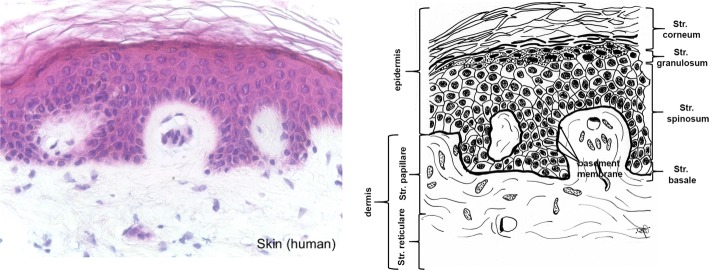
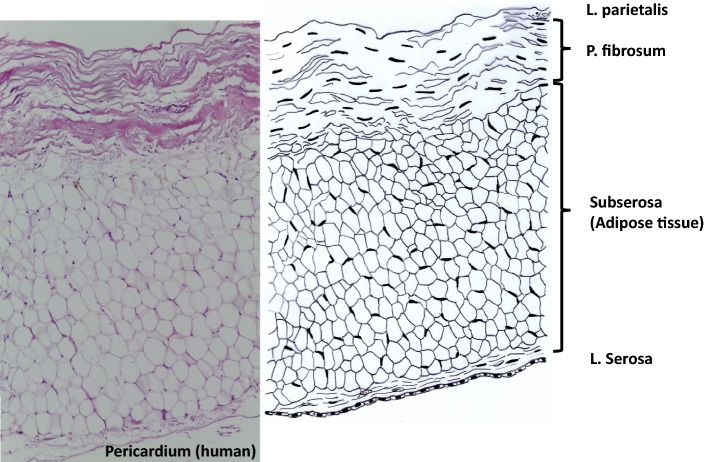
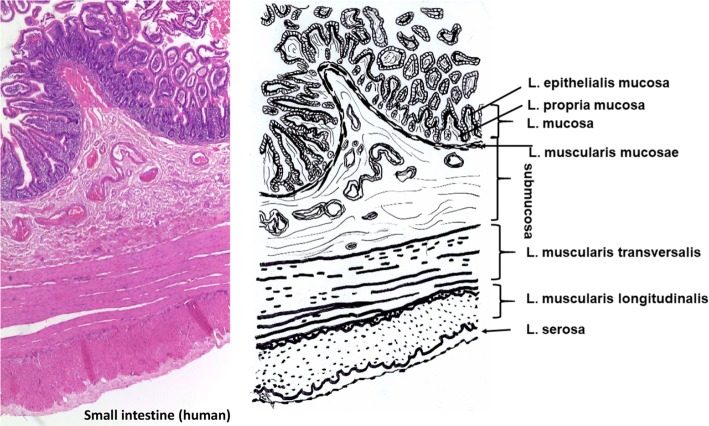
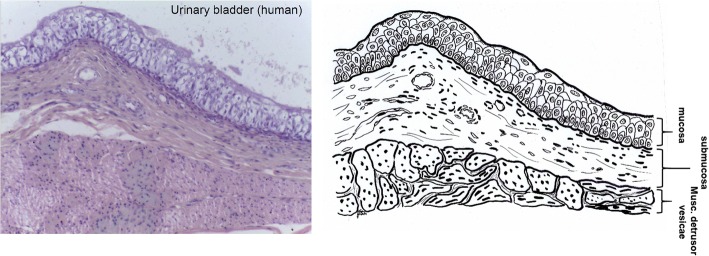
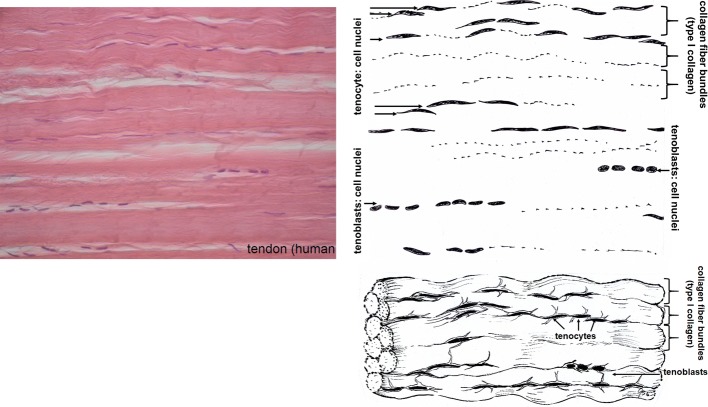
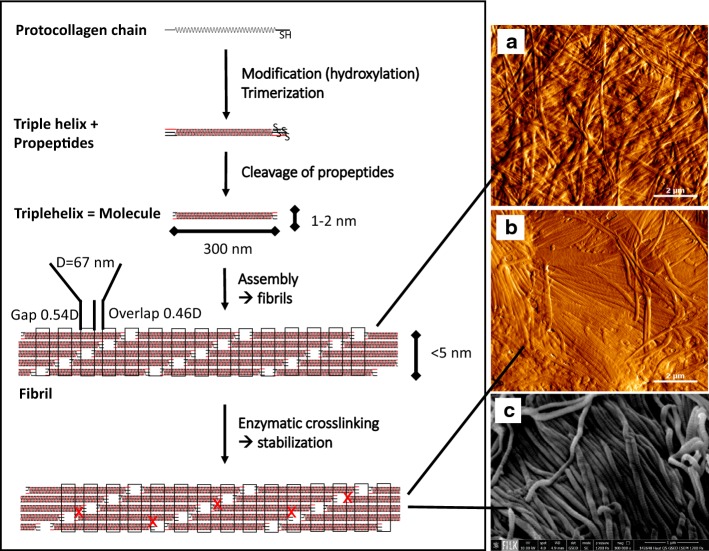
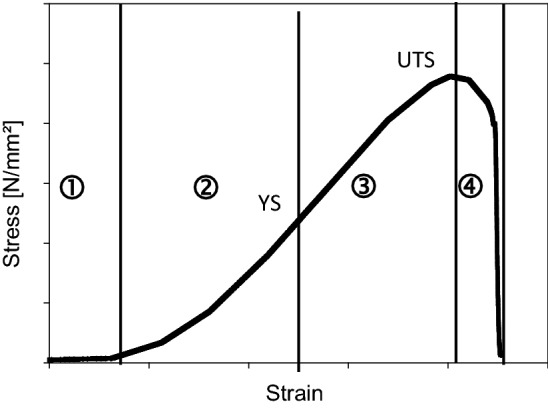
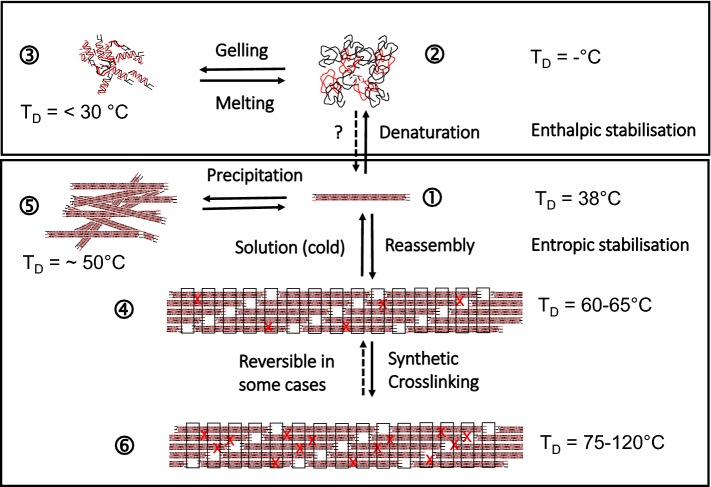
Verification
Claims the paper makes
The claims and statistics of this paper haven’t been checked yet.
Free: it reads the open-access text and checks the first 5 claims that cite a source we can check. Create a free account to check every claim.
Claims other papers make about this one
Each is checked against this paper’s own text: does it say what the citing paper says it does?
The source backs part of the claim, not all of it — or backs it for a different population, condition or comparison.
In the citing paper
“which can be associated with the reduction of lipid-soluble components, leaving behind only the denatured ECM molecules and water-soluble substances [65].”
From Effects of Various Decellularization Methods for the Development of Decellularized Extracellular Matrix from Tilapia (Oreochromis niloticus) Viscera (2024) · cites this paper as [65]
Experimental — accuracy not yet measured
Self-check
Percentages, sums and reported differences re-computed from the paper’s own numbers.
The self-check needs the paper’s full text.
Citations
Cites
1 retracted
Thompson, J. A., Haudenschild, C. C., Anderson, K. D., DiPietro, J. M., Anderson, W. F., & Maciag, T. (1989) · Proceedings of the National Academy of Sciences · doi:10.1073/pnas.86.20.7928 · Cited by 138
RetractedMolecular Mechanisms of Stress-Responsive Changes in Collagen and Elastin Networks in Skin
Aziz, J., Shezali, H., Radzi, Z., Yahya, N. A., Abu Kassim, N. H., Czernuszka, J., & Rahman, M. T. (2016) · Skin Pharmacology and Physiology · doi:10.1159/000447017 · Cited by 7,323
Collagen Structure and Stability
Shoulders, M. D., & Raines, R. T. (2009) · Annual Review of Biochemistry · doi:10.1146/annurev.biochem.77.032207.120833 · Cited by 3,923 · cited 1×
“Oxidation of lysine and hydroxylysine by lysyloxidase initiates the formation of the various natural enzyme-derived crosslinks [62, 508].”
BackgroundPolymers for 3D Printing and Customized Additive Manufacturing
Ligon, S. C., Liska, R., Stampfl, J., Gurr, M., & Mülhaupt, R. (2017) · Chemical Reviews · doi:10.1021/acs.chemrev.7b00074 · Cited by 3,741 · cited 1×
“Though metals and ceramics are processed as well, polymers are the most intensively utilized materials class [283].”
BackgroundAn overview of tissue and whole organ decellularization processes
Crapo, P. M., Gilbert, T. W., & Badylak, S. F. (2011) · Biomaterials · doi:10.1016/j.biomaterials.2011.01.057 · Cited by 3,591 · cited 7×
“The exact impact is unclear, however [20].”
BackgroundInfluentialMatrix Metalloproteinases: A Review
Birkedal-Hansen, H., Moore, W. G. I., Bodden, M. K., Windsor, L. J., Birkedal-Hansen, B., DeCarlo, A., & Engler, J. A. (1993) · Critical Reviews in Oral Biology & Medicine · doi:10.1177/10454411930040020401 · Cited by 2,970
Perfusion-decellularized matrix: using nature's platform to engineer a bioartificial heart
Ott, H. C., Matthiesen, T. S., Goh, S.-K., Black, L. D., Kren, S. M., Netoff, T. I., & Taylor, D. A. (2008) · Nature Medicine · doi:10.1038/nm1684 · Cited by 2,650 · cited 1×
“These investigations aimed to save the complex structures of the organs, especially the vascular networks and the mechanical stability of the constructs [18, 23, 214, 218, 260, 261] and others.”
BackgroundThe status, challenges, and future of additive manufacturing in engineering
Gao, W., Zhang, Y., Ramanujan, D., Ramani, K., Chen, Y., Williams, C. B., Wang, C. C. L., Shin, Y. C., Zhang, S., & Zavattieri, P. D. (2015) · Computer-Aided Design · doi:10.1016/j.cad.2015.04.001 · Cited by 2,631
Electrospinning of Collagen Nanofibers
Matthews, J. A., Wnek, G. E., Simpson, D. G., & Bowlin, G. L. (2002) · Biomacromolecules · doi:10.1021/bm015533u · Cited by 2,251
Decellularization of tissues and organs
Gilbert, T. W., Sellaro, T. L., & Badylak, S. F. (2006) · Biomaterials · doi:10.1016/j.biomaterials.2006.02.014 · Cited by 2,222 · cited 2×
“Nevertheless, after one or repeated freeze–thaw cycles, decellularization comprises an intensive treatment with complexing agents, surfactants, also alkaline and acids and possibly enzymes [3, 4, 20, 21].”
Background
Research works printed but not linked: 9
- 29. International Consensus. Acellular matrices for the treatment of wounds-an expert working group review. London: Wounds International; 2010.
- 68. Burjanadze T, Kiziria E, Mikeladze S. Molecular mechanism for the phylogenetic change of thermostability of fibril- forming collagen. Evidence that (Gly-X-Hyp) triplets are main factors determining stability of collagen. Bull Georg Natl Acad Sci. 2010;4:137-41.
- Savic Z, Savic I. Sausage Casings. 2nd ed. Wien: VICTUS International; 2016.
- Landmann W. The machines in the tannery: a review of leather produciong machinery and equipment in current use. Liverpool: World Trades Pub; 2003.
- Nageotte J. Coagulation fibrillaire in vitro du collagène dissous dans un acide dilué. Hebd Seances Acad Sci. 1927;184:115.
- Kühn K. The classical collagens: types I, II and III in structure and function of collagen types. New York: Academic Press; 1987. p. 1–42.
- Schroepfer M. Influences on thermal stability of fibrous collagen—calorimetric investigations. In: Talk at 5th Freiberg collagen symposium. Freiberg. 2012.
- Oetjen G-W, Haseley P. Transplants, collagen. Weinheim: Wiley-VCH; 2004. p. 333–40.
- Ruef C, Harbarth S, Henry A, Pittet D. Sterilisation mit ethylenoxid: anwendungen und grenzen, swiss-noso–nosokomiale infekt. Spit. 1997;4:3–6.
Cited by
Items 101–200 of 538
Distinct phenotypes of cancer cells on tissue matrix gel
Ruud, K. F., Hiscox, W. C., Yu, I., Chen, R. K., & Li, W. (2020) · Breast Cancer Research · doi:10.1186/s13058-020-01321-7 · Cited by 37
Chian, F. M., Kaur, L., Astruc, T., Vénien, A., Stübler, A., Aganovic, K., Loison, O., Hodgkinson, S. M., & Boland, M. (2020) · Food Chemistry · doi:10.1016/j.foodchem.2020.128500 · Cited by 33
Anisotropic 3D scaffolds for spinal cord guided repair: Current concepts
Sousa, J. P. M., Stratakis, E. I., Mano, J. F., & Marques, P. A. A. P. (2023) · Biomaterials Advances · doi:10.1016/j.bioadv.2023.213353 · Cited by 34
Recent Advances in the Modification and Improvement of Bioprosthetic Heart Valves
Tong, Q., Cai, J., Wang, Z., Sun, Y., Liang, X., Xu, Q., Mahamoud, O. A., Qian, Y., & Qian, Z. (2024) · Small · doi:10.1002/smll.202309844 · Cited by 38
Magnetic resonance contrast agents in optical clearing: Prospects for multimodal tissue imaging
Tuchina, D. K., Meerovich, I. G., Sindeeva, O. A., Zherdeva, V. V., Savitsky, A. P., Bogdanov, A. A., Jr., & Tuchin, V. V. (2020) · Journal of Biophotonics · doi:10.1002/jbio.201960249 · Cited by 35
A review on the processing technique, physicochemical, and bioactive properties of marine collagen
Shaik, M. I., Rahman, S. H. A., Yusri, A. S., Ismail‐Fitry, M. R., Kumar, N. S. S., & Sarbon, N. M. (2024) · Journal of Food Science · doi:10.1111/1750-3841.17273 · Cited by 49
Melotti, L., Martinello, T., Perazzi, A., Iacopetti, I., Ferrario, C., Sugni, M., Sacchetto, R., & Patruno, M. (2021) · Animals · doi:10.3390/ani11051219 · Cited by 35
Scalable Milk-Derived Whey Protein Hydrogel as an Implantable Biomaterial
Hu, Z., Cao, W., Shen, L., Sun, Z., Yu, K., Zhu, Q., Ren, T., Zhang, L., Zheng, H., Gao, C., et al. (2022) · ACS Applied Materials & Interfaces · doi:10.1021/acsami.2c02361 · Cited by 31
Smith, I. P., Domingos, M. A. N., Richardson, S. M., & Bella, J. (2023) · Marine Drugs · doi:10.3390/md21020059 · Cited by 34
“Thus, collagens are highly attractive substrates for use in biomedical research and medical device coating [1,3,4].”
BackgroundDesign and sustainability of polypeptide material systems
Yorke, S. K., Yang, Z., Wiita, E. G., Kamada, A., Knowles, T. P. J., & Buehler, M. J. (2025) · Nature Reviews Materials · doi:10.1038/s41578-025-00793-3 · Cited by 44
“Drop casting is particularly useful in creating bio-material coatings, thin films and layered materials 227–229 .”
Stem Cells and Hydrogels for Liver Tissue Engineering: Synergistic Cure for Liver Regeneration
Nadi, A., Moradi, L., Ai, J., & Asadpour, S. (2020) · Stem Cell Reviews and Reports · doi:10.1007/s12015-020-10060-3 · Cited by 31
“It is present in tendons, skin, blood vessels, cornea, bones, teeth, fish scales, pericardium, small intestine, urinary bladder, cartilage, and other tissues (Meyer, 2019).”
BackgroundHarris, M., Potgieter, J., Ishfaq, K., & Shahzad, M. (2021) · Materials · doi:10.3390/ma14112806 · Cited by 35
“The review highlights the effects of thermal and physical processing on collagen hydrolysate properties [5].”
BackgroundTziveleka, L., Kikionis, S., Karkatzoulis, L., Bethanis, K., Roussis, V., & Ioannou, E. (2022) · Marine Drugs · doi:10.3390/md20110664 · Cited by 32
Barrier membranes for periodontal guided bone regeneration: a potential therapeutic strategy
Wang, D., Zhou, X., Cao, H., Zhang, H., Wang, D., Guo, J., & Wang, J. (2023) · Frontiers in Materials · doi:10.3389/fmats.2023.1220420 · Cited by 35
Long, D., Cheng, X., Hao, Z., Sun, J., Diane, U., Liu, Y., Chen, L., Xiang, Z., Yang, F., & Zhao, A. (2021) · Matter · doi:10.1016/j.matt.2021.03.020 · Cited by 34
Niclot, F. B., Licini, C., Montalbano, G., Fiorilli, S., Mattioli‐Belmonte, M., & Vitale‐Brovarone, C. (2022) · Polymers · doi:10.3390/polym14050857 · Cited by 31
“Moreover, the biocompatibility of PLGA used as delivery systems of biomolecules, as well as bovine type I collagen, largely exploited as 3D support for cells, was widely demonstrated both in in vitro and in vivo studies reported in the literature [17,97,98].”
BackgroundNatural polymers for wound dressing applications
Yaşayan, G., Alarçın, E., Bal‐Öztürk, A., & Avci‐Adali, M. (2022) · Studies in natural products chemistry · doi:10.1016/b978-0-323-91099-6.00004-9 · Cited by 31
Huang, X., Zhang, Y., Zheng, X. H., Yu, G., Dan, N., Dan, W., Li, Z., Chen, Y., & Liu, X. (2022) · International Journal of Biological Macromolecules · doi:10.1016/j.ijbiomac.2022.07.199 · Cited by 31
Building biomaterials through genetic code expansion
Sisila, V., Indhu, M., Radhakrishnan, J., & Ayyadurai, N. (2022) · Trends in biotechnology · doi:10.1016/j.tibtech.2022.07.003 · Cited by 27
Natural biopolymer scaffold for meniscus tissue engineering
Peng, Y., Meng, L. M., Zhou, Z., Wang, C., Liu, E., Zhang, Y., Liu, T., & Zuo, J. (2022) · Frontiers in Bioengineering and Biotechnology · doi:10.3389/fbioe.2022.1003484 · Cited by 31
“However, the initial mechanical properties of the collagen scaffold may not be as good as the natural meniscus based on the processing technic and the collagenic own characteristic (Meyer, 2019) The ability of the injured meniscus to repair itself is limited to vascularized areas and is more susceptible to permanent p…”
BackgroundJiang, S., Liu, X., Liu, Y., Liu, J., He, W., & Dong, Y. (2019) · Journal of Photochemistry and Photobiology B Biology · doi:10.1016/j.jphotobiol.2019.111677 · Cited by 31
Binary polymer systems for biomedical applications
Afshar, A., Gültekinoğlu, M., & Edirisinghe, M. J. (2022) · International Materials Reviews · doi:10.1080/09506608.2022.2069451 · Cited by 29
“The distinct properties of collagen fi bres, as well as their extensive occurrence and relatively easy accessibility, continue to gain the attention of biomedical researchers from numerous fi elds [442 – 444].”
Human Cholangiocytes Form a Polarized and Functional Bile Duct on Hollow Fiber Membranes
Wang, Z., Faria, J., van der Laan, L. J. W., Penning, L. C., Masereeuw, R., & Spee, B. (2022) · Frontiers in Bioengineering and Biotechnology · doi:10.3389/fbioe.2022.868857 · Cited by 32
“In addition, even if the bioengineered bile duct consists of PDMS scaffolds, the inner channel formed with collagen and degradability of collagen (Meyer, 2019) could influence the bioengineered bile duct stability (Du et al., 2020).”
BackgroundZhang, Y., Su, D., Wang, Y., Wang, Z., Ren, Y., Liu, R., Du, B., Duan, R., Shi, Y., Liu, L., et al. (2022) · Biomaterials · doi:10.1016/j.biomaterials.2022.121870 · Cited by 28
Ali, S. M., Patrawalla, N. Y., Kajave, N. S., Brown, A. B., & Kishore, V. (2022) · Biomacromolecules · doi:10.1021/acs.biomac.2c00985 · Cited by 26
Engineering collagen-based biomaterials for cardiovascular medicine
Zuo, X., Xiao, Y., Yang, J., He, Y., He, Y., Liu, K., Chen, X., & Guo, J. (2024) · Collagen and Leather · doi:10.1186/s42825-024-00174-6 · Cited by 33
Gögele, C., Hahn, J., Elschner, C., Breier, A., Schröpfer, M., Prade, I., Meyer, M., & Schulze-Tanzil, G. G. (2020) · International Journal of Molecular Sciences · doi:10.3390/ijms21031132 · Cited by 27
Self-citationWillemse, J., van der Laan, L. J. W., de Jonge, J., & Verstegen, M. M. A. (2022) · Bioengineering · doi:10.3390/bioengineering9030110 · Cited by 28
Shanmugapriya, K., & Kang, H. W. (2021) · Colloids and Surfaces B Biointerfaces · doi:10.1016/j.colsurfb.2021.111769 · Cited by 26
Aquaponics-Derived Tilapia Skin Collagen for Biomaterials Development
Gallo, N., Natali, M. L., Quarta, A., Gaballo, A., Terzi, A., Sibillano, T., Giannini, C., Benedetto, G. E. D., Lunetti, P., Capobianco, L., et al. (2022) · Polymers · doi:10.3390/polym14091865 · Cited by 32
“, working temperature, acid treatment, pepsin-based treatment, mechanical fragmentation), and analytical techniques, may affect protein denaturation temperature [9,33,60,69,70].”
BackgroundEffects of Ionizing Radiation on Biopolymers for Applications as Biomaterials
Hara, M. (2022) · Biomedical Materials & Devices · doi:10.1007/s44174-022-00049-6 · Cited by 33
“Among 28 types of collagen reported, five major colla-gens (Type I, II, III, IV and V) are relatively abundant in animal tissues [1, 2, 74].”
InfluentialŁawkowska, K., Rosenbaum, C. M., Petrasz, P., Kluth, L. A., Koper, K., Drewa, T. A., Pokrywczyńska, M., & Adamowicz, J. (2023) · Frontiers in Bioengineering and Biotechnology · doi:10.3389/fbioe.2022.1040987 · Cited by 32
“On the other hand, the mechanical properties of scaffolds created from liquid collagen are challenging to balance due to the tendency during collagen solution dehydration to form rigid structures with a high young modulus (Meyer, 2019).”
BackgroundNanoclay-Reinforced Nanocomposite Nanofibers—Fundamentals and State-of-the-Art Developments
Kausar, A., Ahmad, I., Aldaghri, O. A., Ibnaouf, K. H., & Eisa, M. H. (2023) · Minerals · doi:10.3390/min13060817 · Cited by 28
“The distance between the spinneret and the collector influences fiber diameter and morphology [64].”
BackgroundPandita, G., Sharma, S., Oommen, I. E., Madaan, N., Bhosale, Y. K., Nagy, V. Á., Shaikh, A. M., & Kovács, B. (2024) · Ultrasonics Sonochemistry · doi:10.1016/j.ultsonch.2024.107087 · Cited by 25
“Cell walls, membranes and other structures are broken down by mechanical stress [68].”
BackgroundInvestigation of different pre-treatments of chromium leather shavings to improve biogas production
Gomes, C. S., Repke, J., & Meyer, M. (2020) · Journal of Leather Science and Engineering · doi:10.1186/s42825-020-00028-x · Cited by 24
Self-citationApplication of marine collagen for stem‑cell‑based therapy and tissue regeneration (Review)
Liu, C. (2021) · Medicine International · doi:10.3892/mi.2021.5 · Cited by 31
“There are ≥28 types of collagen in marine organisms (20).”
Three-dimensional tailor-made collagen-like proteins hydrogel for tissue engineering applications
Meganathan, I., Ashokraj, S., Shanmugam, G., & Ayyadurai, N. (2022) · Biomaterials Advances · doi:10.1016/j.bioadv.2022.212997 · Cited by 26
Three-Dimensional Culture for In Vitro Folliculogenesis in the Aspect of Methods and Materials
Khunmanee, S., & Park, H. (2022) · Tissue Engineering Part B Reviews · doi:10.1089/ten.teb.2021.0229 · Cited by 31
“117,118 121 The culture of mouse follicles in Col was established in the late 1980s.”
Ma, J., Wu, S., Liu, J., Liu, C., Ni, S., Dai, T., Wu, X., Zhang, Z., Qu, J., Zhao, H., et al. (2022) · Biomaterials Science · doi:10.1039/d2bm00547f · Cited by 24
Biomaterials from the value-added food wastes
Chakrapani, G. D., Zare, M., & Ramakrishna, S. (2022) · Bioresource Technology Reports · doi:10.1016/j.biteb.2022.101181 · Cited by 29
Collagen Alignment via Electro-Compaction for Biofabrication Applications: A Review
Carr, B. P., Chen, Z. X., Chung, J. H.-Y., & Wallace, G. G. (2022) · Polymers · doi:10.3390/polym14204270 · Cited by 24
Kacvinská, K., Pavliňáková, V., Poláček, P., Michlovská, L., Blahnová, V. H., Filová, E., Knoz, M., Lipový, B., Holoubek, J., Faldyna, M., et al. (2023) · Journal of Nanobiotechnology · doi:10.1186/s12951-023-01822-5 · Cited by 26
Temperature-Controlled Expression of a Recombinant Human-like Collagen I Peptide in Escherichia coli
Xie, W., Wu, Q., Kuang, Z., Cong, J., Zhang, Q., Huang, Y., Su, Z., & Xiang, Q. (2023) · Bioengineering · doi:10.3390/bioengineering10080926 · Cited by 24
Jeyachandran, S., & Aman, M. (2025) · Bioresources and Bioprocessing · doi:10.1186/s40643-025-00970-w · Cited by 26
“In addition, when collagen peptides are stored or processed, they can change which can influence both their functions and how long they stay usable (Meyer 2019).”
Gunasekaran, D., Thada, R., Jeyakumar, G. F. S., Manimegalai, N. P., Shanmugam, G., & Sivagnanam, U. T. (2020) · International Journal of Biological Macromolecules · doi:10.1016/j.ijbiomac.2020.10.107 · Cited by 24
An Optogenetic Platform to Dynamically Control the Stiffness of Collagen Hydrogels
Hopkins, E., Valois, E., Stull, A., Le, K., Pitenis, A. A., & Wilson, M. Z. (2020) · ACS Biomaterials Science & Engineering · doi:10.1021/acsbiomaterials.0c01488 · Cited by 22
Effects of Temperature on the FT NIR Raman Spectra of Fish Skin Collagen
Połomska, M., Kubisz, L., Wolak, J., & Hojan‐Jezierska, D. (2021) · Applied Sciences · doi:10.3390/app11188358 · Cited by 22
“The temperature range of approximately 300–400 K covers the temperature range expected in many biomedical applications as well as collagen stability against temperature [48].”
BackgroundDong, Y., Zhu, W., Lei, X., Luo, X., Xiang, Q., Zhu, X., Pan, Q., Jin, P., & Cheng, B. (2022) · Frontiers in Bioengineering and Biotechnology · doi:10.3389/fbioe.2022.908585 · Cited by 24
“…and recombinant human-like fibronectin were self-assemble by lyophilization to form the noticeable but irregular reticular structure, which may be used as scaffolds to produce a marked effect of chemotaxis and adhesion by attracting various cells and growth factors (Meyer, 2019) (Figure 2).”
MethodProspect and retrospect of 3D bio-printing
Prabhakaran, P., Palaniyandi, T., Kanagavalli, B., Kumar, V. R., Hari, R., Sandhiya, V., Baskar, G., Rajendran, B. K., & Sivaji, A. (2022) · Acta Histochemica · doi:10.1016/j.acthis.2022.151932 · Cited by 24
Devernois, E., & Coradin, T. (2023) · Gels · doi:10.3390/gels9070518 · Cited by 29
Xiang, J., Kang, L., Li, Z., Tseng, S.-L., Wang, L., Li, T.-H., Li, Z.-J., Huang, J., Yu, N. Z., & Long, X. (2024) · World Journal of Stem Cells · doi:10.4252/wjsc.v16.i4.334 · Cited by 25
Effects of non-enzymatic glycation on the micro- and nano-mechanics of articular cartilage
Moshtagh, P. R., Korthagen, N. M., van Rijen, M. H. P., Castelein, R. M., ZADPOOR, A. A., & Weinans, H. (2017) · Journal of the mechanical behavior of biomedical materials/Journal of mechanical behavior of biomedical materials · doi:10.1016/j.jmbbm.2017.09.035 · Cited by 22
Zhang, L., Gopalakrishnan, S., Li, K., Wang, L., Han, Y., & Rotello, V. M. (2020) · ACS Applied Materials & Interfaces · doi:10.1021/acsami.9b18256 · Cited by 22
Prospective Multicenter Evaluation of an Advanced Extracellular Matrix for Wound Management
Raizman, R., Hill, R., & Woo, K. Y. (2020) · Advances in Skin & Wound Care · doi:10.1097/01.asw.0000667052.74087.d6 · Cited by 24
“phase processing),(14,15) require reformation of the collagen fiber organization to recapitulate the structure found in tissues.(16) In contrast, the preparation of decellularized ECM scaffolds proceeds via a top-down, selective removal of cellular components with a focus on retaining the preexisting ECM structure, co…”
BackgroundRodrigues, M. Á. V., Bertolo, M. R. V., Horn, M. M., Lugão, A. B., Mattoso, L. H. C., & Plepis, A. M. D. G. (2024) · International Journal of Biological Macromolecules · doi:10.1016/j.ijbiomac.2024.137806 · Cited by 22
Zuniga, K., Gadde, M., Scheftel, J., Senecal, K. J., Cressman, E. N. K., Dyke, M. E. V., & Rylander, M. N. (2021) · International Journal of Hyperthermia · doi:10.1080/02656736.2021.1930202 · Cited by 24
Visser, D., Rogg, K., Fuhrmann, E., Marzi, J., Schenke‐Layland, K., & Hartmann, H. (2023) · Journal of Materials Chemistry B · doi:10.1039/d2tb02602c · Cited by 23
Biomaterials for Testicular Bioengineering: How far have we come and where do we have to go?
Horvath-Pereira, B. D. O., Almeida, G. H. D. R., da Silva-Júnior, L. N., do Nascimento, P. G., Pereira, B. D. O. H., Fireman, J. V. B. T., Pereira, M. L. D. R. F., Carreira, A. C. O., & Miglino, M. A. (2023) · Frontiers in Endocrinology · doi:10.3389/fendo.2023.1085872 · Cited by 28
Vijayan, V., Lakra, R., Korrapati, P. S., & Kiran, M. S. (2022) · Colloids and Surfaces B Biointerfaces · doi:10.1016/j.colsurfb.2022.112589 · Cited by 23
Can a Scaffold Enriched with Mesenchymal Stem Cells Be a Good Treatment for Spinal Cord Injury?
Blando, S., Anchesi, I., Mazzon, E., & Gugliandolo, A. (2022) · International Journal of Molecular Sciences · doi:10.3390/ijms23147545 · Cited by 21
“All triple helical parts of the collagen molecules have the repeating glycine at every third position (Gly–X–Y)n, with X and Y each being one of the 21 amino acids [40].”
BackgroundProton Transport Across Collagen Fibrils and Scaffolds: The Role of Hydroxyproline
Orieshyna, A., Puetzer, J. L., & Amdursky, N. (2023) · Biomacromolecules · doi:10.1021/acs.biomac.3c00326 · Cited by 21
ColMA ‐based bioprinted 3D scaffold allowed to study tenogenic events in human tendon stem cells
Cortella, G., Lamparelli, E. P., Ciardulli, M. C., Lovecchio, J., Giordano, E., Maffulli, N., & Porta, G. D. (2024) · Bioengineering & Translational Medicine · doi:10.1002/btm2.10723 · Cited by 21
“14 Despite its intriguing properties, a scaffold exclusively made from ColMA has not yet been reported.”
Fabrication and applications of biofunctional collagen biomaterials in tissue engineering
Ullah, S., & Zainol, I. (2025) · International Journal of Biological Macromolecules · doi:10.1016/j.ijbiomac.2025.139952 · Cited by 28
The Mutable Collagenous Tissue of Echinoderms: From Biology to Biomedical Applications
Wilkie, I. C., Sugni, M., Gupta, H. S., Carnevali, C., & Elphick, M. R. (2021) · Royal Society of Chemistry eBooks · doi:10.1039/9781839161124-00001 · Cited by 30
Ishida‐Ishihara, S., Takada, R., Furusawa, K., Ishihara, S., & Haga, H. (2022) · Scientific Reports · doi:10.1038/s41598-022-24423-y · Cited by 23
Fernandes, G. V. O., de Castro, F. C., Pereira, R. M. A., Teixeira, W., Gehrke, S. A., Joly, J. C., Blanco, J., & Fernandes, J. C. H. (2023) · Clinical Oral Implants Research · doi:10.1111/clr.14210 · Cited by 20
Identification of a human type XVII collagen fragment with high capacity for maintaining skin health
Wang, X., Yu, S., Sun, R., Xu, K., Wang, K., Wang, R., Zhang, J., Tao, W., Yu, S., Linghu, K., et al. (2024) · Synthetic and Systems Biotechnology · doi:10.1016/j.synbio.2024.06.001 · Cited by 19
“Collagen-based biomaterials are biocompatible and widely applied for repair of defects to cartilage, bone, and skin, in addition to dental implants [4].”
BackgroundIn VitroInvestigation of Jellyfish Collagen as a Tool in Cell Culture and (Bone) Tissue Engineering
Alkildani, S., Jung, O., & Barbeck, M. (2021) · Anticancer Research · doi:10.21873/anticanres.14822 · Cited by 26
Extraction and characterization of pepsin-soluble collagen from different mantis shrimp species
Hiransuchalert, R., Oonwiset, N., Imarom, Y., Chindudsadeegul, P., Laongmanee, P., & Arnupapboon, S. (2021) · Fisheries and aquatic sciences · doi:10.47853/fas.2021.e42 · Cited by 18
“The most abundant type of collagen in the body, type I, is found in the bones, skin, tendons, and organs (Meyer, 2019).”
BackgroundNanocomposite Nanofibers of Graphene—Fundamentals and Systematic Developments
Kausar, A., Ahmad, I., Zhao, T., Aldaghri, O. A., Ibnaouf, K. H., & Eisa, M. H. (2023) · Journal of Composites Science · doi:10.3390/jcs7080323 · Cited by 20
Yang, X., Guo, D., Ji, X., Shi, C., Messina, J. M., Suo, L., & Luo, J. (2024) · Acta Biomaterialia · doi:10.1016/j.actbio.2024.02.041 · Cited by 17
Navigating the combinations of platelet-rich fibrin with biomaterials used in maxillofacial surgery
Ieviņa, L., & Dubņika, A. (2024) · Frontiers in Bioengineering and Biotechnology · doi:10.3389/fbioe.2024.1465019 · Cited by 23
“Collagen is the most abundant protein in the human body, providing a scaffold for cells and aiding in the transfer of internal and external forces (Meyer, 2019).”
BackgroundResultAqueous Processed Biopolymer Interfaces for Single-Cell Microarrays
Ferrara, V., Zito, G., Arrabito, G., Cataldo, S., Scopelliti, M., Giordano, C. S. D. S., Vetri, V., & Pignataro, B. (2020) · ACS Biomaterials Science & Engineering · doi:10.1021/acsbiomaterials.9b01871 · Cited by 17
Ciprofloxacin-Collagen-Based Materials with Potential Oral Surgical Applications
Ioan, D.-C., Rau, I. B., Kaya, M. G. A., Radu, N., Bostan, M., Zgârian, R. G., Tihan, G. T., Dinu‐Pîrvu, C., Lupuliasa, A. I., & Ghica, M. V. (2020) · Polymers · doi:10.3390/polym12091915 · Cited by 17
Effects and metabolism of fish collagen sponge in repairing acute wounds of rat skin
Wang, L., Qu, Y., Li, W., Wang, K., & Qin, S. (2023) · Frontiers in Bioengineering and Biotechnology · doi:10.3389/fbioe.2023.1087139 · Cited by 27
“Therefore, it can be used as a new source of collagen for the preparation of skin wound repair materials for the treatment of severe wounds (Copes et al., 2019; Lin et al., 2019; Meyer, 2019; Wu et al., 2020).”
MethodOil degrading lipases and their role in environmental pollution
Basha, P. A. (2020) · Elsevier eBooks · doi:10.1016/b978-0-12-821406-0.00025-4 · Cited by 16
The Emerging Use of ASC/Scaffold Composites for the Regeneration of Osteochondral Defects
Rahman, G., Frazier, T. P., Gimble, J. M., & Mohiuddin, O. A. (2022) · Frontiers in Bioengineering and Biotechnology · doi:10.3389/fbioe.2022.893992 · Cited by 20
“It provides high biocompatibility for cells and displays load-bearing capability due to its fibrous structure (Meyer, 2019).”
BackgroundZhang, J., Han, P., Yuan, H., Tang, Y., & Xiao, X. (2022) · Journal of Paediatrics and Child Health · doi:10.1111/jpc.16147 · Cited by 16
Recent advancements and perspective of ciprofloxacin-based antimicrobial polymers
Kanth, S. M., Puttaiahgowda, Y. M., Gupta, S., & Thottathil, S. (2022) · Journal of Biomaterials Science Polymer Edition · doi:10.1080/09205063.2022.2145872 · Cited by 18
“The in vitro release of CPF was studied [96] at different time intervals from 2h upto 24 h and the maximum burst was observed for C3 with 43.”
BackgroundEngenharia de materiais: materializando o futuro
Lara, N. (2022) · Pimenta Cultural eBooks · doi:10.31560/pimentacultural/2022.94258 · Cited by 17
Stephens, C. H., Morrison, R. A., McLaughlin, M. R., Orr, K. S., Tersey, S. A., Scott‐Moncrieff, J. C., Mirmira, R. G., Considine, R. V., & Voytik‐Harbin, S. L. (2020) · American Journal of Physiology-Endocrinology and Metabolism · doi:10.1152/ajpendo.00066.2020 · Cited by 19
Bax, D. V., Nair, M., Weiss, A. S., Farndale, R. W., Best, S. M., & Cameron, R. E. (2021) · Acta Biomaterialia · doi:10.1016/j.actbio.2021.08.027 · Cited by 18
3D-printed constructs deliver bioactive cargos to expedite cartilage regeneration
Jiao, R., Lin, X., Wang, J., Zhu, C., Hu, J., Gao, H., & Zhang, K. (2023) · Journal of Pharmaceutical Analysis · doi:10.1016/j.jpha.2023.12.015 · Cited by 19
Singh, G., Satpathi, S., Reddy, B. V. G., Singh, M. K., Sarangi, S., Behera, P. K., & Nayak, B. (2023) · Frontiers in Bioengineering and Biotechnology · doi:10.3389/fbioe.2023.1253804 · Cited by 16
Multifunctional DNA-Collagen Biomaterials: Developmental Advances and Biomedical Applications
Pipis, N., James, B. D., & Allen, J. B. (2025) · ACS Biomaterials Science & Engineering · doi:10.1021/acsbiomaterials.4c01475 · Cited by 15
Trends in Bio-Derived Biomaterials in Tissue Engineering
Chouhan, D., Kaushik, S., & Arora, D. (2021) · Springer eBooks · doi:10.1007/978-981-16-0002-9_6 · Cited by 17
ПОЛУЧЕНИЕ ФРАКЦИЙ КОЛЛАГЕНА И ГИДРОКСИАПАТИТА ИЗ РЫБЬЕЙ ЧЕШУИ
Воробьев, В. И., & Нижникова, Е. В. (2021) · KSTU News · doi:10.46845/1997-3071-2021-62-80-91 · Cited by 16
Engineered collagen/PLLA composite fillers to induce rapid and long-term collagen regeneration
Chang, S., Zhao, M., Gao, W., Cao, J., & He, B. (2024) · Journal of Materials Chemistry B · doi:10.1039/d4tb02159b · Cited by 16
Mechanistic Insights into Bioprosthetic Heart Valve Calcification and Anti-Calcification Strategies
Yang, Y., Lan, L., & Lin, Y. (2025) · Reviews in Cardiovascular Medicine · doi:10.31083/rcm36688 · Cited by 18
Applications of some biopolymeric materials as medical implants: An overview
Bansal, P., Katiyar, D., Prakash, S., Rao, N. G. R., Saxena, V., Kumar, V., & Kumar, A. (2022) · Materials Today Proceedings · doi:10.1016/j.matpr.2022.05.480 · Cited by 19
The sternum reconstruction: Present and future perspectives
Aramini, B., Masciale, V., Radaelli, L. F. Z., Sgarzani, R., Dominici, M., & Stella, F. (2022) · Frontiers in Oncology · doi:10.3389/fonc.2022.975603 · Cited by 20
Kim, E., Kim, K.-H., Kim, H., Lee, D., Li, S., Han, M., & Jung, H.-S. (2023) · Journal of Advanced Research · doi:10.1016/j.jare.2023.08.012 · Cited by 15
“Collagen is widely distributed in various tissues such as bones, skin, tendons, and teeth [27].”
BackgroundDevelopment of Biodegradable Bioplastics with Sericin and Gelatin from Silk Cocoons and Fish Waste
Vijayakumar, N., Sanjay, A. V., Al‐Ghanim, K. A., Nicoletti, M., Baskar, G., Kumar, R., & Govindarajan, M. (2024) · Toxics · doi:10.3390/toxics12070453 · Cited by 24
“…the Accordingly, gelatin has been used to produce packaging materials that are good for the environment and can be used for various edible products [43]. biocomposite can create a triple helix structure when the temperature and other environmental packaging materials that are good for the…”
BackgroundAhmad, S. M., Hameed, H., Al‐Hussain, S. A., Khan, M. A., Tariq, U., Paiva‐Santos, A. C., Irfan, A., & Zaki, M. E. A. (2025) · Carbohydrate Polymer Technologies and Applications · doi:10.1016/j.carpta.2025.100742 · Cited by 16
Modification of relevant polymeric materials for medical applications and devices
Velazco‐Medel, M. A., Camacho‐Cruz, L. A., & Bucio, E. (2020) · Medical Devices & Sensors · doi:10.1002/mds3.10073 · Cited by 14
Energy and water efficiency in the gelatine production plant
Wojdalski, J., Krajnik, M., Borowski, P. F., Dróżdż, B., & Kupczyk, A. (2020) · AIMS Geosciences · doi:10.3934/geosci.2020027 · Cited by 15
The effect of universal adhesives on dentine collagen
Anastasiadis, K., Verdelis, K., & Eliades, G. (2021) · Dental Materials · doi:10.1016/j.dental.2021.05.004 · Cited by 14
van der Sanden, B. P. J., Gredy, L., Wion, D., & Stéphan, O. (2021) · Acta Biomaterialia · doi:10.1016/j.actbio.2021.06.021 · Cited by 20
Proteomics as a tool to gain next level insights into photo-crosslinkable biopolymer modifications
Pien, N., Bray, F., Gheysens, T., Tytgat, L., Rolando, C. H., Mantovani, D., Dubruel, P., & Vlierberghe, S. V. (2022) · Bioactive Materials · doi:10.1016/j.bioactmat.2022.01.023 · Cited by 18
Ahn, J., Kim, S. A., Kim, K. W., Oh, J. H., & Kim, S. J. (2019) · PLoS ONE · doi:10.1371/journal.pone.0217601 · Cited by 14
Metadata
- Authors
- Meyer, M.
- Affiliations
- Forschungsinstitut für Leder und Kunststoffbahnen (DE)
- Corresponding author
- Meyer, Michael
- ORCID
- Meyer, Michael
- Venue
- BioMedical Engineering OnLine
- Published
- 2019-03-18
- Volume
- 18
- Issue
- 1
- Pages
- 24-24
- ISSN
- 1475-925X (ISSN-L)
- PMC
- PMC6423854
- OpenAlex
- W2939654433
- Semantic Scholar
- 3b421ab6ace8ea0a3cb20ecbde76d6c9ab3688ce
- Cited by
- 539
- References
- 511
- Citations by year
- 2026: 46 · 2025: 63 · 2024: 82 · 2023: 76 · 2022: 119 · 2021: 88 · 2020: 54 · 2019: 10
- FWCI
- 4.30
- Type
- journal article
- Language
- en
- Open access
- gold
- doi.org
- Licence
- cc-by
- creativecommons.org/licenses/by/4.0/ (tdm)
- Locations
- BioMedical Engineering OnLine (publishedVersion, cc-by)
- Europe PMC (PubMed Central) (publishedVersion, cc-by)
- PubMed Central (publishedVersion, cc-by)
- PubMed (publishedVersion)
- DOAJ (DOAJ: Directory of Open Access Journals) (submittedVersion)
- Topics
- Physical Sciences › Materials Science › Biomaterials › Collagen: Extraction and Characterization
- Physical Sciences › Materials Science › Biomaterials › Silk-based biomaterials and applications
- Health Sciences › Medicine › Surgery › Tissue Engineering and Regenerative Medicine
- Keywords
- collagen, collagen-based biomaterials, decellularization, tissue processing, scaffolds, porous sponge, membranes, chemical crosslinking, drying methods, sterilization, enzymatic degradation, thermal stability, bioinks, 3D bioprinting, collagen peptides, biocompatibility
- MeSH terms
- Animals, Biocompatible Materials, Collagen, Humans, Materials Testing, Mechanical Phenomena
About these checks
Registry, retraction, Cites and statistics results are computed, not judged, with one exception: a printed reference that no index lists is read once by a model before it counts as a citation error. Claims are extracted by a model and kept only when their quote appears verbatim in the text; each cited source is then checked, with a model’s help, for whether it says what the claim relies on. Those verdicts can be wrong — read the claim’s quote and the cited source before relying on one.
Statistics and arithmetic are recomputed, not judged.
Confidence bands are shown only for fields calibrated on our annotated test set. None is calibrated yet, so no band is shown.
What counts as a claim ›How we measure confidence ›How we check this ›
Are you an author, or do you see a problem with this page? Request a review
Data sources
Bibliographic data: Semantic Scholar, OpenAlex, Crossref.
Contains information from the Semantic Scholar Academic Graph Datasets, made available under the ODC Attribution License (ODC-BY 1.0).
Semantic Scholar’s data is described in: Kinney, R., et al. (2023). The Semantic Scholar Open Data Platform. arXiv:2301.10140.
