

Processing of collagen based biomaterials and the resulting materials properties
Open accessThe DOI matches its Crossref record; 514 of the 514 references it cites were found in a registry or an index.
Abstract
Collagen, the most abundant extracellular matrix protein in animal kingdom belongs to a family of fibrous proteins, which transfer load in tissues and which provide a highly biocompatible environment for cells. This high biocompatibility makes collagen a perfect biomaterial for implantable medical products and scaffolds for in vitro testing systems. To manufacture collagen based solutions, porous sponges, membranes and threads for surgical and dental purposes or cell culture matrices, collagen rich tissues as skin and tendon of mammals are intensively processed by physical and chemical means. Other tissues such as pericardium and intestine are more gently decellularized while maintaining their complex collagenous architectures. Tissue processing technologies are organized as a series of steps, which are combined in different ways to manufacture structurally versatile materials with varying properties in strength, stability against temperature and enzymatic degradation and cellular response. Complex structures are achieved by combined technologies. Different drying techniques are performed with sterilisation steps and the preparation of porous structures simultaneously. Chemical crosslinking is combined with casting steps as spinning, moulding or additive manufacturing techniques. Important progress is expected by using collagen based bio-inks, which can be formed into 3D structures and combined with live cells. This review will give an overview of the technological principles of processing collagen rich tissues down to collagen hydrolysates and the methods to rebuild differently shaped products. The effects of the processing steps on the final materials properties are discussed especially with regard to the thermal and the physical properties and the susceptibility to enzymatic degradation. These properties are key features for biological and clinical application, handling and metabolization.
Overview
The claims and statistics of this paper haven’t been checked yet.
Free: it reads the open-access text and checks the first 5 claims that cite a source we can check. Create a free account to check every claim.
Integrity signals
Registry
Cites
Statistics
Figures
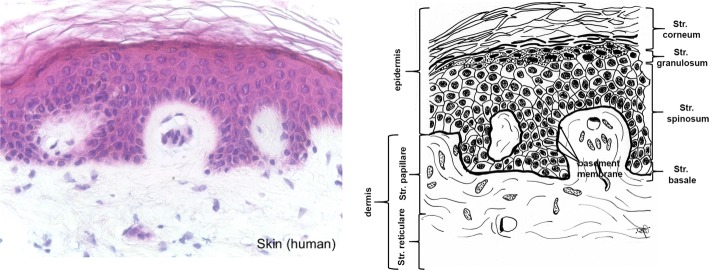
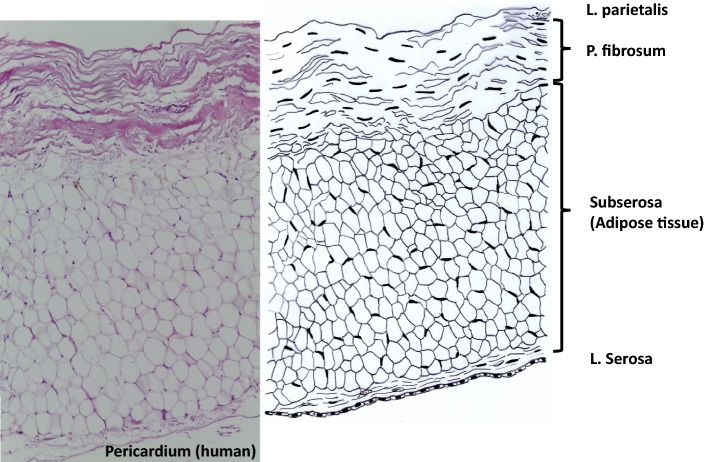
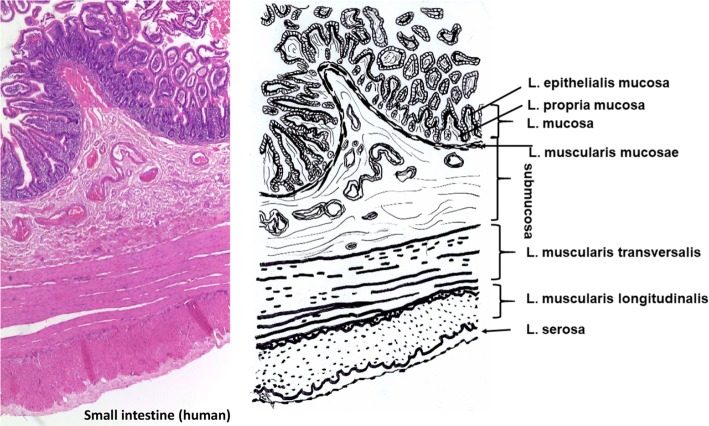
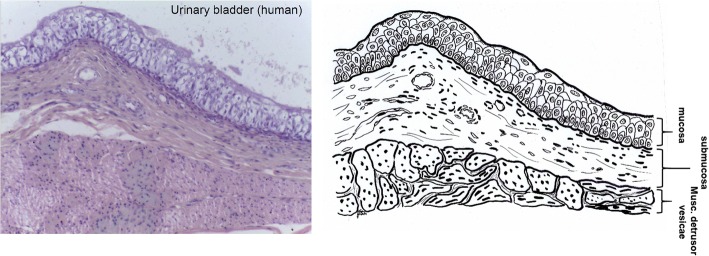
Verification
Claims the paper makes
The claims and statistics of this paper haven’t been checked yet.
Free: it reads the open-access text and checks the first 5 claims that cite a source we can check. Create a free account to check every claim.
Claims other papers make about this one
Each is checked against this paper’s own text: does it say what the citing paper says it does?
The source backs part of the claim, not all of it — or backs it for a different population, condition or comparison.
In the citing paper
“which can be associated with the reduction of lipid-soluble components, leaving behind only the denatured ECM molecules and water-soluble substances [65].”
From Effects of Various Decellularization Methods for the Development of Decellularized Extracellular Matrix from Tilapia (Oreochromis niloticus) Viscera (2024) · cites this paper as [65]
Experimental — accuracy not yet measured
Self-check
Percentages, sums and reported differences re-computed from the paper’s own numbers.
The self-check needs the paper’s full text.
Citations
Cites
1 retracted
Thompson, J. A., Haudenschild, C. C., Anderson, K. D., DiPietro, J. M., Anderson, W. F., & Maciag, T. (1989) · Proceedings of the National Academy of Sciences · doi:10.1073/pnas.86.20.7928 · Cited by 138
RetractedMolecular Mechanisms of Stress-Responsive Changes in Collagen and Elastin Networks in Skin
Aziz, J., Shezali, H., Radzi, Z., Yahya, N. A., Abu Kassim, N. H., Czernuszka, J., & Rahman, M. T. (2016) · Skin Pharmacology and Physiology · doi:10.1159/000447017 · Cited by 7,323
Collagen Structure and Stability
Shoulders, M. D., & Raines, R. T. (2009) · Annual Review of Biochemistry · doi:10.1146/annurev.biochem.77.032207.120833 · Cited by 3,923 · cited 1×
“Oxidation of lysine and hydroxylysine by lysyloxidase initiates the formation of the various natural enzyme-derived crosslinks [62, 508].”
BackgroundPolymers for 3D Printing and Customized Additive Manufacturing
Ligon, S. C., Liska, R., Stampfl, J., Gurr, M., & Mülhaupt, R. (2017) · Chemical Reviews · doi:10.1021/acs.chemrev.7b00074 · Cited by 3,741 · cited 1×
“Though metals and ceramics are processed as well, polymers are the most intensively utilized materials class [283].”
BackgroundAn overview of tissue and whole organ decellularization processes
Crapo, P. M., Gilbert, T. W., & Badylak, S. F. (2011) · Biomaterials · doi:10.1016/j.biomaterials.2011.01.057 · Cited by 3,591 · cited 7×
“The exact impact is unclear, however [20].”
BackgroundInfluentialMatrix Metalloproteinases: A Review
Birkedal-Hansen, H., Moore, W. G. I., Bodden, M. K., Windsor, L. J., Birkedal-Hansen, B., DeCarlo, A., & Engler, J. A. (1993) · Critical Reviews in Oral Biology & Medicine · doi:10.1177/10454411930040020401 · Cited by 2,970
Perfusion-decellularized matrix: using nature's platform to engineer a bioartificial heart
Ott, H. C., Matthiesen, T. S., Goh, S.-K., Black, L. D., Kren, S. M., Netoff, T. I., & Taylor, D. A. (2008) · Nature Medicine · doi:10.1038/nm1684 · Cited by 2,650 · cited 1×
“These investigations aimed to save the complex structures of the organs, especially the vascular networks and the mechanical stability of the constructs [18, 23, 214, 218, 260, 261] and others.”
BackgroundThe status, challenges, and future of additive manufacturing in engineering
Gao, W., Zhang, Y., Ramanujan, D., Ramani, K., Chen, Y., Williams, C. B., Wang, C. C. L., Shin, Y. C., Zhang, S., & Zavattieri, P. D. (2015) · Computer-Aided Design · doi:10.1016/j.cad.2015.04.001 · Cited by 2,631
Electrospinning of Collagen Nanofibers
Matthews, J. A., Wnek, G. E., Simpson, D. G., & Bowlin, G. L. (2002) · Biomacromolecules · doi:10.1021/bm015533u · Cited by 2,251
Decellularization of tissues and organs
Gilbert, T. W., Sellaro, T. L., & Badylak, S. F. (2006) · Biomaterials · doi:10.1016/j.biomaterials.2006.02.014 · Cited by 2,222 · cited 2×
“Nevertheless, after one or repeated freeze–thaw cycles, decellularization comprises an intensive treatment with complexing agents, surfactants, also alkaline and acids and possibly enzymes [3, 4, 20, 21].”
Background
Research works printed but not linked: 9
- 29. International Consensus. Acellular matrices for the treatment of wounds-an expert working group review. London: Wounds International; 2010.
- 68. Burjanadze T, Kiziria E, Mikeladze S. Molecular mechanism for the phylogenetic change of thermostability of fibril- forming collagen. Evidence that (Gly-X-Hyp) triplets are main factors determining stability of collagen. Bull Georg Natl Acad Sci. 2010;4:137-41.
- Savic Z, Savic I. Sausage Casings. 2nd ed. Wien: VICTUS International; 2016.
- Landmann W. The machines in the tannery: a review of leather produciong machinery and equipment in current use. Liverpool: World Trades Pub; 2003.
- Nageotte J. Coagulation fibrillaire in vitro du collagène dissous dans un acide dilué. Hebd Seances Acad Sci. 1927;184:115.
- Kühn K. The classical collagens: types I, II and III in structure and function of collagen types. New York: Academic Press; 1987. p. 1–42.
- Schroepfer M. Influences on thermal stability of fibrous collagen—calorimetric investigations. In: Talk at 5th Freiberg collagen symposium. Freiberg. 2012.
- Oetjen G-W, Haseley P. Transplants, collagen. Weinheim: Wiley-VCH; 2004. p. 333–40.
- Ruef C, Harbarth S, Henry A, Pittet D. Sterilisation mit ethylenoxid: anwendungen und grenzen, swiss-noso–nosokomiale infekt. Spit. 1997;4:3–6.
Cited by
Items 501–538 of 538
Freeze-dried and imprinted collagen scaffolds in tendon engineering
Sallent, I., Chaniotaki, L., & Zeugolis, D. I. (2025) · Biomaterials Advances · doi:10.1016/j.bioadv.2025.214681
Hypertrophic scars: modern concepts of prevention and treatment
Borzykh, O. B., Karpova, E. I., Petrova, M. М., Shnayder, N. S., & Danilova, S. V. (2026) · Vestnik dermatologii i venerologii · doi:10.25208/vdv16939
Opportunities and Challenges in Developing the Leather Industry in Kazakhstan: A Review
Sabyrkhanova, S., & Efendioğlu, N. Ö. (2026) · Fibres and Textiles in Eastern Europe · doi:10.2478/ftee-2026-0001
“While several substitutes have been proposed, none have matched the functional characteristics of leather according to established reference standards [8 – 10].”
Araujo, B. L. P., Tardelli, J. D. C., & dos Reis, A. C. (2026) · Journal of Oral and Maxillofacial Surgery Medicine and Pathology · doi:10.1016/j.ajoms.2026.03.012
Carrancá, M. (2020) · theses.fr (ABES) · doi:10.70675/9ebfc782zc8faz41e7zb6baz17728233e051 · Cited by 2
Nanofunctionalization and biofabrication of natural hydrogels for tissue engineering applications
Elkhoury, K. (2021) · theses.fr (ABES) · doi:10.70675/eb89d540z2a2az4cb5za3b1z61f65bdba8a0 · Cited by 1
Loste-Berdot, M. (2022) · theses.fr (ABES) · doi:10.70675/c54f650ez529az439azb20czdb0499c5ea9a
Development of new fibrin-based biomaterials
Wang, K. (2021) · theses.fr (ABES) · doi:10.70675/12582ccczfbeaz445cz94bfzc28a82d6bfc0
Maier, K. G., Muqri, F., Guo, D., Kassem, M. M., DaCosta, M., Bruch, D., Luo, J., & Gahtan, V. (2026) · Journal of Surgical Research · doi:10.1016/j.jss.2026.03.064
Yang, S., Fu, F., Wang, H., Xue, Y., Wang, L., Tian, X., & Chen, G. (2026) · Research Square · doi:10.21203/rs.3.rs-9297273/v1
Jayachitra, S., Mohandoss, S., Sakayasheela, L., & Suja, S. (2026) · Chemical Papers · doi:10.1007/s11696-026-04926-y
Characterization of structural proteins as biopolymer materials and their potential applications
Alprol, A. E., & Sallam, E. R. (2026) · Elsevier eBooks · doi:10.1016/b978-0-443-33393-4.00009-8
Assessment of Bovine Collagen Manufactured via Cellular Agriculture
Ahmed, N., Goodwin, C. M., Hales, M., Camacho, J., Gilchrist, C., & Shirwaiker, R. A. (2026) · ACS Biomaterials Science & Engineering · doi:10.1021/acsbiomaterials.5c02203
“40,58,60 To advance translational use, studies should evaluate CB collagen in relevant tissue engineering contexts using appropriate cell types and scaffold geometries, and systematically assess bioprintability parameters such as print fidelity, structural retention, and postprinting stability.”
InfluentialLiu, T., Park, J., Okafor, S. S., Montgomery, S. K., Goestenkors, A. P., Semar, B. A., Alvarez, R. M., O'Hare, C. P., Wu, Y., Yu, J. S., et al. (2026) · ACS Applied Materials & Interfaces · doi:10.1021/acsami.6c09421
Advanced fabrication protocol of an elastic porous membrane for organ-on-a-chip applications
Than, N., & Kim, H. J. (2026) · SLAS TECHNOLOGY · doi:10.1016/j.slast.2026.100431 · Cited by 1
“Collagen-or fibrin-based membranes are mechanically fragile, prone to cracking when dried or swelling and creep when hydrated [29], while also exhibiting bonding instability with microfluidic channel materials [30,31].”
孙, 孝. (2026) · Advances in Clinical Medicine · doi:10.12677/acm.2026.1652047
Progressive environmental membranes of nanocomposite nanofibers
Kausar, A. (2026) · Elsevier eBooks · doi:10.1016/b978-0-443-44350-3.00007-5
Chirilă, T. V., & Suzuki, S. (2026) · Photochem · doi:10.3390/photochem6030034
Biofabricated 3D Tendon Constructs: A New Window into Tendon Physiology and Pathology
Cortella, G., & Porta, G. D. (2026) · Stem cell biology and regenerative medicine · doi:10.1007/978-3-032-30294-6_9
Kannan, K., Kiran, M. S., & Lakra, R. (2026) · Journal of Drug Delivery Science and Technology · doi:10.1016/j.jddst.2026.108719
Biomimetic, self-healing occlusive hydrogel membranes for effective guided bone regeneration
Kim, Y. M., Bae, H., Shin, H., Kim, H., Hwang, S., Ahn, J., Lee, S.-W., & Ryu, J. H. (2026) · Journal of Advanced Research · doi:10.1016/j.jare.2026.07.039
Fatimatuzzahroh, D., Nugrahini, A., Ningrum, A., Santoso, U., & Manikharda, M. (2026) · Sustainable Food Technology · doi:10.1039/d5fb00793c
Zhou, N., Zhang, K., Wang, Y., Xu, J. Q., Sathiskumar, S., Chen, L., Wang, J., Li, J., Liang, Y., Si, T., et al. (2026) · Colloids and Surfaces B Biointerfaces · doi:10.1016/j.colsurfb.2026.116009 · Cited by 1
Natural polymer-based barrier membranes: Collagen and chitosan
Lotfazar, M. (2026) · Elsevier eBooks · doi:10.1016/b978-0-443-45917-7.00006-9
Liu, C., Li, Z., Zhang, Y., Zhu, W., Zhang, B., & Huang, X. (2026) · Journal of Materials Chemistry B · doi:10.1039/d6tb00943c
Zhu, L., Liang, Q., Zhang, G., Wang, Z., Shen, Z., Fu, X., Zhu, C., & Mou, H. (2026) · Biotechnology and Bioengineering · doi:10.1002/bit.70311
Physicochemical properties of carbon/hydroxyapatite/fibrin-based composite scaffolds
Rahman, S. F., Andya, S., Pakpahan, V. M., Yulianti, E. S., Tiurma, Y. M., Syanahan, N., Azwani, W., Irnadiastputri, S. F. R., Whulanza, Y., Hermawan, H., et al. (2026) · Next Materials · doi:10.1016/j.nxmate.2026.103261
Anas, M. M., Gabr, A. M., El-Makaky, Y., & Helal, M. H. (2026) · International Journal of Implant Dentistry · doi:10.1186/s40729-026-00711-4
“Collagen membranes are widely used for their easy handling, resorbabil-ity, and low complication rates, but risk graft collapse due to limited rigidity [52].”
Филатова, А. В., Азимова, Л. Б., Radjabov, O. I., & Turaev, A. S. (2026) · chemistry of plant raw material · doi:10.14258/jcprm.20260317314
Decellularized matrices in tracheal tissue engineering: Expanding horizons in regenerative medicine
Shabib, M., Khan, M. S., Paul, M. K., & Kapat, K. (2026) · Materials Today Chemistry · doi:10.1016/j.mtchem.2026.104057
Delicious or disgusting: contrary views of a traditional offal dish among users and non-users
de Kock, H. L., Chakwizira, V., Kinnear, M., Fisher, H., & Tuorila, H. (2026) · International Journal of Gastronomy and Food Science · doi:10.1016/j.ijgfs.2026.101694
Wu, H., Dong, M., Jiang, S., Tu, L., Tao, X., Wu, L., Ai, Y., Sun, Q., Xiao, Y., & Peng, Y. (2026) · BioFactors · doi:10.1002/biof.70159
“The chosen extraction protocol shapes the molecular integrity, amino acid composition, molecular weight distribution, and downstream pro-cessability of the final product [28].”
Carrier-Based Local Antibiotic Delivery for Osteomyelitis in Dogs and Cats: A Narrative Review
Ferrigno, C. R. A. (2026) · Pets · doi:10.3390/pets3040047
Li, Z., Ke, Y., Prasad, V., Han, Z., Thomas, I., Cazade, P., Yang, F., & Li, J. (2026) · Advanced Healthcare Materials · doi:10.1002/adhm.71848
Vijayan, N. M., Babu, D. P., Caner, B., Shyam, R., Palaniappan, A., & Kishore, V. (2026) · Journal of Biomedical Materials Research Part A · doi:10.1002/jbm.a.70165
Use of natural nanofibers in various key cancers
Verma, A. (2026) · Elsevier eBooks · doi:10.1016/b978-0-443-41702-3.00009-x
Collagen-based medical devices: technological basis and clinical studies
Voloshin, S., Giliazova, A., Rudakov, E., Istranova, E. V., Timashev, P. S., & Antoshin, A. (2026) · Frontiers in Bioengineering and Biotechnology · doi:10.3389/fbioe.2026.1971640
Metadata
- Authors
- Meyer, M.
- Affiliations
- Forschungsinstitut für Leder und Kunststoffbahnen (DE)
- Corresponding author
- Meyer, Michael
- ORCID
- Meyer, Michael
- Venue
- BioMedical Engineering OnLine
- Published
- 2019-03-18
- Volume
- 18
- Issue
- 1
- Pages
- 24-24
- ISSN
- 1475-925X (ISSN-L)
- PMC
- PMC6423854
- OpenAlex
- W2939654433
- Semantic Scholar
- 3b421ab6ace8ea0a3cb20ecbde76d6c9ab3688ce
- Cited by
- 539
- References
- 511
- Citations by year
- 2026: 46 · 2025: 63 · 2024: 82 · 2023: 76 · 2022: 119 · 2021: 88 · 2020: 54 · 2019: 10
- FWCI
- 4.30
- Type
- journal article
- Language
- en
- Open access
- gold
- doi.org
- Licence
- cc-by
- creativecommons.org/licenses/by/4.0/ (tdm)
- Locations
- BioMedical Engineering OnLine (publishedVersion, cc-by)
- Europe PMC (PubMed Central) (publishedVersion, cc-by)
- PubMed Central (publishedVersion, cc-by)
- PubMed (publishedVersion)
- DOAJ (DOAJ: Directory of Open Access Journals) (submittedVersion)
- Topics
- Physical Sciences › Materials Science › Biomaterials › Collagen: Extraction and Characterization
- Physical Sciences › Materials Science › Biomaterials › Silk-based biomaterials and applications
- Health Sciences › Medicine › Surgery › Tissue Engineering and Regenerative Medicine
- Keywords
- collagen, collagen-based biomaterials, decellularization, tissue processing, scaffolds, porous sponge, membranes, chemical crosslinking, drying methods, sterilization, enzymatic degradation, thermal stability, bioinks, 3D bioprinting, collagen peptides, biocompatibility
- MeSH terms
- Animals, Biocompatible Materials, Collagen, Humans, Materials Testing, Mechanical Phenomena
About these checks
Registry, retraction, Cites and statistics results are computed, not judged, with one exception: a printed reference that no index lists is read once by a model before it counts as a citation error. Claims are extracted by a model and kept only when their quote appears verbatim in the text; each cited source is then checked, with a model’s help, for whether it says what the claim relies on. Those verdicts can be wrong — read the claim’s quote and the cited source before relying on one.
Statistics and arithmetic are recomputed, not judged.
Confidence bands are shown only for fields calibrated on our annotated test set. None is calibrated yet, so no band is shown.
What counts as a claim ›How we measure confidence ›How we check this ›
Are you an author, or do you see a problem with this page? Request a review
Data sources
Bibliographic data: Semantic Scholar, OpenAlex, Crossref.
Contains information from the Semantic Scholar Academic Graph Datasets, made available under the ODC Attribution License (ODC-BY 1.0).
Semantic Scholar’s data is described in: Kinney, R., et al. (2023). The Semantic Scholar Open Data Platform. arXiv:2301.10140.
